Review: Shonen Knife at Milk Bar
Shonen Knife at Milk Bar
w/ Turnstyle
Wednesday, October 21, 2026
Nostalgia can be a trap: old songs become tests, each new turn measured against a version already filed away. At Milk Bar, the past was onstage twice: Shonen Knife toured the re-cut of Let’s Knife, the 1992 album that widened their audience amid grunge’s paradigm shift; Perth’s Turnstyle were returning to live shows after a long stretch away.
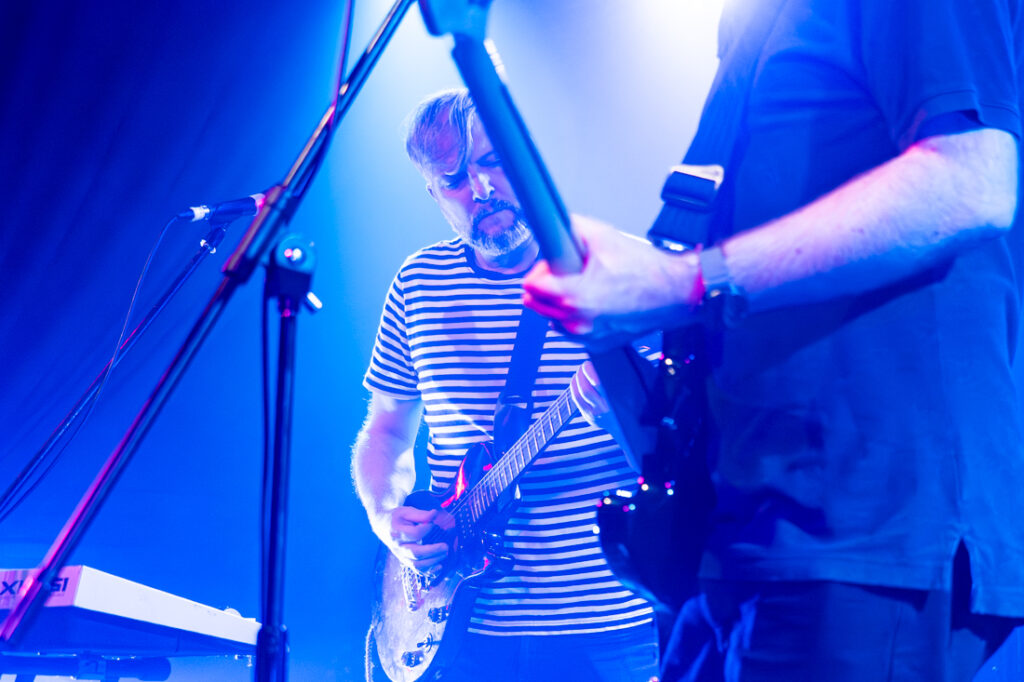
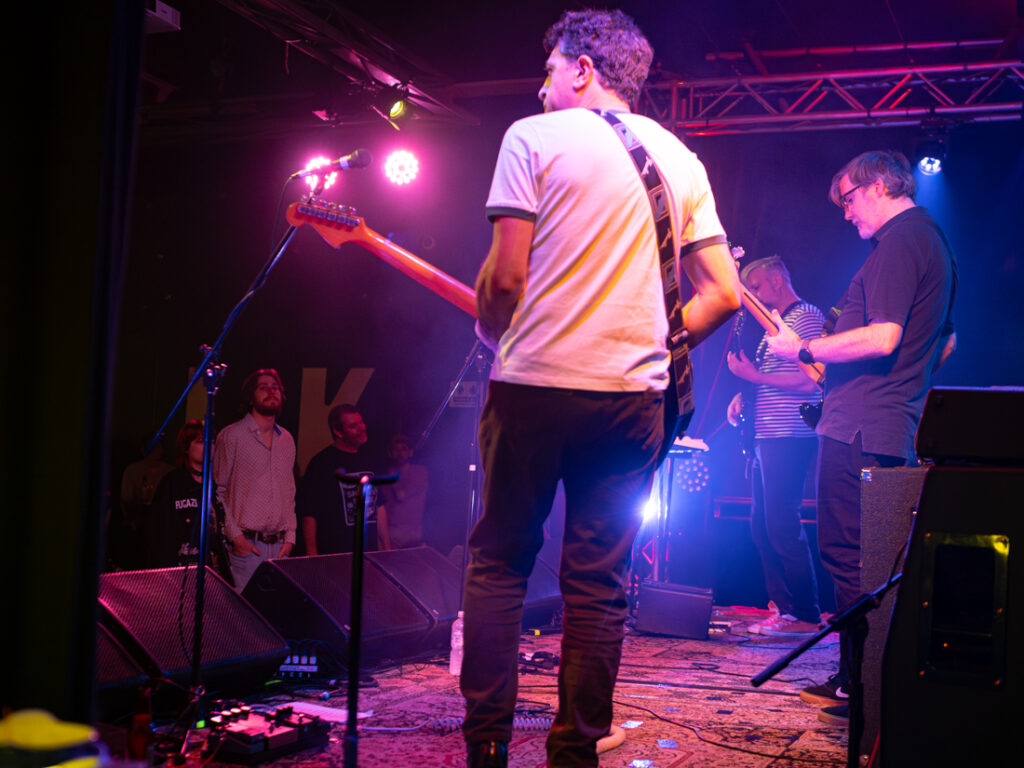
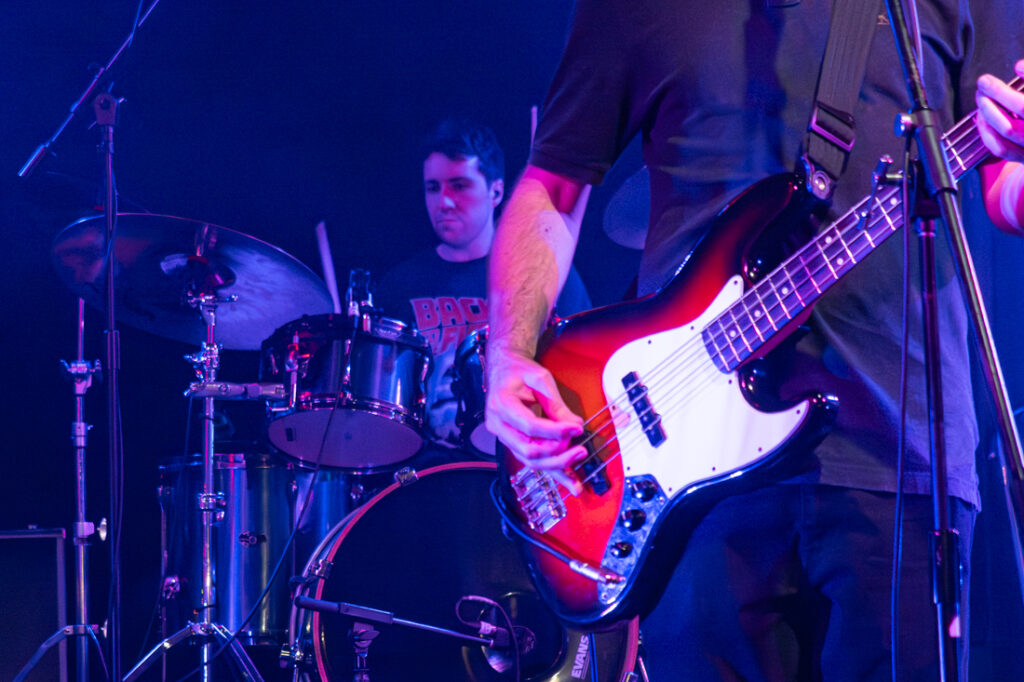
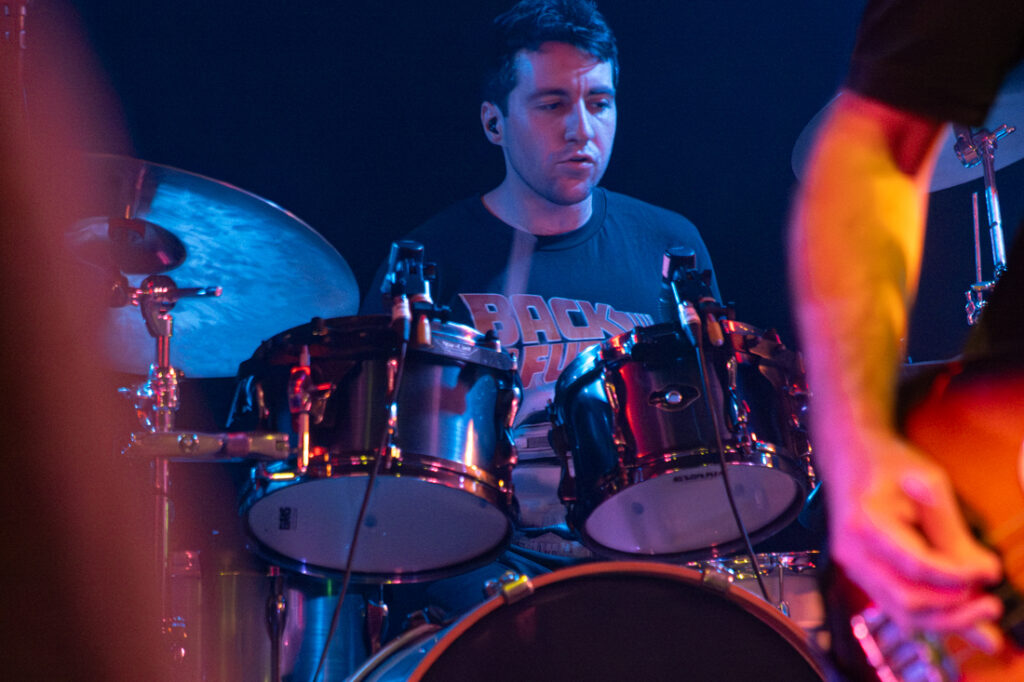
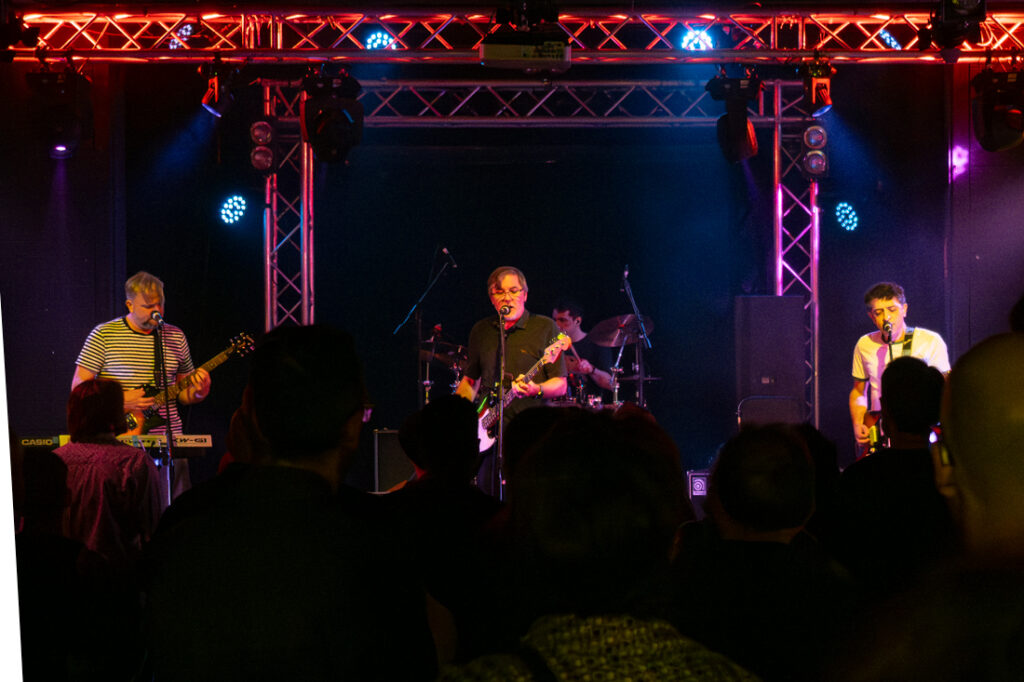
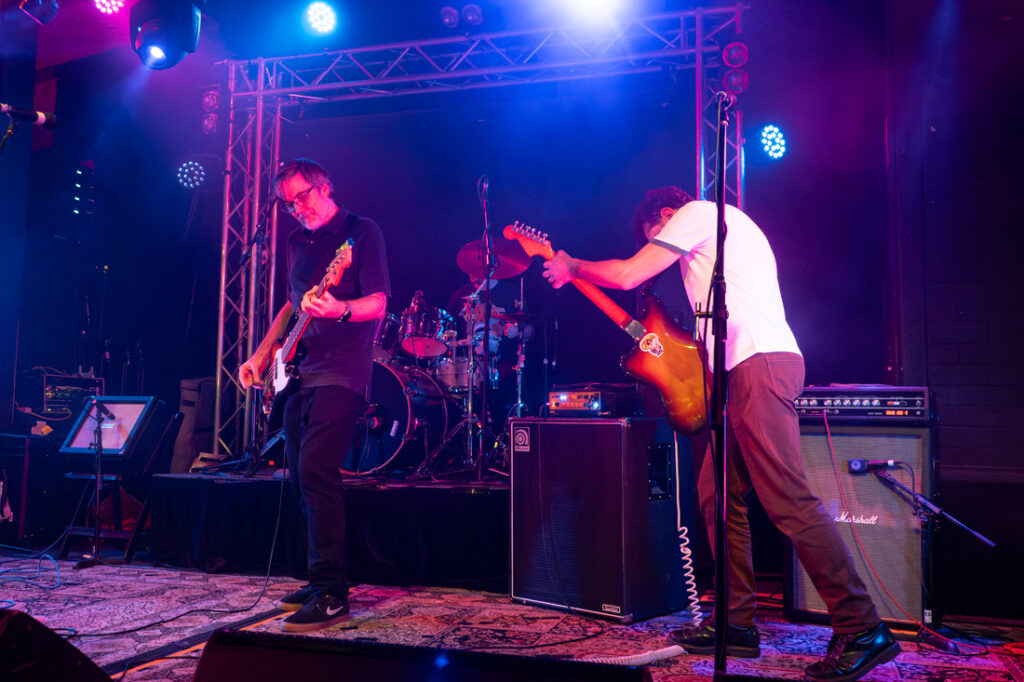
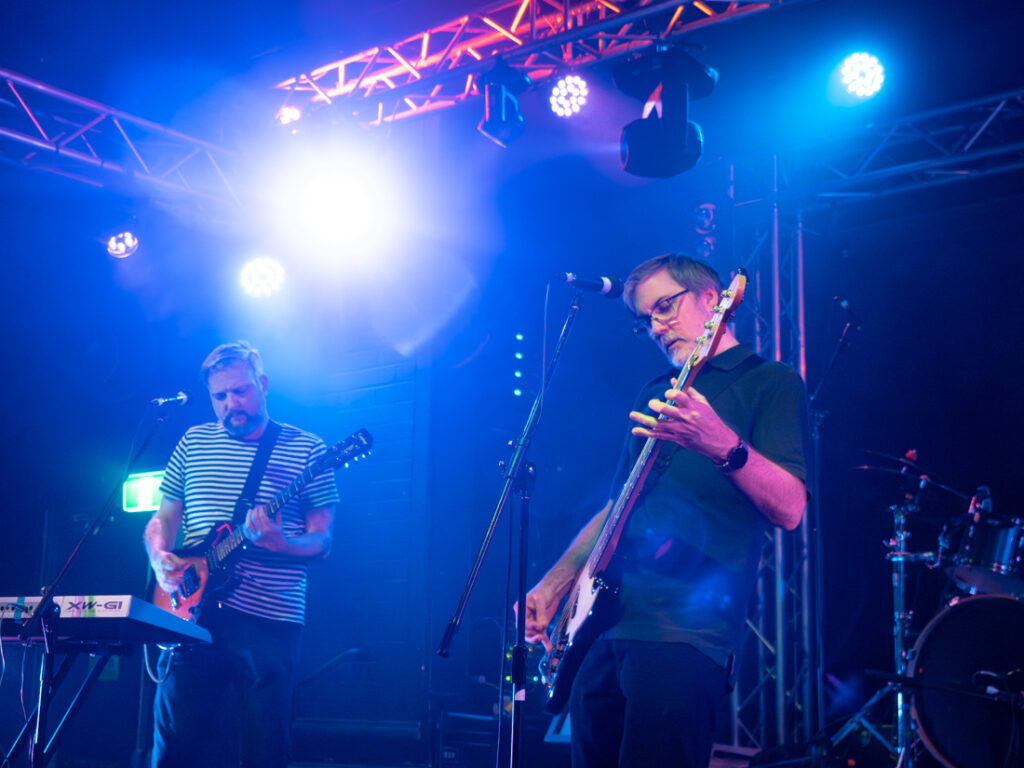
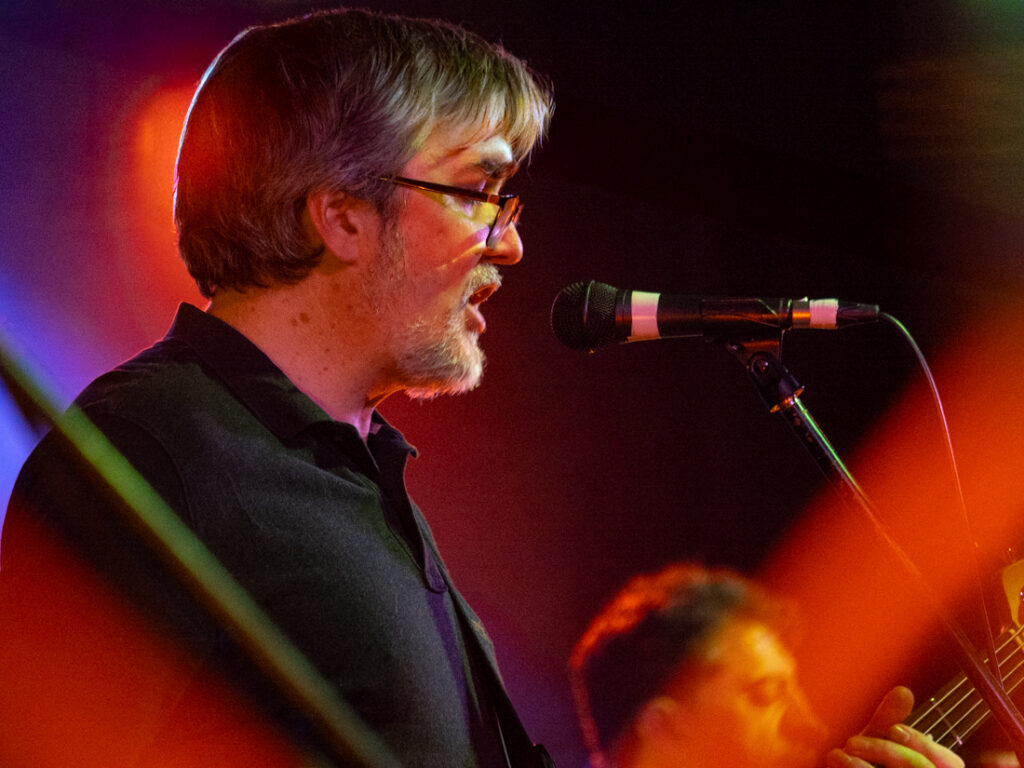
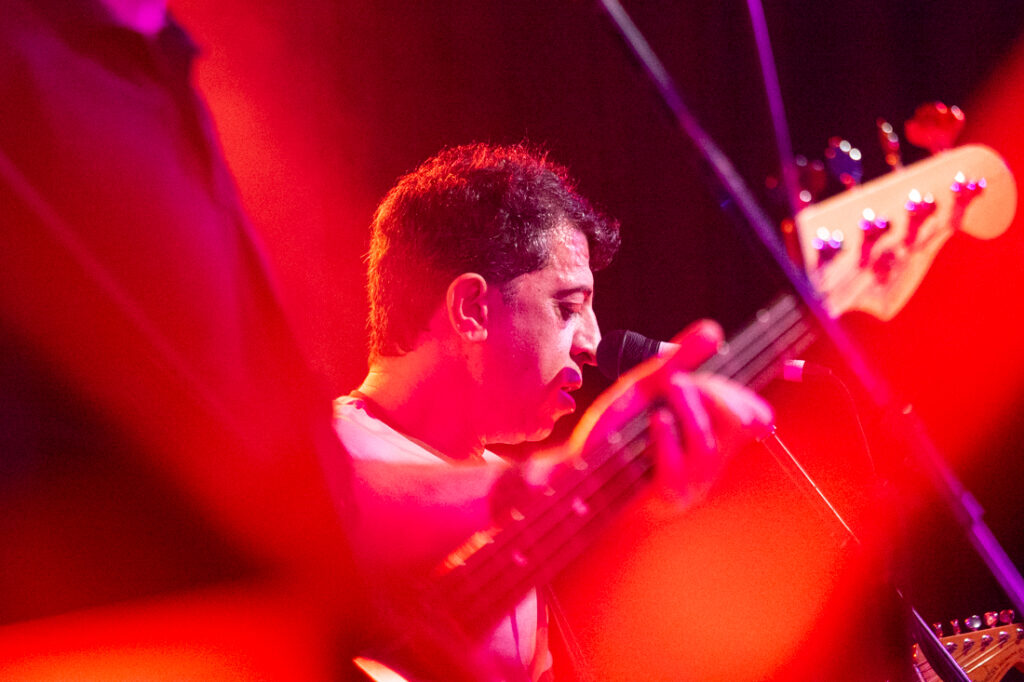
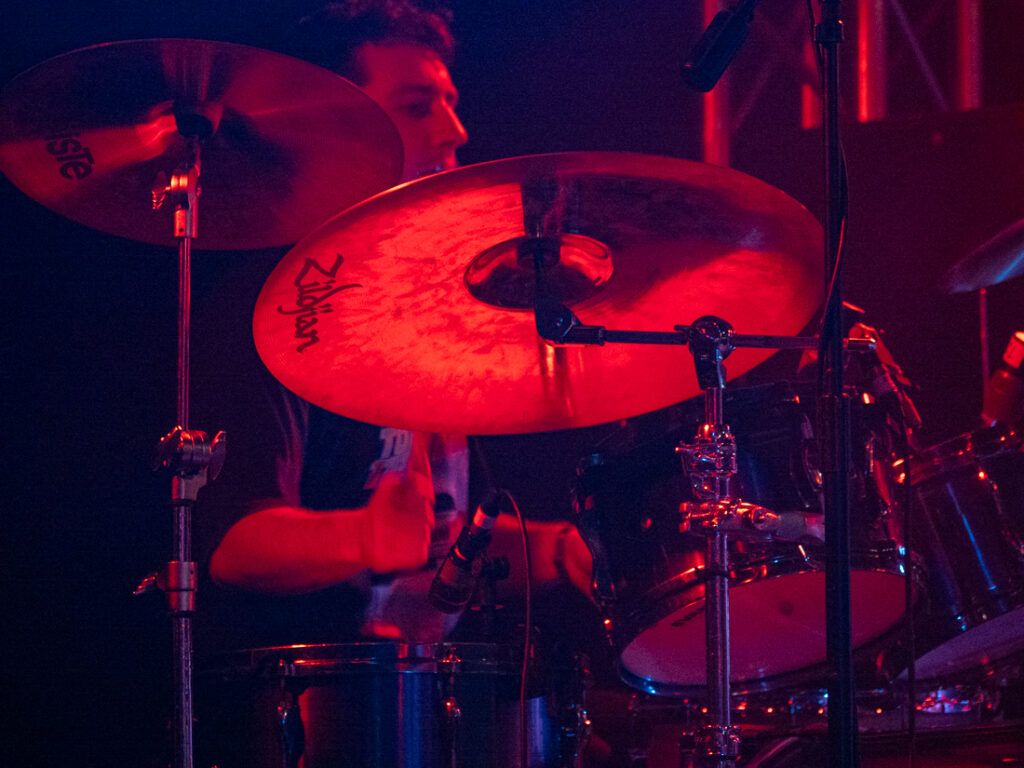
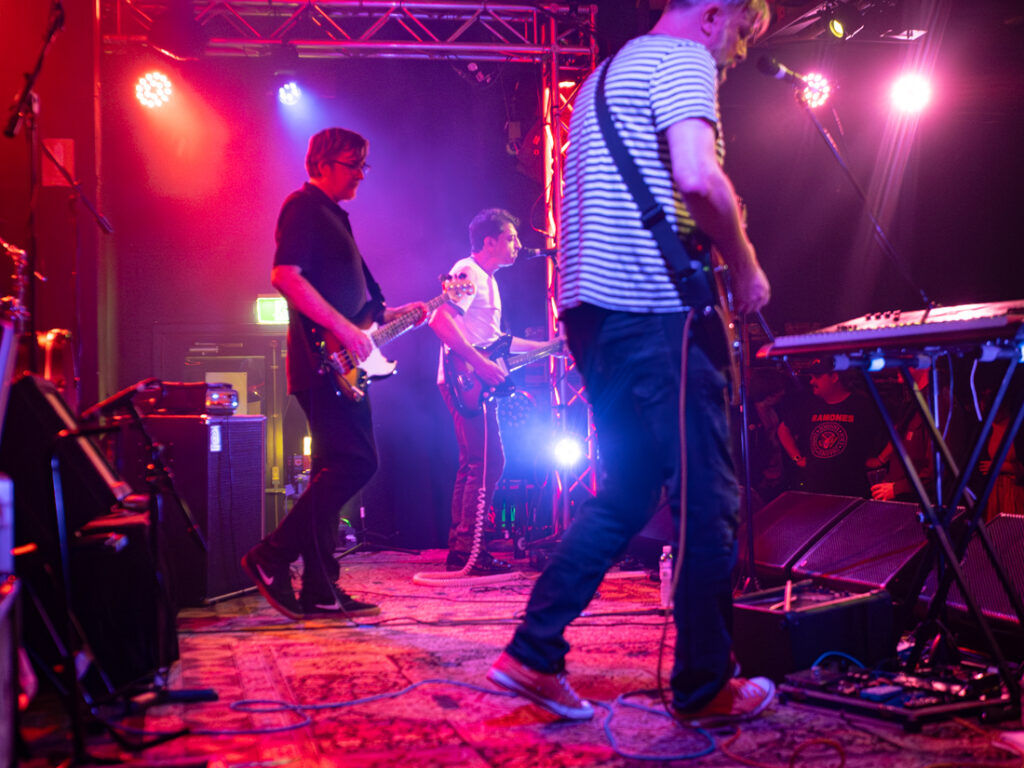
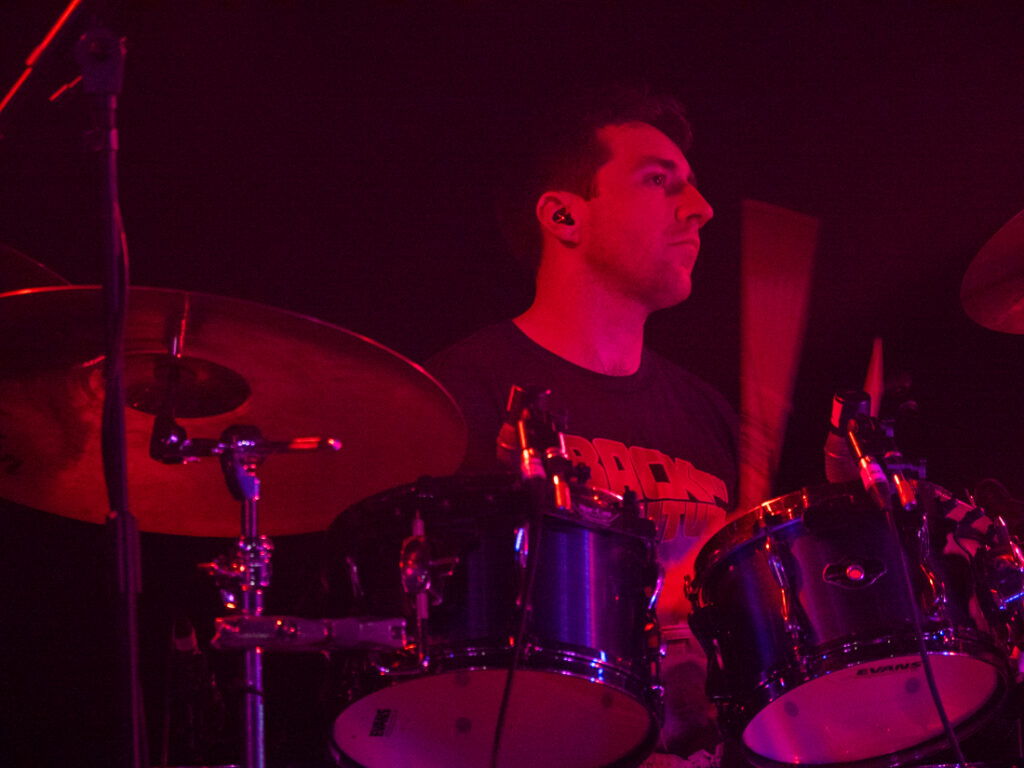
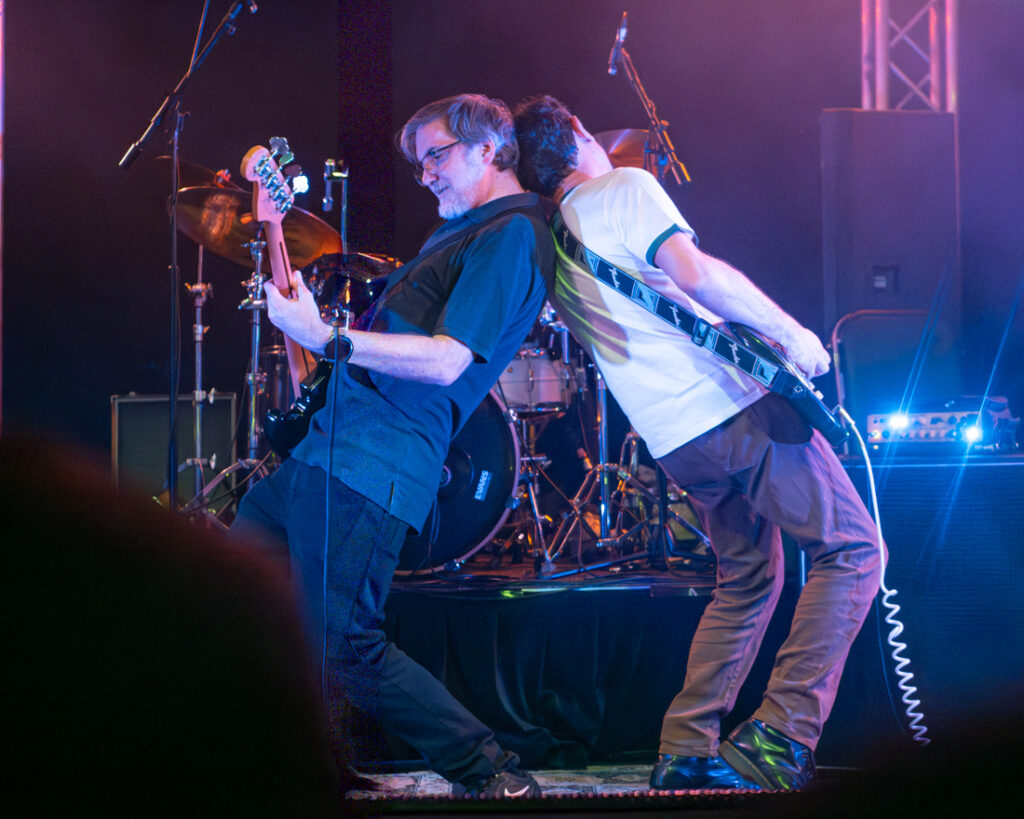
The room was still light on bodies when Turnstyle started (it was certainly a night for nostalgia with a Frenzal show drawing some folks elsewhere), but they made the most of it, making new pals amongst familiar friends. Their melodies had bright, carefully shaped late-’90s indie-rock hooks, Weezer-adjacent with scruffier Pavement-like builds that kept things loose. They didn’t sound like a band reproducing a decade though; the songs had room to wobble, turn, and lock in again.
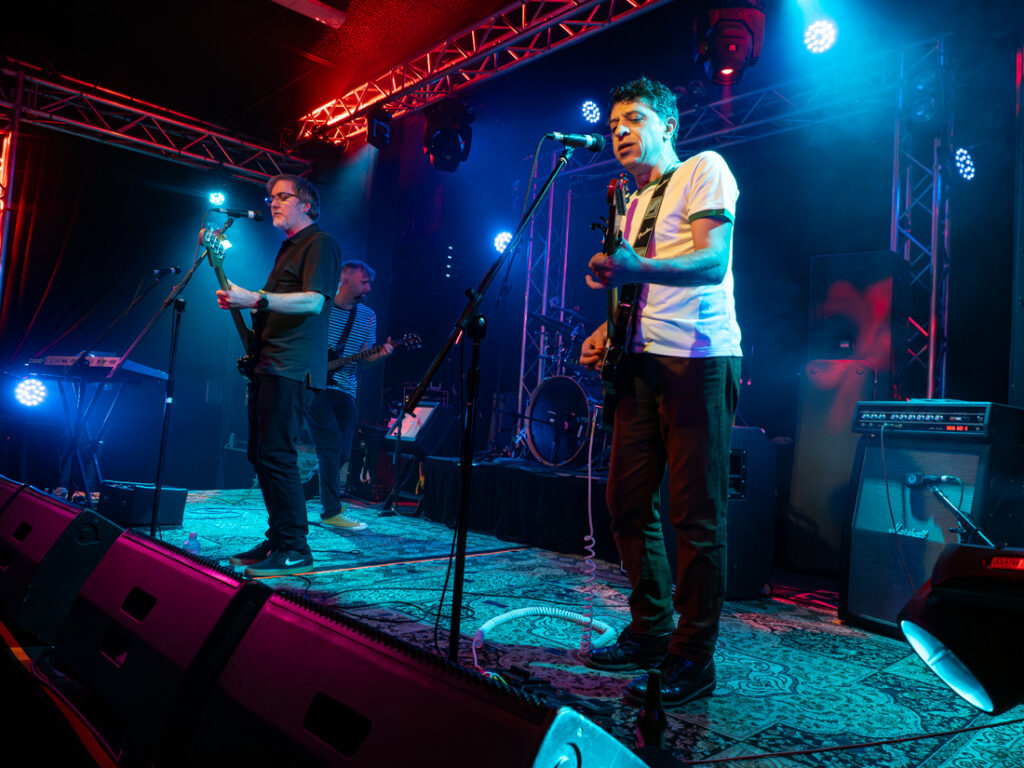
Flank Attack escalated until the band found the groove and held it. Spray Water on the Stereo landed with a pop-punk rush, somewhere around early Eskimo Joe and Jebediah, laced with the twee cheek of “terrorising” neighbours with a hose. Their songs had the melody and enough noise to keep nostalgia from getting too comfortable. When asked if anyone wanted to come up and sing the chorus, the moment hung briefly before the room carried on with the warmth of a local crowd among old friends. Their merch slogan said “Life. Be Indie.” It was hard to argue.
There was a particular pleasure in seeing Turnstyle back in the thick of it. Celebrating their own significant milestones and announcing a tour with Shonen Knife that would take them beyond WA for the first time in 20 years, the band were marking their own history while heading into a new chapter.
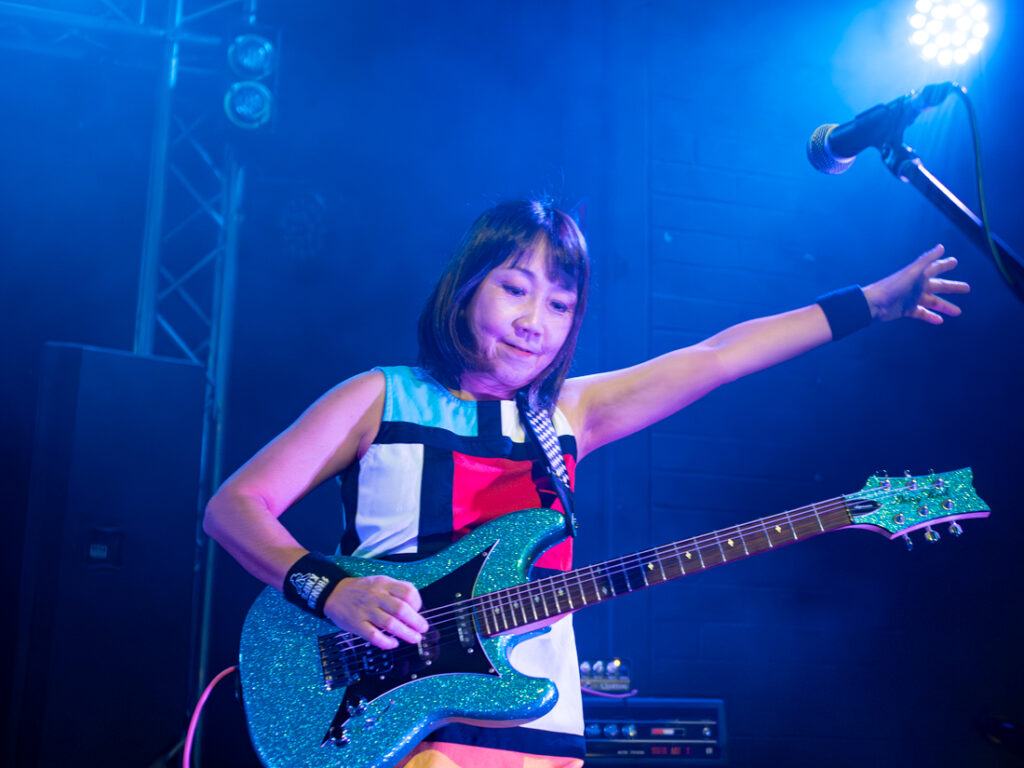
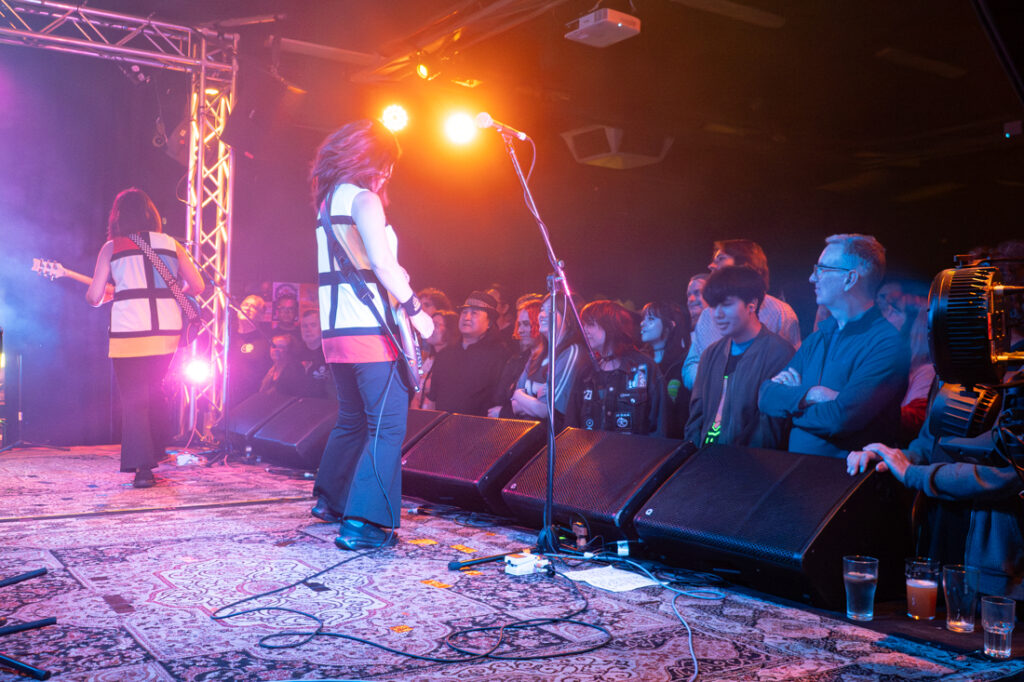
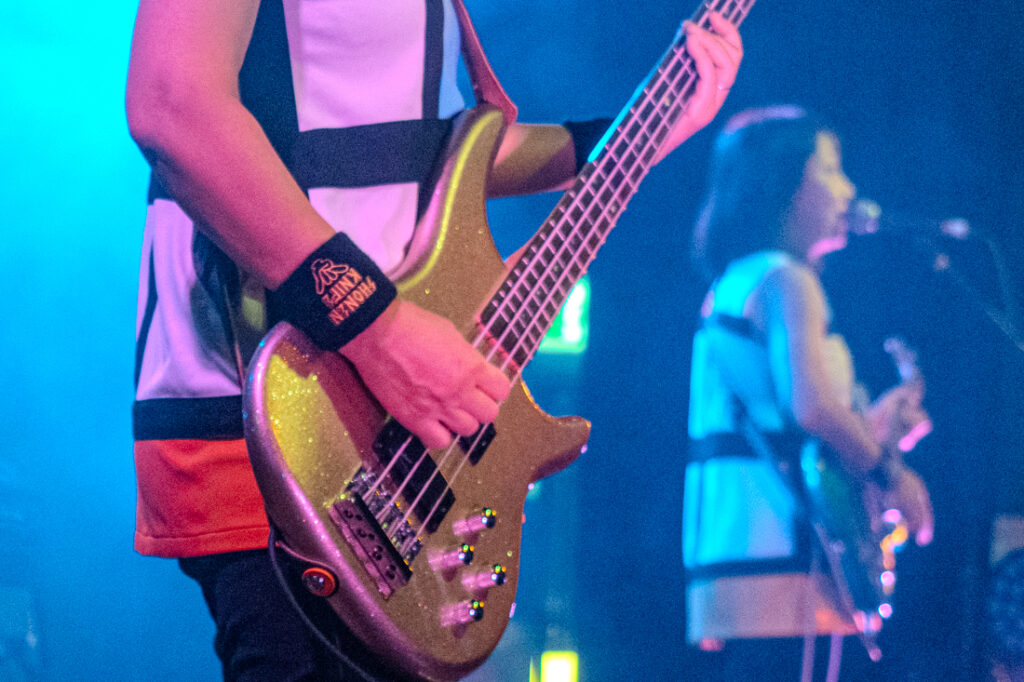
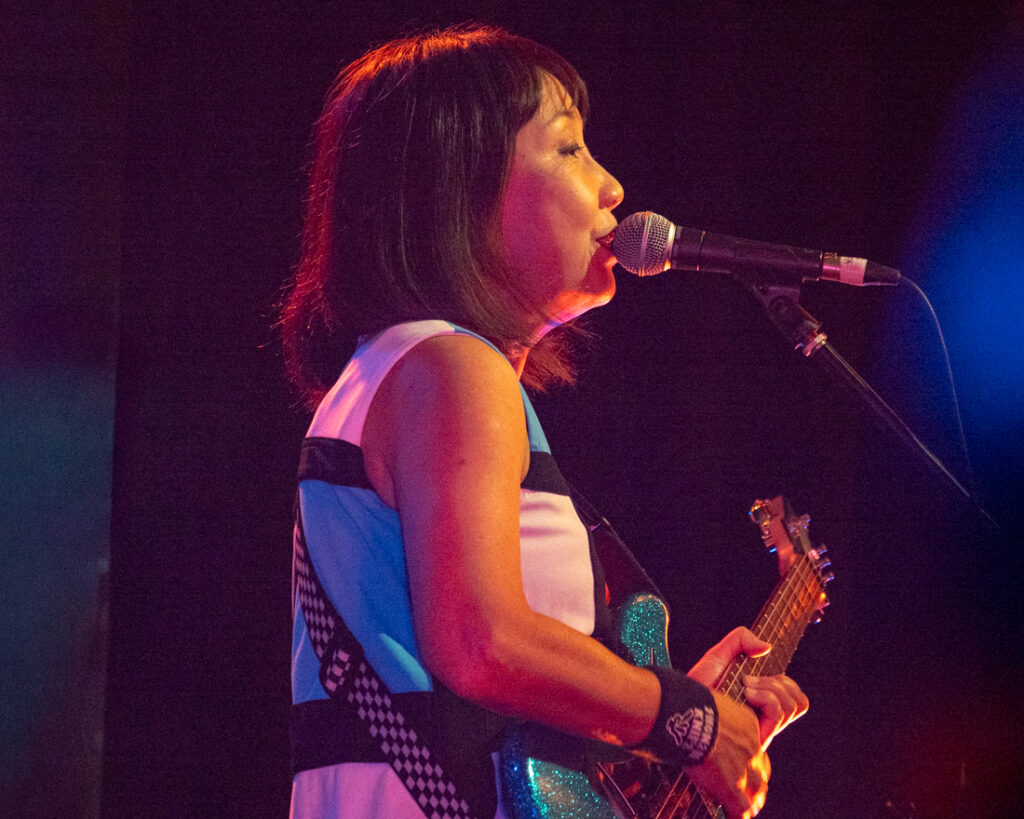
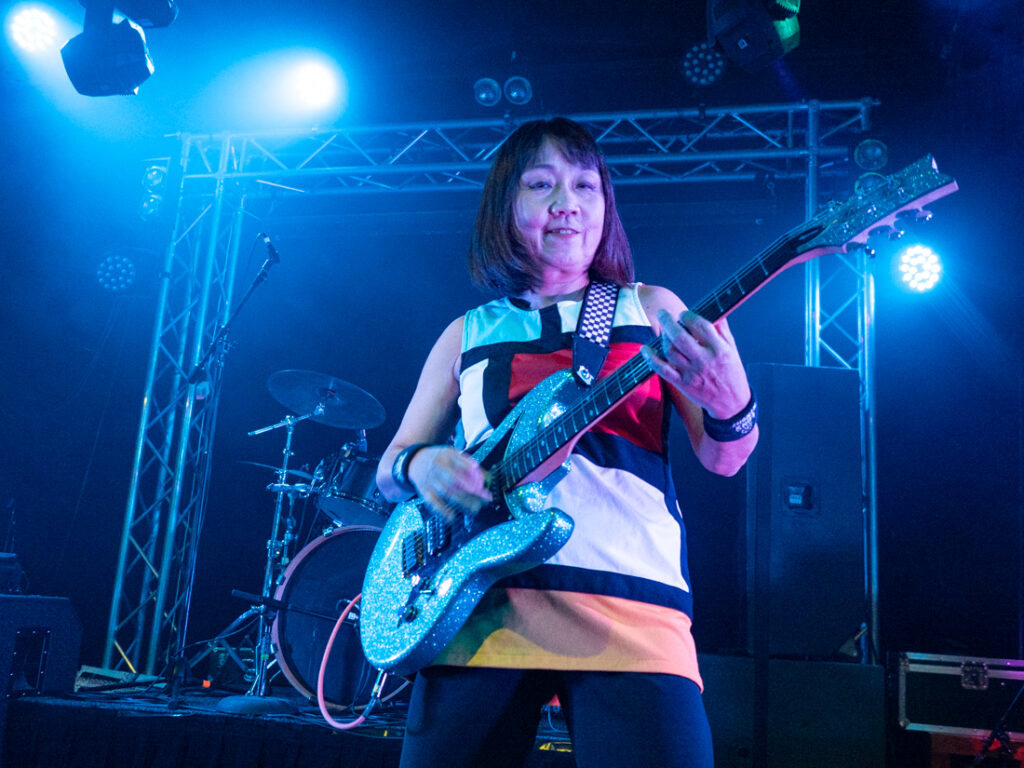
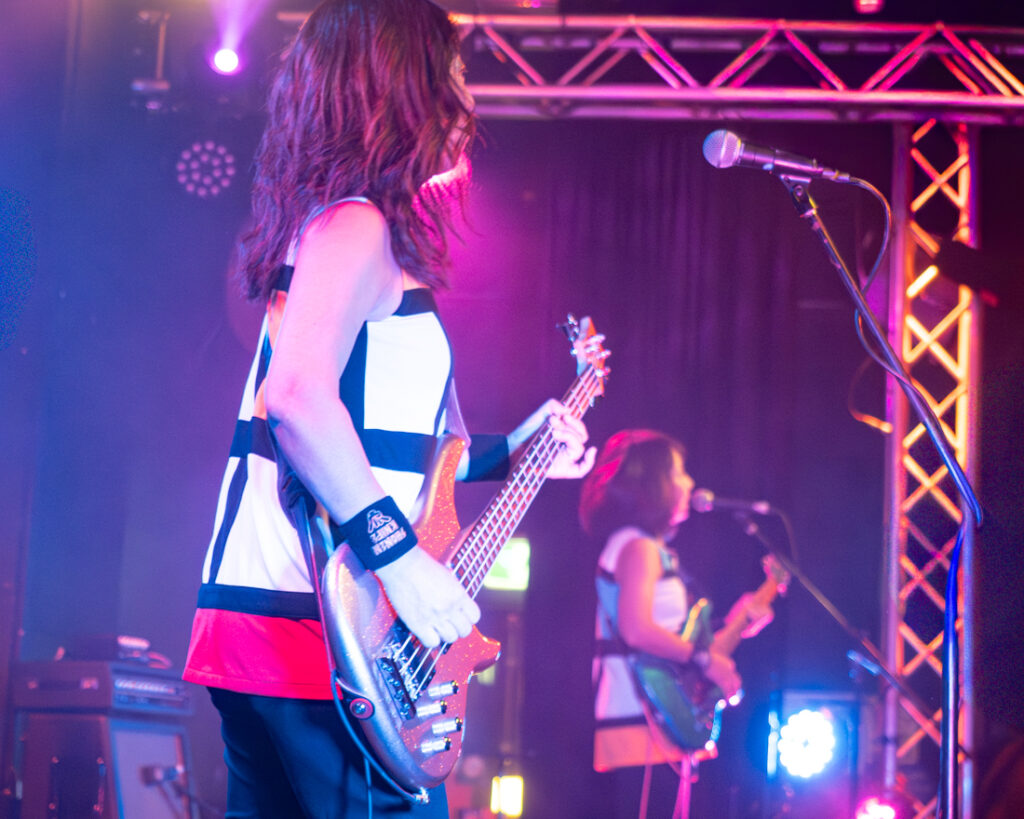
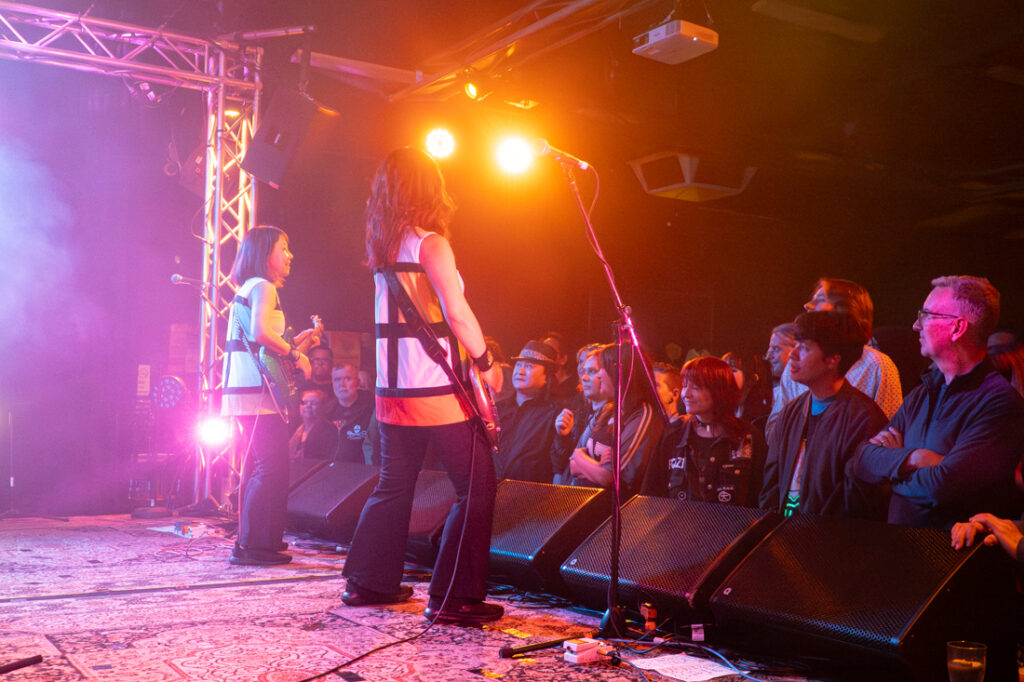
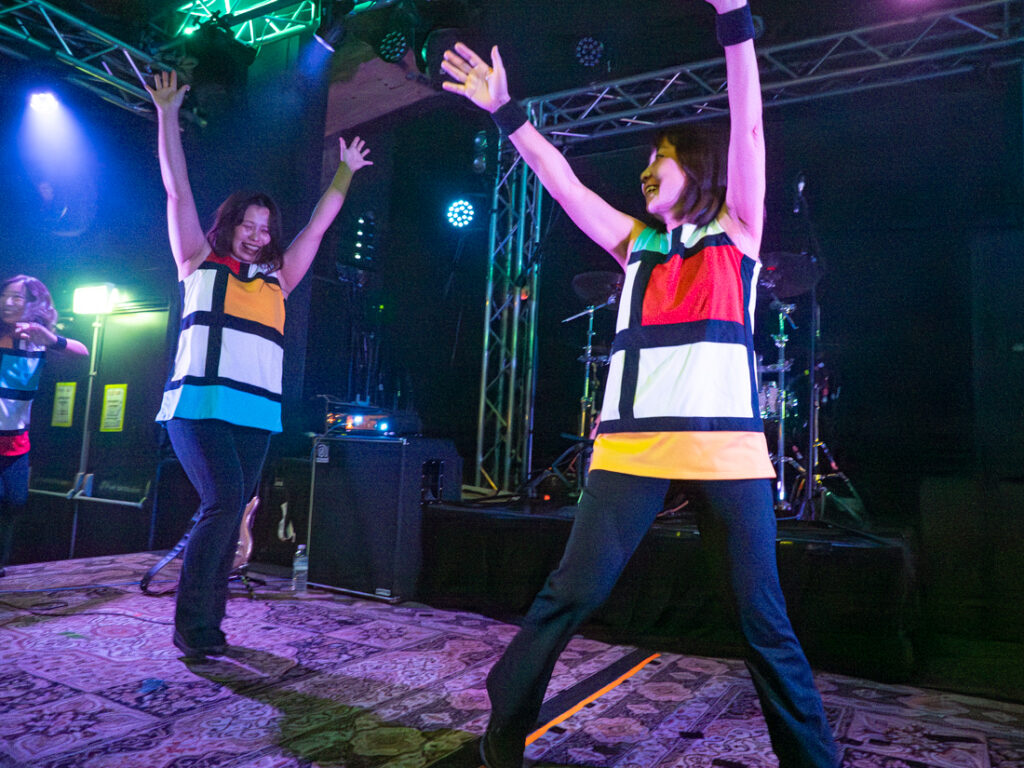
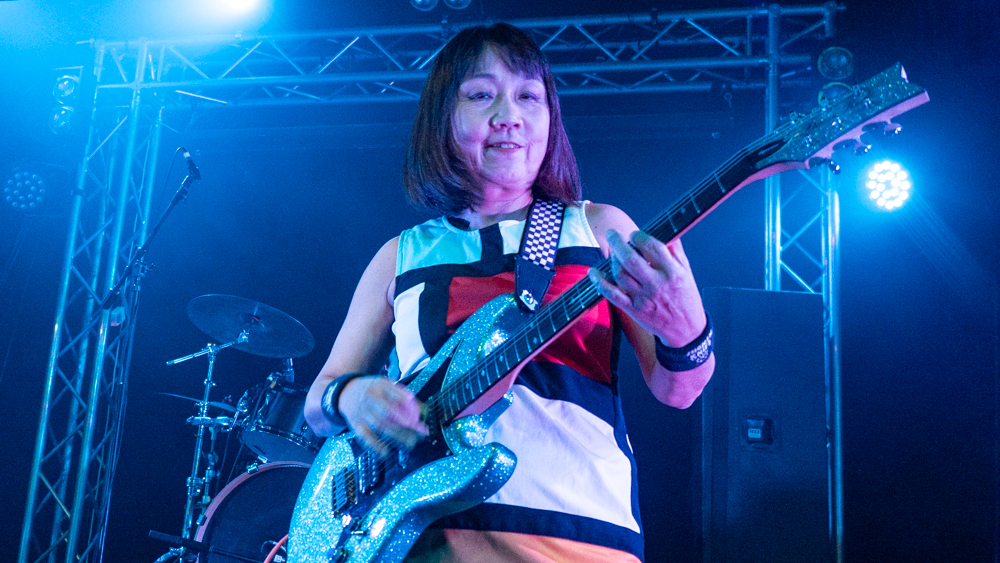
Shonen Knife arrived in DIY Mondrian dresses, with Naoko Yamano’s blue glitter guitar catching the lights. The dense room held older fans, homemade punk jackets and Japanophiles. The trio opened with Welcome to the Rock Club, then rolled into the rockabilly skip of Flying Jelly Attack. By Bear Up Bison, heads bobbed across the room. A few songs in, we collectively forgot it was a Wednesday night.
The Ramones comparisons were unavoidable when the trio kicked into fast, clipped riffs. They were less useful when Black Bass began with a bluesy figure or the set turned to Mexican food, ramen, sweets and tennis. That was the Shonen Knife trick: sweetness, absurdity and guitar with more heft than the subjects suggested. The hooks did their job; the songs were funny, not throwaway jokes. Odd little subjects got to be the whole world for three minutes.
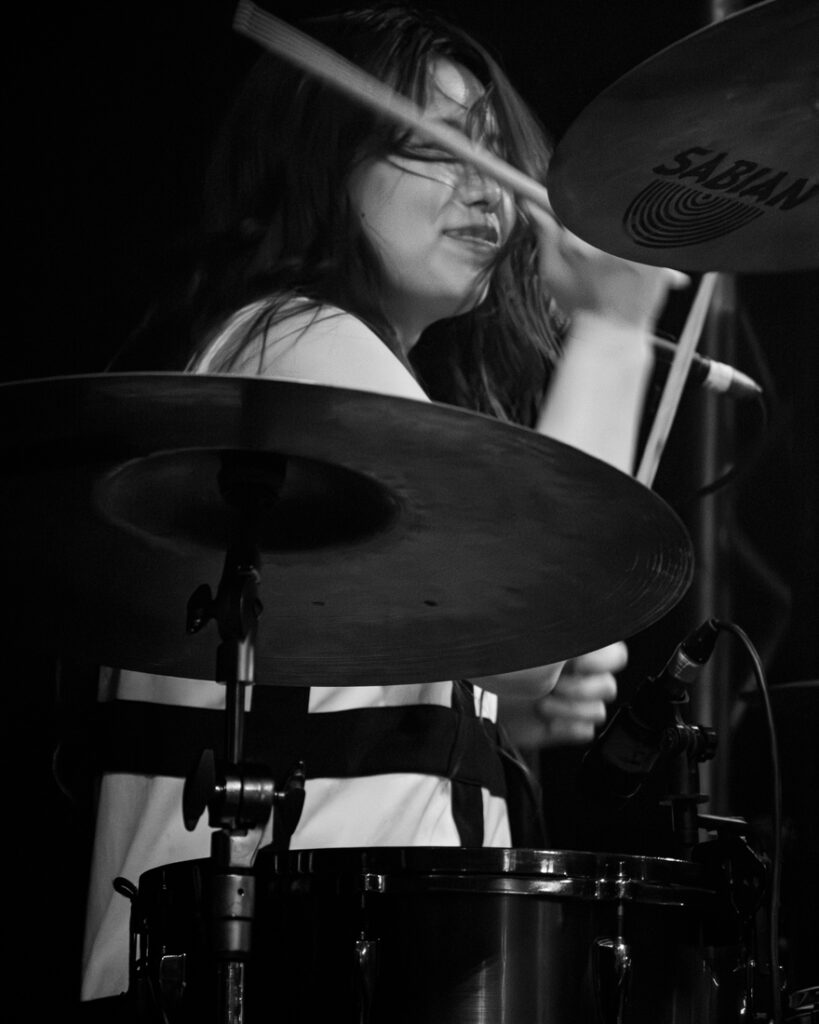
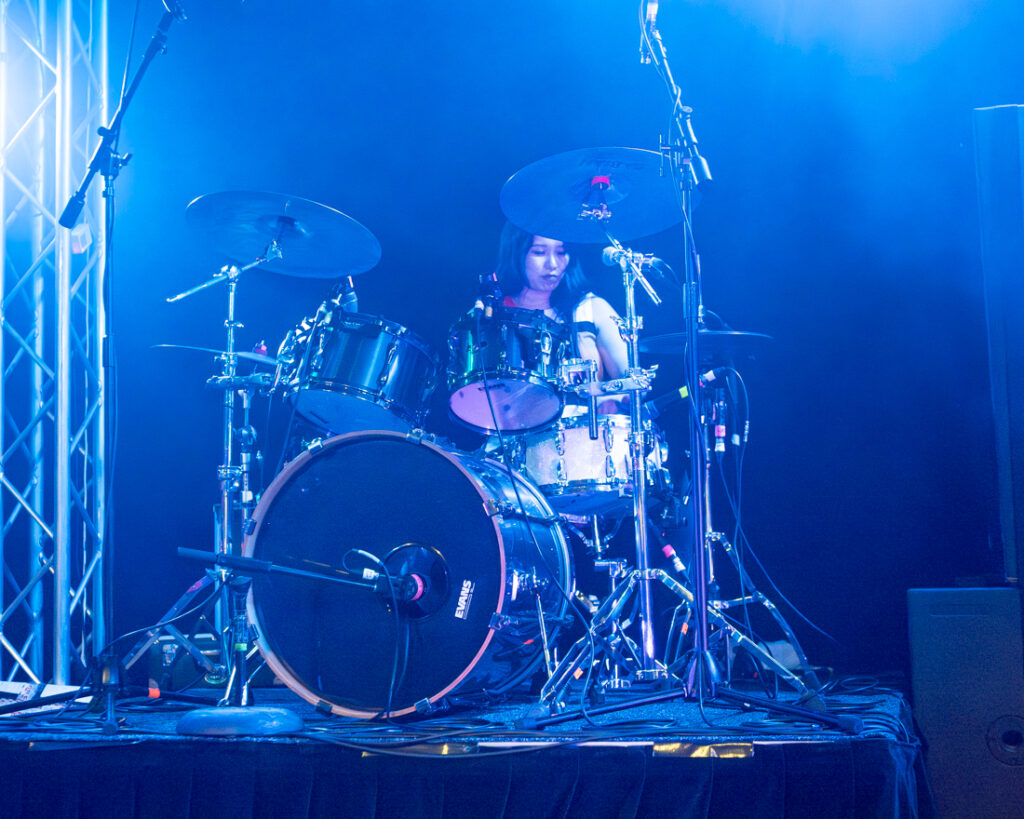
Naoko pointed out that some people in the room may not have been born when Let’s Knife first came out. Re-cut formed the set’s bones, but this wasn’t a gratuitous victory lap. The sisters’ close harmonies and the trio’s infectious smiles kept the songs loose; Risa Kawano giving the current lineup its punch. During Green Tea, the drums drove toward a triumphant finish. Risa was animated, precise and visibly having the time of her life, bringing a springy physical charge and synchronised head movements that made you smile back before you’d decided to.
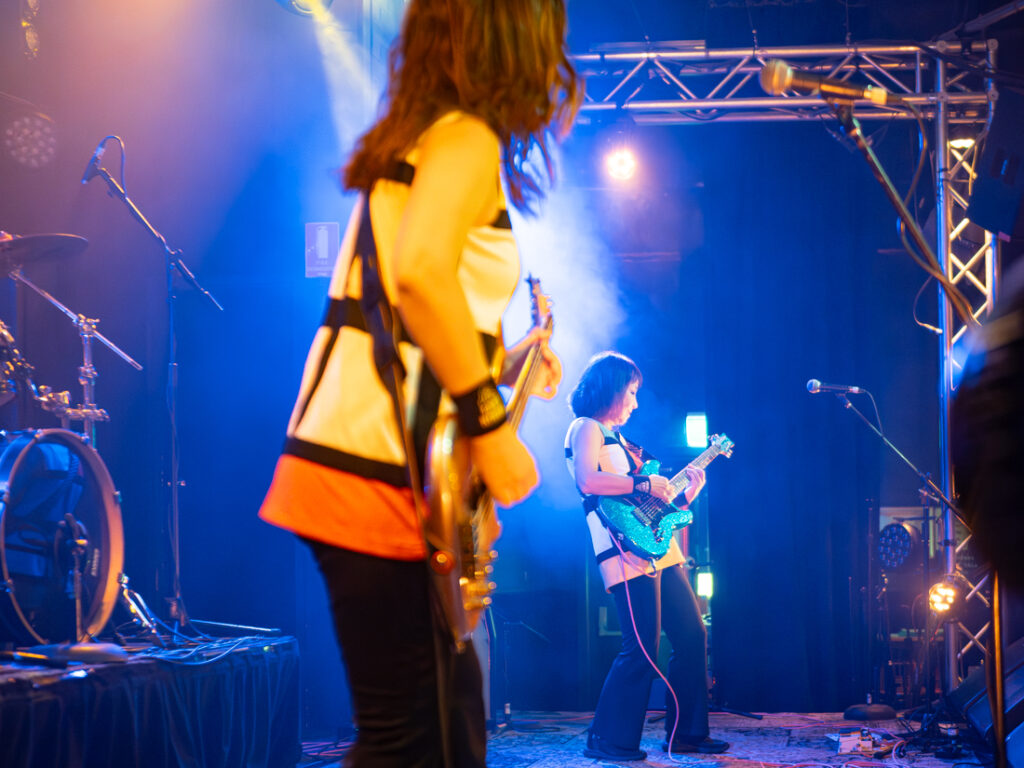
On I Am a Cat, Atsuko took the lead vocal as Naoko moved side to side, a veritable human metronome. Naoko’s warmth between songs was part of the show’s charm. “We are very happy to come back to Perth,” she told us. The cheers after Banana Chips said plenty.
The band moved through Riding on the Rocket and Pyramid Power, bowed out, then returned in their own merch for Twist Barbie. Naoko had previously explained its simple origin: the Barbie her mother bought her as a child. But that beginning didn’t contain the whole song. Barbie’s polished image of femininity is a curious object in Osaka punk hands; that tension gives the song a charge beyond its origin story and childhood memory. Its place in punk history sharpens the question: Kurt Cobain had asked Naoko to teach him the chords so he could play it at a secret show. Here decades later, the song felt rebellious and vital, but never slight or saccharine.
The encore then turned heavier. Voices called out for Antonio Baka Guy; the band answered with headbanging, guitar reverb and earnest, almost School of Rock gestures that made the performance feel gloriously unguarded. Naoko had described the band’s connection with listeners as an instinctive “Let’s have fun together.” At Milk Bar, the invitation felt less like a mission statement than a practical instruction. Nobody needed to pretend a bison or an absurd giant shell on a mantle wasn’t worth cheering for.
CAT LANDRO
Photos by Linda Dunjey