Review: TISM at Metro City
TISM at Metro City
w/ Legs Electric
Saturday, October 24, 2026
In the lead-up to their Australia-wide tour, TISM advertised a special ticket upgrade for anyone who would rather stay home and read a book than attend the show. One of our friends managed exactly that, courtesy of illness. The rest of us made the less sensible choice: a succulent Japanese meal and lager in Shafto Lane, followed by a leisurely survey of Perth’s Saturday-night wildlife.
While a noticeably youthful, well-heeled flock streamed towards RAC Arena for Tame Impala, a grimier contingent peeled off towards a shadier establishment nearby. One lot had paid handsomely for respectable mainstream culture; the other had come expressly for something in appalling taste. Which represented the greater exercise in discernment was debatable. Perhaps I should have reviewed the dinner instead. The lager was cold, the company agreeable, and the cultural divide almost too obliging. By this point, my editor may be wondering whether I attended a concert at all. Unfortunately for him, I had.
Metro City remains a baffling choice for shows of this capacity, given its hostility to accessibility and basic audience comfort. The room filled with derro-nerds and literate bogans, mostly in regulation black T-shirts, with the odd balaclava—crocheted or otherwise—but disappointingly little other costuming. A few looked as though Rodney Rude might still be their benchmark for comic sophistication, though perhaps passing judgement on other people’s taste was a dangerous game at a TISM gig.
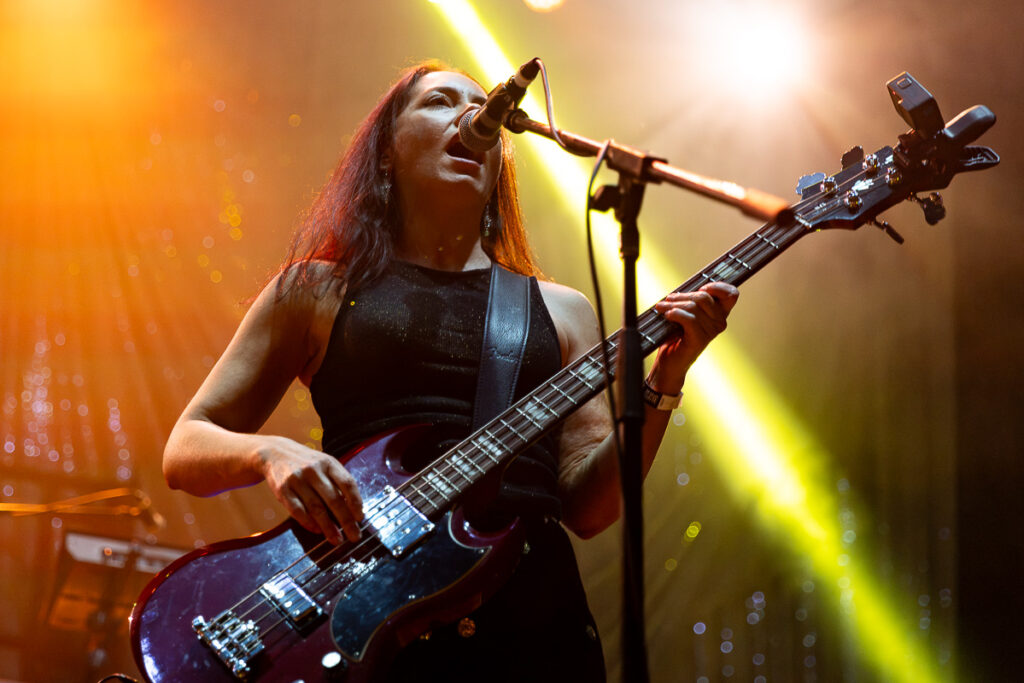
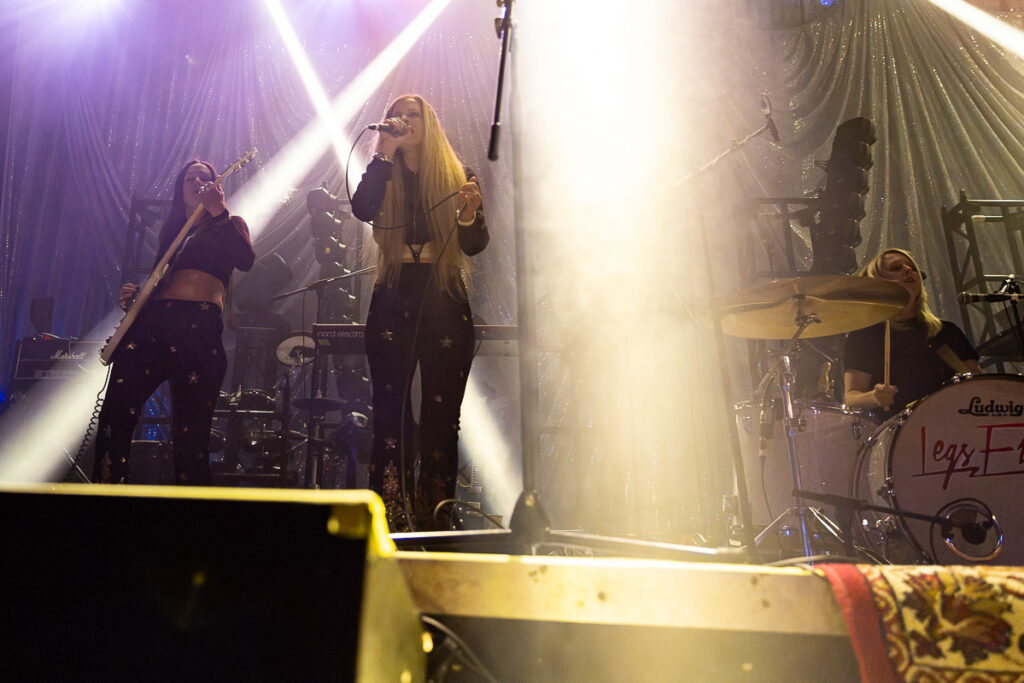
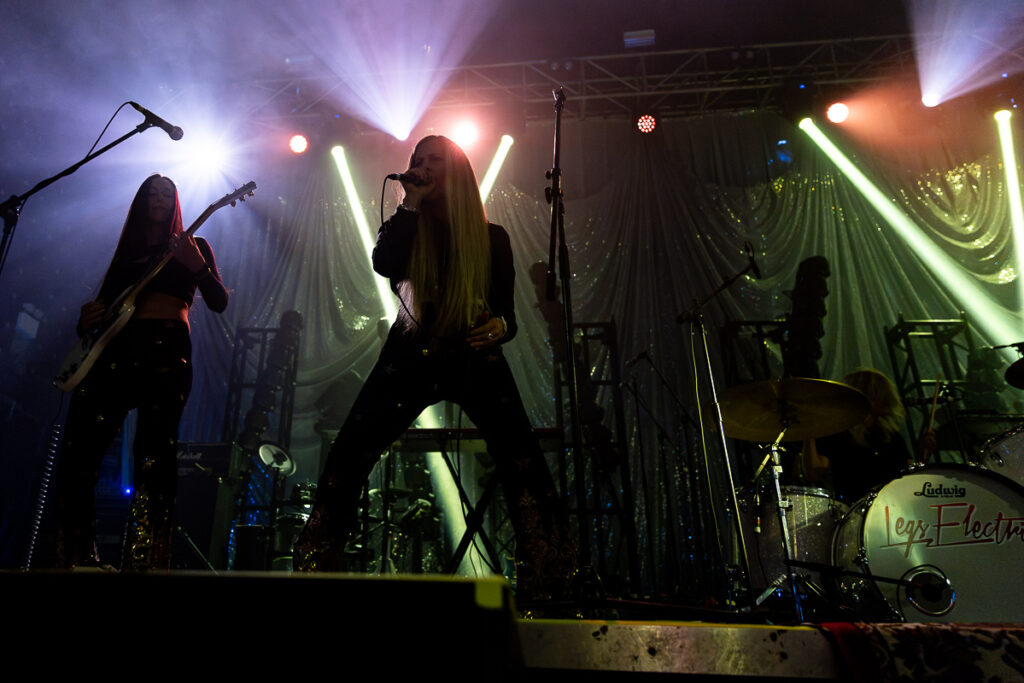
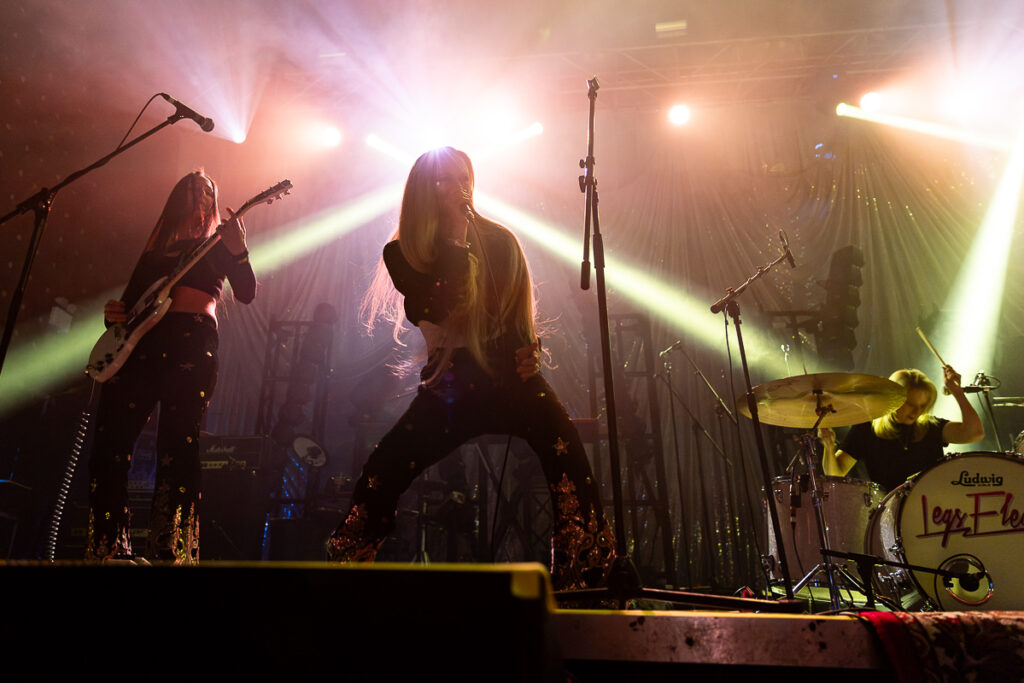
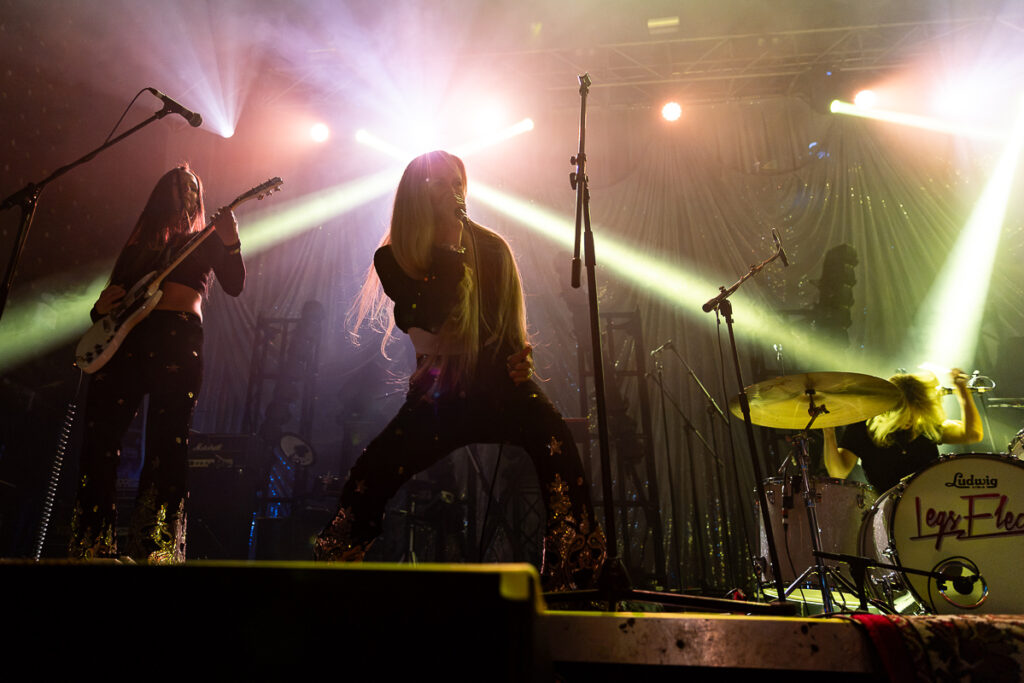
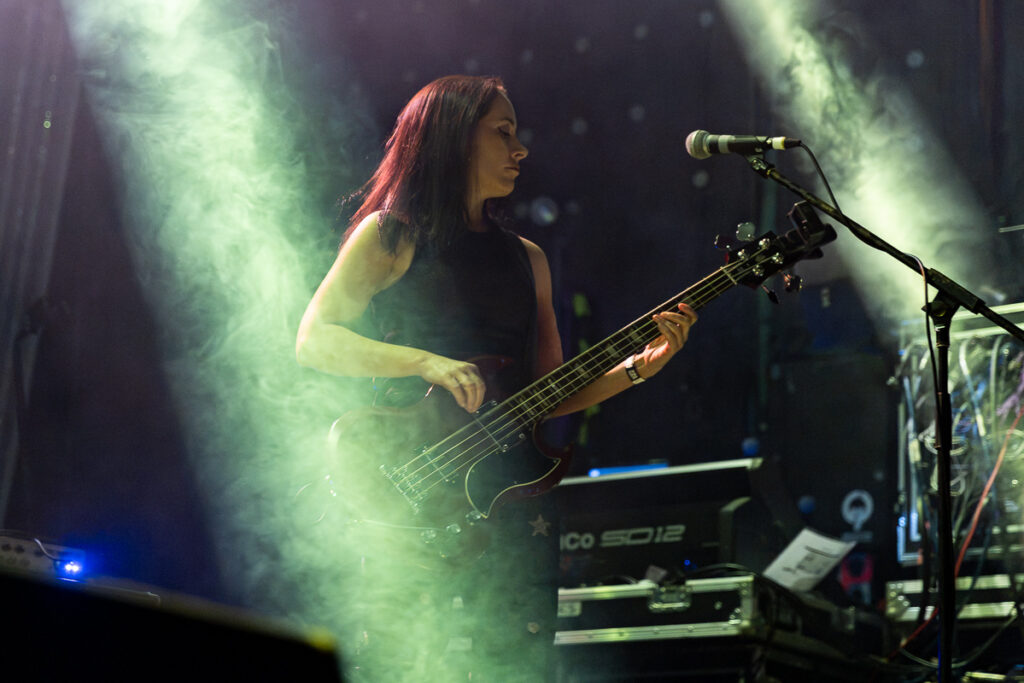
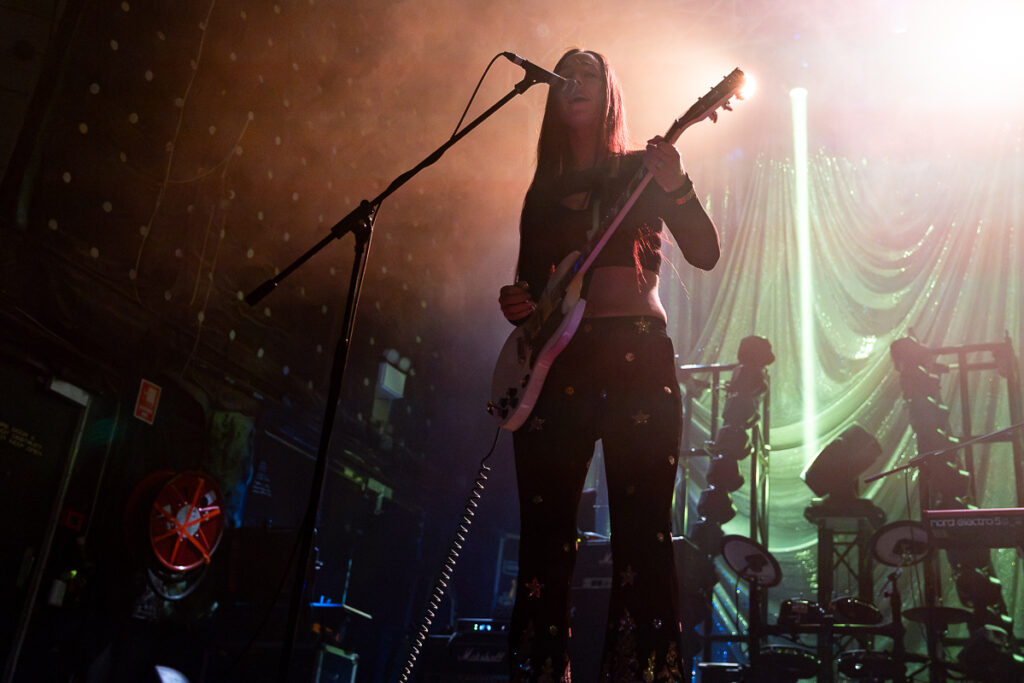
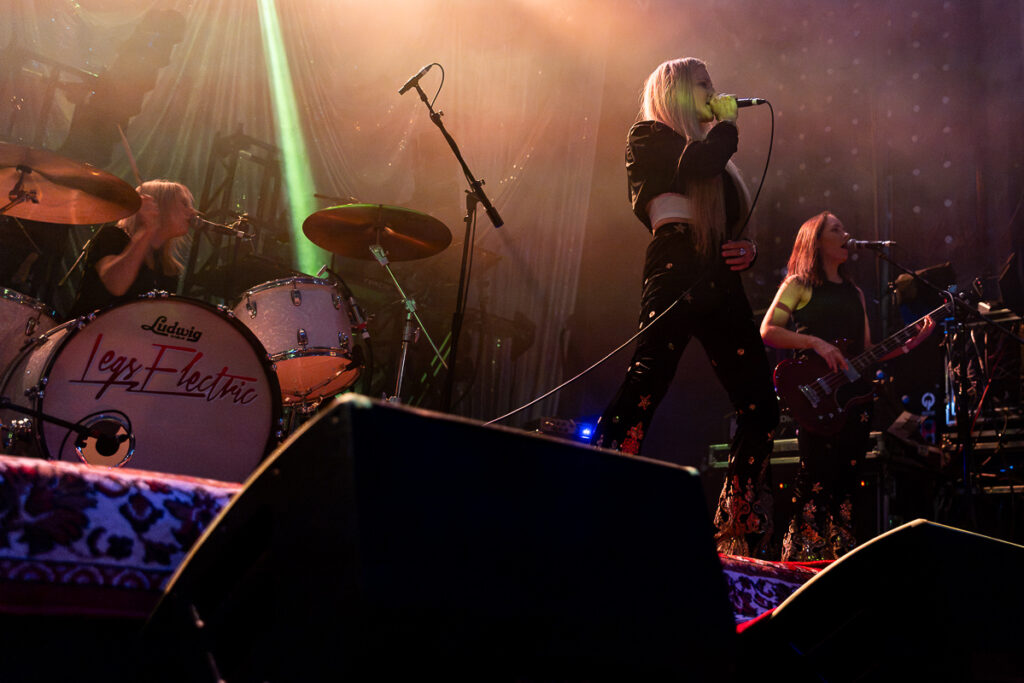
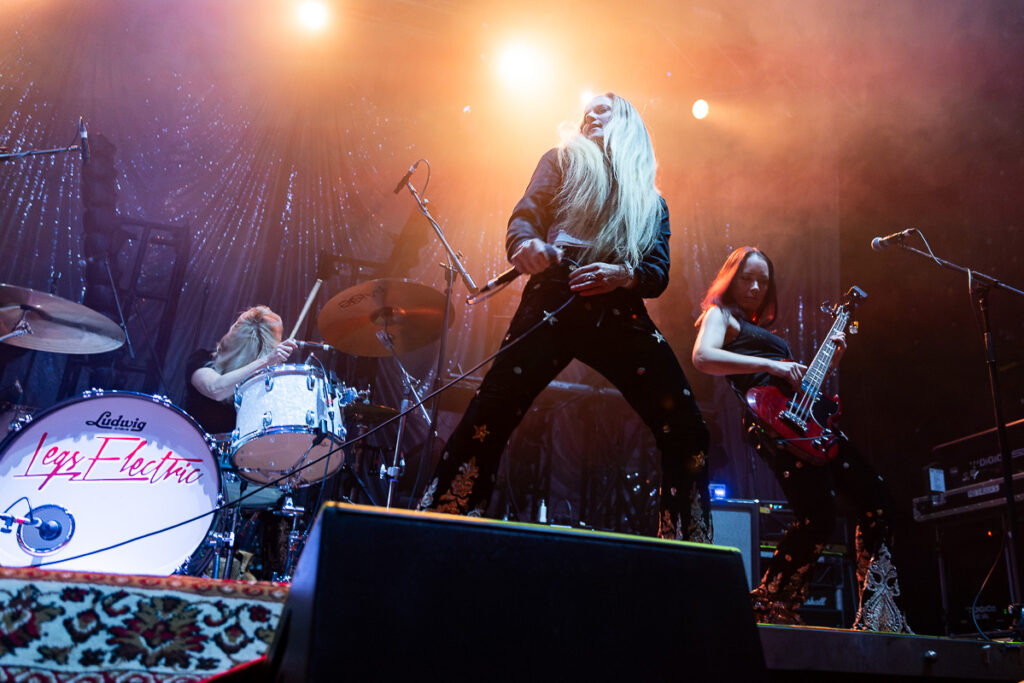
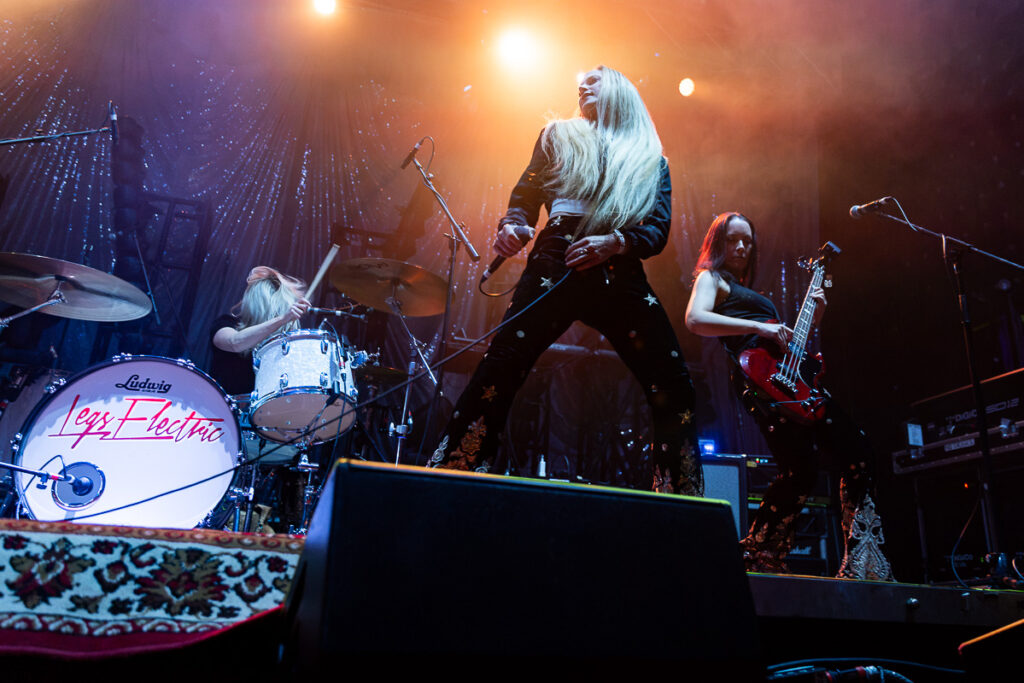
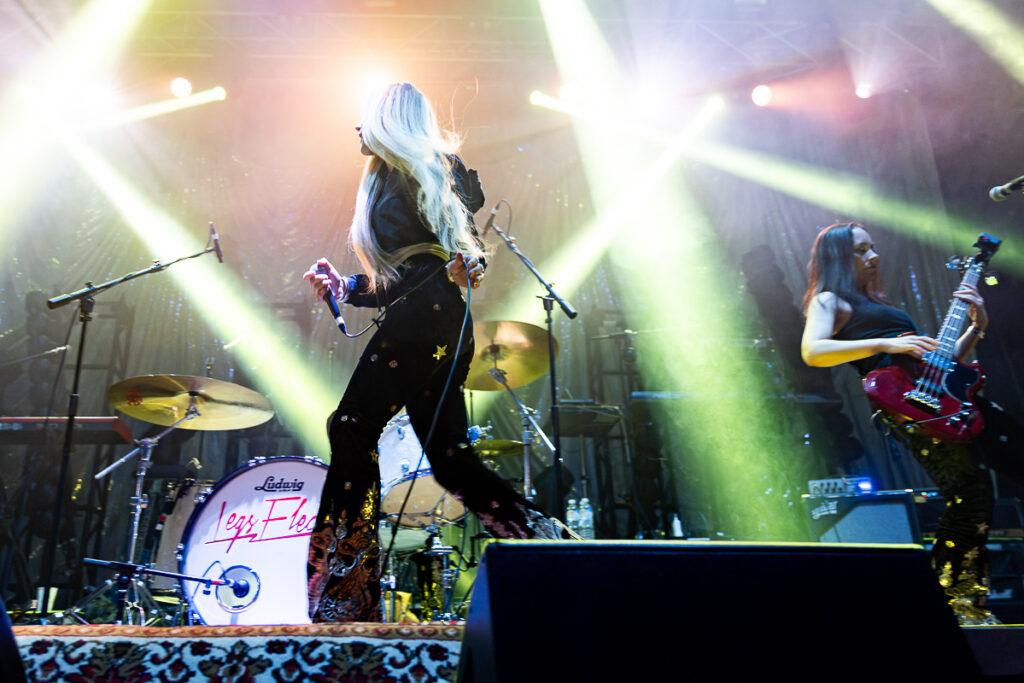
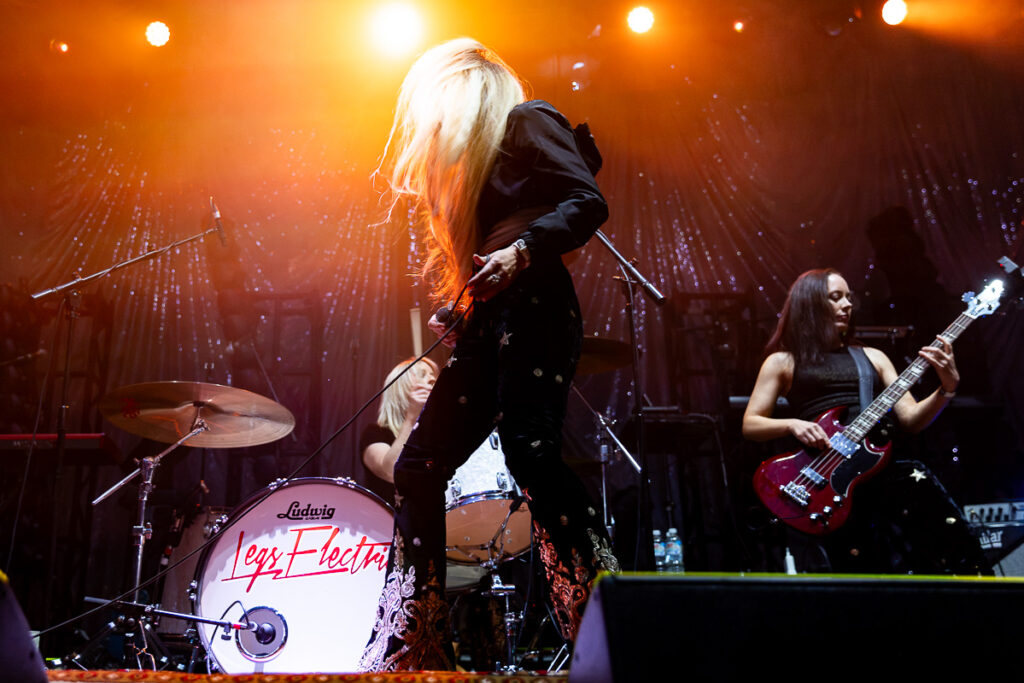
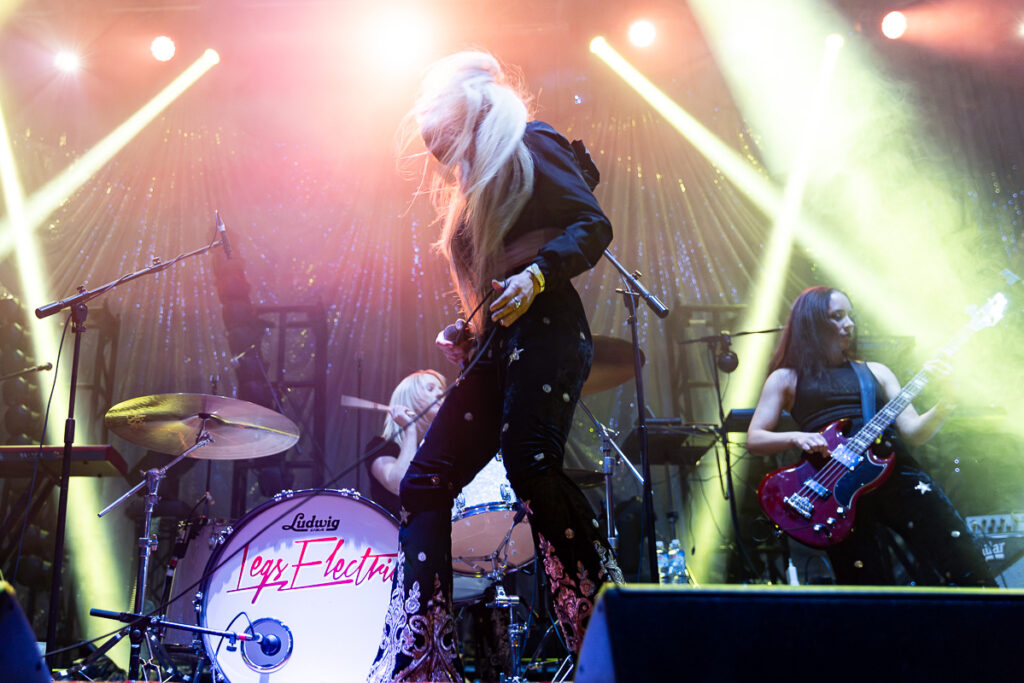
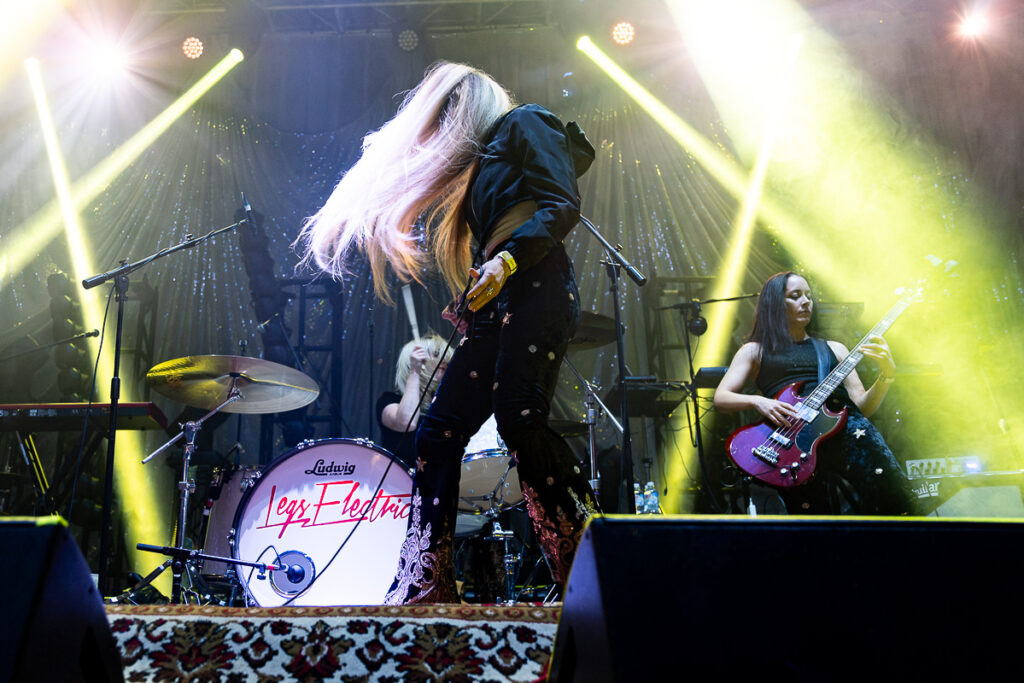
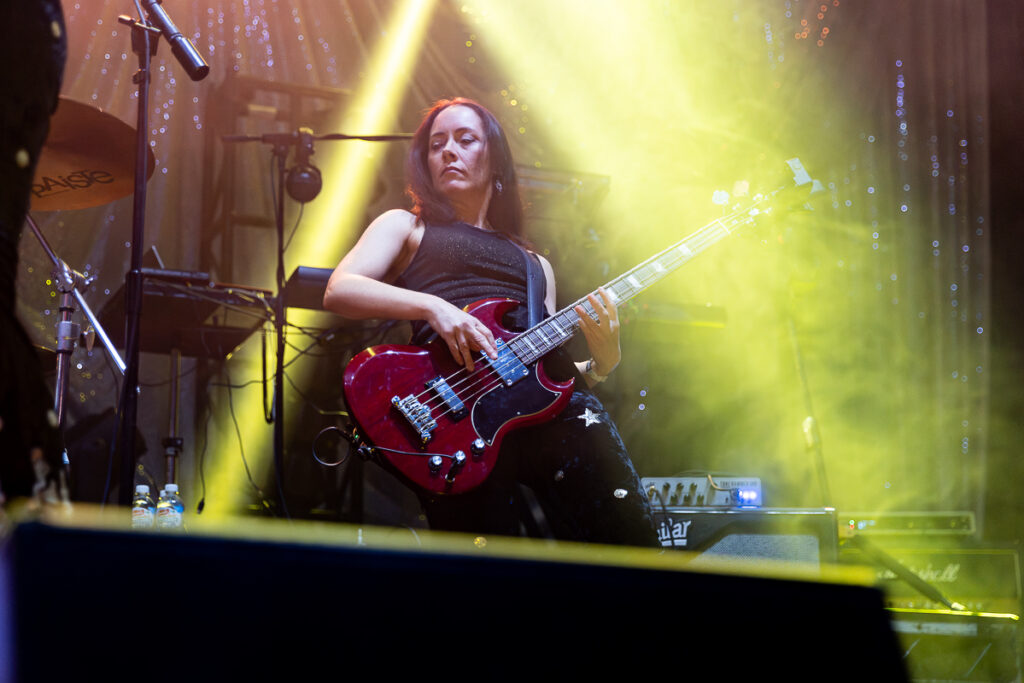
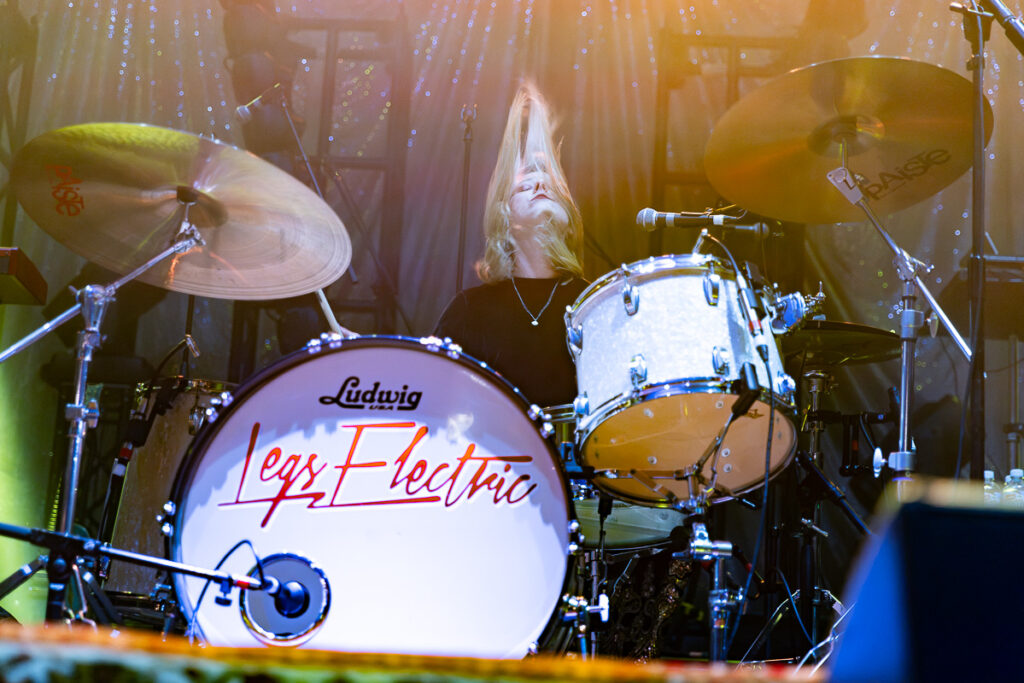
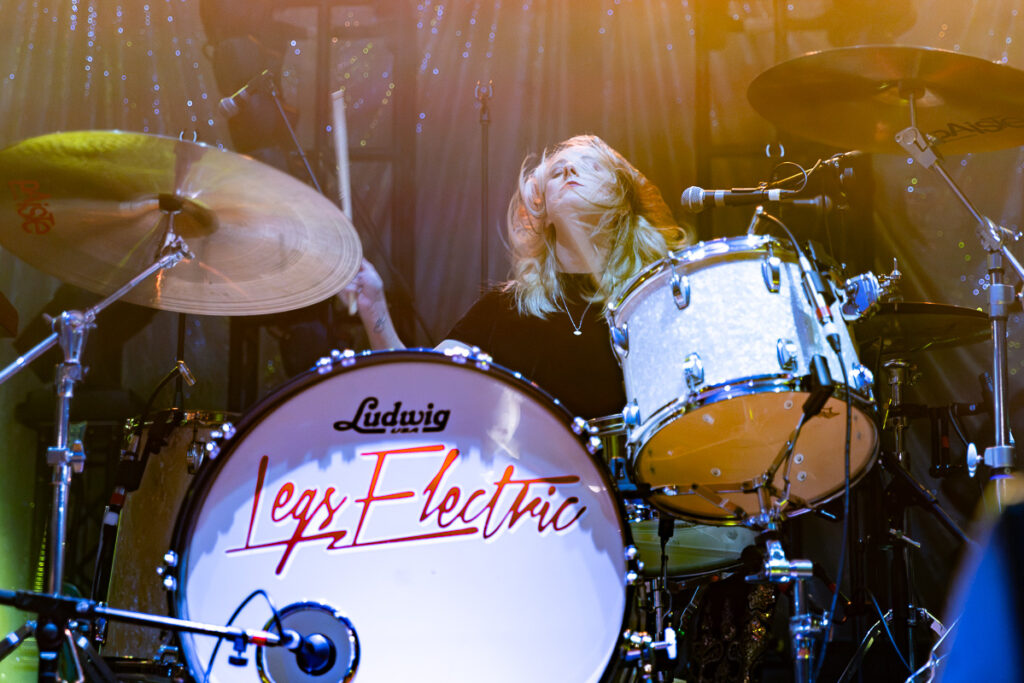
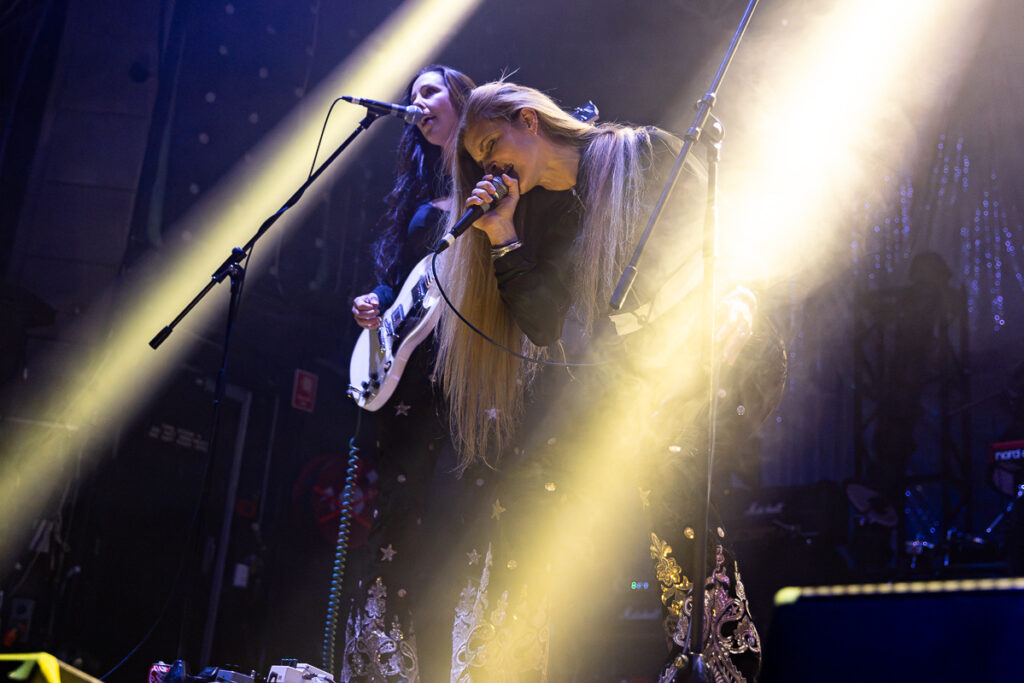
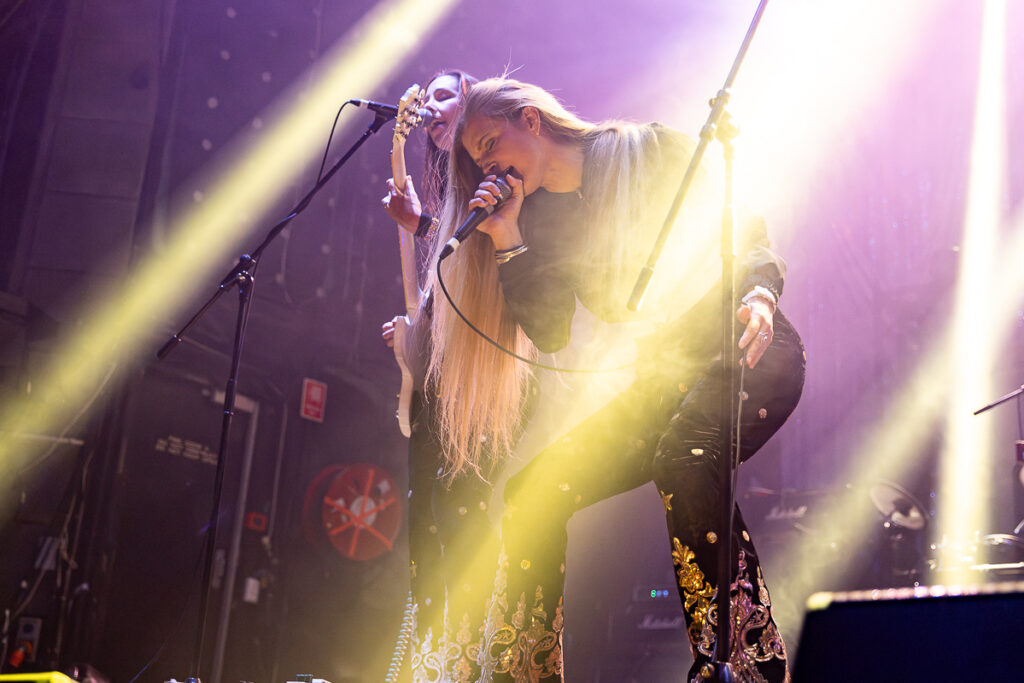
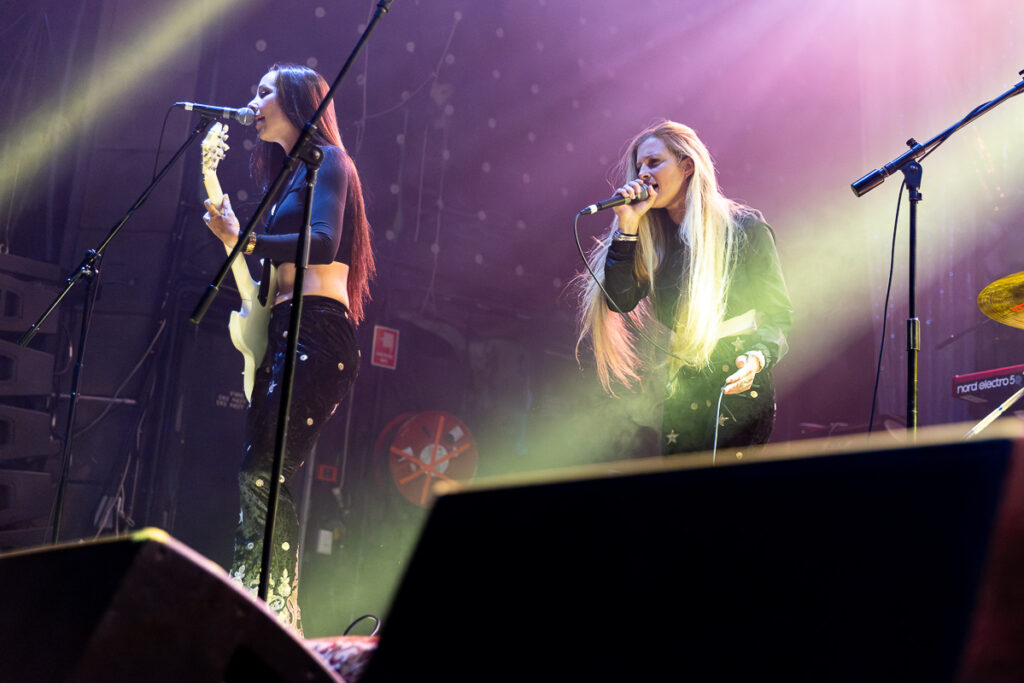
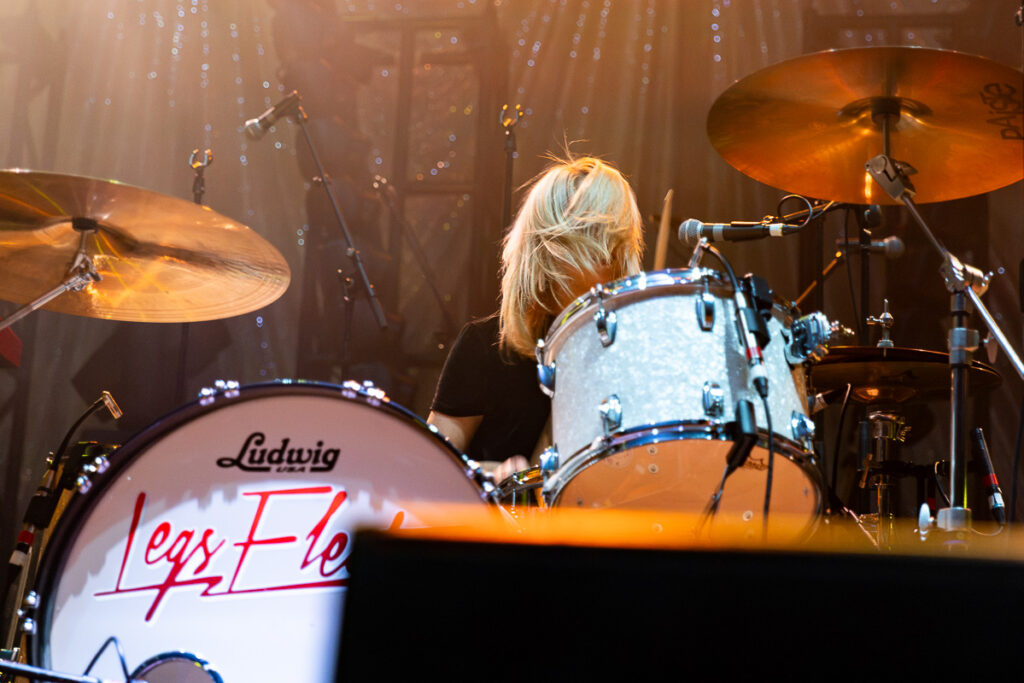
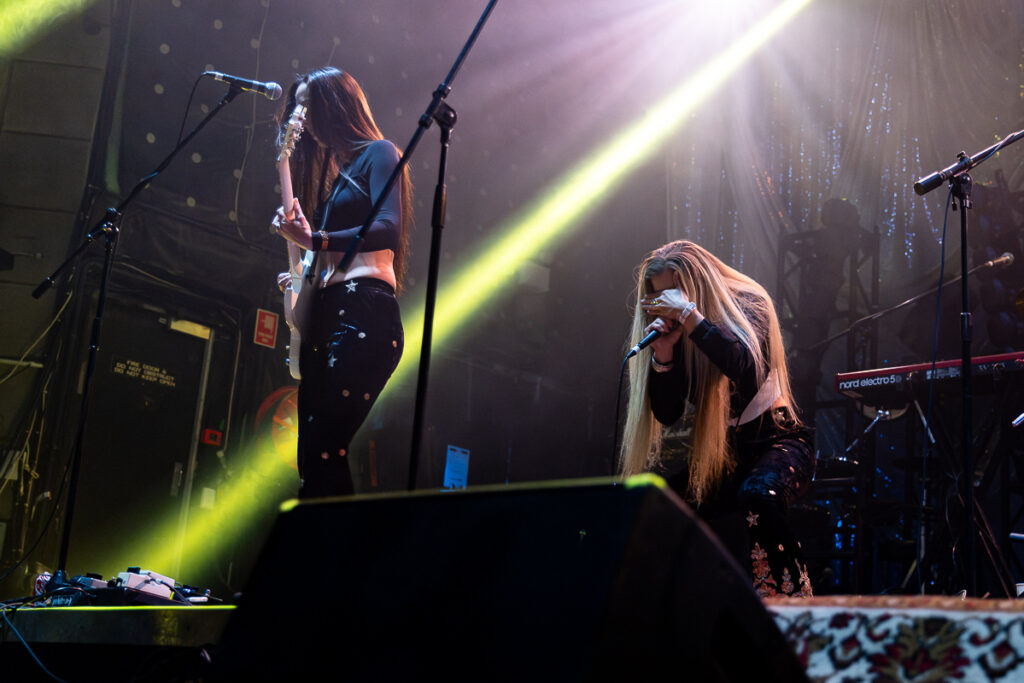
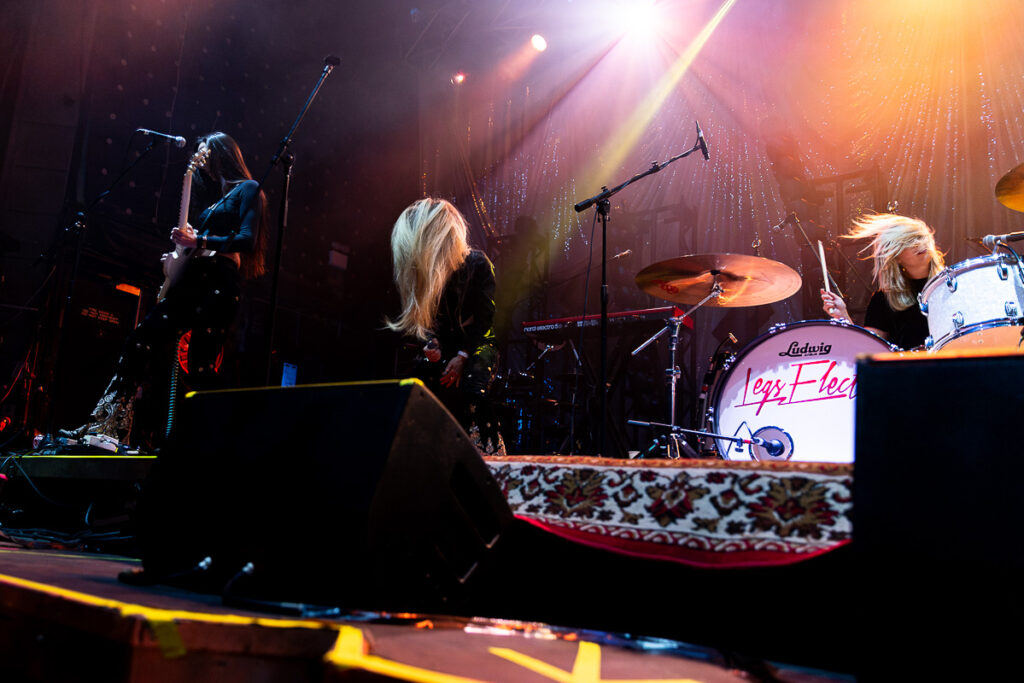
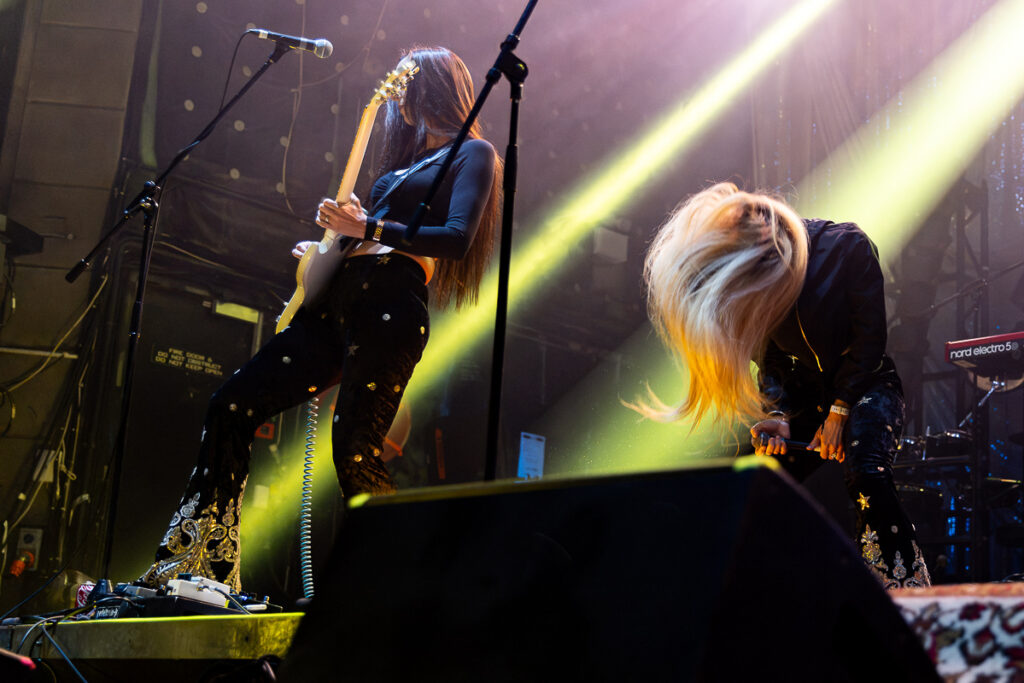
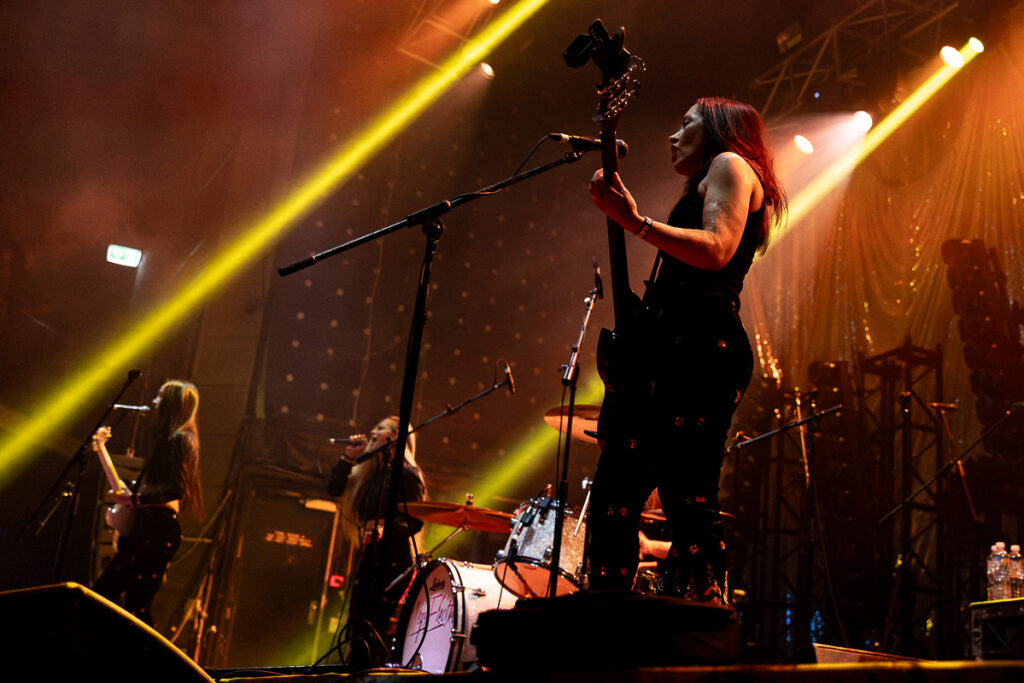
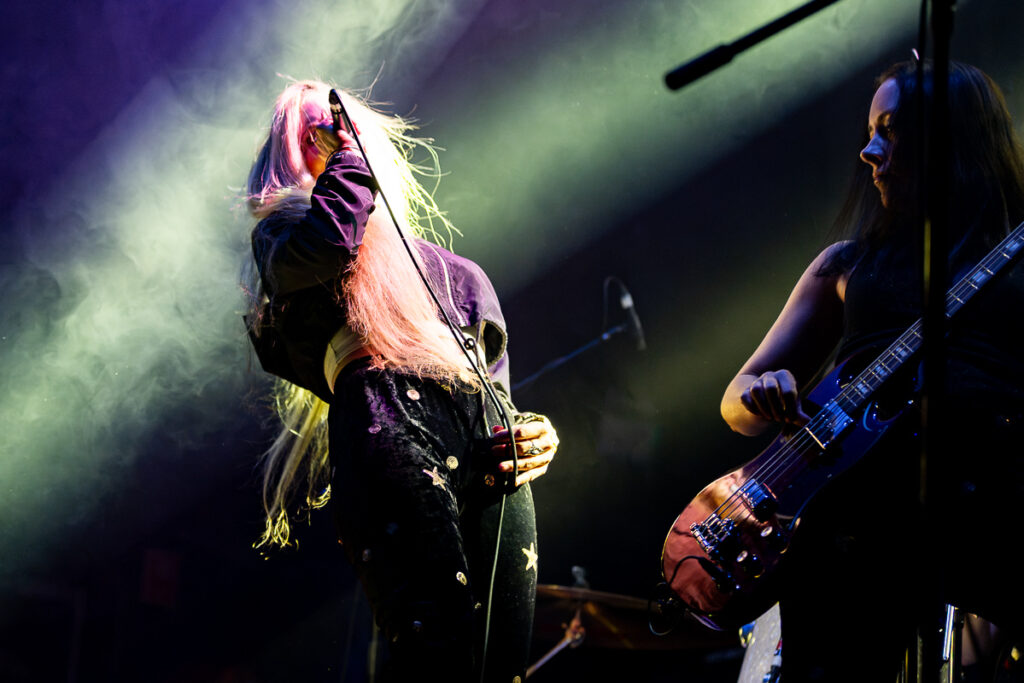
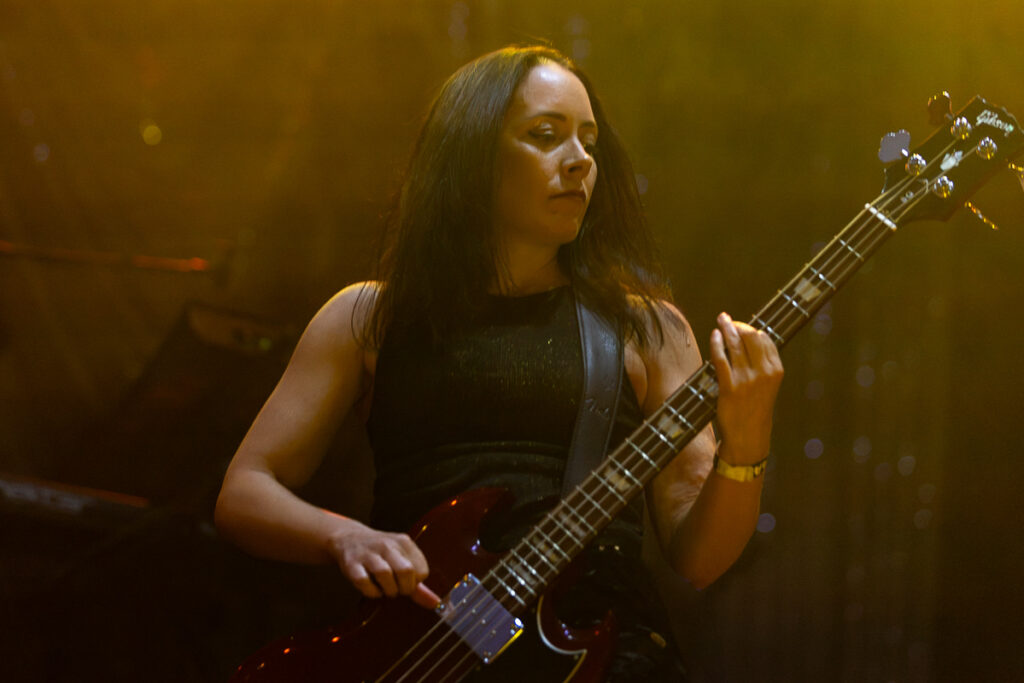
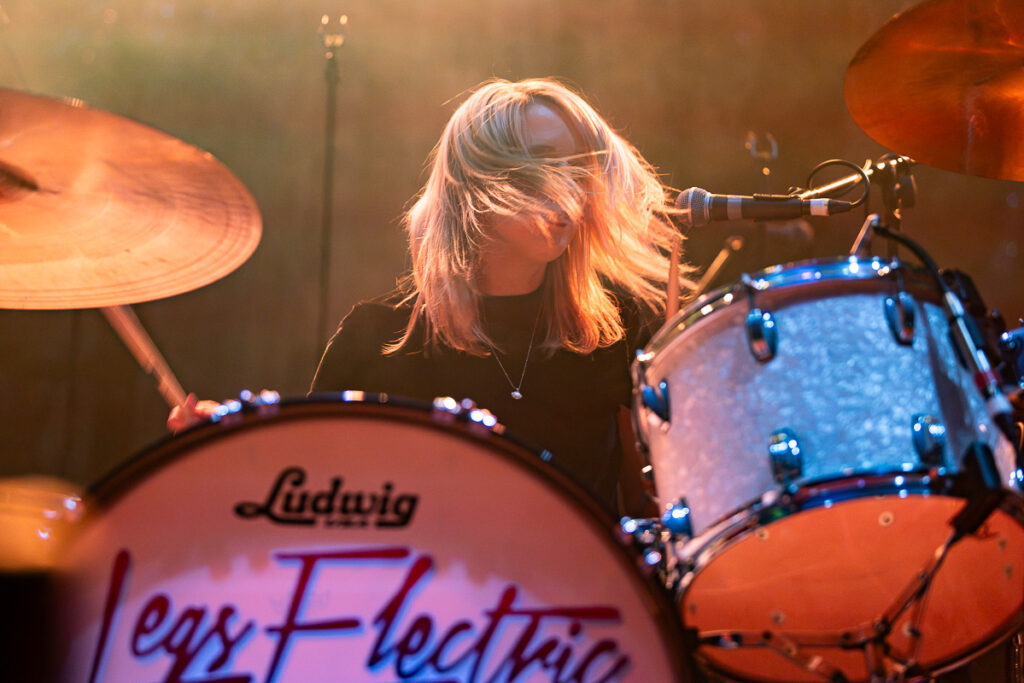
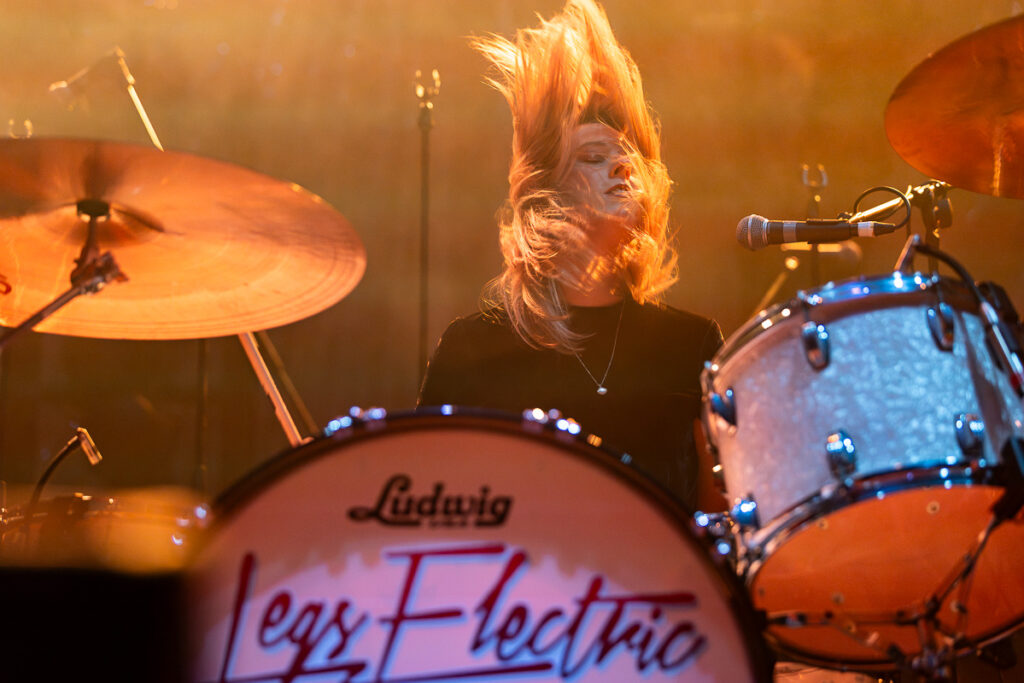
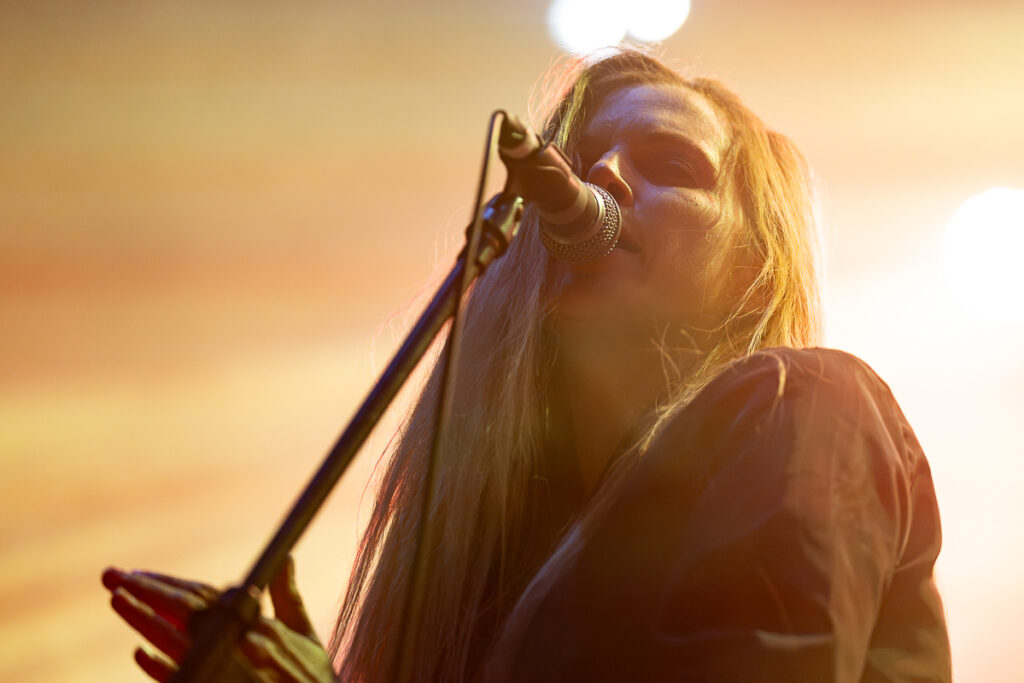
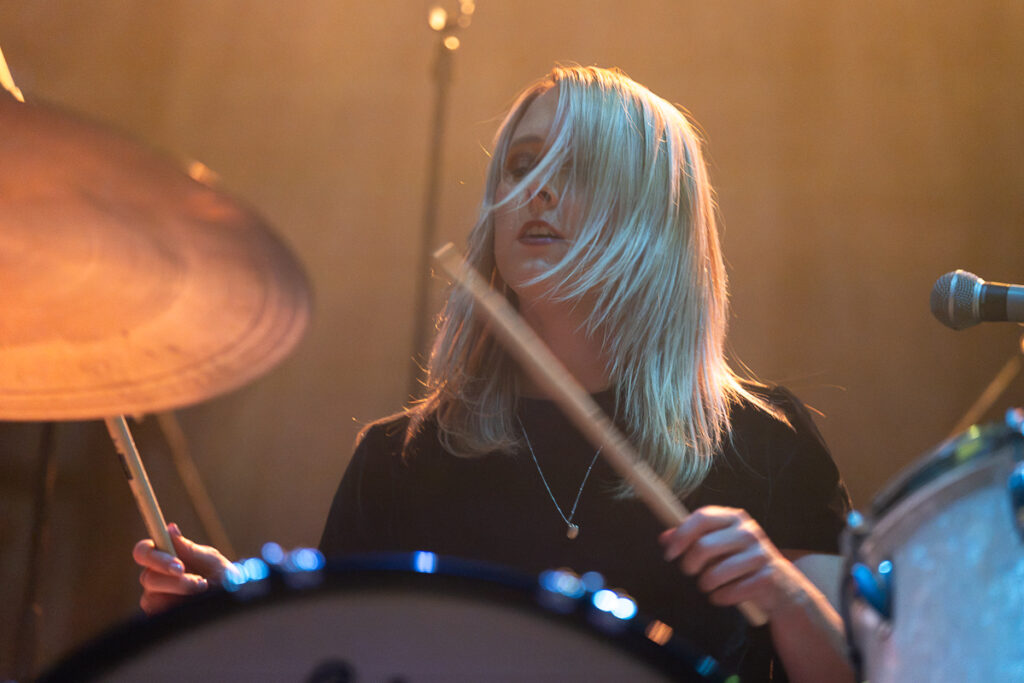
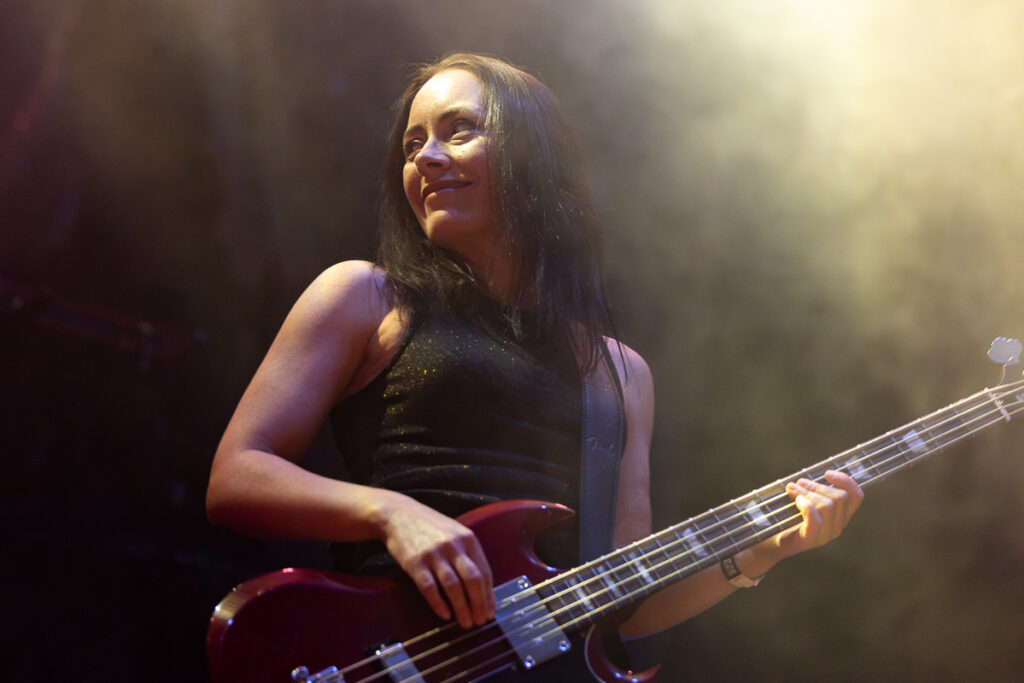
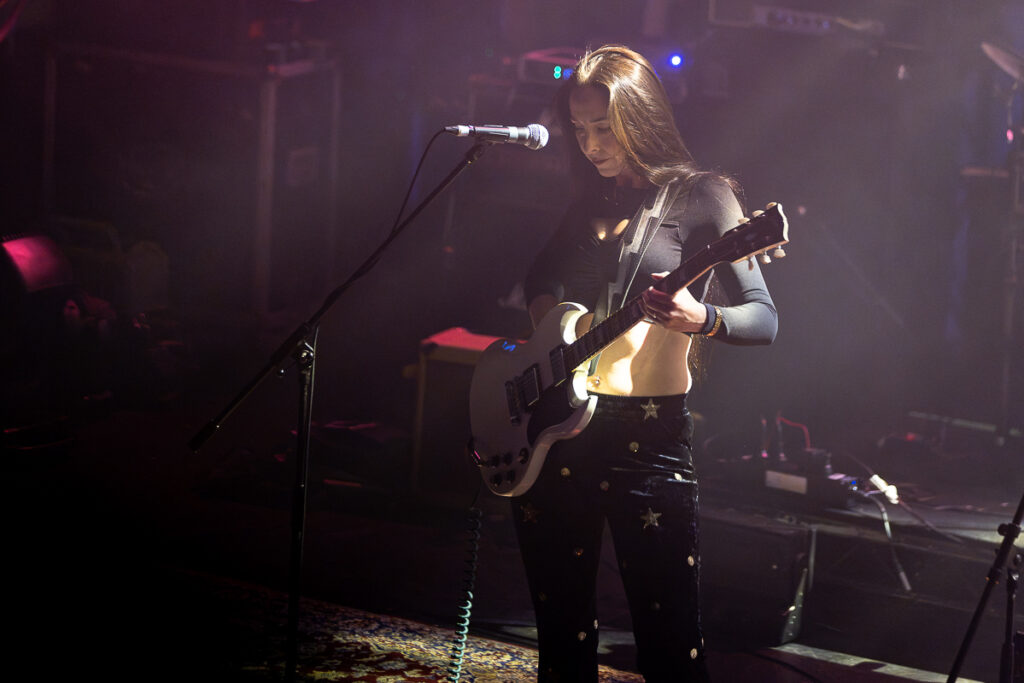
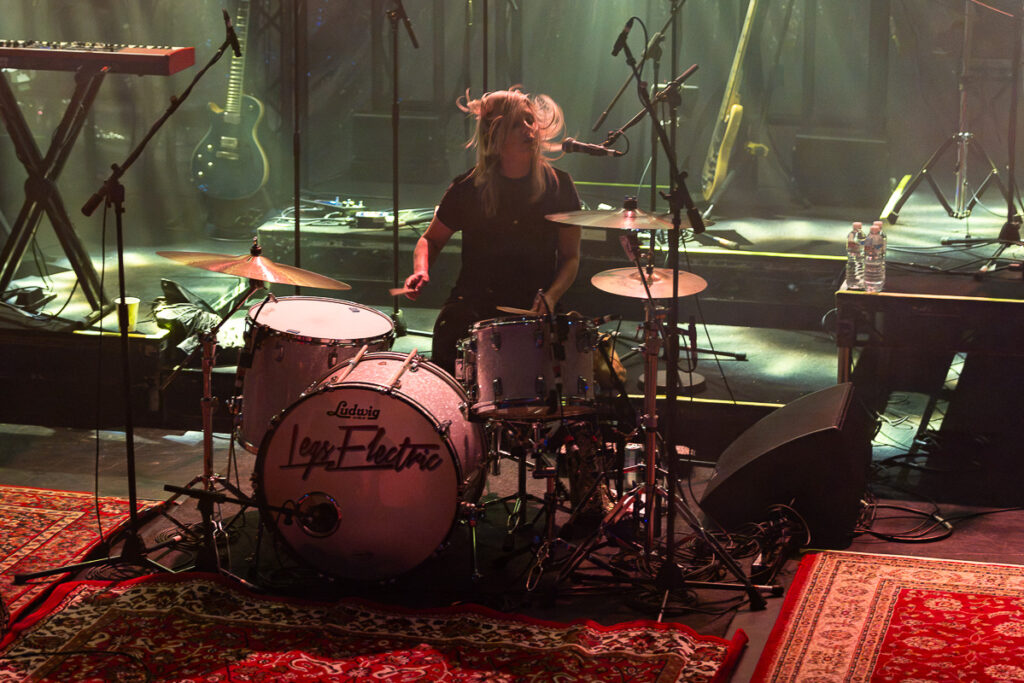
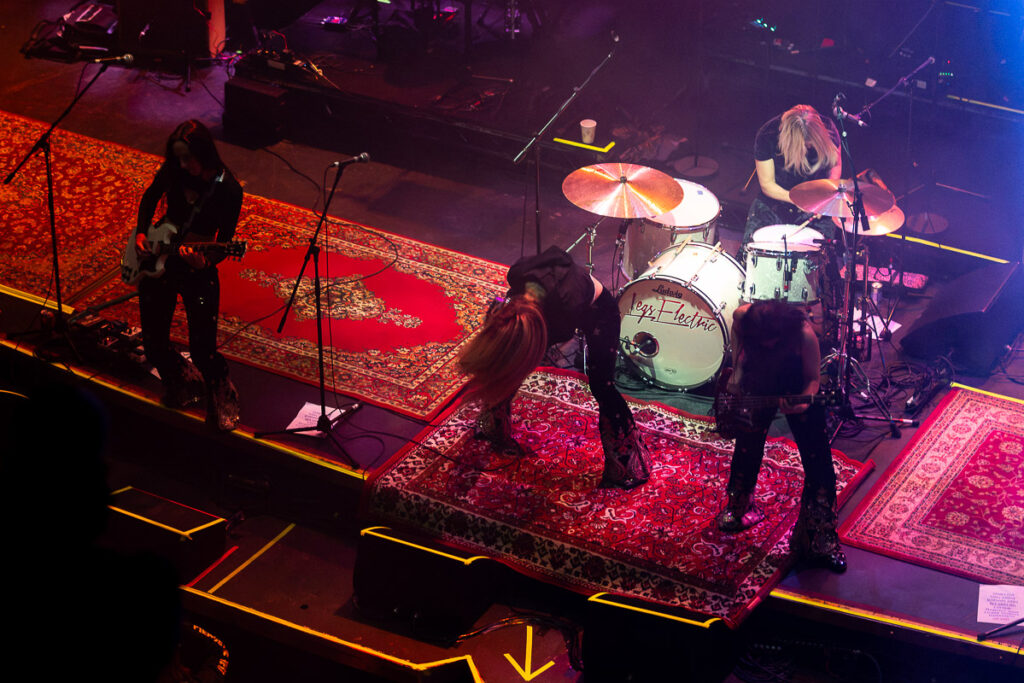
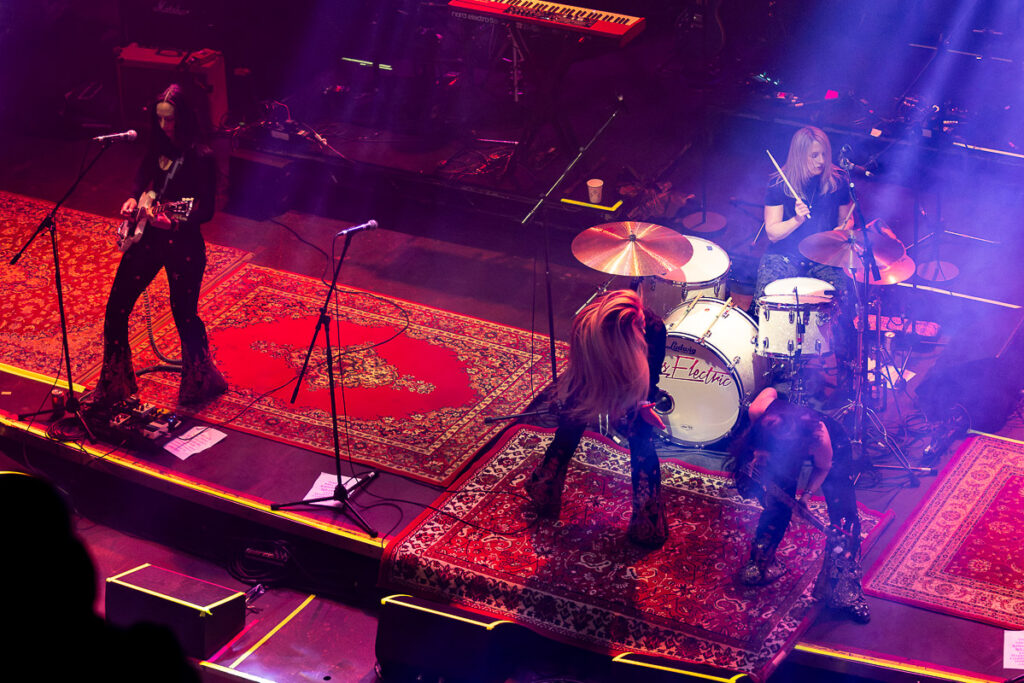
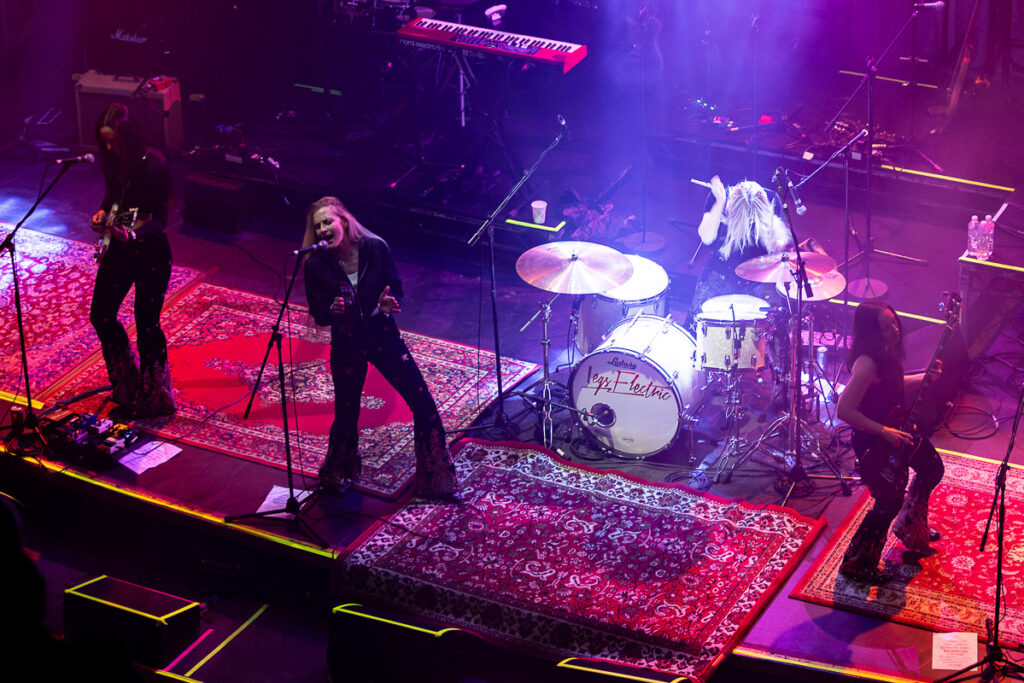
Legs Electric hardly improved matters, delivering a hard-rock pastiche so slavishly indebted to its influences that they might as well have performed covers. To their credit, they delivered their energetic rock theatrics with plenty of enthusiasm, finding a receptive audience among the early arrivals, but the performance seemed somewhat at odds with the evening’s anti-establishment ethos. It was a bit like mistaking Coyote Ugly for an empowering feminist film—reproducing familiar gestures without recognising their absurdity. A Tame Impala tribute act might have made for a more interesting provocation.
Shifting gears, things then became serious (Mum). From offstage, TISM‘s Ron Hitler-Barassi first offered a warning: “Don’t be a dickhead. There’s gonna be enough dickheads on stage.” The chorus of Sweet Caroline then rang out over the speakers, the crowd chiming in before an abrupt segue into Morrison Hostel’s tirade against “the prick that pushes in front of my trolley”. Commands to “put your goddamn rubbish in the bin!” followed—a bizarre simulacrum of calls for respect and decorum. Old-man-yelling-at-cloud had become an unlikely master of ceremonies, policing etiquette ahead of an evening devoted to violating it.
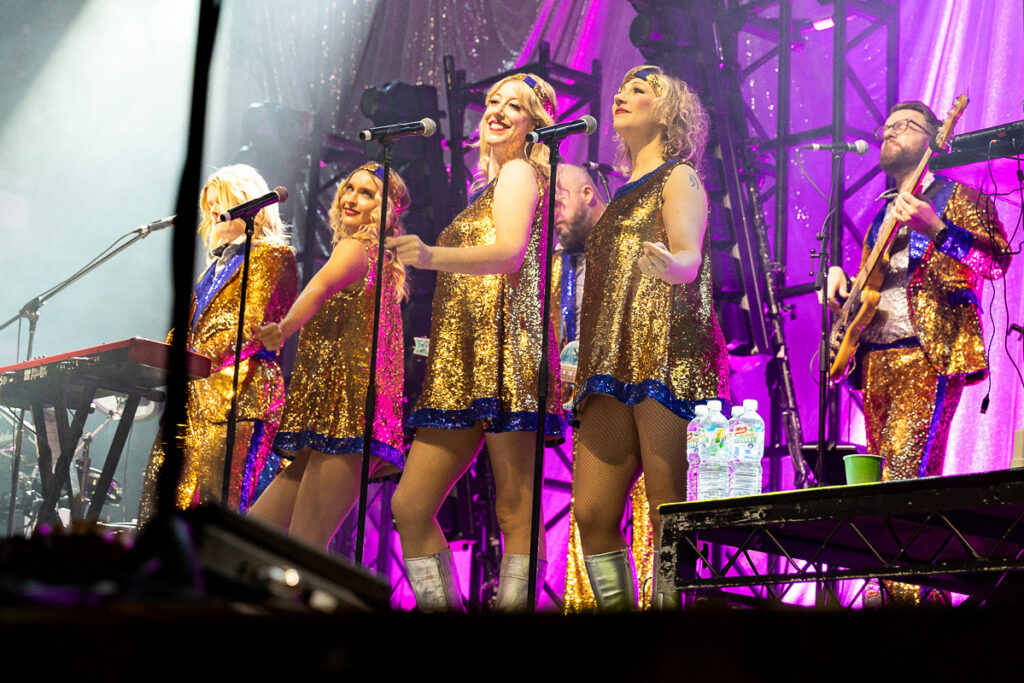
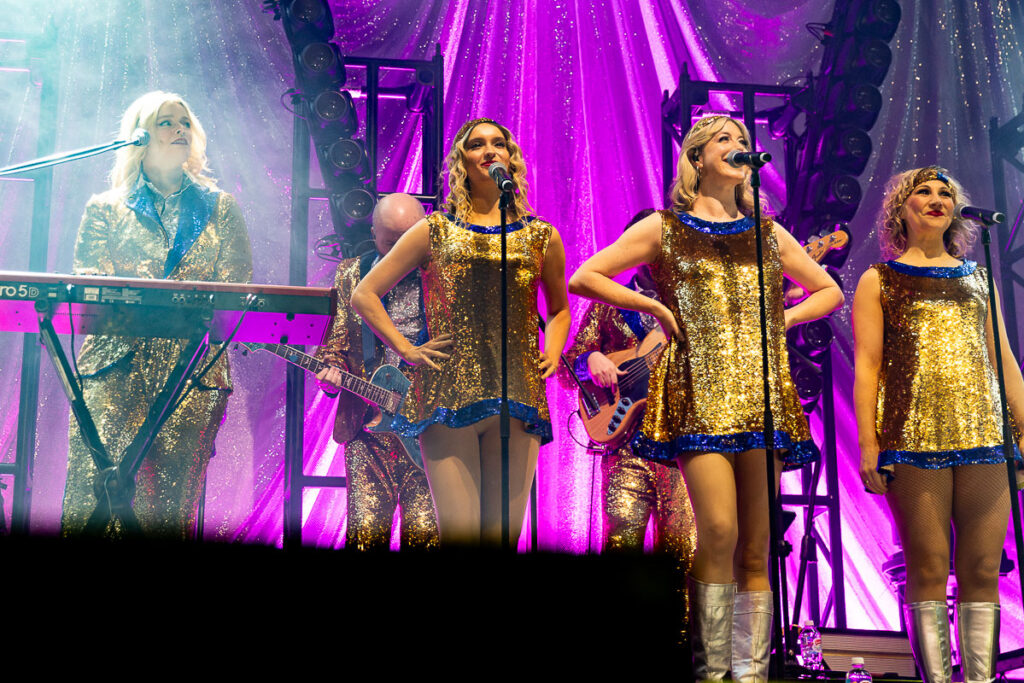
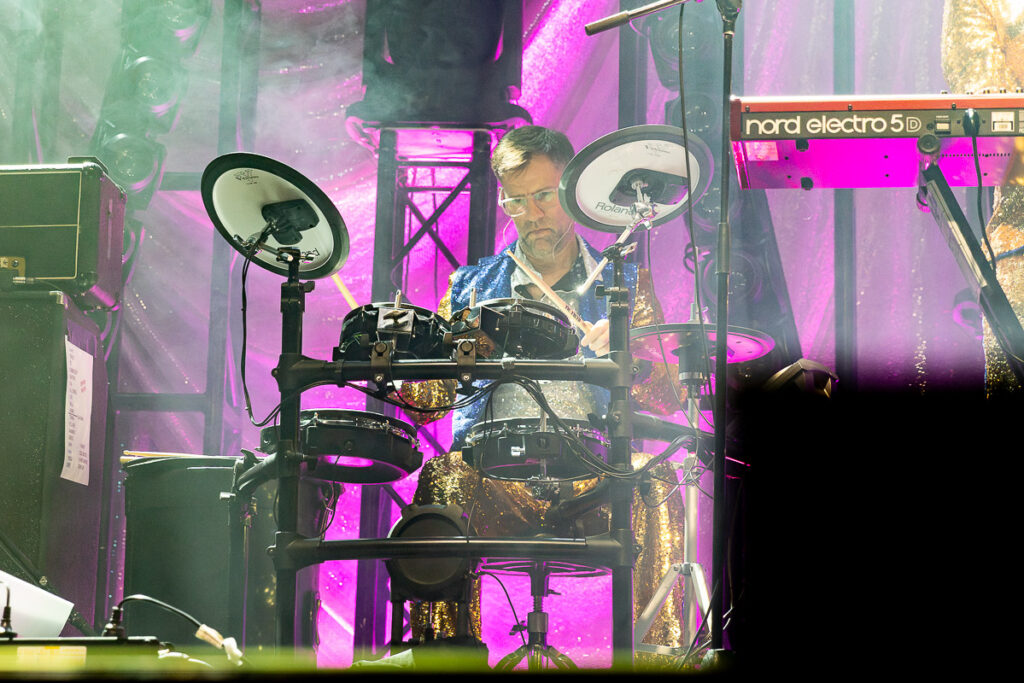
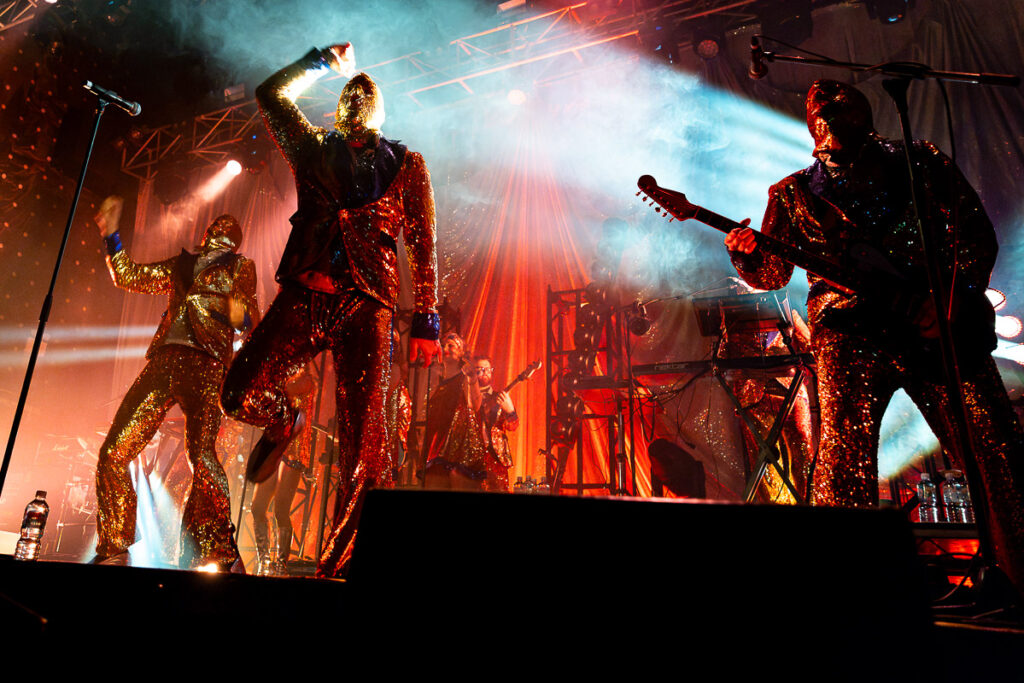
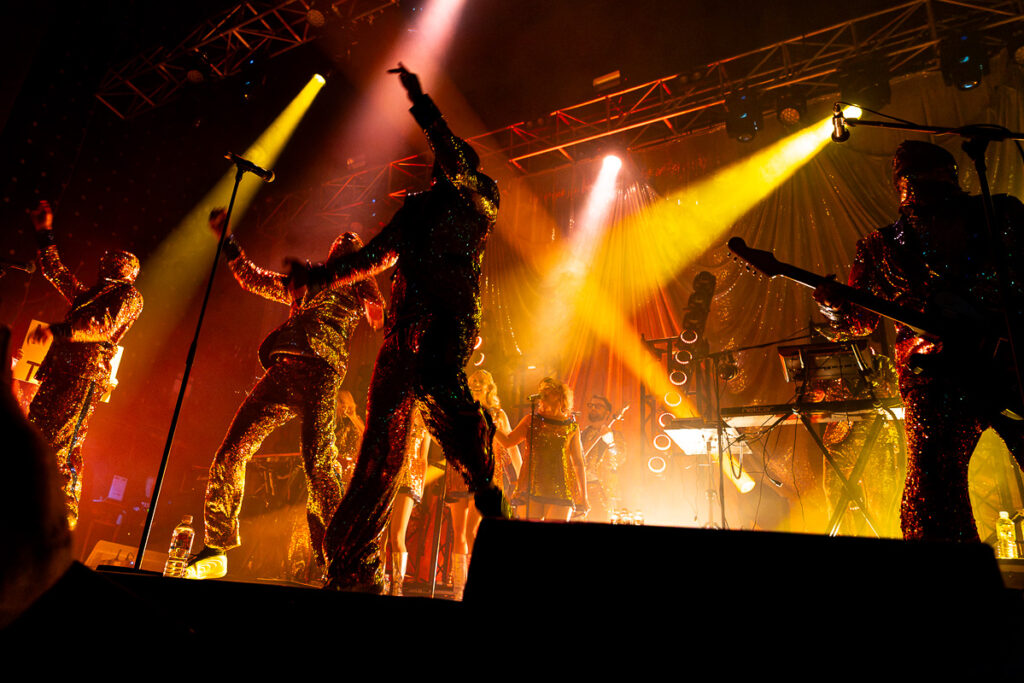
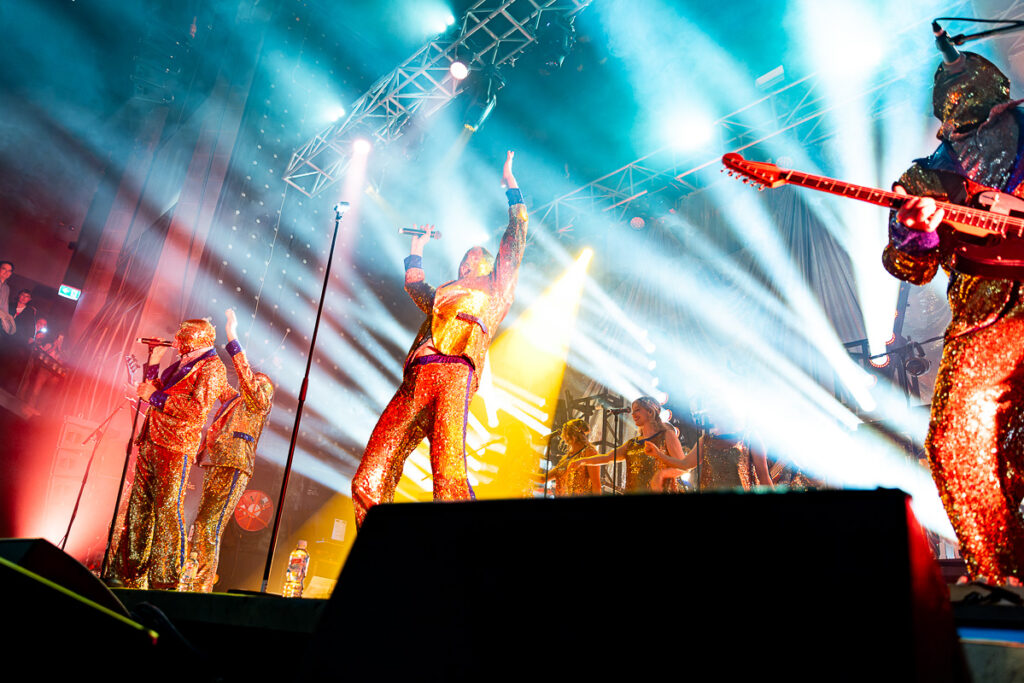
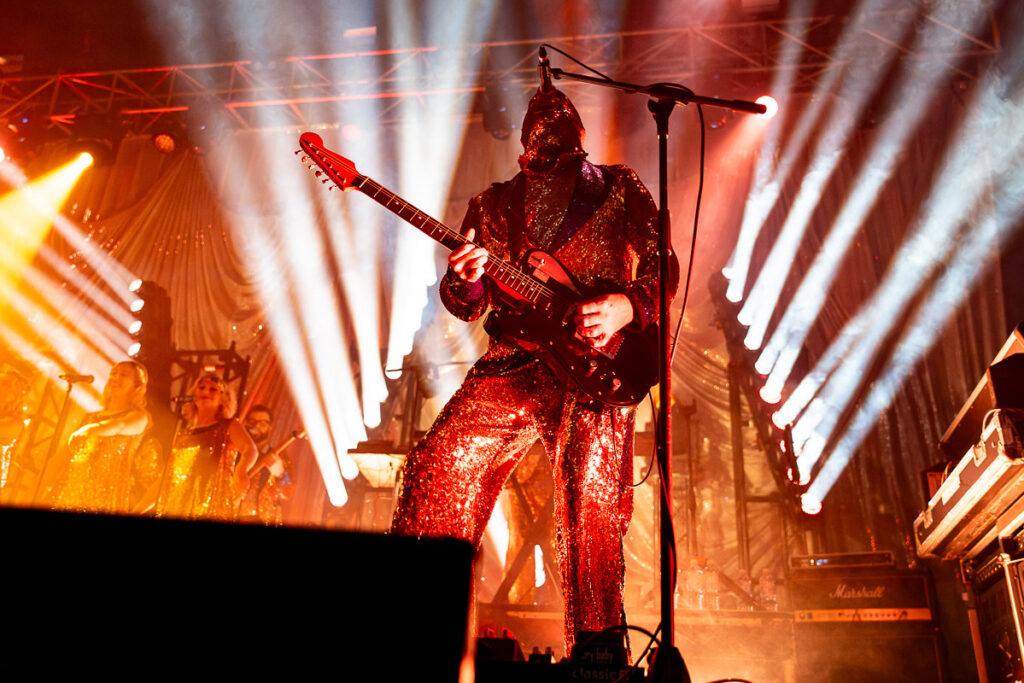
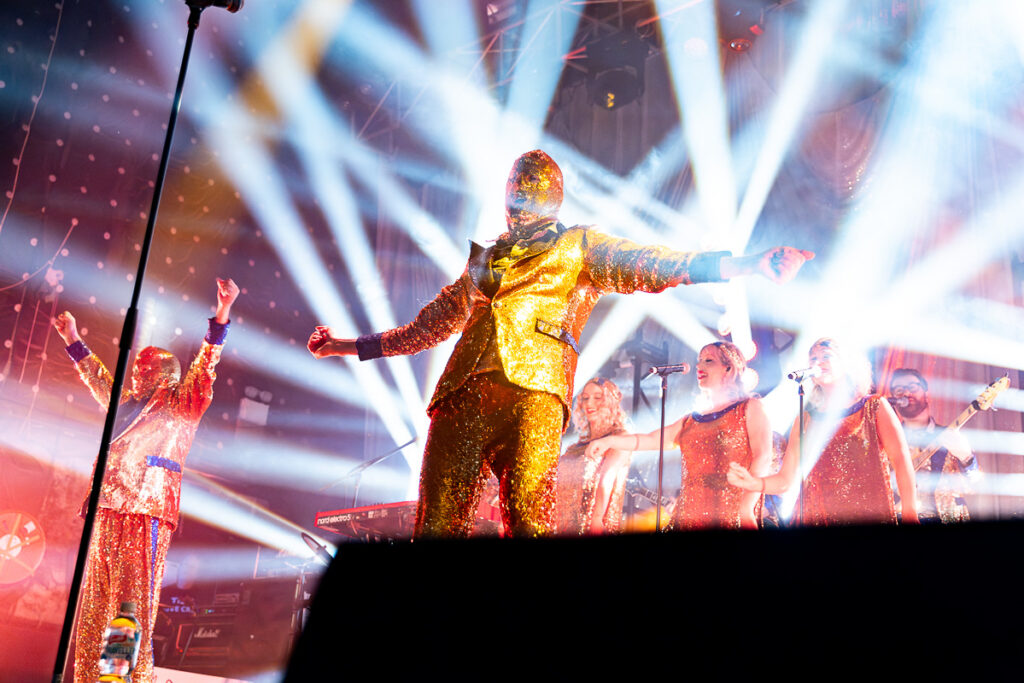
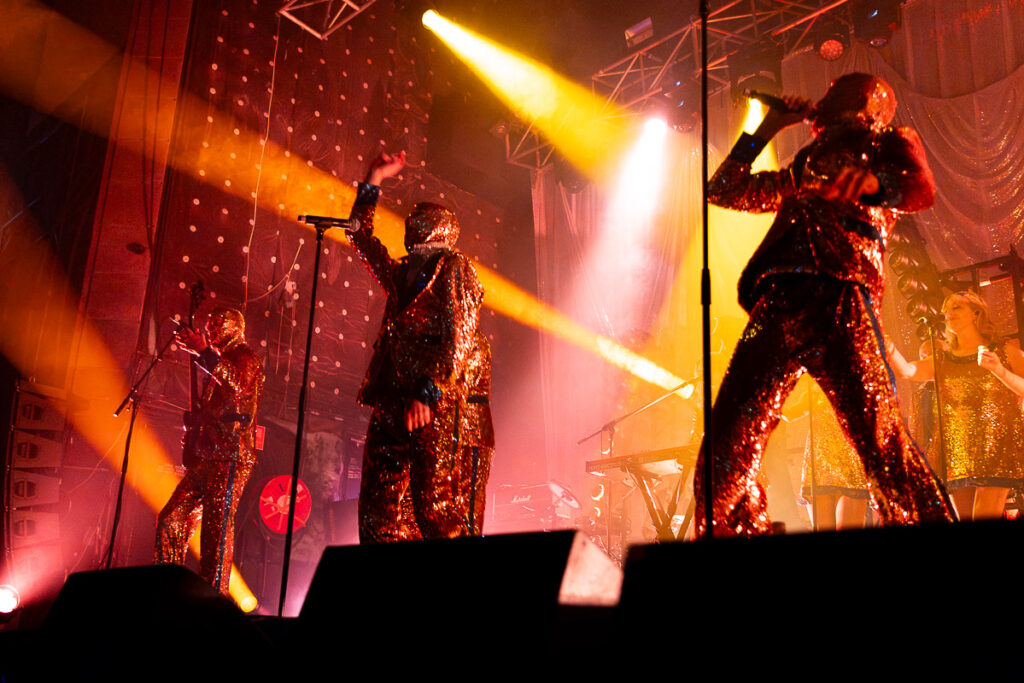
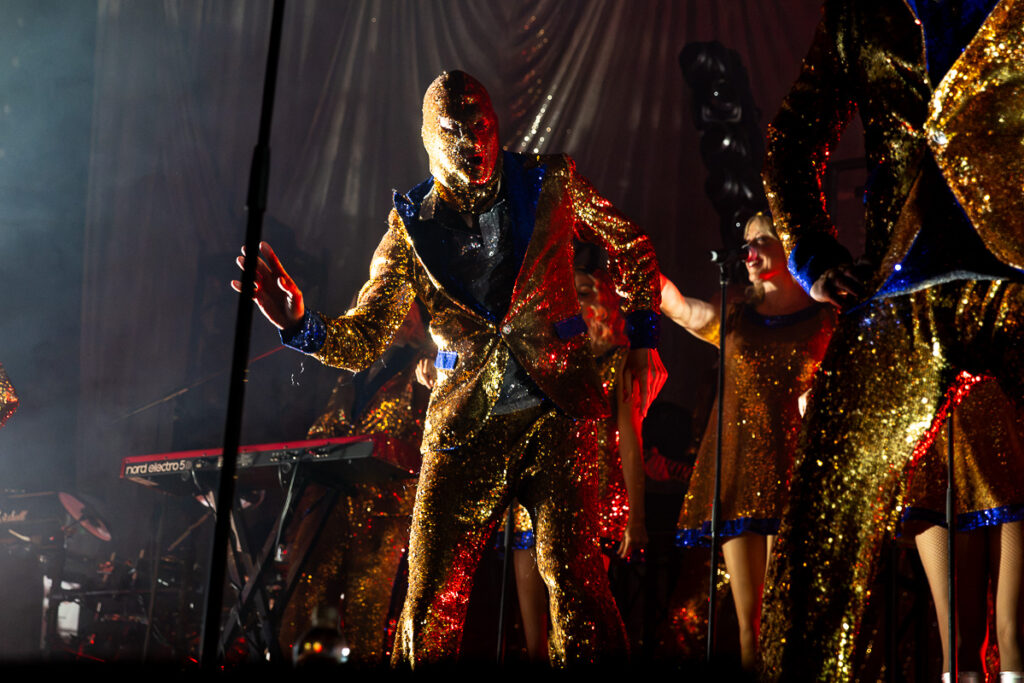
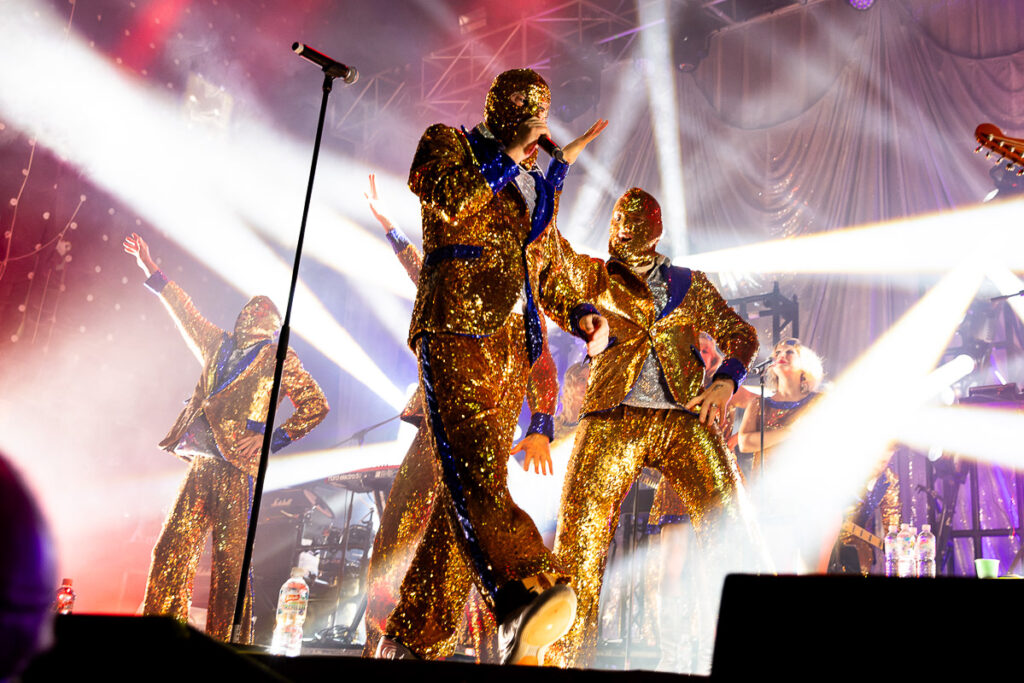
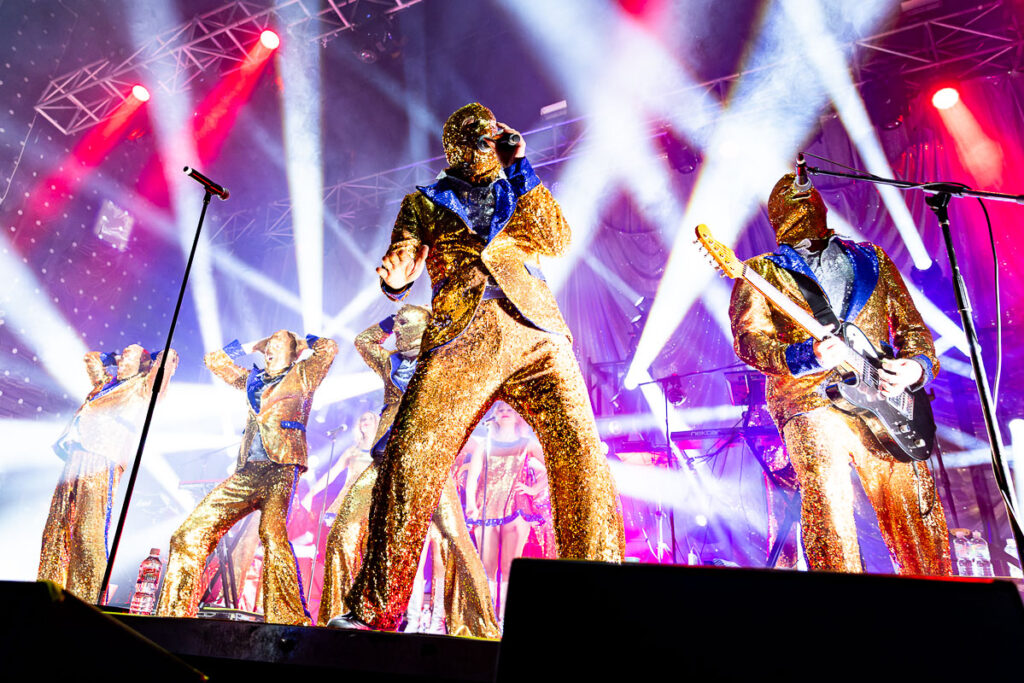
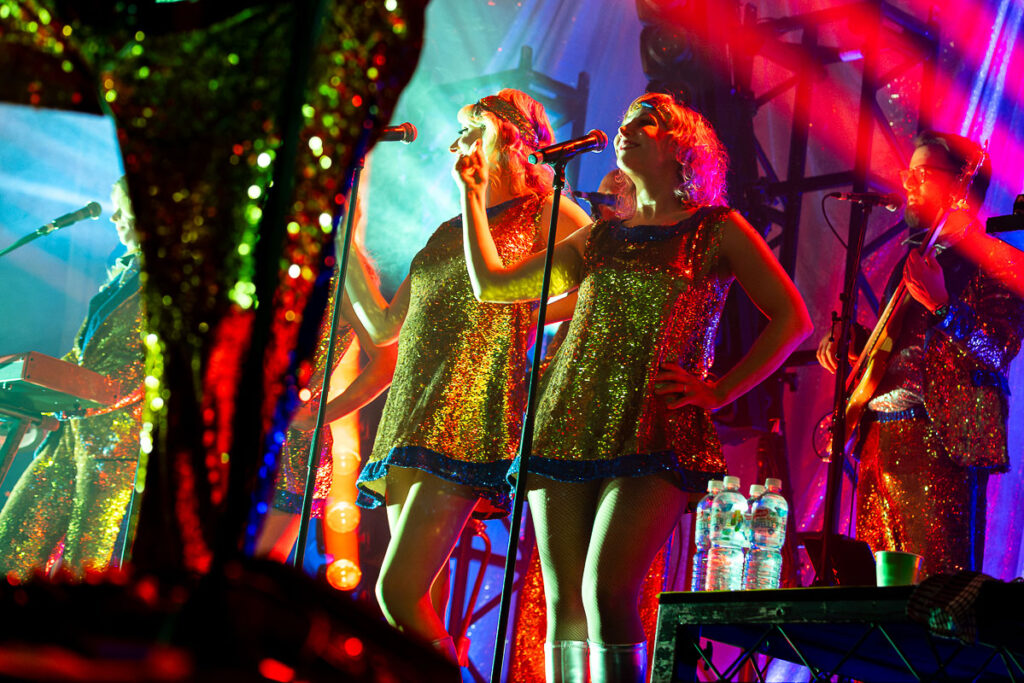
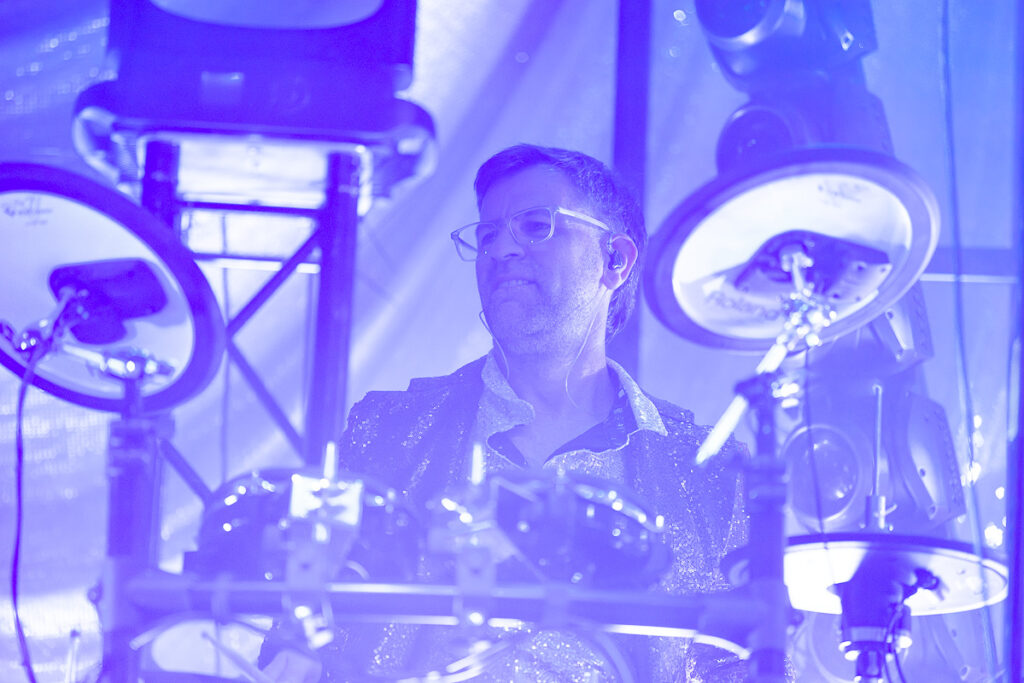
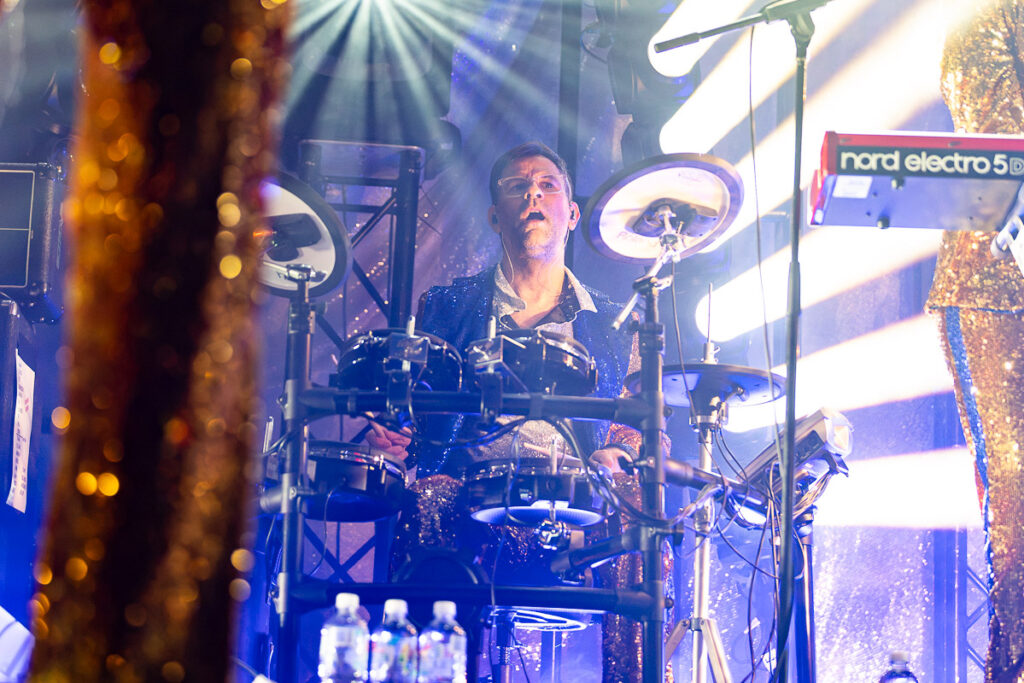
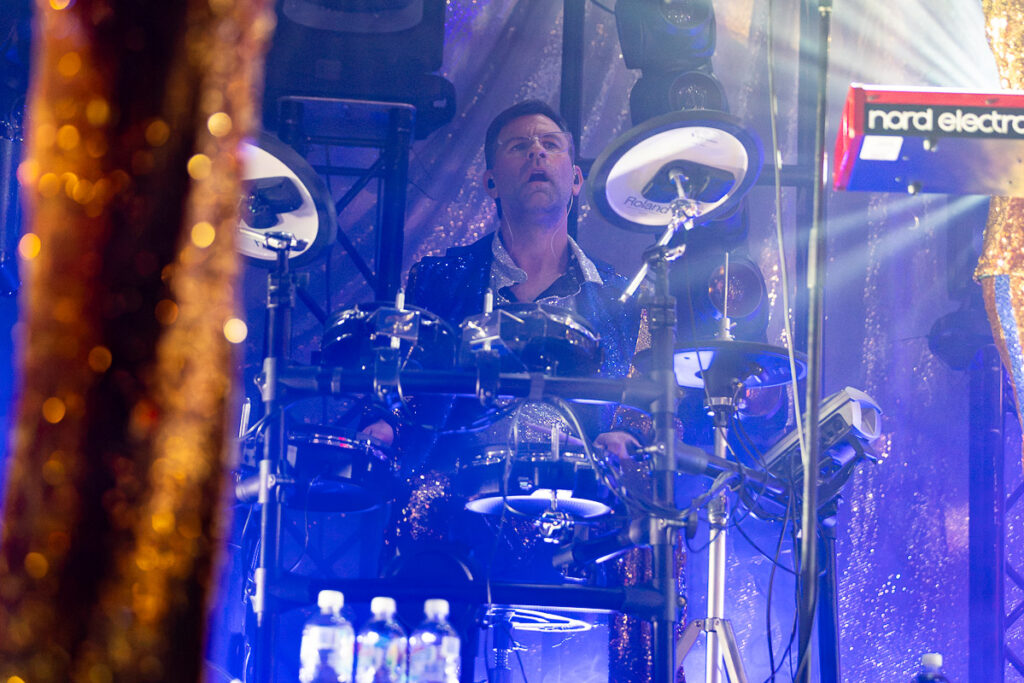
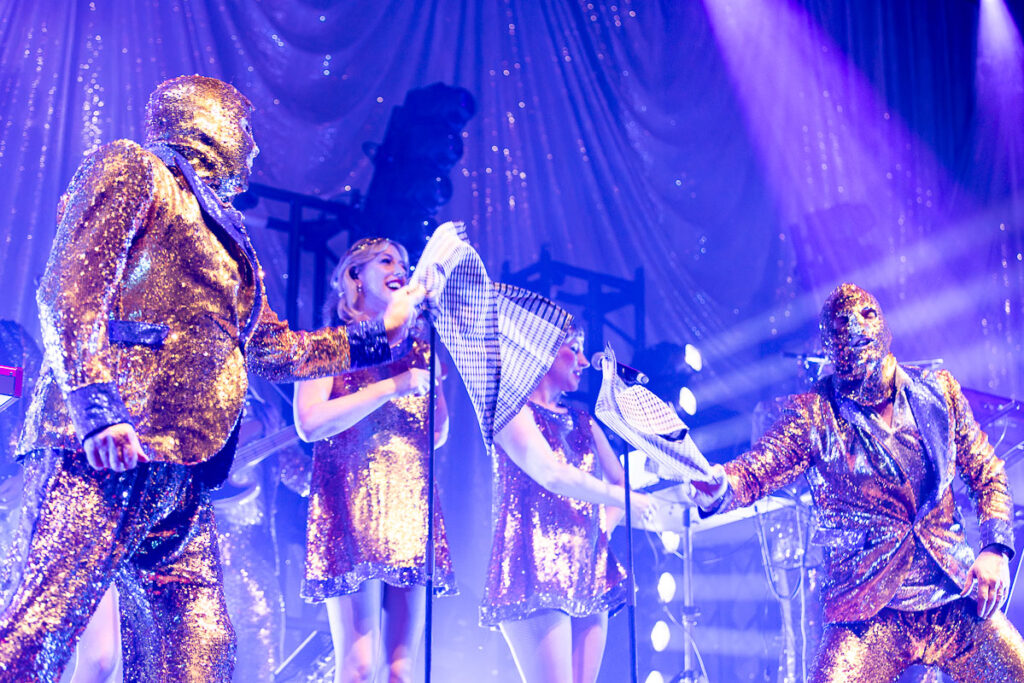
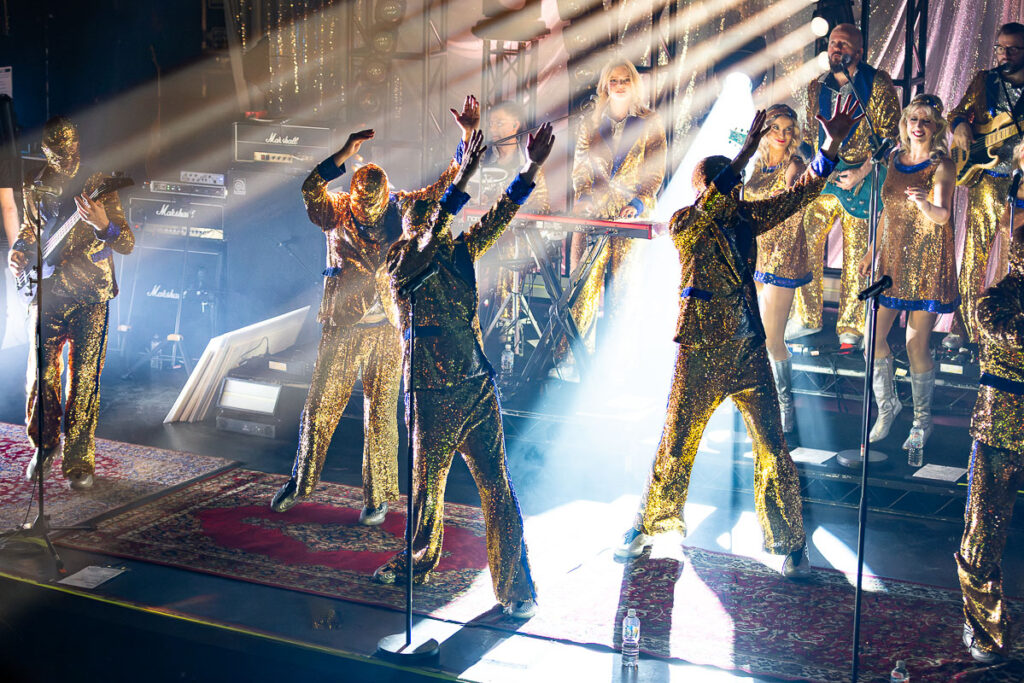
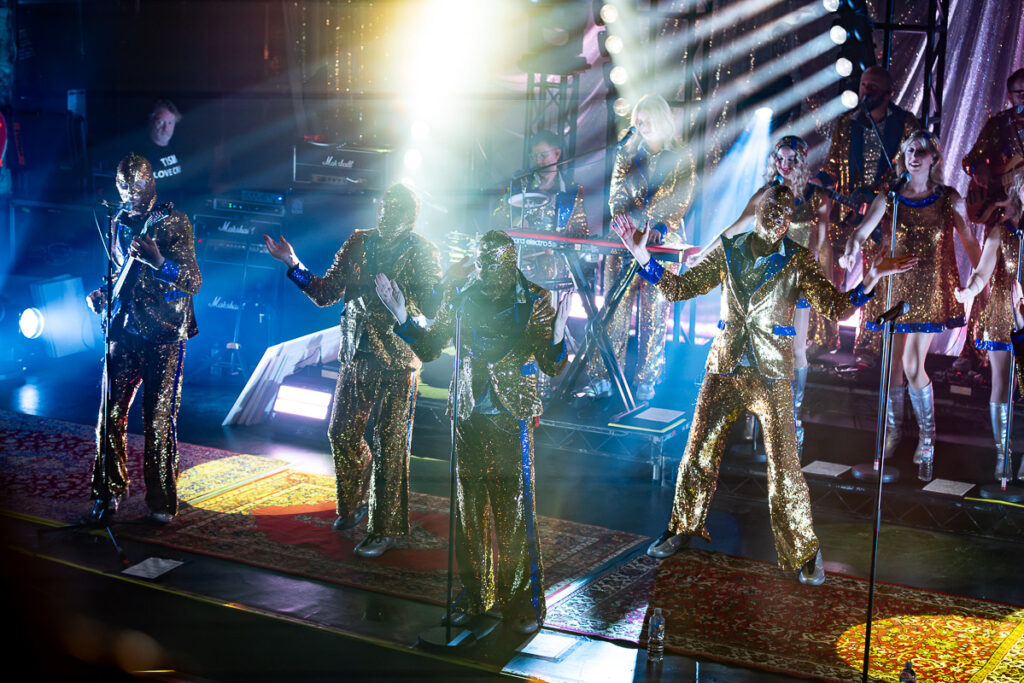
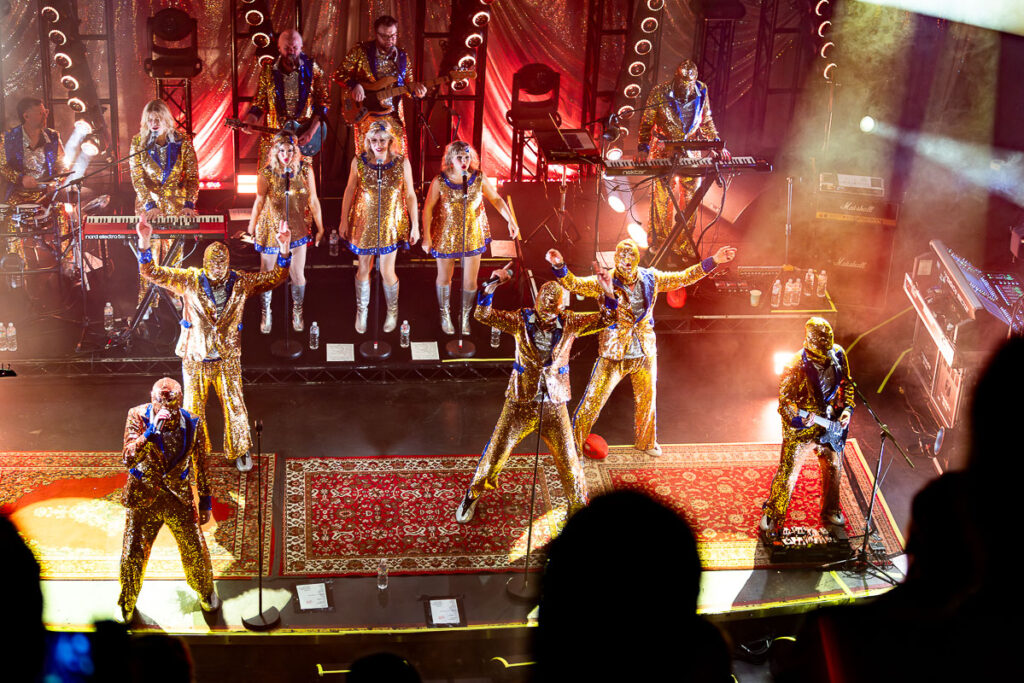
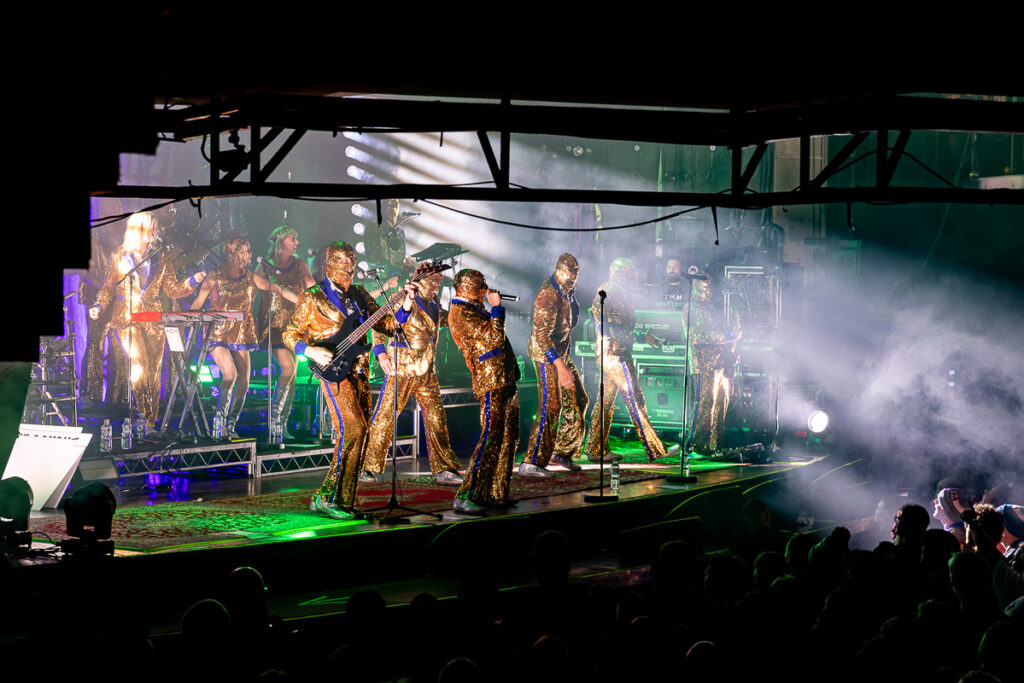
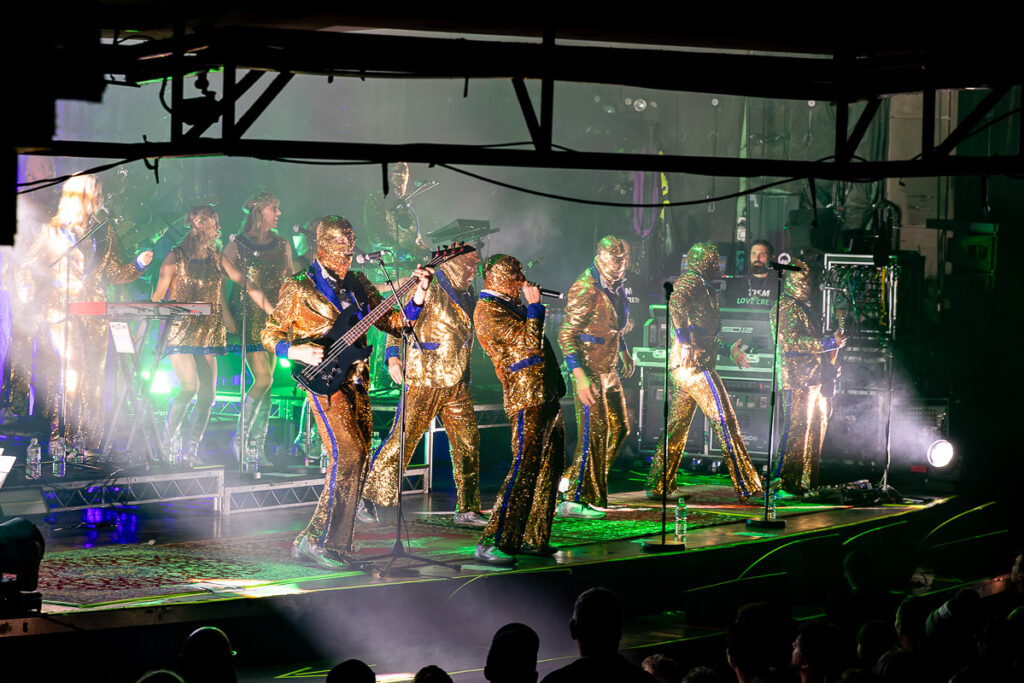
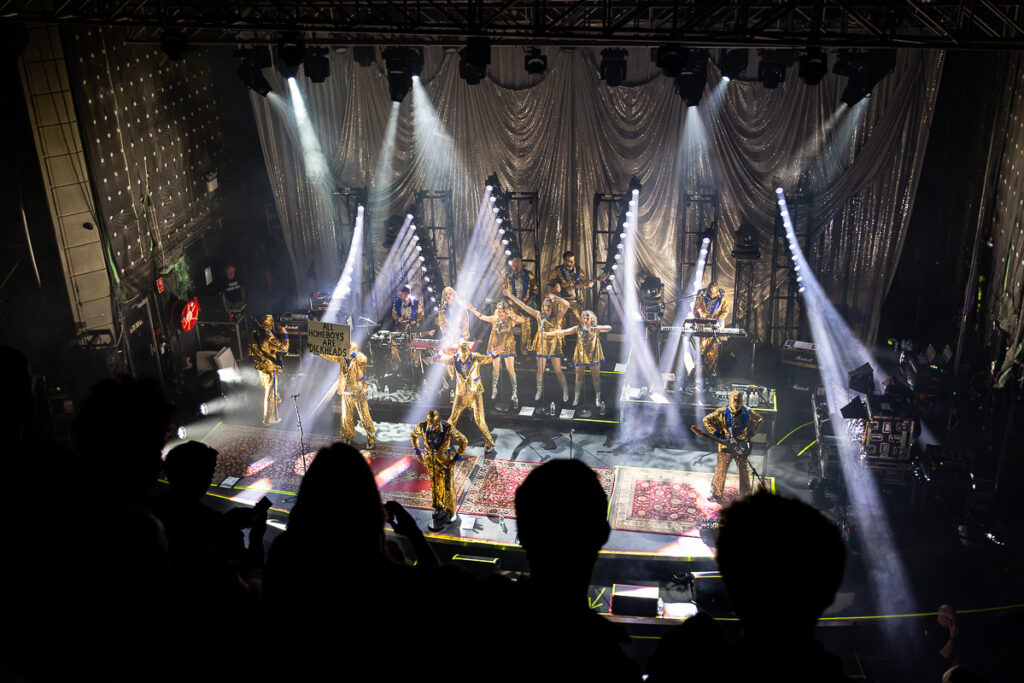
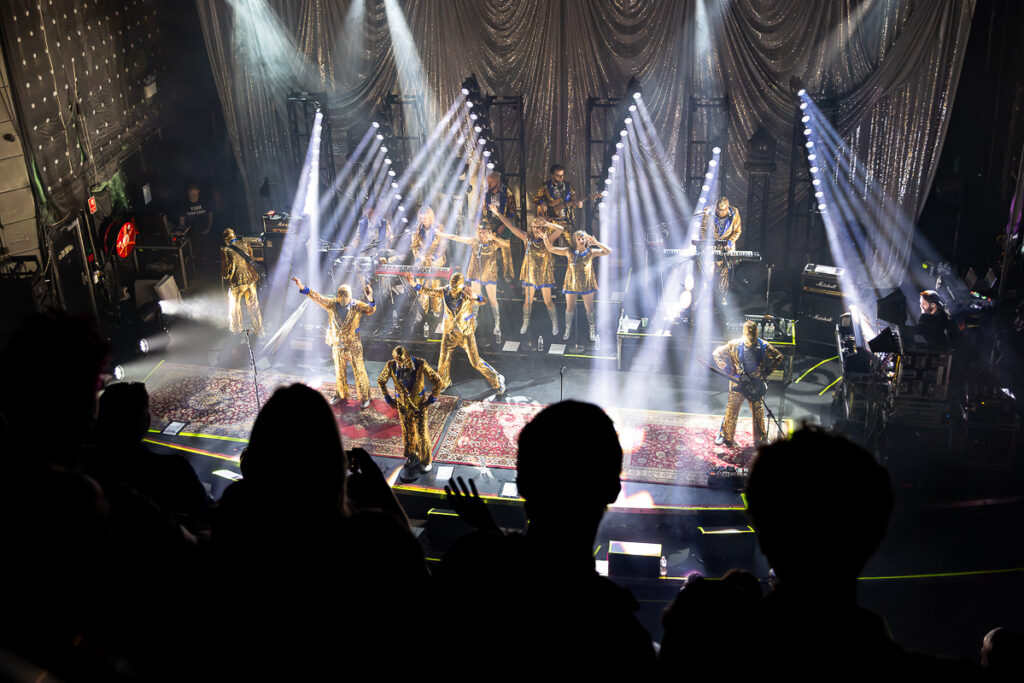
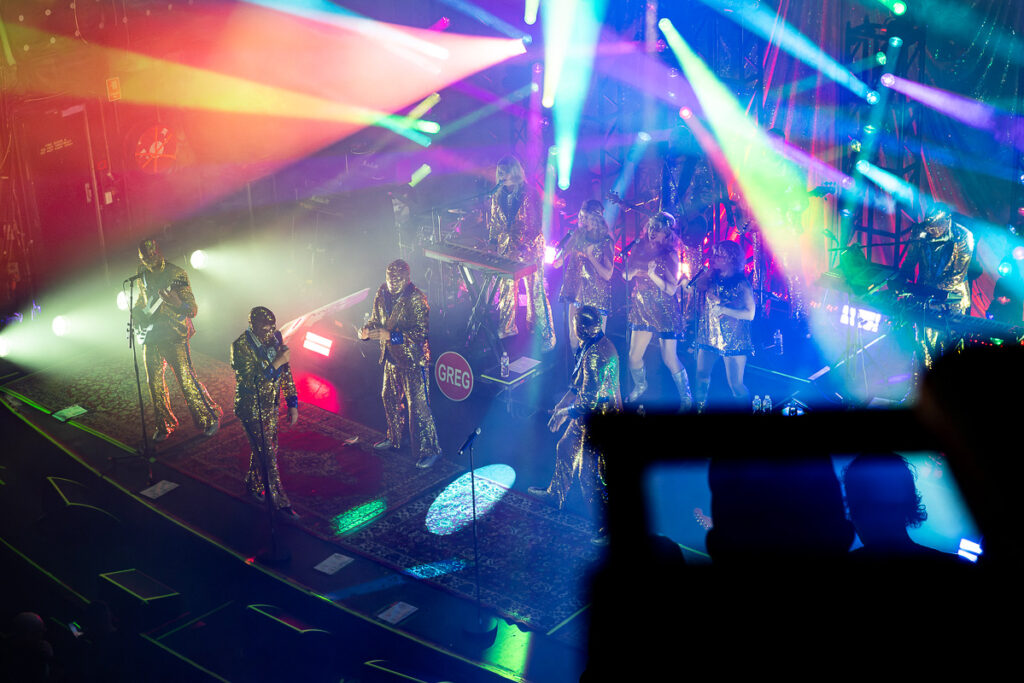
Earlier Australian-tour setlists had hinted that some kind of cover-band absurdity was on the cards, though even the most vigilant of us could hardly be prepared for the spectacle and onslaught to come. A glittering wedding-band ensemble occupied the stage in gold tuxedos, with three blonde backing singers in crotch-skimming minidresses and silver go-go boots. Familiar soft-rock favourites followed, from Oh Mandy to Feel Like Making Love and How Deep Is Your Love, accompanied by invitations to clap along that initially met with lukewarm enthusiasm. From the top, TISM were testing the audience’s patience, and some of us might even have thought ‘What better trolling than for TISM to not turn up tonight at all?’
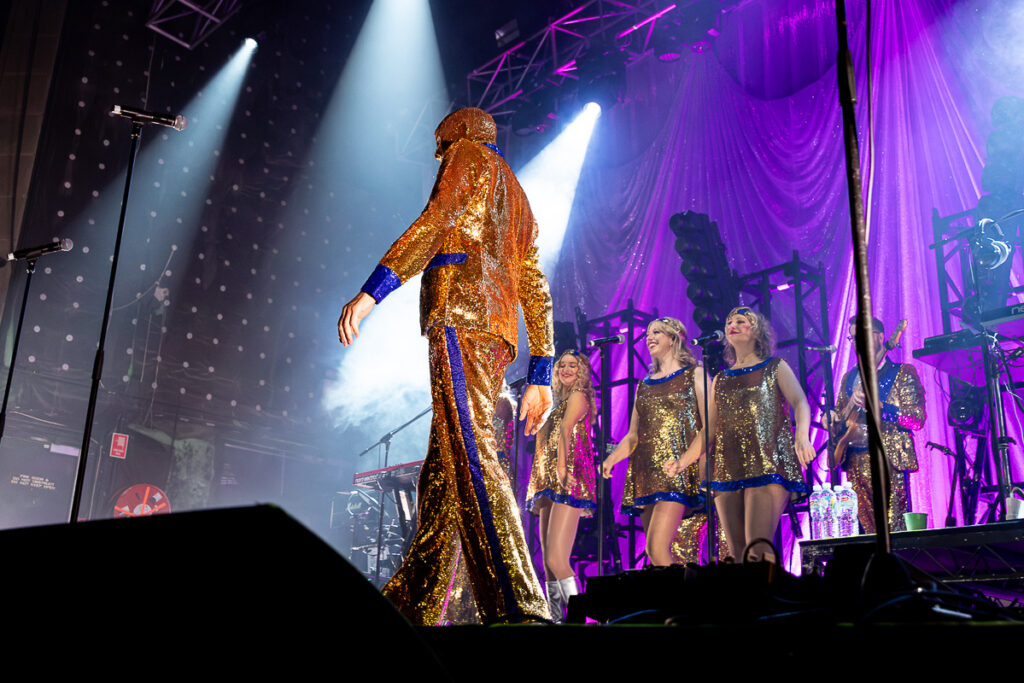
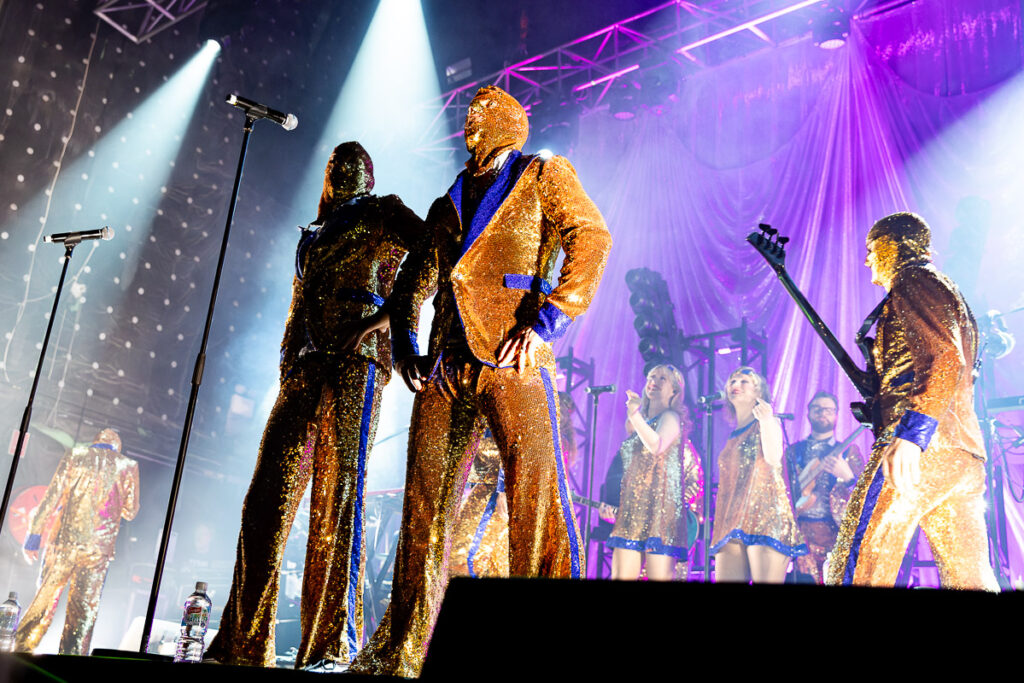
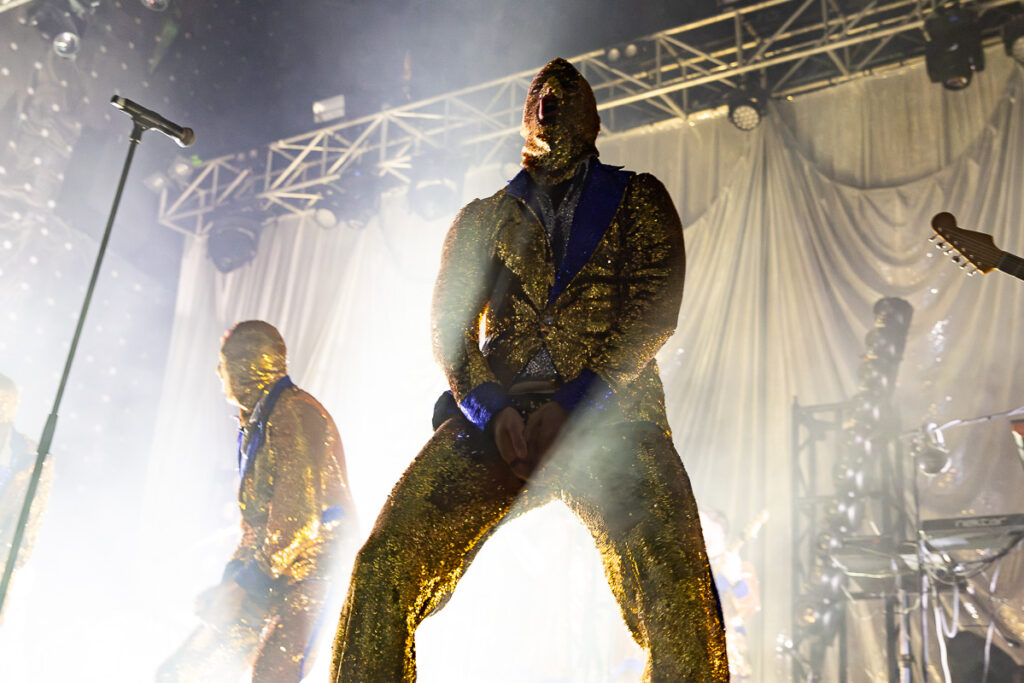
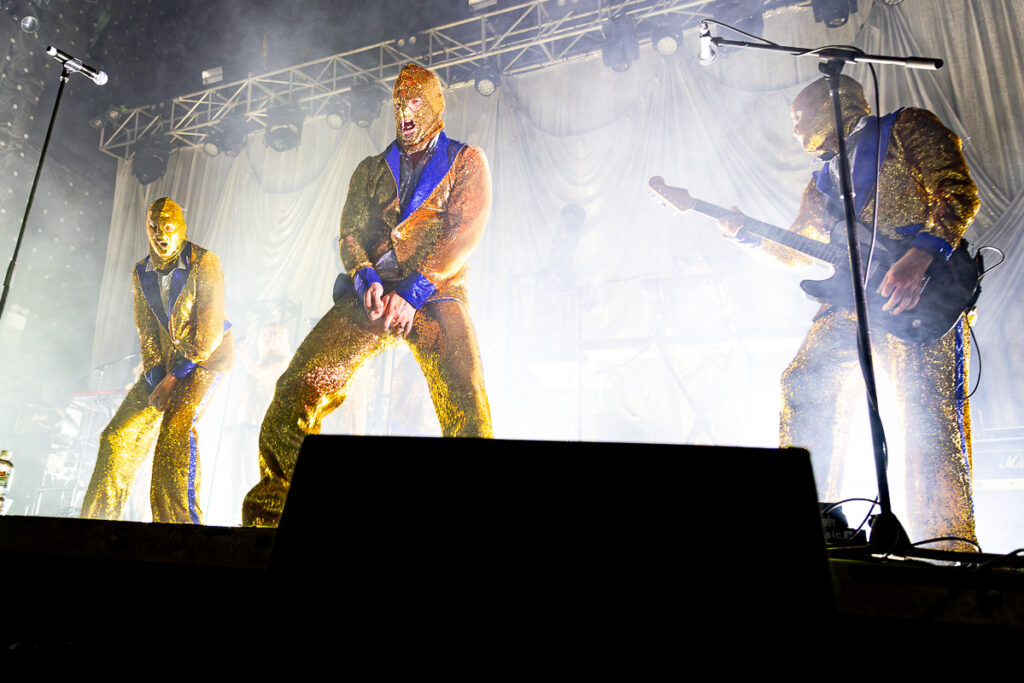
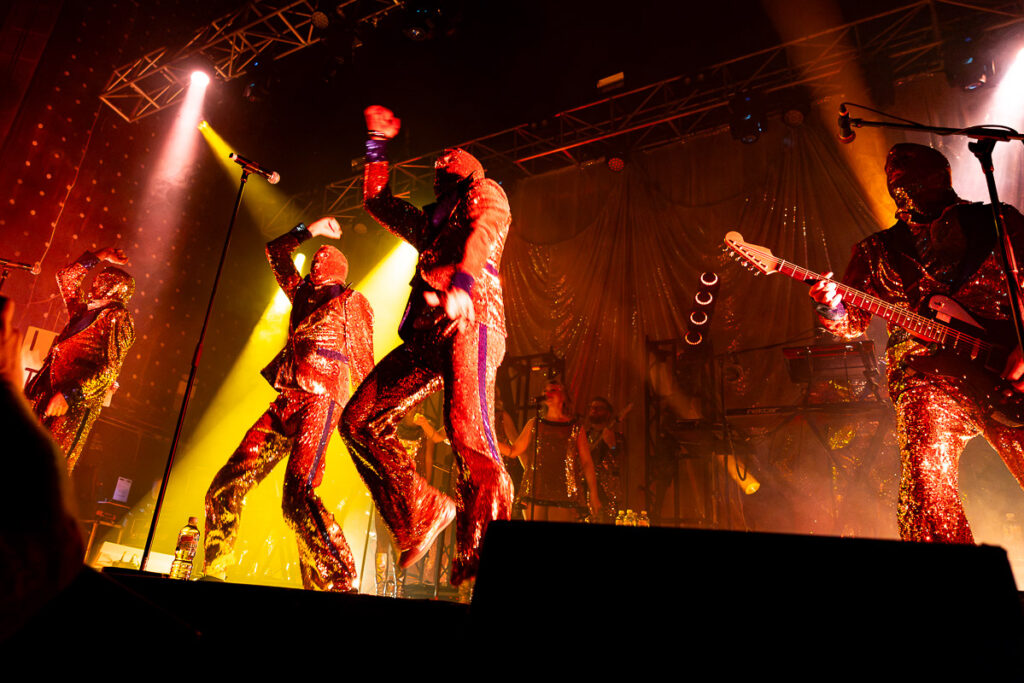
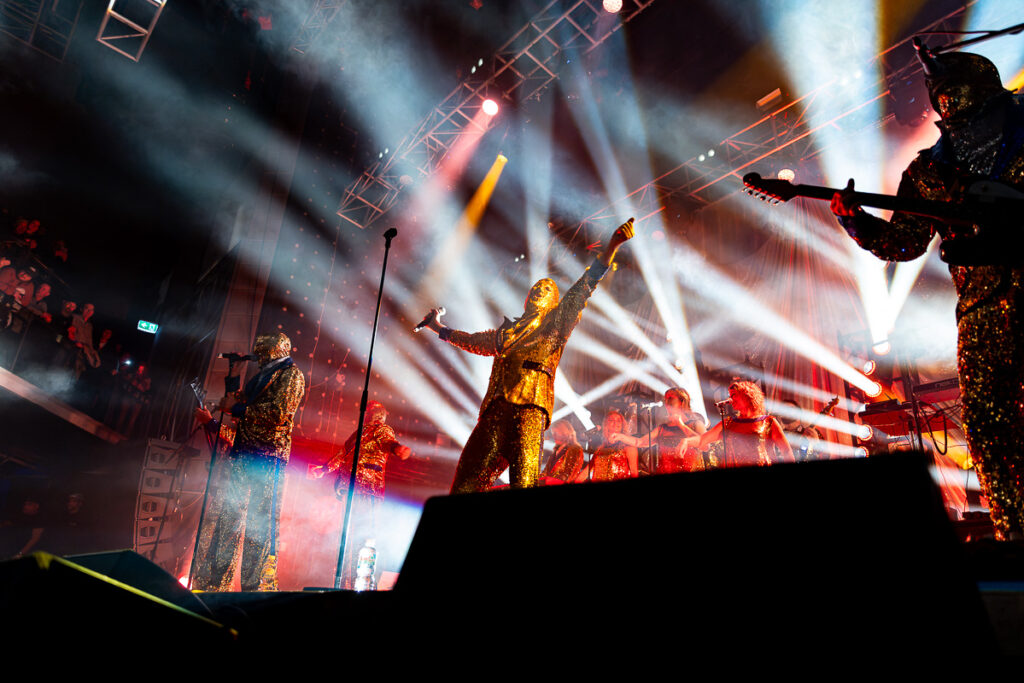
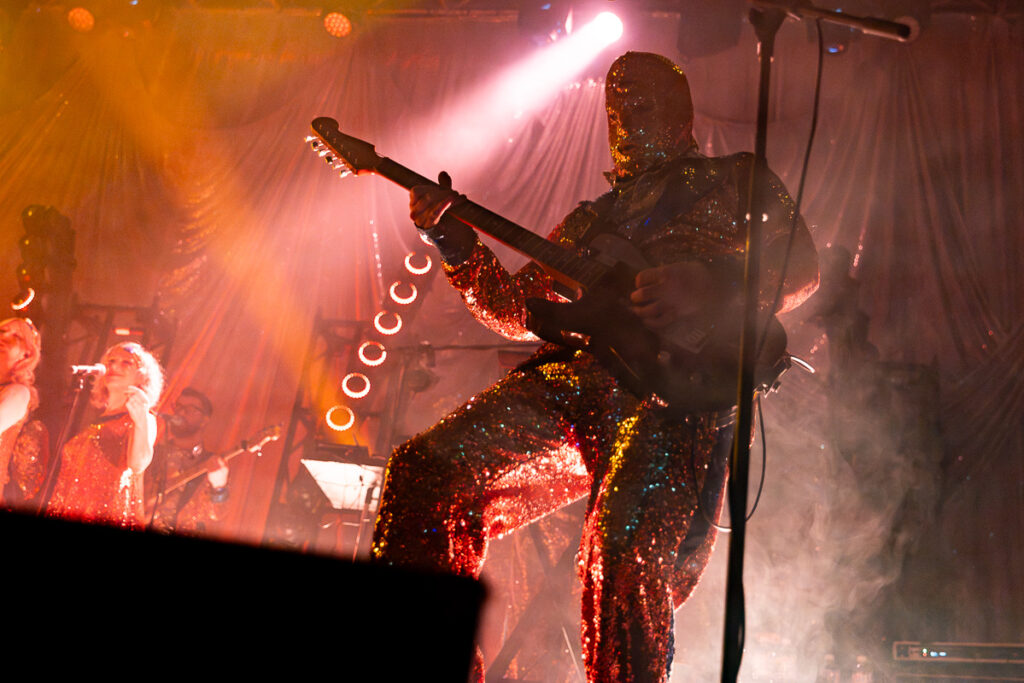
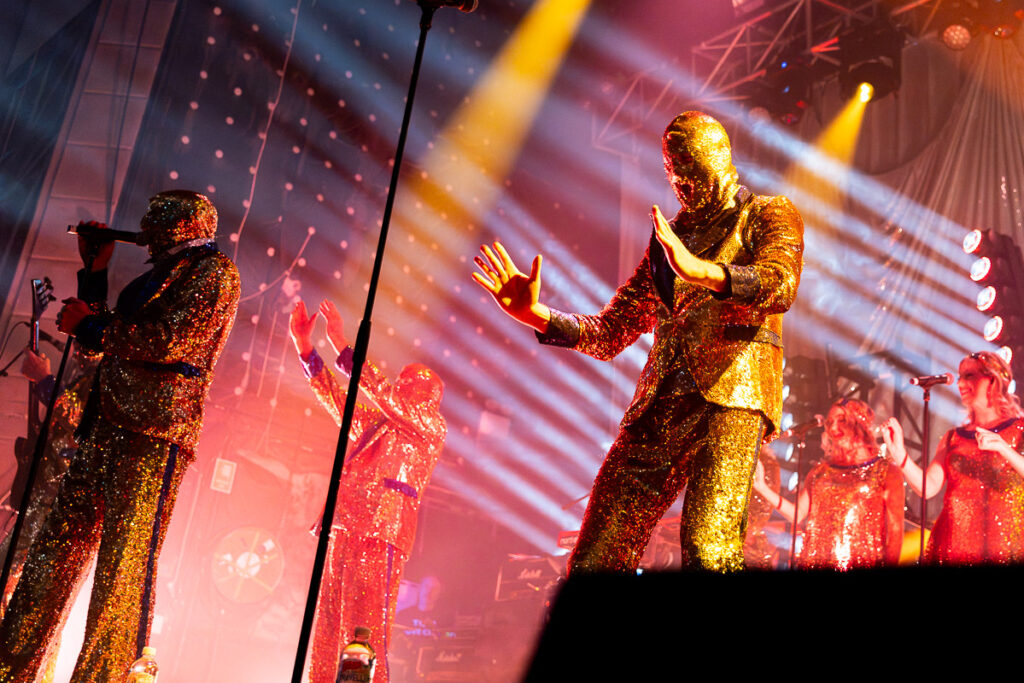
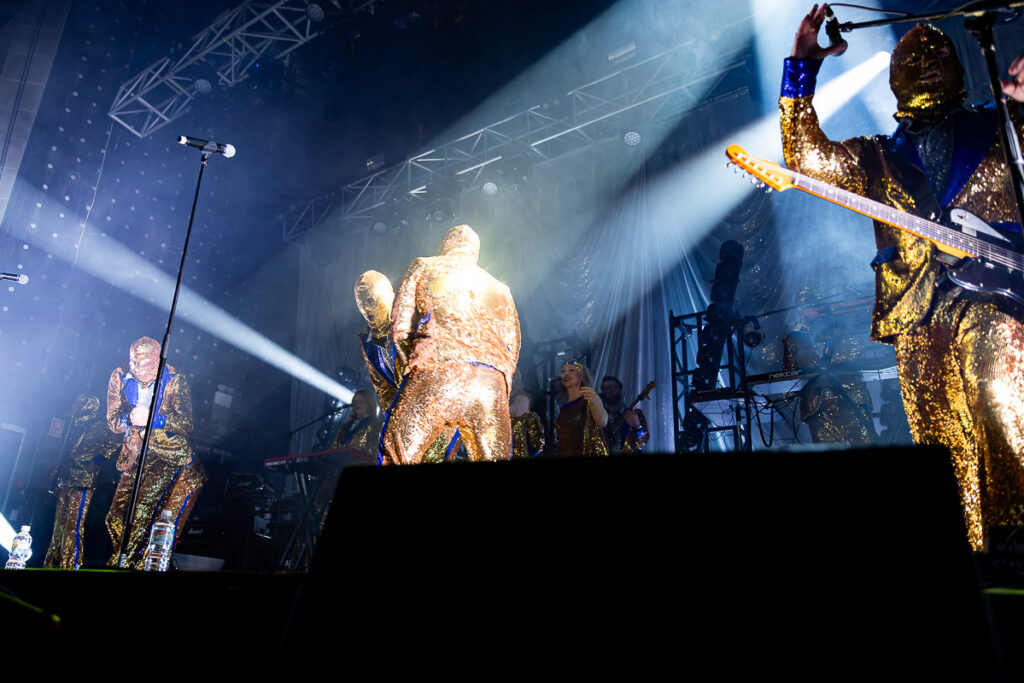
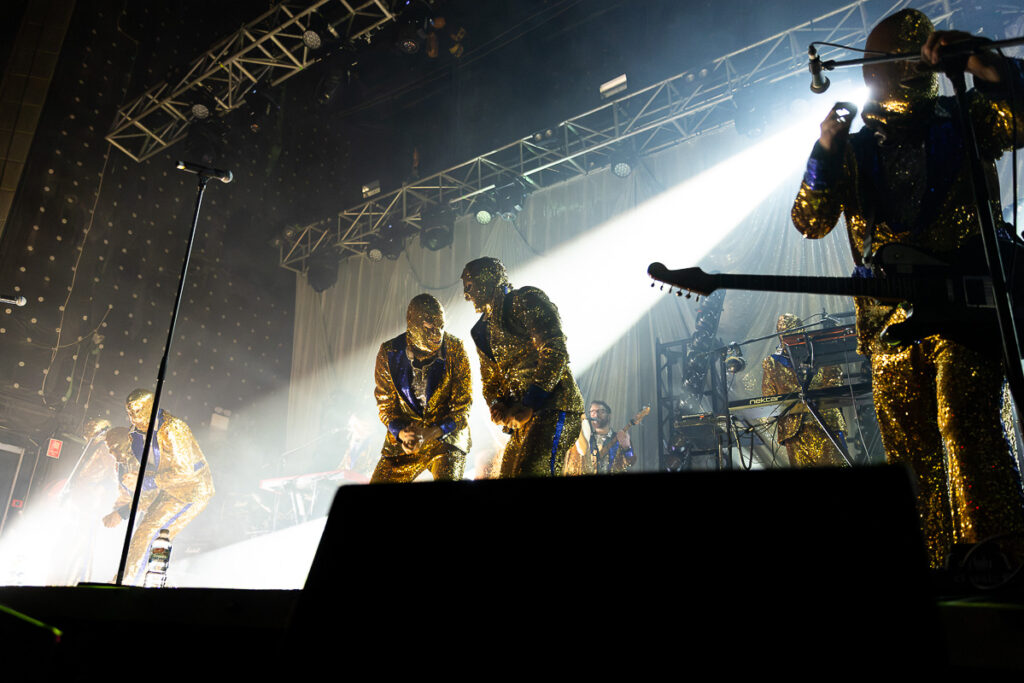
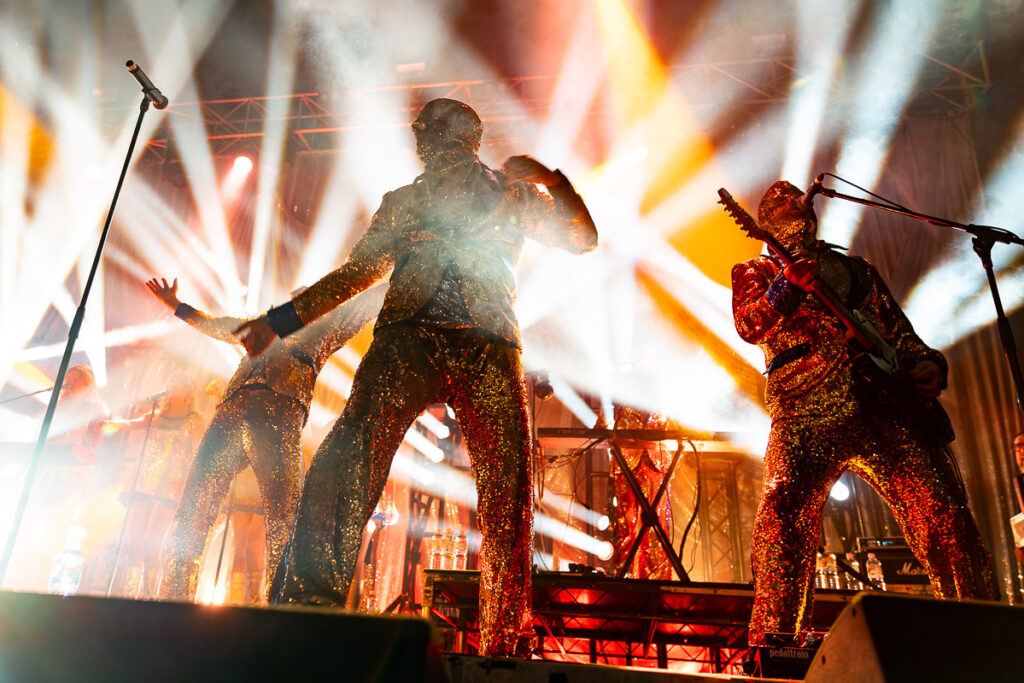
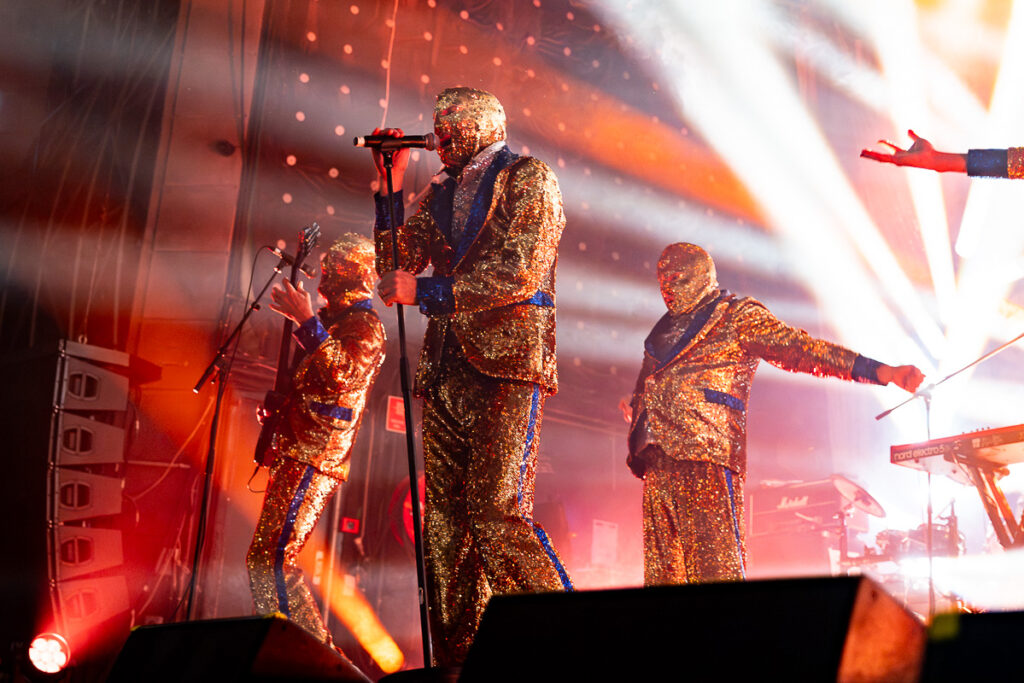
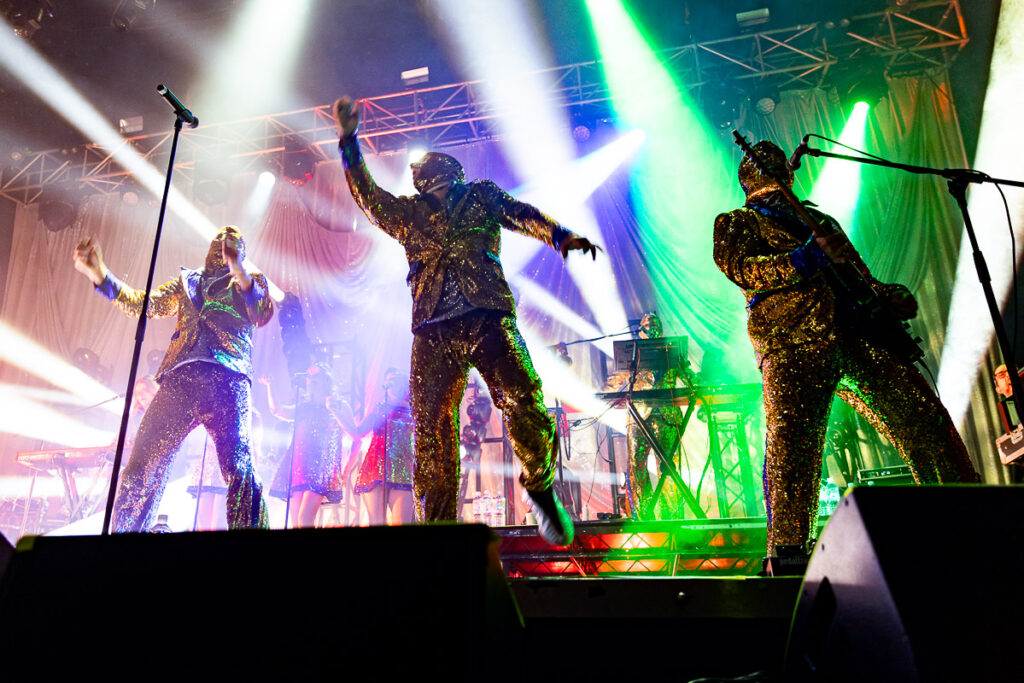
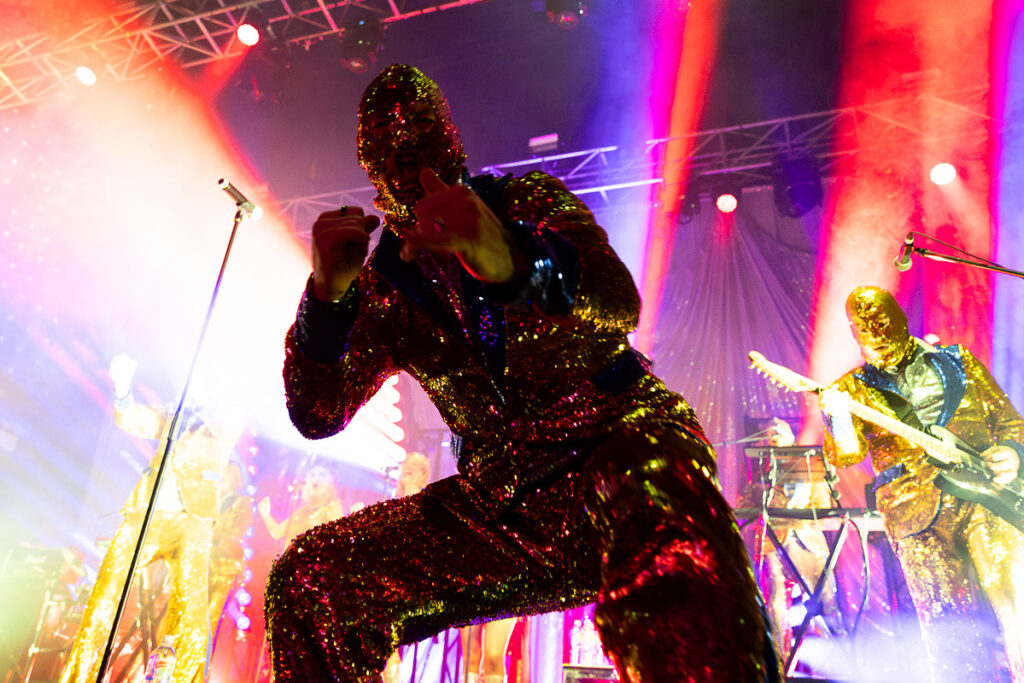
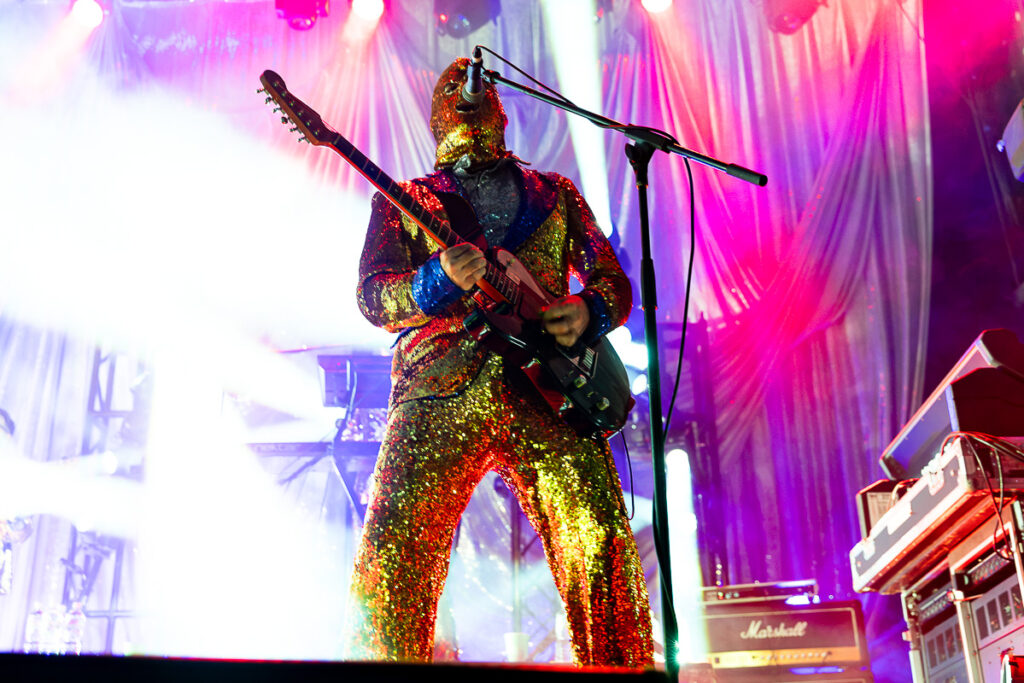
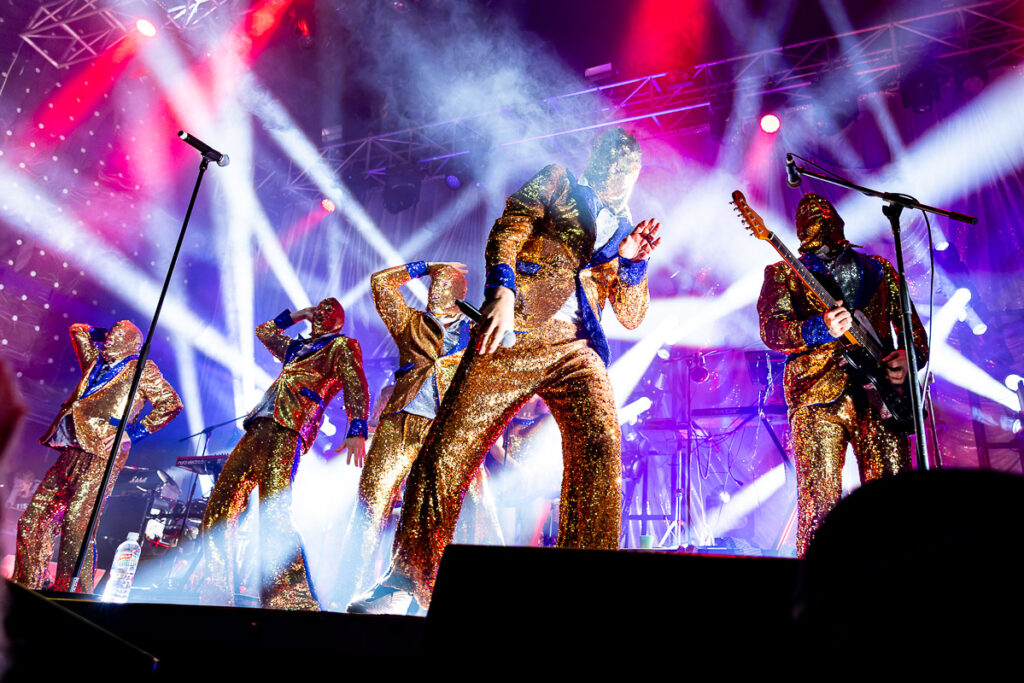
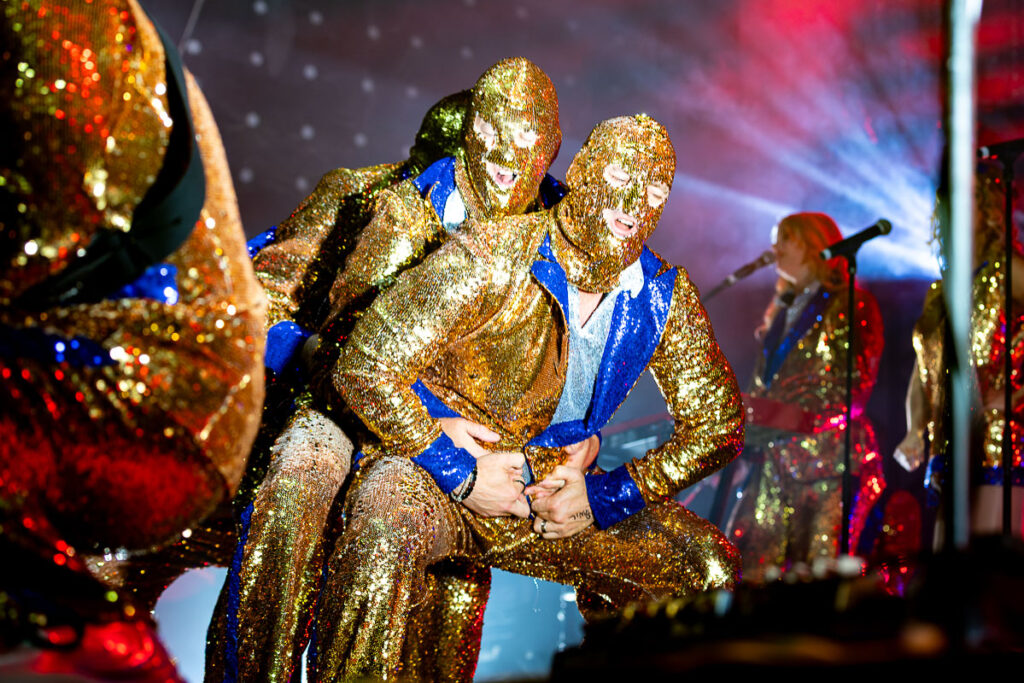
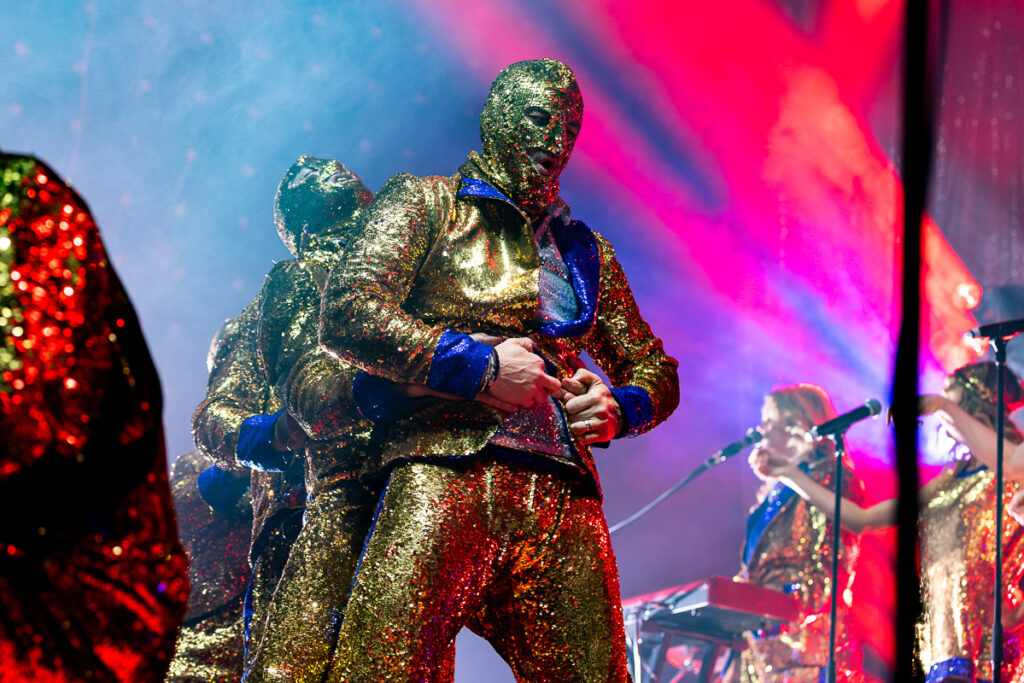
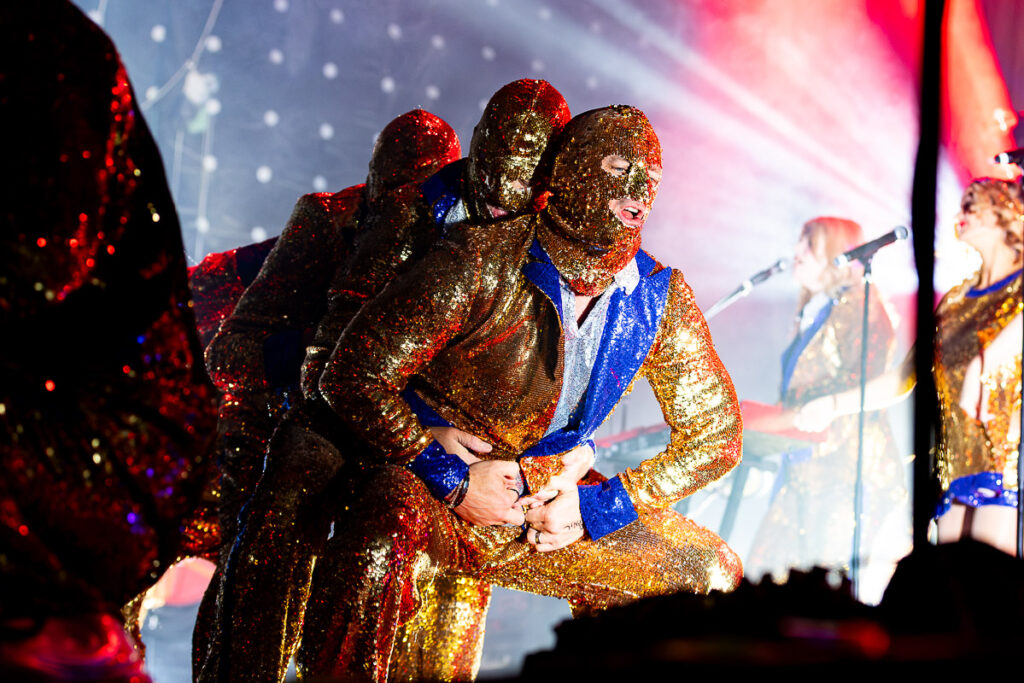
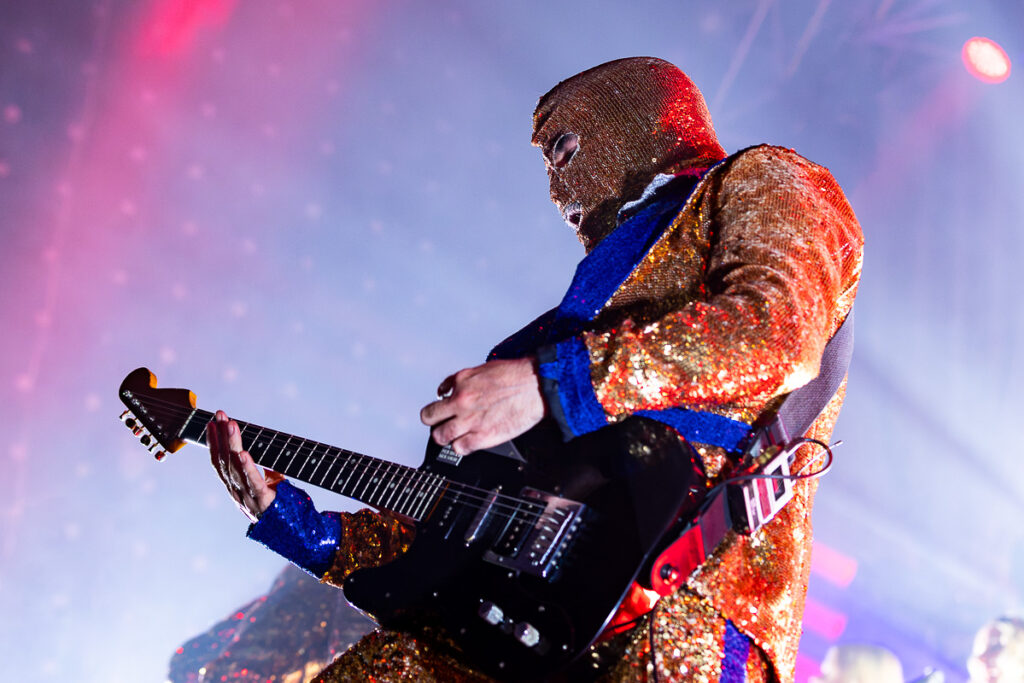
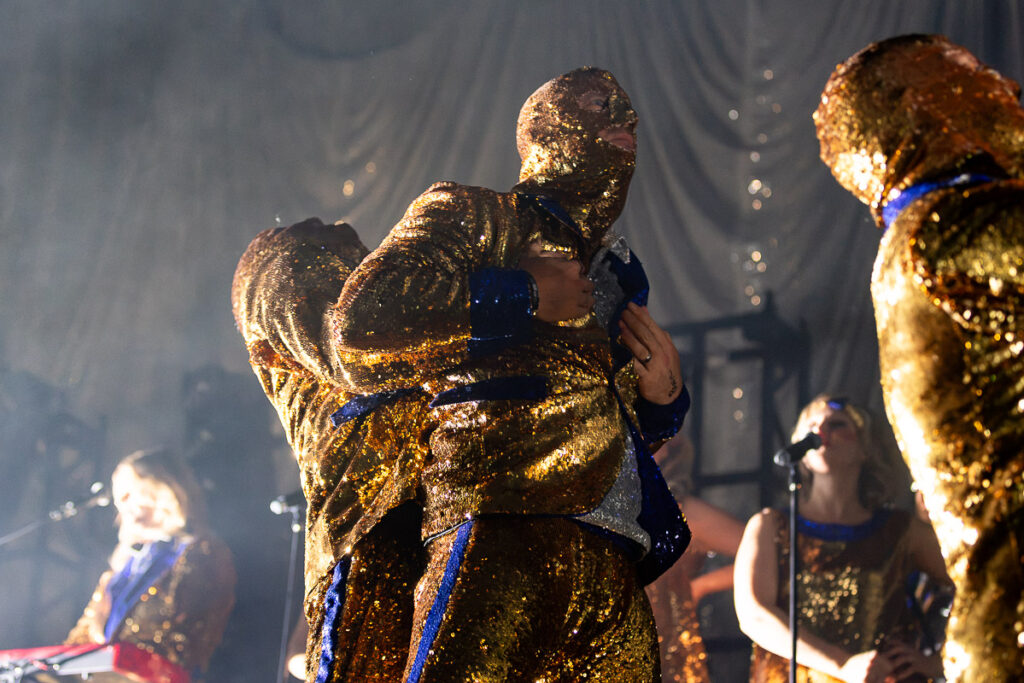
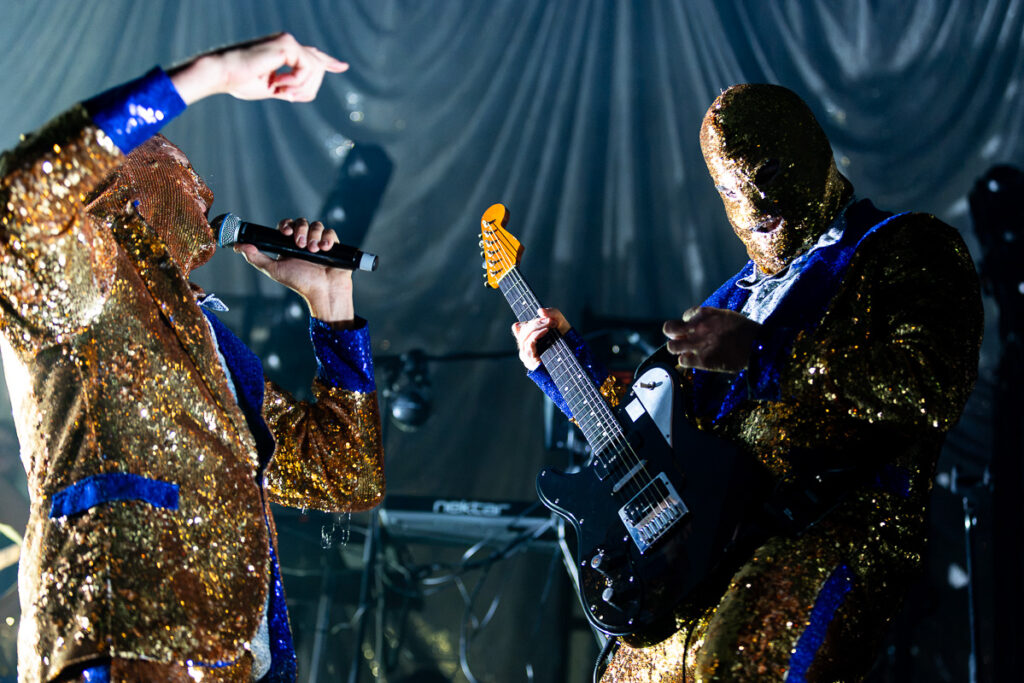
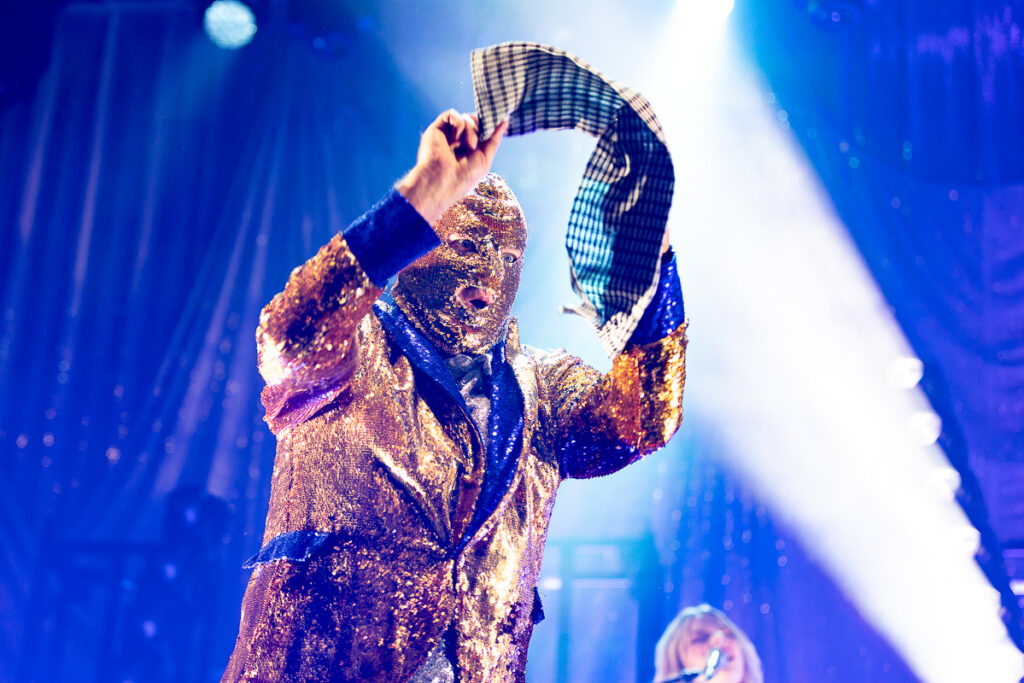
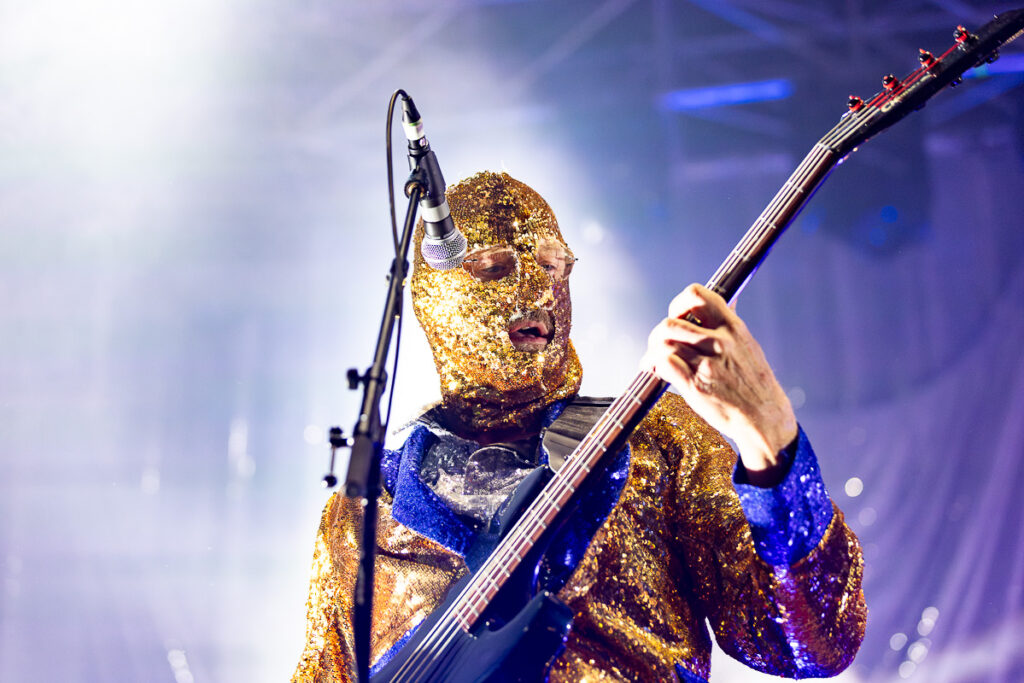
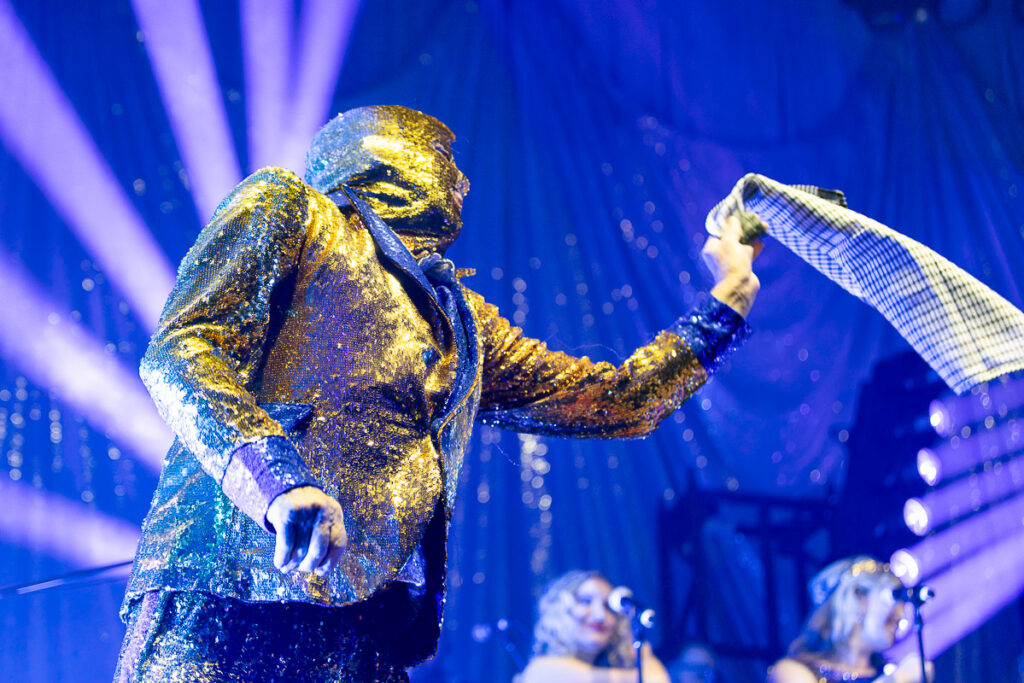
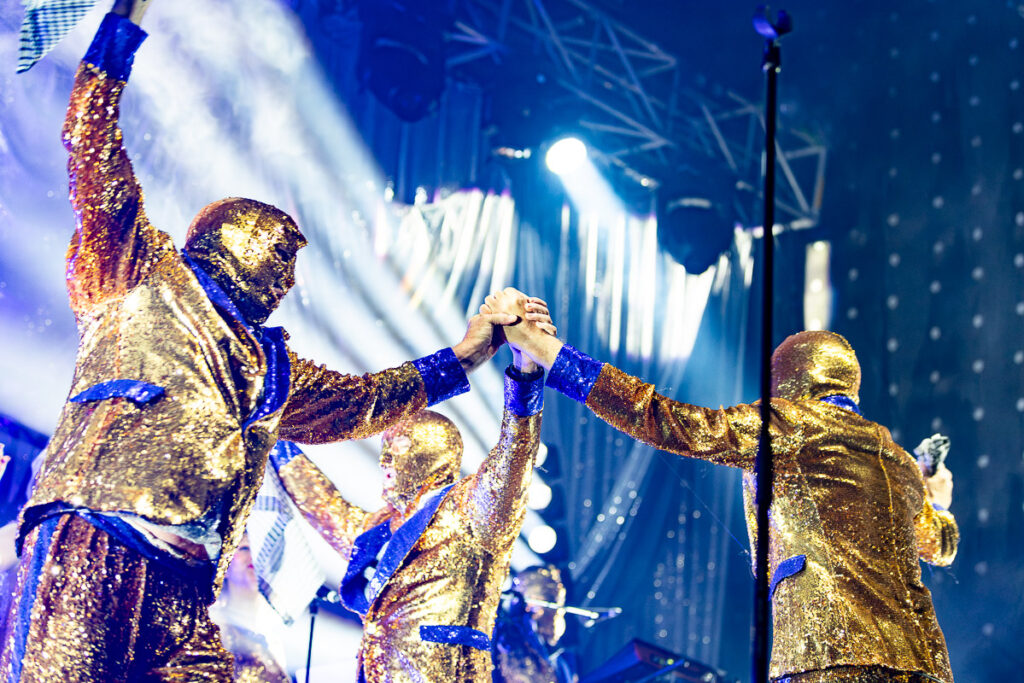
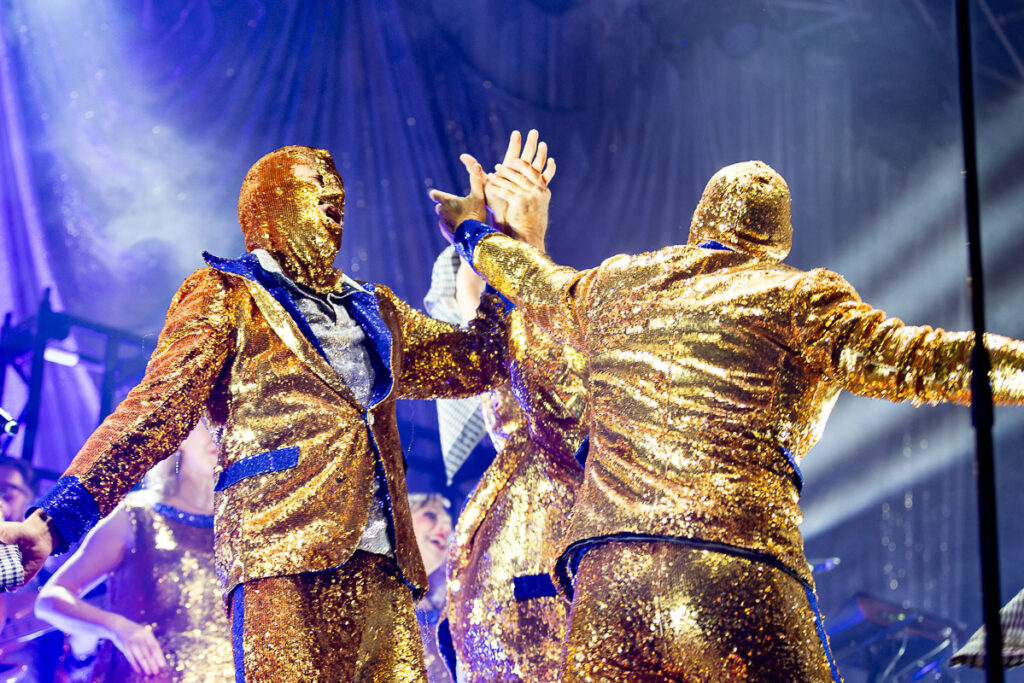
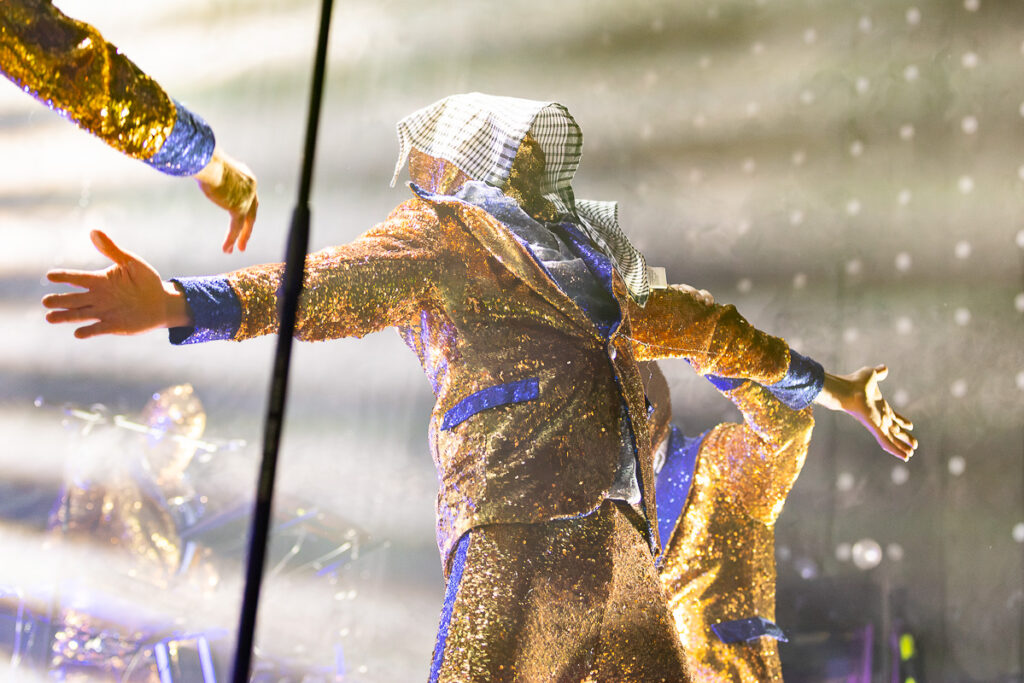
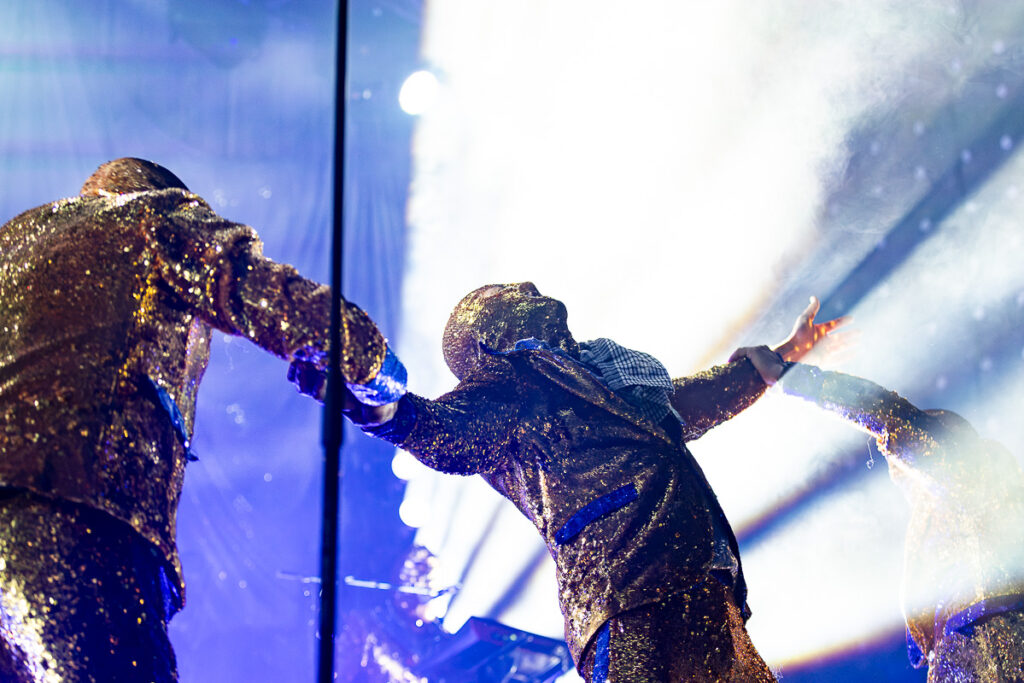
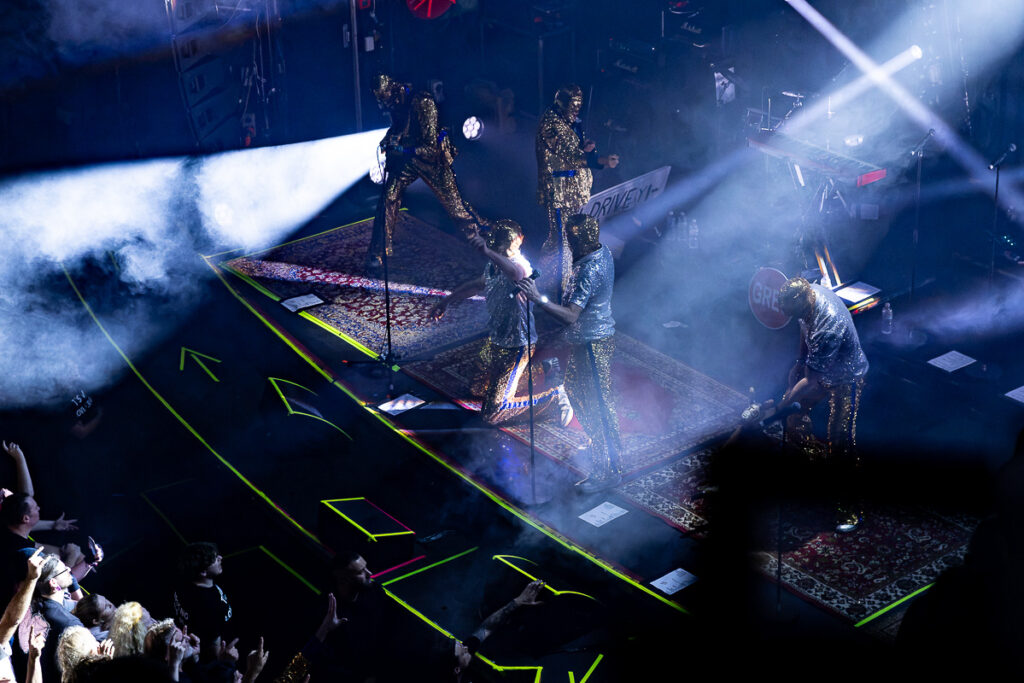
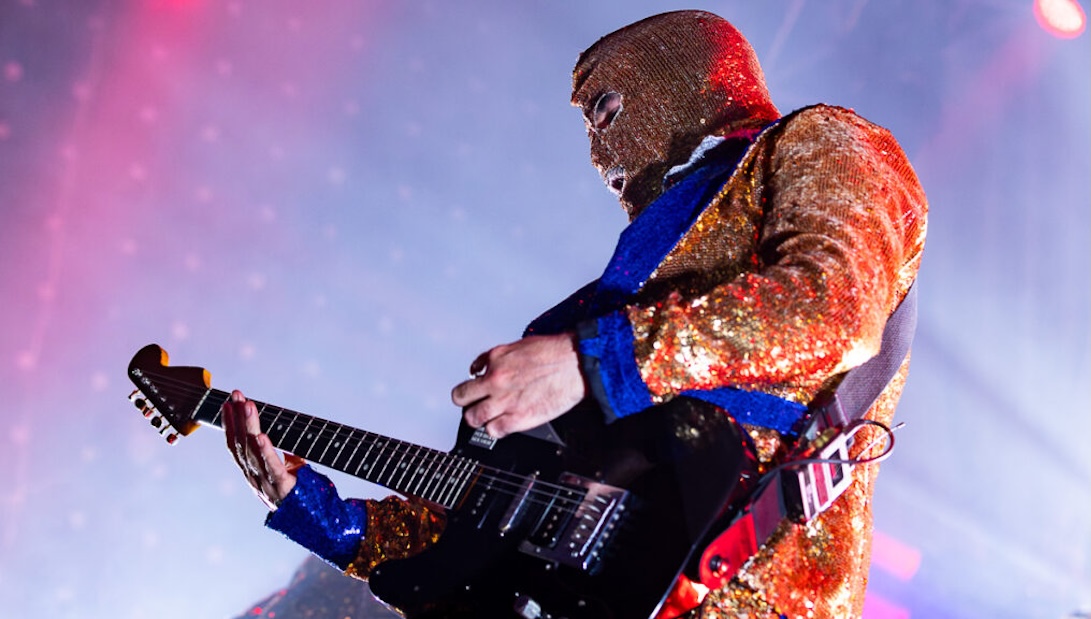
When vocalists Ron and Humphrey B. Flaubert emerged with TISM in matching glitter suits and balaclavas, they seemed less an interruption than a viral mutation spread stage-wide. The cover band continued its polished routines as masked figures cavorted around them, striking exaggerated poses and terrorising guests at a wedding reception. What first clashed as two incompatible performances gradually revealed itself as a carefully orchestrated collision of musical earnestness and grotesque parody.
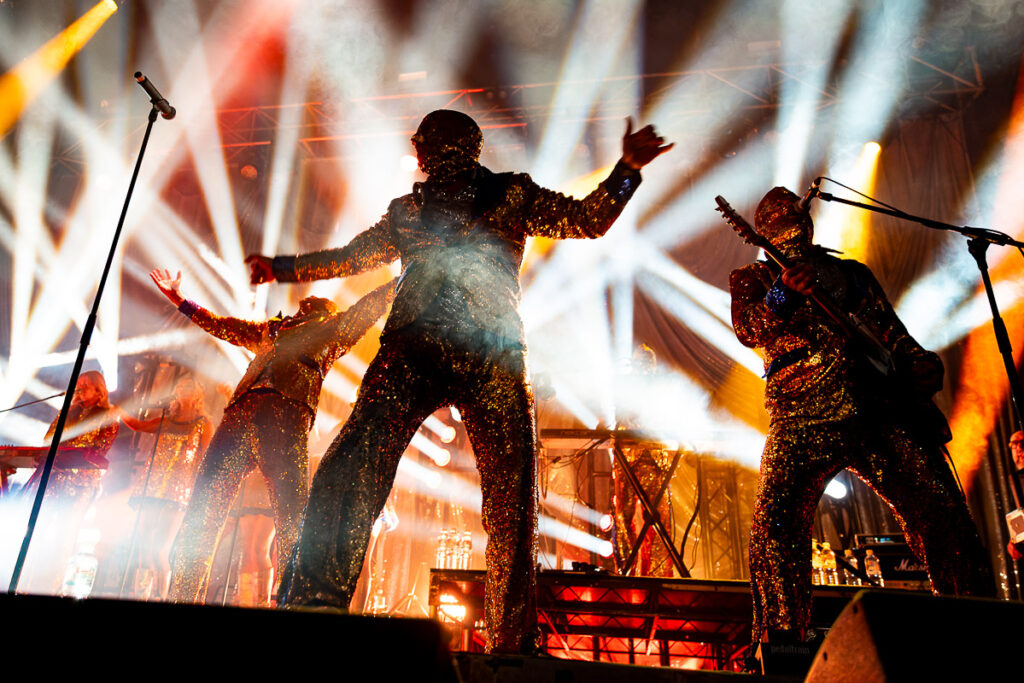
For a band that had spent decades taking the piss out of Australian culture, TISM had reached the peculiar point of being almost indistinguishable from a parody of themselves. Whether this was an occupational hazard or the entire point remained deliciously uncertain. The costumes, choreography and unabashed bad taste recalled a particularly unhinged Eurovision production, the excess and kitsch of amateur stage productions concealing a remarkably slick operation.
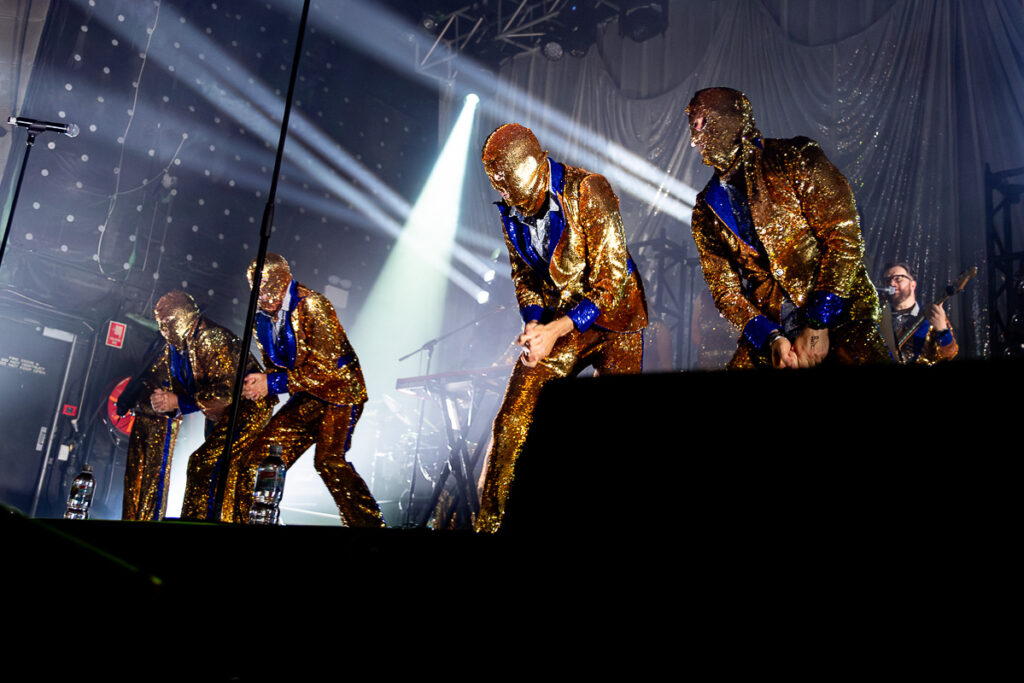
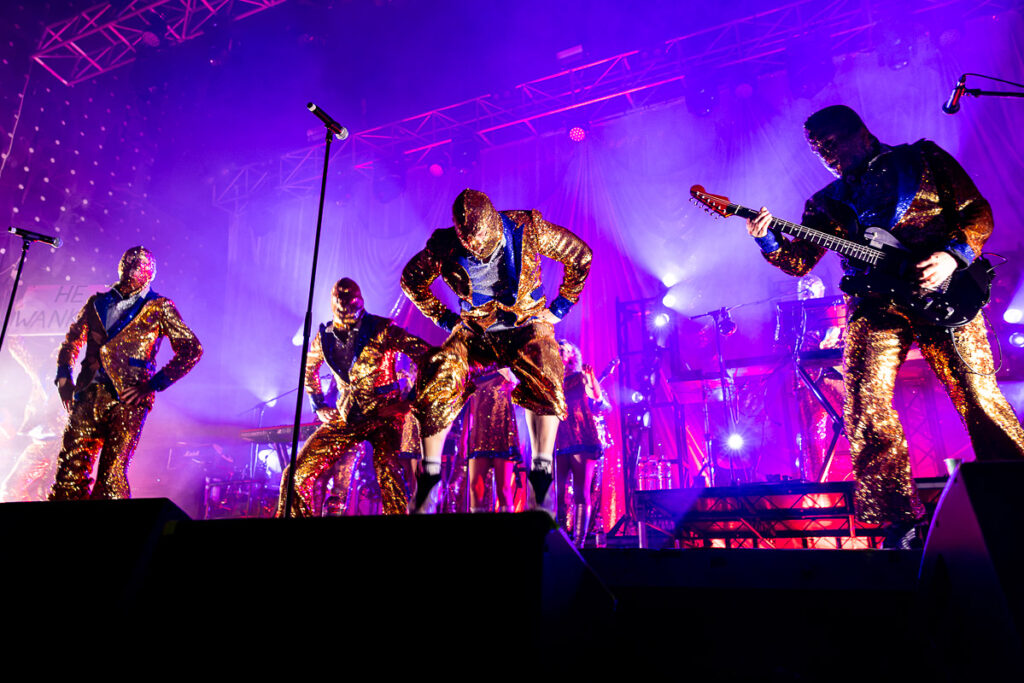
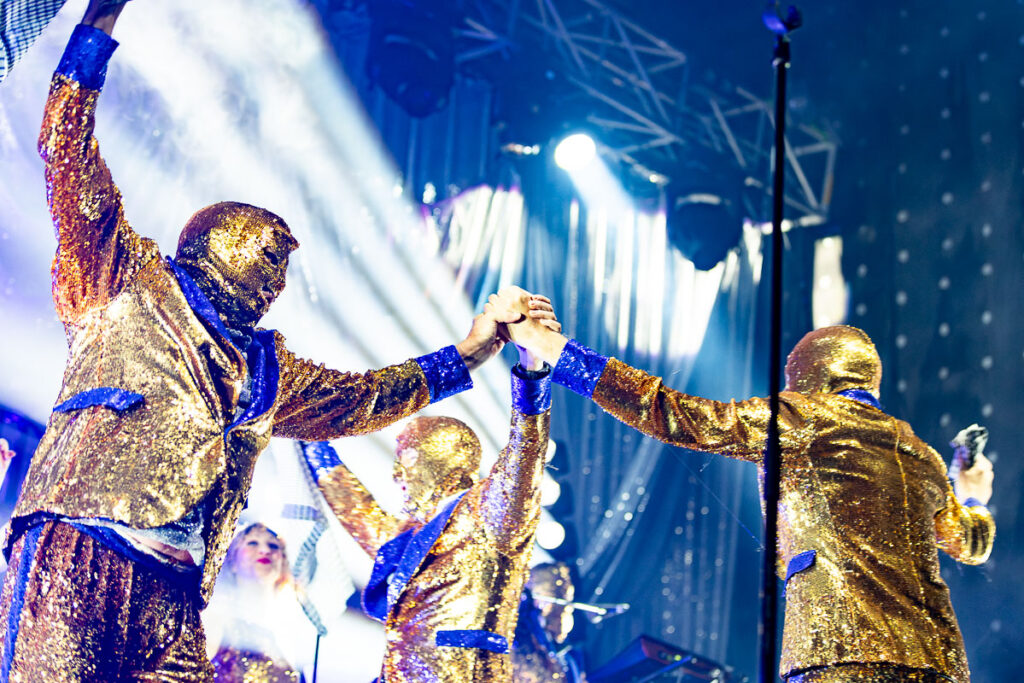
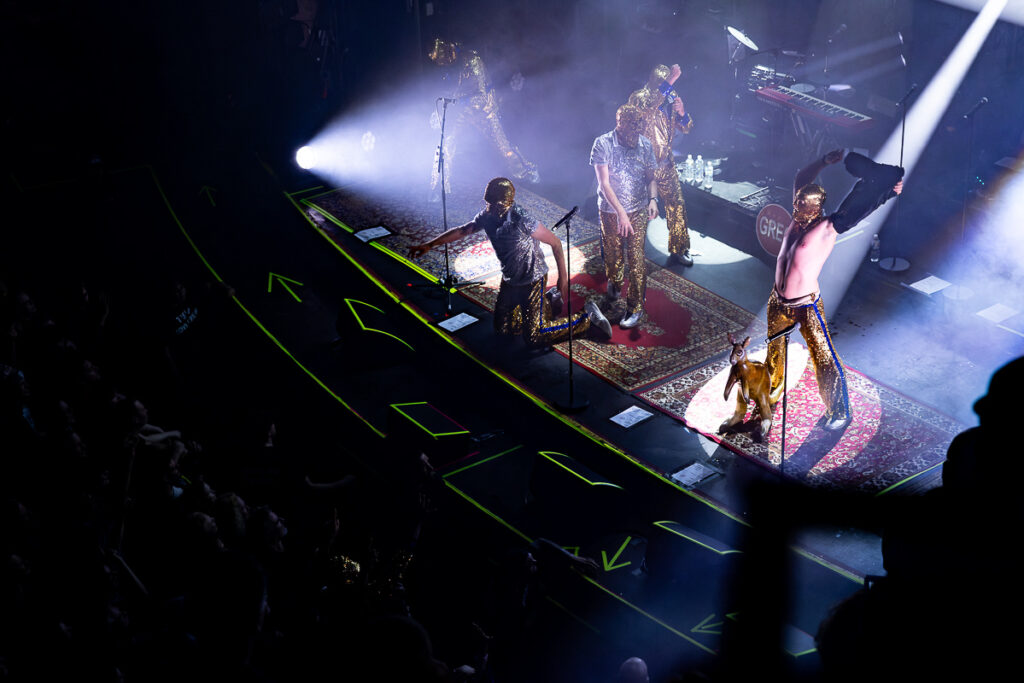
The physical commitment was extraordinary. During Mistah Eliot, dancers Les Miserables and Jon St. Peenis joined Ron and Humphrey in a human-centipede formation; elsewhere tea towels flicked bums and bodies flailed with the reckless enthusiasm of a drunken lounge-room dance party. One performer retreated to the side of the stage, doubled over and visibly heaving from the exertion. A mic went missing somewhere amid the commotion. Whatever the intellectual pretensions of the spectacle, the labour—and occasional logistical chaos—was decidedly real.
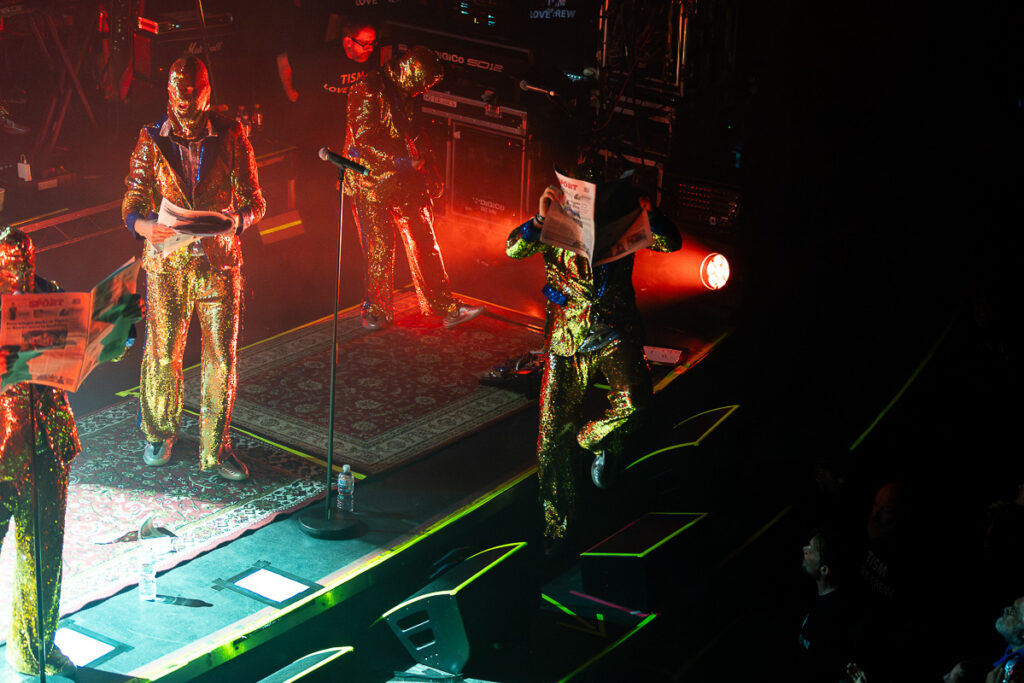
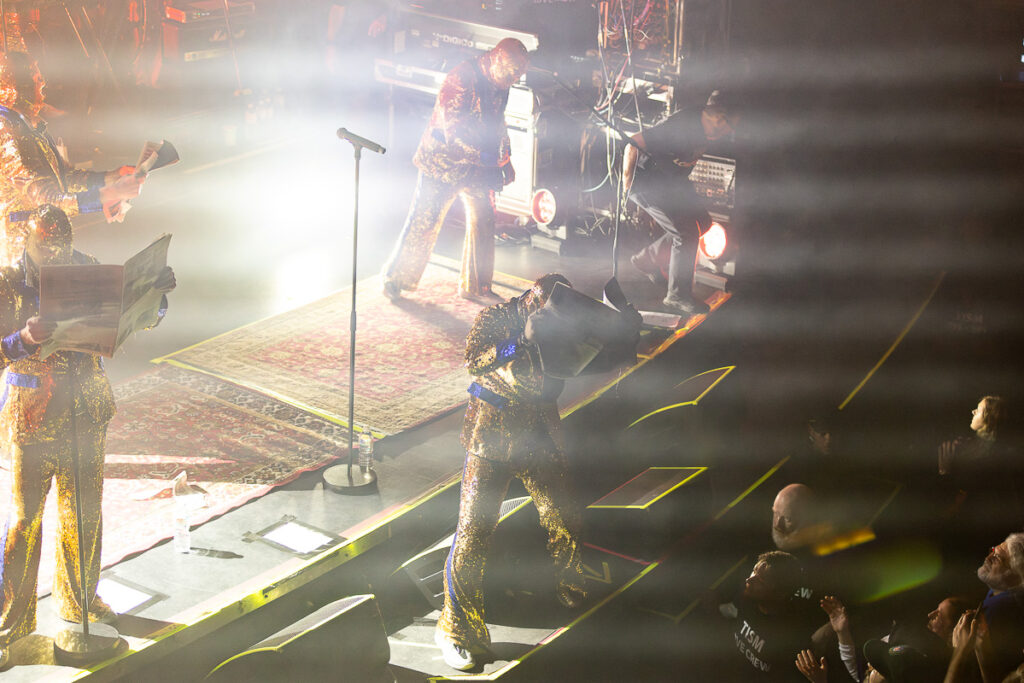
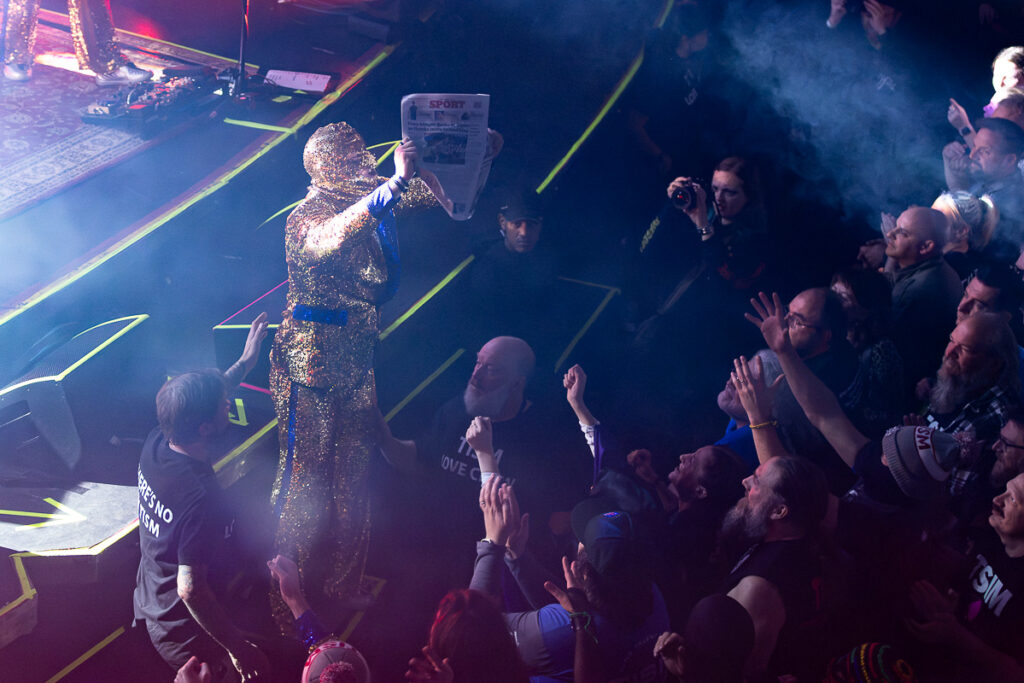
Song titles appeared on placards at the side of the stage, somewhere between political rally and Bob Dylan’s Subterranean Homesick Blues. I Drive a Truck drew instant recognition; 70s Football sent red Sherrins ricocheting across the stage and towards the upper balconies. During All Ordinaries Index, Humphrey read a newspaper beneath red strobes, while the green-and-white strobing and smoke vapour of Life Kills rendered the masked figures briefly extraterrestrial. Bassist Jock Cheese anchored ExistentialTISM amid the theatrical bedlam. The placards came into their own during Death Death Death, the words displayed for the crowd to join in: a gloriously anti-poetic exercise in repeating the same word three times a line, with all the conviction of a mass rally.
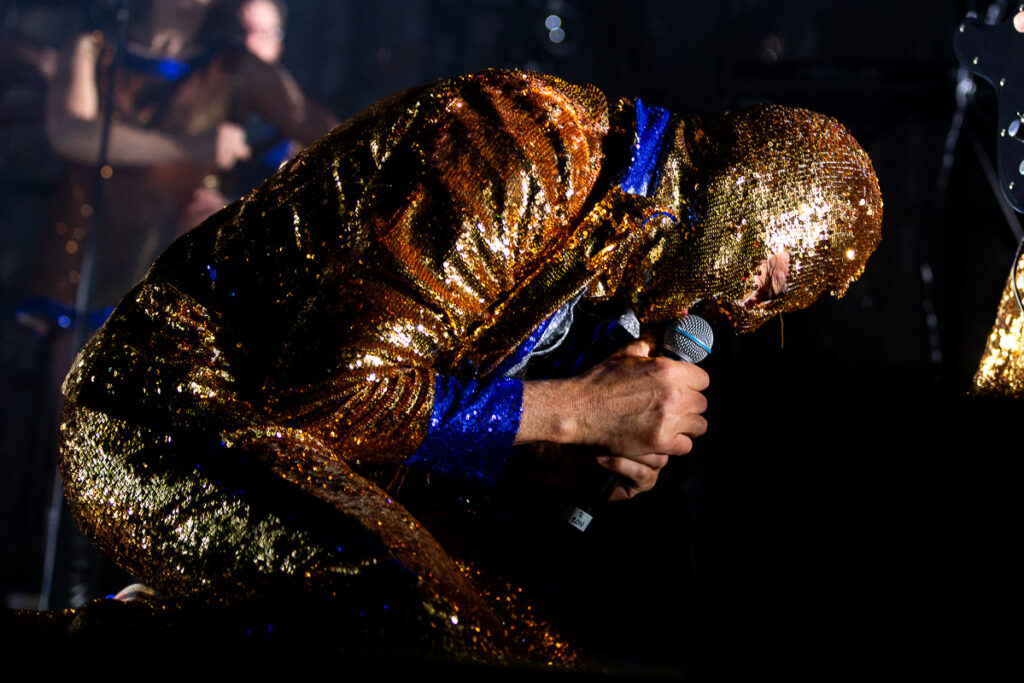
The absurdity occasionally gave way to something more pointed. Ron—Australia’s second-favourite Ron Barassi and second-favourite Hitler (thank you)—delivered one of the spoken-word pieces that had become a recurring part of TISM’s shows over the years. Less an unhinged rant than a subversive poem on Australian values, with its measured indignation directed at patriotism used to disguise self-interest. His anti-vaccination barb—“I’m not saying your baby deserves measles / But neither does anyone else’s, you weasels”—exposed the divide between the few and the masses. The cover band fell silent; for a moment, culture-war arguments sounded more absurd than anything onstage.
Elsewhere, TISM seemed determined to undermine any suggestion of seriousness. Crowd fave Lillee Caught Dilley Bowled Milli Vanilli interrupted the cheesy Power of Love, ending with a challenge to the audience to come up with something better, “fuckface”. I’m Interested in Apathy concluded with the deadpan admission, “I’ve lost interest.” During I’ll ‘Ave Ya, Ron poured water over himself and rolled around in it, while (He’ll Never Be an) Ol’ Man River was introduced as another smooth ballad before breaking into pointed dance moves, tapping arm veins to the beat.
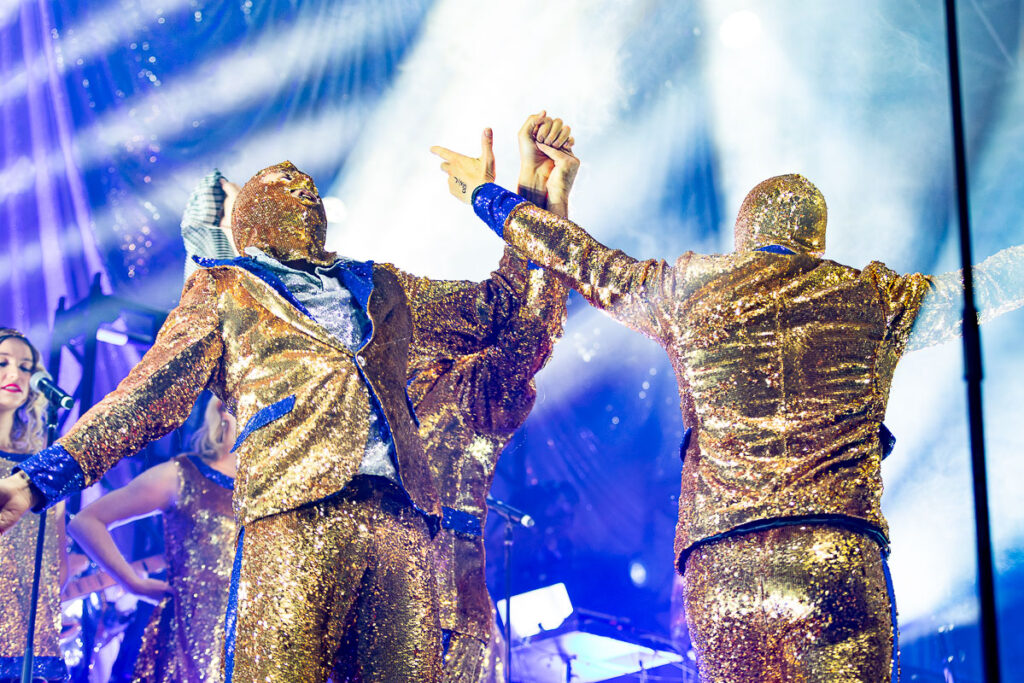
For all the vulgarity and calculated provocation, the evening was strikingly devoid of conventional rock-star ego. The performers remained largely anonymous beneath matching disguises, their deliberately kitsch choreography subordinating individual roles to the collective spectacle. Even the cover band, initially the butt of the joke, became integral to it. By Greg! The Stop Sign!!, a golden aura bathed the stage as the two ensembles played in glorious, improbable unison.
The main set culminated in a retrofuturist disco rendition of Defecate on My Face, with performers facing inward to play patty-cake in a routine resembling choreography invented after several drinks. It was gloriously silly, flamboyant and utterly infectious, the sort of deliberately rubbish dancing that somehow became irresistible through sheer commitment. Eagle eyes might have also spied a Hitler salute snuck in there too.
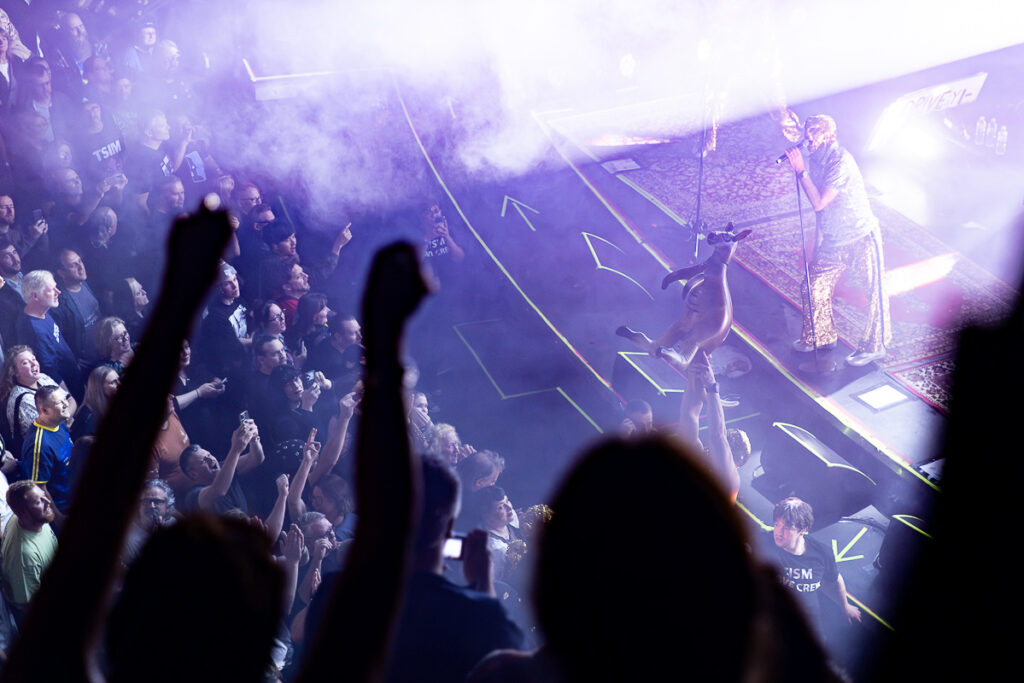
“There Is No I in TISM,” proclaimed the crew’s T-shirts, a fitting sentiment for a spectacle that had spent the evening dispensing with individual rockstars in favour of collective ridiculousness. The audience were the essential other half of the equation, enthusiastically surrendering to the same absurdity. For all the calculated bad taste, there was something remarkably unifying about it.
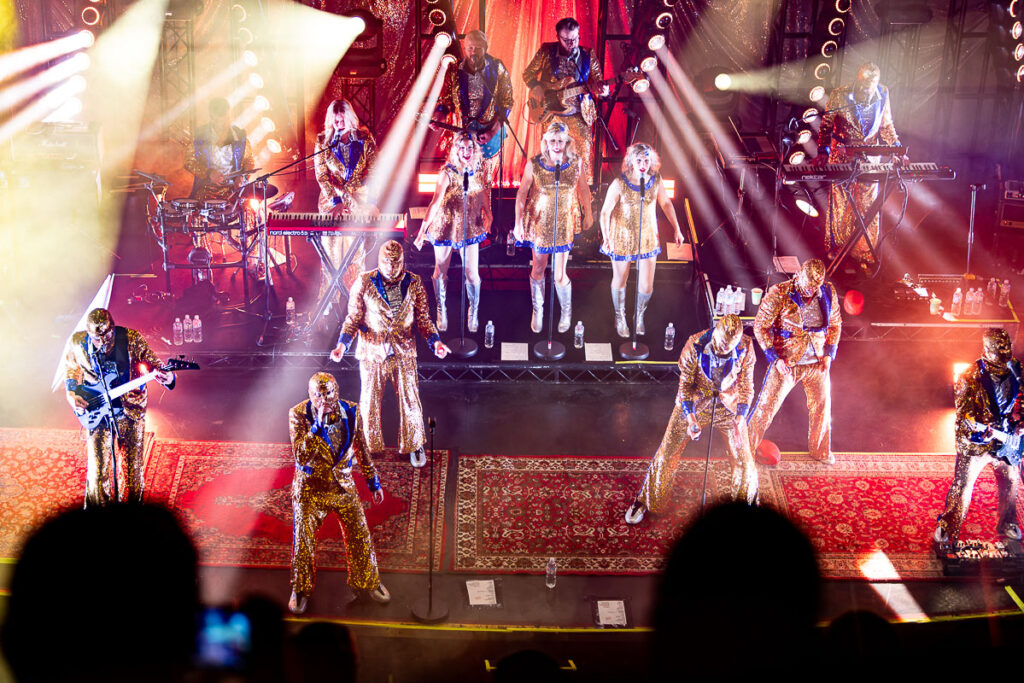
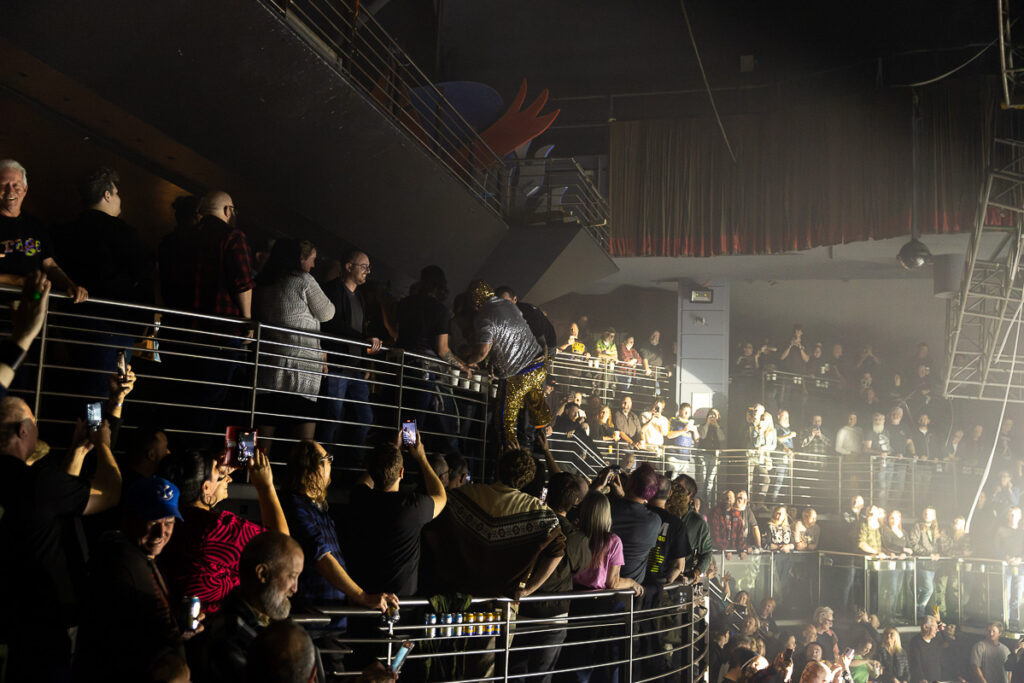
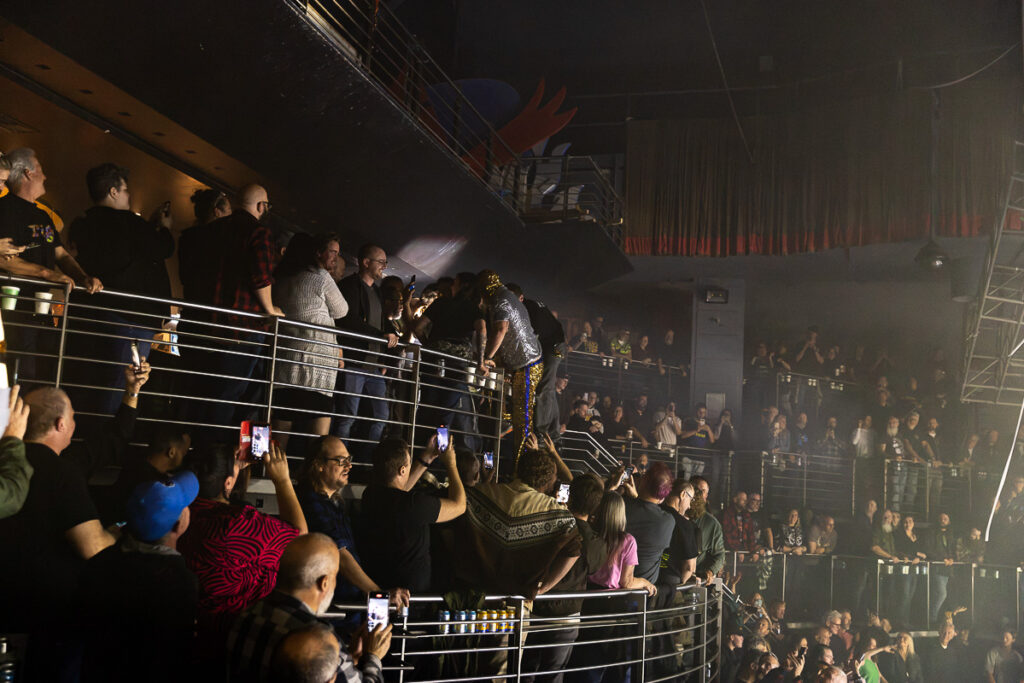
The cover band answered the call for an encore by playing a newer TISM number, keeping the joke alive even after the supposed end of the set, before the masked troupe reclaimed the stage for Old Skool TISM with Whatareya? and the industrial pounding of Give Up for Australia. During Whatareya? , Humphrey took the microphone into the pit and immersed himself in the audience as much as one can in a bawdy gold ensemble—with an inflatable kangaroo mascot hoisted up and dispatched into the crowd, supplying one final flourish of gloriously tacky Australiana. The spectacle had become a shared act of cultural self-mockery, its targets and participants increasingly difficult to distinguish.
By the encore’s abrupt end and the final crowdsurf from the stage, an unmasked performer struggled to return back to the front of the pit, prompting several blokes to shield his face from opportunistic cameras. It was a small but unexpectedly touching gesture amid the evening’s calculated offensiveness. For all the posturing, tribalism and manufactured outrage that TISM had spent decades lampooning, there remained something reassuringly communal about a room full of dickheads looking after one of their own.
CAT LANDRO
Photos by Karen Lowe