Review: Ezra Collective at Astor Theatre
Ezra Collective at Astor Theatre
w/ KENFO
Wednesday, September 30, 2026
For a band whose declared mission is to bring joy into the world, Ezra Collective have a compelling argument for its transformative power. Not merely the fleeting pleasure of a good night out, but something communal, hard-won and perhaps quietly radical. At a sold-out Astor Theatre, the London jazz outfit made their case with infectious grooves, keen musicianship and an abundance of generosity.
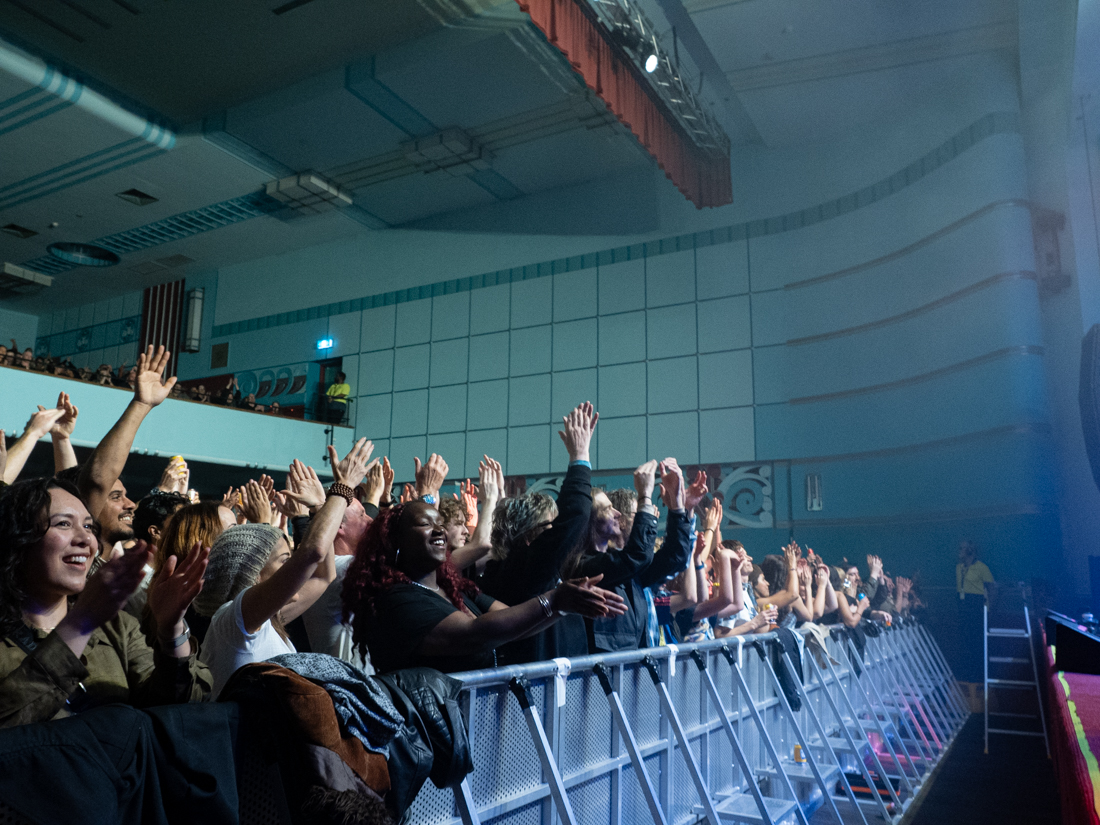
The crowd itself was worth surveying. Diverse, multigenerational and surprisingly youthful given the ticket price, it reflected the diasporic communities and cultural exchanges from which Ezra Collective’s music has emerged. Already filling the theatre well before the headliners’ arrival, conversation accumulated into a formidable din.
Sydney selector KENFO, representing Yuth Audio Program, opened from behind the decks, though much of his set was swallowed by a room already deep in conversation. His fairly static presence did little to wrest attention back, and the transition into the house selections that followed was so seamless that his departure almost went unnoticed. Less a distinct support set than an extended warm-up for a crowd already busy warming itself. A missed opportunity to showcase a local act, perhaps, not withstanding the Yuth alignment with the EZ’s own community roots.
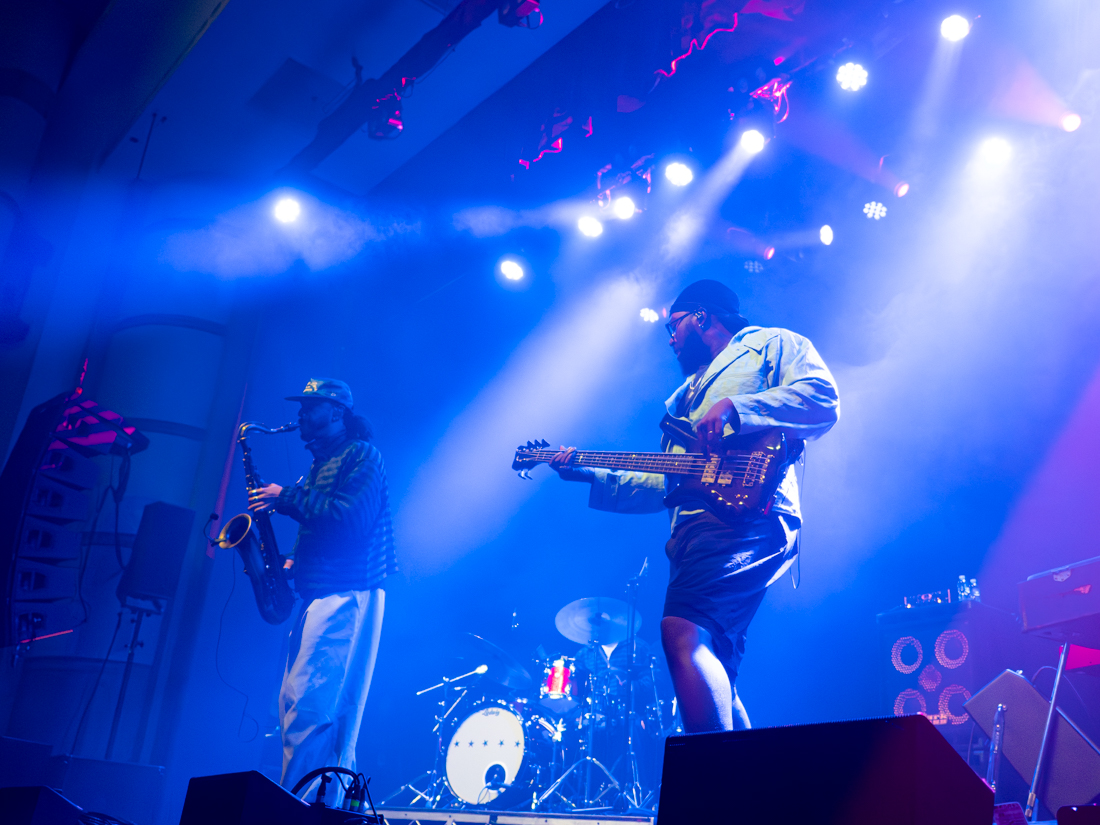
That indifference evaporated around 8:30pm. As a house banger was abruptly severed, horns sounded from behind the curtain and the musicians of Ezra Collective arrived to enormous cheers, drummer Femi Koleoso leading the procession with a grin to match the reception.
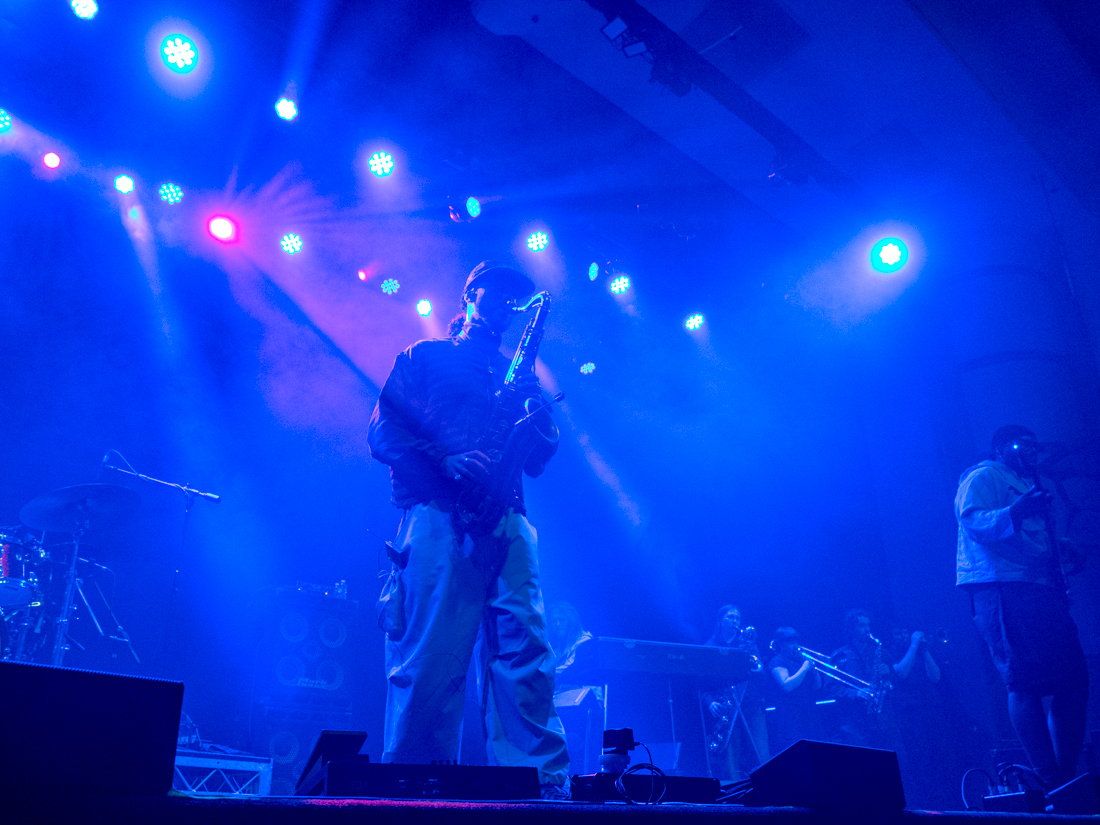
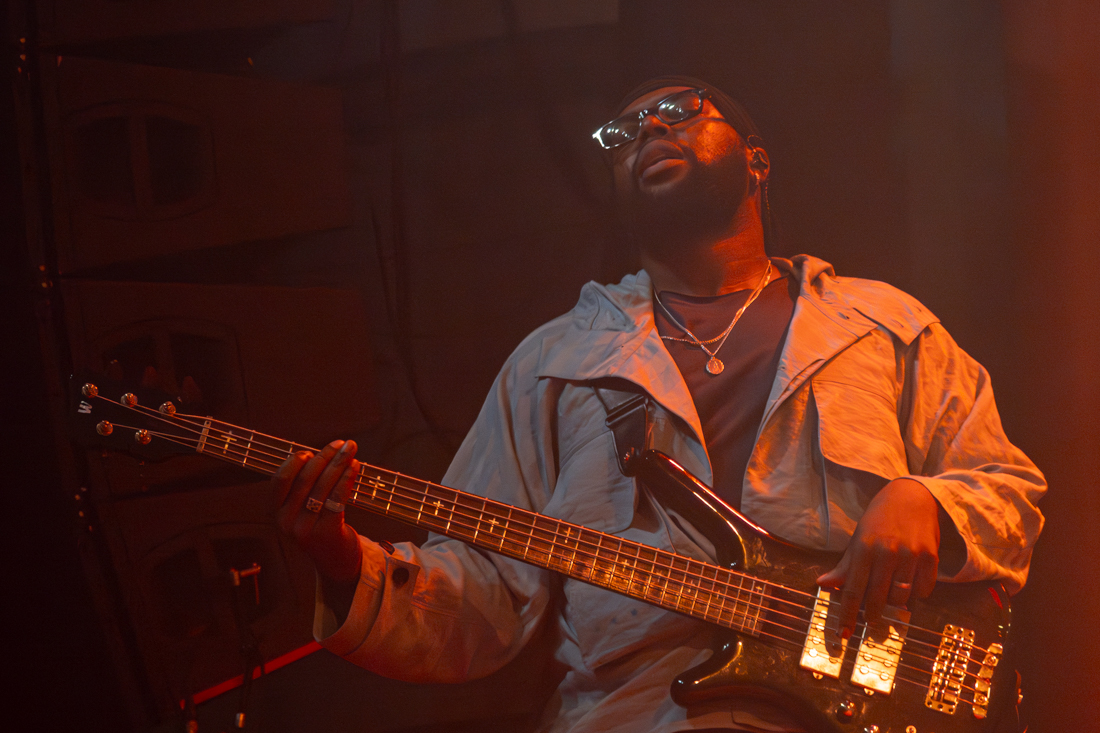
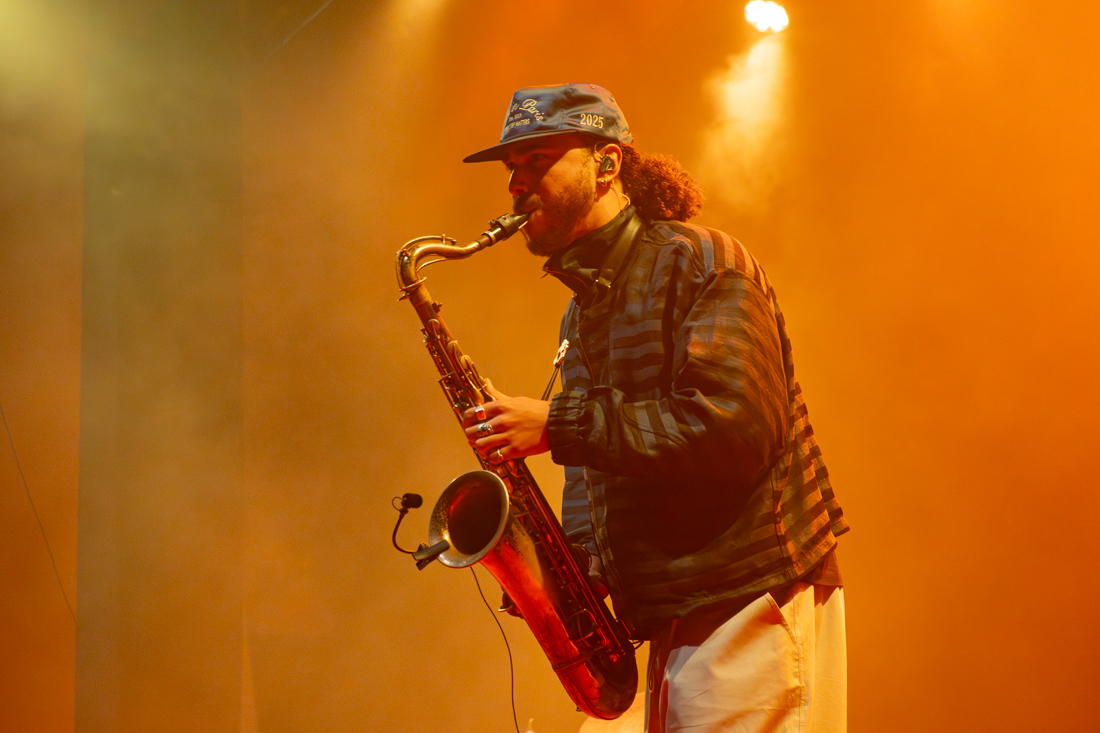
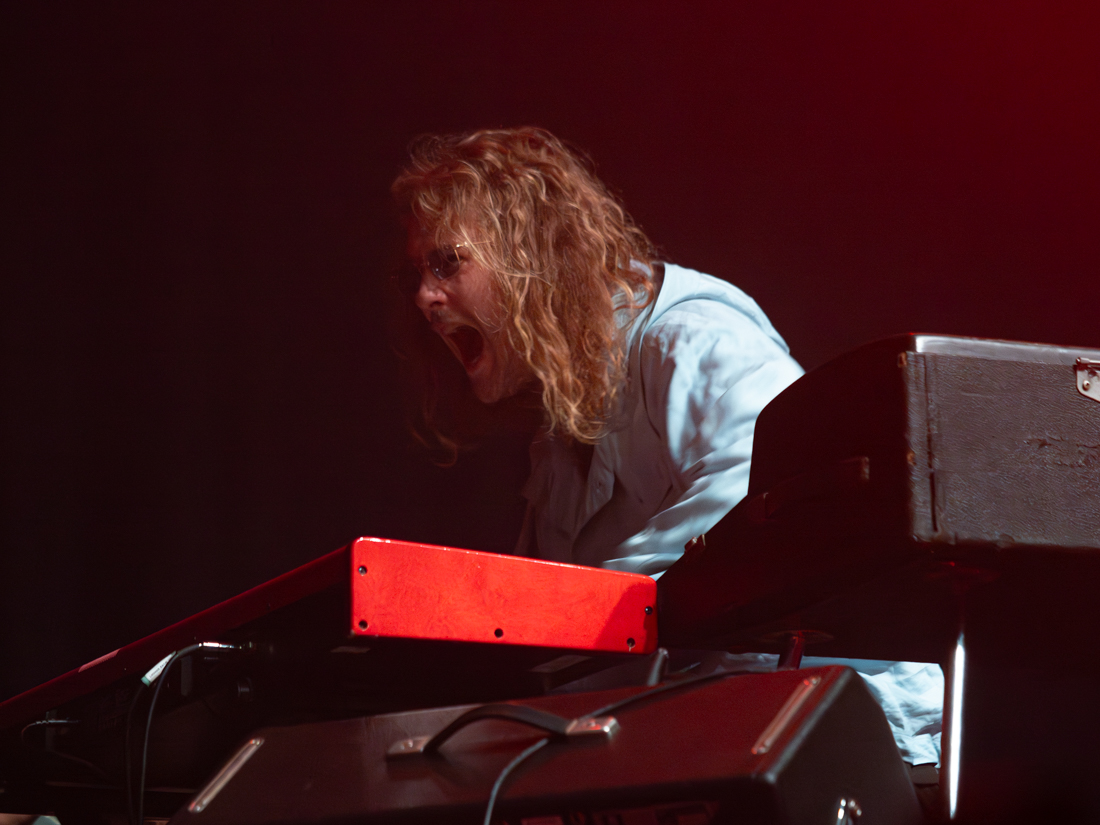
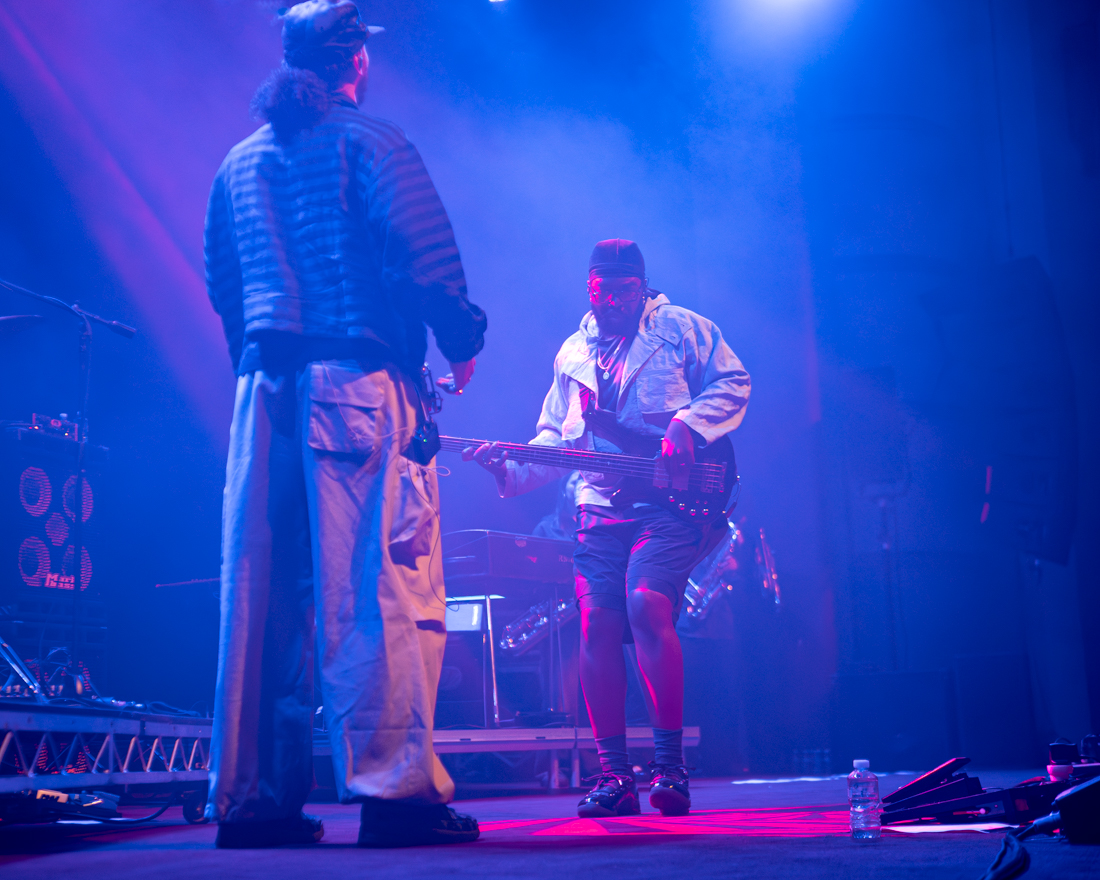
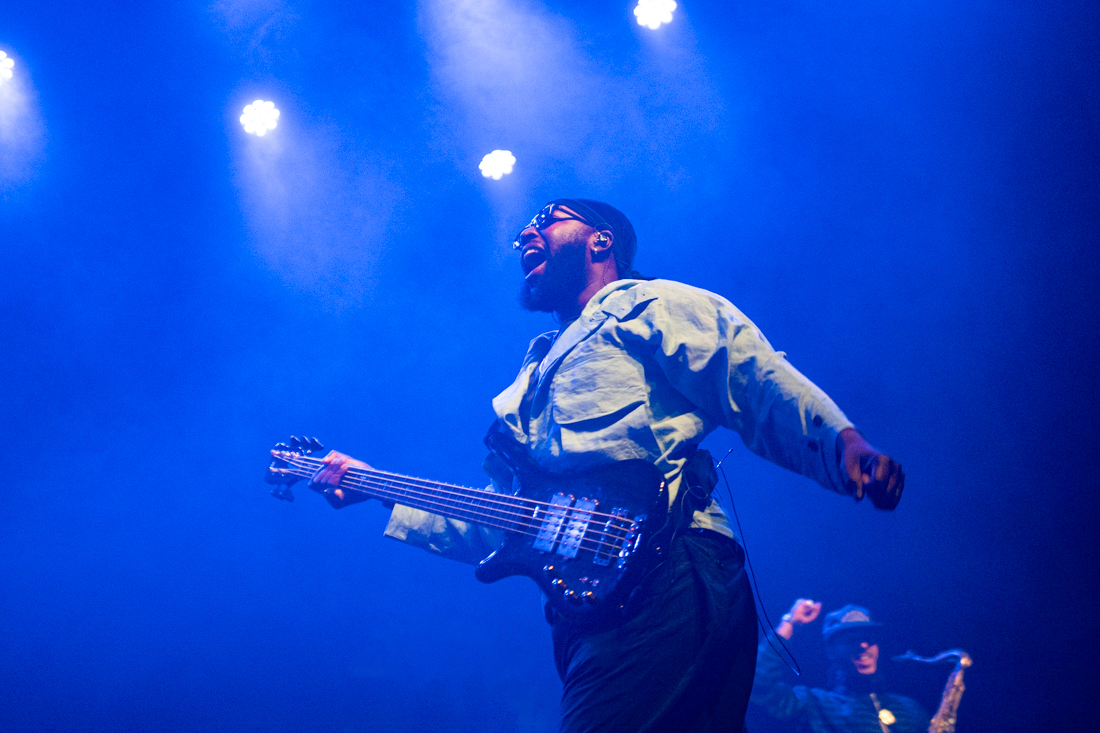
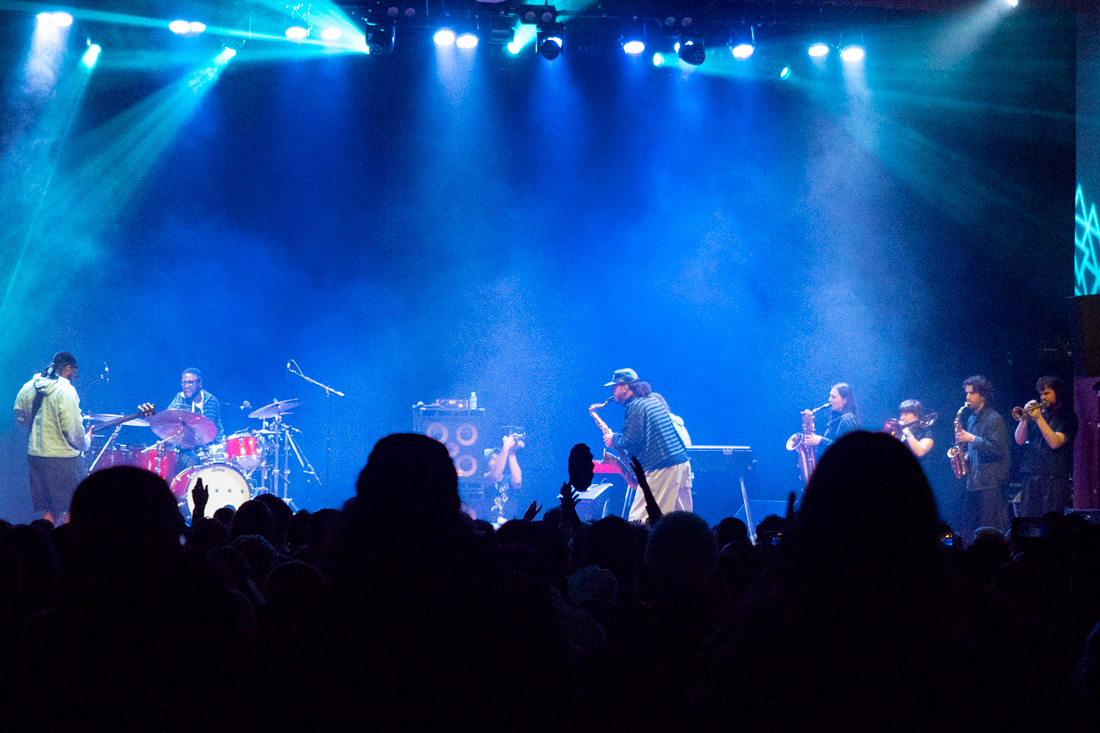
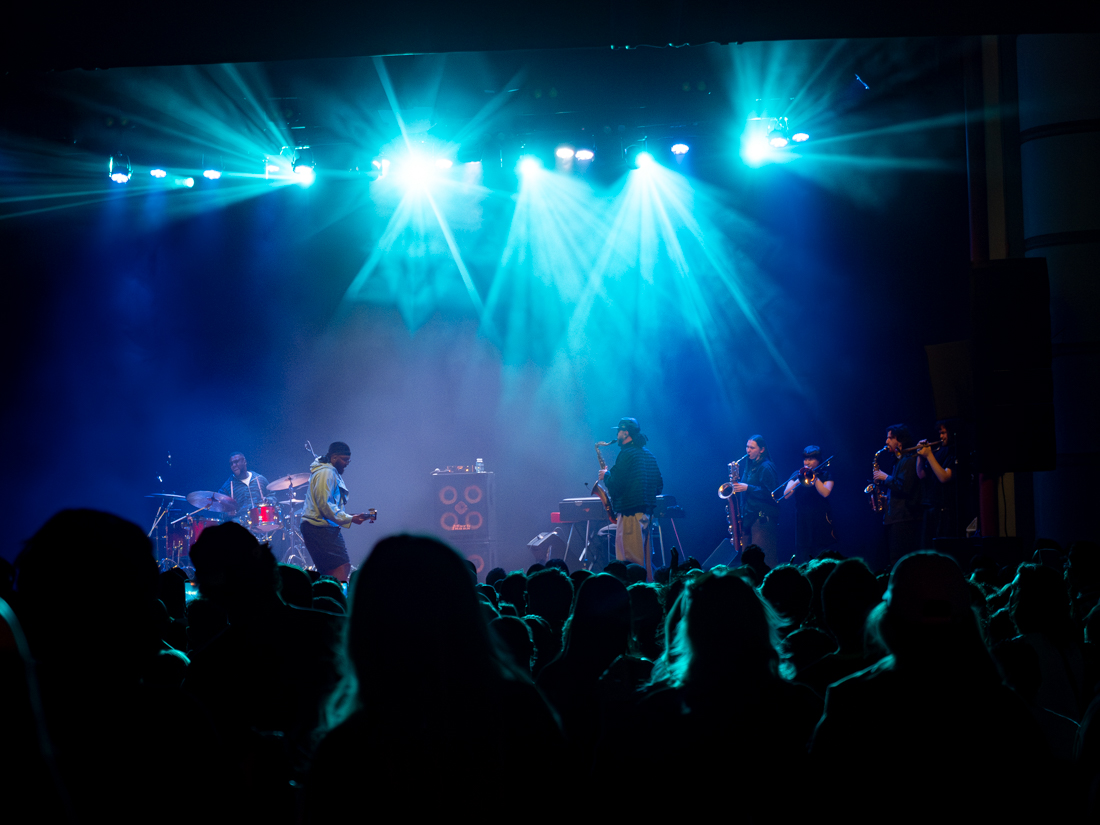
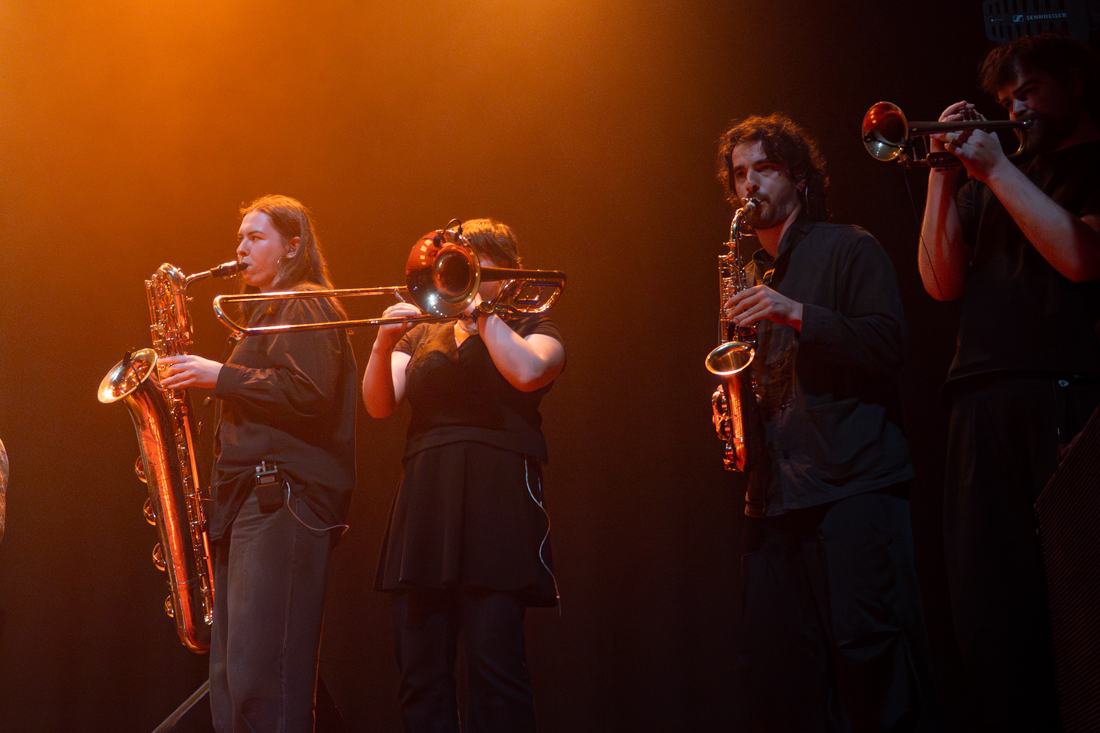
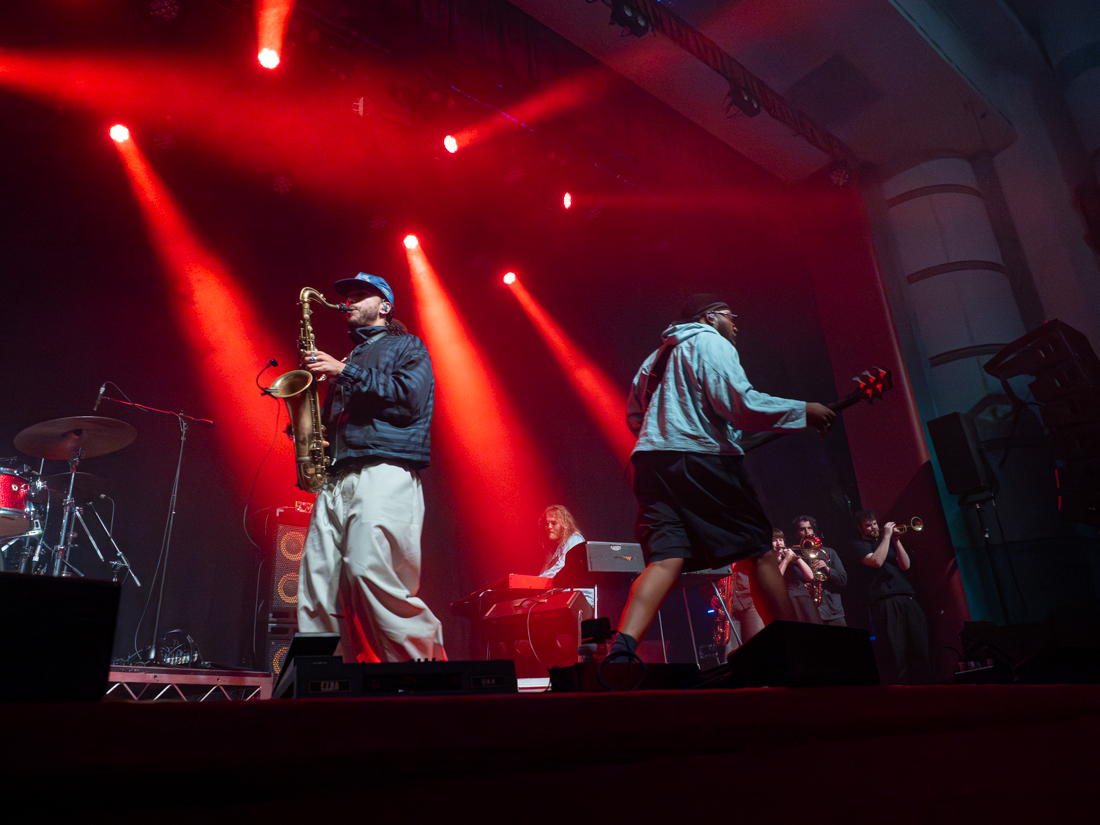
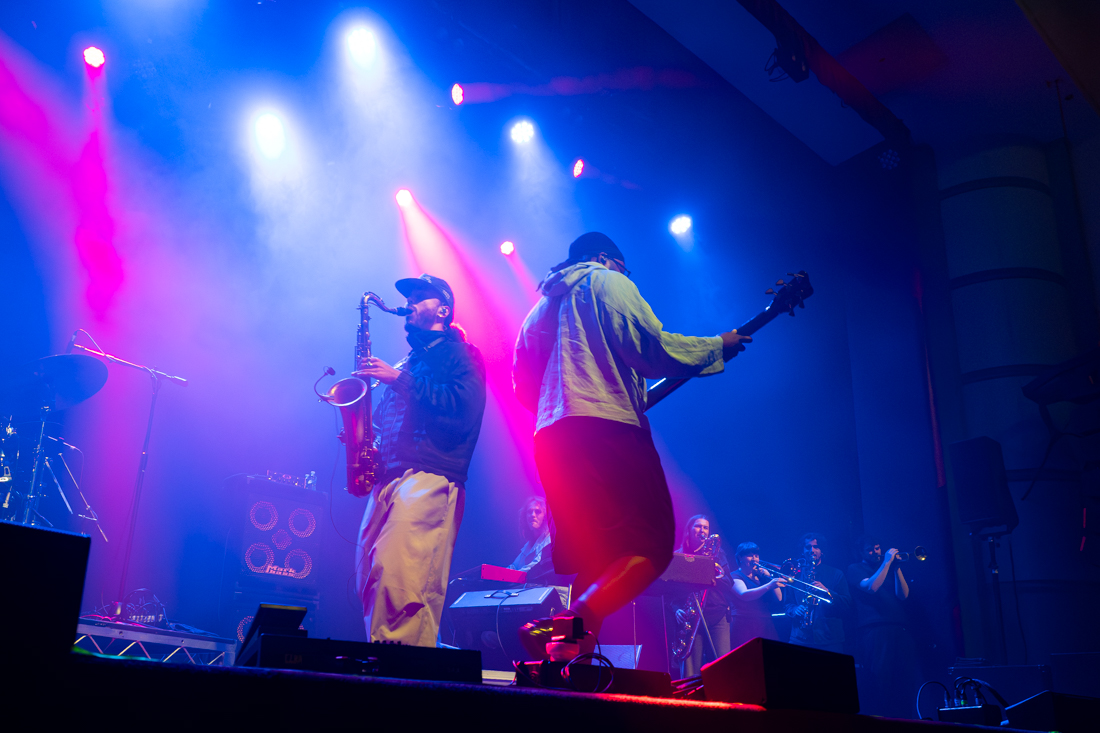
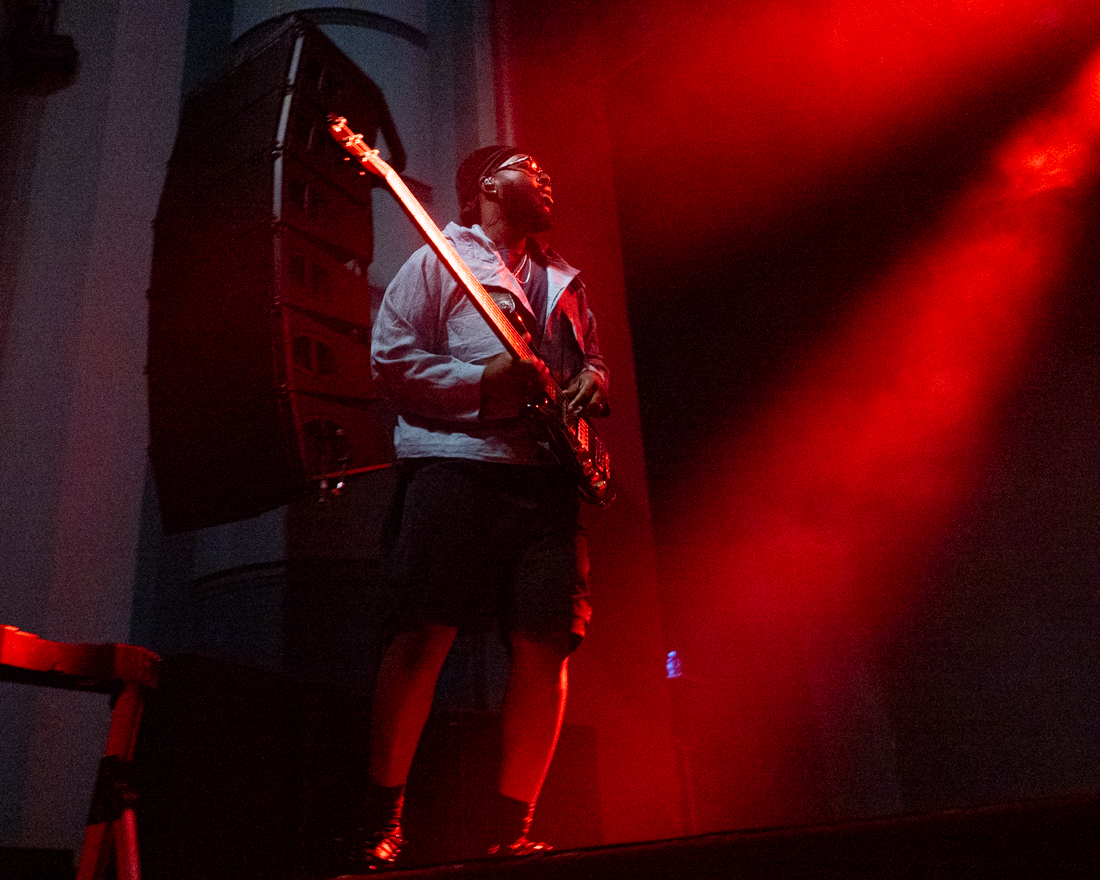
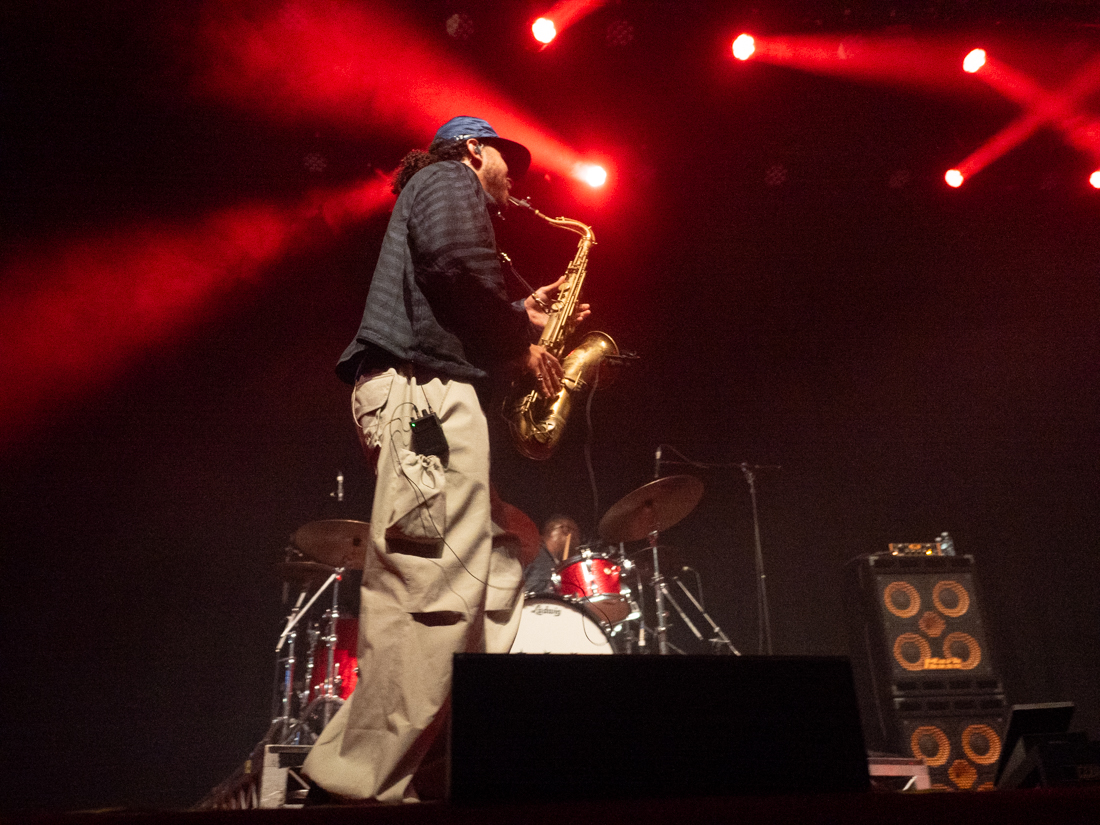
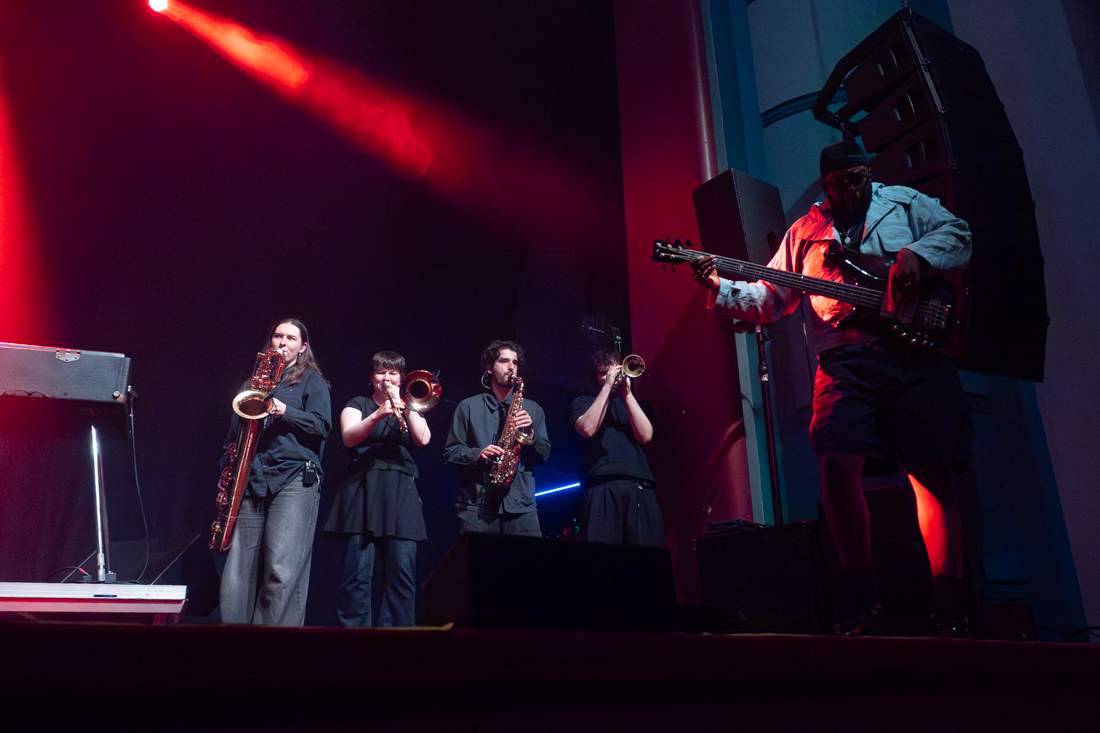
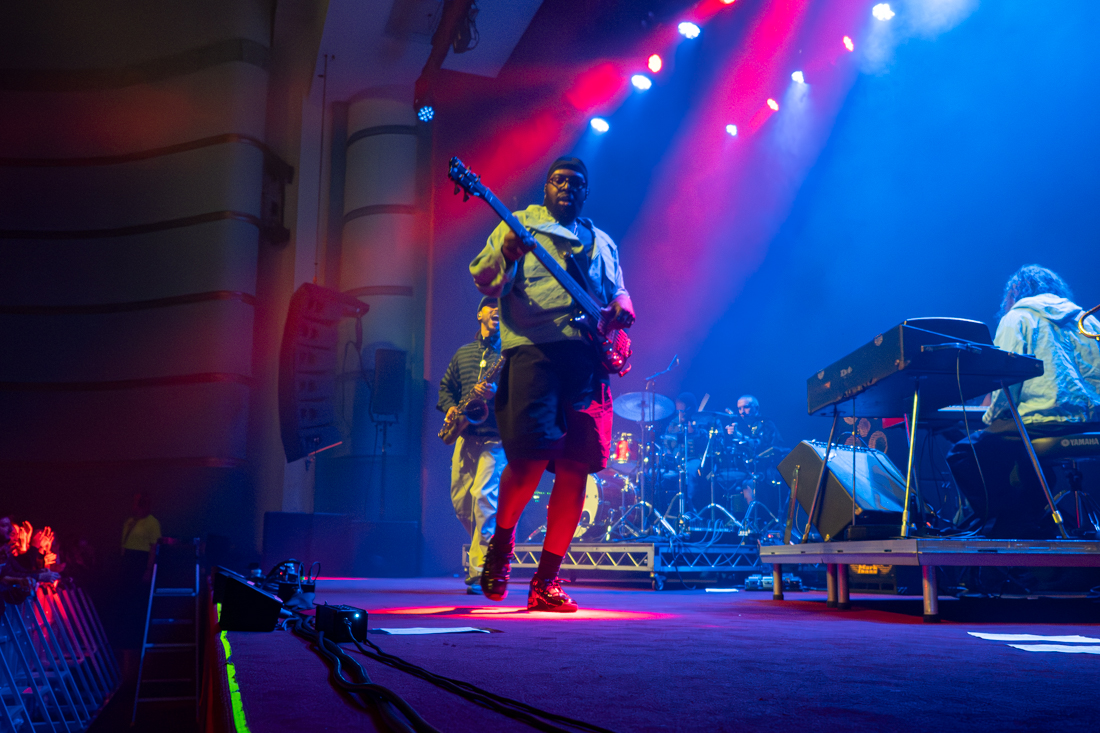
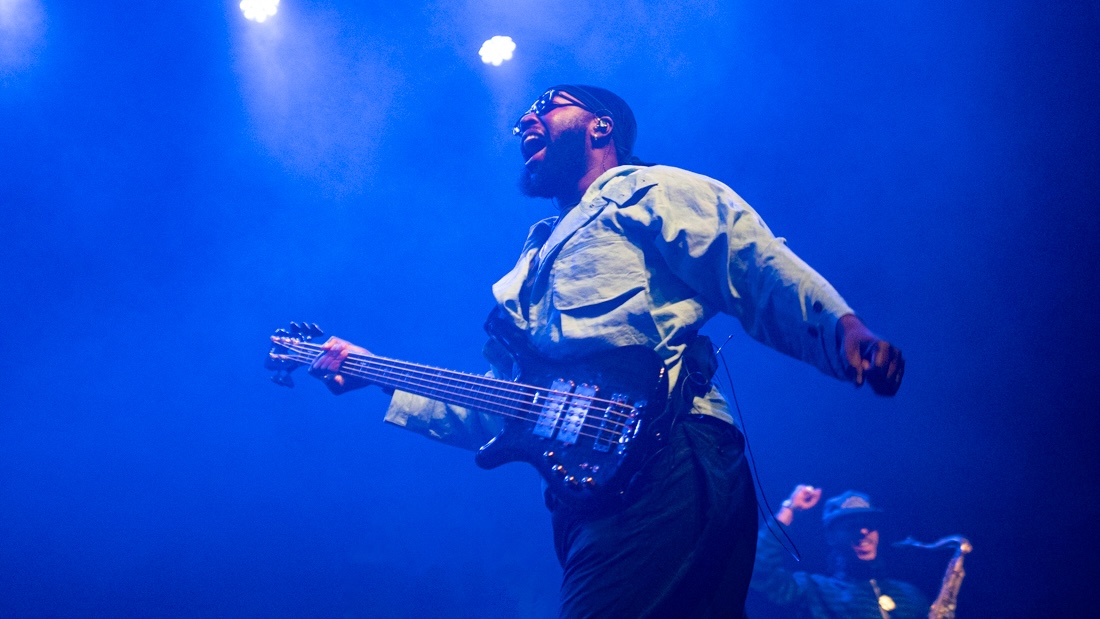
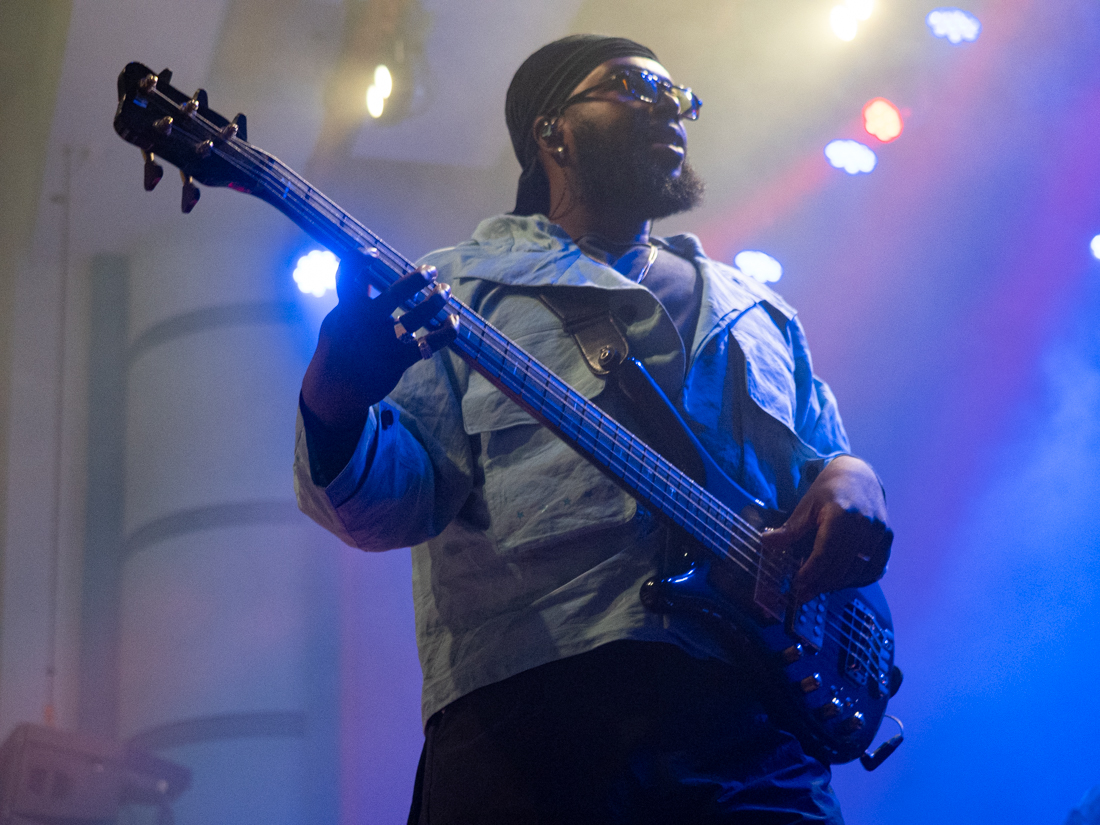
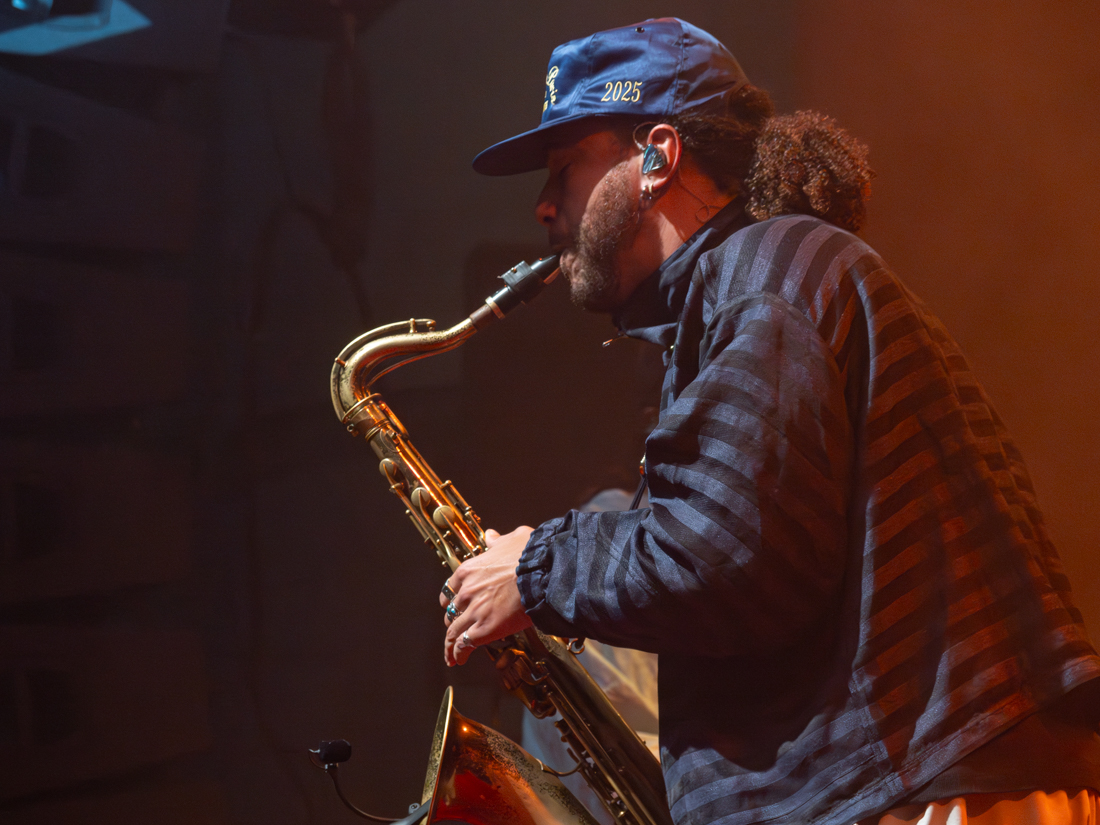
With trumpeter Ife Ogunjobi absent, the remaining four core members were accompanied by a four-piece horn section. Bassist TJ Koleoso prowled the stage edge with an infectious two-step, extracting grooves of almost indecent elasticity. Joe Armon-Jones contributed squelching, percussive keyboard textures, while James Mollison made his saxophone sing in lieu of a vocalist. Femi, meanwhile, attacked the kit with a full-body intensity, his movements as expressive as the rhythms themselves.
The opening, Sweet Echo, established a gloriously restless interplay. No Confusion sank into thick, dubby bass before springing towards Afrobeat, its saxophone refrain promptly commandeered by the audience. The connection to Fela Kuti runs deeper than rhythmic homage: Femi studied under Afrobeat pioneer Tony Allen, even catching overnight buses from London to Paris for lessons. Allen’s voice appears on the recorded version of No Confusion, making the song something of a direct line between generations. By Birdie Sings, the crowd was singing the melody before anyone had asked.
Femi welcomed Perth as family, recalling their 2023 Rechabite appearance with genuine affection. There was nothing perfunctory about his warmth; he seemed delighted to be back, and even more delighted that everyone was prepared to participate. Seats were abandoned, hands clapped and the Astor was rapidly converted from theatre to dancefloor.
Ajala summoned the spirit of Lagos, all tumbling drums and propulsive bass, though the musicians’ interactions were often as compelling as the music’s sheer velocity. A thumbs-up from Armon-Jones towards the guest horns, players turning towards one another, little exchanges of encouragement and recognition. The younger auxiliary musicians were embraced as collaborators rather than hired brass furniture. A small distinction, perhaps, but an eloquent one.
Femi’s between-song storytelling was similarly unguarded. He recalled the band’s beginnings in a London youth club, scraping together enough songs to entertain friends in a pub in 2012. Fourteen years later, with new album Here Because of Hope freshly released and a sprawling world tour underway, the logistical realities might occasionally inspire vows of never doing it again. Then they step onstage, encounter an audience like Perth’s, and suddenly they’re talking about returning next year.
Introducing The Herald, he explained the band’s interest in joy rather than music that was simply happy or sad. It could have been a rather earnest sermon, except that Ezra Collective were busy demonstrating the difference. Their music doesn’t erase darkness; it finds ways to move through it, drawing on jazz, Afrobeat, reggae, gospel and the dancefloor itself.
During Don’t Worry, TJ and Mollison took their instruments into the audience, collapsing the already flimsy division between performers and punters. The band wasn’t merely demanding participation from a safe distance. It was getting amongst it.
There was, however, a downside to whipping a room into such a state. A dreamy keyboard passage later in the set was largely lost beneath an audience seemingly incapable of dialling things down. Perhaps the inevitable consequence of such successful crowd engagement: Ezra Collective had cultivated a room primed for release but less willing to surrender to quieter contemplation.
Still, the band gave little ground. Horns surged, drums tumbled and the musicians gathered around Femi’s kit as kaleidoscopic lighting accompanied another rhythmic escalation. By God Gave Me Feet for Dancing, the audience was supplying the vocals, no singer required.
The horns advanced, the drums fell silent and the final notes descended together. Hugs, high-fives, departure. No encore, no tedious pantomime of pretending the show was over before returning for the inevitable finale.
Ezra Collective had already made their point. Joy, it turns out, is considerably more radical when everyone gets a hand in making it.
CAT LANDRO
Photos by Linda Dunjey