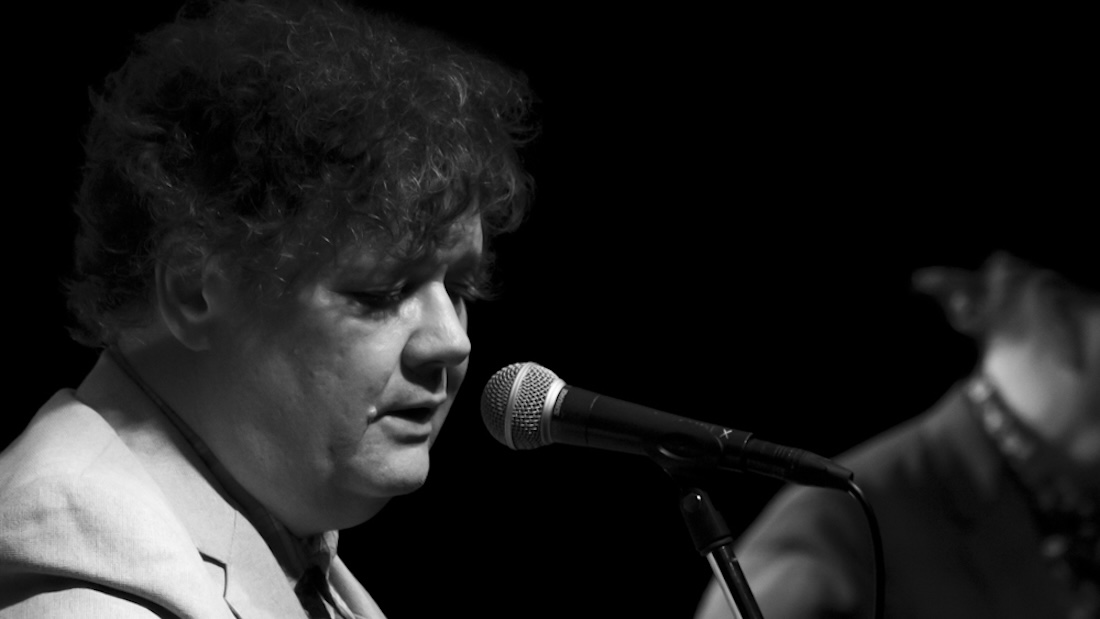
Review: Ron Sexsmith at Rosemount Hotel
Ron Sexsmith at Rosemount Hotel
w/ Tortured Souls
Sunday, April 26, 2026
Ron Sexsmith’s performance at Rosemount Hotel on Sunday night rounded off a tour schedule that has seen the Canadian troubadour on the road since the release of his latest album Hangover Terrace last August. Having played Adelaide the night prior and flown in that day for the show, you soon appreciate the degree of commitment Sexsmith has afforded the album. But when there’s an album the magnitude of Hangover Terrace in the offing, it’s something worth committing to.
Take the whimsical Cigarette and Cocktail, for instance. A jaunty celebration of intemperance over caution, the song is drenched in nostalgia, harking back to a time when society was a little more socially unencumbered and a little less health-conscious. The song is everything Sexsmith does so well—it not only delivers you into the scenario both tenderly and completely, but it also does so with a level of acumen matched only by the deceptive ease with which Sexsmith executes it.
But that’s the magic of Ron Sexsmith—he makes everything seem so effortless. From his intricate instrumental prowess that he makes appear so straight-forward to his sublime songcraft that delivers one exquisite song after another, the singer-songwriter is a rare combination of someone possessing a profound melodic sensibility, a deeply honest and unpretentious lyrical subjection, and an obvious aversion to trends or fashion.
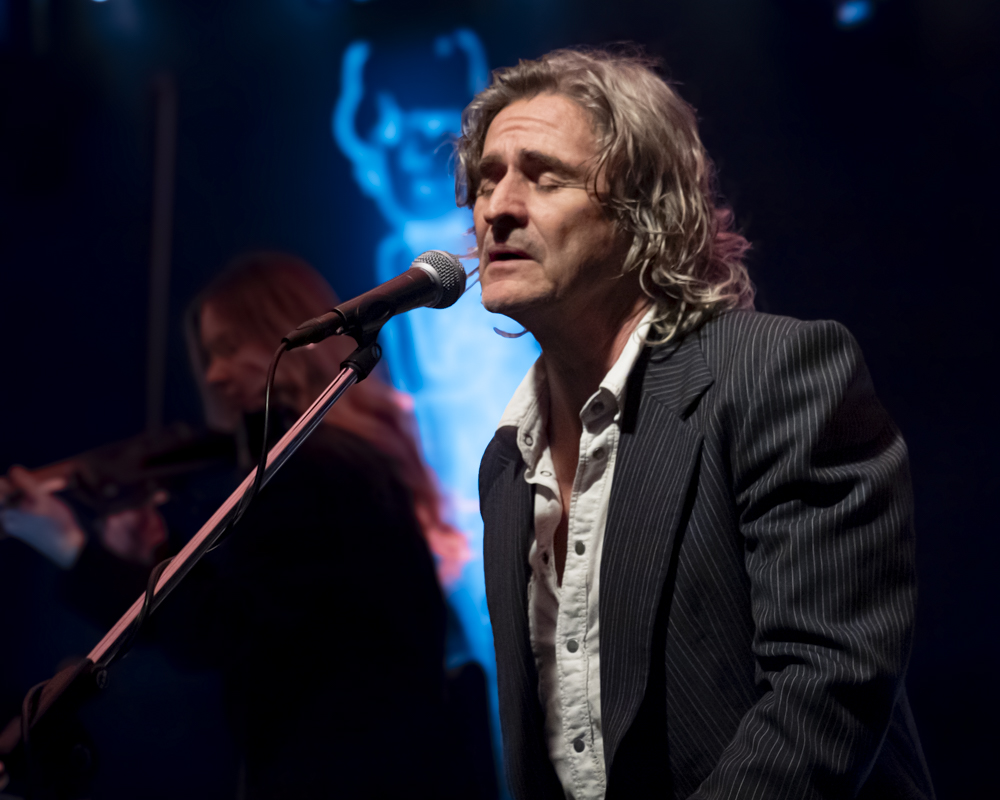
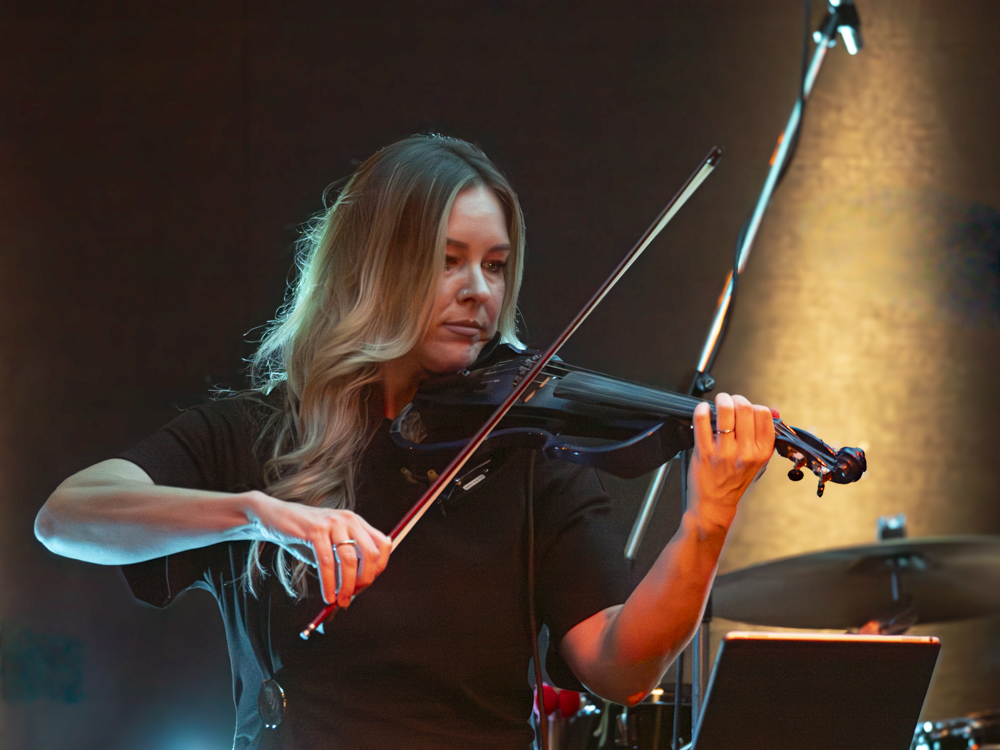
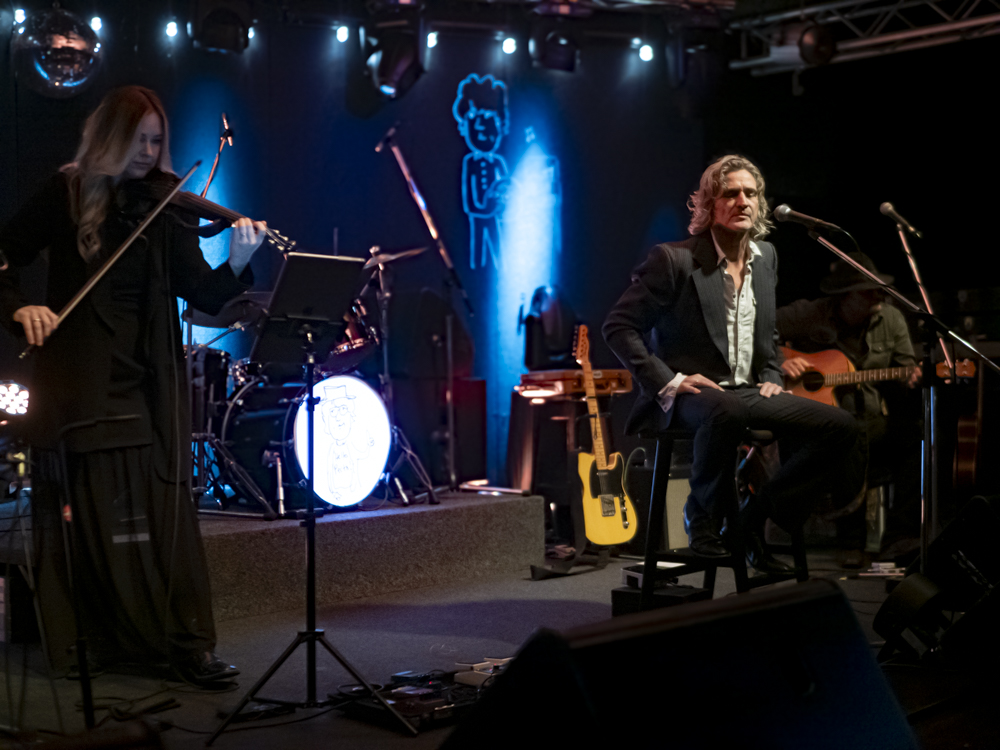
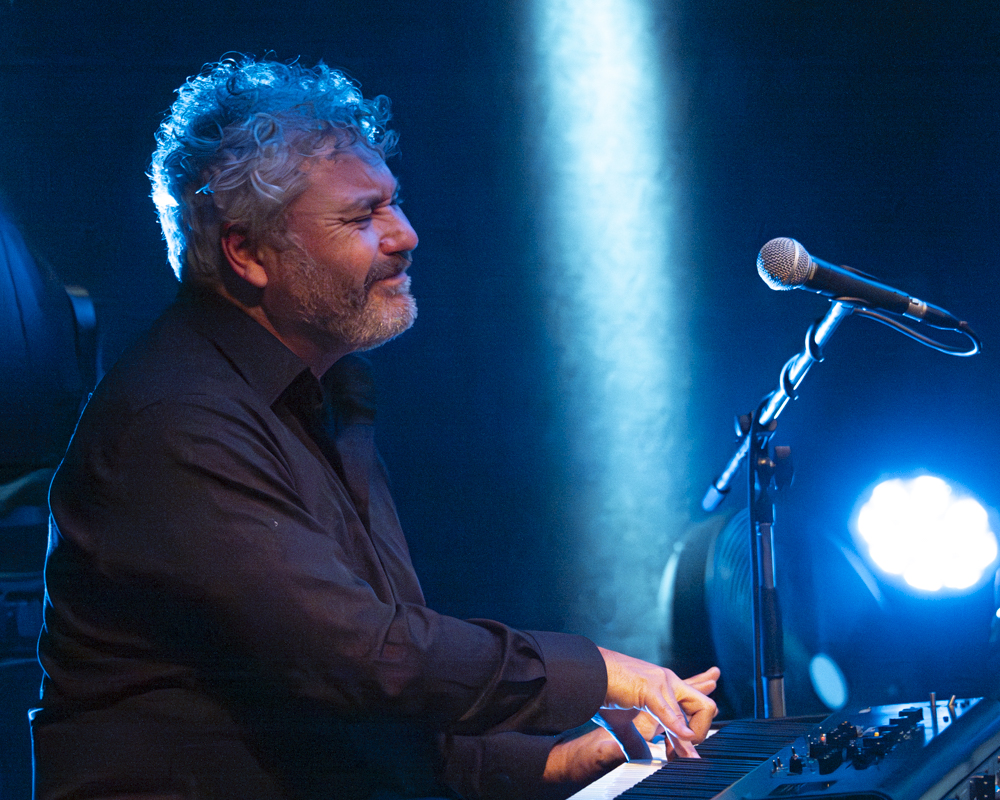
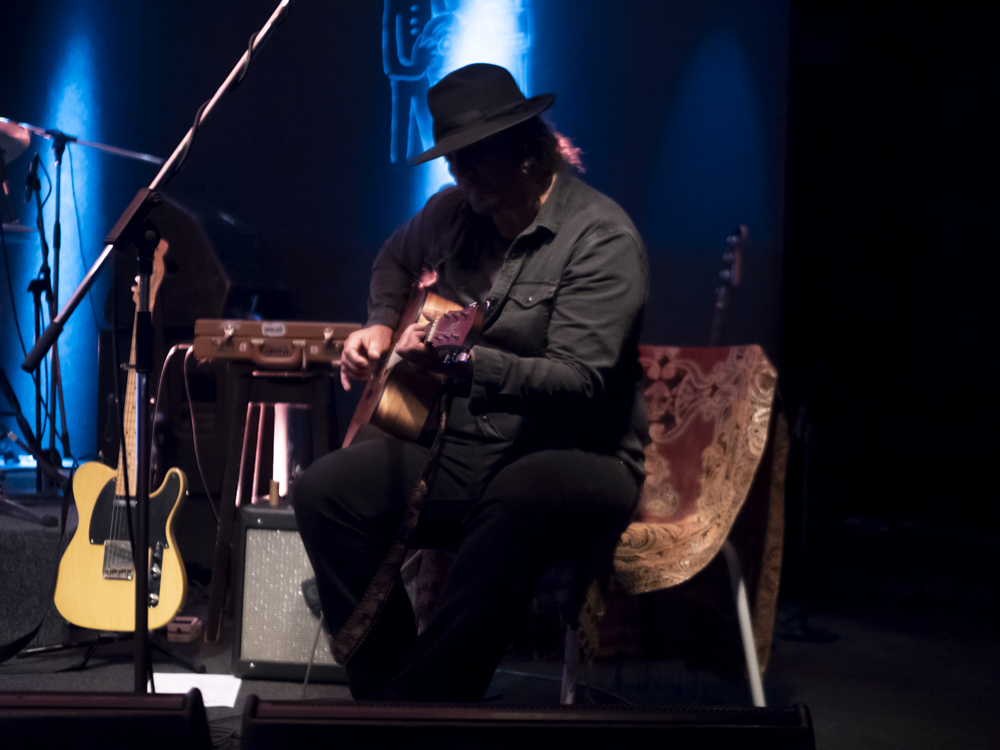
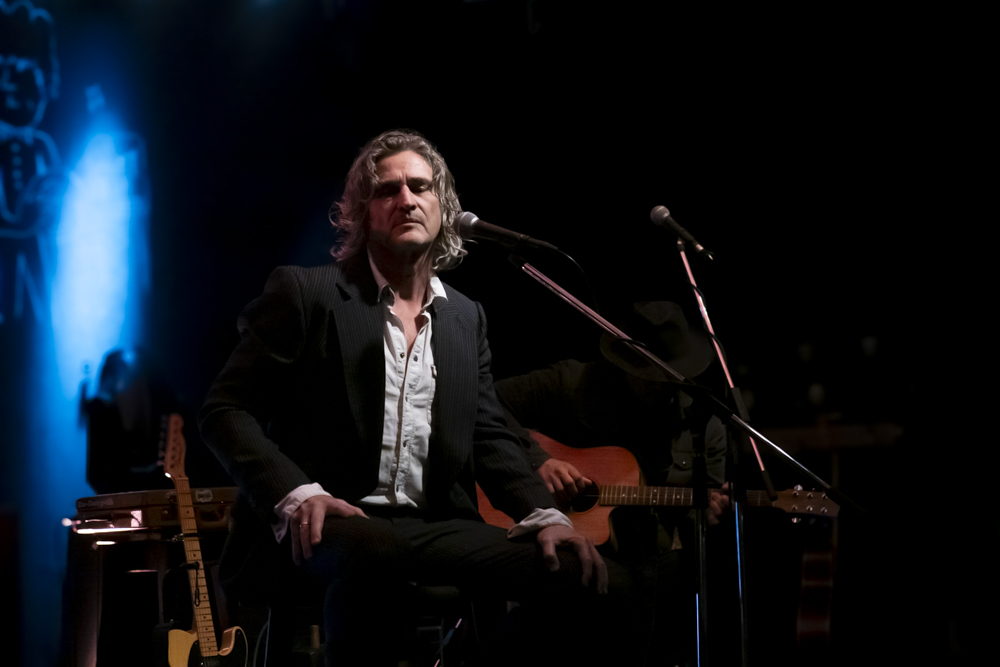
Setting the stage for Sexsmith was locally based Tortured Souls. Featuring vocalist and songwriter Justin Davies, Tony Bourke on electric piano and Jay Cortez on acoustic and electric guitars, the collective delivered a set of suitably slow and sombre piano-driven ballads tinged with an oscillating combination of guitar and violin. Opening with their debut single, Unforgettable Days, the ensemble quickly forged a brooding aura of folk noir.
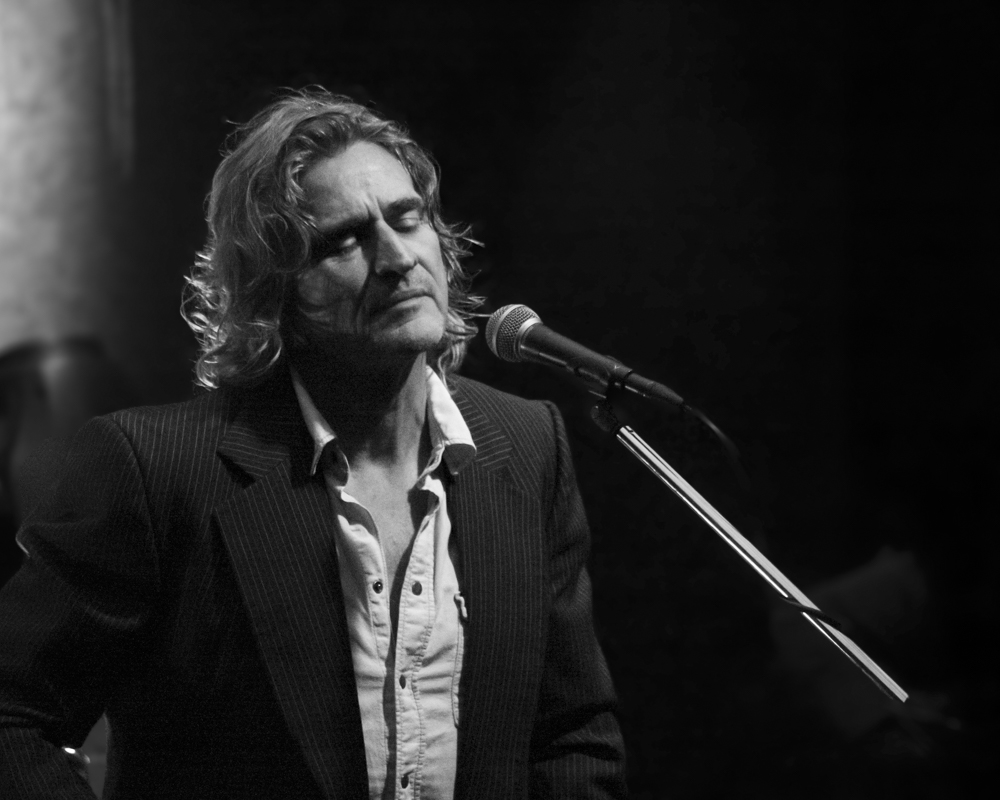
As Bourke’s fingers danced across the electric piano and Cortez hunched over his guitar caressing a tempered flow of notes, Davies sat cross-legged on a stool at the edge of the stage. Eyes closed and gently gripping the microphone stand, he smoothly led the execution of the slow-burning Promises. Drawing on a pedigree that includes The Waifs and The Sleepy Jackson, the band subtly increased the tempo on Never One to Love before Melancholic Days highlighted their melodic strengths.
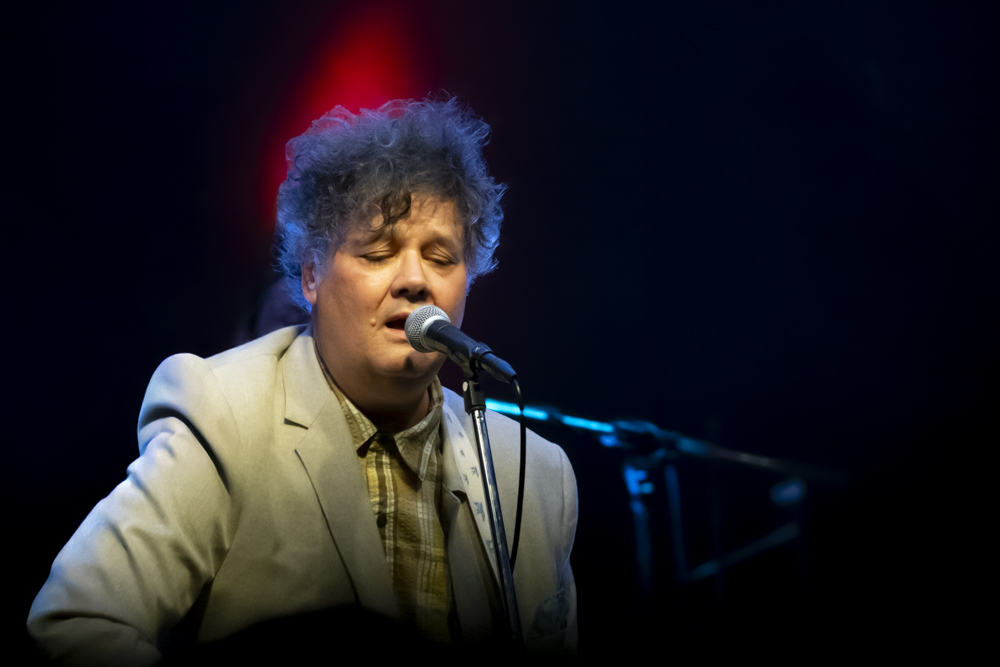
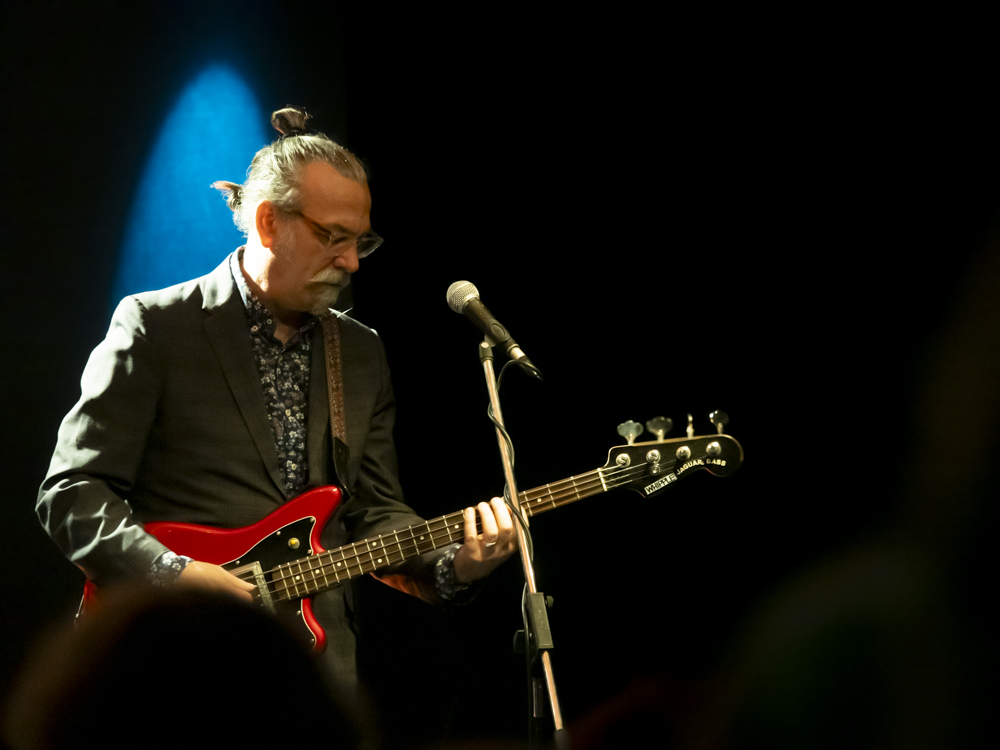
Ron Sexsmith led his three-piece ensemble—featuring Don Kerr on drums and Jason Mercer on bass—onto the Rosemount stage amid an intimate digital slide show projected on the front of the band’s bass drum. Featuring a succession of early photographs of Sexsmith among past gig posters, early recordings, newspaper and magazine clippings and covers, and early band photographs, the parade poignantly affirmed the depth of Sexsmith’s musical legacy.
Sexsmith has been recording and releasing music since 1985. Amassing almost 20 studio albums, Sexsmith firstly turned to his acclaimed 2002 album Cobblestone Runway to open proceedings. Gently picking the bass strings of his acoustic guitar with his thumb and strumming the treble strings with the back of his fingers, the instantly recognisable cascade of notes heralded in a breathtakingly beautiful rendition of the divine Former Glory.
The three-piece then delivered a couple of songs from Sexsmith’s impeccable new album Hangover Terrace. The tenderly sweet Please Don’t Tell Me Why was followed by the rhythmic warmth of Living in Rose Town. Sexsmith et al next returned to the past for Strawberry Blonde from his 1997 album Other Songs and Hard Bargain from 2004’s Retriever. Despite originating from different eras of Sexsmith’s career, the transition from new to old was as seamless as each song’s execution was faultless.
The four songs also showcased Sexsmith’s conversational lyrics, something that also defined Camelot Towers. One of the standout tracks from Hangover Terrace, the song offered a wry yet empathetic commentary on the Canadian housing crisis, which he emphatically emphasised with a crescendoing acoustic wind-up. At that point Sexsmith laid down his guitar and pointed at the electric piano, telling the audience he was headed over there.
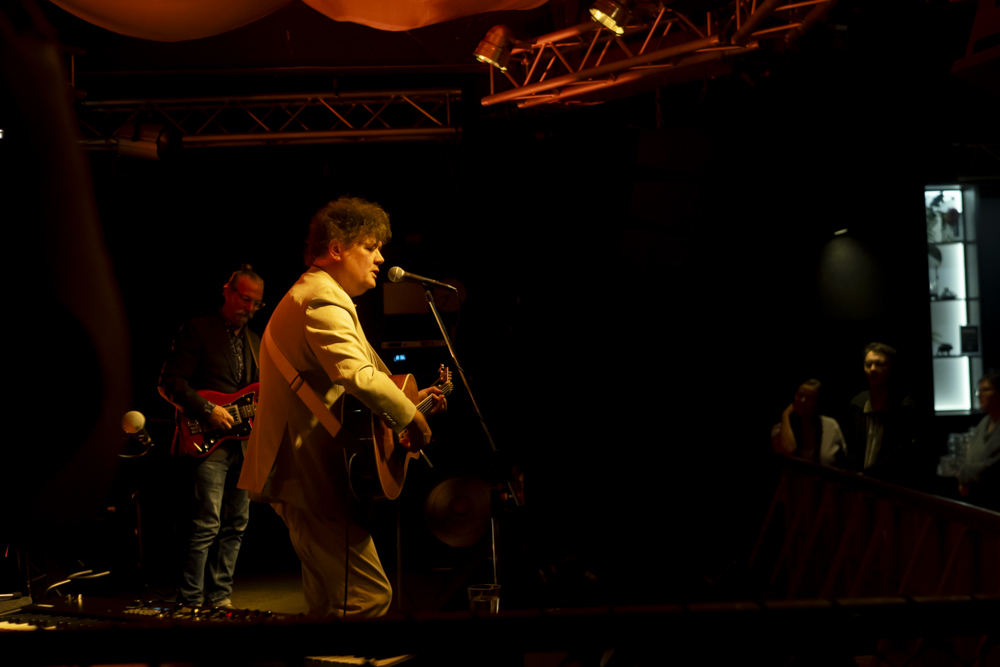
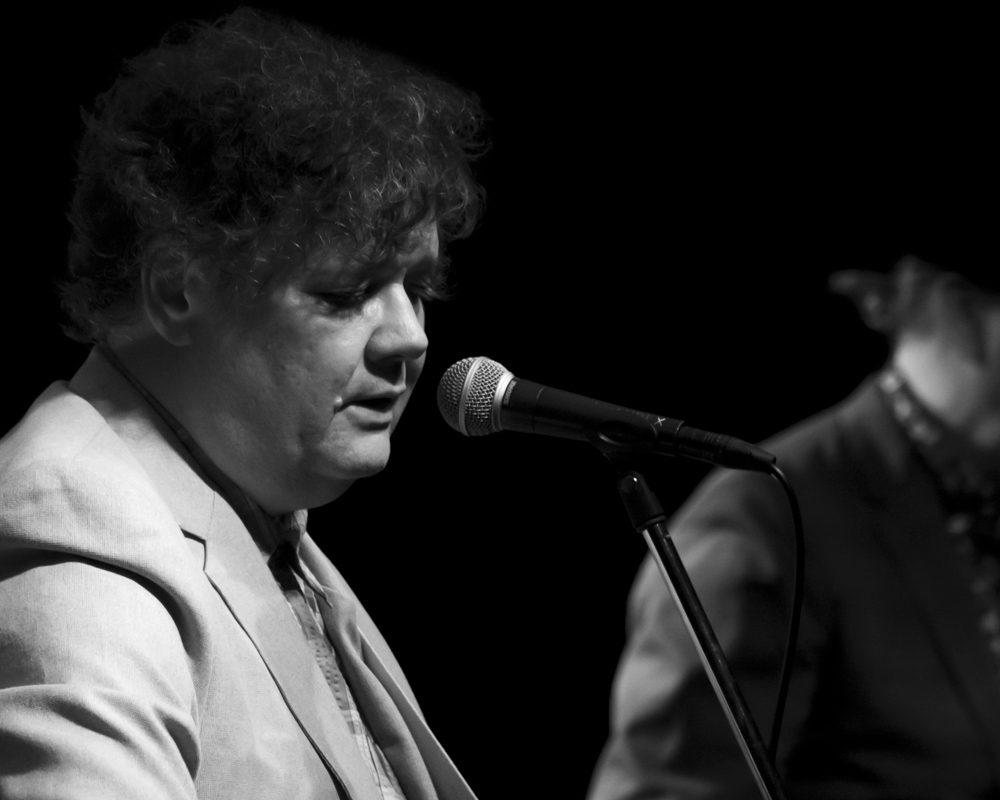
It has been over a decade since the Canadian singer-songwriter last toured Australia. Once seated, he filled the audience in on what had transpired in that time. Along with releasing several albums, he also alluded to the global pandemic and explained that instead of making sourdough like the rest of the world, he spent the time playing piano. He then delved into piano-driven renditions of songs from two of those albums—Worried Song, from The Last Rider, and Spring of the Following Year, from Hermitage.
After detouring to his 1995 self-titled album for Speaking With the Angel, Sexsmith then returned to both his new album and acoustic guitar. In introducing Cigarettes and Cocktail, he said if there is anyone in the audience of a ‘certain age’, they will relate to the meaning of the song. Shielding his eyes from the glare of the stage lights, he peered out into the audience and coyly nodded in reassurance that the song’s message wouldn’t be lost.
After diving into Cheap Hotel and Can’t Get My Act Together, Mercer left the stage while Kerr moved from drums to piano for God Loves Everyone. As Kerr then joined Mercer backstage, Sexsmith was left to deliver an immaculate solo rendition of the introspective Sneak Out the Back Door. He also pointed out that “Sometimes Bono likes to do one by himself too, just to take the edge off.” When Kerr and Mercer rejoined the fold, the trio swaggered through two ridiculously catchy songs from the latest album, Don’t Lose Sight and Damn Well Please, before Sexsmith slid behind the piano again for Love Shines from Long Player Late Bloomer.
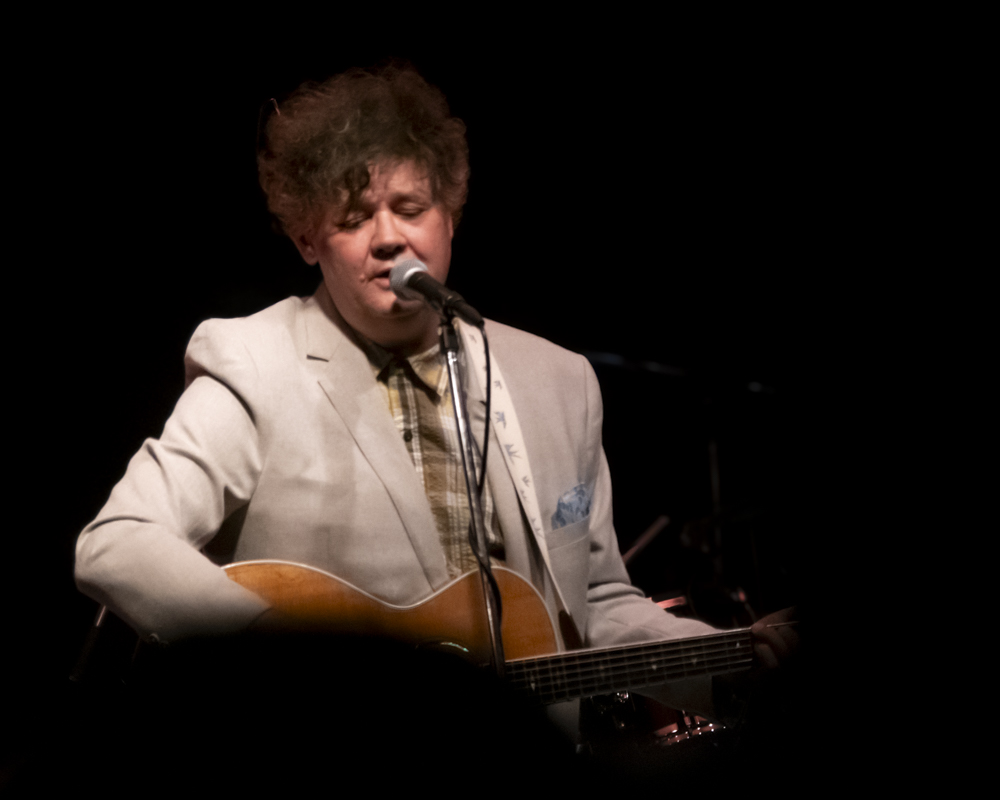
The evening’s mastery wasn’t just confined to Sexsmith, as both Kerr and Mercer also delivered spellbinding contributions. As well as imparting rich and textural backing vocals, they also shaded the songs with their own distinctive hues. More than that, though, they were forceful when the moment required but also displayed the musical servitude to afford the songs the space they craved. The trio’s execution across the night was considered and seductive. And then there was Sexsmith’s voice: tender, wistful, and seductively melancholic.
Sexsmith returned to the piano for Gold in Them Hills. While the song has lived a unique and eccentric existence—from being featured in the movie About Time to Sexsmith duetting it with Chris Martin from Coldplay and being covered by Taylor James and Katie Melua—nothing ever compares to hearing Sexsmith’s beautifully defiant yet fragile delivery of the composition. The performance was as poignant and piercing as the song itself.
Get in Line was as extroverted as Gold in Them Hills was introspective. A toe-tapping number about handling negativity, it was a further example of Sexsmith’s dichotomic command. After restoring a degree of hope in returning to Hangover Terrace with When Will the Morning Come, the trio closed out the set with Secret Heart. Explaining that the song is arguably his most covered, he name-checked Rod Stewart’s version before extrapolating its suiters to include the likes of Cher and Édith Piaf.
Returning for a three-song encore, This is How I Know and All in Good Time were followed by Seem to Recall. While explaining the touring demands of the band’s recent past, Sexsmith admitted to looking forward to a little time off after their tour-ending Perth show. But it seems that needs to wait just a little longer, as Sexsmith was recently asked to perform at the Glenn Gould Prize Gala in Toronto on May 9. Described as the Nobel Prize of the arts, the gala will honour Elton John, who called Sexsmith himself and asked him to perform.
BRETT LEIGH DICKS
Photos by Linda Dunjey