Review: Eric Bibb and Ruthie Foster at Bunbury Regional Entertainment Centre
Eric Bibb and Ruthie Foster at Bunbury Regional Entertainment Centre
Friday, April 24, 2026
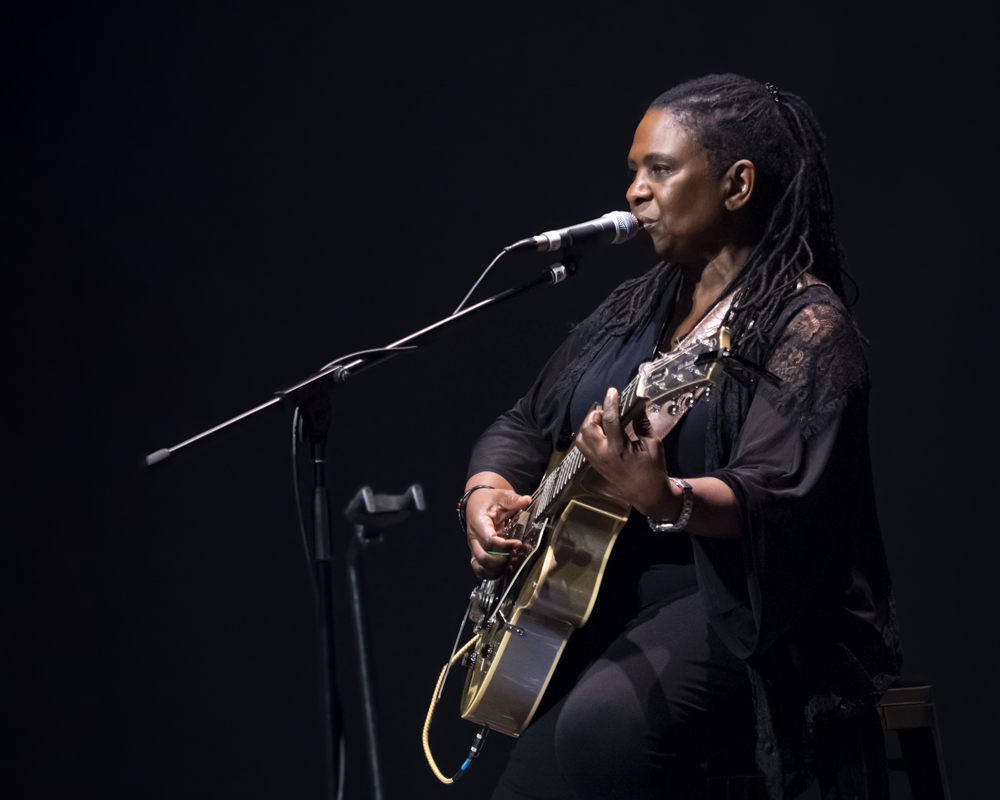
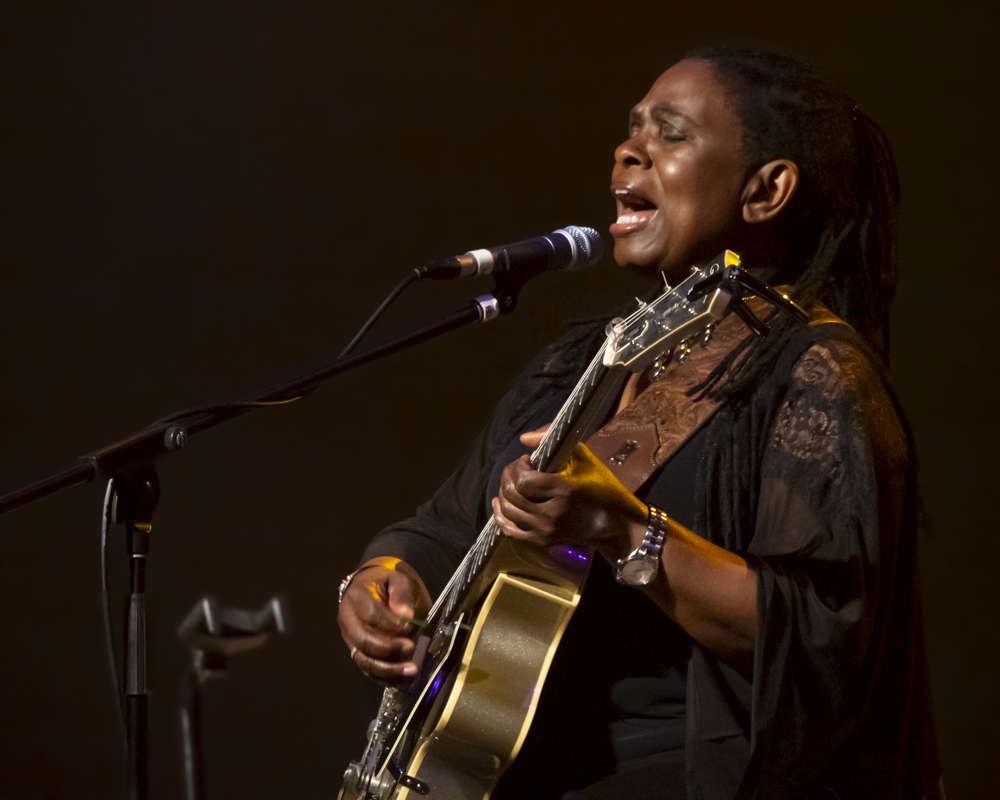
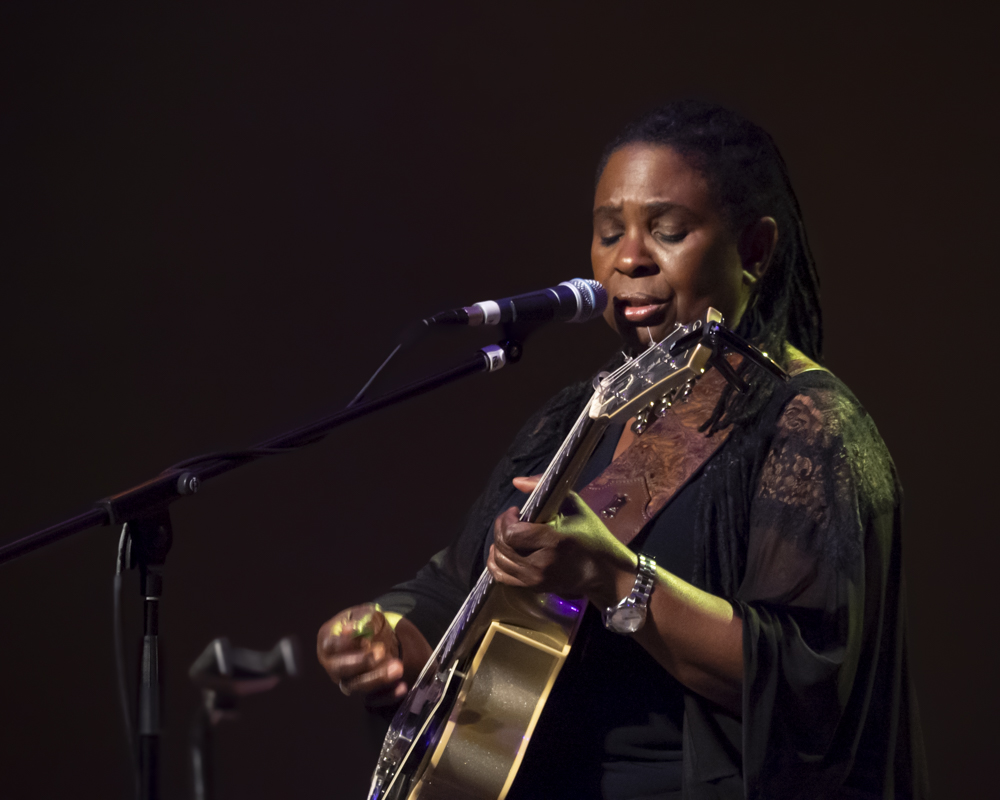
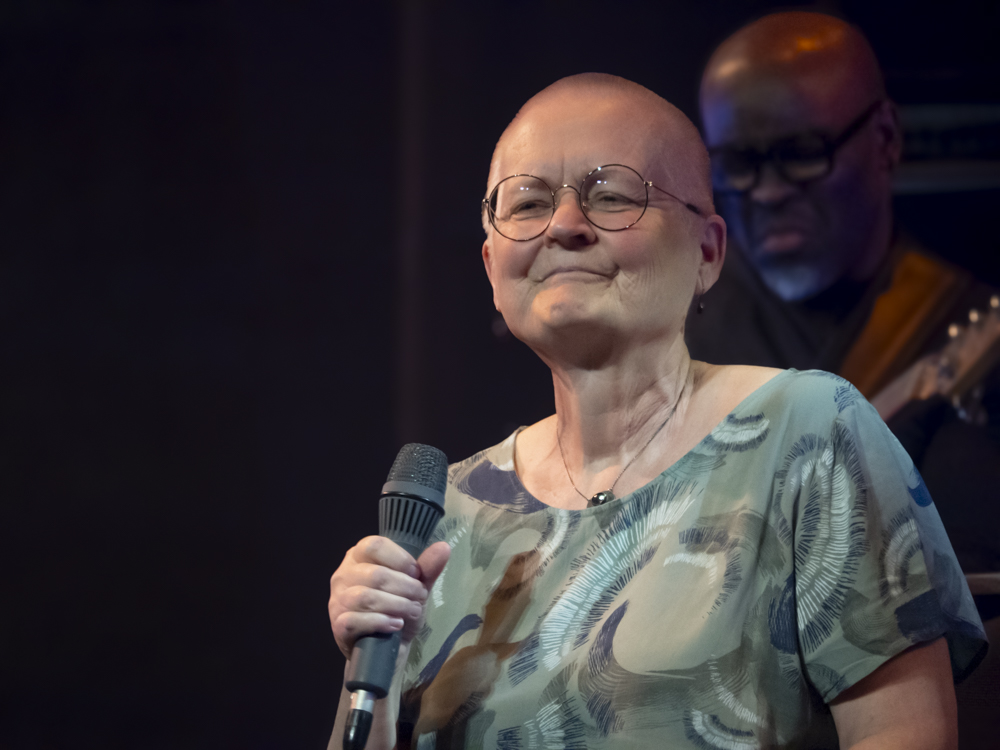
Towards the end of her set at the Bunbury Regional Arts Centre on Friday night, Ruthie Foster looked at her watch and noticed her time was almost up. Foster looked at her set list and postulated she must have spent more time telling stories than playing songs and assured the crowd she would rectify that by getting back to the music. Not that anyone seemed concerned as the Texan singer-songwriter had the Bunbury audience hanging on her every word and note.
Through bookending the songs with her insightful storytelling, Foster presented two enchanting perspectives of the unique path she has carved through life. She talked about singing in a navy big band and playing piano in Sunday services. There were tales about meandering the backroads of the South looking for a Mississippi John Hurt festival. There were explanations about the postural differences between back-porch and front-porch music. And then of course there were the songs which served as an equally compelling travelogue through Foster’s lauded career.
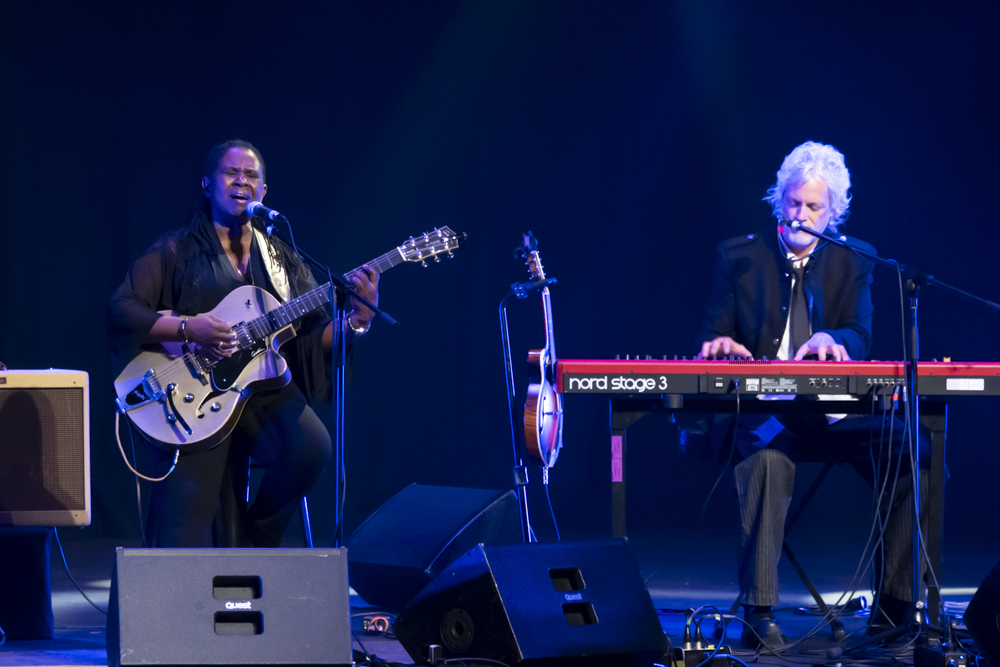
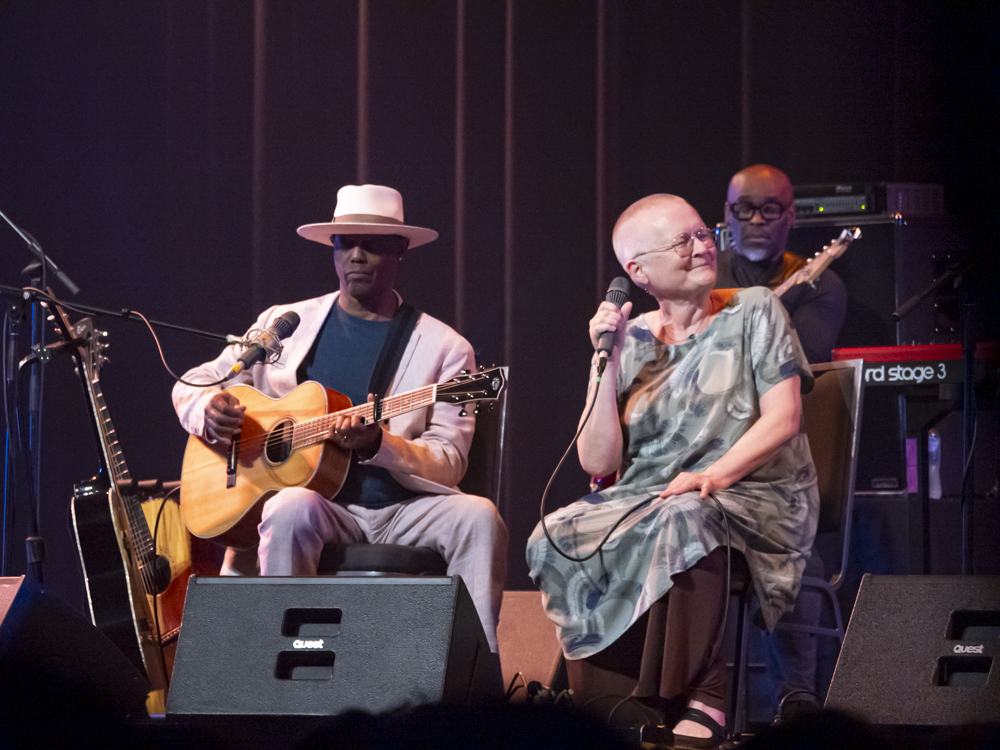
Foster opened her set with It Might Not Be Right, a co-write with Memphis legend William Bell from her 2012 album, Let it Burn. Joined by Scottie Miller on electric piano, the duo turned in an affecting performance of the soulful ballad before Miller helped change up the mood by leading a clap-along and some shimmering old-school keyboard tones for Brand New Day. Its foot-stomping gospel overtones effortlessly transported the audience into the pews of a Southern Baptist church.
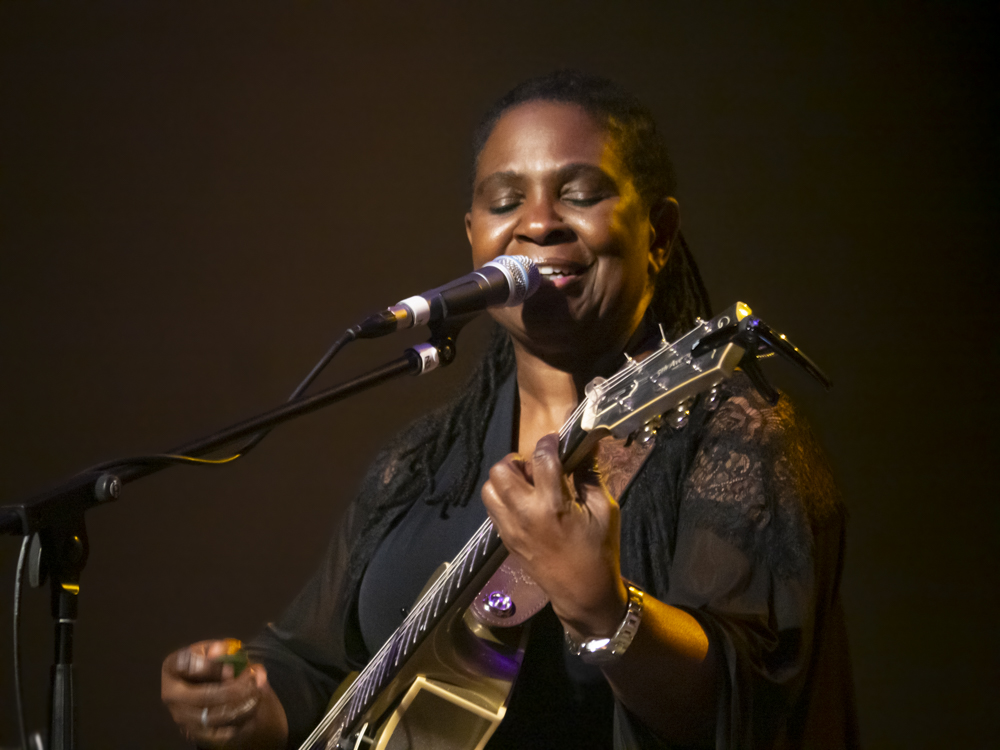
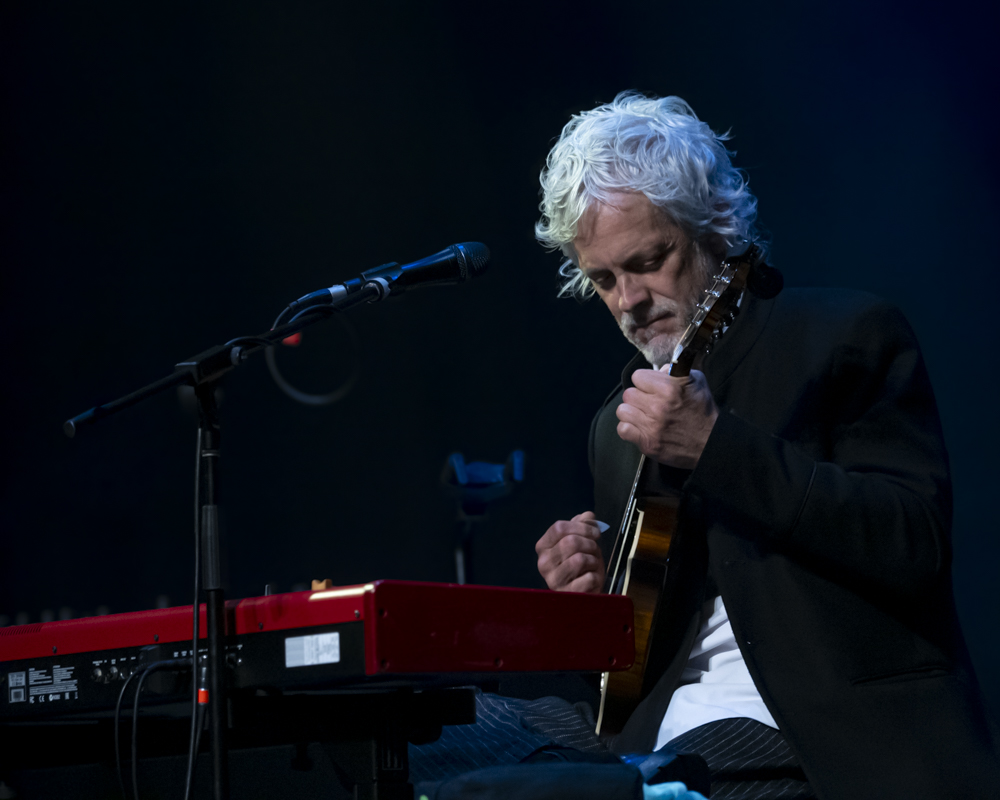
As Miller reached for his mandolin, Foster redirected the musical nuance from the pulpit to the porch. The driving rhythm and lyrical restlessness of Small Town Blues were gorgeously underpinned by Foster’s resonant vocal growl. Foster and Miller then took the audience deep into the South with a suitably spry rendition of Mississippi John Hurt’s jaunty Richland Woman Blues before Miller returned to the keyboard for 4am.
The closing track on Foster’s 2022 album, Healing Time, is as luminous as it is beguiling. Foster explained how the song was written in a hotel room one sleepless night while touring eastern Europe. Unable to connect with her family and friends in the States after performing a show, she not only found solace in connecting with her muse but also composed one of her most gracefully inflicting songs from her recent past. Not only is 4am a sublime piece of songwriting, but Foster and Miller’s execution was equally as inspiring.
Backed by Miller’s glittering keyboards, Foster caressed a cascade of notes from her gorgeous 5th Avenue model Godin guitar and quickly laid the foundation for her expressive launch into a poignant and lush rendition of The Staples Sisters’ The Ghetto. The song is not the only thing Foster shares in common with the iconic Chicago singing group. Last year the singer-songwriter joined them in the ranks of Grammy Award winners when her Sun Records-released 2024 album, Mileage, won the award for Best Contemporary Blues Album.
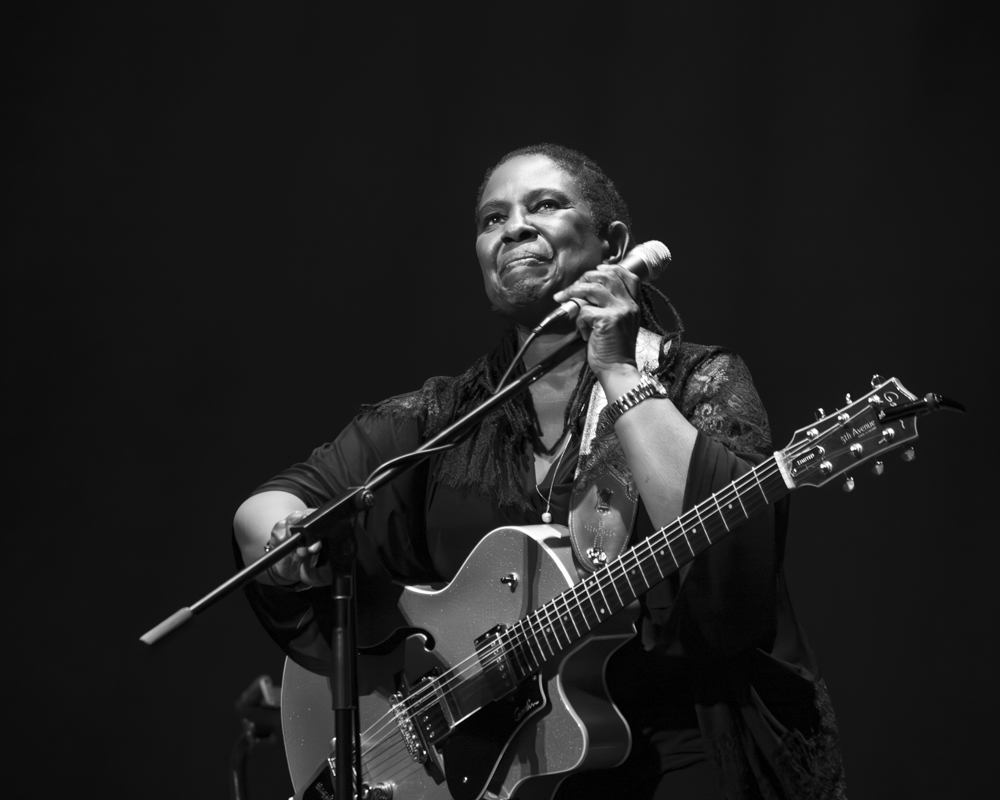
After delivering the title track from the milestone album, Foster then turned the microphone over to Miller, who led the vocals on their co-write, Stay. Drawn from Miller’s 2023 album Carnival Cocoon, which features a collection of his prose poetry set to music, Miller’s gritty Sprechgesang delivered verses and indomitable choruses beautifully backed by Foster’s ethereal counter-chorus. The pair then returned to Foster’s back catalogue with Singing the Blues from 2014’s Promise of a Brand New Day.
For the release of her most recent album, Mileage, Foster signed with the iconic Memphis-based label Sun Records. Having launched the careers of the likes of Elvis Presley, Johnny Cash, Jerry Lee Lewis, Roy Orbison, and Carl Perkins, the label was the birthplace of rock ‘n’ roll. Foster paid tribute to both the label and its iconic studio by covering a version of That’s All Right for the album, recording the Arthur ‘Big Boy’ Crudup composition live at the label’s historic studio in Memphis.
While Elvis Preseley put his own spin on the song in 1954 and helped cement the composition as one of the greatest songs of all time, Foster and Miller turned in a delectably soulful yet sassy version of the 1946 blues classic to round out a set that was emphatically driven home by Foster’s purring guitar and Miller’s keyboard sweeps. Having previously seen Foster perform in various musical incarnations from solo to big band, in duo mode, she was once again nothing but engaging, inflicting, and flawless.
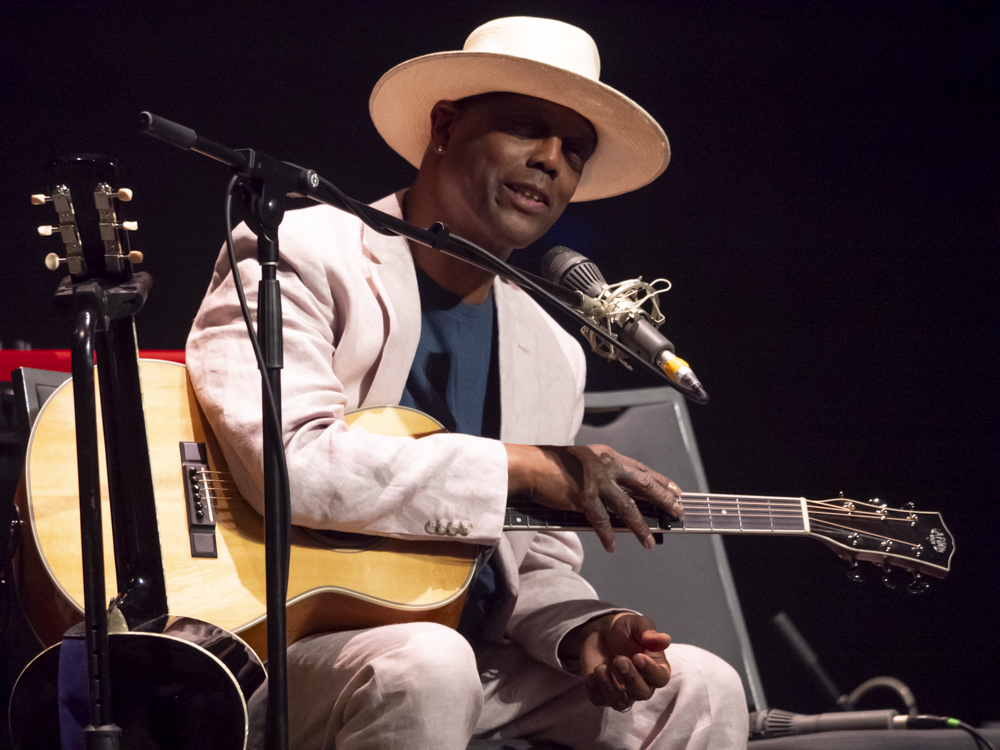
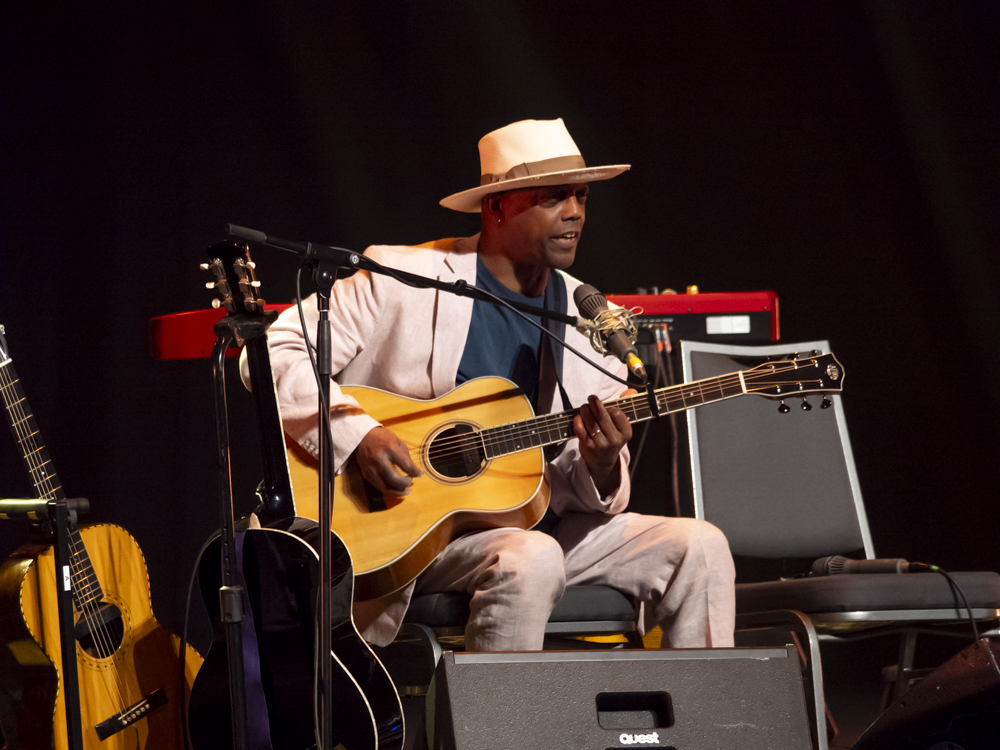
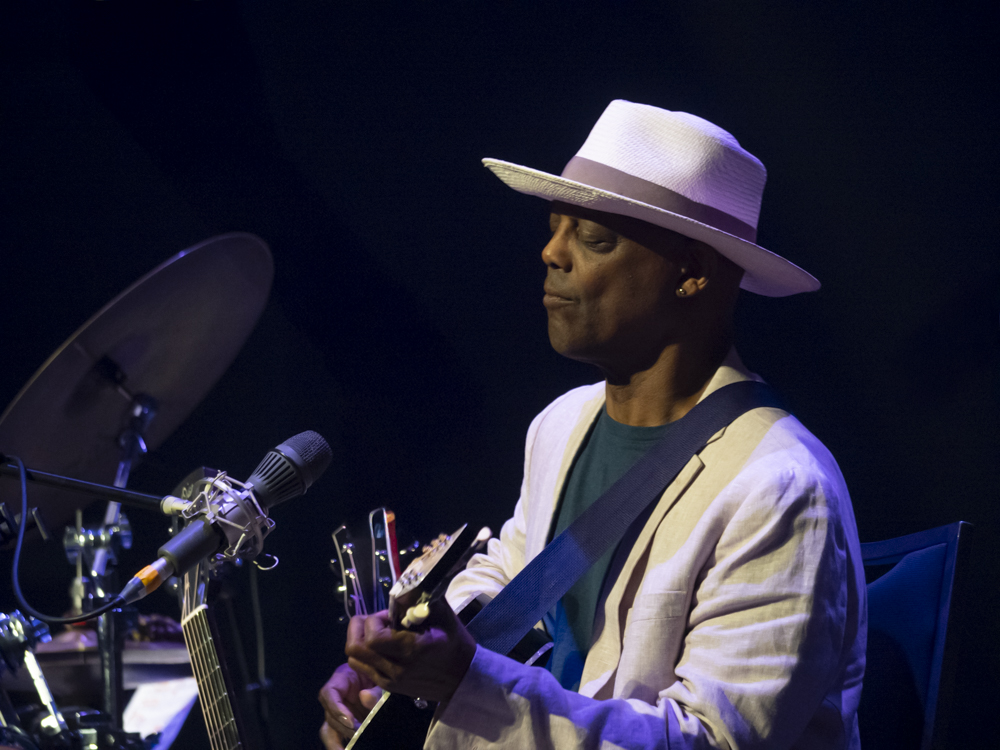
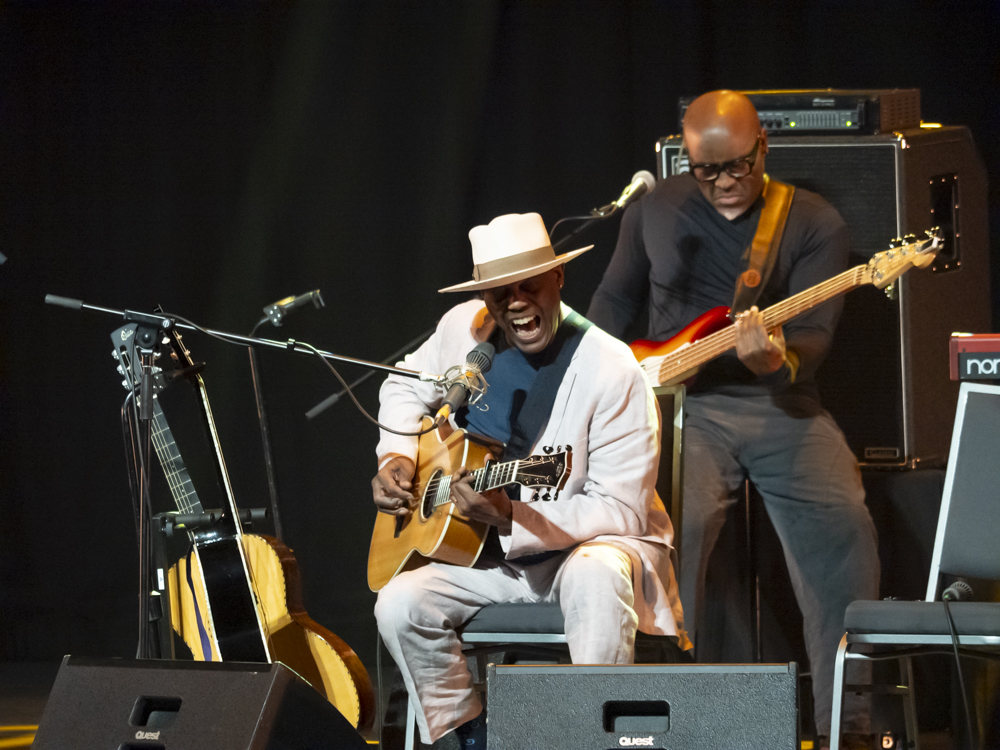
After a short intermission, Eric Bibb walked on stage with an acoustic guitar, booming voice, and a catalogue spanning over 40 albums dating back to 1972. Seated centre stage, Bibb welcomed the audience to the show. After proudly demonstrating his command of pronouncing Bunbury correctly, he talked about his plan to honour a collection of his musical heroes and sheroes across the night. And with that, he leant back, closed his eyes, and launched into the St Louis Jimmy Oden blues-drenched traveller’s lament, Going Down Slow.
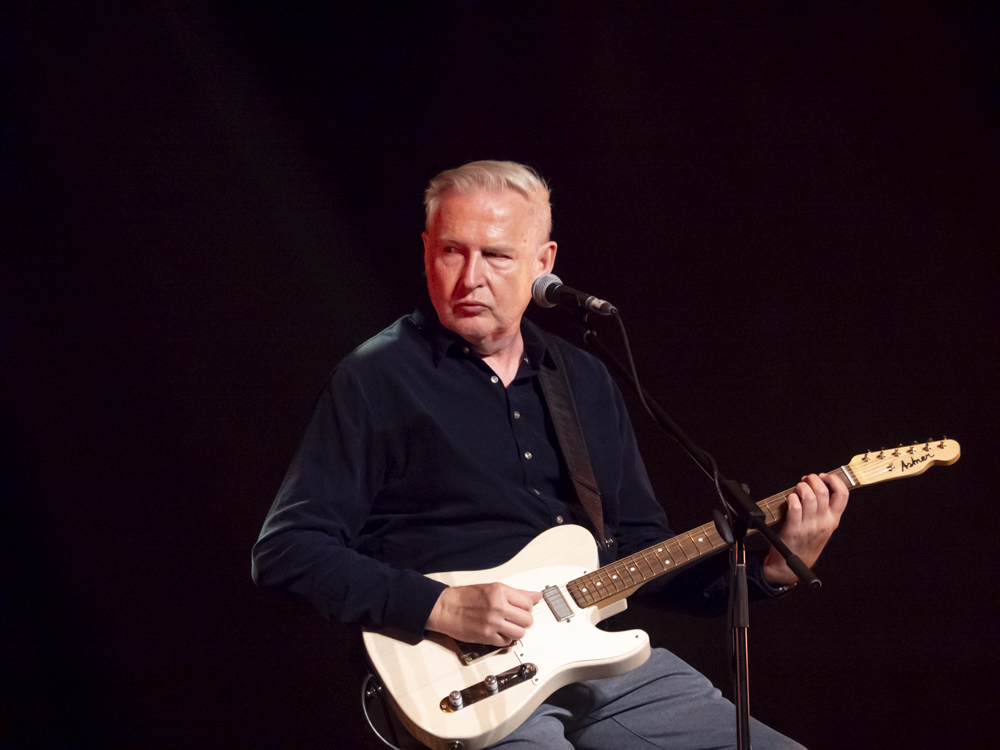
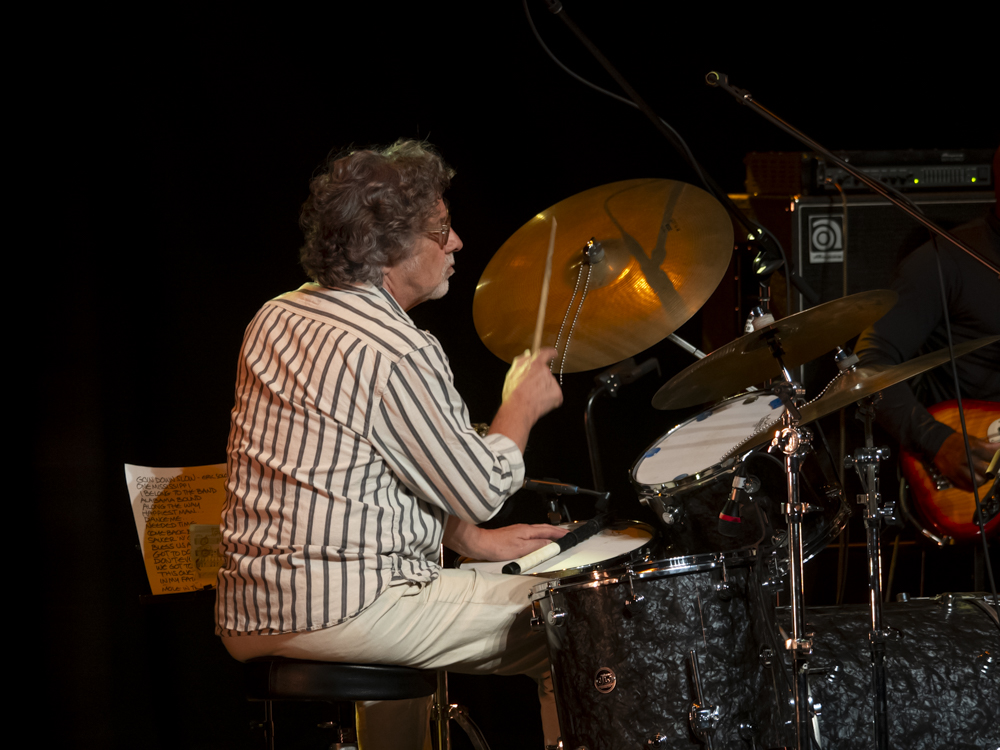
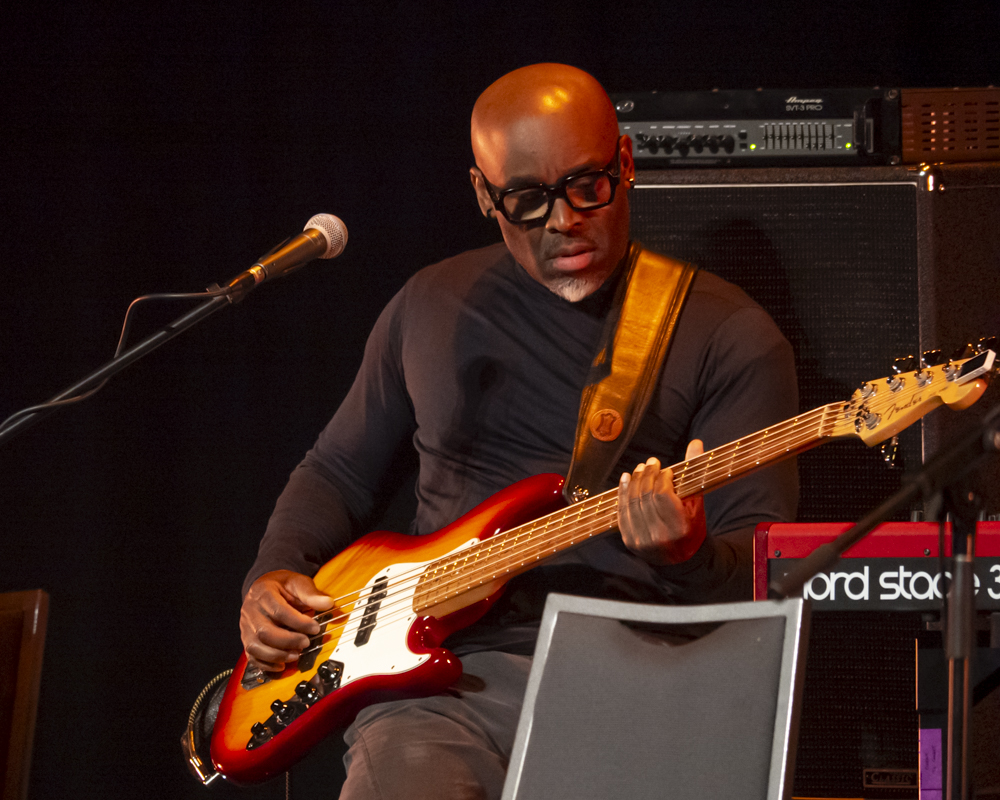
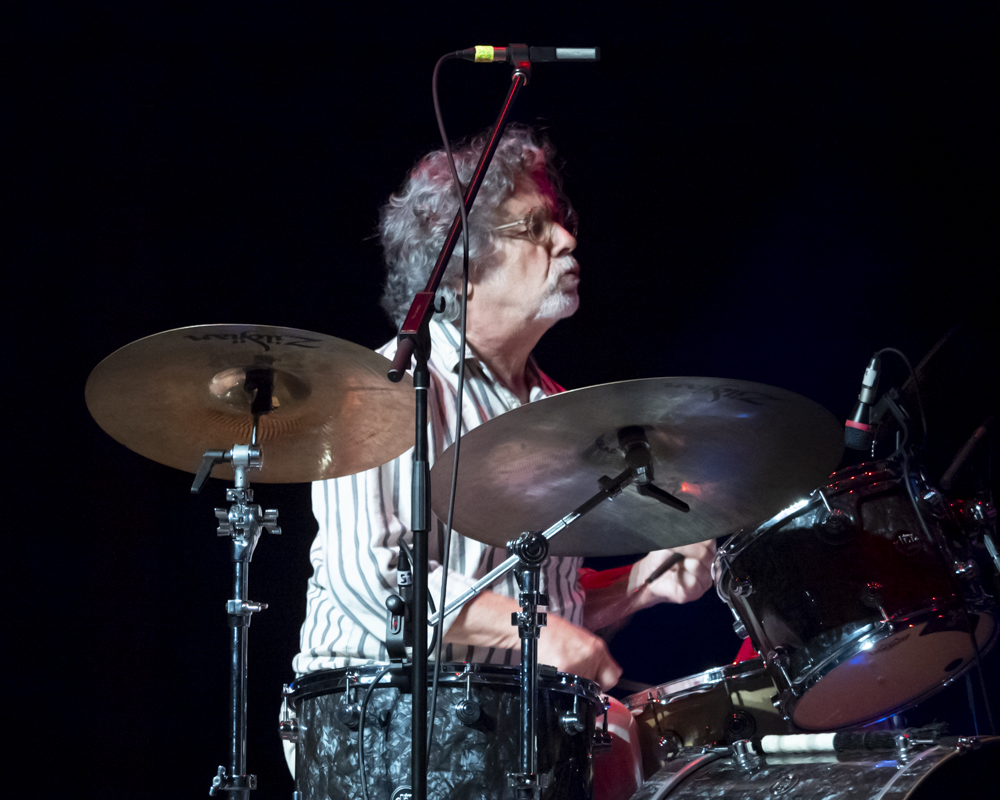
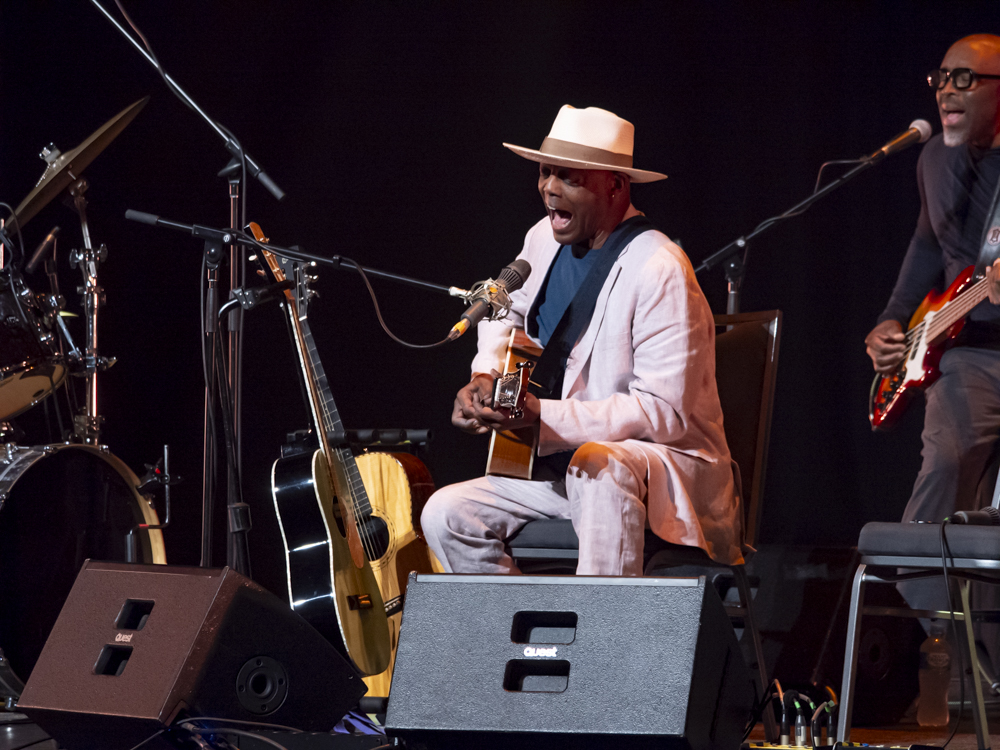
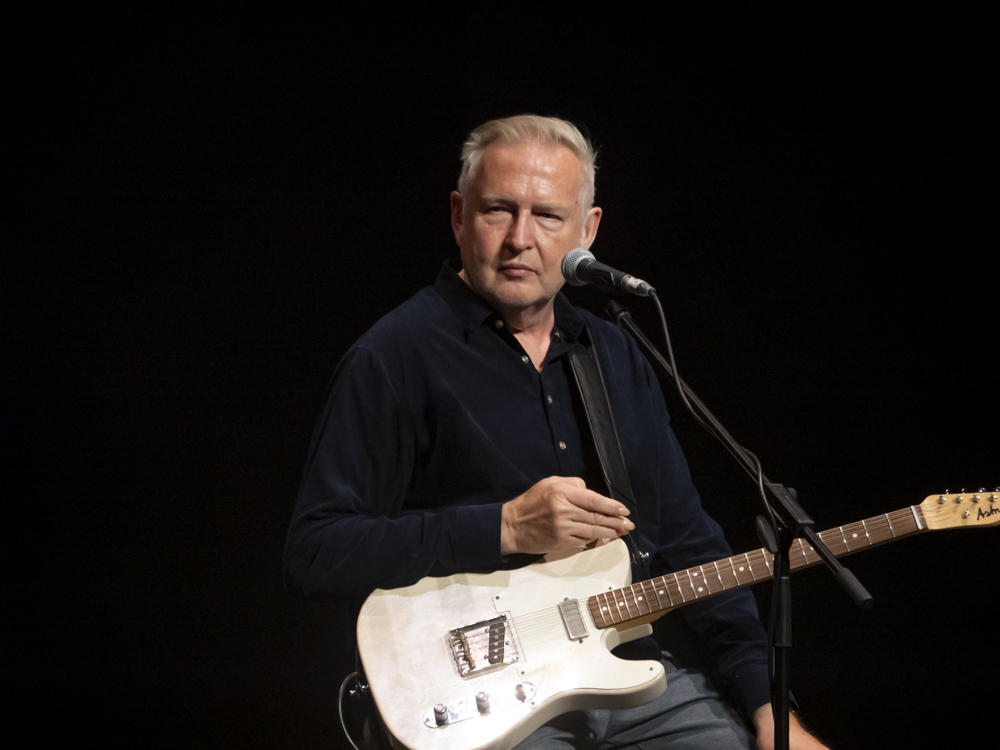
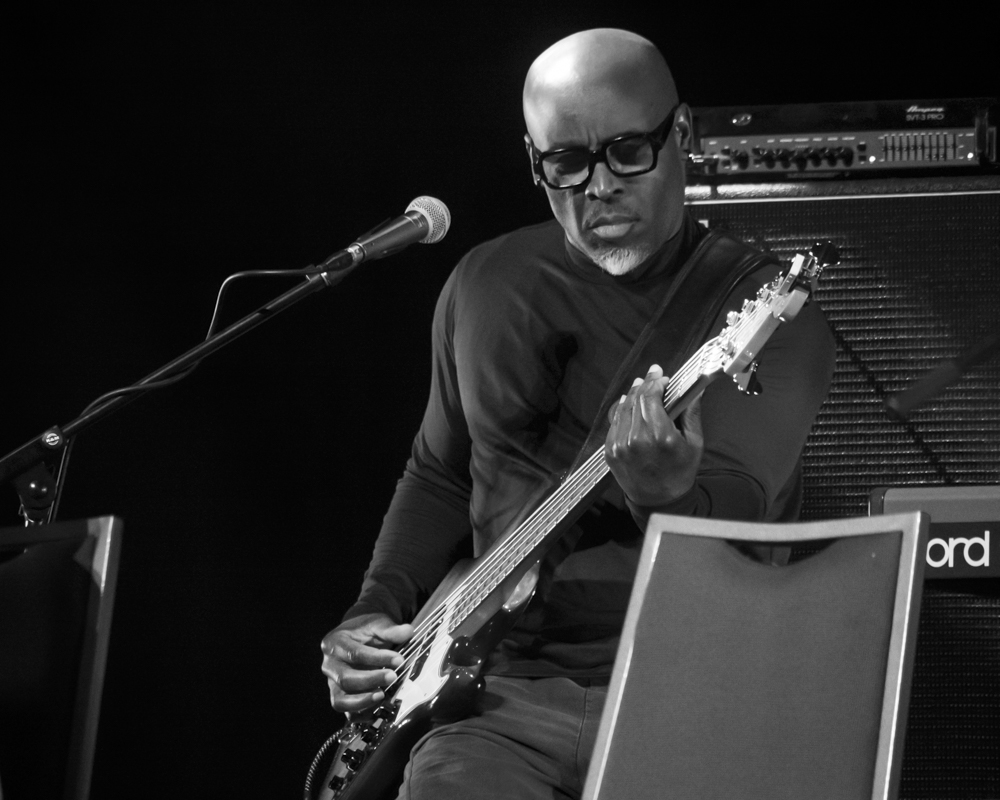
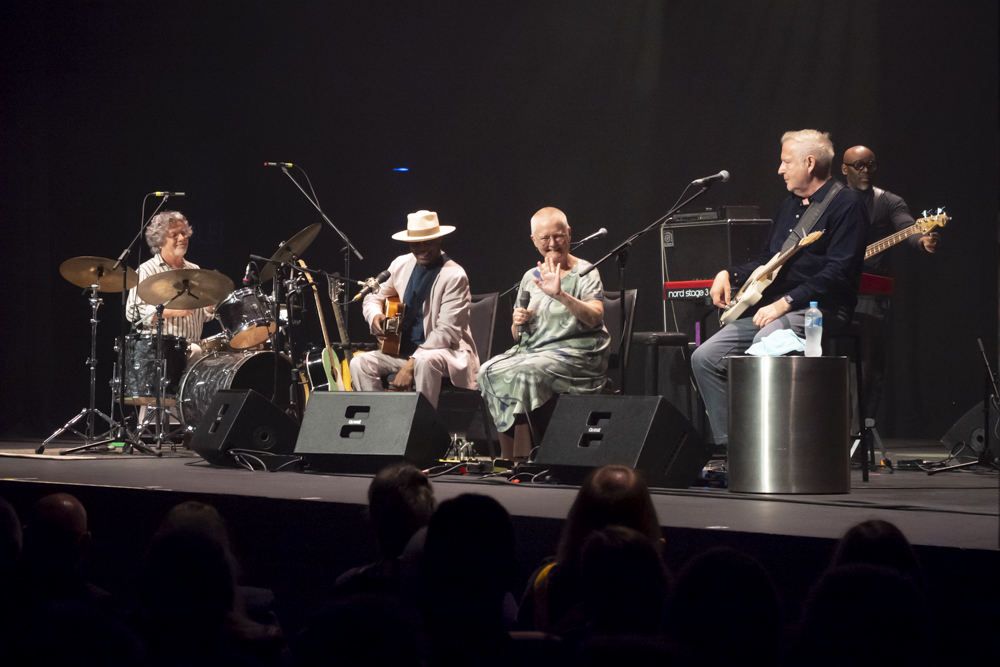
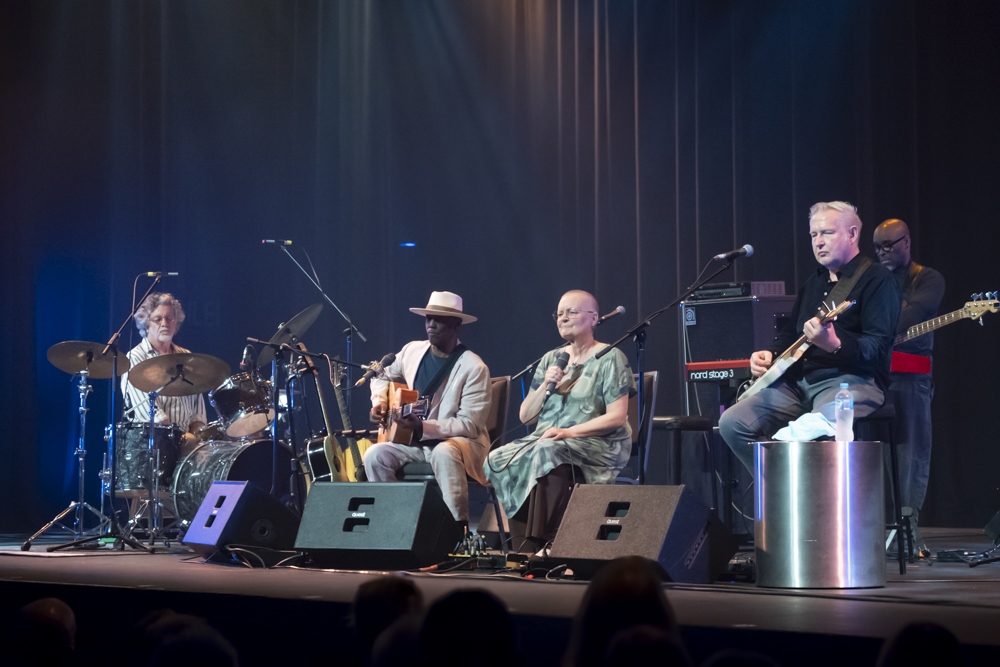
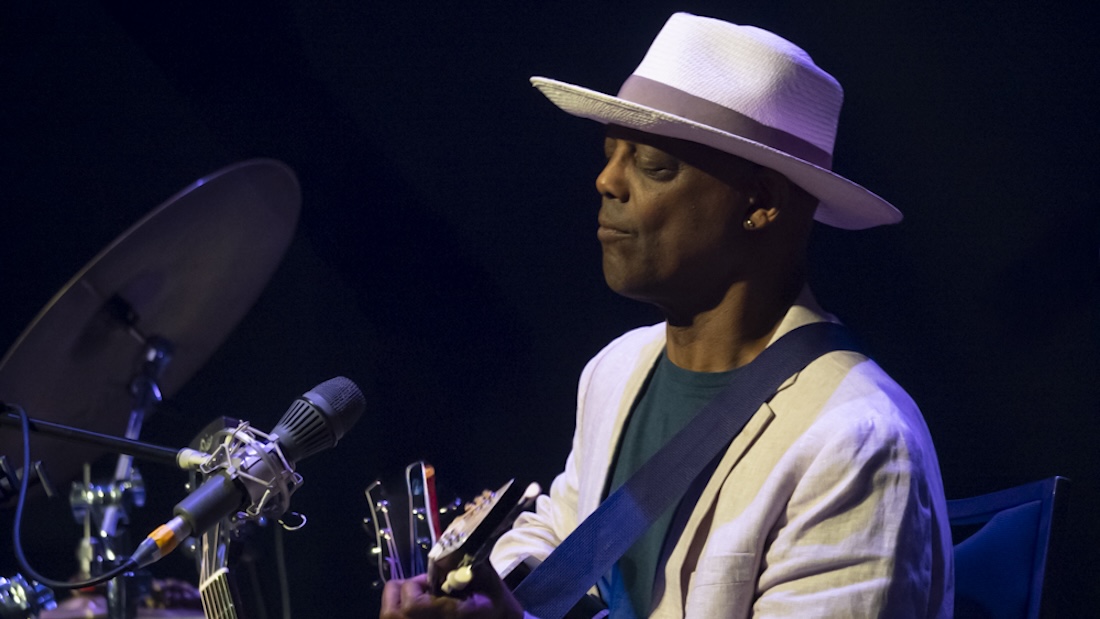
Immaculately dressed in an off-white suit and gleaming white hat, as Bibb dived deeper into Going Down Slow, his voice became increasingly gravelly, fittingly reflecting the plight of the song’s protagonist. After graciously accepting the audience’s rapturous appreciation, Bibb introduced the band as one-by-one they made their way to the stage. Bassist, keyboardist, and Bibb’s producer and musical director, Glen Scott, was the first to appear, soon to be joined by electric guitarist Staffan Astner. The quartet was then completed with the emergence of Nina Simone’s former drummer, the immaculate Paul Robinson.
As the band took their seats, Bibb talked about his shared New York high school days with Janis Ian. He told the audience how they reconnected a few years ago while they were each touring Australia before launching into the Ian-penned titled song of his most recent album, One Mississippi. As the song unfolded, Astner’s subtle electric yowl, Scott’s sultry bass, and Robinson’s eccentrically percussive drumming each combined with Bibb’s bewitching acoustic and resonant vocals to lay an enticing roadmap for what was to ensue.
Bibb et al then progressed from shero to hero when they imparted a gorgeous Pentecostal feel to Rev. Gary Davis’s I Belong To The Band – Hallelujah! followed by Lead Belly’s Alabama Bound. Bibb then turned to his own catalogue for Along the Way from his 2021 album, Dear America, where his beautiful upswell of acoustic notes were seductively enhanced by both Robinson’s shakers and subtle percussion and Astner’s playful electric guitar.
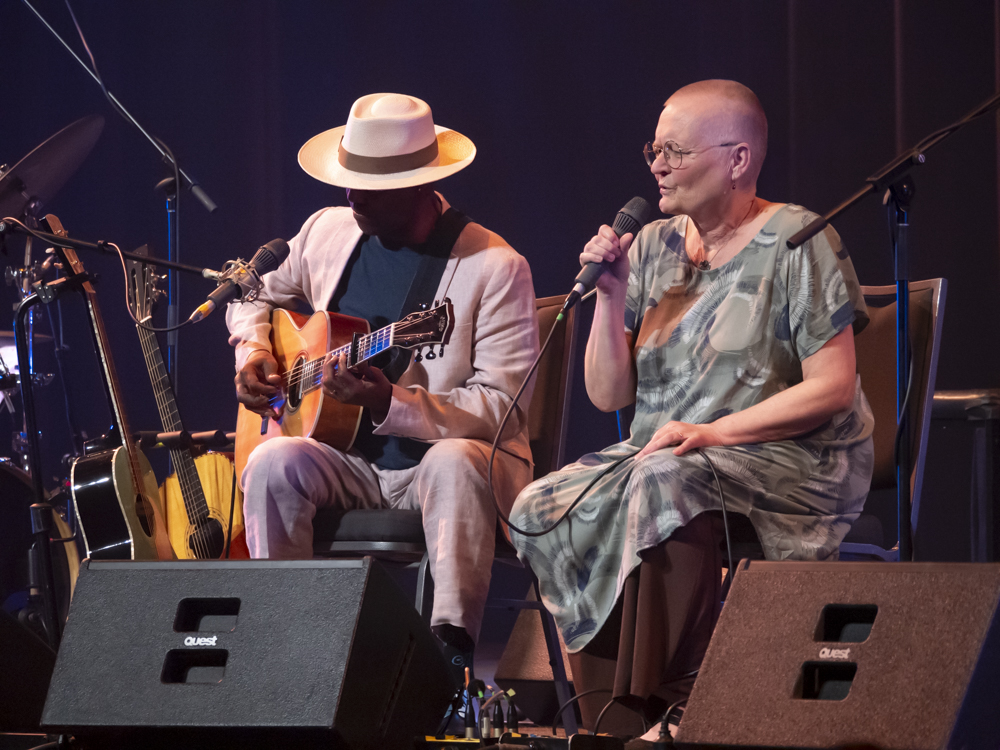
After delivering the title track to his 2016 album, The Happiest Man In The World, Bibb then invited his wife to the stage. After introducing Ulrika to the audience as he tuned his guitar, Bibb then coyly raised his eyes to the audience and explained guitar tuning is like aircraft maintenance—always worth the trouble. After leading the vocals on Dance Me to the End of Love, a song Bibb explained was inspired by a painting he saw and was fortunately never the subject of concern to Leonard Cohen’s lawyers, Ulrika then joined Bibb on vocals for Needed Time.
As the band accompanied Ulrika off stage and Bibb retuned his guitar, he pointed out that if you hear a man hollering, ‘Come back, baby’, it’s usually too late. He then returned to Rev. Gary Davis’ oeuvre for his song Come Back Baby. Strapping on a beautiful Scott Wise guitar that was crafted in Margaret River, Bibb noted that blues music is not generally known for celebrating material bliss before the ensemble sublimely executed Cup ‘n’ Saucer which was followed by an instrumental ‘guitar prayer’ called Bless Us All.
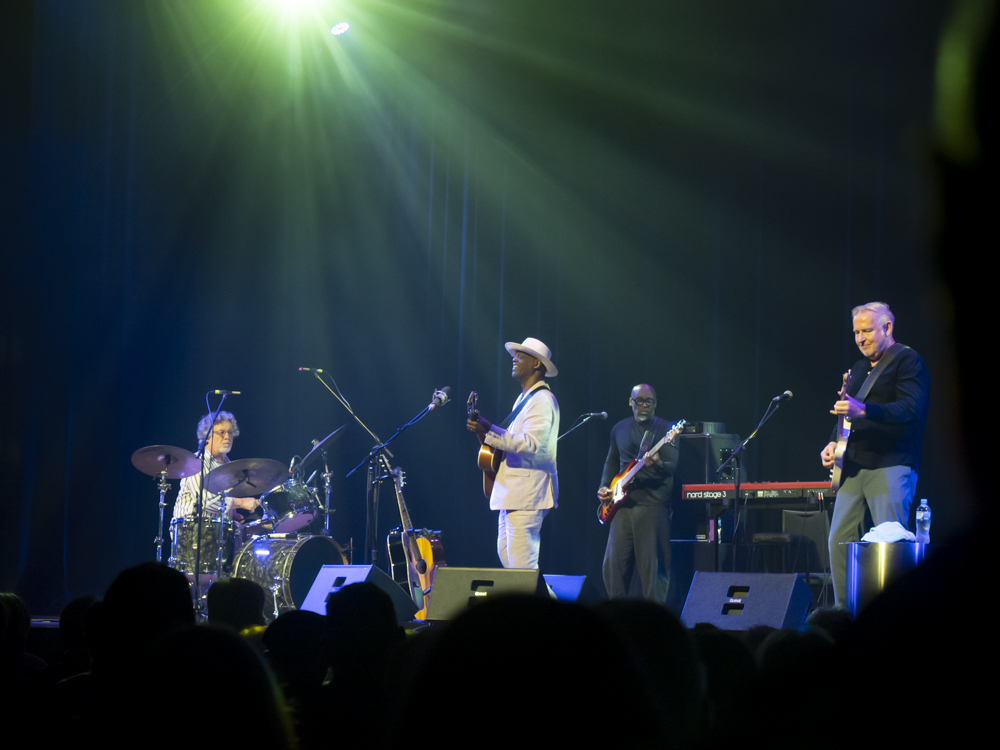
The pulsing blues-drenched Don’t Ever Let Nobody Drag Your Spirit Down provided the perfect showcase for both the band’s polished precision and Bibb’s vocal grit before raising their microphones and pushing their stools aside. With the band now standing, they delivered a light-hearted blues stomp, and while This One Don’t didn’t quite get the Bunbury audience to their feet, they displayed enough sway for Bibb to concede he could see them dancing on the inside.
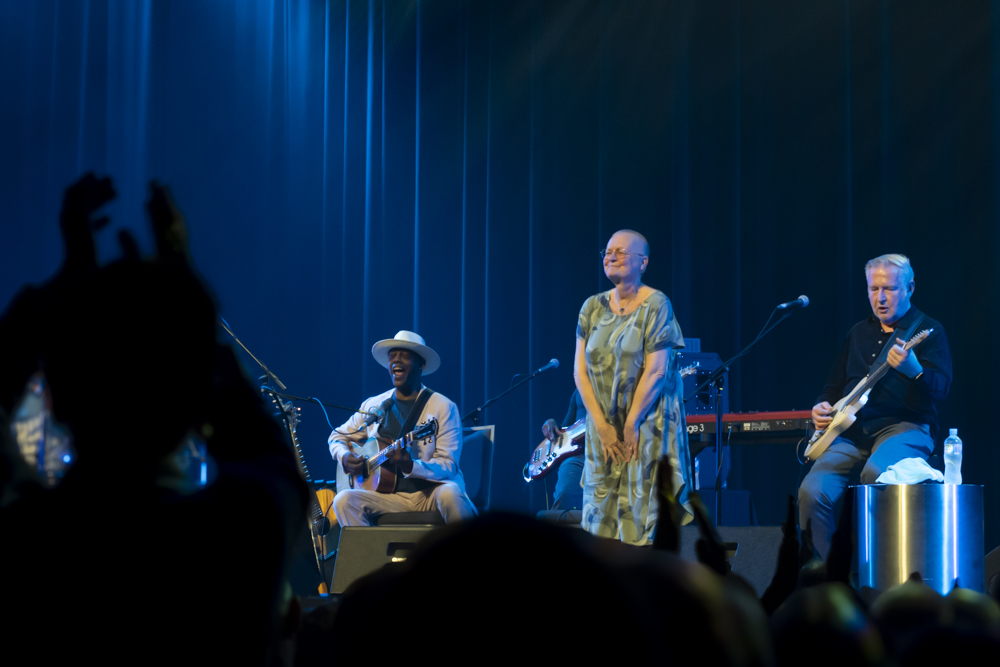
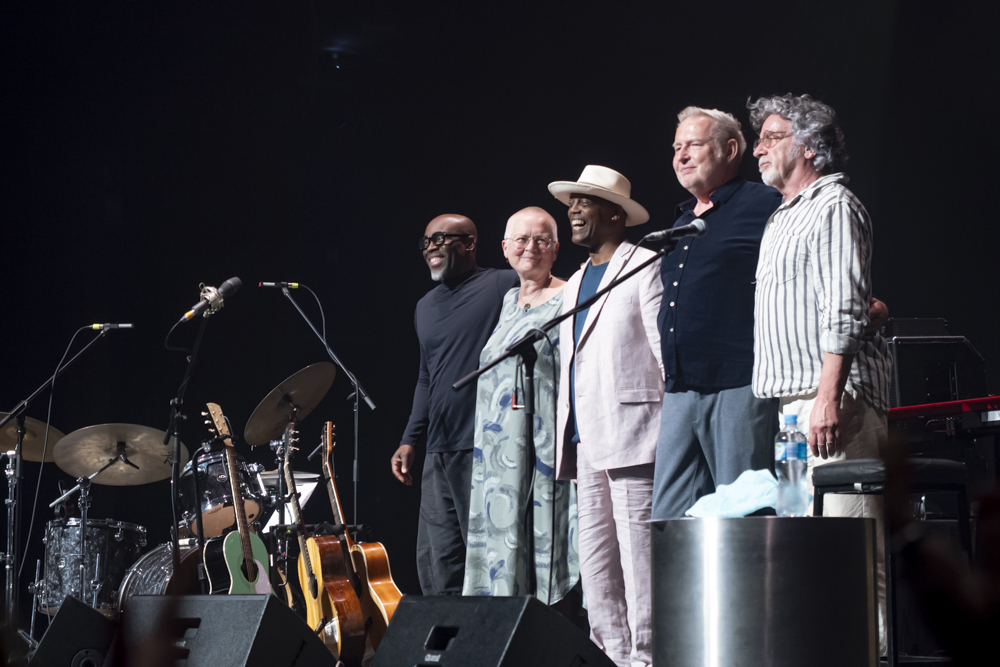
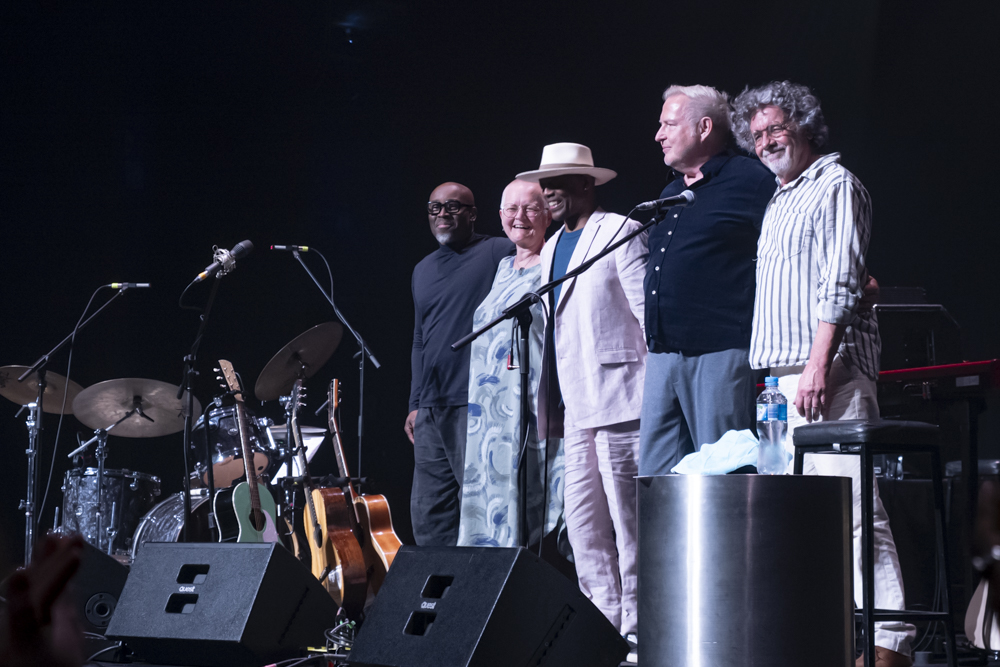
The celebrated three-time Grammy nominee then closed out his set with In My Father’s House. With a growl in his voice, Bibb’s fingers danced across the strings of his guitar as the band blazed away behind him. After putting down their instruments, the ensemble joined Ulrika at the foot of the stage, where they were greeted by a standing ovation as they took a succession of bows. Eric and Irika Bibb then migrated to the merchandise desk and signed CDs and t-shirts and posed with fans for photographs. Much like the preceding performance, it was a classic offering of old-school artistry to end the night.
BRETT LEIGH DICKS
Photos by Linda Dunjey