Review: Lydia Lunch at Milk Bar
Lydia Lunch at Milk Bar
w/ Streets of Separation
Thursday, June 25, 2026
There are singers whose voices serve the songs, and then there are voices that become events in themselves. Lydia Lunch belongs firmly to the latter. I’d long lived with the mythology—the Teenage Jesus records sitting on my shelf, a love of Suicide and New York’s no wave underground already well established—but it was hearing Lunch narrate You, Me and Jim Beam, the spoken-word coda to a Late Night Tales compilation, that truly entangled me with her voice. Stripped of music, it carried an entire world on its own: smoke-soaked, seductive, world-weary and quietly threatening. At Milk Bar, performing the songs of Alan Vega and Suicide, it remained her greatest instrument.
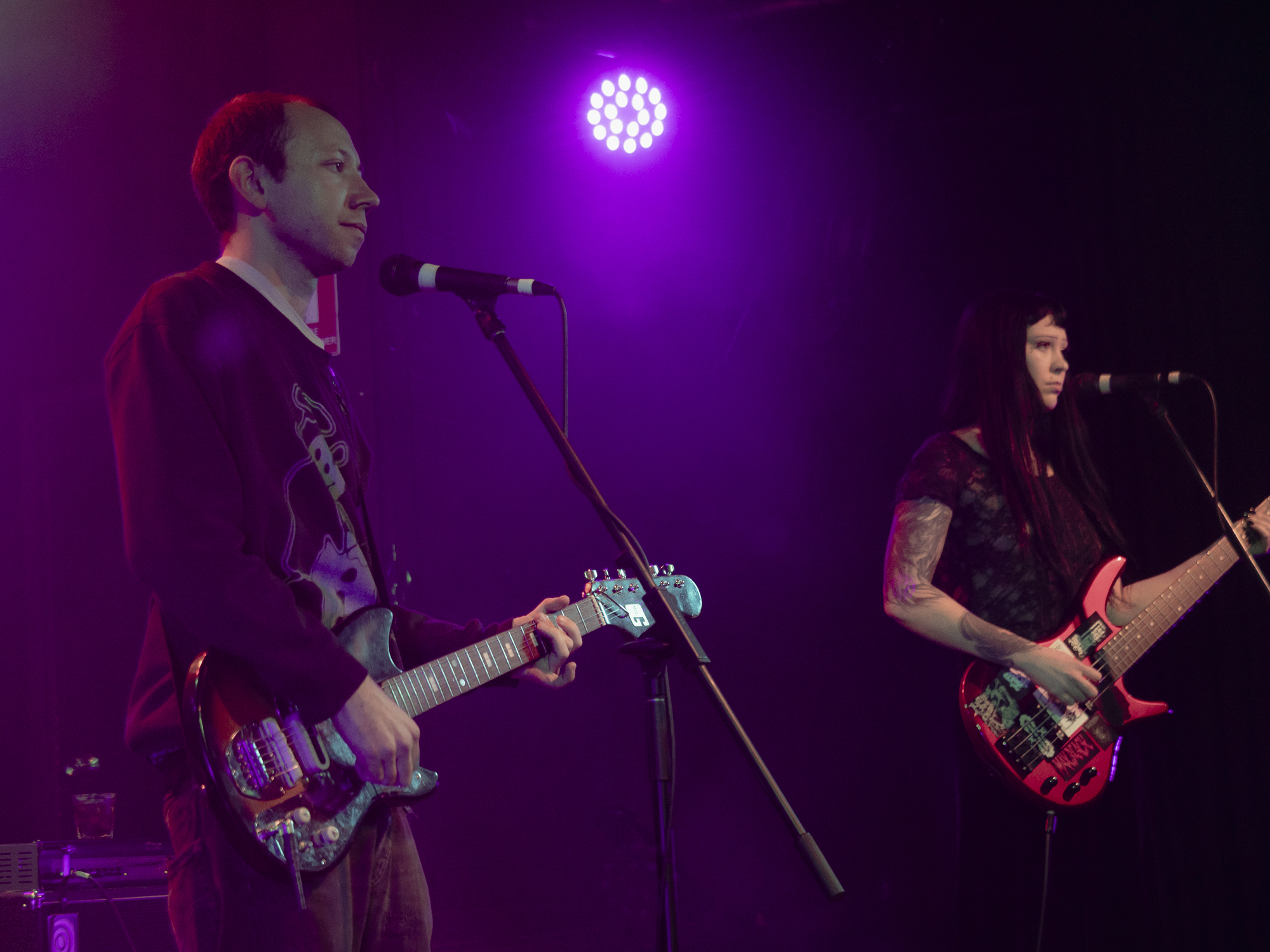
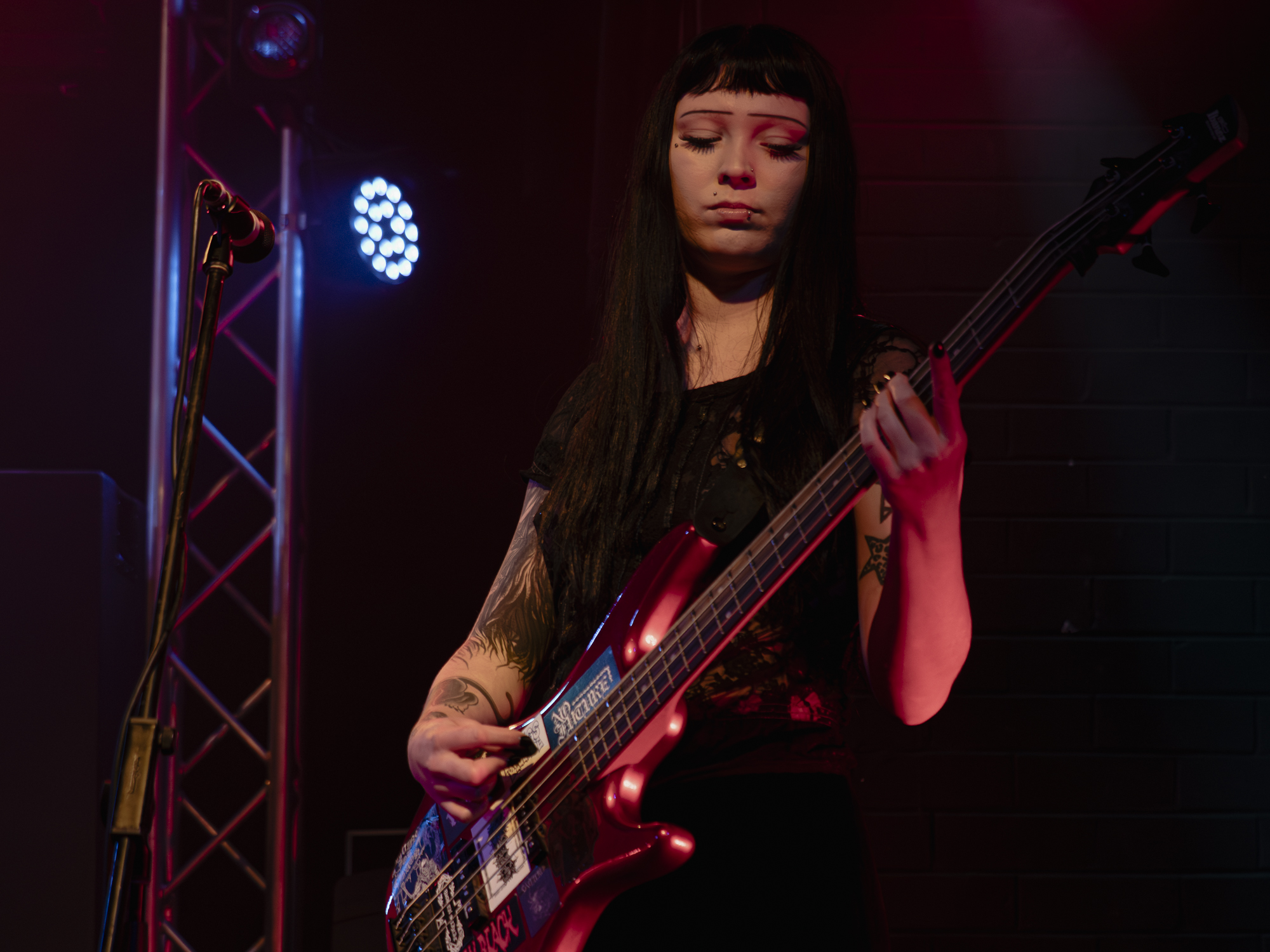
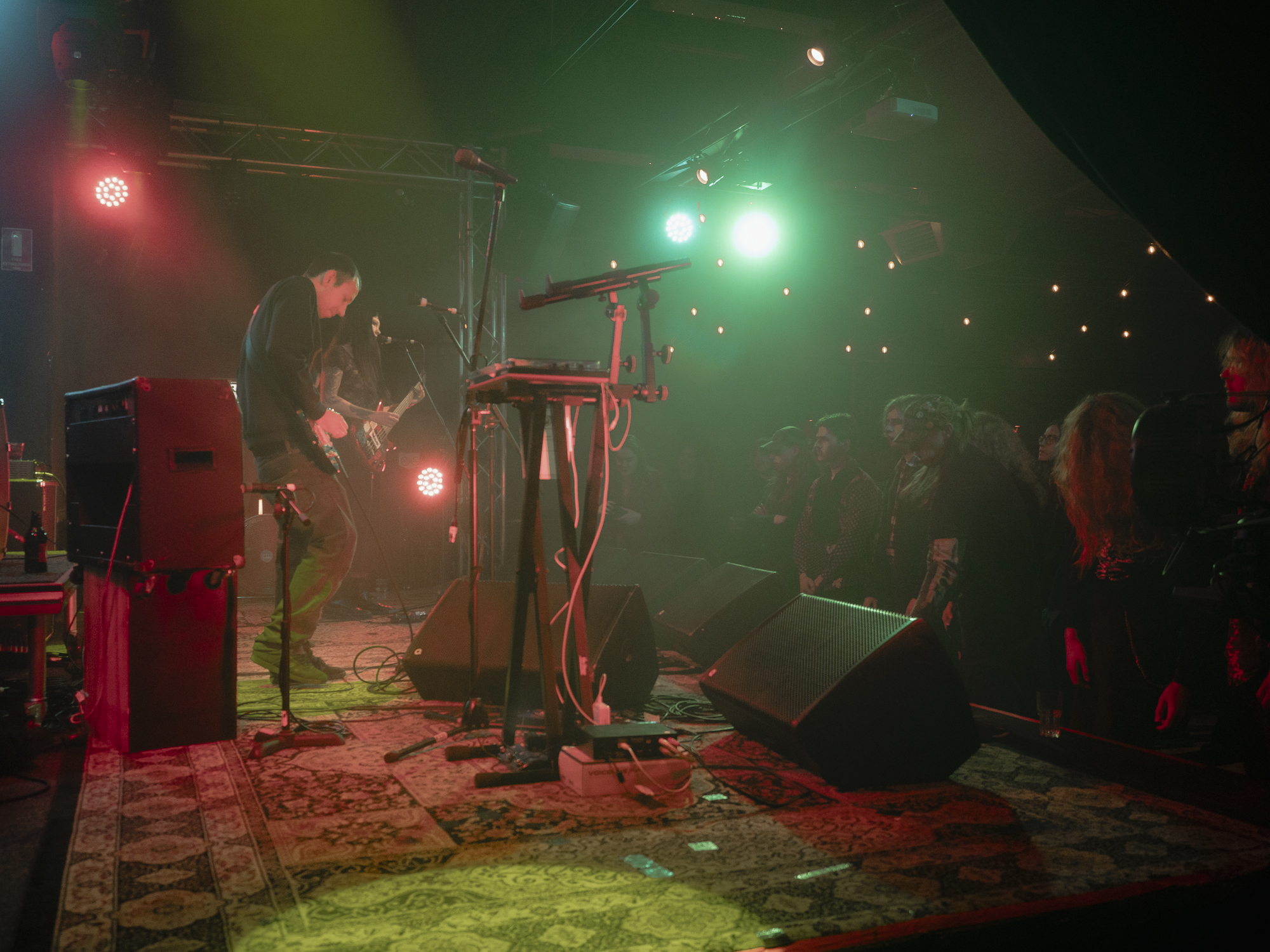
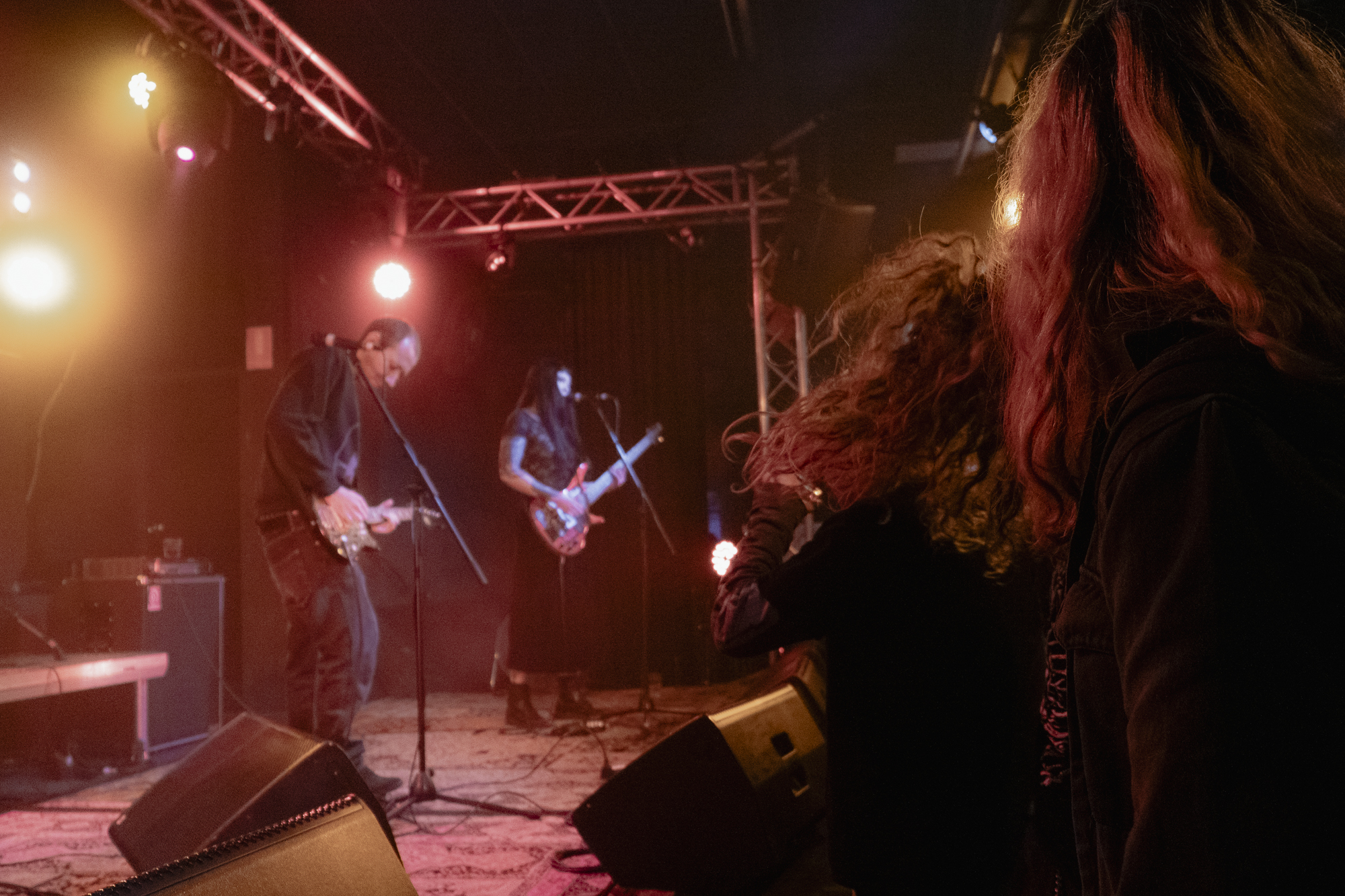
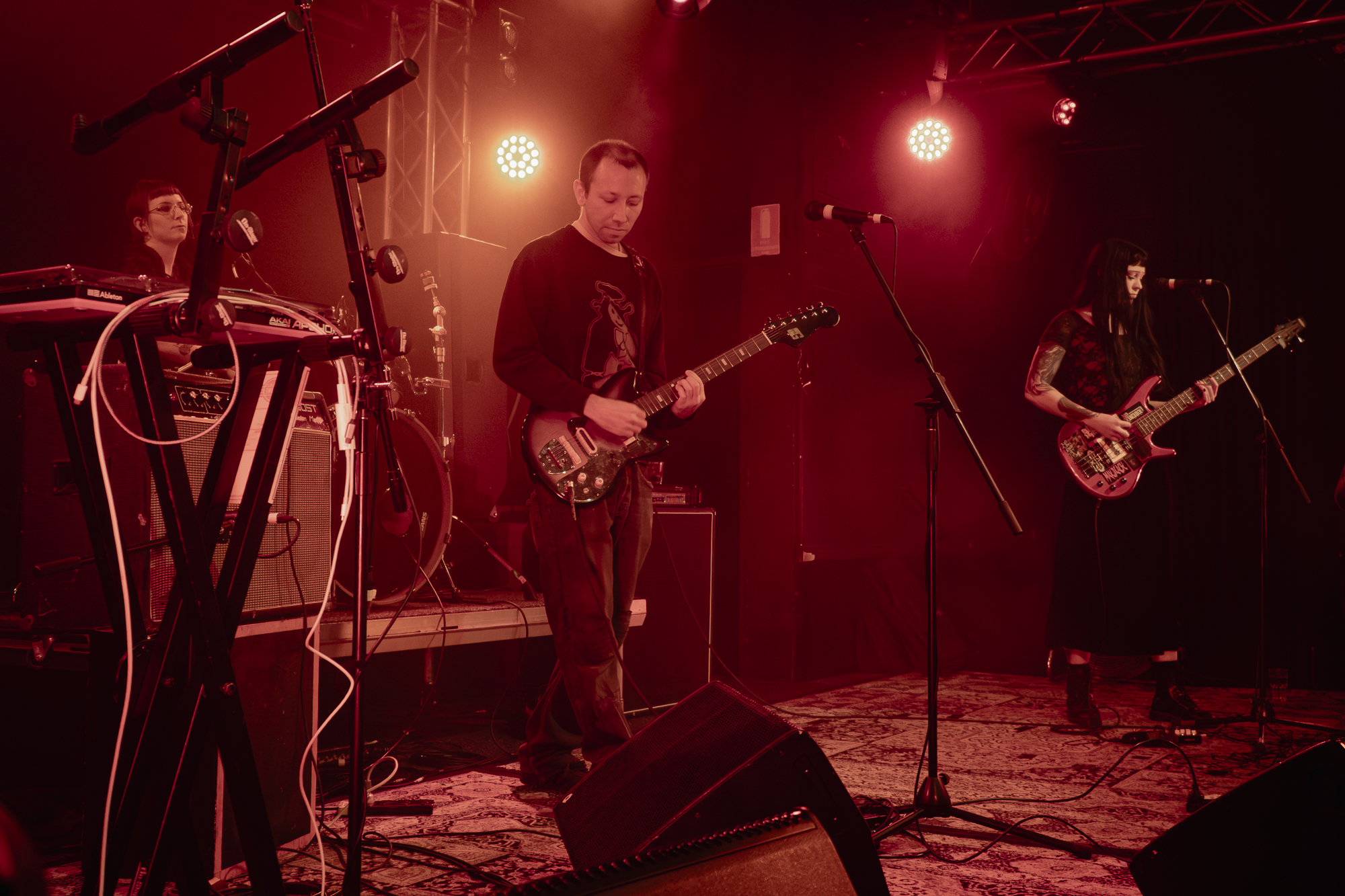
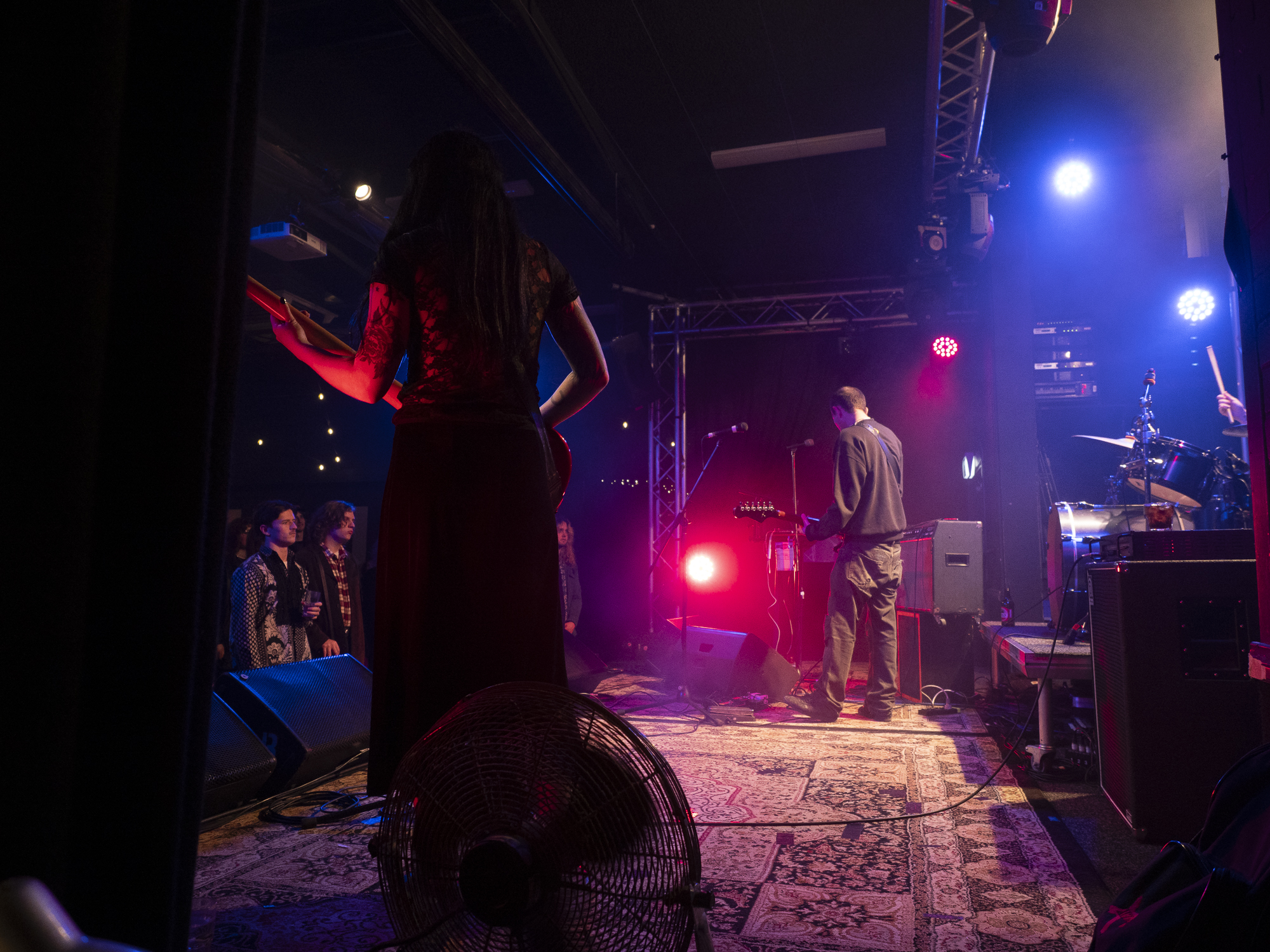
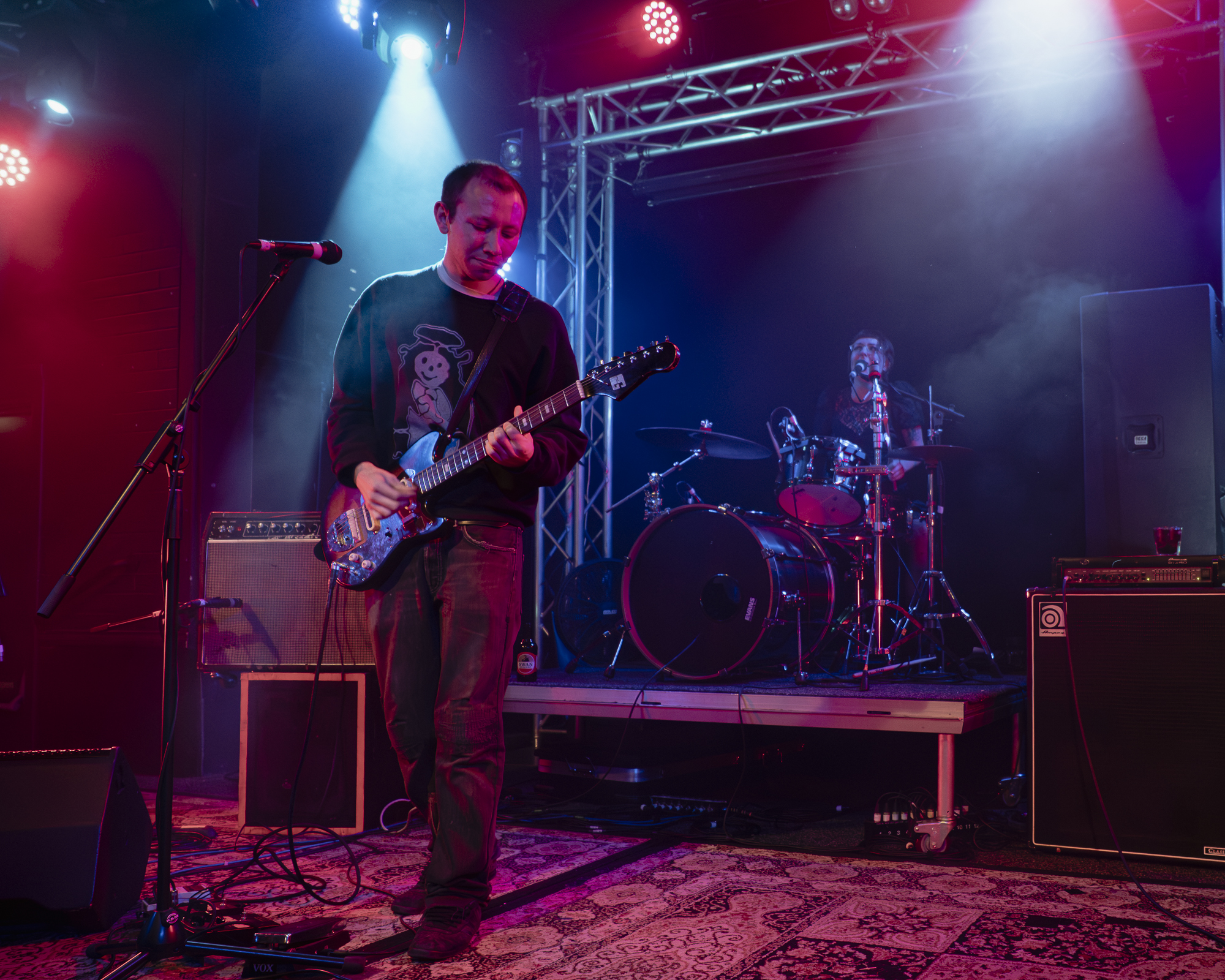
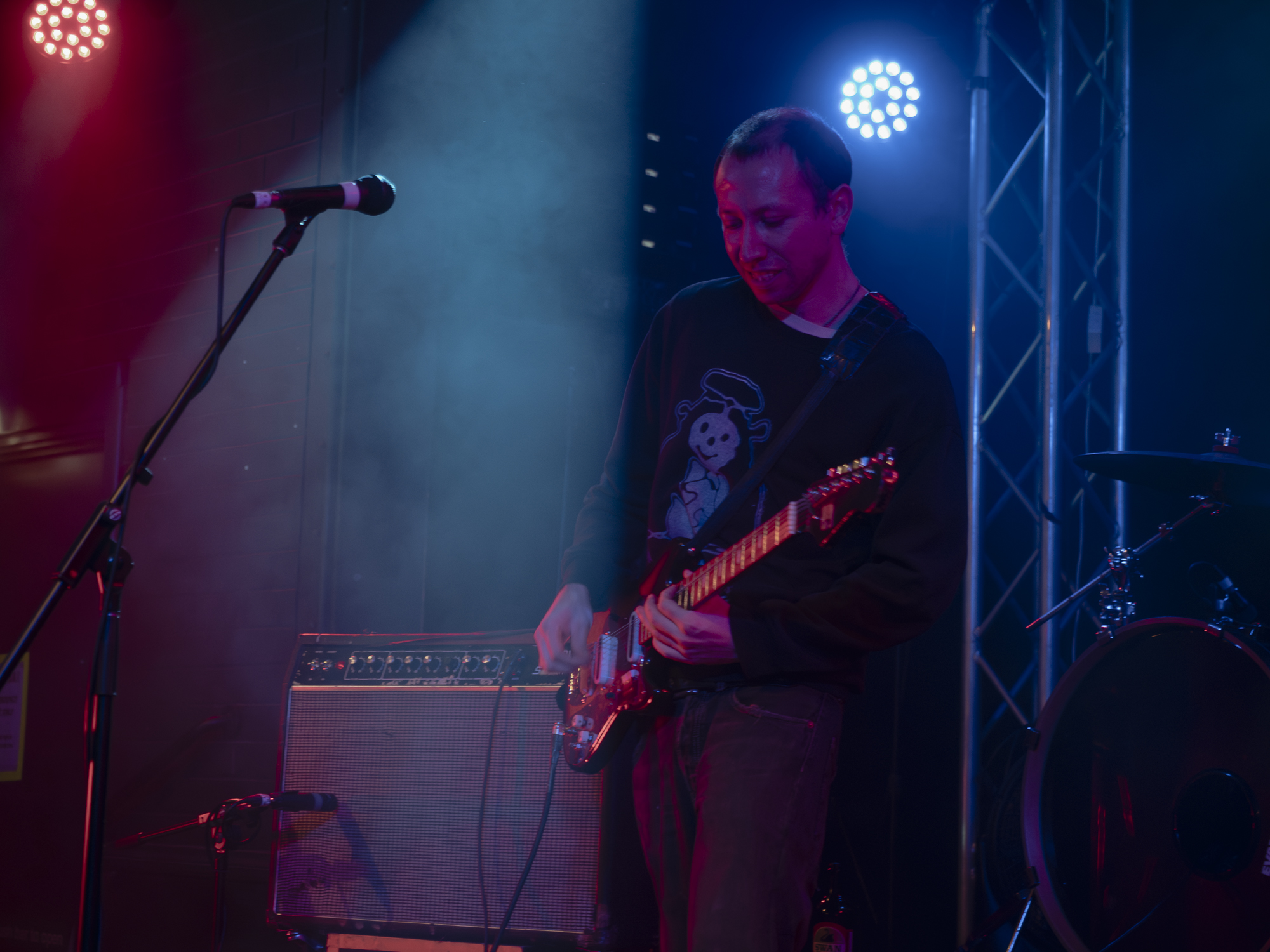
Local stalwarts Streets of Separation opened before a crowd spanning multiple generations, gently drawing younger punters towards the front with a set that felt almost surprisingly polite given the evening’s pedigree. Whether in deference to the occasion or simply reflective of the band’s temperament, theirs was an egalitarian performance: vocal duties shared, no instrument clamouring for dominance. That balance made My Pleasure particularly compelling. The bassist’s eviscerating vocal outburst landed like someone finally pushed beyond the brink, blood pressure on the boil, yet sending chills through the room. Around it, the band remained supportive and evenly balanced, prompting me to wonder whether that tension between individual rupture and collective steadiness was precisely the point. Their closing refrain, “I can’t do it by myself,” became all the more poignant because, throughout the set, they never appeared to be.
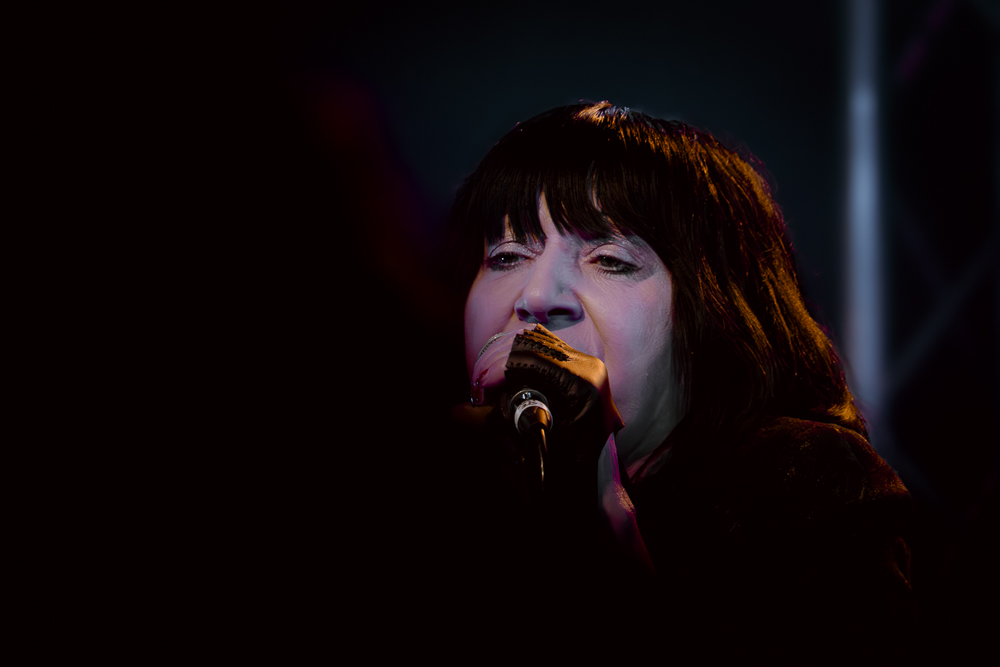
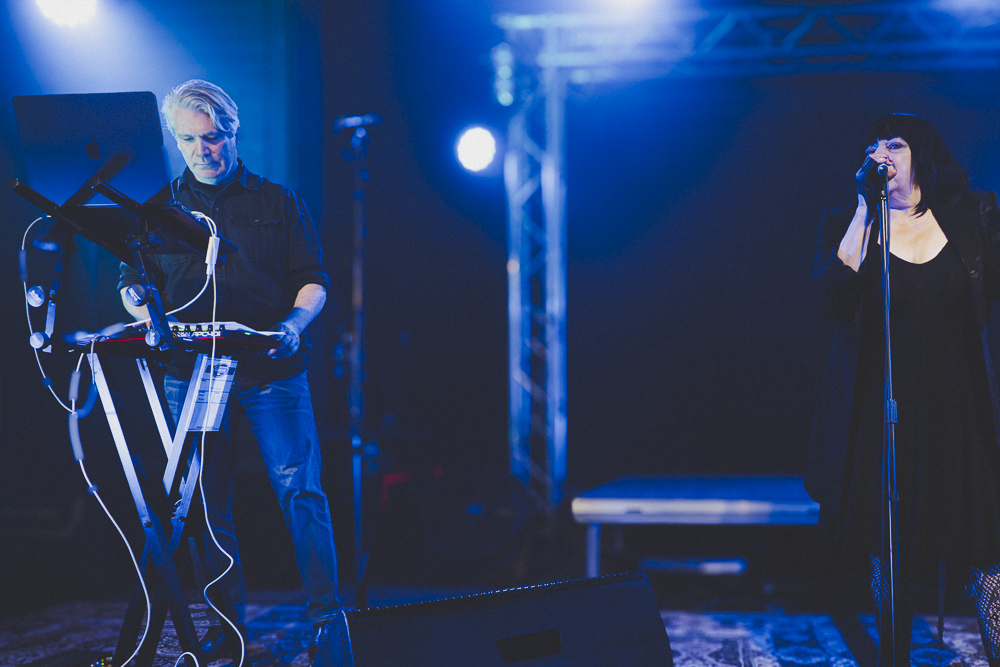
Where Streets of Separation explored collaboration between equals, Lydia Lunch‘s set explored collaboration across time: not only with Australian collaborator Andrew Coates but also with the enduring ghost of Alan Vega himself.
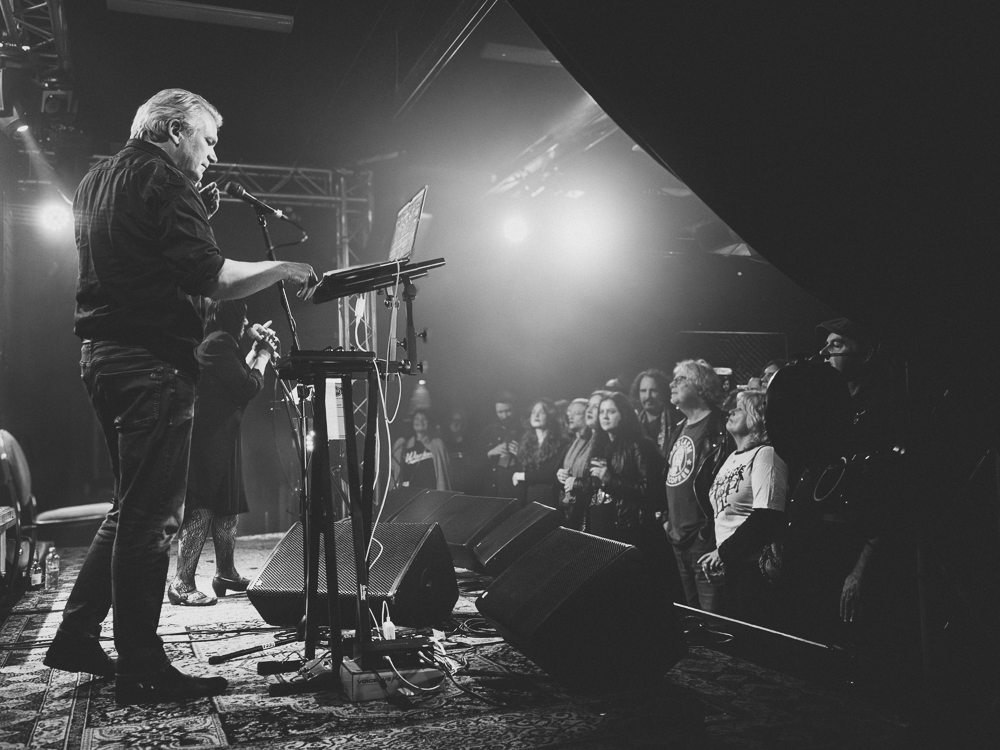
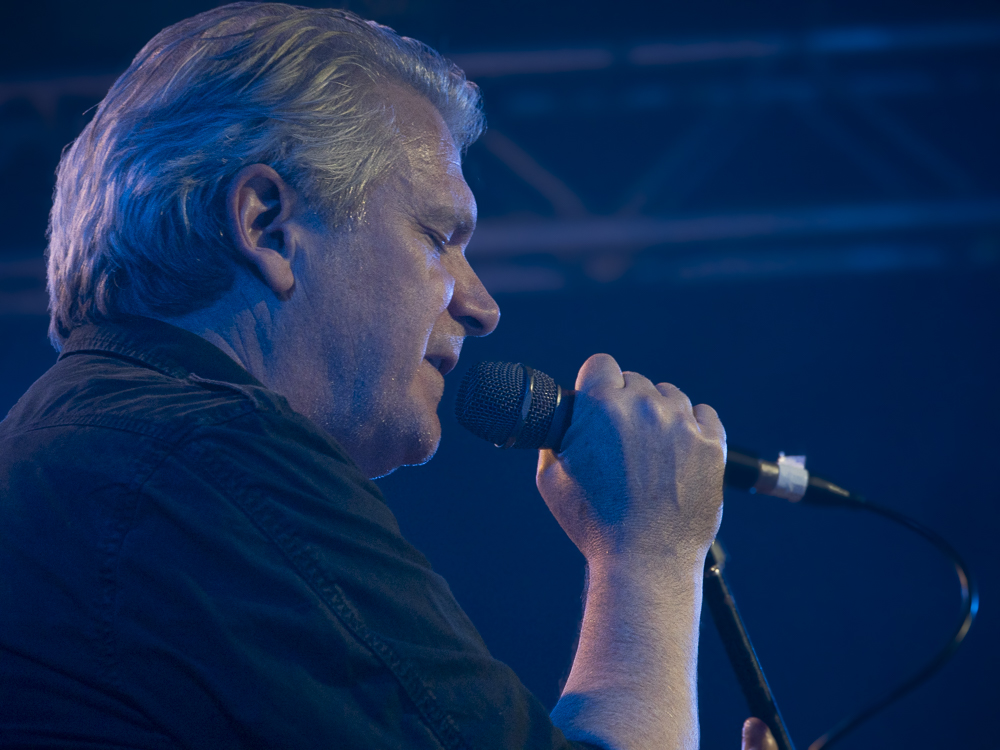
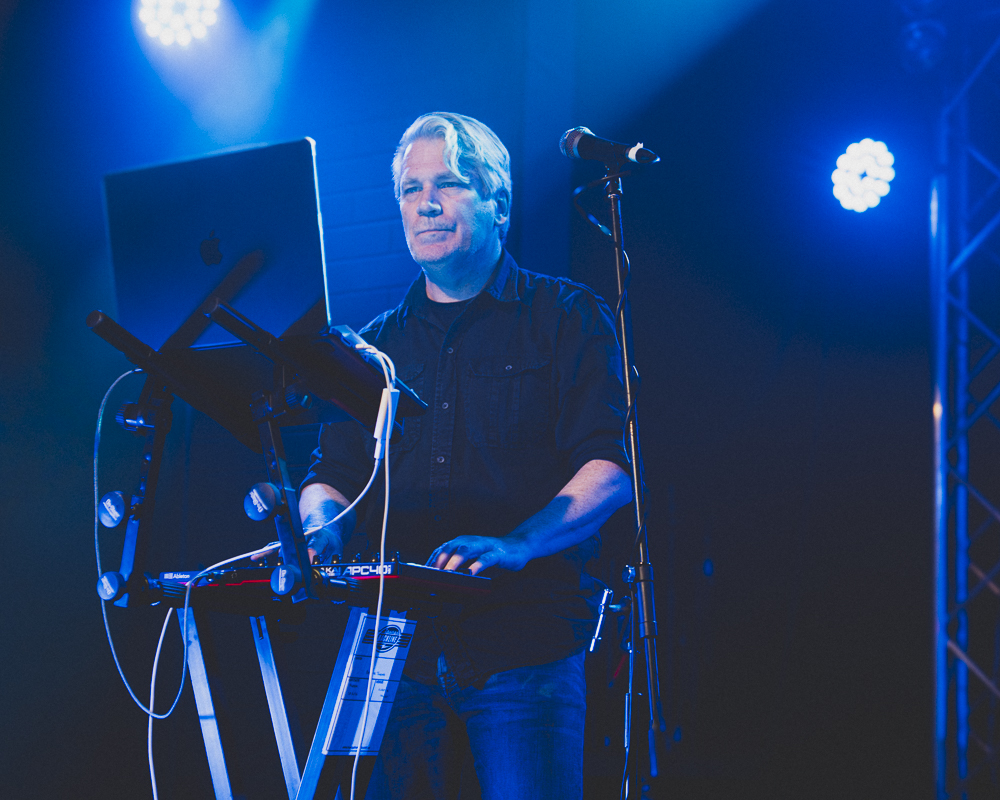
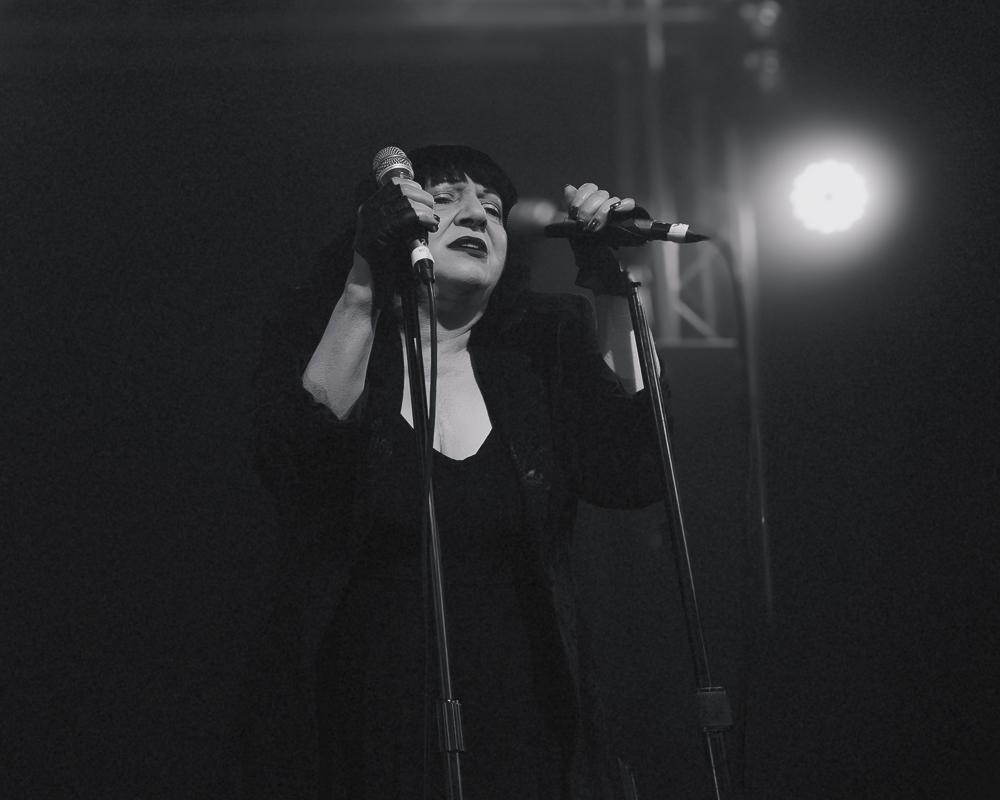
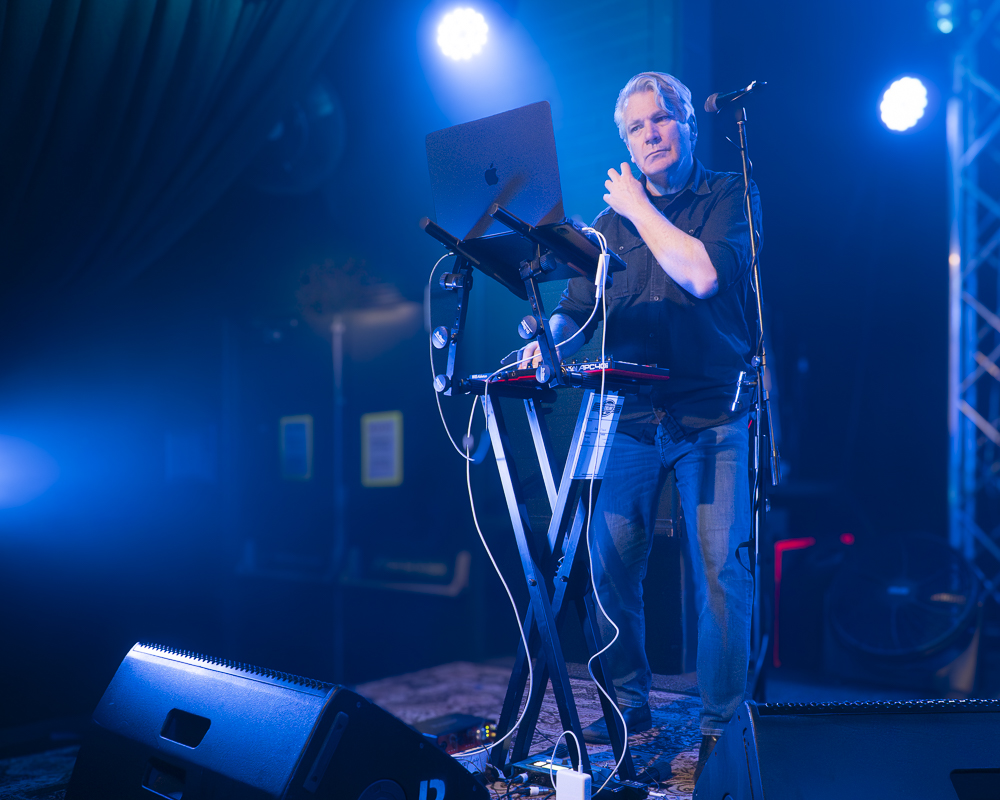
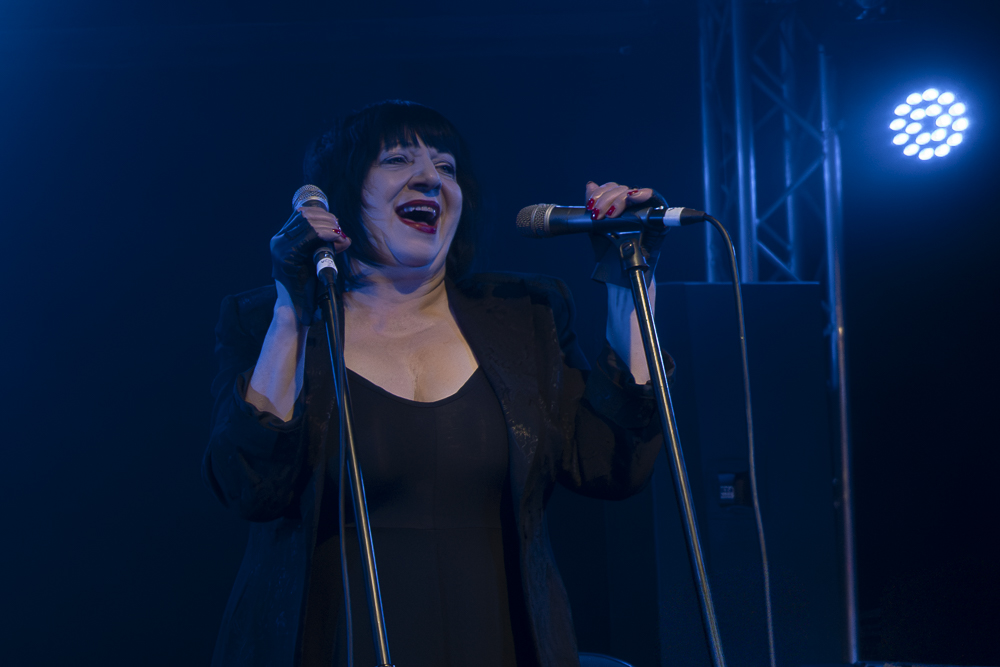
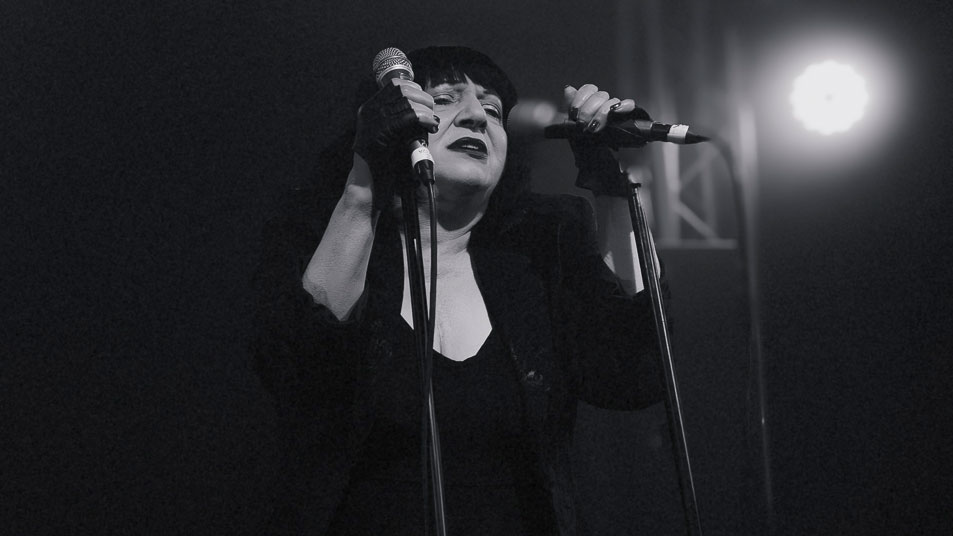
Without fanfare, Lunch stepped forward. “We’re bringing you the music of Alan Vega and Suicide.” A skeletal electronic pulse dissolved almost immediately into Touch Me. In fingerless leather gloves, Lunch gripped two microphones mounted on stands almost as tall as she was, leaning into them like crutches while Coates threaded sparse electronics beneath her. His whispered vocals and programming remained tethered to Suicide’s hypnotic pulse as Lunch drifted between spoken word, smoky melody and declamatory theatre, unconcerned with remaining locked to the beat.
The distinctive opening drums of Johnny raced up the spine before Lunch spat that every boyfriend she’d ever had named Johnny had “been a bitch.” Humour sat comfortably beside reverence throughout the evening. Lunch later described Vega’s world as one of ‘rockabilly, doo-wop and psychosis’ before venturing beyond Suicide’s best-known material to “show the diversity of his perversity.” Rather than preserving these songs in amber, she treated them as living texts. Harsh, gravel-dragged spoken passages would suddenly dissolve into unexpectedly smooth melodic phrases before collapsing back into narration.
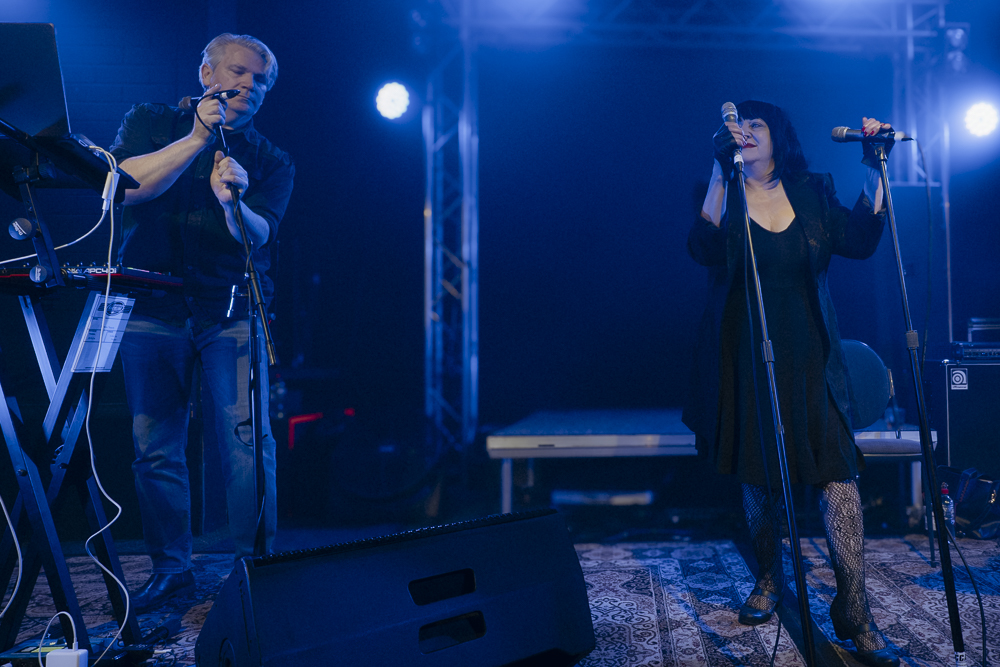
Under saturated red light, Stars murmured through deconstructed beats and a quieter, less confrontational pulse than Suicide’s better-known work as Lunch shuffled papers across the music stand before her. At the close of DTM (Dead to Me), she delivered, “Pleasure is the ultimate rebellion, yeah,” with matter-of-fact certainty, less provocation than a maxim forged through experience. The line lingered, demanding agreement where it might have invited reflection.
Politics, unsurprisingly, refused nostalgia. Viet Vet expanded into a tally of contemporary wars and anxieties, internal and external, local and global. Vietnam gave way to Korea, Gaza, Ukraine and Iran before Lunch launched into a fearless litany against tyrants, calling for heads without the slightest concern for repercussions while defiantly raising middle fingers. Beneath it all, Coates maintained little more than a heartbeat throb, dissonant vibrations threading through the electronics. By Snipers, introduced as a song “exclusively about America,” her voice revved like an engine preparing for its next tongue-lashing. Yet even here the indictment reached beyond borders. These were songs that refused to let anyone off the hook.
The evening’s lighter moments revealed another side of the partnership. Dream Baby Dream arrived danceable from the top, Coates’ croon intertwining beautifully with Lunch’s roughened harmonies before she teased that we’d all be dreaming about her afterwards. Rocket USA arrived with a mock: “A popular one at last,” its chiming cymbals and throbbing bass preserving the doomsday urgency imagined in 1977. Half highway escape fantasy, half prophecy, its impulse to flee felt no less current nearly fifty years on. Harlem nodded to the Black musical traditions coursing through Vega’s songwriting, Lunch stretching “Harlem, Harlem, Harlem babyyyy” with an unmistakable Elvis inflection over funky electronic squelches and mechanical clicks.
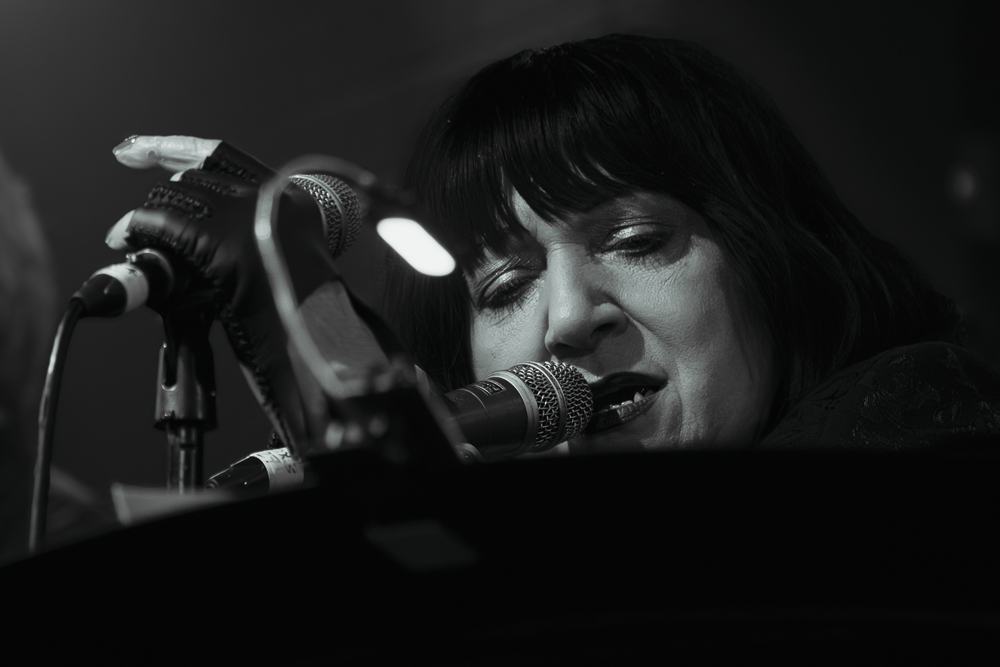
“There will be no encore,” Coates announced before the pair closed with Frankie Teardrop. The song’s relentless pulse remained irrevocable as Lunch’s piercing yelps punctured the staggered storytelling. “We’re all Frankies,” she reminded us. “We’re all living in hell.” Halfway through, she simply sat down while the pulse continued unabated. It felt neither theatrical nor weary but like another refusal: a rejection of the expectation to escalate into spectacle.
Performing another artist’s catalogue inevitably raises questions of legacy. Lunch answered them not by disappearing into Alan Vega’s songs but by allowing them to collide with her own accumulated history. She spoke of his perversity, his influences and his vision, yet every story also revealed something about herself. By the end of the evening it no longer felt particularly important where Alan Vega ended and Lydia Lunch began. The songs had become a conversation between the dead and the living—and neither was prepared to have the final word.
CAT LANDRO
Photos by Linda Dunjey