Review: Hidden Treasures Part 2 at Hilton Bowling Club
Hidden Treasures Part 2 at Hilton Bowling Club
w/ Clare Perrott, Elianie, The Satisfaction, Parclo, EDIE, Lightnin Jack, Ricky Neil Jr, Zukhuta & Friends
Thursday, June 18, 2026
Everything coming up Fremantle, it turns out, now extends well beyond Fremantle proper.
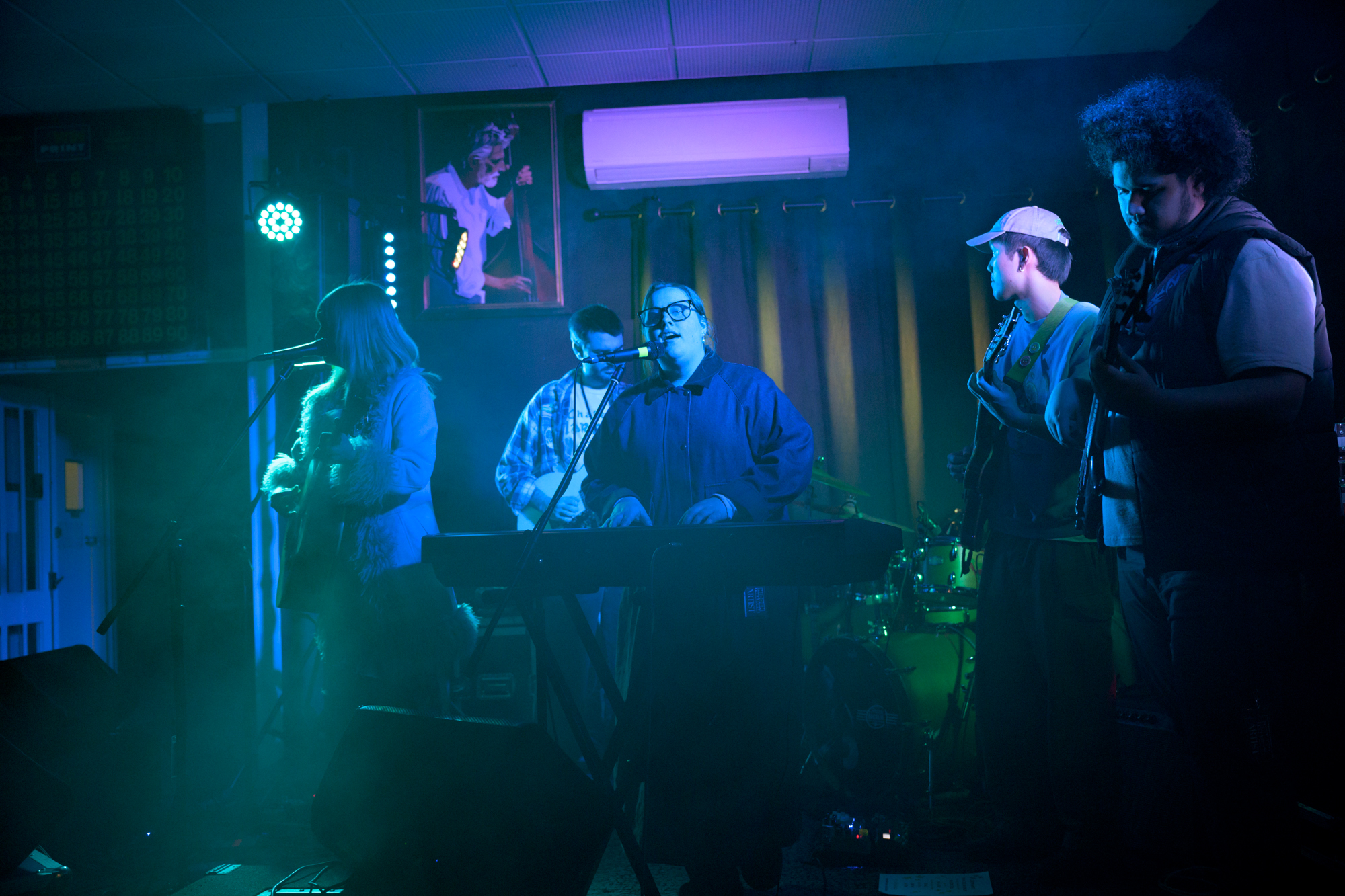
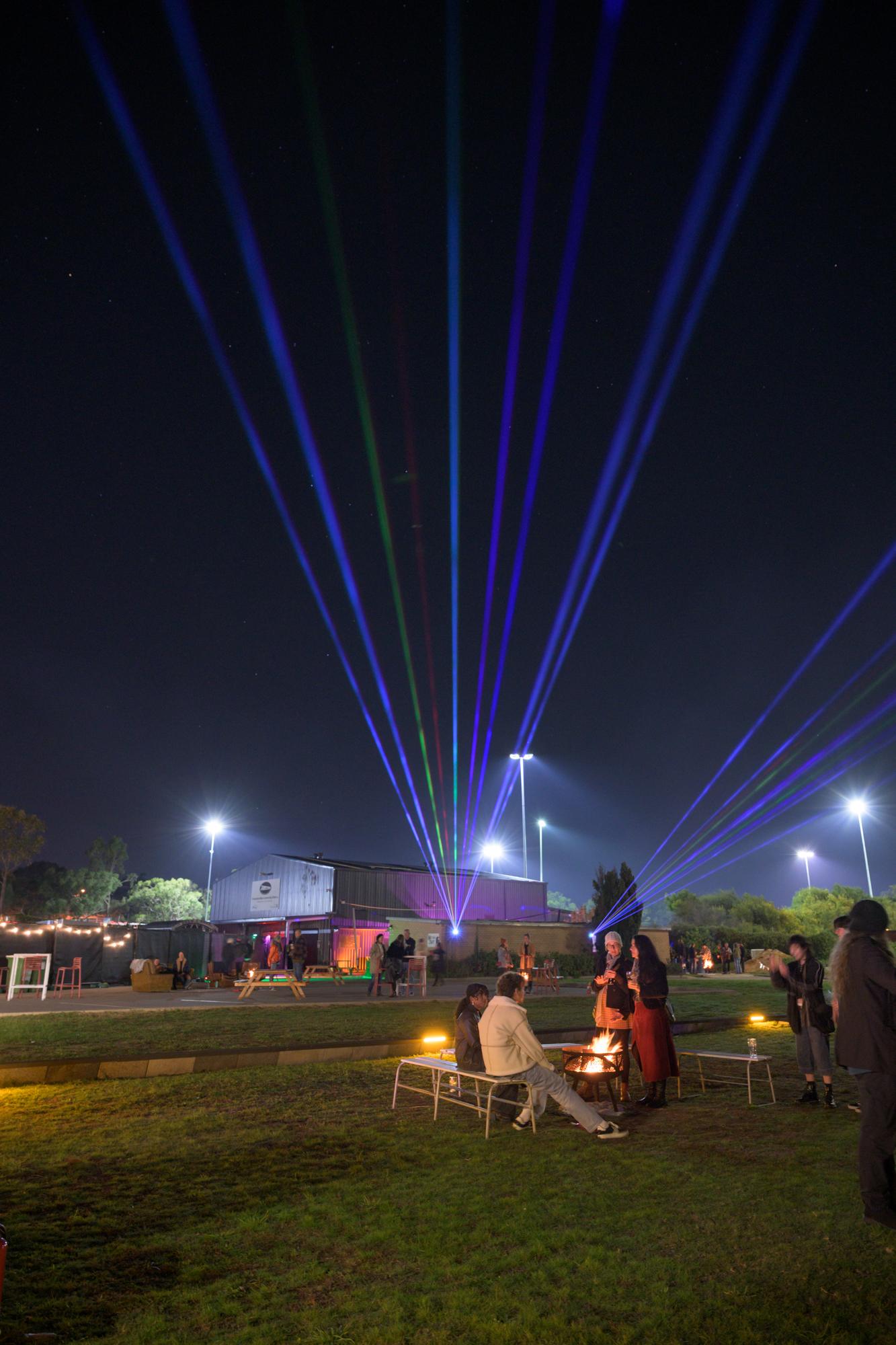
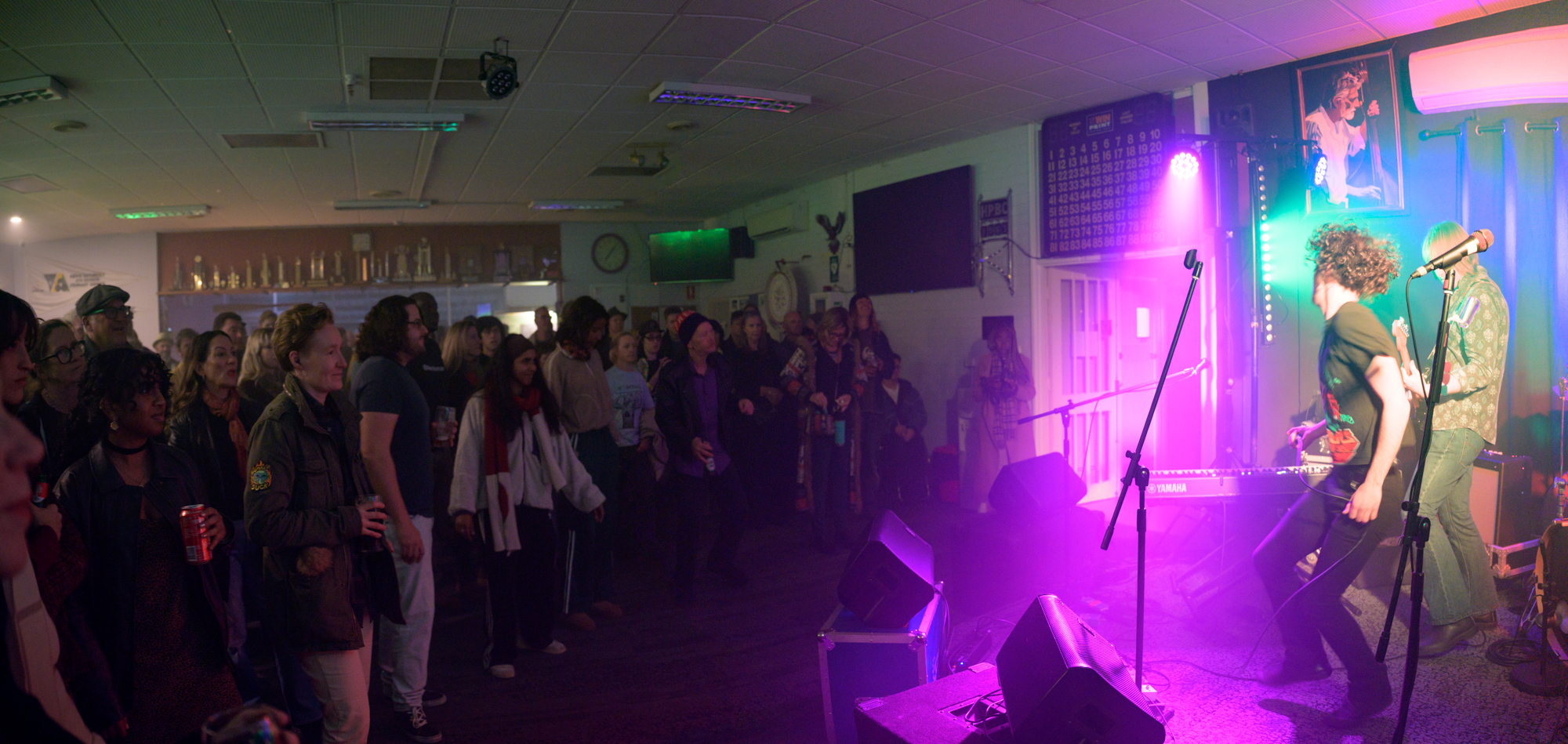
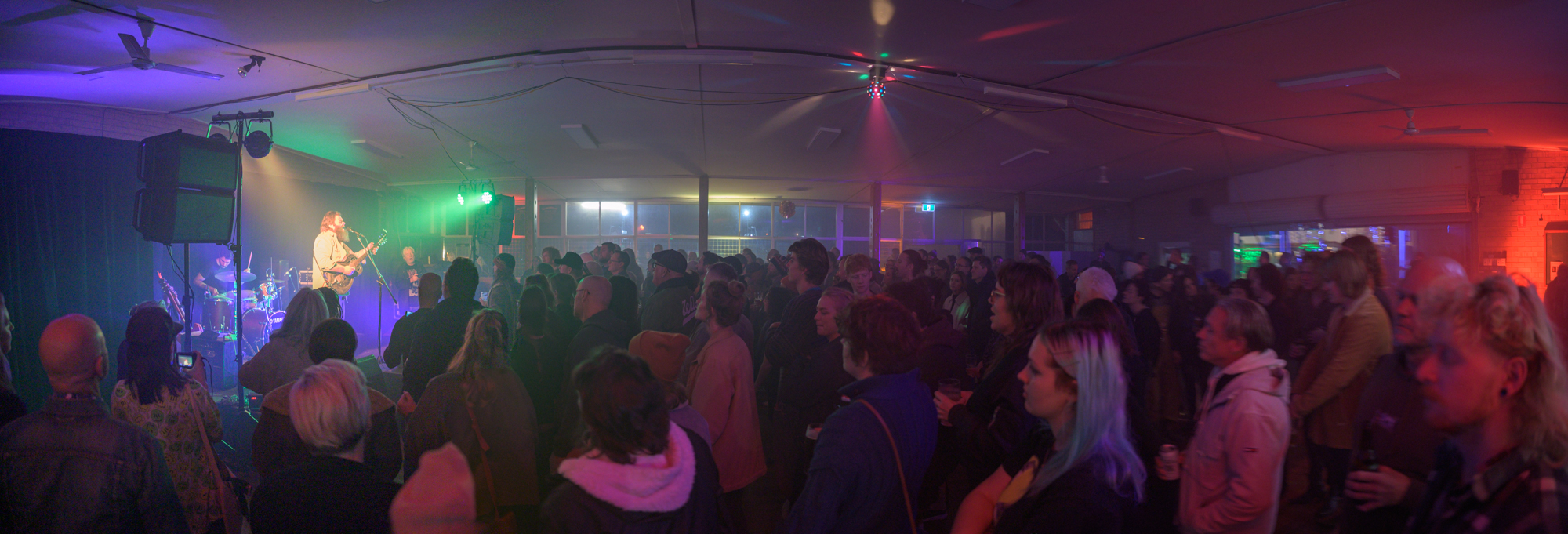
After North Fremantle’s looser rhythm of rooms and outdoor pockets, Hidden Treasures’ second suburban takeover at Hilton Bowling Club felt more contained: two joined-at-the-hip live spaces, one DJ shed, bodies shifting in half-hour pulses, and a bowlo proving it was built for gathering.
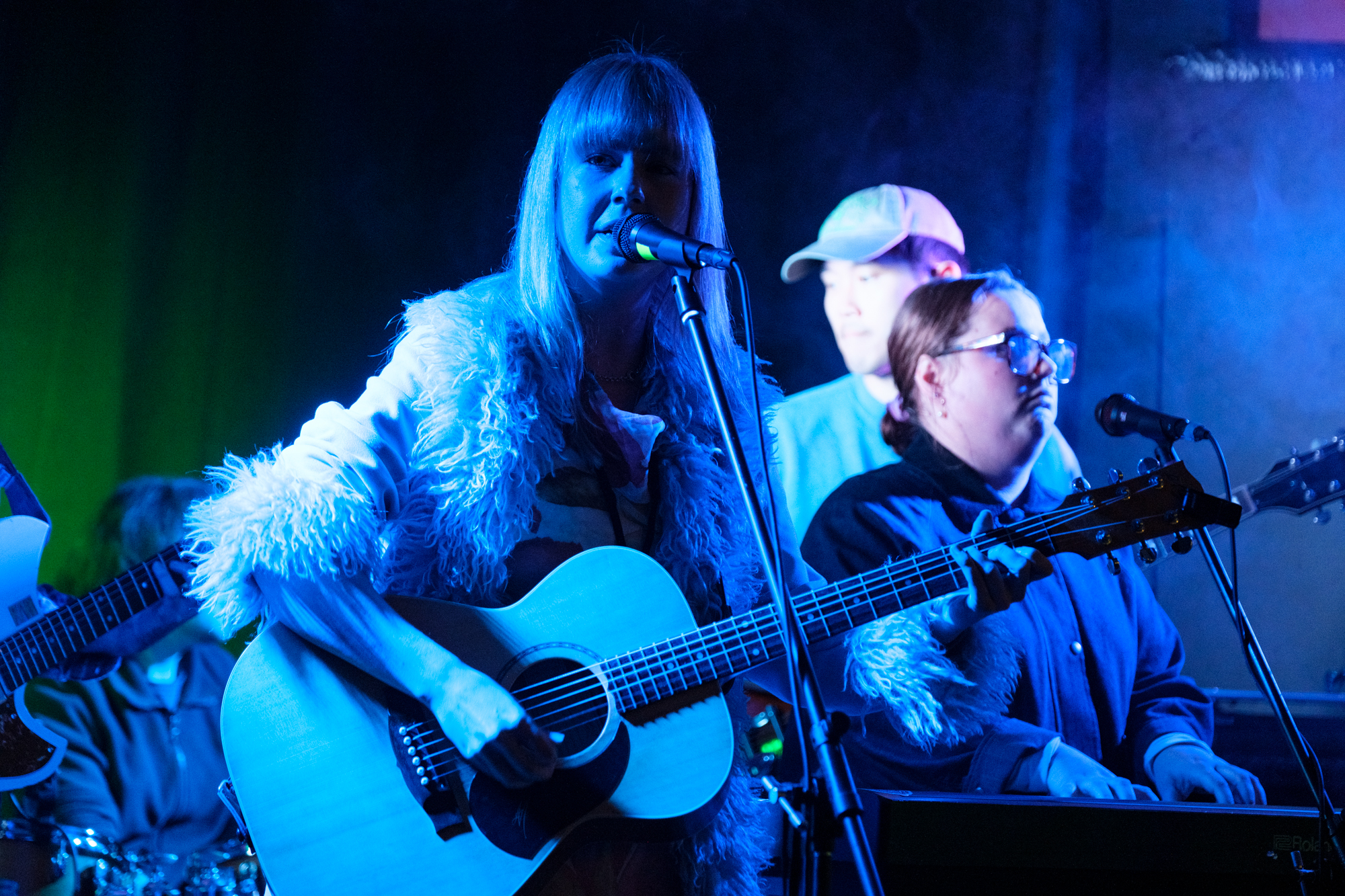
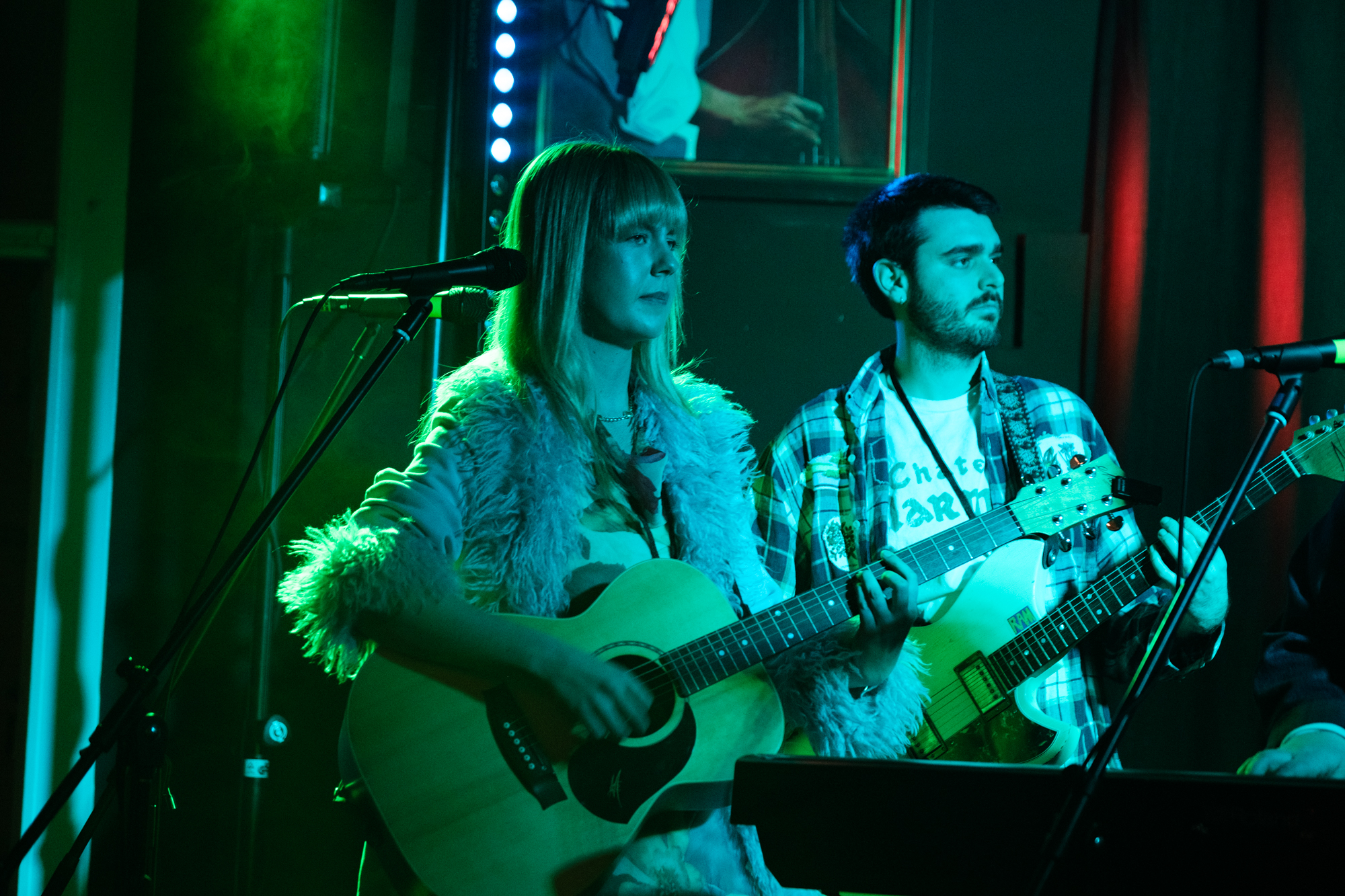
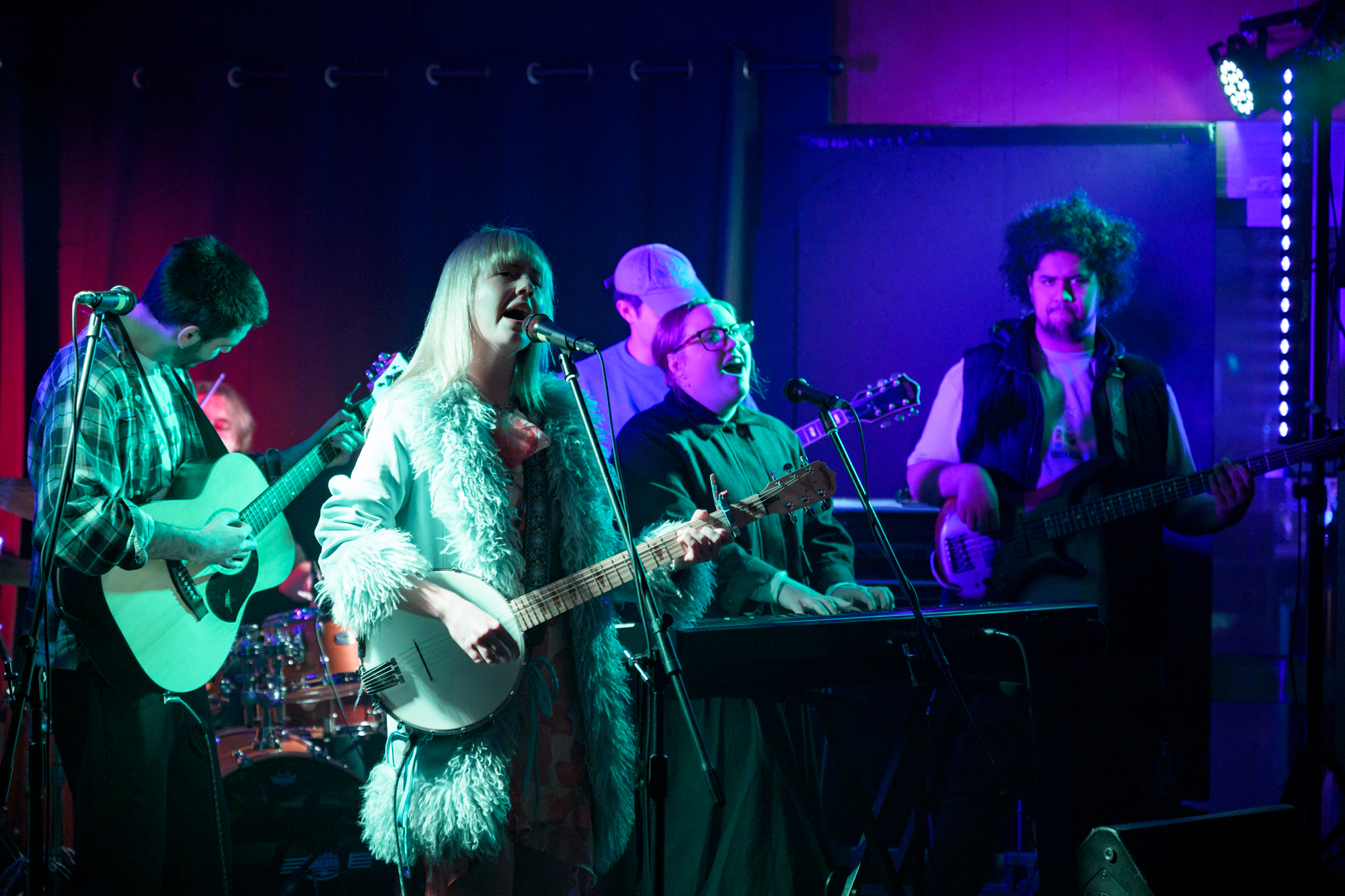
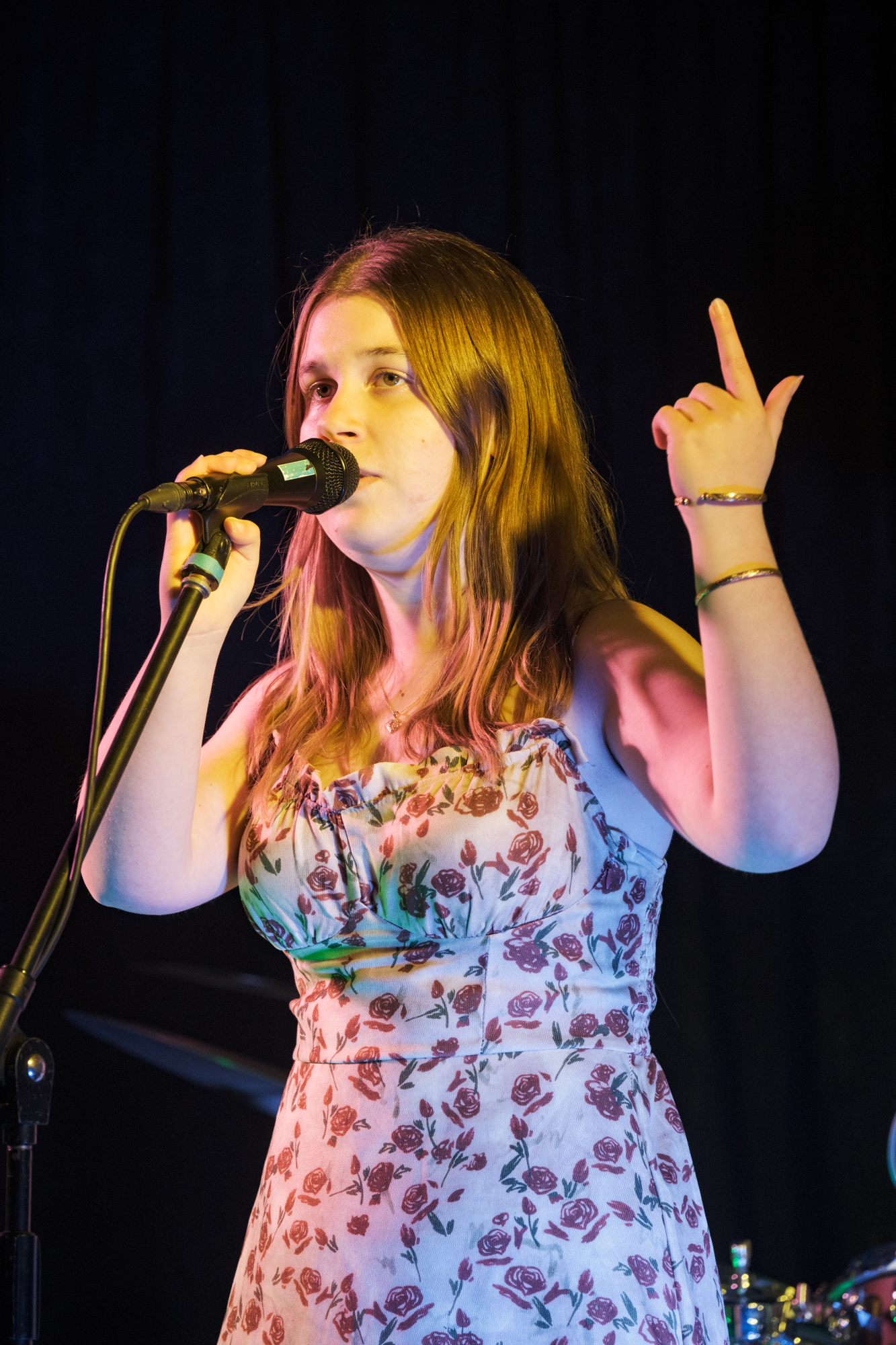
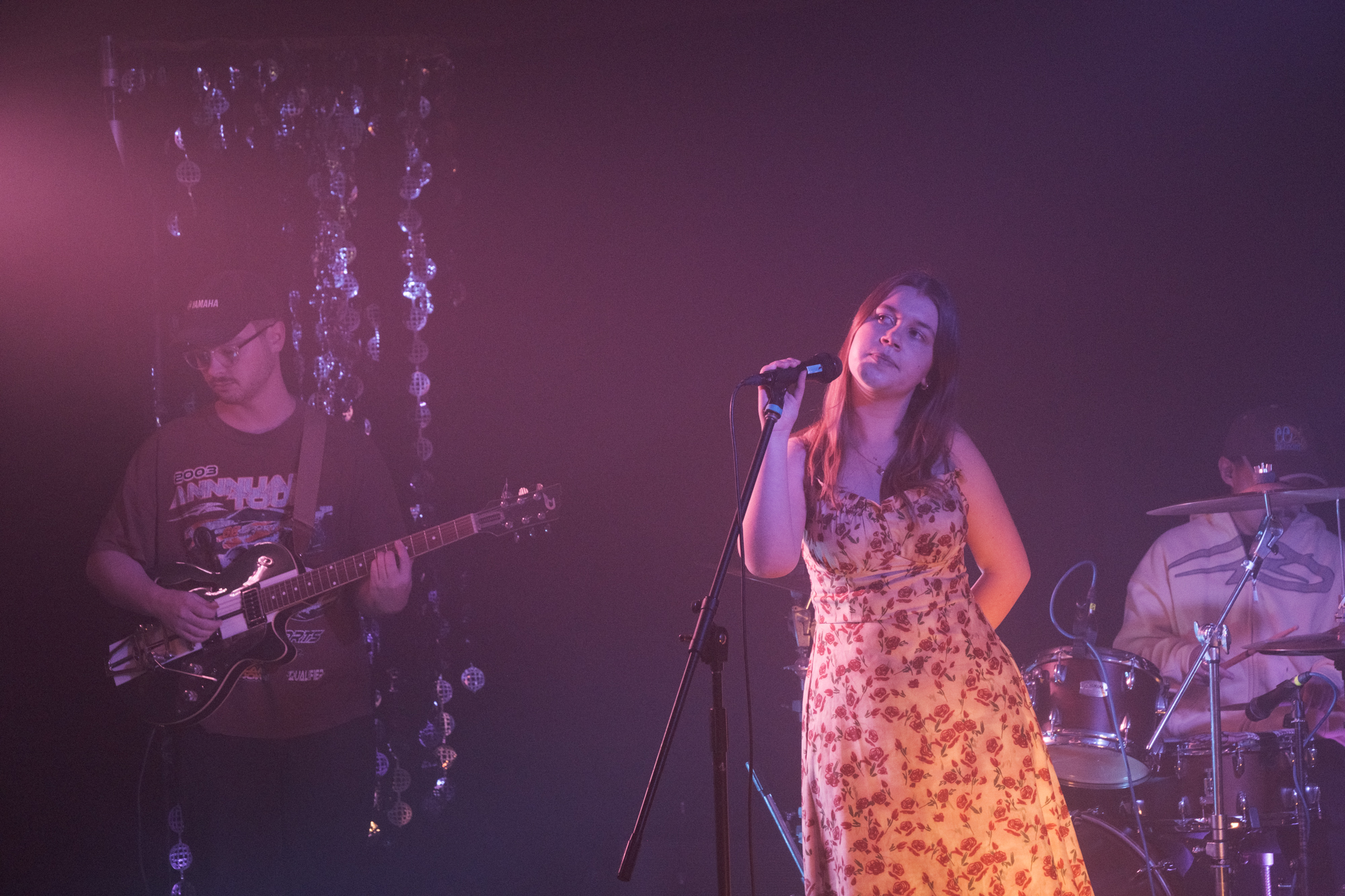
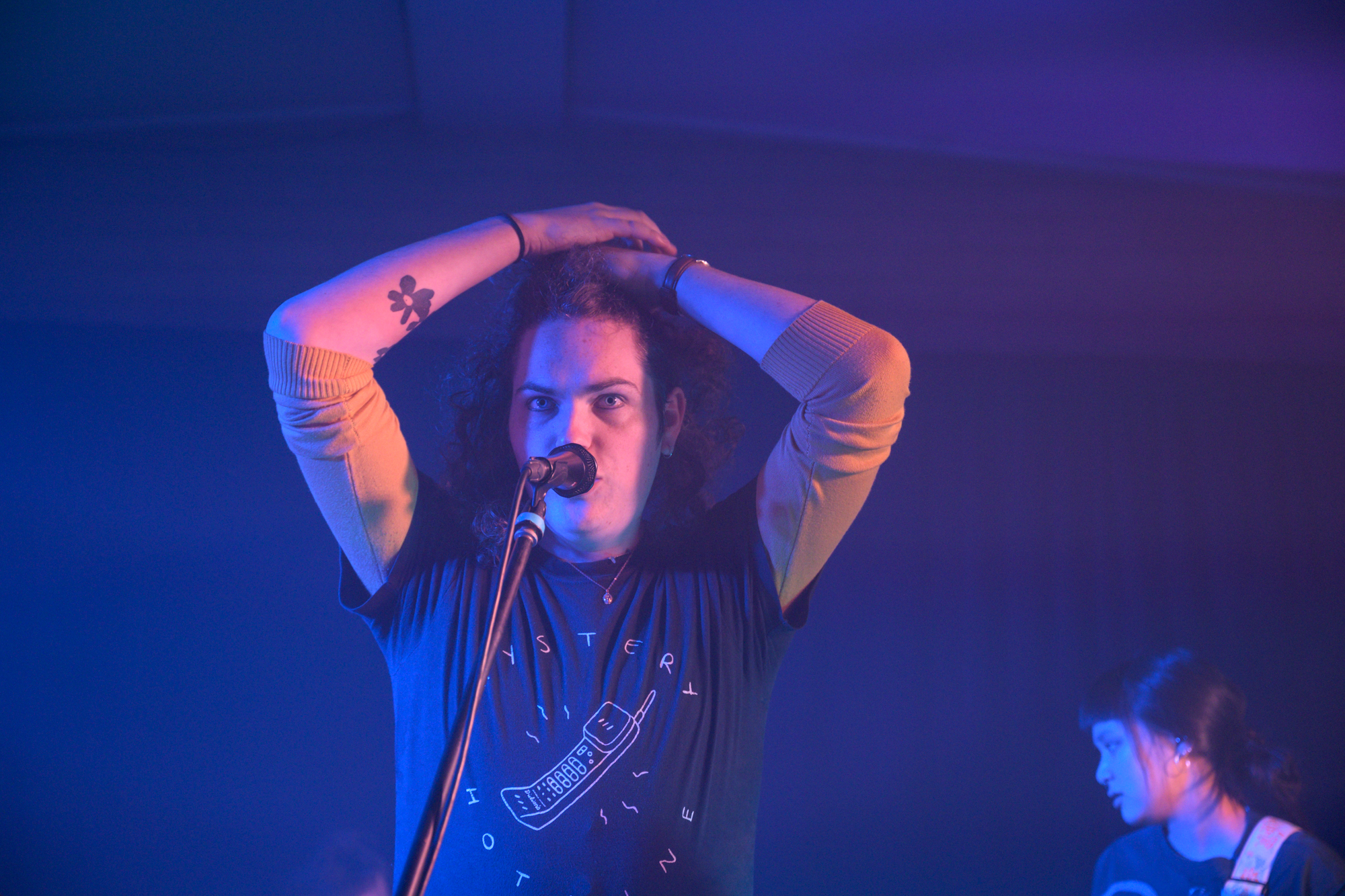
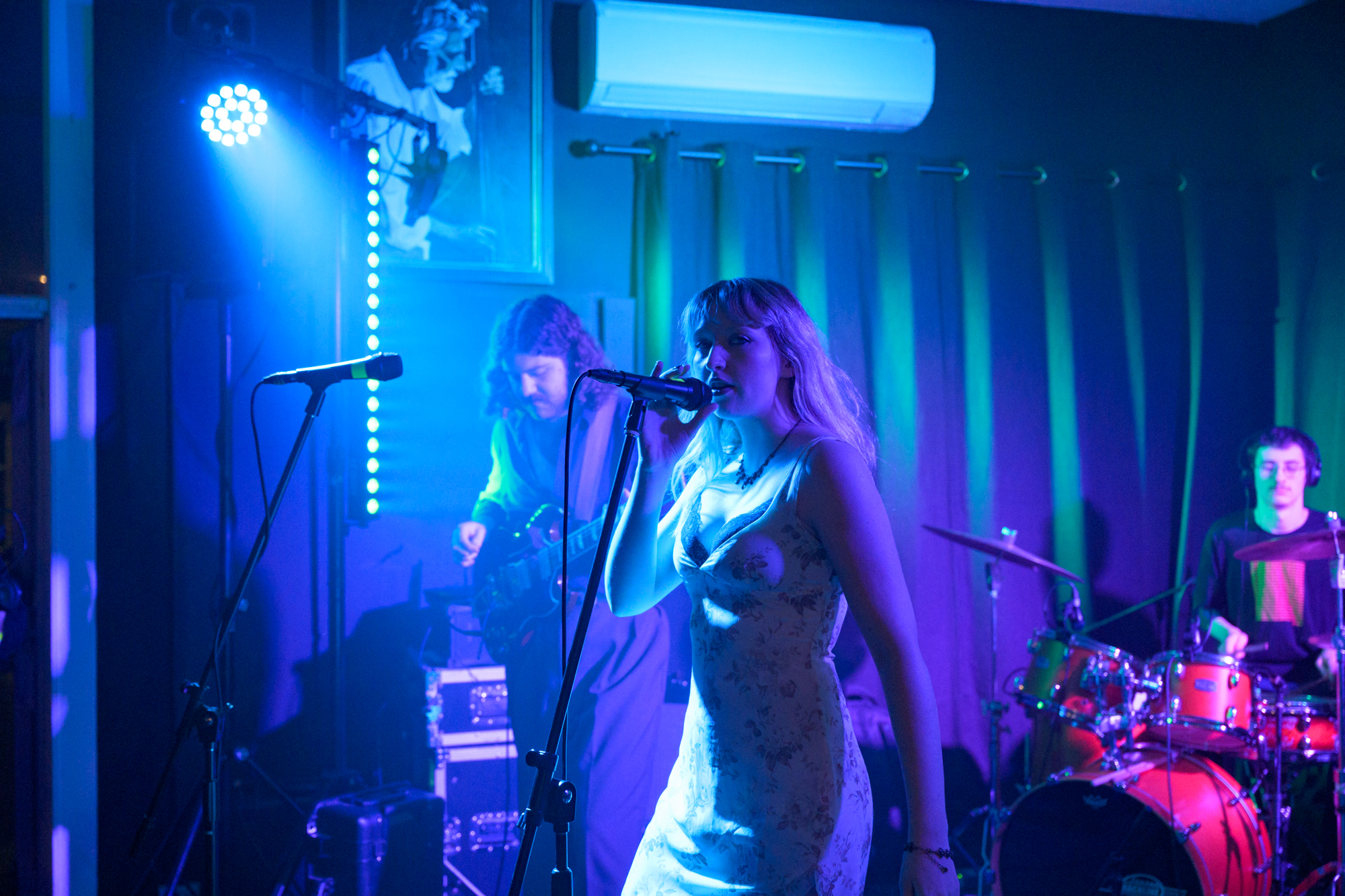
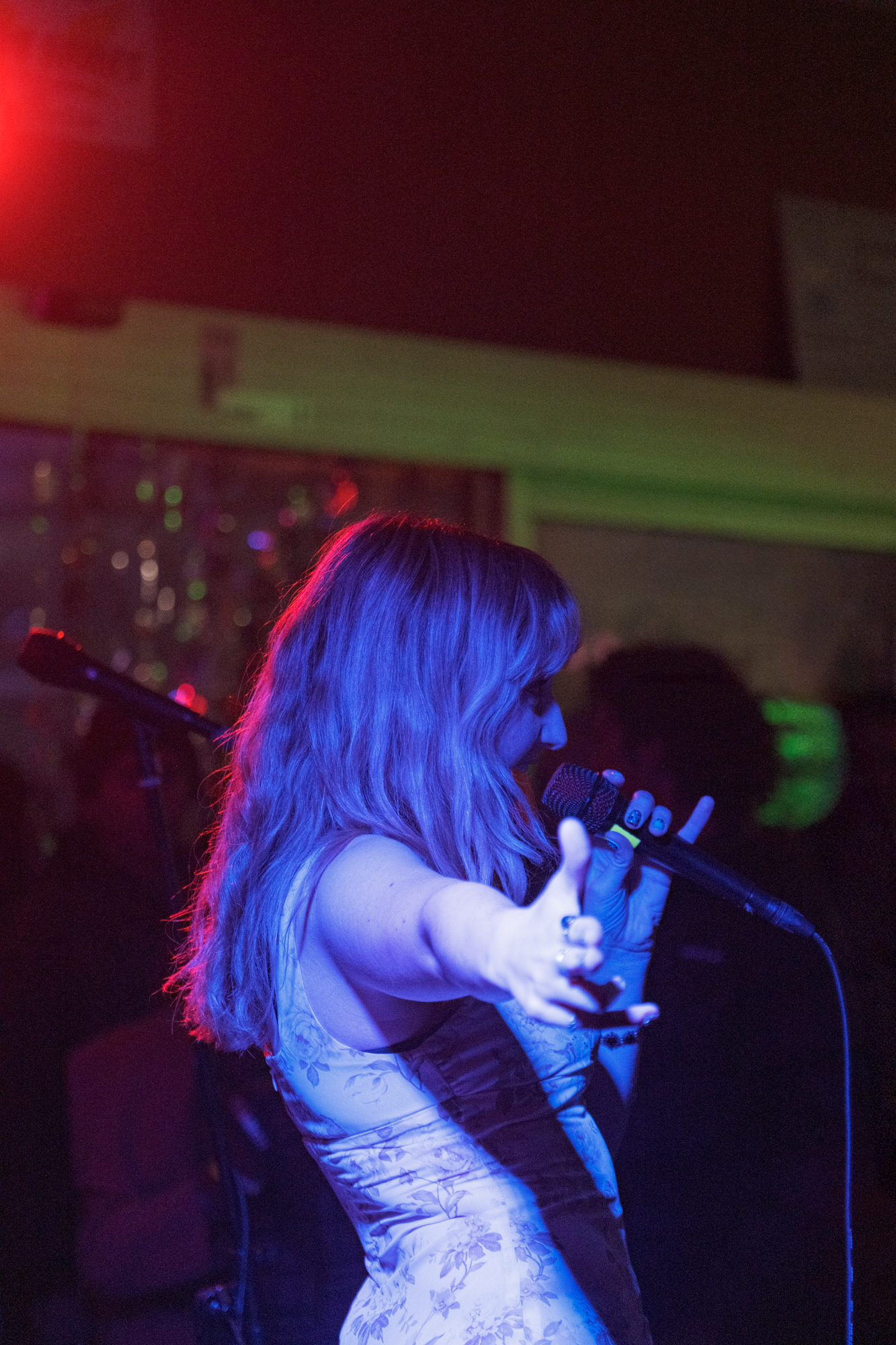
First up, Clare Perrott eased the Bowls Bar open with a six-piece band whose looseness was less jammy than quietly assured. Guitar, keys and percussion moved fluidly around her, one mid-set number beginning in starry melodicism before opening into something warmer. If her performance owed something to Joni Mitchell, it wasn’t only via the fluffy trim coat; there was a similar willingness to let melody stretch around phrasing, her accent slipping through more naturally when the set relaxed into folkier terrain.
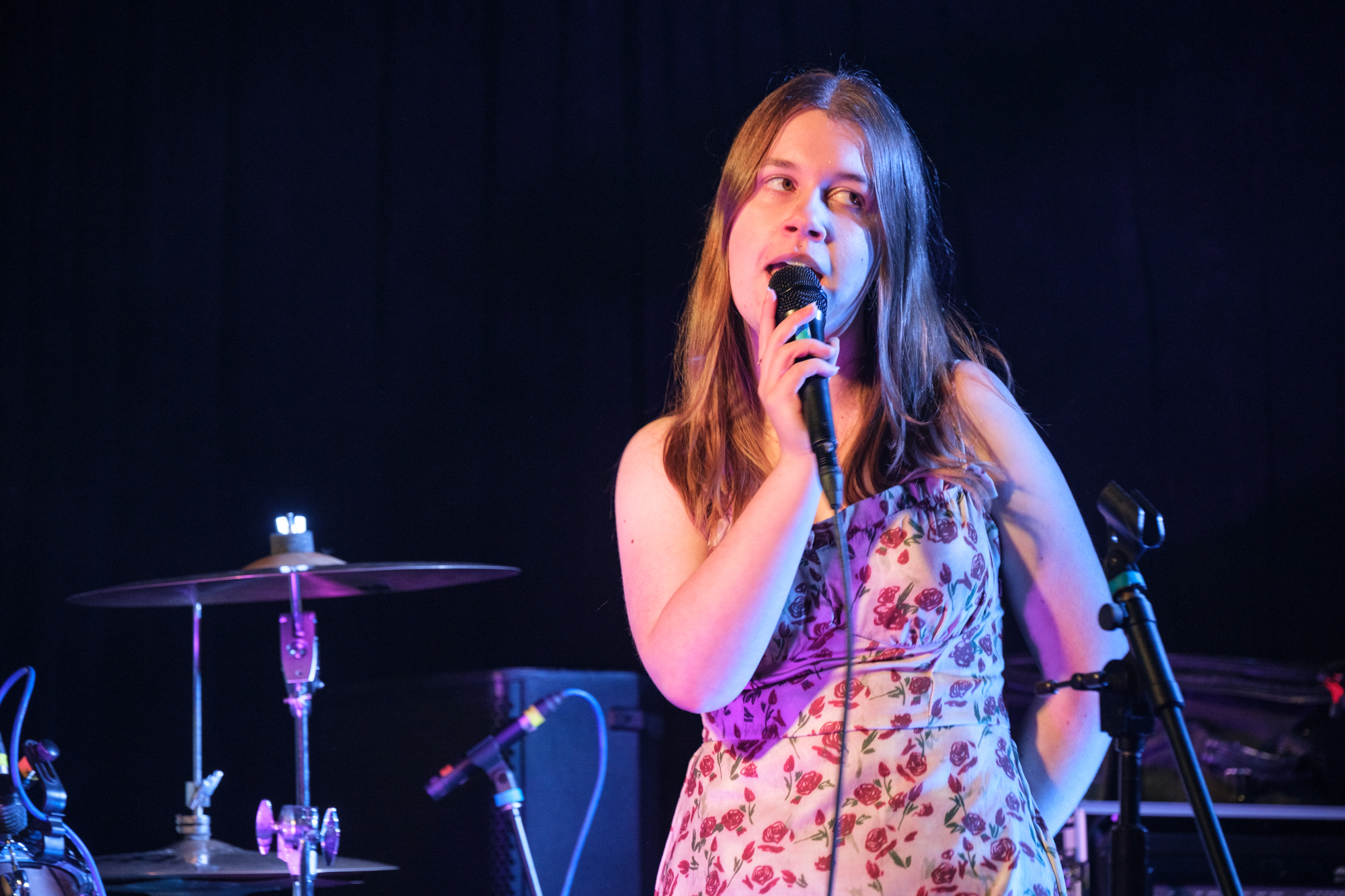
Next door, Elianie brought relaxed jazz and R&B looseness to the Hall, light-footed and cheeky rather than overly polished. A cover of Put Your Records On revealed the clearest version of her voice: confident, lyrically legible and full of ease. Her own material is still catching up, but new single Apathetic swung open with such life that the title felt almost like a joke.
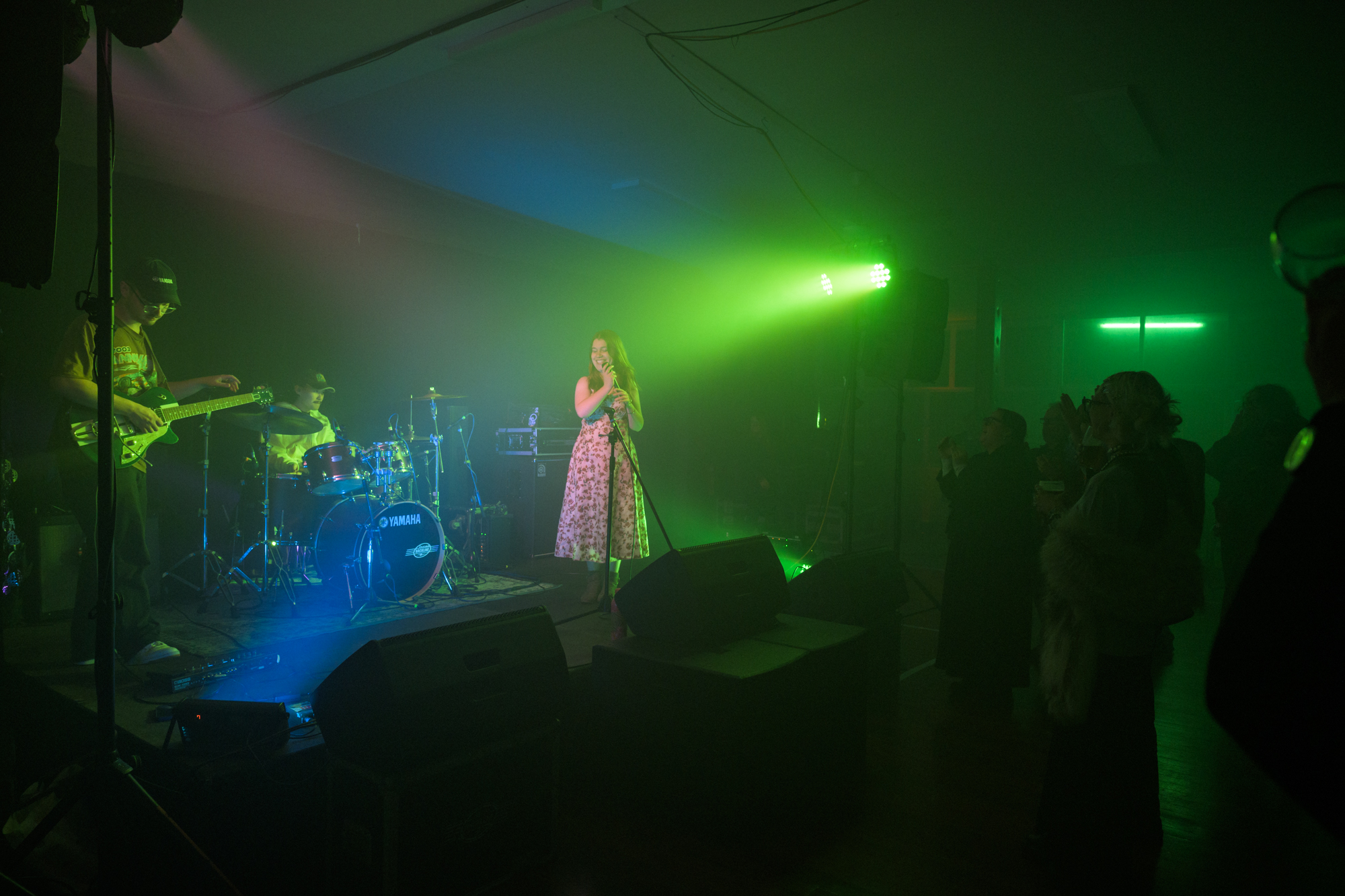
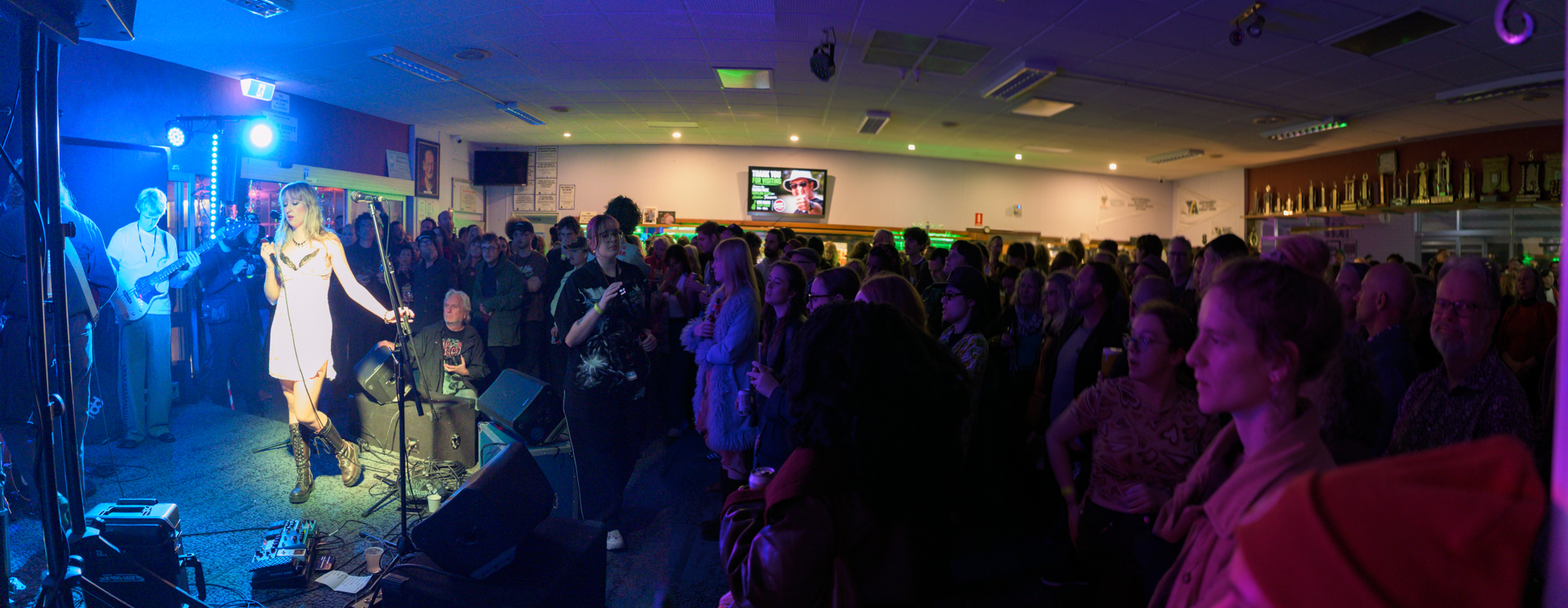
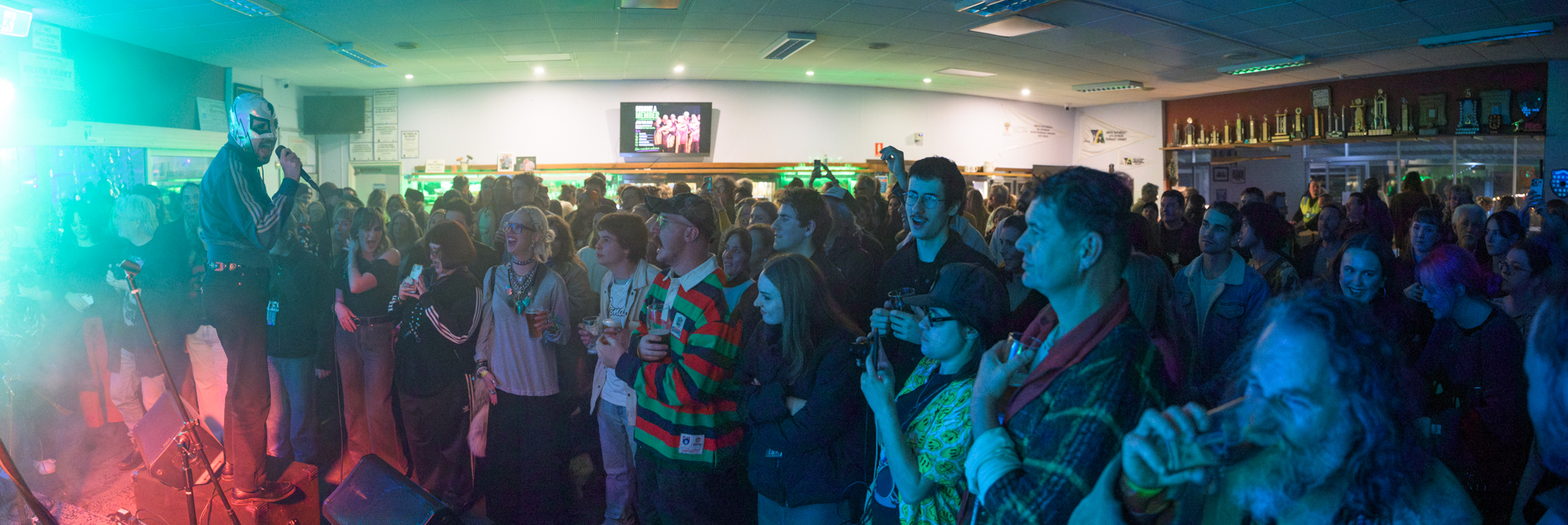
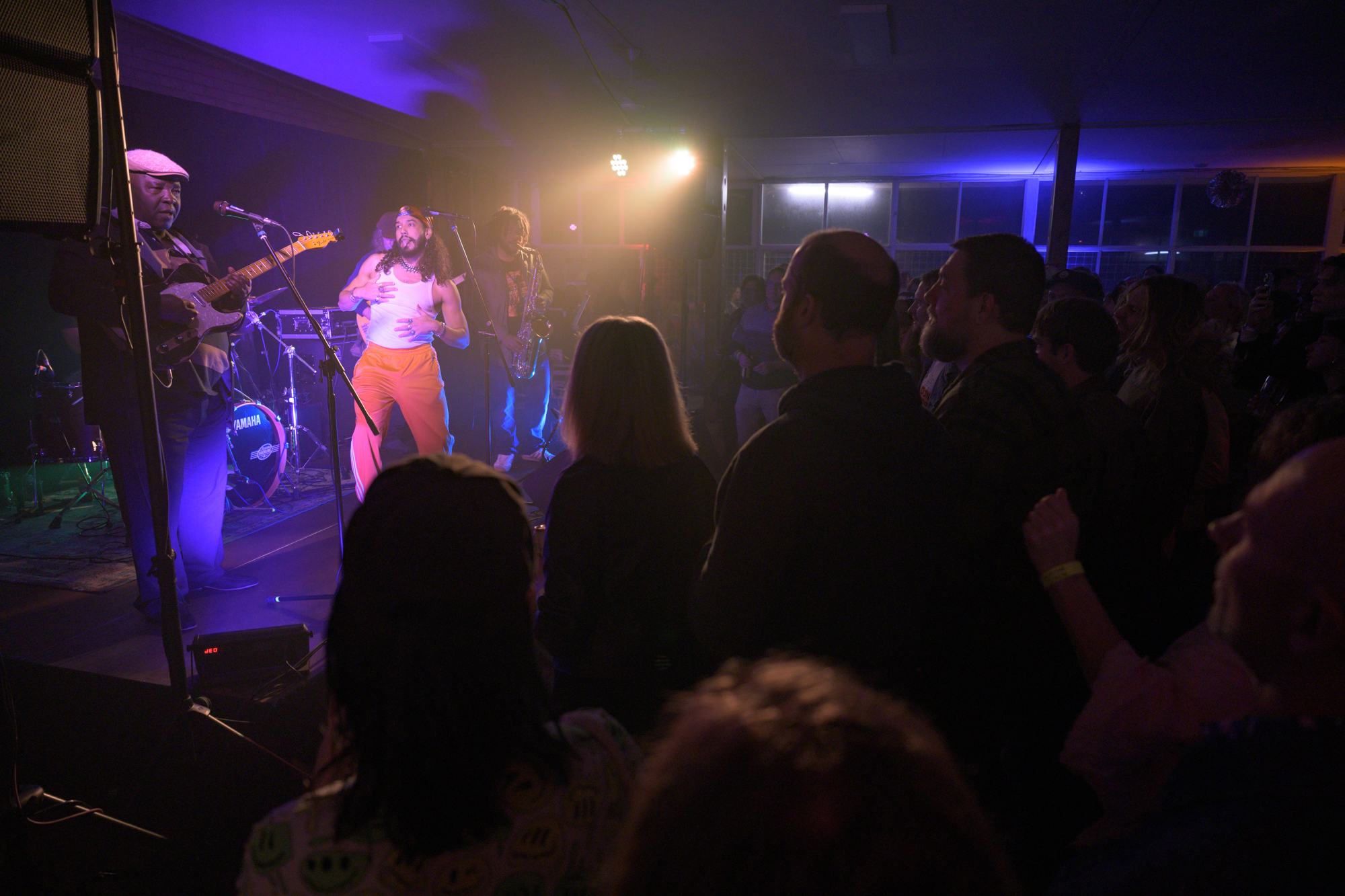
By this point, Hilton was making a strong case for itself. The Hall and Bar are not glamorous, but they are large, functional and built for collective use, with haze and lighting doing enough to push away from blue-light disco territory. In a city where music infrastructure is often an afterthought, local bands filling a bowling club felt quietly political.

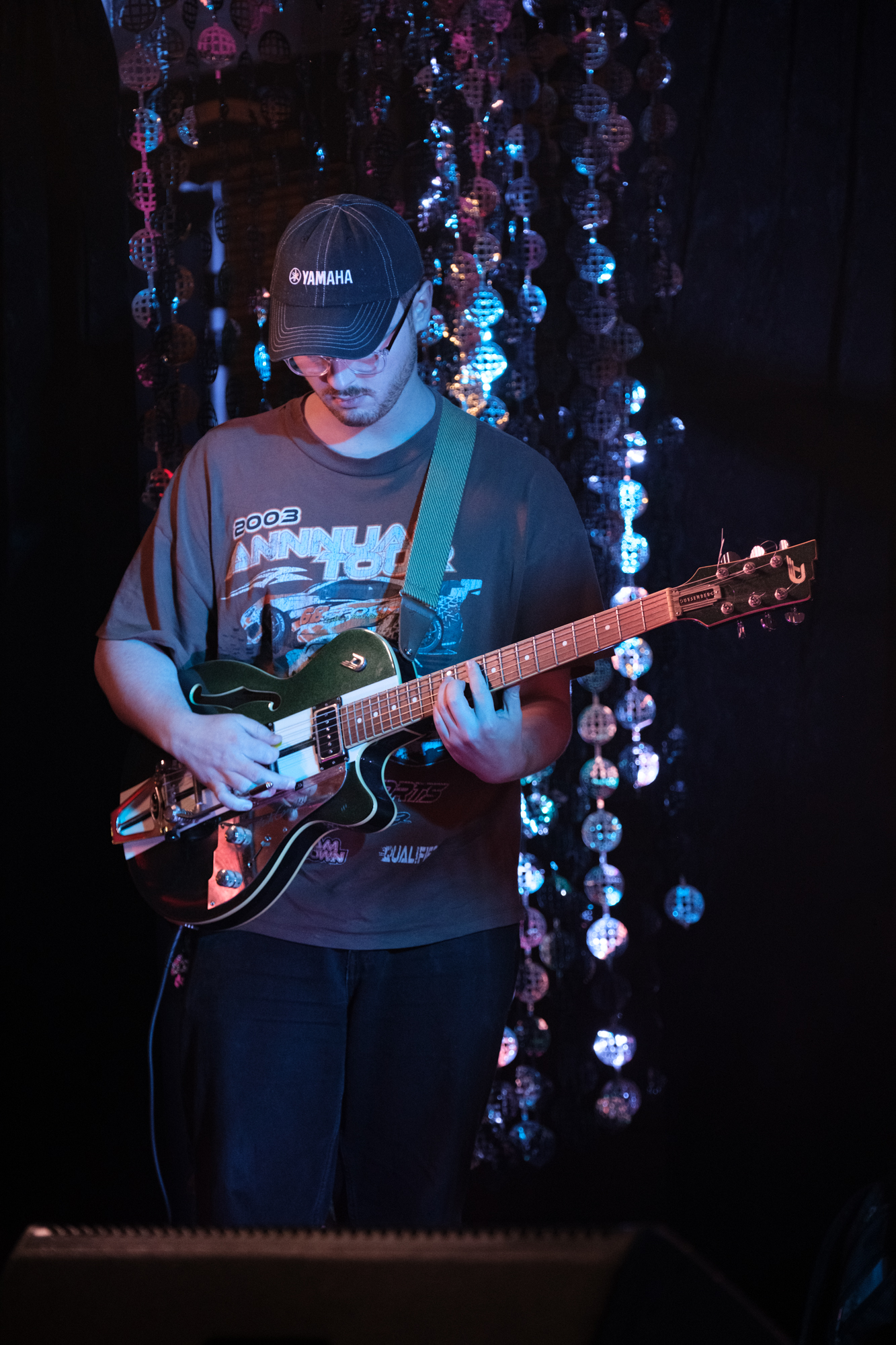
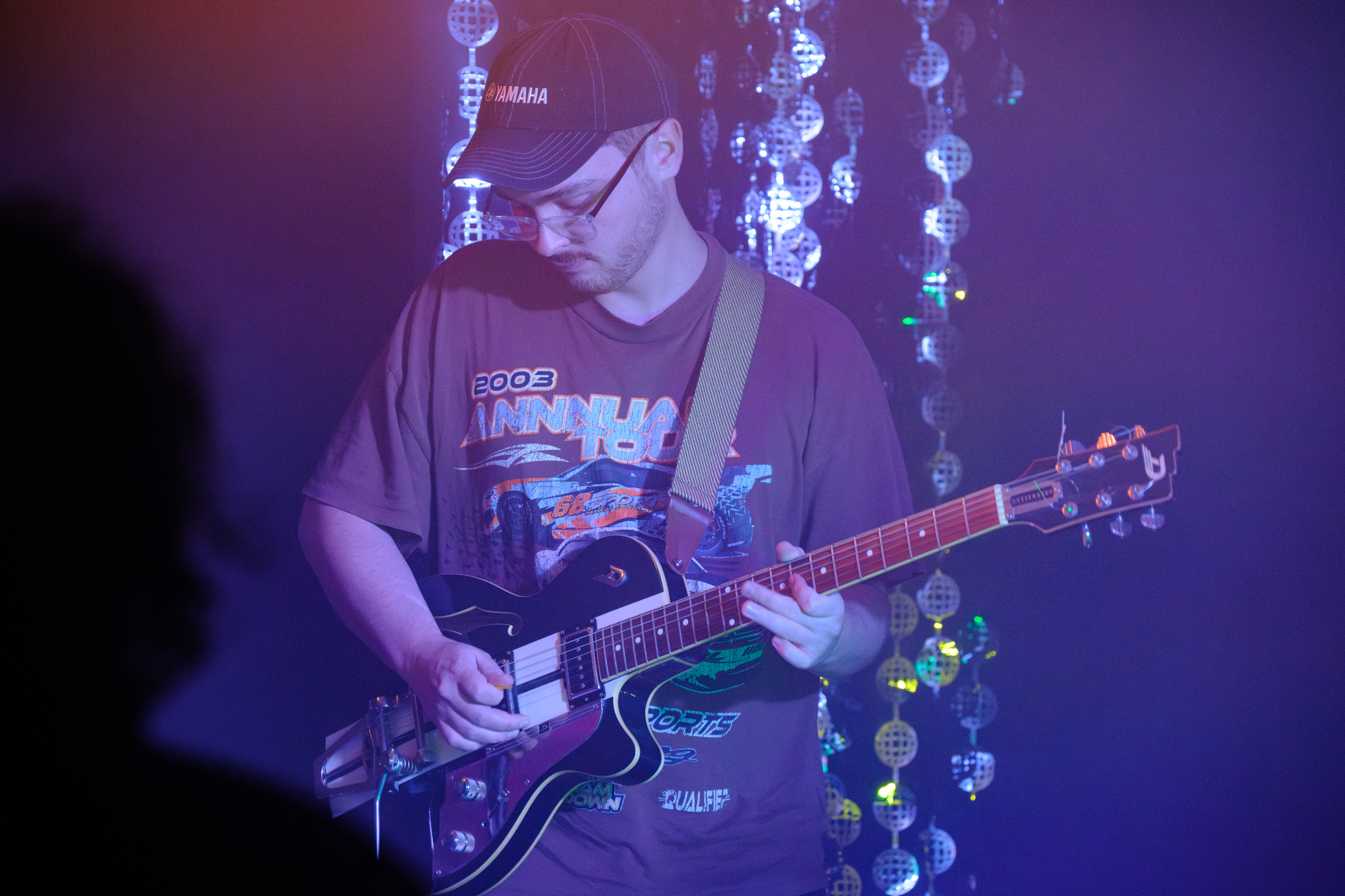
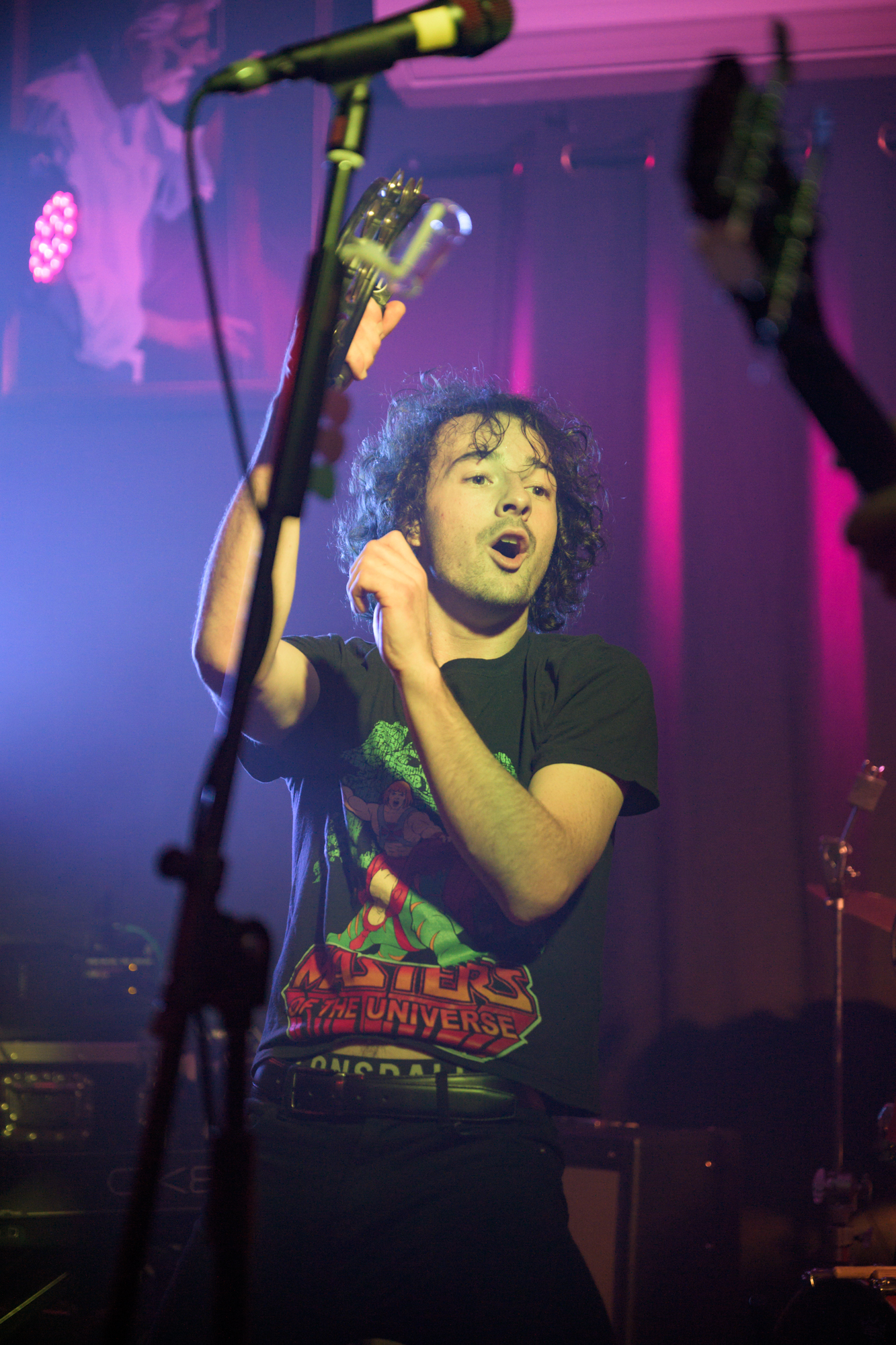
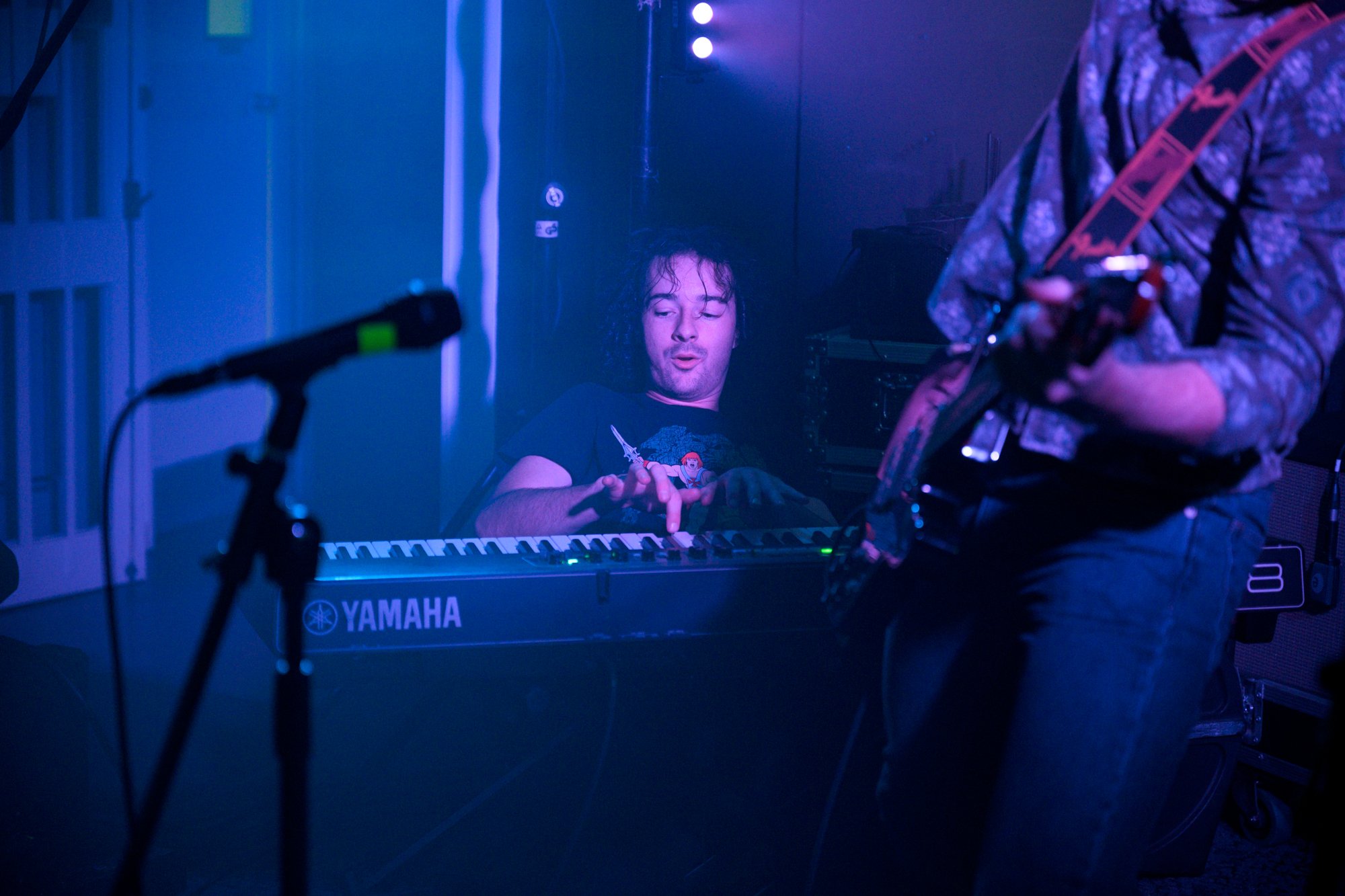
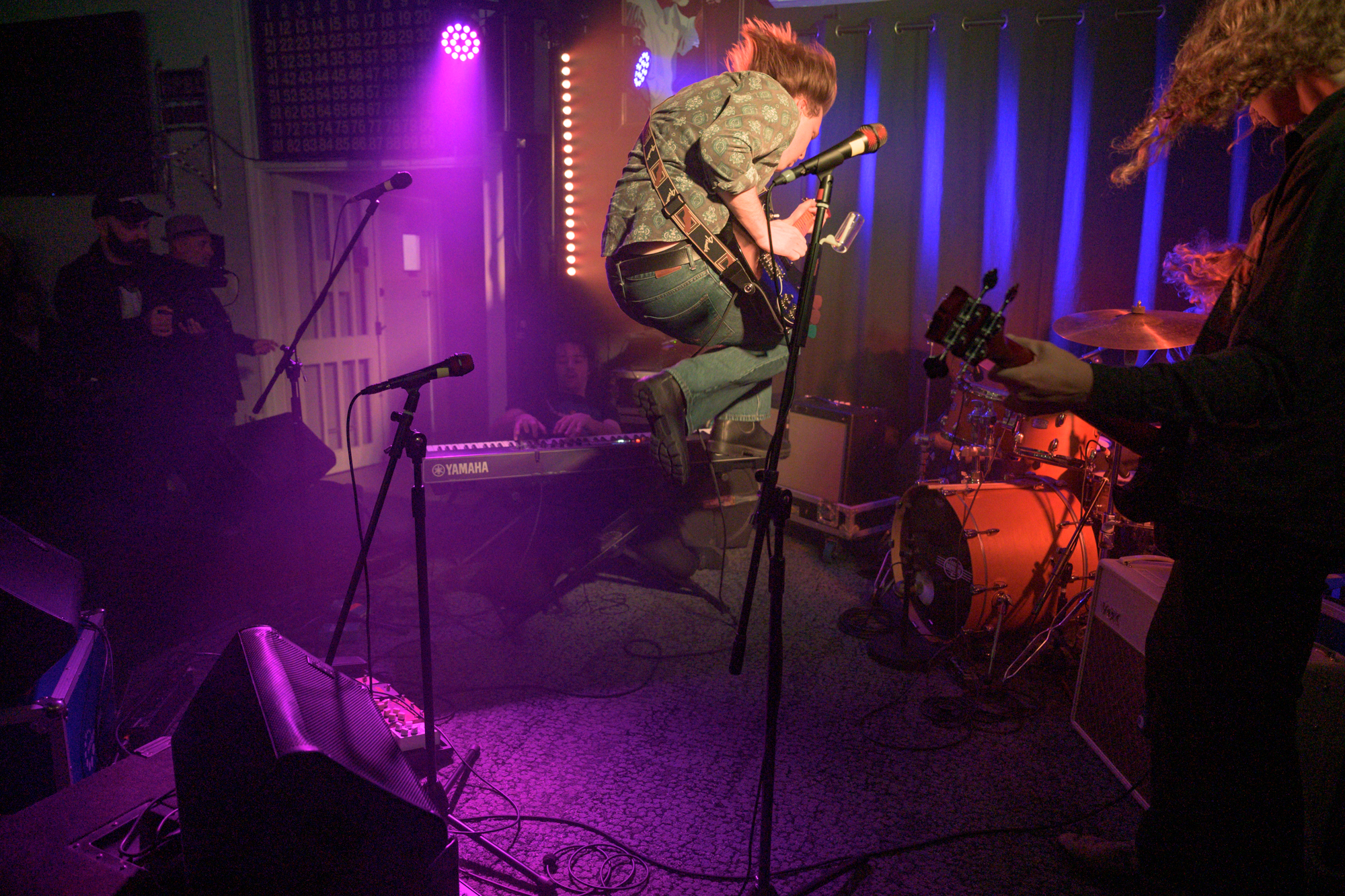
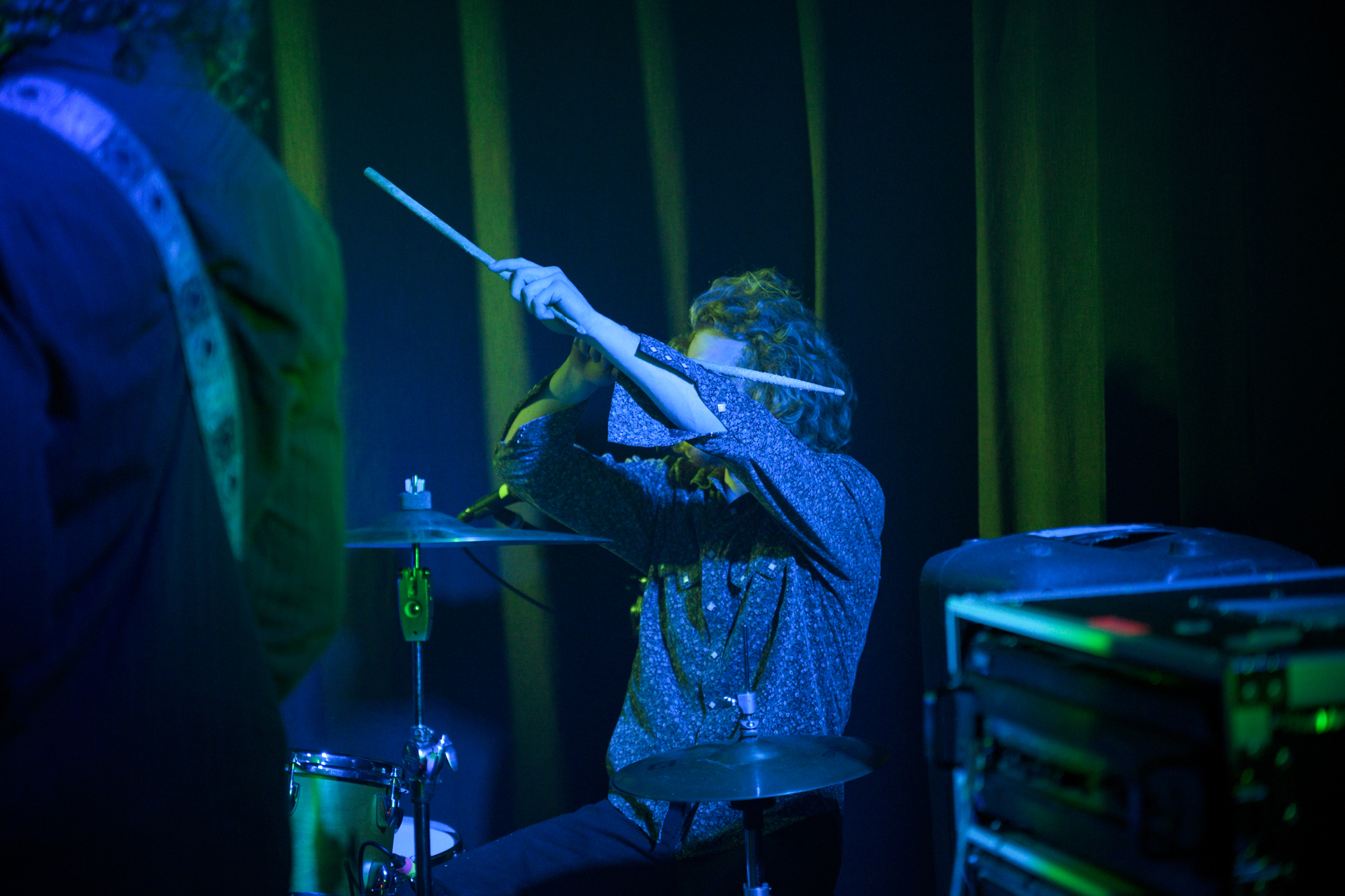
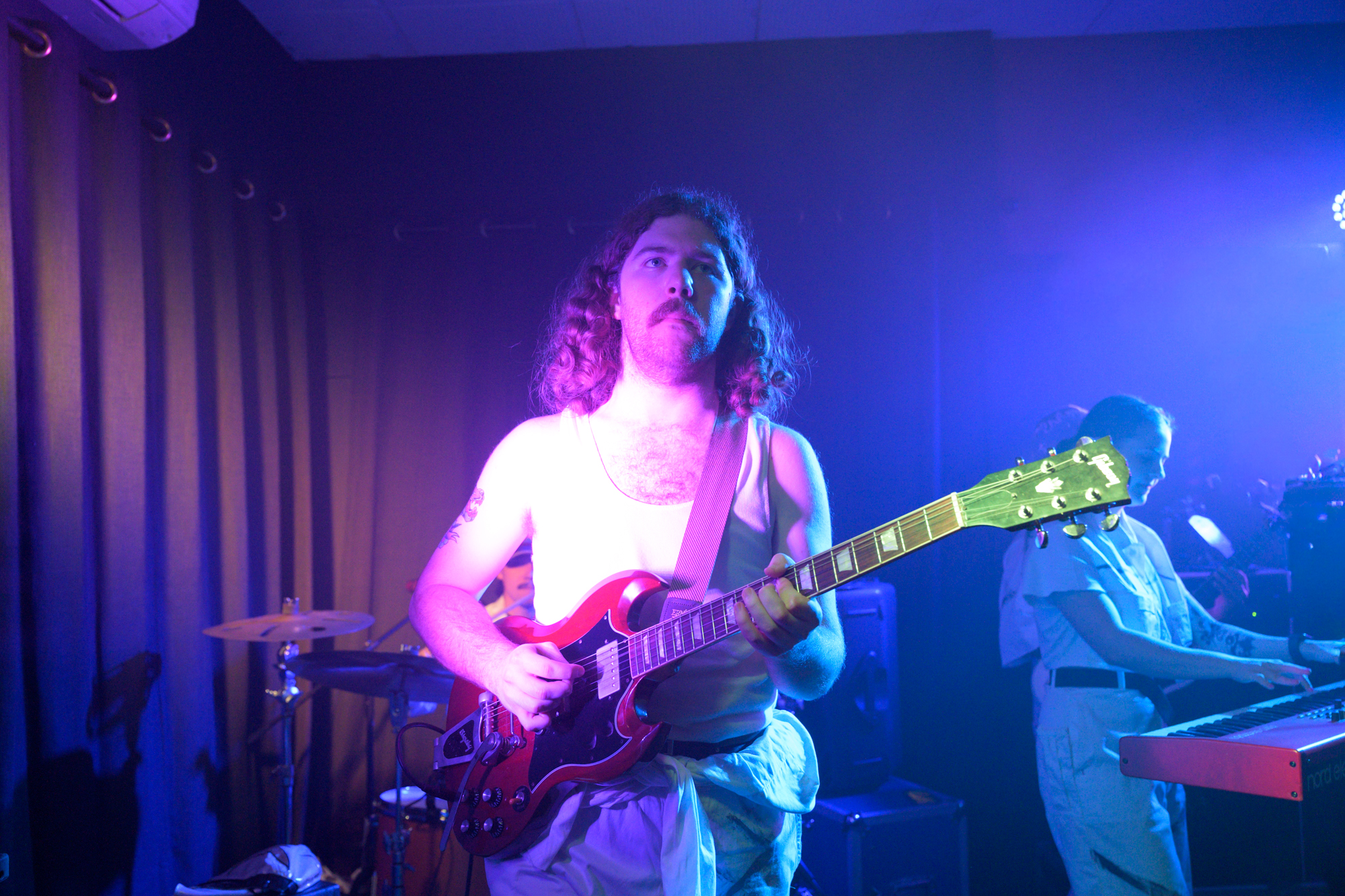
If Perrott’s ’70s influence appeared as soft affectation, The Satisfaction arrived in full revivalist mode. Clothes, cuts, gear and fuzz all pointed backwards: The Darkness in the comic theatricality, Bon Scott’s short-man swagger, and Wolfmother in the riffs and bravado. Originality seemed beside the point (and for the more cynical of us, that point’s been well made: see Mike Patton’s musings on Wolfmother for instance). Here, their currency was fidelity, energy and the ability to make a room jive. Ridiculous falsettos, Jagger phrasing, windmill arms, back-to-back guitar theatrics: shameless, effective, and swallowed whole by the crowd. If satisfaction is your drug of choice…
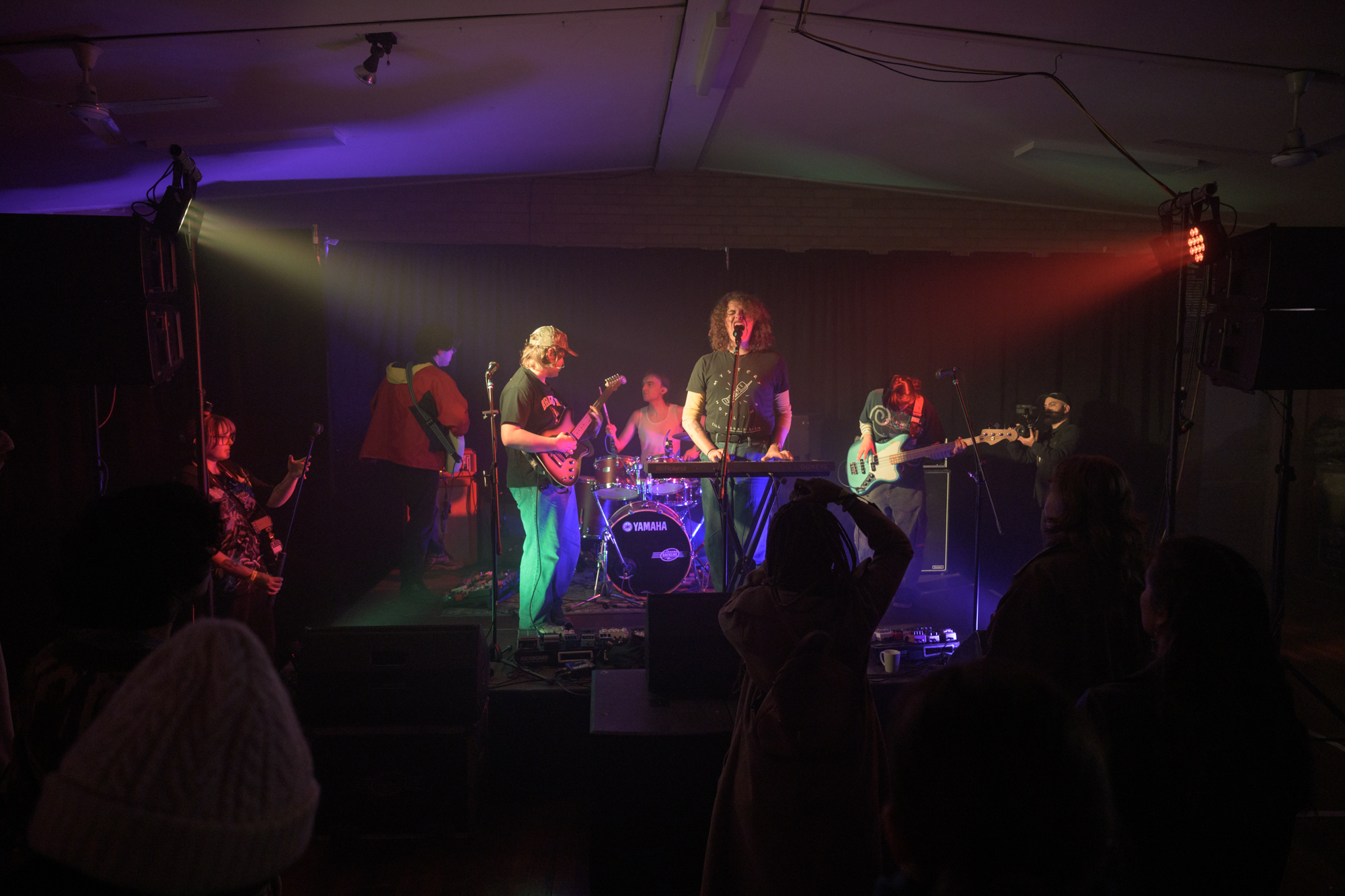
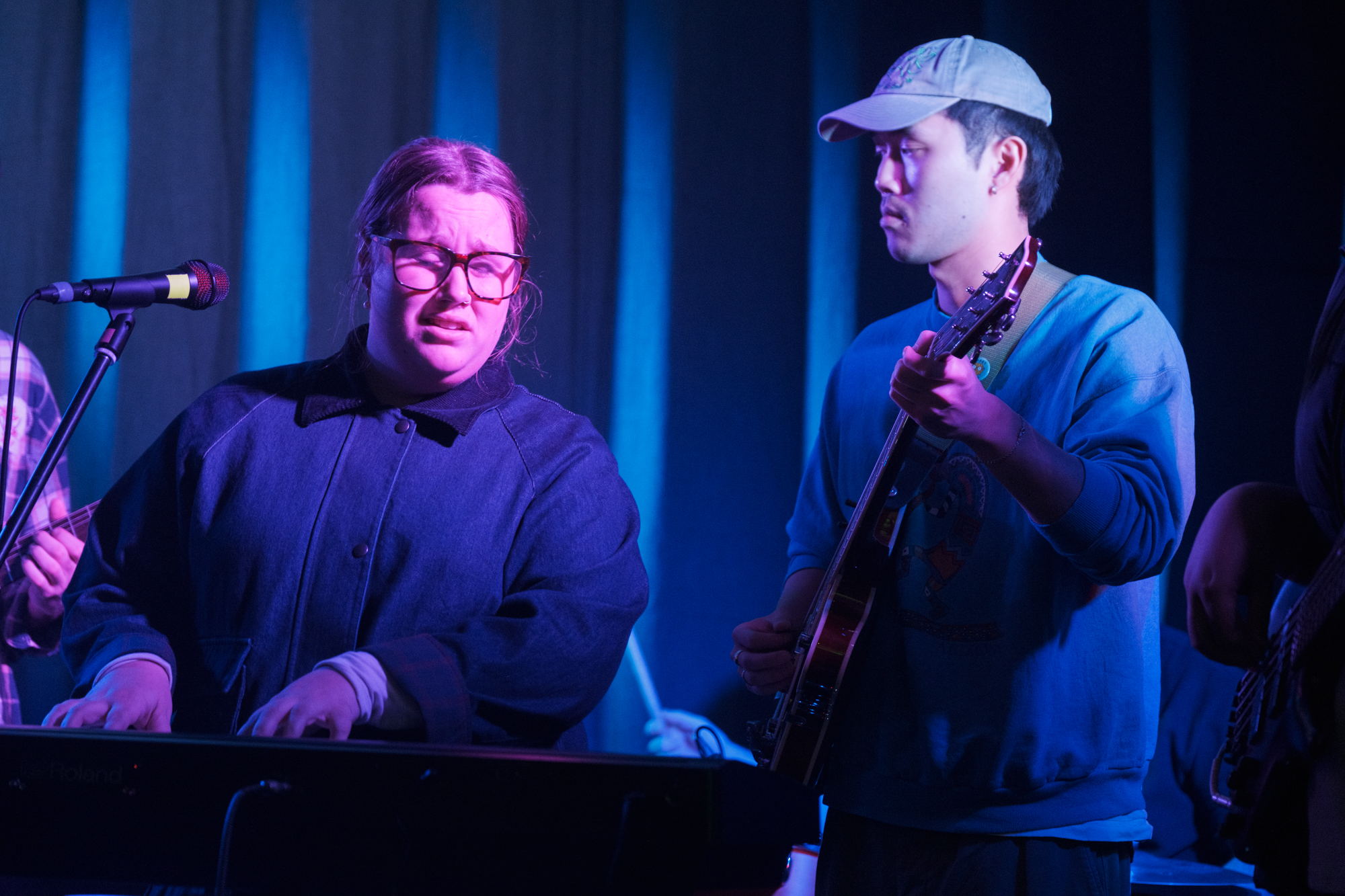
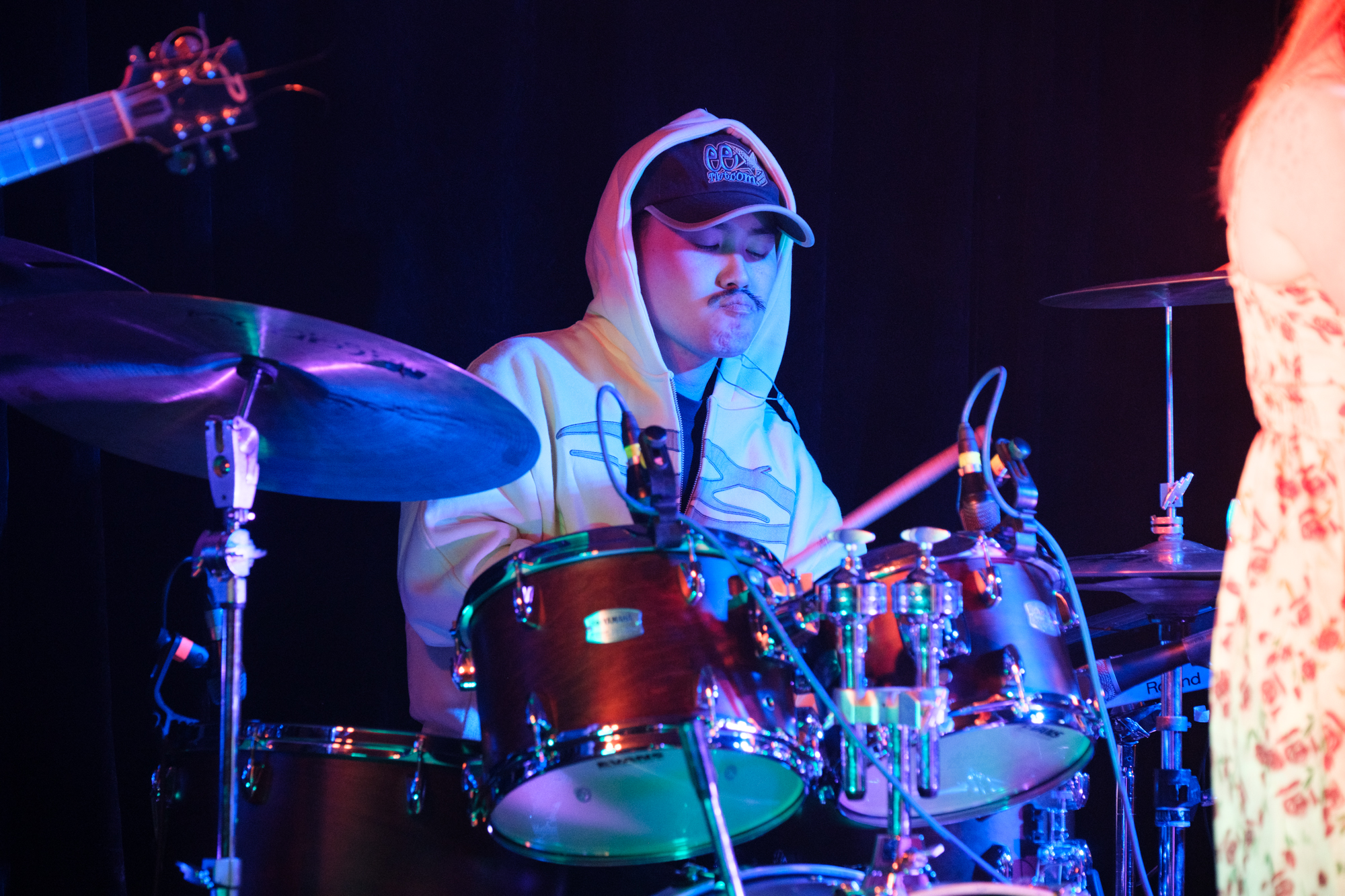
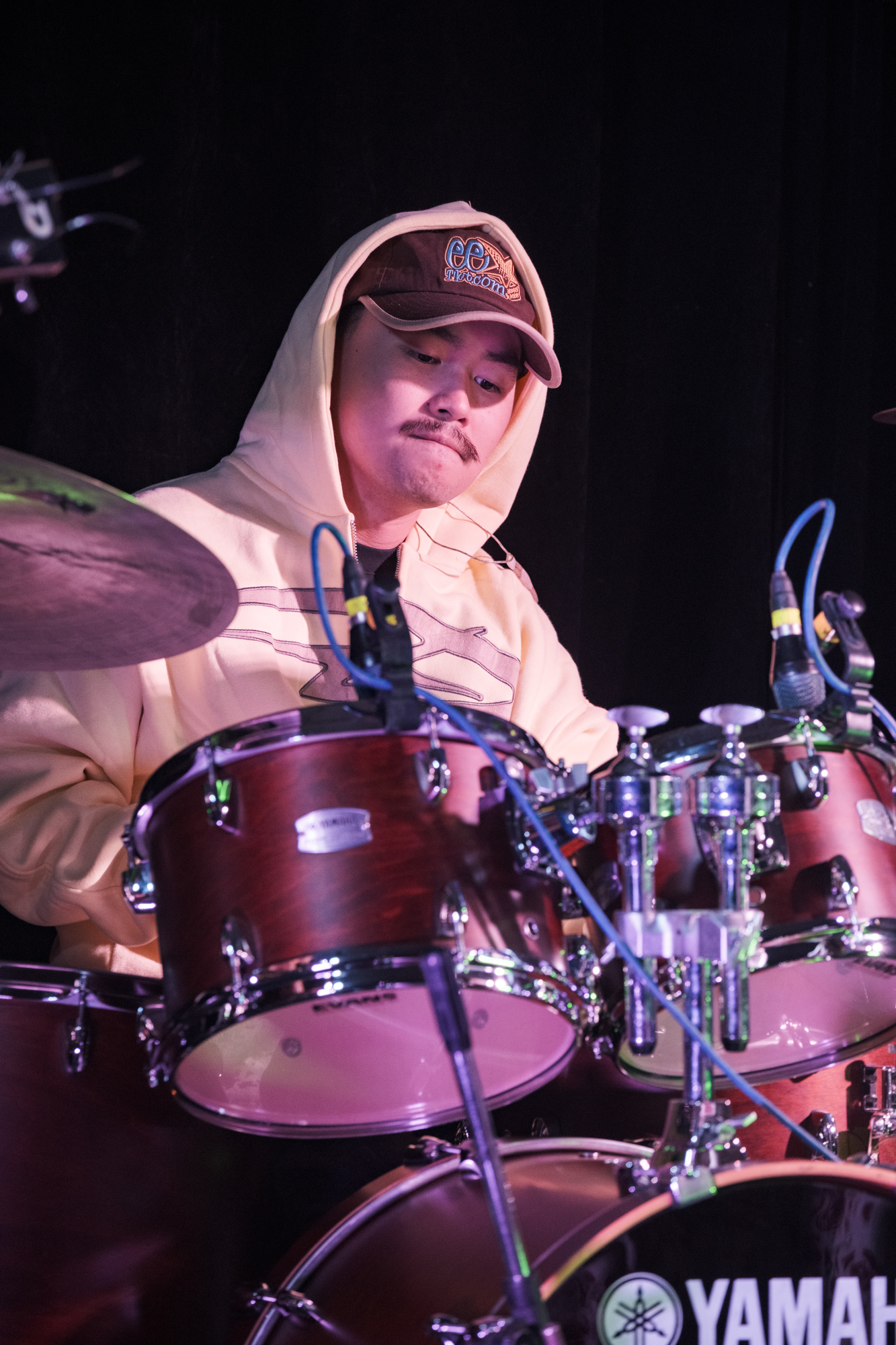
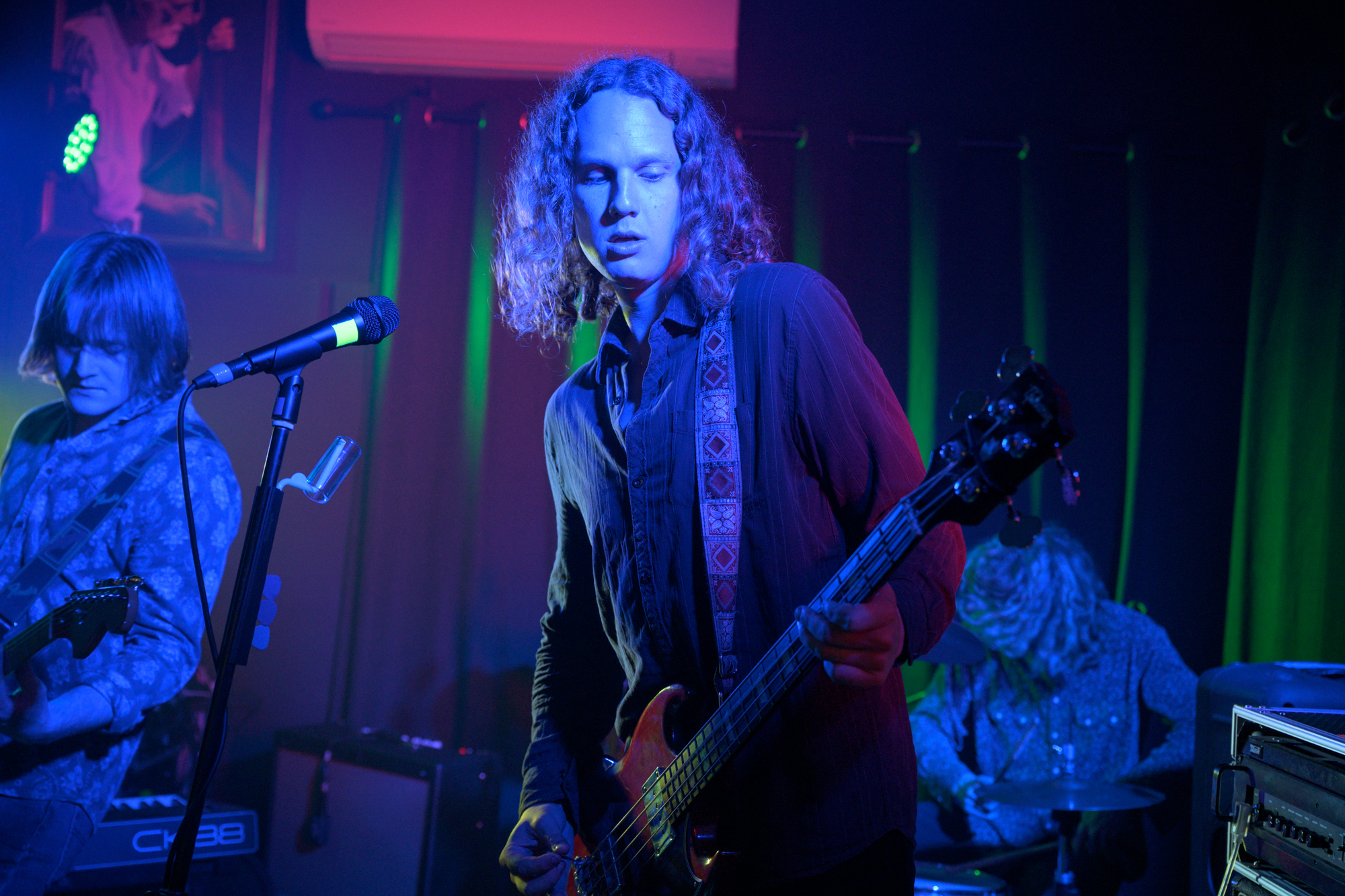
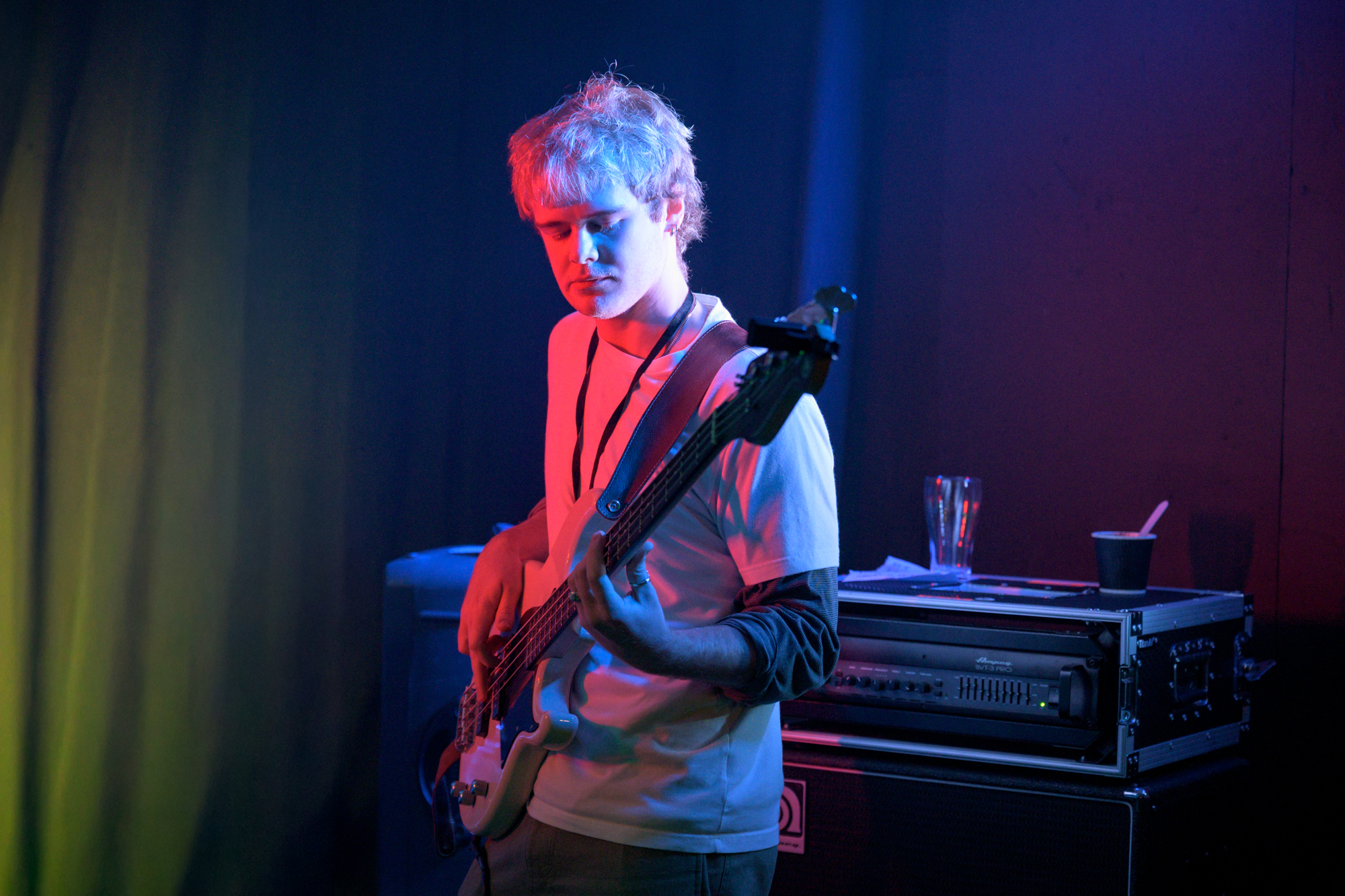
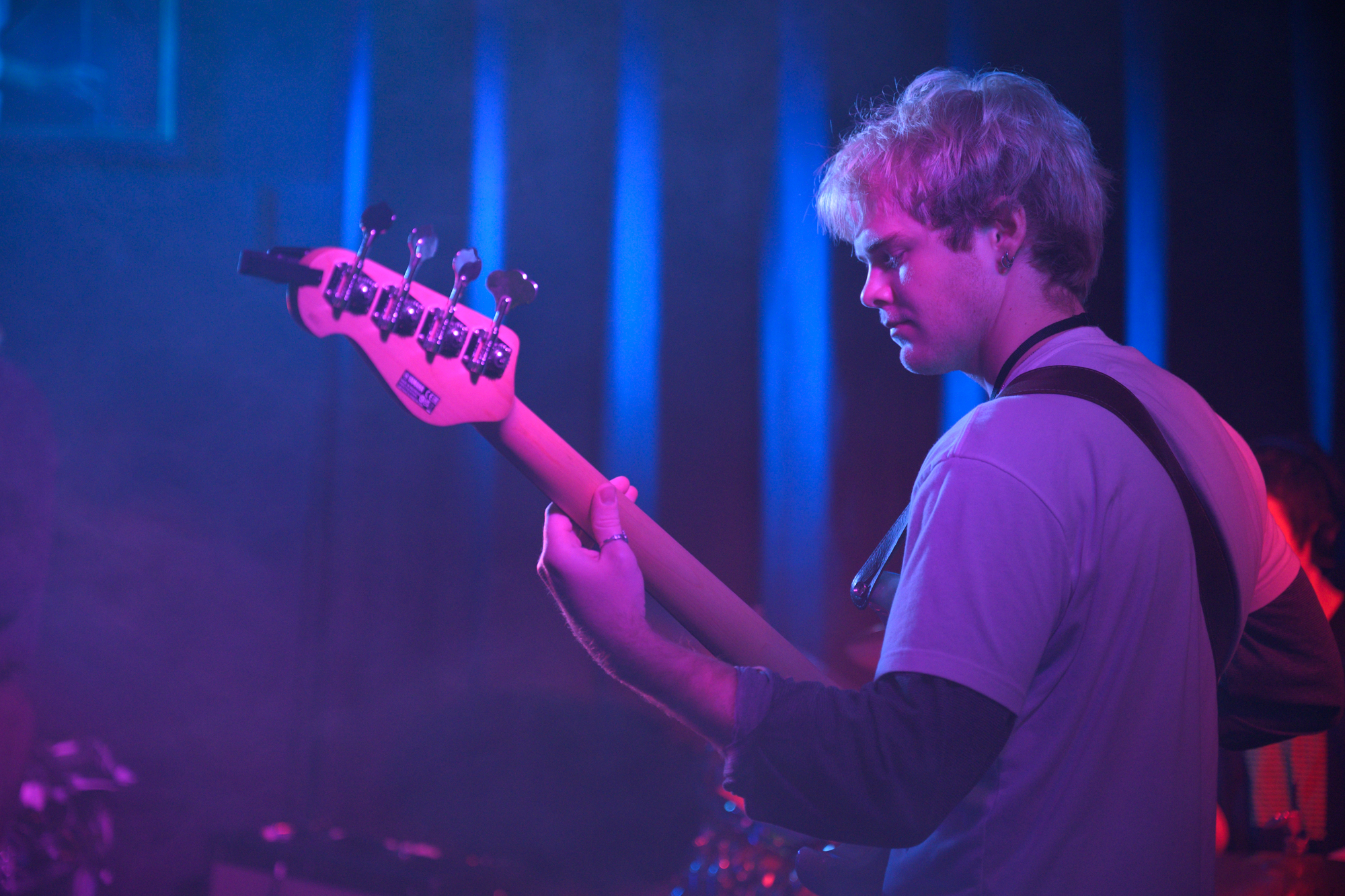
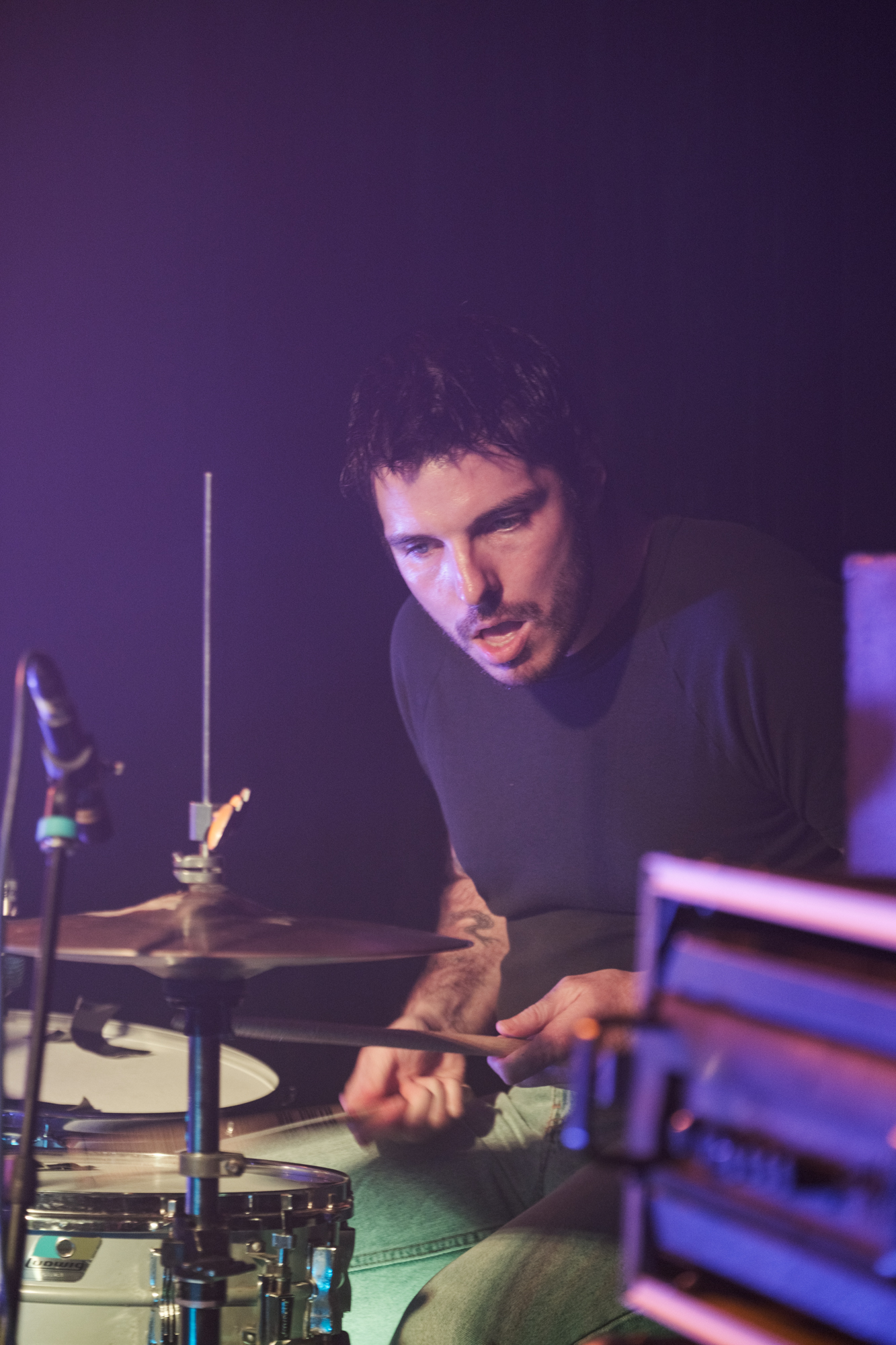
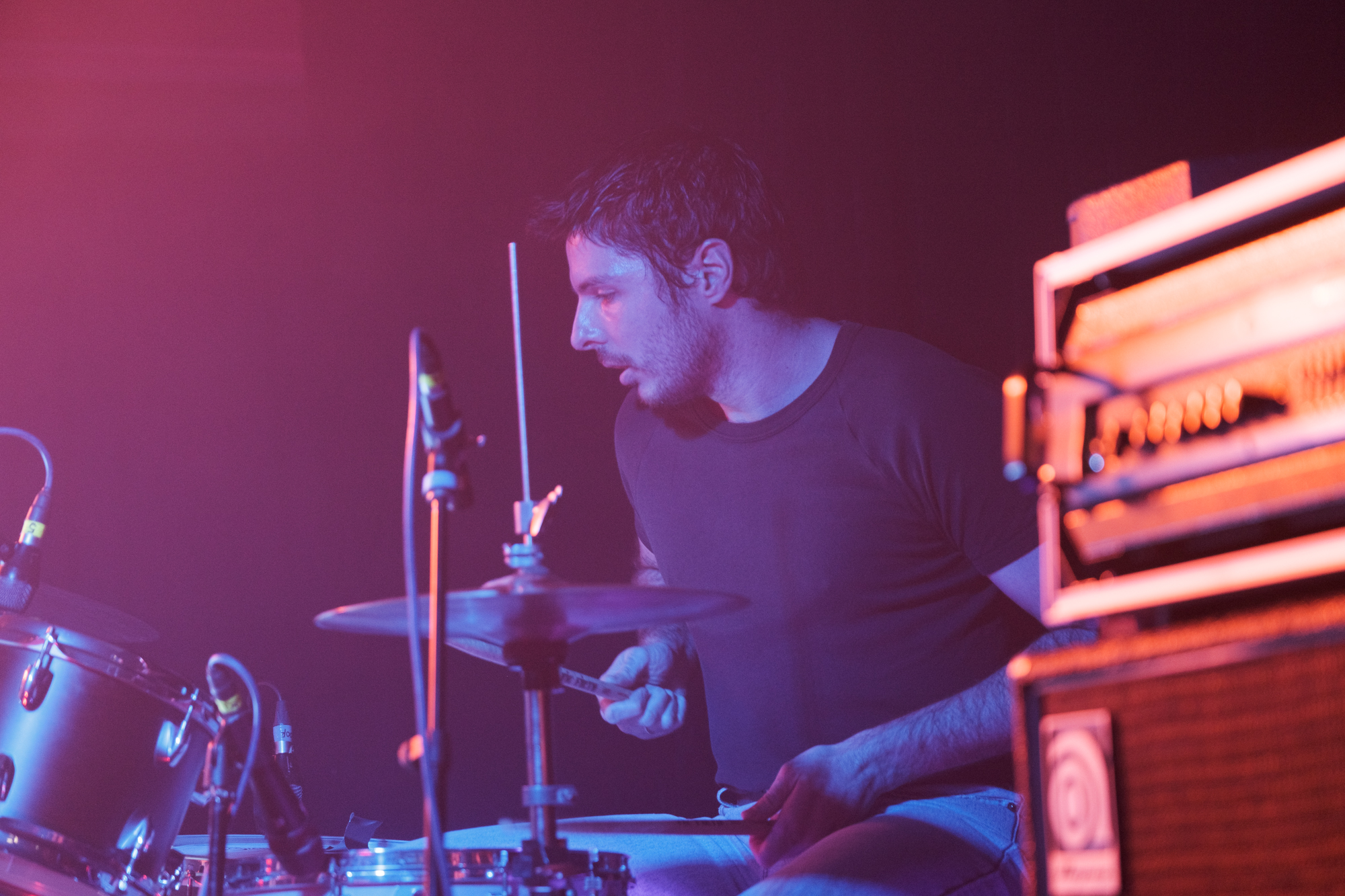
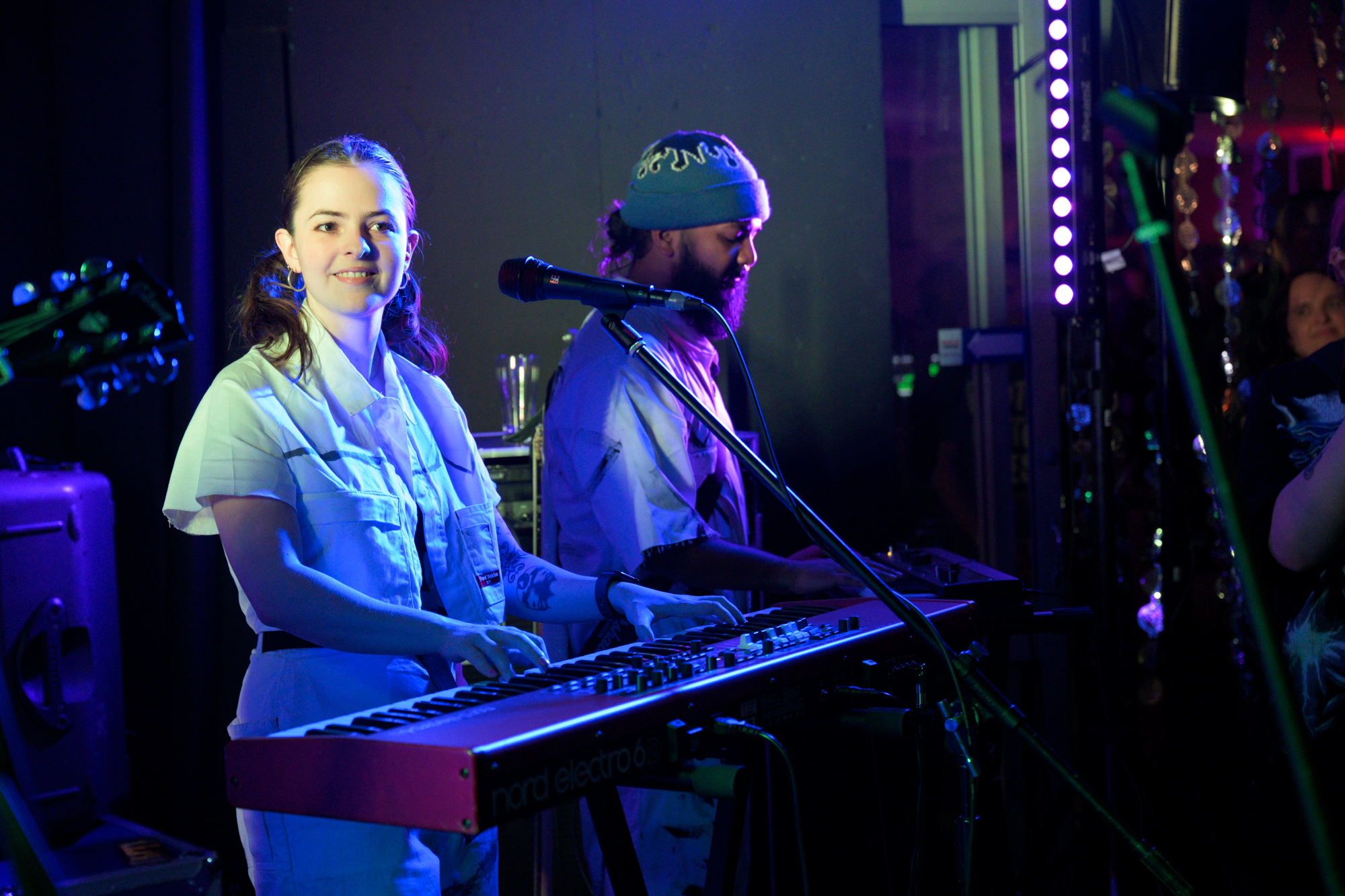
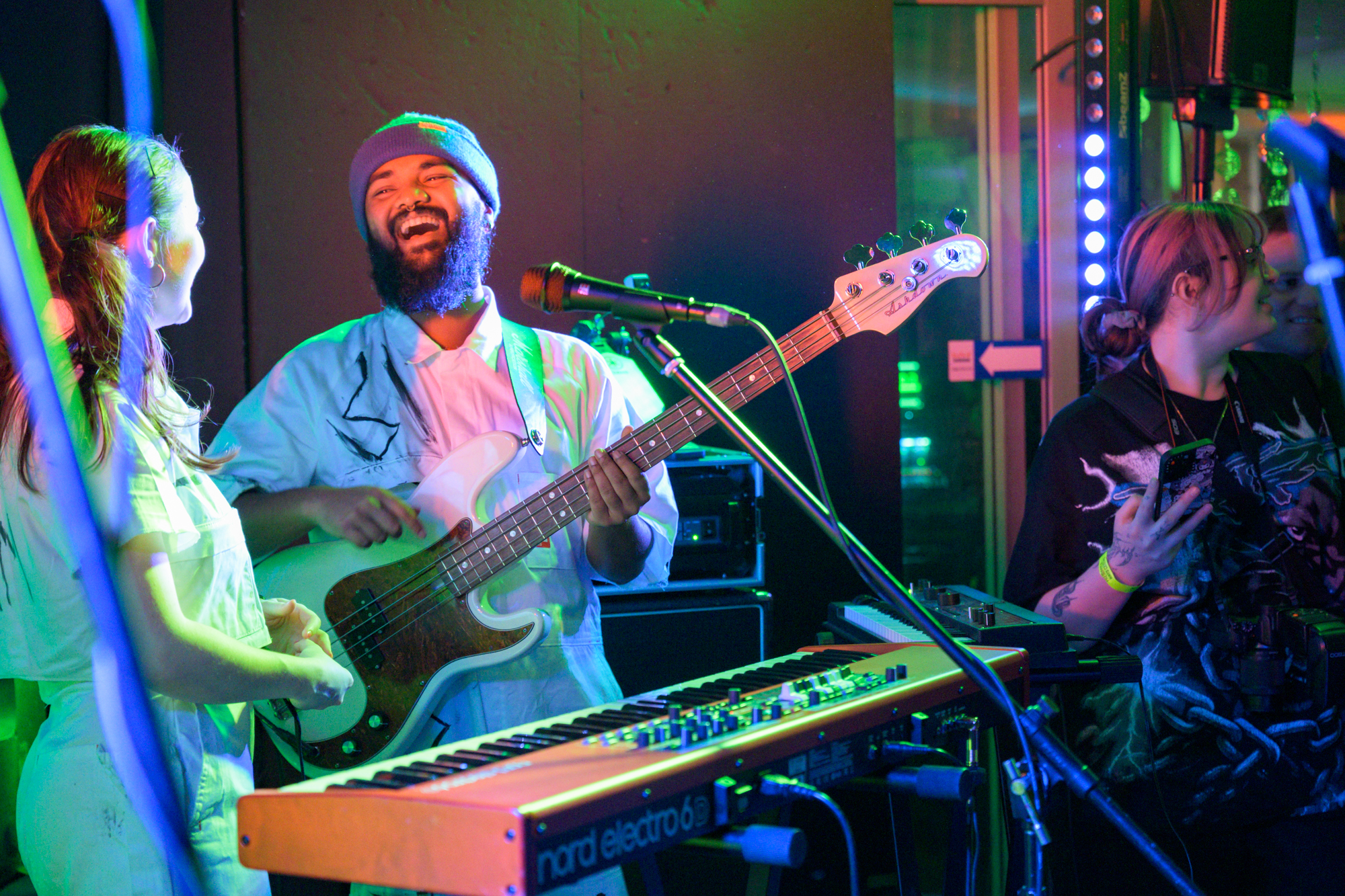
Parclo offered one of the night’s more interesting propositions. Opening with raucous noise-making, the five-piece effectively dragged people across from the other room. Their sound made more sense here than in the open air at Fremantle Arts Centre, where they supported Sleaford Mods recently; with walls to bounce off, the fuzz could thicken and bloom. Fronted at points by their bassist, with secondary vocals and shouts emerging from keys, Parclo’s dynamic felt collaborative, still taking shape but already gesturing towards something bold. At their best, they leant into delicious post-rock collapse: spoken-word passages over muscular drum and bass ribbing, keys used emphatically, and vocals meandering rather than chasing melody.
A softer turn was met by too much chatter, ricocheting around the Hall and dulling the effect. If you are in another band talking near the front while your peers are playing, perhaps consider: don’t. Scene is not only who you know; it is also how you listen.
That tension sat under the night. Hidden Treasures’ curator-led model gives the event warmth and credibility but also asks whether discovery means uncovering the hidden, or formalising what existing networks already know. WAM nods and support slots are useful coordinates, perhaps, but hardly a complete map.
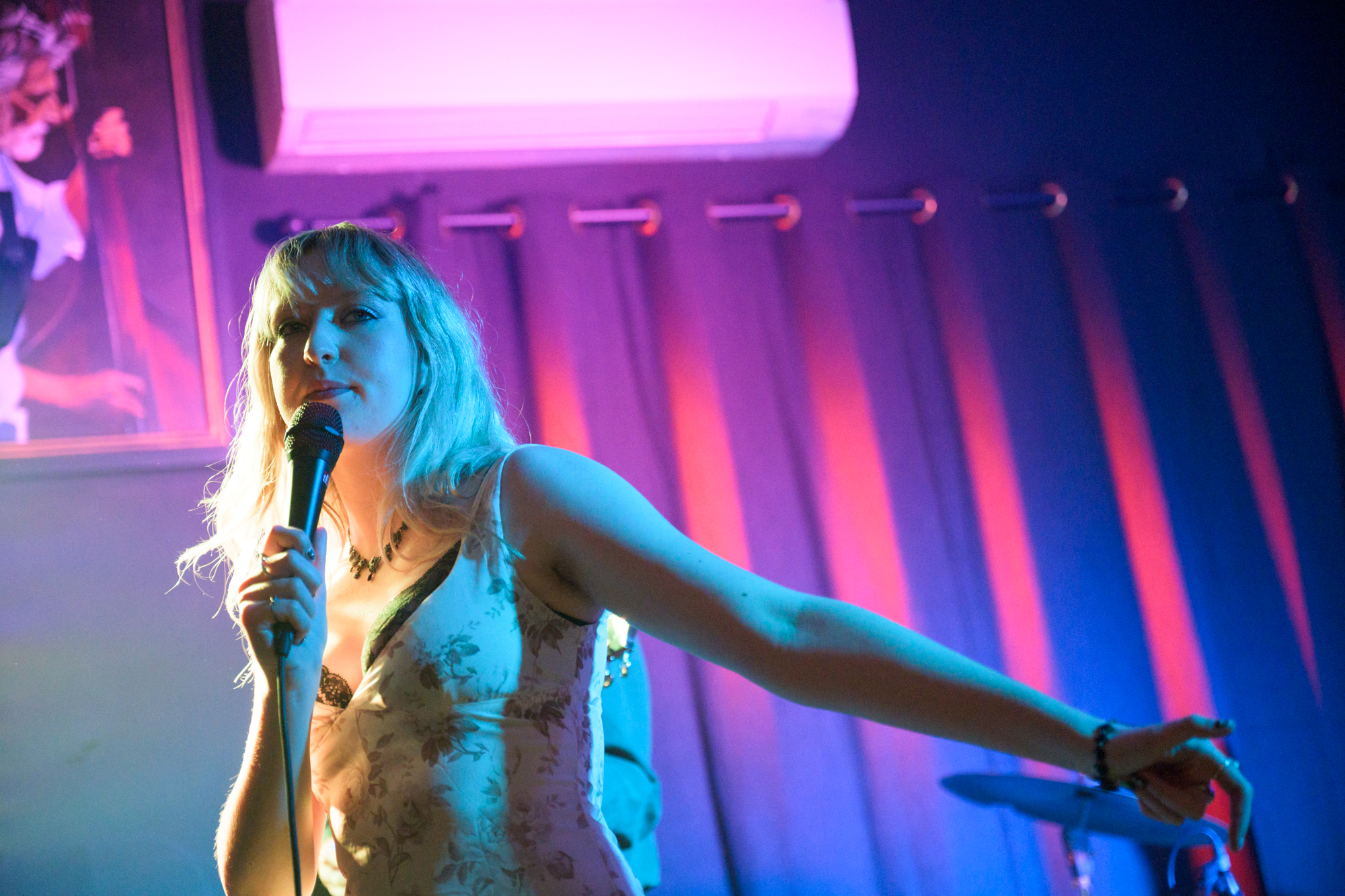
On that measure, EDIE struggled to land. Opening with boppy alt-country that leant more pop than alt, the set moved towards broader pop-rock, though the hooks never quite snared. Pre-show references to Chappell Roan et al. felt difficult to hear beyond the occasional vocal flex, while Supermassive Black Hole became a sultry vehicle without much beneath it. Local pop like this can face a difficult scale problem: without the spectacle or world-building the form demands, it can feel stranded between local pub band and arena-sized aspiration.
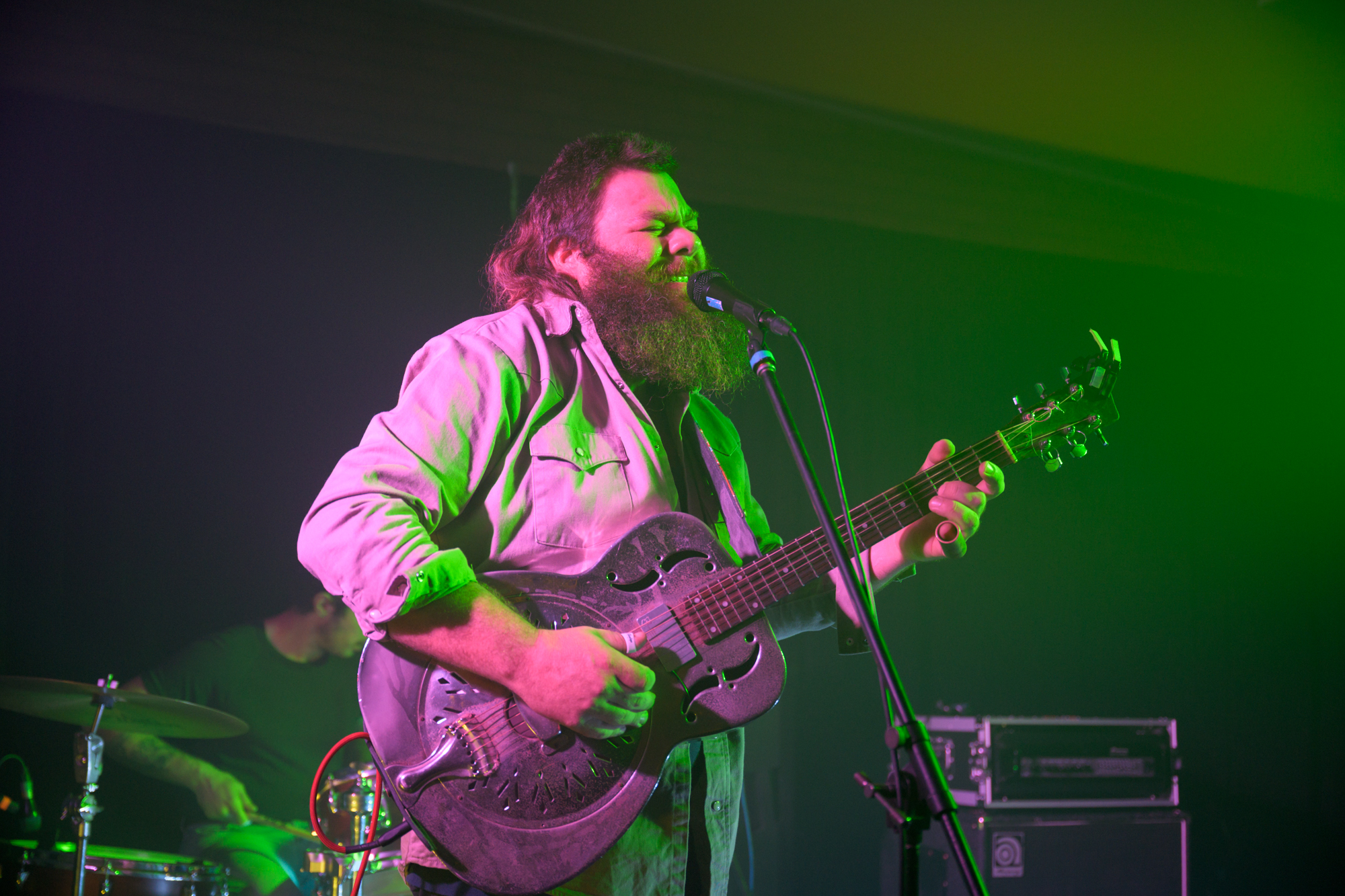
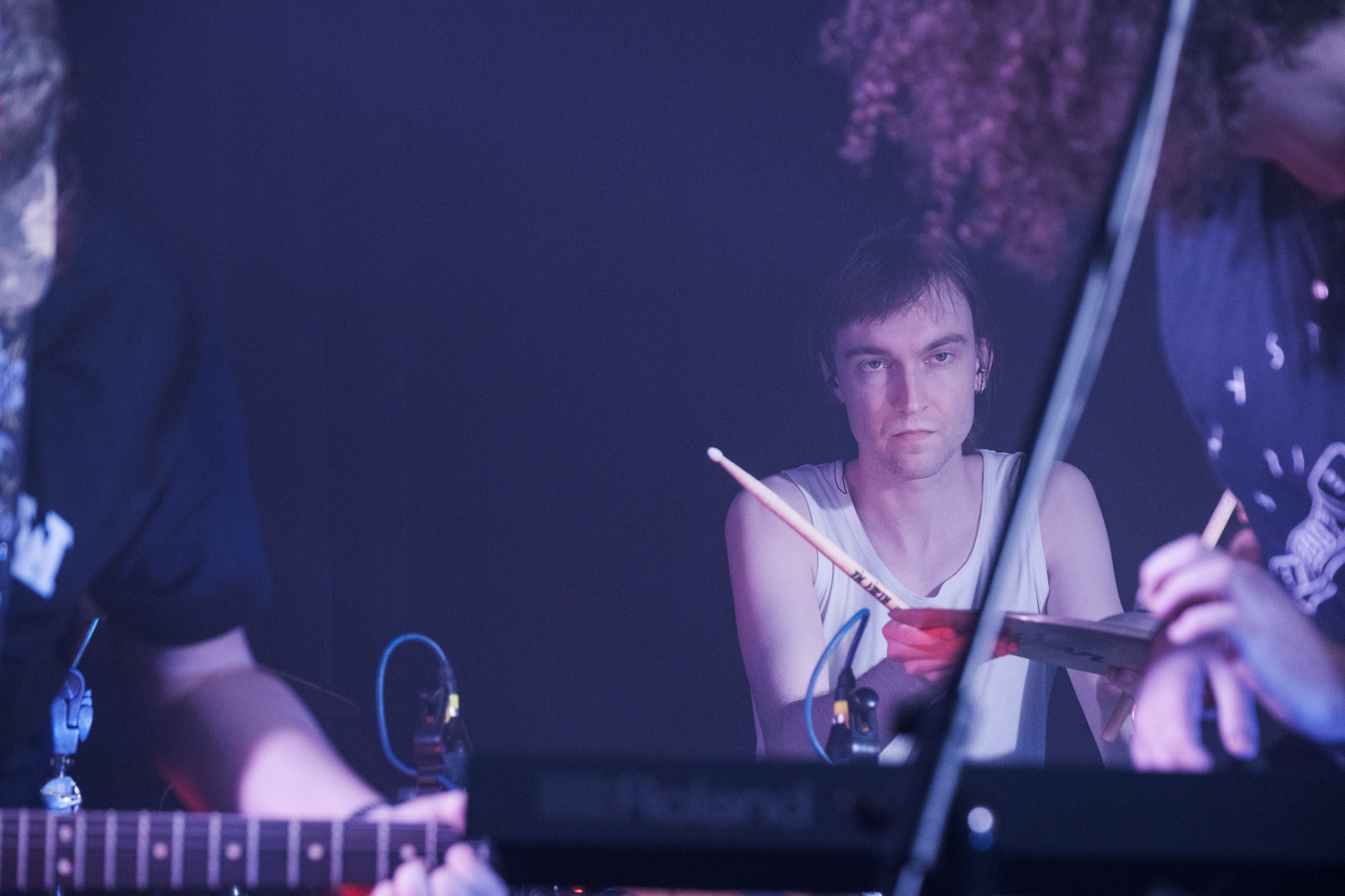
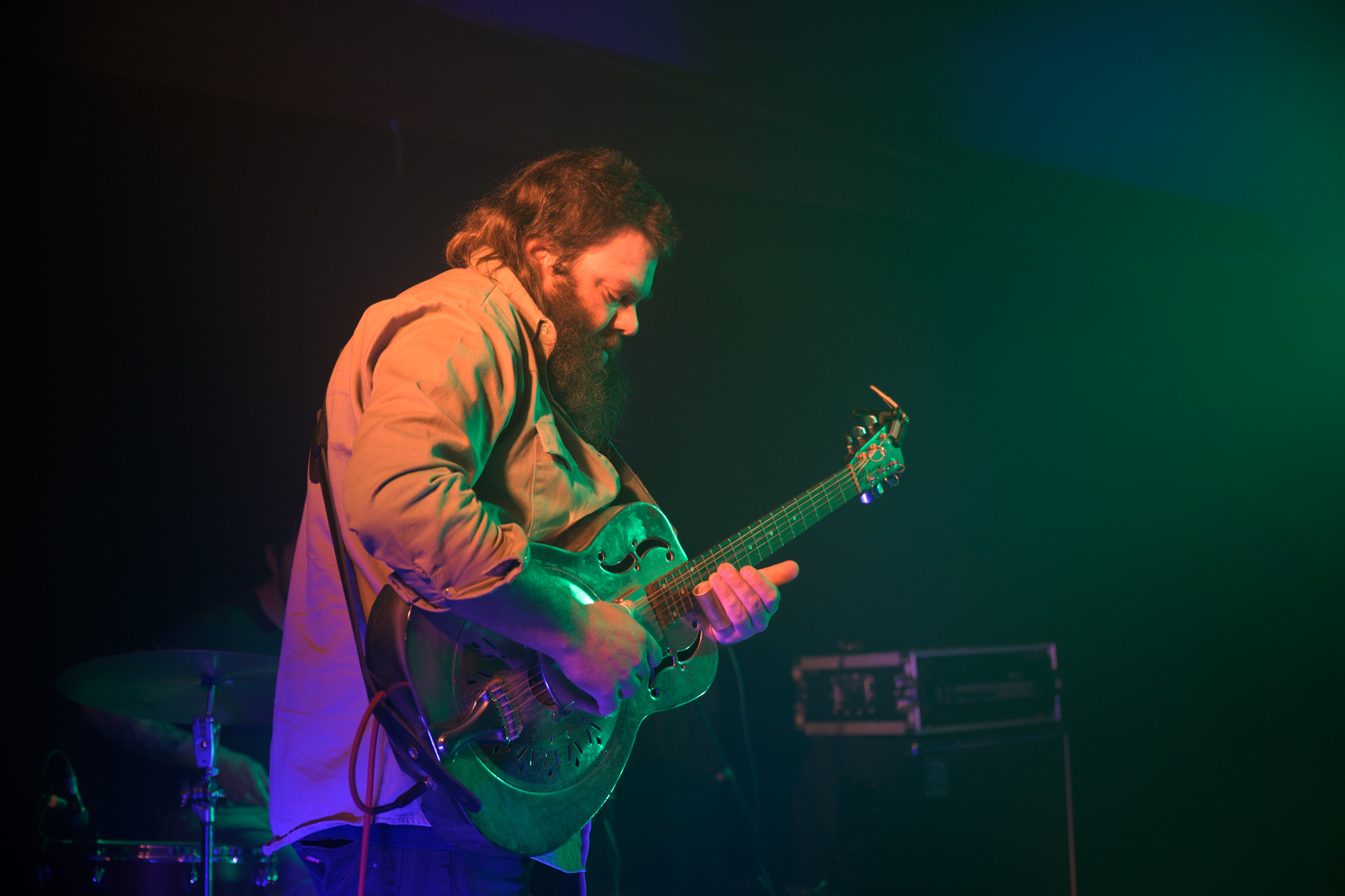
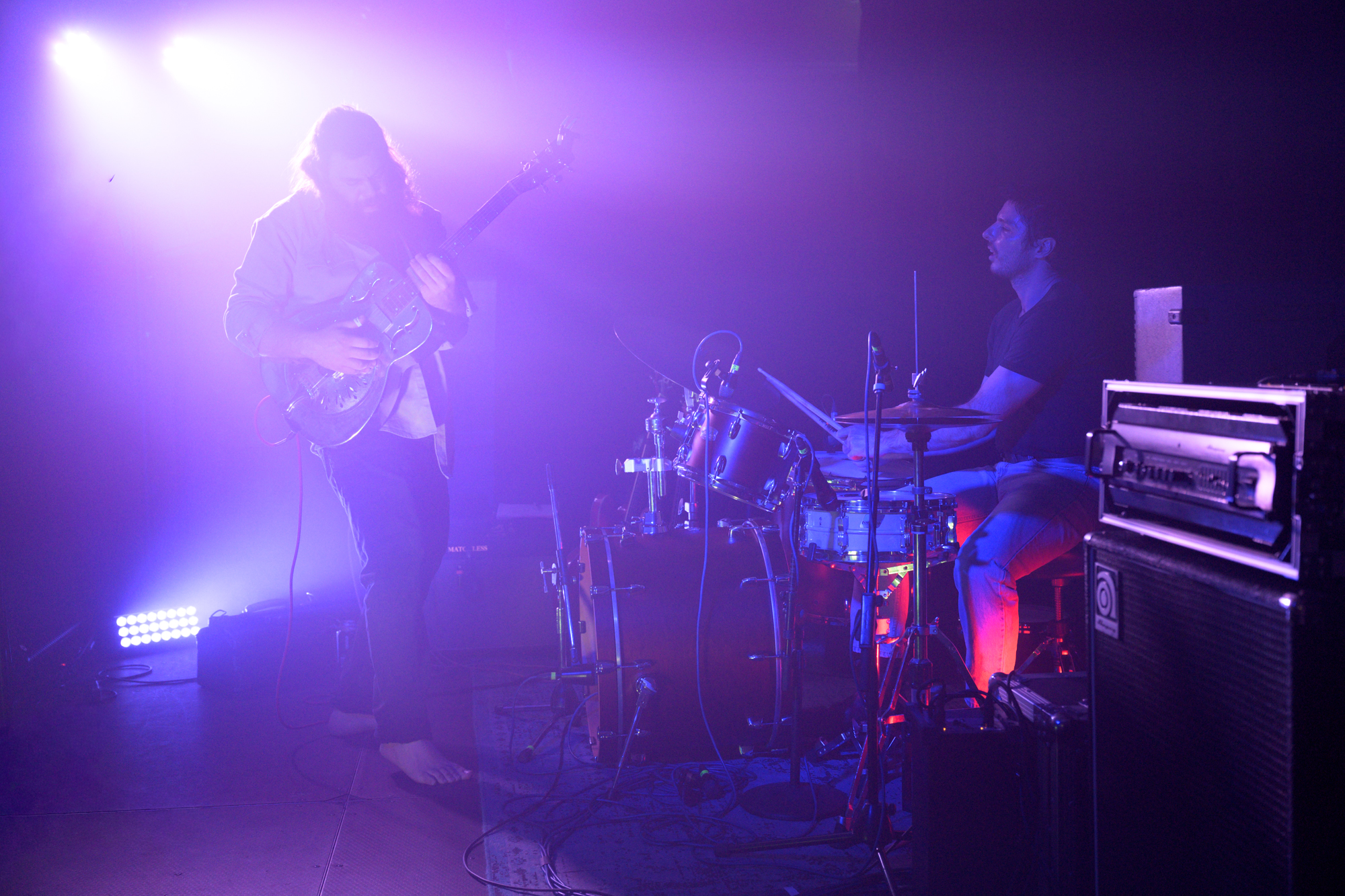
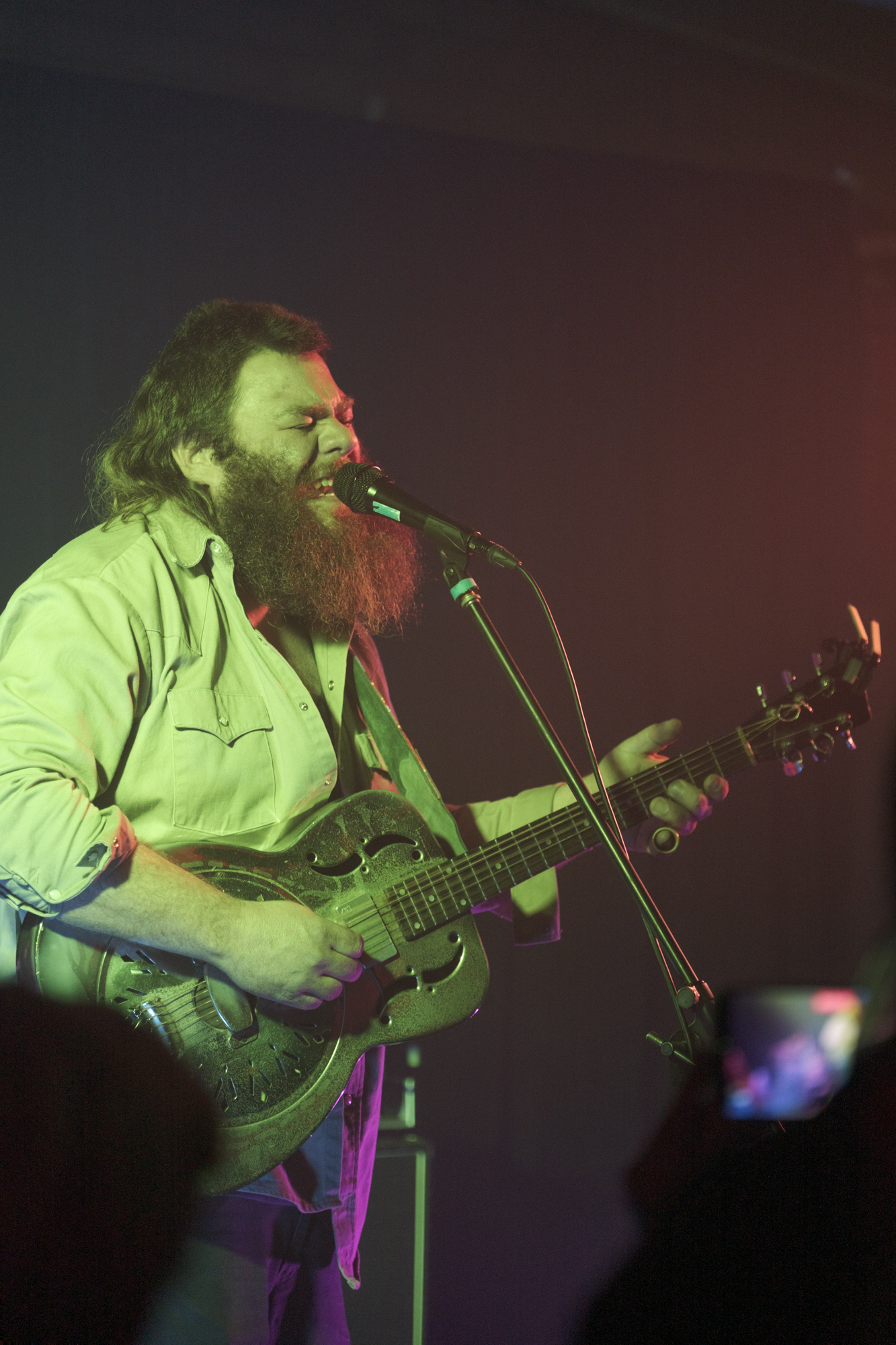
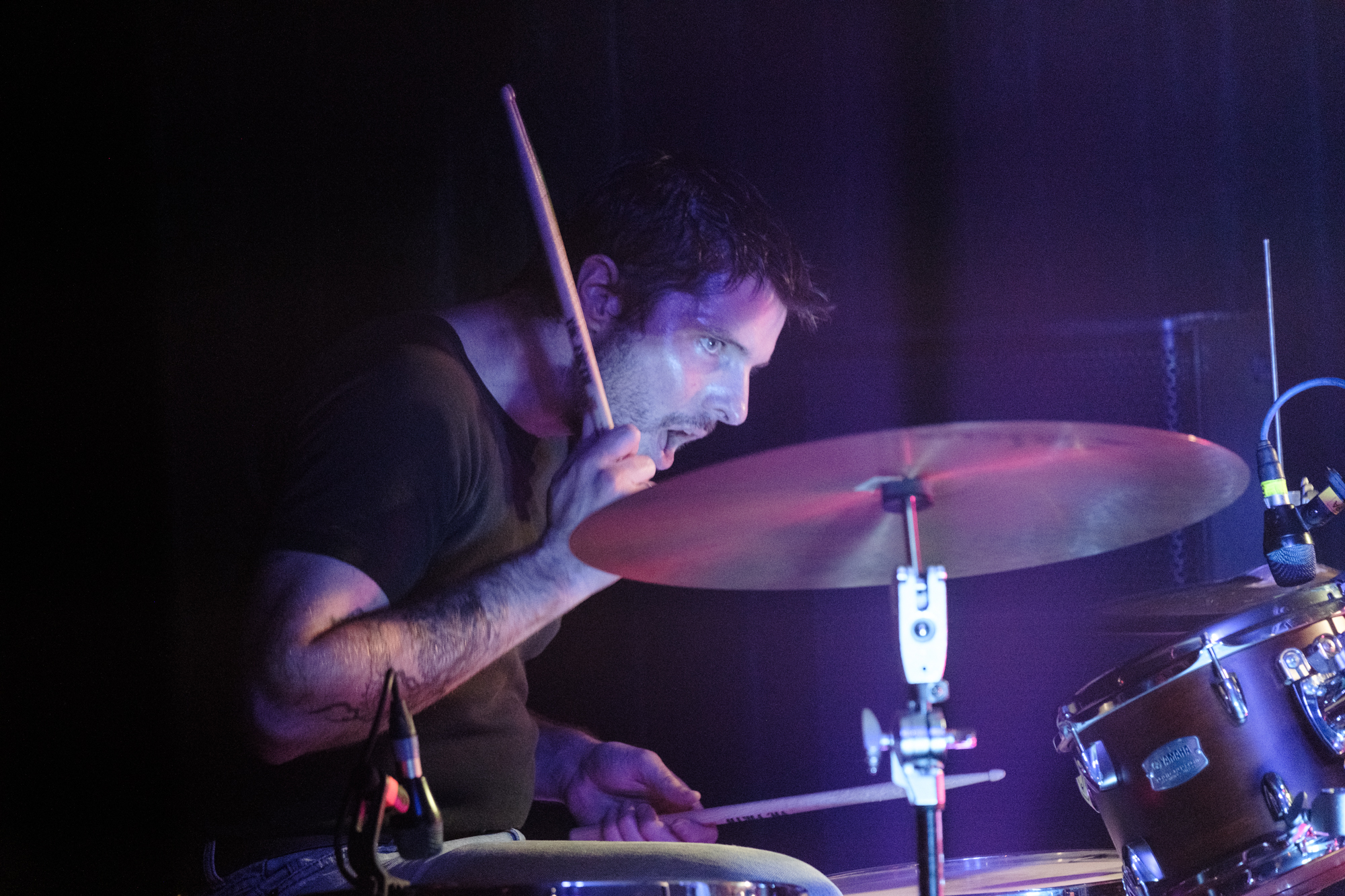
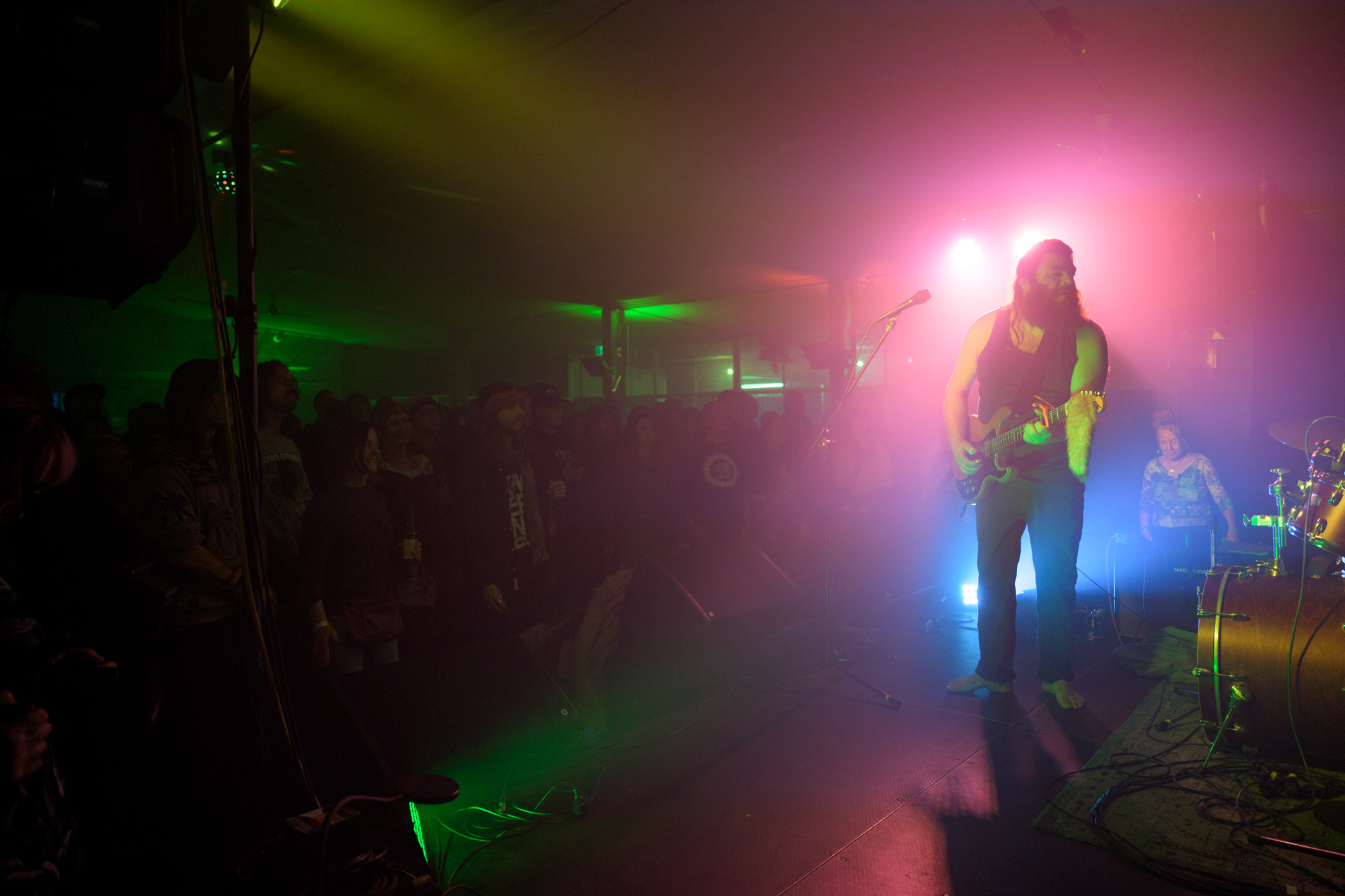
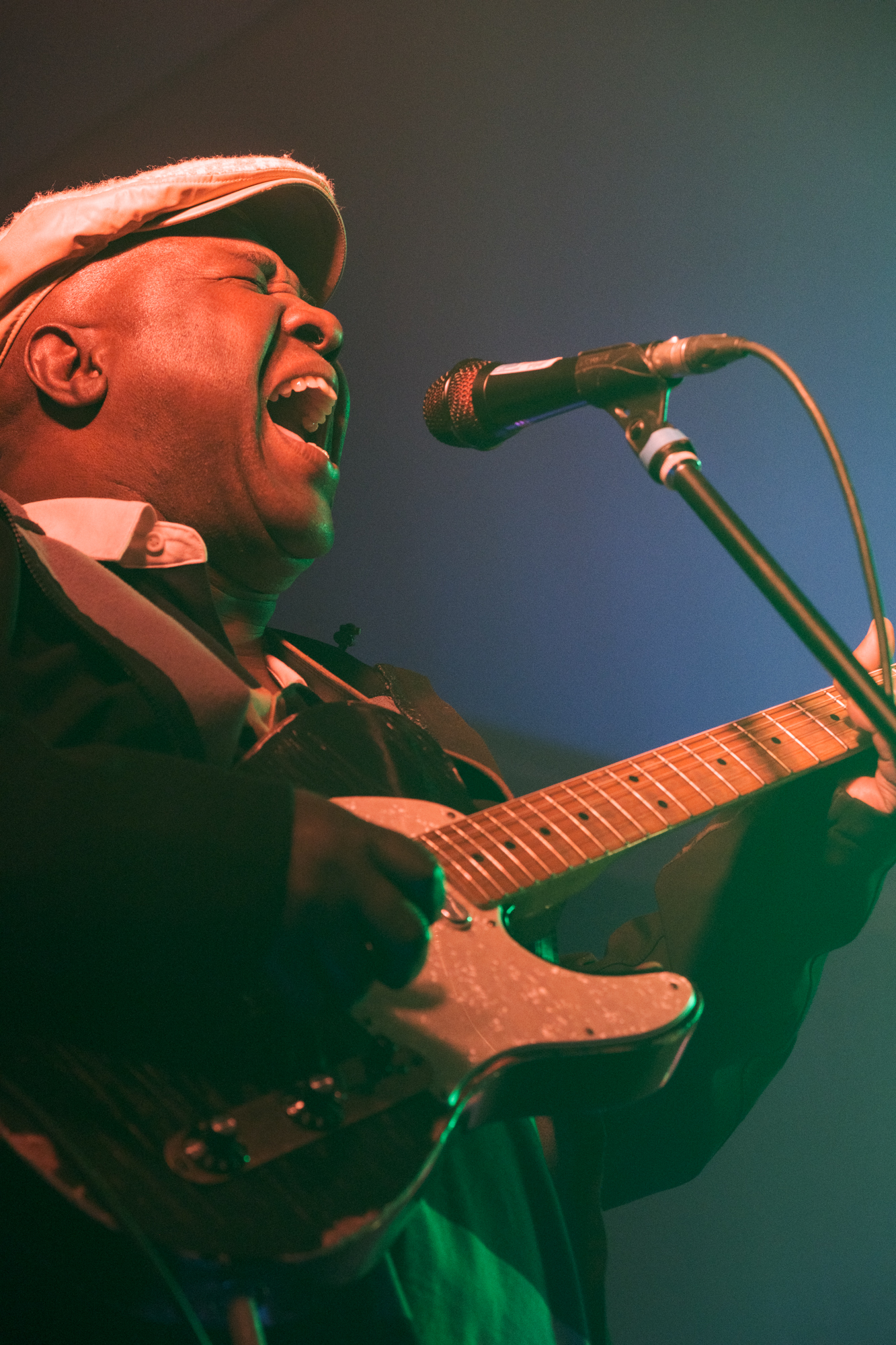
Lightnin Jack, by contrast, had no such identity crisis. As a duo of guitar and drums, his bluegrass rhythms, bare feet and rhythmic fingerpicking swept up the room, though at this venue I could have thought I had teleported to a school barn dance of my youth. Musically familiar, even Creedence-adjacent, but the foot-stomping arrived honestly.
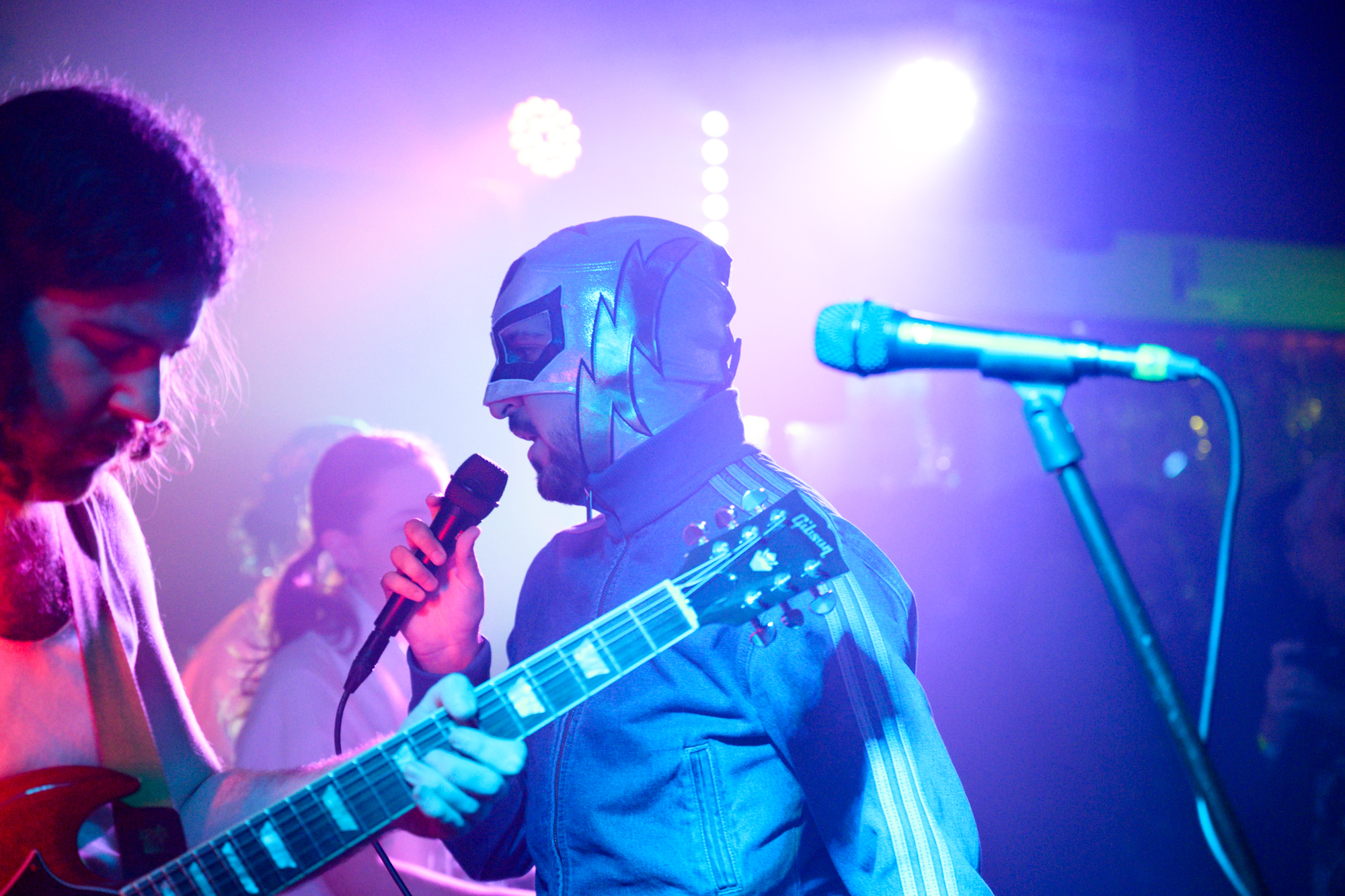
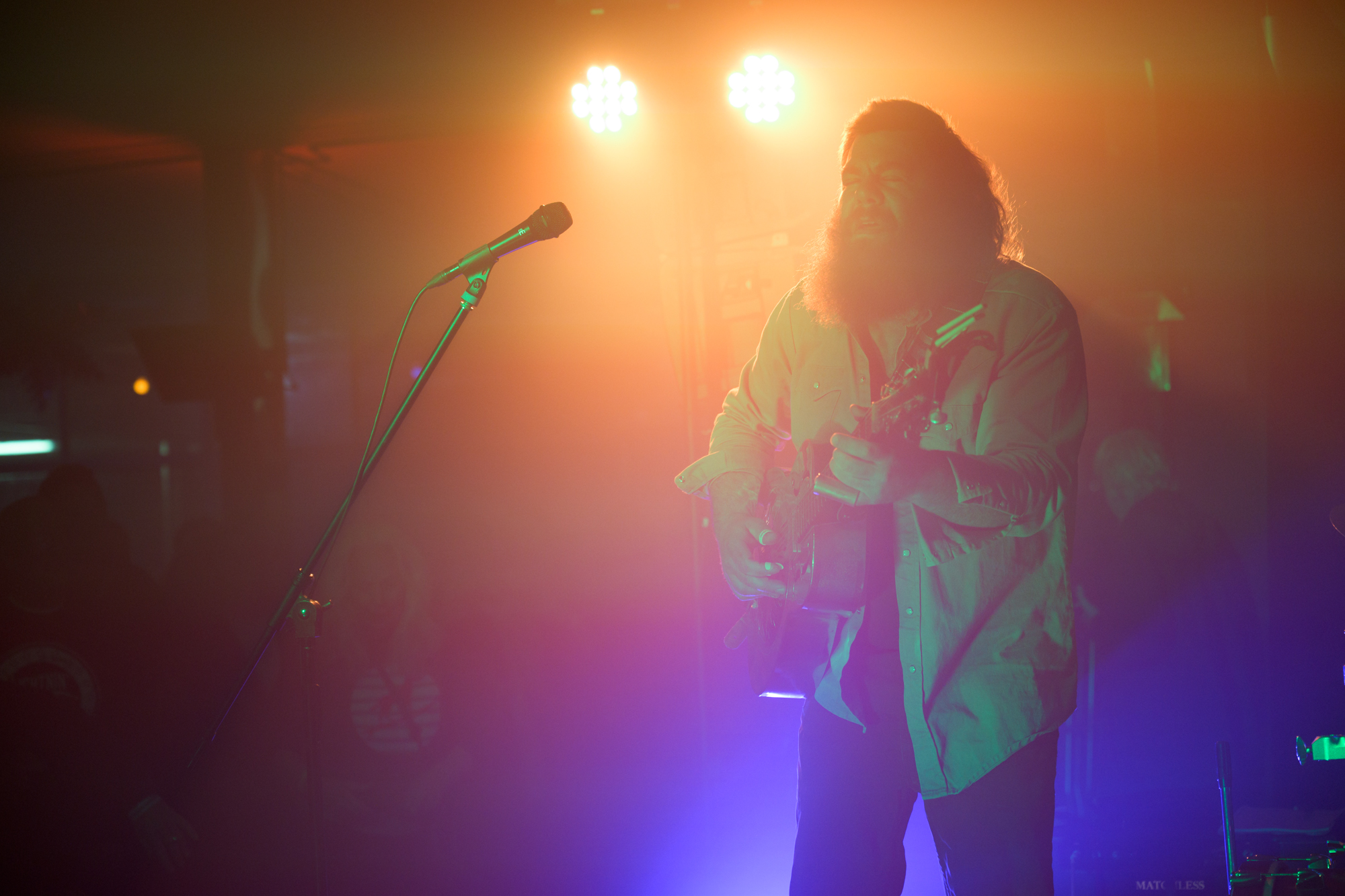
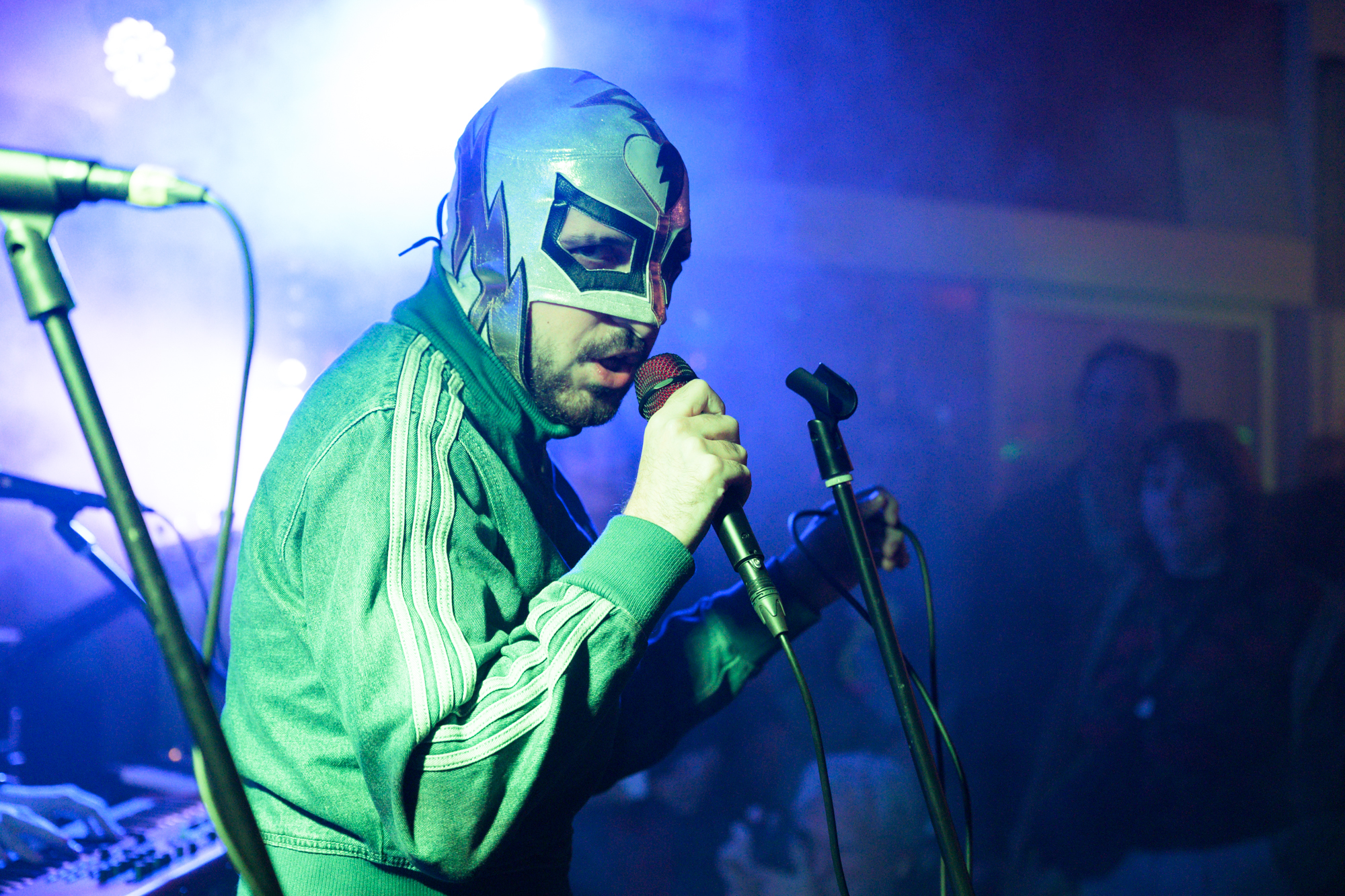
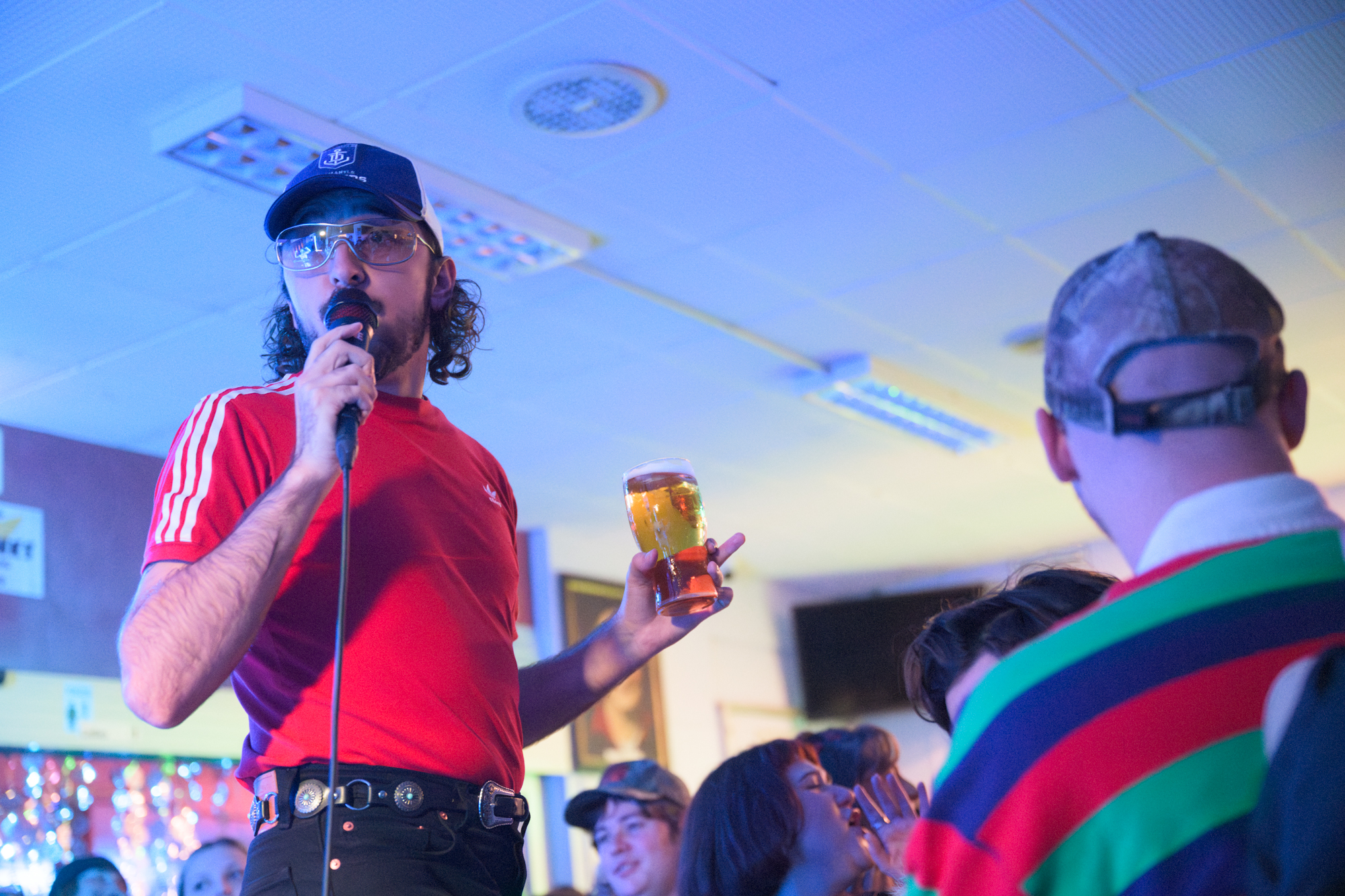
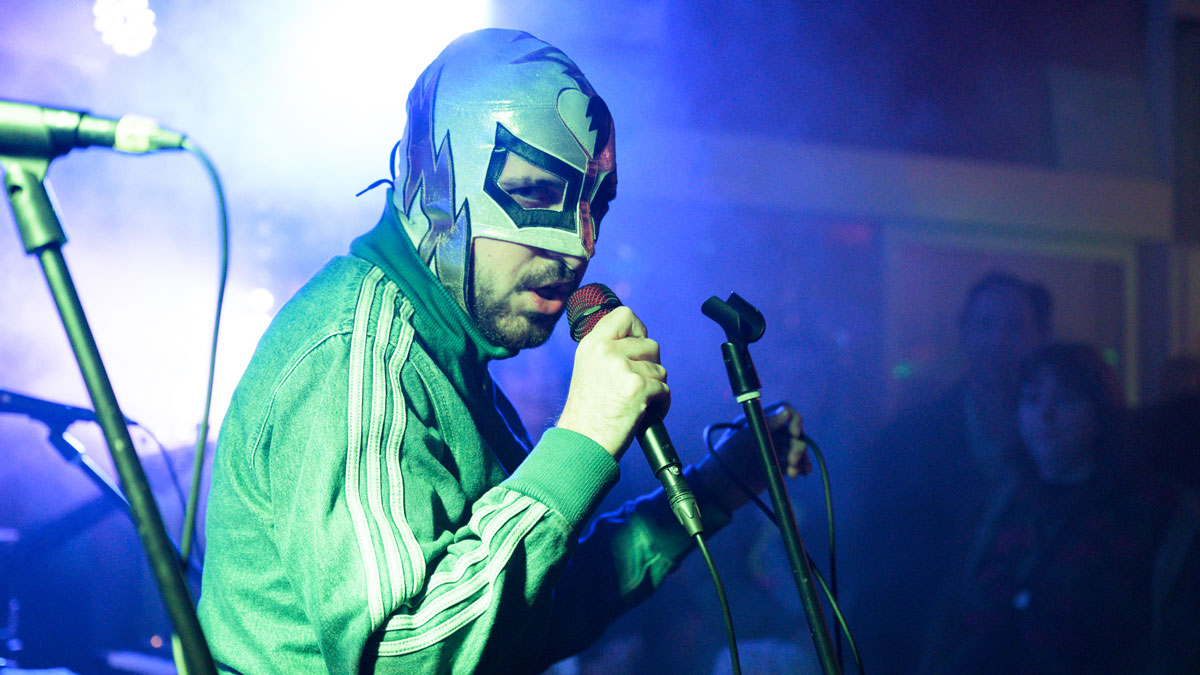
Back in the Bar, Ricky Neil Jr understood how to make a small room feel worth conquering. His band appeared in coordinated white before Ricky arrived in a silver wrestling mask. If anyone else had claimed “main character energy” in advance, this was the corrective. His voice was not always the strongest instrument in the room (courtesy a tight win by the Dockers on the Bar’s TV earlier that eve), the lyrics were not always novel, but his crowd work was a gift: mask whipped off, crowd-sourced Dockers hat on, faux-fur scarf deployed. A cover of Robbie Williams and Kylie Minogue’s Kids leant knowingly into party-karaoke territory but with enough self-awareness to feel smarter than a pub cover band nod.

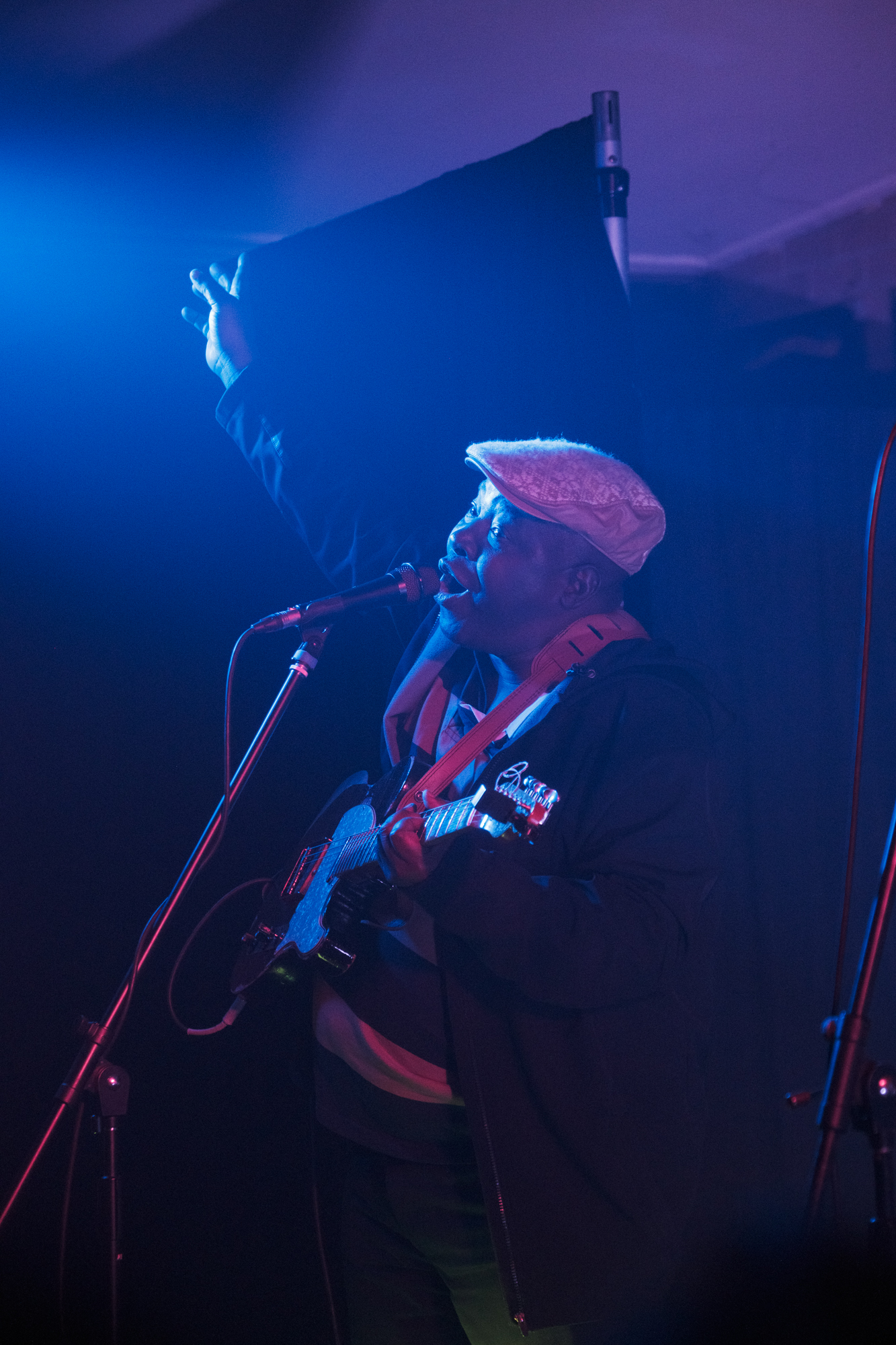
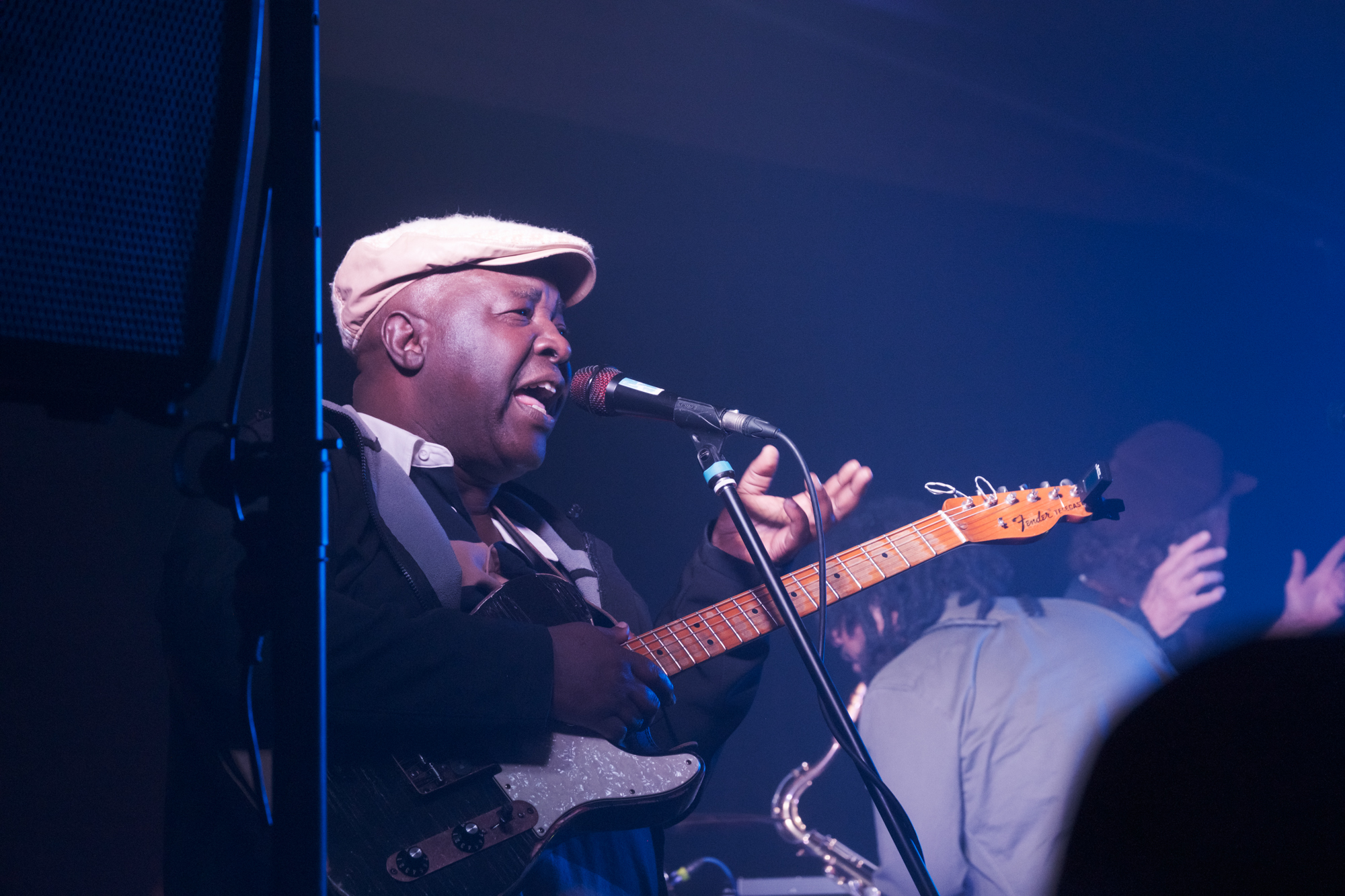
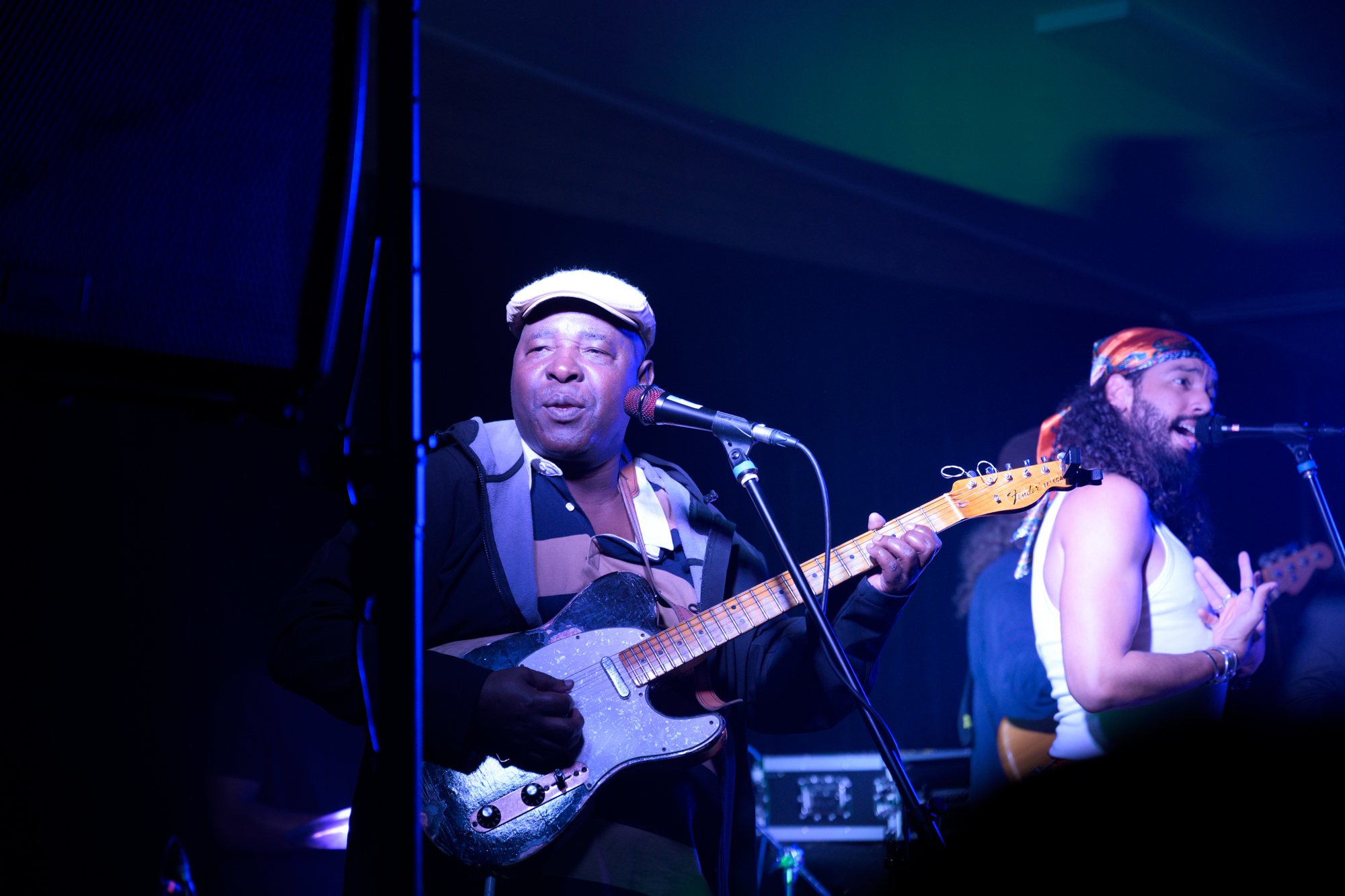
The night closed with Zukhuta & Friends, absent from the online lineup but instantly at home in the Hall. With a huge sax presence, the band shifted into Afrobeat celebration, shoulders shrugging and feet sidestepping on instinct. Vocal lines were shouted more than sung; drums folded extra beats into impossible spaces. When call and response opened between stage and floor, it was not a gimmick but an exchange.
As a second outing for this year’s Hidden Treasures model, Hilton did not repeat North Fremantle’s pleasures but offered different questions: Does “hidden” mean overlooked or simply endorsed by the right people? Who gets framed as hidden, and who gets to do the framing? The night occasionally suggested a fractured scene talking to itself but also showed why scenes matter: not as closed circuits of endorsement but as the messy social infrastructure that can stretch a bowling club beyond novelty into something worth fighting for.
CAT LANDRO
Photos by Adrian Thomson