Review: Jacky at Subiaco Arts Centre
Jacky at Subiaco Arts Centre
Tuesday, November 3, 2026
Jacky arrived at Subiaco Arts Centre last week, a joint production between Black Swan and Yirra Yaakin to round out the 2026 season for both theatre companies. Primarily an exploration of how one young Indigenous man navigated between culture and capitalism in contemporary Melbourne, the piece also gave strong commentary on the precarious natures of the gig economy and charity sectors, the moral wear of constant boundary pushing, and the very bad places reductive fetishism can go.
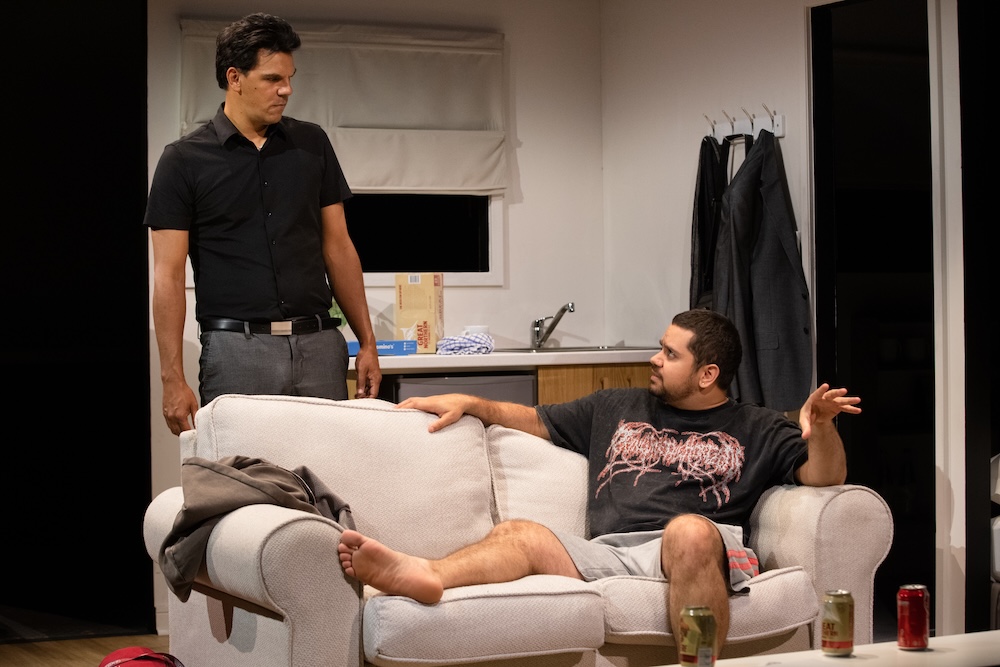
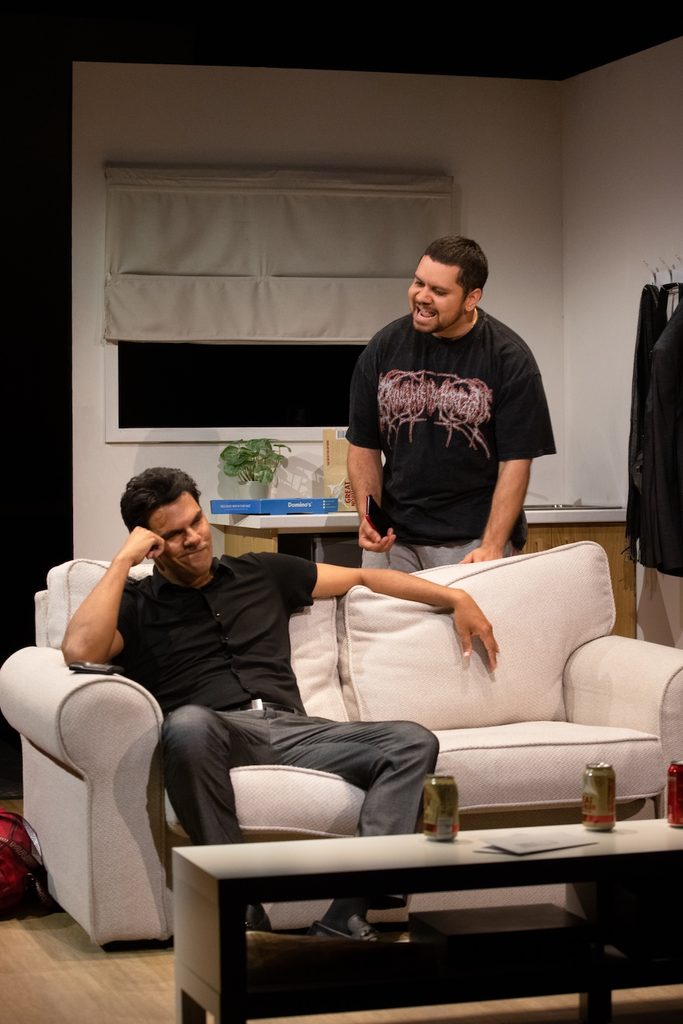
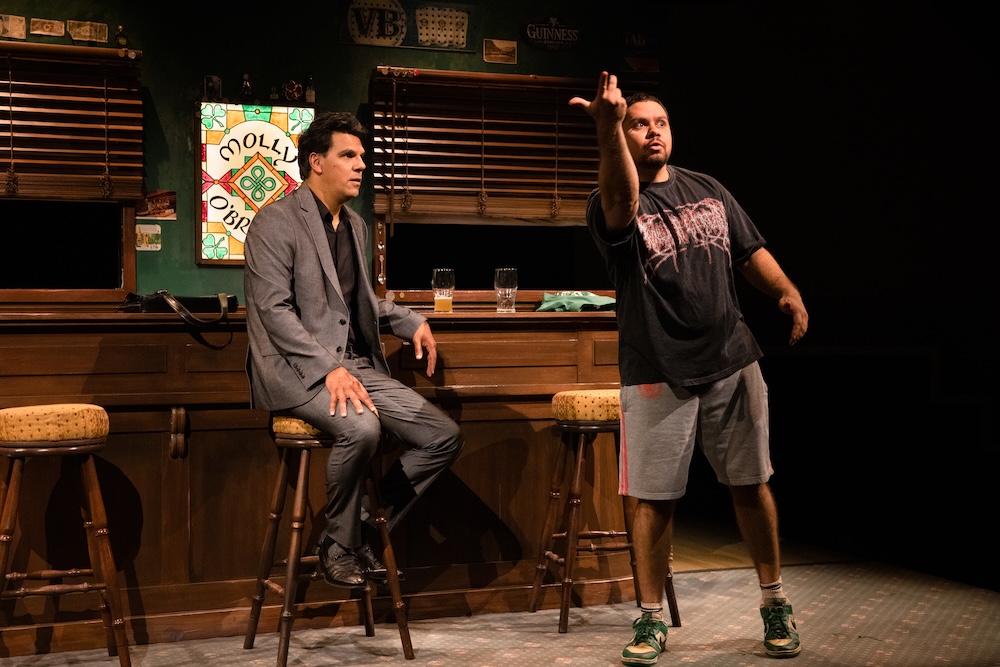
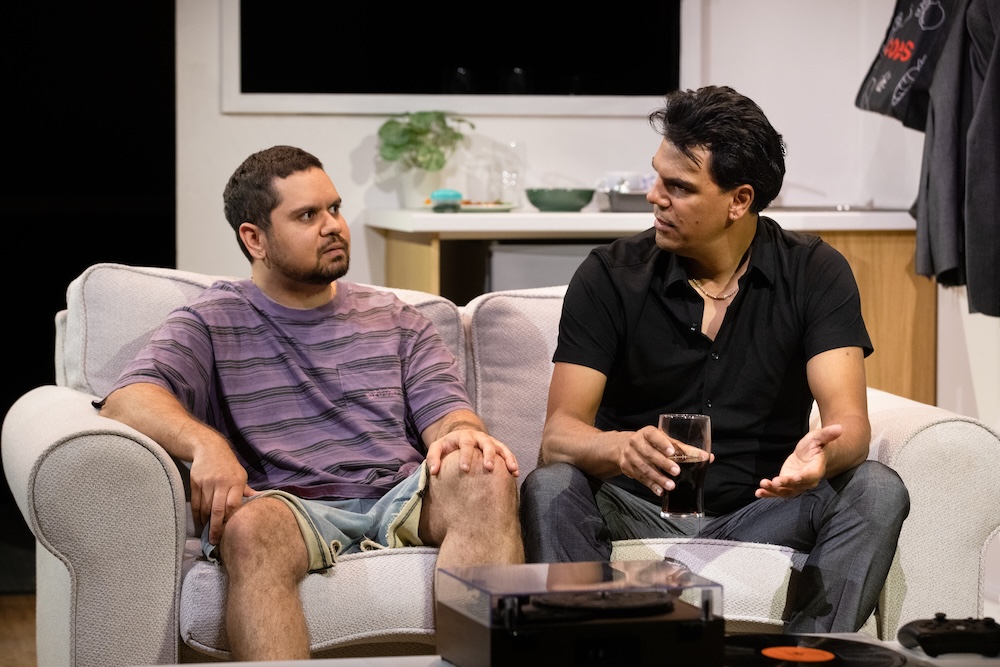
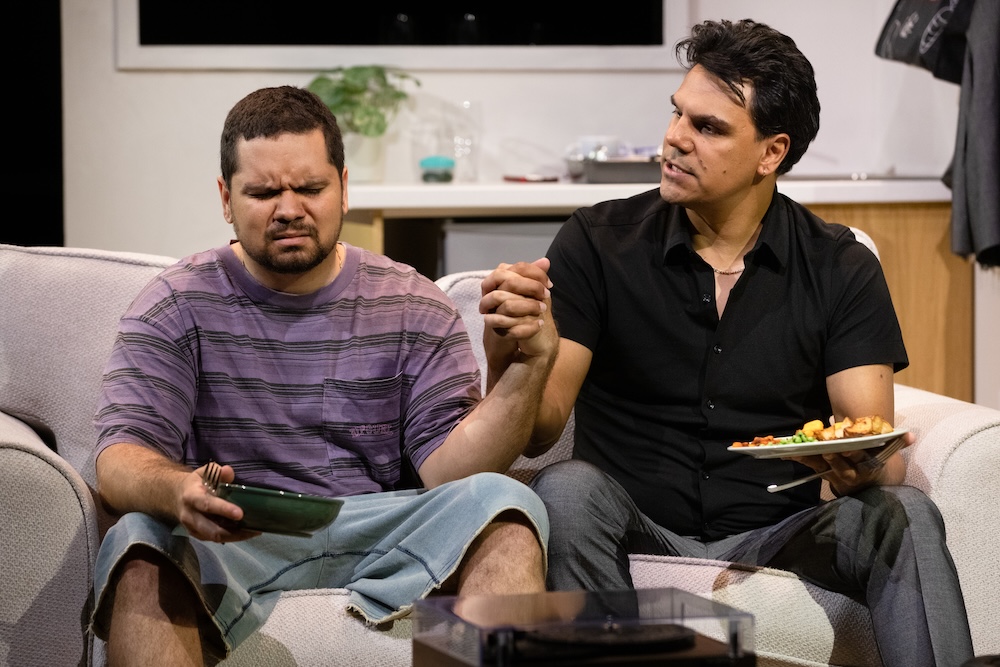
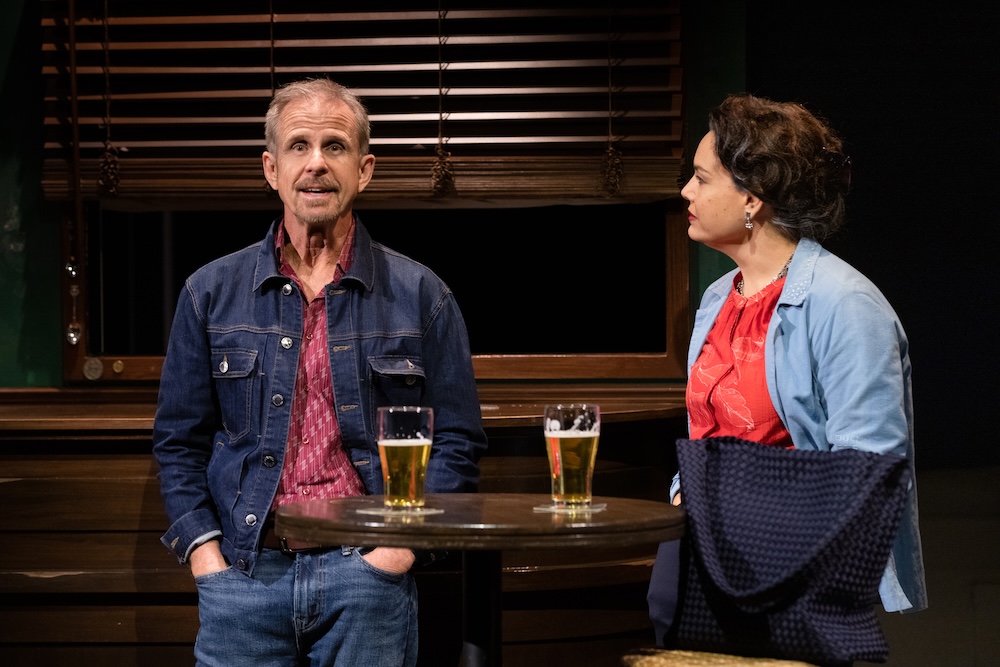
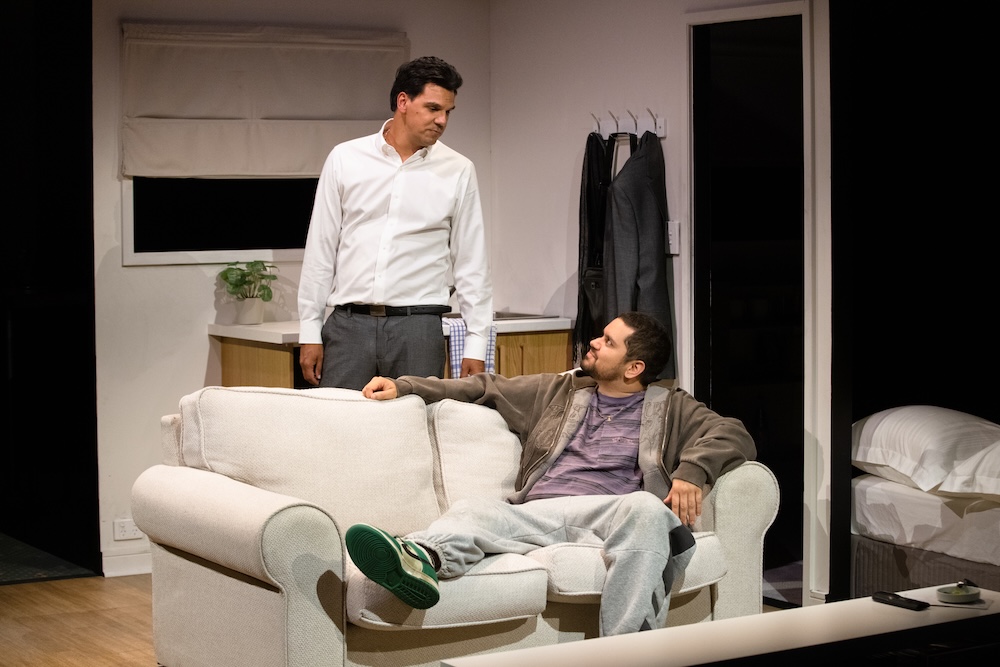
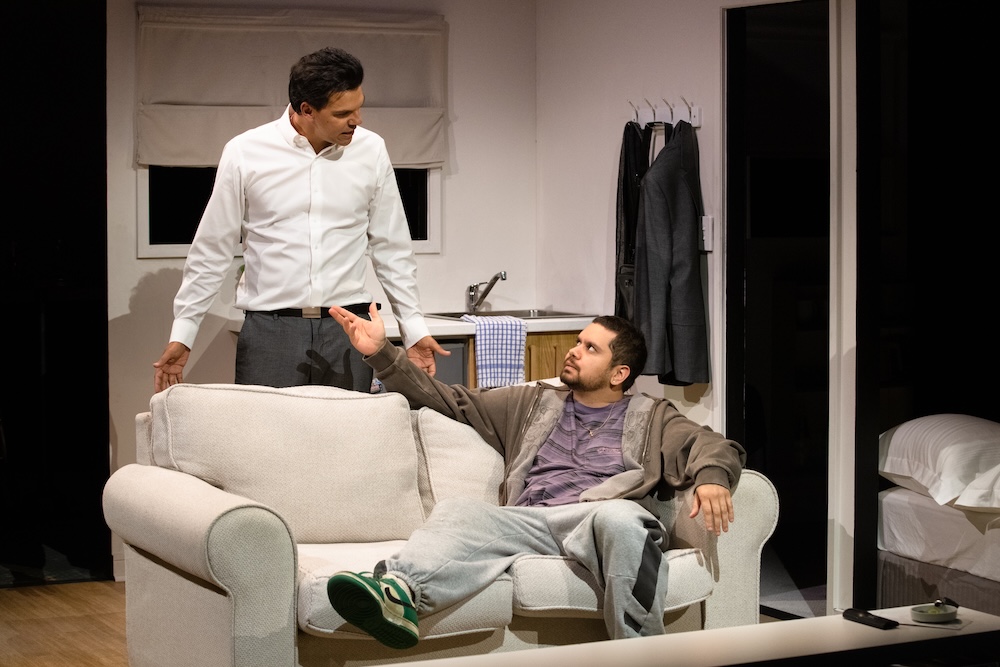
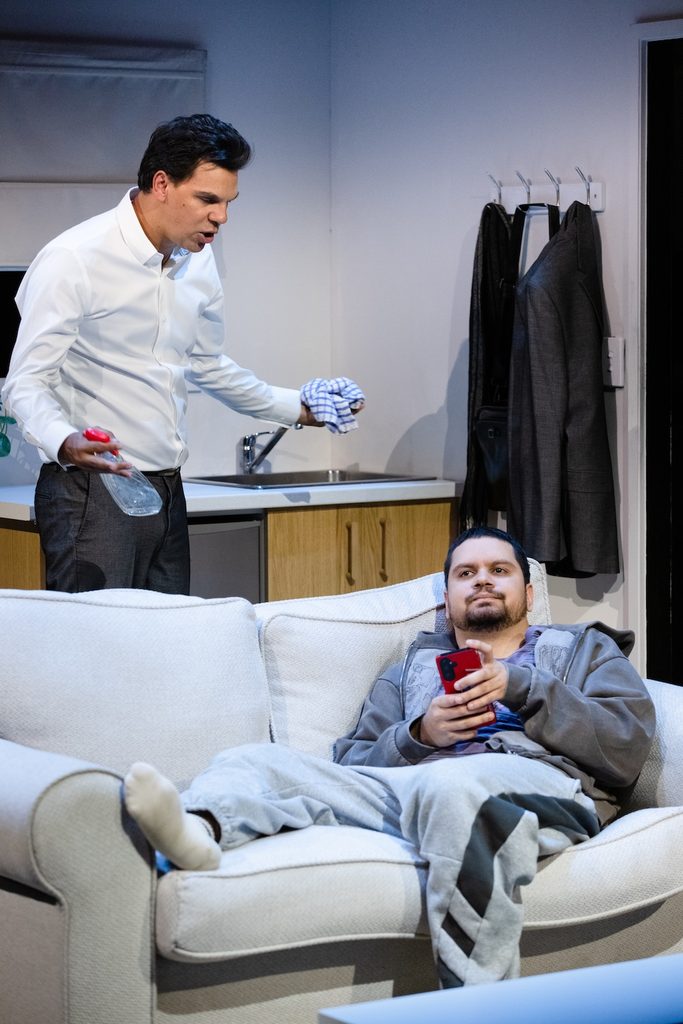
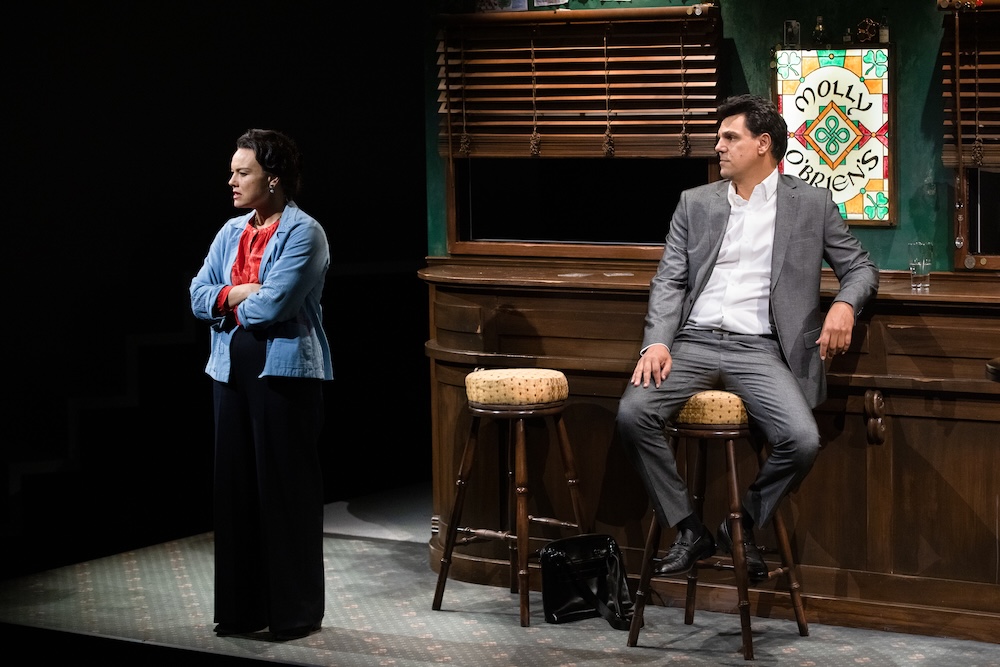
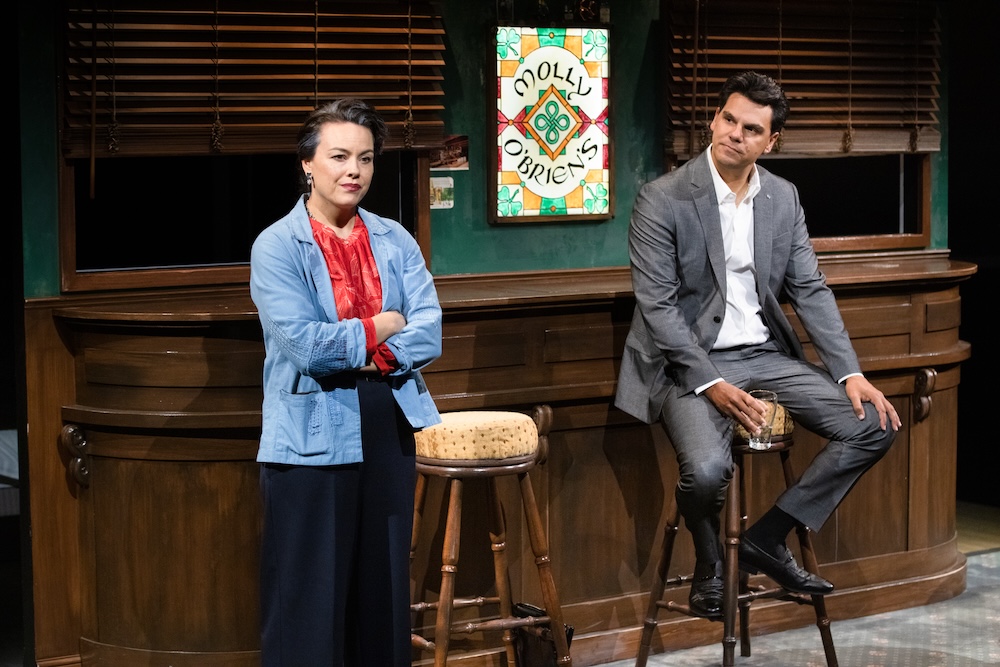
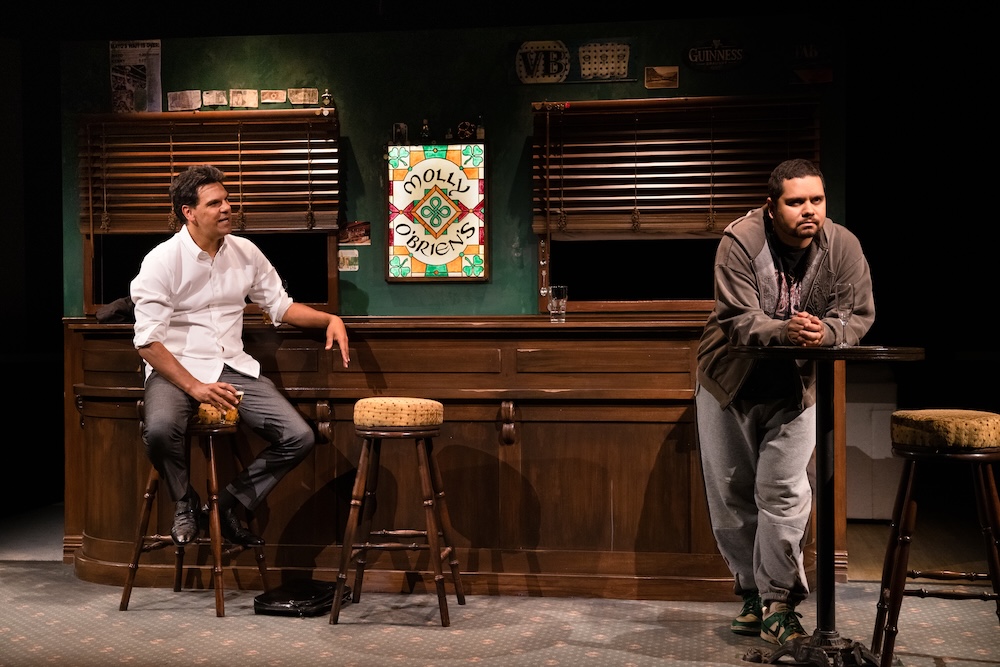
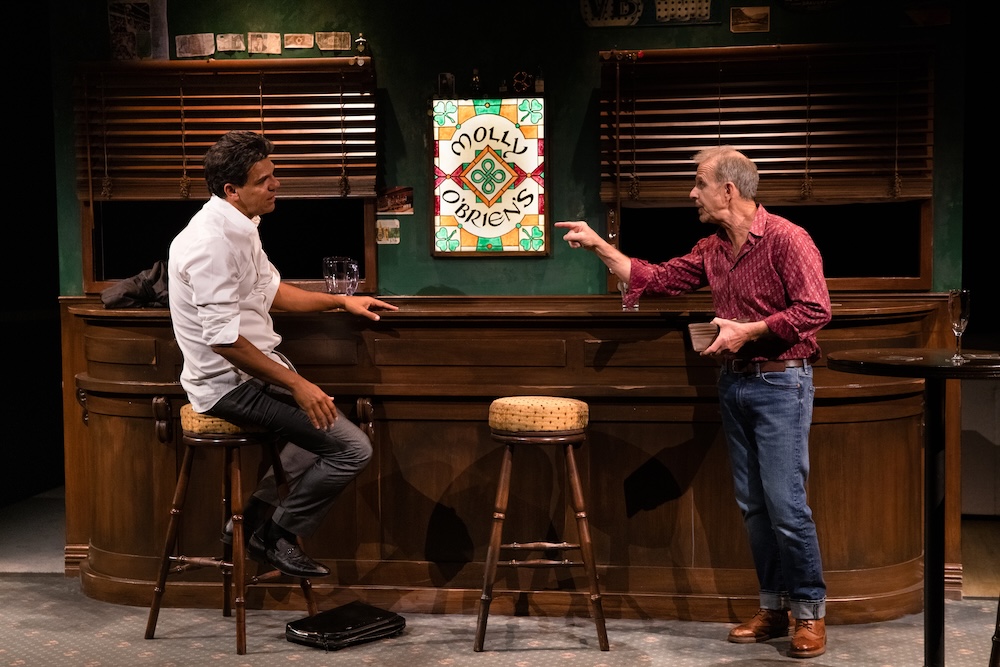
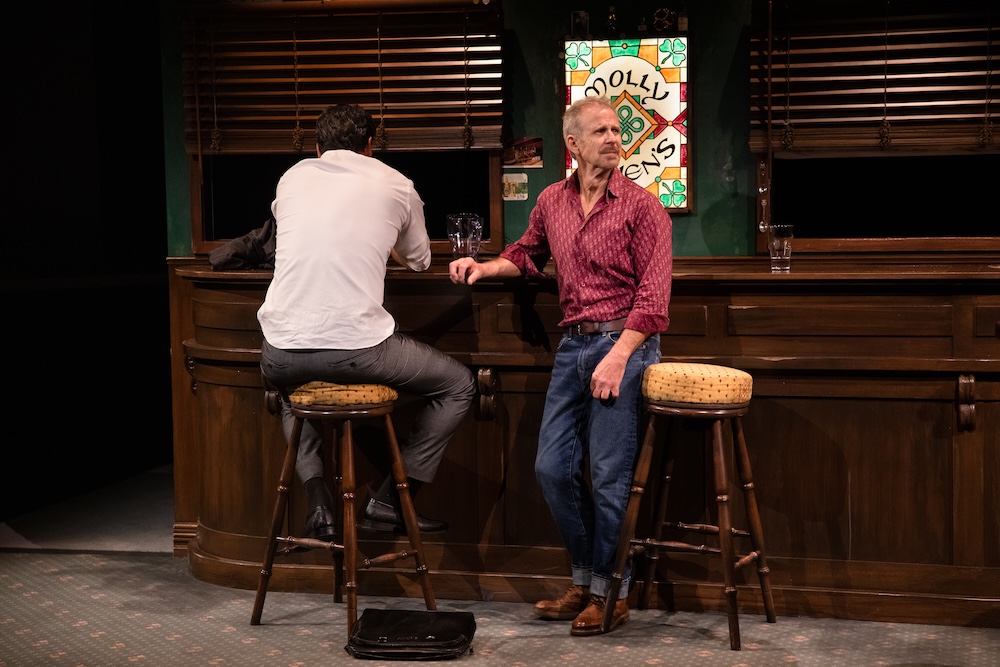
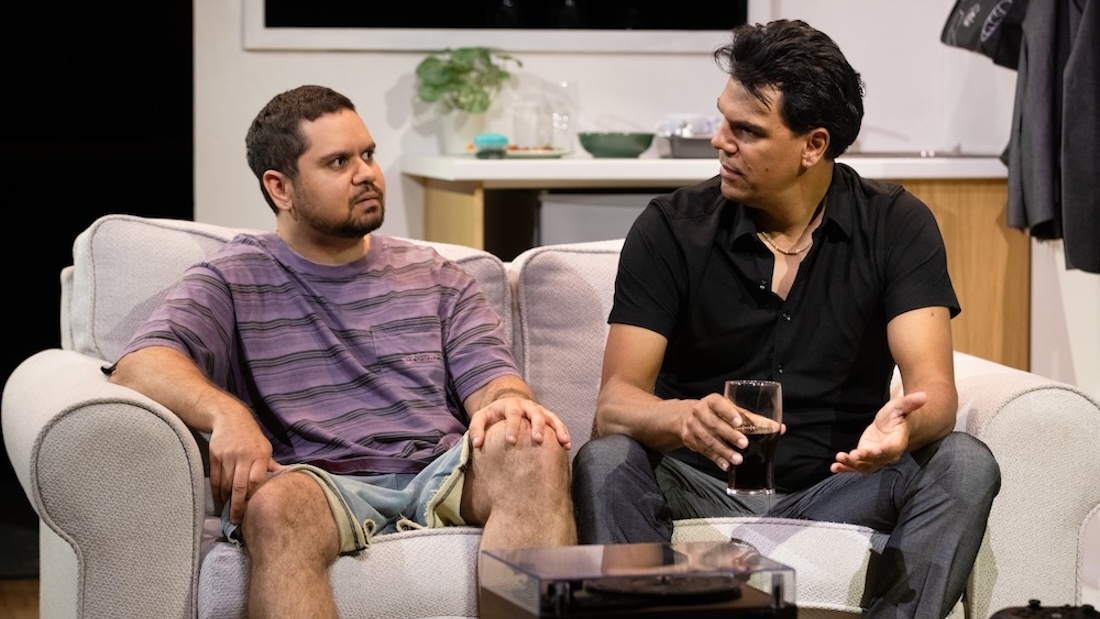
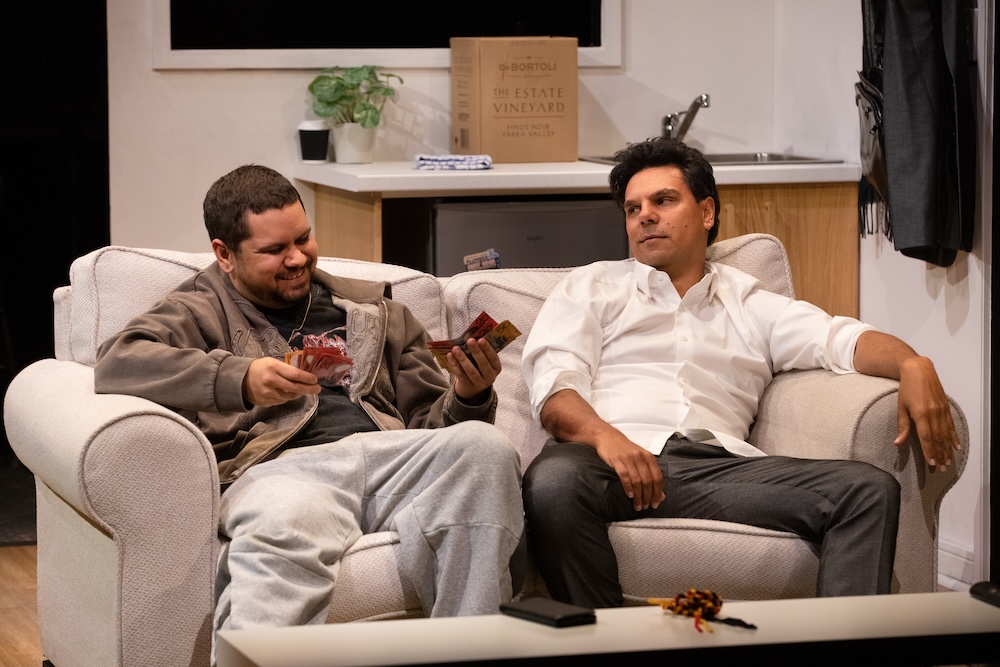
All four characters the audience was introduced to were pushed this way and that by competing demands, each feeling individually powerless when, for the most part, the very opposite was true. The performance opened at Molly O’Brien’s, an Irish pub not too far from the tramline, where Jacky (Ian Wilkes) welcomed brother Keith (Rueben Mongoo) to the big city. Keith had gotten into unspecified troubles back home, nebulously somewhere in far north Queensland, and had been sent south by the family to sort himself out under the watchful eye of his elder sibling.
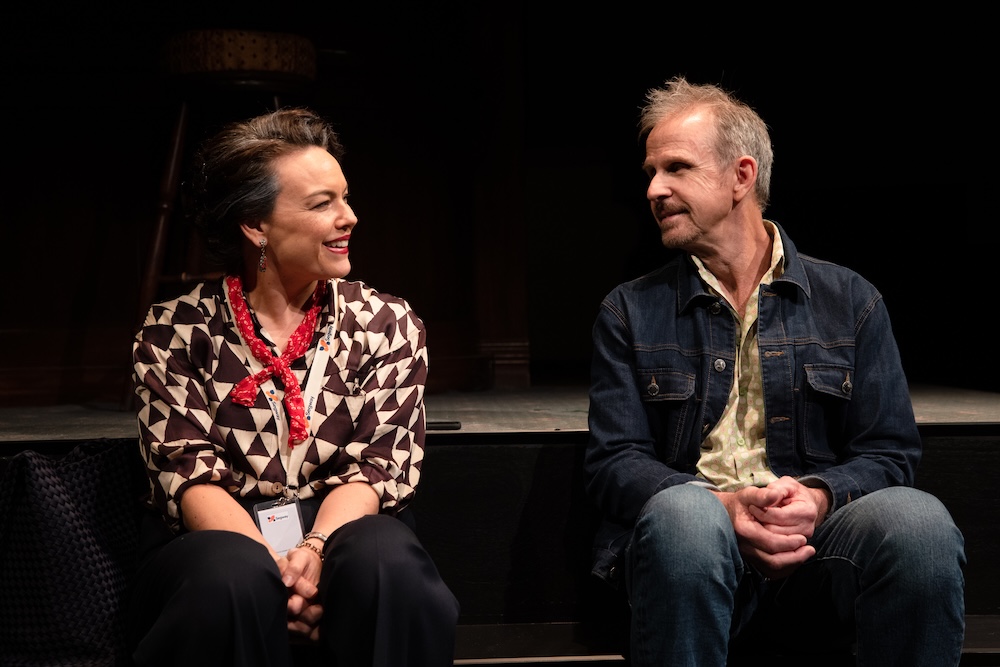
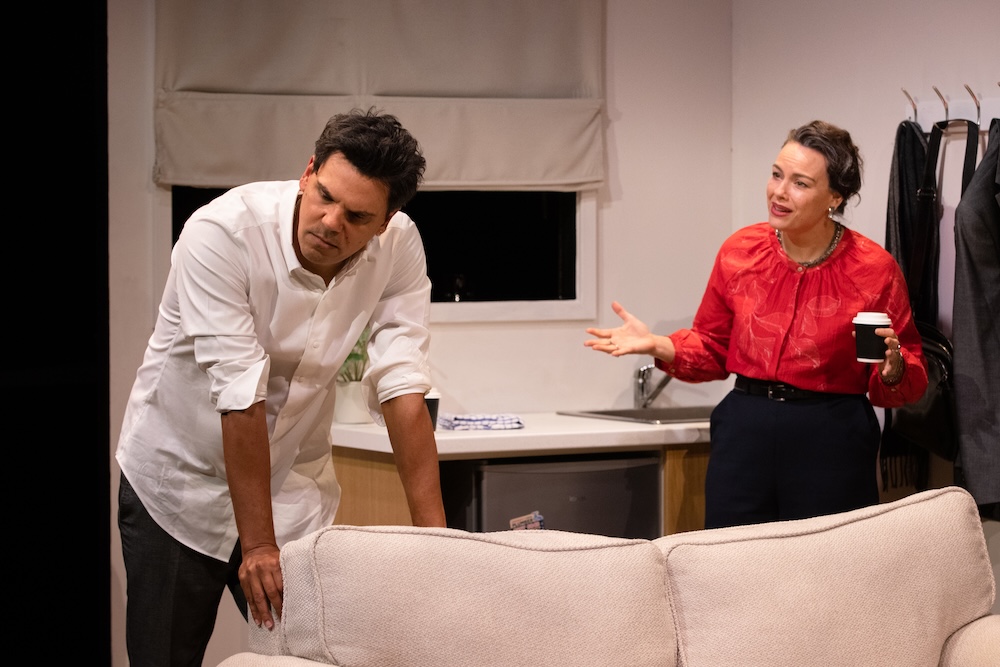
Linda (Amy Mathews) connected with Jacky as the manager of an employment agency rapidly expanded into the multicultural and community sectors. Whilst her intentions likely came from the right place, Linda’s methods to attain her goals were far less savoury, and Jacky became entwined ever deeper into these schemes.
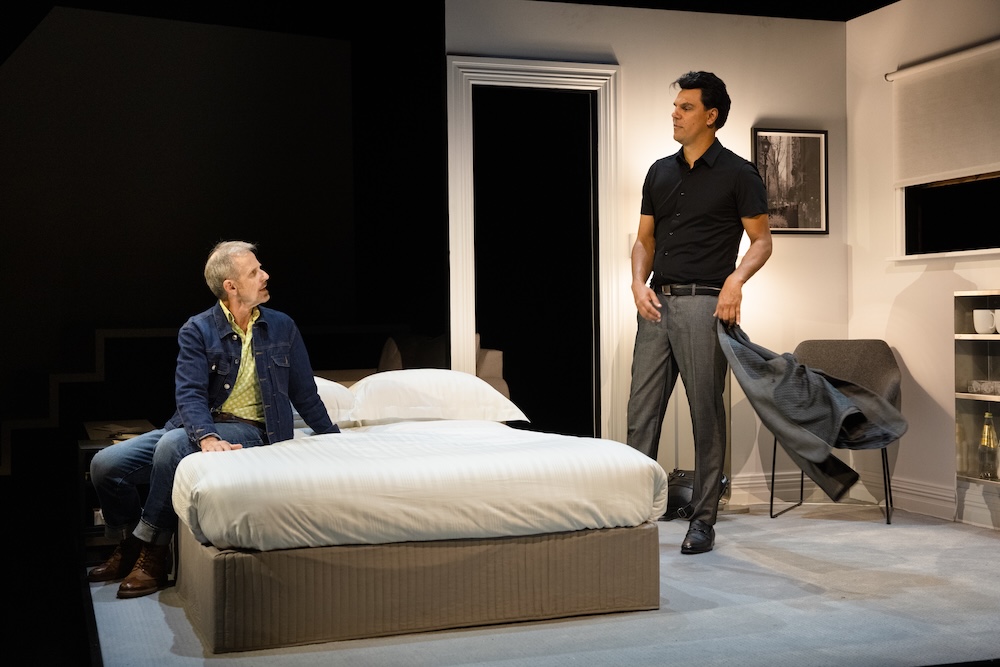
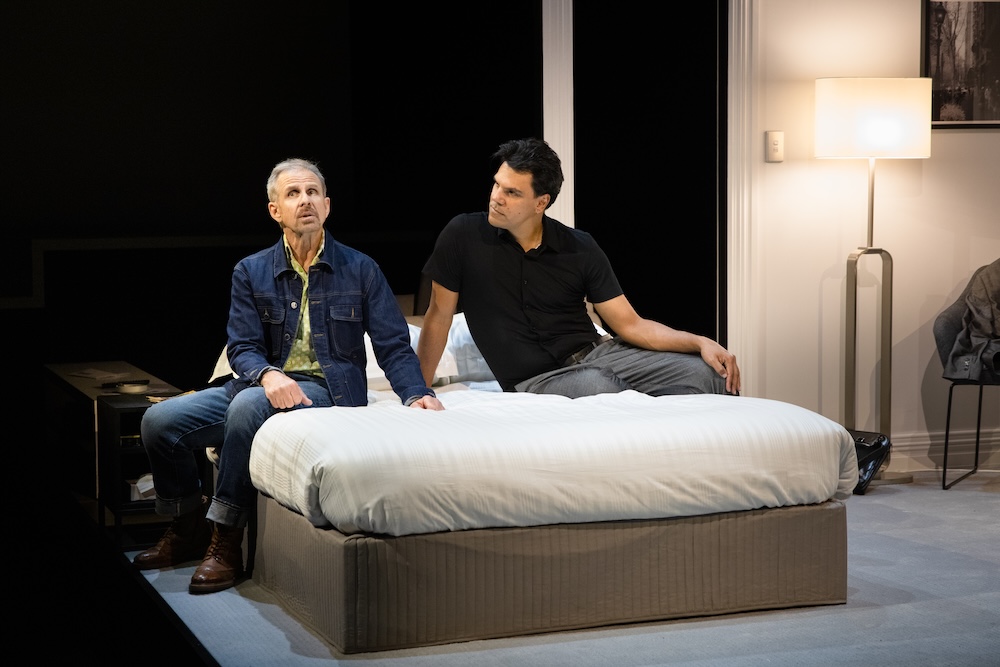
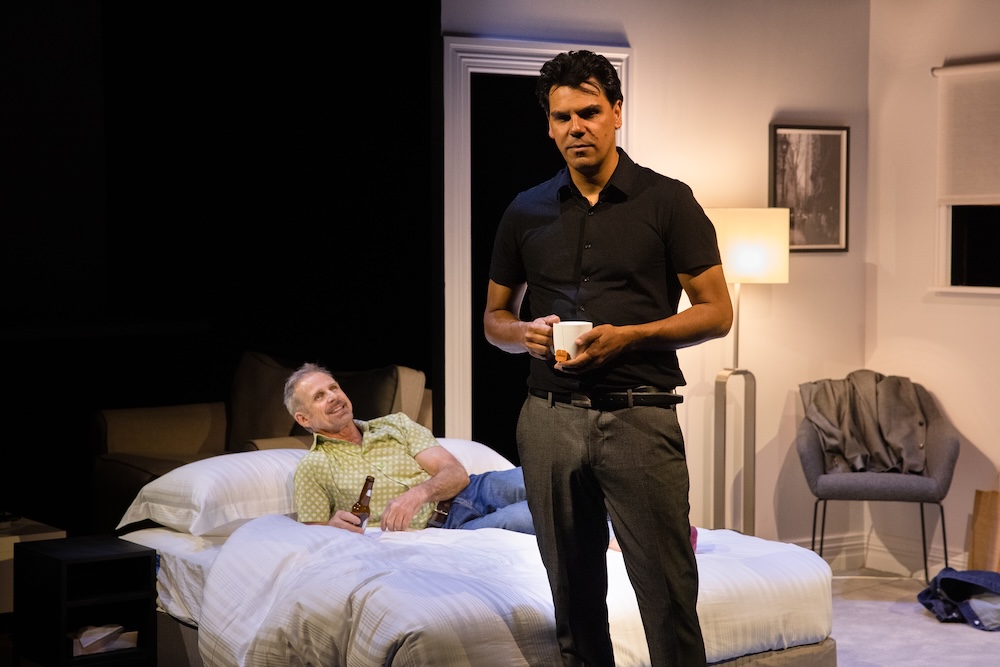
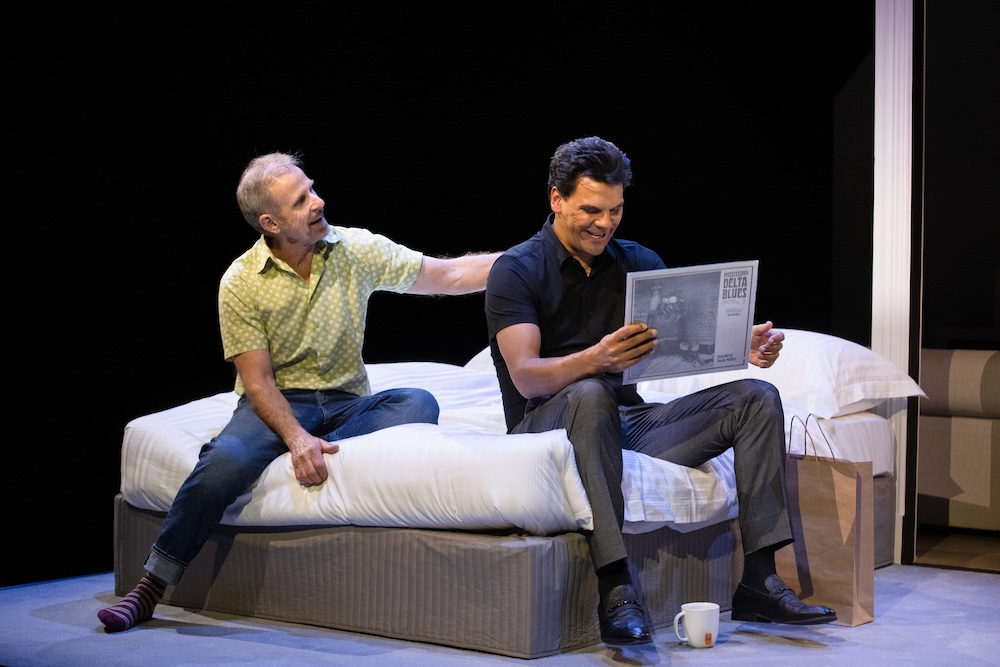
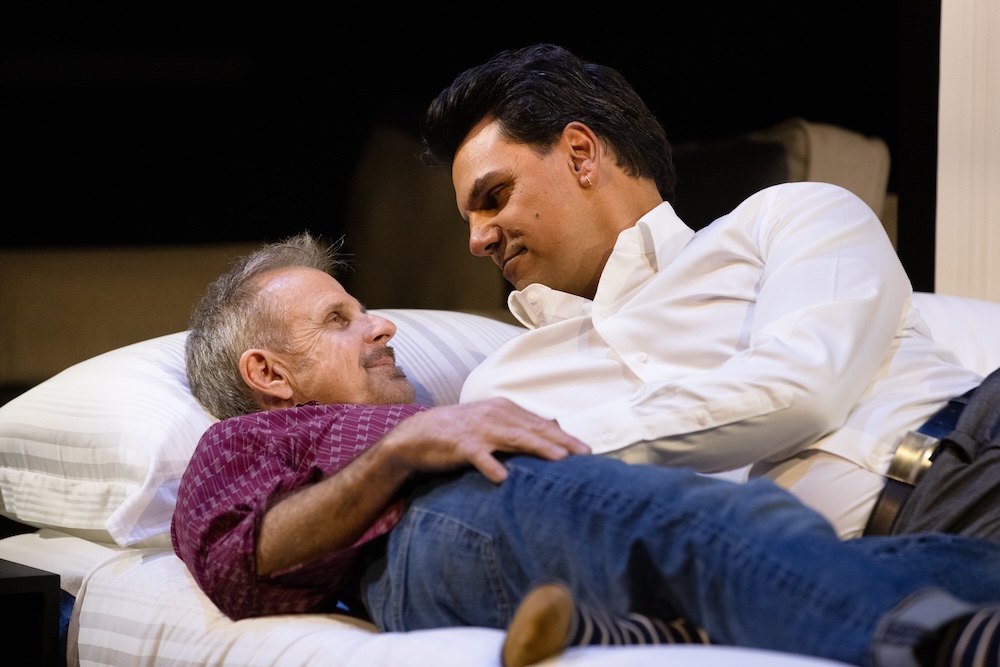
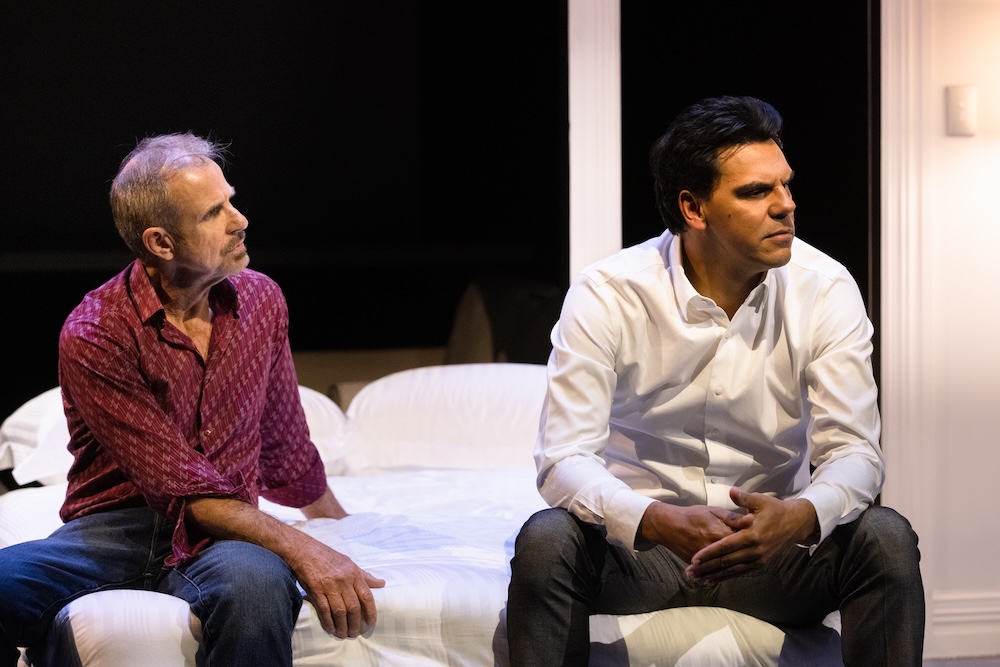
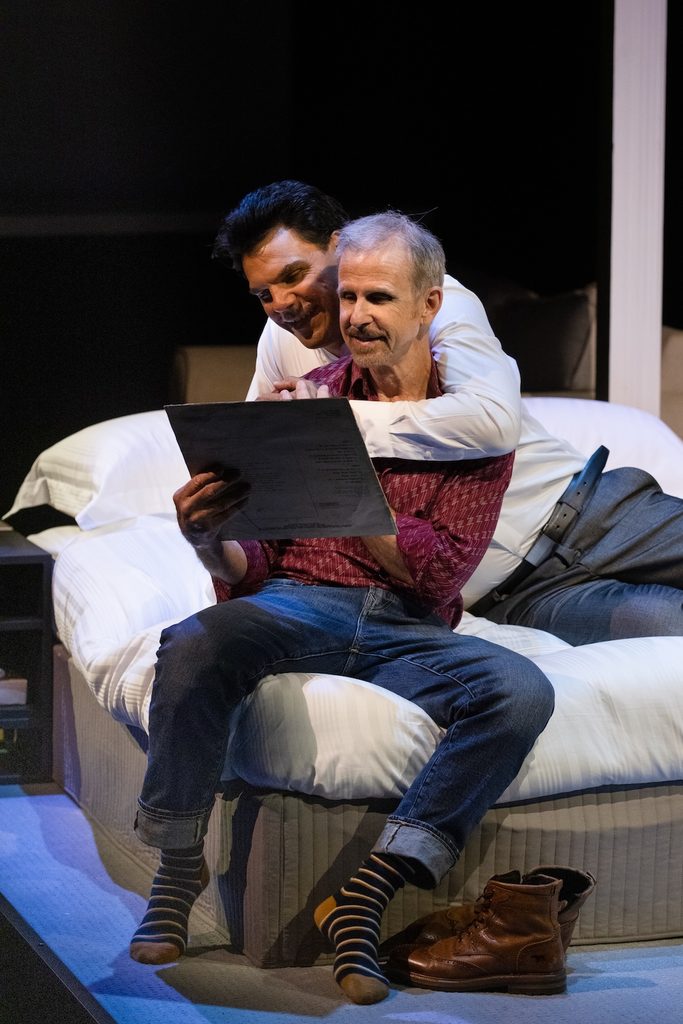
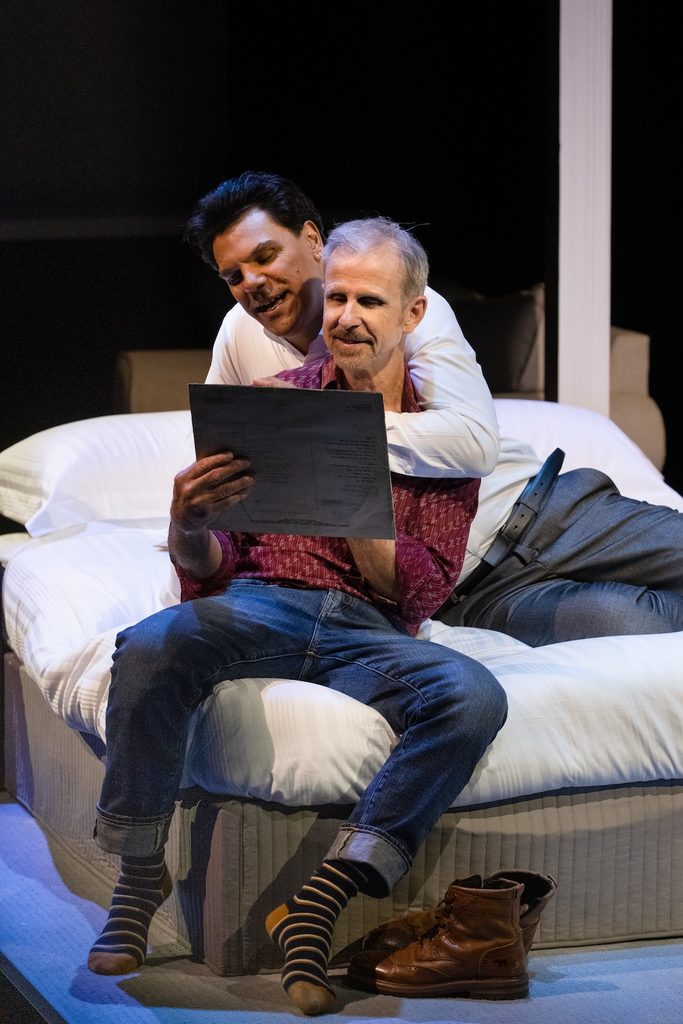
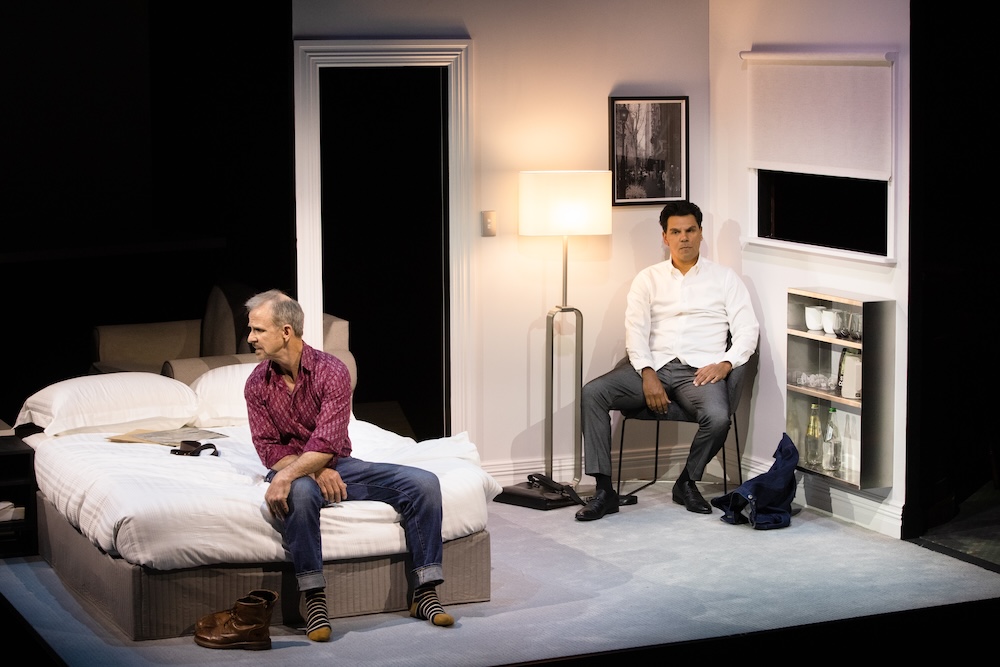
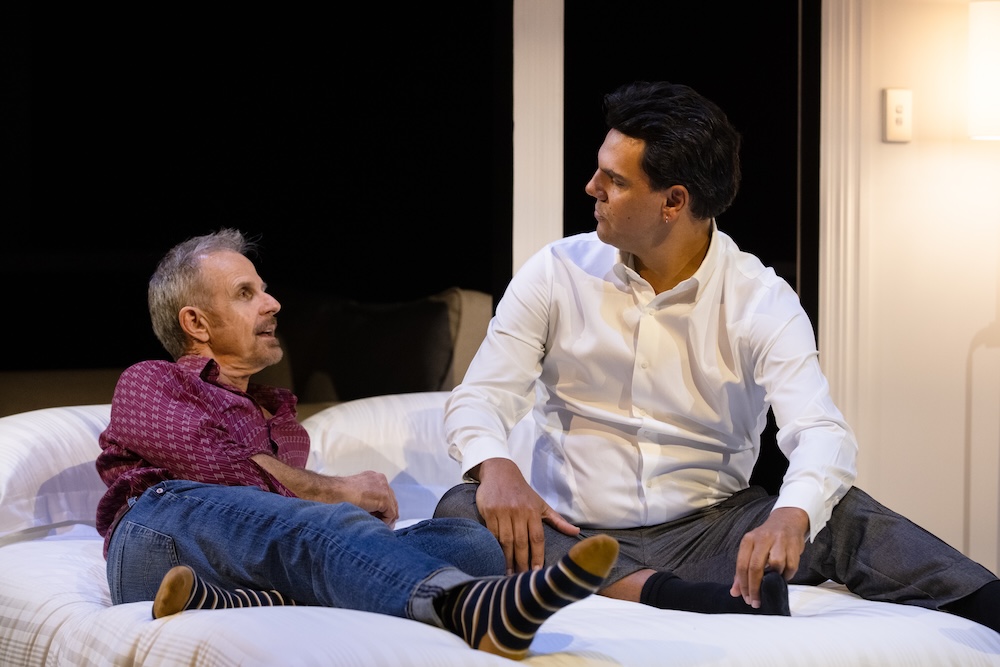
Final character Glenn (Steve Turner) came into the piece confused, frustrated, and angry, a broken man blind to his failings and a walking advertisement for therapy. Against the background of a very messy divorce, Glenn was working through some very specific sexual proclivities with the assistance of Jacky as the sensitive, quiet, yet surprisingly adventurous call-boy.
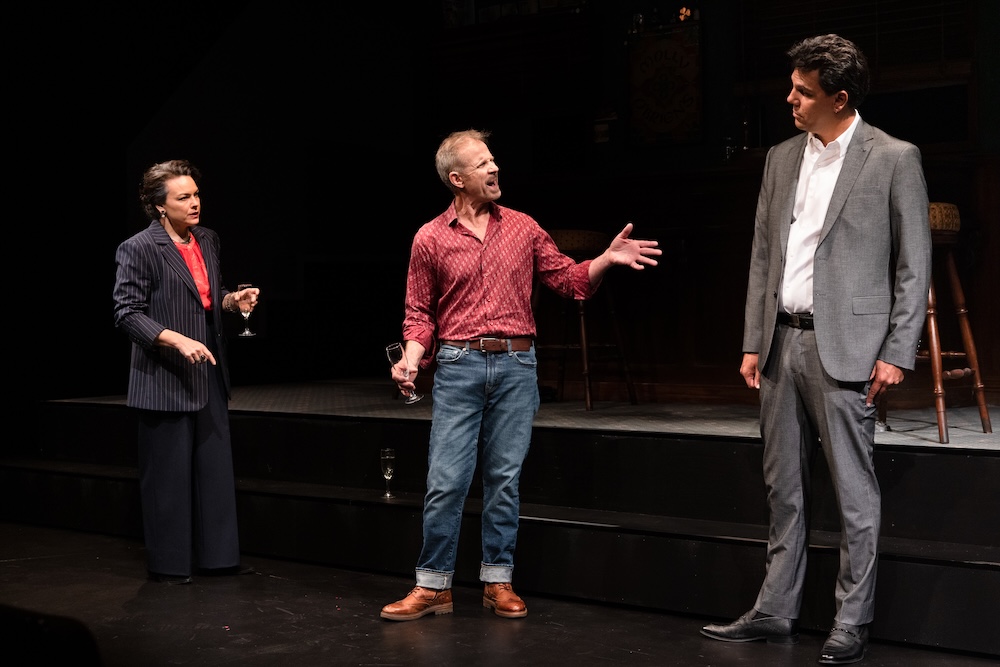
The setup thus complete, the sharp-as-a-tack script by Declan Furber Gillick proceeded to launch each character’s hopes and expectations towards each other in a near-constant collision of compromise, self-justification and ever-increasing bitterness.
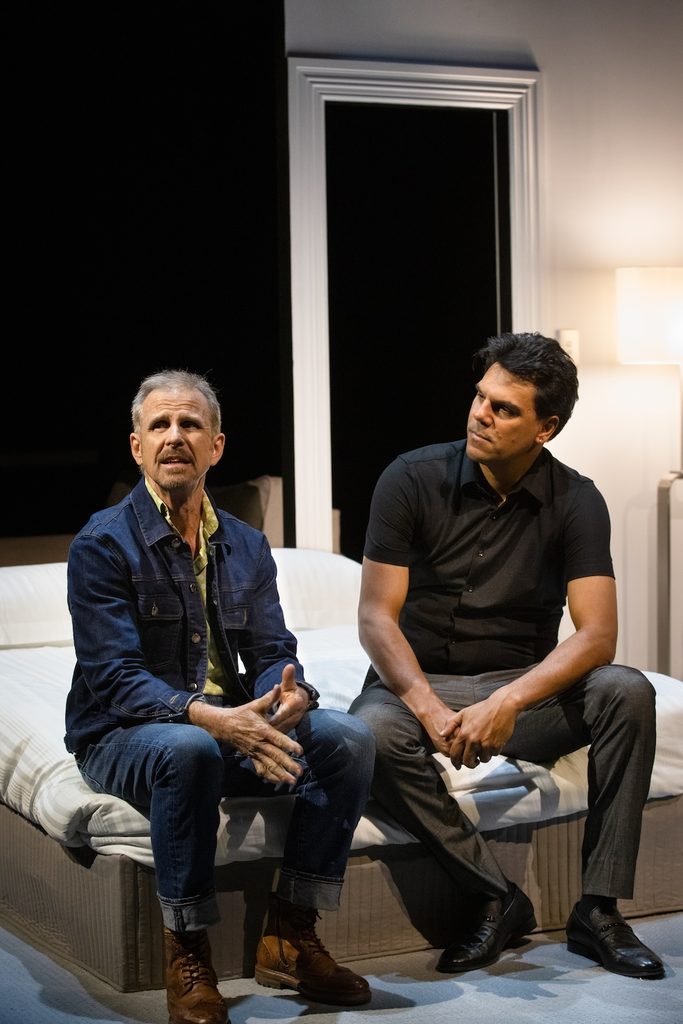
Wilkes as Jacky was the complicated core of the entire on-stage ensemble. Fully adjusted to big city living and cagey about any mention of home almost to the point of deliberate avoidance, Jacky was performed with so many layers that by the end of the piece, one was unsure how much had been real or a mask. Wilkes had imprinted a steely-eyed determination upon Jacky that could easily be considered selfishness as the character pinballed into ever more reckless decision making, yet in other moments evinced a convincing vulnerability, as the actor opened up Jacky’s personal life, hazily blurring the line between client, service provider, and perhaps something more.
Mongoo gave an exquisitely nuanced performance as Keith, a hothead who loved a beer and a punt, in no hurry to join the rush of modern city life, yet also exceedingly clear-eyed on the motivations of those around him. The character retained a fierce connection to family and country and waved away accusations of petty crime with a brief dissertation on wage theft and class warfare with enough detail to make any Marxist happy.
Mathews and Turner, in a sense, had the most challenging roles, two non-Indigenous characters who were, at best, oblivious to the hare-brained or downright offensive things that came out of their mouths. Linda and Glenn approached similar territory from completely different directions, the former with a corporate sheen where diversity was robotically built in as an automatic Q1 line item, the latter from an intensely personal collapse wrapped up in shame and grief.
The script gave Mathews lines the audience rolled their eyes at. The mention of resource industry philanthropy was given a very West Australian arts sector groan, whereas some of the words put into Turner’s mouth and some of the scenarios he and Wilkes were given to act fully intended to shock in the worst, most terribly racist ways, and absolutely succeeded therein.
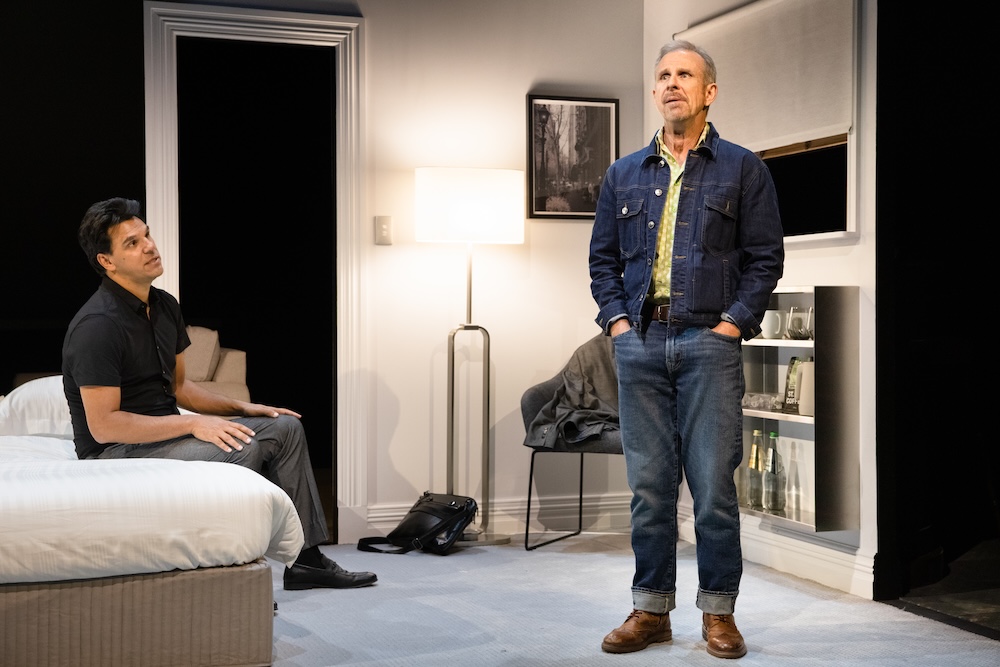
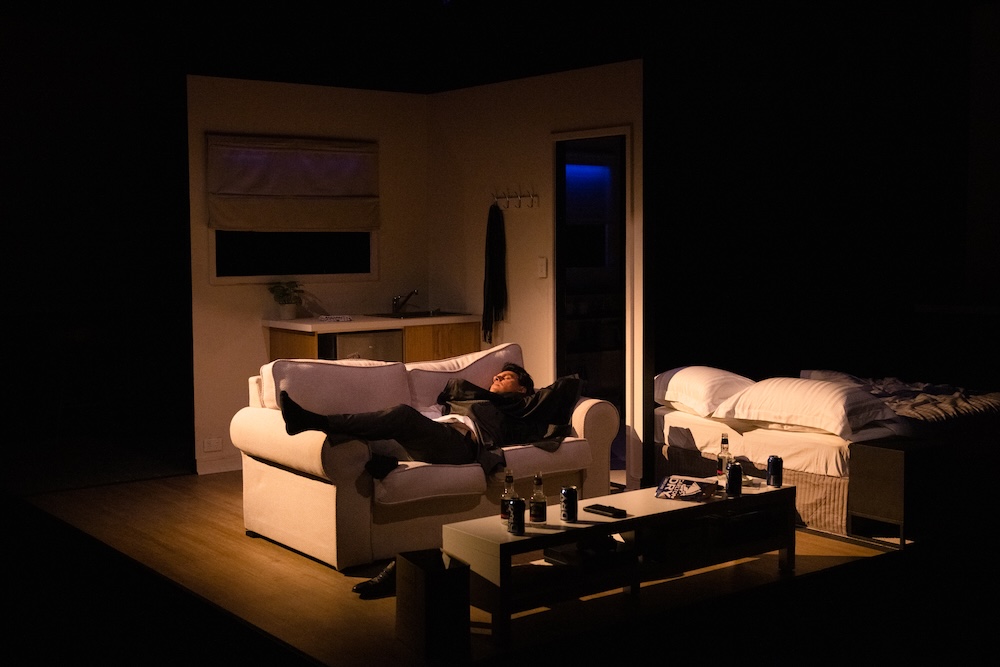
The staging was fabulous, the main set on a rotating floor that highlighted either the pub, the apartment the brothers shared, or the anonymous bedroom Jacky used as a workplace. At one point, the actors came into the audience, addressing them directly; the donor networking event of the script made semi-real. In a sense, in that moment, those watching the piece became near collaborators in the terrible choices the characters were making—a fantastic conceit wonderfully handled.
With many barbed, cutting, and outright racist lines peppered throughout, Jacky was a challenging performance to watch. The script and direction given ensured there was a brevity to those most intense sections, but one can only imagine what it was like for the actors and crew to either hear or say those words not once but multiple times over the full season.
The piece spoke to many of the issues underlying modern urban life, the balance between family expectations and personal goals, and one of the original schisms of this entire project currently called Australia: colonialism transplanted wholesale onto the many peoples and a land that did not ask for it. To conform, to fit in, to not be trouble. To be one of the good ones.
With a deep inner strength brought forward by the cast and creative teams, Jacky was a very challenging watch but very fulfilling at the same time. A fantastic conclusion to the annual seasons for both theatres.
PAUL MEEK