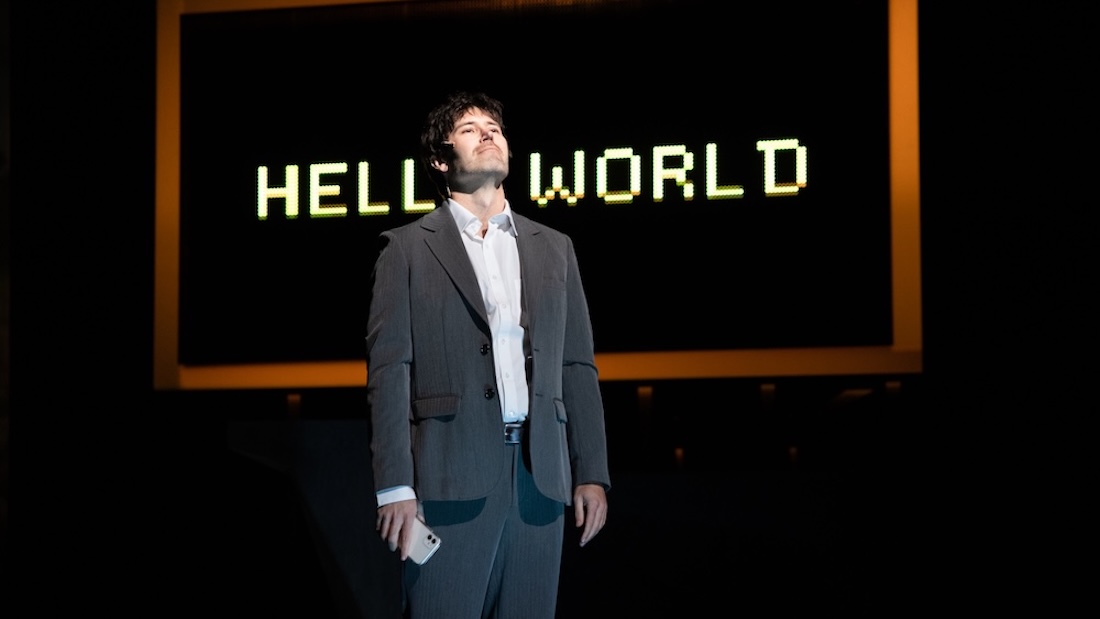
Review: Day (After Day) in the Life of the Useless at State Theatre Centre of WA
Day (After Day) in the Life of the Useless at State Theatre Centre of Western Australia
Wednesday, September 2, 2026
Black Swan State Theatre Company continued their 2026 season this month with Day (After Day) in the Life of the Useless, an intriguing piece written by Will O’Mahony with its premise seemingly equidistant between Black Mirror, Inception, The Twilight Zone, and the very latest headlines ripped directly from the AI and technology sectors.
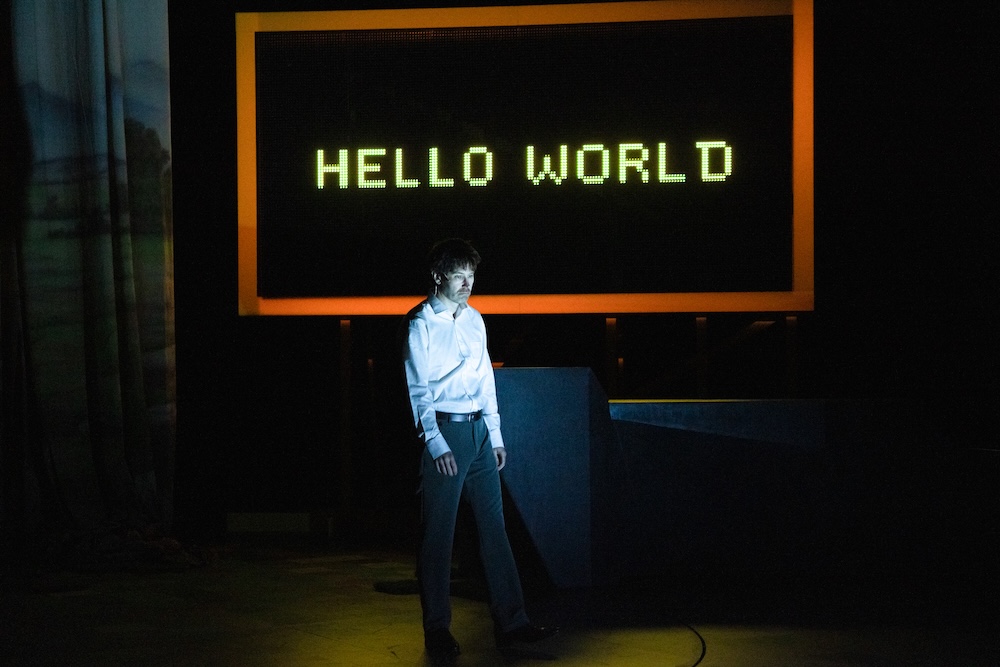
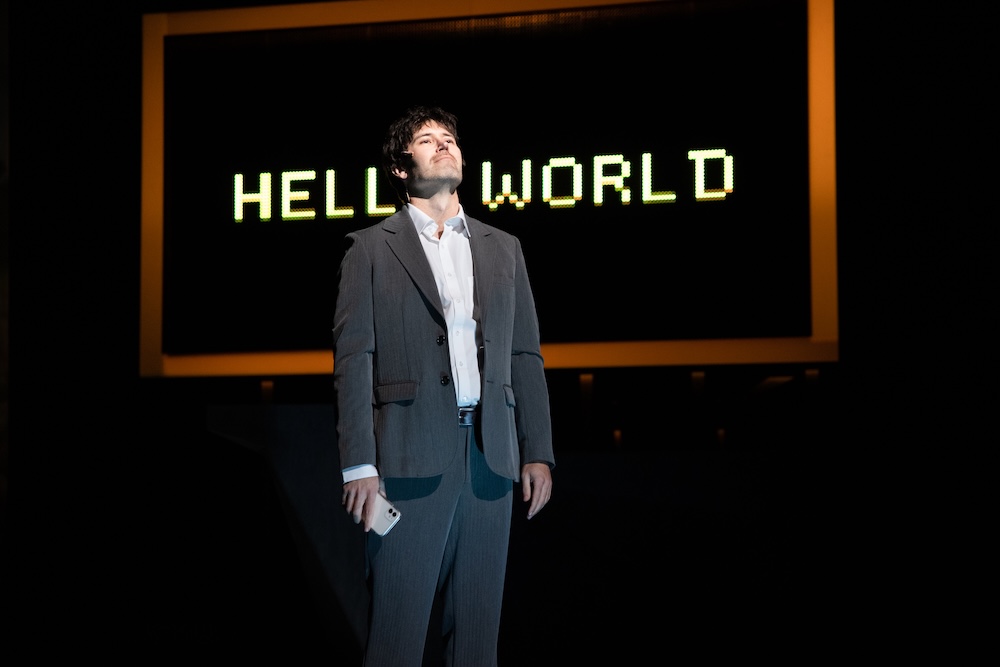
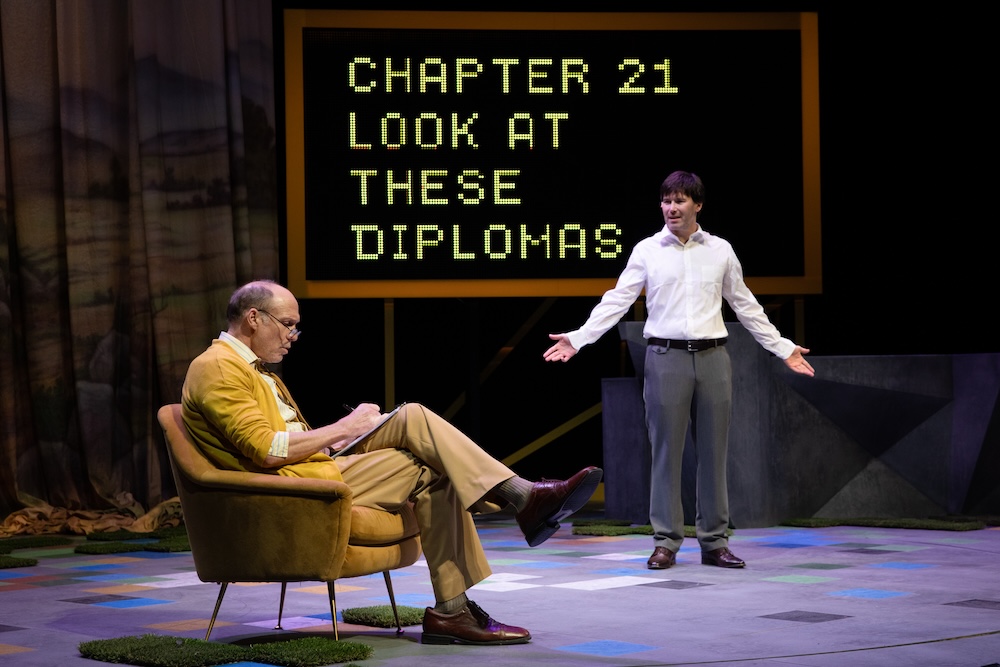
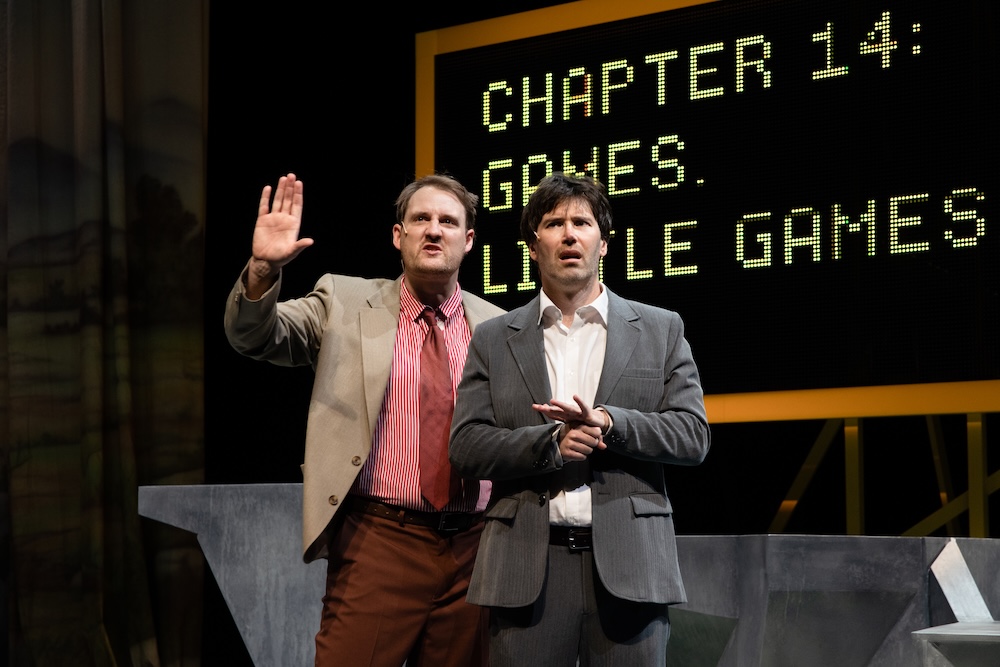
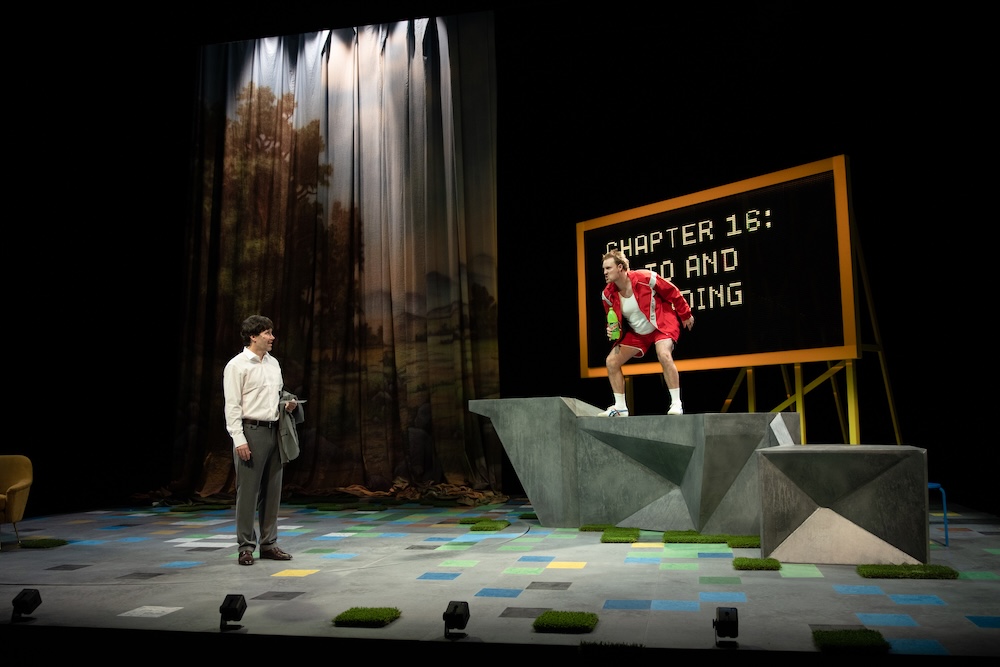
O’Mahony starred as Pete, a down-on-his-luck middle manager attempting to recapture some main character energy after a relationship breakdown that had left him devastated. The show was structured into forty-four episodes, some no longer than two-minute vignettes, with most flying by at such speed that the audience was barely allowed any time to process before the next five ideas crashed over the top. As became very evident very quickly, this sense of near-overwhelming disorientation was a very deliberate choice on the part of the creatives.
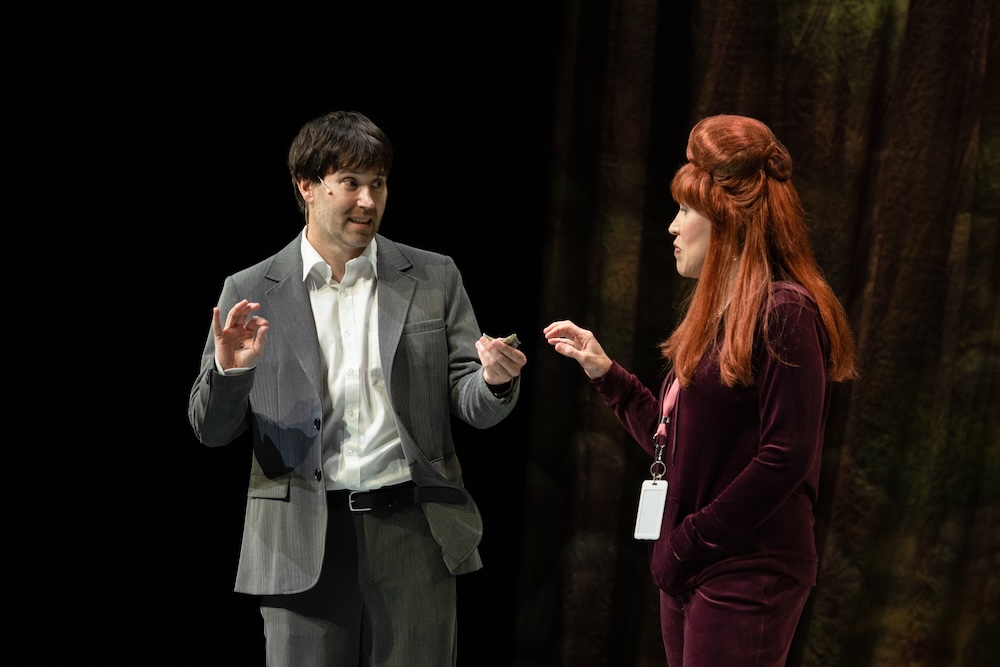
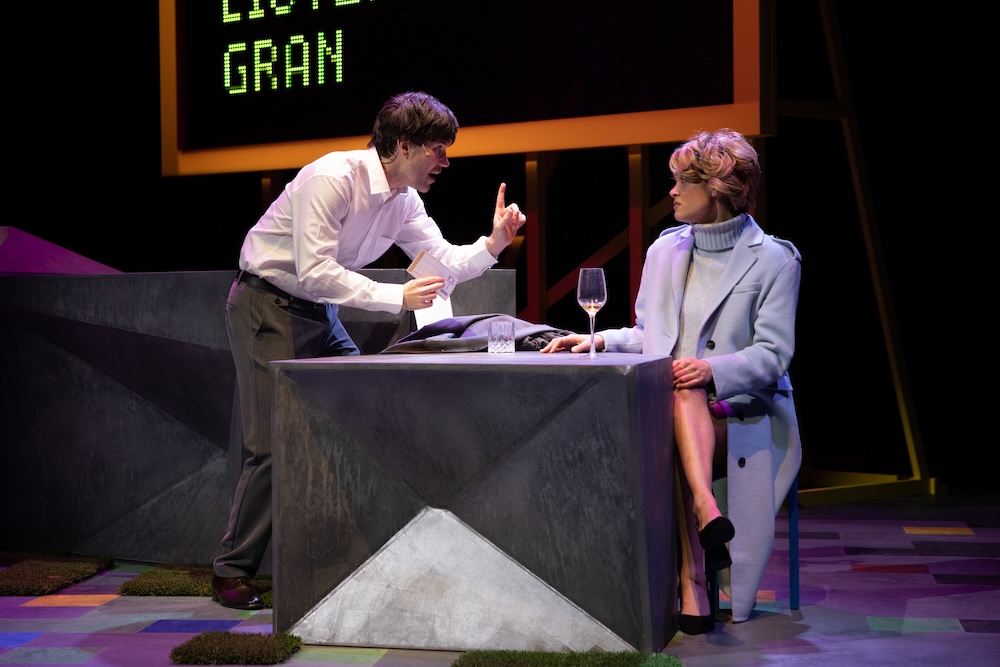
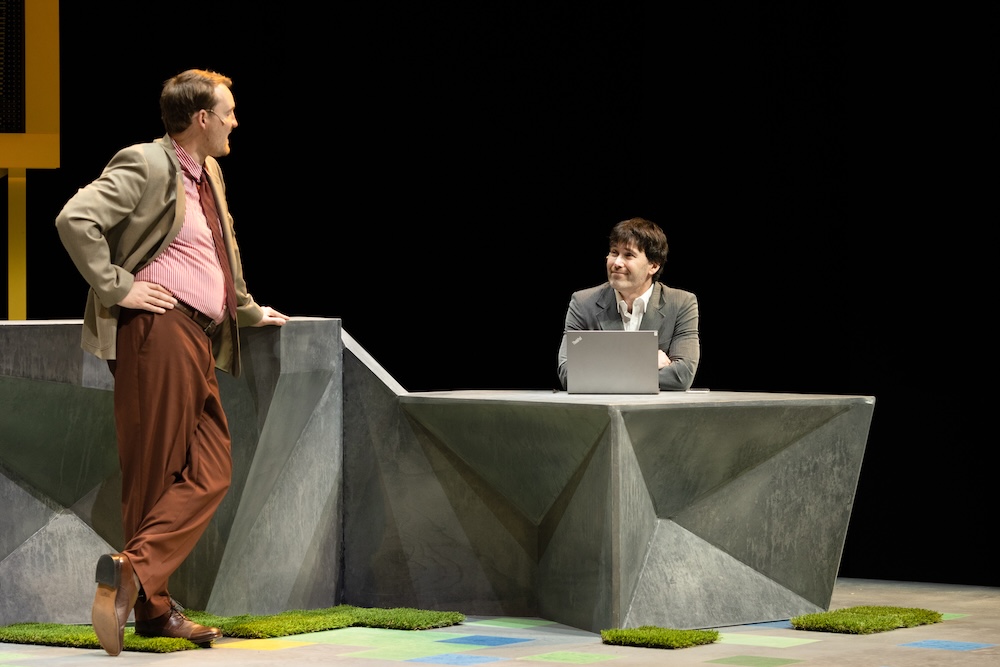
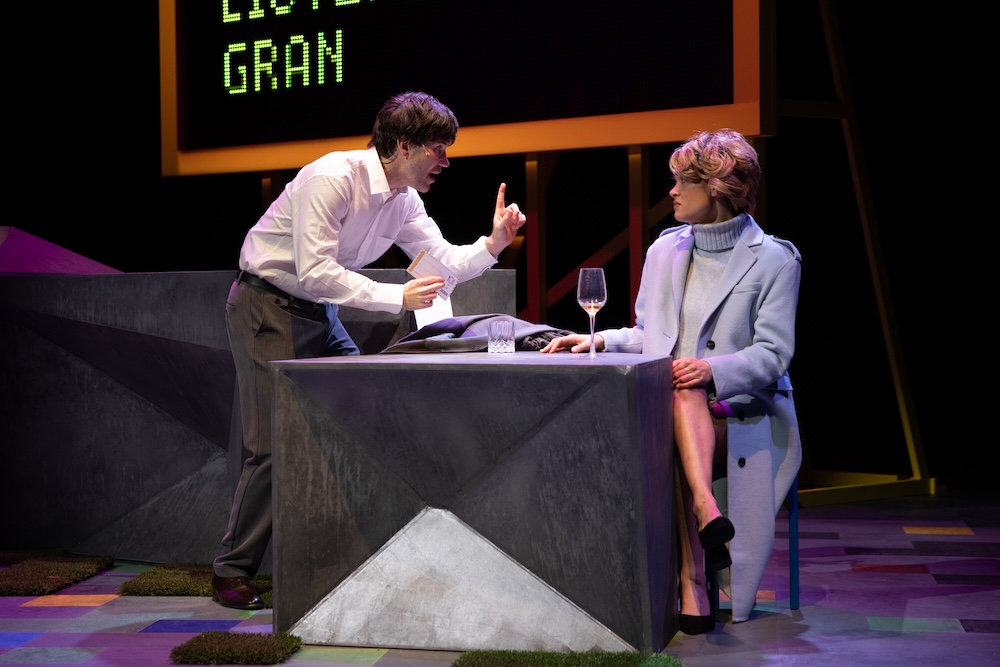
An unassuming, passive, and frankly often boring character, Pete glided through his own life with little to no personal agency. Bullied by his workmates, brushed off by his superiors, and all but ignored by both parents, Pete very quickly got into money troubles, as he stubbornly refused to ask his ex for the engagement ring back. Showing this semblance of a spine at exactly the wrong moment in his life, Pete instead descended into a web of petty crime, where he was treated little better by his new associates than he had been above ground, bounced from pillar to post in a series of hi-jinks and misadventures that grew ever more outlandish as the evening progressed.
As the AI component of the plot was noted prominently in the show’s marketing materials, it would be no spoiler to speak to portions of that aspect here. Not the half-feared AI script given its training wheels—though these can be entertaining, they are far more Fringe fare than anything this troupe would bring forward—but more so a shivering sense of unreality throughout, akin to the aforementioned Inception.
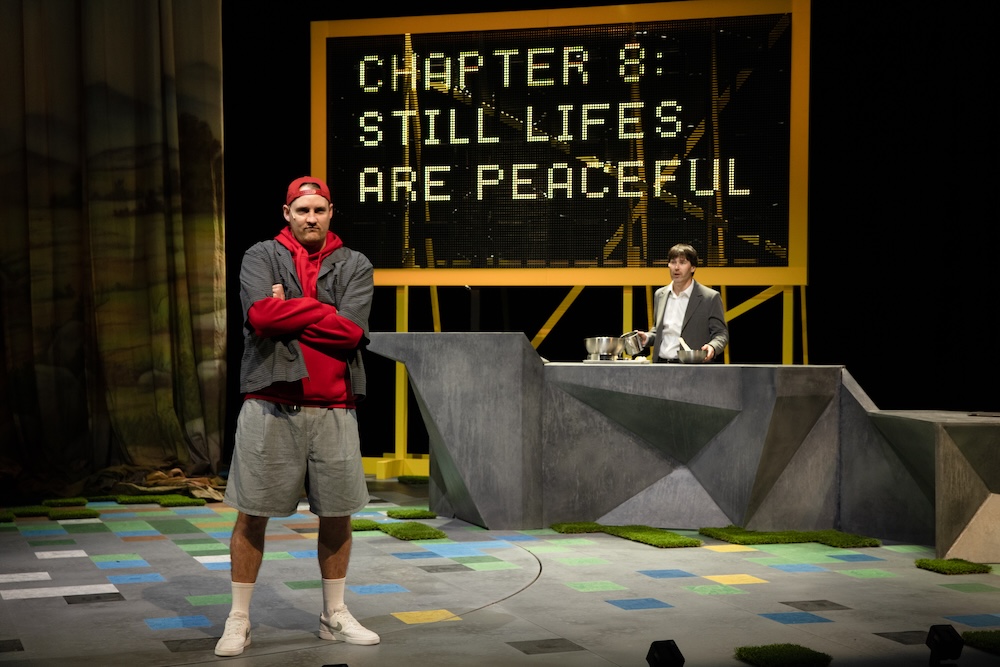
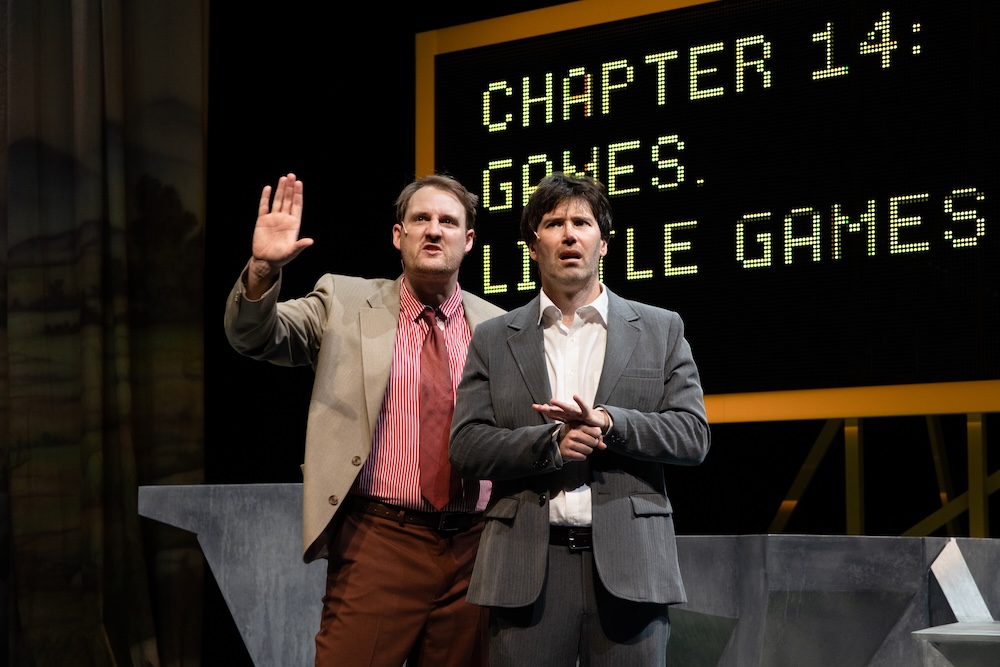
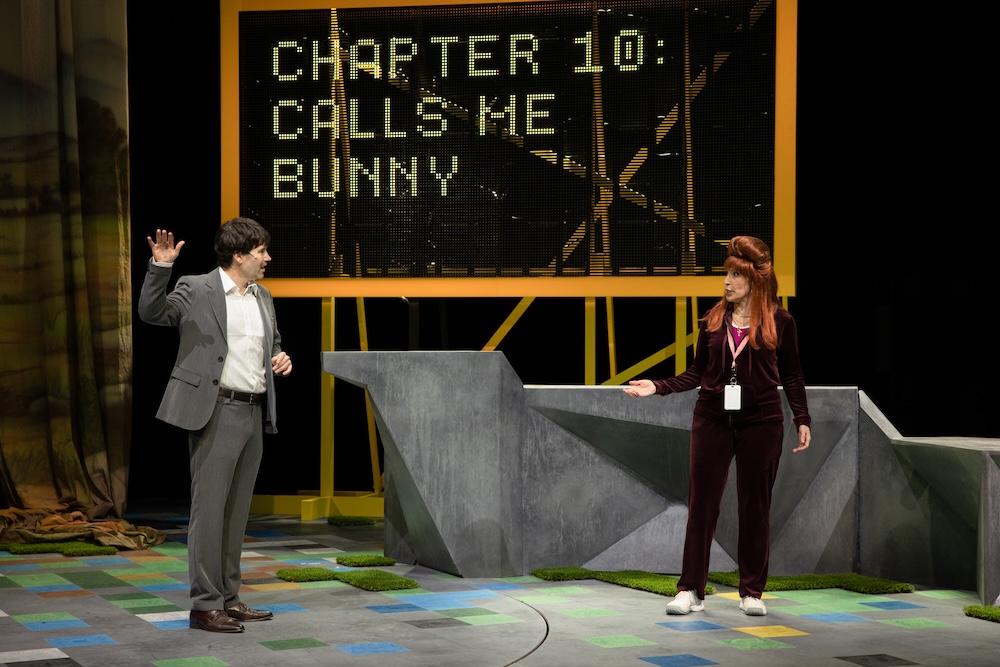
It did not take too long to see the episode titles as potential user prompts, alongside an ongoing, secondary conversation of how robots and automata could escape every Turing test that humanity may possibly devise, showcased by a couple of very obvious yet very caring nods to The Matrix. Was Pete controlling the AI, or was it the other way around?
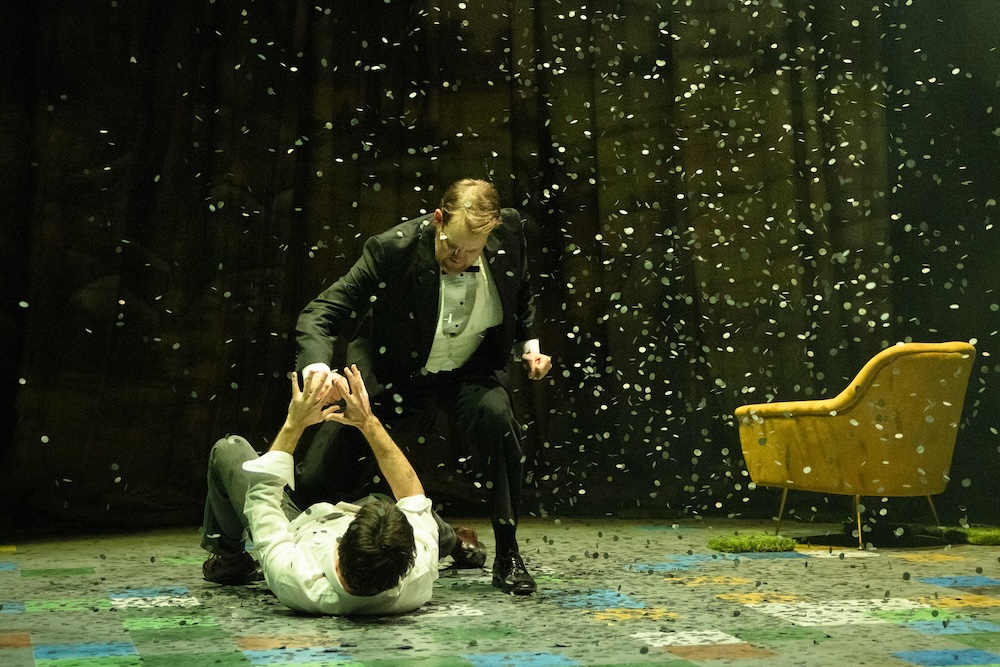
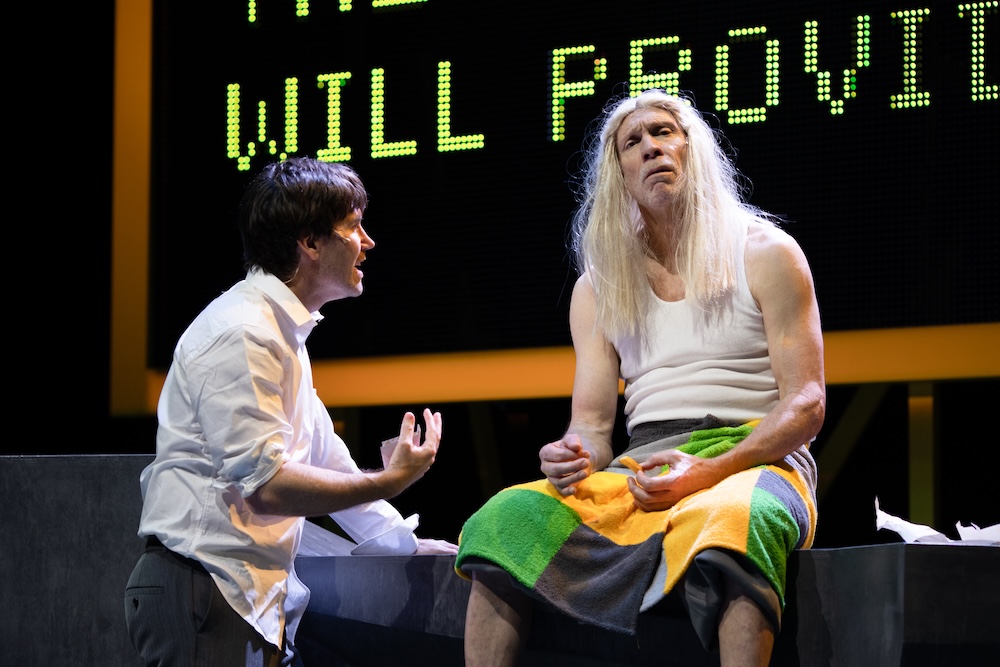
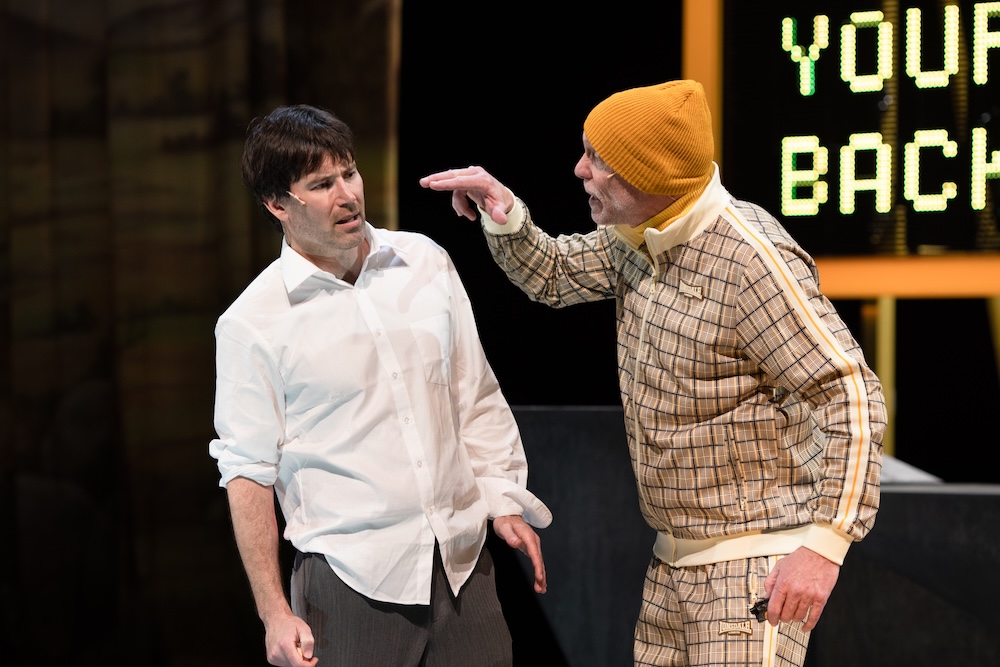
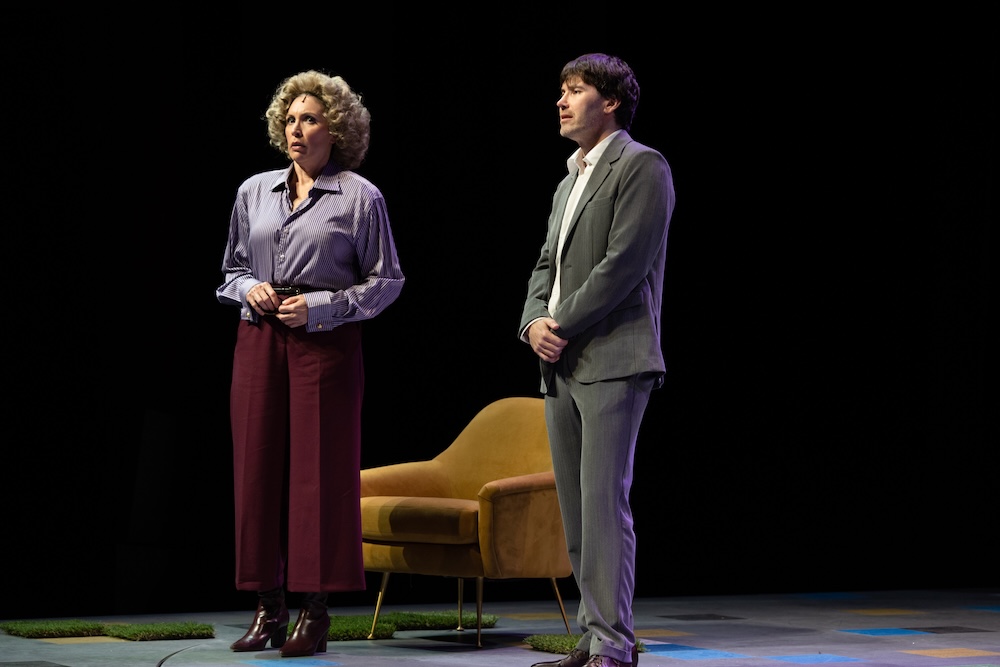
O’Mahony, on stage for the entire performance, brought a distinct sense of presence to Pete, a role which at times felt more a cypher or avatar that would have fallen with little fanfare into the background in most other productions. The actual presence attained was most often a combination of confusion, embarrassment, or frustration, but Pete was far more memorable than had been intimated on first impressions.
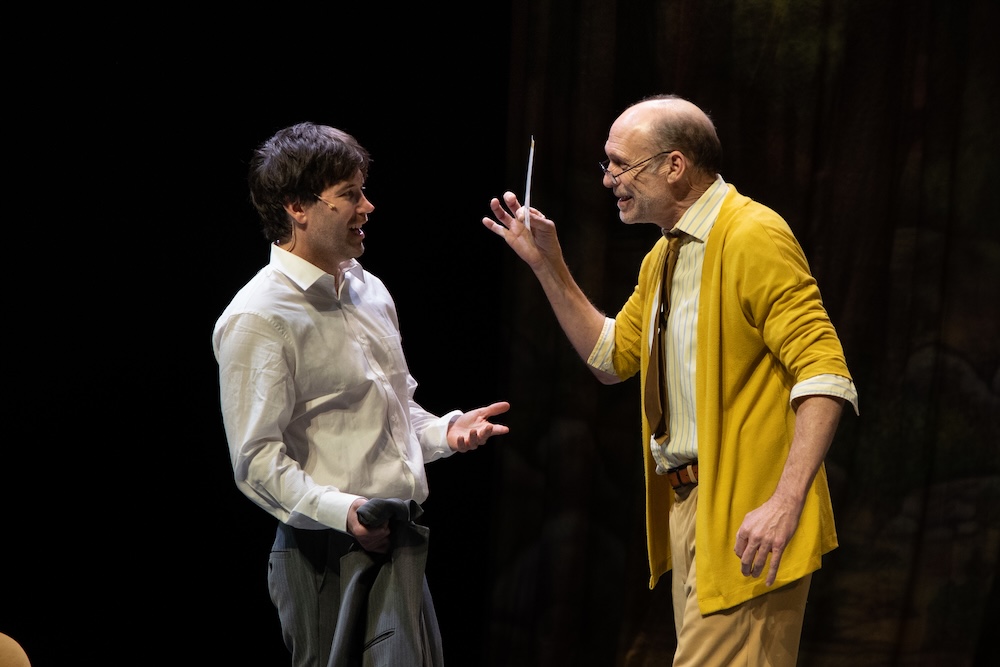
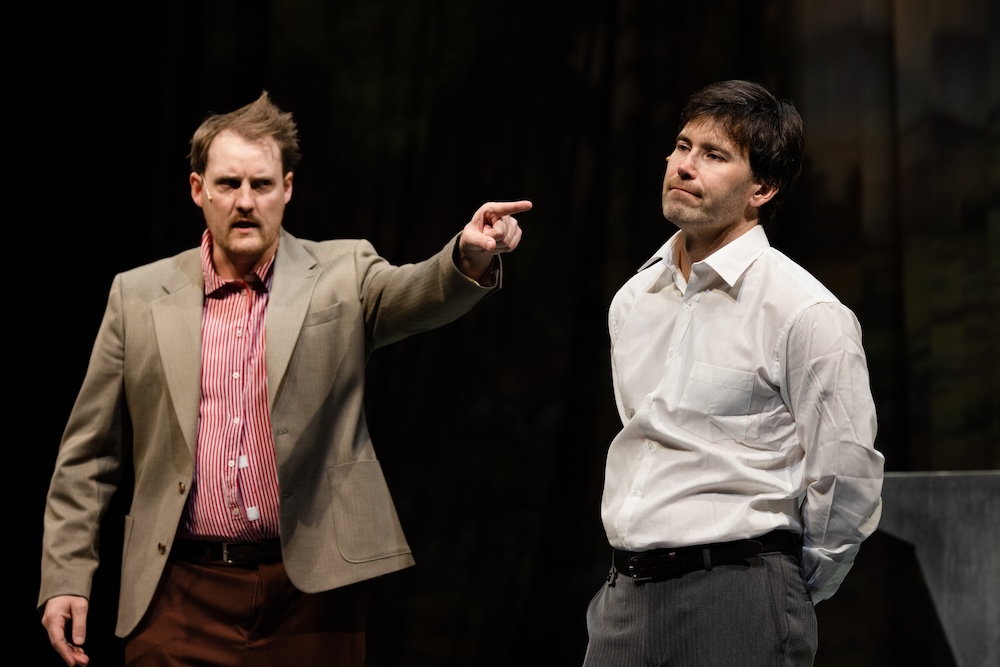
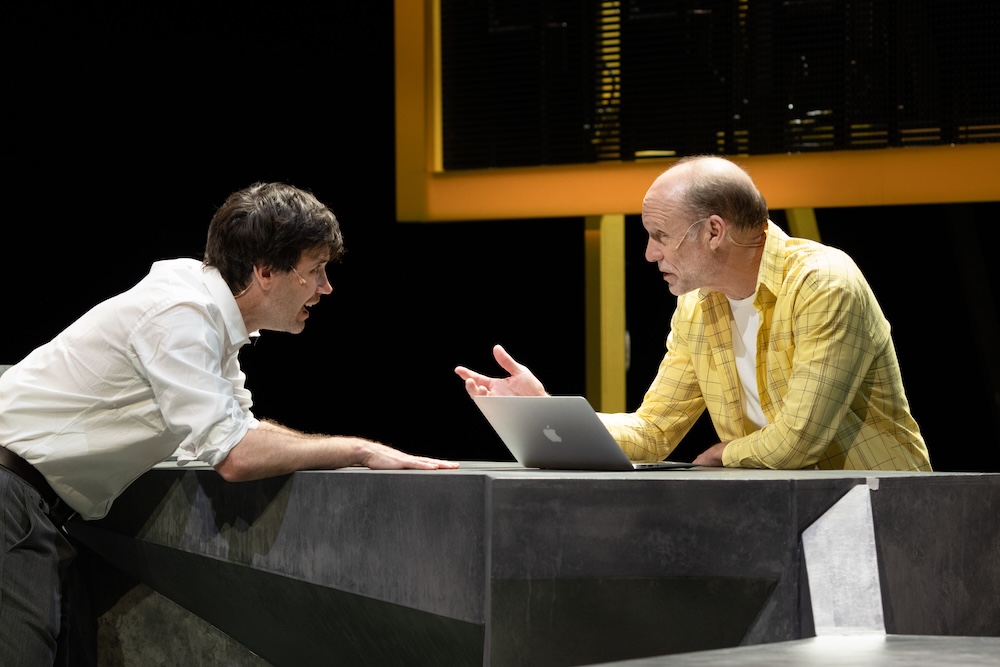
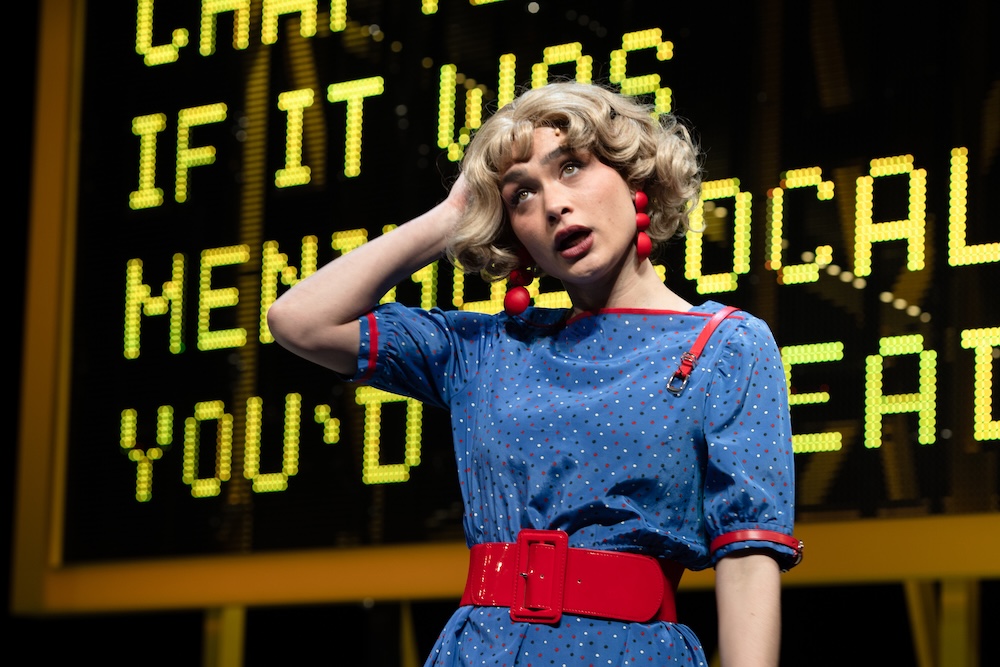
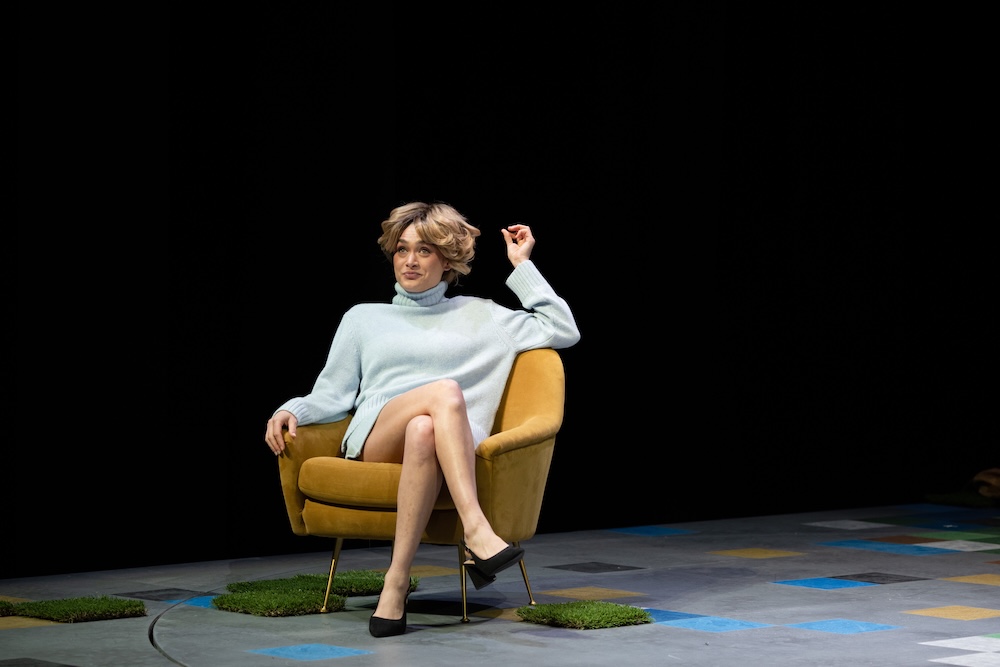
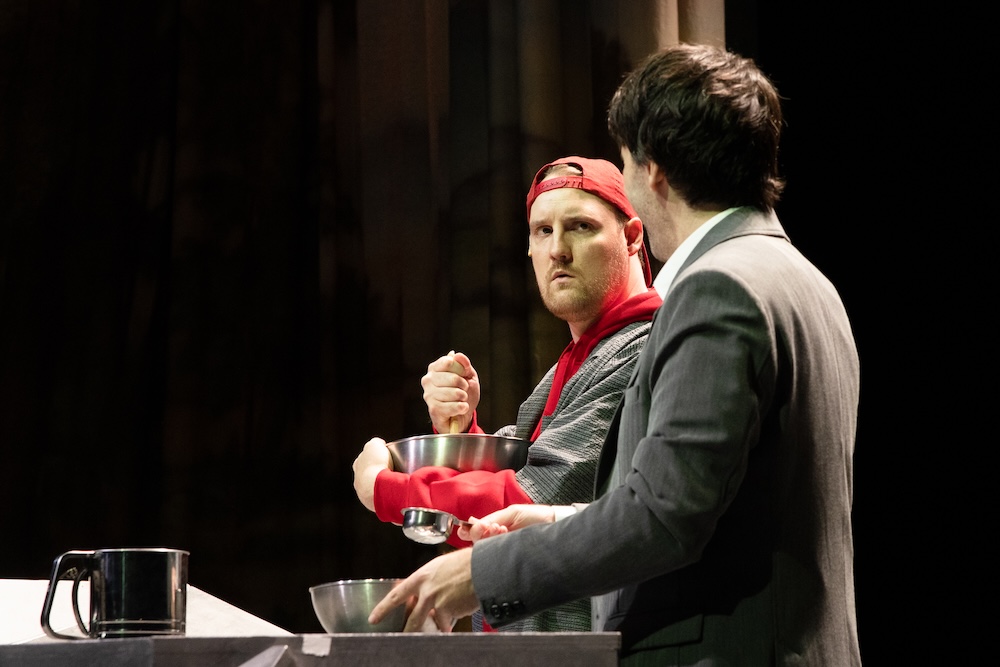
Joining O’Mahony were a rotating cast of four, acting as Pete’s workmates, acquaintances, family members, and other assorted ne’er-do-wells. Across the comedy that sparkled across the script, perhaps Nathaniel Langworthy and Steve Le Marquand looked to be having the most fun as Seth and Pigeon, often attempting to one-up each other as the oldest teenage delinquents in the village.
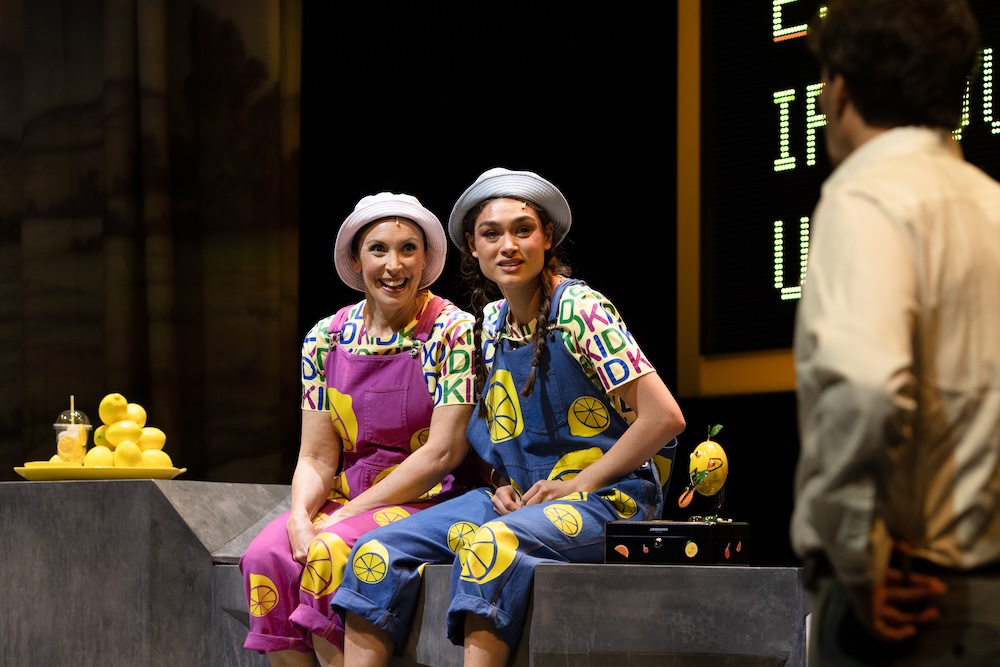
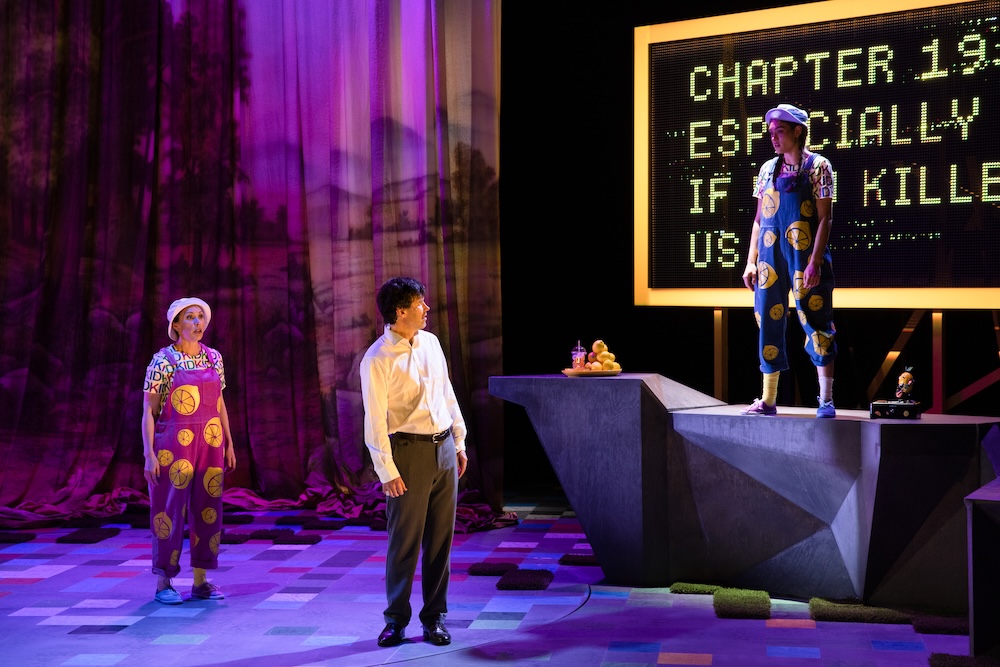
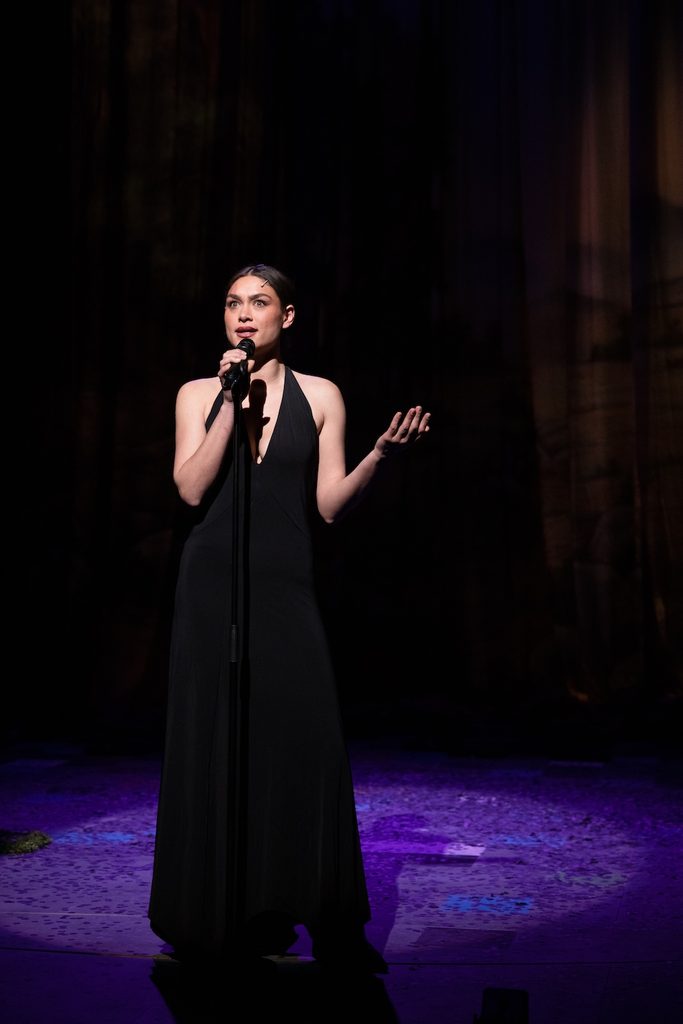
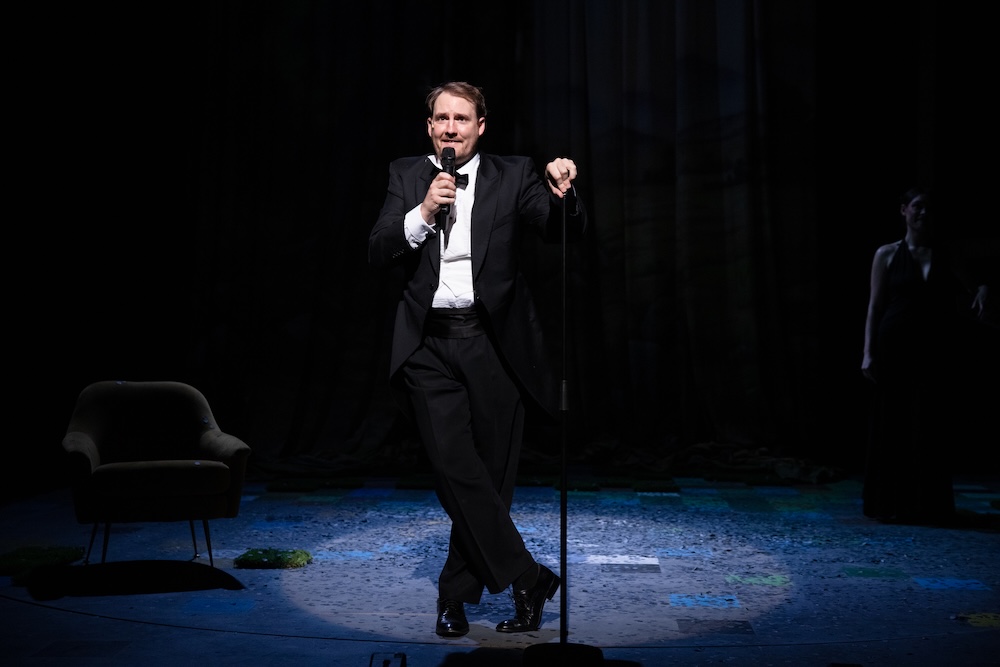
Tess Bowers and Catherine Moore both shared a pivotal moment with Pete about midway through the performance, as two pre-teens at the lemonade stand, far smarter than their years seemed to indicate, speaking in riddles as if they were Shakespearean witches. With too many other side characters to describe in detail, suffice to say that all were extremely entertaining in their own rights, the widest spectrum of very different personalities and energies fully embodied by the artists tonight.
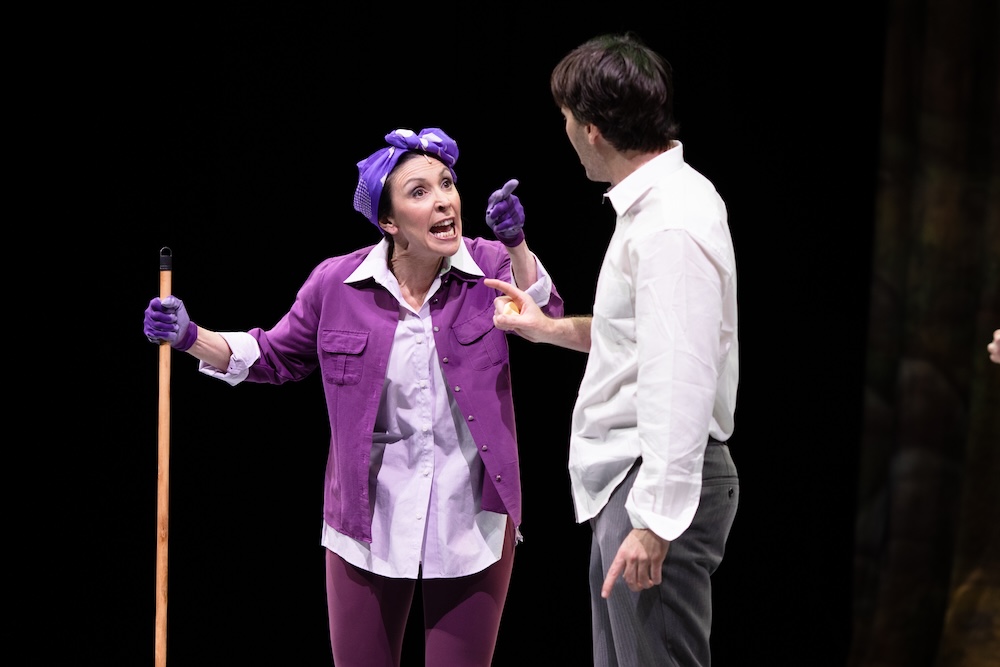
With AI constantly in the news, for good or ill, Day (After Day) was a story very much of its times. When the third act unveiled the deeper themes that O’Mahony wished to make, these felt fully earned with the distinctly dreadful sense of them being tomorrow’s headlines today. Had the ghosts escaped the shell, or had they burrowed in even further?
Subtly yet wonderfully set up by certain staging choices, and give or take the very valid debate on rampant techbro piracy—with reality ever threatened by algorithms, blandness, and conformity, could the messy chaos of agentic intelligence, with everything everywhere seemingly happening all at once, ever be a legitimate outlet for human creativity? Or is it just another mirage, another hallucination, all to feed late-stage capitalism and the shareholder value?
That extremely high-level philosophical question would not be solved by one play in one city on the very edge of the continent tonight, but the audience were sent into the evening rain with thoughts to unpack aplenty.
PAUL MEEK
Photos by Daniel J Grant