
How to Use Lighting to Change the Mood of a Living Room
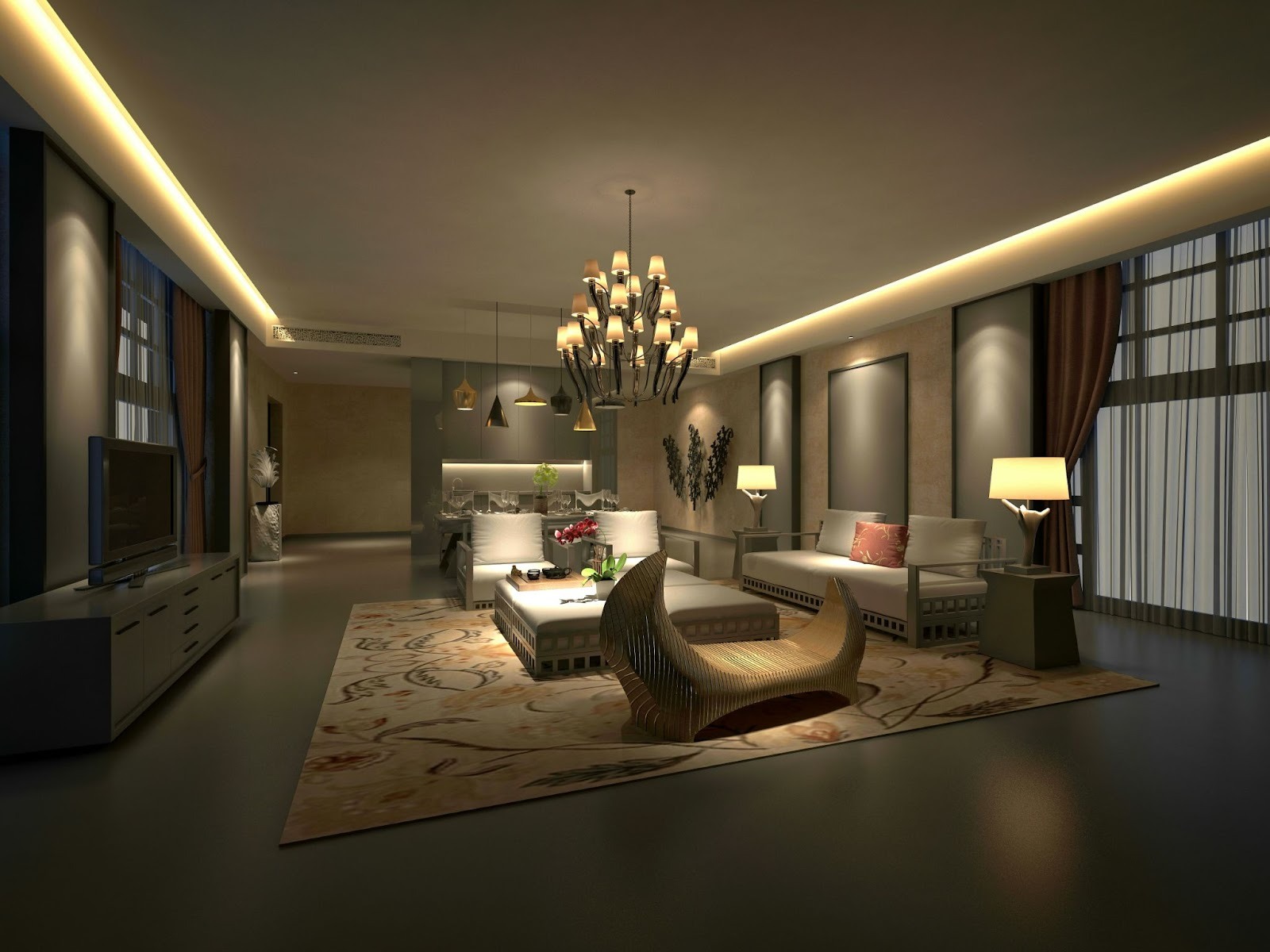
Key Highlights
• Why lighting has a bigger impact on mood than most people realise
• How different types of light affect how a room feels
• Where lighting placement matters most in living spaces
• How to make a living room feel more flexible throughout the day
Lighting plays a quiet but powerful role in how a living room feels. It shapes atmosphere, influences comfort, and affects how people use the space at different times of day. While furniture and colour often get most of the attention, lighting is what ultimately determines whether a room feels relaxed, energising, or somewhere in between.
A living room usually serves more than one purpose. It might be a place to unwind in the evening, gather with family, or host friends. Thoughtful lighting allows the room to shift between these moods without changing the layout or décor. When lighting is considered as part of the overall design, the space becomes more adaptable and more enjoyable to use.
Why lighting influences mood so strongly
Light affects how people perceive space. Bright, even lighting can make a room feel open and active, while softer light tends to create a sense of calm. The balance between these effects is what shapes mood.
In living rooms, harsh or overly bright light can feel tiring, especially in the evening. On the other hand, lighting that is too dim can make the space feel closed or impractical for everyday activities. Finding the right balance helps the room feel welcoming rather than overwhelming.
Mood is often shaped less by the amount of light and more by how that light is delivered.
Understanding layers of light in a living room
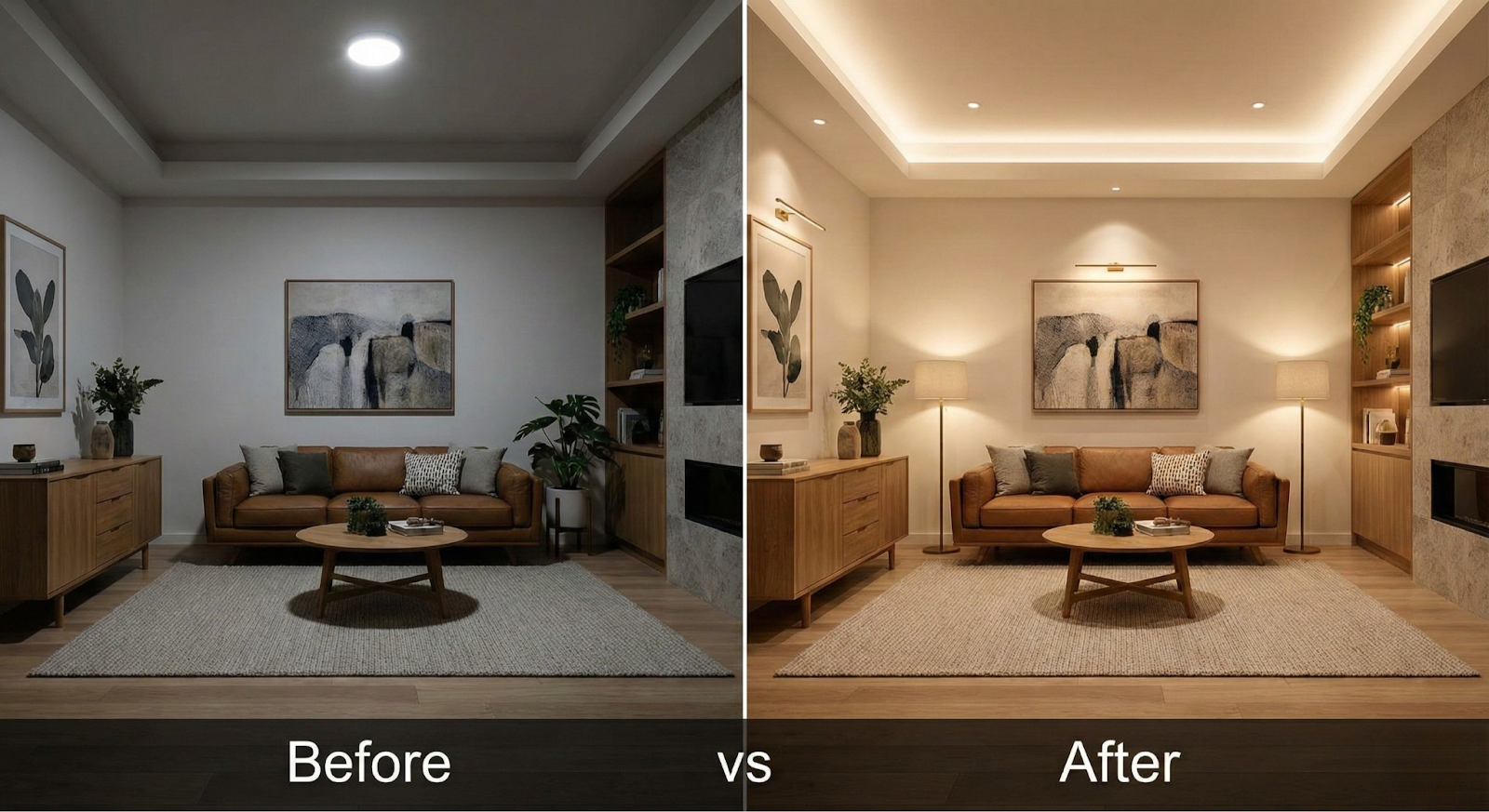
One of the most effective ways to control mood is by using multiple layers of light. Rather than relying on a single overhead fitting, layered lighting allows different parts of the room to be lit independently.
General lighting provides overall visibility, while additional sources introduce softness and depth. This approach creates variation, which makes the room feel more natural and comfortable.
Layered lighting also allows homeowners to adjust the atmosphere without changing the furniture or layout, simply by switching certain lights on or off.
How placement affects how a room feels
Where lights are placed has a significant impact on mood. Overhead lighting alone can flatten a space, making it feel functional but lacking warmth. Introducing light at lower levels helps create a more relaxed and lived-in feel.
Light placed near walls, seating areas, or corners adds depth and reduces harsh contrast. This helps the room feel more balanced and less visually tiring, especially during evenings.
Thoughtful placement encourages the eye to move around the room, which contributes to a sense of comfort.
Using lighting to support different activities
Living rooms are rarely used in just one way. During the day, the space might need to feel open and practical. In the evening, the same room may need to feel calm and intimate.
This is where living room lighting ideas become especially useful. Being able to adjust lighting levels and sources allows the room to support reading, conversation, or relaxation without feeling mismatched to the moment.
Lighting that adapts to activity makes the space feel intentional rather than fixed.
Zest Lighting explores a range of living room lighting approaches that show how layering and placement can help achieve this flexibility.
The role of colour temperature in setting mood
The colour of light also affects the atmosphere. Warmer light tends to feel softer and more relaxing, while cooler light feels brighter and more alert. In living rooms, warmer tones are often preferred for evening use because they encourage rest and comfort.
Mixing colour temperatures within a space can work when done carefully, but too much contrast can feel disjointed. Consistency helps maintain a cohesive mood.
Choosing the right tone of light supports how the room is intended to be used most often.
Making the space feel inviting rather than staged
A living room should feel lived in, not overly designed. Lighting that feels too dramatic or rigid can make the space feel more like a display than a place to relax.
Subtle variations in brightness and direction help create a natural feel. When lighting supports rather than dominates the room, it allows furniture, textures, and personal items to take centre stage.
This balance makes the space feel comfortable for both everyday use and social occasions.
Adapting lighting as needs change
Lighting needs often change over time. A room that once served as a quiet sitting area may later become a family hub or entertainment space. Flexible lighting makes these transitions easier.
By allowing for adjustment rather than fixed intensity, lighting supports the room as lifestyles evolve. This adaptability helps the living room remain functional and inviting without requiring major changes.
Thoughtful lighting design is less about trends and more about supporting real life.
Why lighting choices shape how a living room is experienced
Lighting doesn’t just illuminate a living room. It shapes how people feel within it. From the way conversations unfold to how relaxed the space feels at the end of the day, lighting quietly influences experience.
When chosen with intention, lighting helps the living room shift naturally between moods and uses. It allows the space to feel warm, practical, and welcoming at the right moments.
By paying attention to how light is layered, placed, and toned, homeowners can change the mood of a living room without changing the room itself.