Ten years of Co:3: Thirty years in the making
Perth contemporary dance company Co:3 (pronounced ‘Koh Three’) celebrates its tenth anniversary this year. A major milestone for any contemporary dance company, the roots of this achievement actually stretch back a long way in the history of contemporary dance in Perth. As the aim of Co:3 is to both build on this legacy and look to the future, before reflecting on the company’s current achievements and method of operation, it is helpful to fathom the stream from which it has sprung.
Contemporary dance has a complex history in Perth. Although it has had a presence since the first half of the last century, apart from one short period in the 1990s, it has always hovered just below the surface of public attention, the cheeky, often overlooked cousin of the WA Ballet. The reason for this is partly the nature of the art form and partly the nature of Perth.
As an art form, contemporary dance is both immediate in its impact and difficult to categorise. Like music, it can capture emotion directly—it speaks to your senses without the intermediary of words. Depending on the choreographer, it can be the most sensual of the art forms or among the most cerebral and abstract.
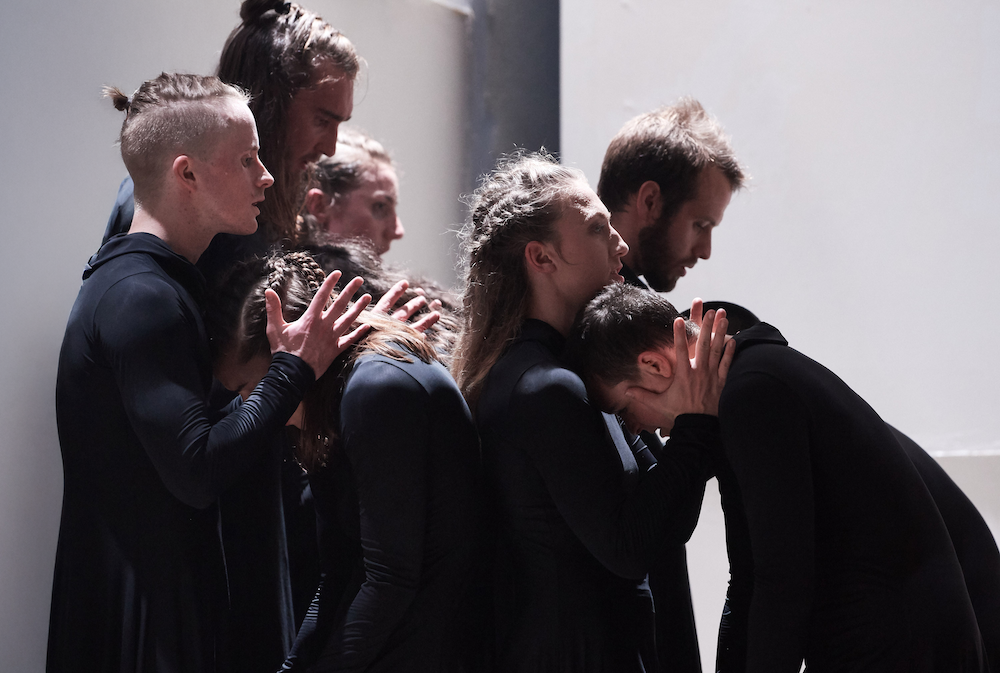
By its nature, the form is always changing and progressing. Certainly, artists work within traditions and conventions (usually established in Europe and America), but to be truly alive, they must continually explore new territories and develop their own creative language, or at least incorporate the latest innovations of leading artists working in the major international centres. The most interesting and engaging work reflects most immediately the now. At its best, contemporary dance does this extremely well, but as with any art that pushes boundaries and delves into the unknown, it is inherently risky, and some shows simply miss the mark.
Given all of this, audiences can struggle to both ‘understand’ what an individual show is about and determine whether or not it is ‘any good’. Naturally, the more you see, the greater your ability to engage with it and the deeper your response. Those not bothered too much about meanings and who are content simply to surrender to the work probably have an easier time of it than those afflicted by the need to understand and judge.
Re the nature of Perth, well, this is still a small and isolated city, and getting the numbers to stack up for a new, challenging, and constantly evolving art form has always been difficult. Without the cultural cachet of traditional ballet, the core audience for contemporary dance tends to be more specialist and relatively small. Granted, this is true about most original WA work, whatever the art form, but the added complexity of contemporary dance makes it more so than most.
Many contemporary dance companies and collectives have been set up in Perth over the past eighty-odd years and produced significant work, but few have reached the critical mass necessary to survive beyond a single decade. Typically, companies have lasted much less than that.
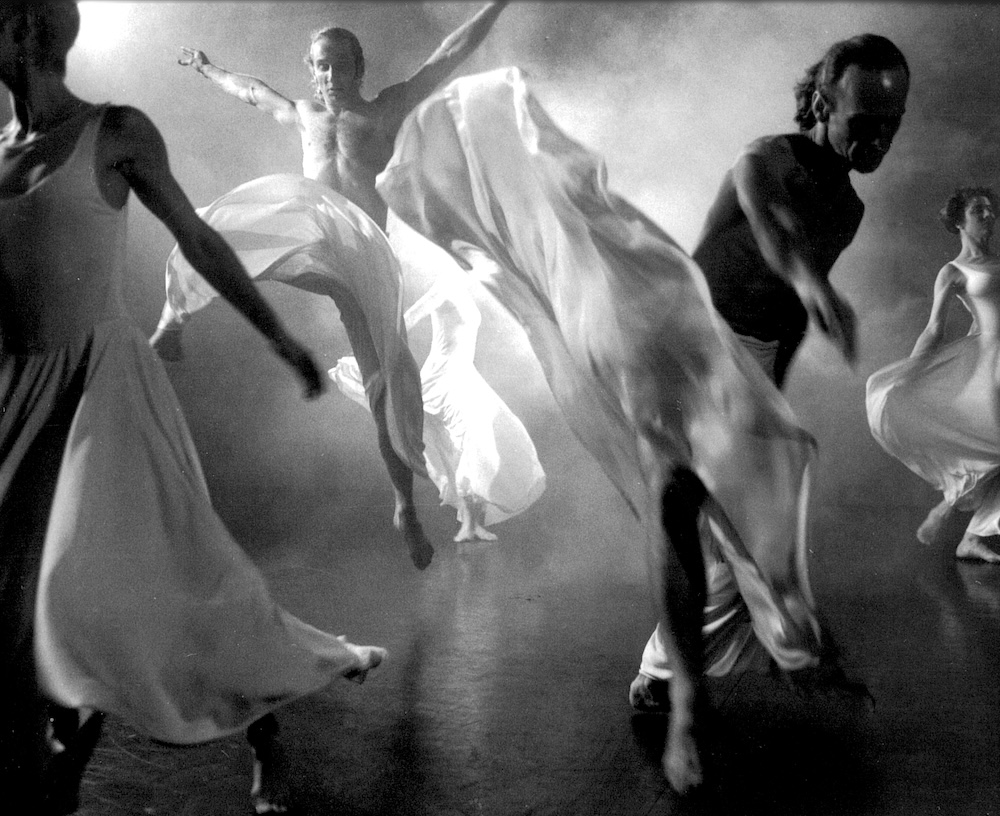
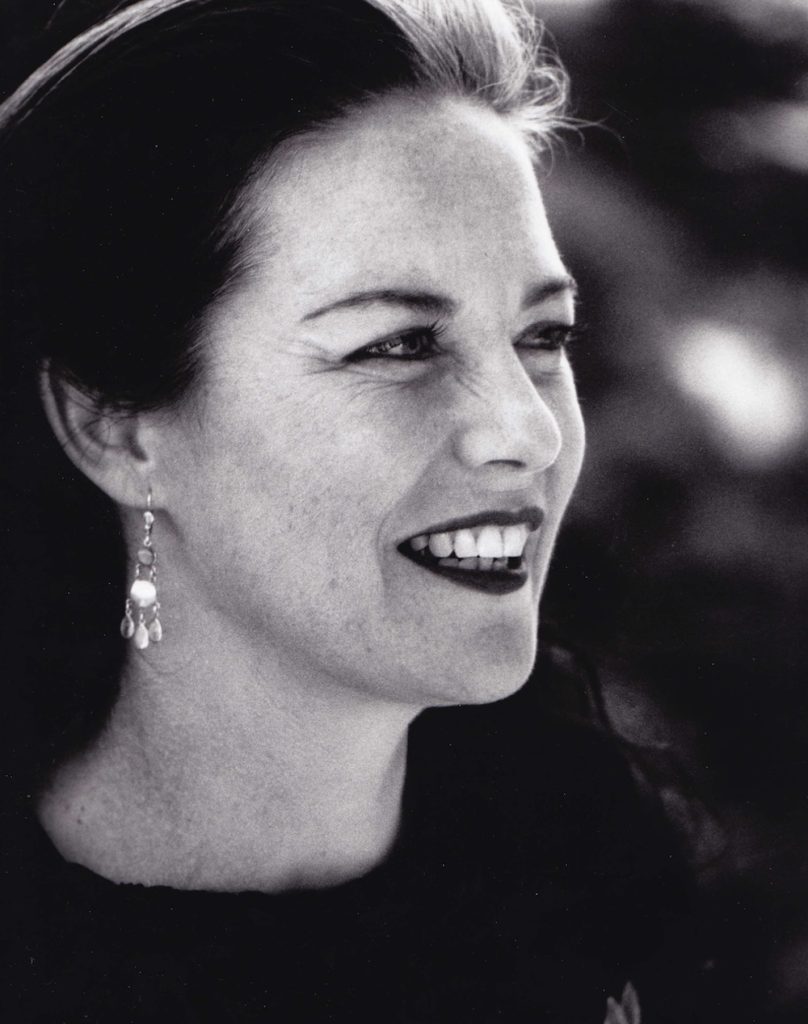
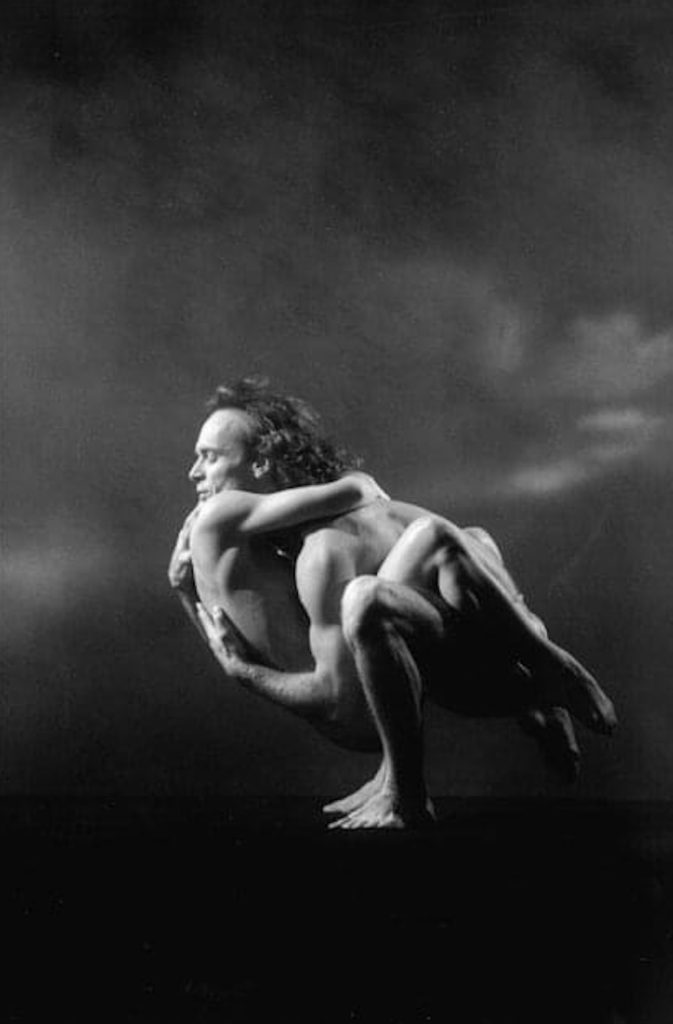
The highest-profile period was the decade from 1986 to 1997, when choreographer Chrissie Parrott was at her most active. Between 1990 and 1996, the Chrissie Parrott Dance Company (CPDC) mounted productions on a scale in such high-profile venues as The Playhouse and His Majesty’s Theatre and regularly appeared in both the Festival of Perth and the Artrage/Fringe Festival. The shows Terminal Velocity, Frank!, Terra at the Maj and Life, Love and Beauty had a strong public and critical impact and still sit high in the canon of original West Australian dance works.
In receipt of both state and federal government support, CPDC employed a core troupe of dancers and aspired to, if not become a world-class company, at least have a strong national profile and an international presence. It made inroads into these arenas by touring the Eastern States and making the occasional foray into Asia, notably Indonesia and Japan.
Circling around the CPDC, a strong, independent contemporary dance scene grew up. Companies such as Still Moves, Jim Hughes’ Fieldworks, 2Dance Plus and INC (Independent New Choreographers), as well as independent artists Sue Peacock, John McLaughlin, Tony Osborne, Alice Cummins and James Berlyn, among many others, mounted solid, high-profile productions. Although some of these artists had been on the scene before the CPDC emerged, all benefited from the heightened public and critical attention the CPDC attracted. As a result, they were able to secure enhanced local, in some instances, national funding and establish a strong audience base. It truly was a case of a rising tide lifting all boats, and for a few years there, contemporary dance and its cousin, physical theatre, were the coolest scenes in town.
But as too often happens in the arts, over time, the pressure to constantly mount such high-profile work became too great. In 1996, the CPDC folded, and with it, the tide ran out. The extended scene lost its focus and, within two to three years, had all but disappeared.
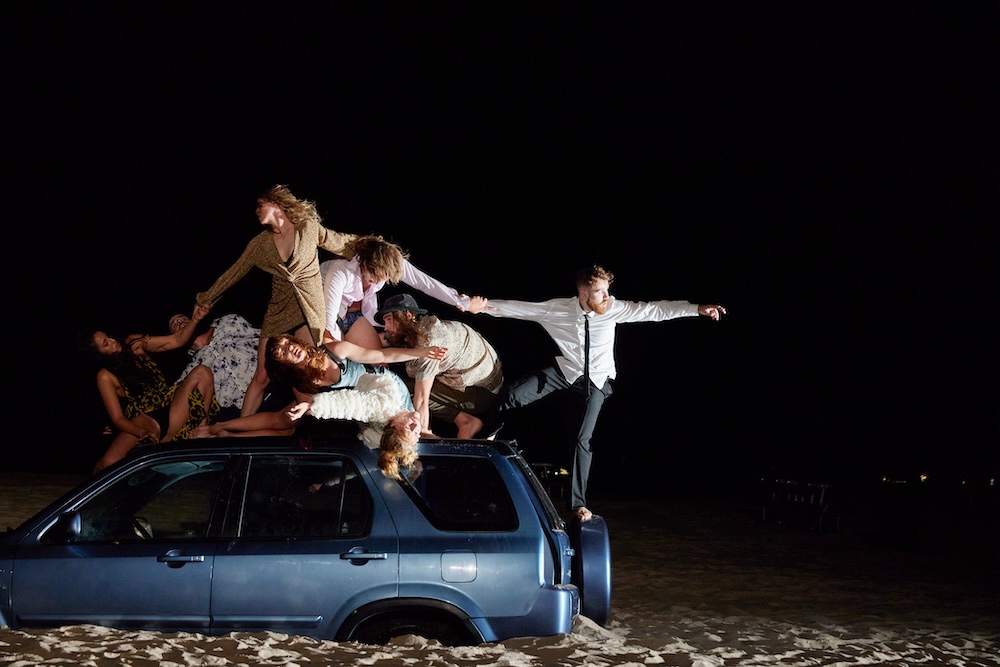
In the aftermath of this, and in reaction to it, a new dance ecology evolved. Lower profile and more resilient, the emphasis moved away from developing, presenting and touring large-scale new work to focus on supporting the community of dance creatives, nurturing young people interested in dance, and engaging with the broader community. Mainhouse productions were still presented, but they were more of an annual highlight than a year-round program.
By the mid-noughts, there were three key companies and one choreographic centre working in Perth: Buzz, Steps Youth Dance Company, Link and STRUT.
Buzz Dance Theatre (the evolution of 2Dance Plus) began life as a dance in education company, then grew to national stature as a dance theatre company for children and young people.
Under the guidance of professional practitioners, Steps, the first youth dance company in Australia, exposed young dancers (aged 7 to 21) to the transformative power of dance. Through mentoring and workshops, it helped them develop their performance skills and explore their creativity.
While the main focus of these companies was the developmental work behind closed doors, both presented a limited program of public performances.
Founded in 2002 and still going strong today, Link Dance is a graduate company based at the WA Academy of Performing Arts. Formed by Chrissie Parrott in her post-CPDC role as a teacher, it provides tertiary-trained dancers with the simulated experience of being a member of a company while they complete their one-year honours degree. Significantly, Link is funded through WAAPA.
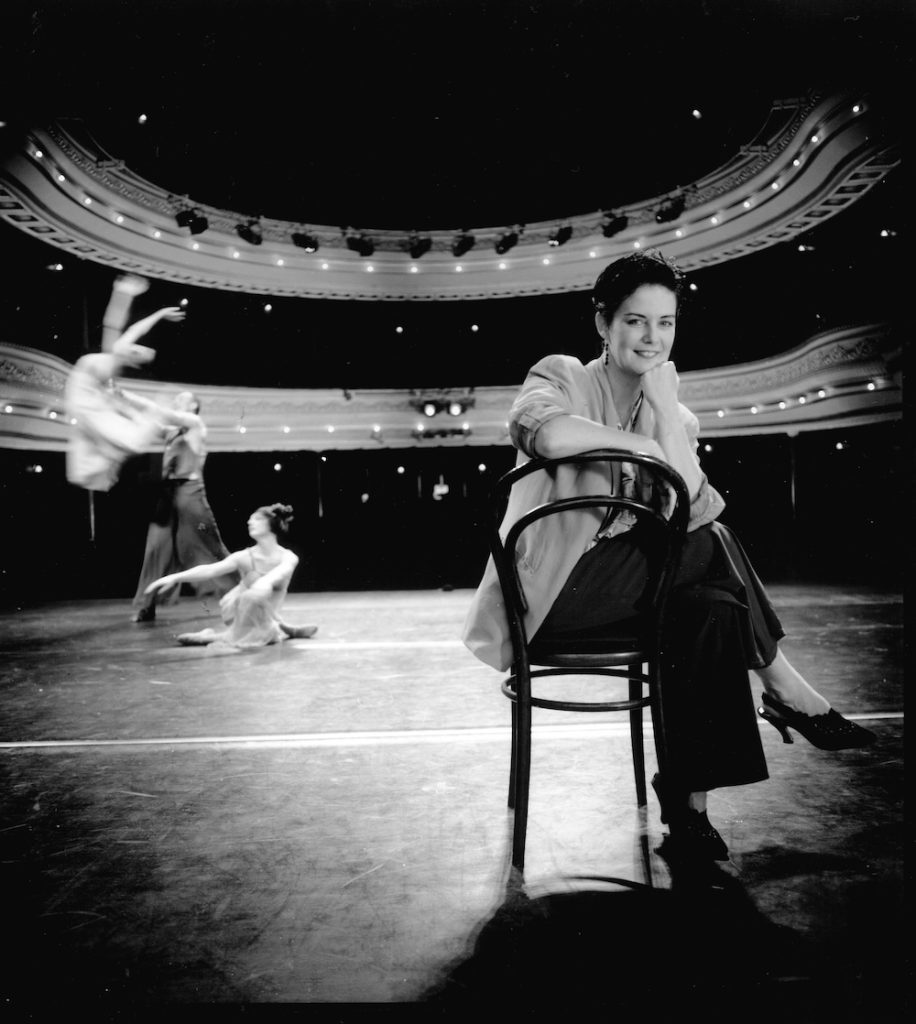
STRUT Dance, also formed in 2002, is a choreographic centre that supports Australian artists to explore the form and create new work. Although not a dance company per se, the organisation facilitates independent practice, commissions work and runs classes. Crucially, it focuses on the needs and interests of the artists rather than imposing a specific artistic vision upon them.
By 2014, it was apparent that supporting three administrations through the State funding agency (all of the above bar Link) was a stretch, and it was decided to merge Buzz and Steps. The aim was to continue mounting youth-oriented activities but add a program of profile mainhouse productions for an adult audience. The state government threw its weight behind the concept and provided an enhanced level of funding.
Thus, Co:3 was born.
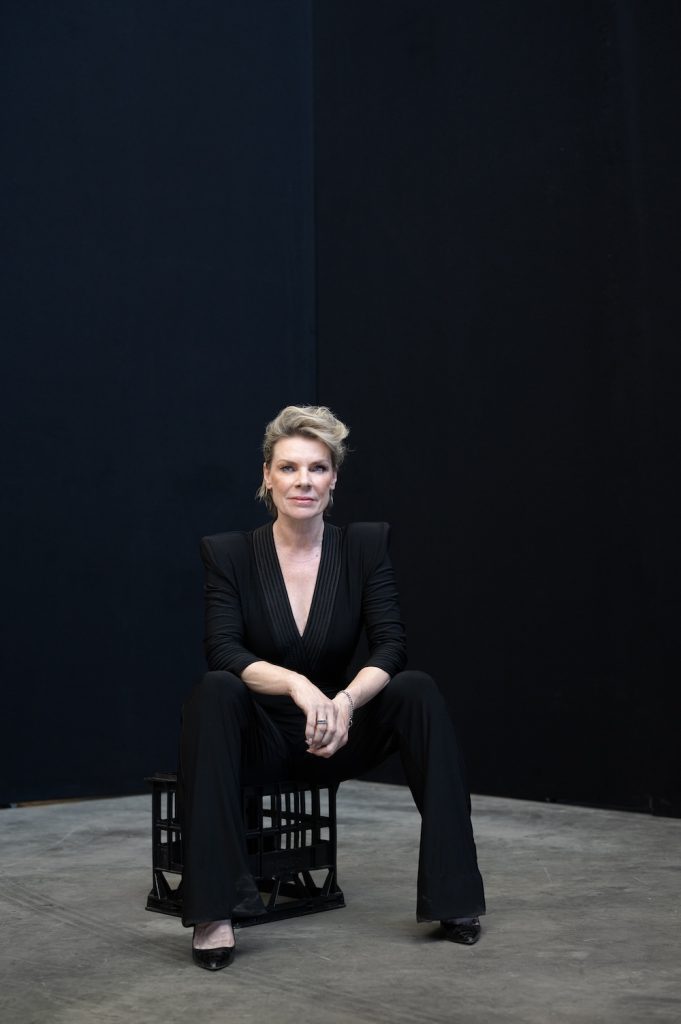
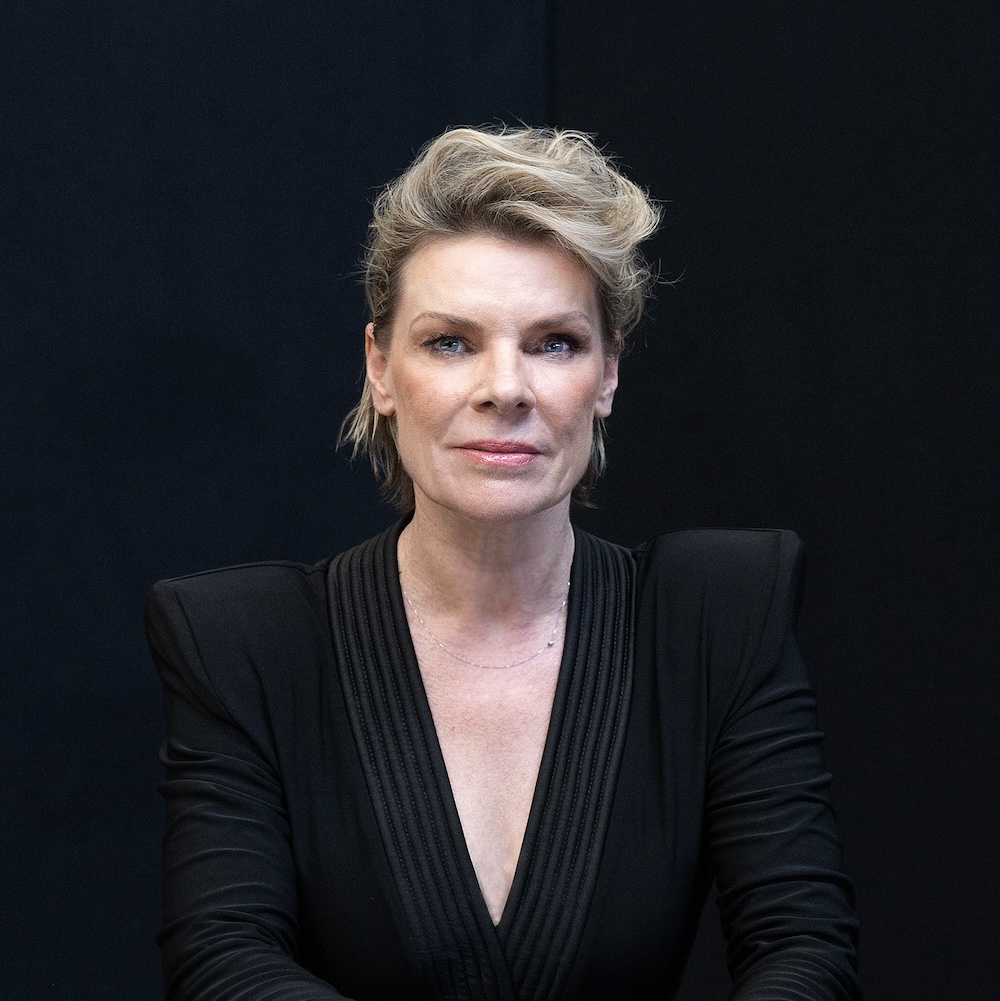
Under the artistic direction of Raewyn Hill, over the past ten years, the company has developed an extensive program that caters to both youth and adult audiences while also providing significant support to the local community of independent dance artists.
In many ways, the key to Co:3 lies in the name. ‘Co’ is an abbreviation of both ‘company’ and ‘contemporary’, while the ‘3’ refers to the three parts of its core operations: a professional dance ensemble, a youth program, and a community engagement program.
Raewyn Hill has the right background to head up this type of crossover organisation.
Born in New Zealand and trained in classical ballet, before joining Co:3, Hill had led her own company, Soapbox Productions (2001 to 2009), and been the Artistic Director of DanceNorth in Queensland (2010 to 2015).
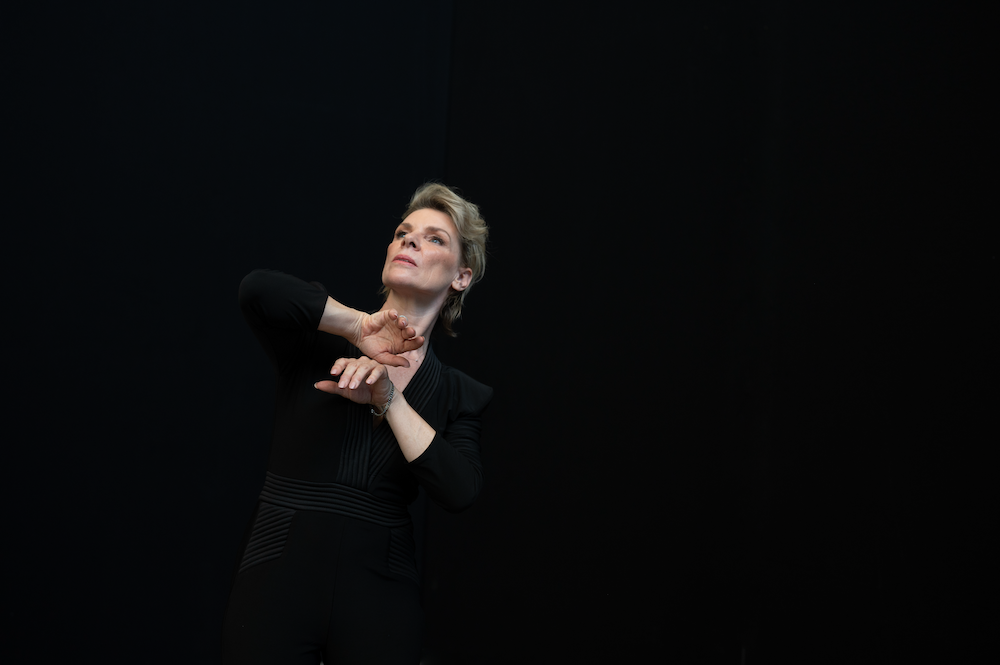
Her international cred is substantial. She was the second-ever international choreographer commissioned by the Bolshoi Ballet Academy and has been an artist in residence at the Cité Internationale des Arts (Paris), the Baryshnikov Arts Centre (New York) and the School of Dance at the Hong Kong Academy for Performing Arts. Her work has been presented at the Bolshoi Theatre (Russia), the Baryshnikov Arts Centre (New York), the National Arts Centre (Tokyo) and the Sydney Opera House, as well as through the Hong Kong International Arts Festival and other festivals in New Zealand and Australia. She has taught and/or choreographed at a number of the world’s leading institutions, including The Juilliard School (New York) and Beijing Dance Academy.
Hill regards the shift from New Zealand to Queensland as a key turning point in her career. Although at the same time she was offered a position in Paris, she chose DanceNorth, as this would enable her to work for the benefit of a community—the Paris job would have been all about her. She brings this same ethos to her work at Co:3.
The company’s operations focus on the development, creation and touring of major- and minor-scale works. The philosophy underpinning this is another snappy triad: curate, commission, create. By extension, Hill’s role as AD is that of a curator, mentor, teacher and creative.
Co:3’s central platform is the Pathways Program, a suite of support services provided to dance artists. Conveniently, all of its sub-programs are prefixed with the word ‘In.’
In.Studio, In.House and In.Residence cater, respectively, to emerging artists, established practitioners and leading independent choreographers. The support ranges from the provision of free studio space, through mentorship in developing a concept up to a pre-production stage, to the realisation of a work of scale for inclusion in Co:3’s annual artistic program. The last two come with direct financial support.
All elements of the program are curated by the AD in consultation with a reference group.
As Executive Director and co-CEO, Hilary McKenna points out, the program is continually evolving in response to opportunities that arise.
This year the company is also mounting In.Class, a program geared to the general public at all levels of dance skill, and most importantly, the Connect program, whereby workshops are held in a selection of metropolitan and regional high schools.
In 2023/2024, in collaboration with STRUT, two substantial fellowships were offered, one for a mid-career artist and the other for an emerging artist.
Through these various programs, over the past ten years, Co:3 has directed some $8 million towards upwards of 500 dancers, choreographers and associated creatives. Some of these artists have remained with the company for its entire history.
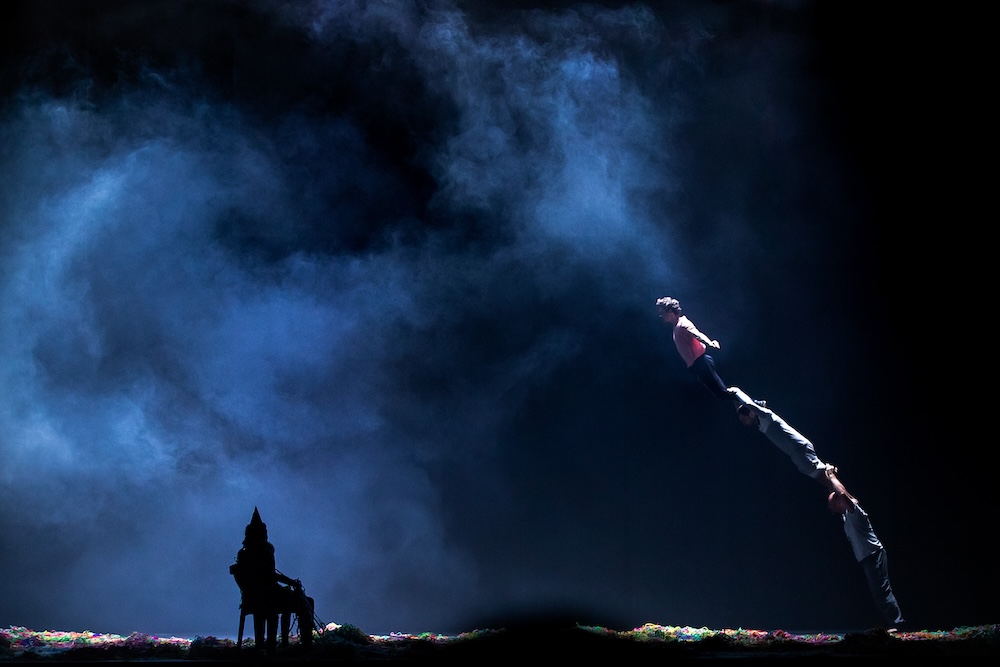
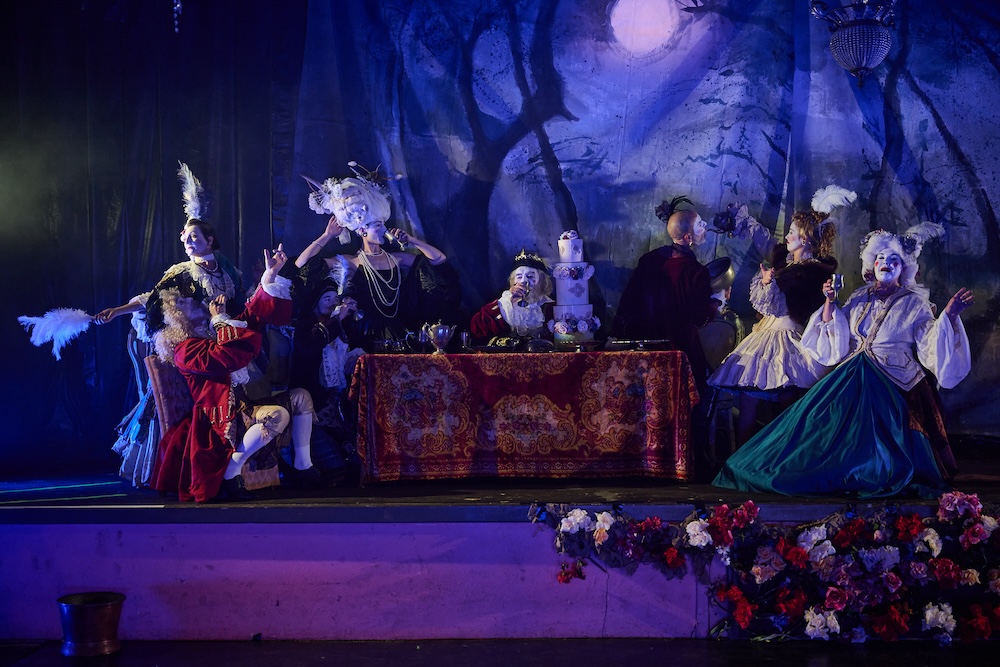
Balanced against all of this is the annual presentation program: the production of a work of scale in a profile venue. On a year-about basis, this varies between a collaboration with a significant artist and a new work developed by the artistic director. Productions include Archives of Humanity, Architect of the Invisible and The Zone by Hill, and the collaborations Frank Einstein and The Ninth Wave.
It is smart that the AD is only required to make one new full-length work every other year. Not only is the responsibility of managing the Pathways program immense, but the extra time allows for the more realistic development of an original work. In this regard, Co:3 has learnt from the CPDC, where the creative pressure of mounting two new mainhouse productions every year was a factor in the company’s closure.
The performance side of the program has had a significant boost in recent years with the move into the Liberty Theatre on Barrack Street. This former cinema had lain dormant since the 1980s and is now steadily being transformed into an adaptable and accessible performance space. Prior to the move, the company’s dance contingent was based in the old European Foods warehouse in Northbridge. Although great for development, rehearsals and storage, Euro Foods did not have a performance space. While the company’s administration remains based in the Kings Street Arts Centre, the move to the Liberty is a major step towards obtaining a permanent home.
To commemorate its tenth anniversary, this year Co:3 has mounted two main house productions.
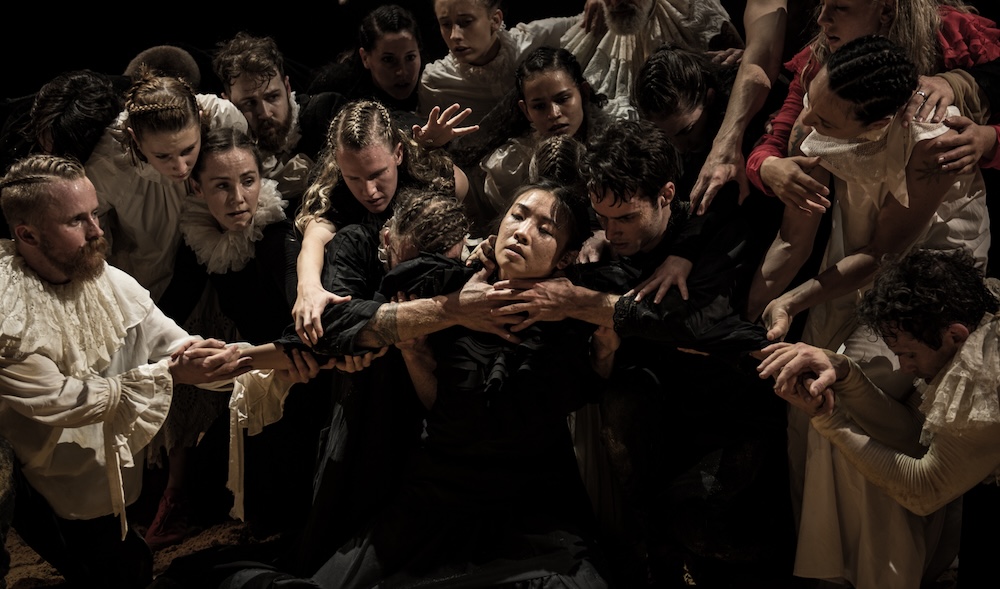
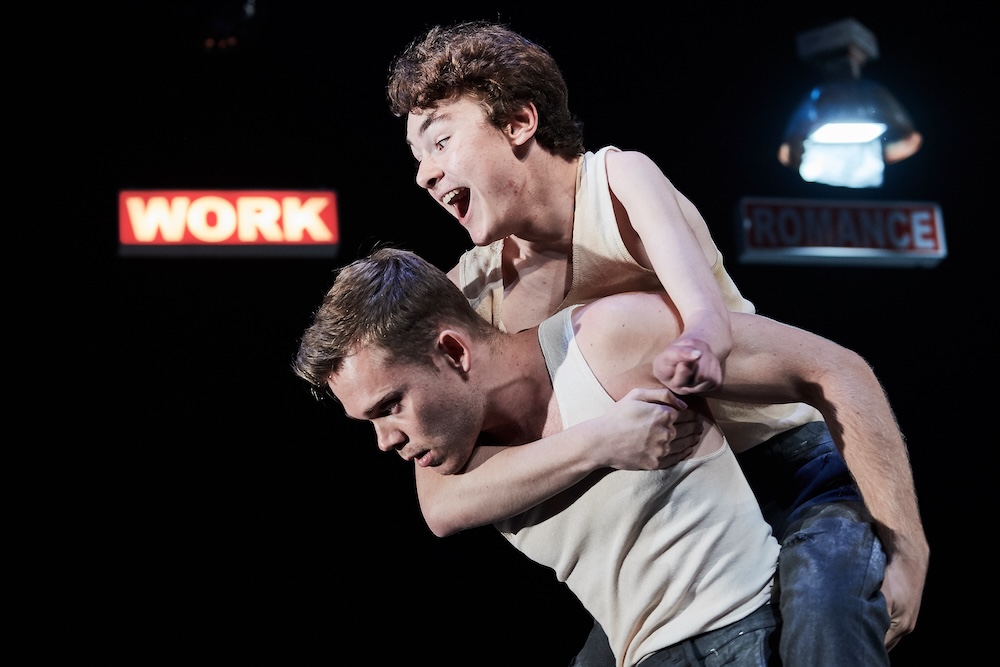
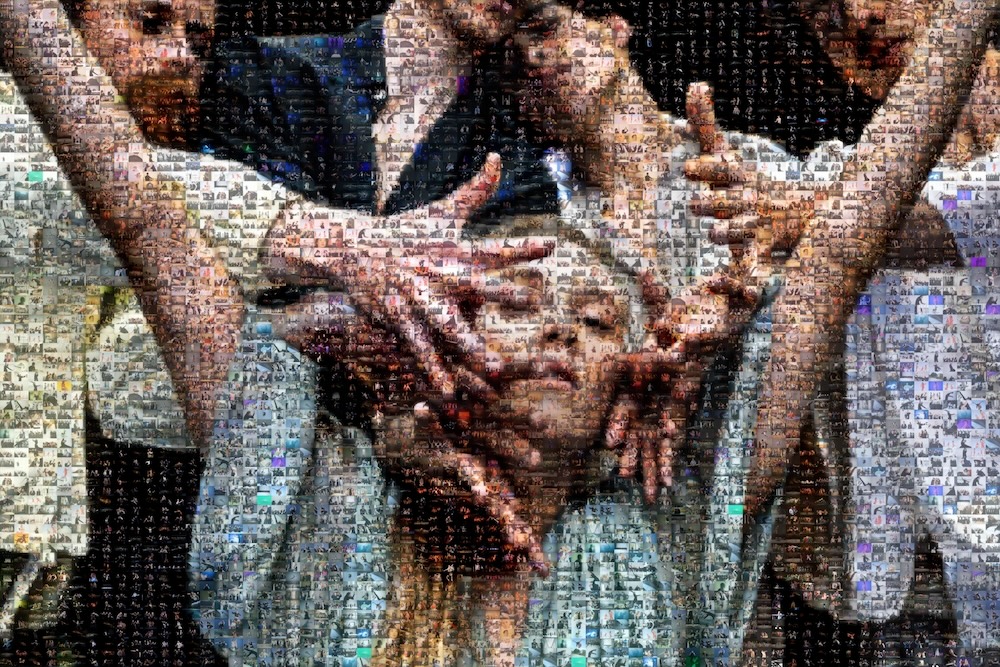
The first, Gathering.1, was presented at the Liberty back in June. The show featured the work of four choreographers: Hill and independent artists Logan Ringshaw, Kimberley Parkin and Mitch Harvey. Their ten-minute pieces were intercut with short vignettes devised and performed by members of the Link dance company. See the X-Press review here.
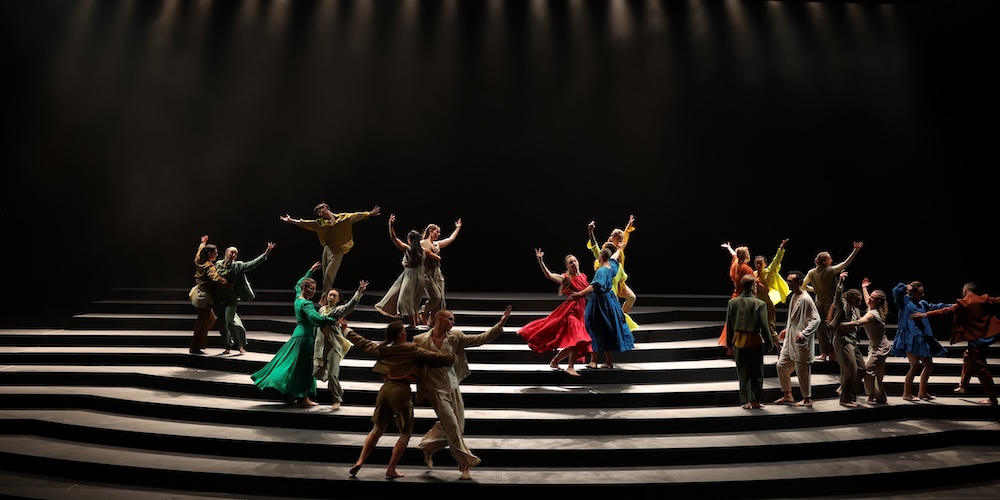
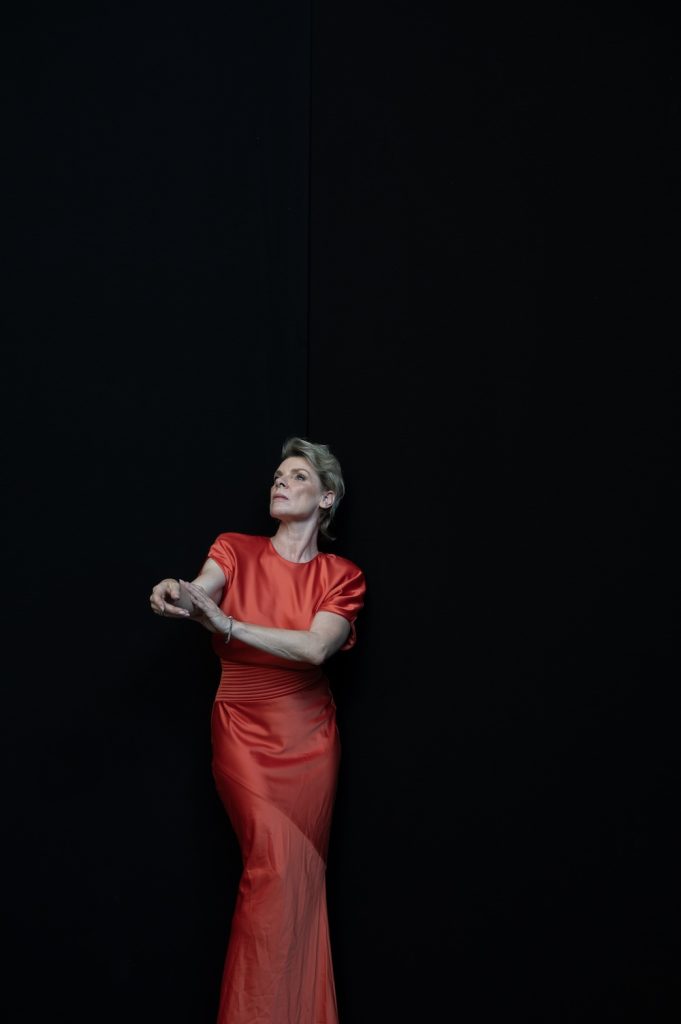
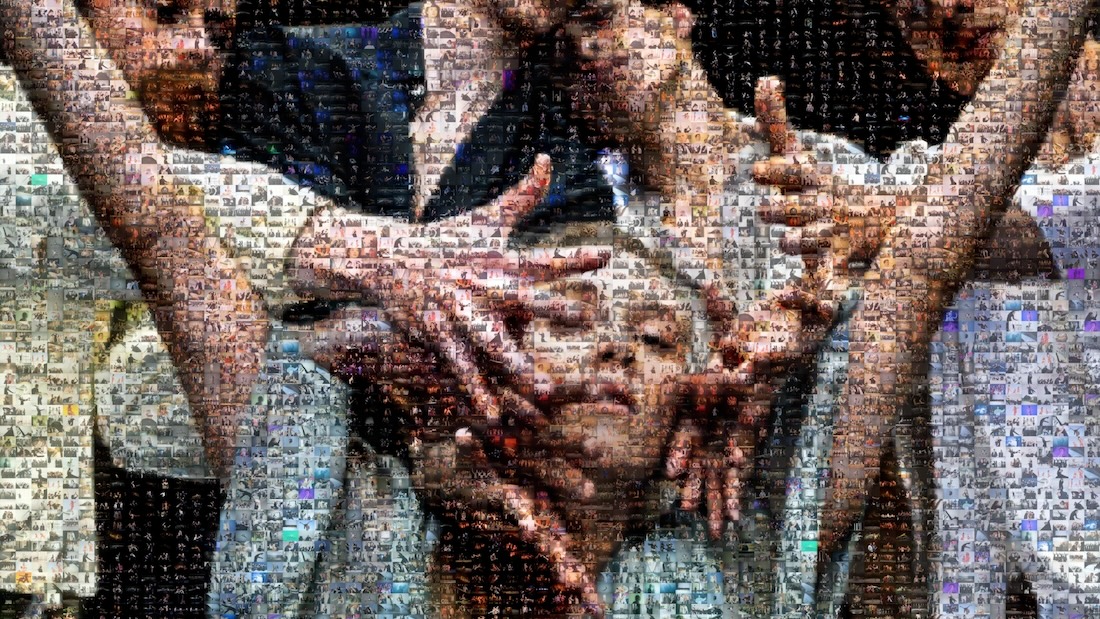
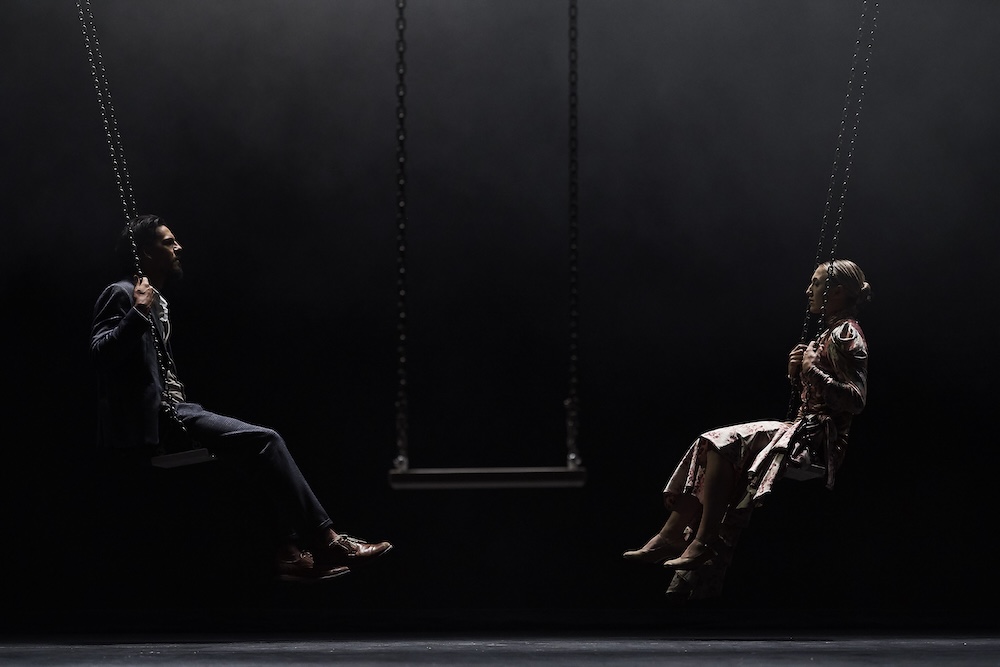
The second production, Hill’s In the Shadow of Time, is currently showing at the Liberty and runs through until Saturday (September 20). A major new work, it has been developed in collaboration with the Australian Chamber Orchestra Collective and Japanese-born Australian fashion designer Akira Isogawa. After this Perth season, the show heads off on a regional tour before landing in the Australian pavilion at the World Expo in Osaka, Japan, next month.
As Hill’s sixth production with the company, the collaboration with the ACO, one of Australia’s leading arts organisations, is a major coup. Touring with the orchestra to Margaret River, Albany, and Bunbury is a great achievement, while the presentation of the show in Osaka, alas, without the musicians, will raise the company’s international profile.
Co:3 has come a long way in ten years. Responding to the needs of the local community and the forces that have shaped the contemporary dance scene in Perth over the decades has helped it grow into a strong and adaptable company. Ever resourceful and resilient, it is well-placed to tackle the challenges of the decade ahead. The expanding Pathways Program and presentation of In the Shadow of Time will consolidate the company’s presence in Perth and beyond. On the precipice of great things, the future is looking bright for Co:3.
At 6 pm on Friday, immediately prior to the evening performance, there will be a special In.Coversation panel discussion open to the public. This will be an opportunity to find out more about the ideas informing this exciting new work.
In the Shadow of Time is showing at Liberty Theatre from Wednesday, September 17 until Saturday, September 20, 2025. Tickets are on sale now from trybooking.com
IAN LILBURNE