Review: Tone List Celebrates 10 Years at Wyola
Tone List Celebrates 10 Years at Wyola
w/ Tone List Family Band & Friends, Clouds Come Rain & Basic Mind, Sage Pbbbt, Ben Greene & Mary Rapp, Wayang (DJ)
Friday, August 7, 2026
A decade of exploratory music could invite a grand retrospective: milestones recounted, achievements tallied and history arranged into a neat commemorative package. Tone List, fittingly, celebrated its tenth birthday by making something that could only exist in that room, at that moment.
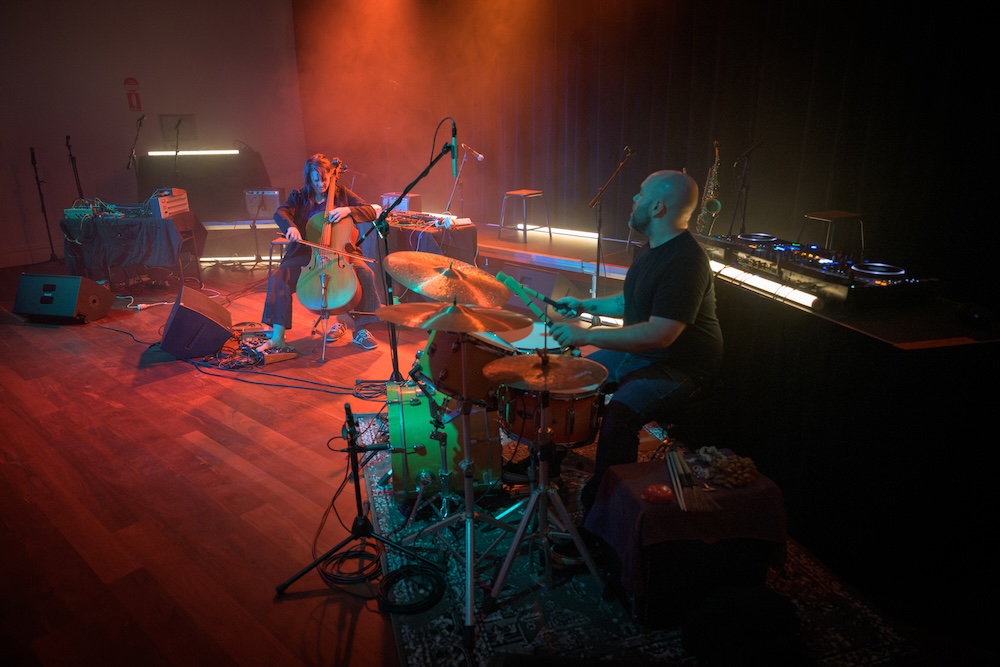
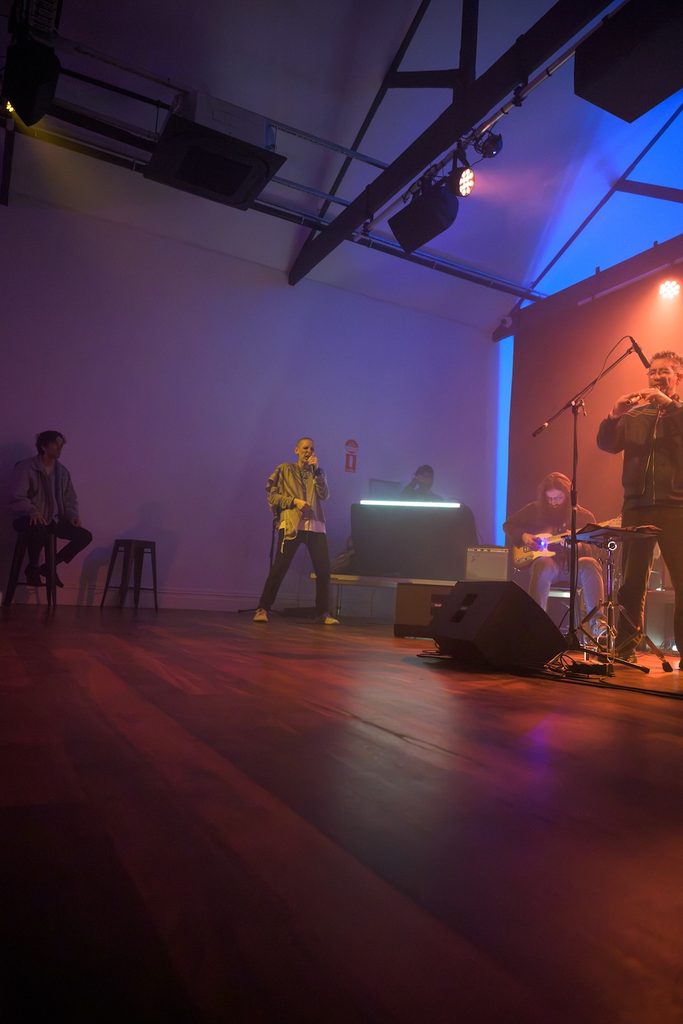
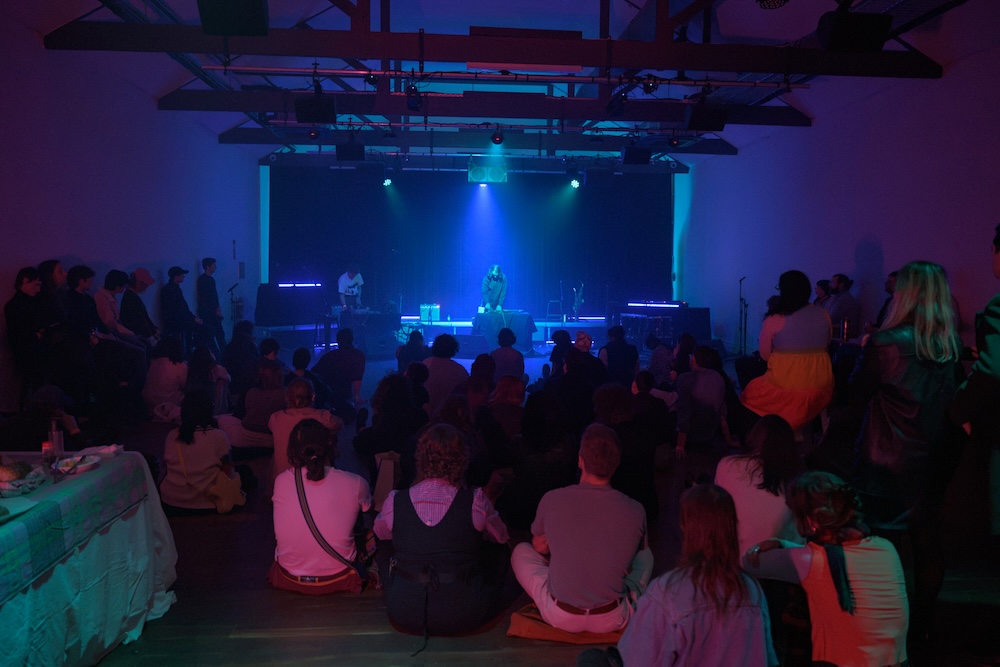
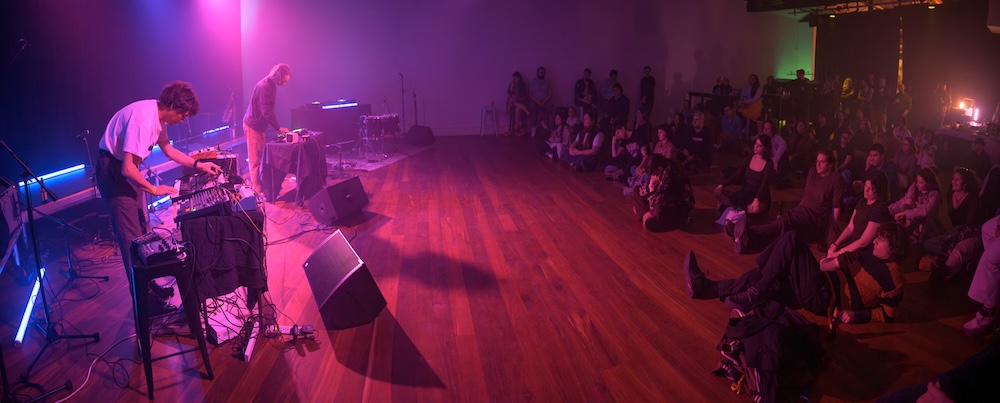
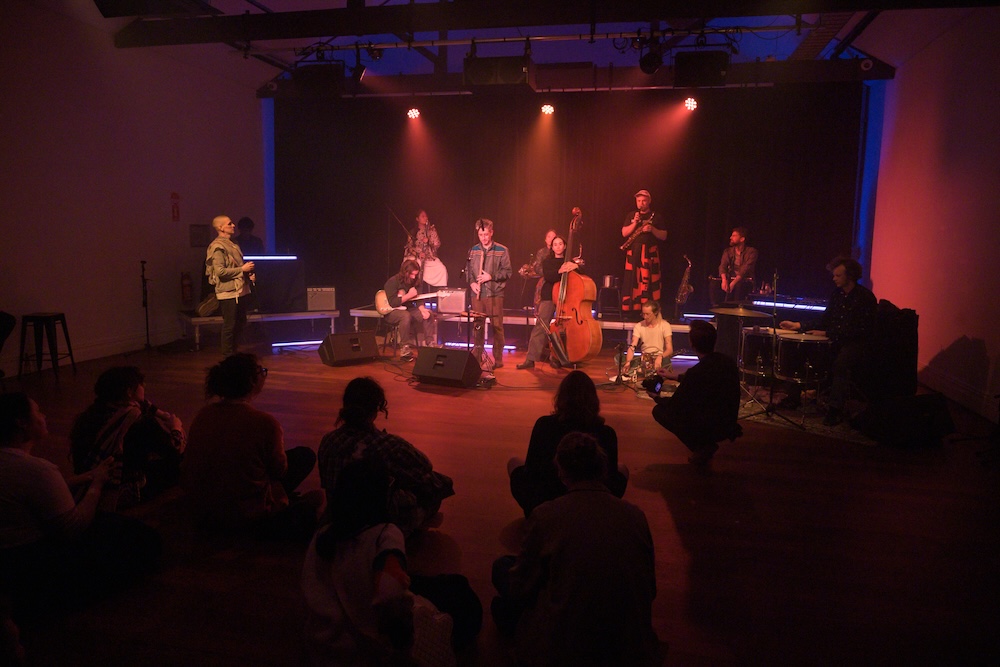
Wyola’s upstairs space was barely lit but never uninviting. Soft washes of light respected Tone List’s commitment to accessibility, while the absence of a raised stage placed performers and listeners on equal footing. Audience members sat cross-legged or reclined to feel the reverberations move through the floorboards. Barebones without being grimy or soulless, it was a mature home for an organisation that has itself matured; soup and bread on arrival made it feel less like a showcase than a gathering.
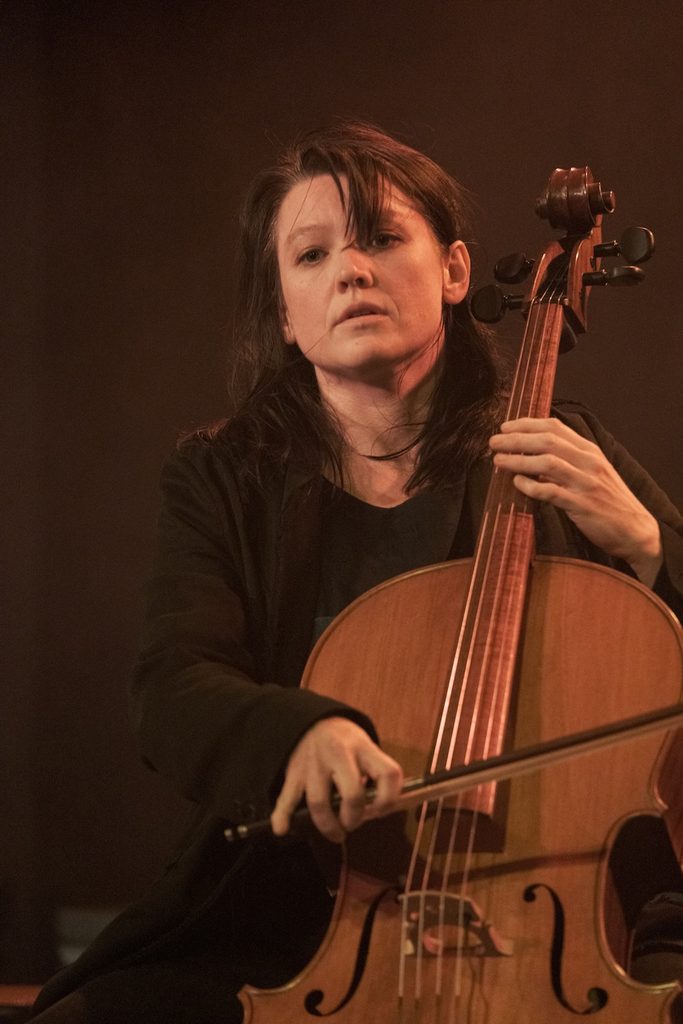
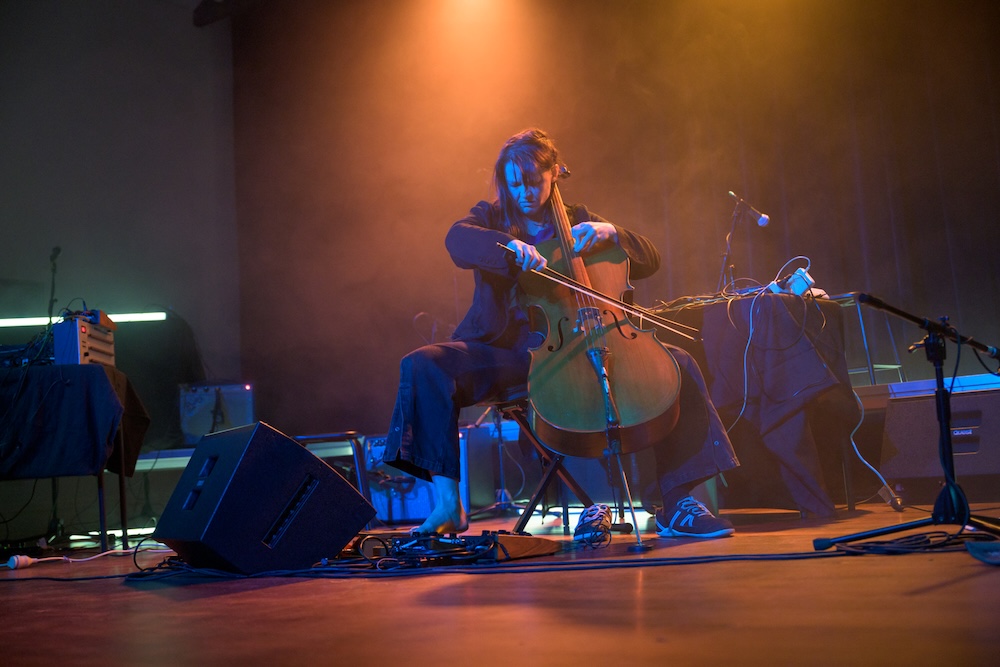
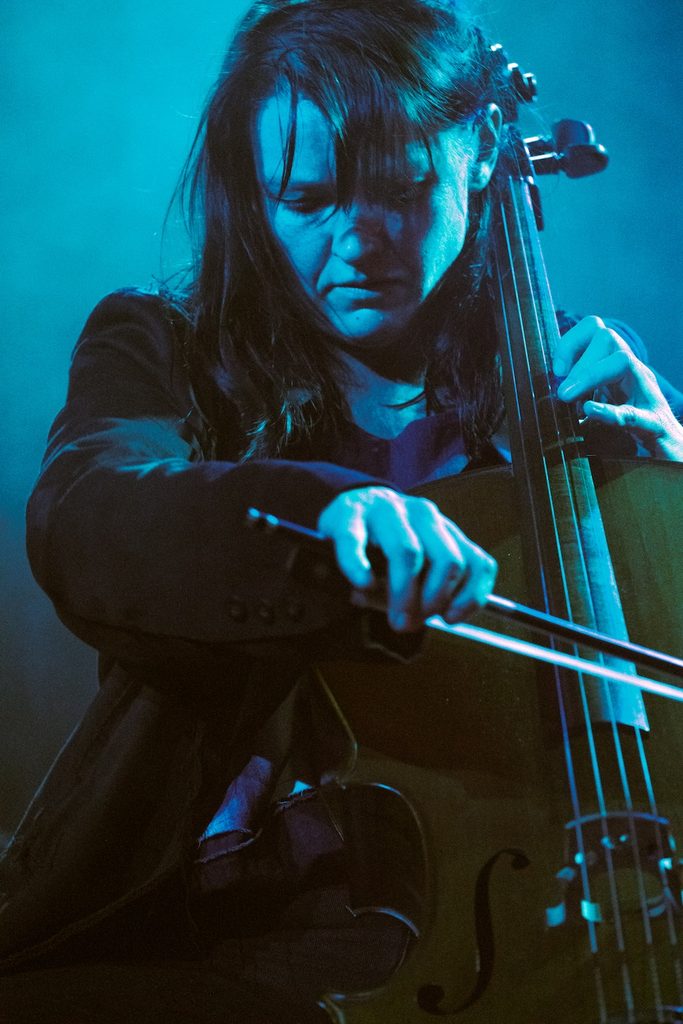
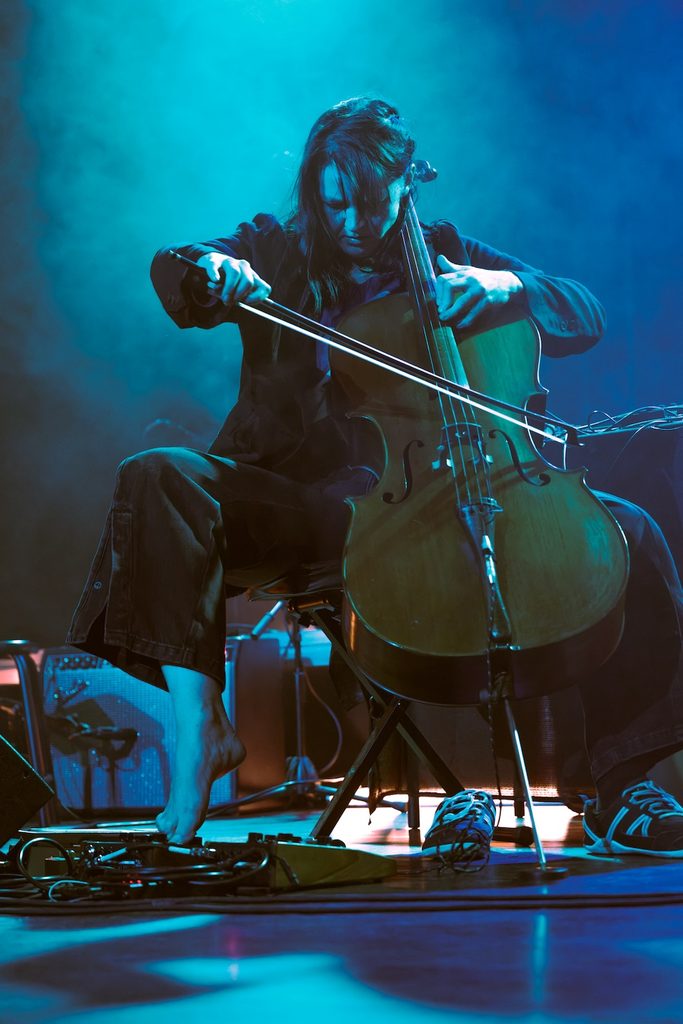
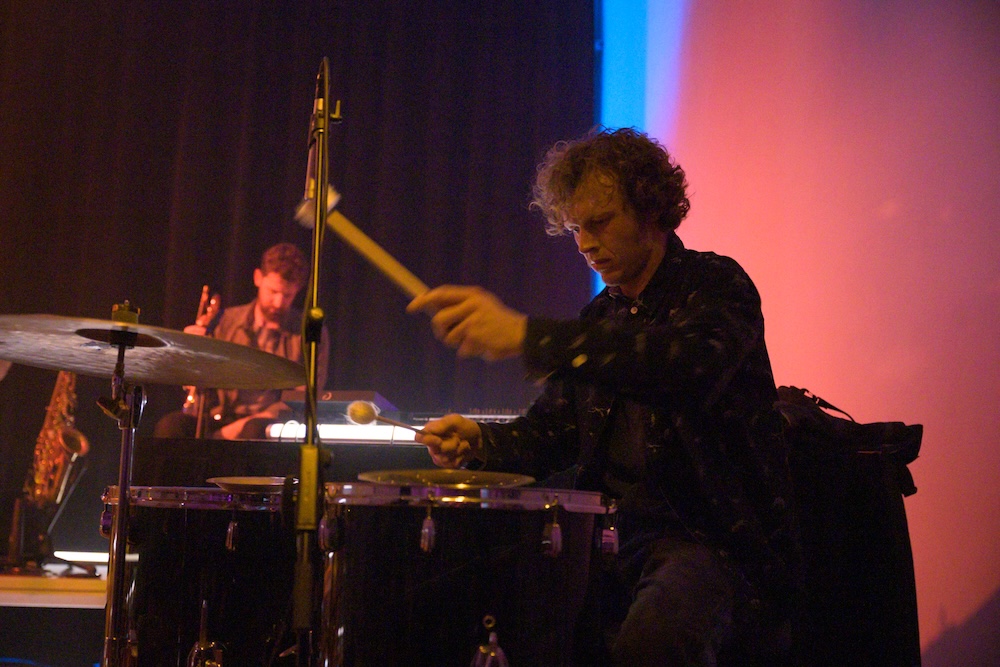
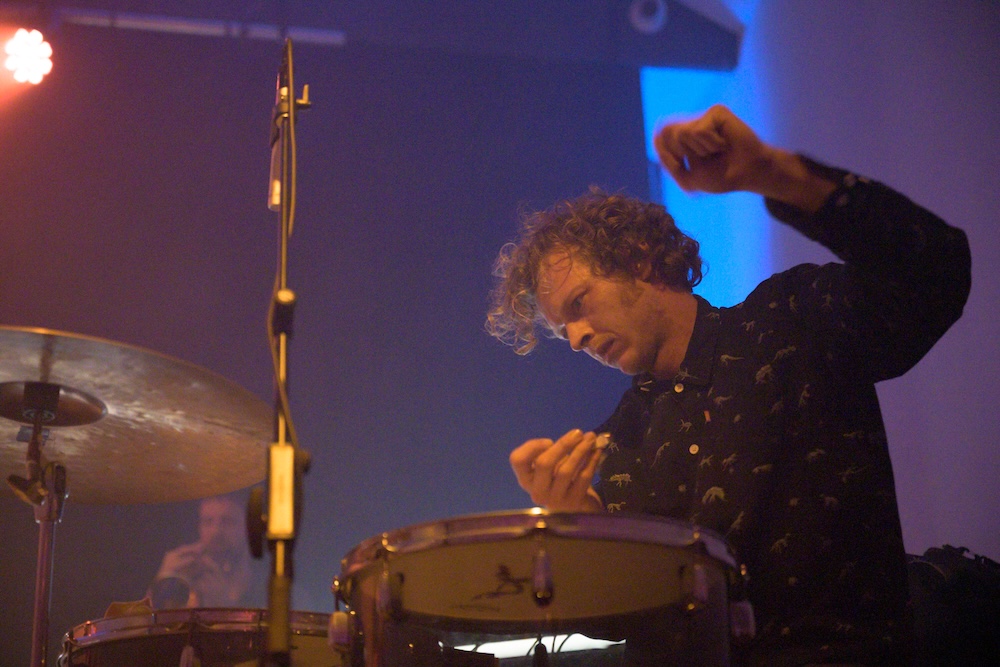
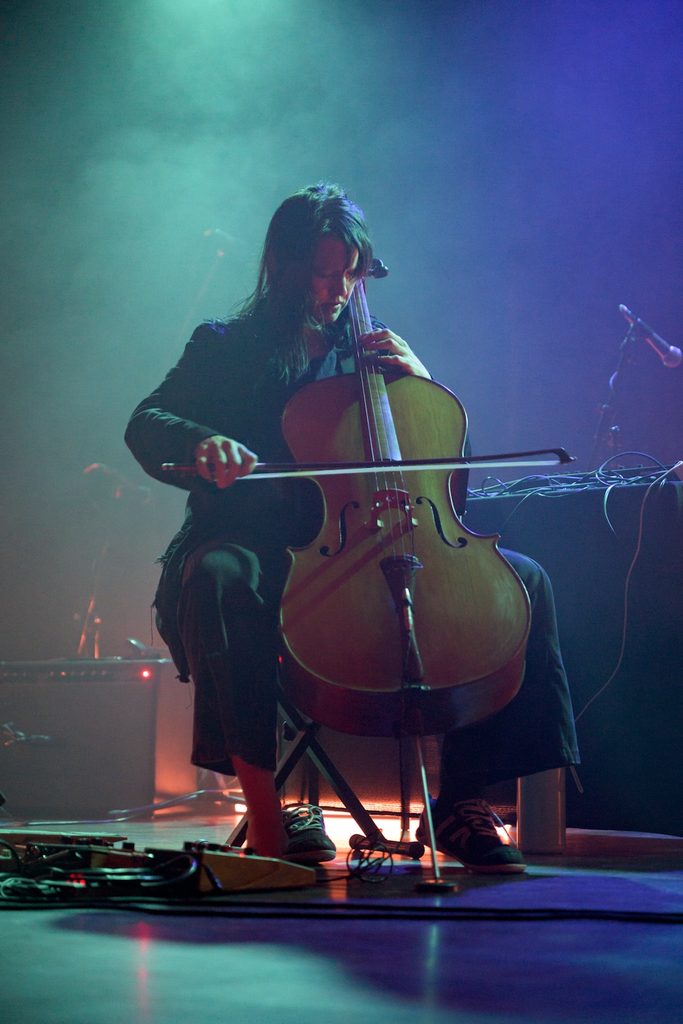
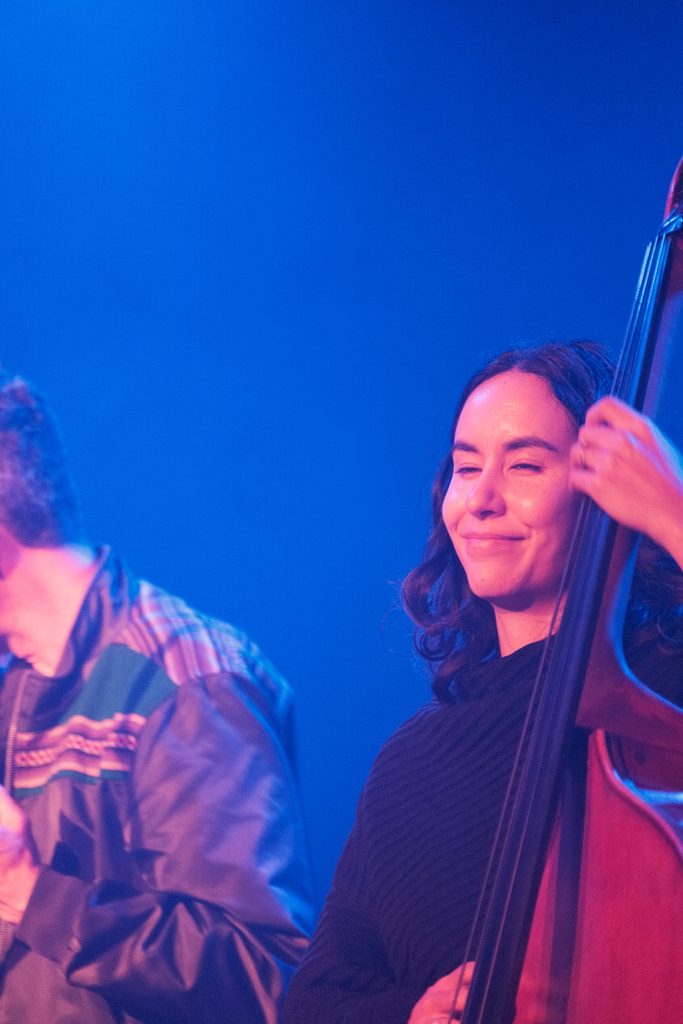
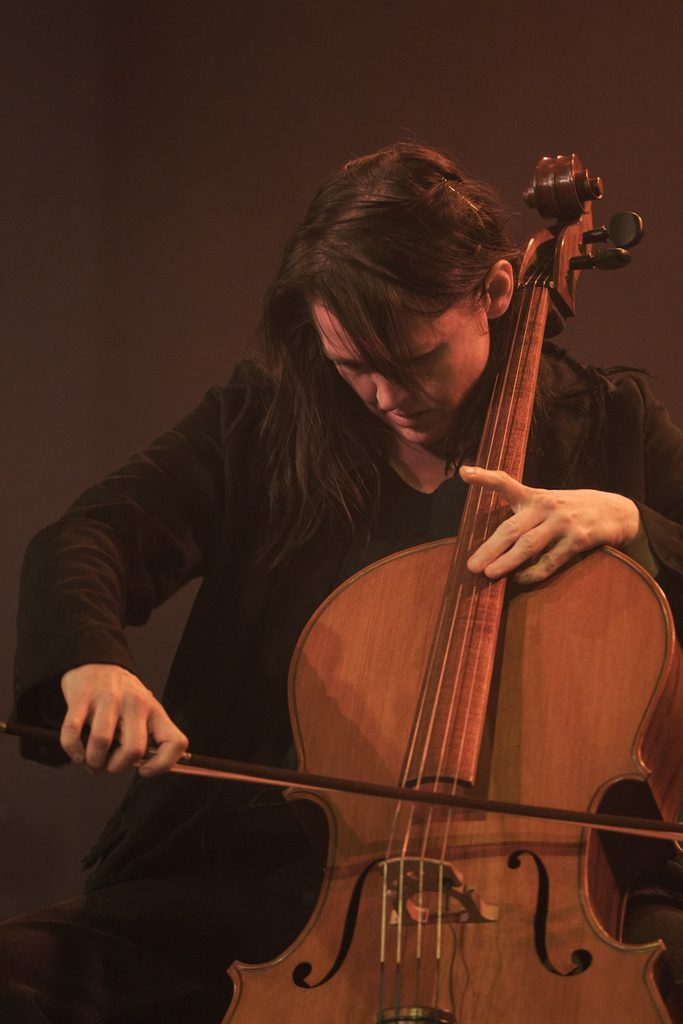
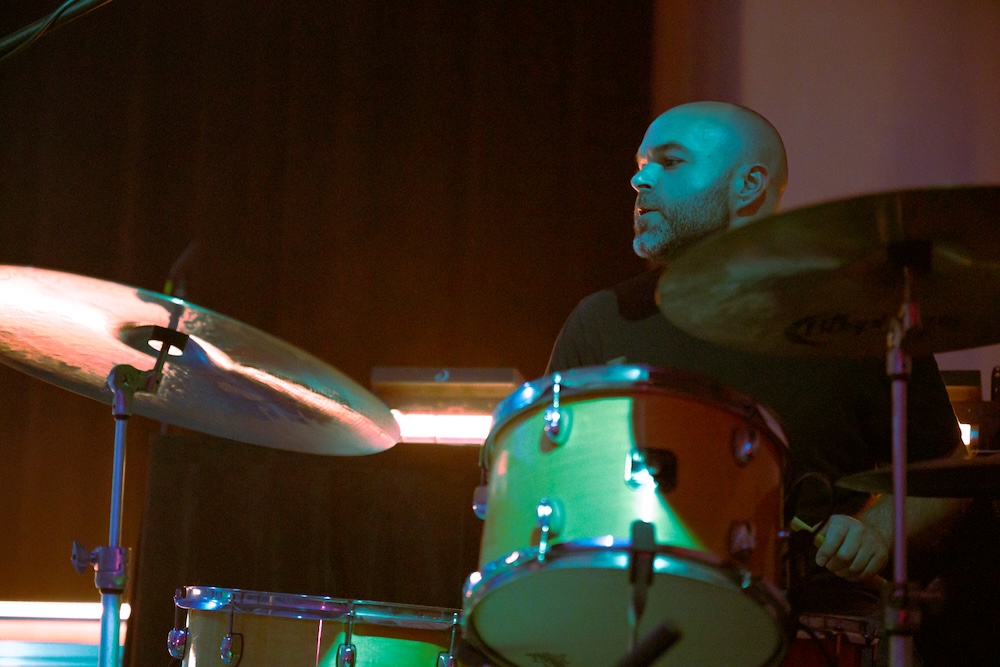
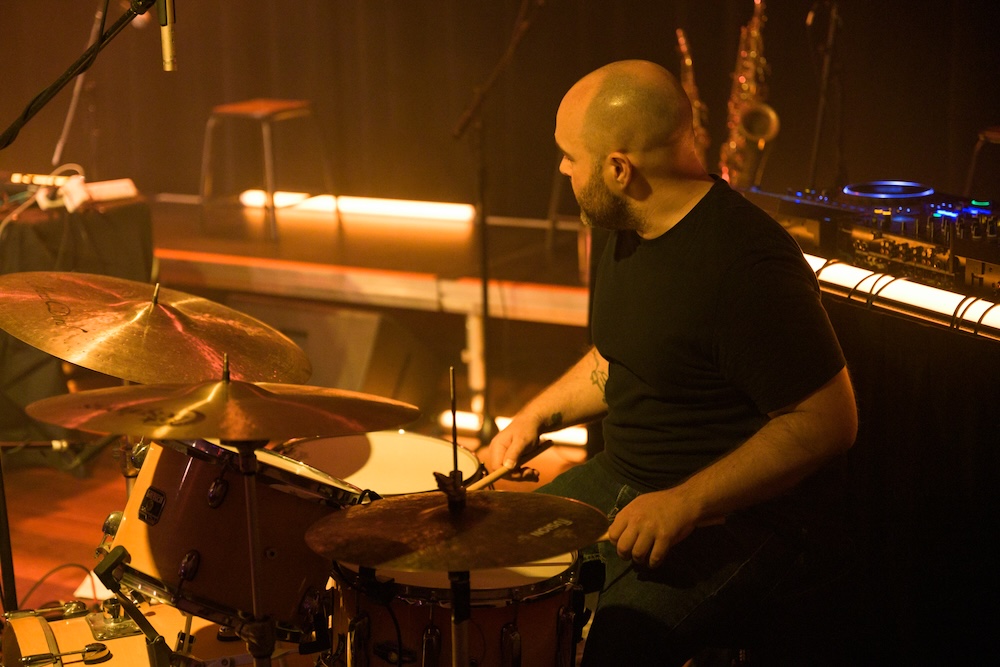
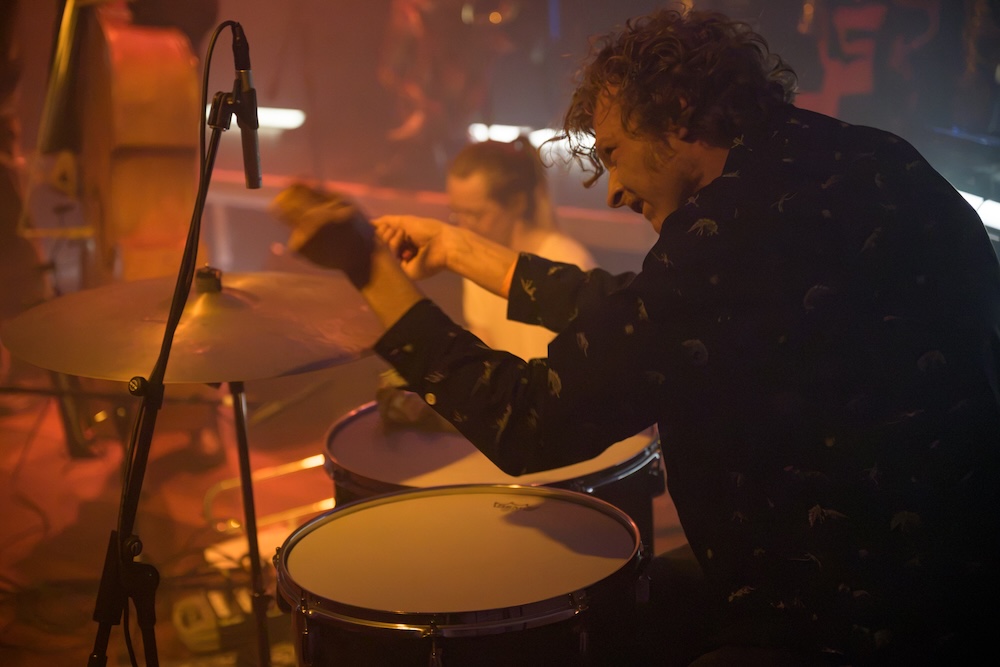
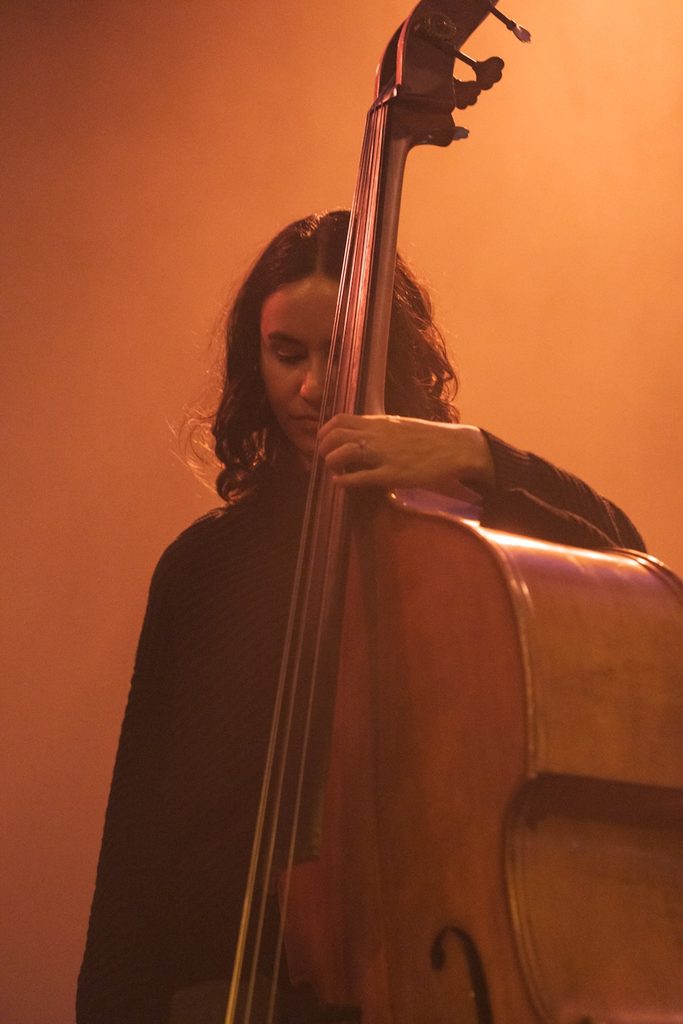
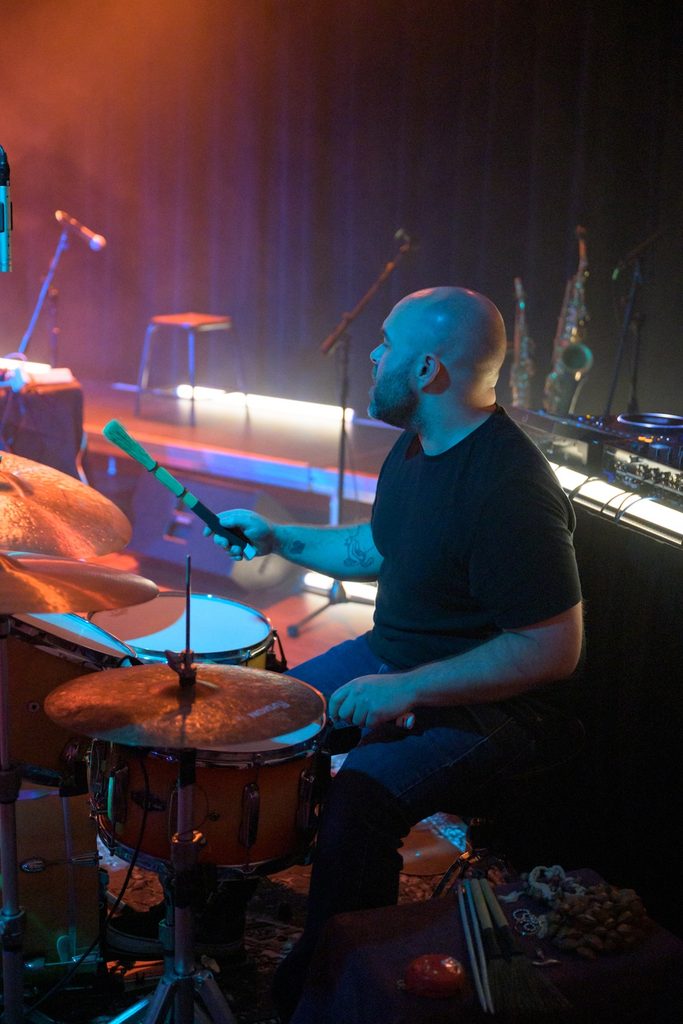
Drummer Ben Greene and cellist Mary Rapp began by summoning an approaching storm. Rapp’s amplified cello swelled, hummed and scraped, her bow strokes growing feverish without tipping into ugliness, sounds resembling a wet finger circling glass carried warmth rather than screech. Greene’s polyrhythms provided a shifting structure for the cello to waver against before his brushes tempered the storm.
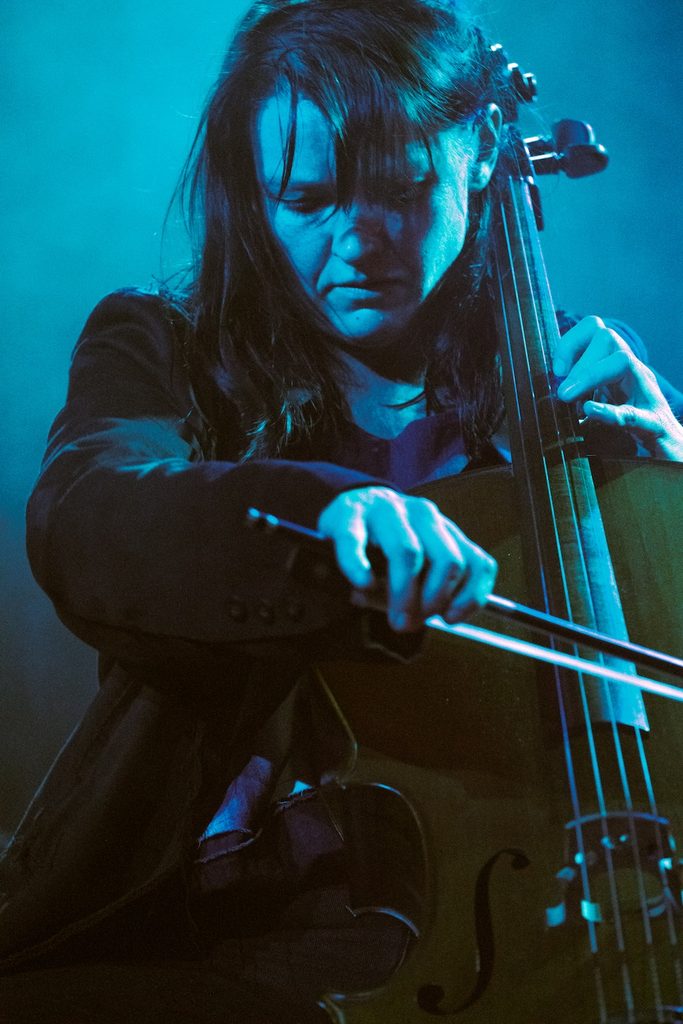
Their attention took different physical forms: Greene watched for connection while Rapp appeared lost within strings and pedals, tweaking knobs with bare toes. At times they talked over one another; elsewhere, one receded to listen. Only afterwards did we learn they had met barely 20 minutes earlier. Improvisation should hardly surprise at a Tone List event, but the fluency of this exchange demonstrated the trust underpinning its curatorial approach.
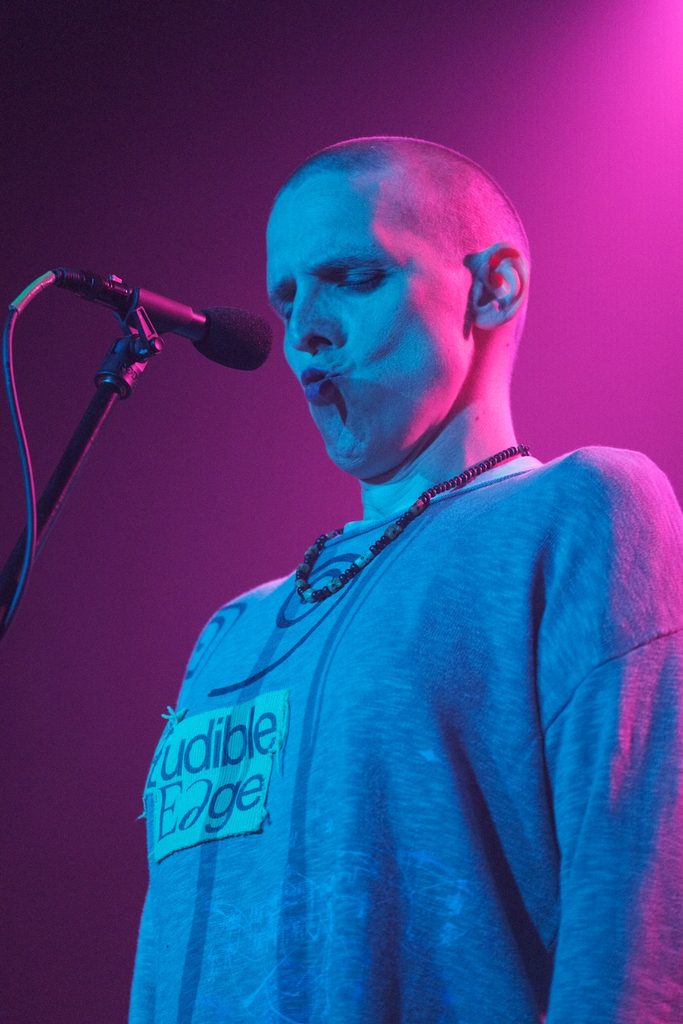
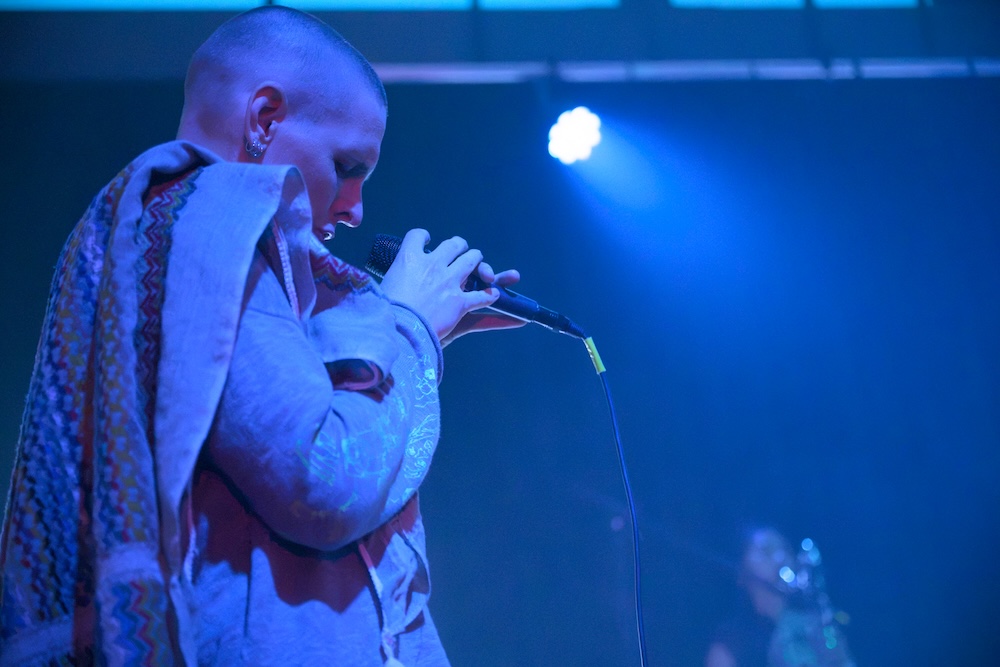
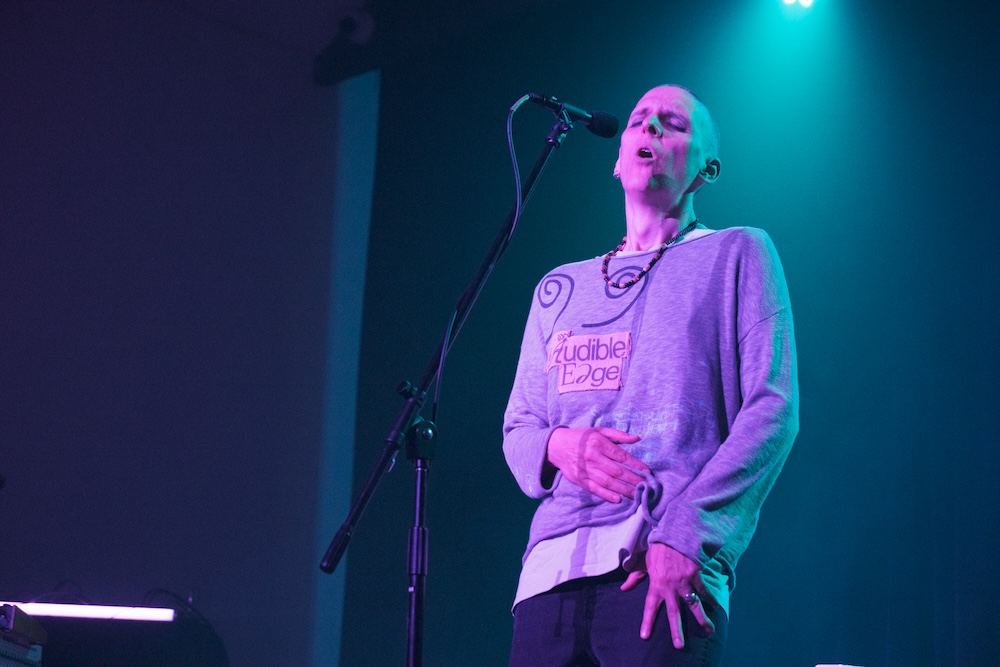
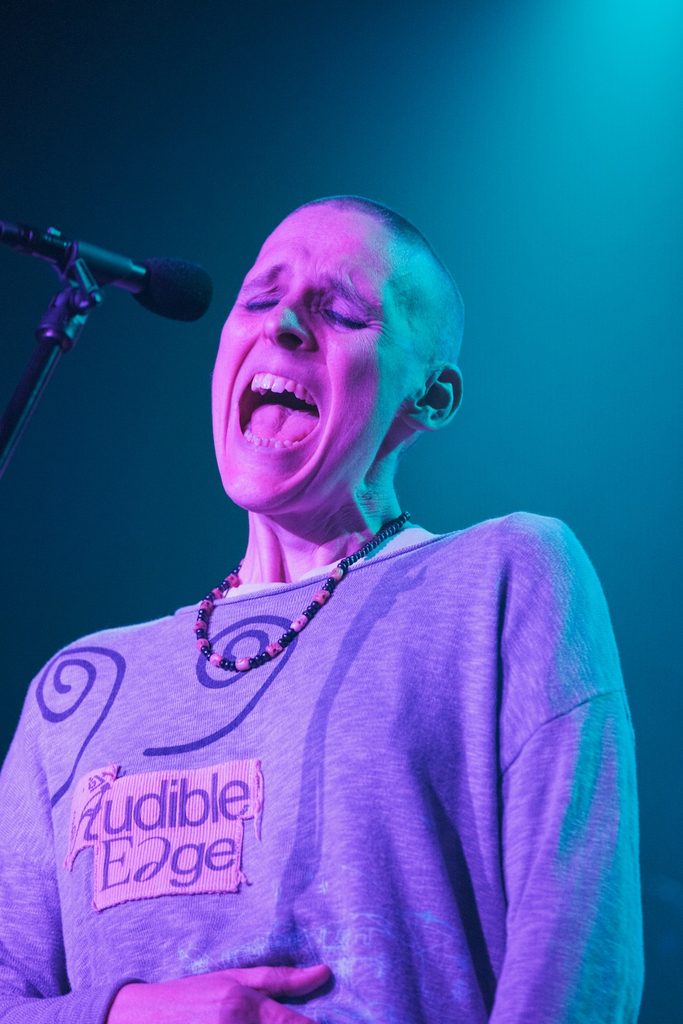
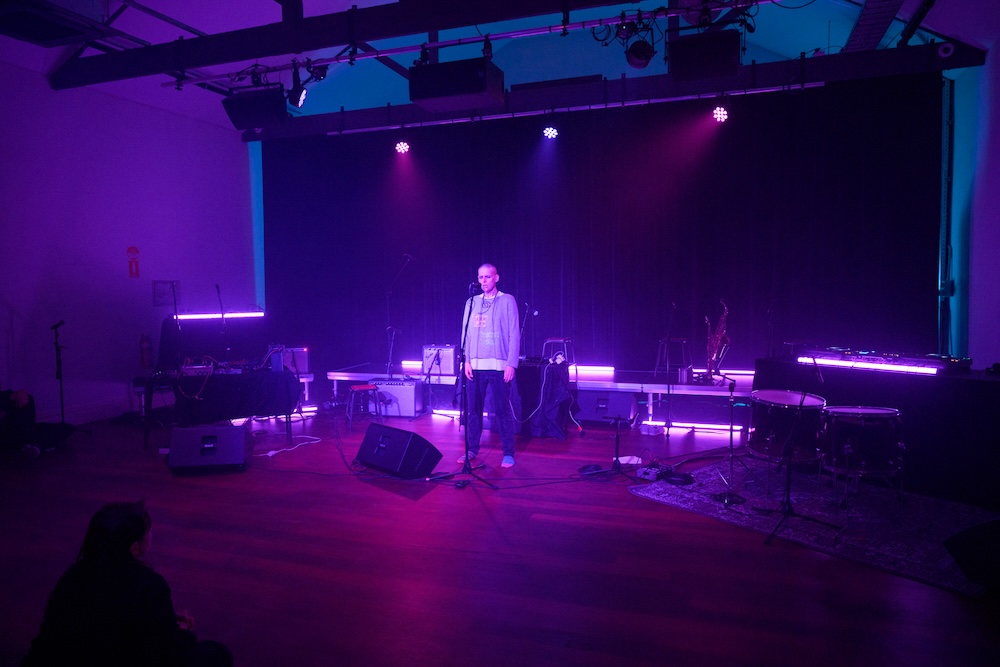
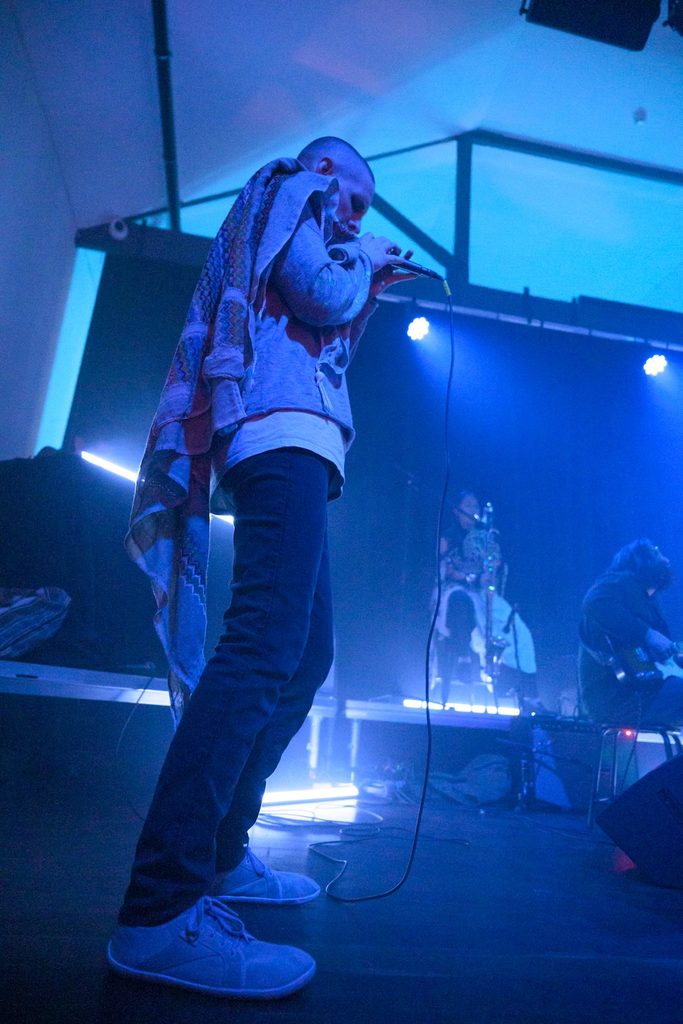
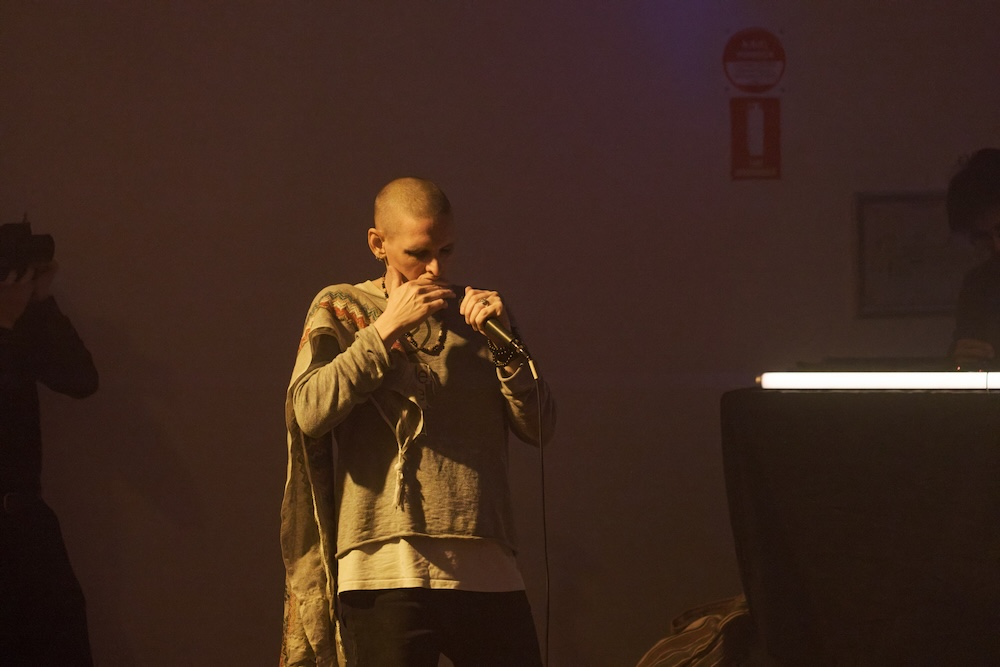
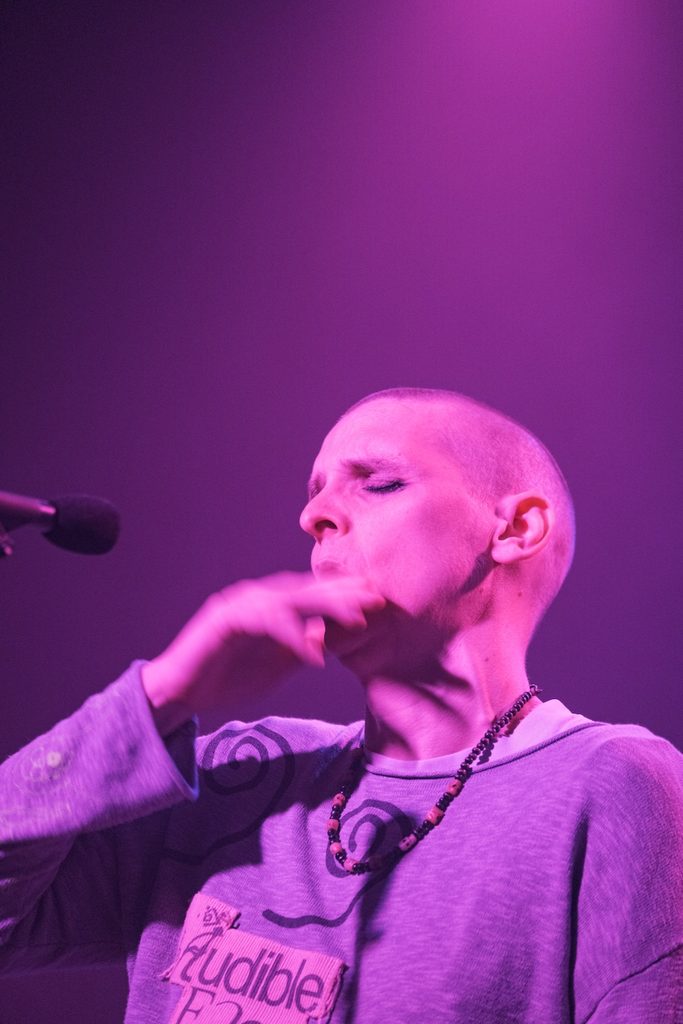
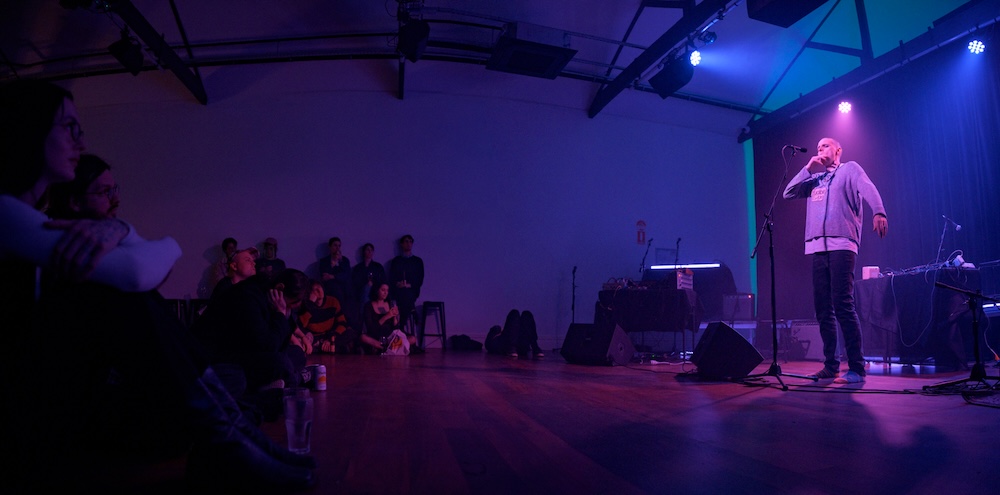
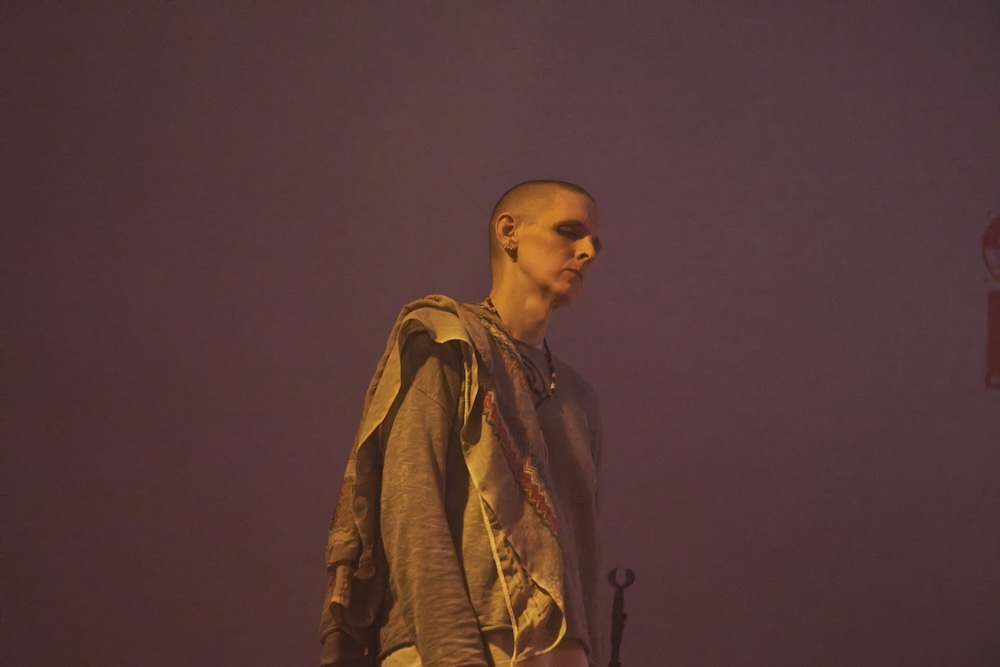
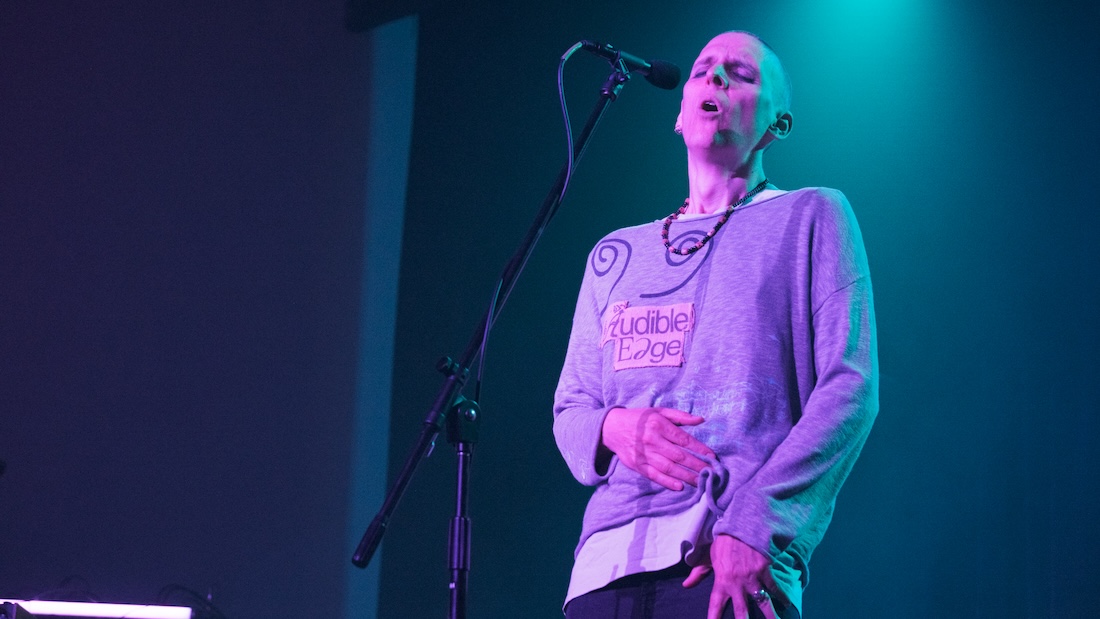
Sage Pbbbt, an Outcome Unknown participant since that series’ early years, followed by treating the human voice as an instrument of seemingly limitless scope. Her opening resembled dial-up internet yawning awake: a dry, haunting rattle developing its own taxonomy of throat clearings, grizzles, burbles and elongated tones. What first appeared abstract and sans emotion became communicative, as though we were learning the rules of a new language.
Pbbbt’s jaw and lips contorted into resonances nearing Gregorian chant or throat singing, while fingers strummed across her mouth as though playing a harmonica made from flesh. Pining nasal notes and kettle-boiling whistles gave way to wet gargles, then the bellow of a drunken giant awakened from sleep. For me, the squelches recalled Johnny’s observation in Mike Leigh’s Naked that it is astonishing the body makes so little noise given the volatility of its internal mechanics, as though Pbbbt was bringing that inaudible inner tumult to the surface.
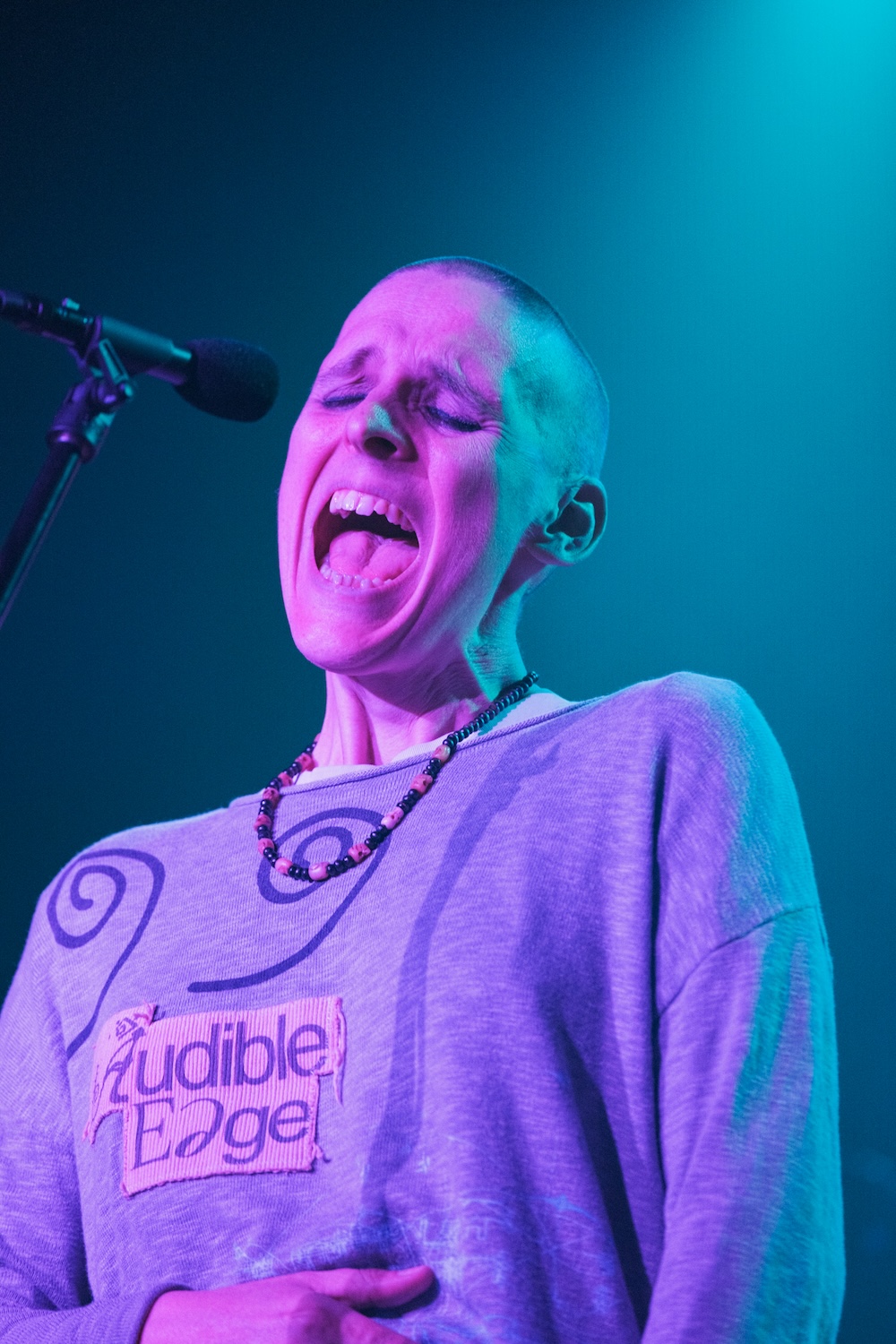
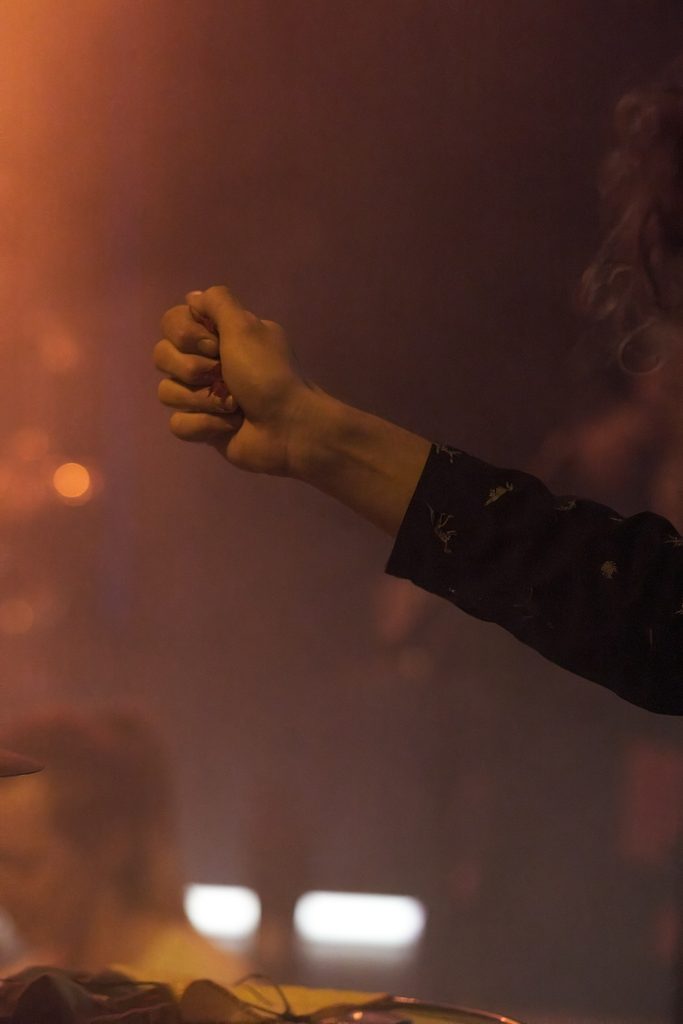
Below us, Friday-night line dancing at Honky Tonk supplied an accidental counterpoint, country thumps intruding through the floor as Pbbbt bellowed back. A hand briefly cupped to the ear invited a response, prompting a titter from the audience. Even a performance this singular depended upon the room listening back.
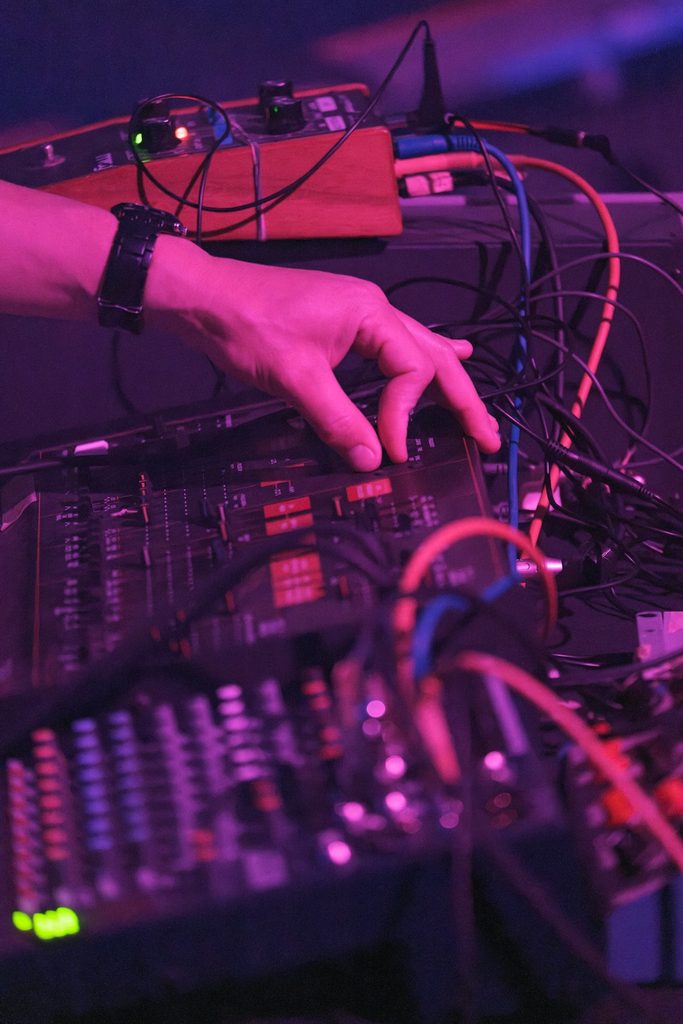
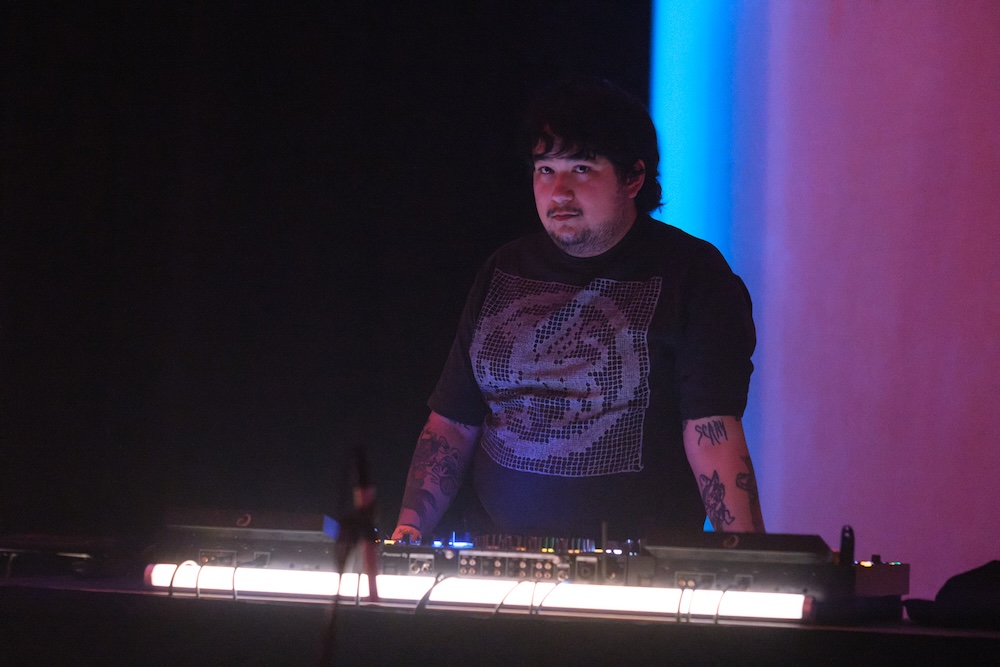
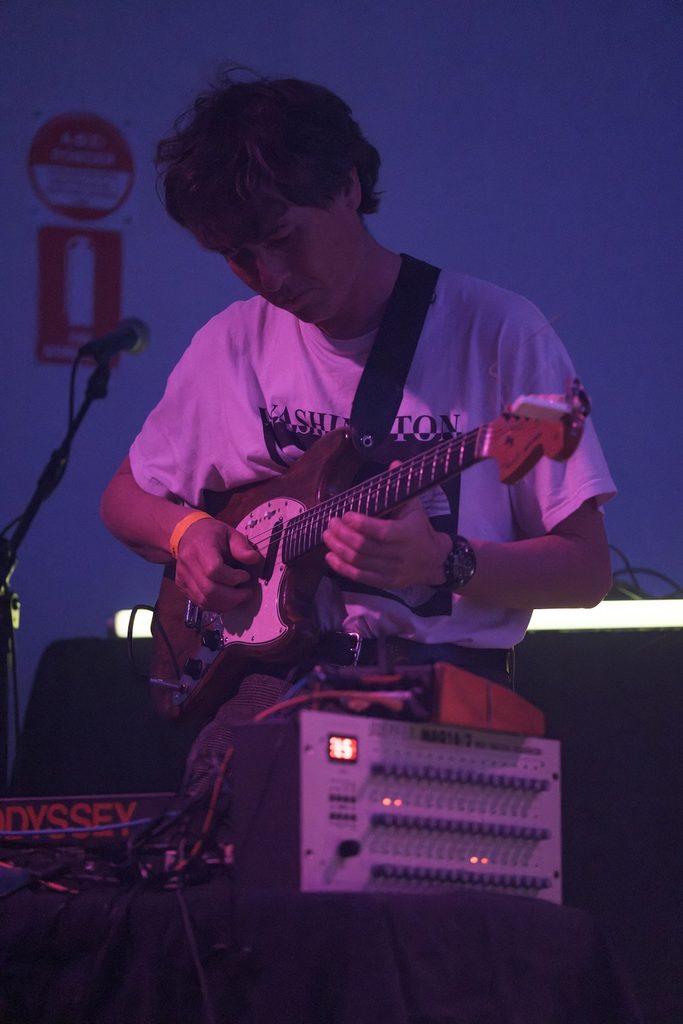
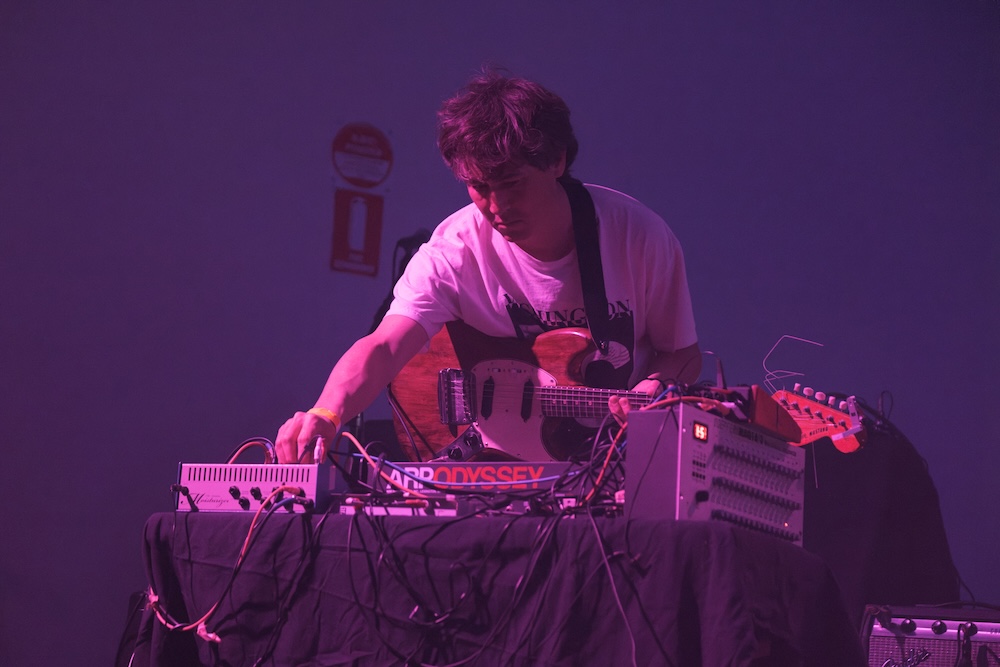
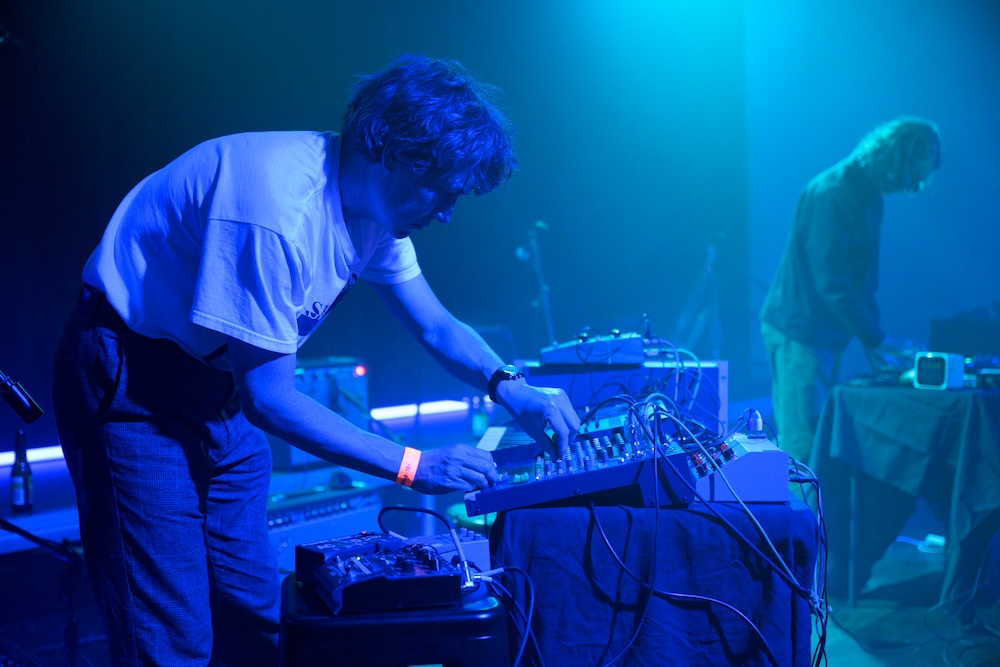
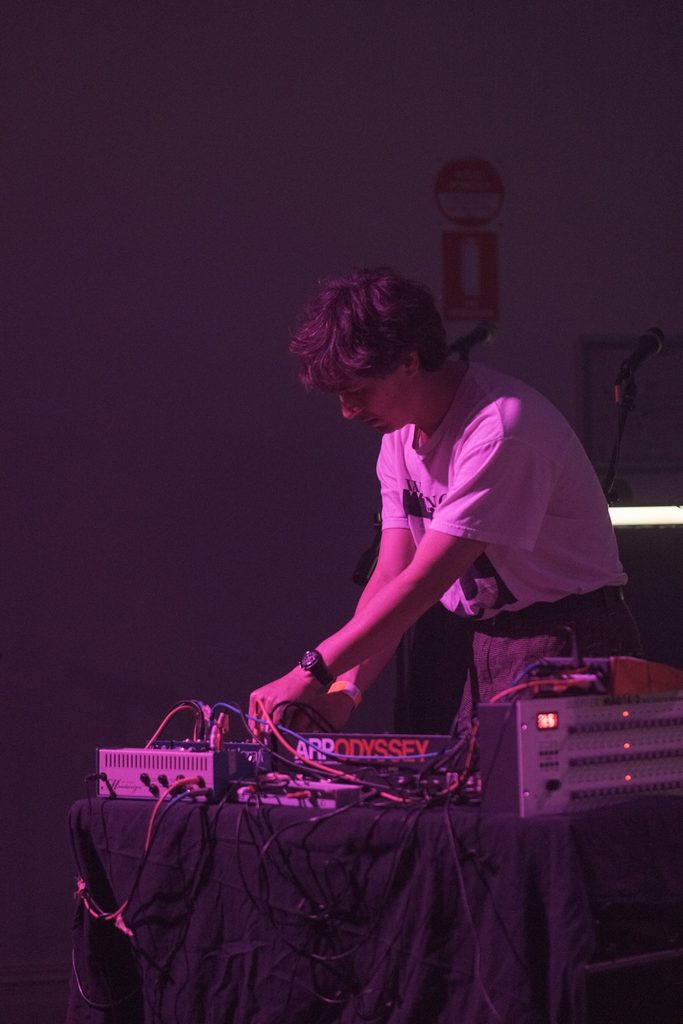
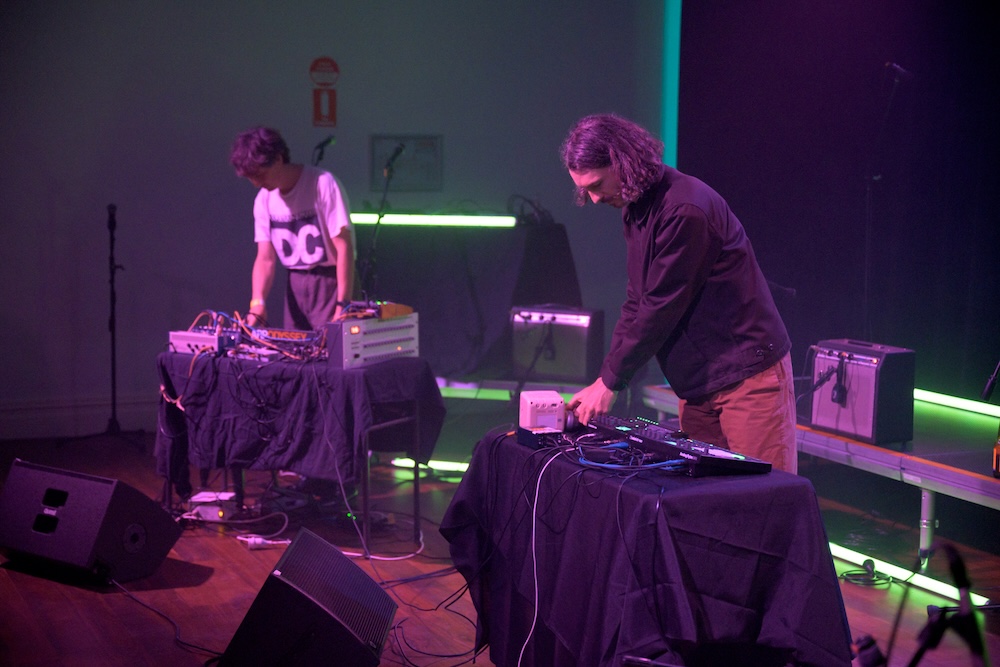
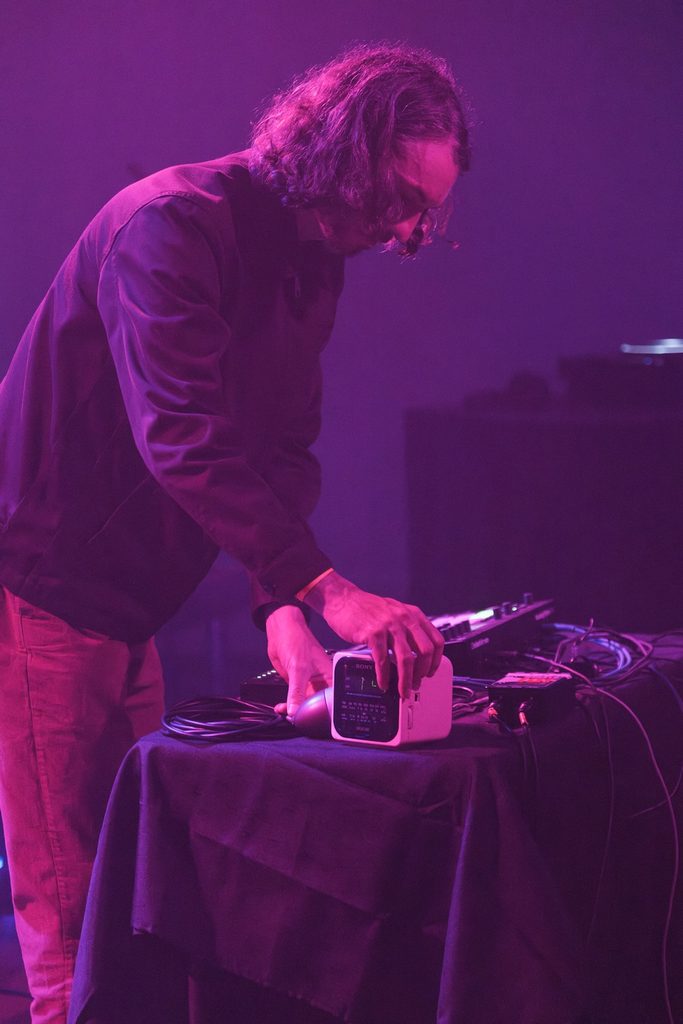
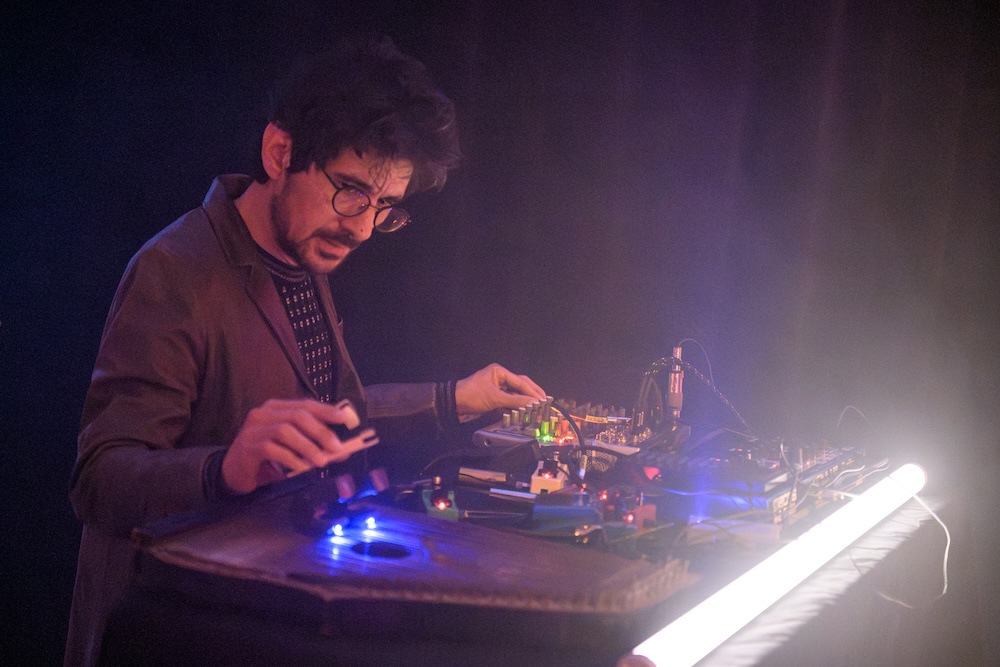
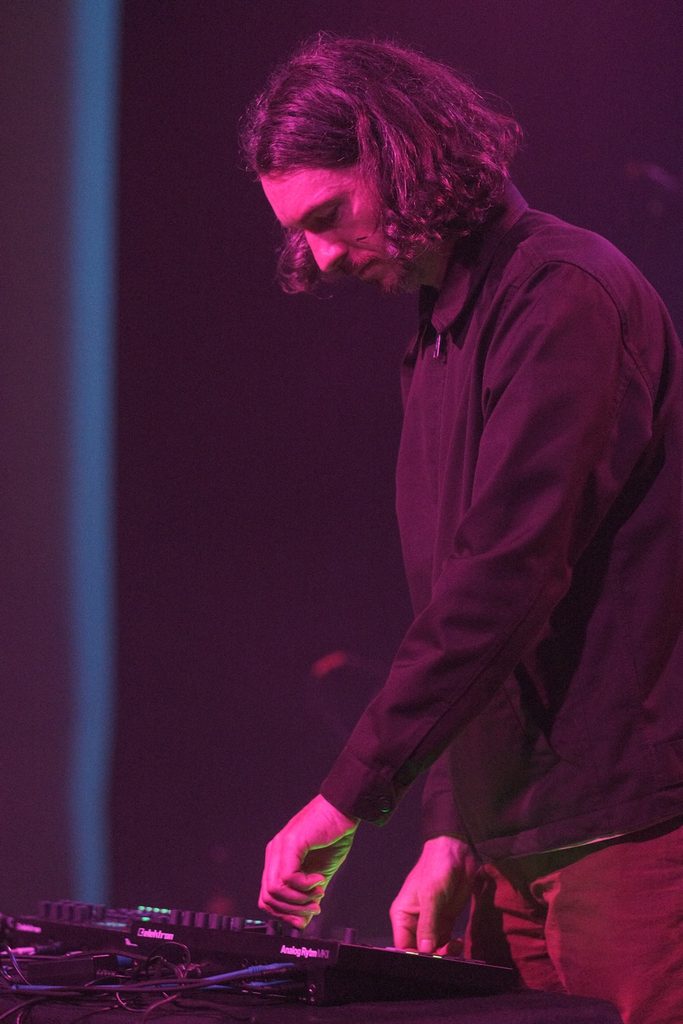
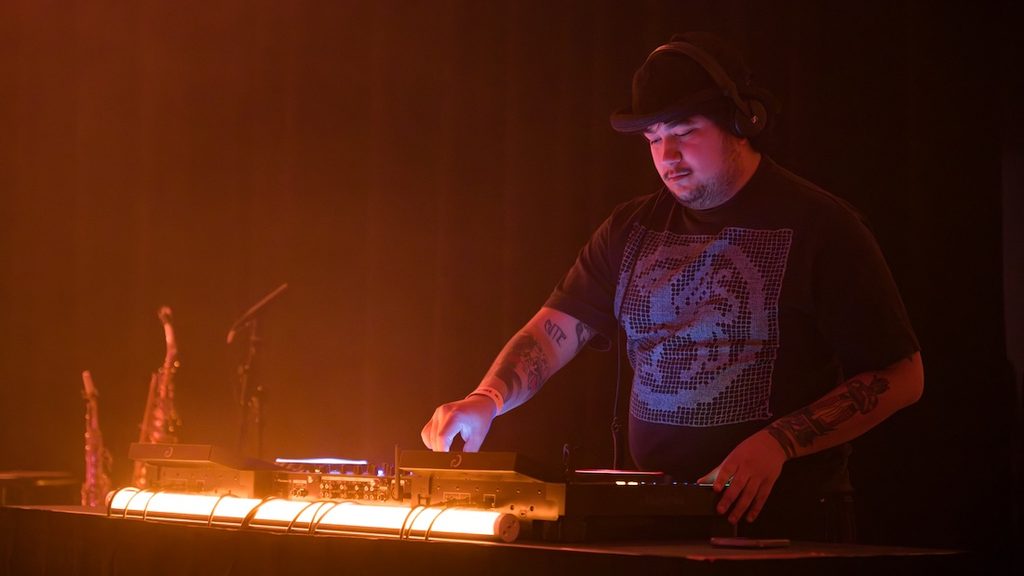
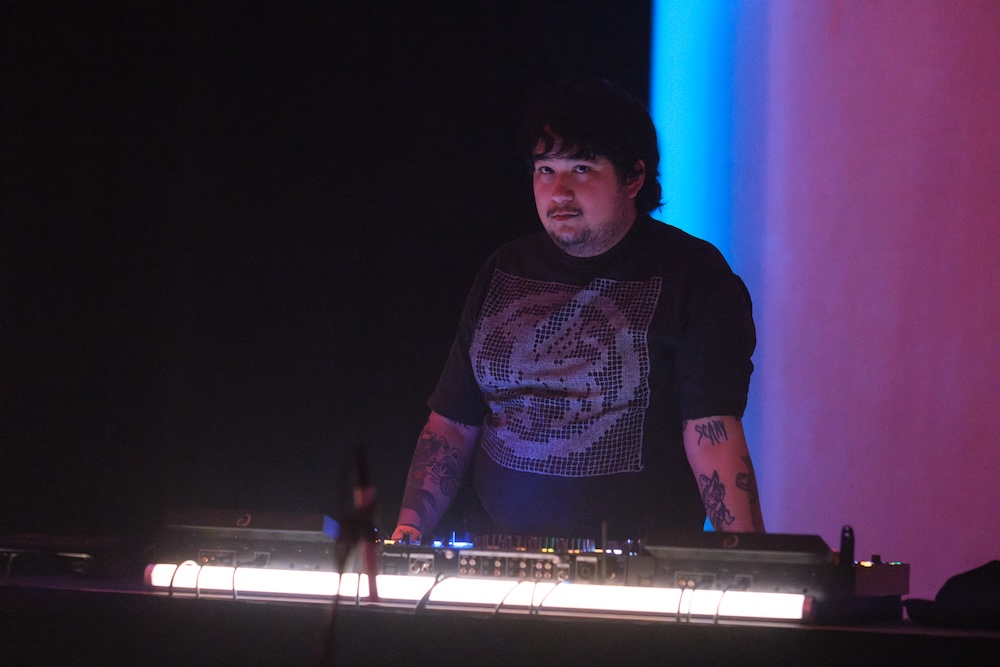
Between sets, Wayang sustained the suspended atmosphere with ambient and minimal techno, providing connective tissue. Clouds Come Rain and Basic Mind approached a similar idea through their electronics, each facing a distinctive array of synths and equipment. A clear heartbeat gradually receded to a murmur beneath fogging textures as guitar, electrical flickers and organ-like alarms accumulated around it. Day-glo synthetic tones flashed through the murk, lacing an otherwise shoegazing blur with optimism.
Club music appeared as though heard through the wall of an apartment two doors over: a mechanical shaker, muffled pulse and heads beginning to nod as the beat briefly clarified. There was something burial-like in the tension between this distant club and atmospheric sweeps resembling voices. Even the hubbub downstairs seeped into the composition. Where Greene and Rapp had conversed through instruments, Clouds Come Rain and Basic Mind sounded like two aspects of a consciousness conversing—decidedly not of the basic variety.
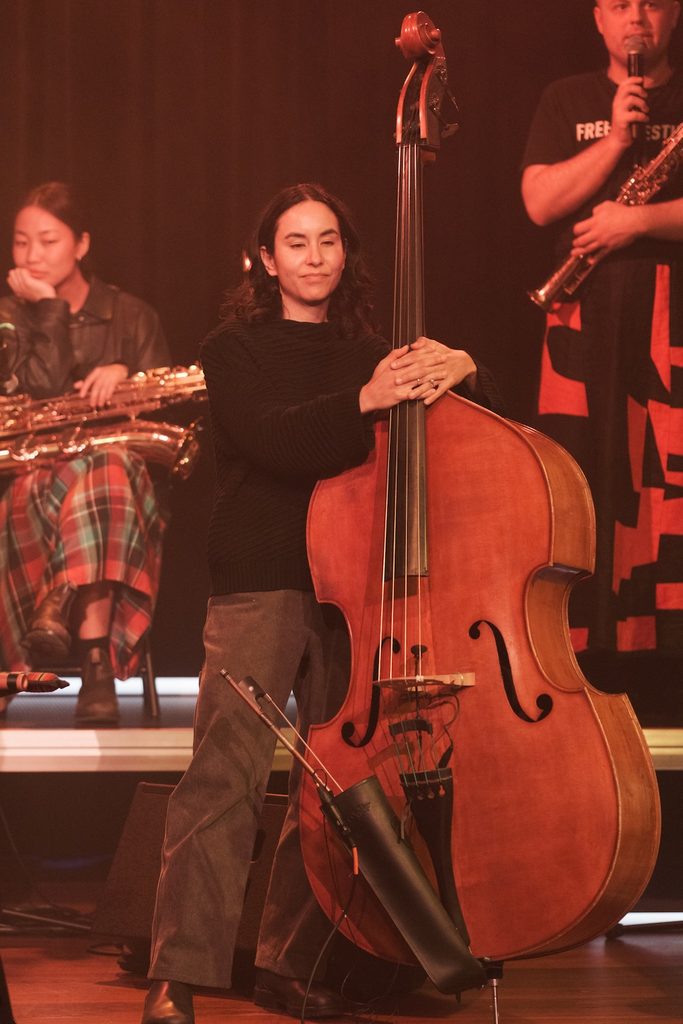
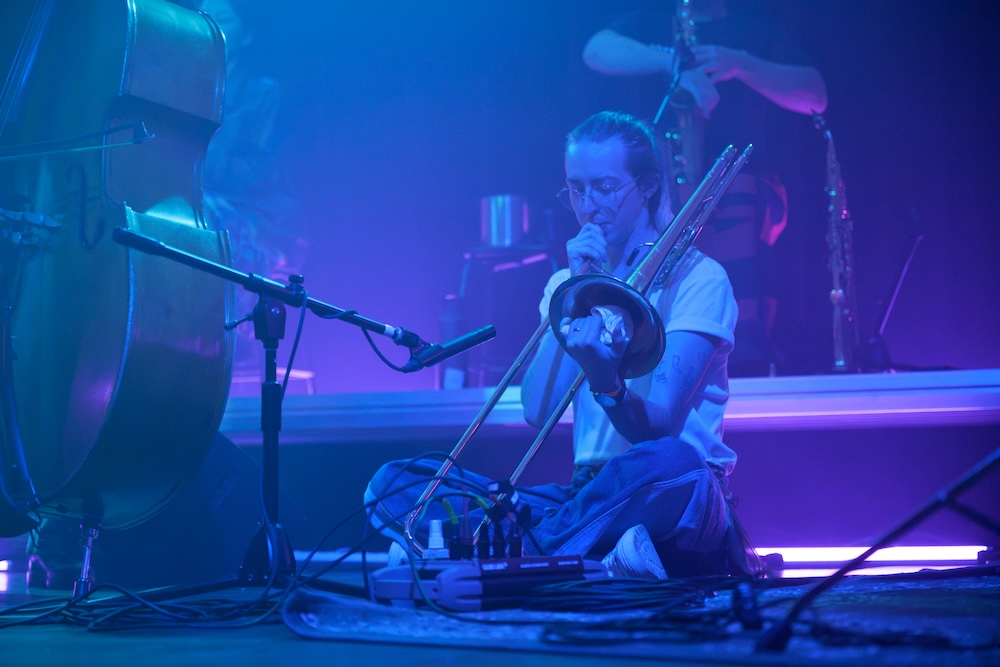
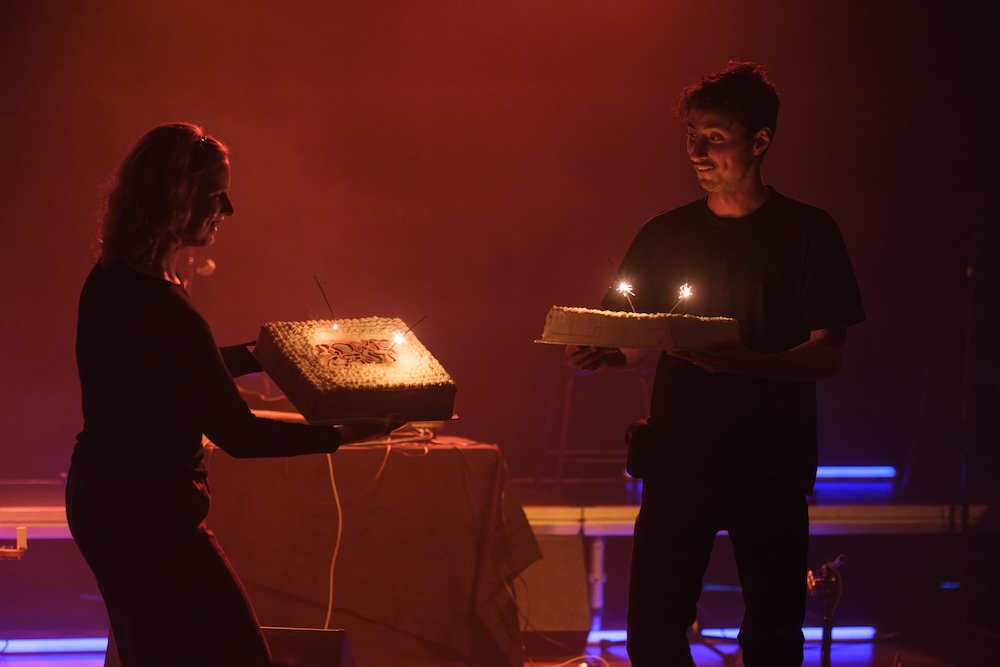
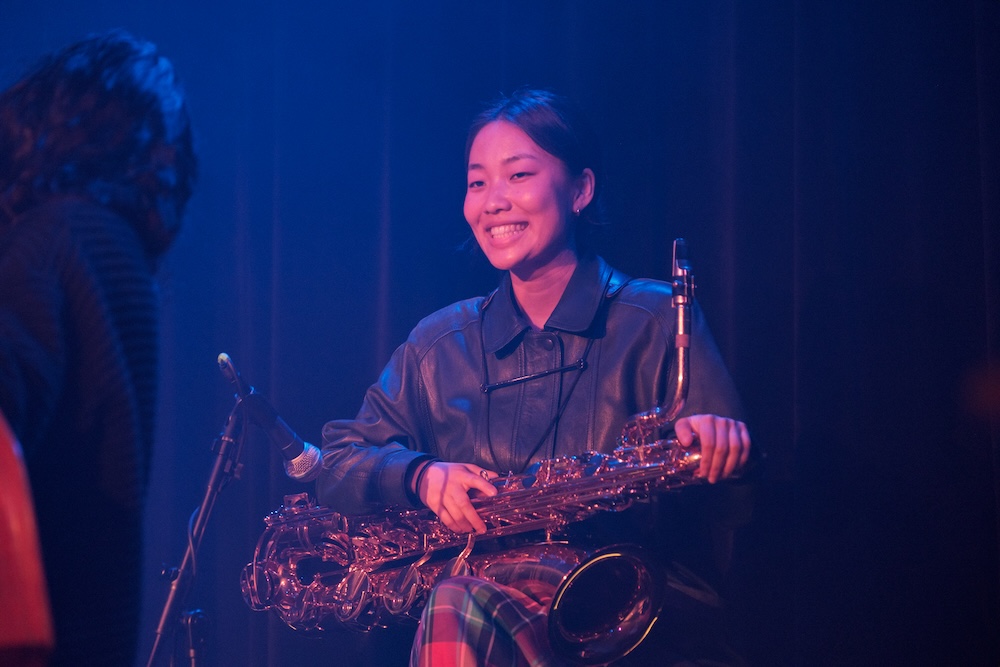
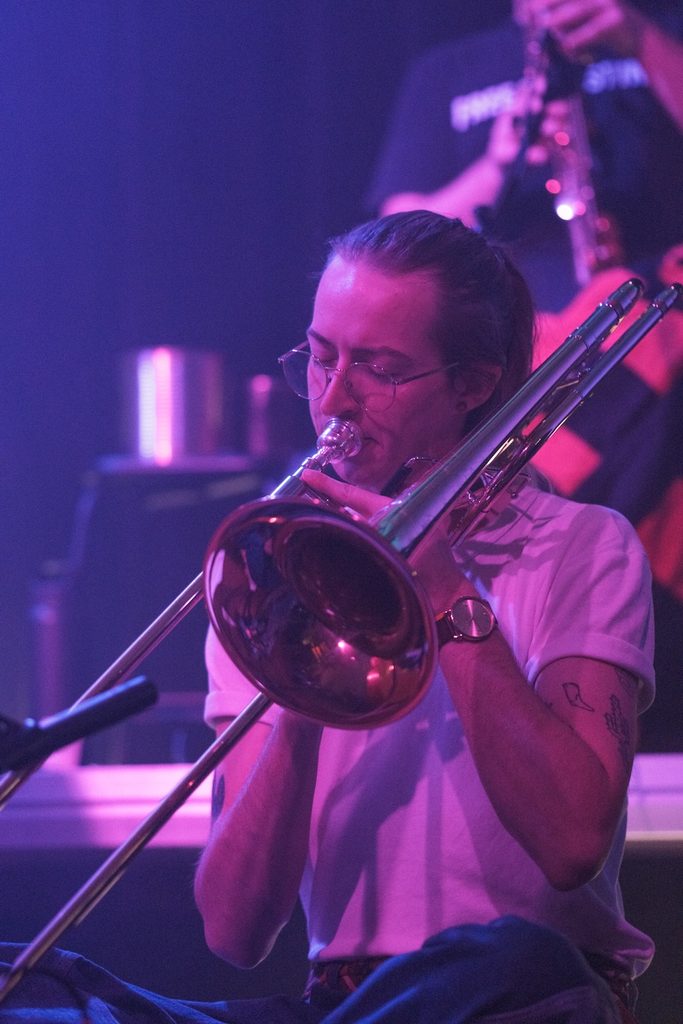
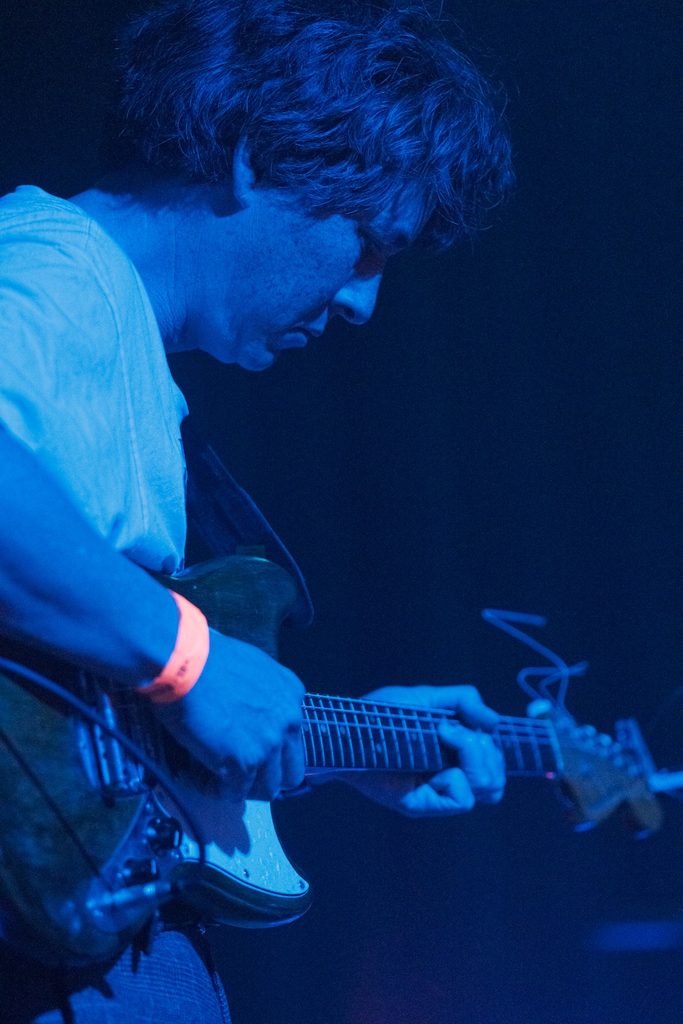
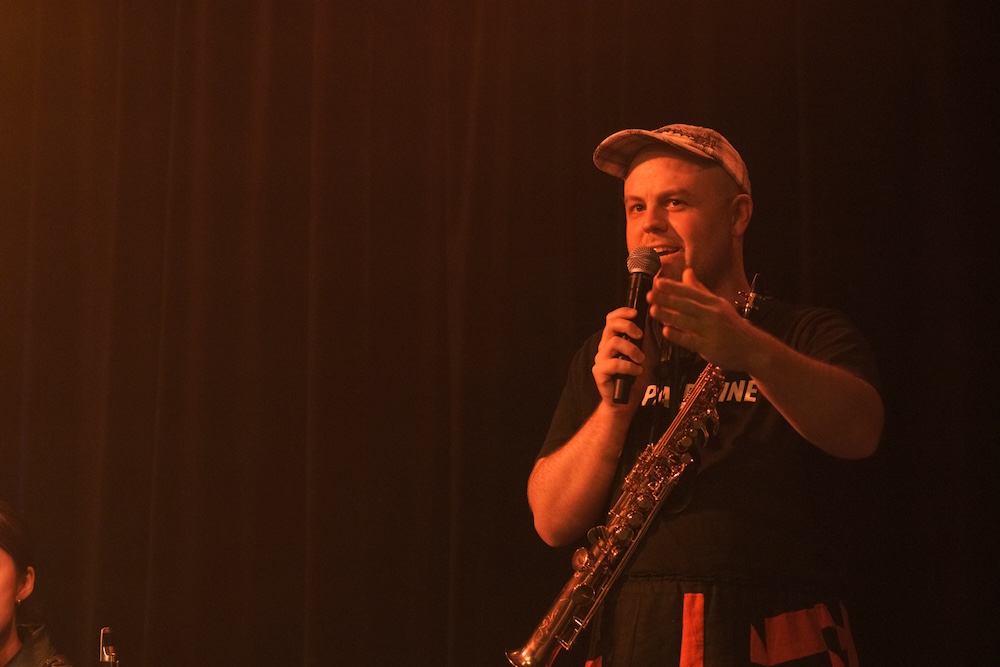
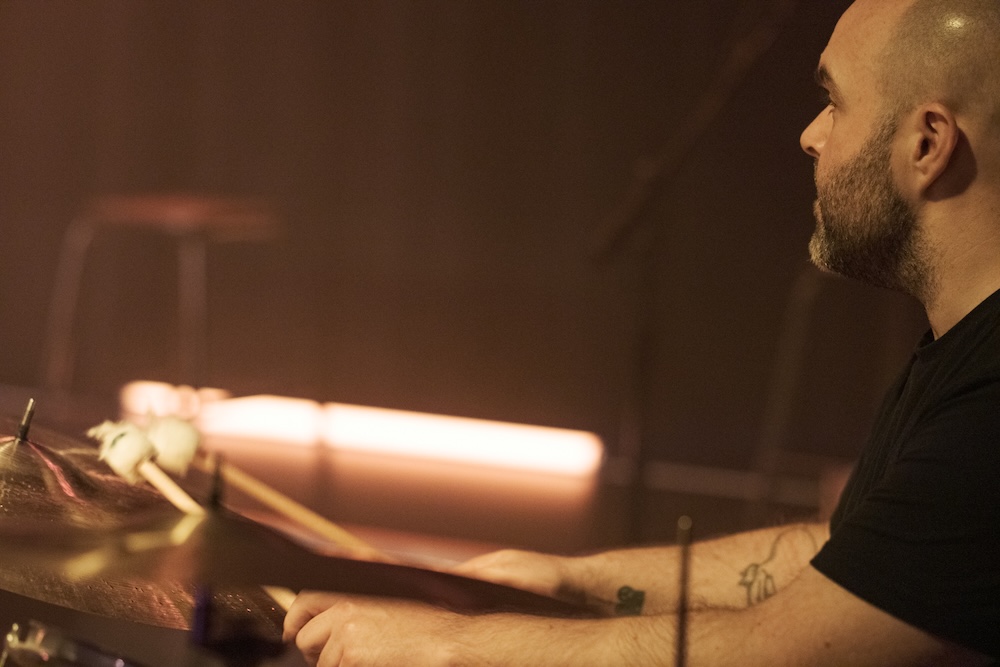
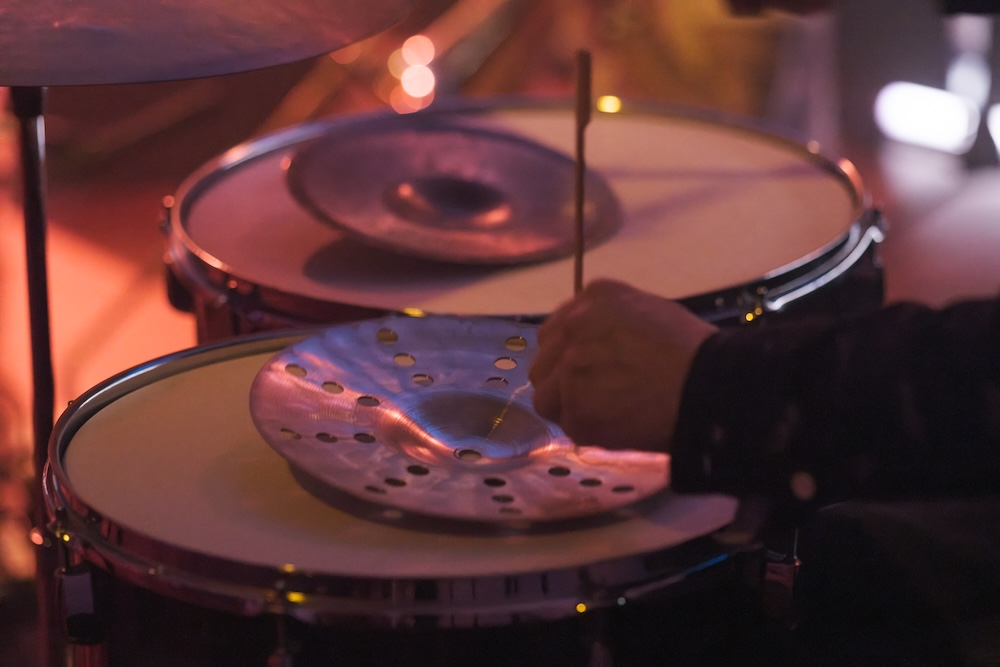
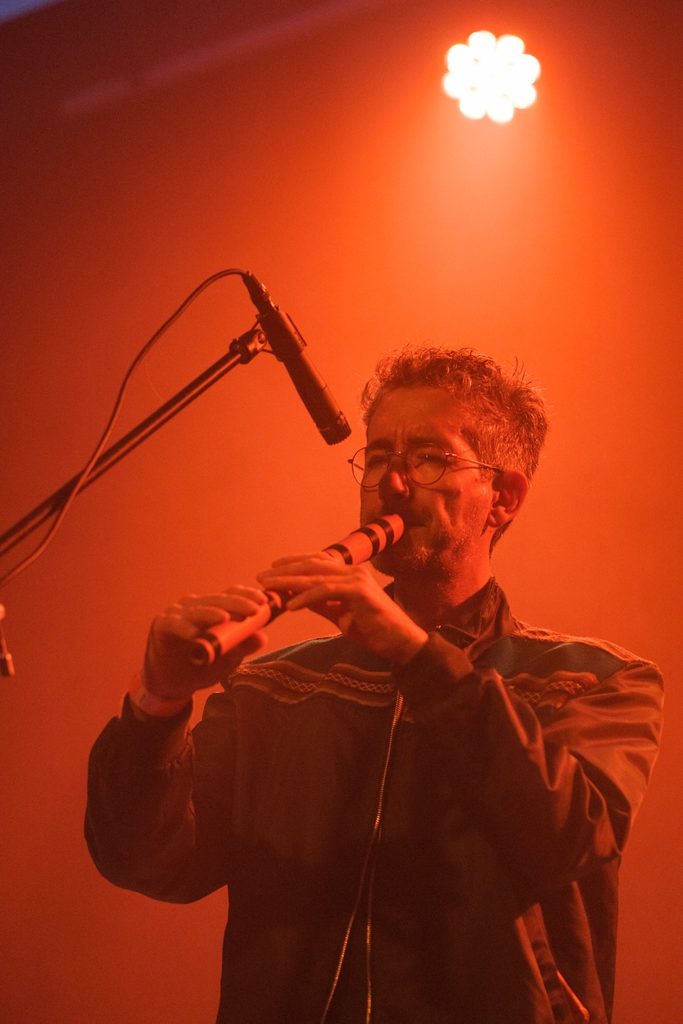
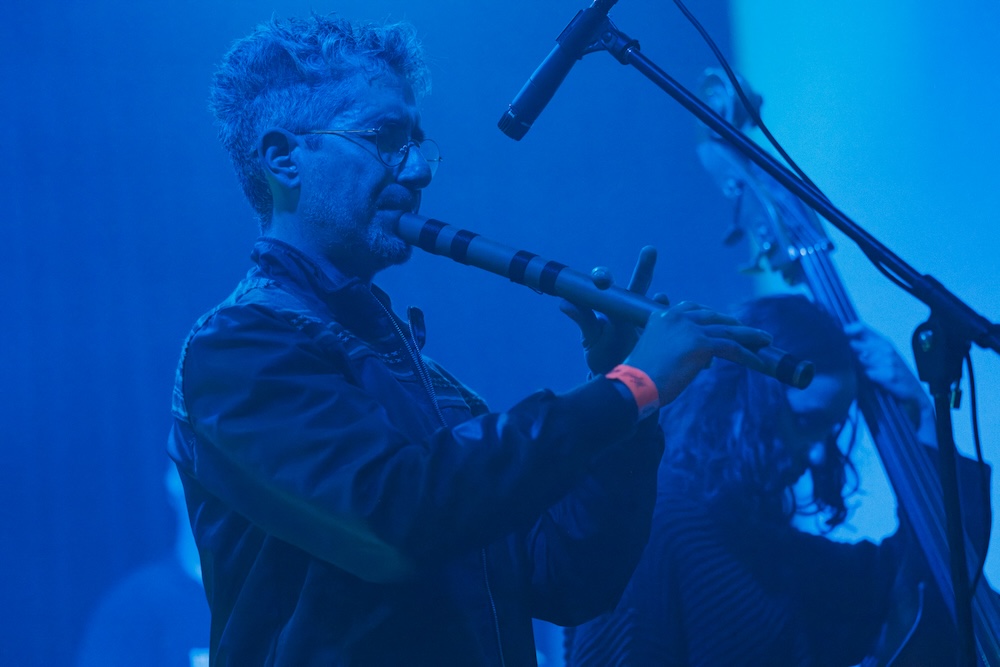
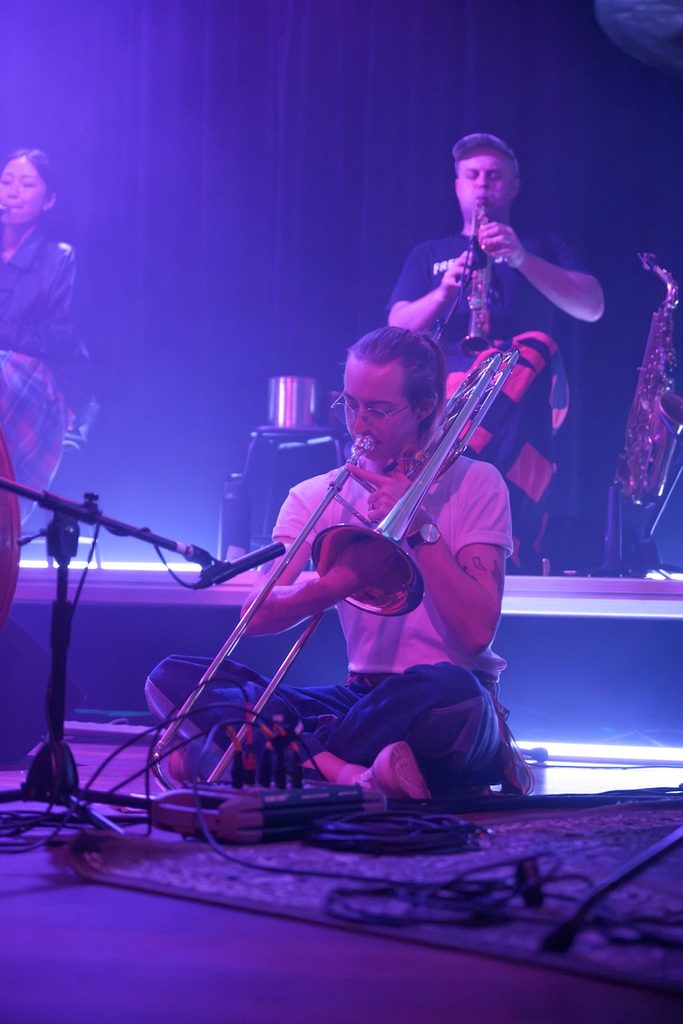
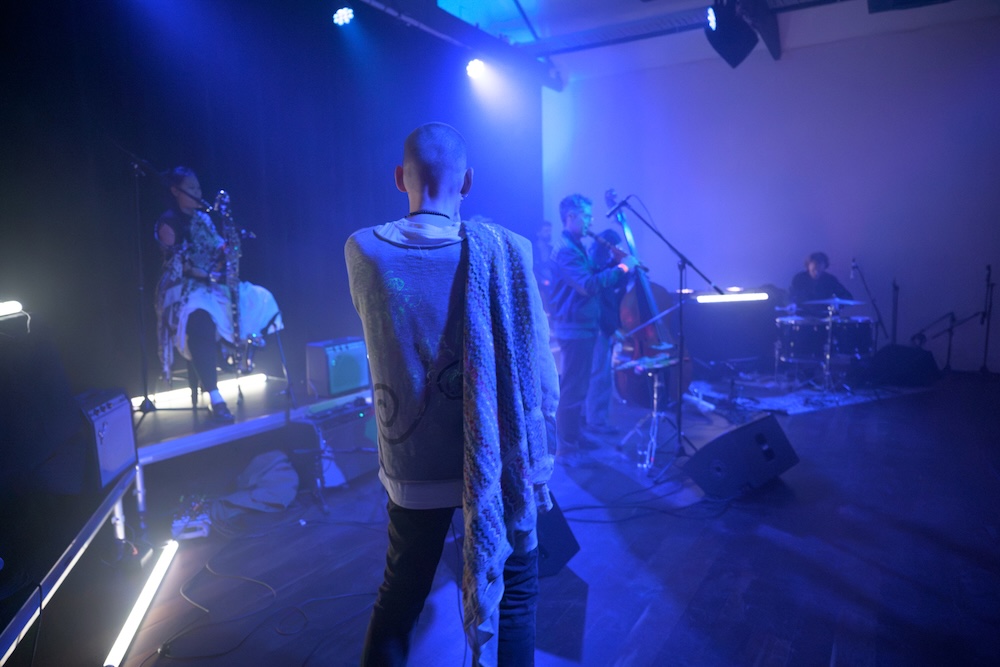
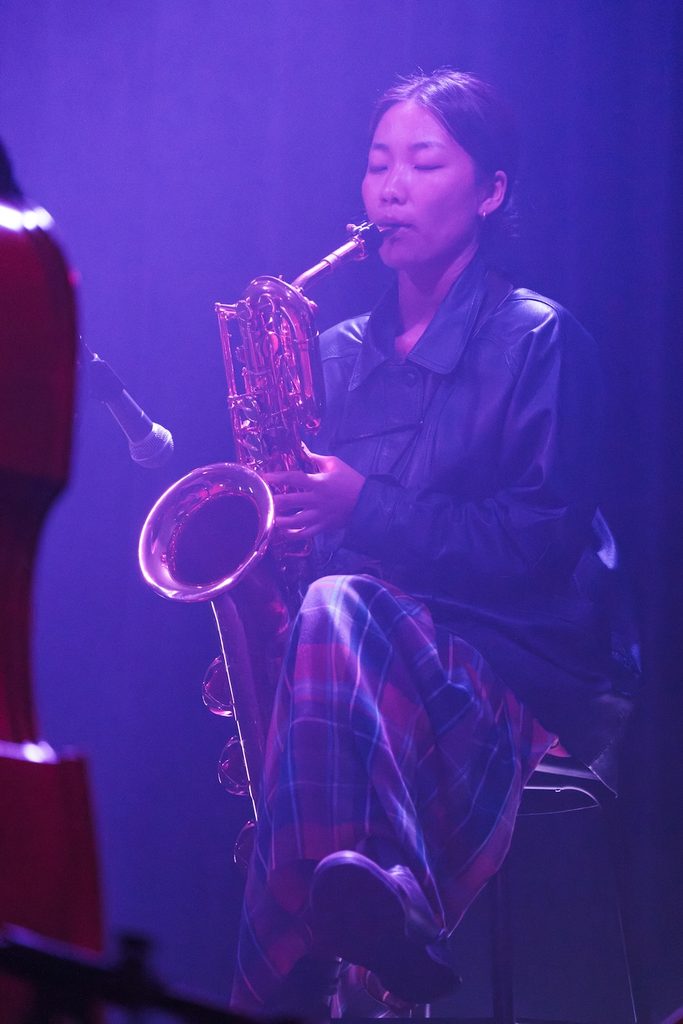
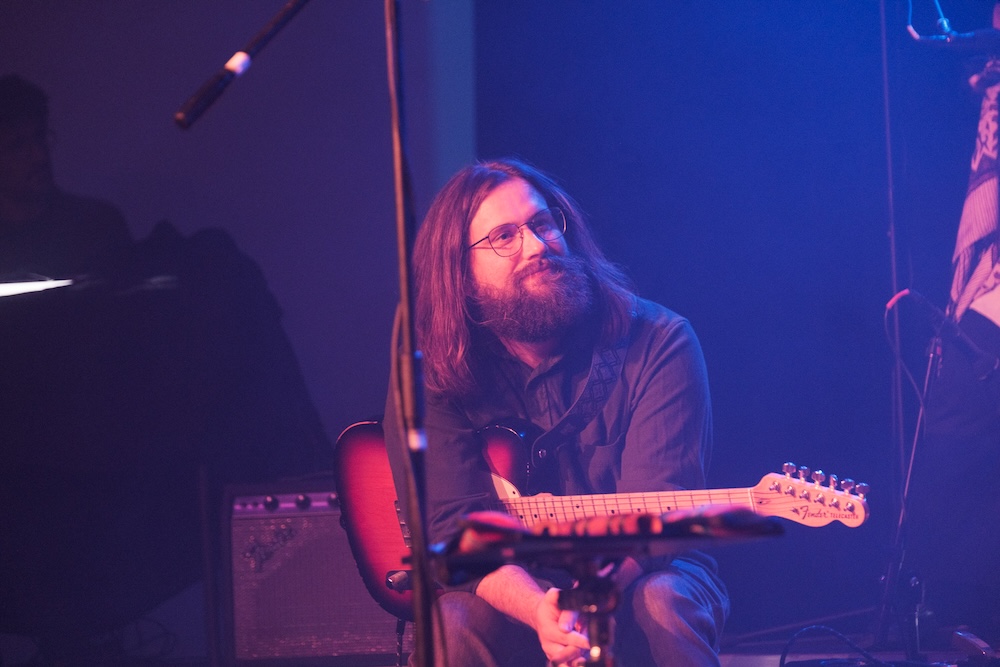
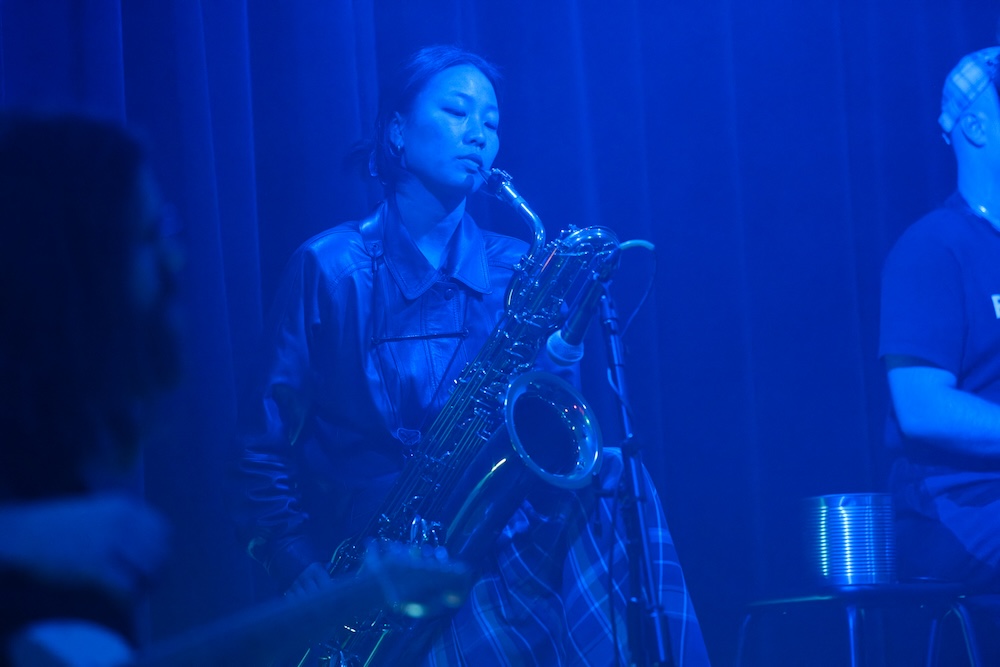
After bespoke birthday cakes were divvied up, Tone List Family Band & Friends gathered for the final performance. Eleven players—including Tone List’s four founders, Josten Myburgh, Jameson Feakes, Lenny Jacobs and Dan O’Connor—entered gradually, as though the collective itself were accumulating before us. The piece opened delicately, its hushed optimism recalling the beginning of Talk Talk’s Spirit of Eden. Cello and flute added faint strands while Jacobs rolled bells and small cymbals across drum skins, beckoning us closer to sounds rarely rising above a whisper.
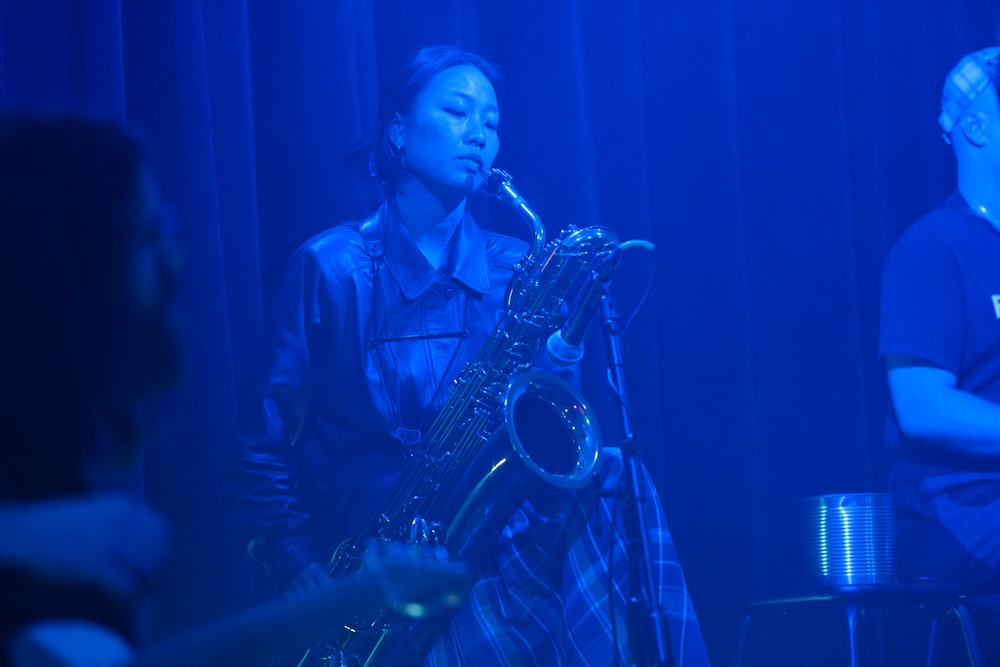
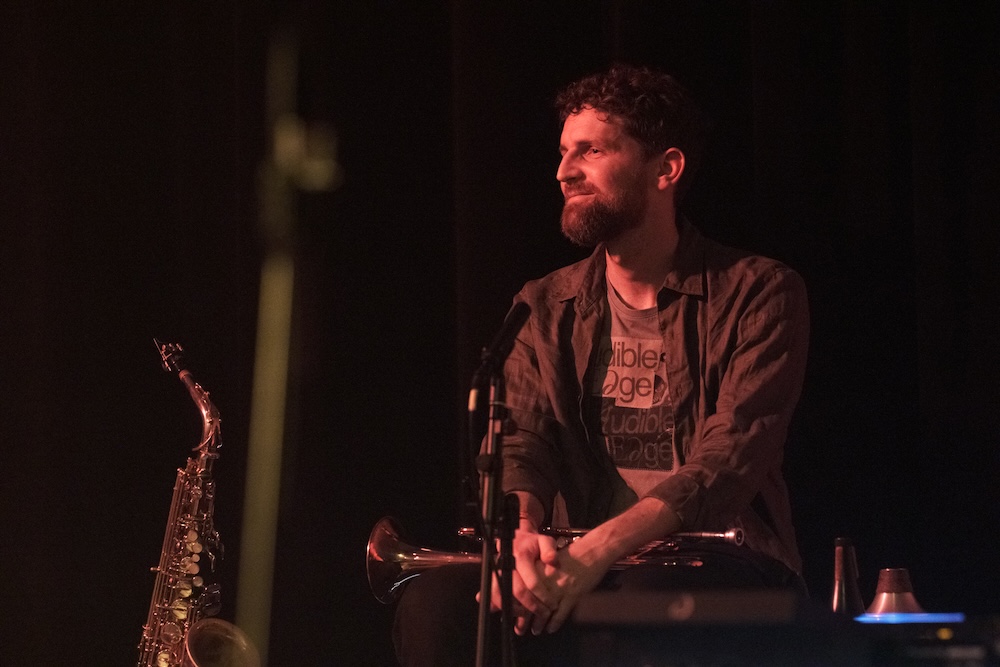
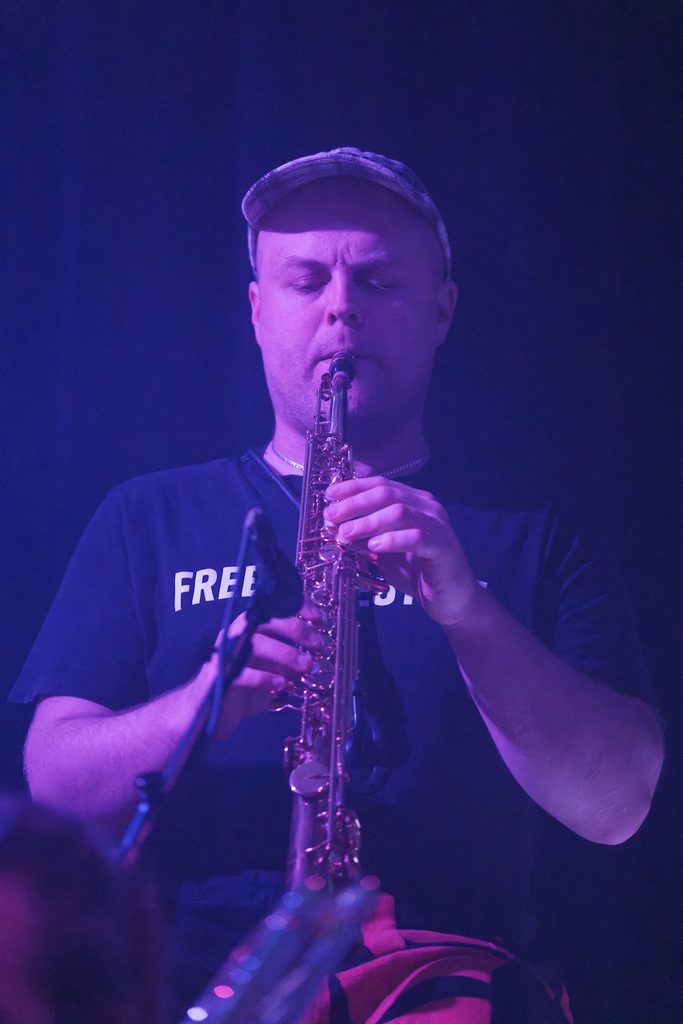
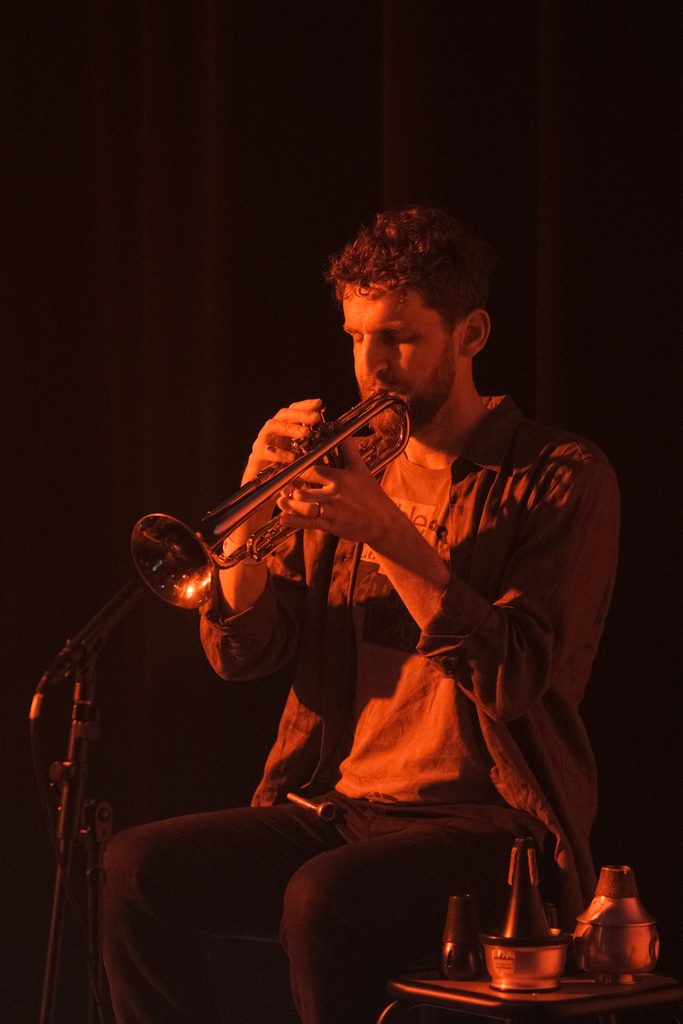
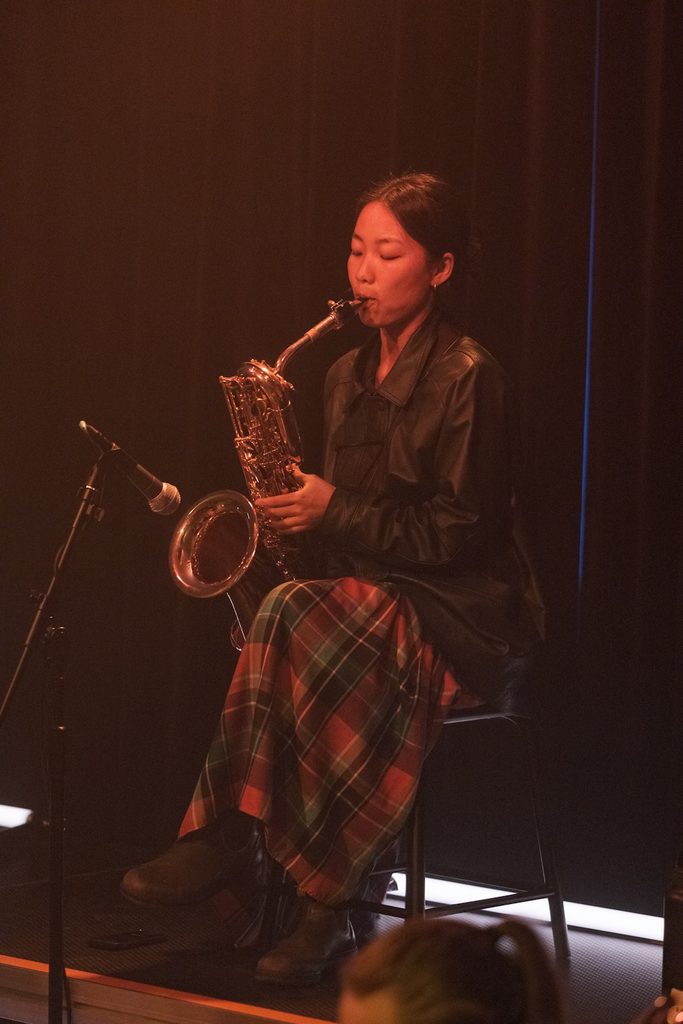
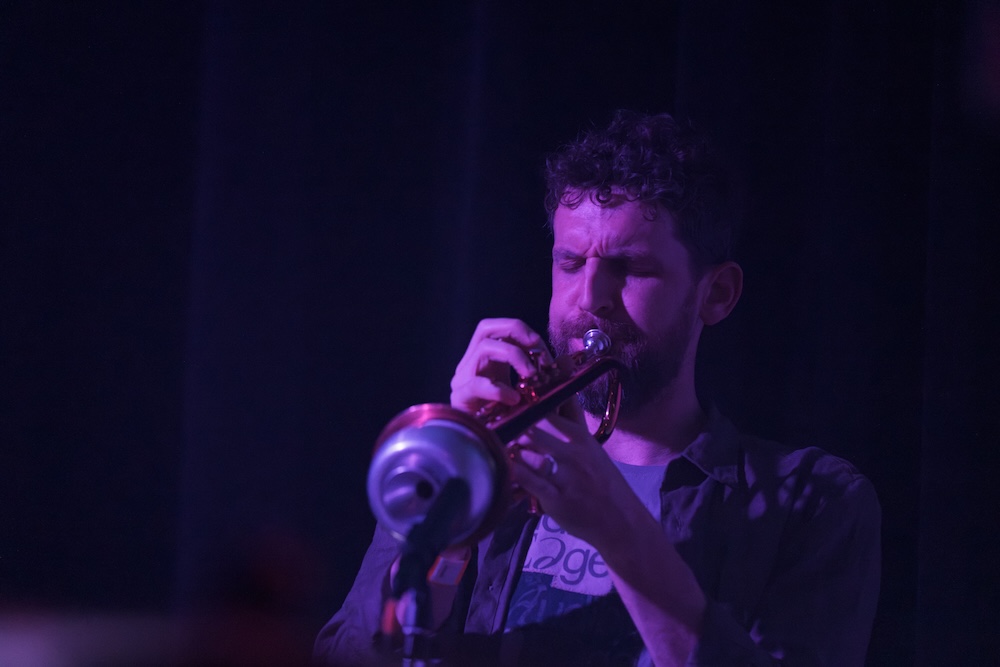
Myburgh contributed breathy, muffled blows through alto and soprano saxophones, while O’Connor’s muted trumpet helped establish the piece’s tentative language. Bowed textures, brass, breath and metallic disturbances became difficult to trace to any single instrument, these musicians rarely confining themselves to playing as prescribed.
Pbbbt’s unmistakable vocals moved through this shifting field as sawing and industrial textures settled into ambient cohesion. Contrary to the idea that improvised music means chaos or cacophony, the ensemble showed how much active listening is required to produce something quieter, slower and deeply attentive: distinct sounds finding space within a shared whole.
At the rear, Eduardo Cossio emerged from behind the electronics with odd handclaps landing like punctuation against the fading textures. Wordlessly, players stopped one by one and returned to listening, reversing their gradual entrance until Jacobs’ final nod confirmed that the piece—and the night—was complete.
Across four performances, the connective tissue was conversation: between musicians, body and machine, the quiet room upstairs and rabble below, and a collective’s past and what it might yet become. After ten years, Tone List’s greatest achievement lies not only in its catalogue and festivals but also in the culture it has cultivated—a community capable of listening closely enough to make something together without knowing what form it will take.
CAT LANDRO
Photos by Adrian Thomson