
Review: The Pogues at Fremantle Prison
The Pogues – Celebrating 40 years of Rum, Sodomy and the Lash at Fremantle Prison
w/ John Francis Flynn
Wednesday, March 25, 2026
Somewhere between a prison riot and a Catholic mass conducted by pirates, The Pogues stumbled into Fremantle Prison on Wednesday night and reminded everyone that Celtic punk rock, the kind that smells like last night’s sins and tomorrow’s regret, is supposed to be a little dangerous, a little broken, and very much alive.
The Pogues’ 40th anniversary performance of their seminal album, Rum Sodomy & the Lash, inside Fremantle Prison didn’t have the usual concert vibe but more the feel of a séance—half celebration, half resurrection—and carried with it the hallmark of a wake soaked in stout and memory, with Fremantle Prison the launching pad on their first show of their new Australian tour.
Released in 1985 and produced by Elvis Costello, Rum, Sodomy and the Lash, the title lifted from a quote attributed to Winston Churchill, was a revolutionary record at the time, creating its own sub-genre, boasting a beautifully unhinged collision of Irish folk and punk grit. 40 years on, it’s aged like a fine wine. The songs have not mellowed; they’ve been able to ferment, ready to be dug up and performed to the crowd in Fremantle Prison, a congregation made up of (of course) a large contingent of West Aussie-Irish families, old punks and fresh-faced kids who may have only met these songs through hand-me-down vinyl and late-night YouTube rabbit holes, all waiting to be dragged through the muck together.
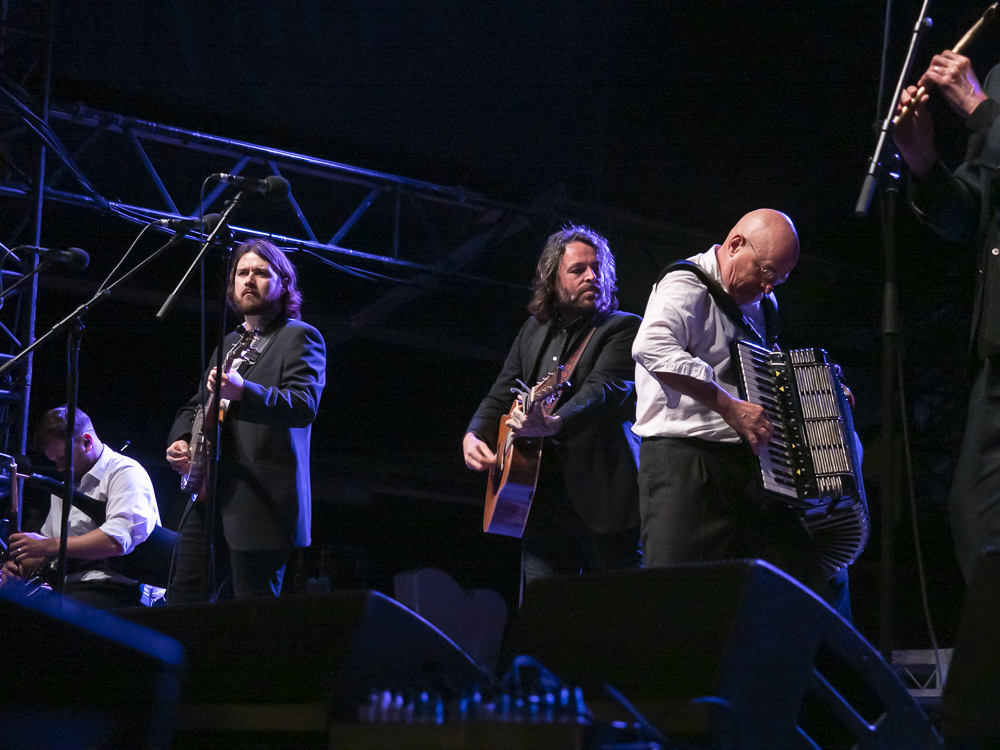
It’s been fourteen years since The Pogues last graced our shores with their ragged, travelling carnival, but this time they had returned not merely as a band in the traditional sense, but instead closer to a travelling collective—a Pogues orchestra anchored by surviving members Spider Stacy, Jem Finer and James Fearnley along with an array of special guests.
At first glance, it seemed an odd choice for a setting. Purists could be forgiven for thinking that the energy and intensity of the band would best suit the sticky, booze-stained floors of a tucked-away dive bar instead of the open-air courtyard nestled within the limestone walls of Fremantle Prison. However, hidden within those walls live the ghosts and stories soaked in a century of bad decisions and even worse luck, which align perfectly with the ragged chaos and haunting mania that live within many of The Pogues’ songs. It was the uniform layout of plastic white chairs that made up the audience rows that seemed oddly out of place in the beginning. Pogues aren’t known for being a structured band, musically. A main strength of the music has always been the chaos, and the presence of seats seemed to conflict with their whole ethos. It’s music that at its core defies you to sit still.
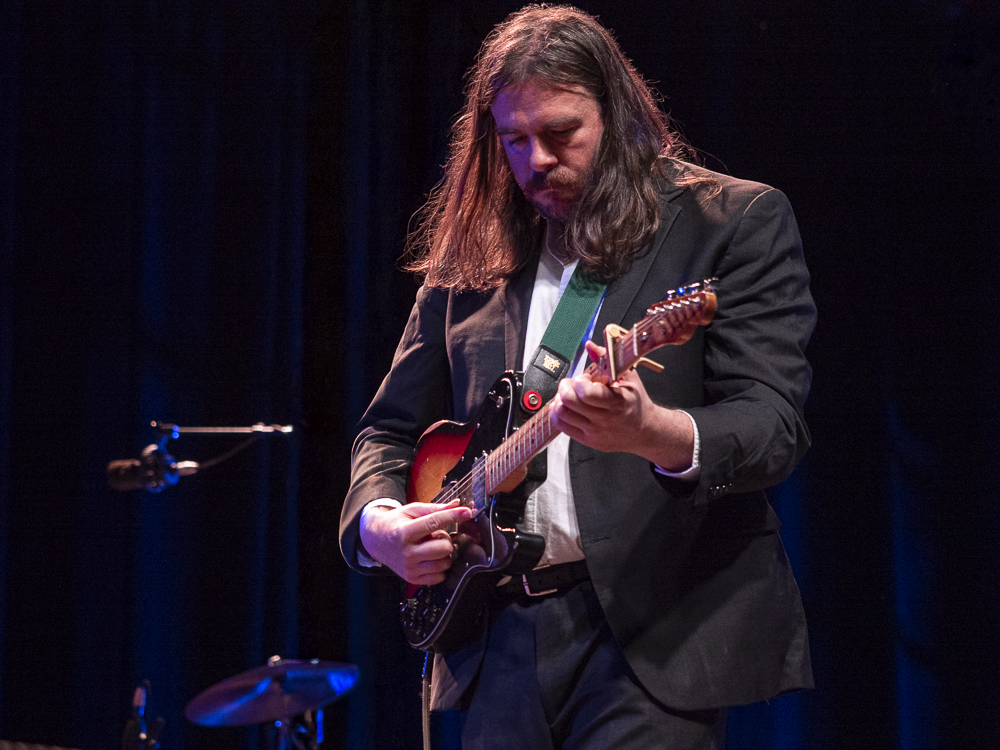
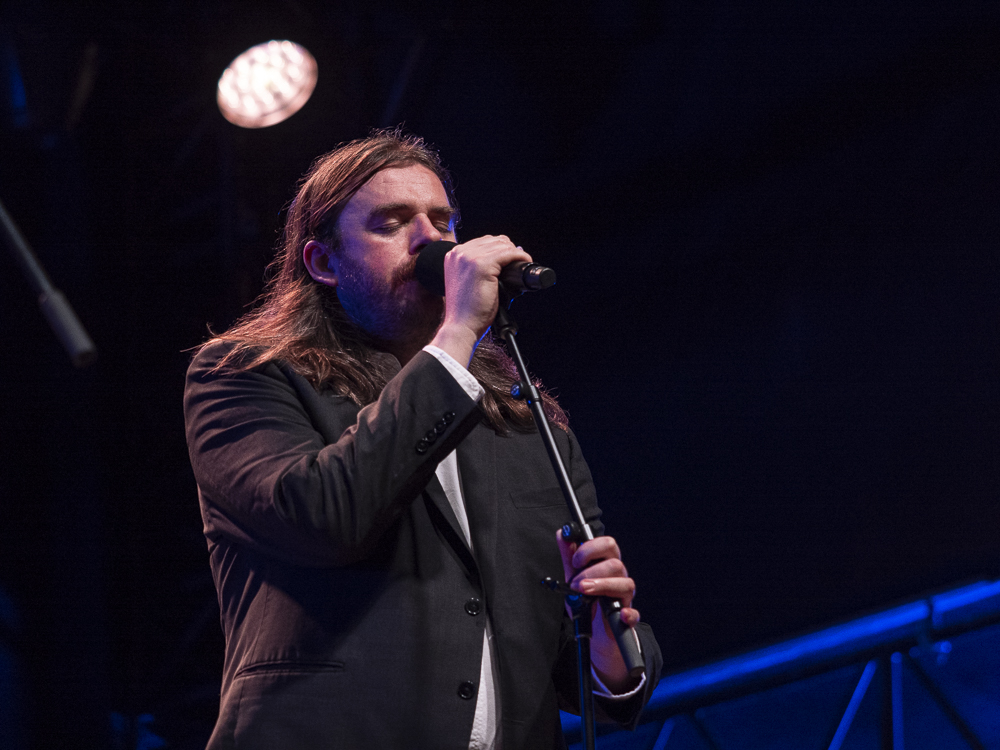
The evening’s support came from John Francis Flynn, who didn’t open the night so much as seep into it. Unsettling and eerie in the best possible way, with a voice that sounded like it had been unearthed from a peat bog, Flynn delivered a set that felt like traditional Irish folk music pulled apart and reassembled, with songs that twisted and morphed through genres, sounding both ancient and unplaceable. Not a party starter but a great tone-setter and a fit for an opening act to allow The Pogues to follow shortly after and kick the doors in.

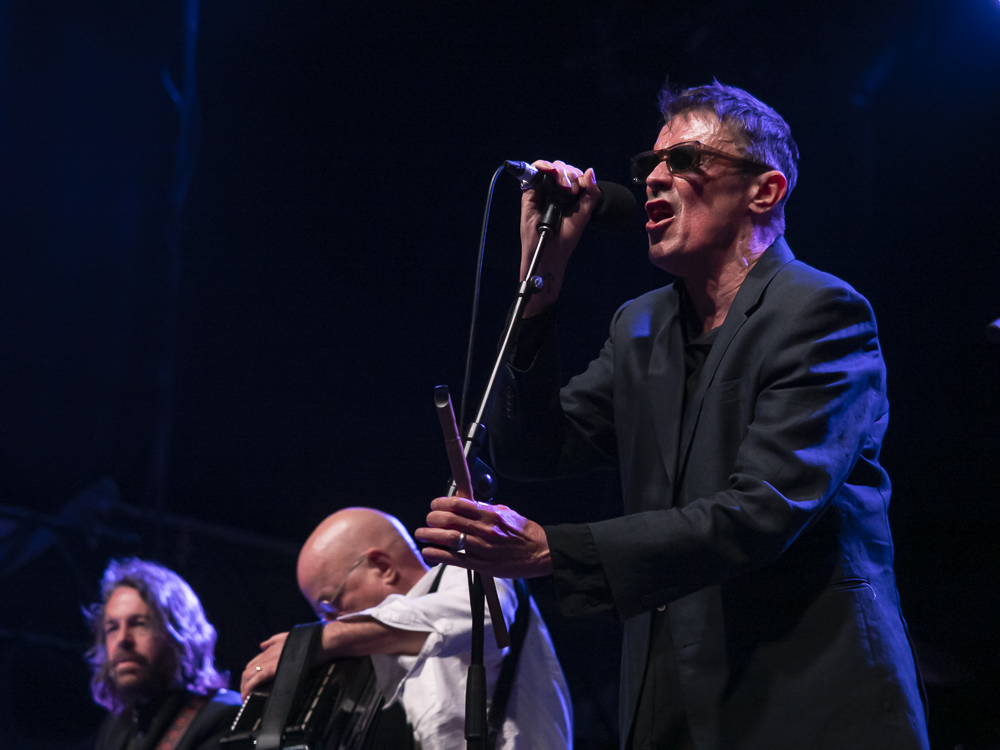
After a brief intermission the circus finally arrived as The Pogues spilt onto the stage looking more like a gang than a band, spearheaded by Spider Stacy, Jem Finer, and James Fearnley—the surviving architects of the beautiful chaos. There was no outright leader, no centrepiece, just a loose, mad collective possessed by shared mythology as Stacy thanked the audience for coming and gave a sincere welcome to country before the band opened their set with The Sick Bed of Cuchulainn.
It was clear after a couple of songs that the album was not being played in sync, that the show was more a dedication rather than a straight retelling. As Spider Stacy noted a few times, almost apologetically, that they had not too long arrived in the country and were still suffering jet lag, the musical ensemble of the group which was amassed on stage delivered gorgeous renditions of classic tracks from the album.
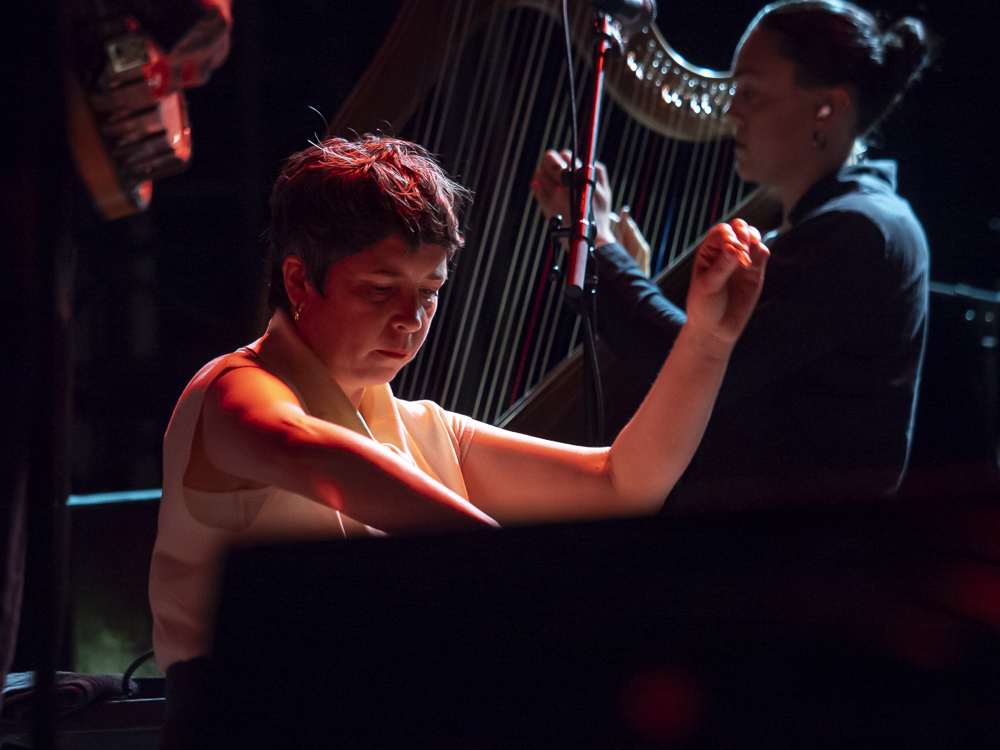
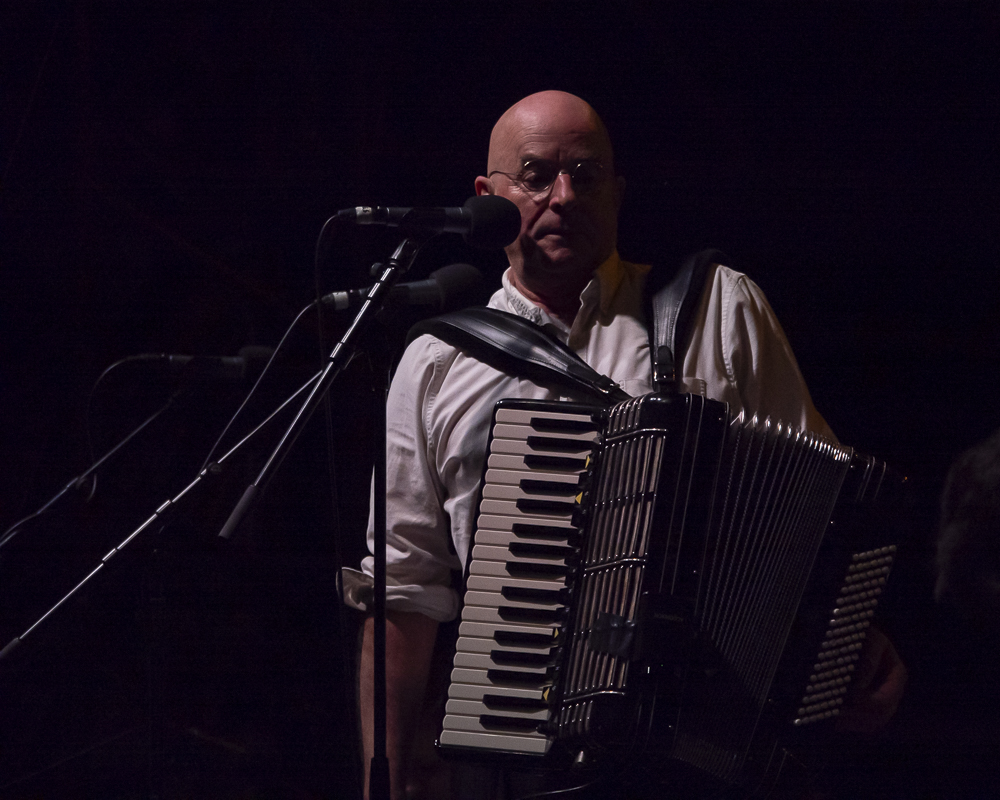
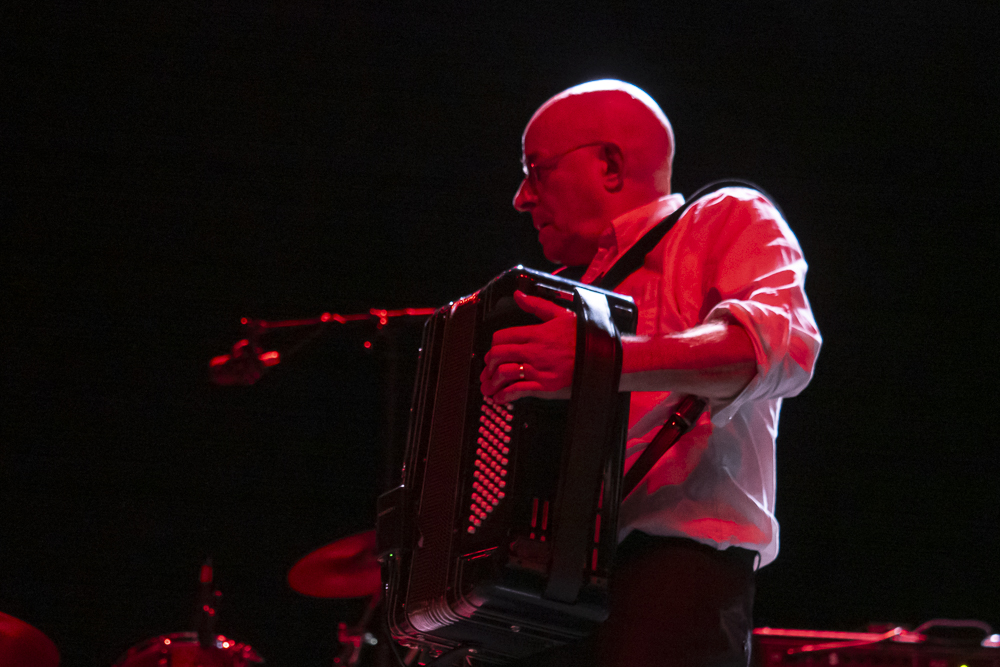
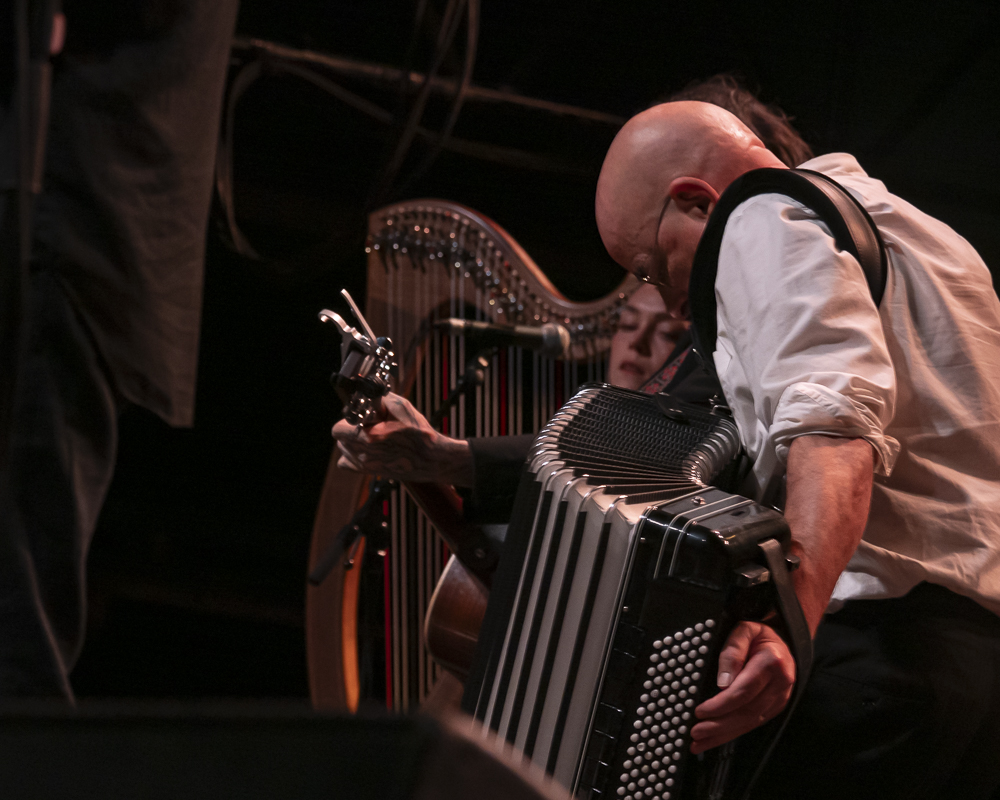
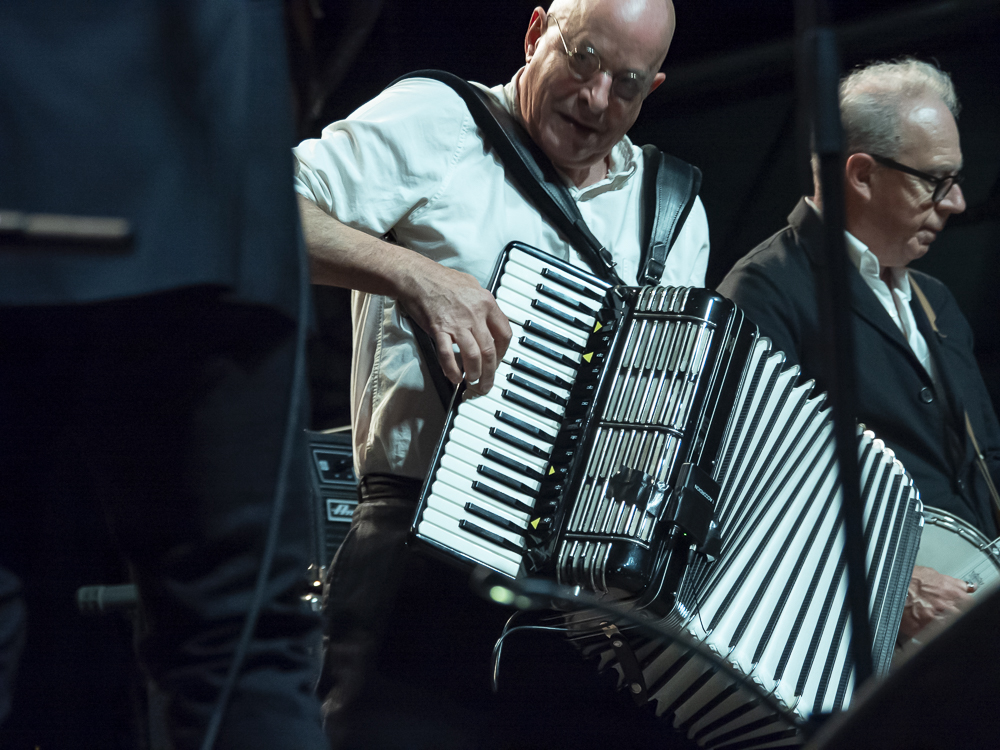
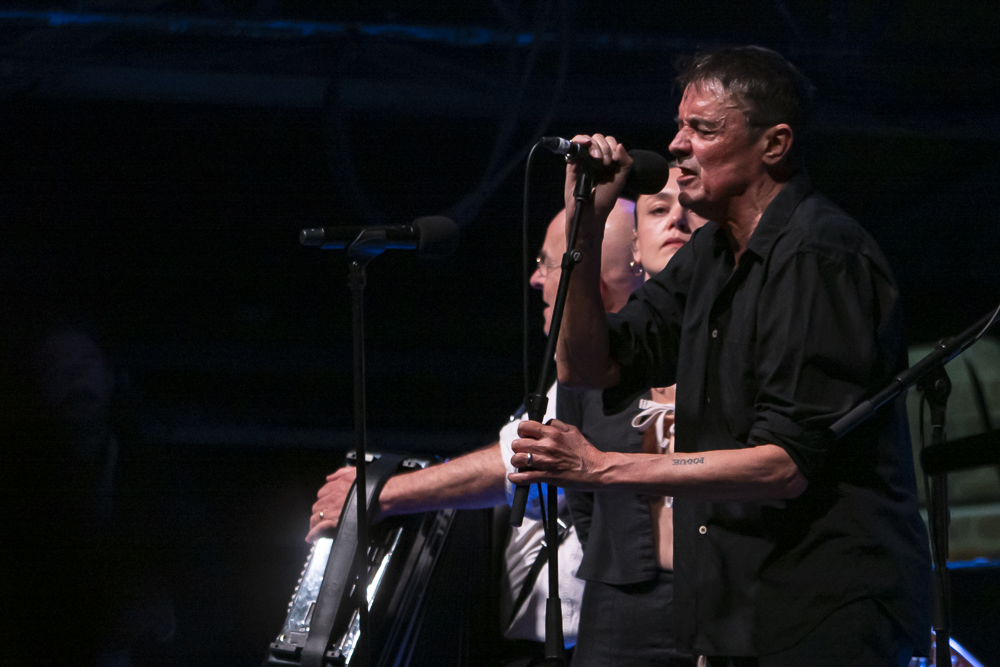
With Stacy primarily taking the helm at the microphone, there was a shared energy delivered as a communal collective of Pogues’ mainstays and tour special guests. The pounding low end of guest bassist Holly Mullineaux began the wild opening riff to Wild Cats of Kilkenny, one of the record’s energy-packed instrumentals, followed by the mystic romanticism delivered through Stacy’s vocals as he staggered out A Pair of Brown Eyes, a song that sounds like it just woke up in a ditch, half drunk and clutching its heart, backed on stage by a wheezing accordion that sounds like it’s on its last lung.
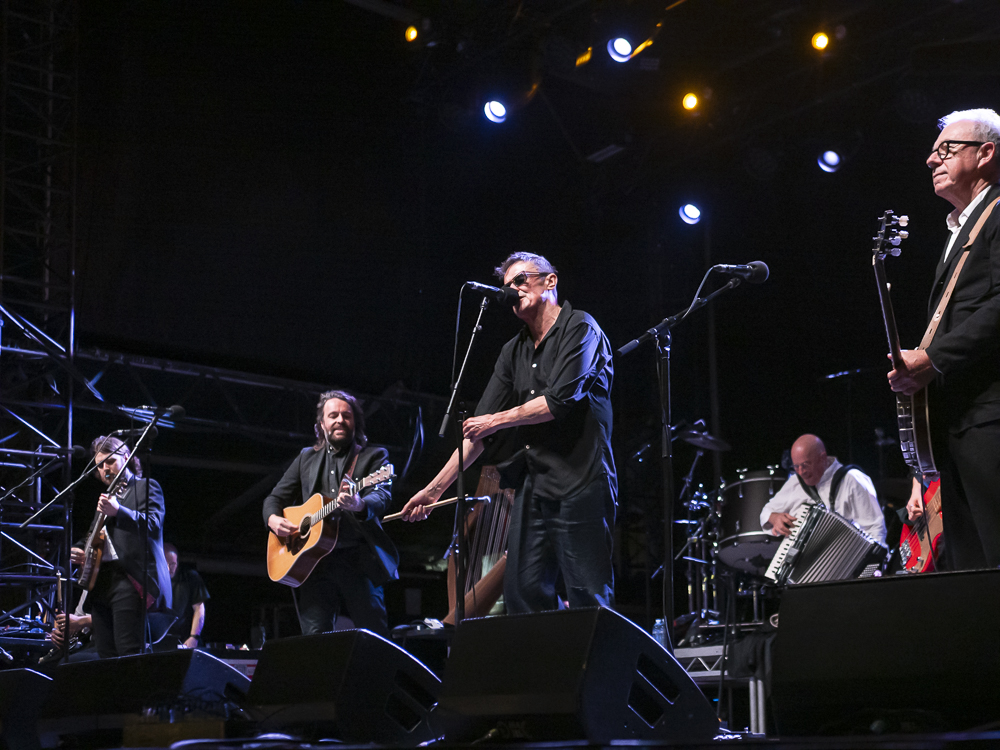
Guest vocalist and renowned Irish singer Lisa O’Neill, on her first trip to Australia, was then invited to the stage to contribute her talents for The Gentlemen Soldier, telling the audience seated in front of her, “If your legs are good, get out of your seats, and I promise you’ll have a completely different experience.” It was a command that was heeded as the entire crowd stood as one, and from here the show really moved forward; the energy shifted, and it really began to feel like a Pogues show.
O’Neil continued to charm solemnly with album classics I’m a Man You Don’t Meet Every Day and Dirty Old Town, transporting the audience to another time. A Rainy Night in Soho was delivered like the sucker punch it is with O’Neill’s gorgeous vocals ringing out around the limestone walls, with people singing like they’re either falling in love or remembering when they already did and lost it.
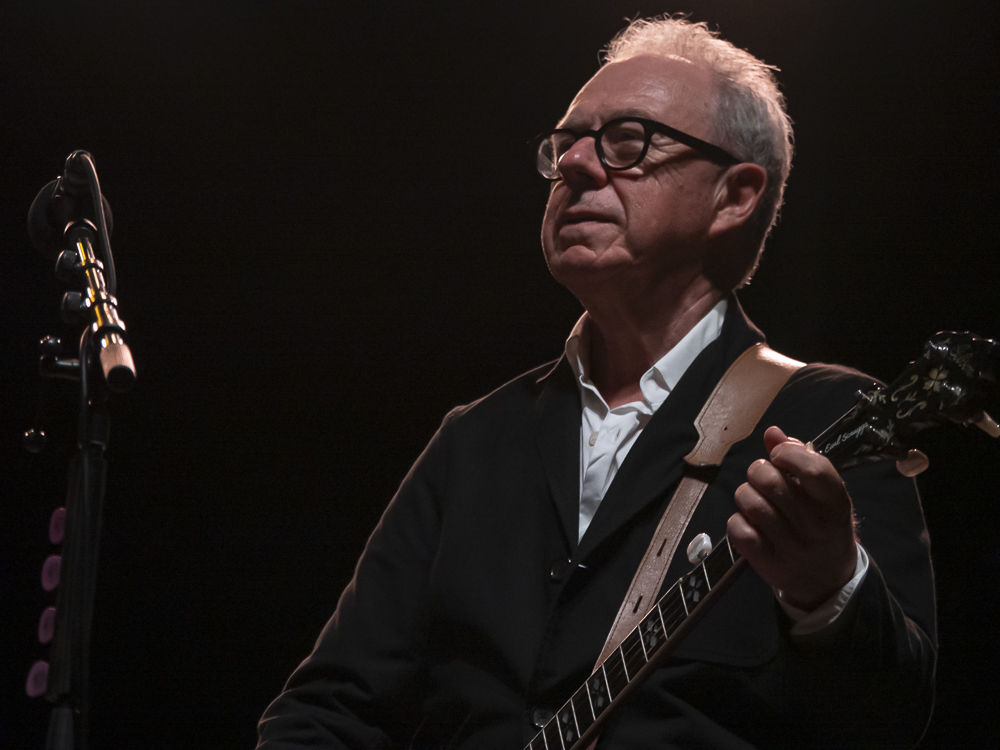
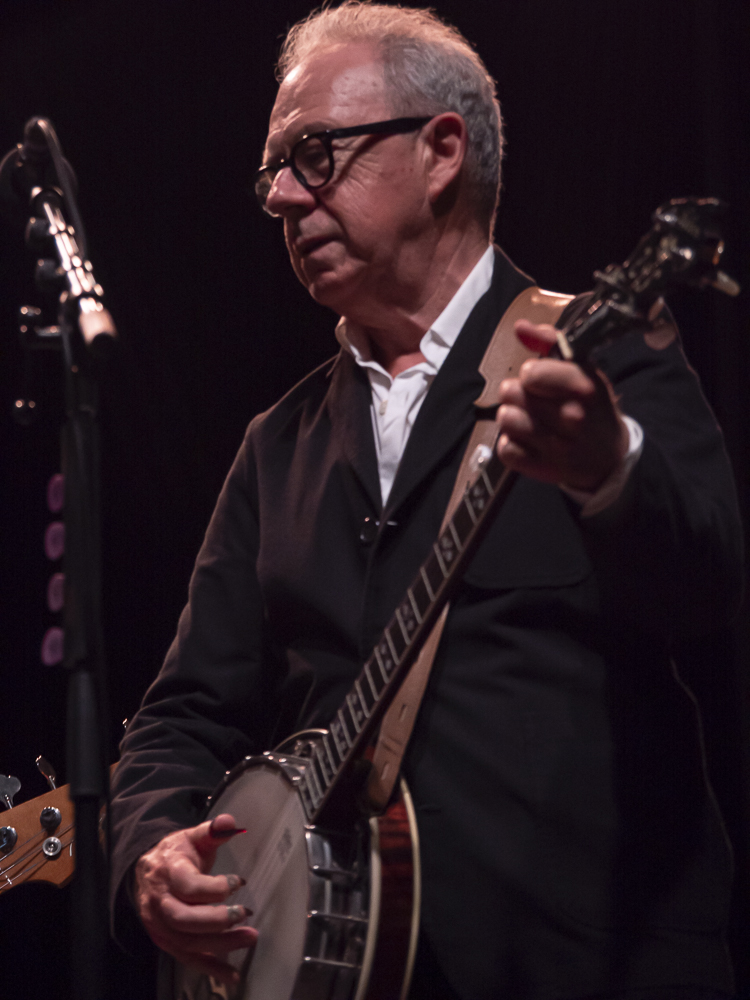
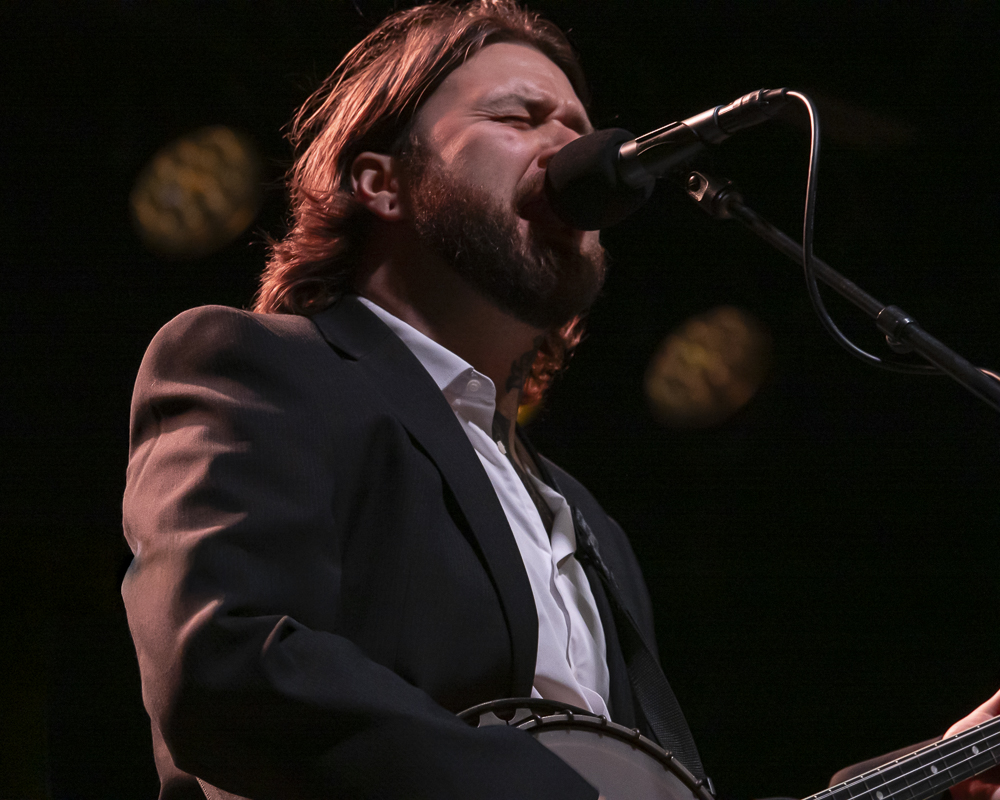
The thing about The Pogues is they can be super tight and rounded as much as they can sound like they’re about to fall apart. That’s the whole point. The longer the show went on, so did the tempo level and energy. There is sincerity in the chaos, and the looser the band plays, the stronger and more powerful the performance grows with each track. Body of an American sped things up and increased the calamity, the carnival ensemble on stage acting out a musical riot, with fiddles sawing and pipes blaring over tin whistles and guitars, all blurring into one another on the grounds of the prison, whilst the haunting banjos of The Old Main Drag and The Band Played Waltzing Matilda slowed everything down accordingly. It made the show feel communal, the passing around of a bottle, with each voice taking a swig from the same haunted spirit of legendary frontman Shane MacGowan, the band’s spiritual symbol and patron saint of glorious ruin, as the band dedicated the sombre ode of The Parting Glass to him.

It is important to address MacGowan’s absence from the show, as it notably pressed on the audience, but it never felt like a void. He was there but not there, a spectre looming over everything in a prison full of ghosts like cigarette smoke that refuses to dissipate. The strength of the current Pogues lineup is that nobody tries to imitate him, because you can’t. Instead, the songs were passed around; each voice added something new. It works because Pogues’ songs aren’t intended to be perfect. And that’s the line the band walked all night: honour without imitation. No one tries to be MacGowan; instead, they let the legacy of the songs carry his shape without daring to fill it.
If you want to understand The Pogues, don’t just watch the band; watch the audience, and it was some real Pogues energy that really bubbled over during the first and second encores as they briefly left the stage and returned to belt out some greatest hits at high tempo. Some audience members were standing on chairs, others with arms linked and dancing in the aisles like they were at a wedding reception in 1987 to The Irish Rover, followed by Stream of Whiskey and Sally MacLennane. Groups of mates linking arms paired with random cries of “Fairytale! Play Fairytale” from somewhere in the back. No spectators here, just co-conspirators losing themselves in the beautiful racket the band had curated over the evening.
The Pogues at Fremantle Prison wasn’t a mere anniversary concert; it was a shambolic exorcism where history was dug up and fed stout until it began to hug you and sing in your ear. Most concerts are tidy; they have arcs. But Rum Sodomy & the Lash isn’t just an album. It’s a document. A confession smeared on the wall of a public toilet in 1985 London. And here, in a limestone prison yard at the edge of the world, it got dragged back into the light and told to sing and dance for its life. Loud, glorious, and brilliant. One to raise a glass to.
ZAC NICHOLS
Photos by Linda Dunjey