Review: The Mind Warp Pavilion 10 at Freo.Social
The Mind Warp Pavilion 10: A Celebration of the Life and Times of David Bowie at Freo.Social
Saturday, January 10, 2026
The reassuring thing about attending a David Bowie tribute is there’s never any concern about the quality of the material. The quintessential musical chameleon, Bowie not only possessed an unparalleled capacity to reinvent himself but also the musical genres he explored. With an innate ability to combine infectious melodies and innovative musicality with meaningful lyrical themes beautifully conveyed through theatrical storytelling, as well as giving rise to some of the most iconic songs of our time, this formula has also allowed his work to resonate across various stages of listeners’ lives and appeal to subsequent generations.
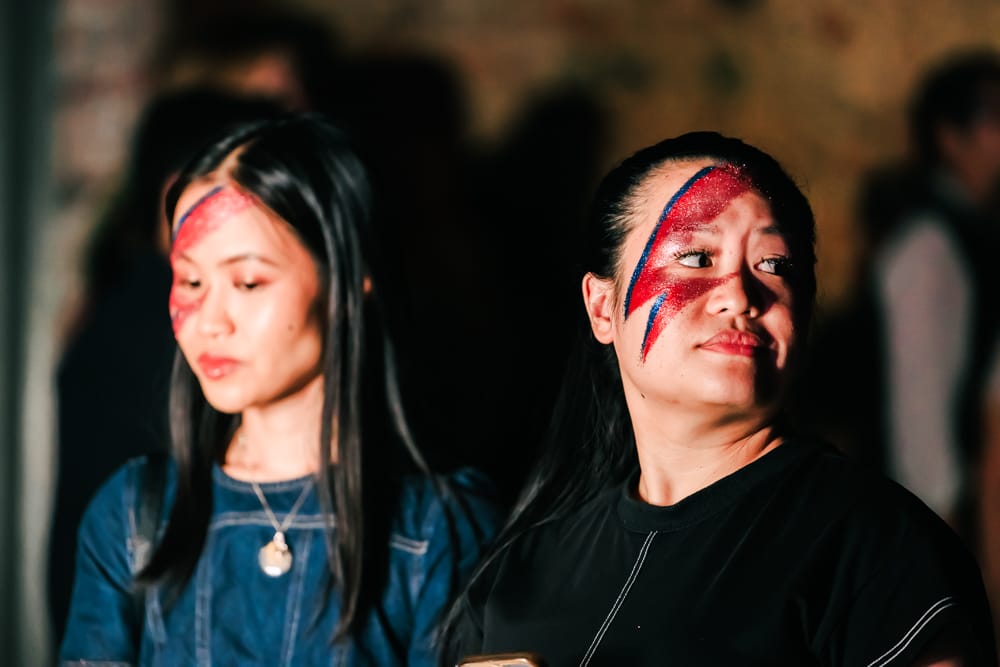
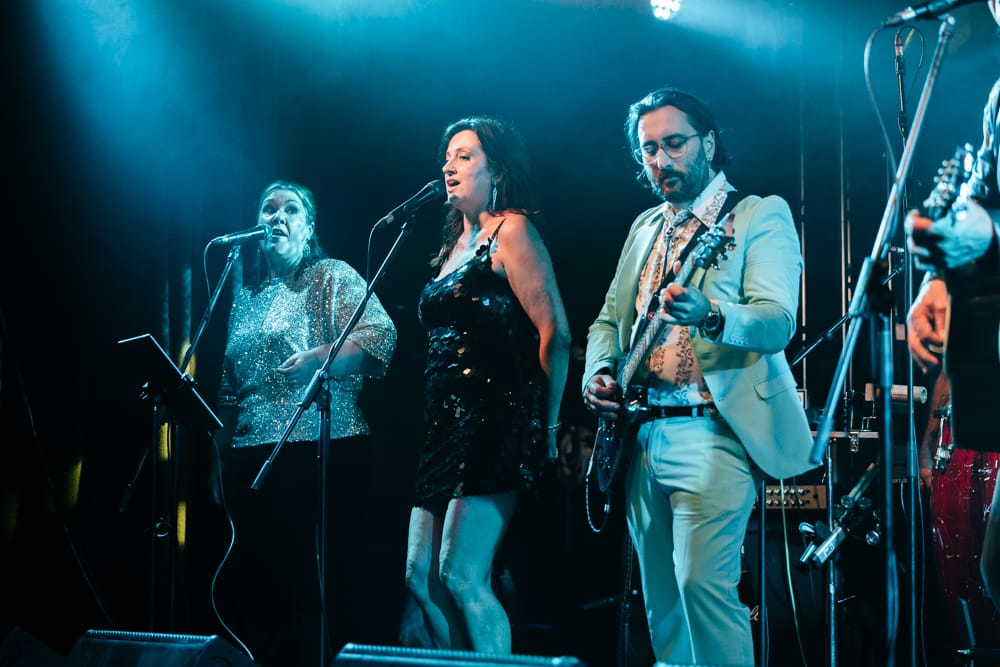
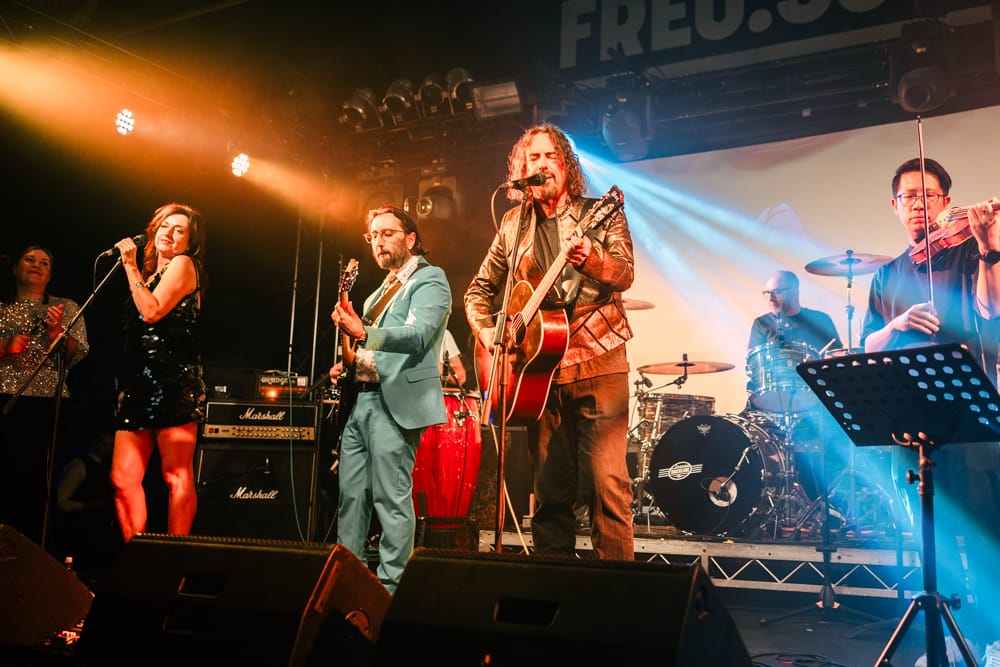
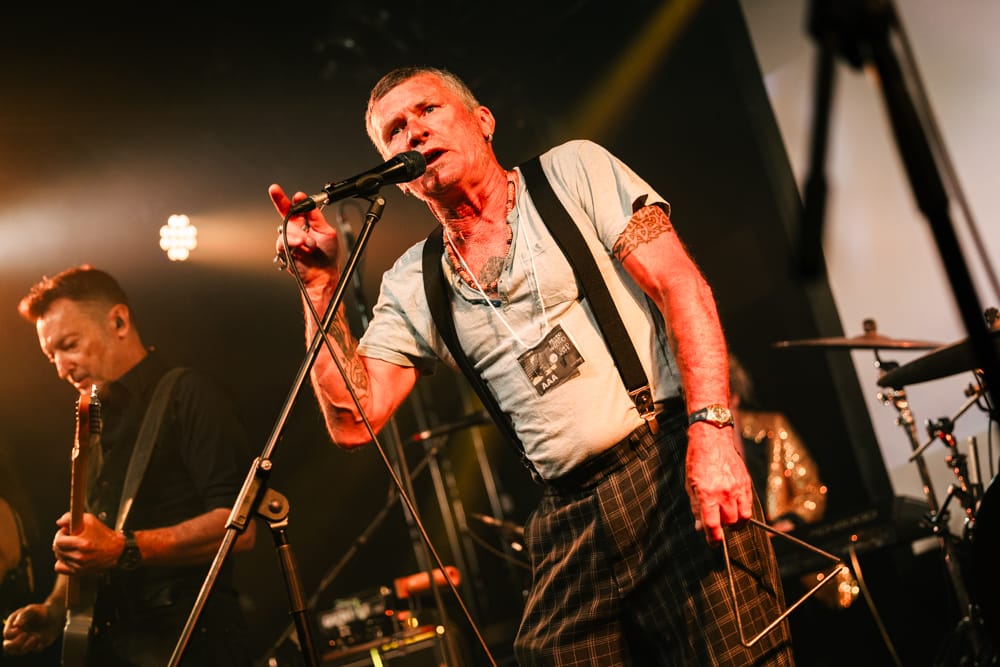
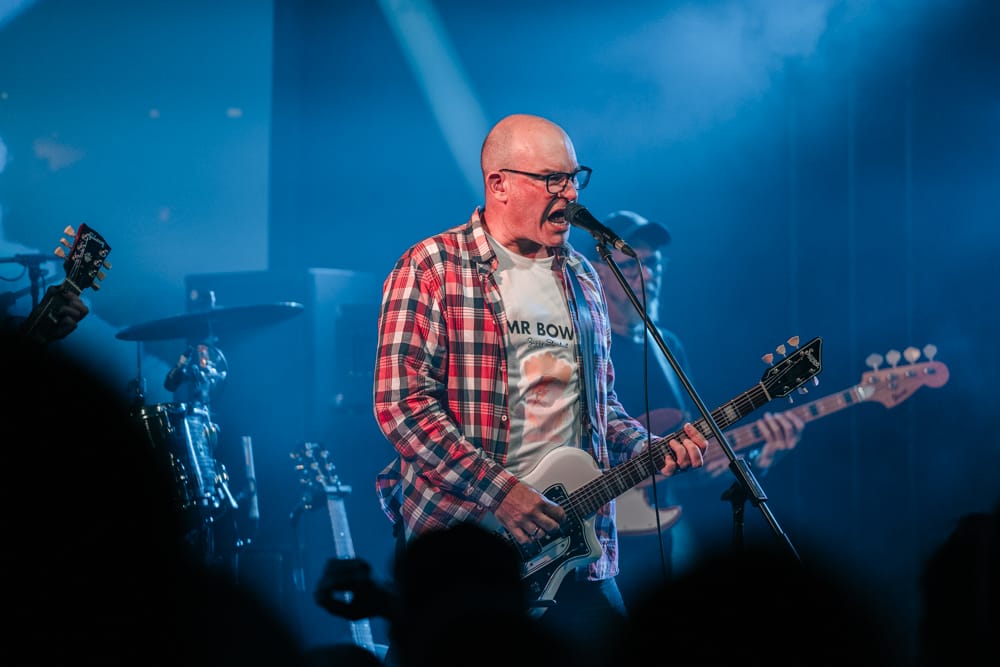
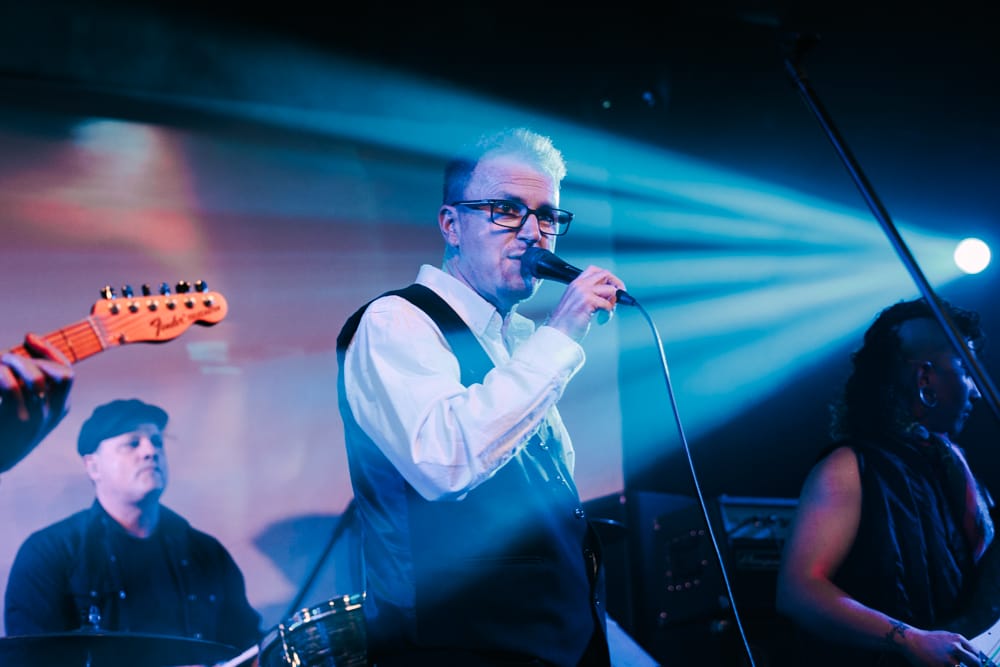
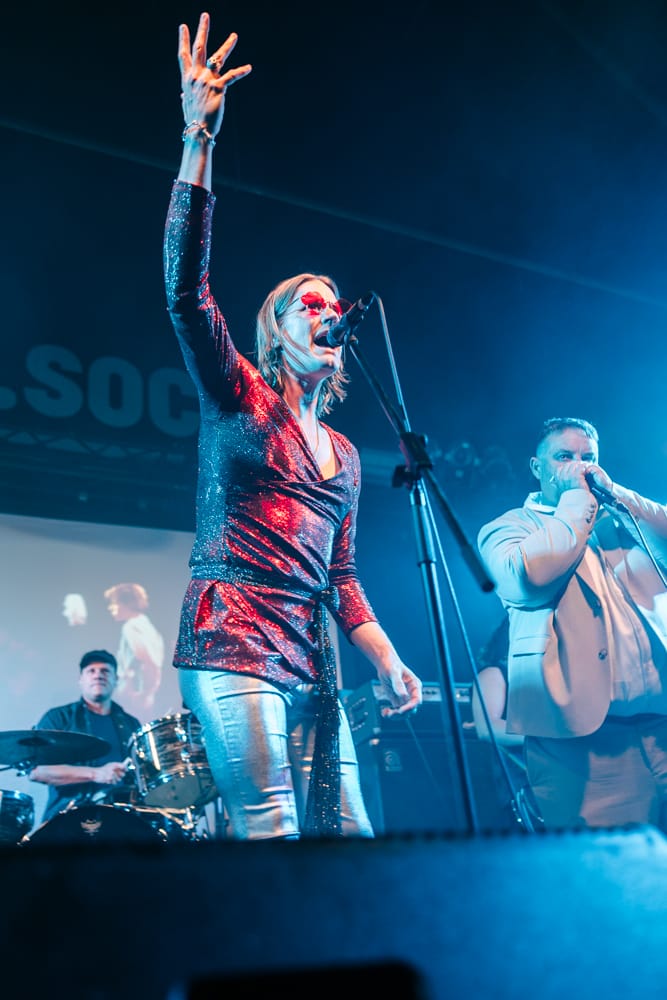
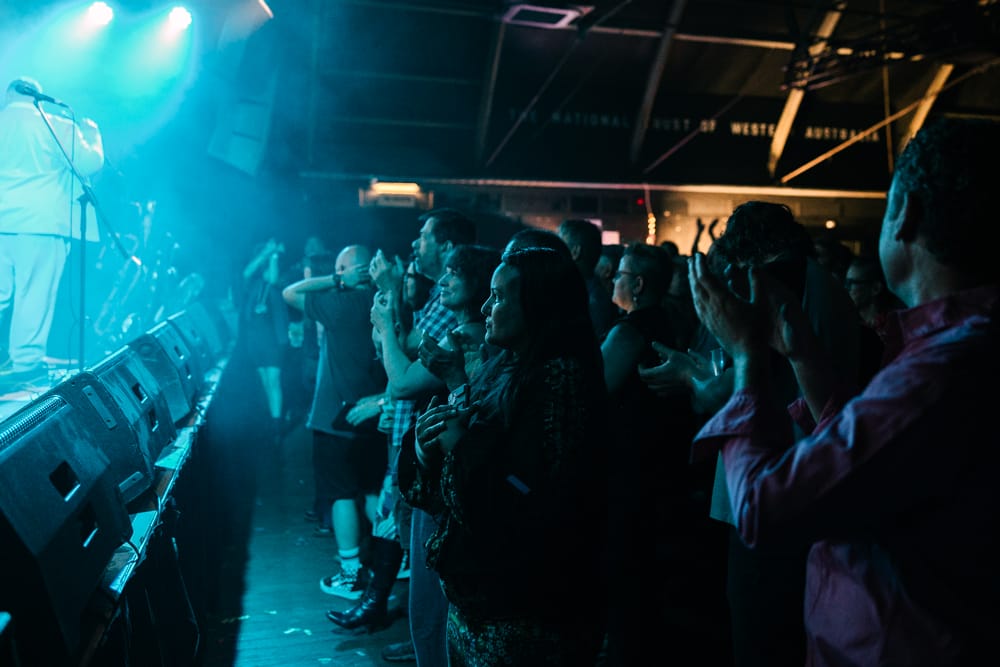
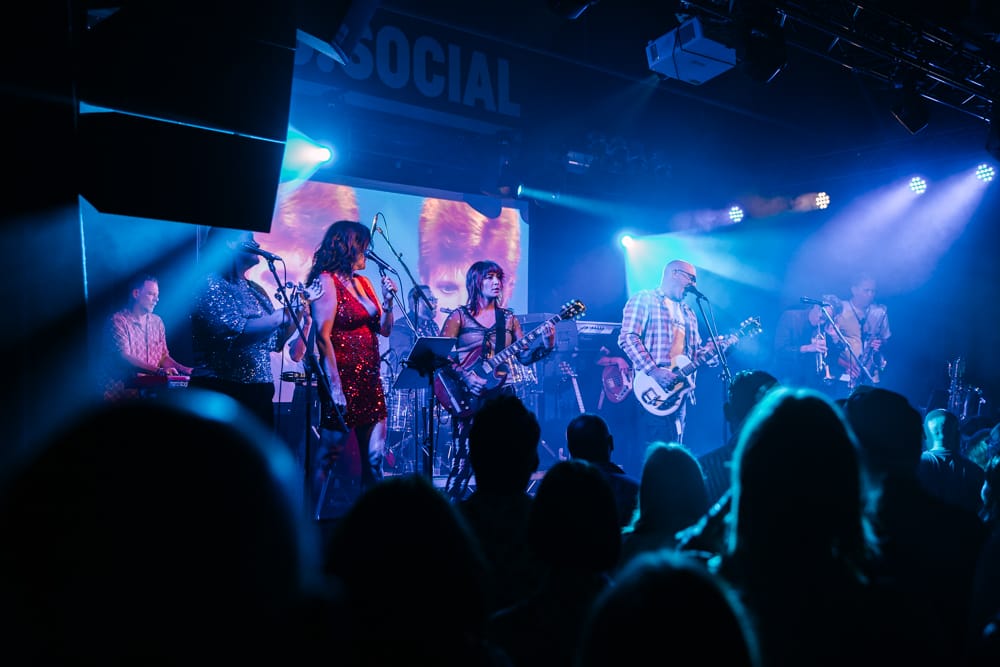
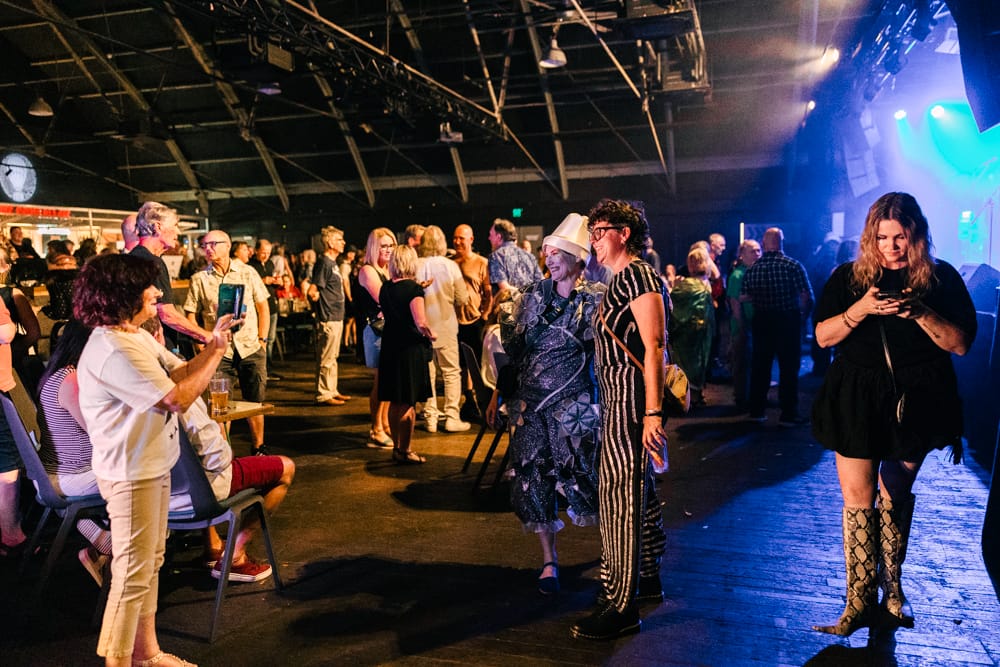
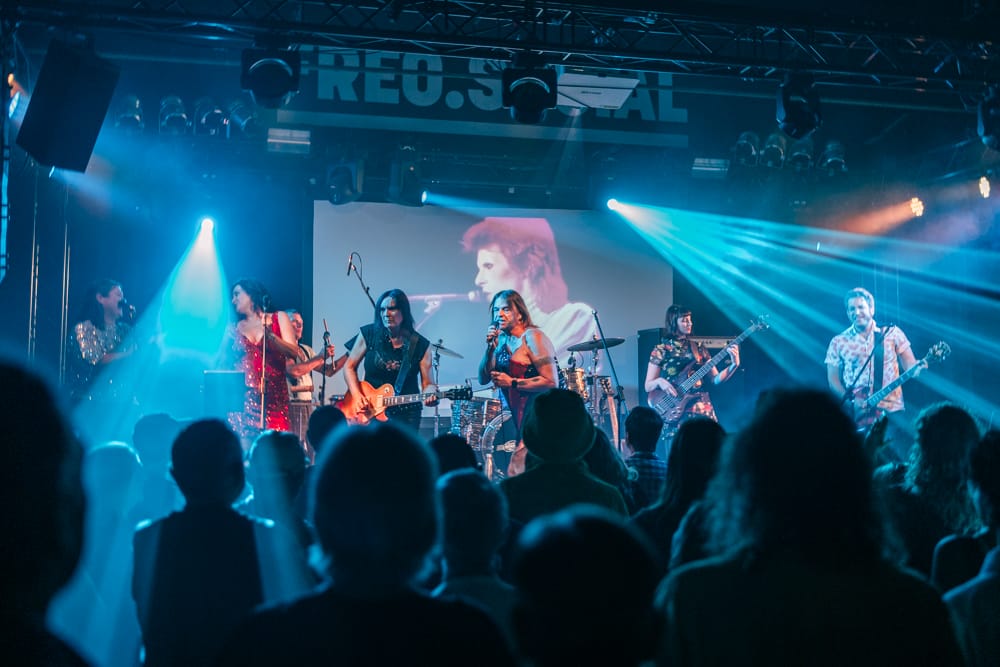
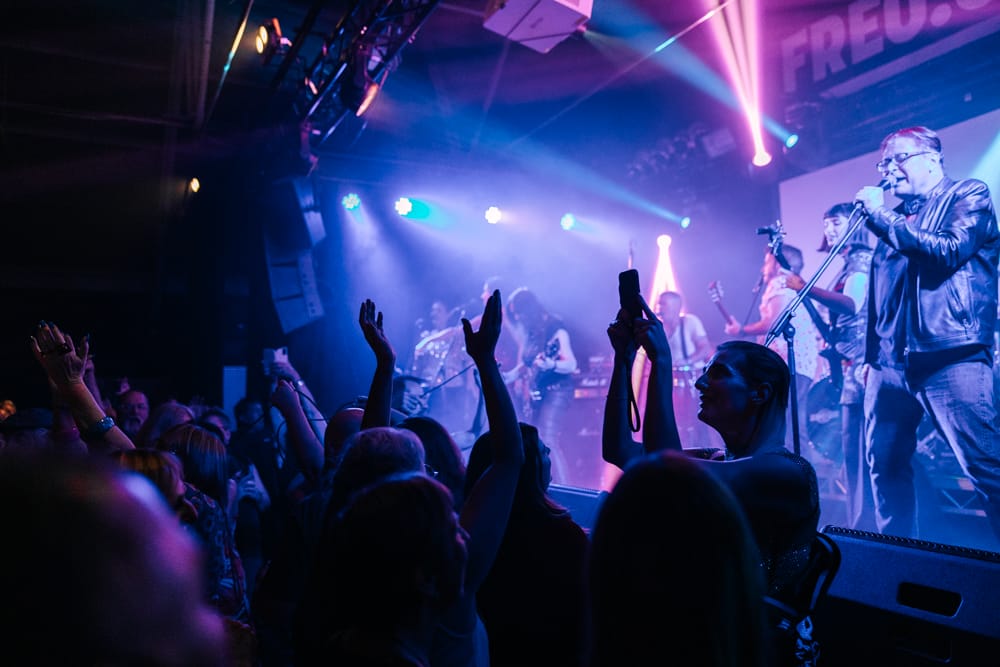
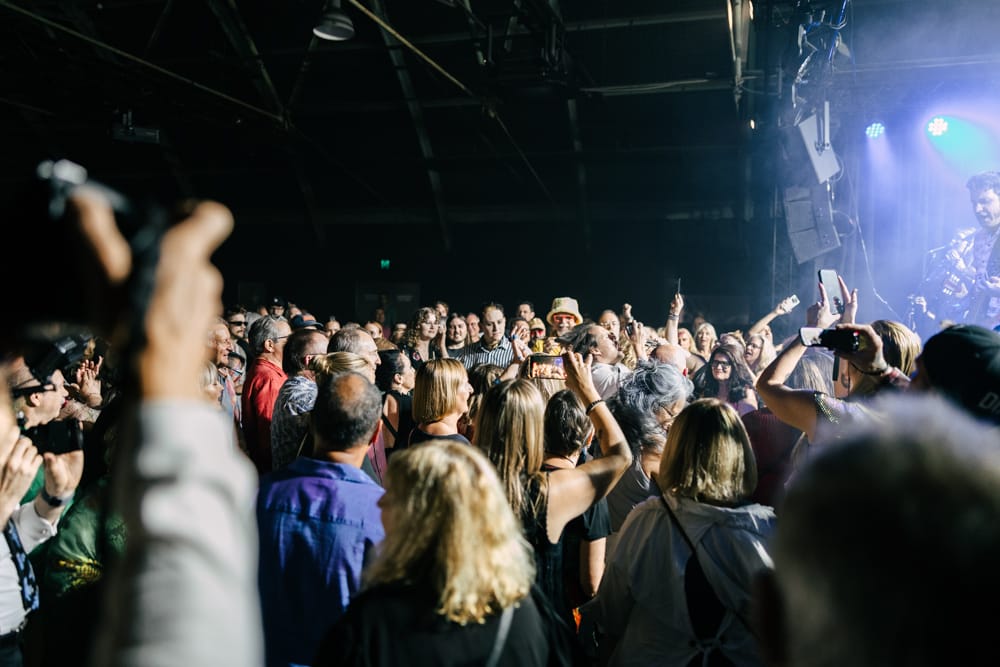
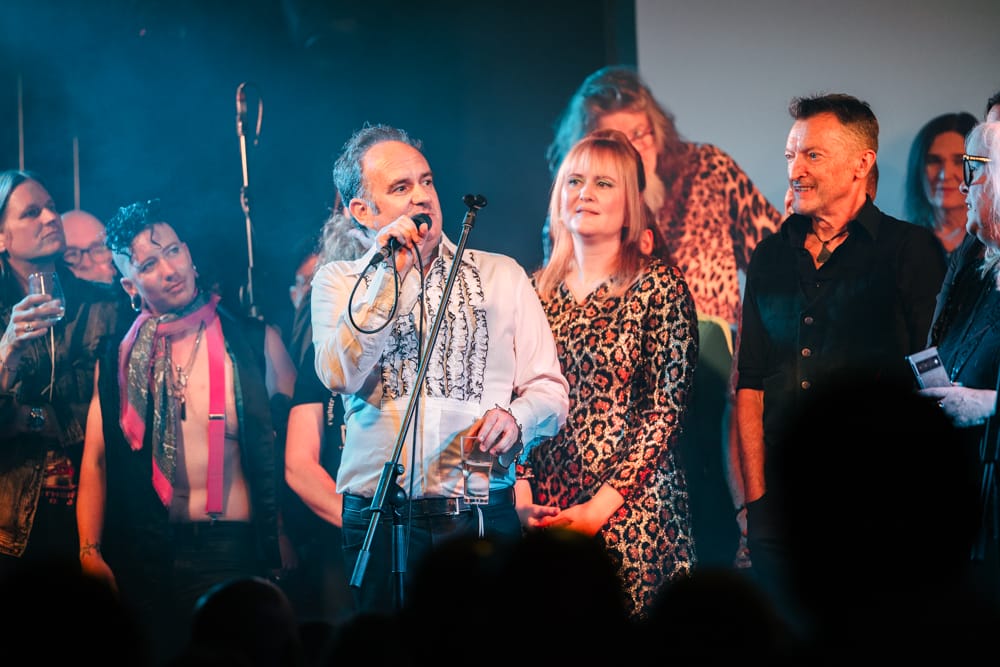
Bowie’s multi-generational allure was clearly evident in Fremantle on Saturday night when an impressive breadth of demographics turned out for the tenth instalment of The Mind Warp Pavilion. Created in 2017 by Greg Dear and Leanne Casellas to mark the one-year anniversary of the English singer, songwriter, and actor’s untimely passing, the event has evolved into a vivacious and enduring annual production. The night’s presentation was the fifth to be staged at Freo.Social, and featured four improvised bands fronted by a dozen or so different vocalists who combined to deliver 32 career-spanning Bowie compositions.
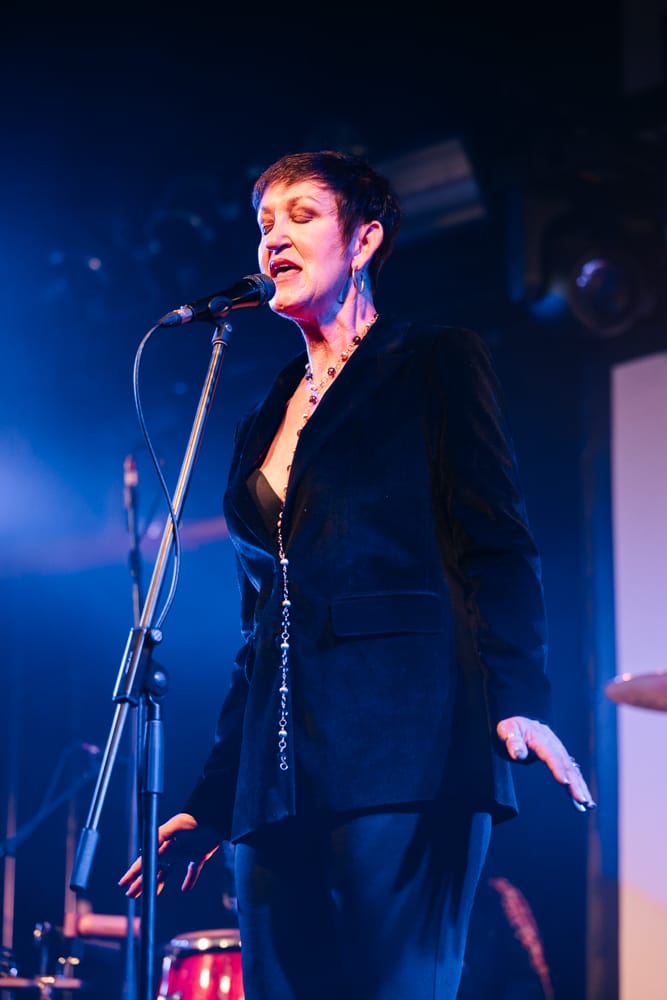
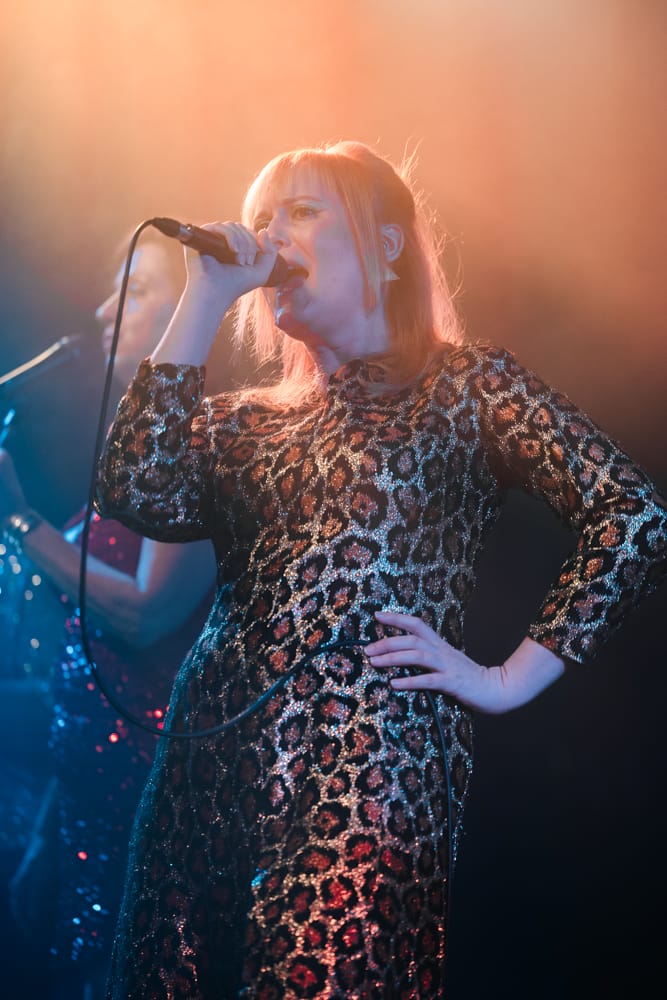
The evening got underway with a gorgeous choral performance of Five Years. The opening track of Bowie’s 1972 album, The Rise and Fall of Ziggy Stardust and the Spiders from Mars, Five Years depicts an impending apocalyptic disaster, a theme made all the more poignant when delivered by a symphony of voices. Lisa Horn soon emerged on stage with the shrewdly named Band One for a rendition of the sublime Shadow Man. Originally recorded during the Ziggy Stardust sessions but never completed, the song was re-recorded in 2000 for Bowie’s Toy album. Shelved in 2001, the album was eventually posthumously released in 2021. A stripped-back vocal and piano version released on the accompanying Toy EP is as moving as anything Bowie has recorded.
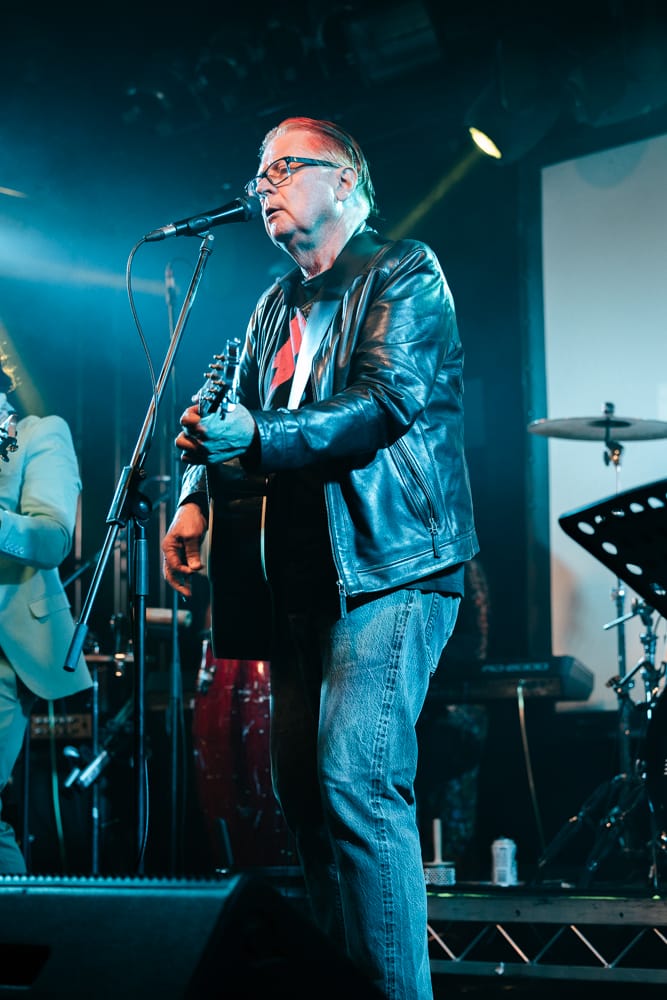
After impeccably conveying the song’s sombre essence, Horn turned the stage over to Rose Parker, who delivered an appropriately sultry rendition of Lady Grinning Soul. Greg Dear joined the collective armed with an acoustic guitar and sashayed his way through Sorrow before David Hyams delivered an impeccably sonorous version of Starman. Parker then rounded out the first set with a suitably ethereal version of the timeless Space Oddity (with Dear joining on acoustic guitar and delivering the all-essential countdown), followed by a powerful rendition of the splendidly surreal Life on Mars? from Bowie’s seminal 1971 album, Hunky Dory.
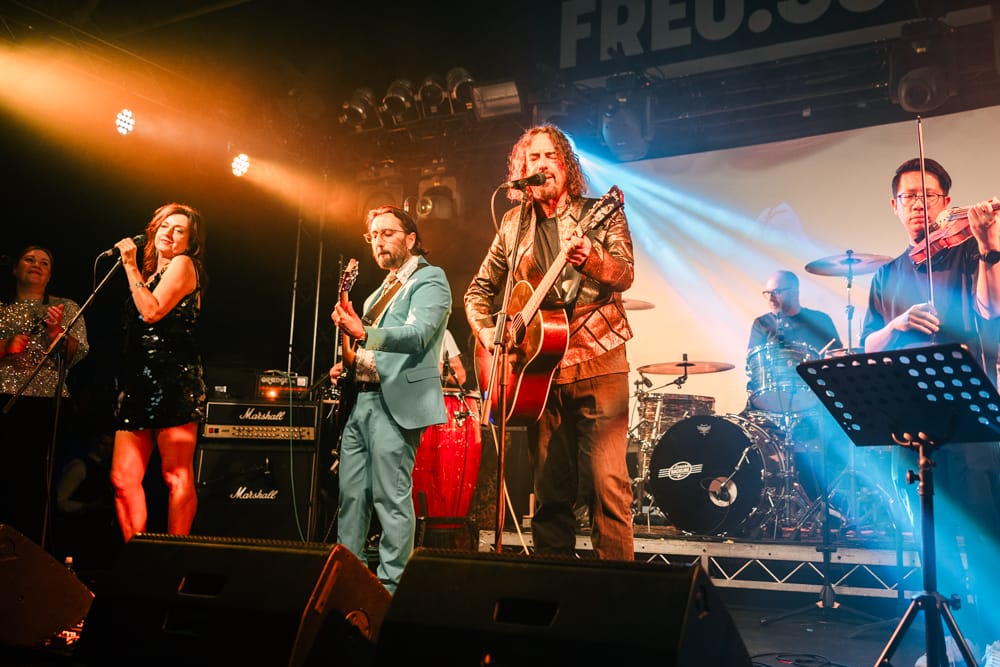
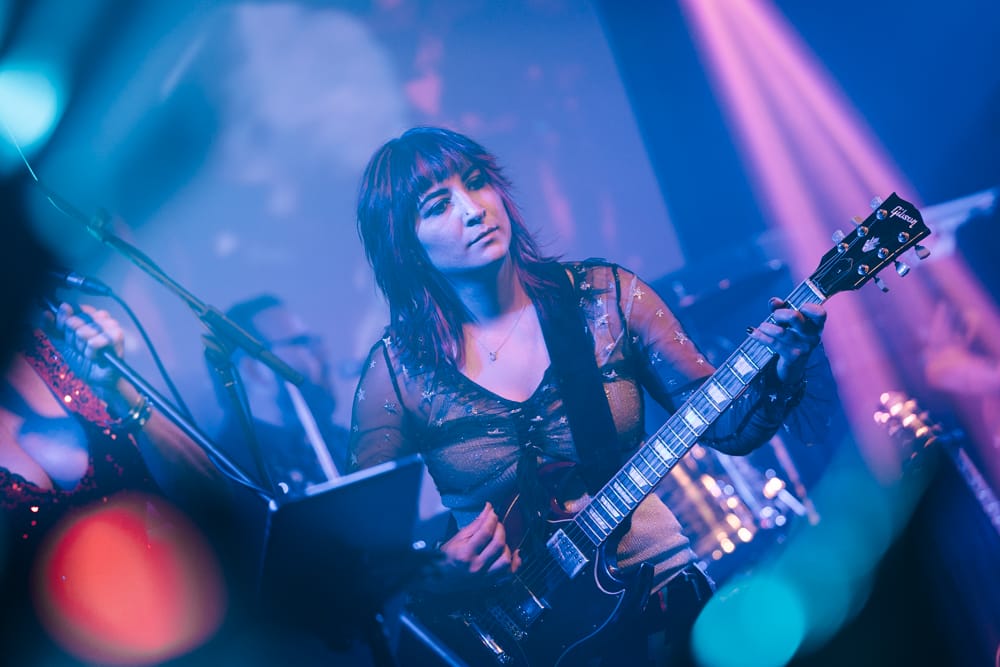
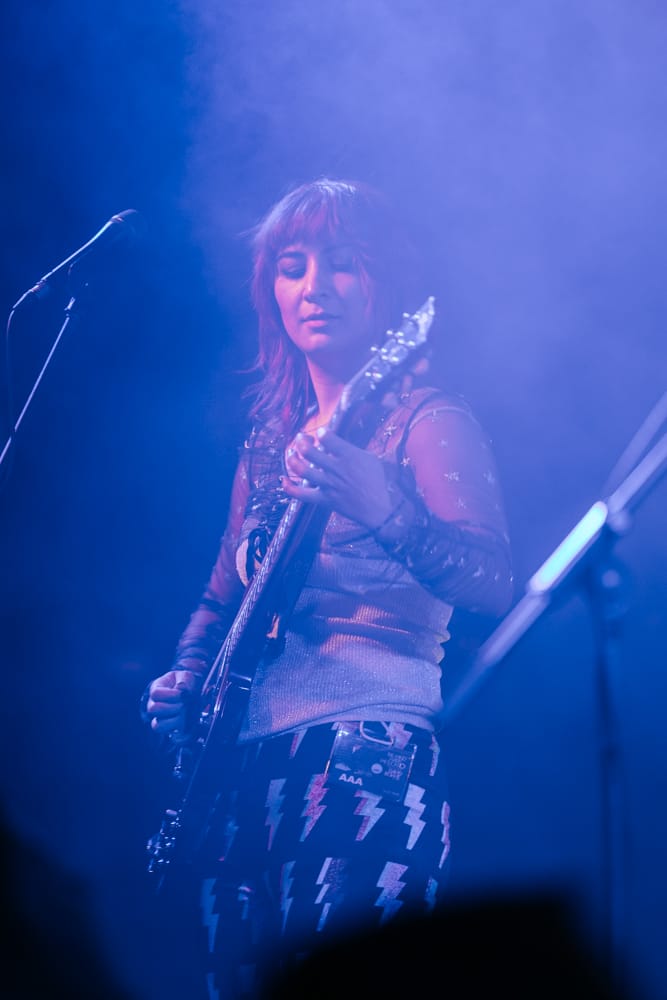
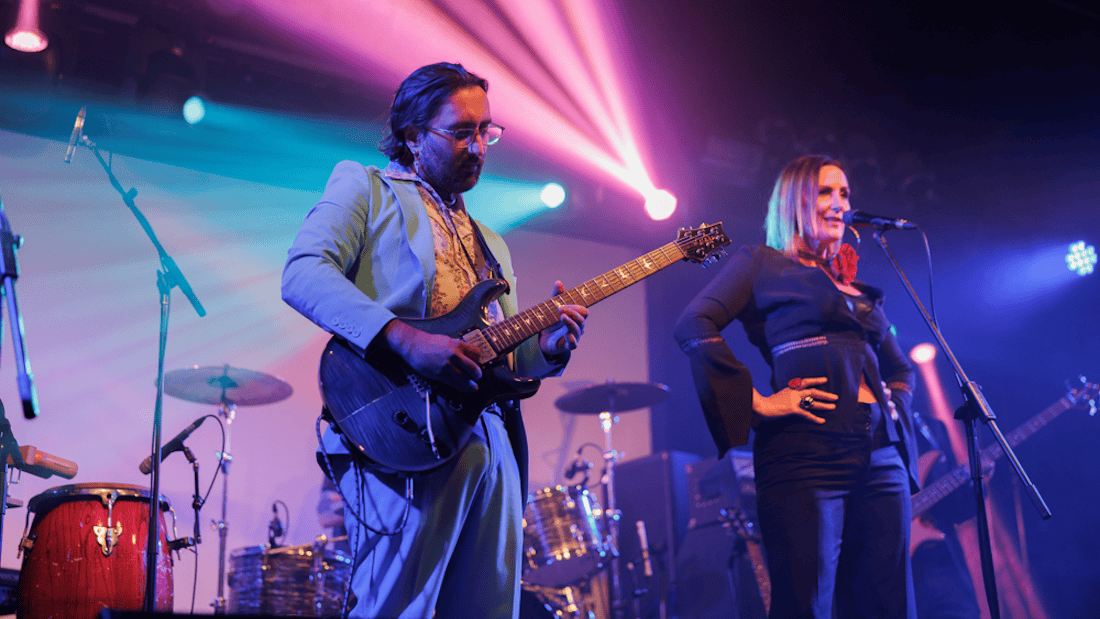
With drums, bass, guitar, and keyboards being executed by four different shifts of local instrumental luminaries, Michaela Steels and Selena Geyer were ever-present on backing vocals, as was Steve Gibson on percussion, while Steve Searle was a frequent visitor to the stage with his saxophone. Strings, additional brass, and harmonica also made appearances throughout the night, all invitingly combining to emotively sculpt an array of lush soundscapes.
Tom Henryon opened the second set accompanied by Band Two for a funked-up version of Golden Years. The song was the first in a trio of compositions from the event’s featured album, the 1976 Los Angeles-recorded Station to Station. Laith Tierney followed with potent versions of Word on a Wing and Wild is the Wind prior to one of Perth’s preeminent Dylan-philes, Steve Gibson, taking centre stage for Song for Bob Dylan. Gibson was followed by a glammed-up presentation of Cracked Actor by Bobby Burgess, before Craig Weighell jumped in with Absolute Beginners and Ashes to Ashes (joined on the latter by the dancing Jacky, who was appropriately adorned in a clown suit inspired by the song’s music video). Set two was then impeccably rounded out by Damien Goerke with Young Americans.
The old adage of never meeting your heroes can also apply to listening to alternate versions of your favourite songs. But not tonight. With its dark themes masterfully encased within an energetic and soulful façade, Bowie’s stream-of-consciousness narrative of Young Americans serves to examine America’s cultural climate of the 1970s from an outsider’s perspective. For anyone who immigrated to the United States in their youth, the song has long been a profound point of cultural resonance. Goerke’s inflicting and compelling interpretation was unquestionably one of the most affecting moments of the night.
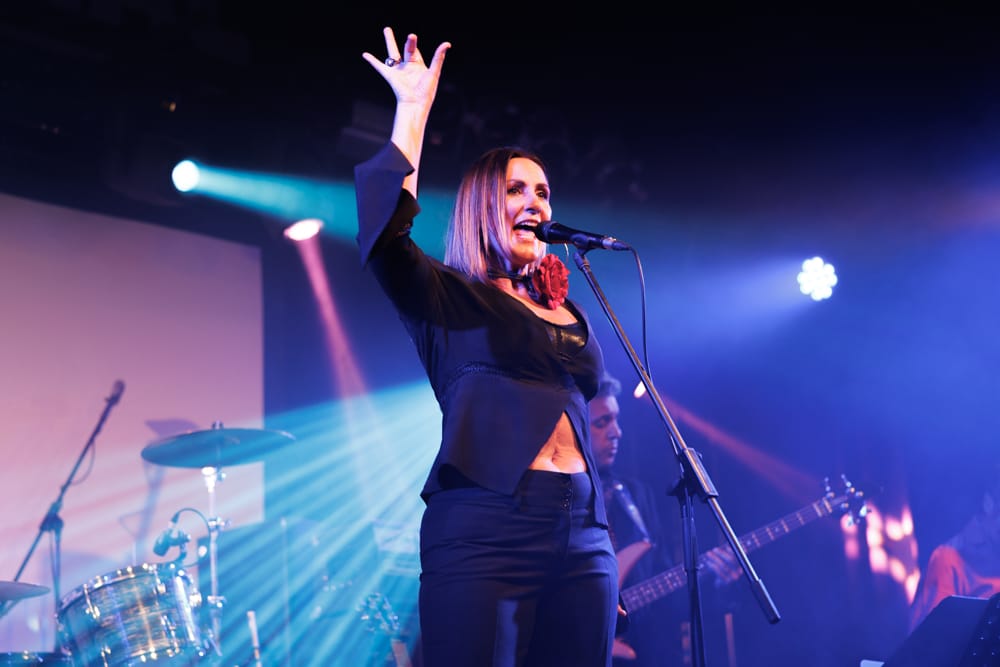
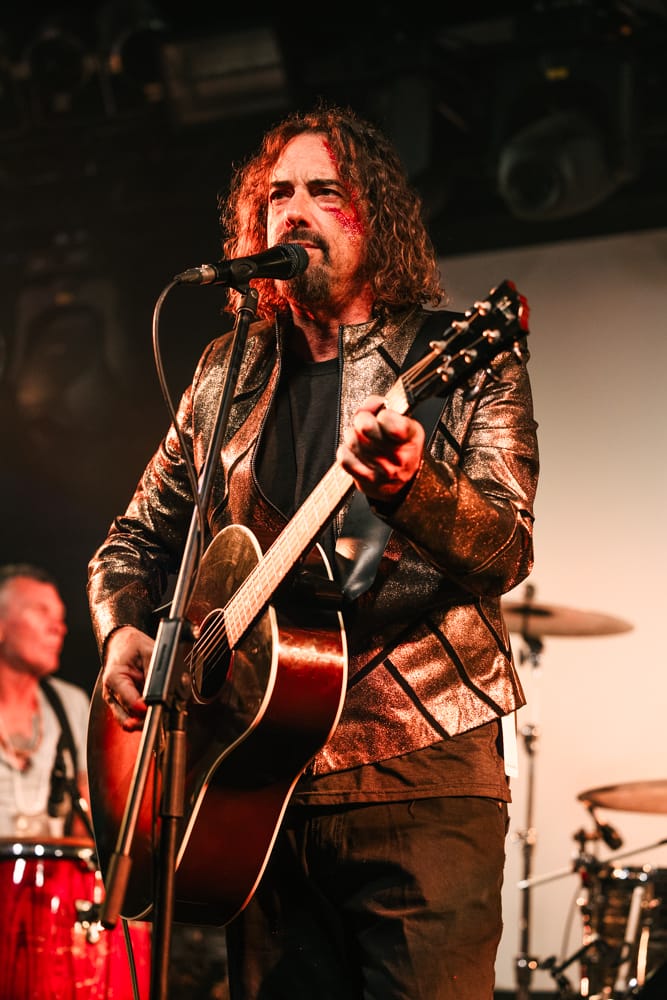
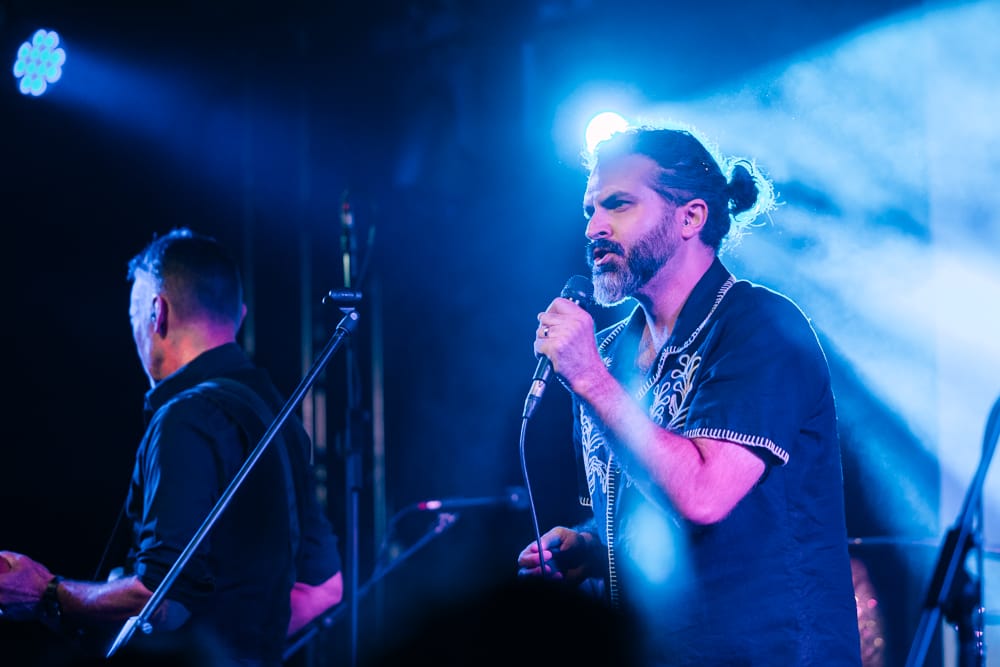
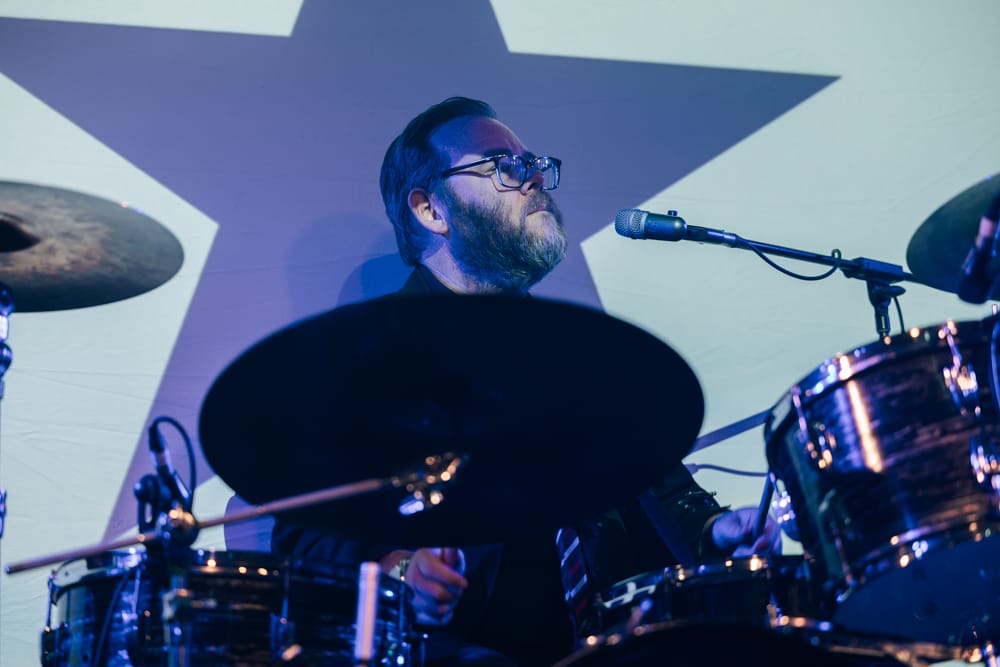
Set three saw the arrival of Band Three, with Clayton Bolger firstly fronting the ensemble. Also peeling off some authoritative electric guitar, he sublimely toured the audience through Changes and All The Young Dudes, with Selena Paul’s guitar work on the latter being another highlight. Greg Dear made a vocal cameo for Breaking Glass before Band Three’s drummer, Kieran Murphy, took over lead vocals on The Man Who Sold the World. Denise De Marchi then joined the fold to lead the vocalising on Modern Love and Ziggy Stardust. While De Marchi turned in a rapturous version of Modern Love, strapping on an acoustic guitar for Ziggy Stardust somewhat muted the bubbling verve previously summoned.

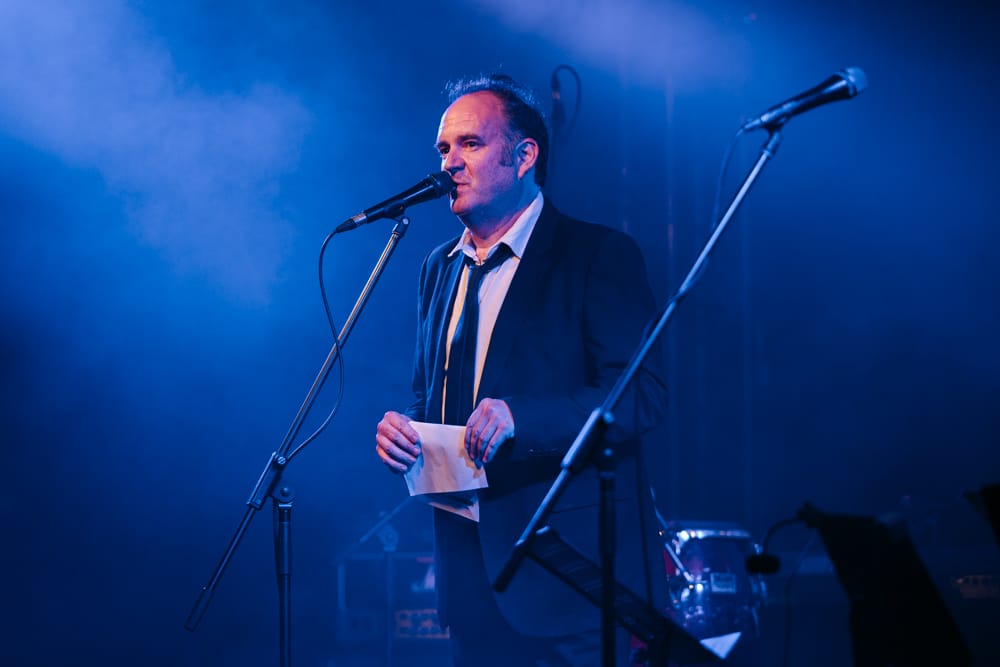
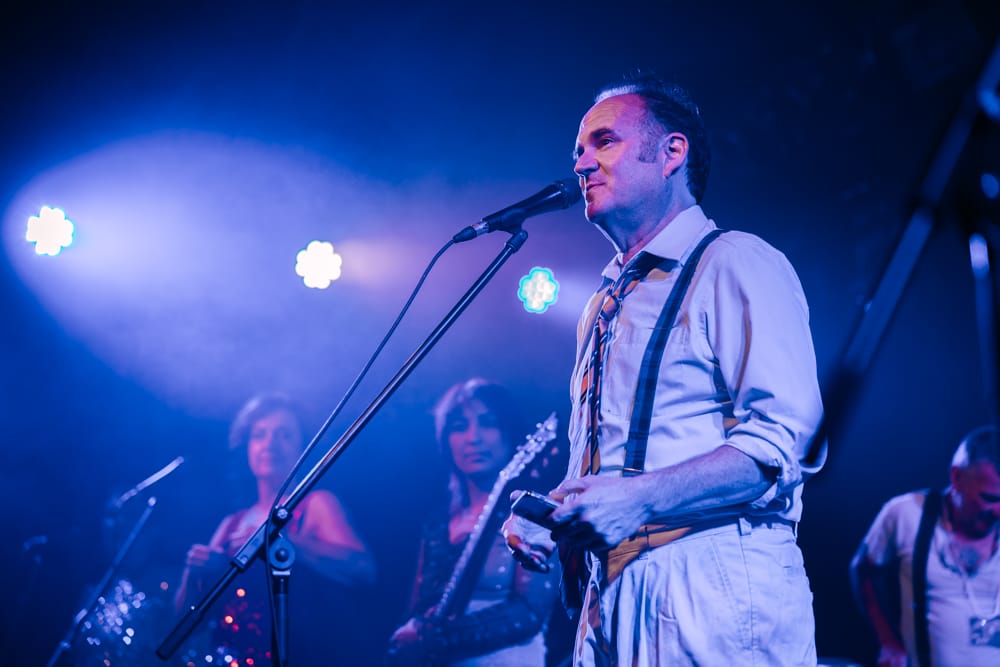
Following on from De Marchi, the evening’s emcee, Bob Gordon, returned to the stage as a performer, opening his musical contribution with the inspired inclusion of The Little Fat Man (With The Pug-Nosed Face). Written with Ricky Gervais and Stephen Merchant, Bowie performed the song in an episode of his collaborators’ sitcom Extras. Impeccably conceived and delivered, the singer and song masterfully humiliated Gervais’s character of Andy in a scene that will continually make you wince no matter how many times you view it. After Gordon raised the tempo and posturing dynamics with Hang On to Yourself, Bolger closed the set with Let’s Dance. While M. Ward’s metamorphosis of the song into a haunting ballad will long stand as an interpretative benchmark, this big-voiced version with its pounding rhythms, blazing brass, and searing guitars was superb.
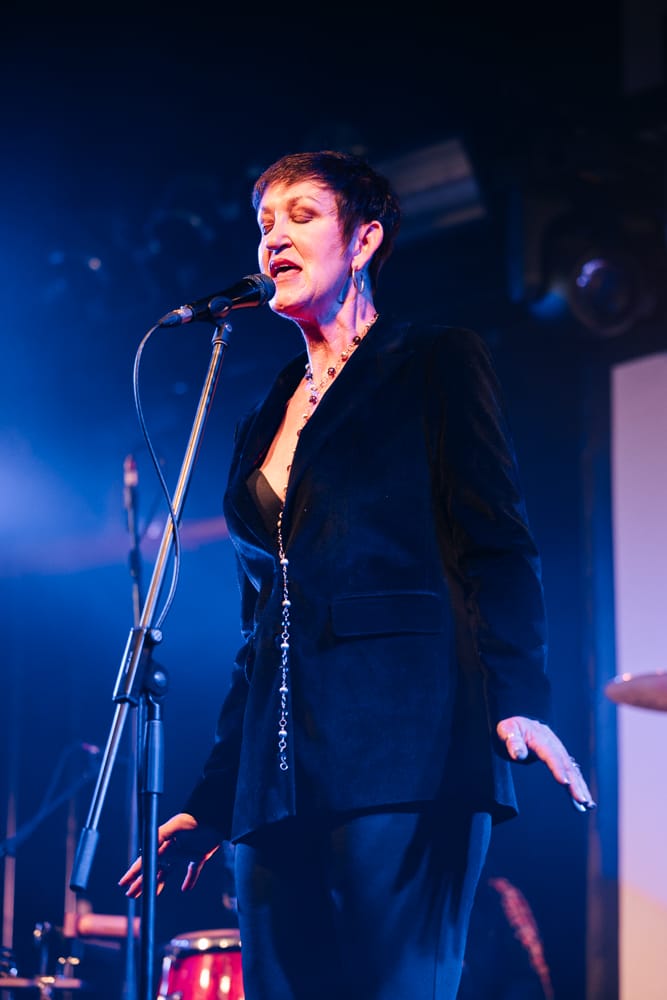
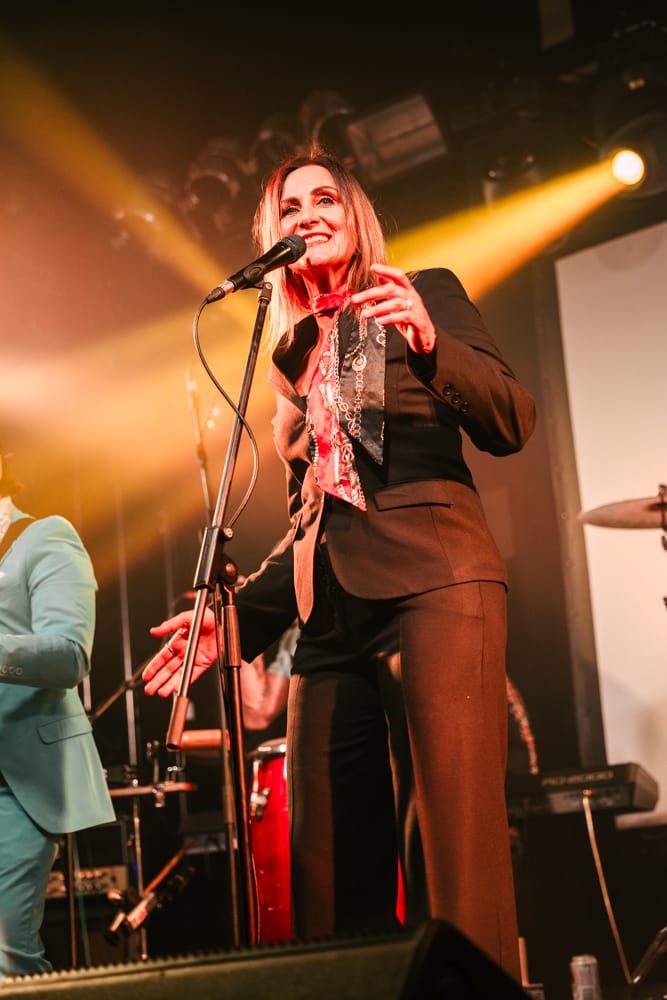
After Jake England embraced Bowie’s cut-up technique of lyrical composition to deconstruct Bowie’s own lyrics to compose and deliver a cut-up poem, Band Four took to the stage with Horn returning to kick off proceedings. In a night overflowing with musical highlights, one of the most poignant and impactful was undoubtedly her presentation of Lazarus. A song from Bowie’s twenty-sixth and final studio album, Blackstar, Lazarus is a self-penned eulogy reflecting on mortality, fame, and transcendence, with Horn’s inflicting delivery benevolently reinforced by her attire of a black dress and veil. Goerke and Gordon returned for Diamond Dogs and Boys Keep Swinging and were followed by Sami Electric Blue Bird, who presented a delightful rendition of Rebel Rebel.

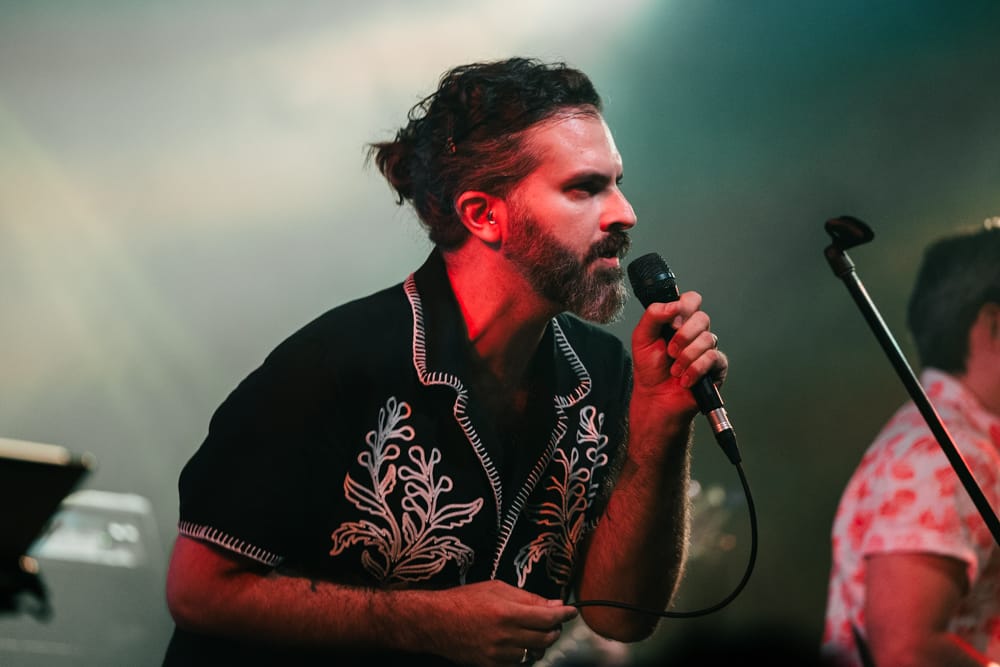
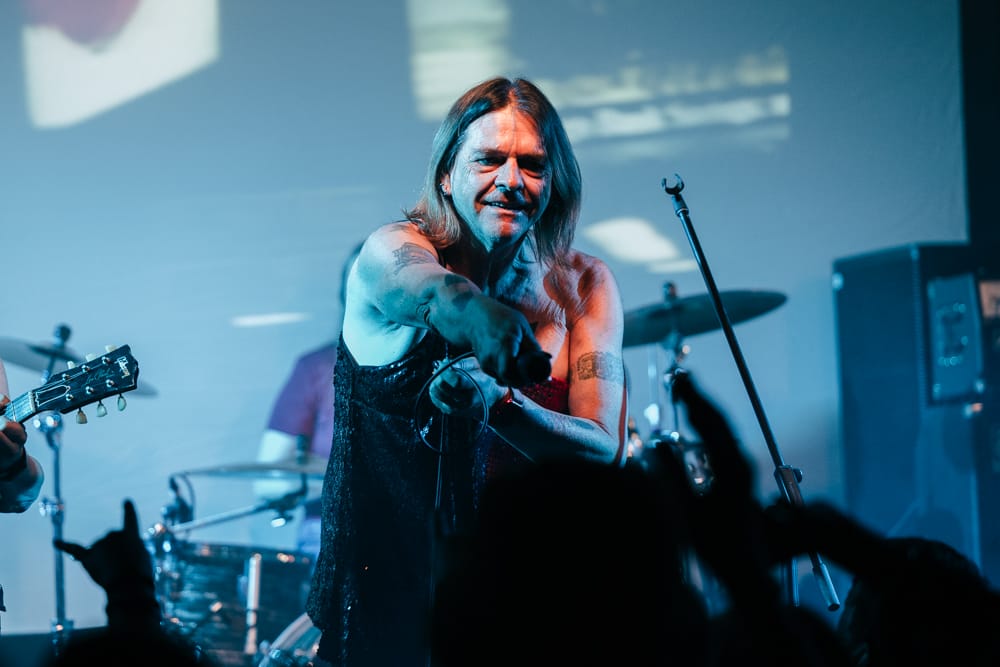
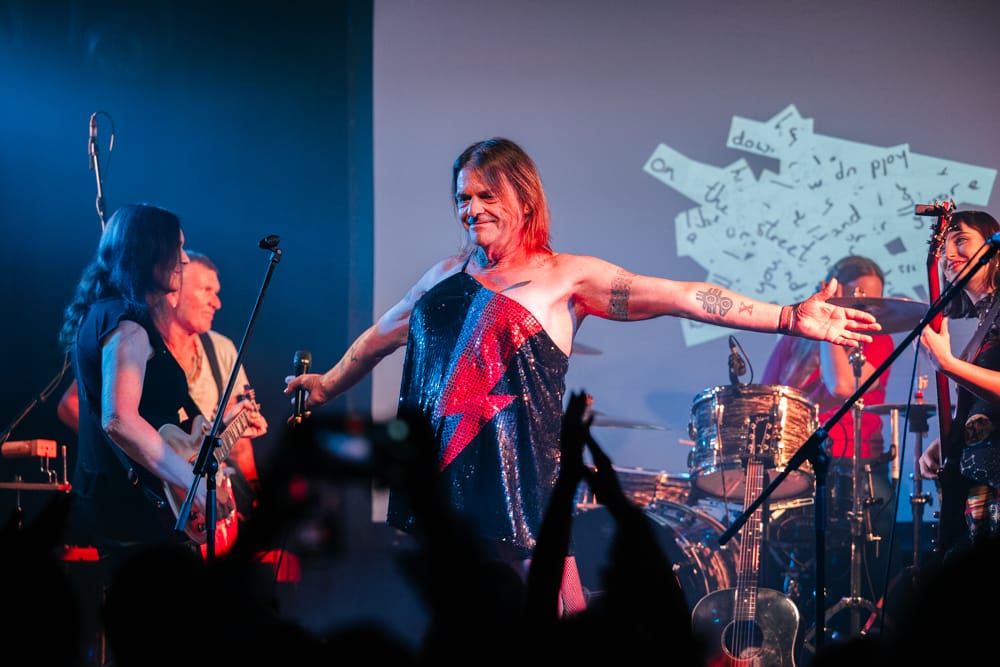
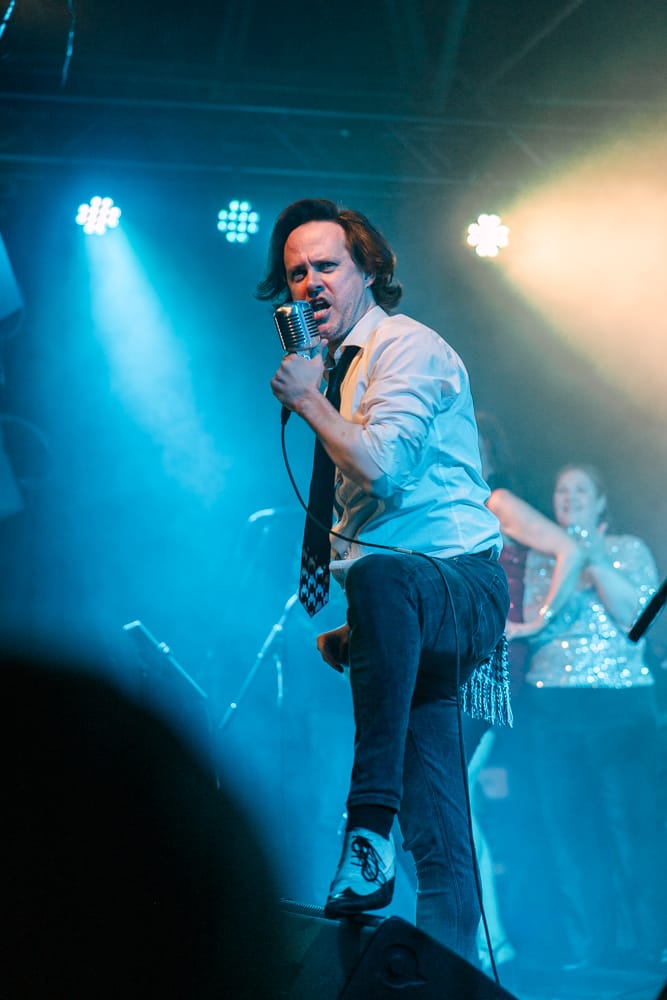
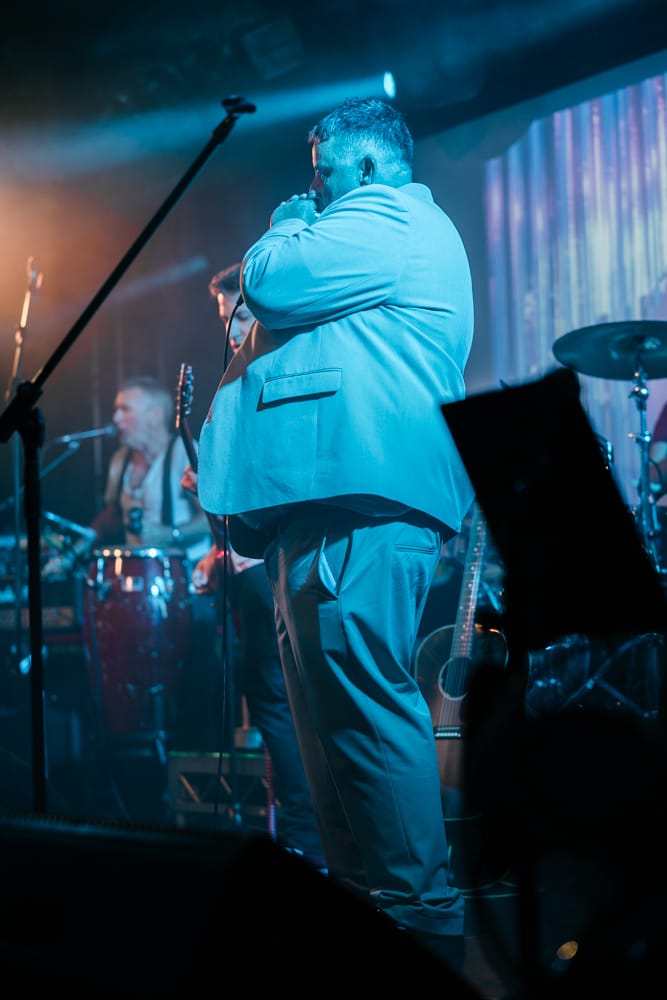
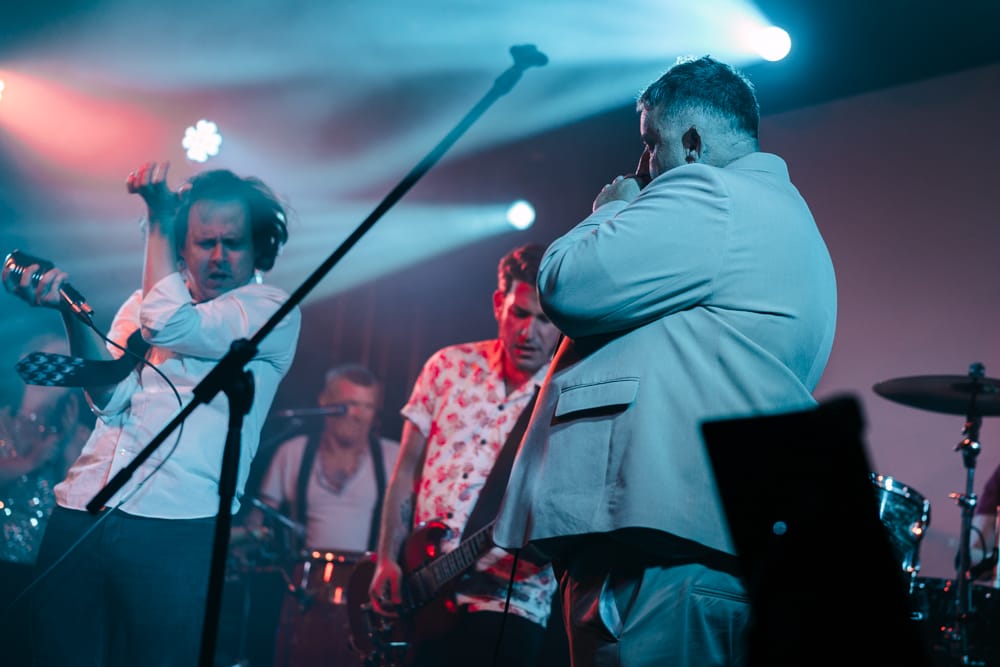
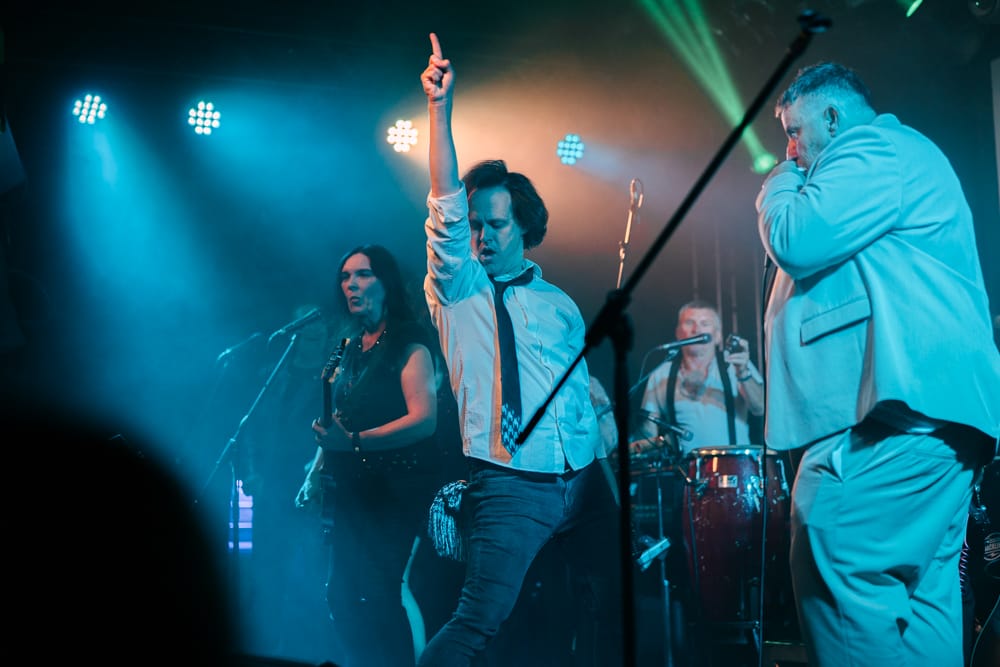
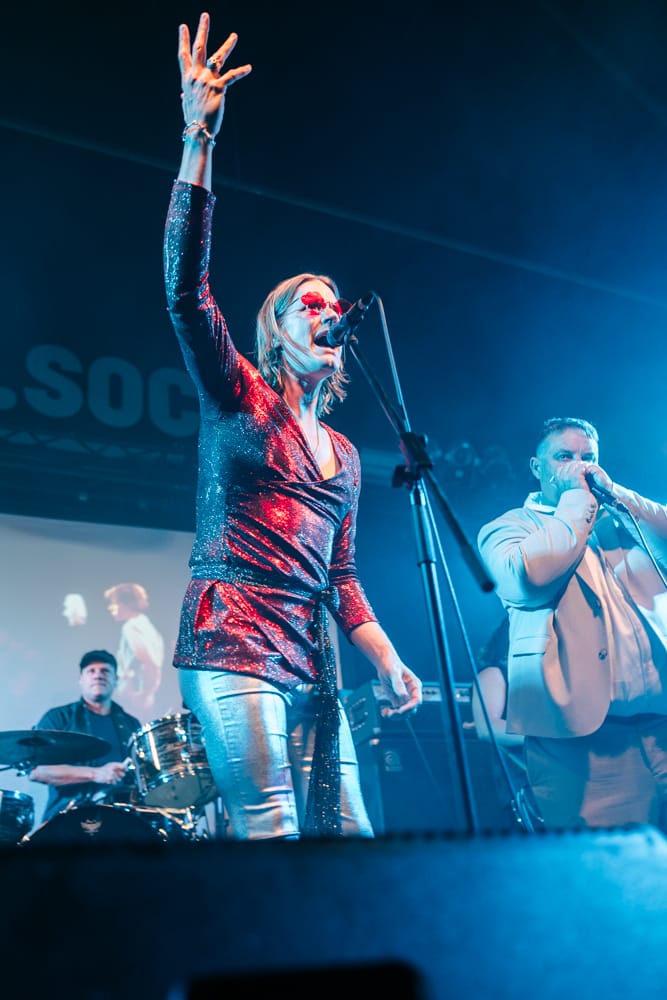
The stage was then given back to England, who not only made it his own but also proceeded to seize the dance floor, the bleachers, and most of the air in the room. Band Four’s pulsating delivery of Jean Genie was accentuated with blasts of Brendan Sturcke’s harmonica as England’s frontman’s antics ranged from crooning to the audience with a strategically placed foot on the foldback to stomping, gyrating, and convulsing before dropping to his knees. In raising the bravado further on Suffragette City, England leapt into the audience mid-song, clasping his vintage microphone to fervently belt out the rest of the song as he cavorted his way through the throng. After revving up the audience, England paused momentarily before boisterously delivering the final “wham, bam, thank you ma’am”—a lyric he previously professed to be the greatest in contemporary music.
The larger-than-life performance raised the inevitable question of where do you go after that? Claire Hodgson astutely decided the best option was staying with The Rise and Fall of Ziggy Stardust and the Spiders from Mars for a sax-drenched and cosmic rendition of Moonage Day-dream before Tierney returned to emotively close out the night with Heroes. Set against the backdrop of the Berlin Wall, Heroes was written and recorded in a world divided by the Cold War and captures the hope and defiance of ordinary people performing heroic acts in oppressive times. On a night where the world again finds itself increasingly divided, Heroes provided a sadly relevant and poignant end to the show. Still, never have four hours of music evaporated so quickly, ardently, or satisfyingly.
BRETT LEIGH DICKS
Photos by Hideaki Edo