Review: The Drones at The Rechabite
The Drones at The Rechabite
w/ The Mess Hall
Sunday, September 6, 2026
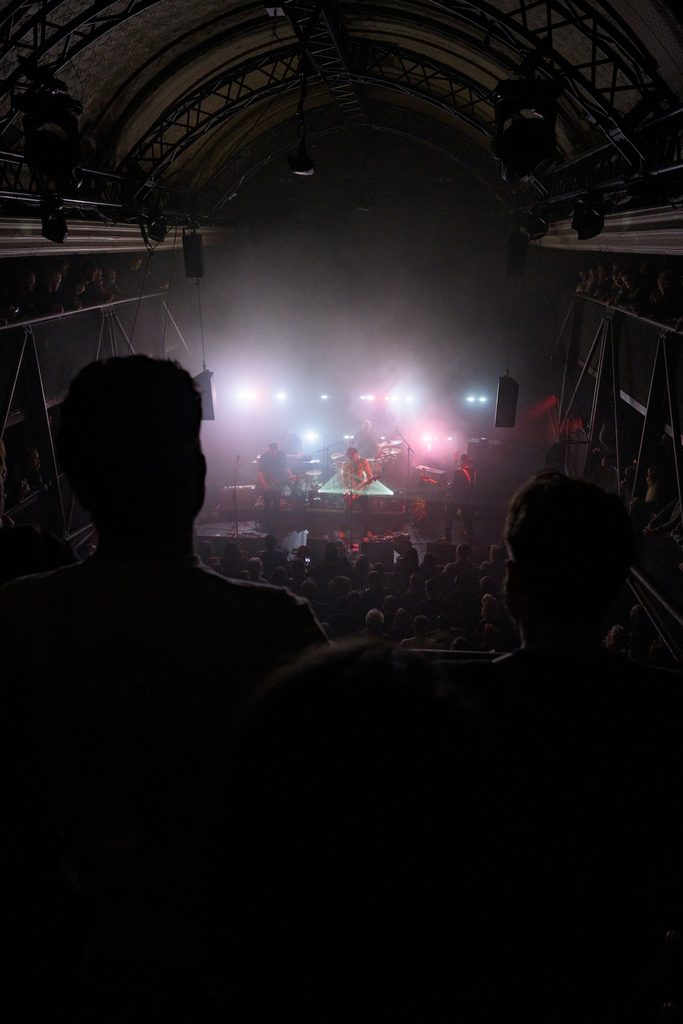
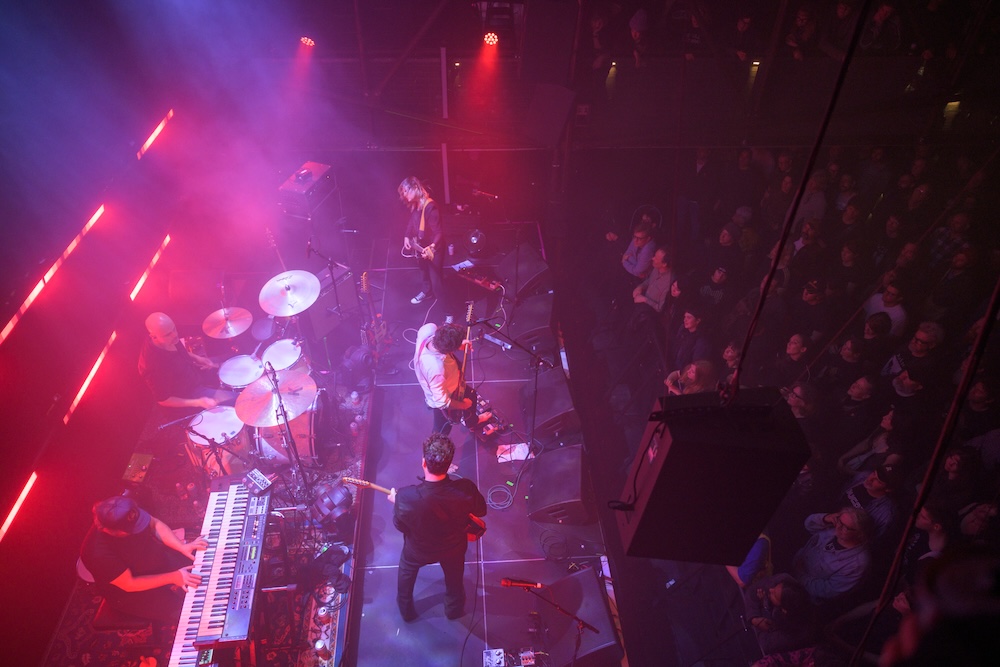
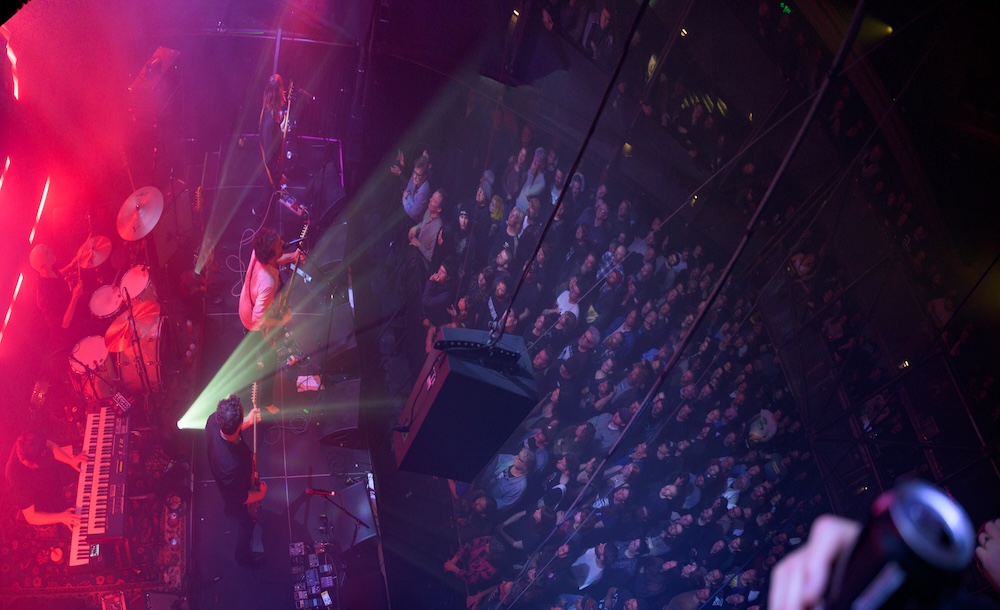
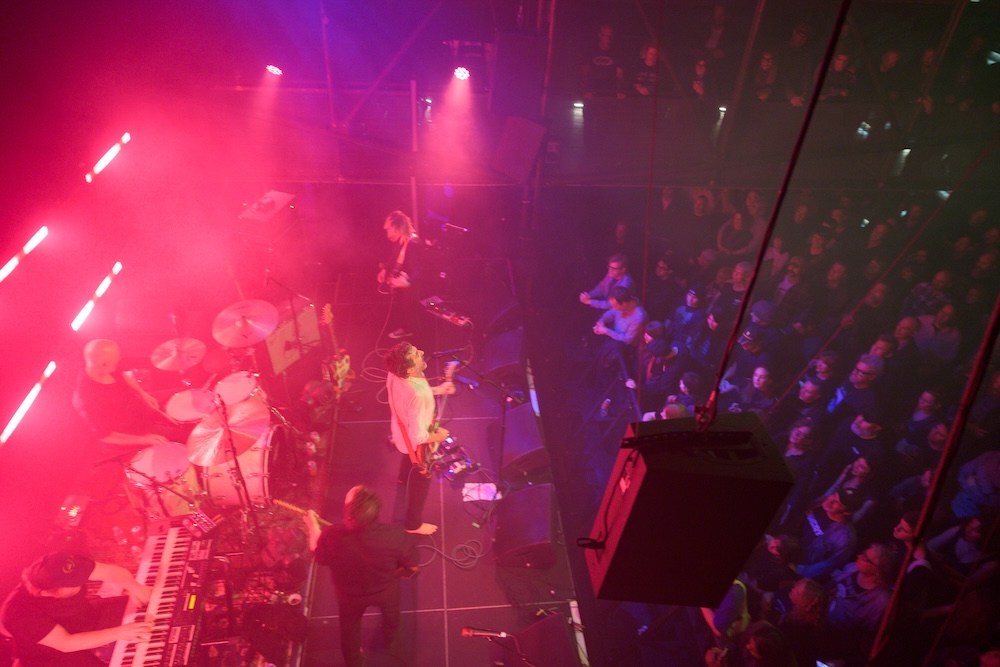
Ten years is a long time to be dead. Especially in rock ’n’ roll, where three years can be enough to turn a band from dangerous outsiders into a Spotify playlist. The Drones have been gone for a decade, but this past weekend Australian rock’s ugly little secret came back to town, like ghosts carrying amplifiers and still kicking holes in the coffin. A much-anticipated reunion tour of two sold-out shows, The Drones returned to Perth, playing The Rechabite Hall with as much urgency and intent as ever. And the walls paid for it.
The Drones were never particularly interested in being a pleasant Australian rock band. Their intention was never to sell you a good time. Their songs have always sounded like badly healed wounds: ugly, beautiful, funny, frightening and impossible to stop picking at.
Of course, things have changed since the last time they were in town. The band has changed, the audience has aged, and so has Perth. The musical landscape that produced The Drones in the first place is not the same as it was twenty years ago.
In the years since, Tropical Fuck Storm has emerged from the same Australian underground and morphed into a beast of its own, making The Drones’ return feel like a continuation of something rather than just another nostalgia trip.
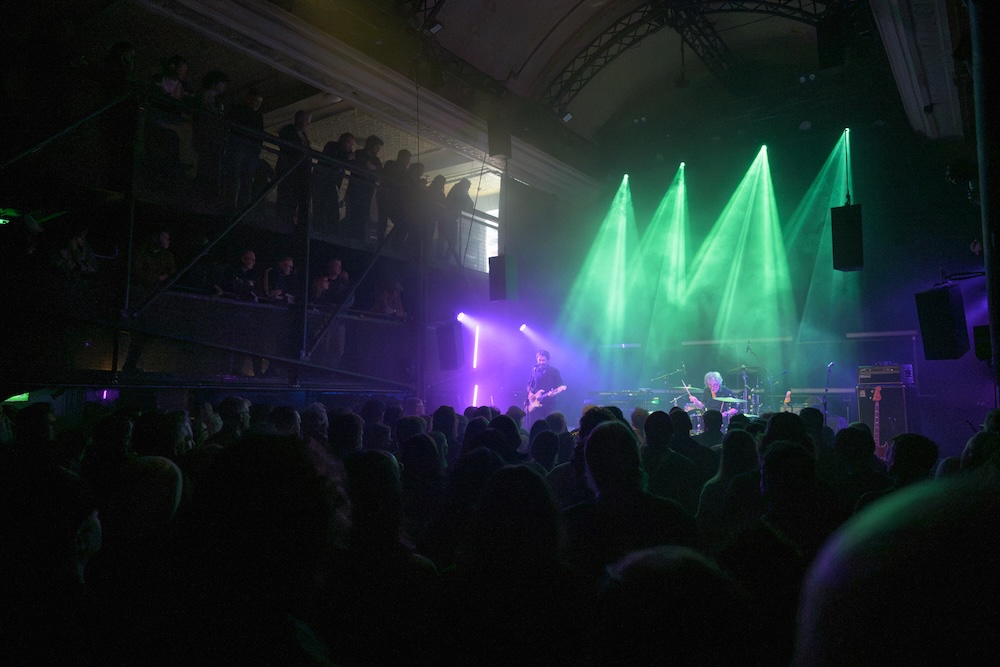
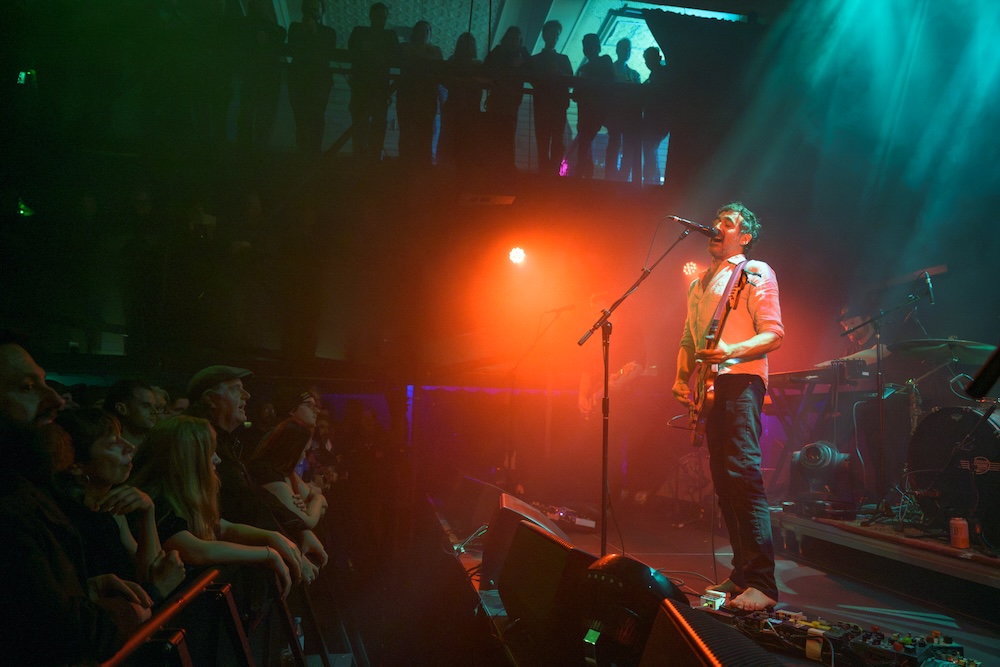
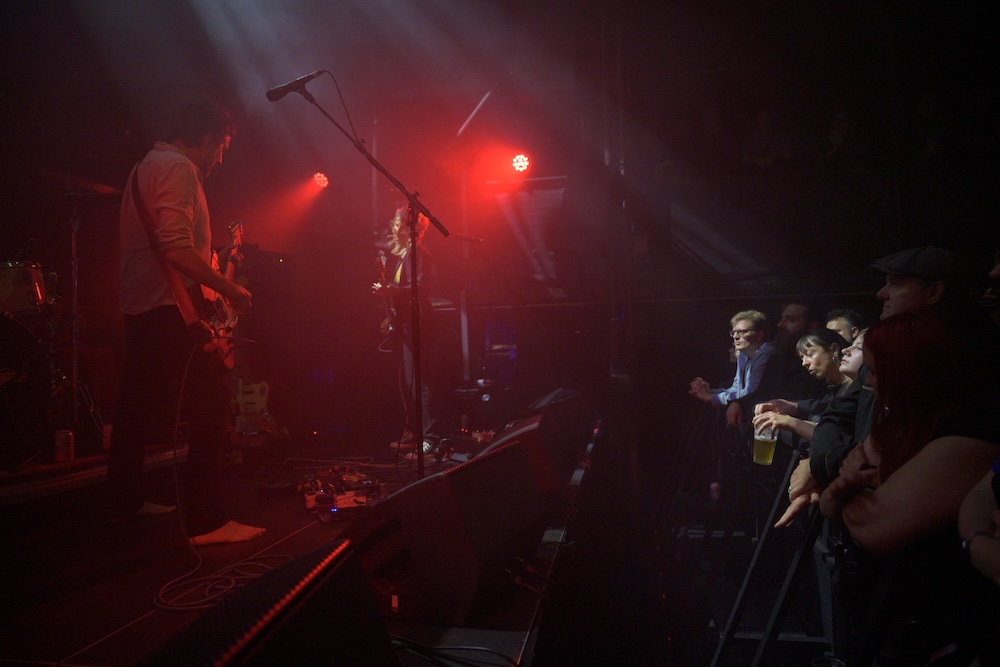
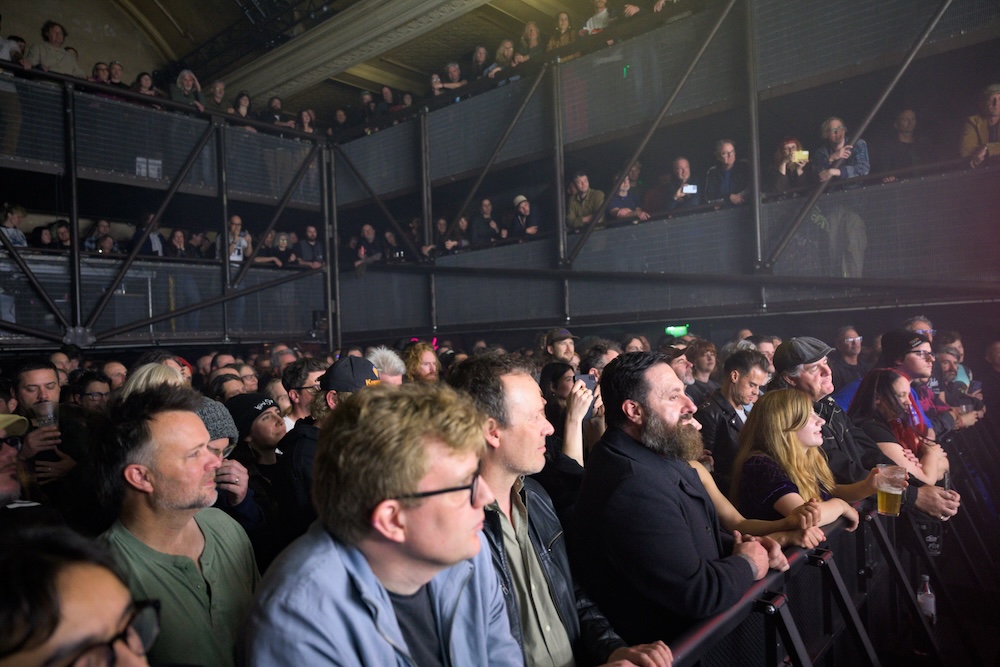
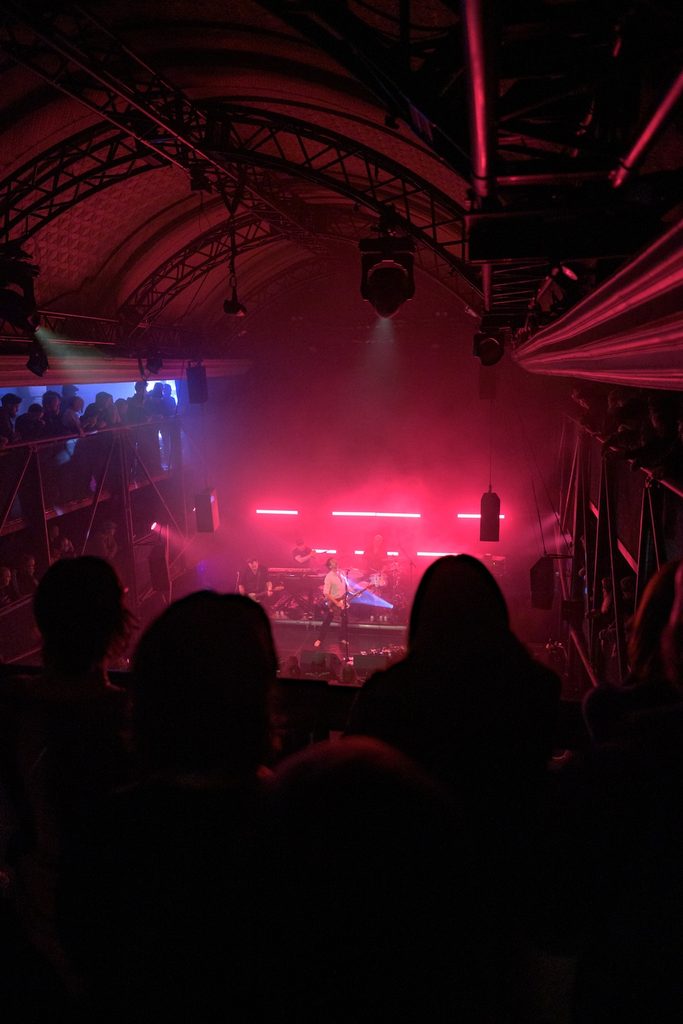
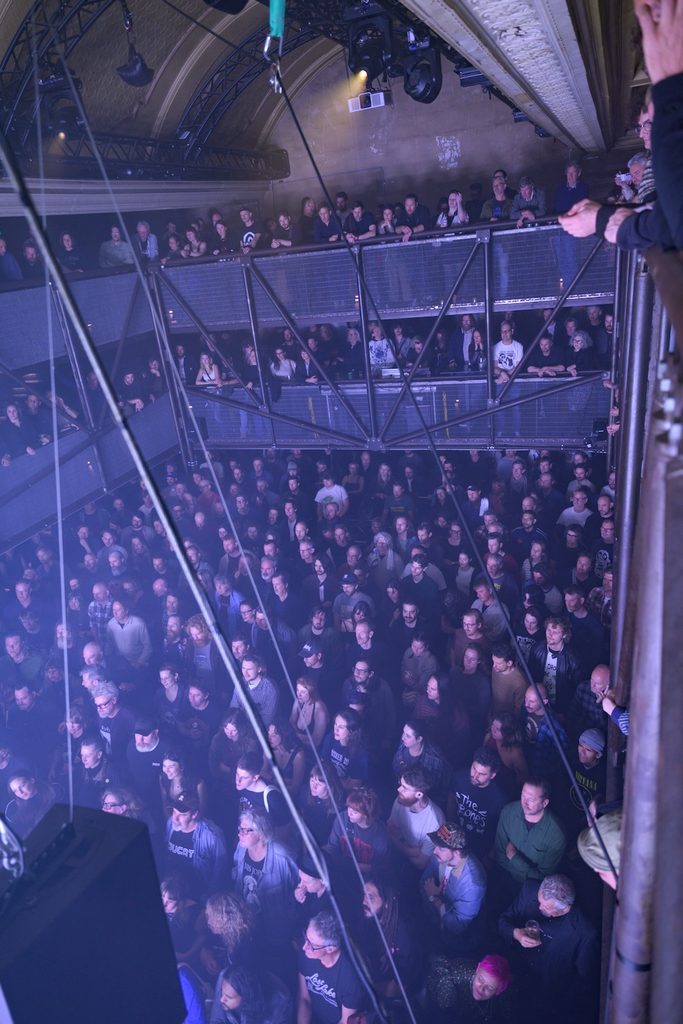
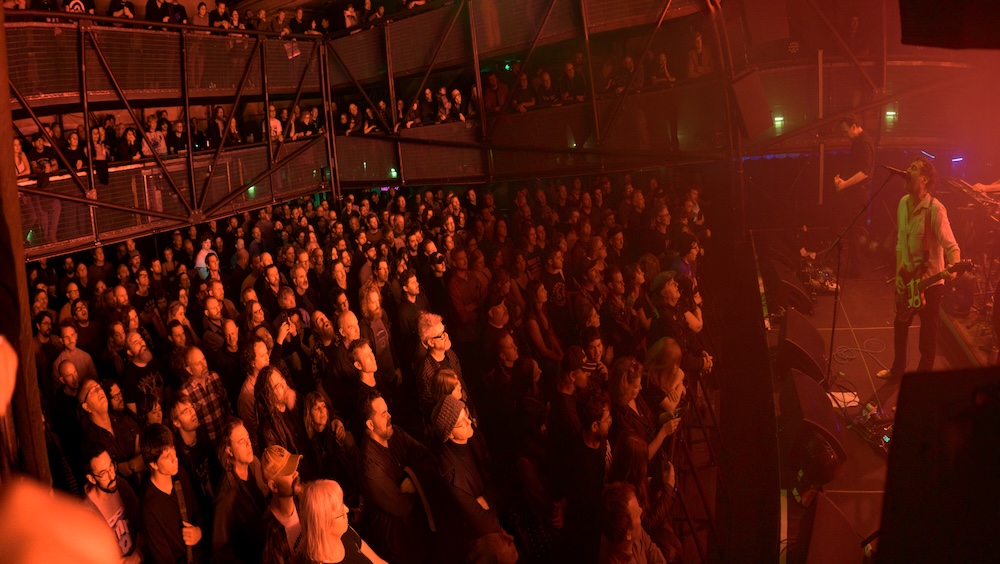
From old devotees to younger converts and the inevitable Oz rock lifers who just love an excuse to see rock ’n’ roll and smash beers on a Sunday night, the room was packed.
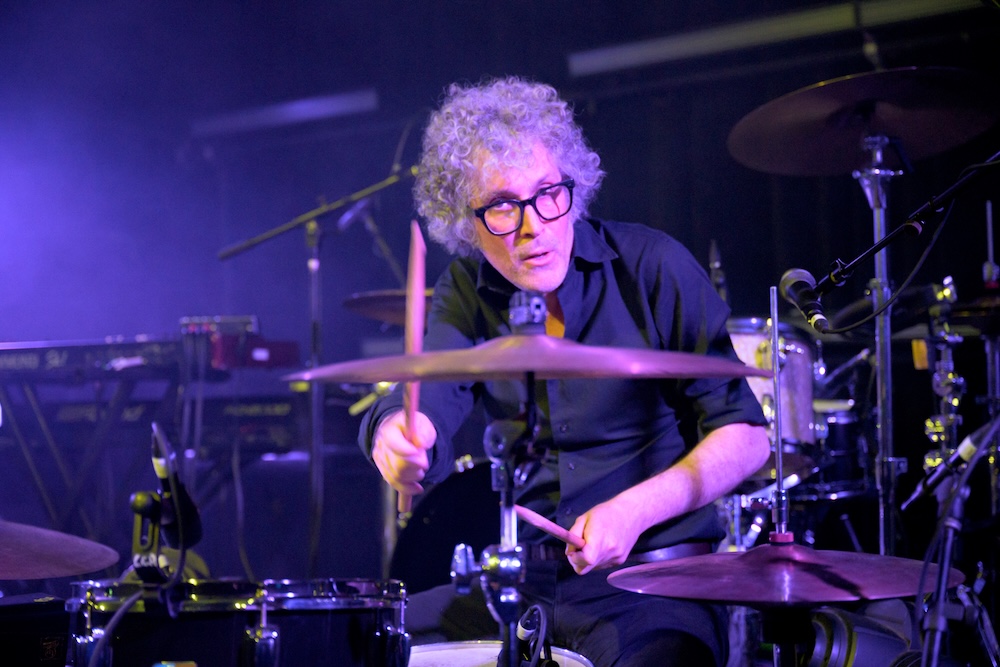
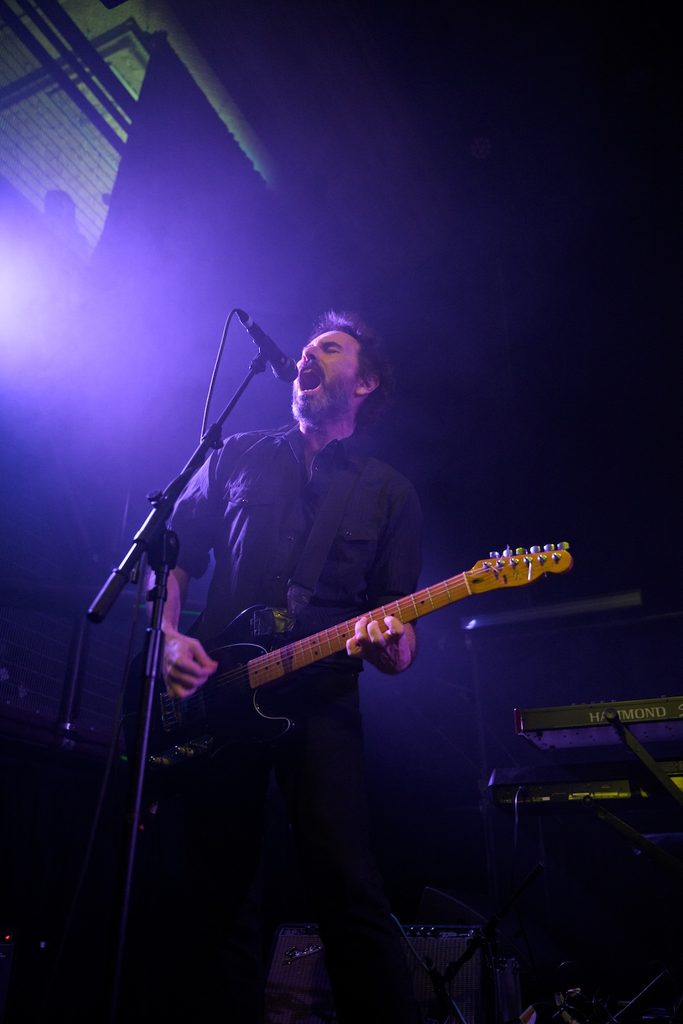
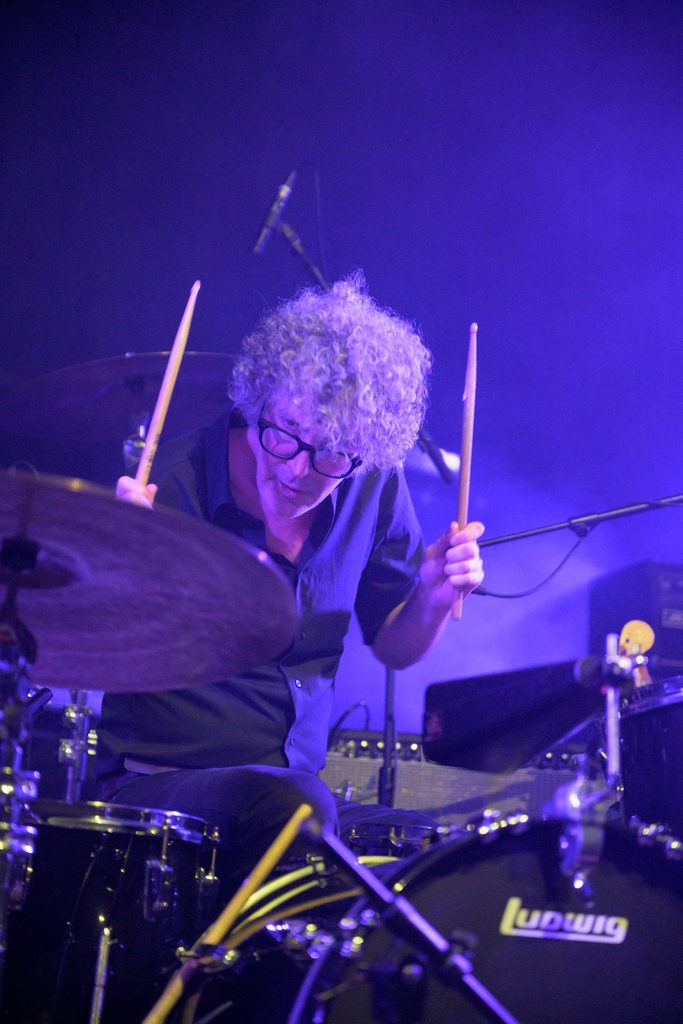
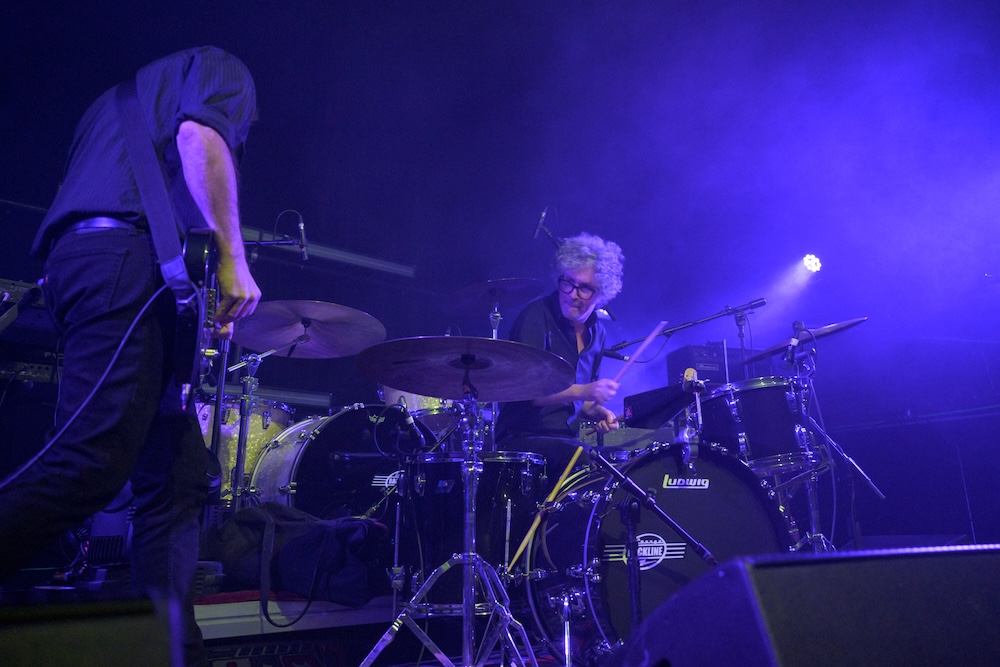
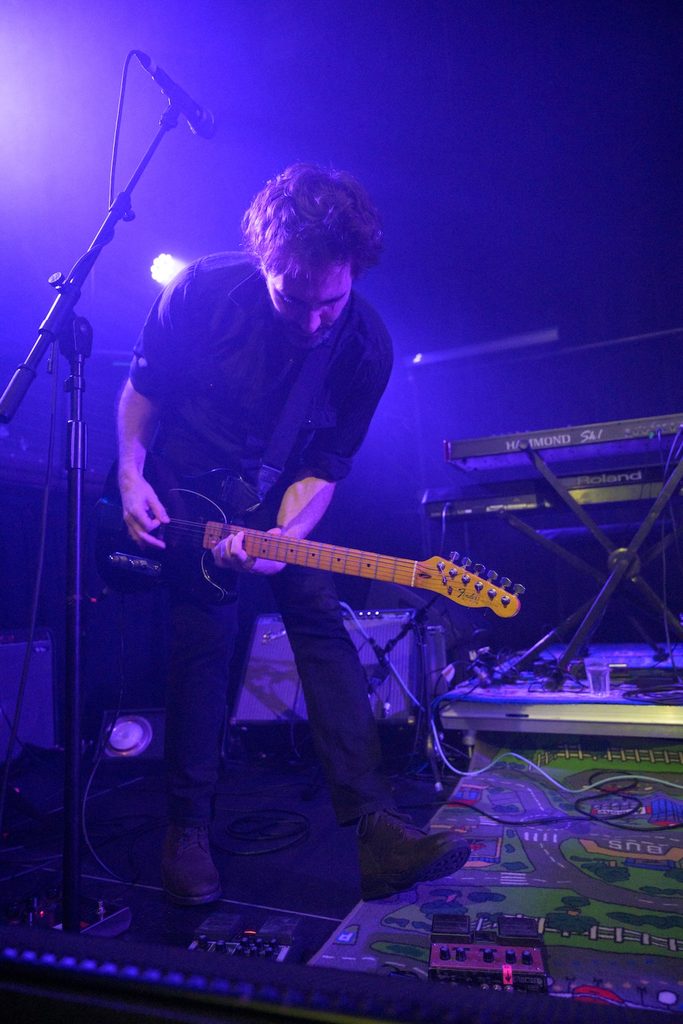
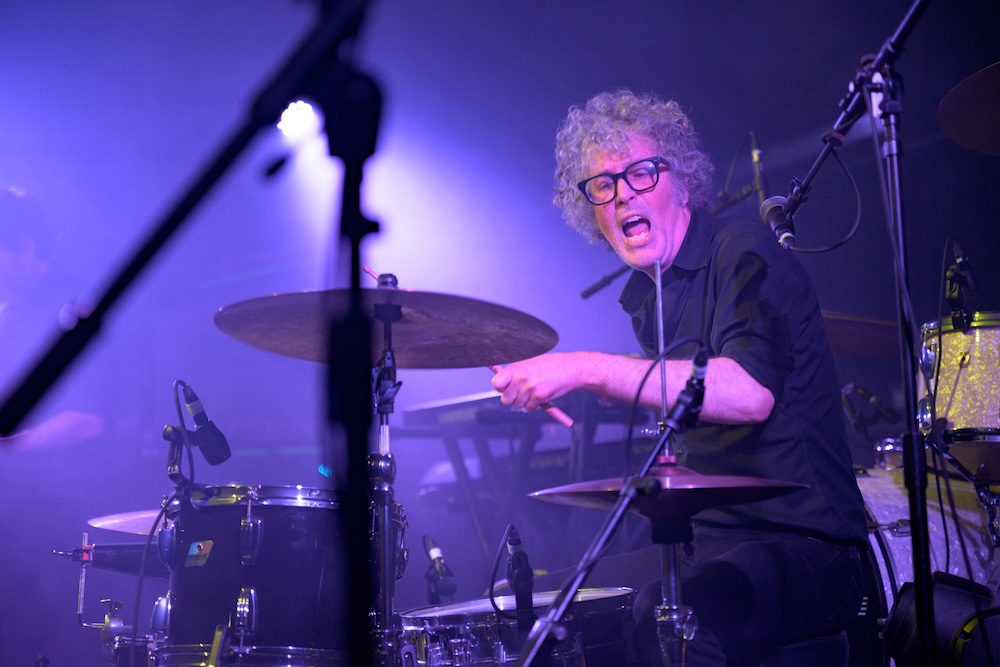
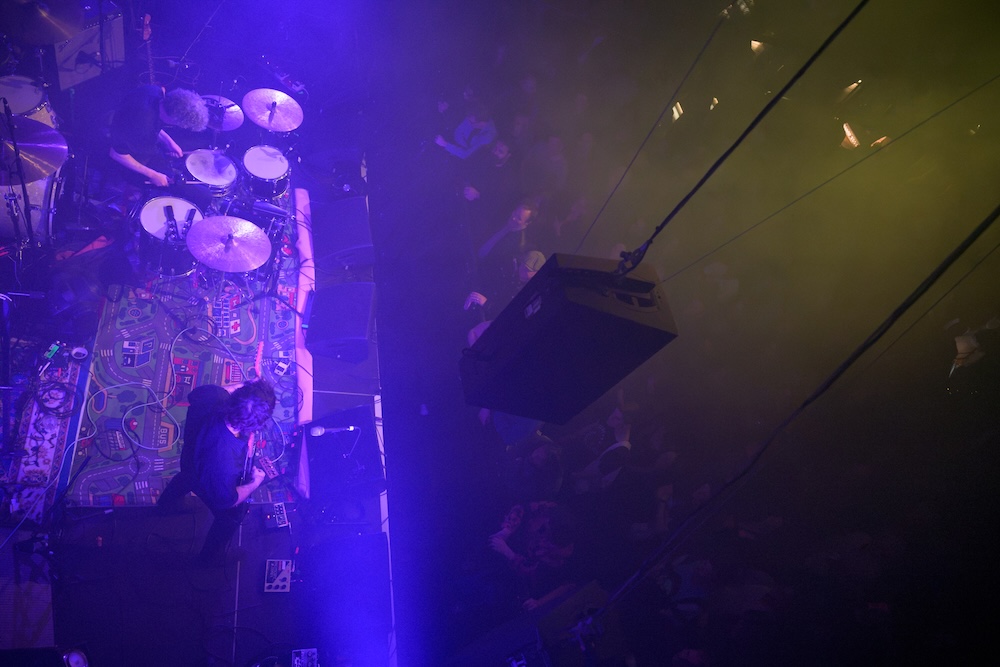
Opening the show on the night was Sydney duo The Mess Hall. Jed Kurzel and Cec Condon have never needed much equipment to create a considerable amount of noise. Their stripped-back setup sounded enormous in The Rechabite, Kurzel’s guitar occupying the spaces between Condon’s drums rather than simply sitting on top of them. Sparse and loud, the set was a fitting prelude to what followed, with the duo resurrecting tracks from their prominent 2005 album, Notes from a Ceiling.
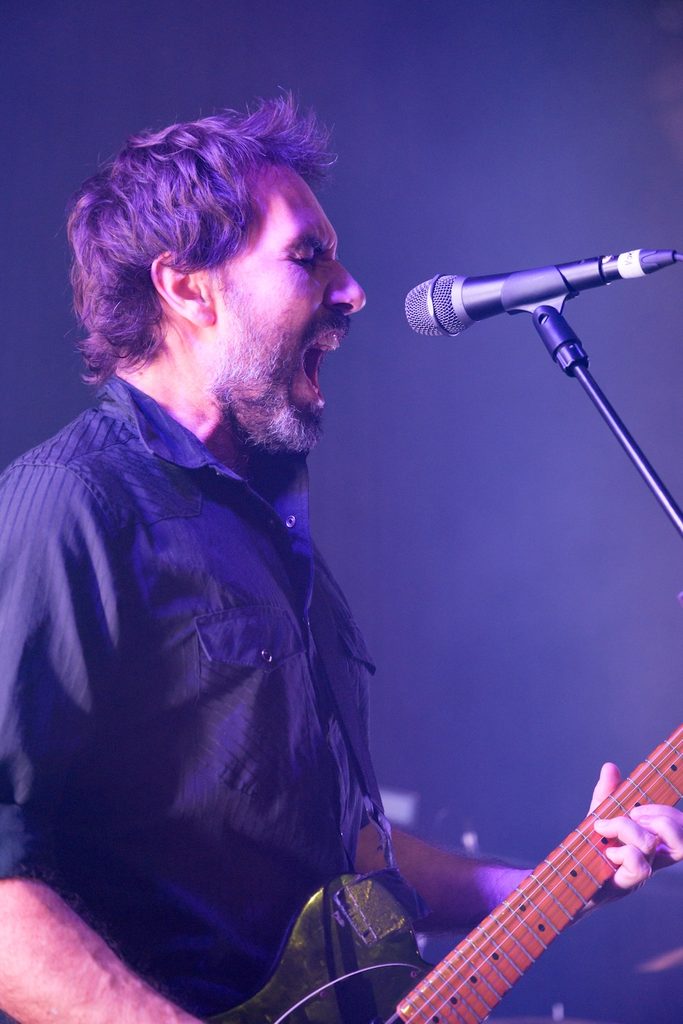
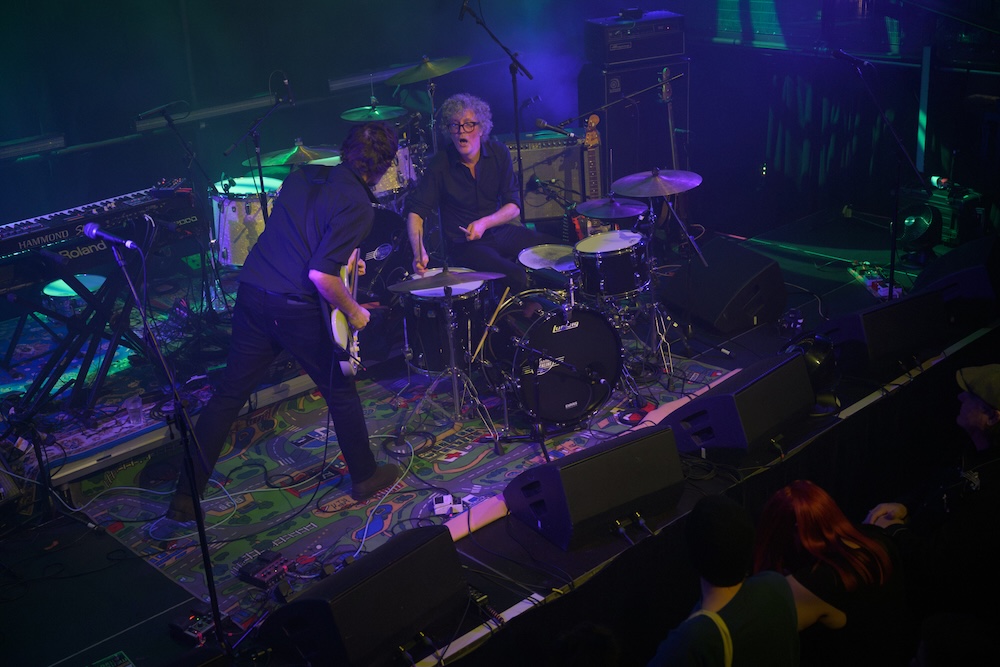
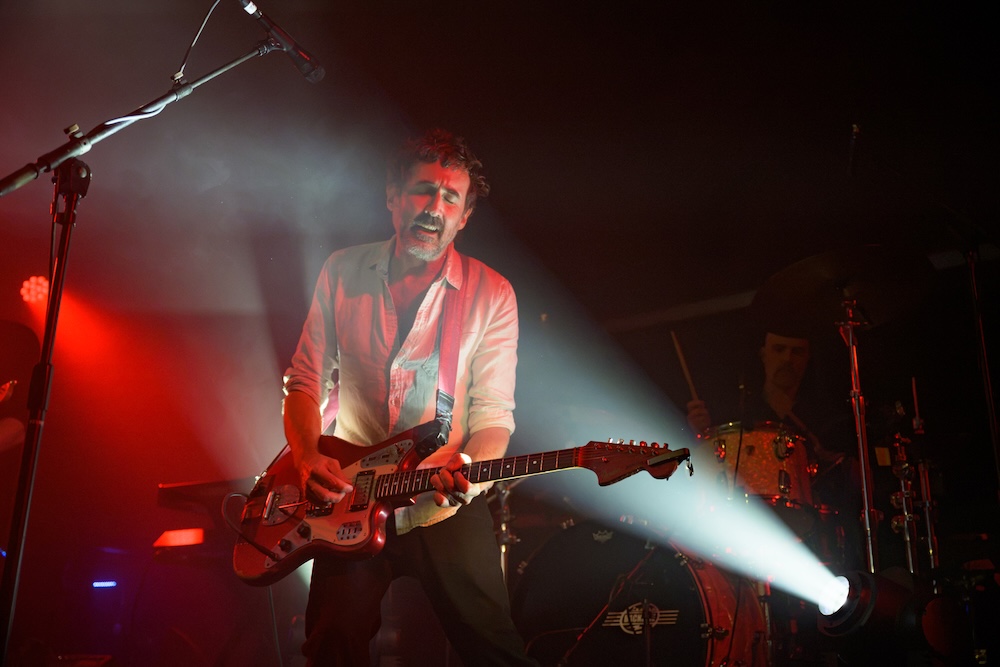
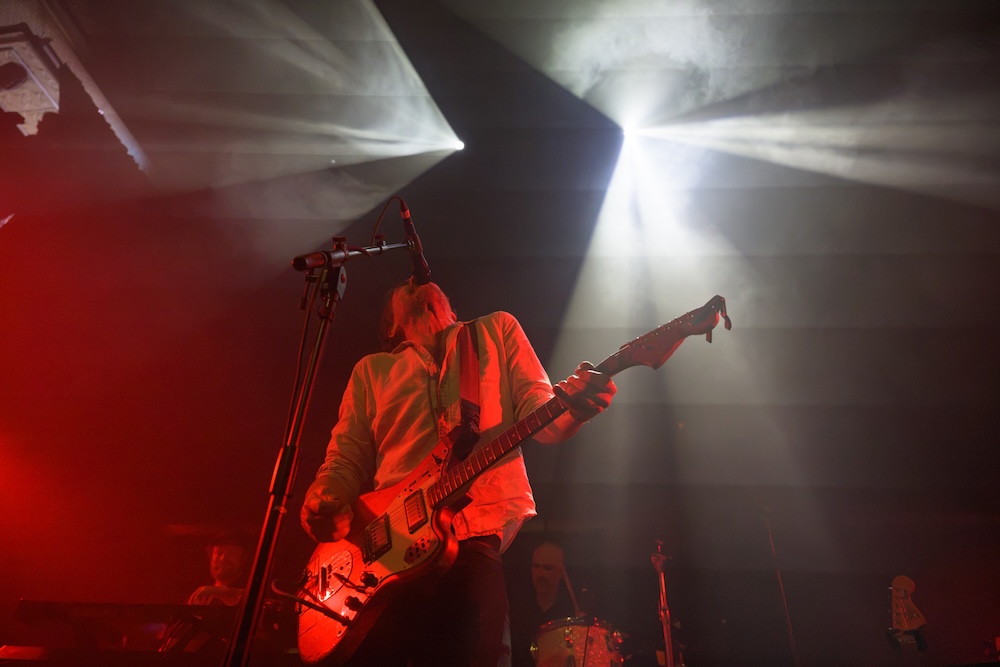
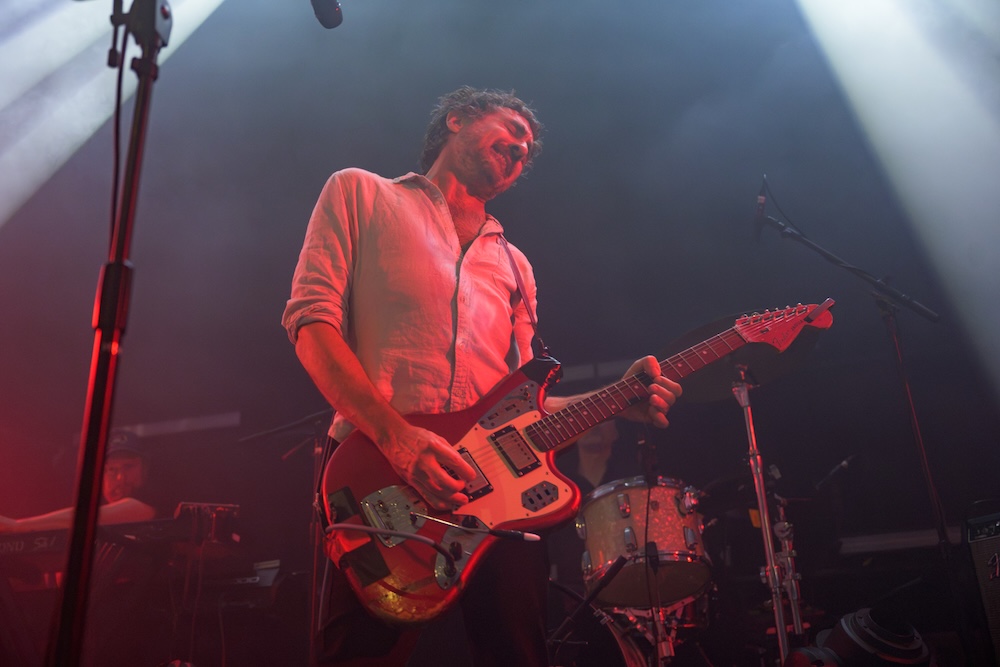
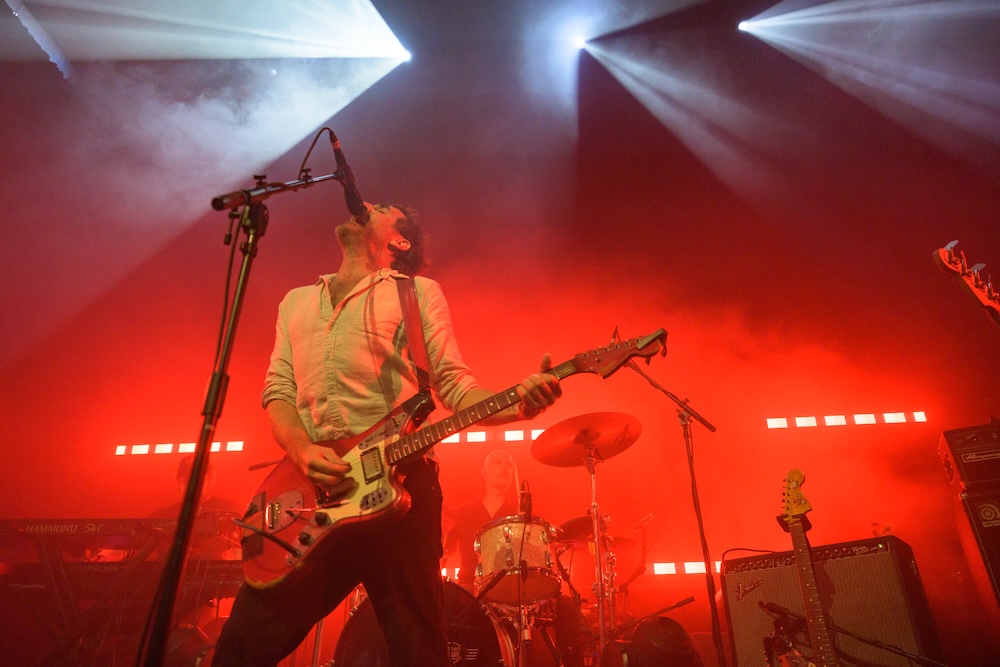
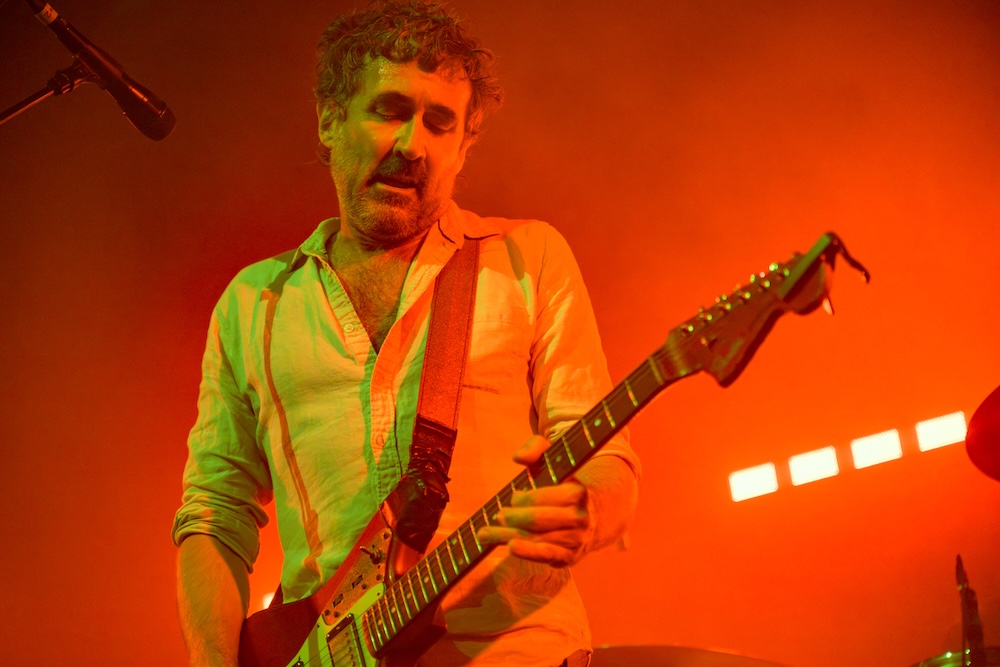
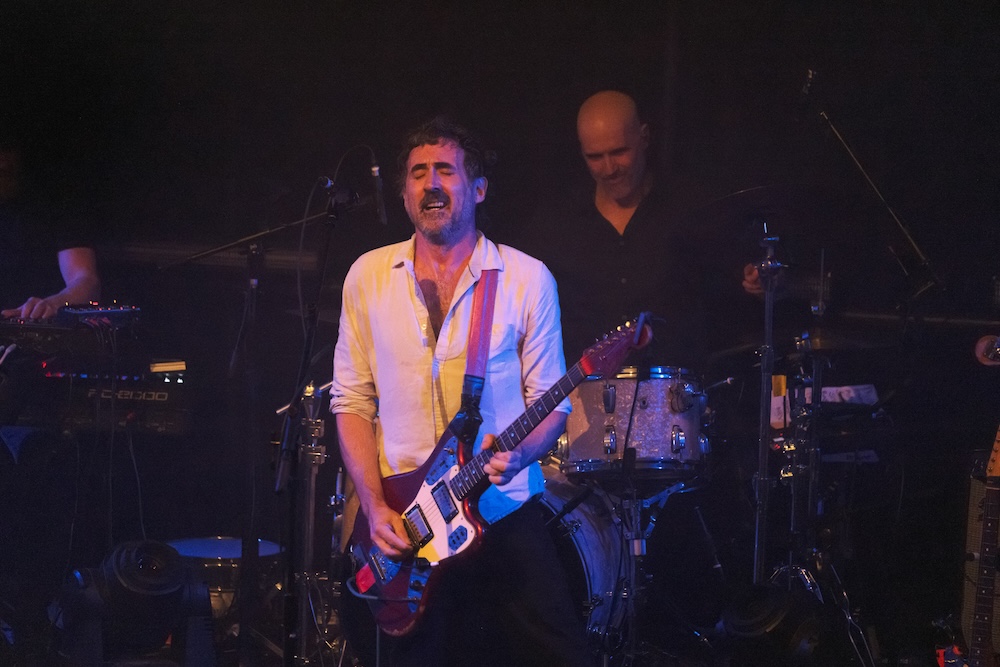
When The Drones finally hit the stage, there was no fanfare or grandiose speech. They simply plugged in and let loose that ugly, beautiful, mangled sound. Liddiard’s guitar came through the speakers like a rusty gate being ripped off its hinges by a lunatic with a forklift, and in an instant, ten years disappeared.
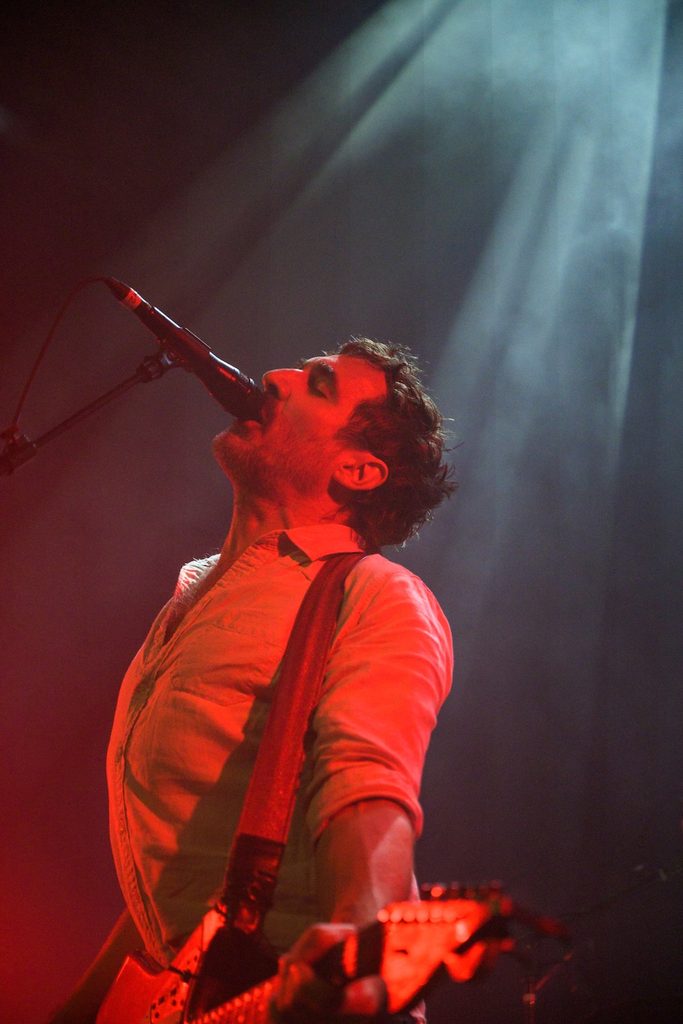
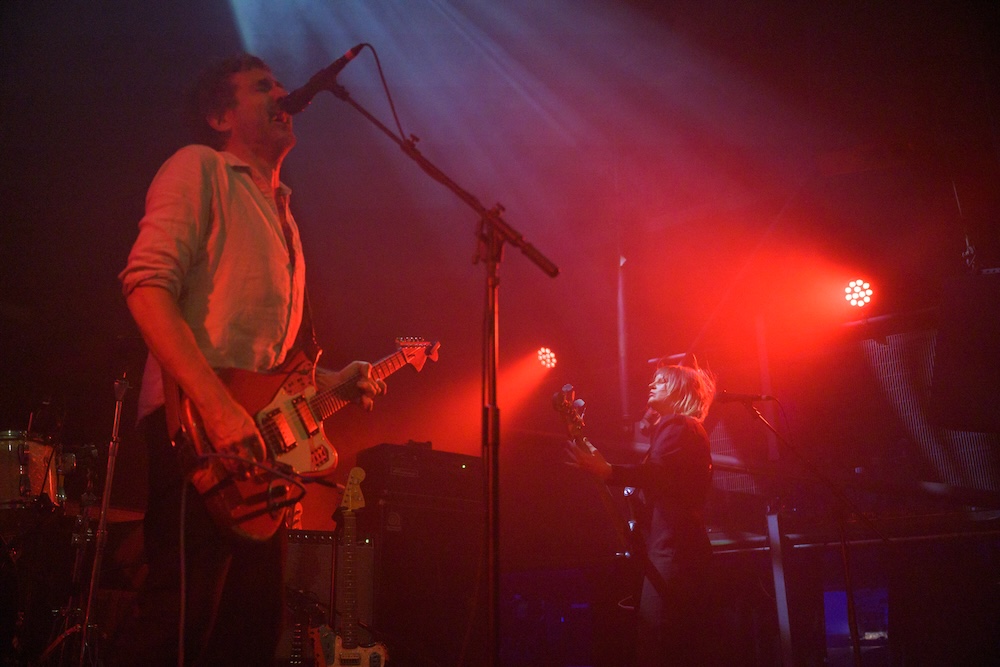
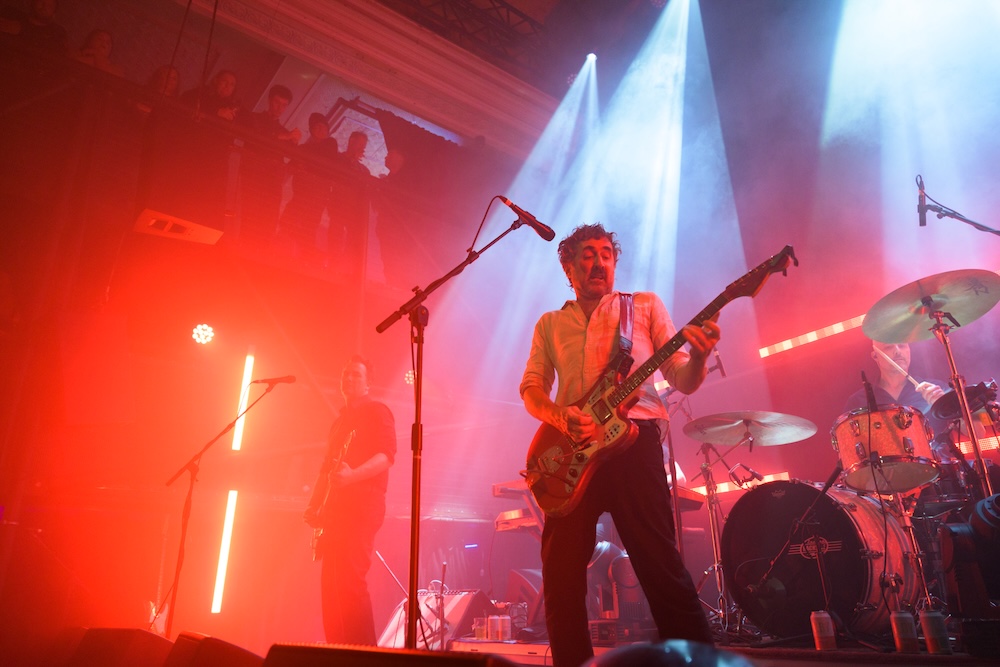
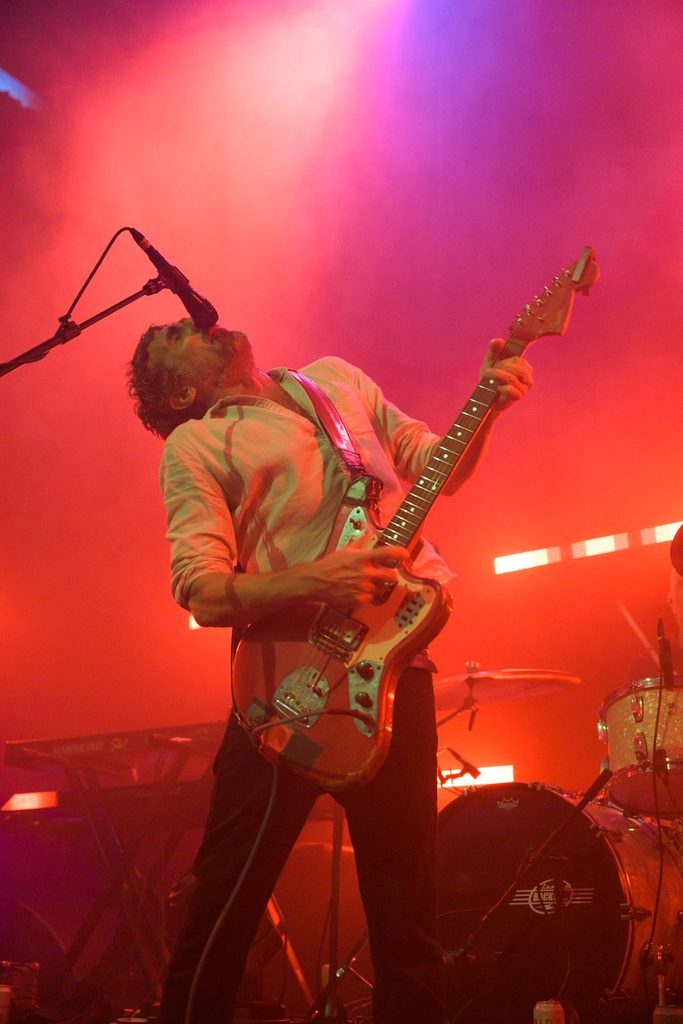
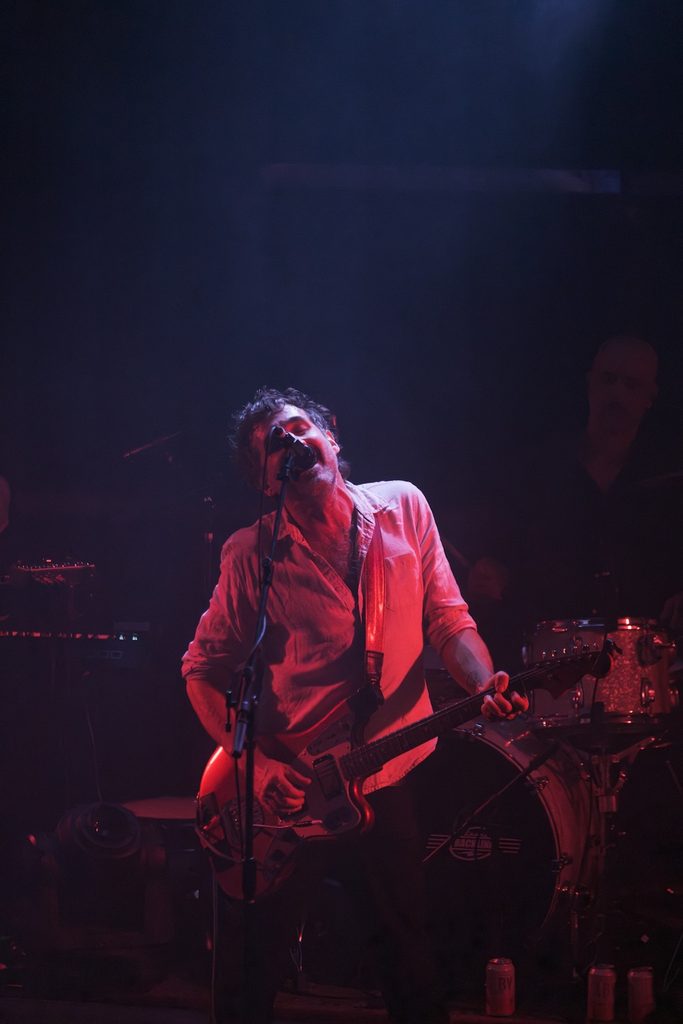
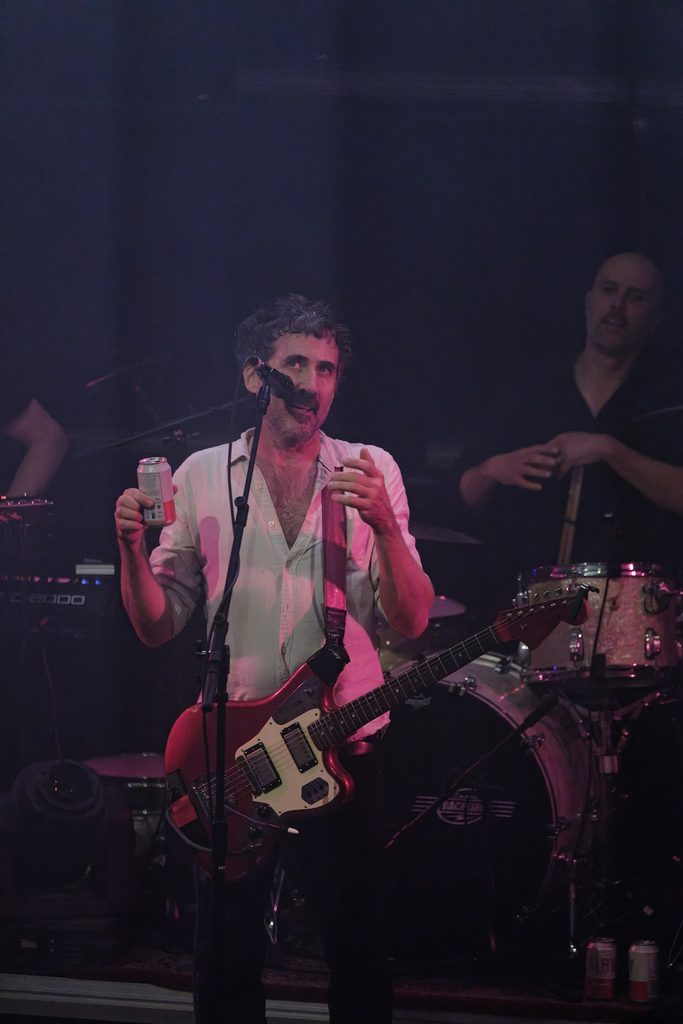
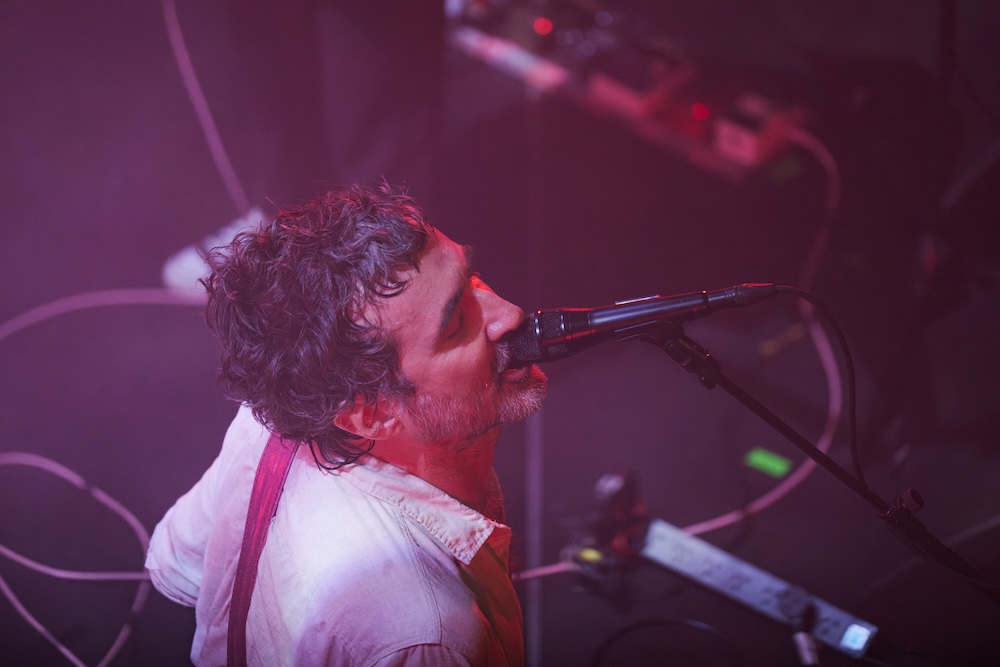
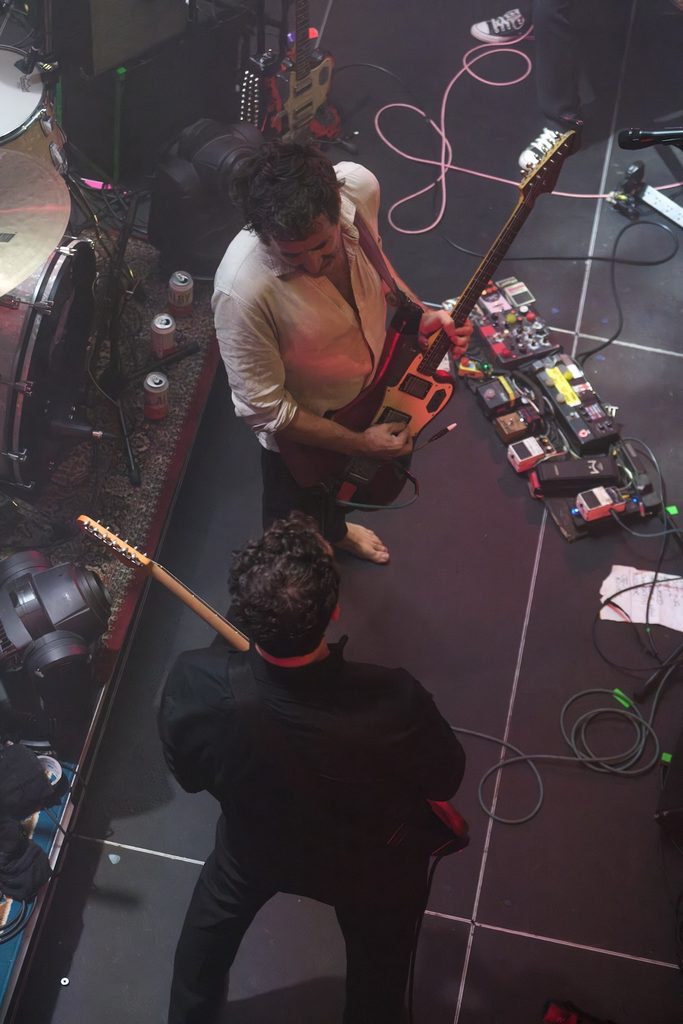
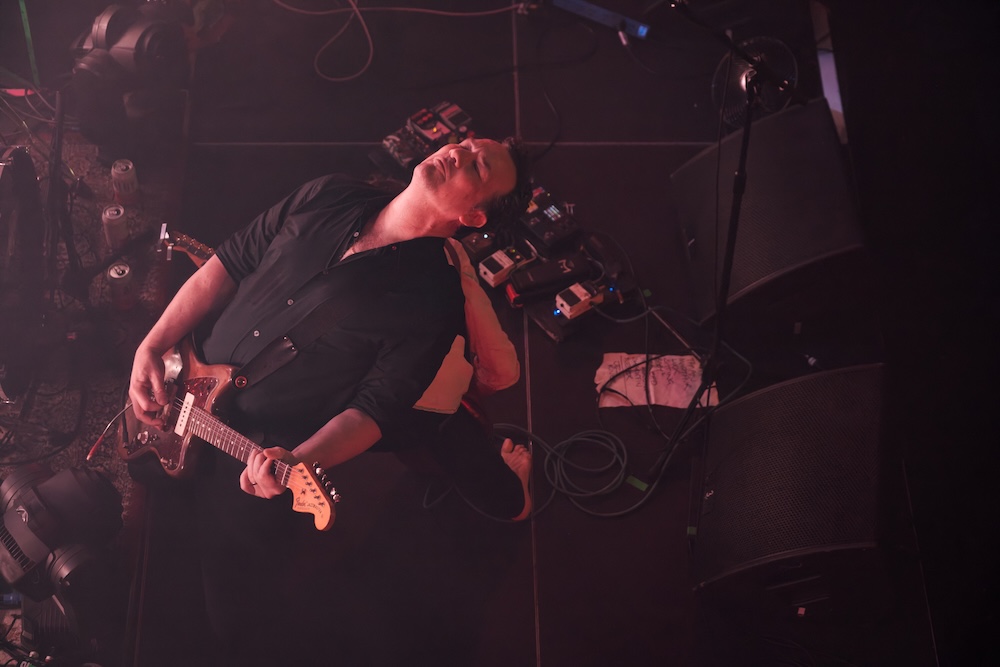
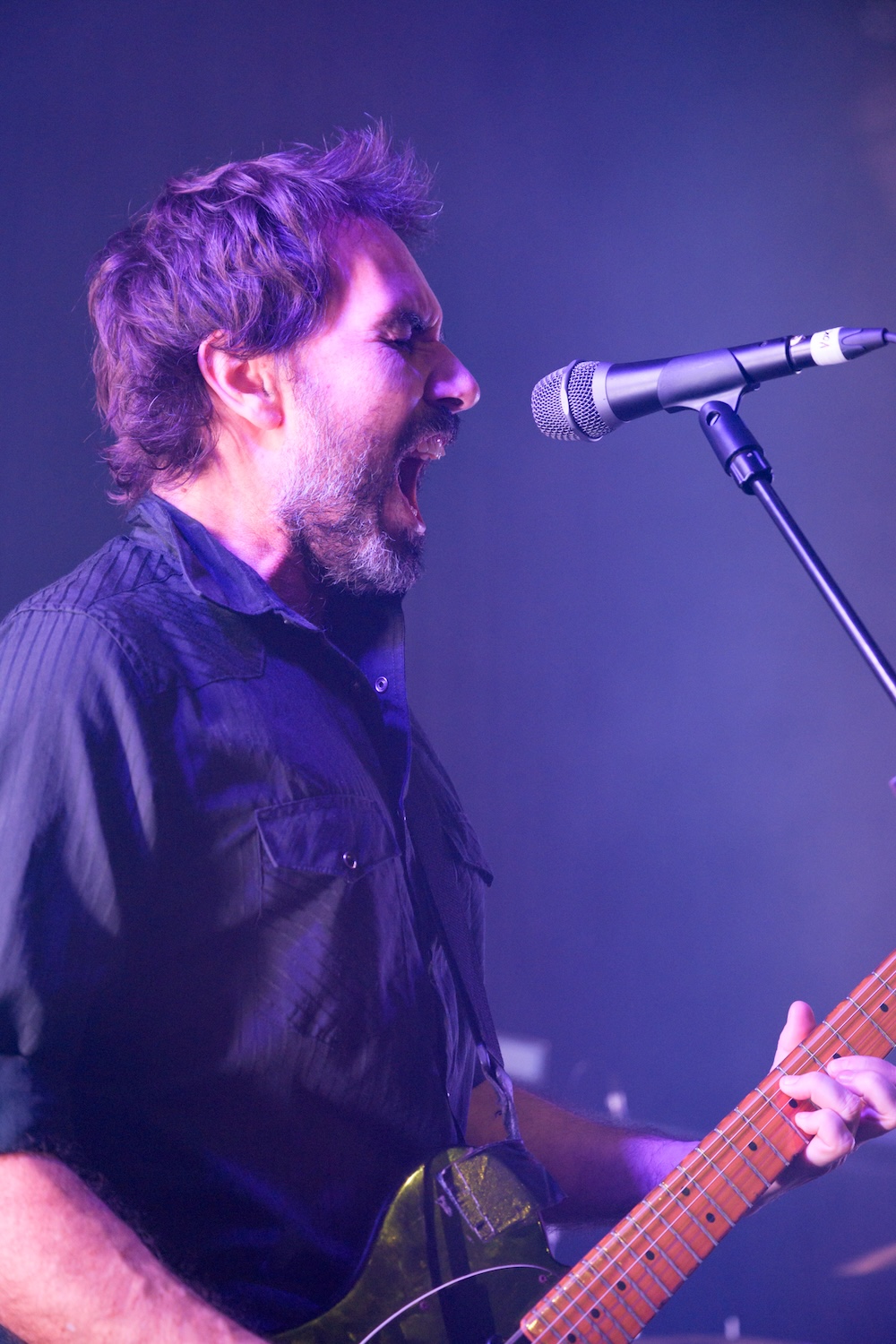
Liddiard, who remains one of the great physical presences in Australian music, doesn’t so much sing, he tends to drag songs out of his throat. His voice possesses that extraordinary quality of sounding simultaneously exhausted and furious, like a man explaining the collapse of Western civilisation to somebody who has just asked where the bar is.
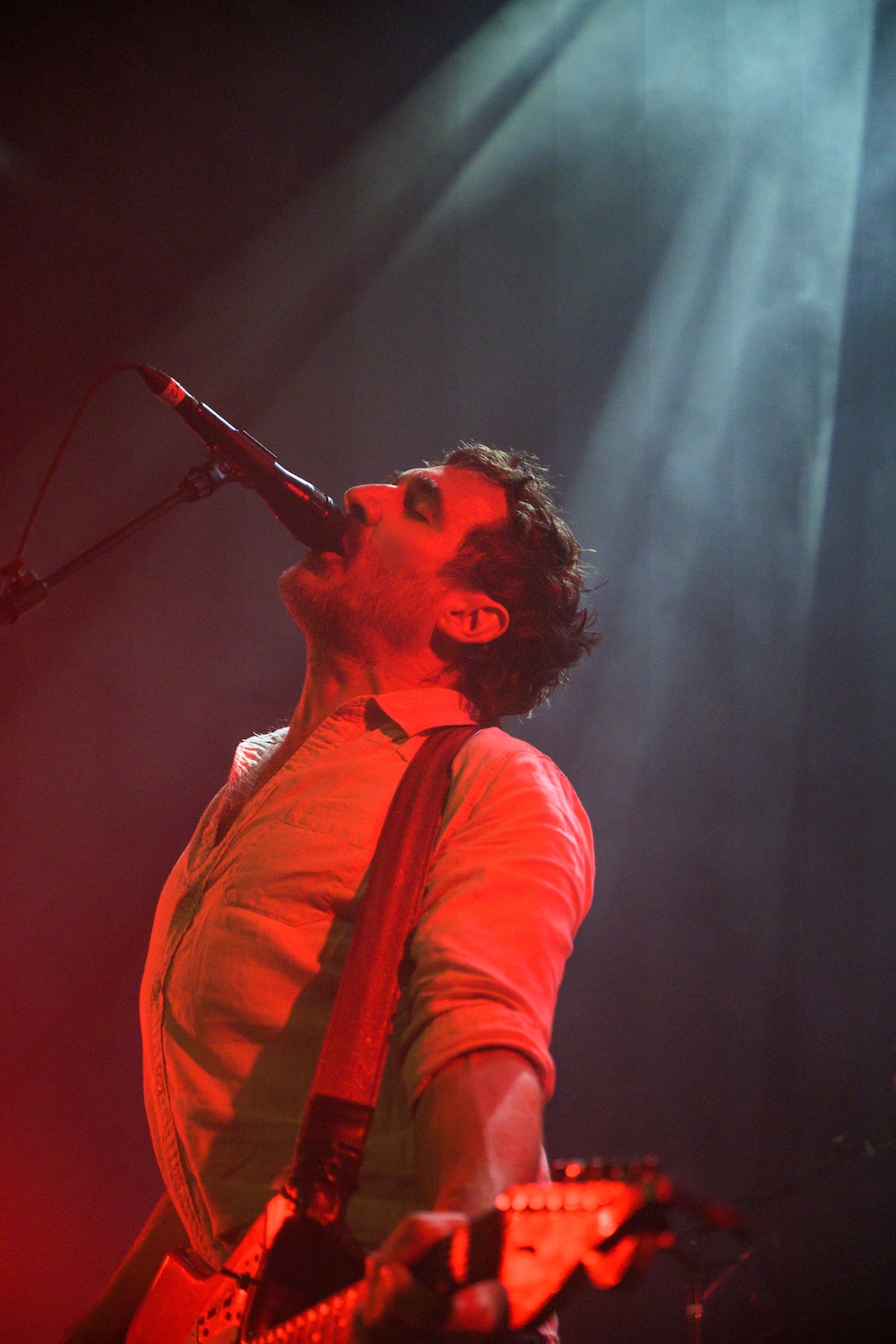
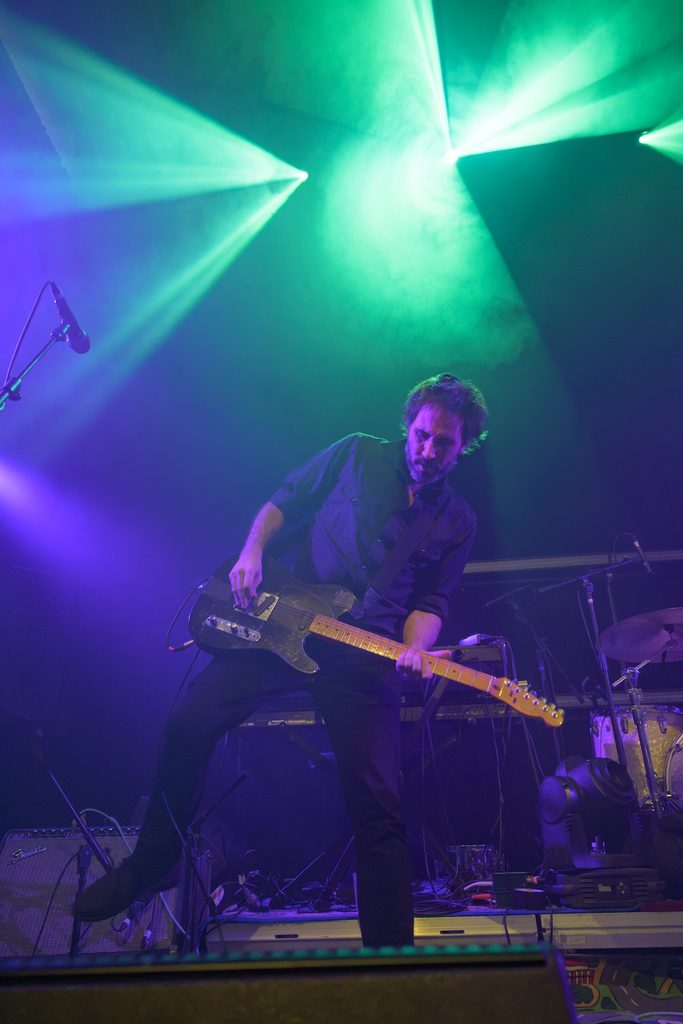
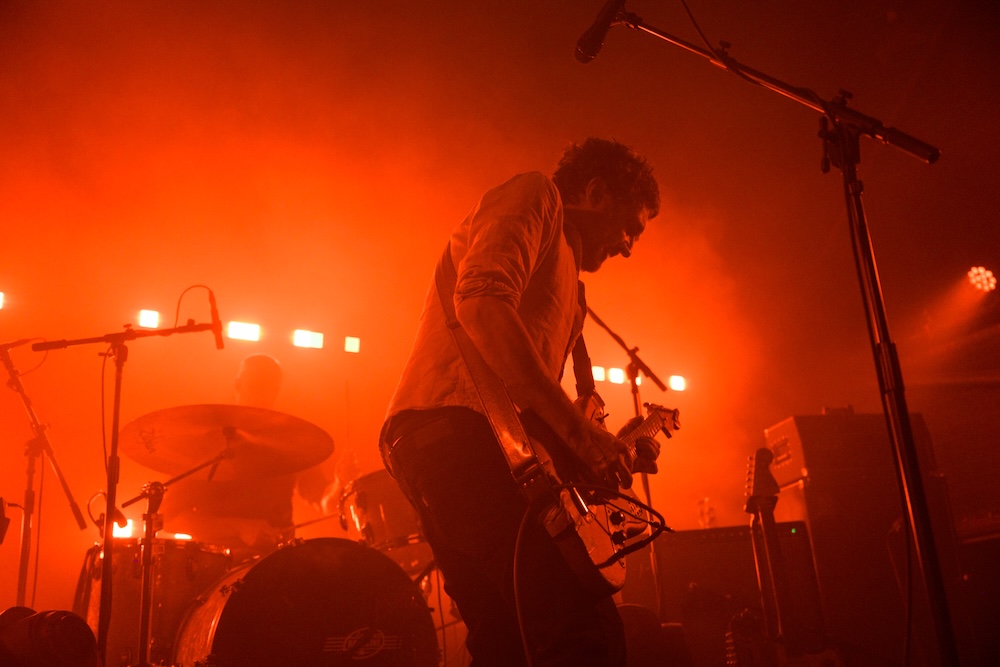
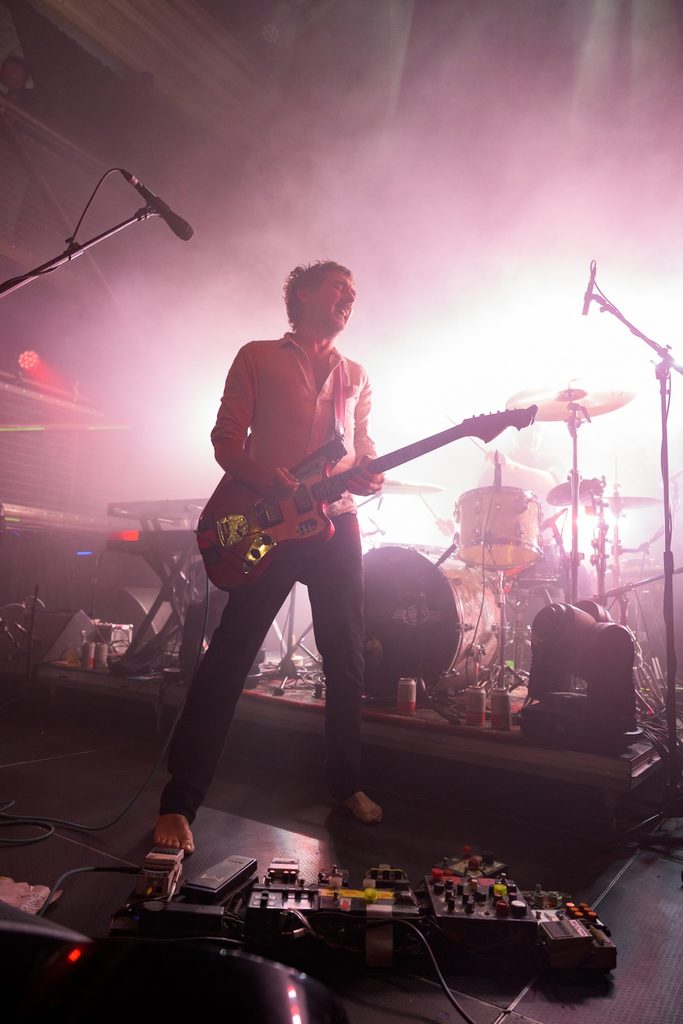
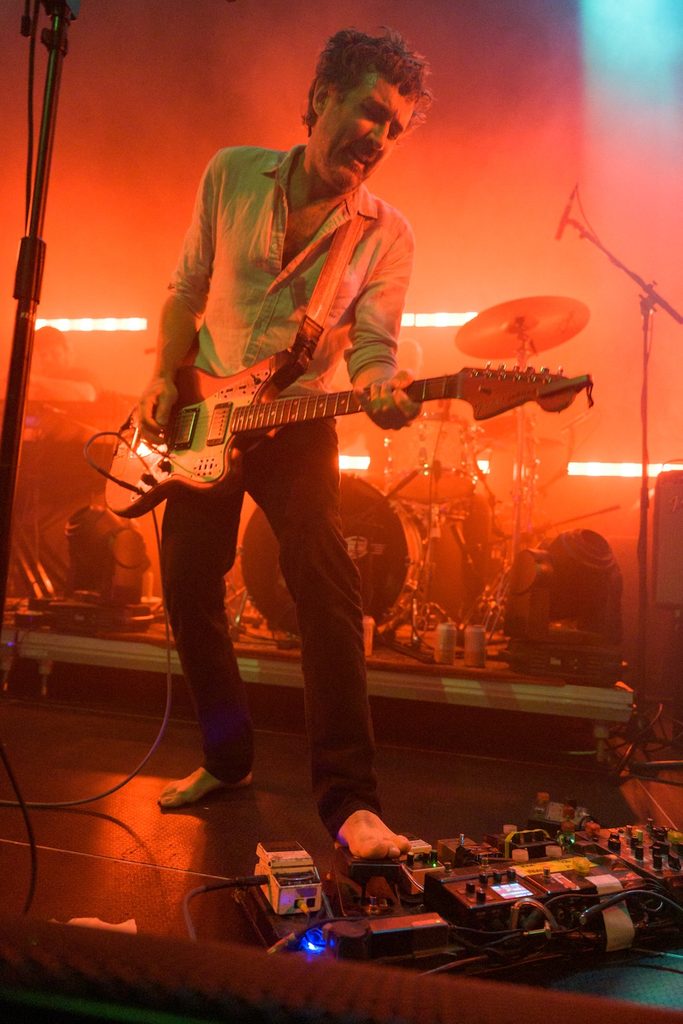
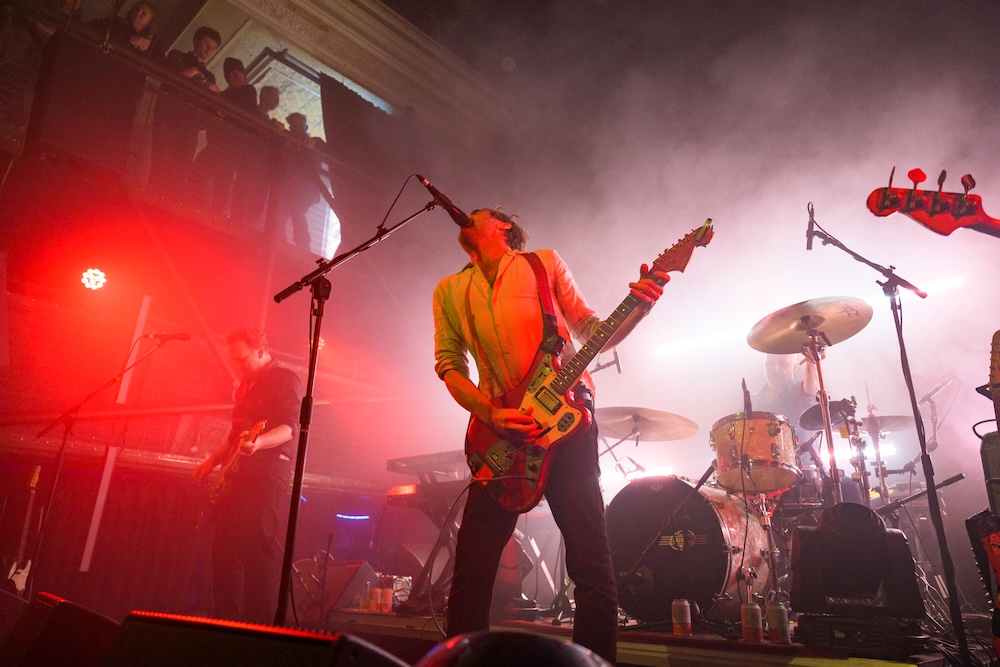
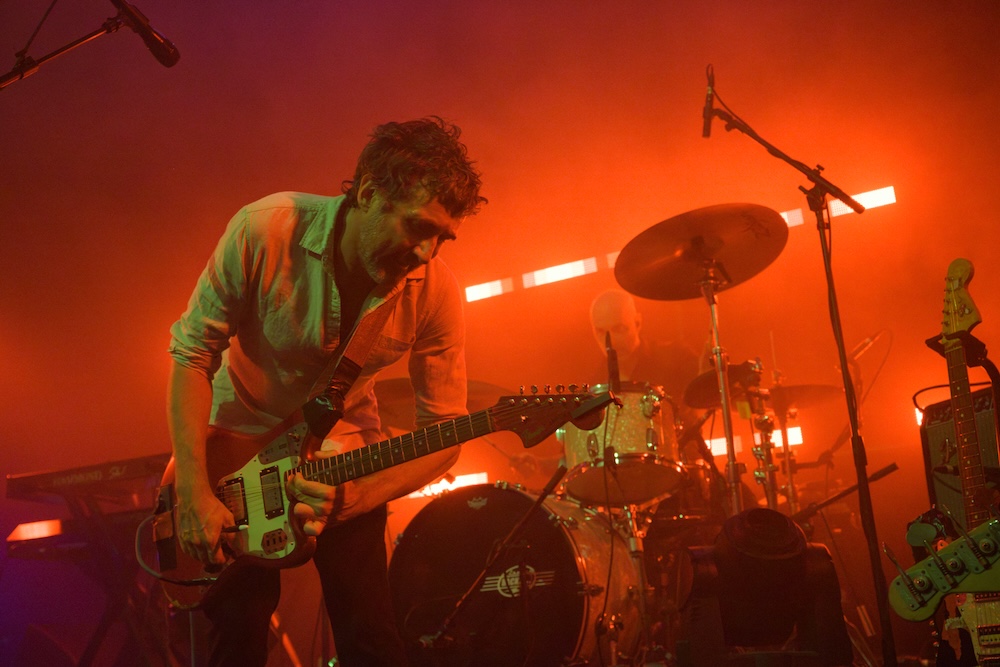
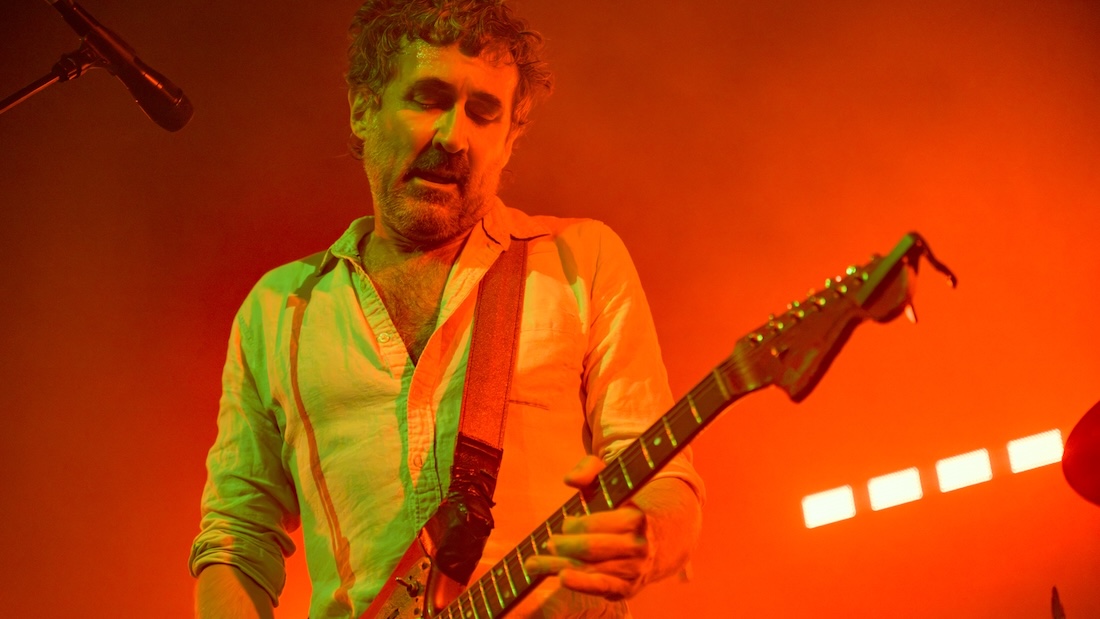
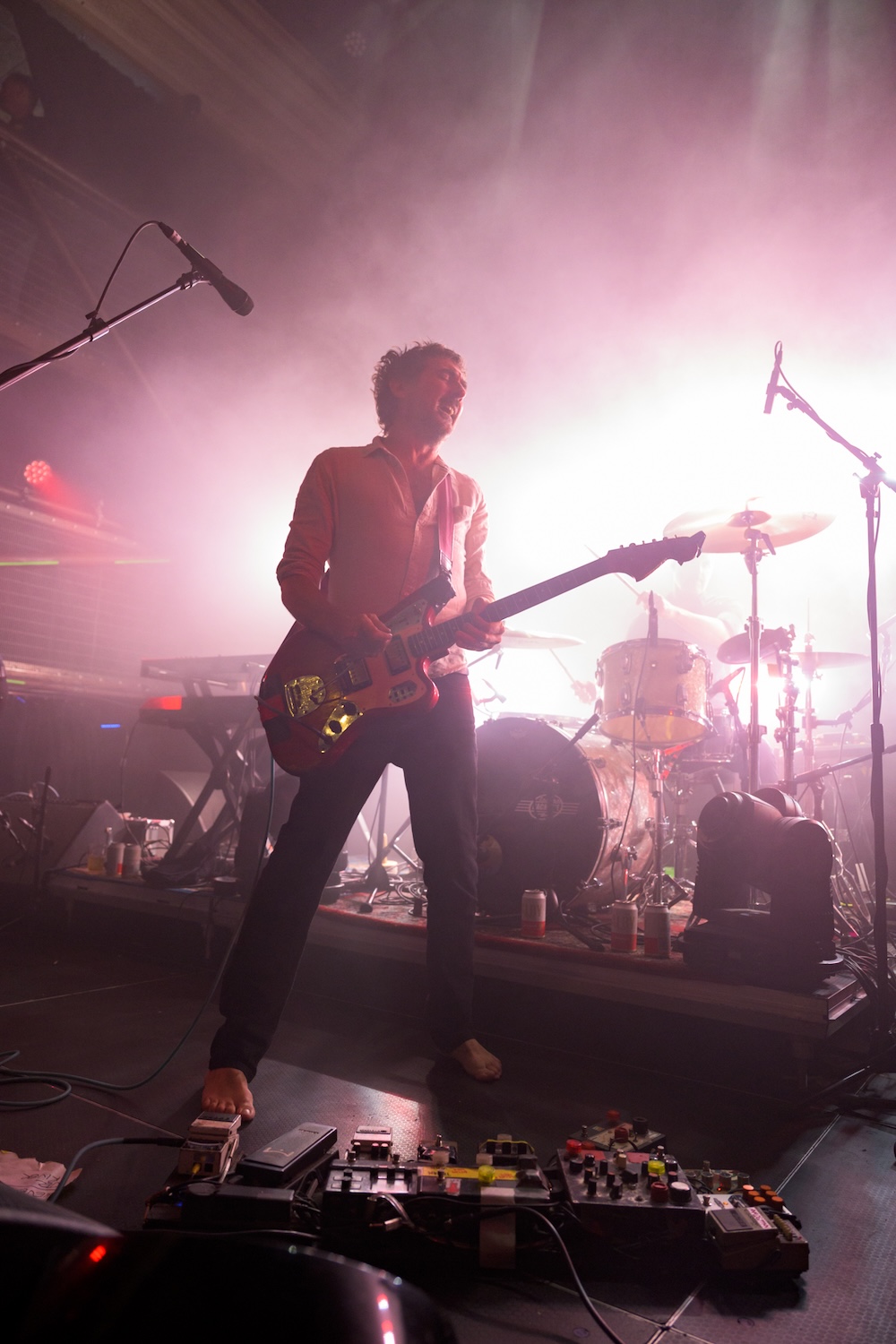
Stomping barefoot around the front of the stage, he contorts and convulses his whole body rhythmically through each wailing discharge of notes that scream through his road-worn guitar. Drenched in feral feedback, it sounds like the guitar is coughing up electrical shrapnel, while his vocals snarl through the microphone as he screams about the apocalypse.
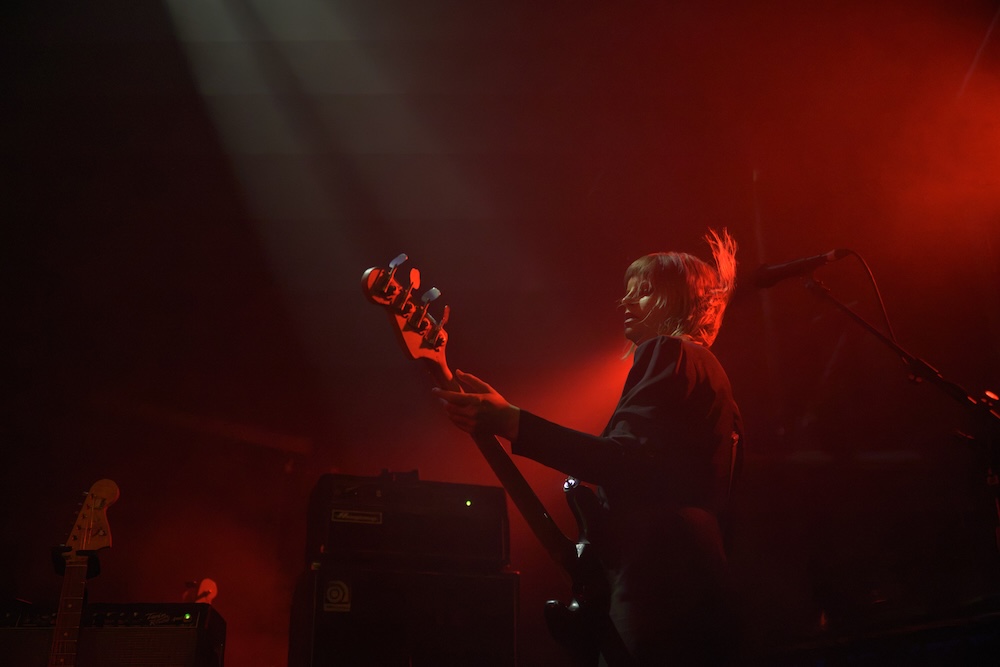
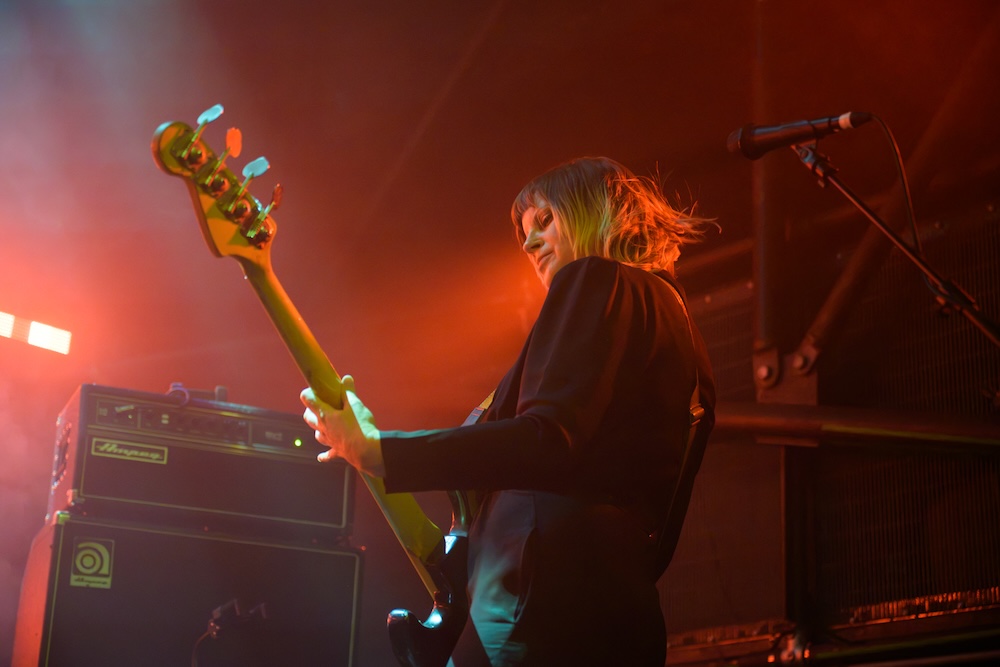
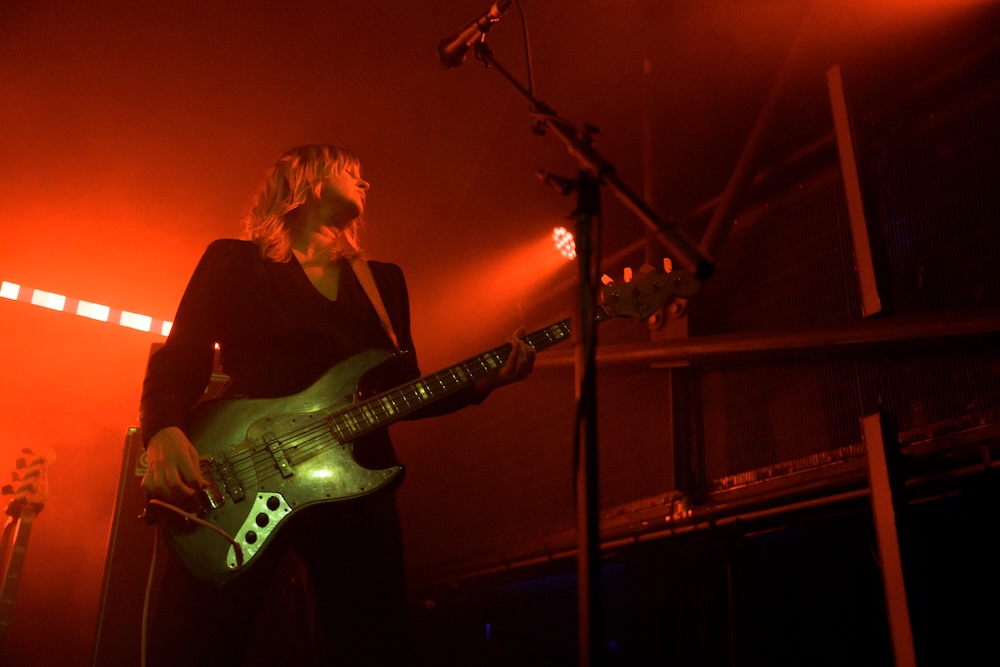
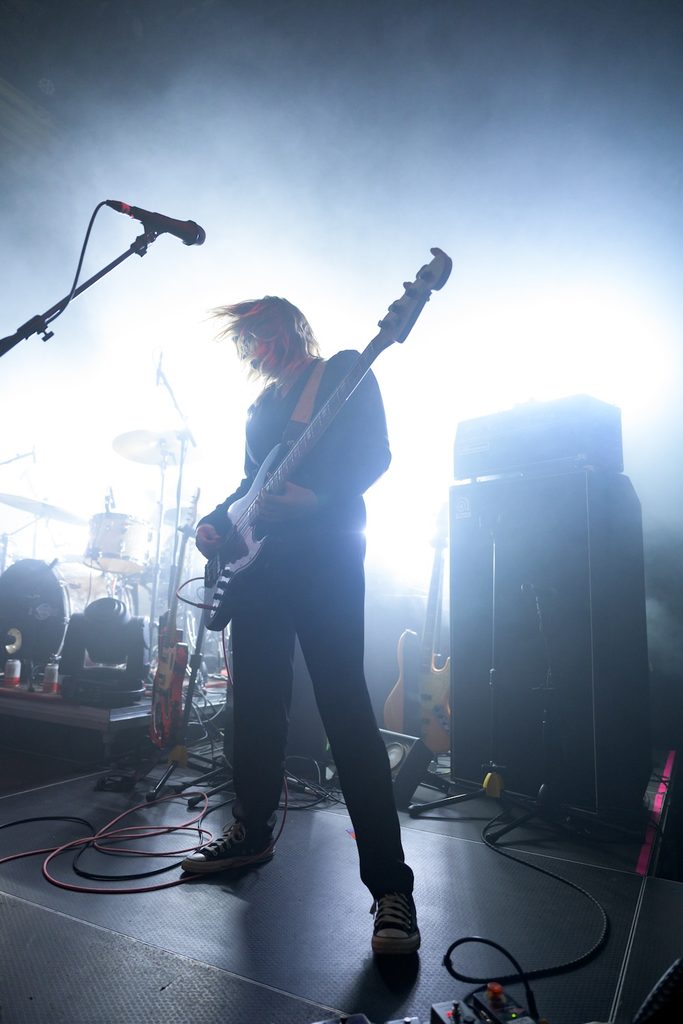
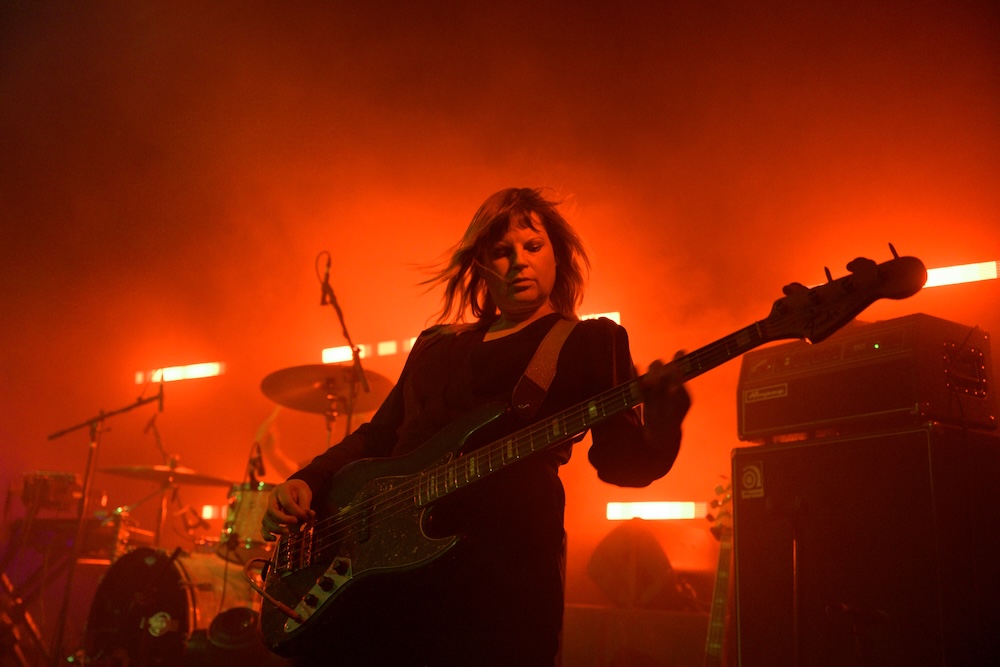
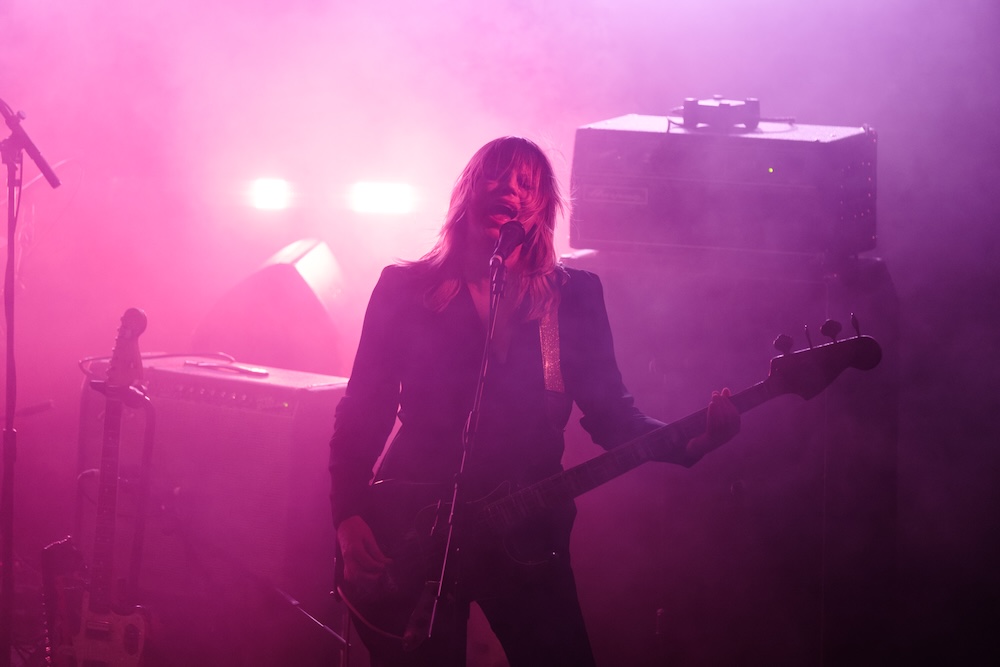
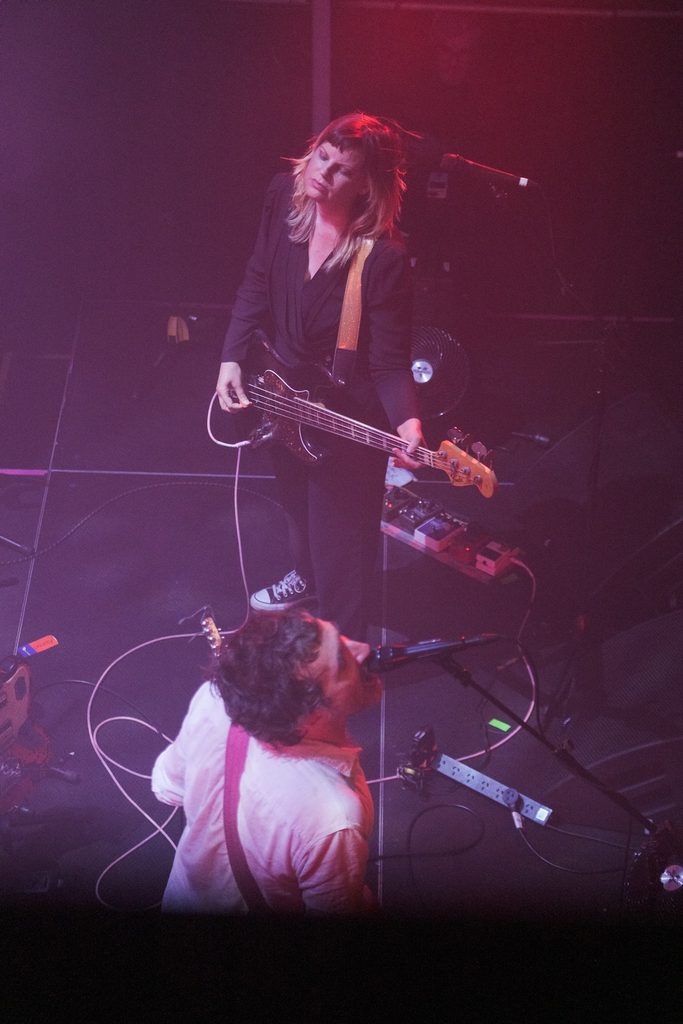
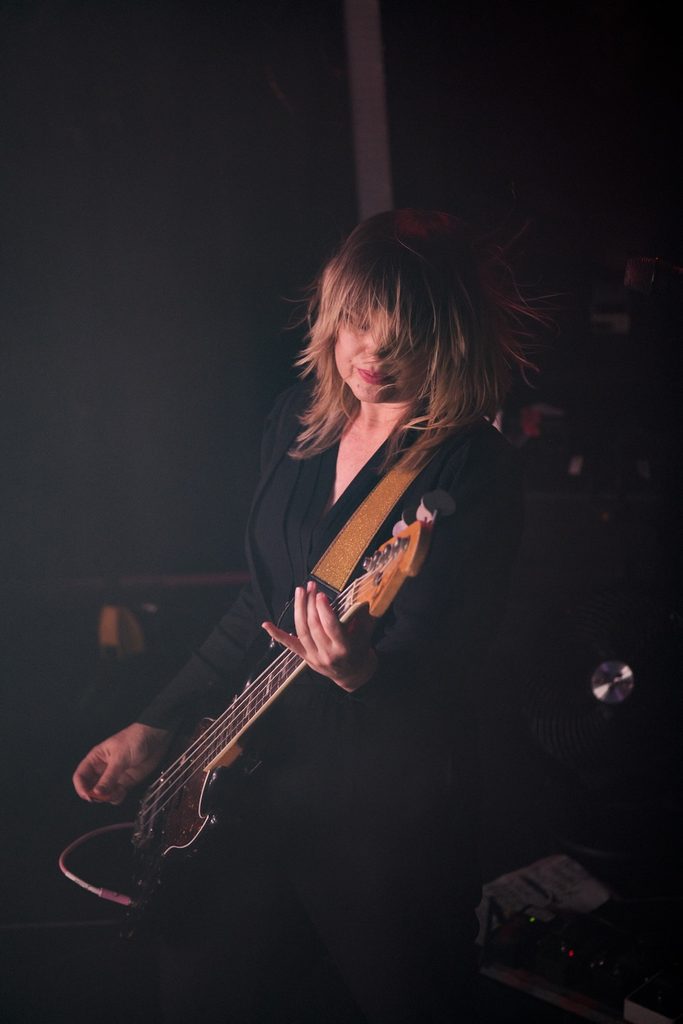
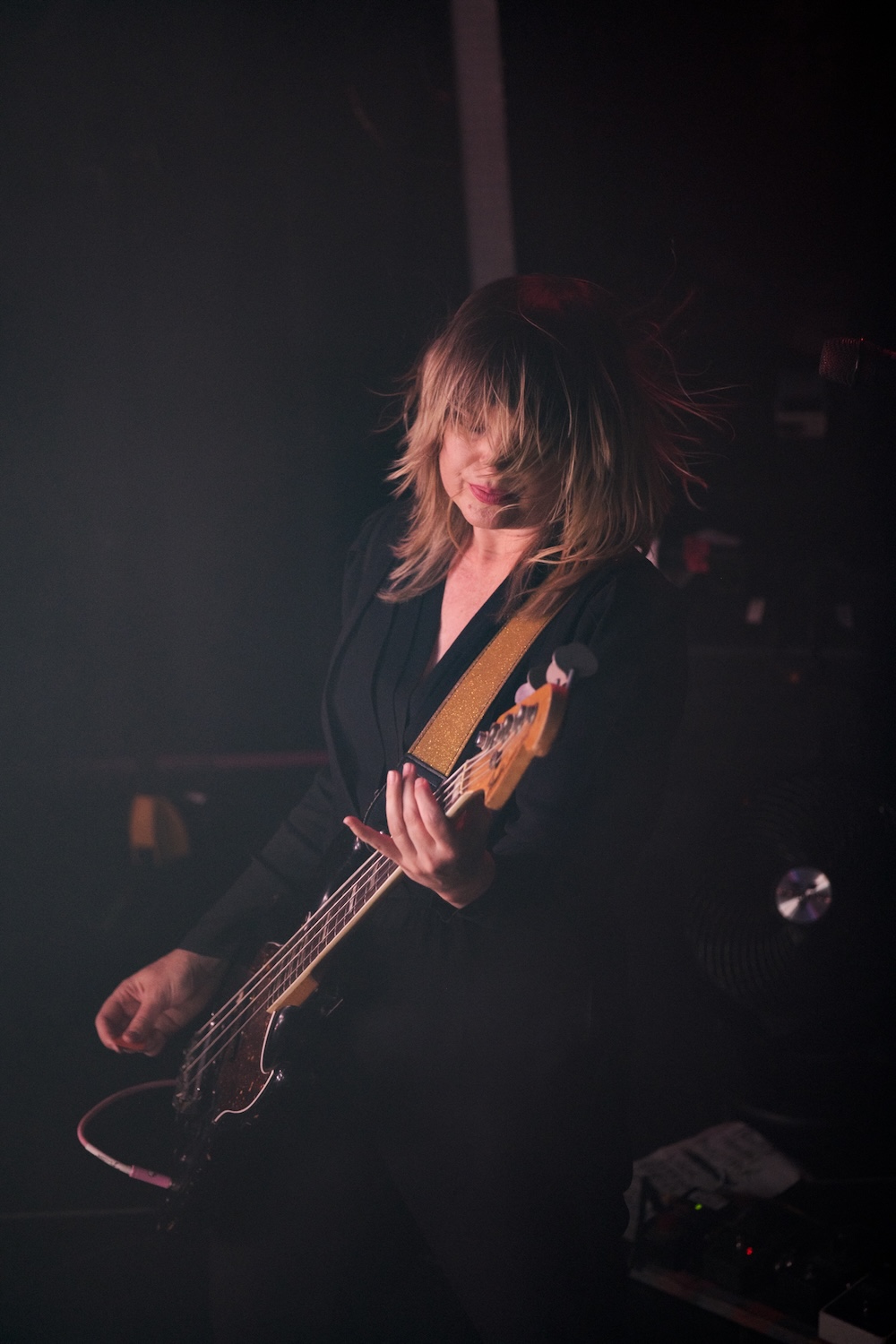
There is no pristine architecture to Liddiard’s playing. Songs bend, snarl, splinter and occasionally seem to develop their own neurological disorder. Notes don’t politely arrive at their destination; they stagger there. And beside him, Fiona Kitschin remains the perfect counterweight, standing there with that magnificent deadpan menace, bass rumbling underneath everything like an underground train.
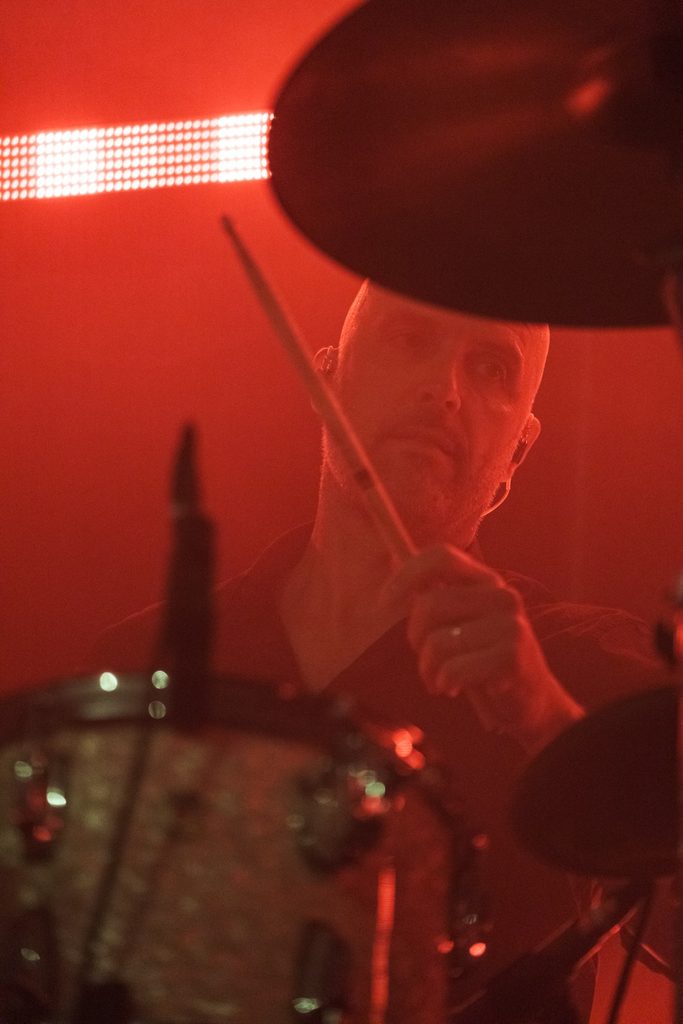
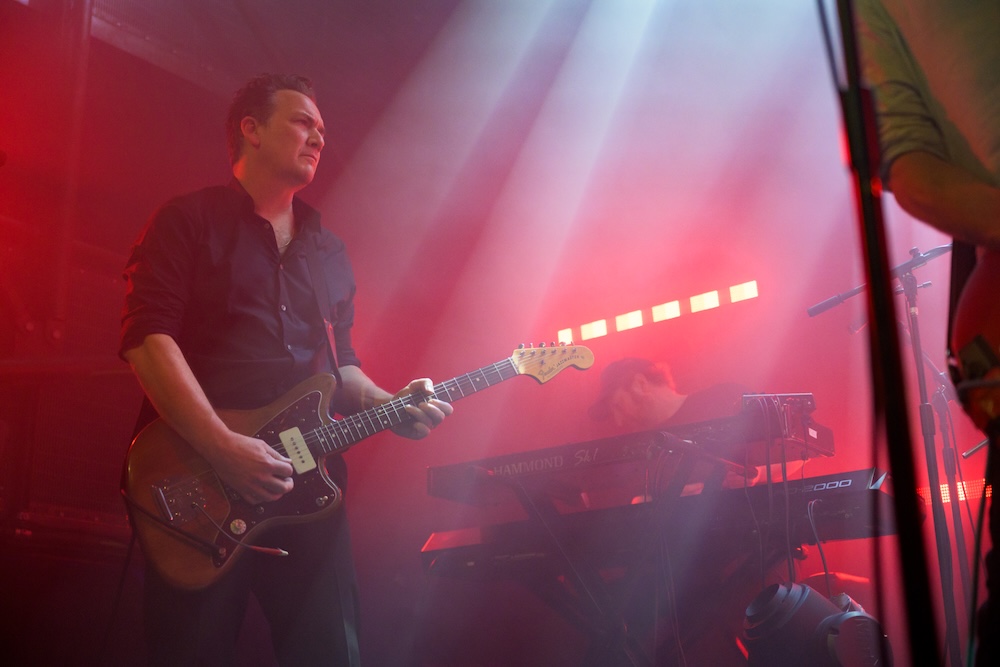
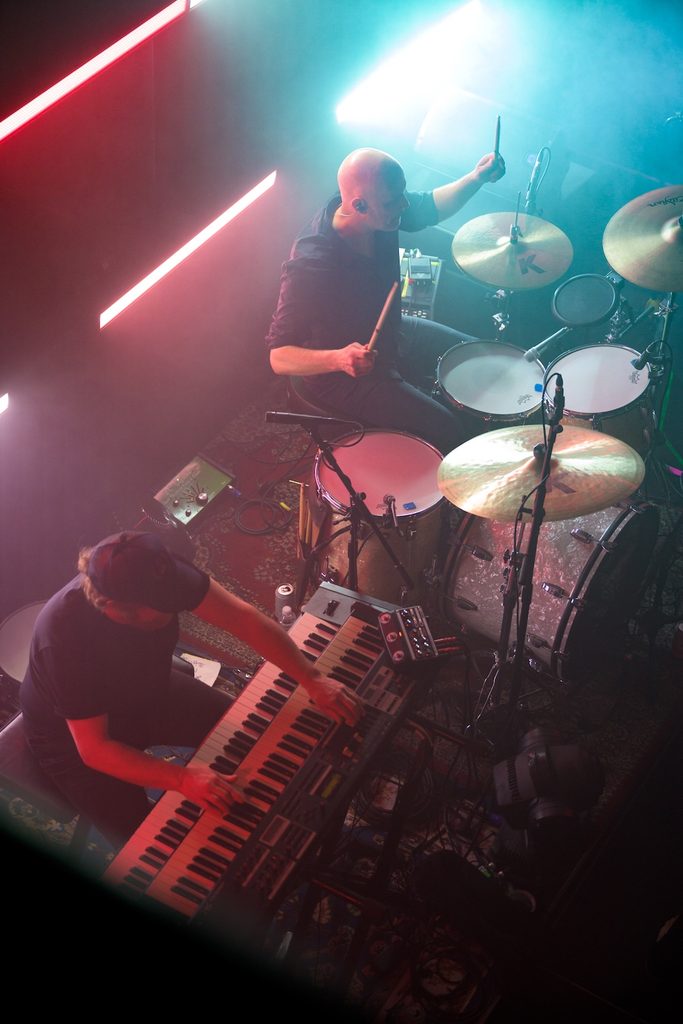
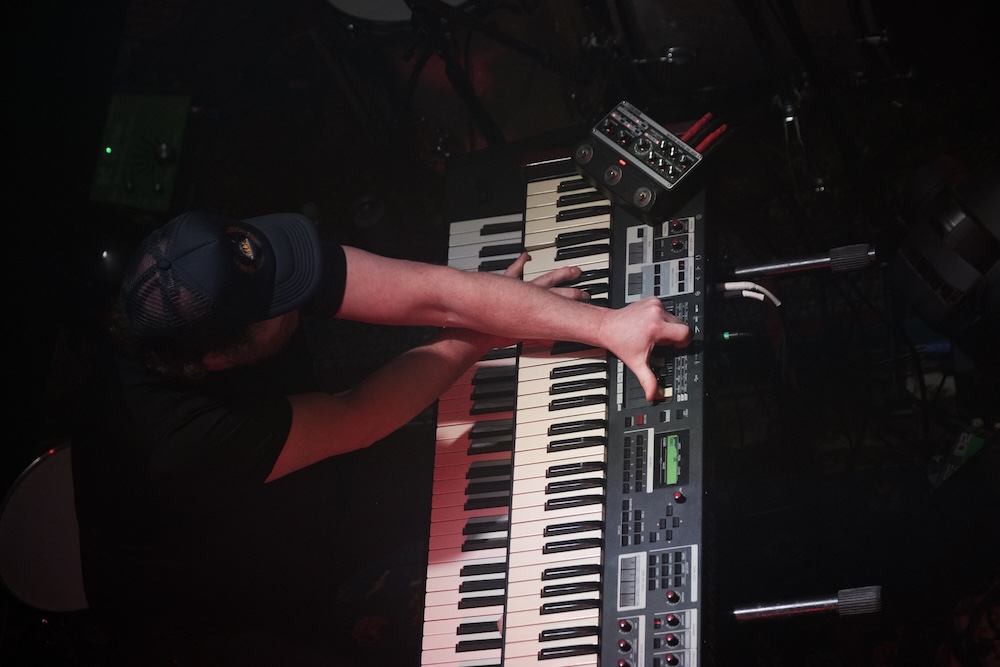
Where Liddiard is all exposed nerve endings, Kitschin is the stare from the corner of the room. Her bass doesn’t merely provide a foundation; it makes something enormous and vaguely threatening feel like it’s moving underneath the floorboards. Dan Luscombe’s guitar adds another layer of abrasion, while the rhythm section gives the whole thing its ability to swing between menace and outright collapse. This is the crucial thing about The Drones: they have always understood that ugliness can groove.
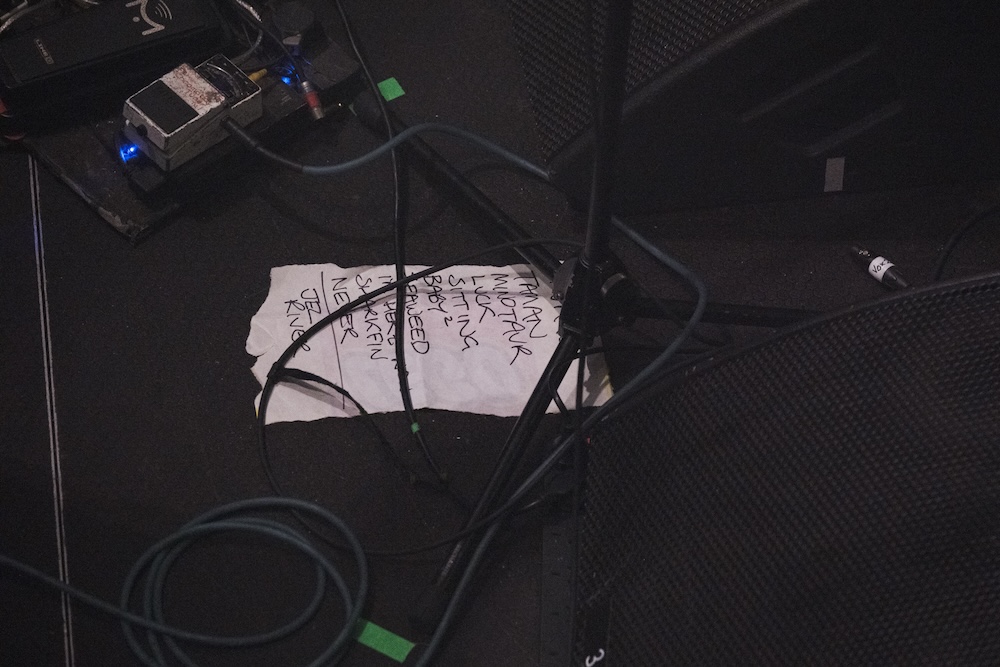
When the band hit the older material, particularly the songs from Wait Long by the River and the Bodies of Your Enemies Will Float By, you could feel the room collectively remembering why The Drones’ music felt so dangerous. The set opened with Private Execution followed by Taman Shud and The Minotaur, while Baby remains gloriously filthy, all blues muscle and dirty repetition. Sitting on the Edge of the Bed Cryin’ feels less like a song than a nervous breakdown somebody accidentally plugged into a broken amp and turned it all the way up.
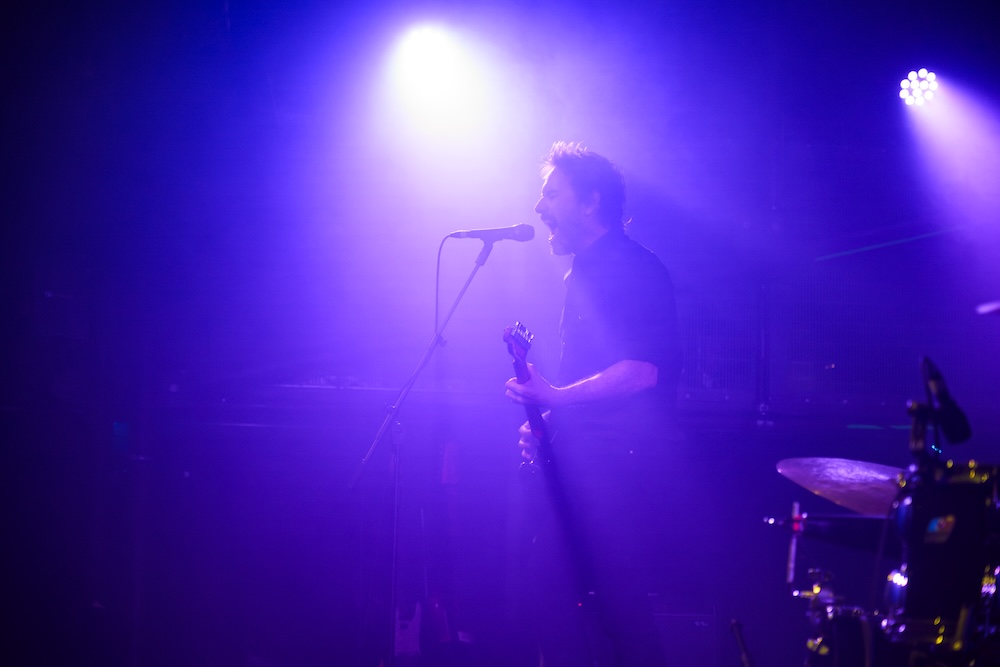
The performance was epically matched by magnificent lighting projection, each song complemented and bathed in deep crimson light, periodically ripped open by flashes of electro-catharsis, that turned the stage into a flickering, feverish apparition.
The set moved through the catalogue without much concern for chronology, with Liddiard smashing beers and quipping jokes about Northbridge still being the same shithole as he remembered it to be decades ago. There was no attempt to explain where each song came from or what it meant ten years ago. They simply played them.
There are some Australian songs that become classics because radio stations decide they are classics. Then there are songs like Shark Fin Blues, which become classics because they somehow manage to crawl inside your inner psyche, take up residence and refuse to leave quietly. A song about death, isolation, sharks, the sea and the strange terror of simply being alive shouldn’t work as well as it does, but live, it remains enormous. This is the moment when the audience truly remembered why The Drones still matter.
After a short break, they returned for an encore with Jezebel before closing with the Kev Carmody song, River of Tears, which was a fitting final choice. There was something quieter about the mood by then, despite the volume, something hypnotic.
Watching The Drones in 2026 is not like watching a band from the past. It’s like discovering the past has developed an opinion about the present. They don’t make music to make you feel better. They make music for those willing to feel it all: anger, dread, desire, disgust and love. The weird existential nausea of waking up in a country where the ocean is beautiful and everything else seems to be slowly catching fire. Their songs live somewhere between the pub, the desert and the apocalypse, and ten years haven’t changed that. Rock music doesn’t need to be cool, but it’s cool as hell when it’s as dangerous as this.
ZAC NICHOLS
Photos by Adrian Thomson