Review: Strung Out at Rosemount Hotel
Strung Out at Rosemount Hotel
W/ RATSALAD
Wednesday, September 16, 2026
Thirty years after Suburban Teenage Wasteland Blues, Strung Out returned to Perth to perform the album in full before a crowd ready to recite it as scripture. First, Geraldton’s RATSALAD. arrived to make the old guard look almost civilised.
“We’re from Gero,” announced bassist and vocalist Jaz McCartney. “But how fucking lovely was it in Perth today?”
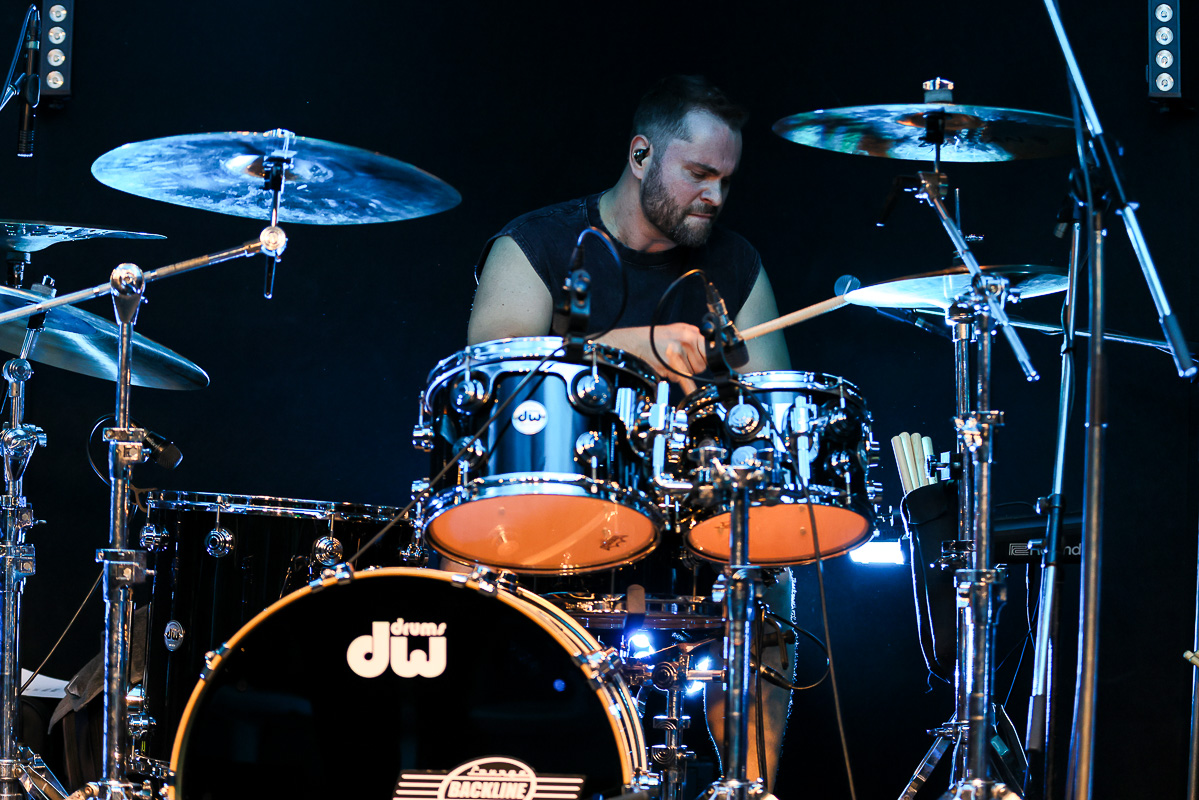
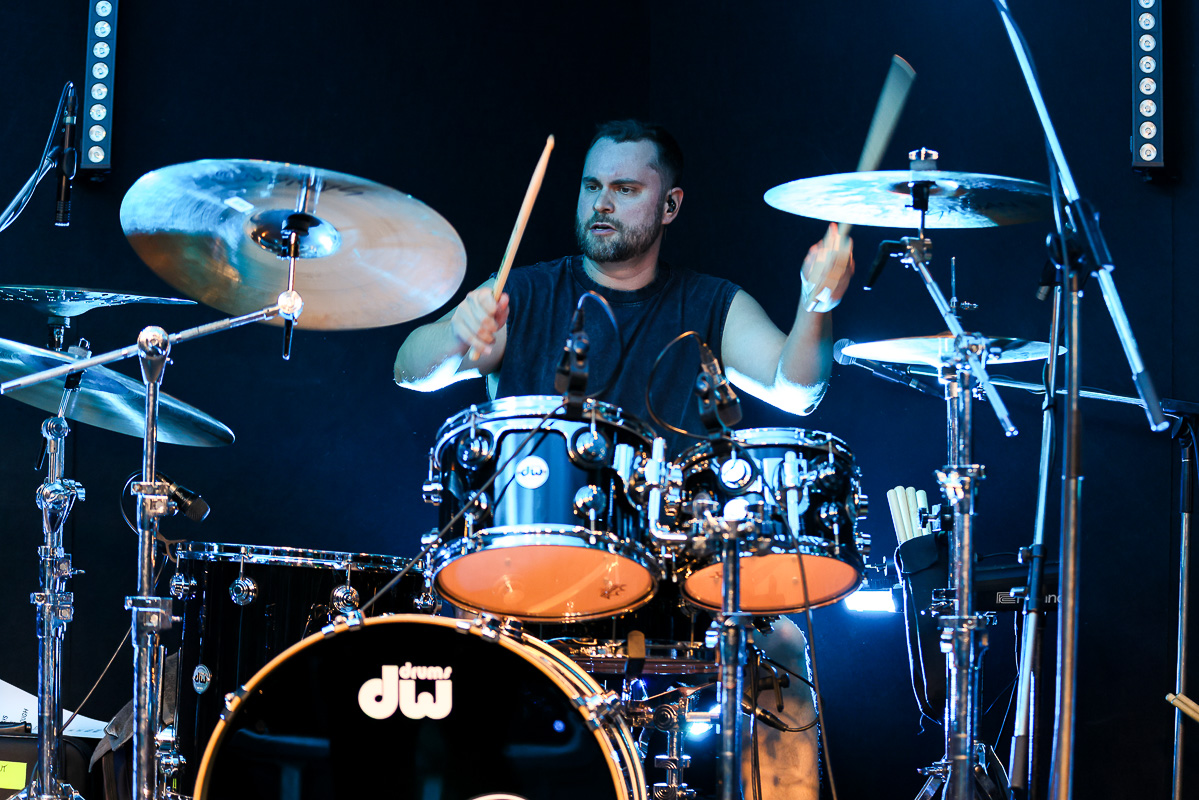
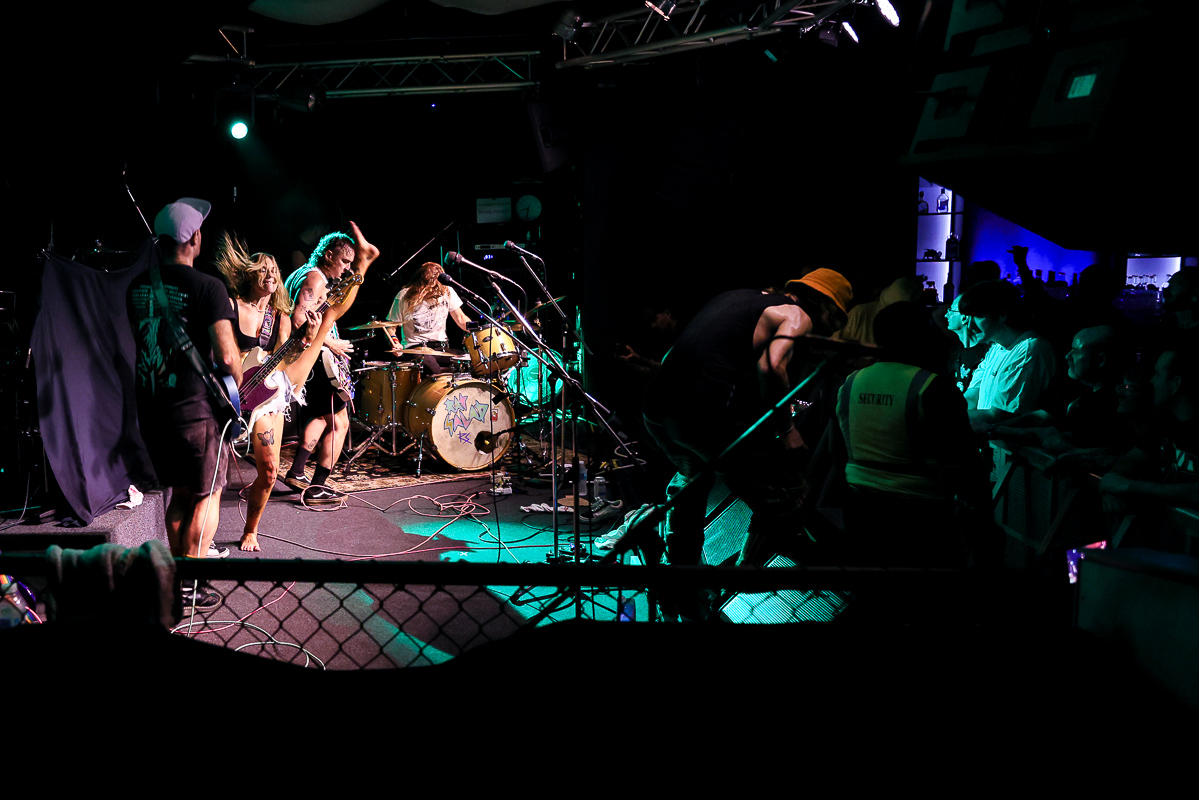
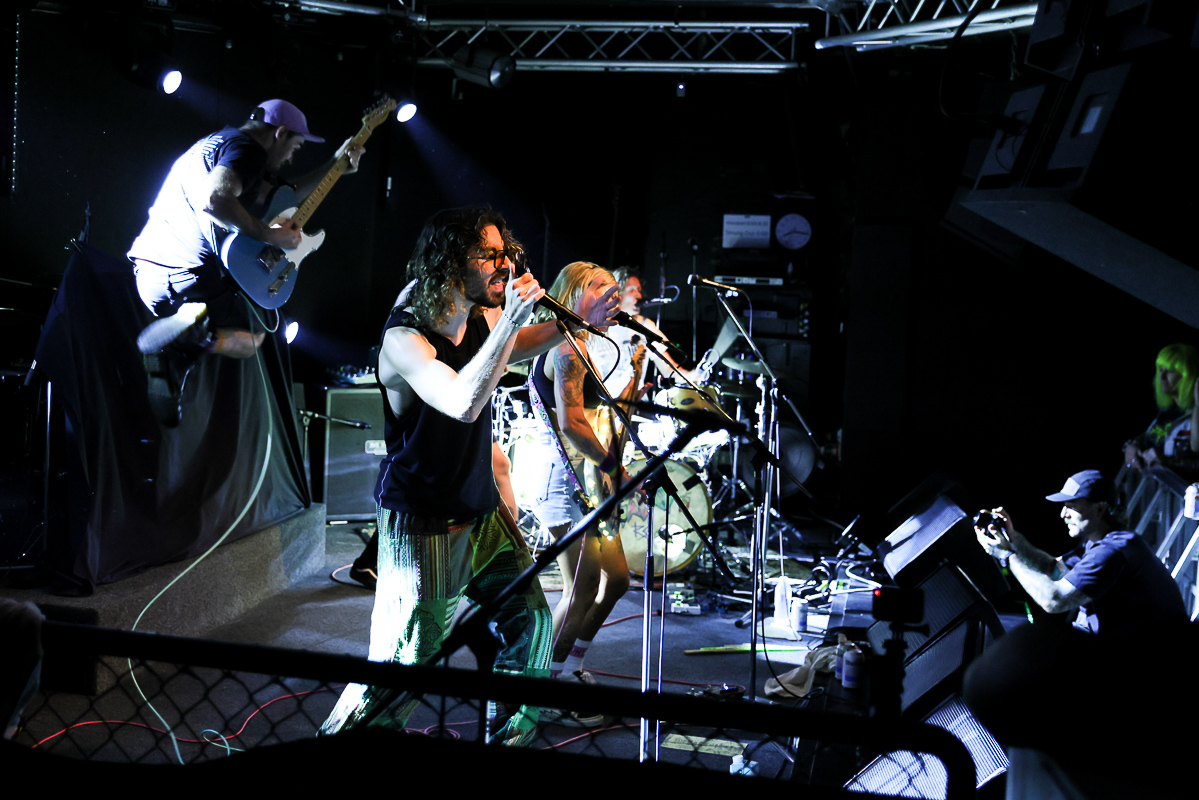
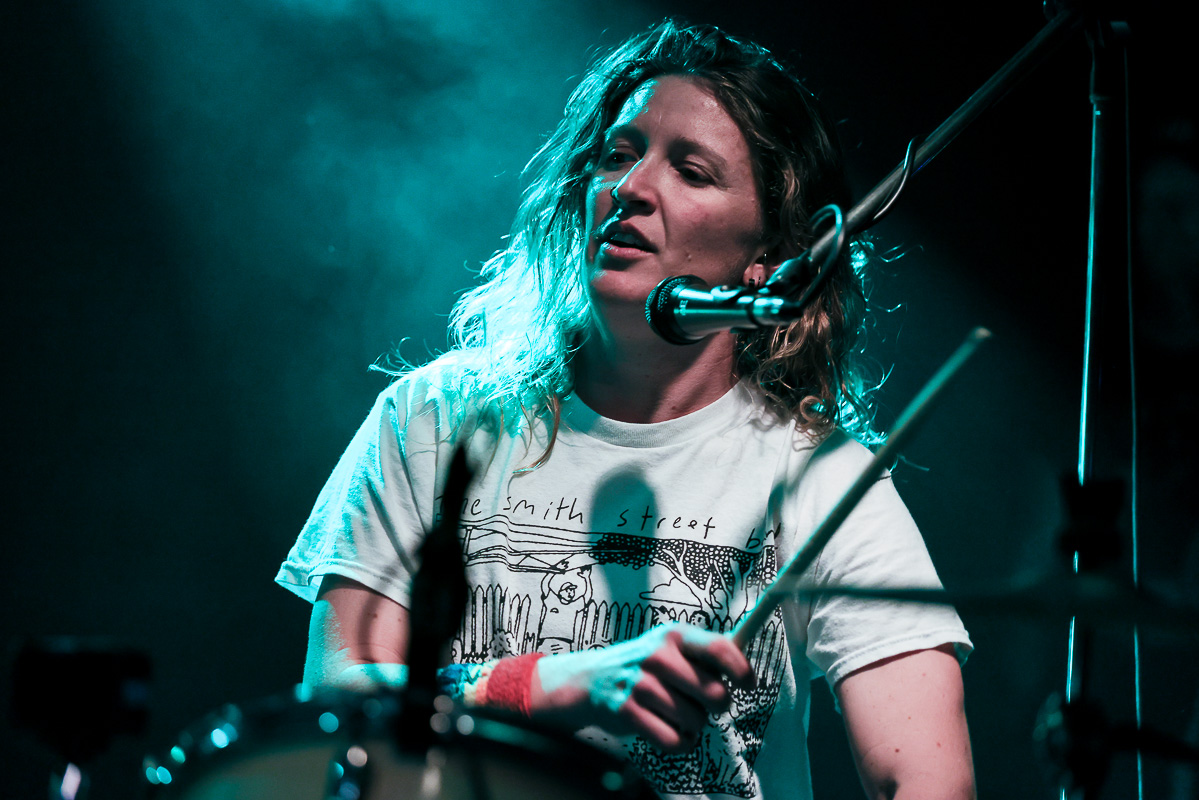
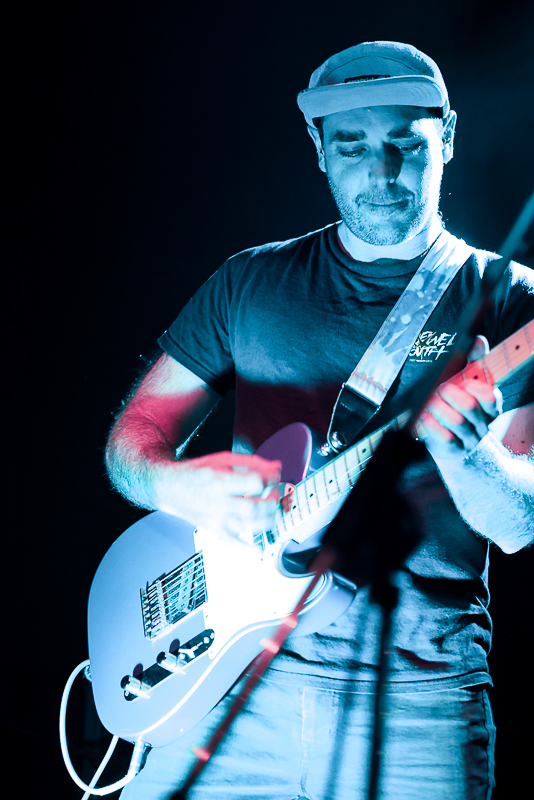
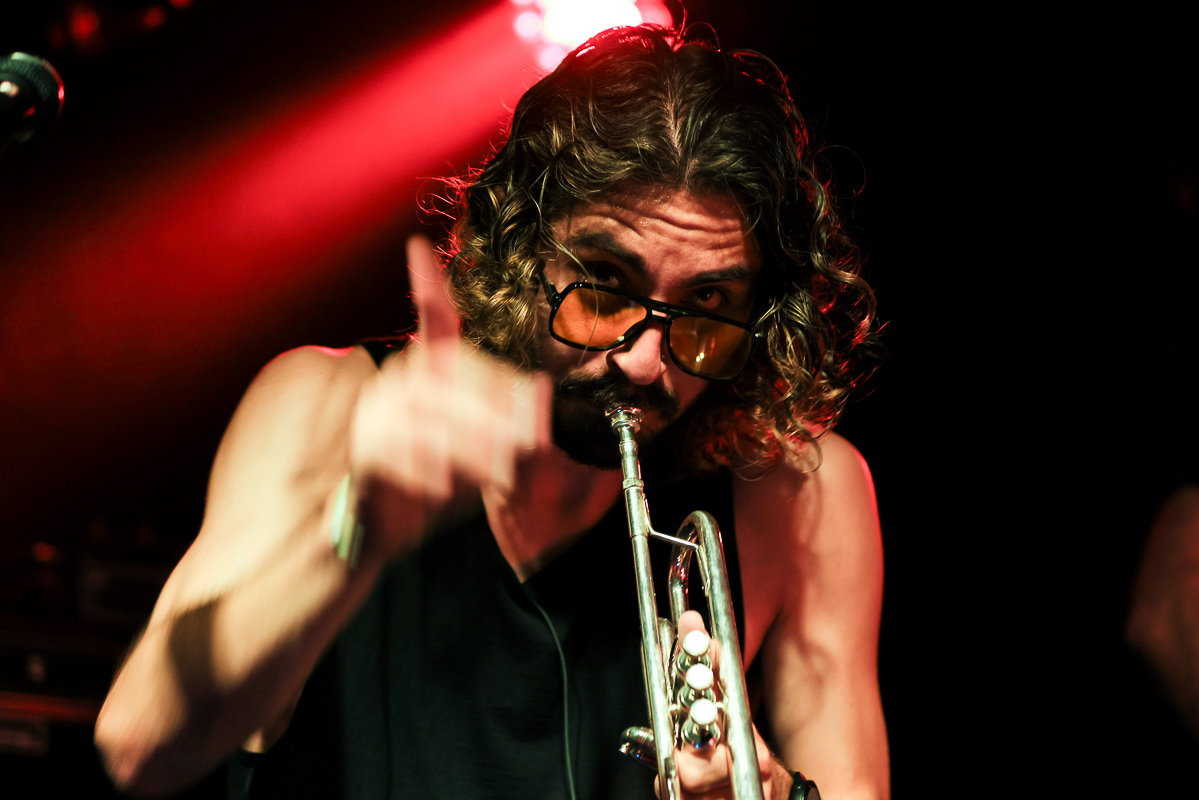
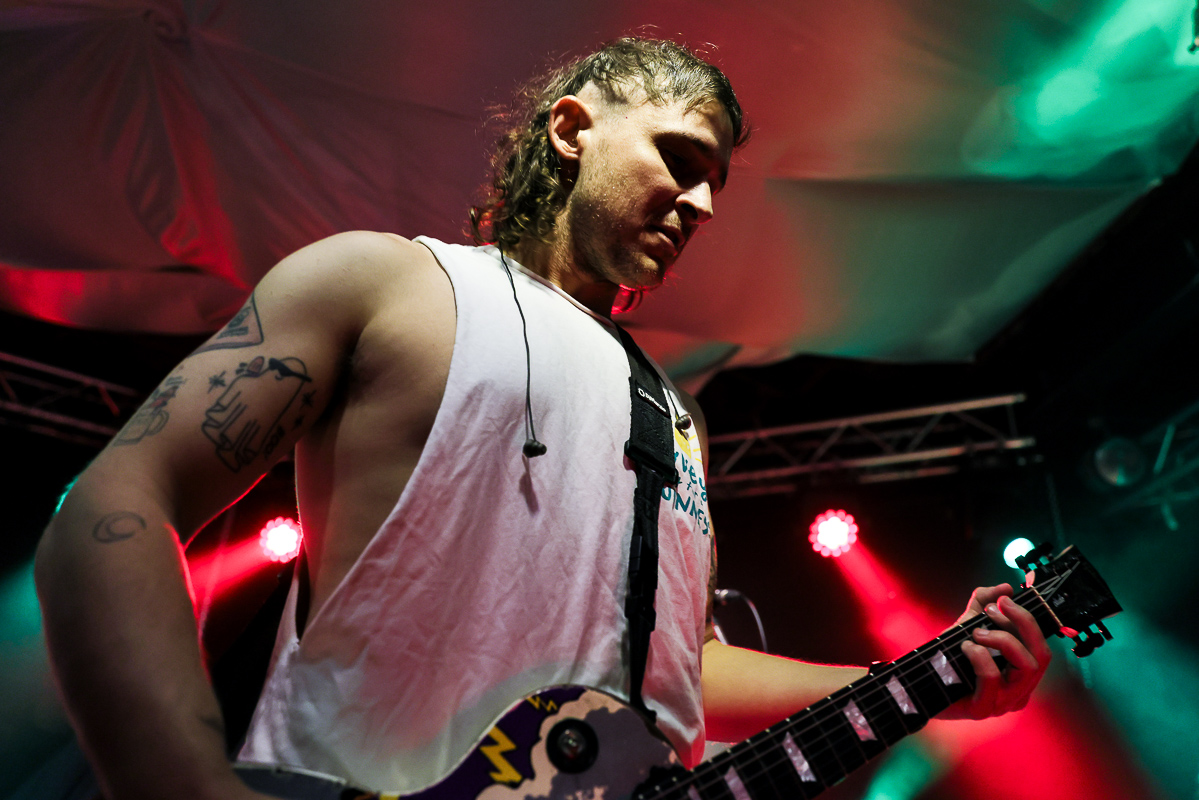
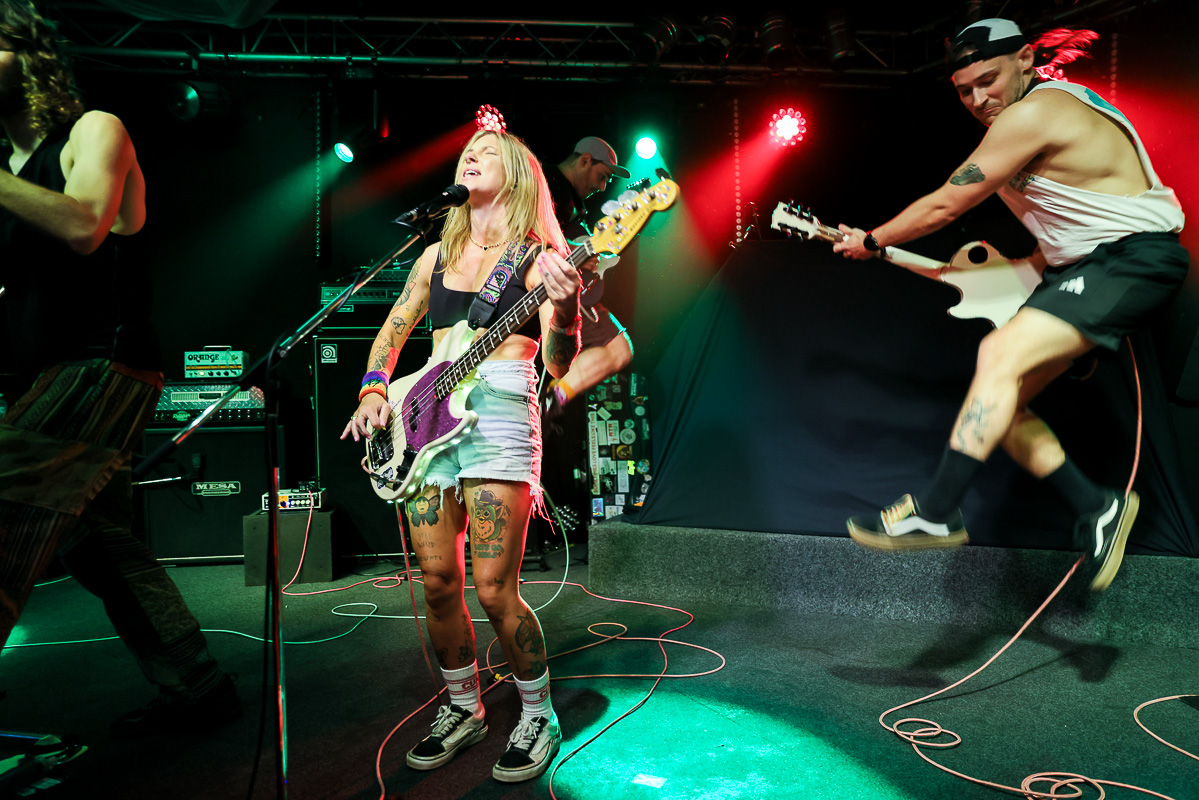
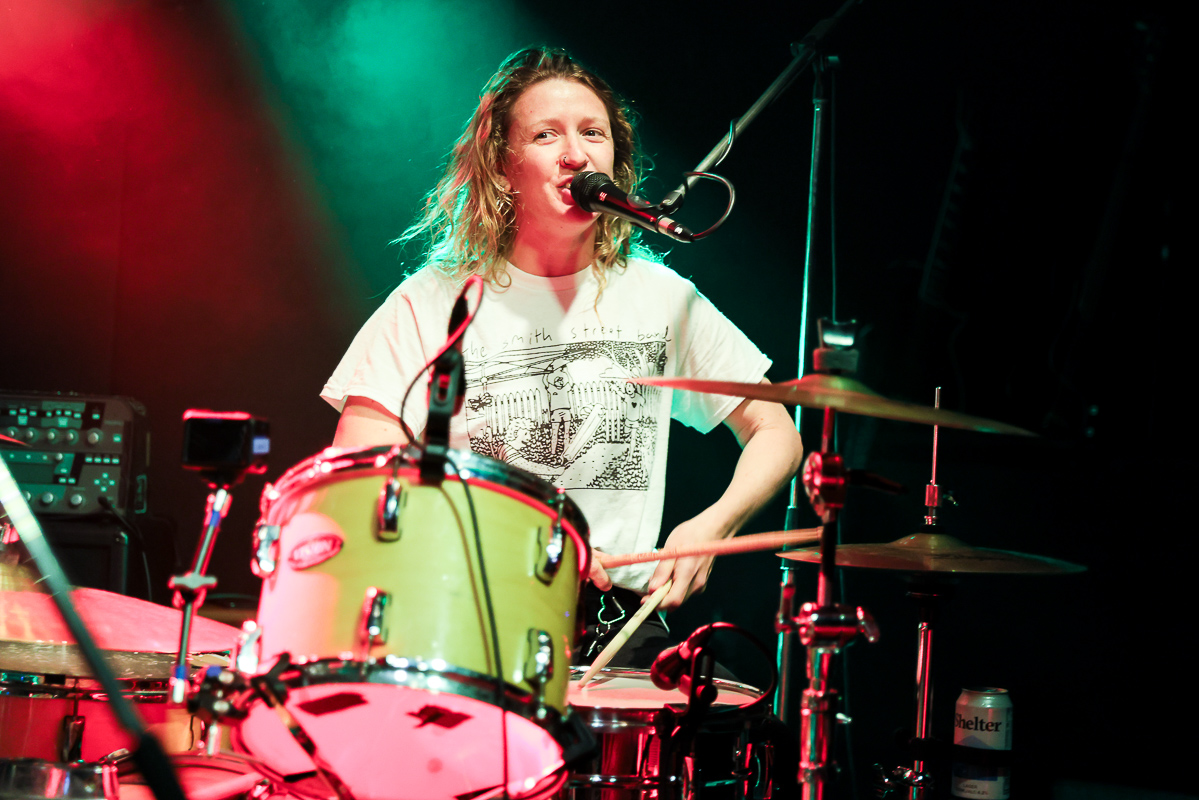
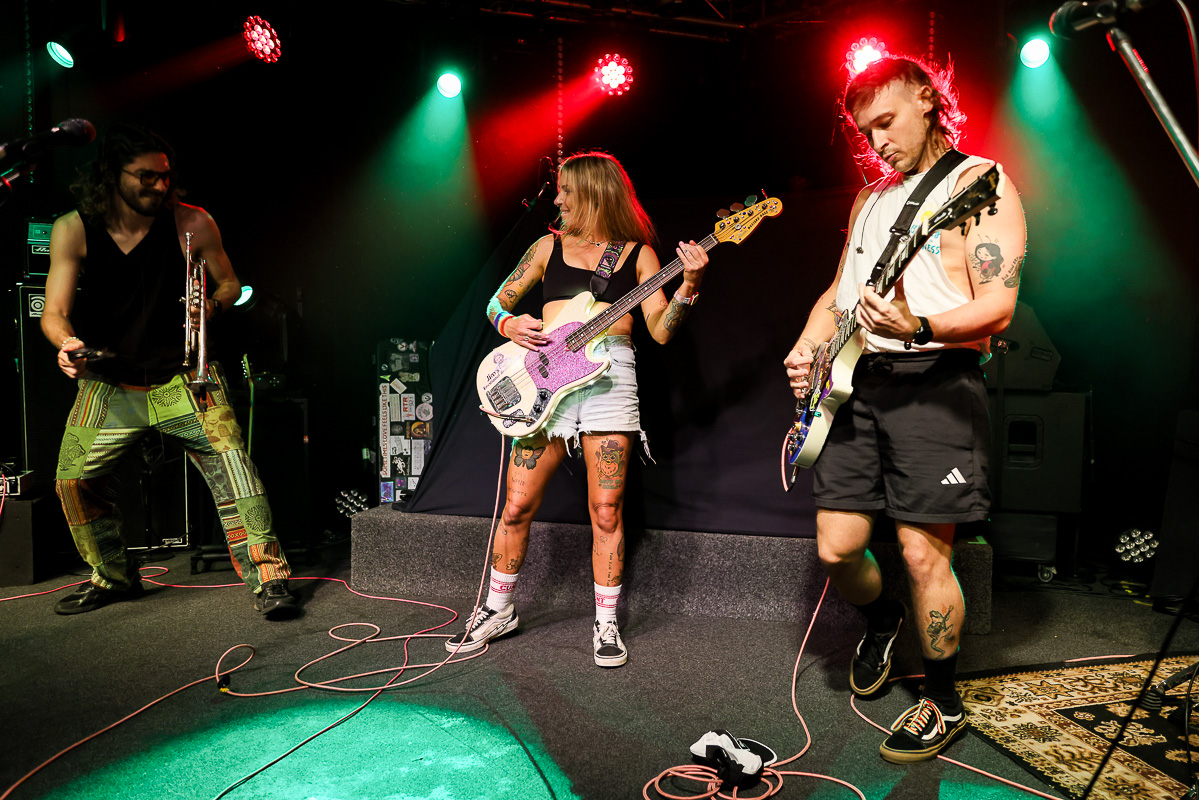
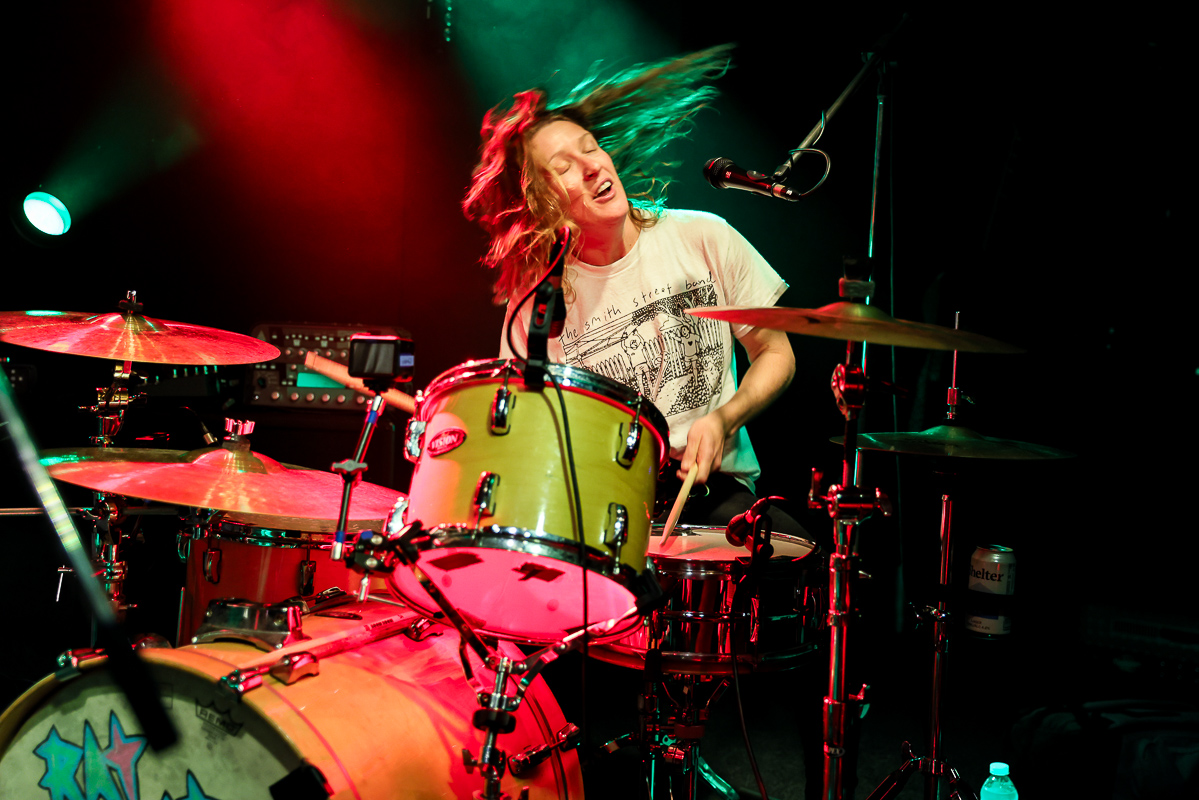
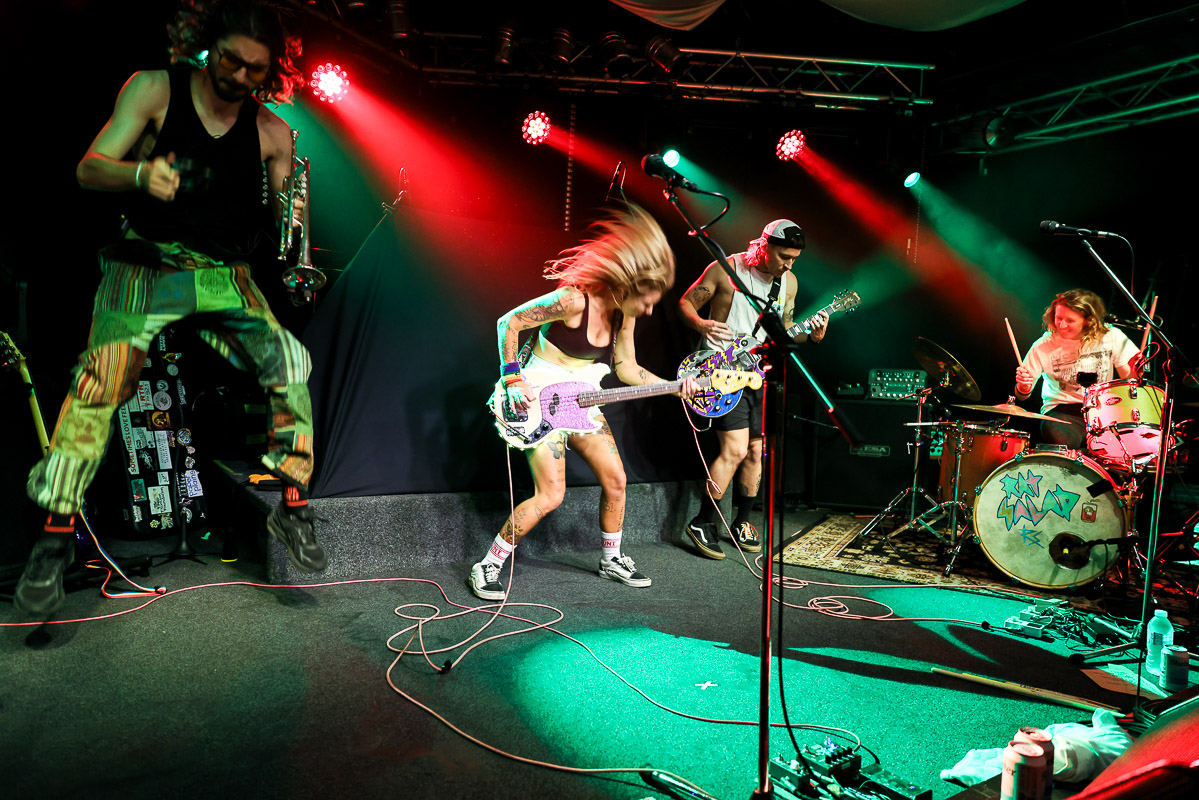
Rough as guts and five bodies strong on this occasion, RATSALAD. were already tearing through We Definitely Do Not Sell Vapes as we entered. The core trio— Jaz, guitarist Ken McCartney and drummer Erica Trotter—were joined by an additional guitarist and a roaming trumpeter, expanding both their sound and capacity for stage chaos. Nutsack apparently broke the land-speed record; Jaz punctuating it with a high kick, establishing acrobatics as a governing principle.
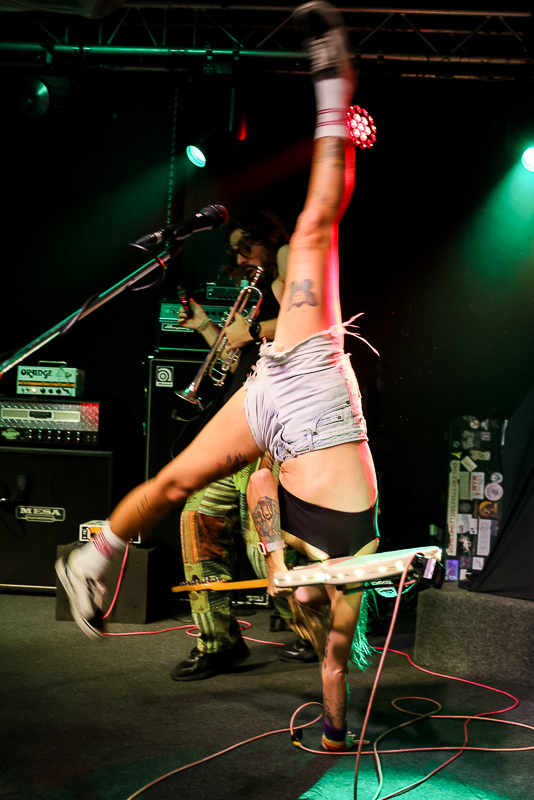
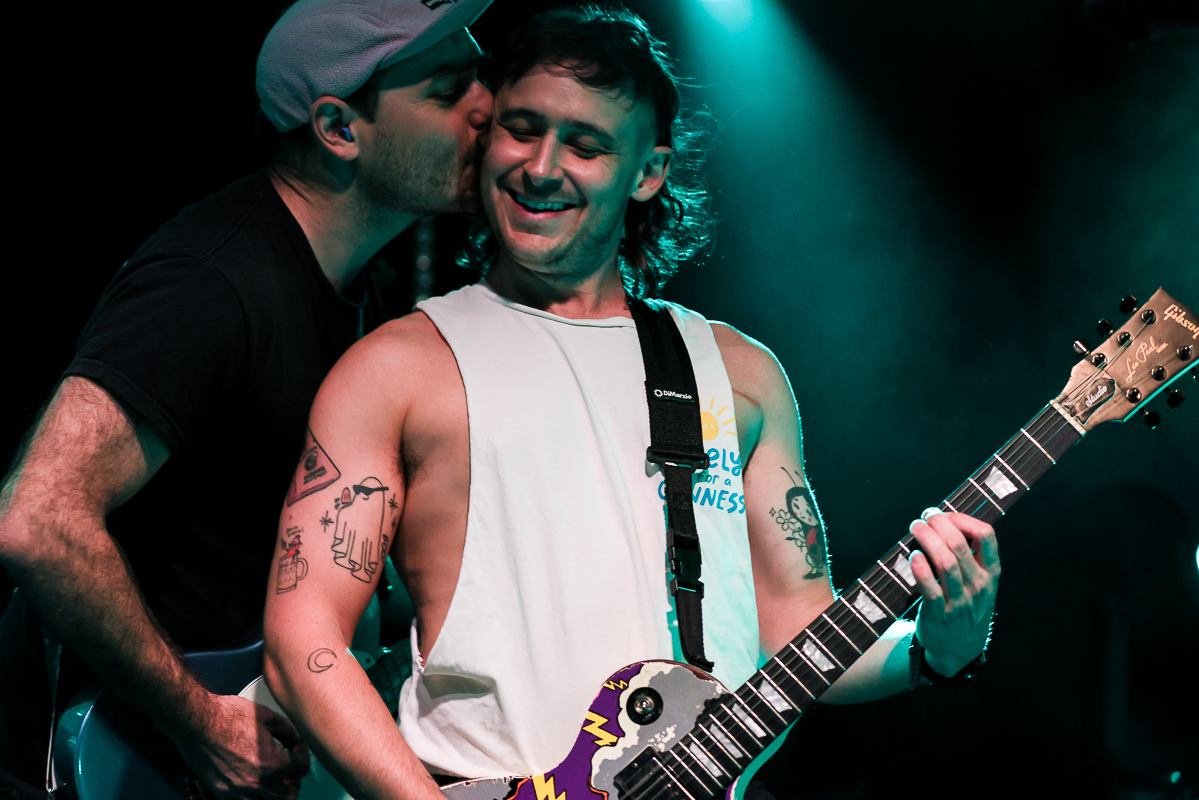
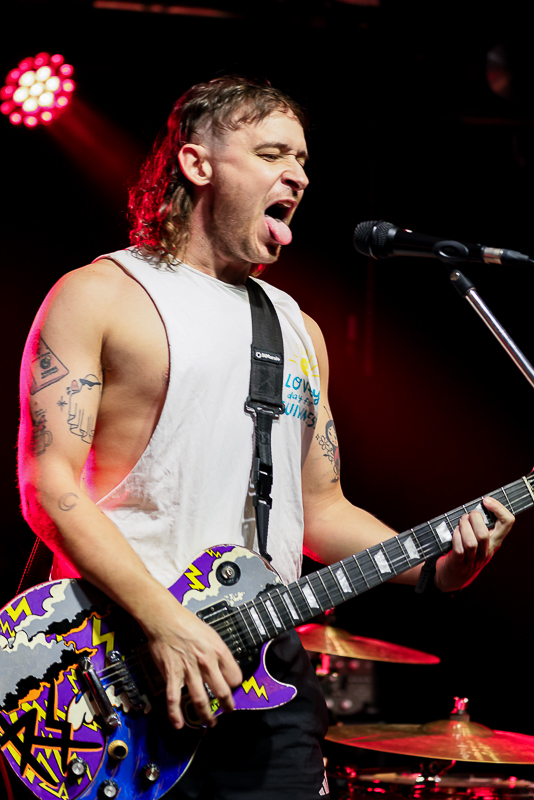
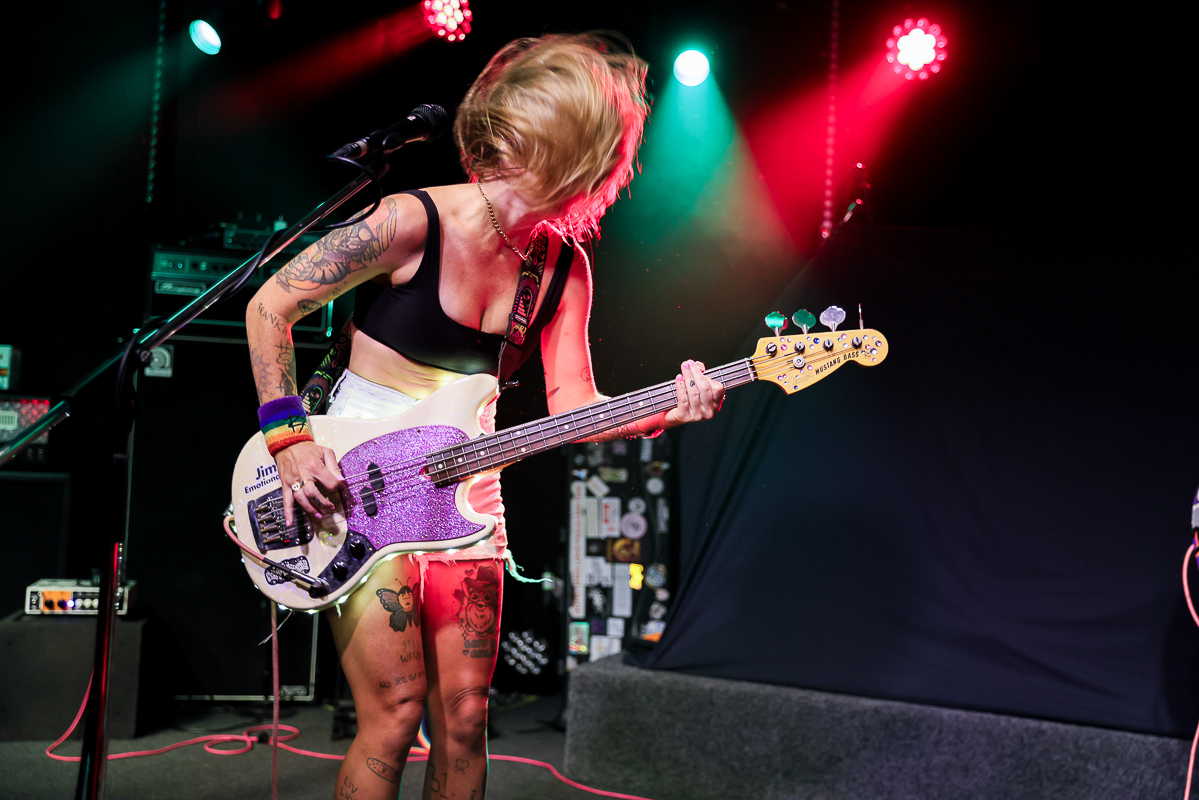
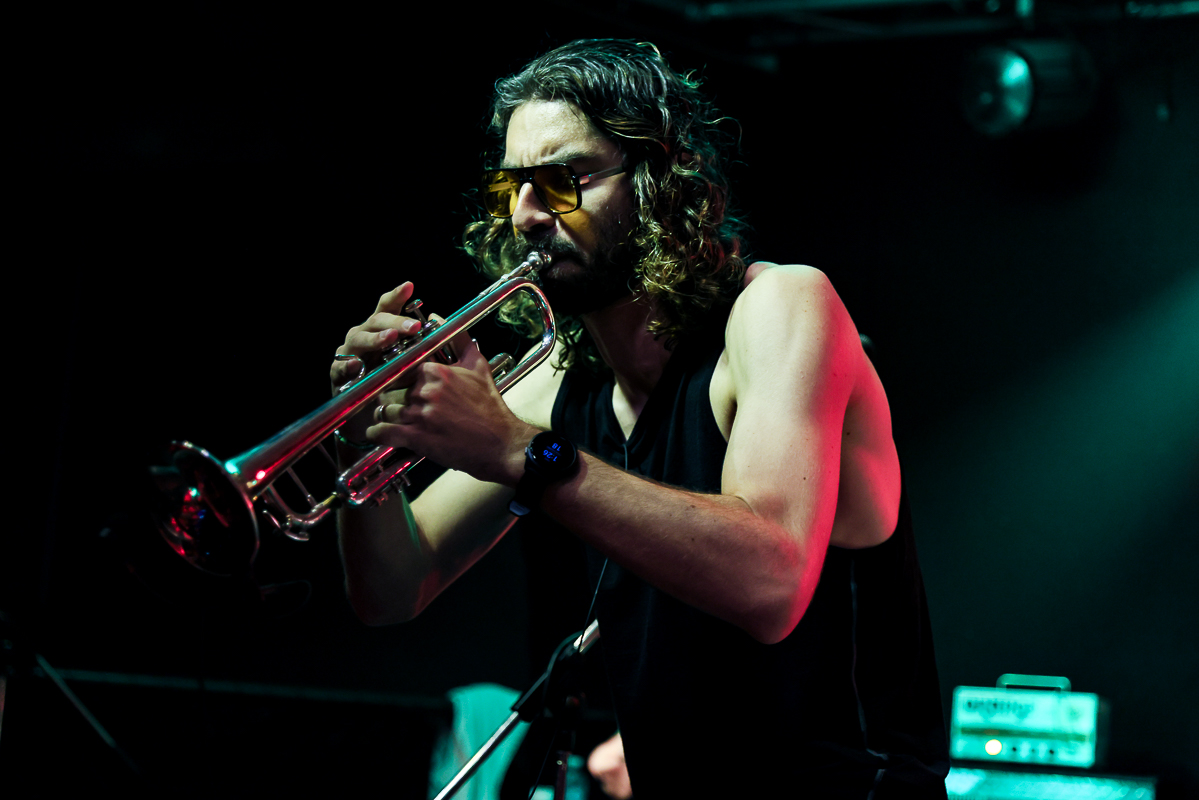
Yet the chaos was consciously dressed. Fairy lights traced Jaz’s bass, while Ken’s guitar bore a cartoonish blue-and-purple finish. Their bogan chic—denim cut-offs, tattoos and frothing cans—was not simply accidental bad taste. RATSALAD. understand the spectacle of pop-punk and how bodies convert a crowd. Their roaming trumpeter operated more like a hype man, regularly folding himself over the barrier—without heralding any of that ska bullshit.
Bike Beach Pub bottled their regional identity, while North West Coastal Highway transformed the distances governing country touring into a story about Jaz pissing by the roadside. For a band based four hours north of Perth, the highway is less romantic metaphor than basic infrastructure: the kilometres required to play anywhere else. Tonight, however, their politics remained largely implicit beneath mateship, vulgarity and release.
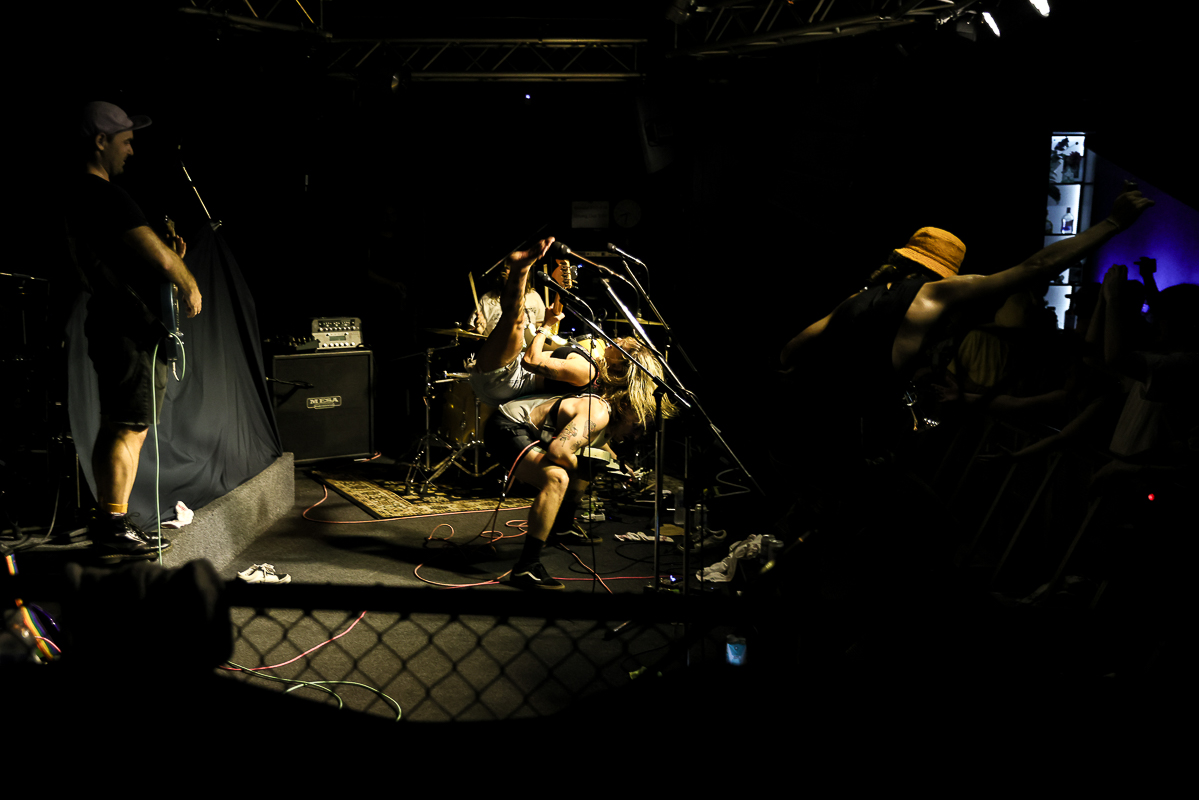
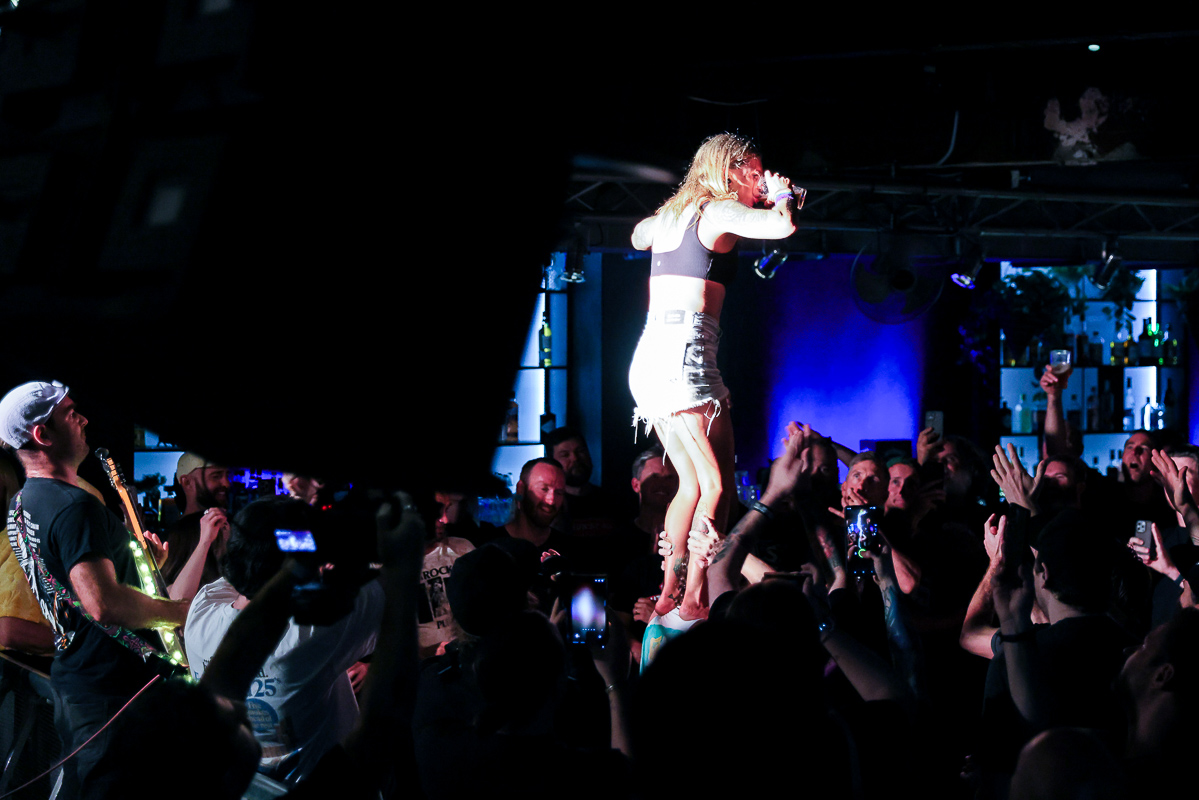
Then Cringe Binge demolished the stage boundary. Jaz entered a circle cleared in the crowd, passed off the microphone and began somersaulting, caterpillaring and cavorting across the floor. Shoes came off; a punter drank from one. Soon she was standing on Ken’s shoulders, sinking a pint beneath the admiring gaze of a largely older male crowd.
It was joyous, ridiculous and slightly grim—a whiff of Wake in Fright, with beer-swilling treated as proof of belonging and abstinence vaguely suspicious. Jaz could make Amy Taylor look like a lady, but the spectacle also showed how comfortably feral femininity can sit within Australian masculine drinking culture when it speaks the same language of excess.
After Anaphylaxis, their setlist—a scrap of beer carton, naturally—was handed into the crowd. Frenzal Rhomb’s Never Had So Much Fun filled the interval, an apt bridge between RATSALAD.’s regional pub-punk circus and the Californian tradition waiting in the wings.
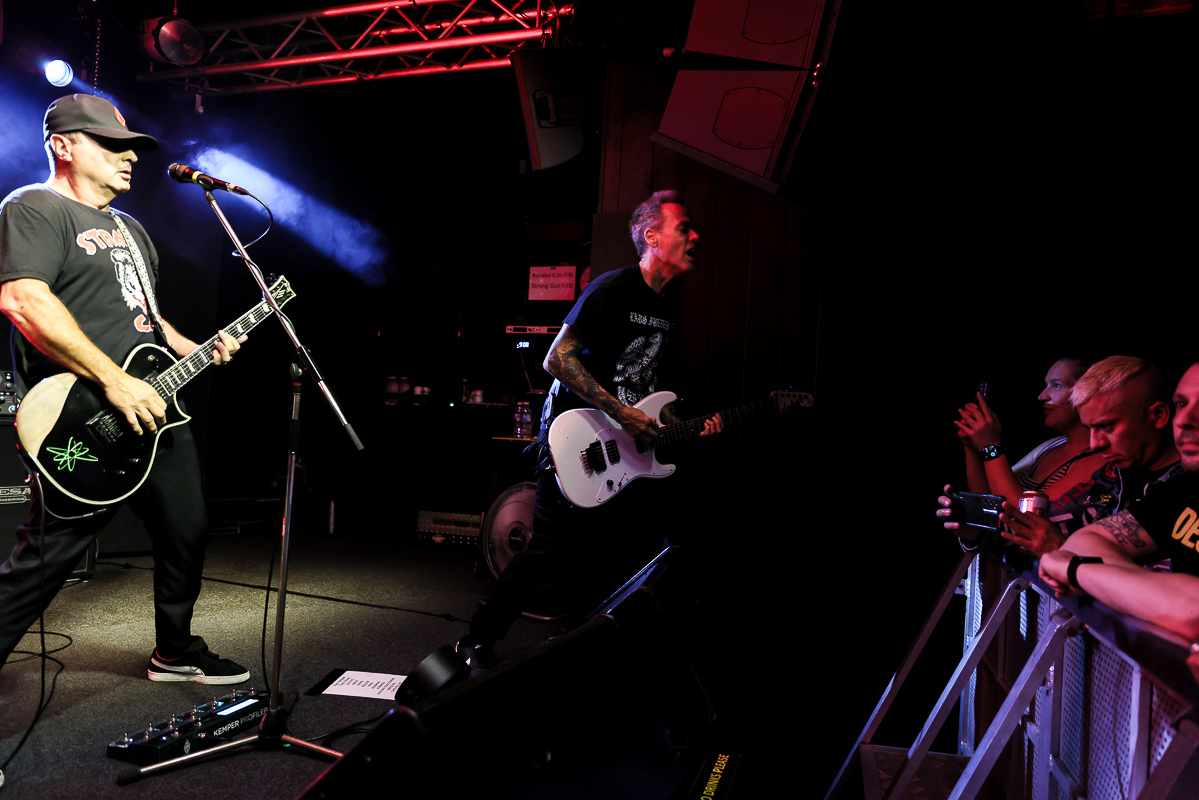
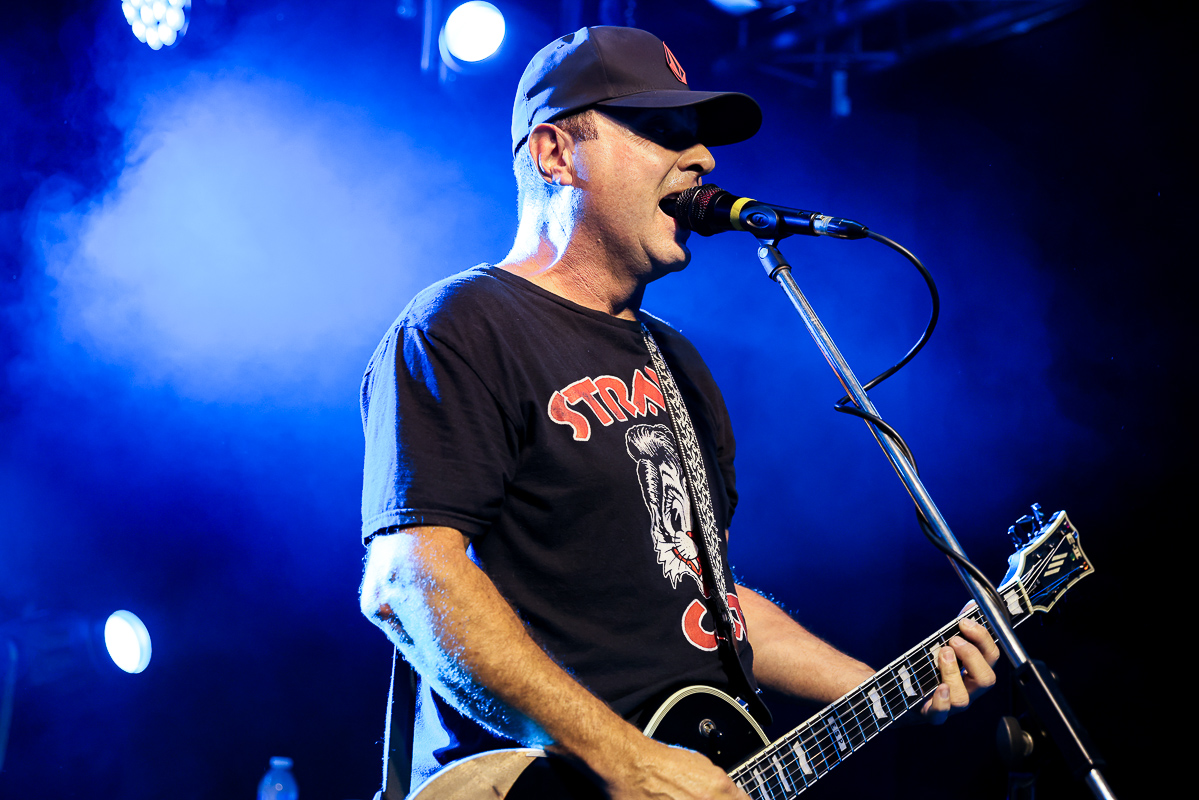
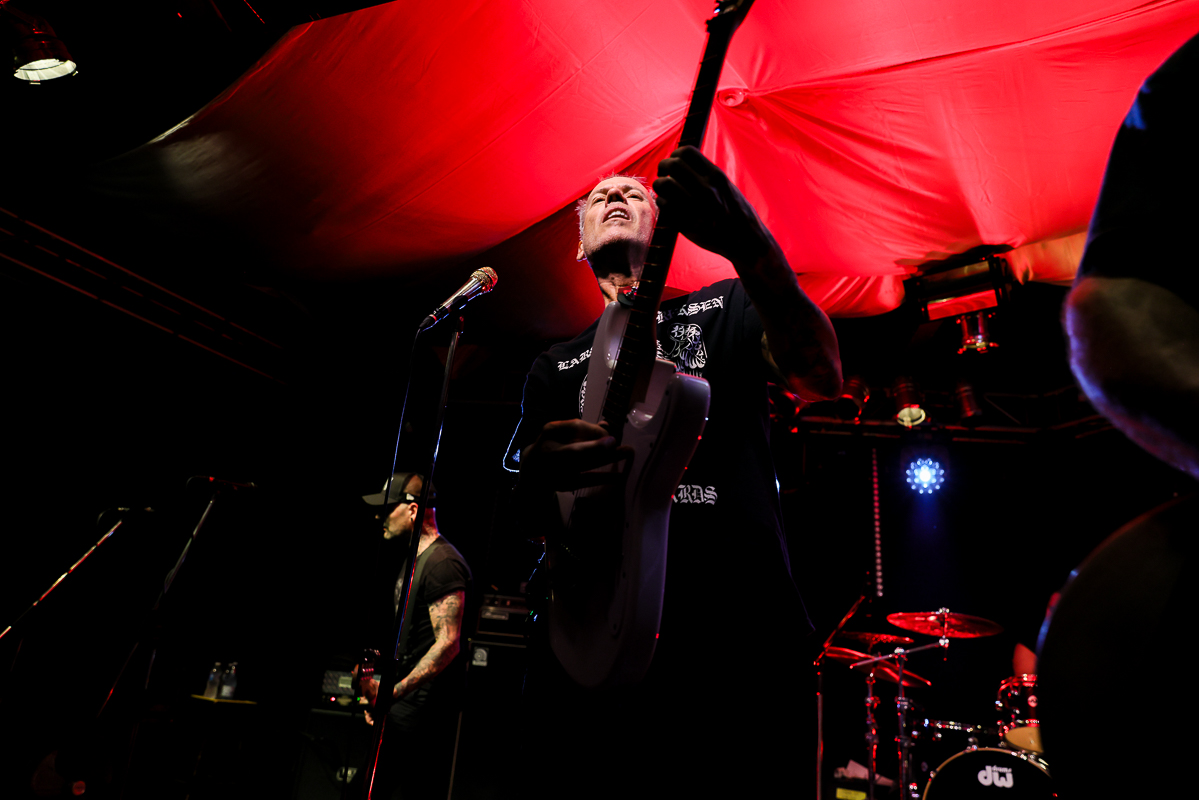
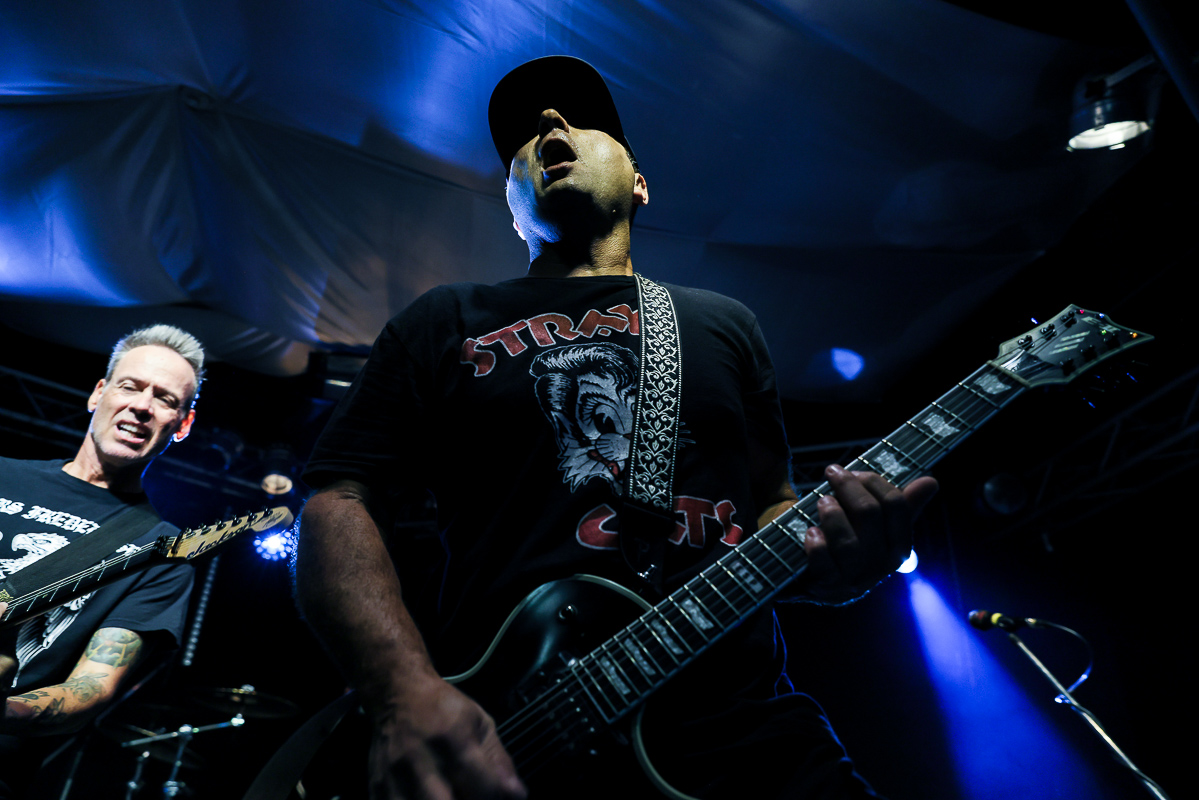
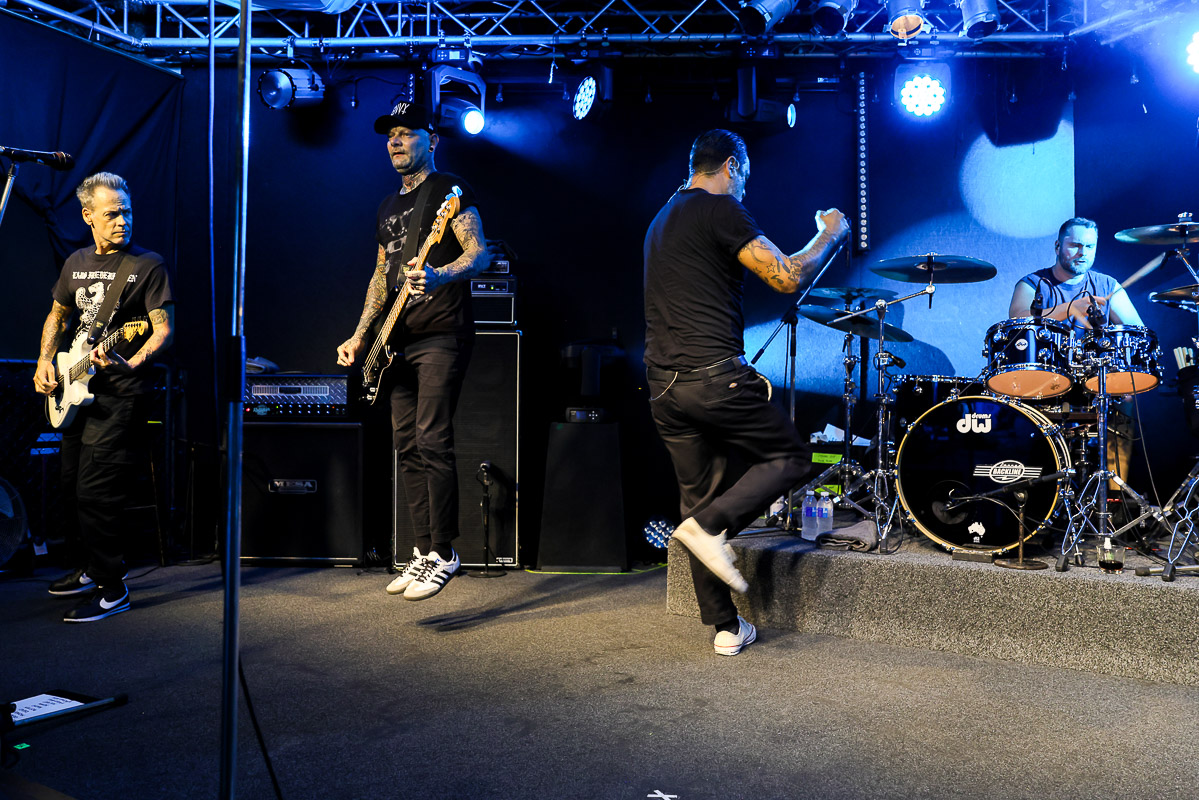
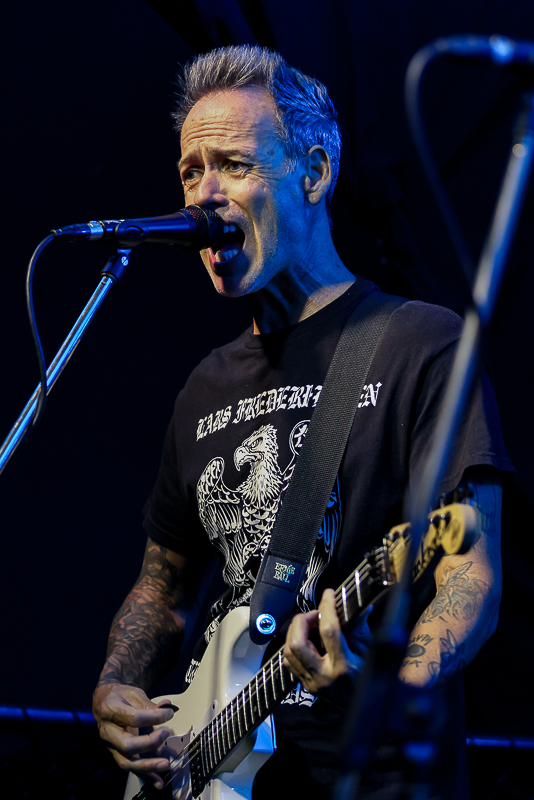
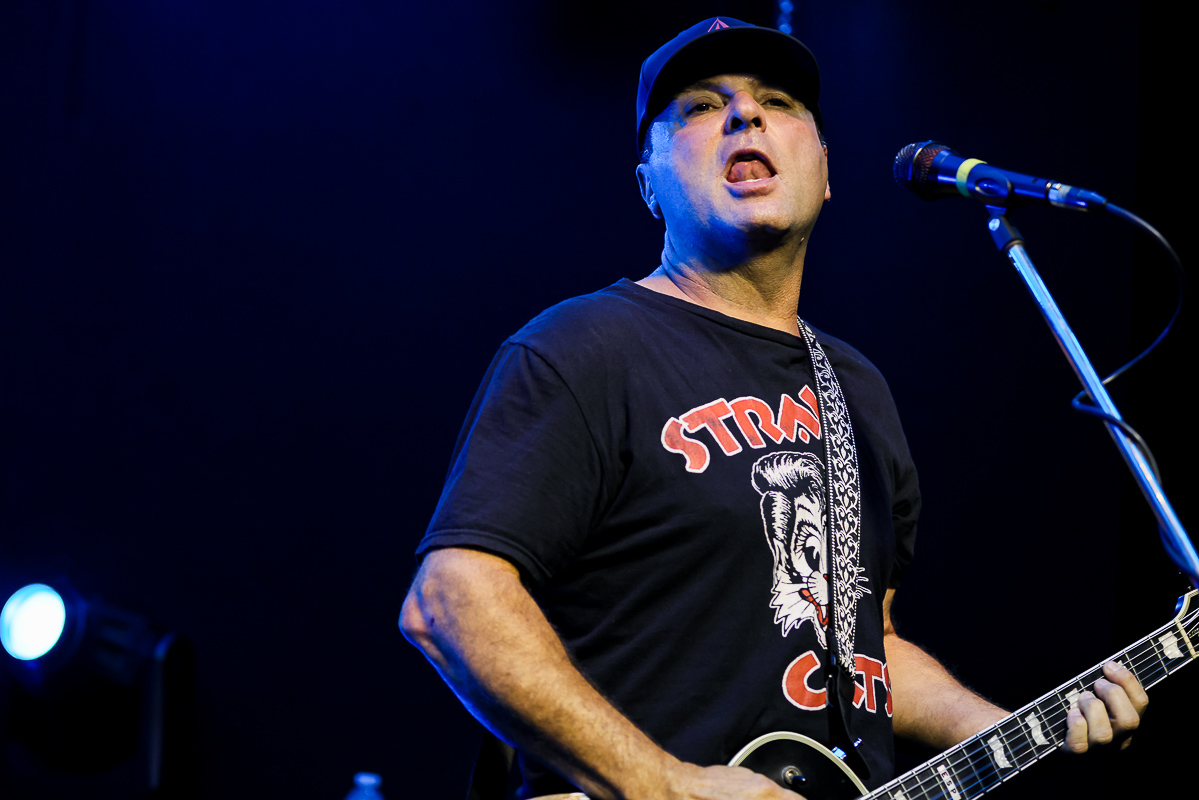
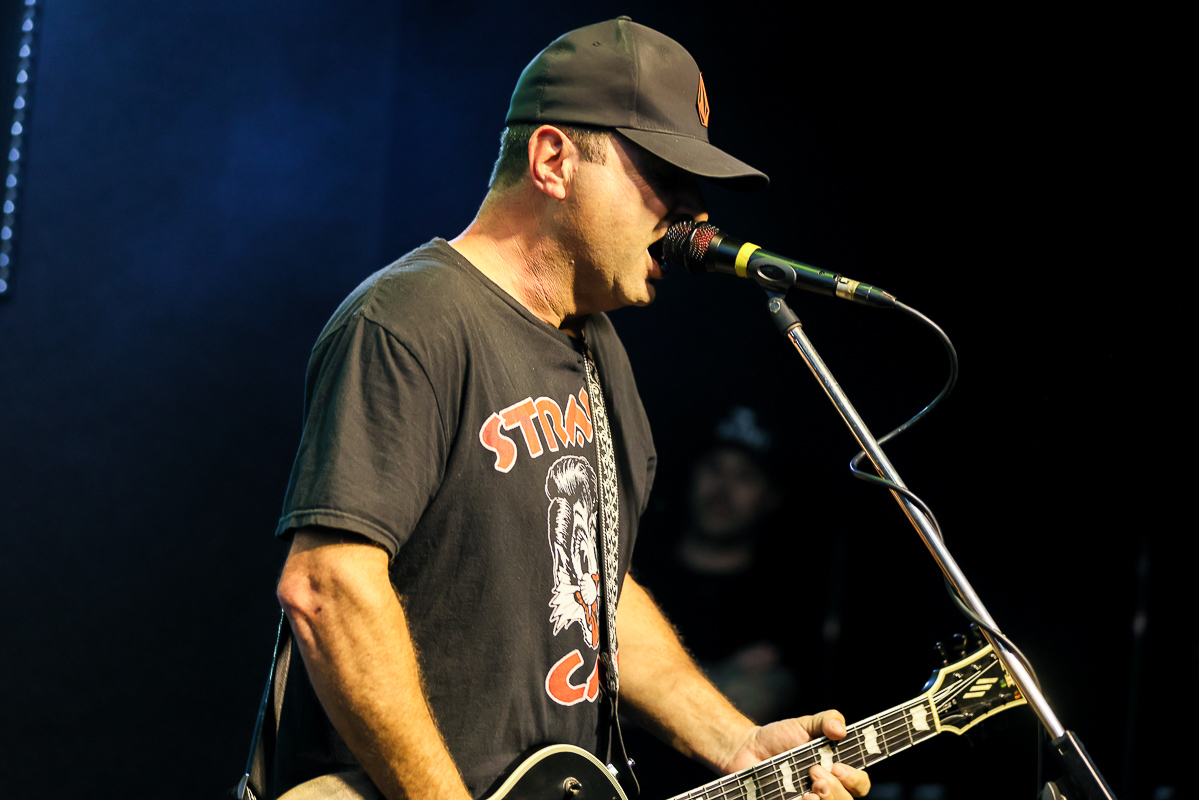
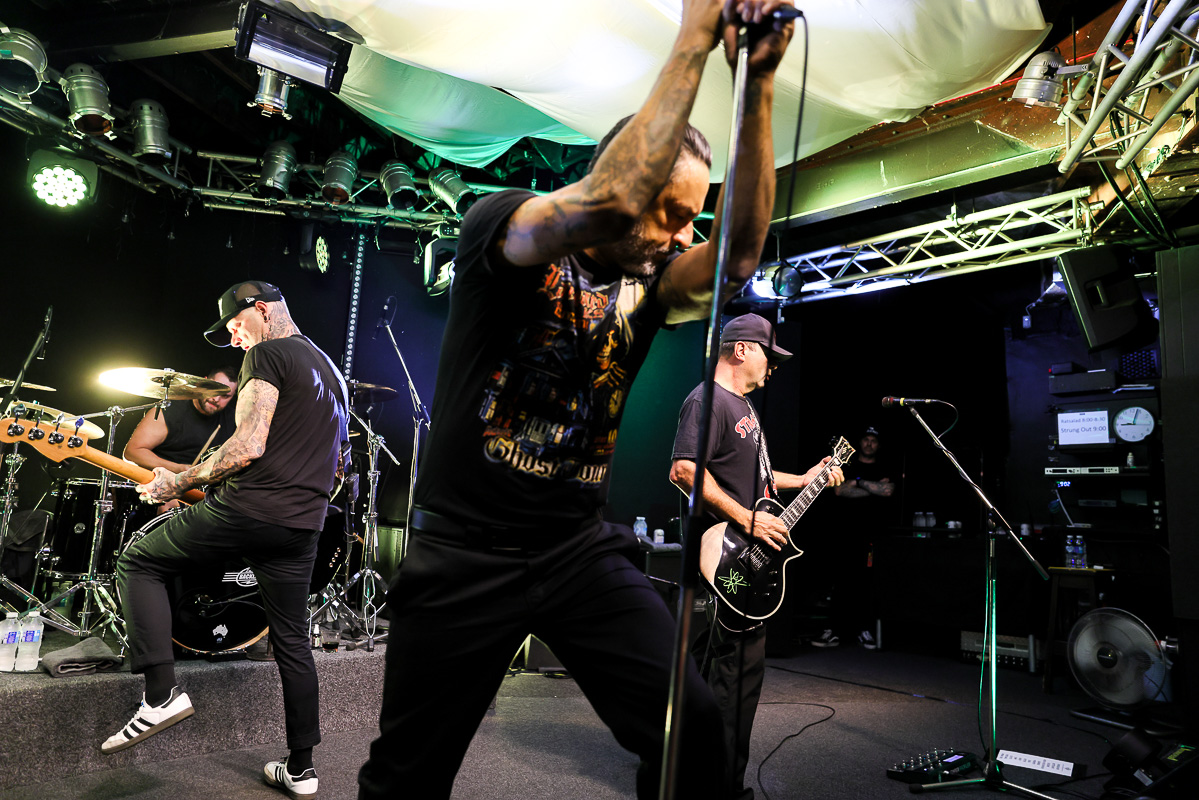
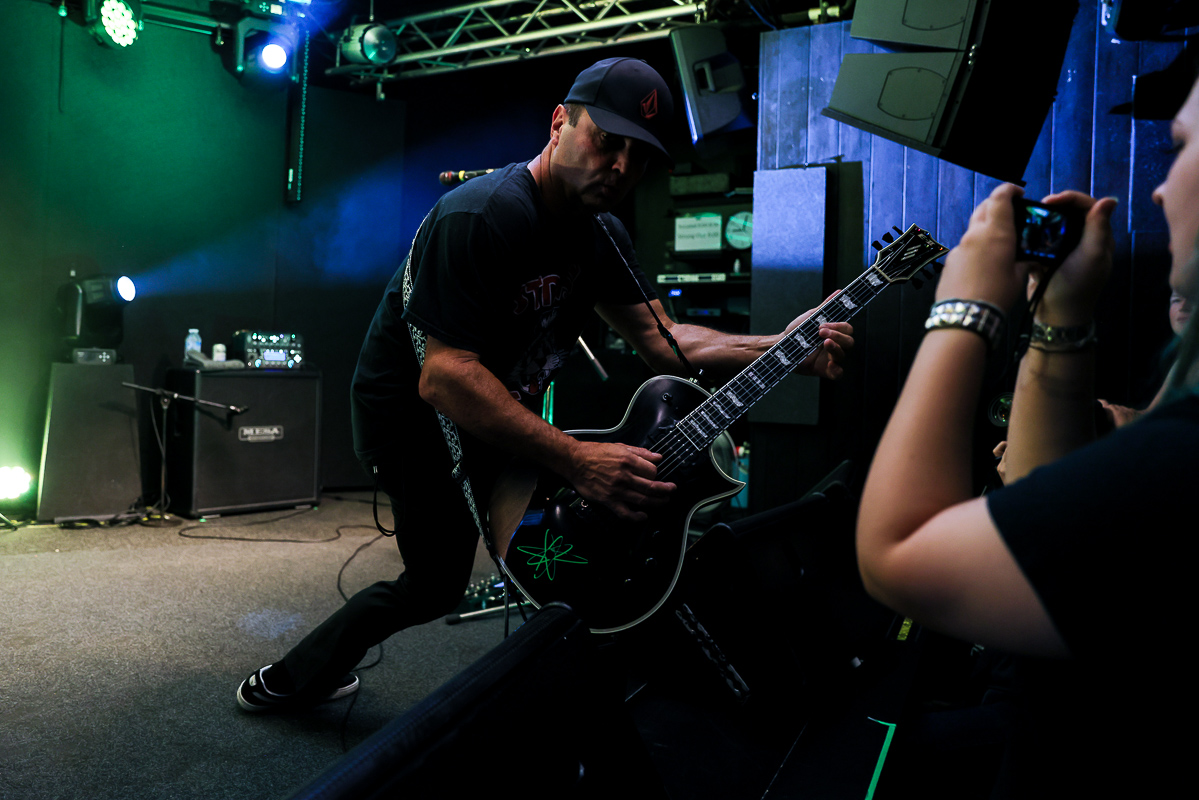
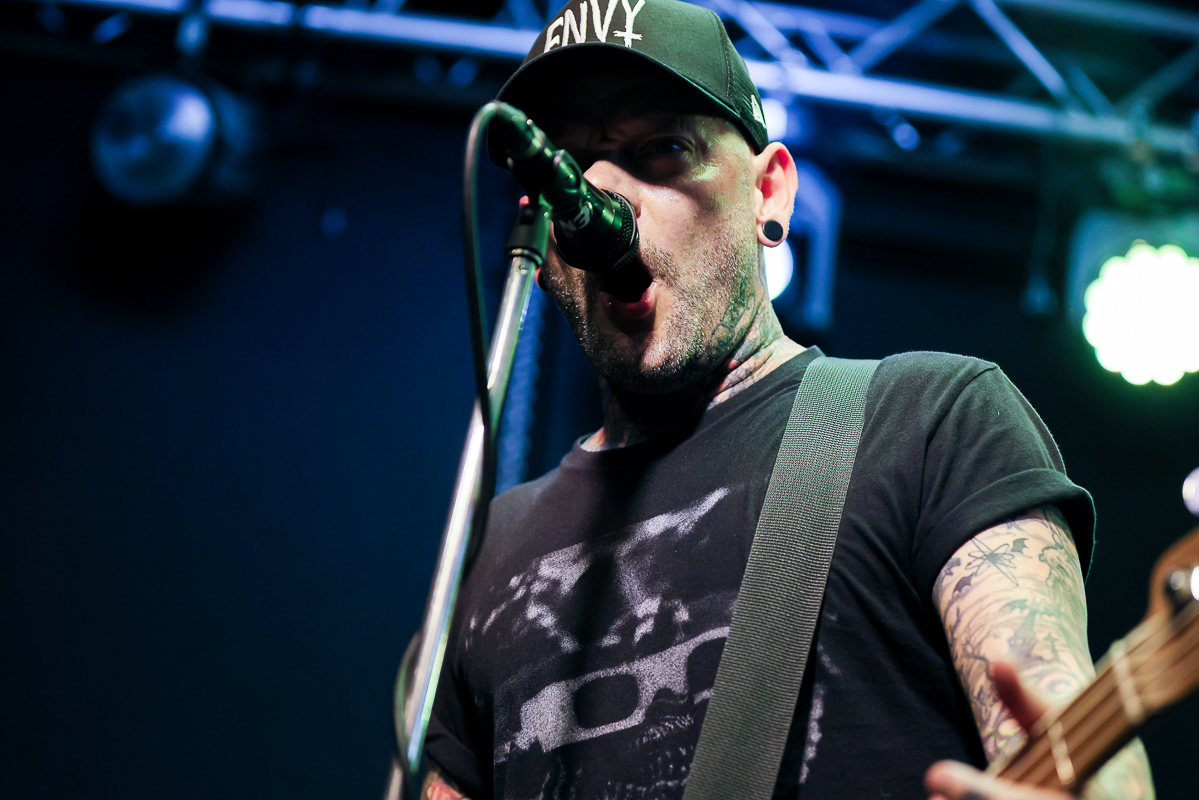
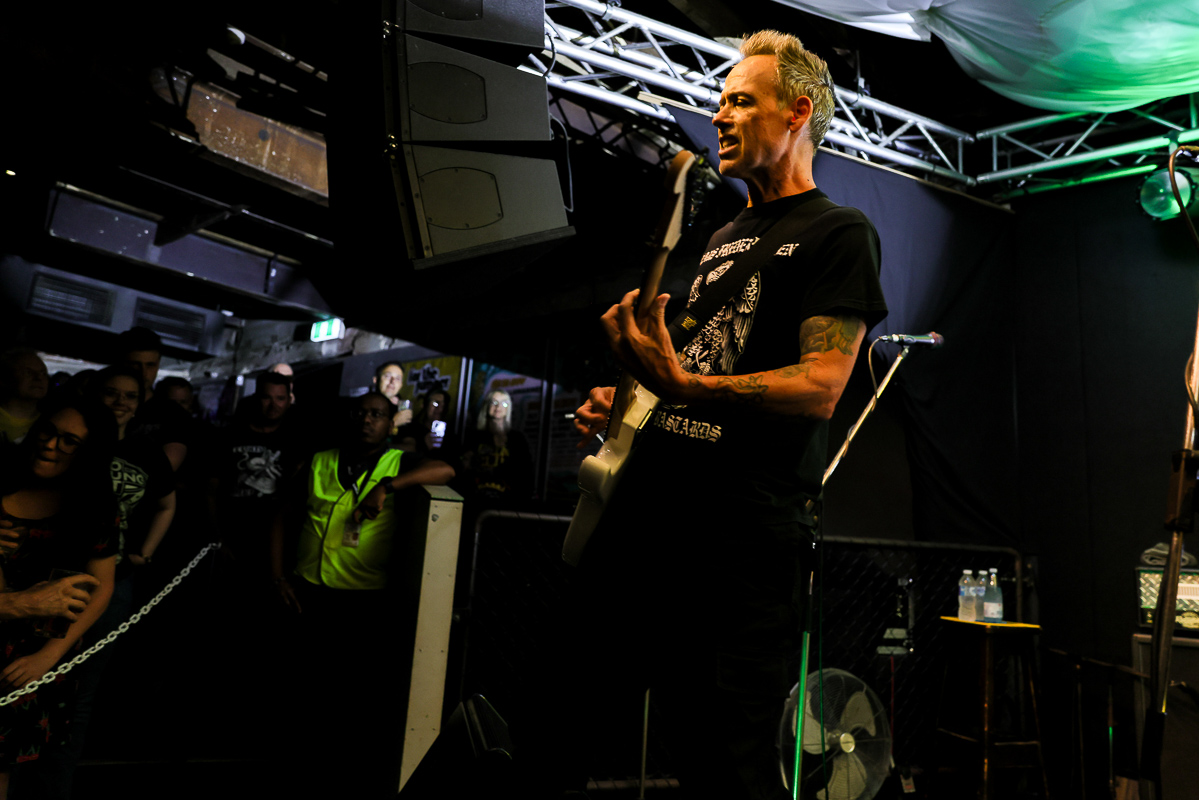
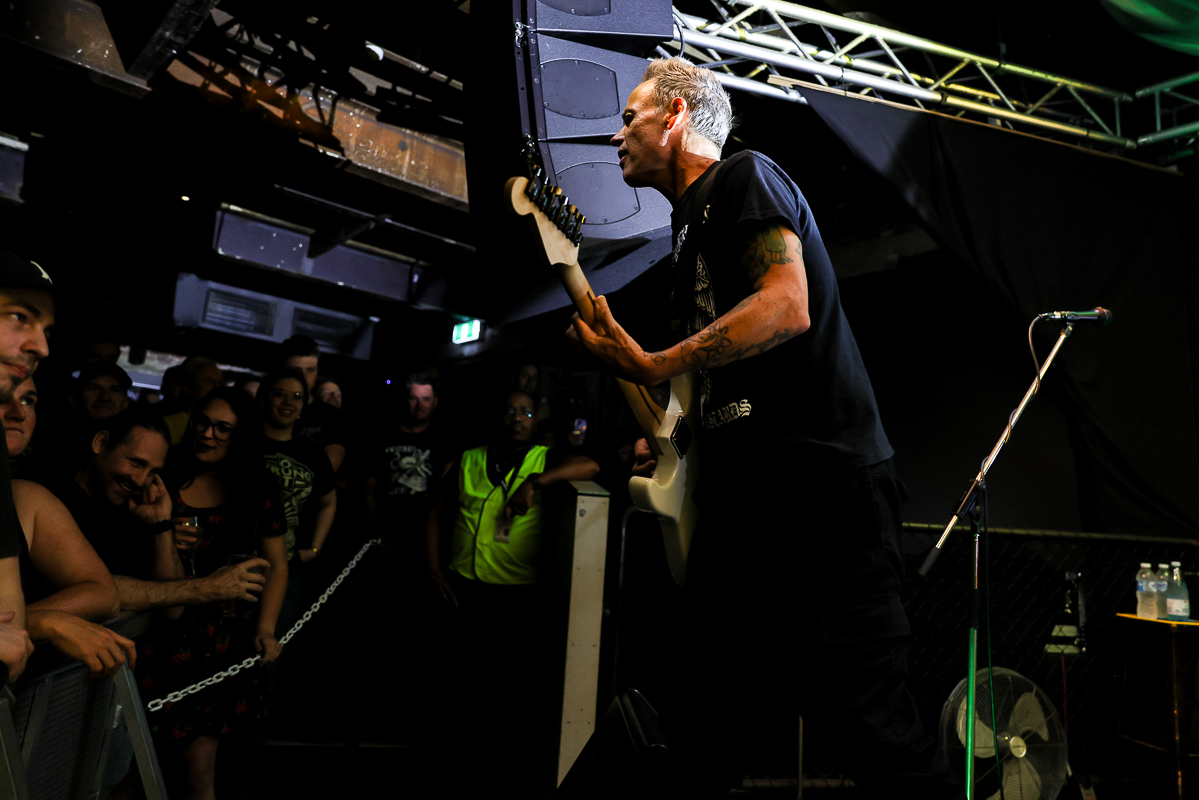
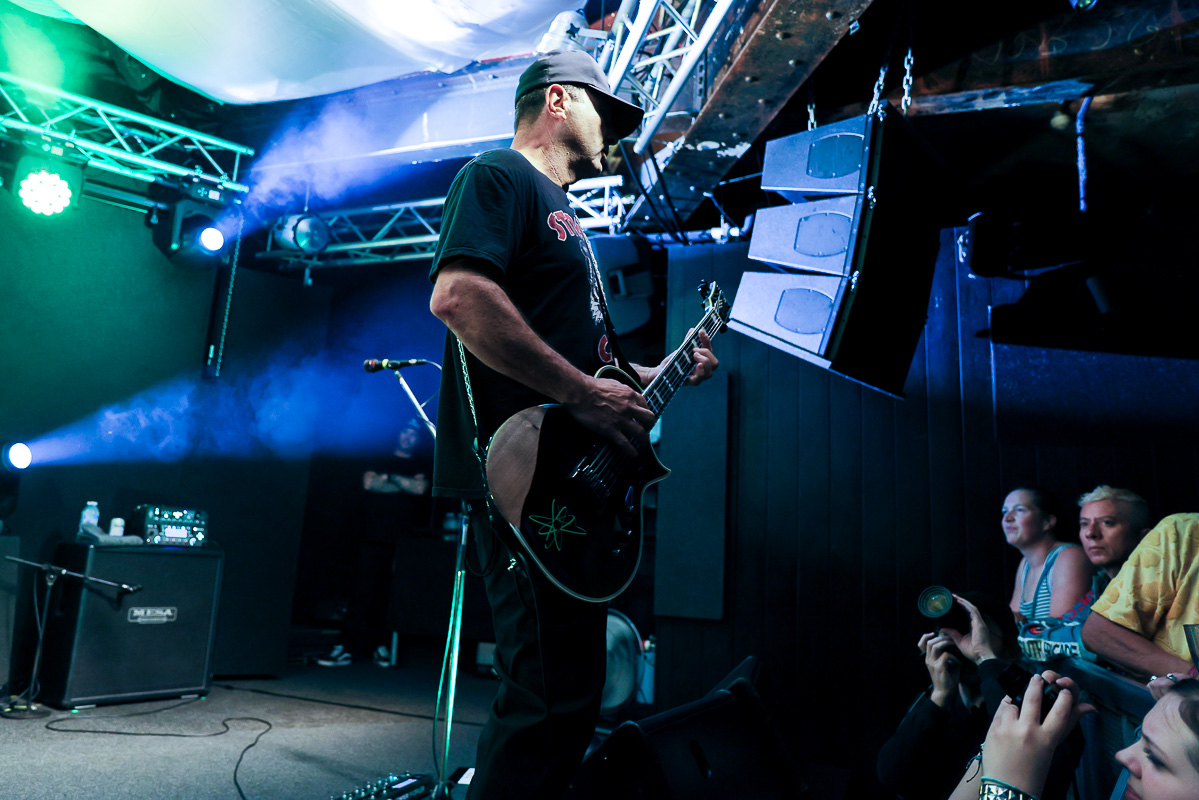
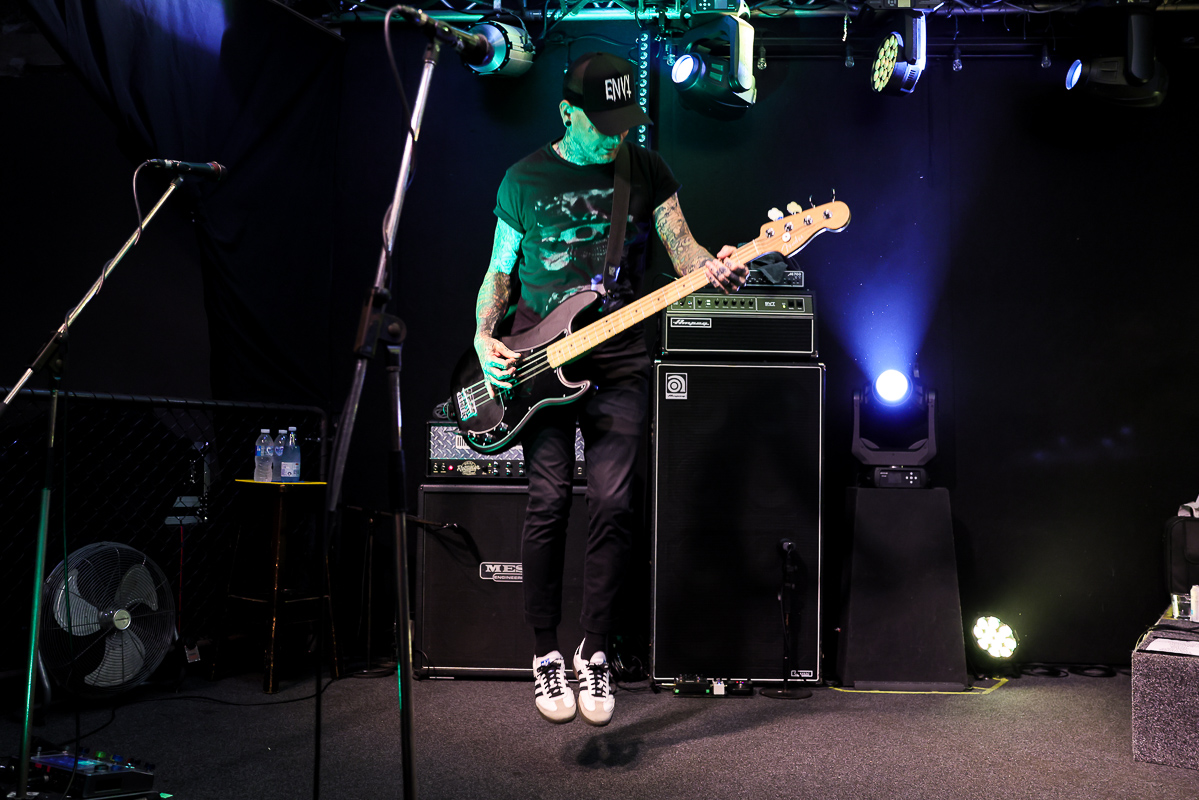
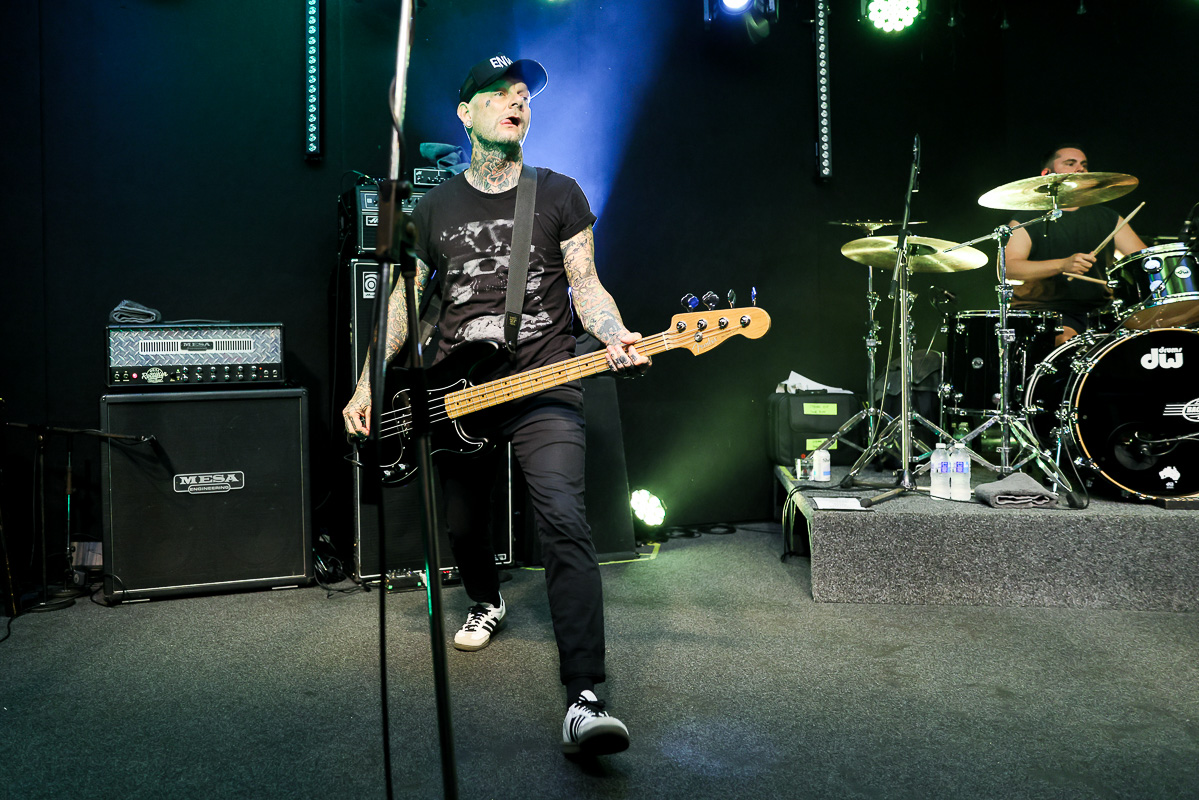
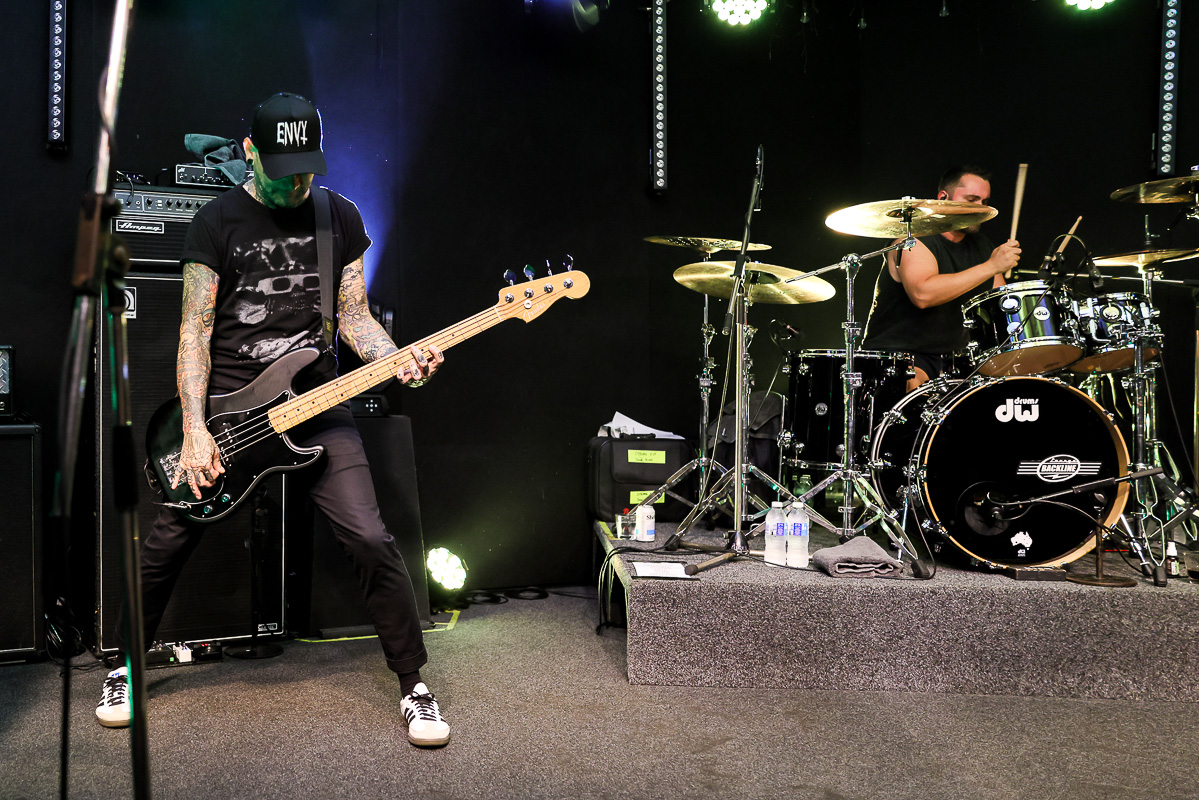
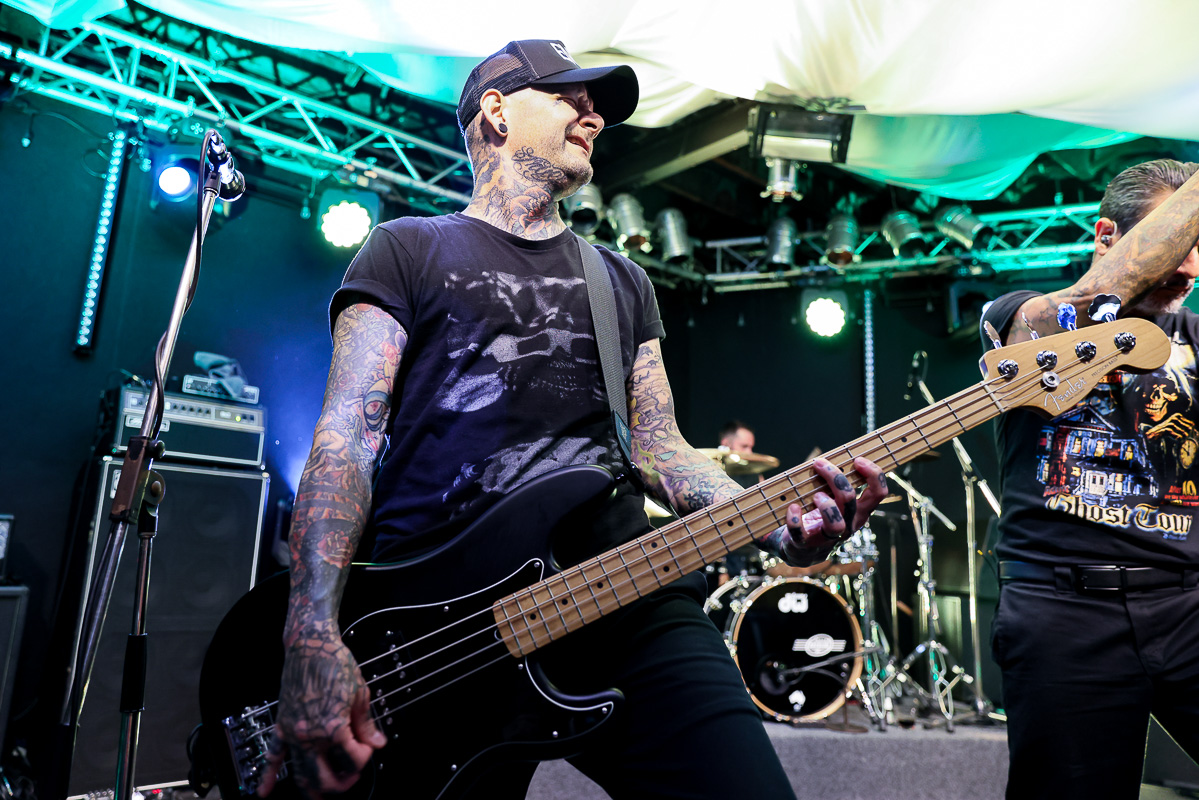
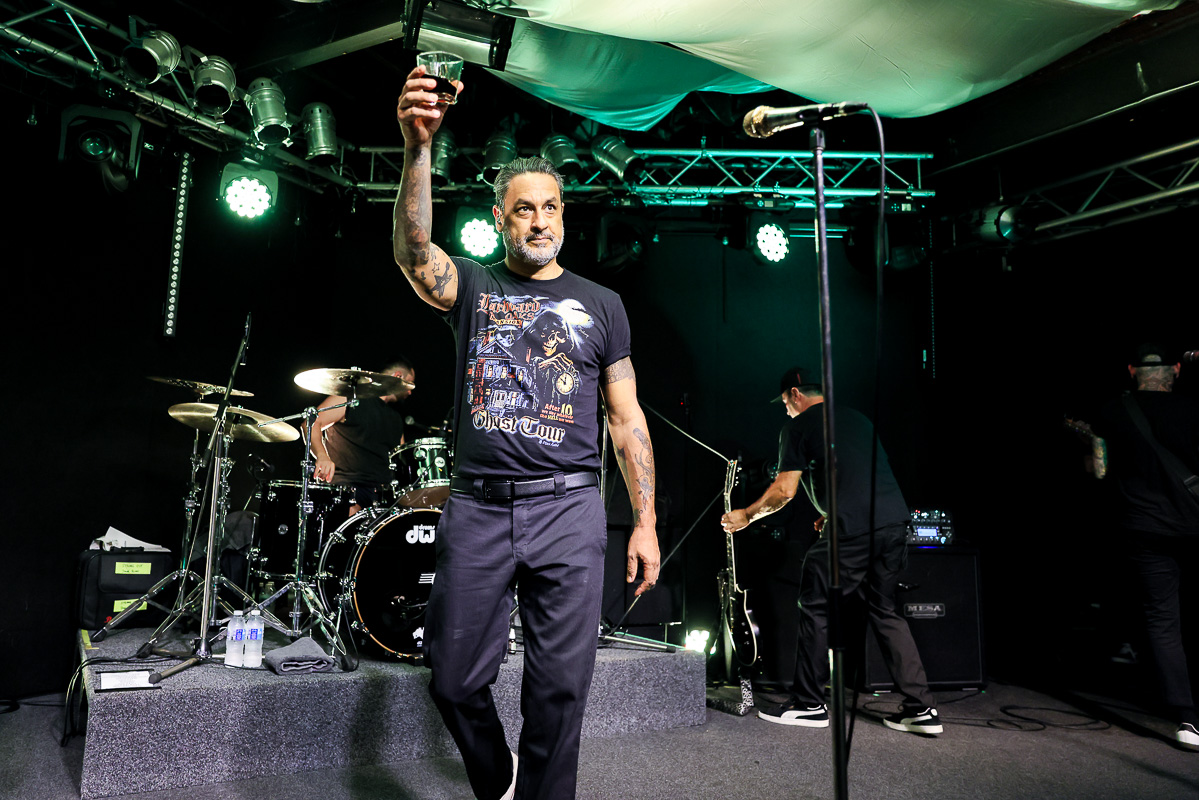
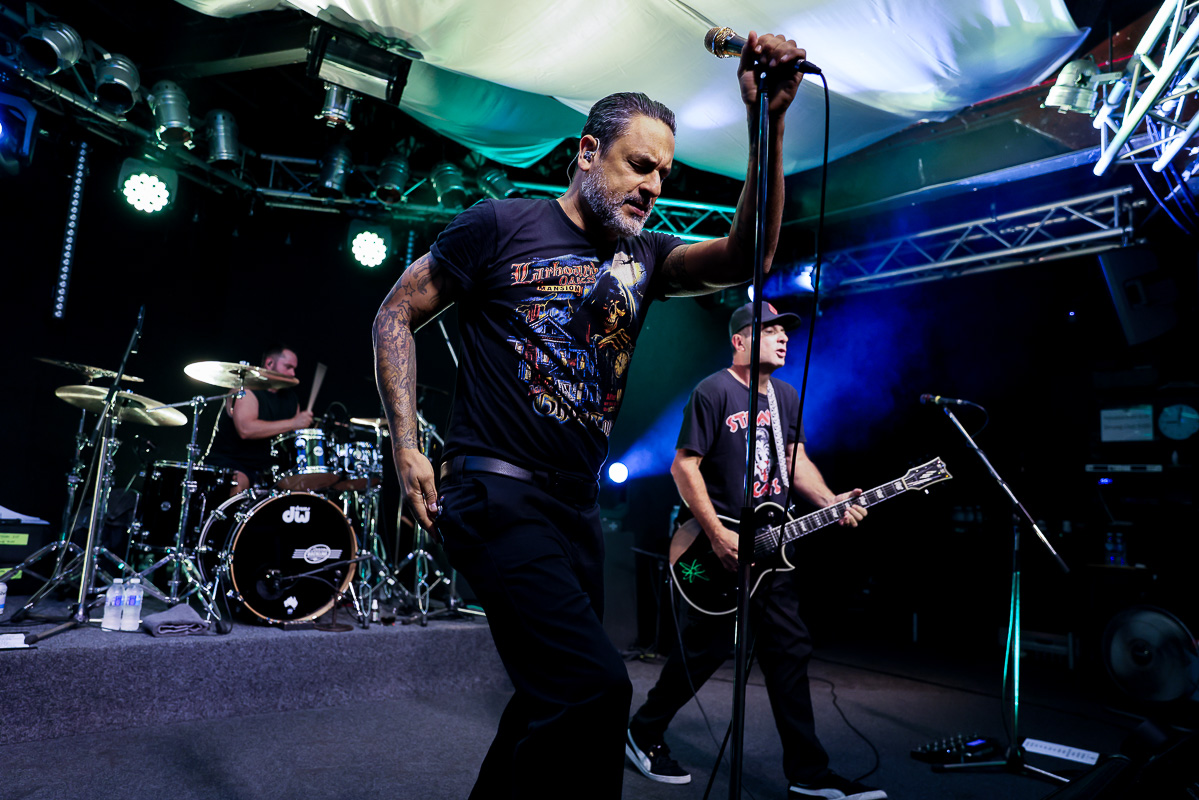
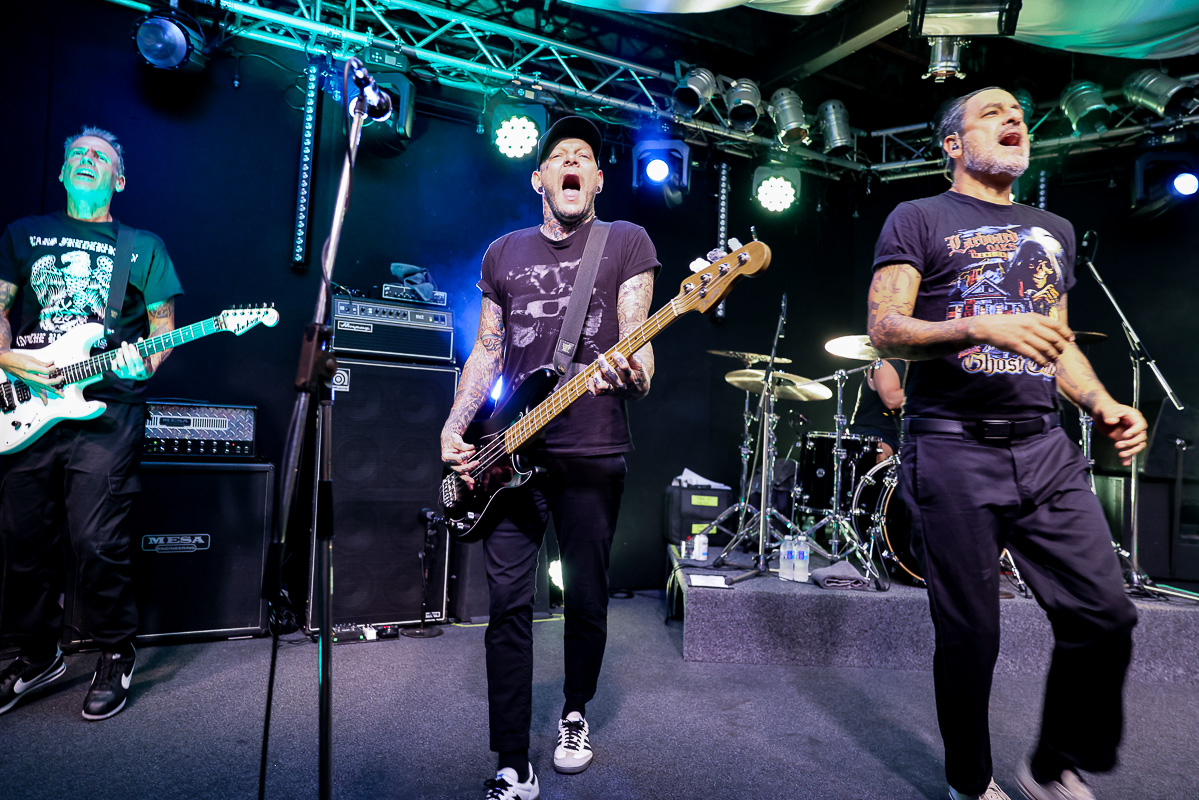
Strung Out emerged as a more sober institution. Black T-shirts mapped tastes and influences across the stage—Stray Cats, Lars Frederiksen and the Bastards, retro horror—while water bottles lined the floor where RATSALAD.’s beers had stood earlier.
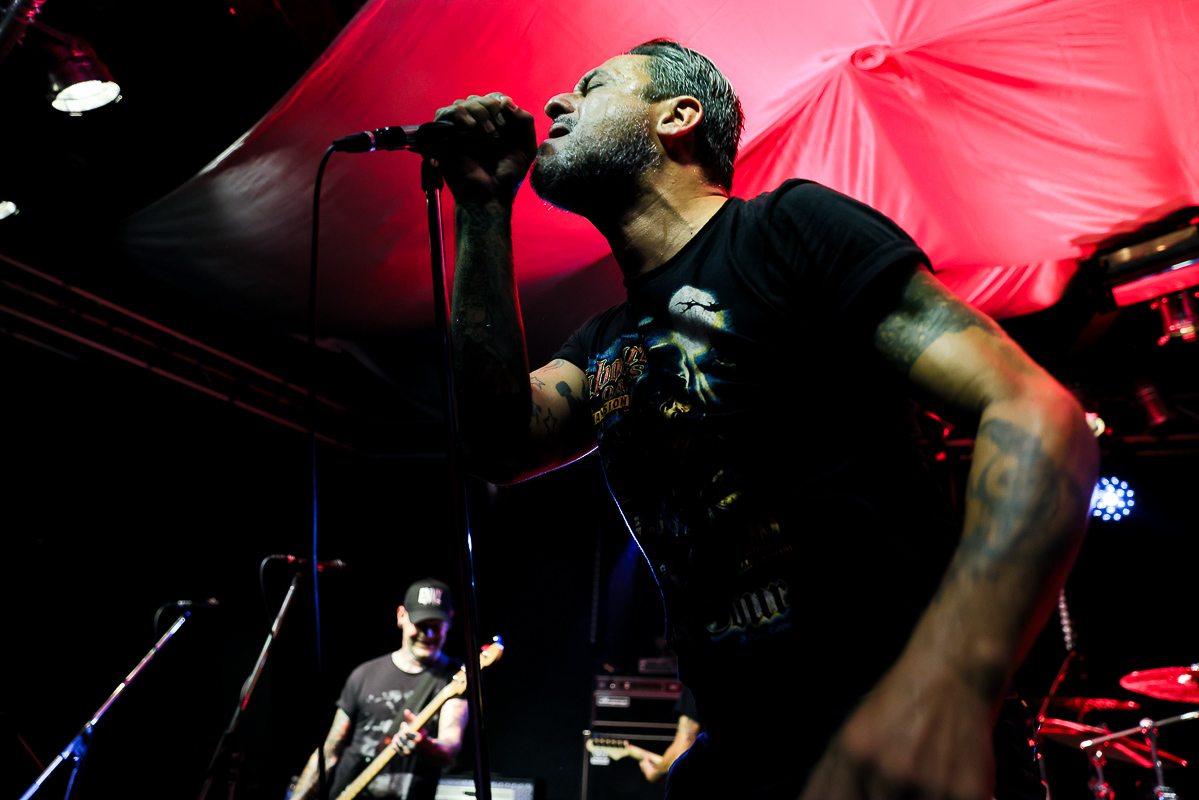
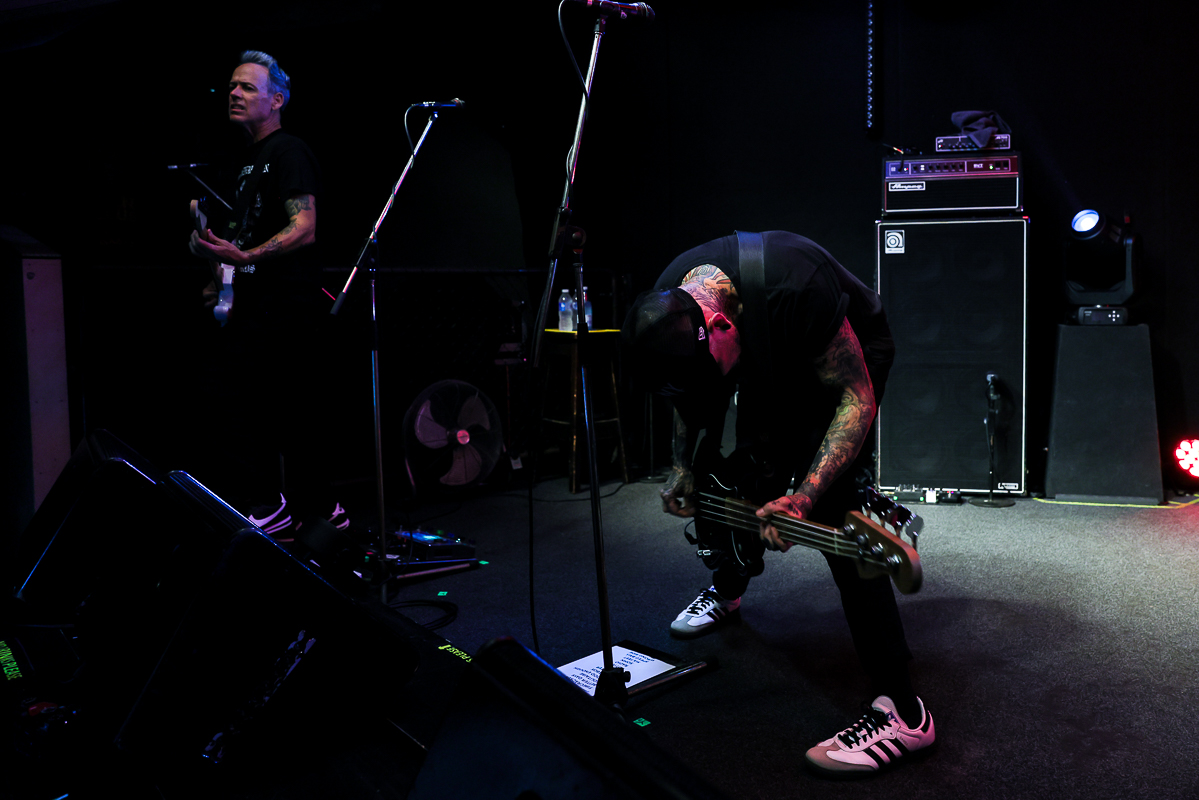
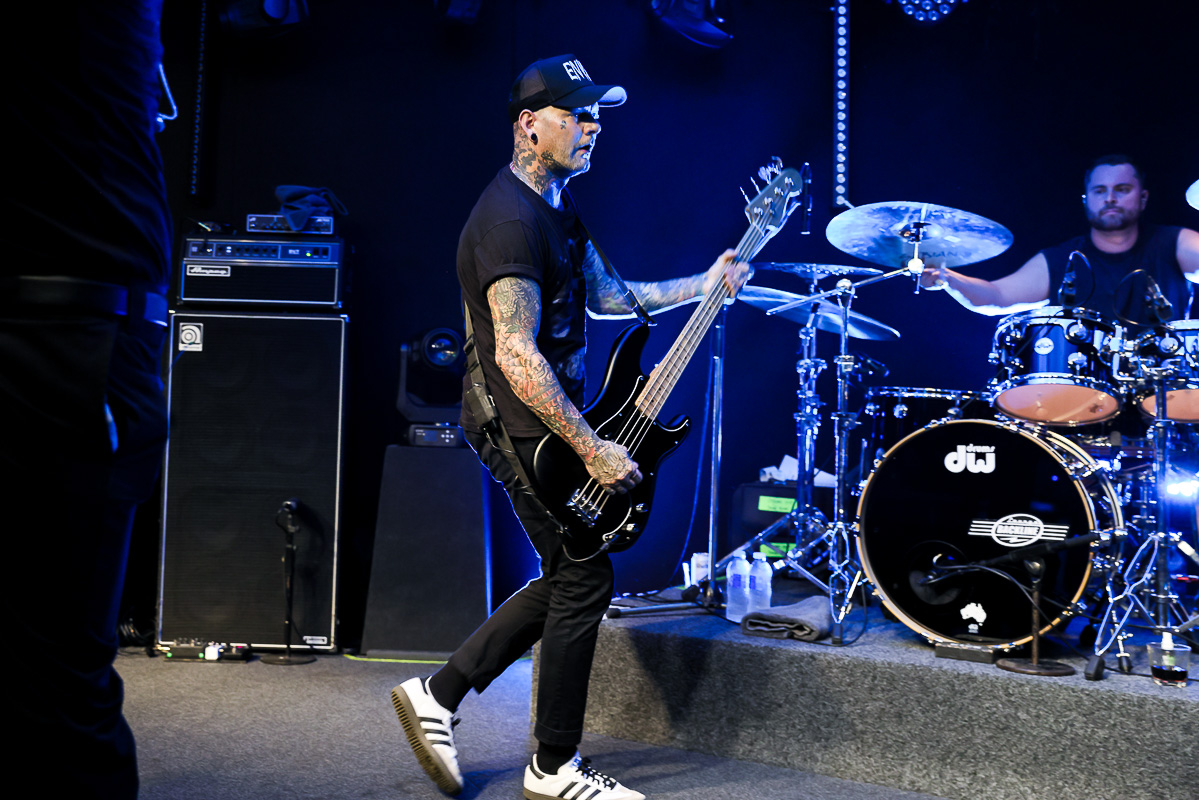
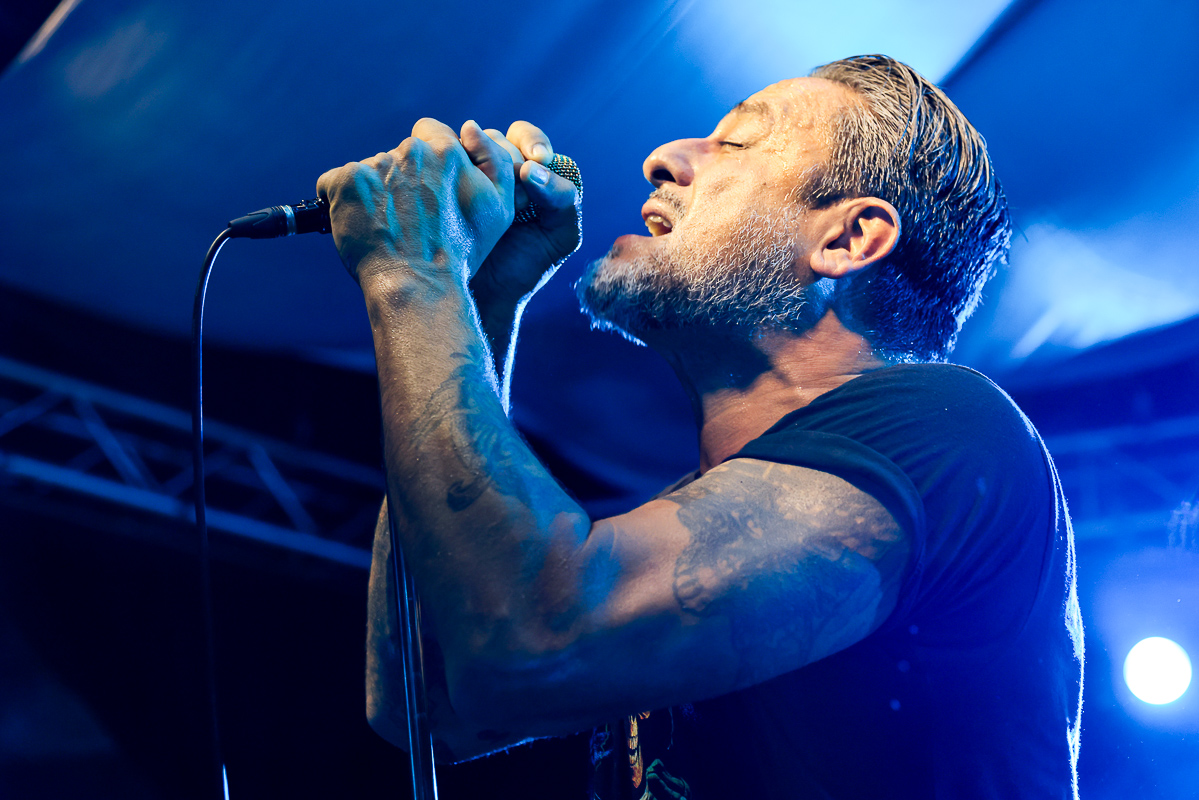
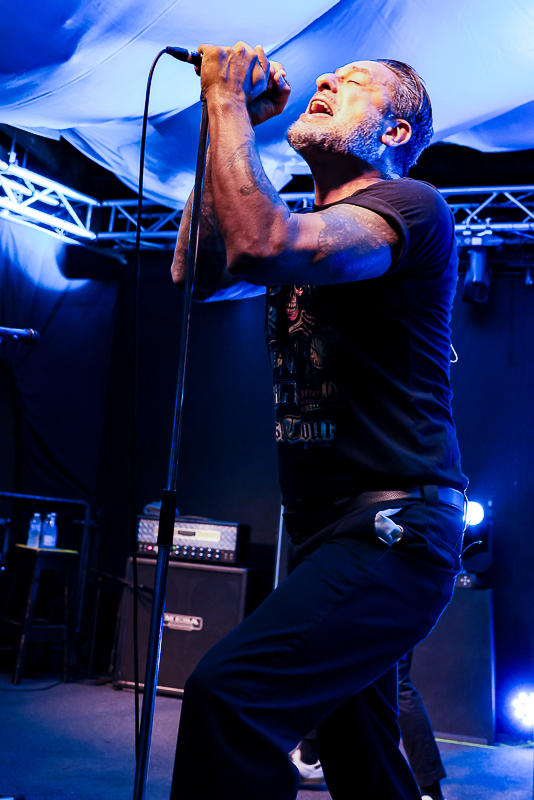
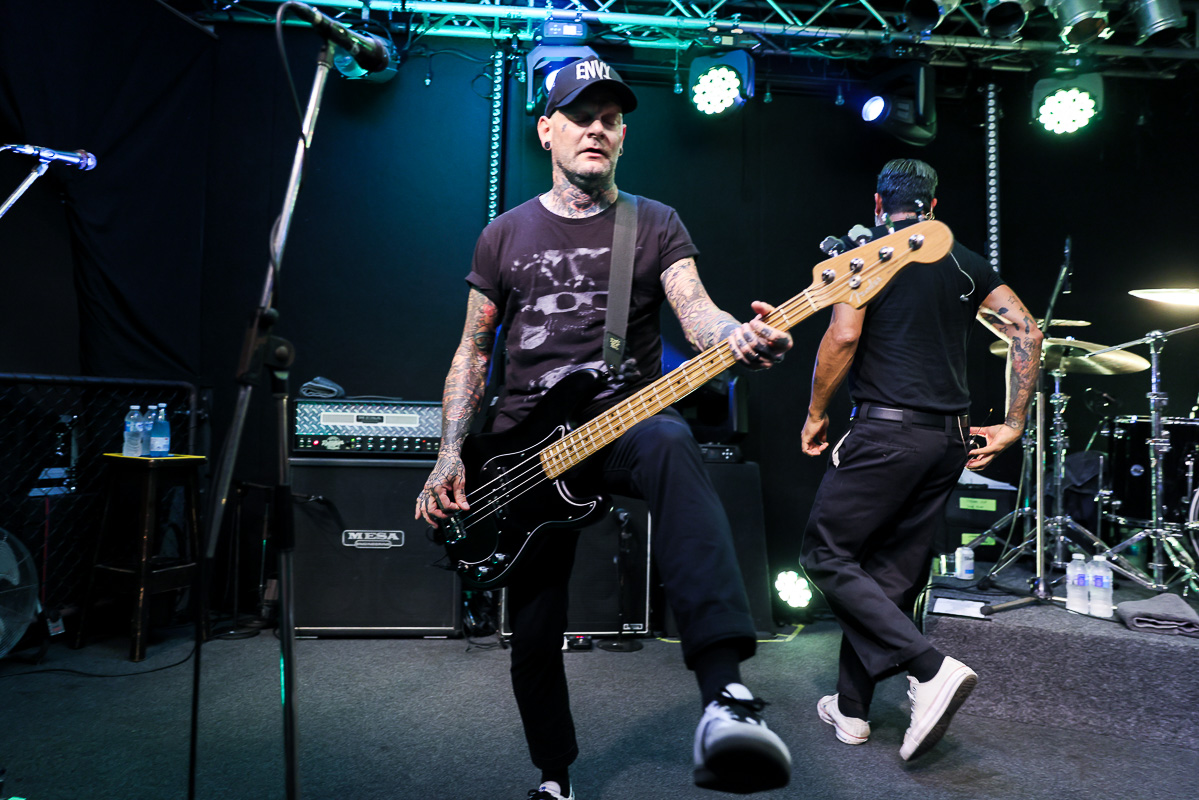
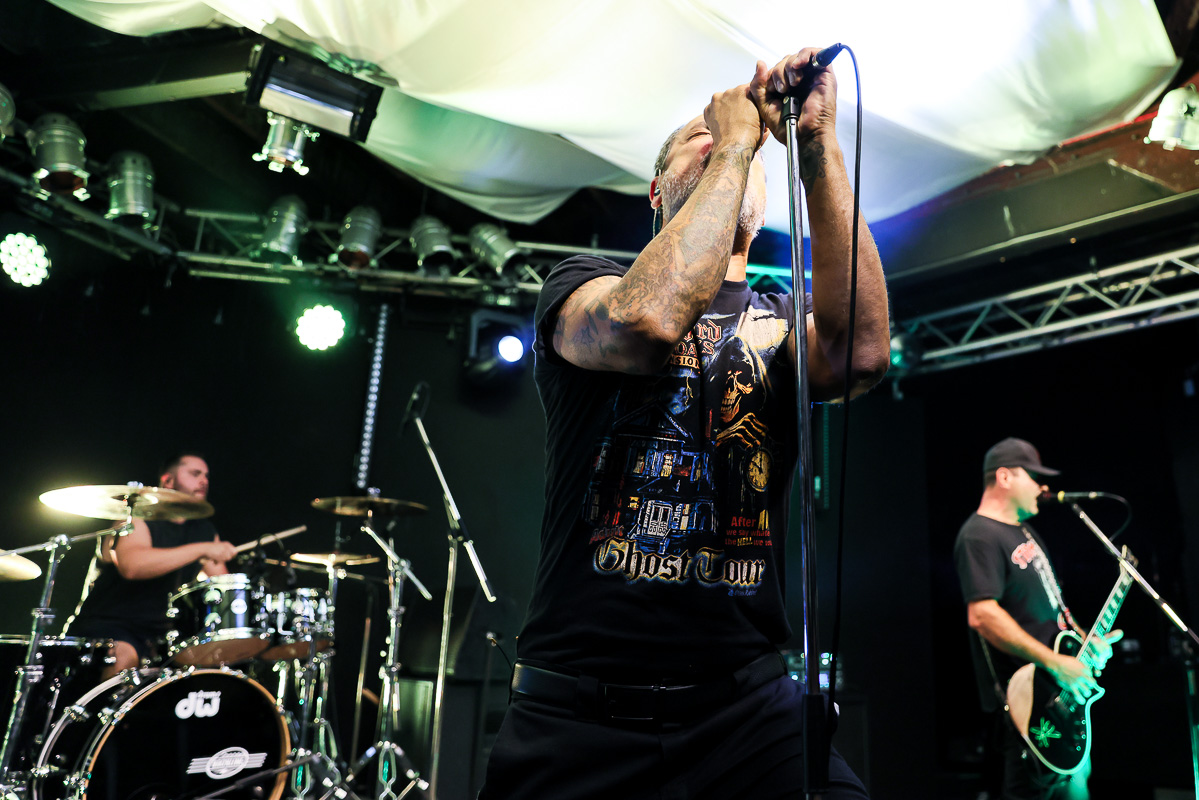
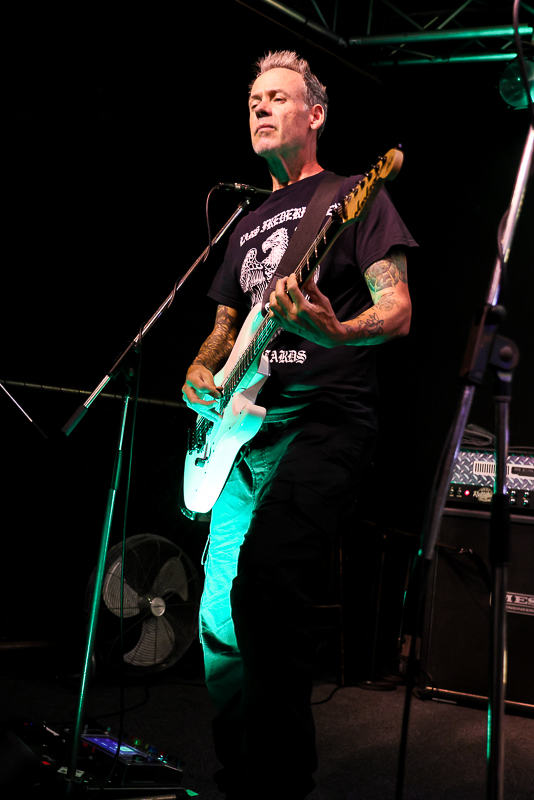
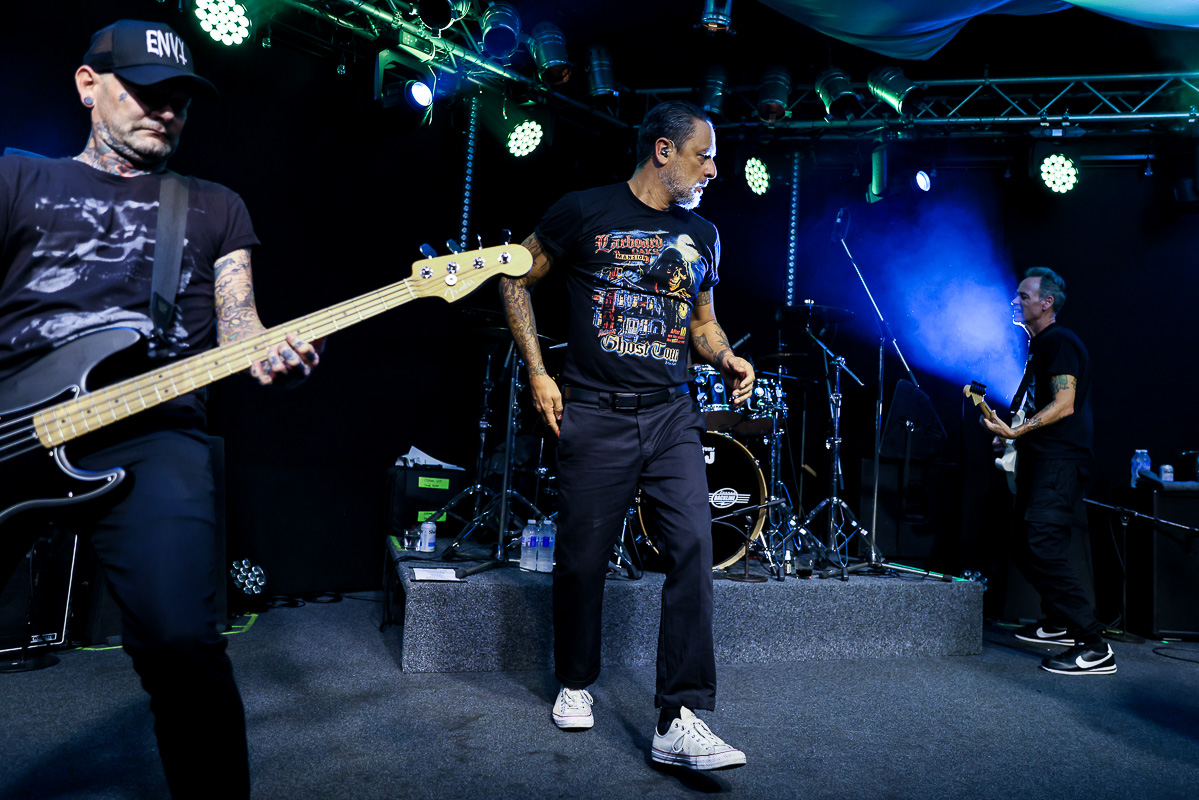
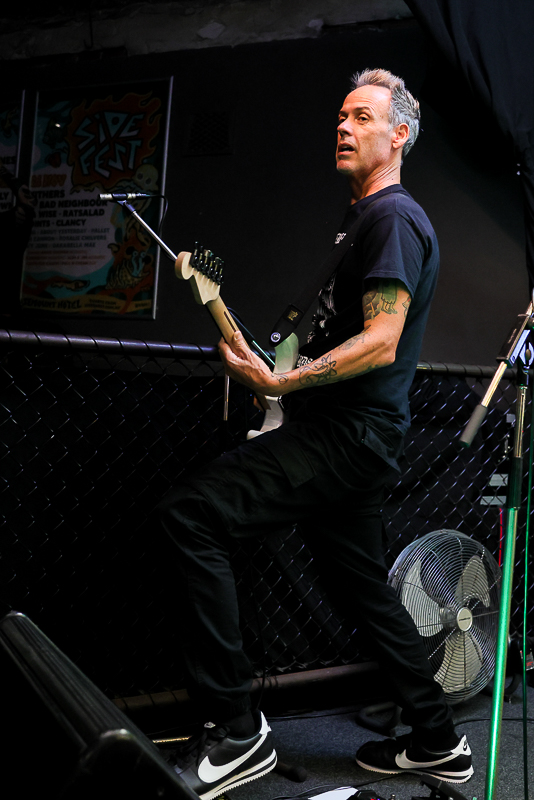
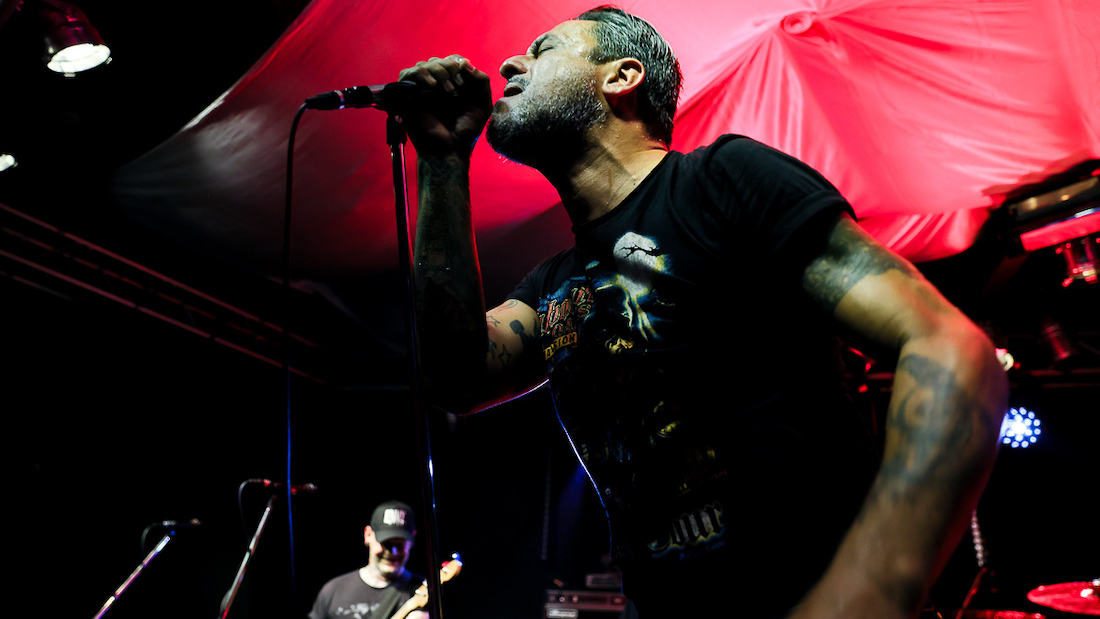
From Firecracker, the band launched through Suburban Teenage Wasteland Blues in sequence. Jason Cruz gripped the microphone in both fists while the guitarists and bassist snapped from side to side in fast, uncanny unison—windscreen wipers possessed. Music once powered by teenage agitation now arrived with practised, almost unnerving precision.
Strung Out occupy a particular pocket of Southern Californian punk: drier and less absurd than NOFX, less hooky than Lagwagon, without Pennywise’s obvious communal uplift. Their politics reside less in specific argument than in the form itself—speed, frustration and technical intensity resisting suburban inertia.
By 1996, Green Day and The Offspring had made Californian suburban boredom globally marketable, with Blink-182 soon to follow. Strung Out remained further down the rabbit hole: a band encountered after someone began digging through Fat Wreck comps and into skate punk’s harder edges. If Suicidal Tendencies helped demolish the border between hardcore and metal, Strung Out extended that hybridity by cramming technical ambition into fast, compact punk songs.
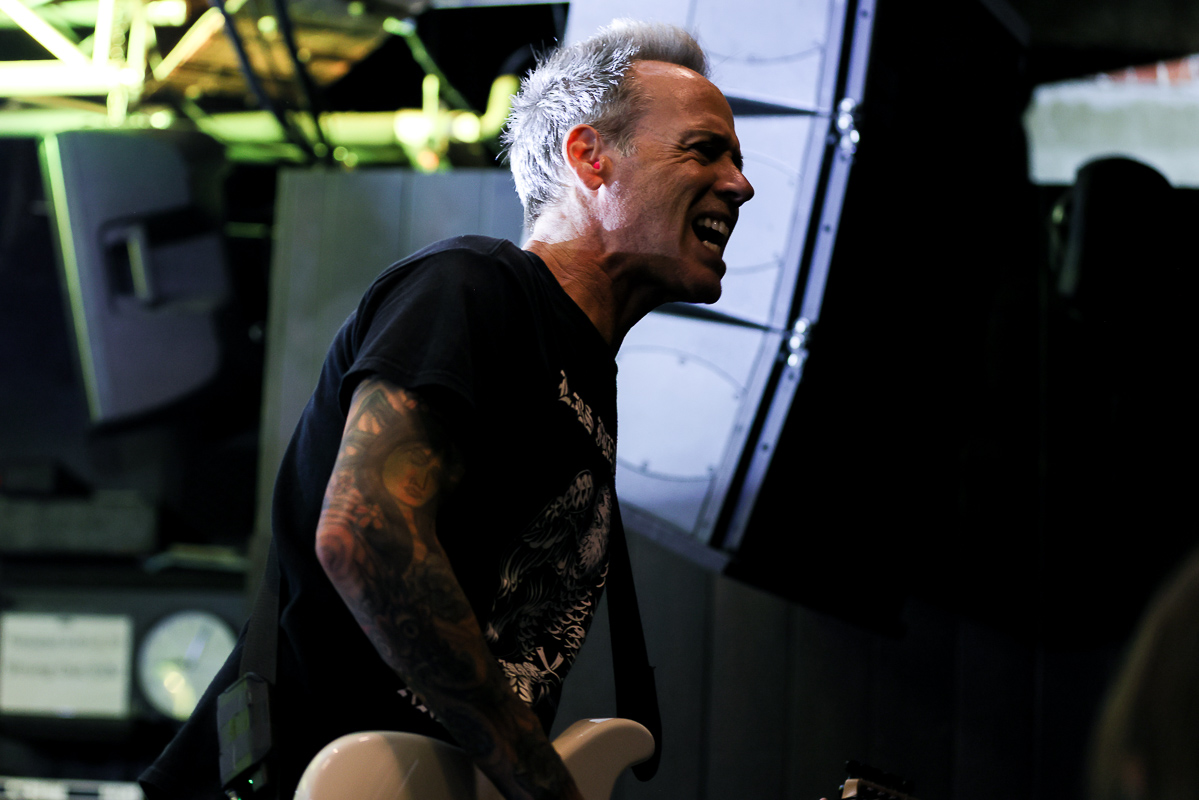
Live, that precision left little room for accident, while the songs’ emotional distinctions could blur at speed. The room supplied roughness, but not necessarily a more welcoming charge. By Monster and Bring Out Your Dead, bodies streamed overhead and one punter briefly hung from the rafters. The overwhelmingly male, mid-forties crowd seemed to have stored up months of energy for this rare outing before blowing its collective load across the Rosemount floor. The scene’s family tree was worn across the room in band shirts, while every lyric came back word for word.
It was catharsis, but hardly neutral. From this woman’s vantage point, the release felt territorially male rather than universally communal—as though these punters did not get out enough, then discharged everything at once when given permission to regress. Leaning back into a formative teenage record walks a tension: recovering youthful freedom can also revive the behaviours that once made these scenes uncomfortable for anyone outside the brotherhood.
The disillusionment within the lyrics was genuine but rarely specific: alienation expressed more clearly than its causes. Compared with Suicidal Tendencies’ recent Perth sermonising, Strung Out offered less empowerment or direction beyond the necessary “fuck you.” Perhaps that was precisely what the album captured—teenagers knowing something was wrong without yet having the language to name it.
That feeling proved exportable. The stifling SoCal suburbia producing this music was local, but boredom, conformity and the suspicion that ordinary life offered no meaningful future travelled easily. Three decades later, the lineage led to a regional WA band driving four hours south to somersault across a Perth floor—walking its own line between feral and marketable.

After the album, a recorded voice instructed the room to yell “fuck you.” Scripture duly recited, Strung Out returned for Velvet Alley, Too Close to See and New Gods. Sweat ran freely, teeth were bared and the precision now looked properly earned.
Punk has its heritage circuits: canonical albums, anniversary tours and ageing believers gathering to repeat the formative texts. Yet Suburban Teenage Wasteland Blues had not entirely lost its charge. Somewhere between RATSALAD.’s beers and Strung Out’s water bottles, the same impulse survived: get in a room, let loose and briefly outrun whatever has you strung out.
CAT LANDRO
Photos by Karen Lowe