
Review: Strange Ball at Liberty Theatre
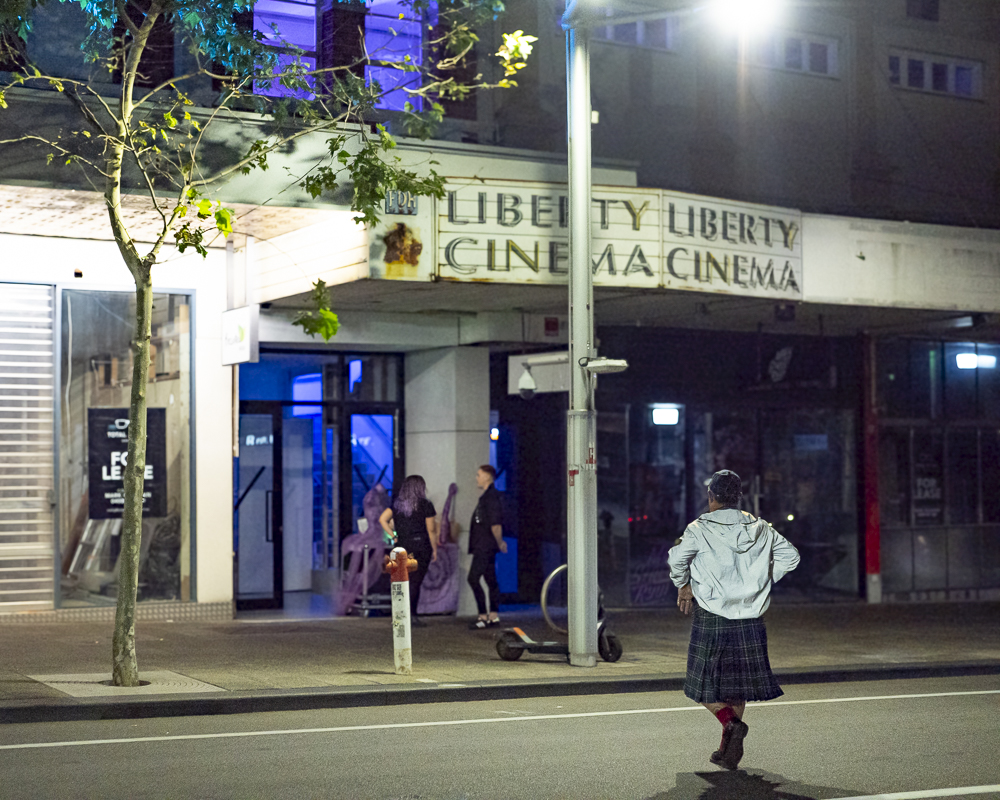
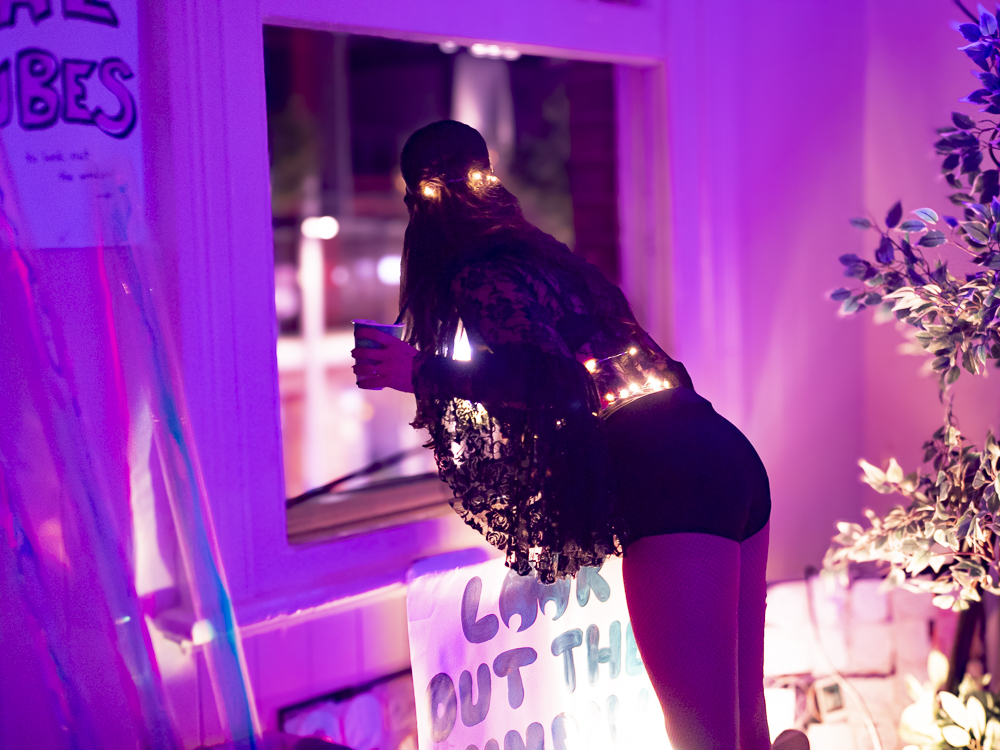
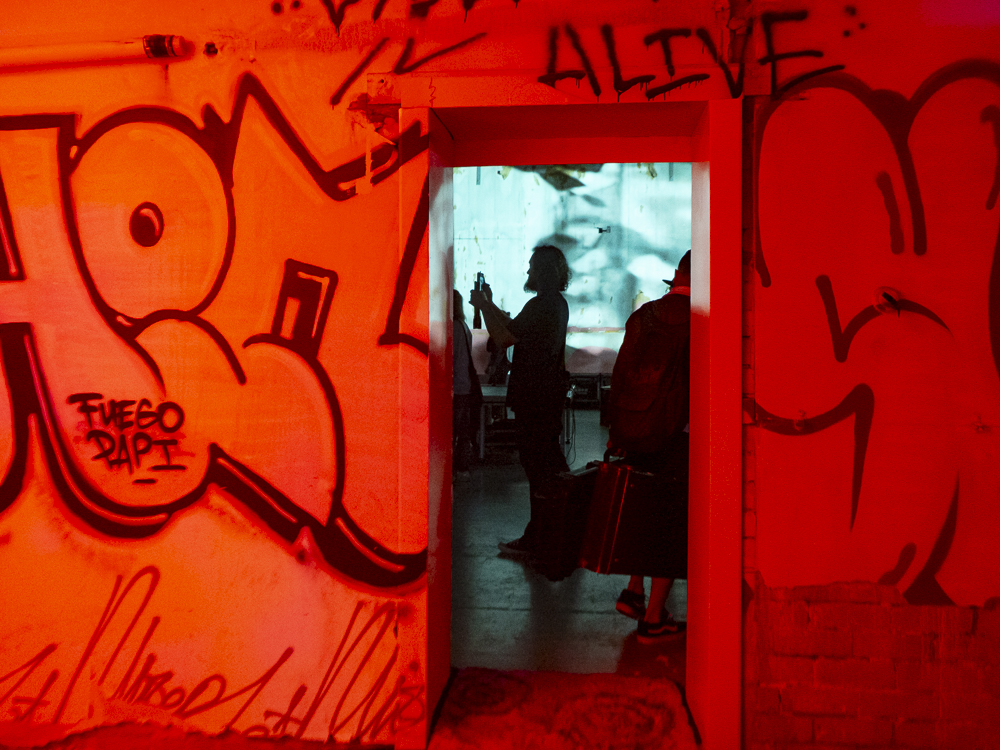
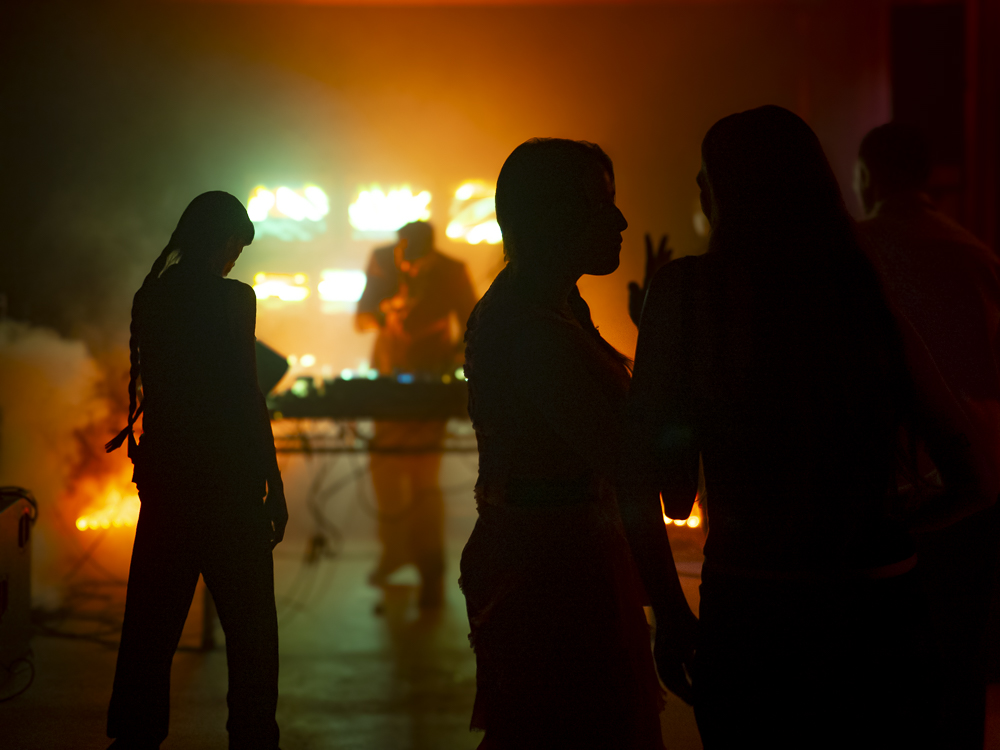
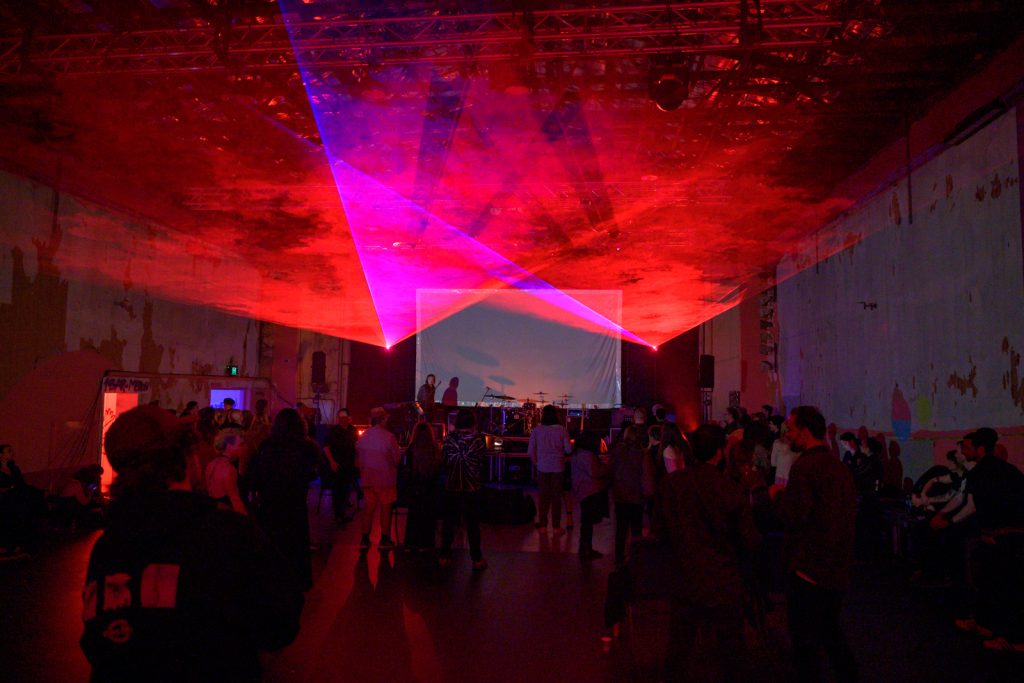
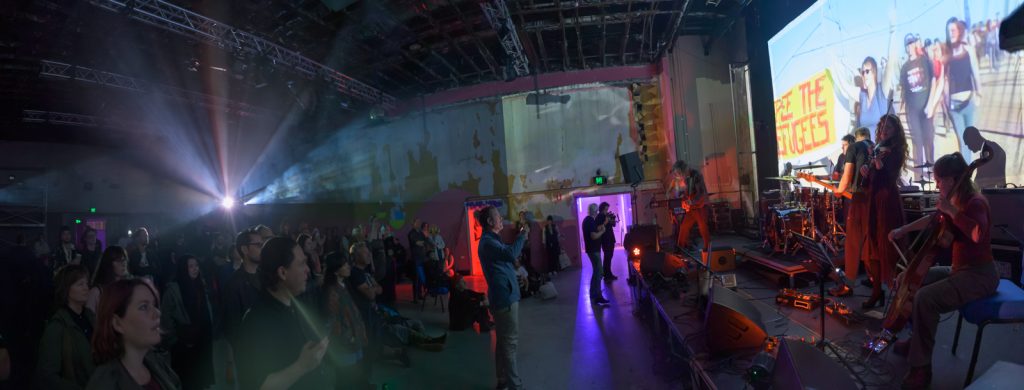
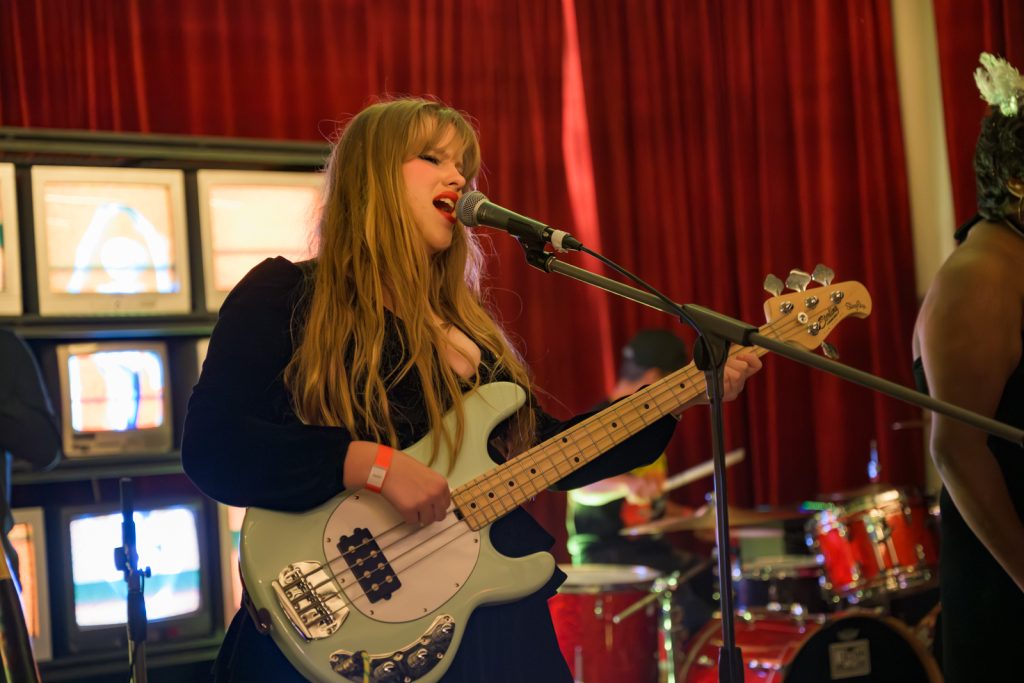
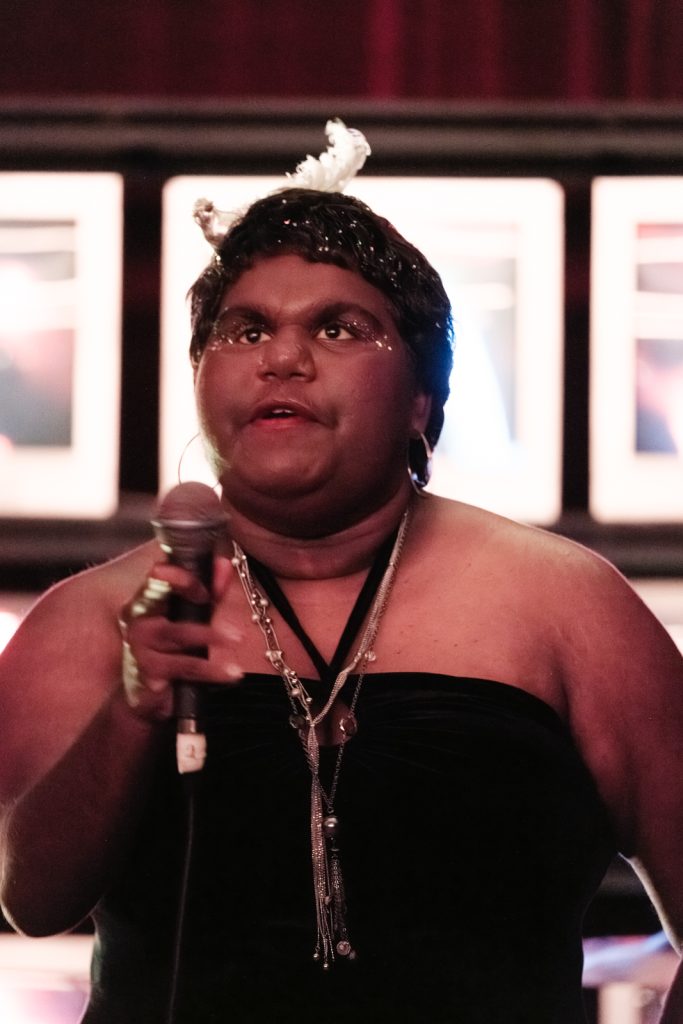
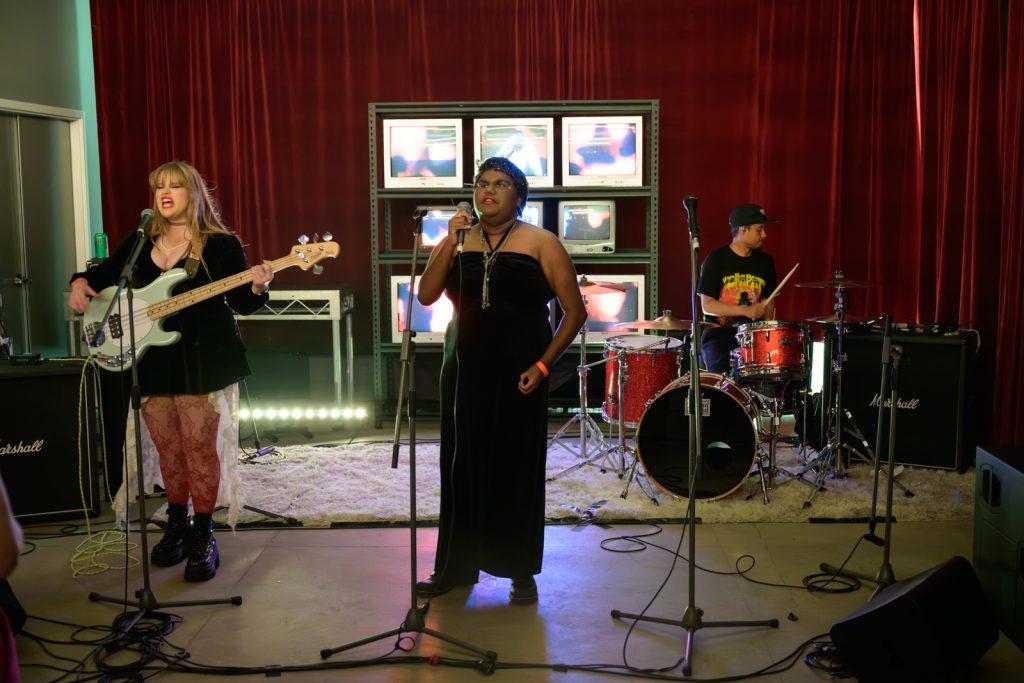
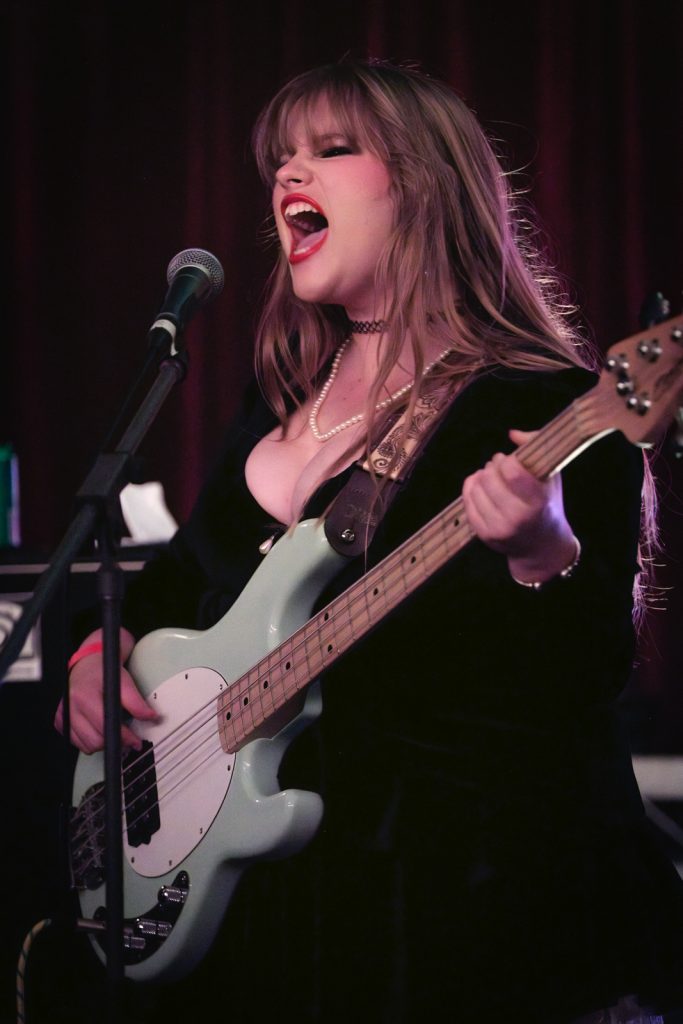
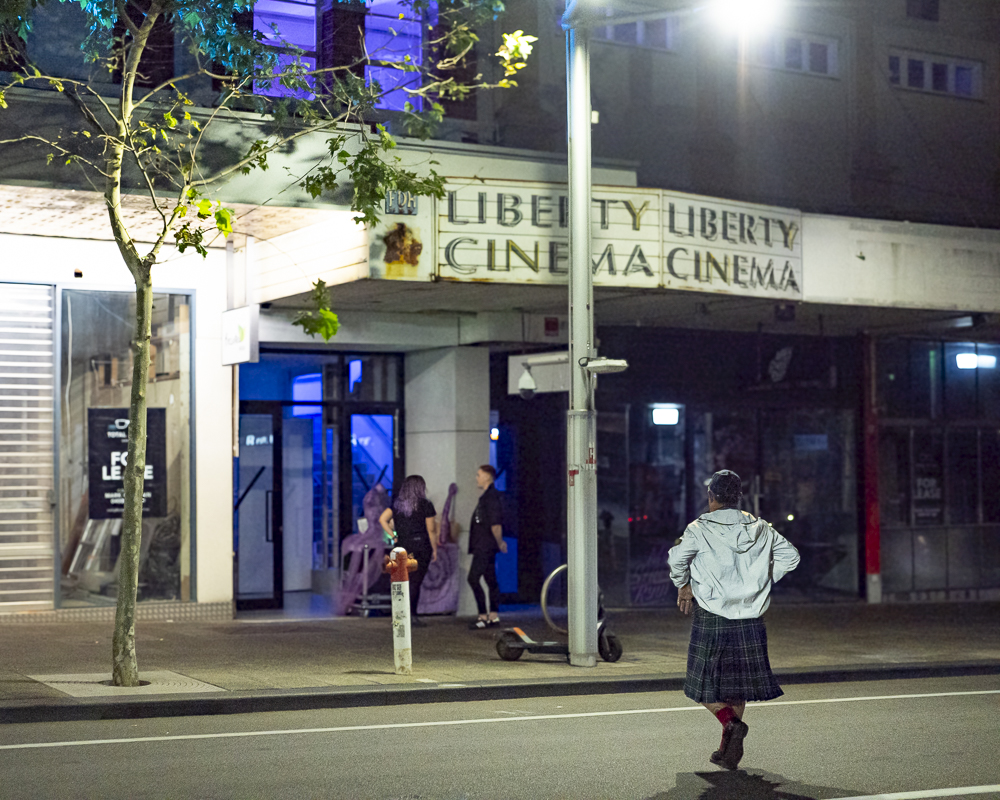
Strange Festival thrives in the city’s cracks—the after-hours voids between kebab shops and heritage facades—so reopening the dormant Liberty Theatre for this year’s incarnation, Strange Ball, felt just right. Across three nights, Strange Ball dropped difficult, rebellious local acts into unfamiliar spaces, providing exciting opportunities for strange cultural collisions. No sprawling “art trail,” no Instagram-scale fire monsters—just a two-stage rabbit warren, parlour-game oddities (drum-pong > beer-pong), a live tattooist and a willing crowd. Whether by choice or budget, the festival stayed true to its grubby, intimate core: an urban Petri dish where “strange” incubates, splits and occasionally bites.
Night One — The House Wakes
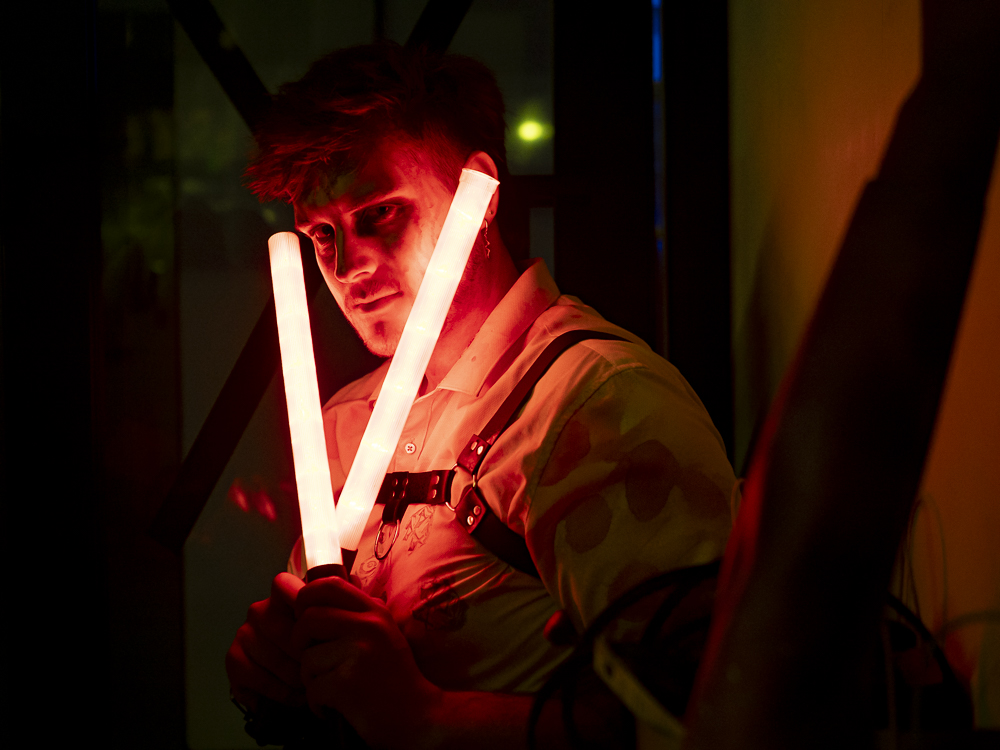
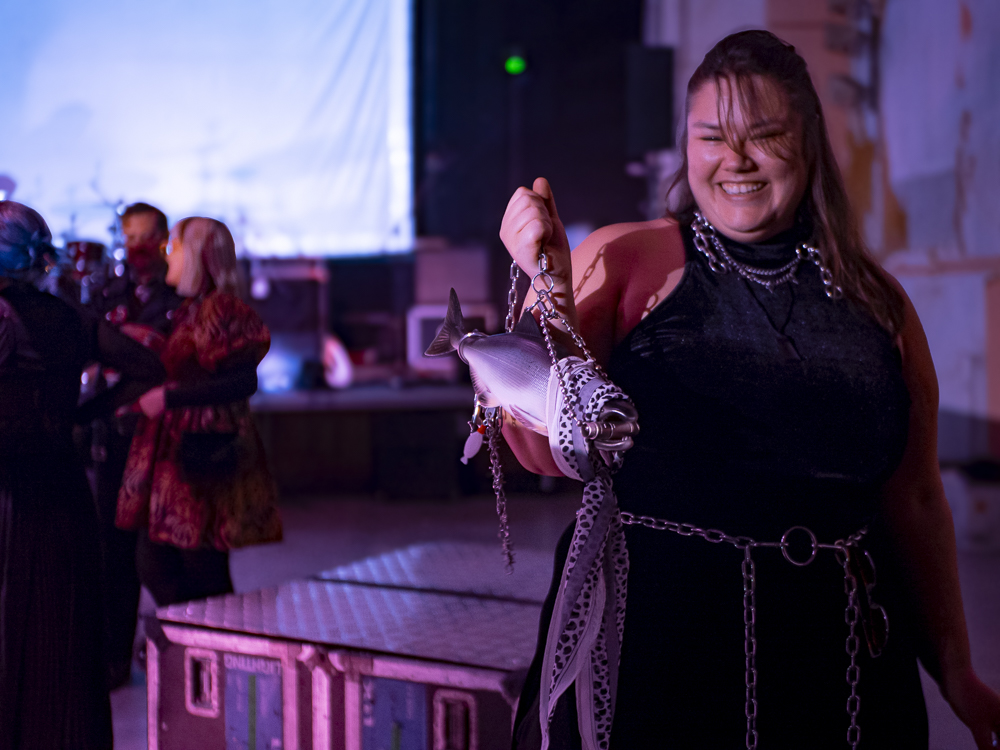
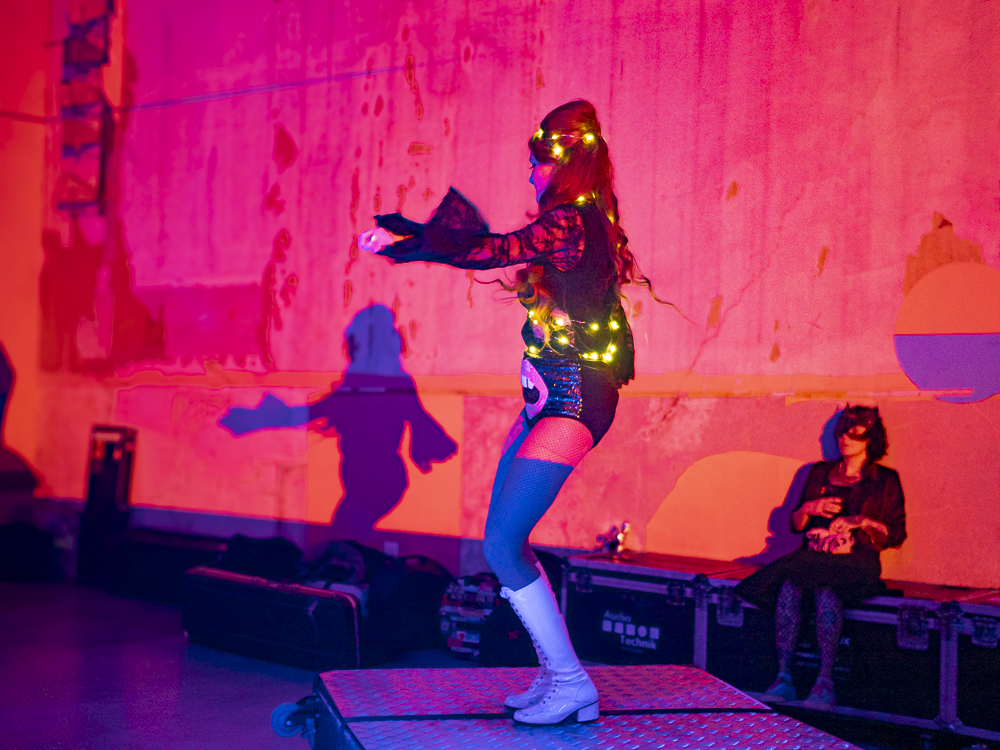
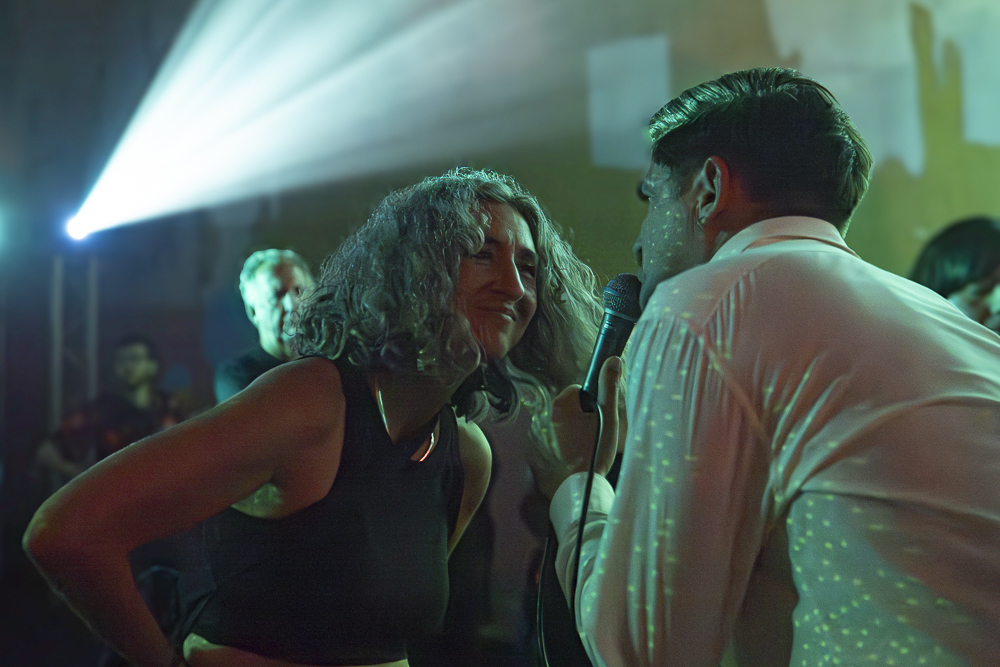
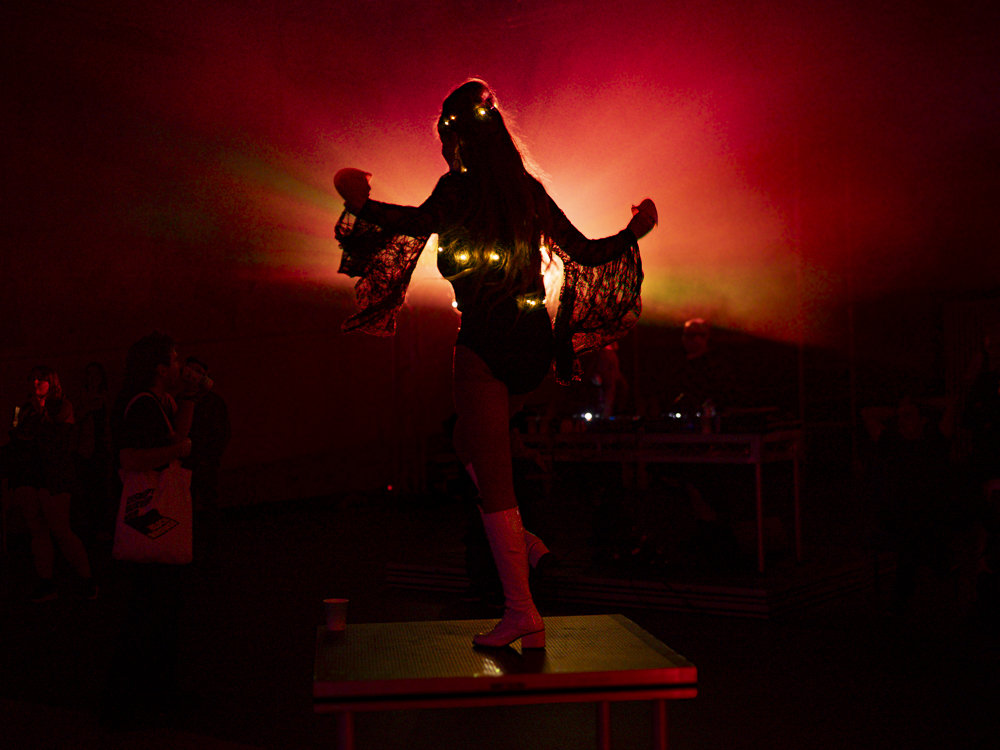
A warped-high-society dress prompt set the tone: goth kids in their finest and punks and couture dabblers milling together while MC Noah Skape ushered us in with immersive cabaret, conjuring ghoulishness and debauched hedonism. Recounting a cautionary parable about excess and the dastardly lure of high society, Skape, with full band in tow, leant into a winked-camp B-grade musical aesthetic before a climax of aerial ring theatrics by a mini-Skape co-performer at the peak of the catwalk stage. It landed like a welcome liturgy for a temporary community—preaching to the already converted, sure, but casting an effective spell all the same.
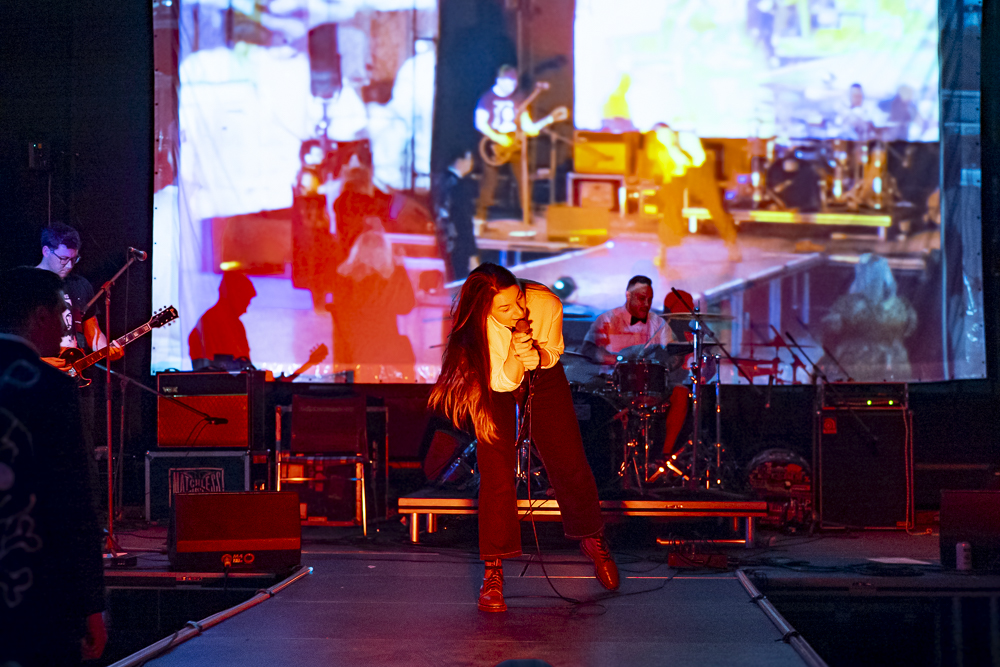
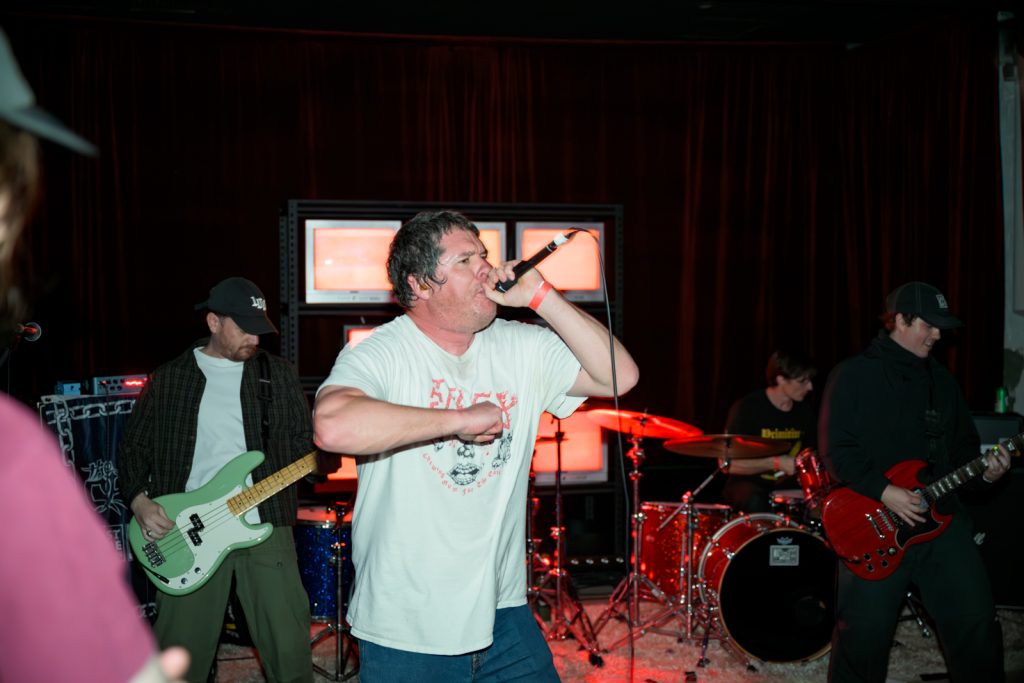
DETH punctured the velvet with industrial scald. If Skape lured any ghouls, they were exorcised within minutes. Hayley Beth commanded the stage as humbly as one can in a fluoro gown against a sea of black, her yelled vocals morphing into shrill screams, articulated and serrated. Accompanied by her bandmates (feat. Injured Ninja and False Cobra members), the set swerved from grimy riff-work and sharp punk blasts to a disconcerting helicopter-blade throb. Beth’s deadpan aside—“first time we’ve played in a year when I haven’t been having a mental breakdown… but the night is young”—tempered nothing; the brutality stayed deliciously intact.
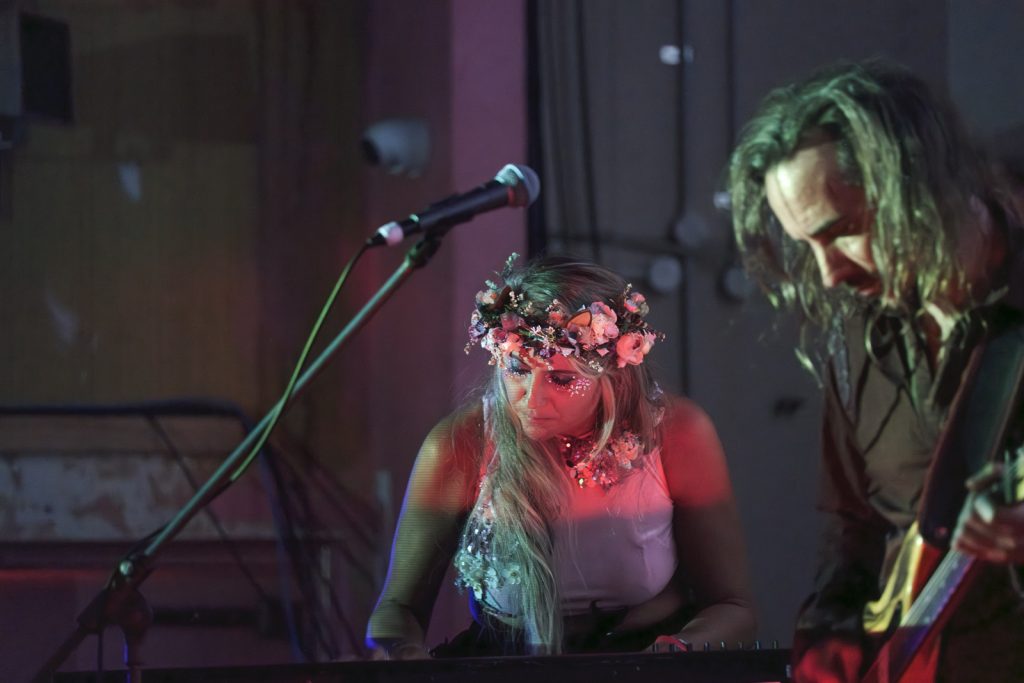
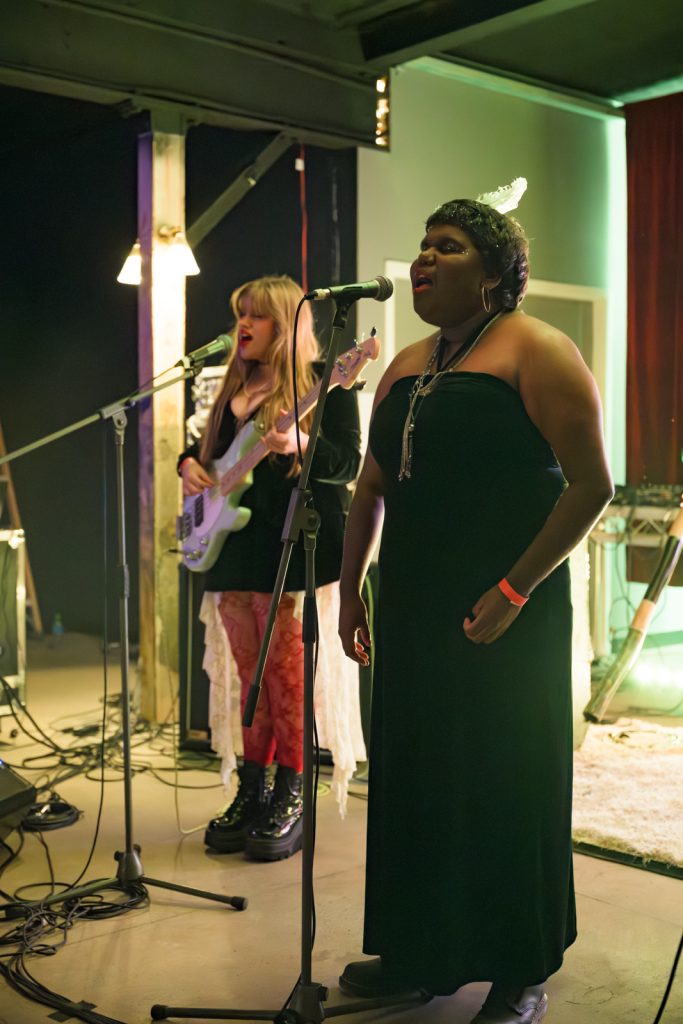
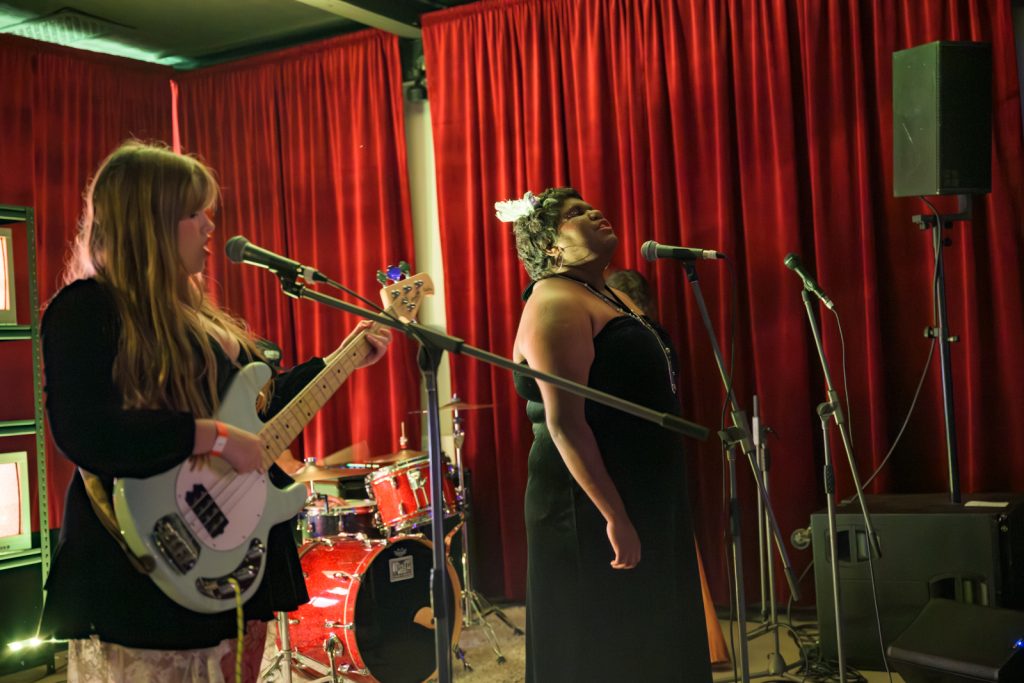
Joni in the Moon then flipped the energy again, casting yet another spell over the room. Beginning a cappella, then with the faintest tinkering keyboard, the duo summoned a dark-soul incantation of kaleidoscopic harmonies and slow-trance projections. Think Nai Palm’s earthiness through a Björk-esque cosmic lens—music for anyone whose ears also bleed to the likes of Florence and the Machine. Fittingly, a Bjork cover (Unravel) was less an homage than a portal; the Liberty’s tall walls became a canvas for their voices to refract, intertwine and swell. The room held its breath.
Downstairs, headlining the Hearts of Darkness basement takeover, S/M, a suspension/body-art vignette, stole breaths of a different kind (and arguably our pick of the night). An exquisite piece featuring self-shibari and contact mics, with allusions to vertebrae cracking in Cronenbergian body-horror fashion (or Hans Bellmer for the art nerds), the amplified contortions of the artist’s body read graphic and shocking. Resistance, fight, control, cradling and leaning into being held: S/M’s mapping of resistance and surrender excitingly toyed with the politics of dominance and submission. This is where Strange can excel—fostering experimentation and the unexpected.
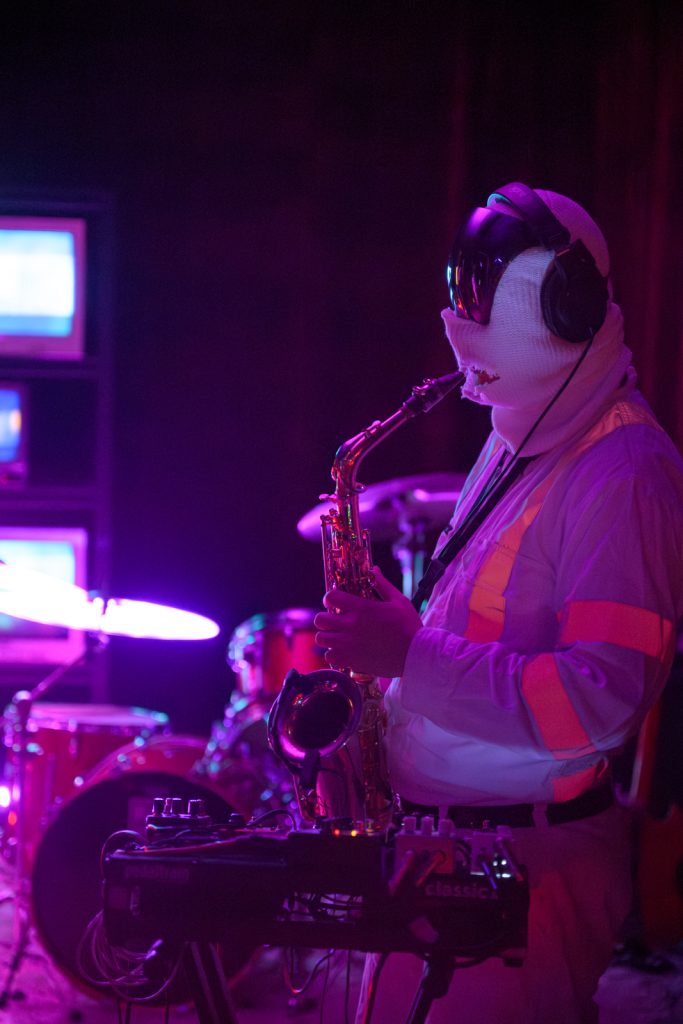
Sadly, Dior Dynasty’s opportunity to bring the ballroom to the Ball wasn’t a go, but Alter Boy reclaimed the catwalk in good stead with their Deaf-led electro-pop. With Auslan as co-star, their taut performance was visual and sensory beyond the usual scope of the genre. The signing balanced perfectly in energy and visual symmetry with the vocals and rest of the band; no element appeared privileged, while attention to frequencies, vibrations and lighting cues allowed their art to be accessed beyond hearing. A bracket performed deliberately in silence proved the point: access and aesthetics are co-authors here.
By night’s end, a blueprint emerged: take disparate subcultures and scenes, change the room, and the acts alter our perception. The Liberty wasn’t just a stage; it was a recontextualiser.
Night Two — Friction as a Feature
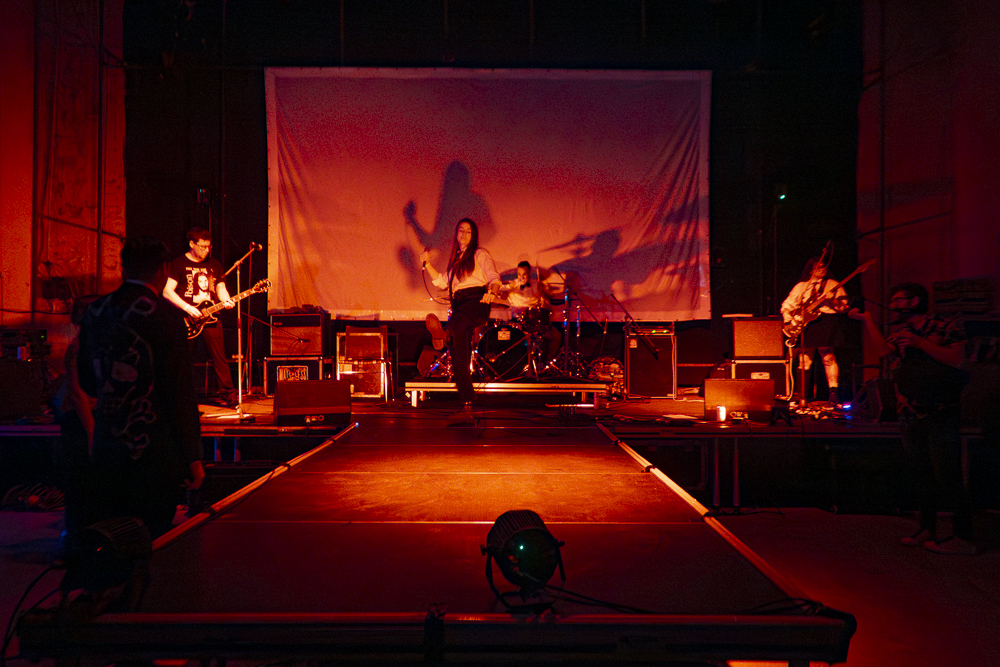
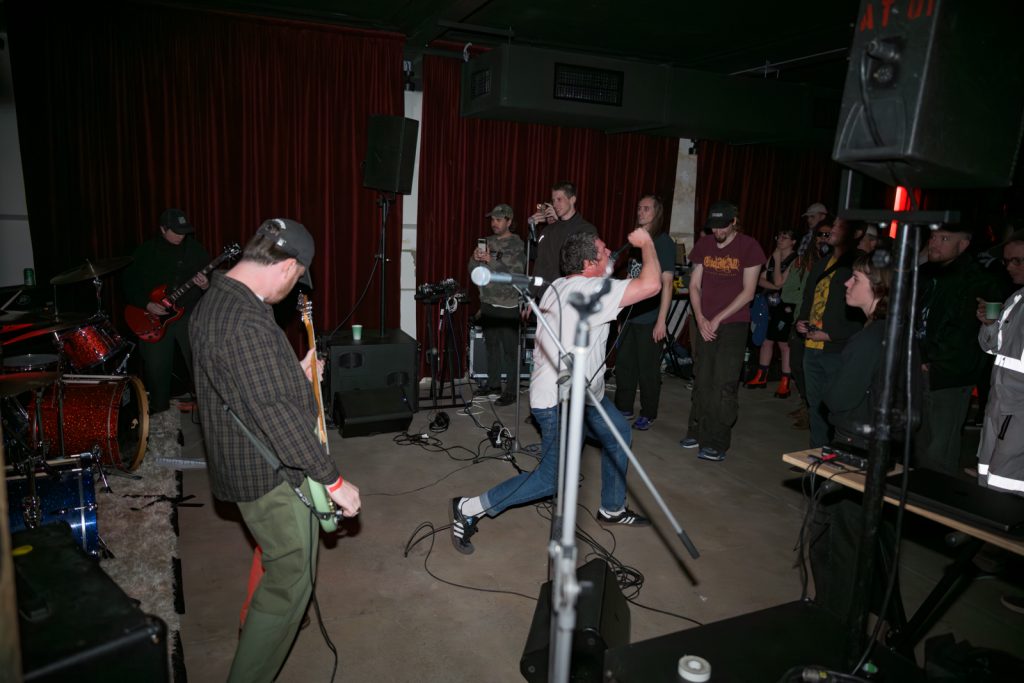
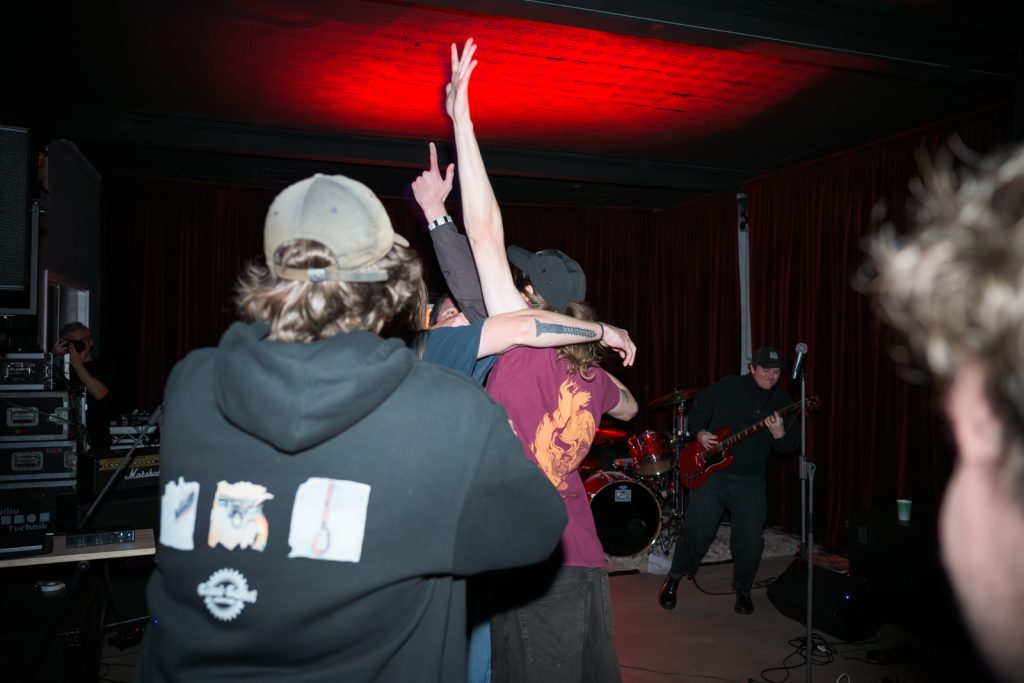
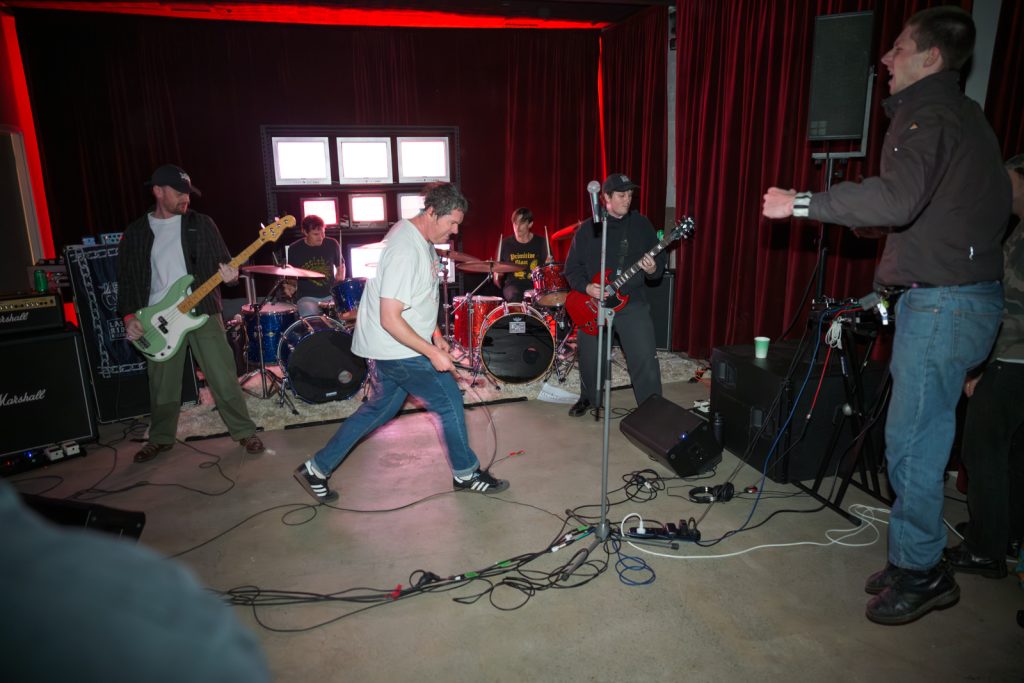
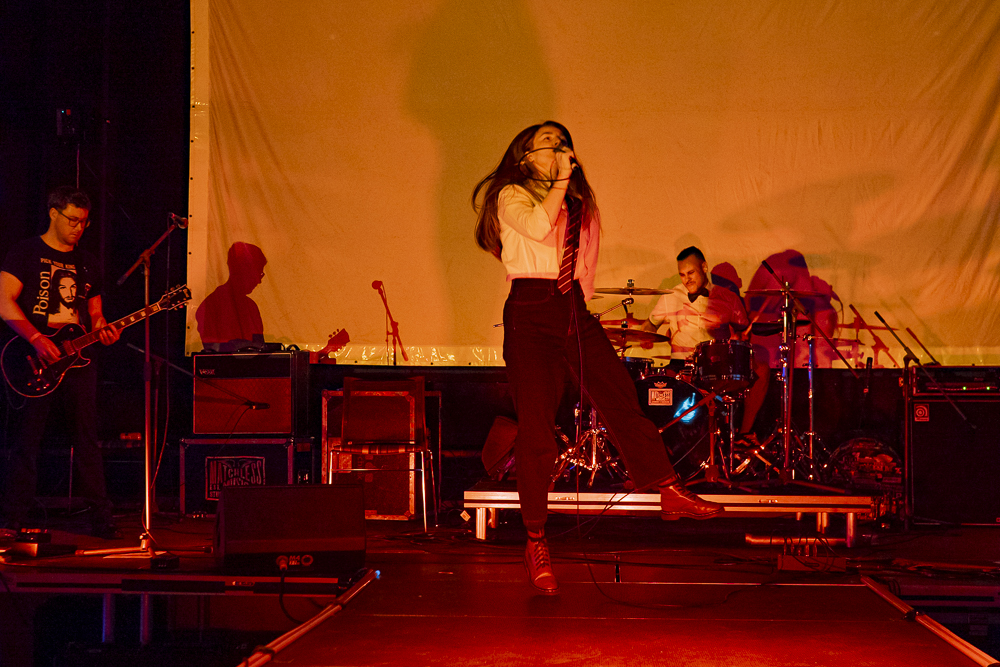
If Night One raised the curtain, Night Two leant into abrasion and nostalgia. Sooks made instant use of the runway format, their hellraiser frontwoman flailing down the catwalk and into the crowd as the band’s propulsive hardcore clipped past. Their skinny ties read like high-society shackles, but nothing about the performance was restrained: ferocity, political bite and local-scene confidence were all front and centre.
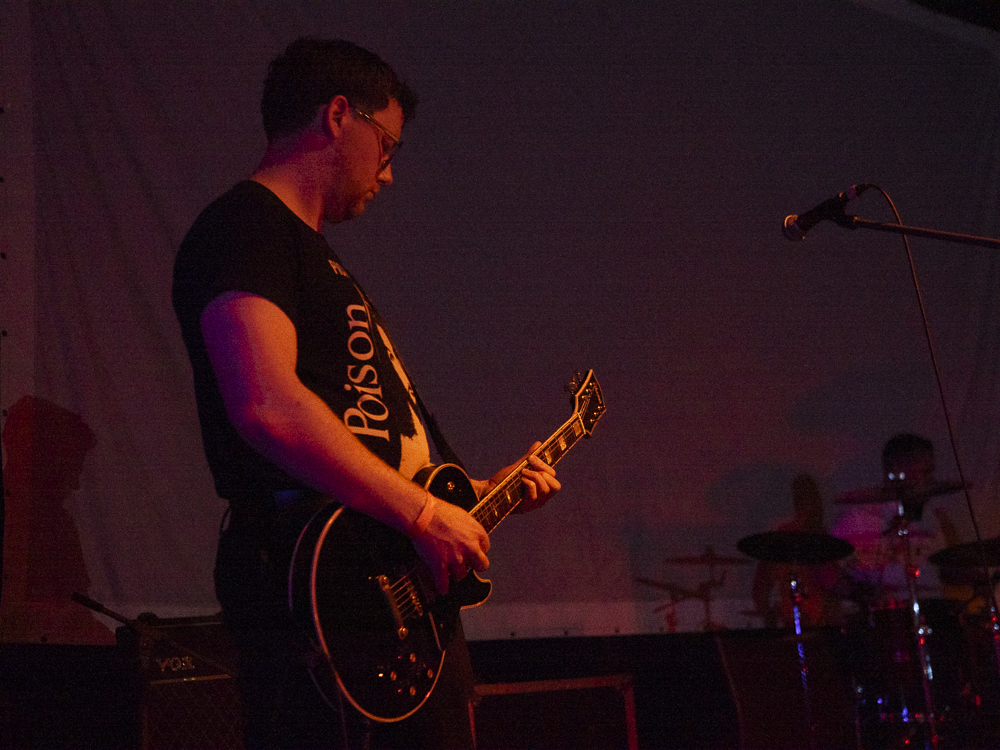
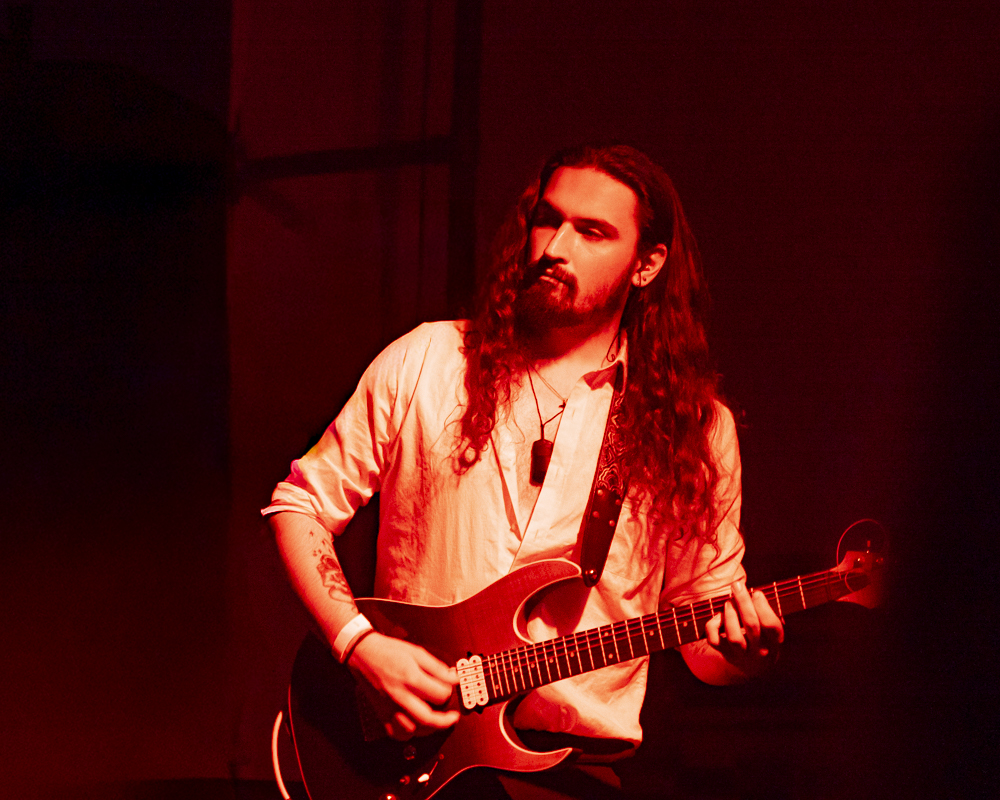
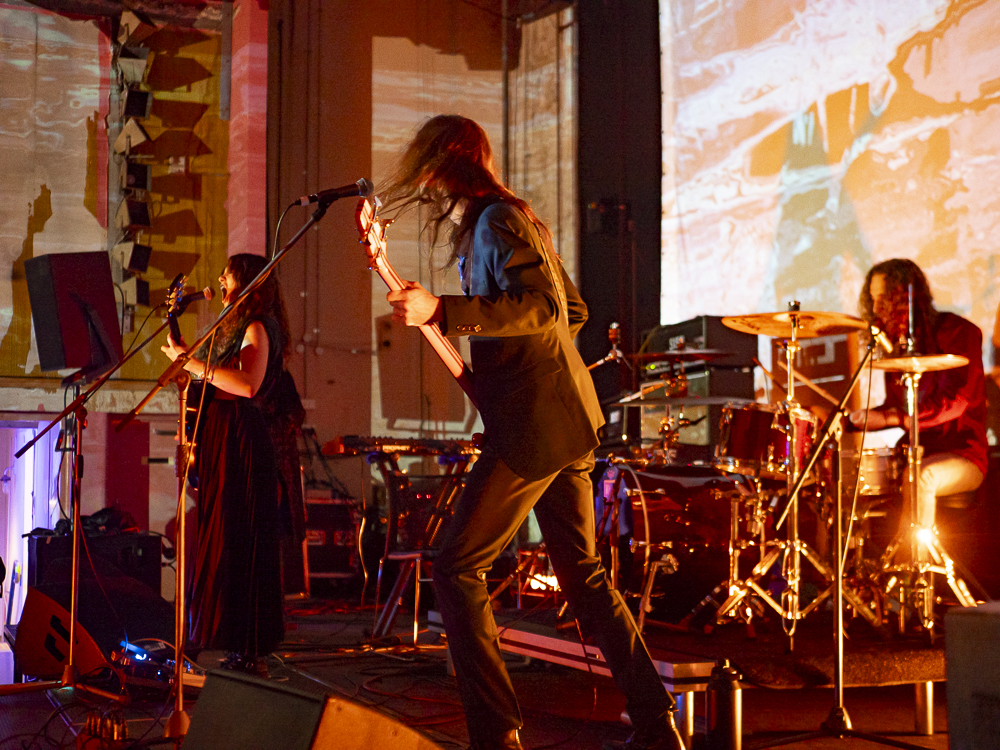
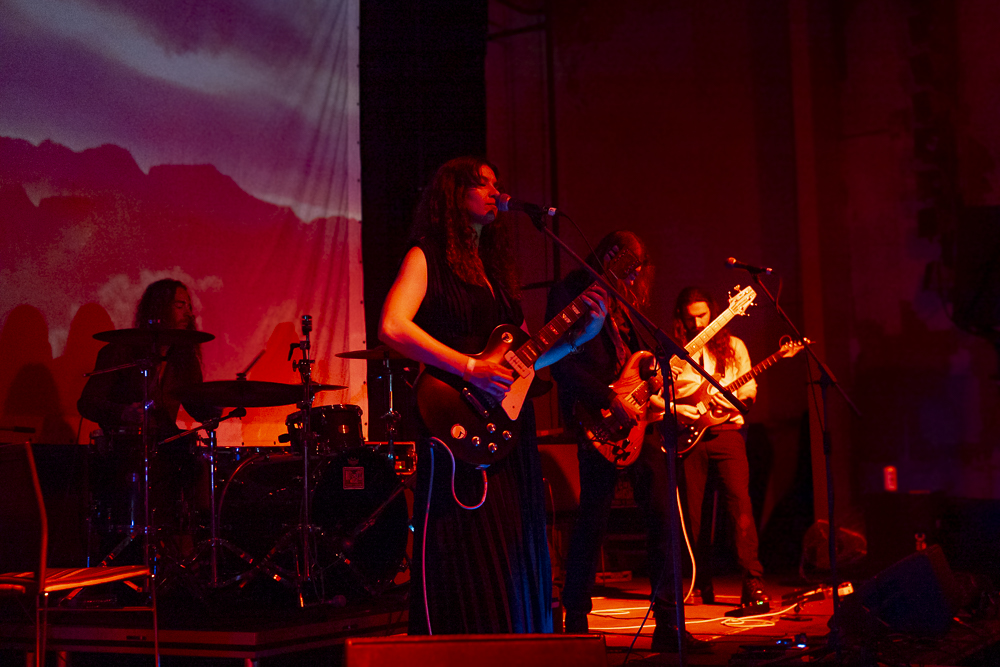
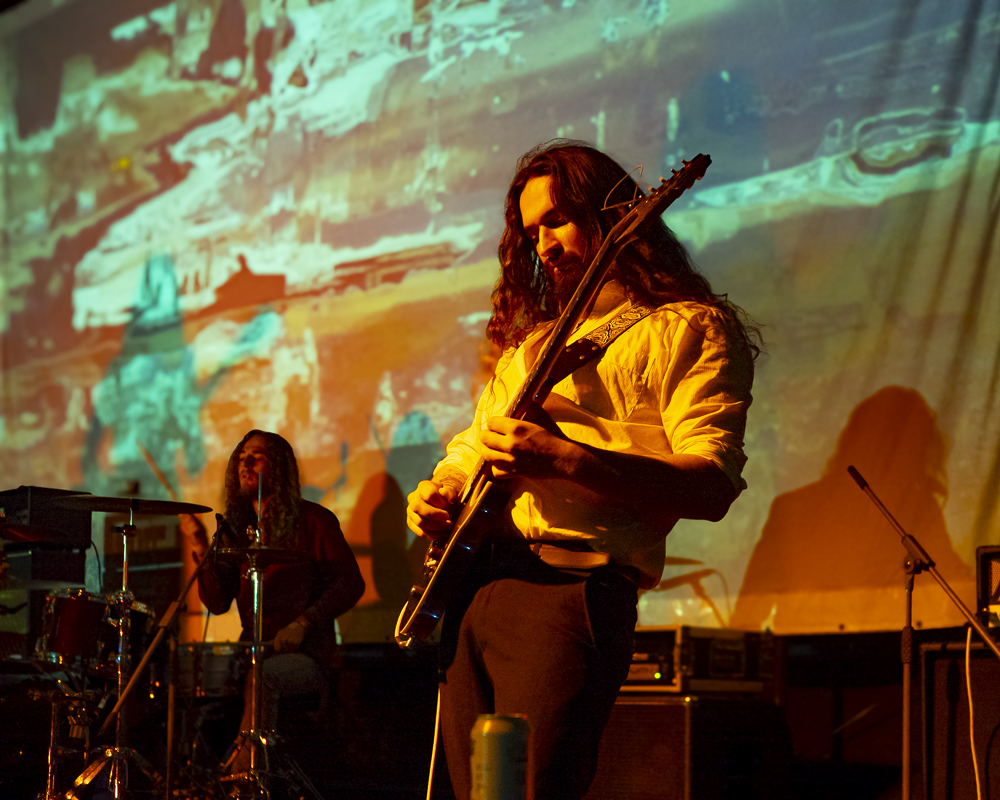
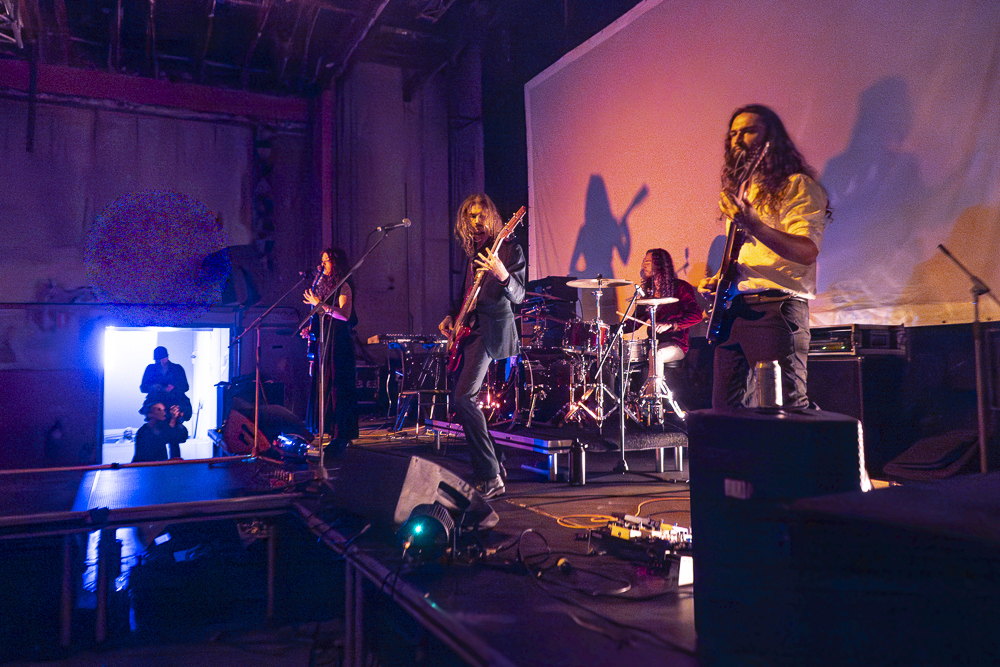
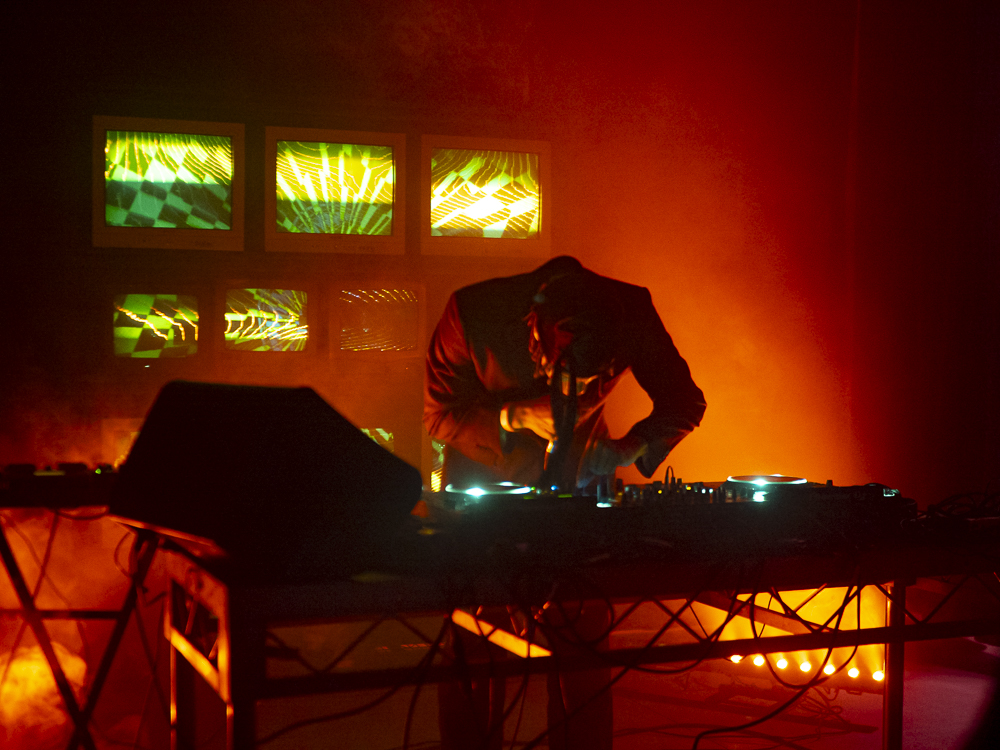
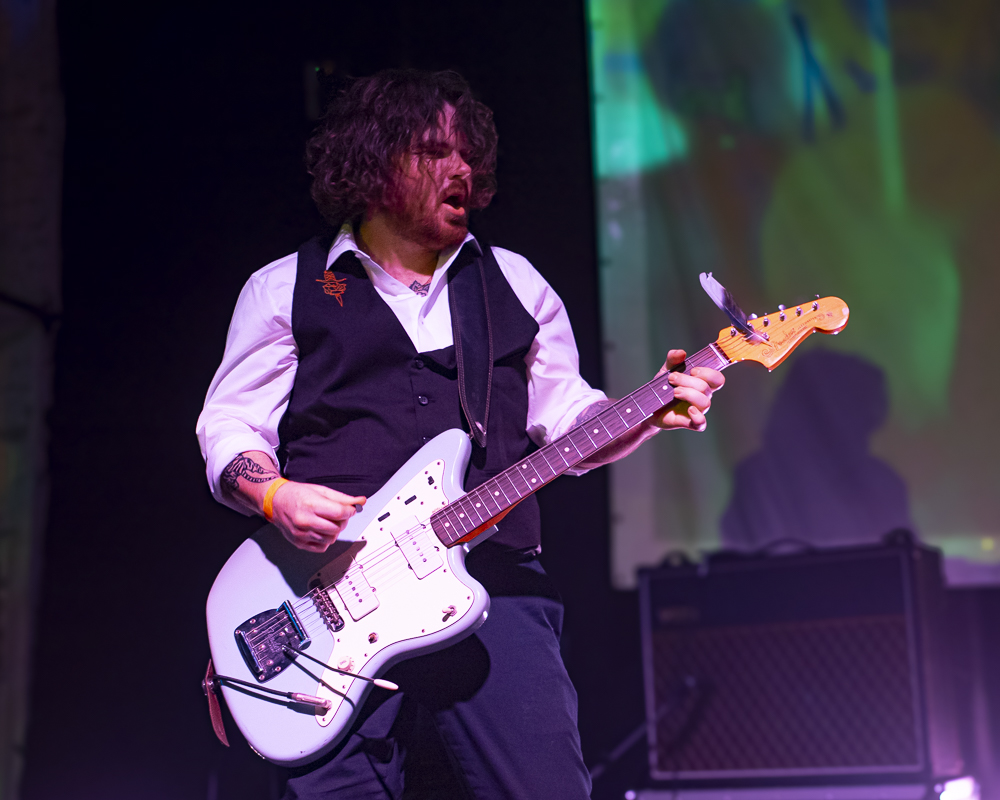
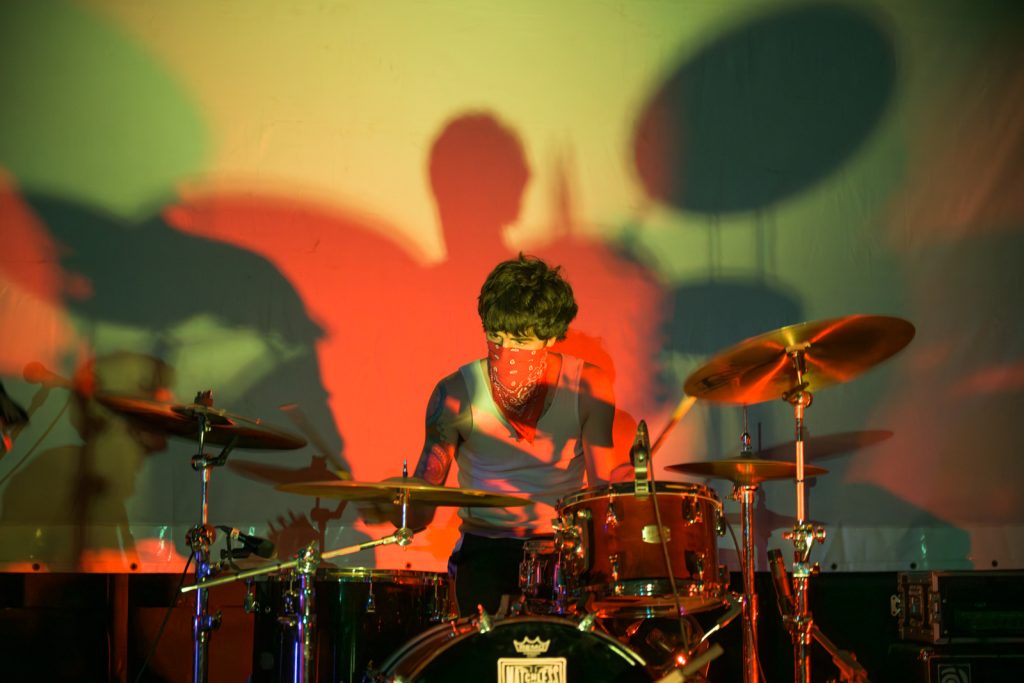
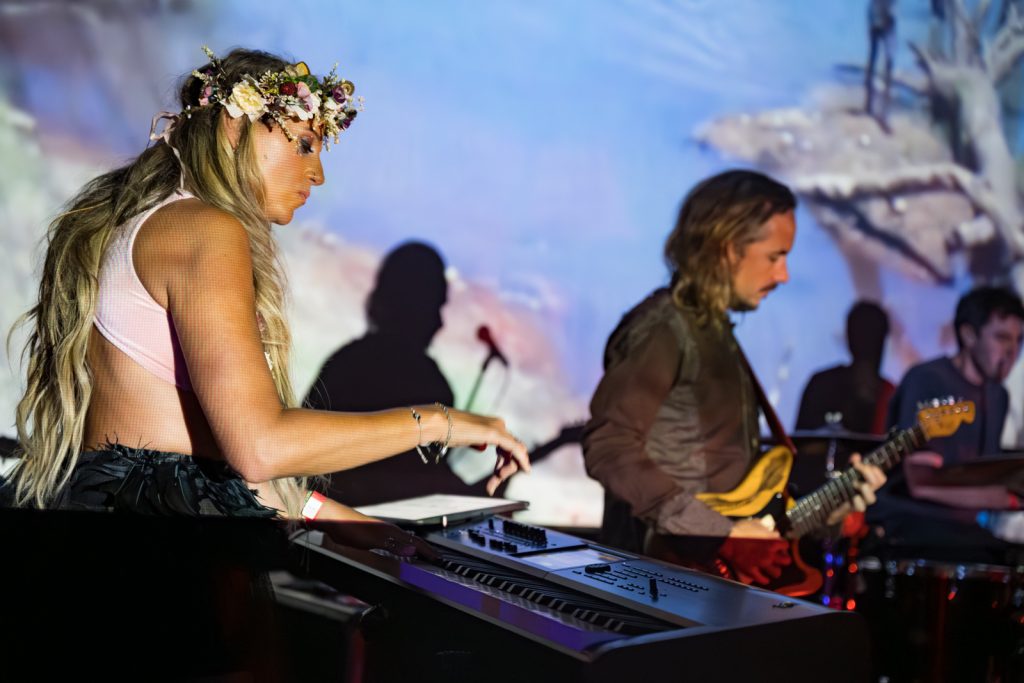
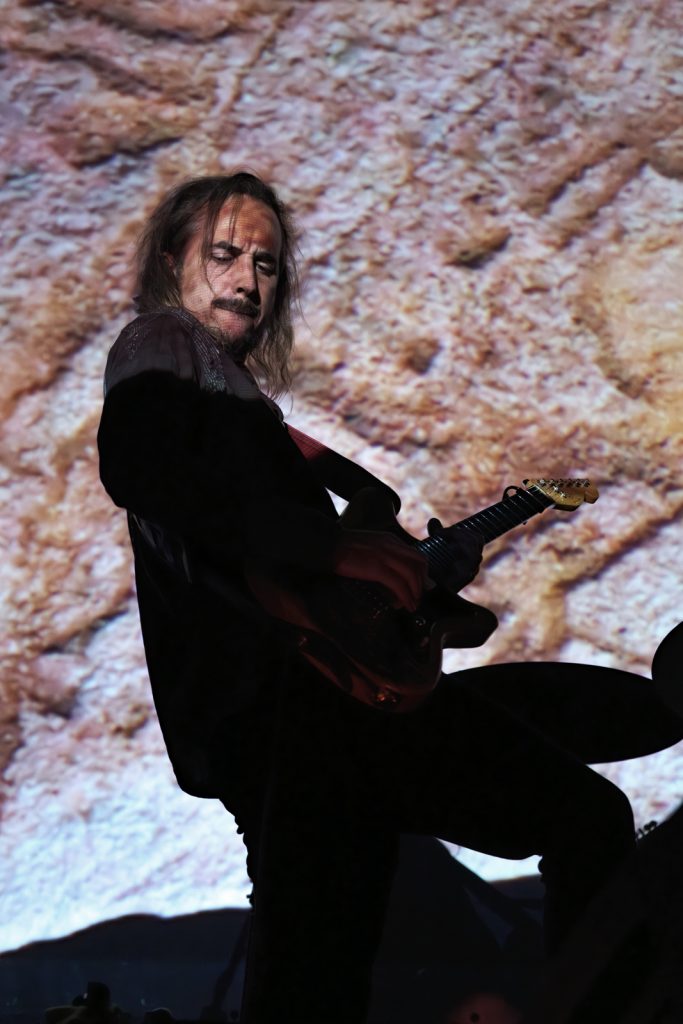
Guild followed with a triple-guitar-plus-synth chassis that churned sludgy desert rock into classic-metal melodicism. Fronted by a vocalist with a satisfyingly ugly growl, they were a well-oiled machine with enough rust and grime to stay interesting—another snug fit for Strange’s recontextualise-it-and-see brief. The no-frills visuals—warped echoes of on-stage movement that would be used for the rest of the night—worked like a funhouse mirror, incidentally enlarging the sound.
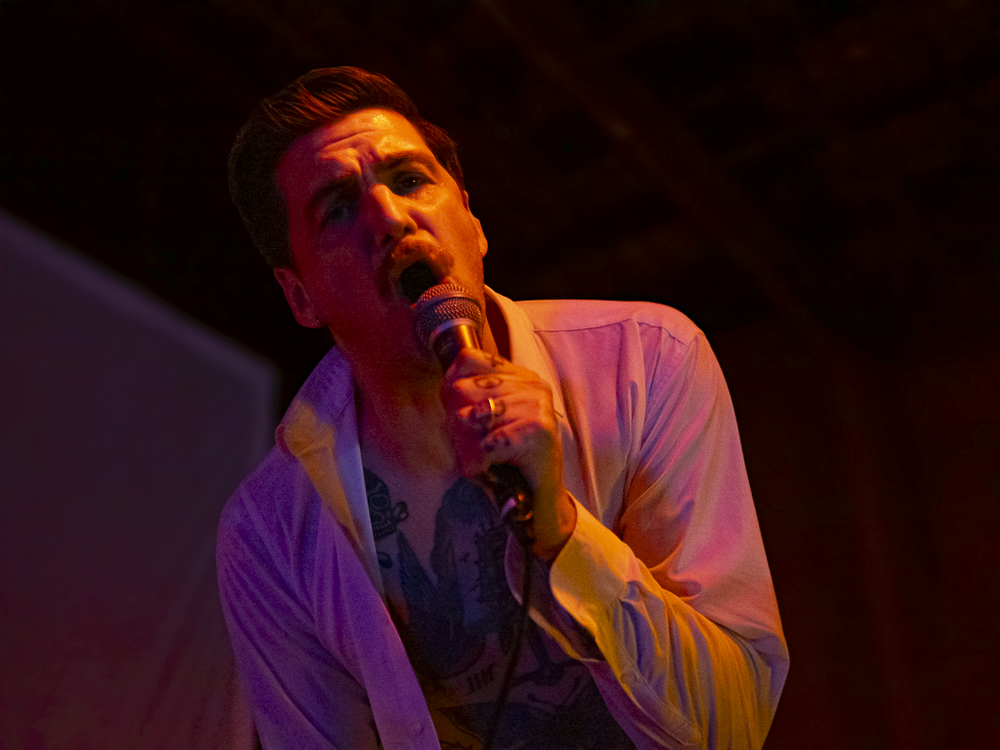
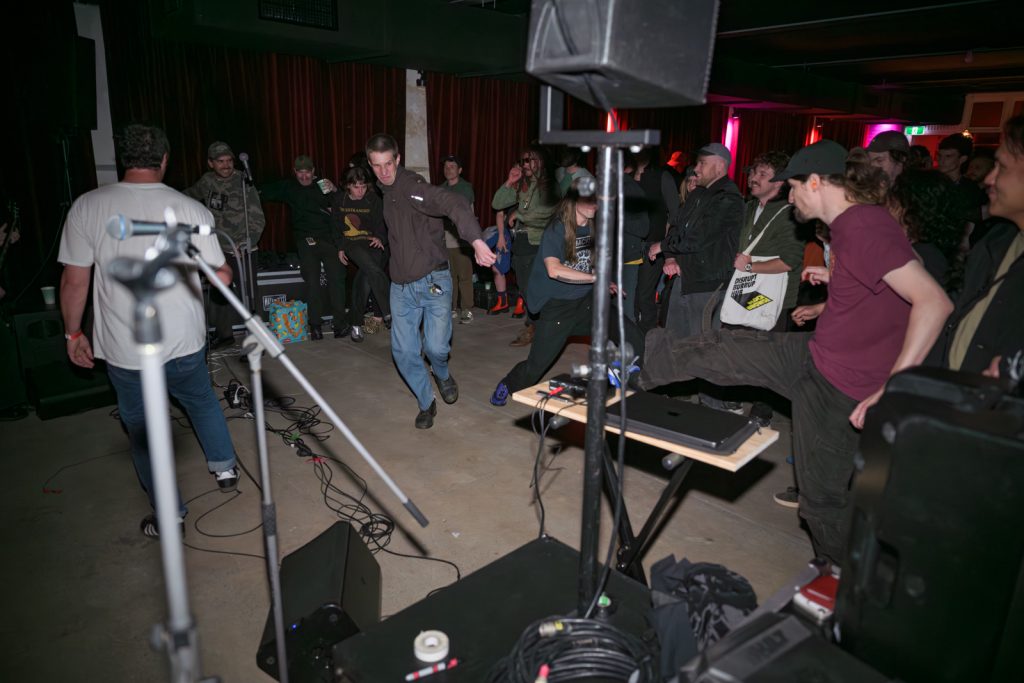
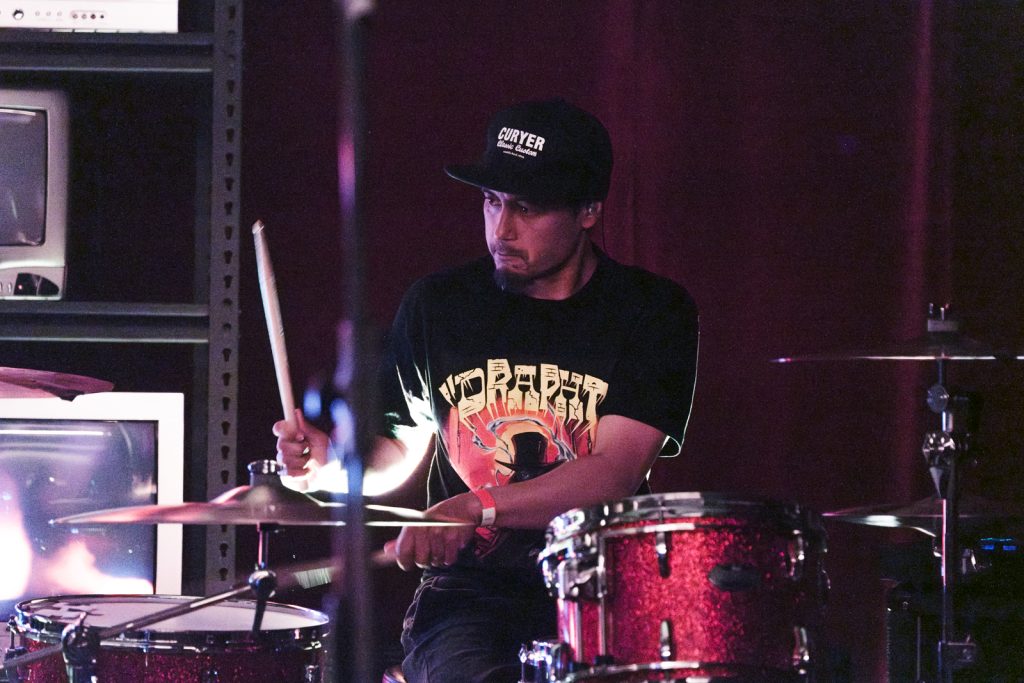
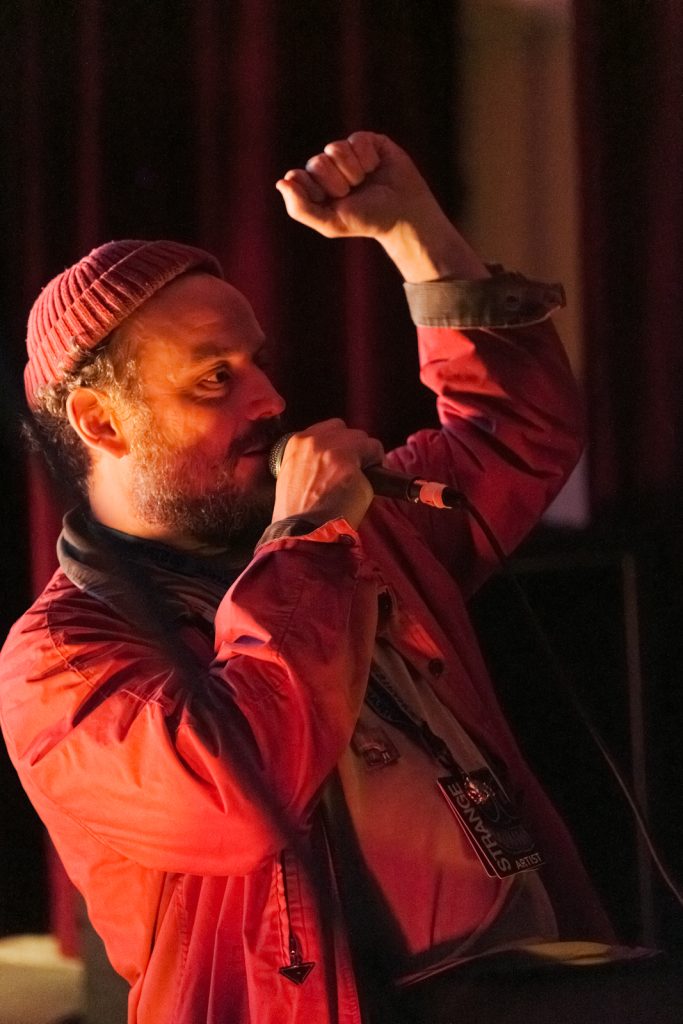
The fulcrum was Mood Punch. Tie off within a minute, frontman Sam Bloor turned anxious, parental-critical echoes—“get on with it,” “be a man”—into fuel for weaponised vulnerability, then dissolved the stage boundary entirely. He roamed the building’s bowels on a mic-cord umbilical, recruiting the crowd one hook at a time. ACAB detonated in under a minute; breakup song Sometimes Love hypnotised in downplayed Slint fashion; doomscrolling got danced out of our systems; Bloor’s body paid the invoice. (Well, we might have believed the band had completely expended themselves by the time they closed with Smile, if we hadn’t spied the boys cutting it up downstairs shortly after to Tobacco Rat’s industrial stomp smeared grime).
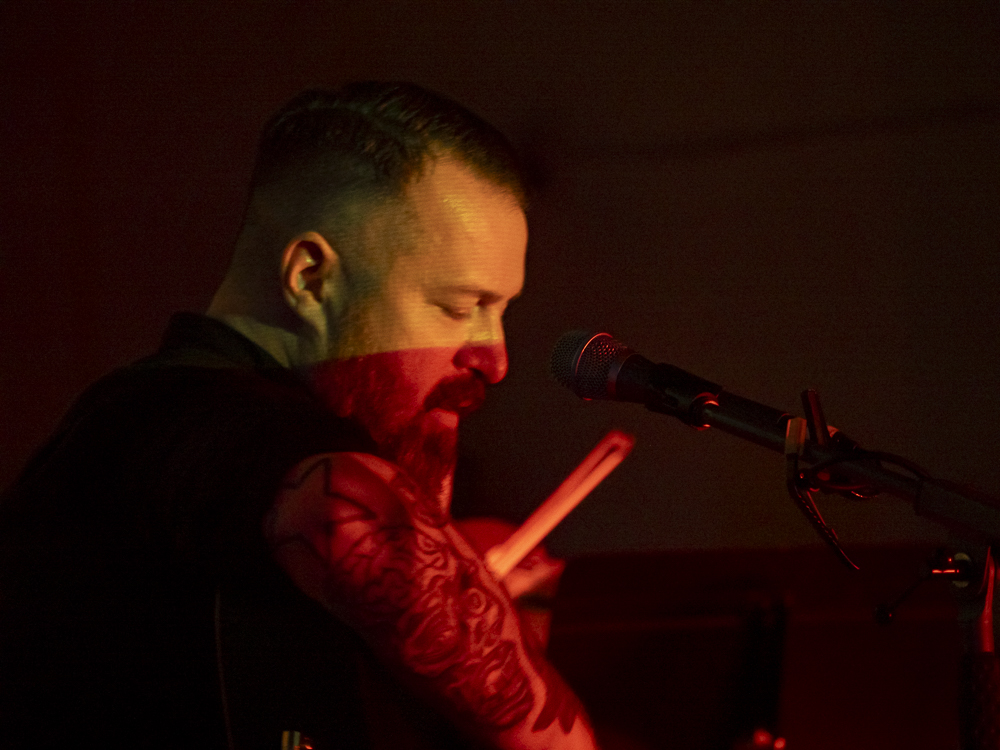
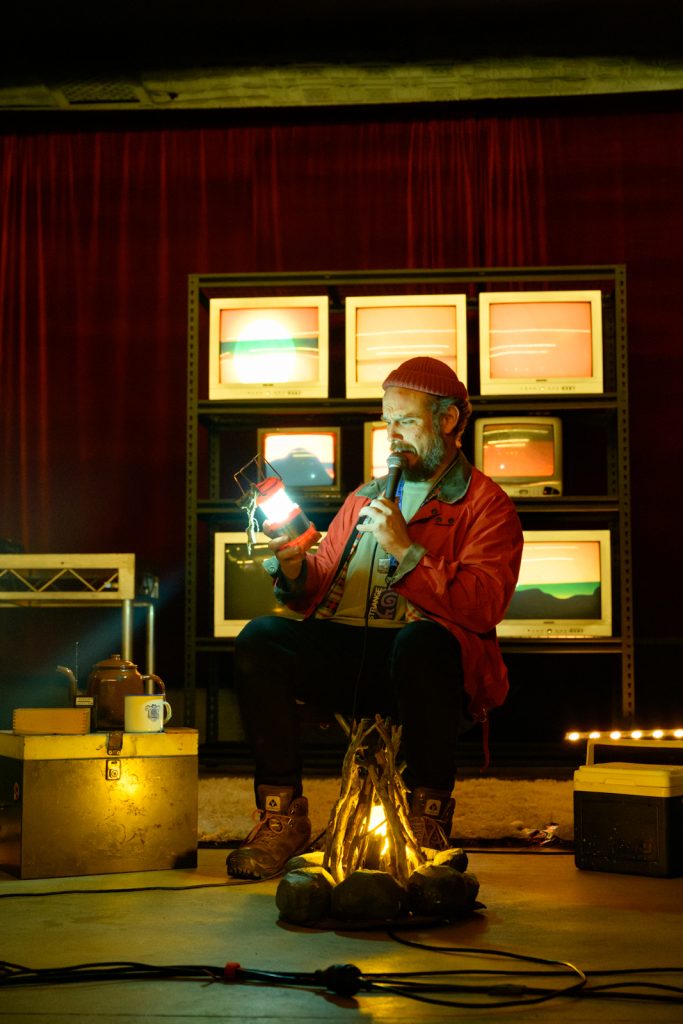
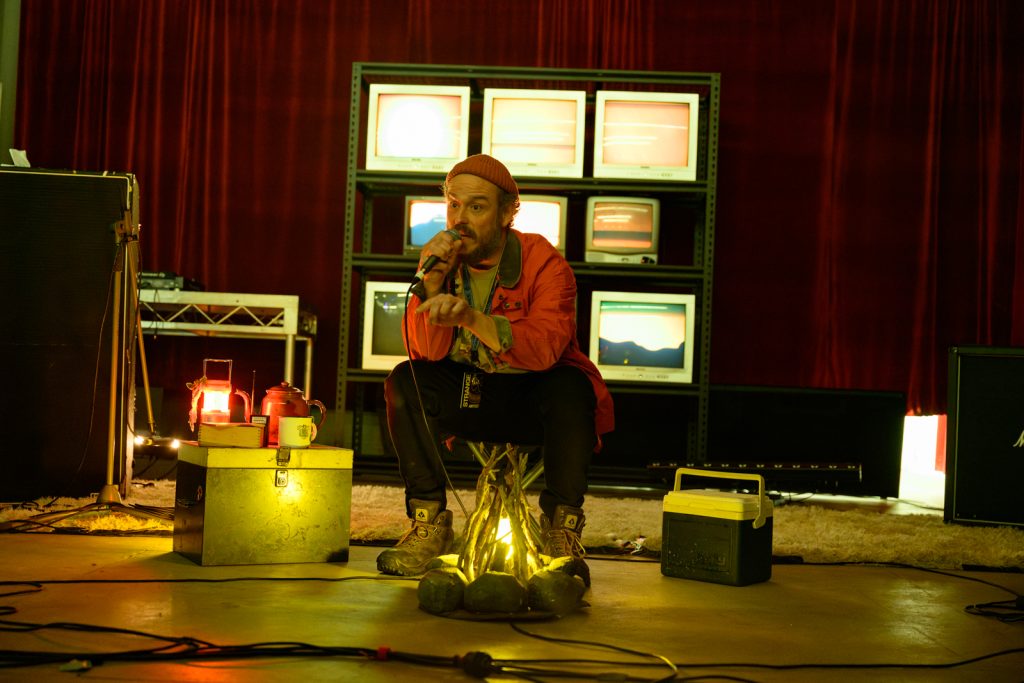
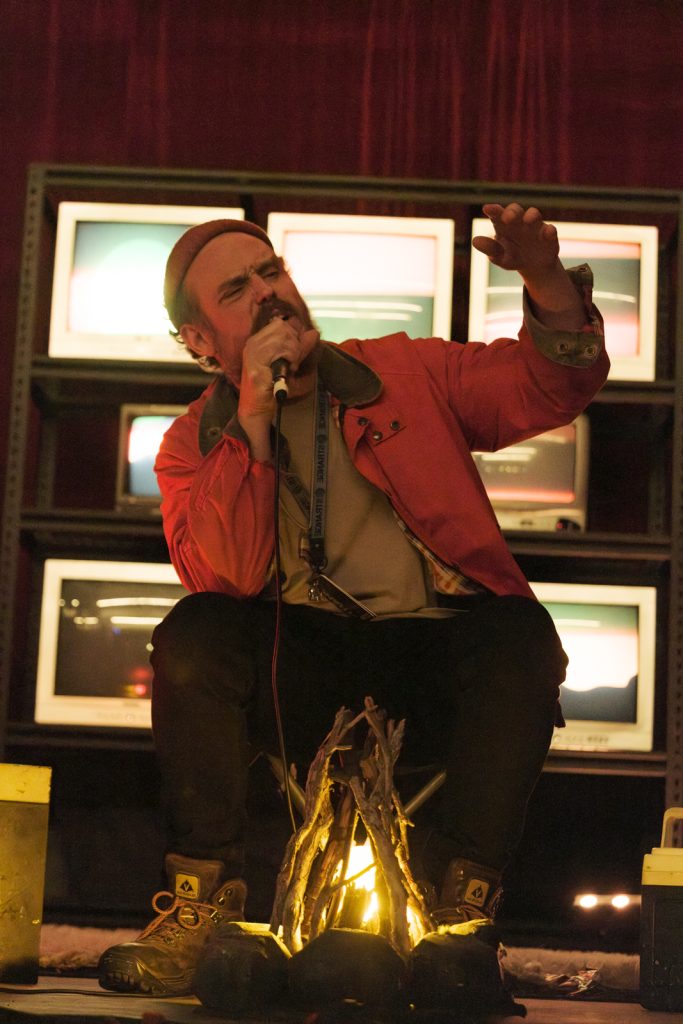
The night’s most polarising turn belonged to King Dude’s dark-folk sermon. Half confessional, half cult-leader stand-up, it relied on the inebriated charisma of a Johnny-Cash-in-decline figure. The crowd banter teetered beyond “participation,” exposing the night’s productive tension: where every half-mumbled lyric was met with rapture by King’s dudettes, others wondered if anyone else noticed the emperor bare-arsed under the lights. (Side note: isn’t a white male claiming to have ‘cut in line in front of Robert Johnson at the crossroads’ more than a little curious if not downright uncomfortable?). Either way, the set’s macabre humour underlined Night Two’s core test—Strange will put you in a room you might not like and see what you do there. Not every bet lands cleanly, but the friction is the point.
Night Three — Compression Ignition
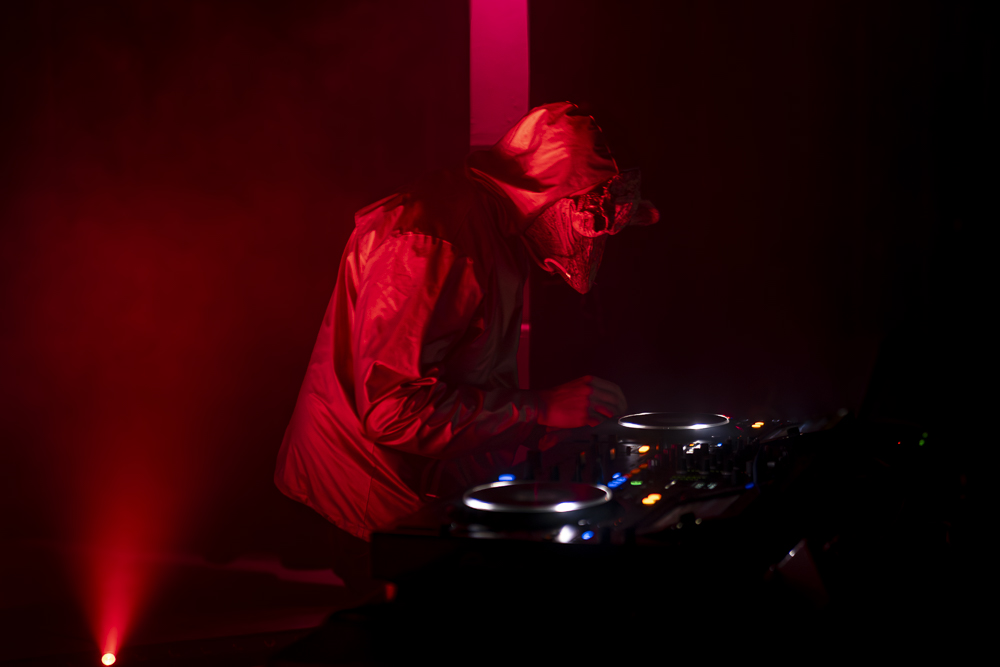
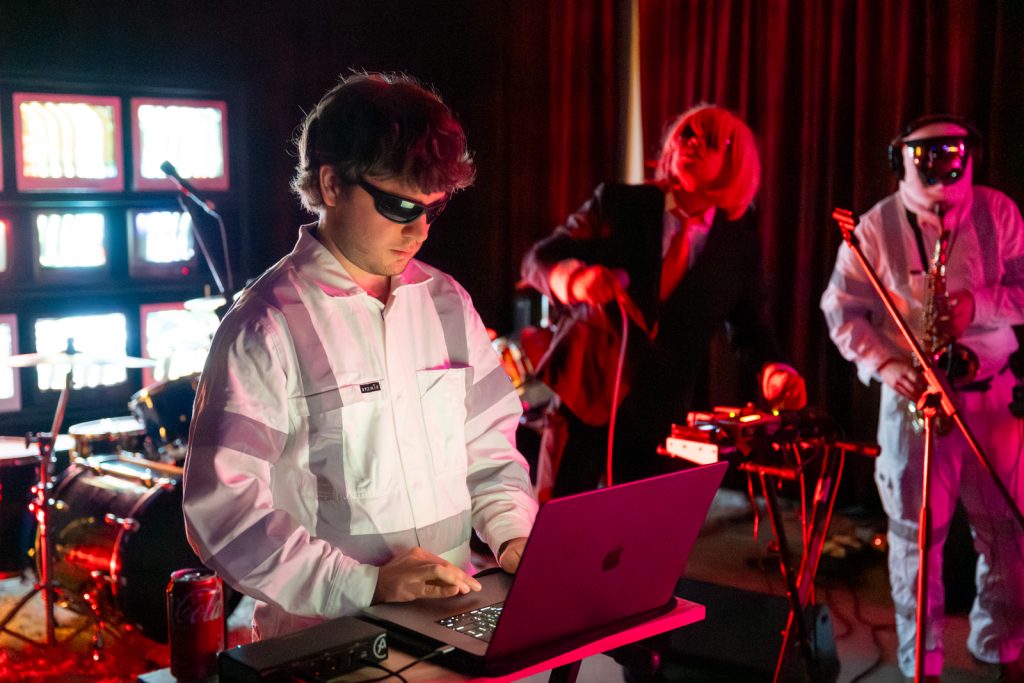
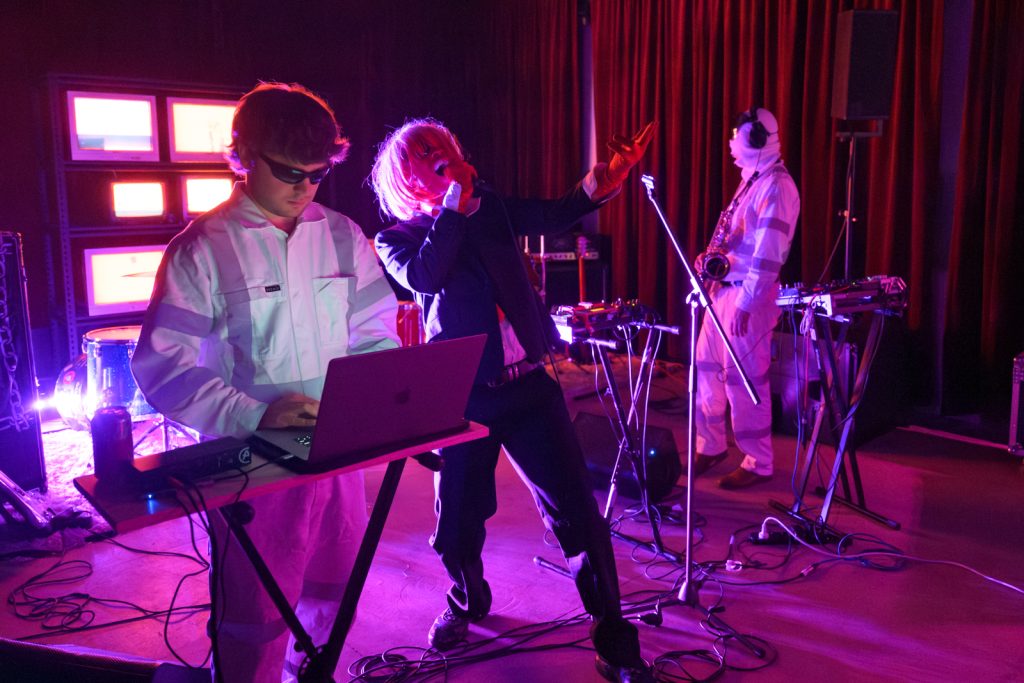
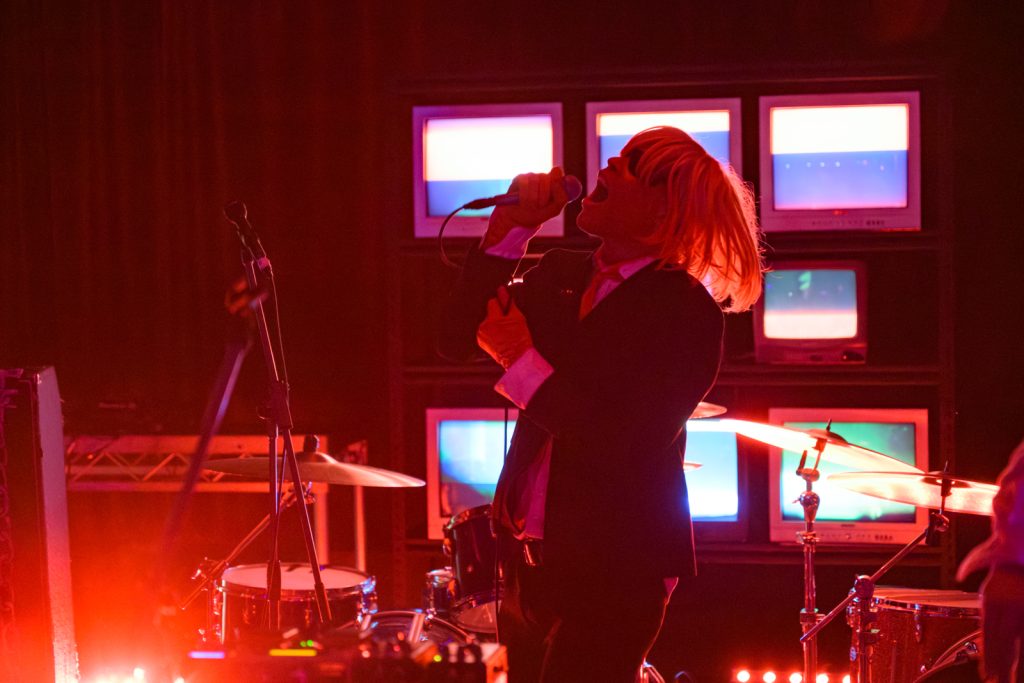
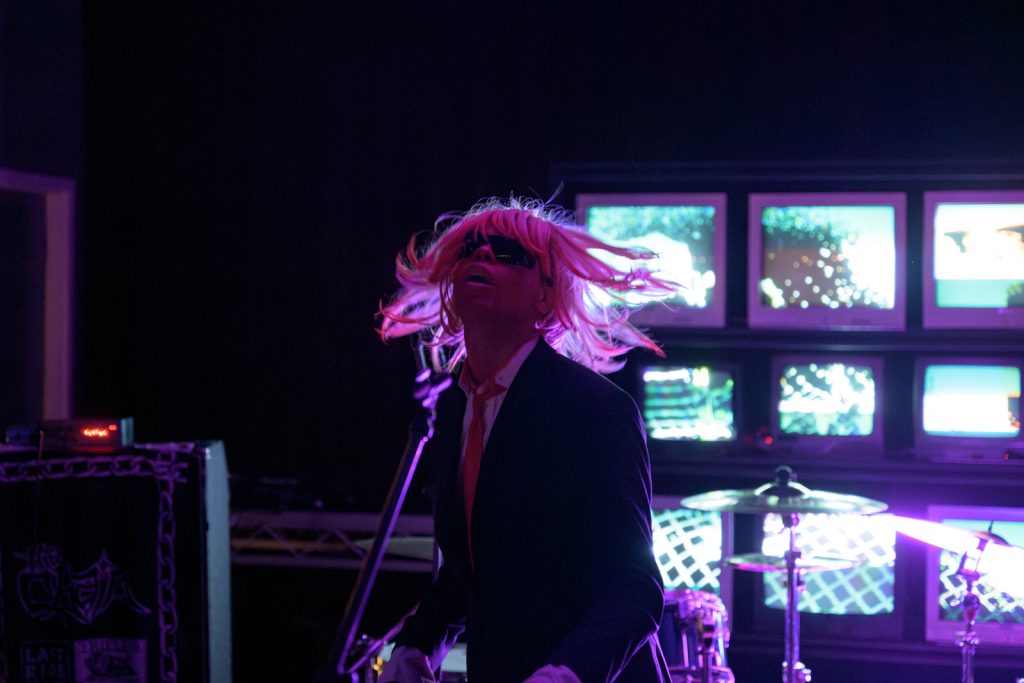
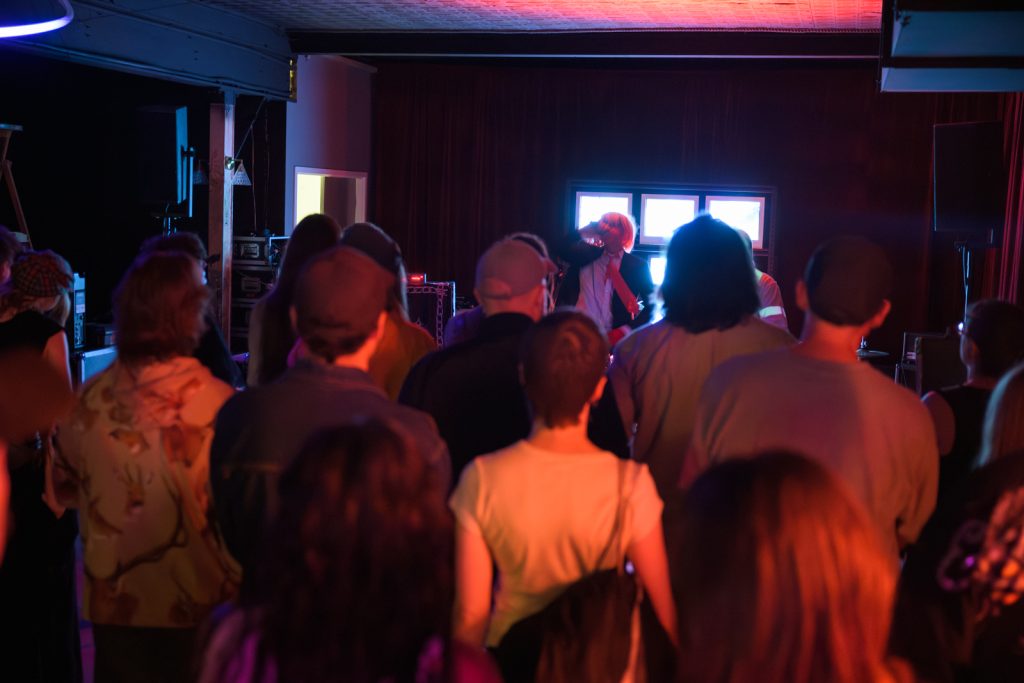
Rain shoved the early hardcore bracket into the basement, and the pressure-cooker acoustics did the rest. In front of the weekend’s thickest crowd, Myriad Sun opened like a drill press: rap-punk whiplash, camera-mixed live visuals, reflective boiler suits and a Warhol-wigged front firing political sparks interlaced with optimism. In the dark of the basement, it felt like we’d stumbled upon an absurdist art project, the abrasive audio assault strangely beckoning the throng in closer. For the third night in a row, Strange trusted the city’s weird to incubate on its own terms.
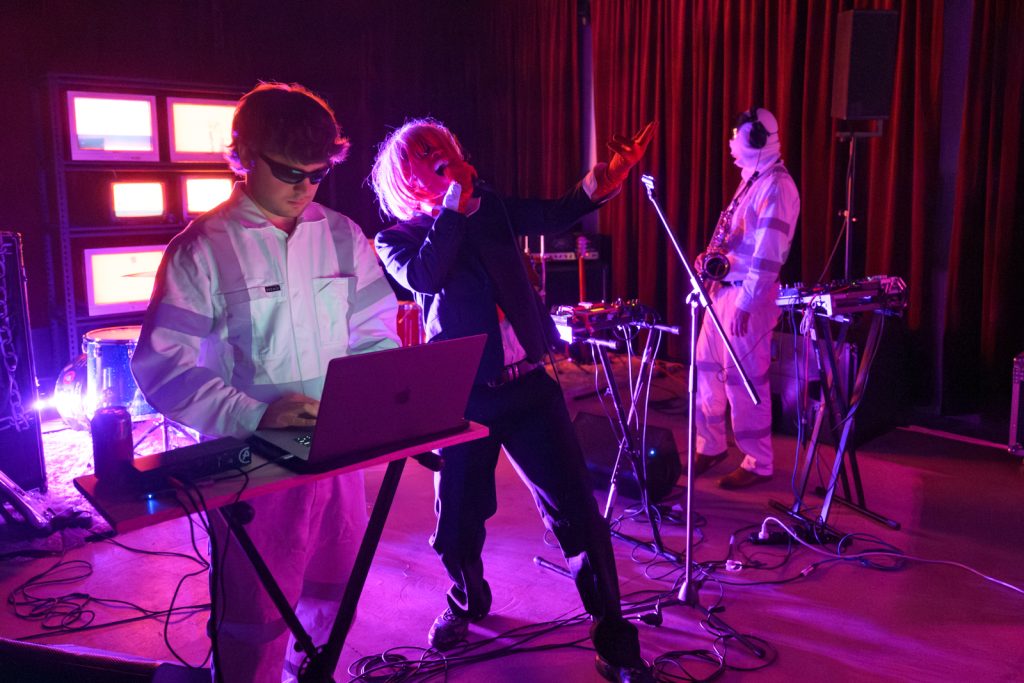
The billed Myriad Sun x The Chain “duel” became, in practice, a seamless handover—no alleyway kit-battle, alas, though you could sense the combustion that might have been. It’s hard not to think something truly explosive could have occurred between the two bands in battle style, though that lives on as a fantasy.
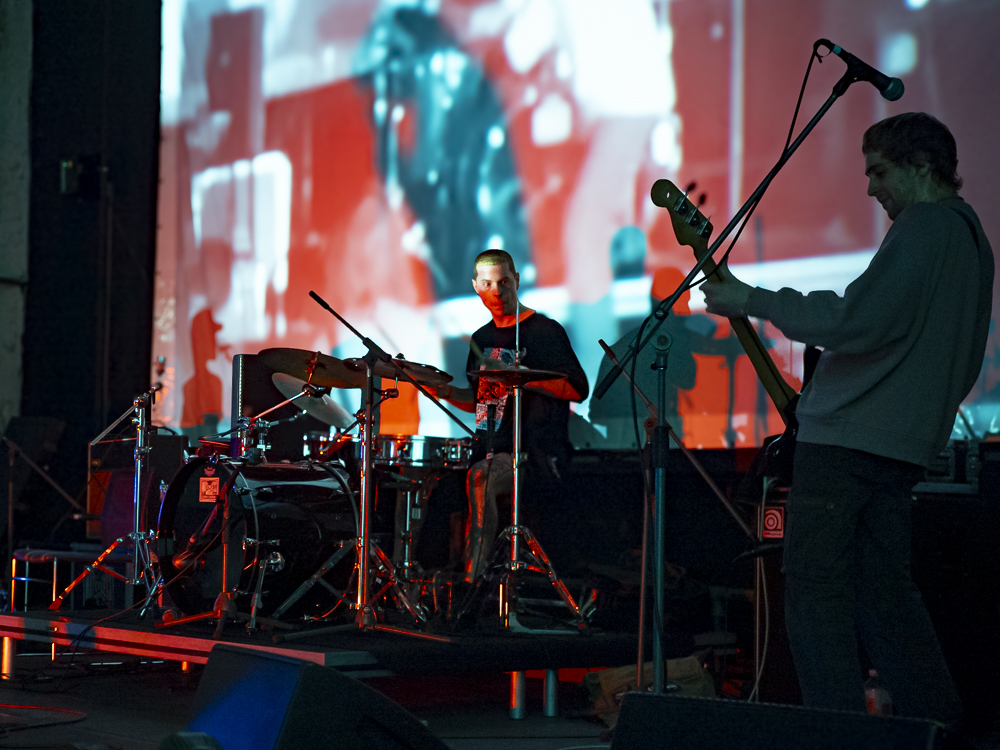
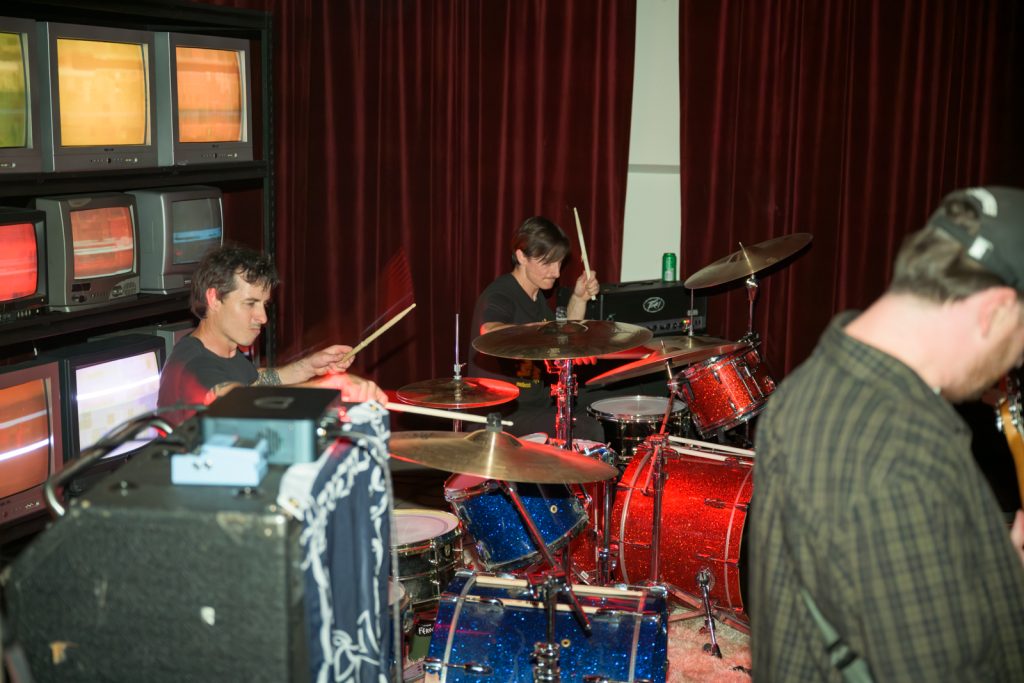
The Chain took the baton with dual drum kits in locked step, the crowd yelling for “lights on” just to watch the engine we could only feel. Keeping the room dim may have been the more punk choice; the claustrophobia amplified tension and impact. A mid-set shout-out to Strange’s DIY backbone—unsubsidised and stubborn—underscored the festival’s core ethos: building quality arts experiences without being beholden to larger agendas. Raw and unpolished doesn’t have to mean lesser calibre.
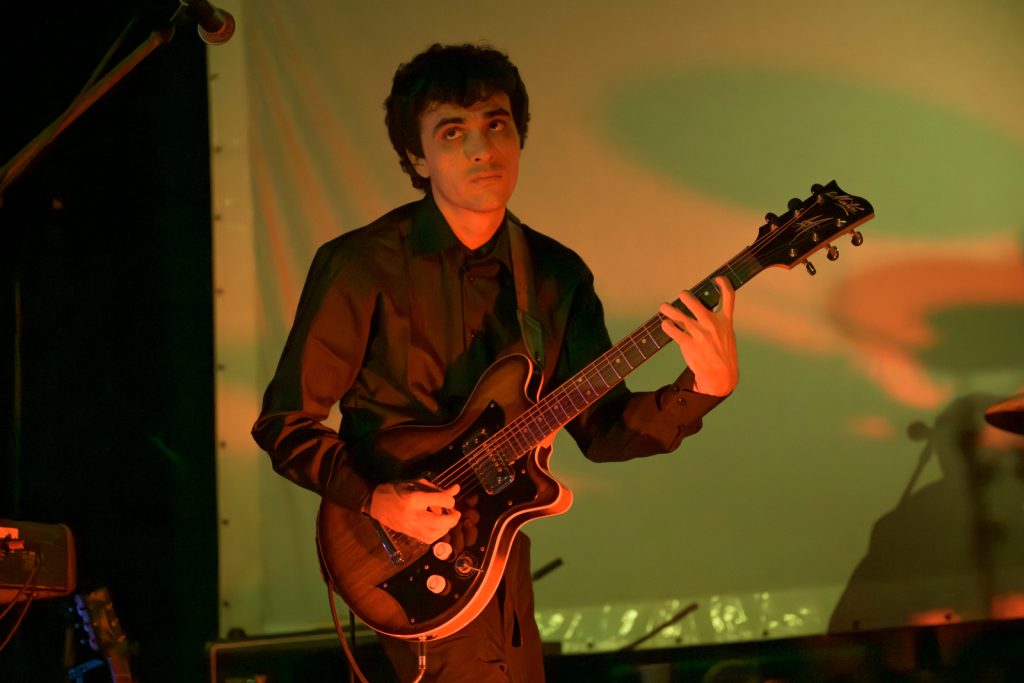
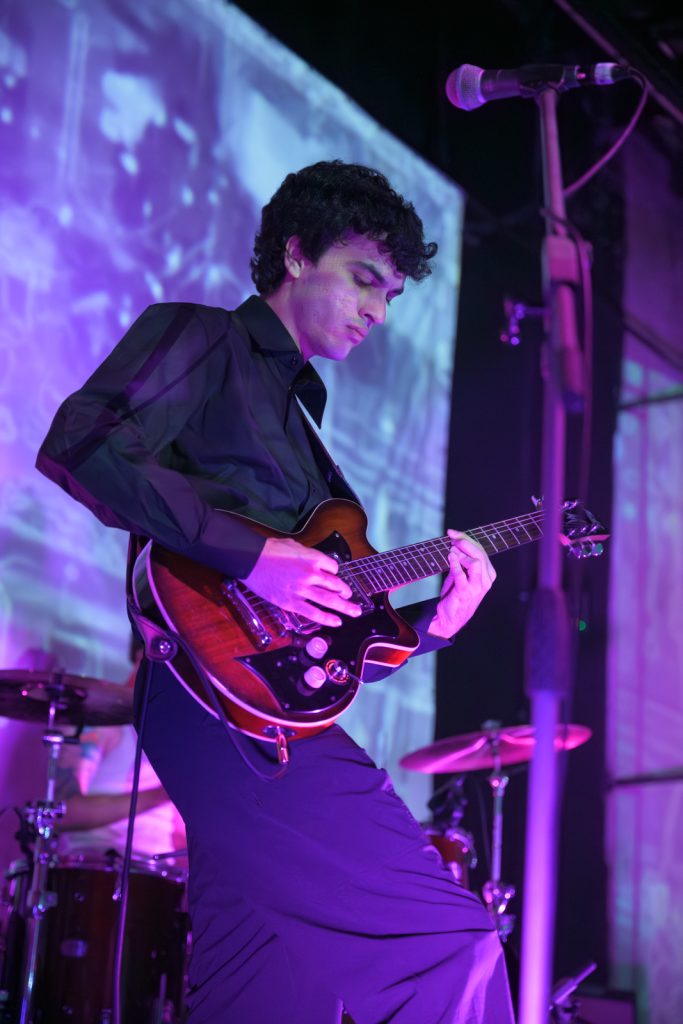
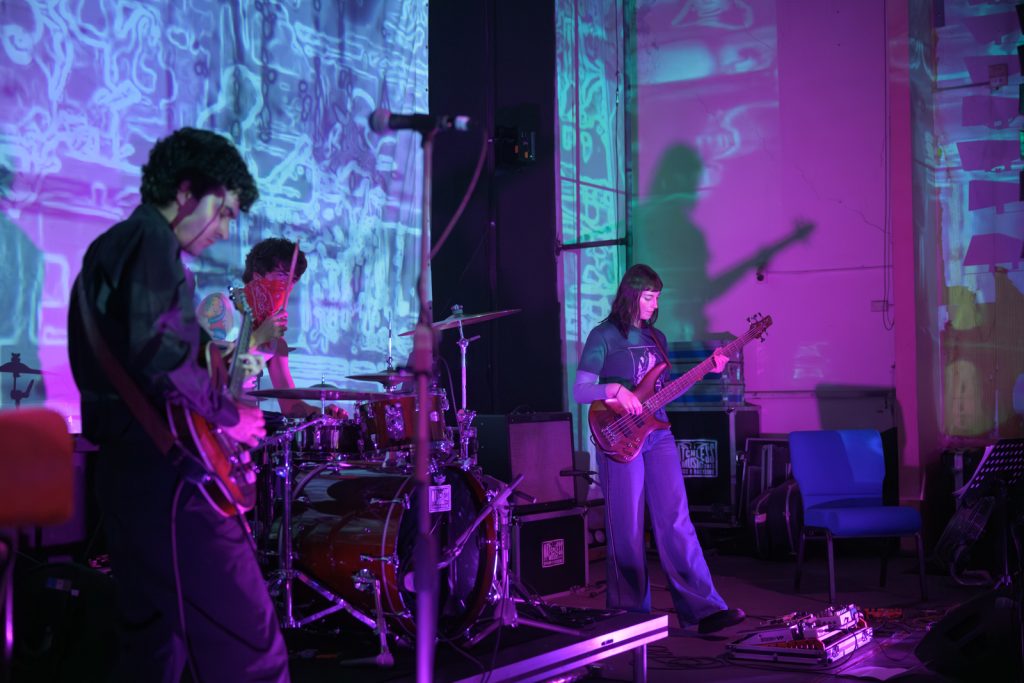
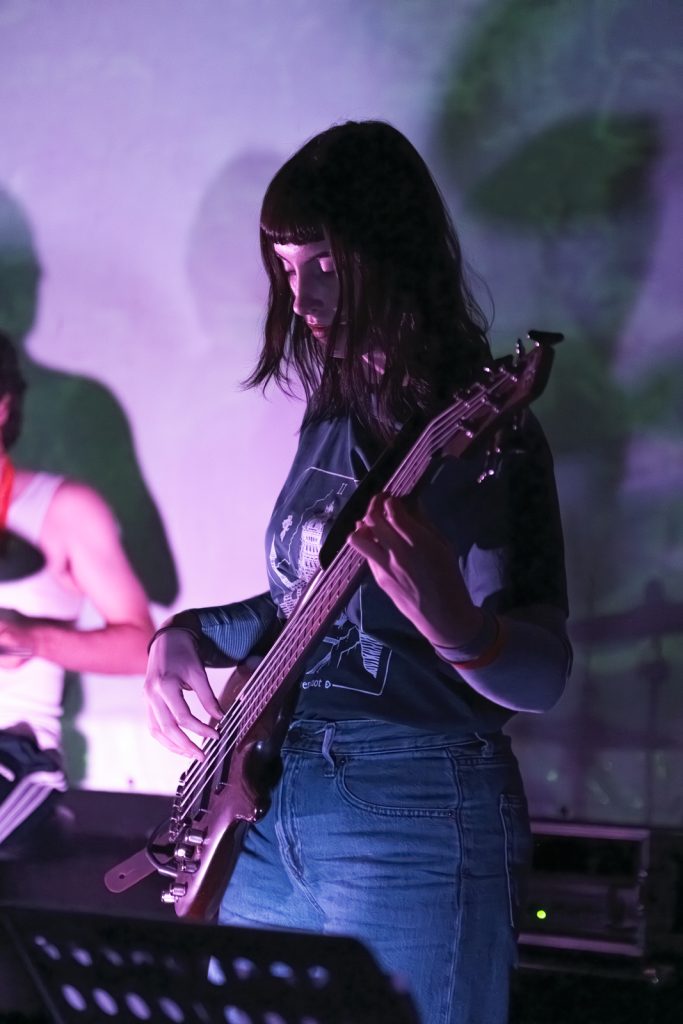
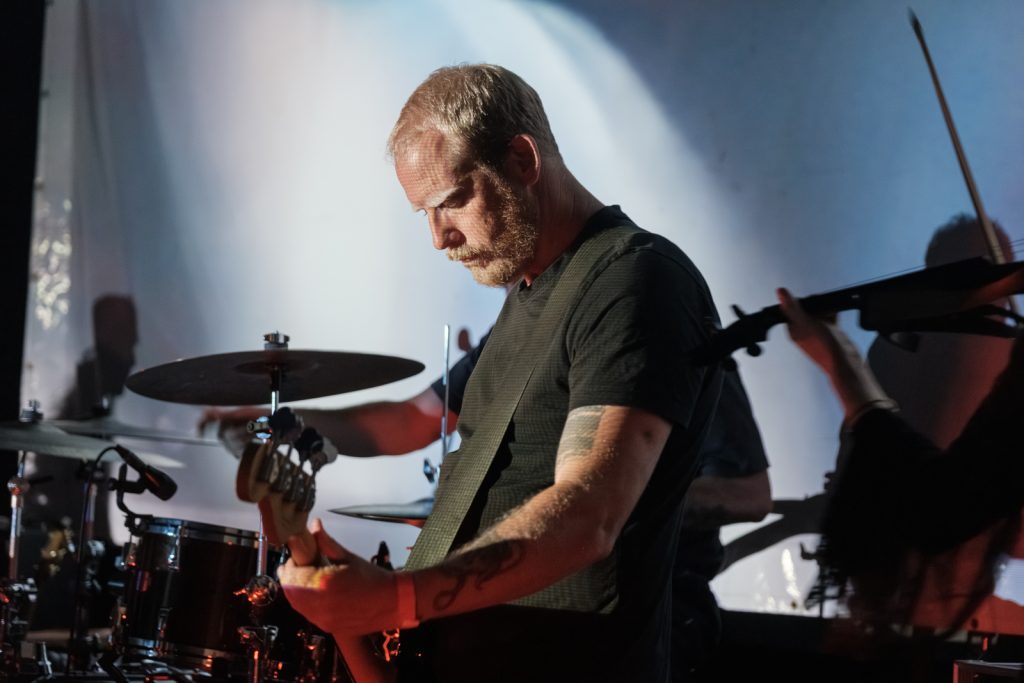
Back in the theatre upstairs, Yomi Ship reset the needle with math-rock poise and start-stop discipline (new-guitar glee included), ringing clean and warm in contrast to the prior night’s sludge. There’s enough warmth to their tone to dodge sterility: a polished trio sitting somewhere between jazz inflection and retro psych, but staking out their own hybrid. The palate cleanse was perfectly timed after two nights of grit.
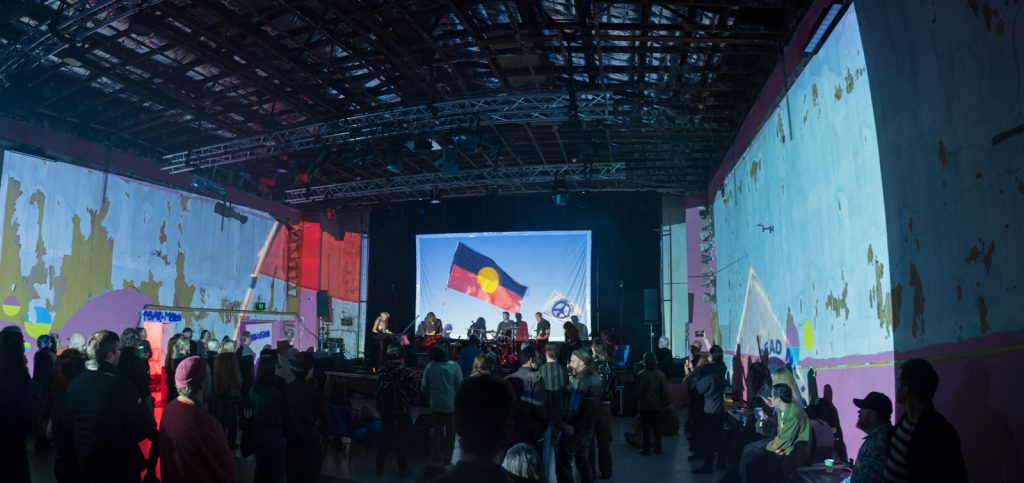
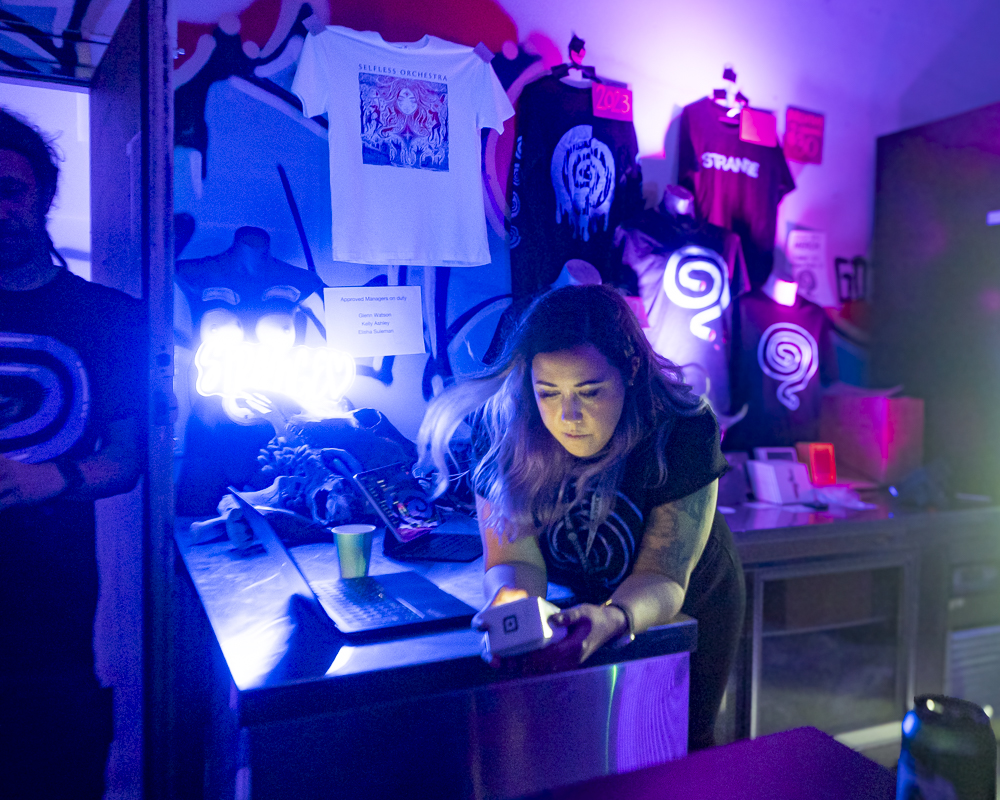
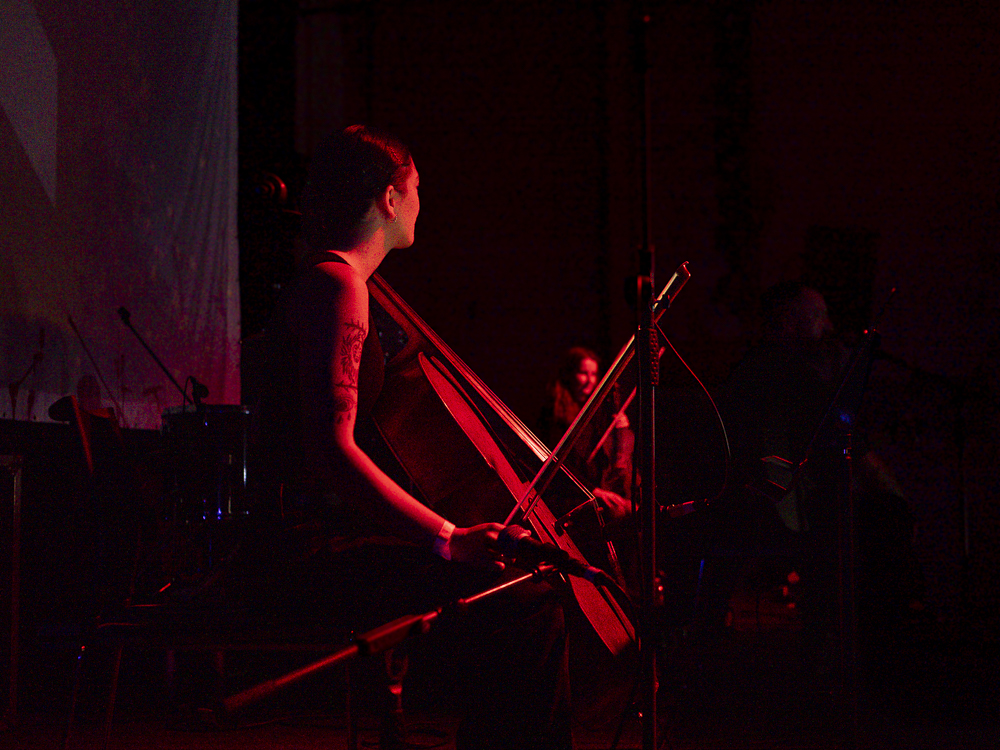
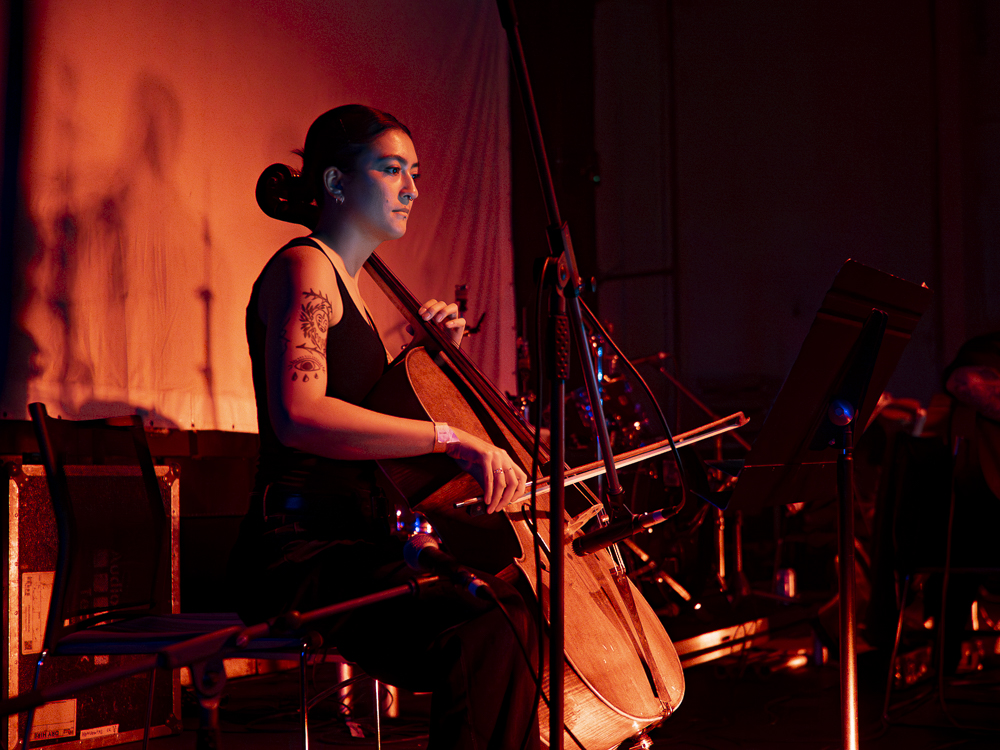
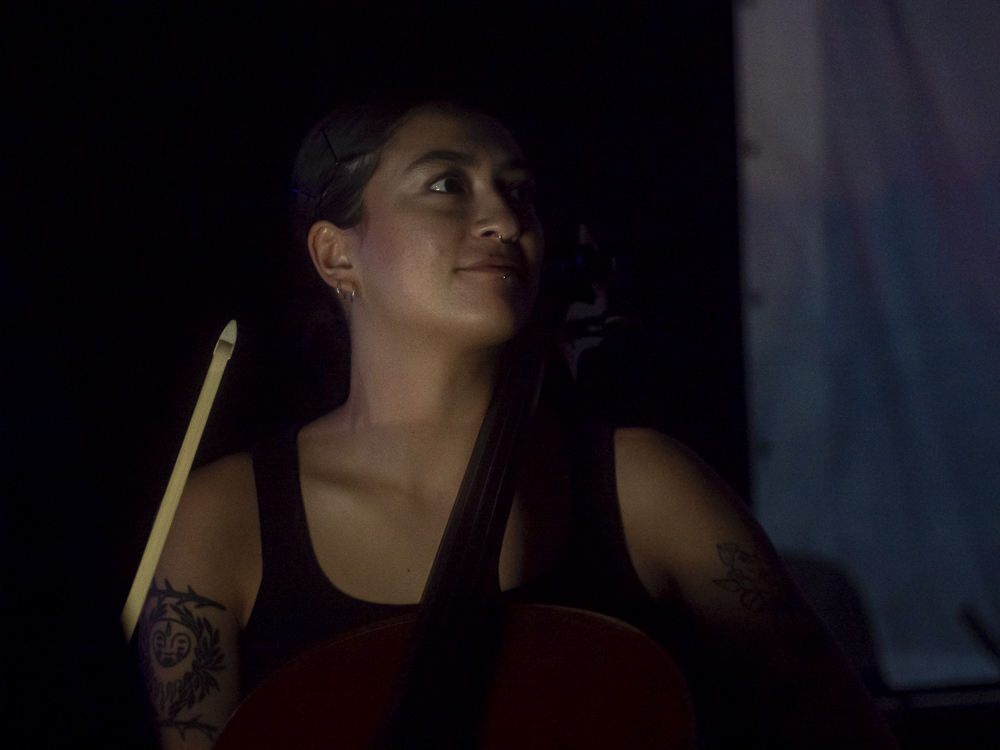
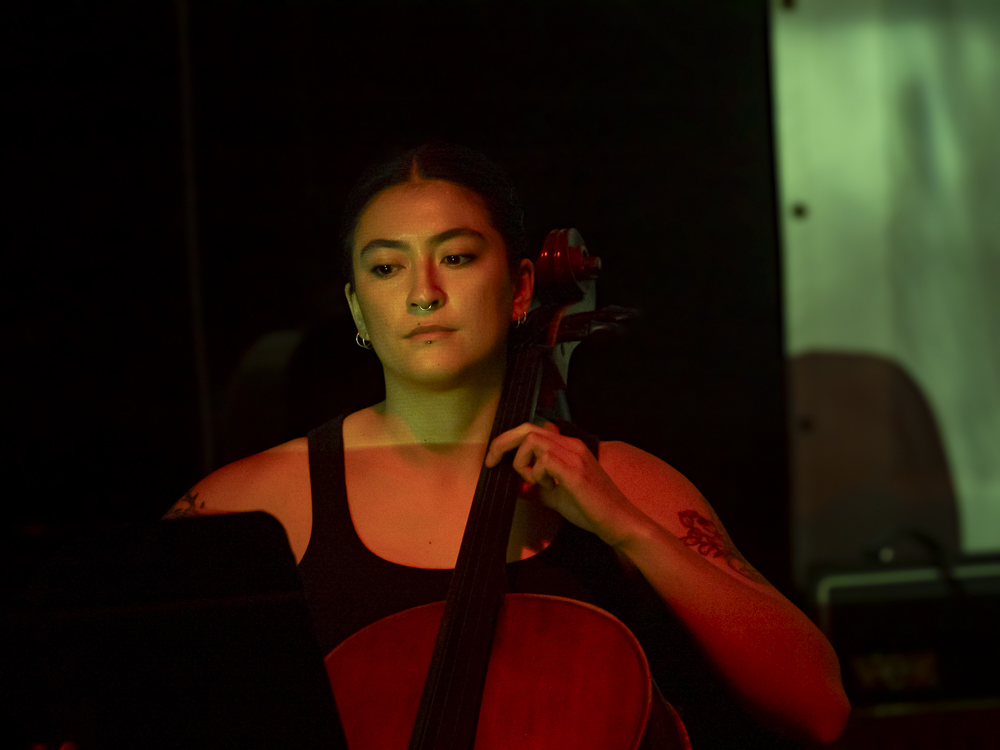
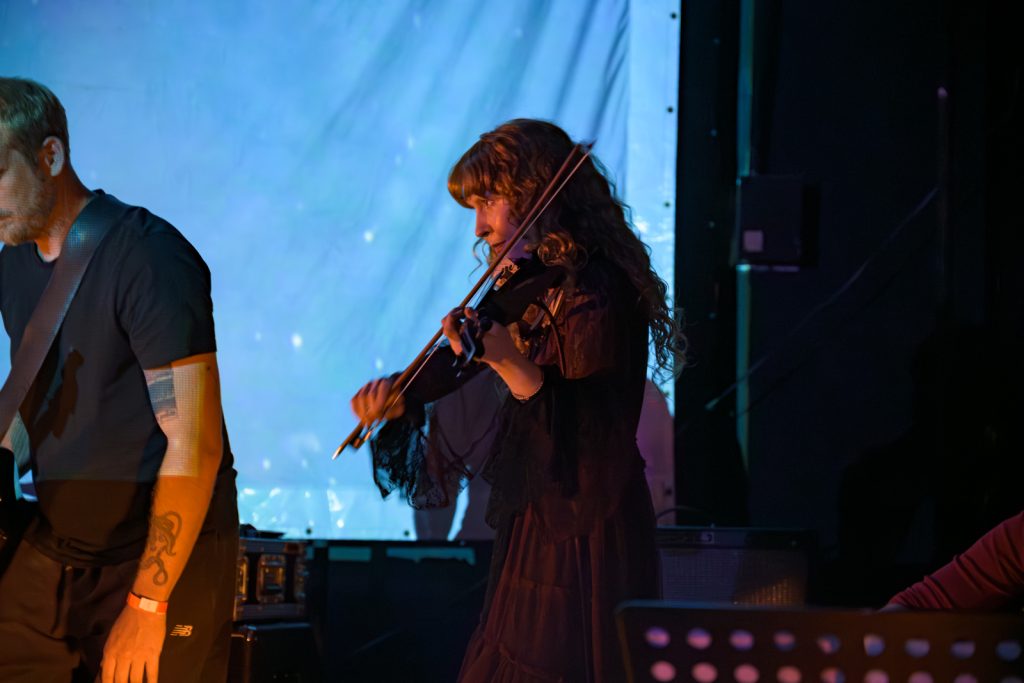
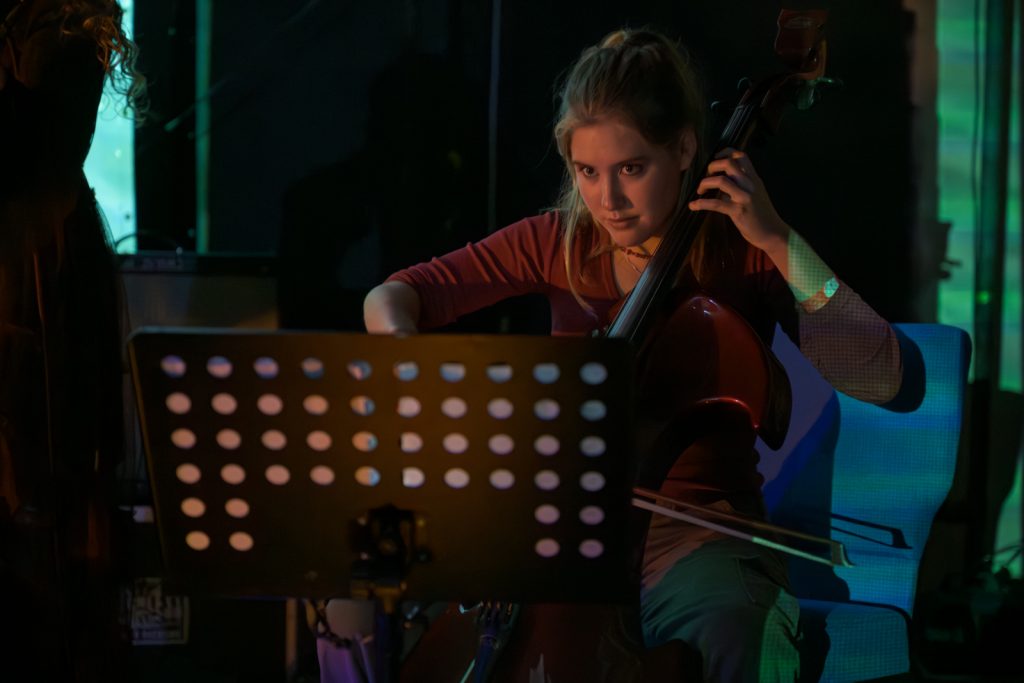
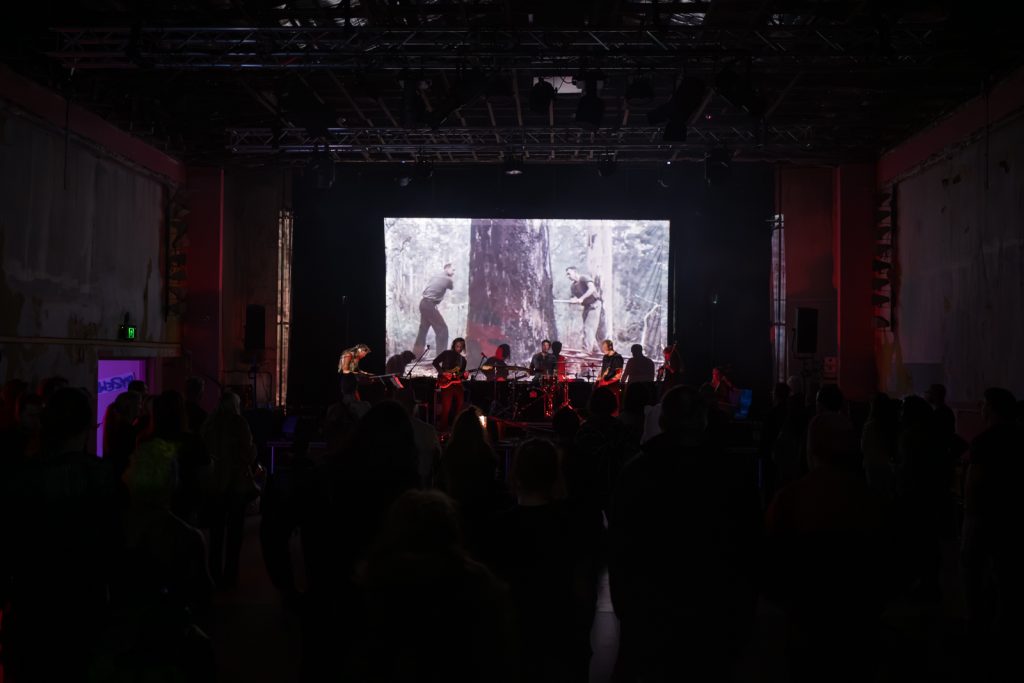
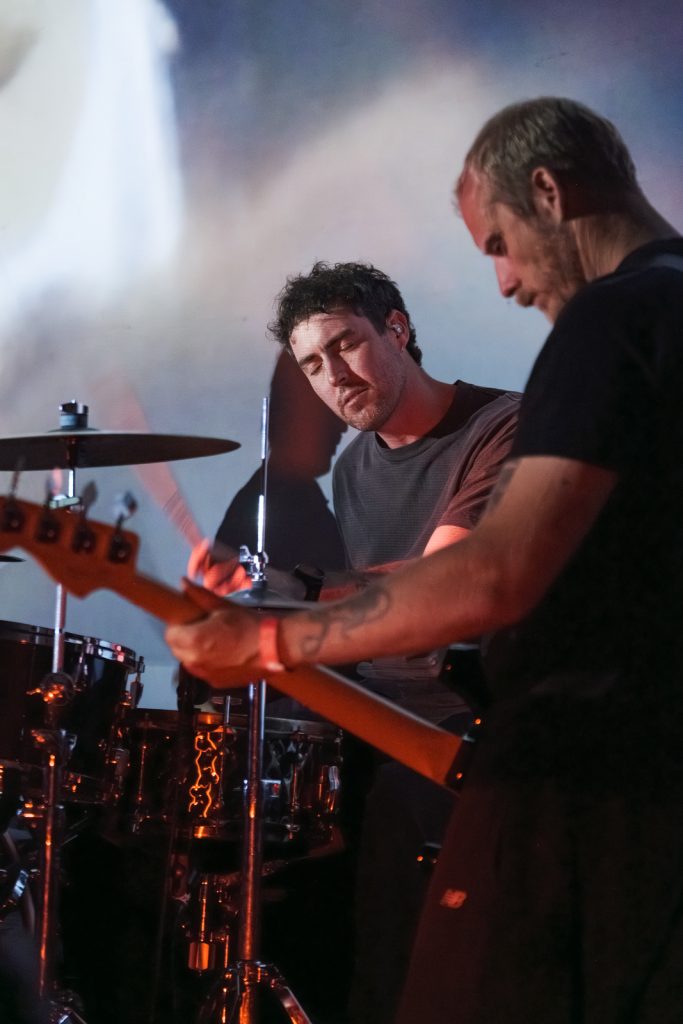
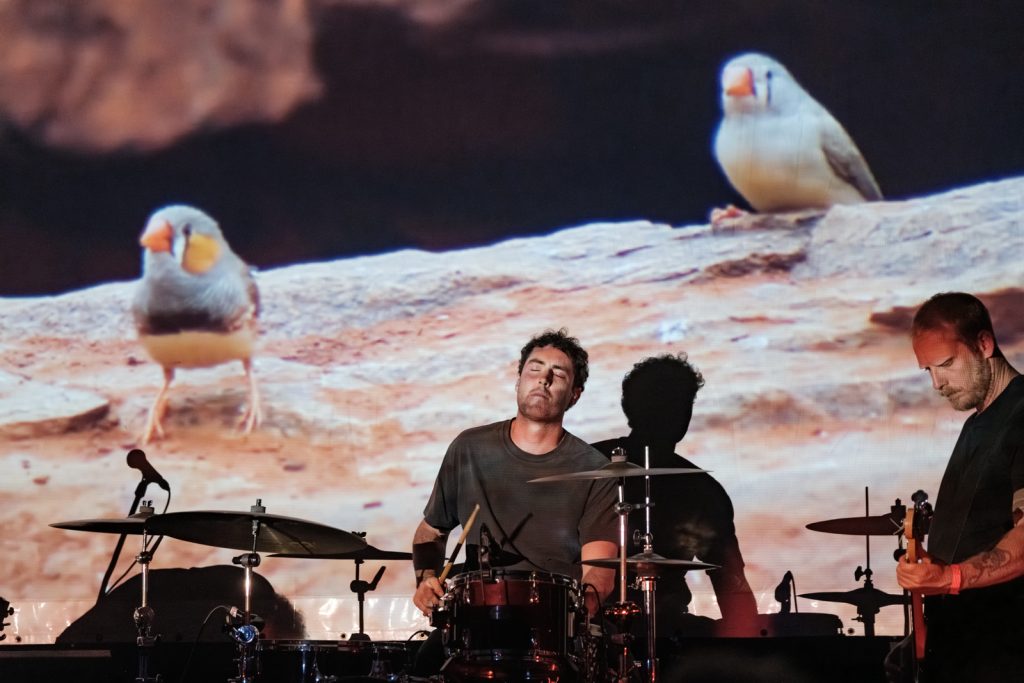
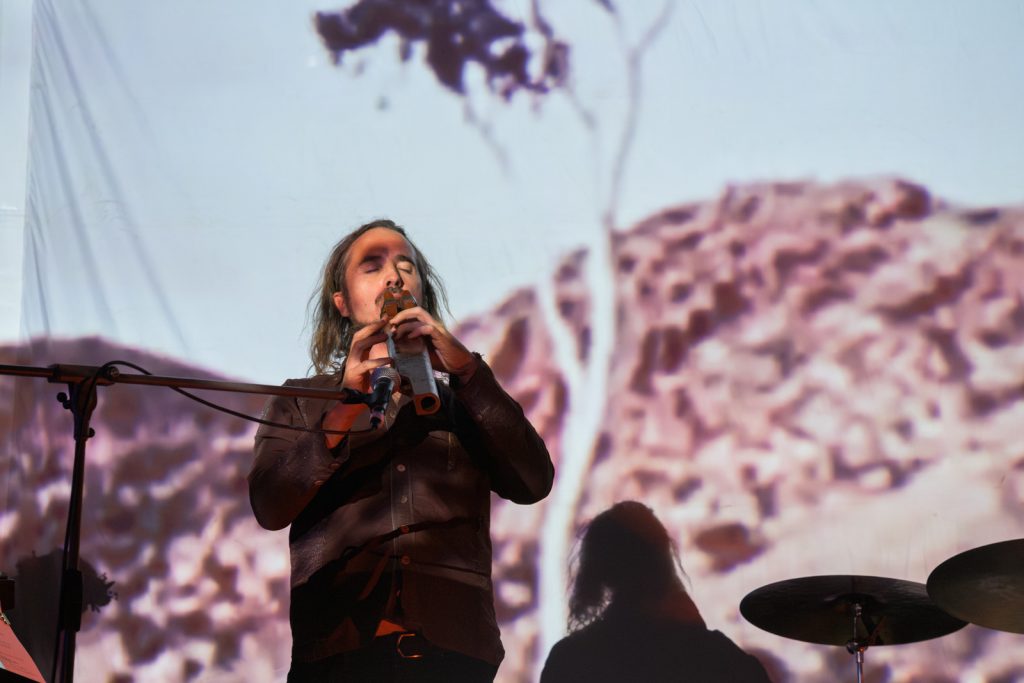
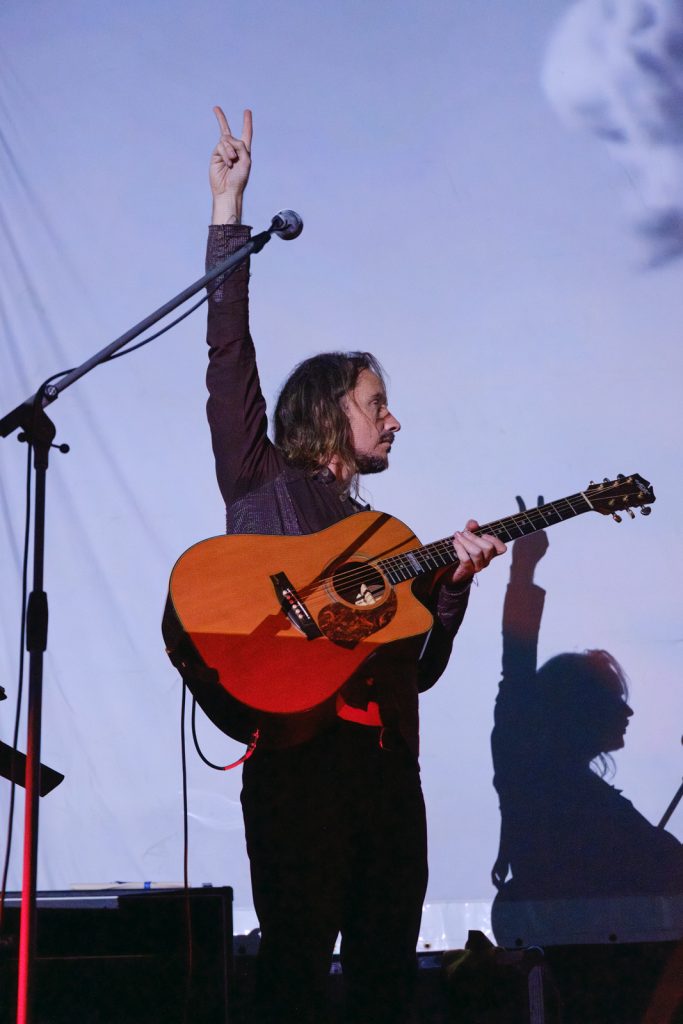
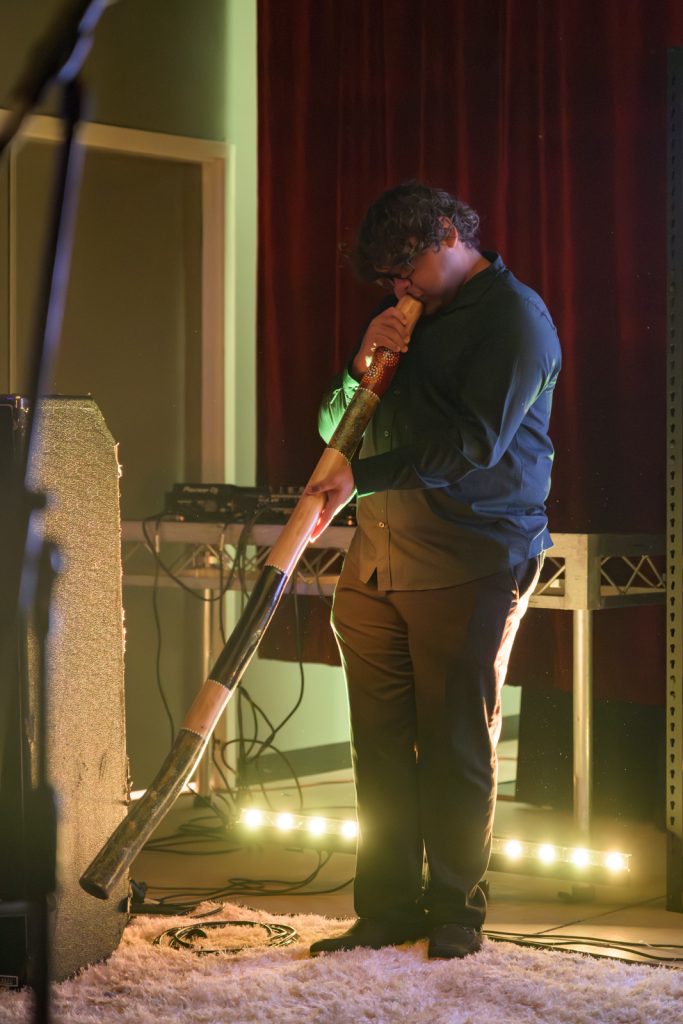
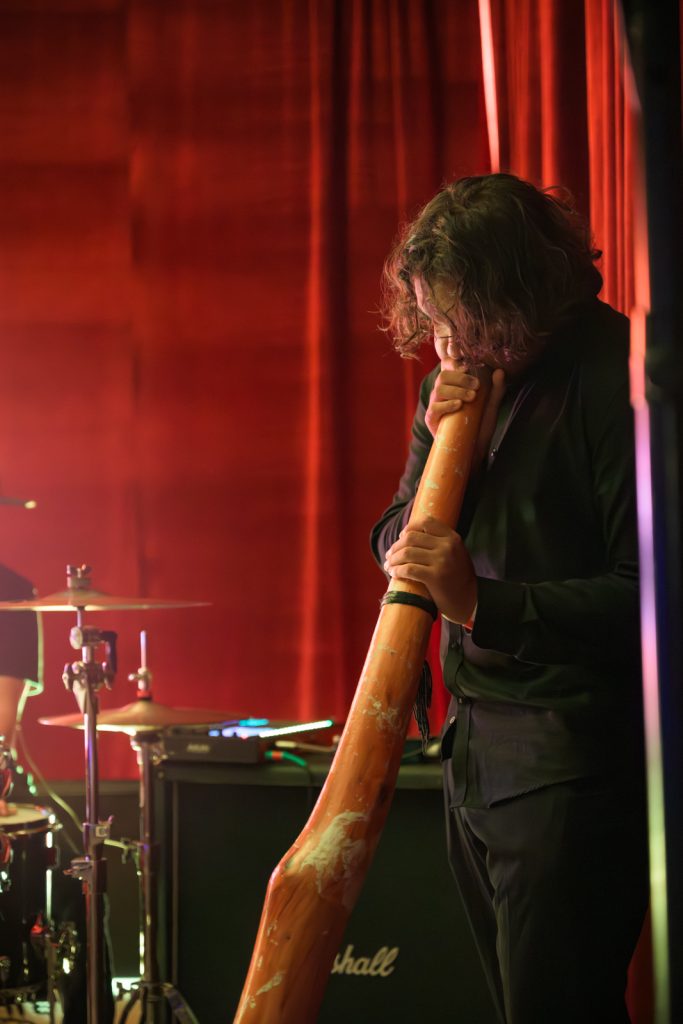
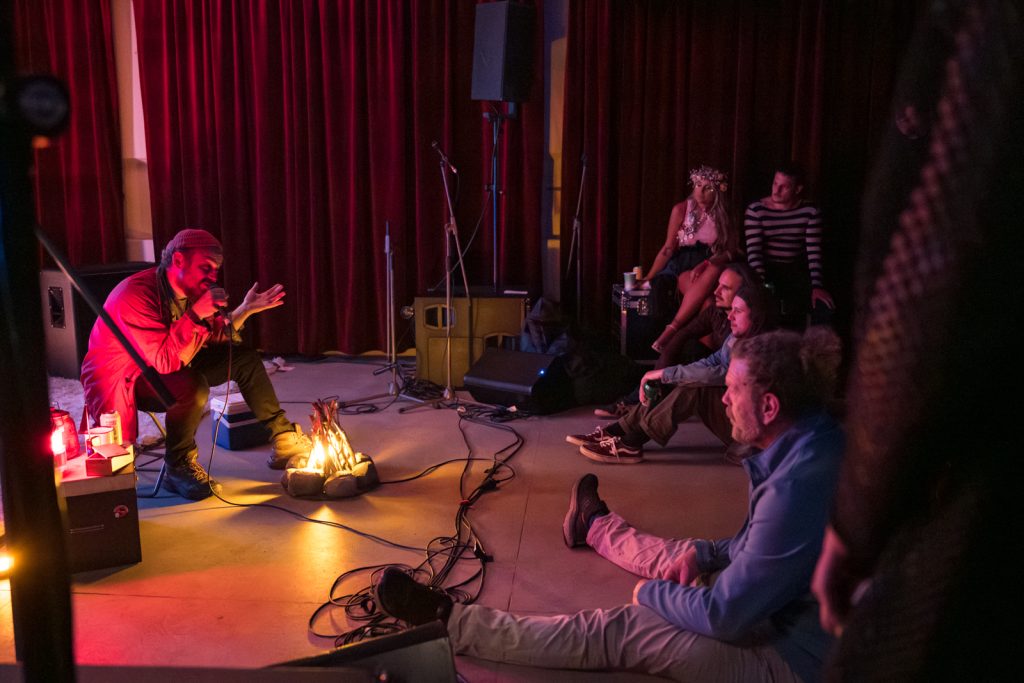
Then the festival’s thesis in long form: Selfless Orchestra launching Terra Nullius as a live cinema-concert. Archival film swept from campfire intimacy to mining machinery, from ethnographic reels to the fallout of Maralinga. Strings whispered, then seethed; a didgeridoo entered mid-set like a hinge. The ensemble’s evocative post-rock rose and broke like weather systems—hope blooming, trains bisecting country, fences torn down—before returning to the crackle of fire. Less a “gig” than a reckoning and motivating call-to-arms, their expression of Terra Nullius was laid across a city shell we’d reanimated for three nights.
Across the three-night run, Strange Ball staged live culture-clashing that encouraged audiences to sample, recoil, and return with re-tuned ears.
There’s still the Strange paradox. The exclusivity (you had to know, you had to climb stairs, you had to love sweat) rubs against a real desire to open the city up—activate its overlooked rooms, invite cross-pollination, centre accessibility, and pull new bodies into old spaces. The choice to resist “art trail” gigantism and keep it tight—no Burning Man-lite monumentality—means intimacy can survive.
If Perth’s cultural centre often feels like empty frontage after 6pm, Strange’s answer is simple: the life is in the bits between the walls. For three nights the Liberty Theatre stopped being an artefact and became a reactor—one that proves, again, you can keep the strange strange and still let more people in.
CAT LANDRO
Photos by Linda Dunjey and Adrian Thomson