Review: Smerz at Freo.Social
Smerz at Freo.Social
w/ Nick Allbrook
Wednesday, February 25, 2026
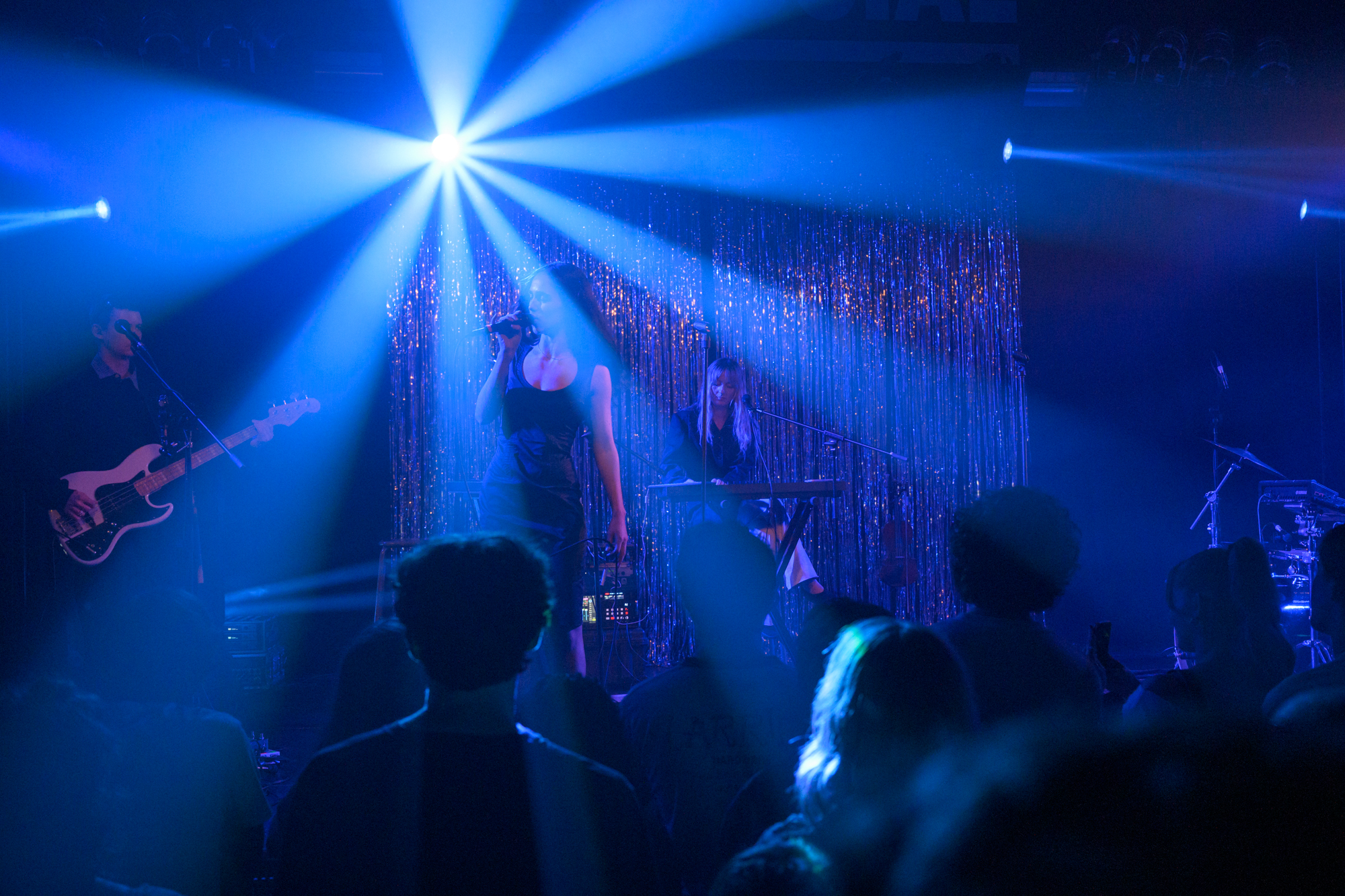
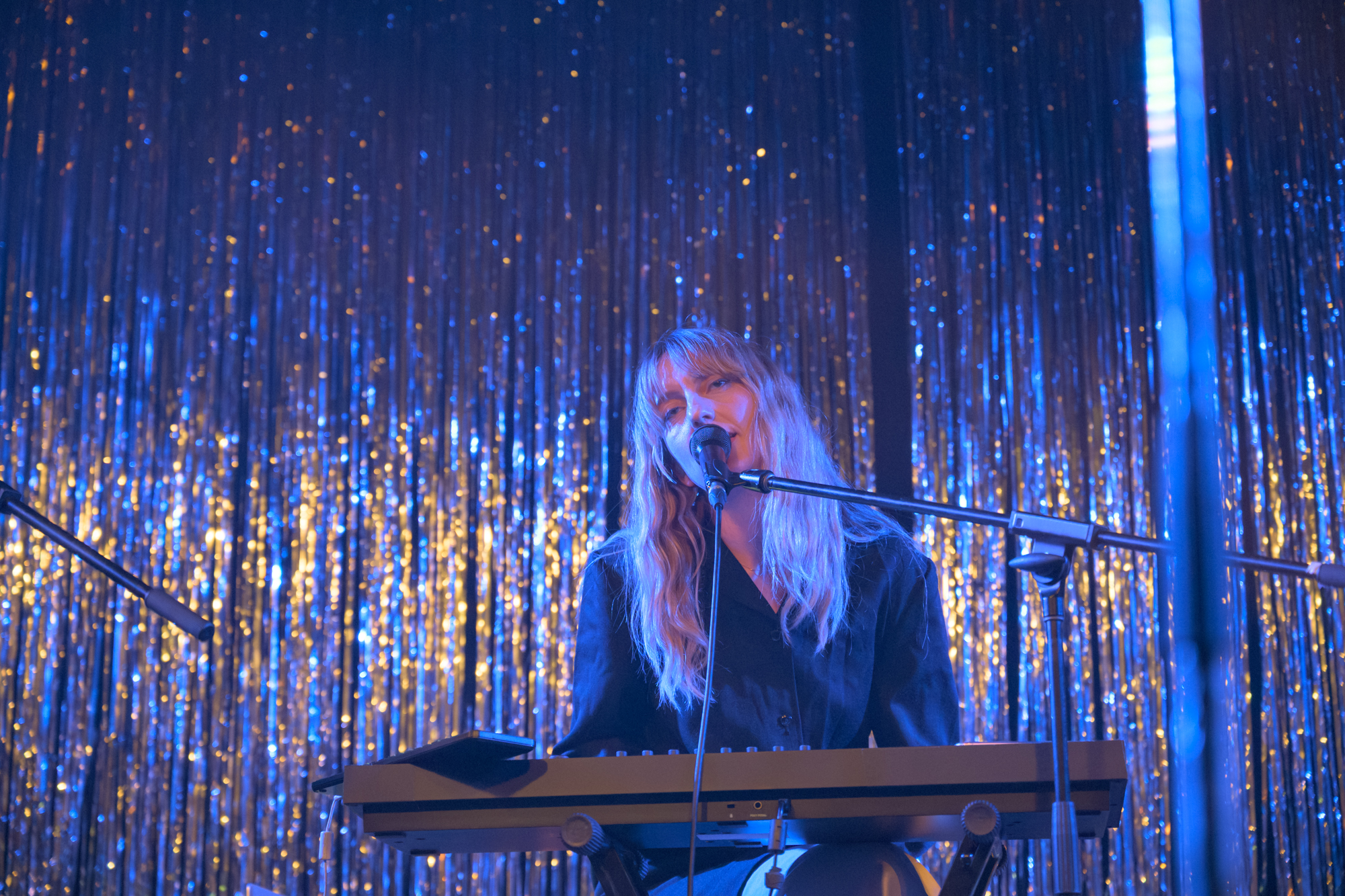
While late February finally loosened its humid grip on Fremantle, Freo.Social wasn’t heaving with the instant sellout hysteria that Geese managed to create here recently. A silver tinsel curtain shimmered at the back of the stage as bodies accumulated in a quiet crawl. This wasn’t a night of hype or frenzy, but allegiance—the kind of crowd that builds quietly, like a secret spreading awareness.
It was also a night for girl-crushing. Not in a novelty way. In a structural way. Even the teeny tiny apparition of Nilüfer Yanya herself could be spotted in the room—artist recognising artist.

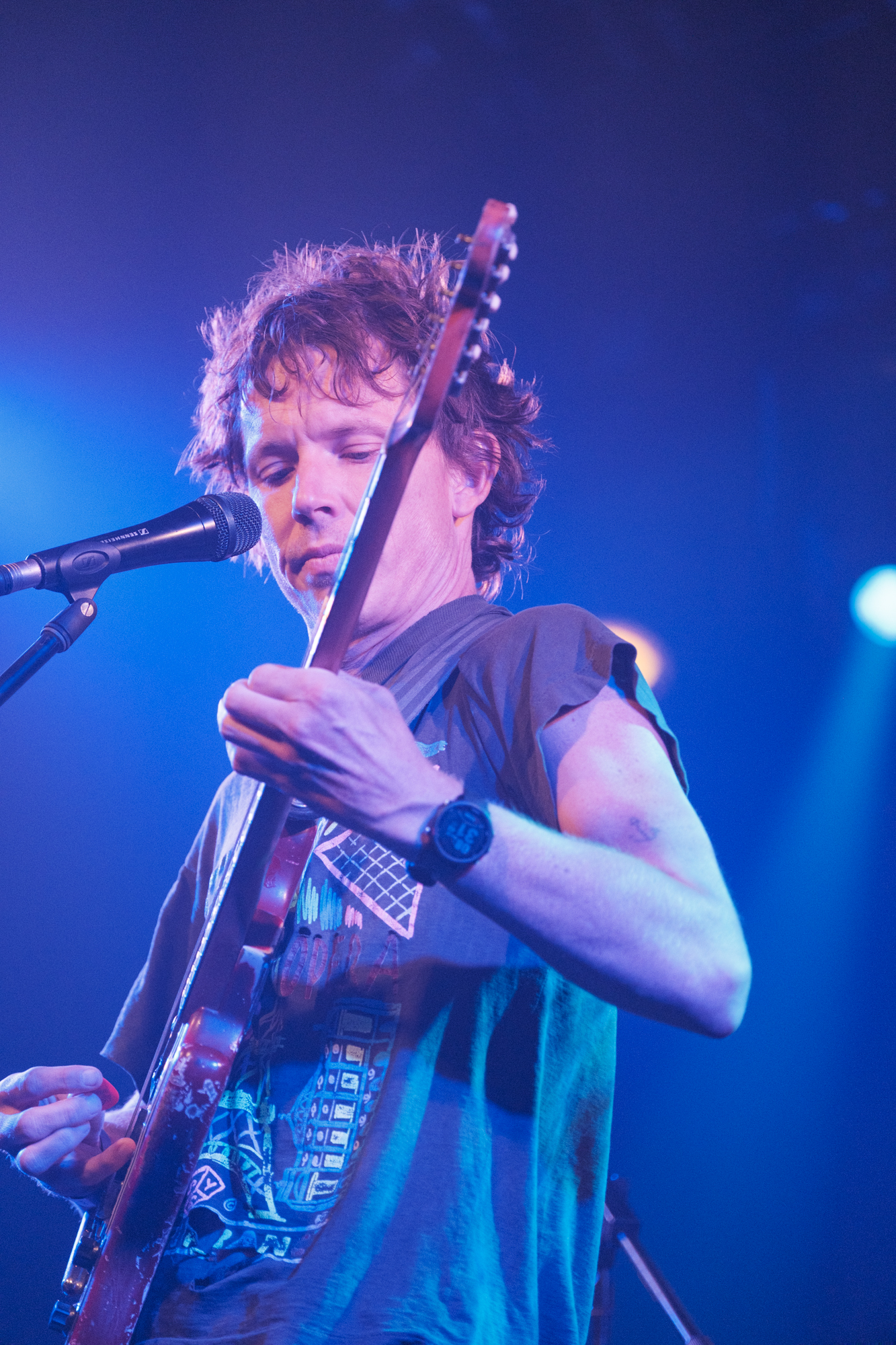
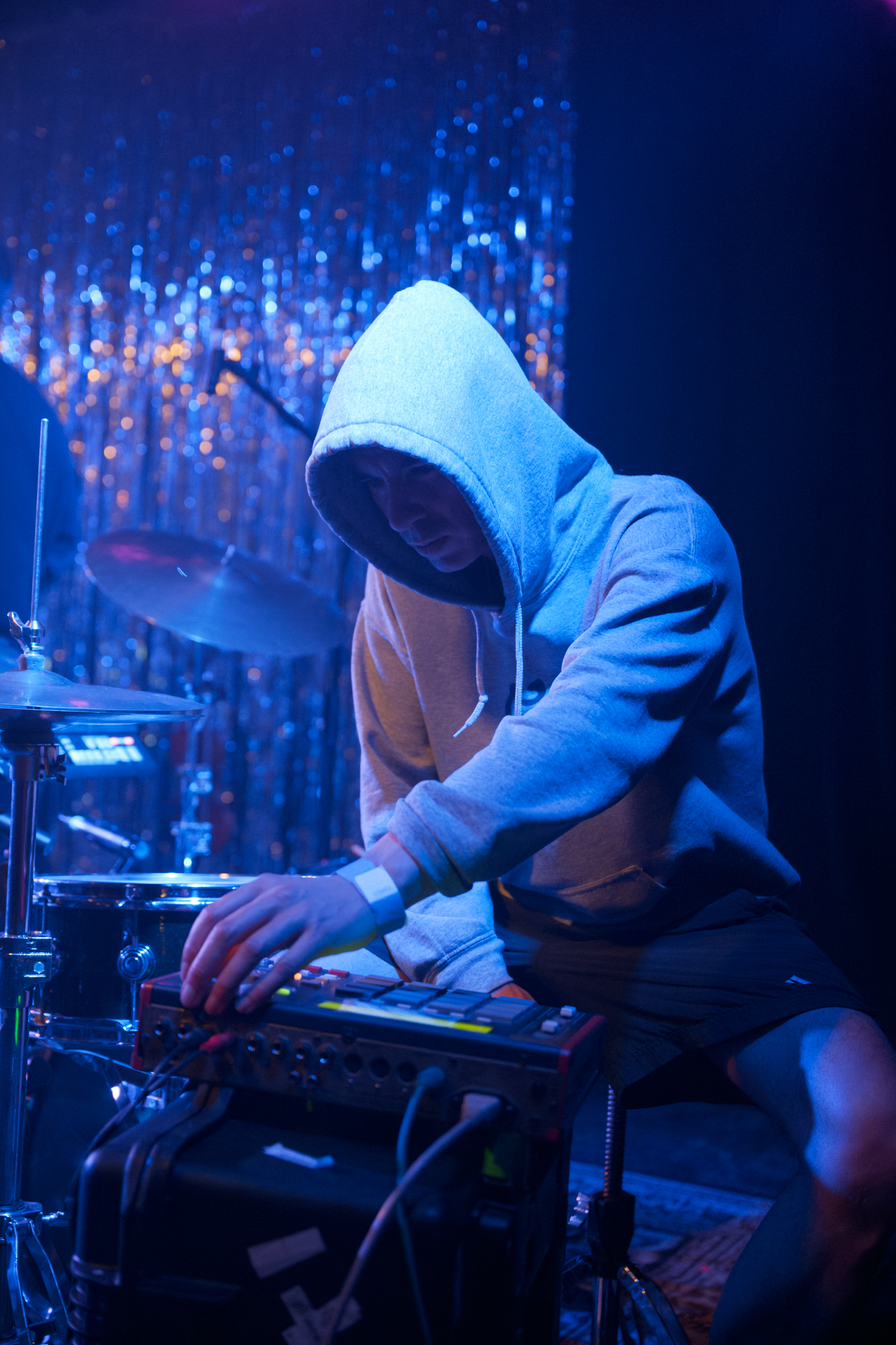
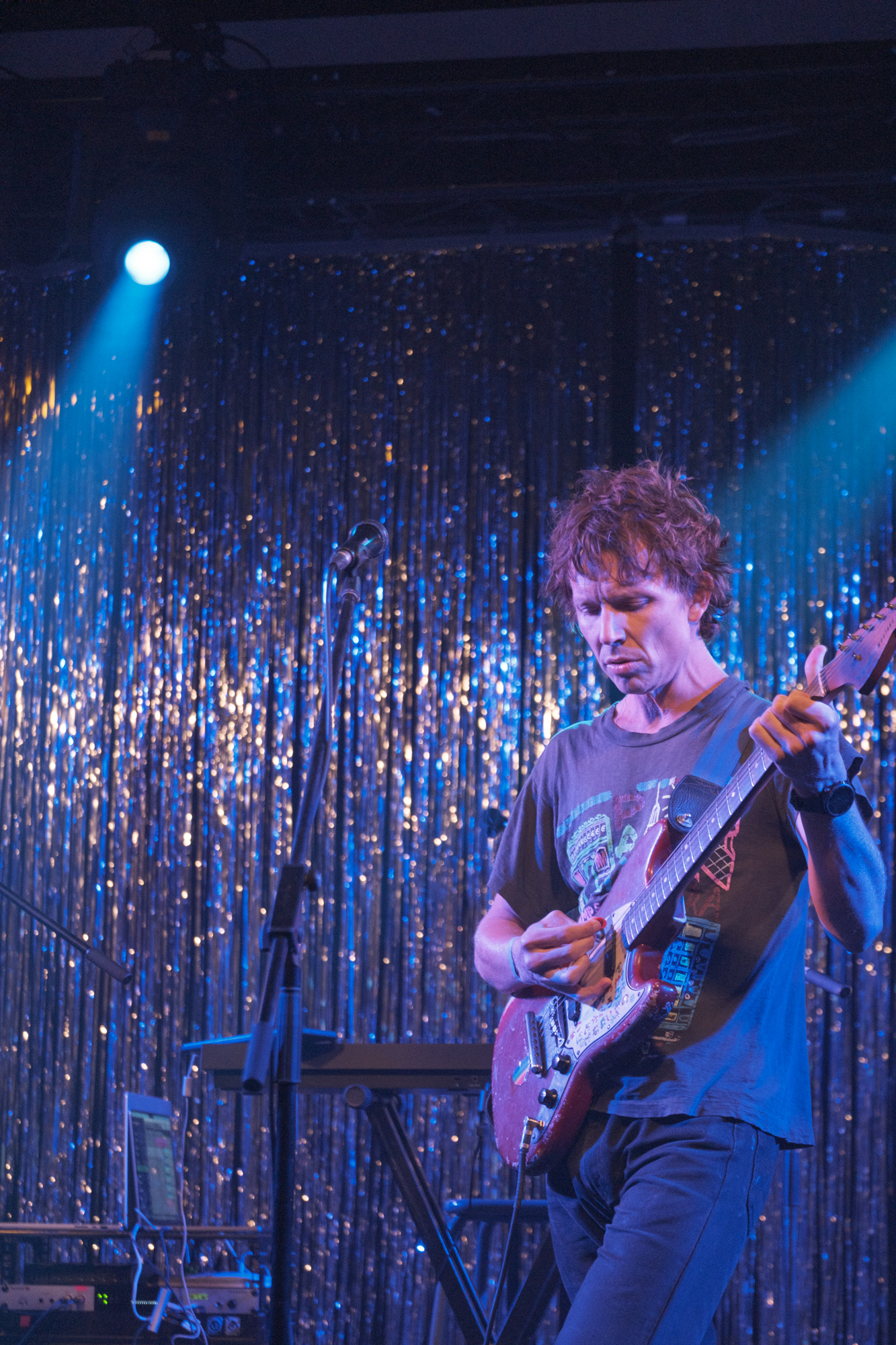
Nick Allbrook, Pond’s mercurial frontman, opened solo, self-effacing and sharp, a self-described “hell punisher” for even asking to support. It was his first time requesting such a slot in twenty years, and that humility softened the room. Not because he was conferring legitimacy, but by acknowledging it—a local heavyweight recognising where the gravitational pull belonged tonight.
Allbrook opened with an off-kilter drum machine thud—somewhere between cowbell rap and over-amplified dad rock—before he launched into the old gem Whispers of Beauty. The beat thumped hard enough, giving his nostalgic melodic instincts a pulse that felt intentionally unpolished. Where Tame Impala sands the edges down to gloss, Allbrook’s solo textures felt scuffed and lived-in, leaving a more human residue.
Across the set he paired buoyant rhythms with darker truths—reflections on his grandfather’s wartime trauma, Karrakatta Cemetery, and a tribute to Jackie, lost to heroin overdose. Even the heaviest moments rode upbeat drum pulses. “Music won’t save you after all that it gave you,” he sang in a new track’s first outing. Perhaps not. But his bright-shell, dark-core songwriting proved an apt prelude to Smerz.

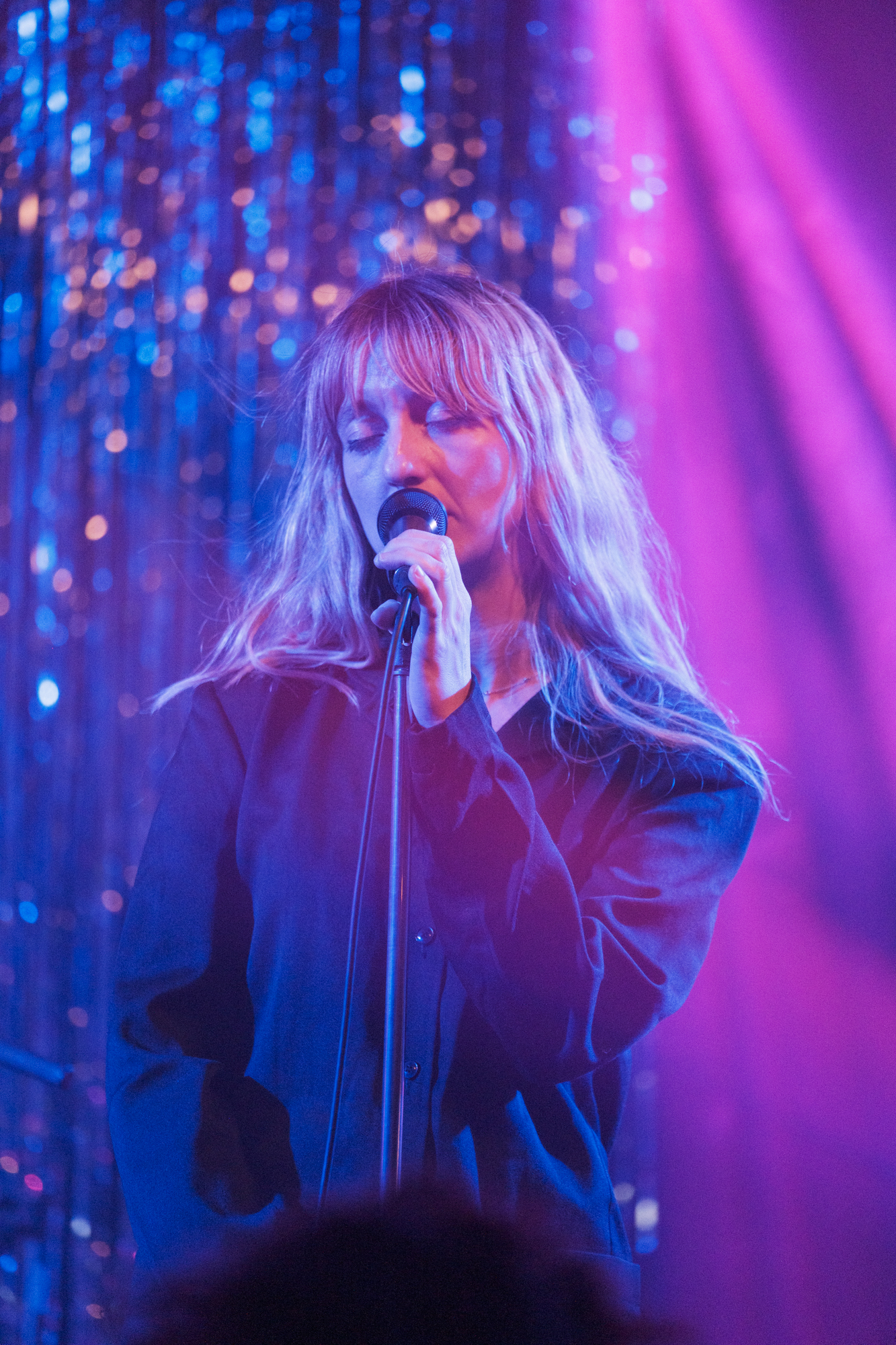
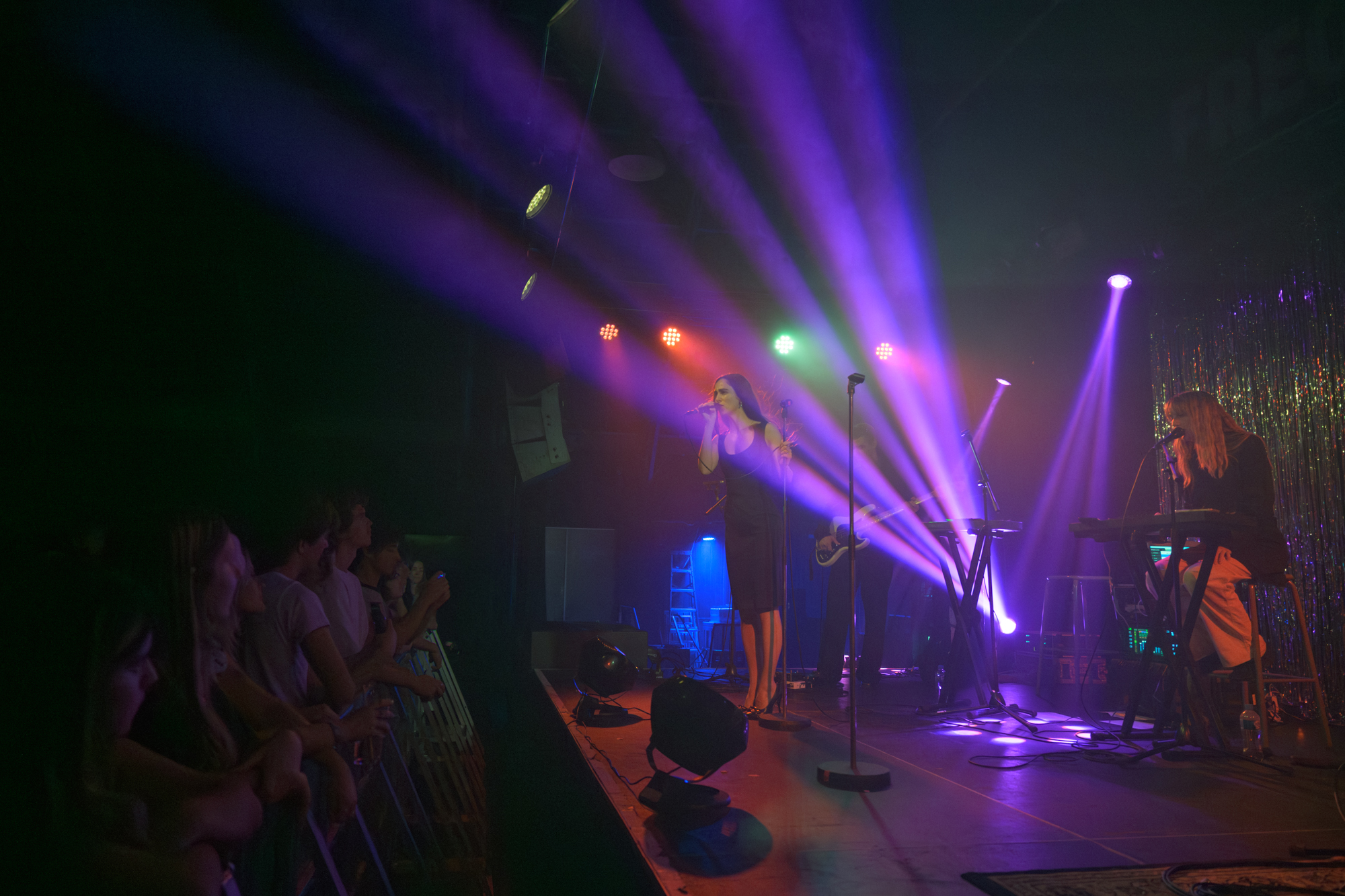
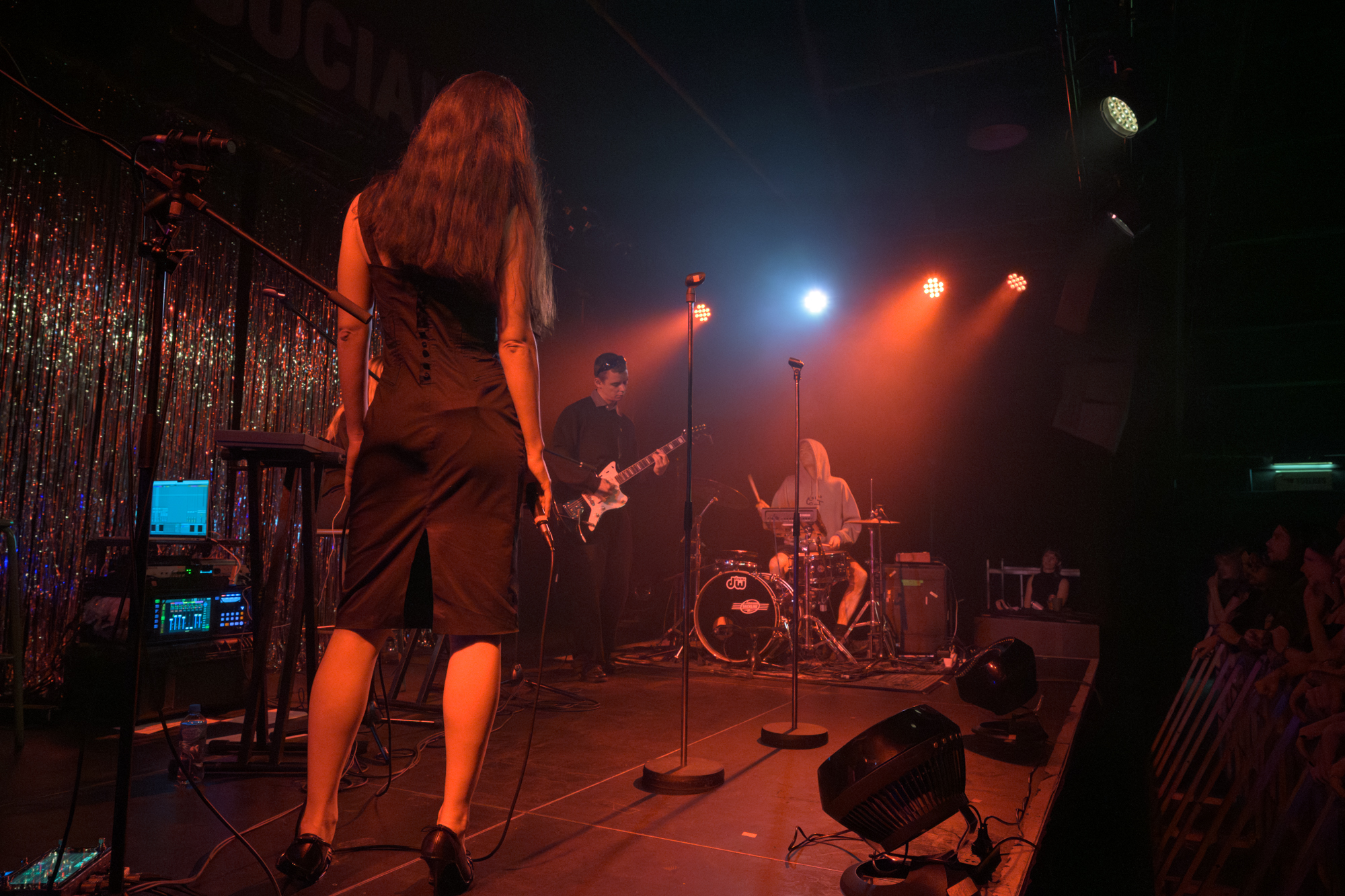
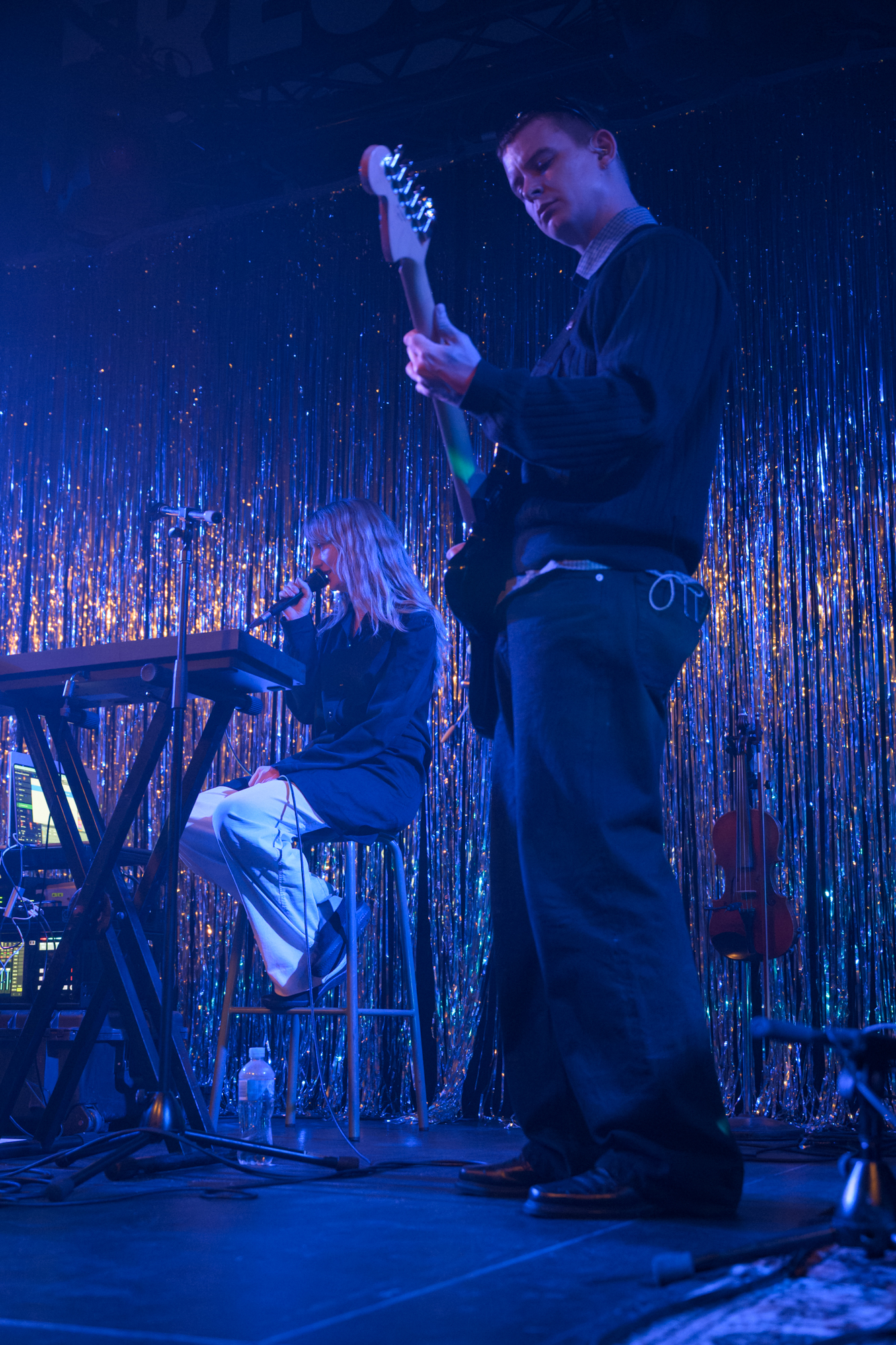
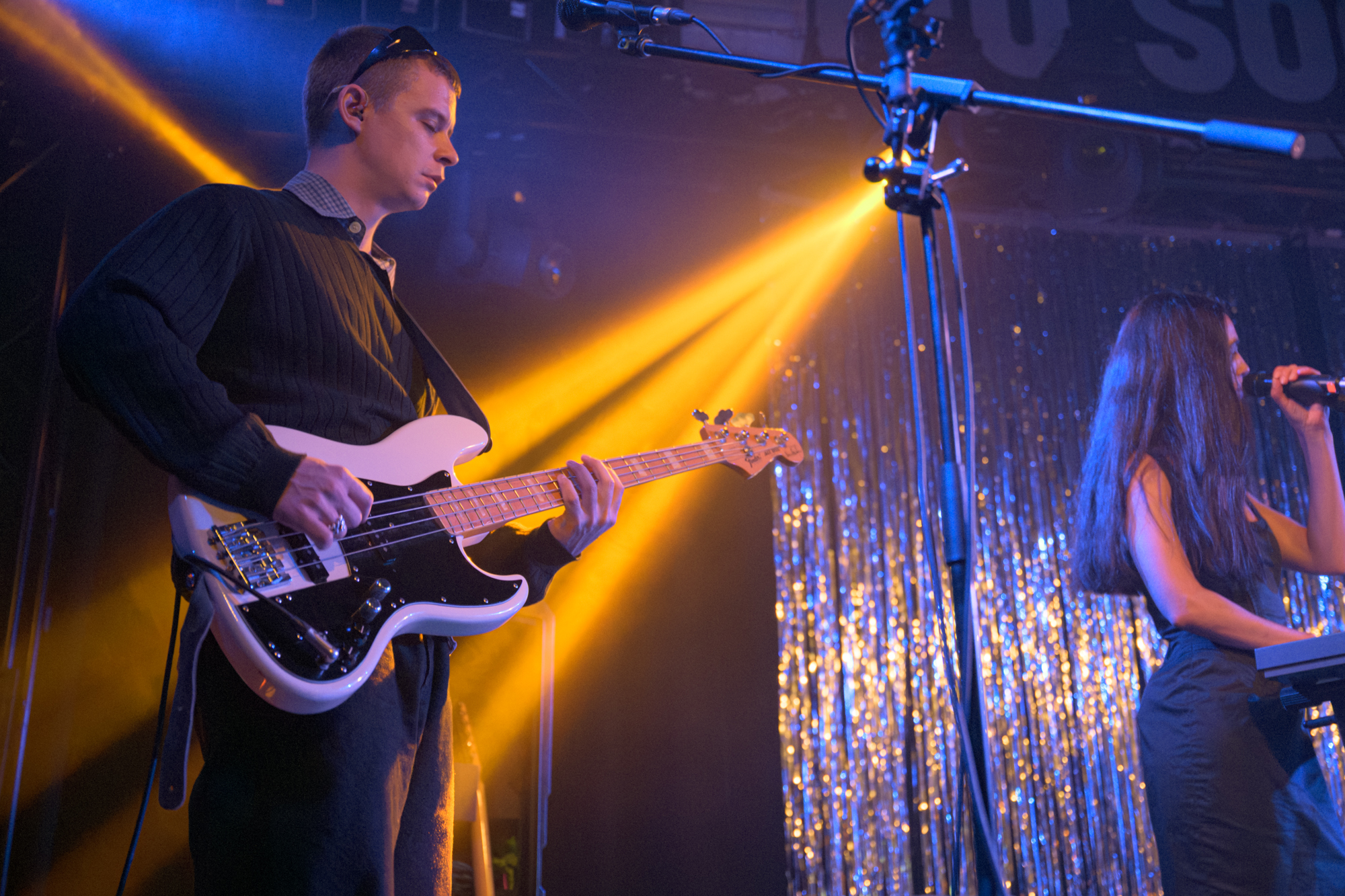
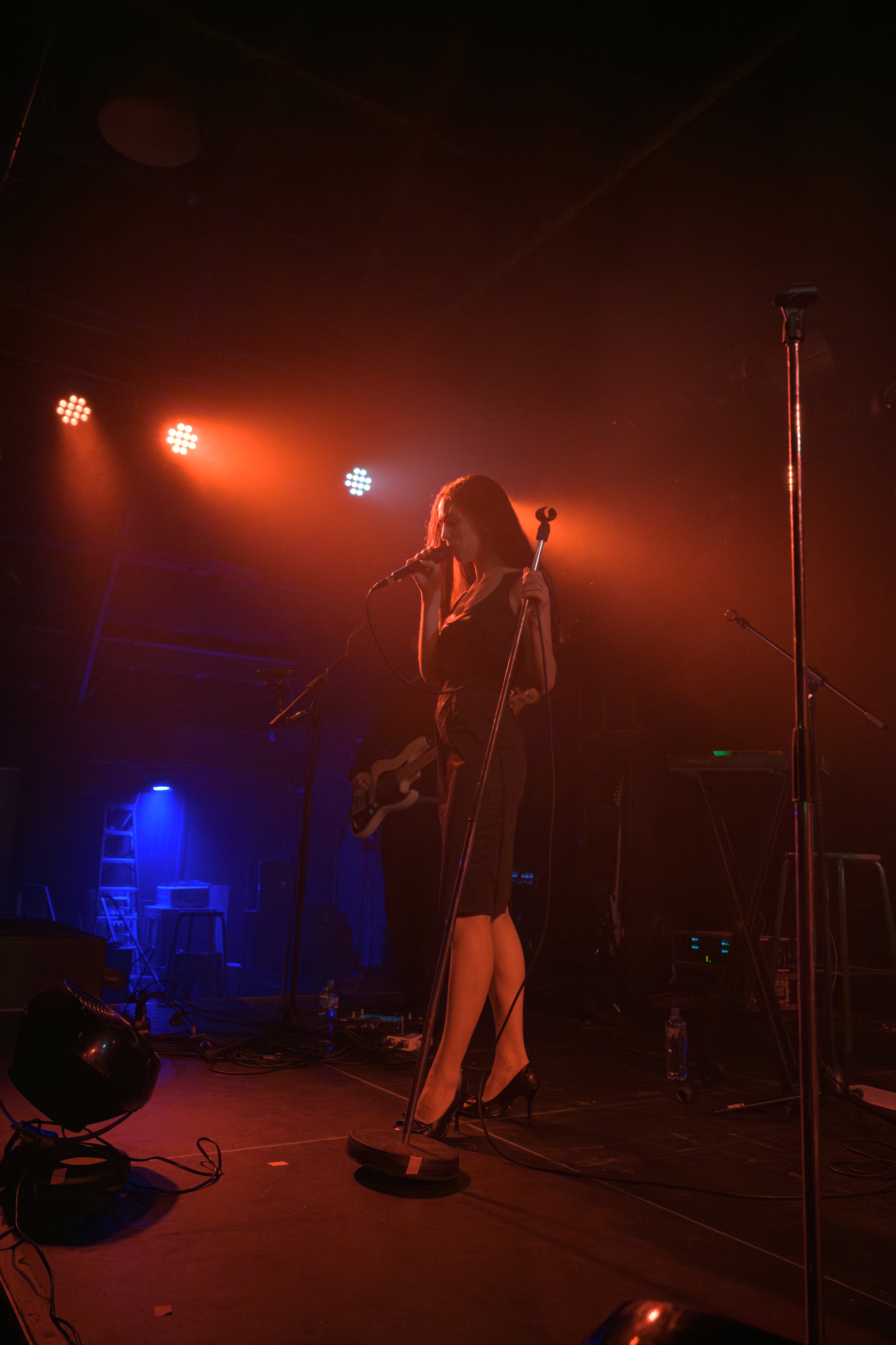
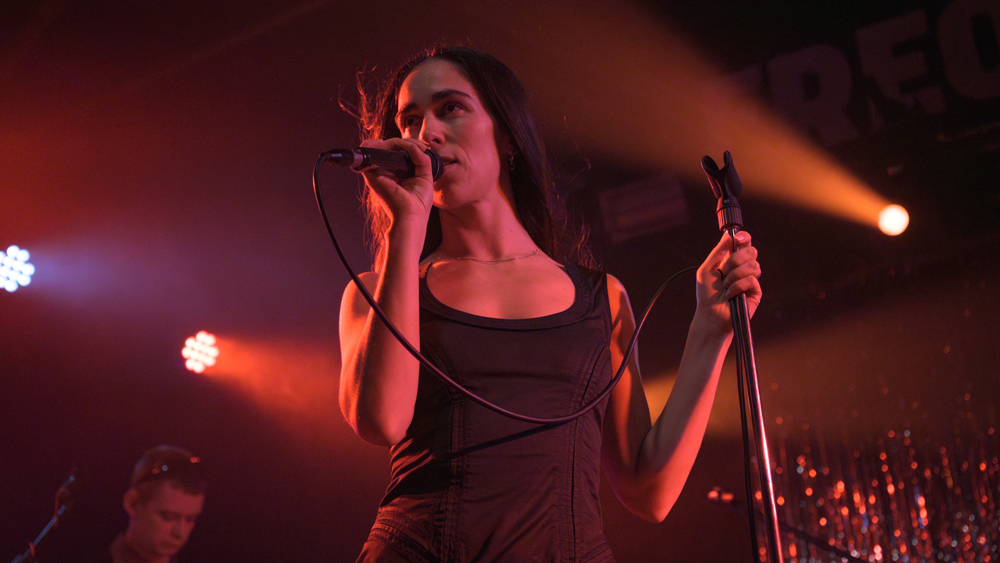
Smerz stepped into the tinselled aura with an almost disarming calm. The stage suggested more machinery than their recordings imply—a drum kit placed side-on, keys and synths set to the rear, and two front microphones prefiguring the duo. As additional musicians finished setting up, any question of hierarchy dissolved quickly. The band expanded the sound; the architecture belonged entirely to Catharina Stoltenberg and Henriette Motzfeldt.
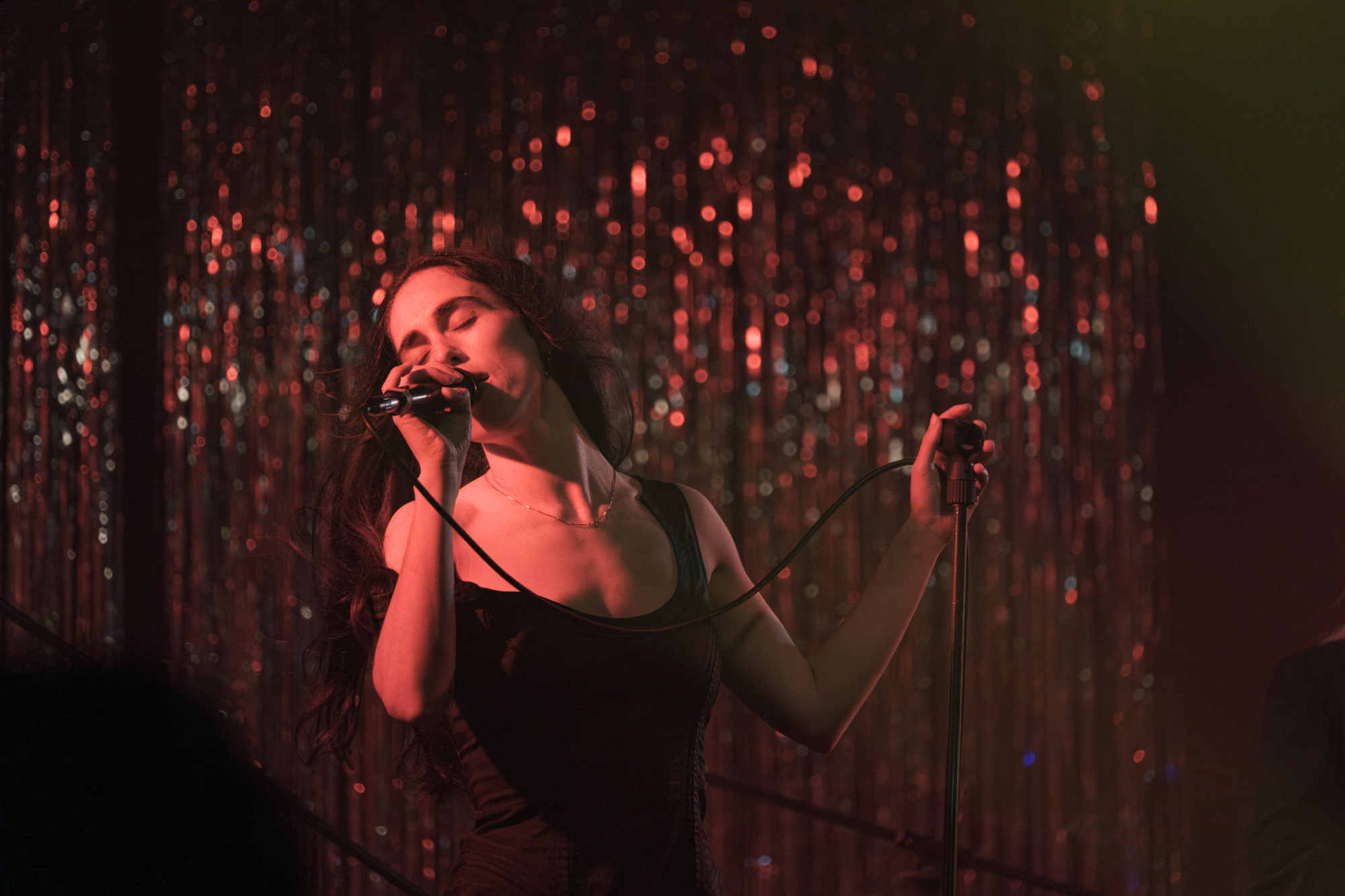
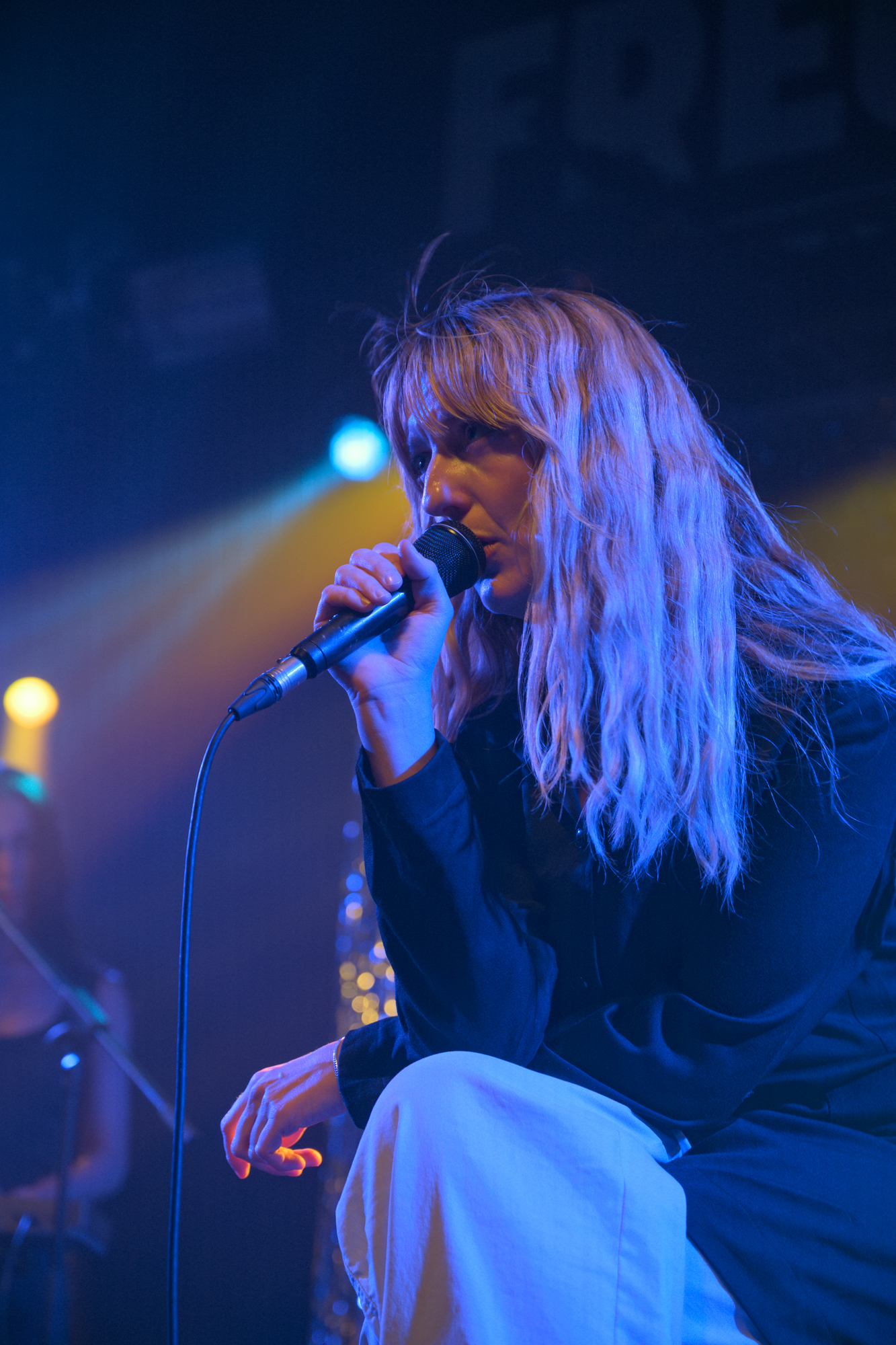
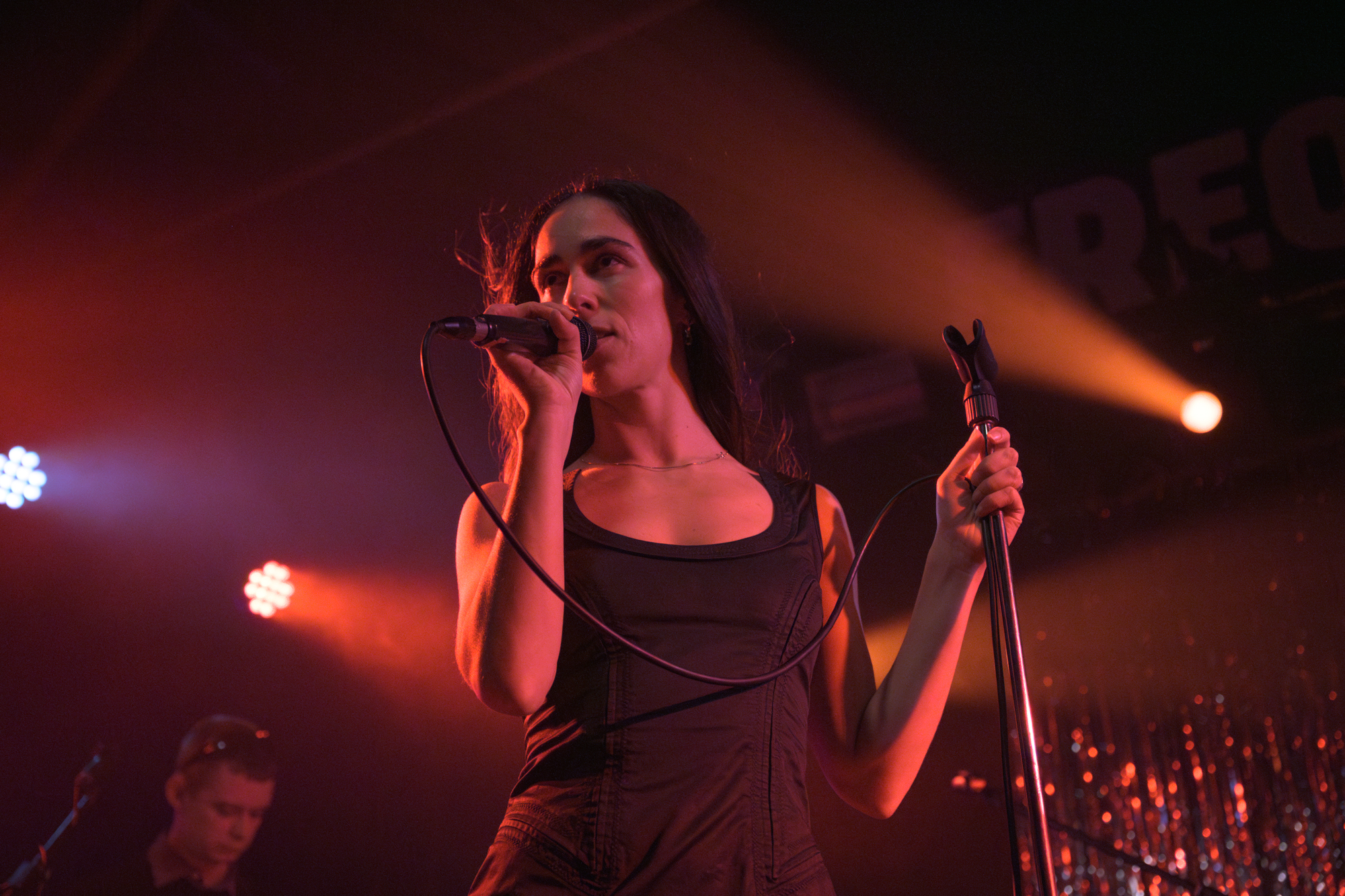
They entered a brief instrumental wash of vibrating strings and loose jazz harmony before opening with Sorry. Stoltenberg was on synth while Motzfeldt approached the mic with casual stillness, settling onto a stool as her vocals slipped into reverb haze. The delivery was coolly controlled, shifting between emphatic phrasing and breathy sighs. Imagine This followed, and Stoltenberg stepped forward to deliver a smooth spoken word with near-beatnik inflection. Every move felt intentional and curated. When she introduced “The Big City Life experience, all the way from Copenhagen”, the dryness in her tone undercut any exoticisation. This wasn’t an aesthetic export. It was authorship.
The short interlude What hinted at jazz lineage (by way of house) before Motzfeldt carried Big City Life into the room with understated propulsion. When the duo tossed off the line “I heard that they broke up,” the wry delivery sharpened its cynicism.
Cheers erupted at the start of Feisty, the line “Hey girl, I really want to be your friend” capturing the room’s energy perfectly—moody, flirtatious and conspiratorial.

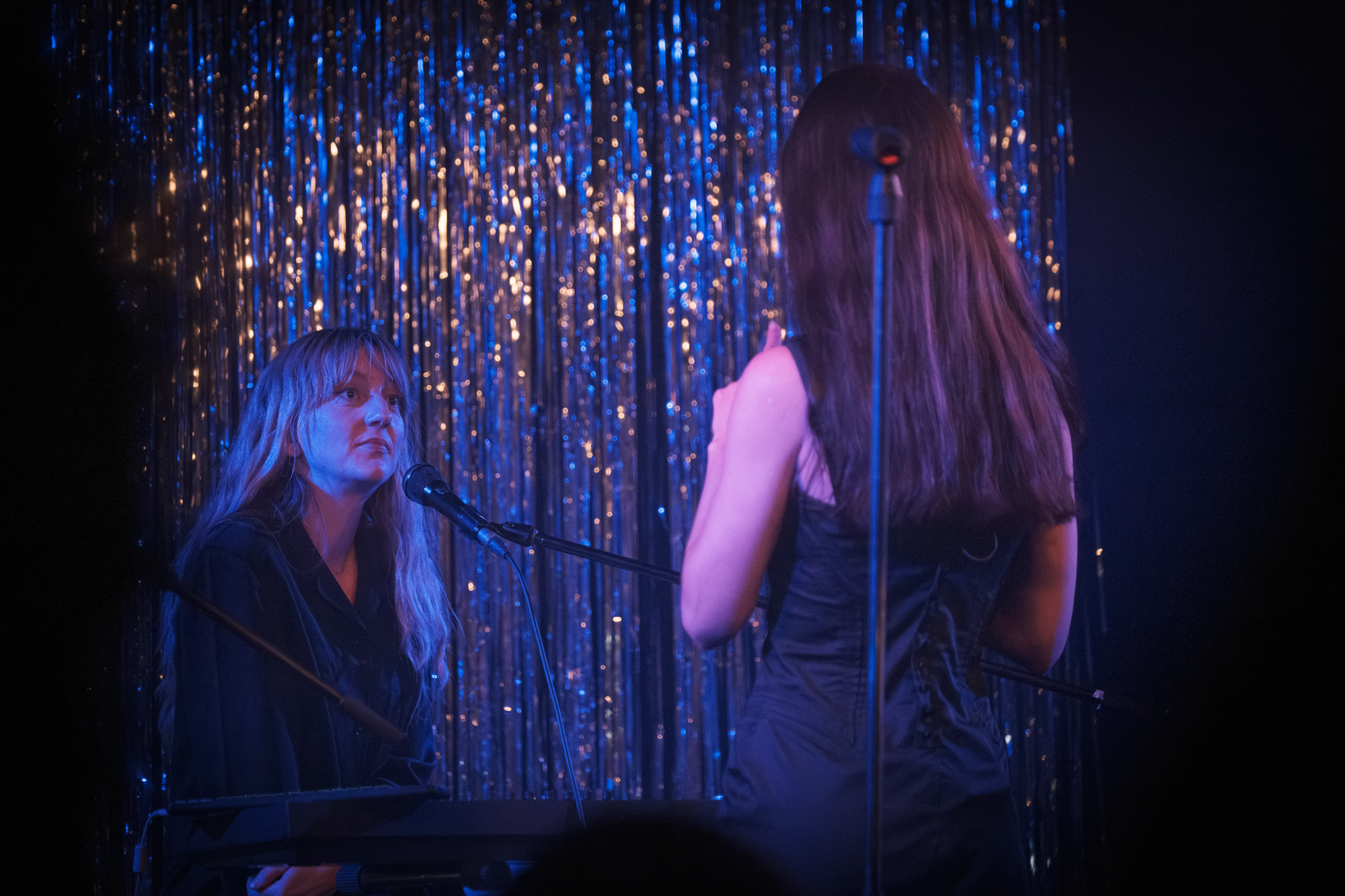
The contrast between the two voices anchored Smerz live. Stoltenberg’s tone sat clearly on the surface—declarative and composed—while Motzfeldt’s carried surprising depth. Rather than competing, the two contoured each other, meeting in a duet as the silver tinsel flickered blue and magenta behind them like metallic static.
Midway, the set deepened in mood. Tracks unfolded through slow pulses of bass and drums, occasionally edged by sharper electronics. Deeper cut Flashing introduced a processed vocal tone that hinted at the sleek R&B minimalism of contemporaries like Erika de Casier, filtered through late-millennial pop sensibility.
By But I Do, both performers had moved to the front of the stage, the band’s sound swelling. Stoltenberg swayed slightly, aware of her visual wind-swept impact, as she carried the emotional centre of the set through the newer track It’s Here, and asked quietly, “Am I slowly fading into something real?” while holding space for both vulnerability and cool detachment.
In those moments, the stage layout made perfect sense. The drummer’s loose exuberance would have overtaken the visual centre placed front-on. Set to the side, the kinetic energy read as supportive, not distracting. Stoltenberg and Motzfeldt held the axis.

Alternating between club pulse and wistful restraint, the duo delivered a striking Australian debut. Even while testing new material, there were few signs of the nerves they mentioned. Stoltenberg’s firm, repeated synth-bass notes on Close, grounded with assuredness, before they softened again into Easy, which the crowd knowingly sang back.
Momentum returned through Street Style and Roll the Dice. The sound remained club-informed rather than the club itself—a dancefloor language refracted through jazz restraint. Smerz borrowed from club grammar while refusing its expected release, Dreams coming closest to an ecstatic peak. Motzfeldt’s voice climbed into crystalline heights while the pulse beneath threatened to burst open. When the two sang together, they turned towards each other rather than outward—Stoltenberg at the keys and Motzfeldt at the front of the stage—reinforcing a sense of mutual anchoring.
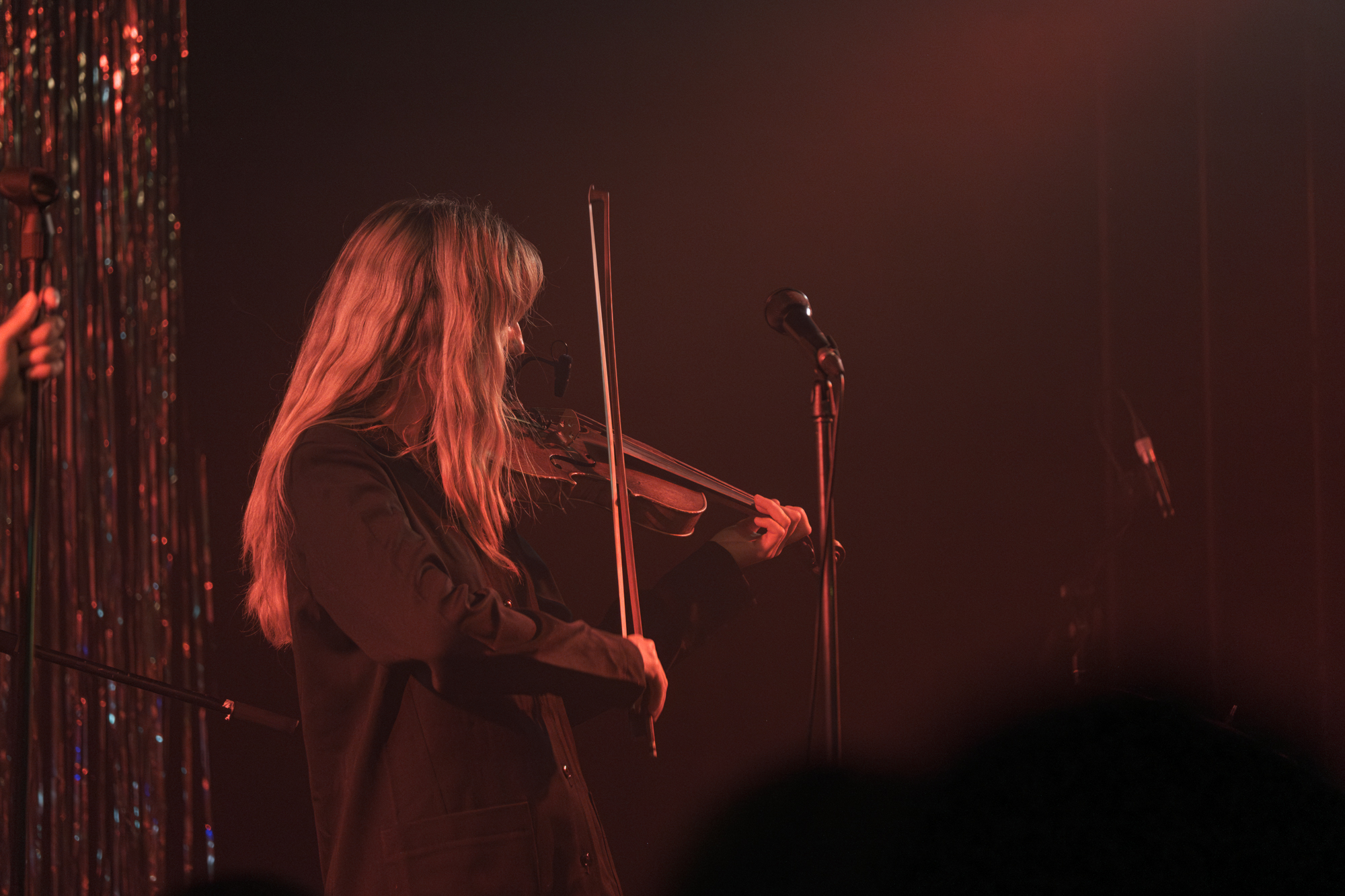
For the closer, You Got Time and I Got Money, Motzfeldt reappeared from the backline with a violin to audible cheers. The bittersweet symphonic line reframed the refrain into something quietly romantic. Stoltenberg’s harmonies rendered the moment somewhere between genuine love, naivety and late-millennial ambivalence.
If Allbrook had wondered earlier whether music could save us, Smerz seemed uninterested in salvation narratives. What Stoltenberg and Motzfeldt offered instead was authorship—girls leading the room without needing to announce it.
The venue didn’t need to be sold out to feel full. It only needed to feel aligned.
CAT LANDRO
Photos by Adrian Thomson