Review: RTRFM’s Dis-Order at Milk Bar
RTRFM’s Dis-Order at Milk Bar
w/ Natural Defence, Inhumane, DETH, Dreamspeed, Life Cult, Amerol
Saturday, May 30, 2026
Community radio has long functioned as an incubator for local music, but RTRFM’s Dis-Order fundraiser did more than merely provide a platform. Across six acts spanning hardcore, industrial noise, doom, darkwave and punk, the station’s curation proved remarkably considered: alternating textures and intensities so that the night breathed rather than bludgeoned.
At a time when genre boundaries feel increasingly porous—or perhaps even irrelevant—the lineup’s success lay not in similarity or neat categorisation so much as mutation.
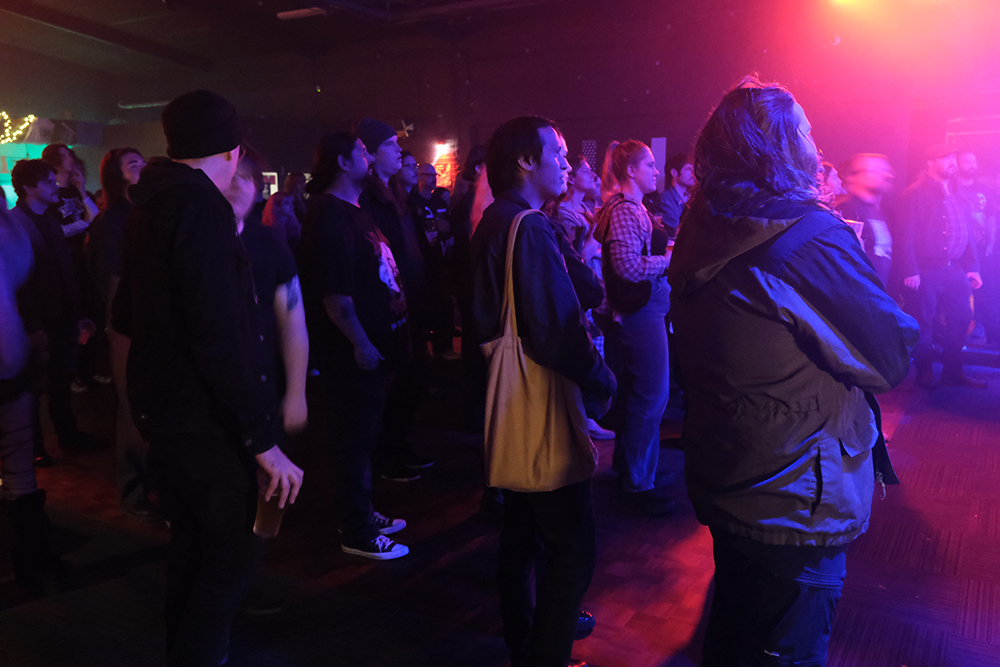
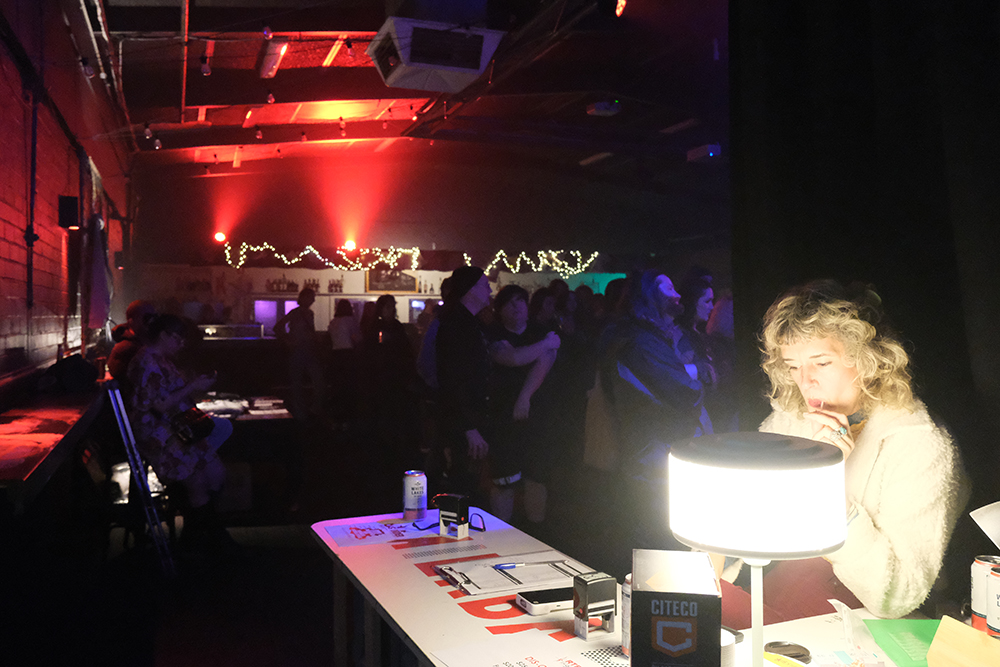
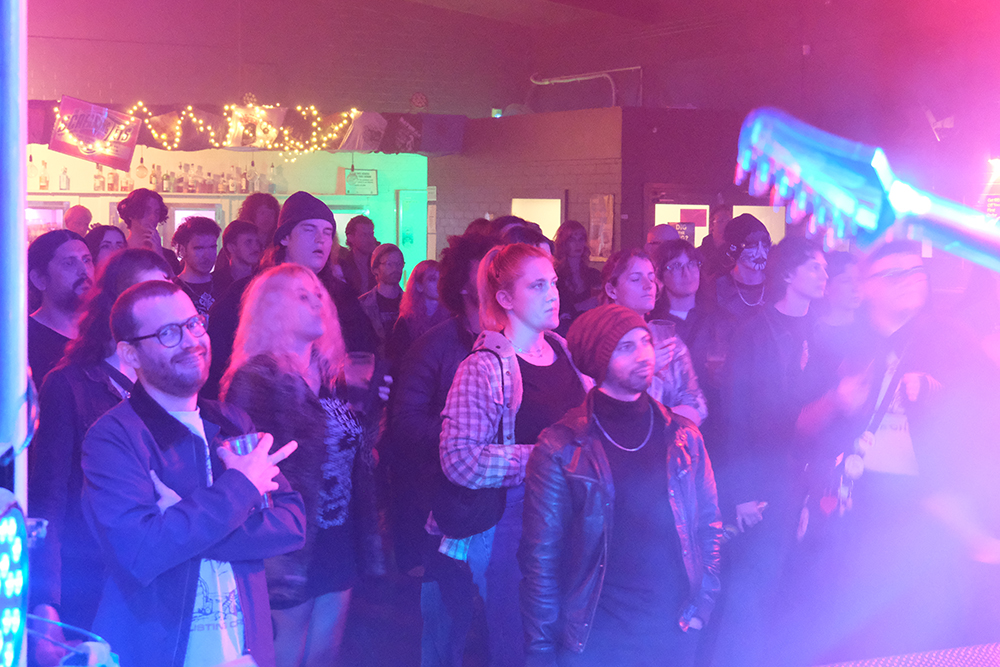
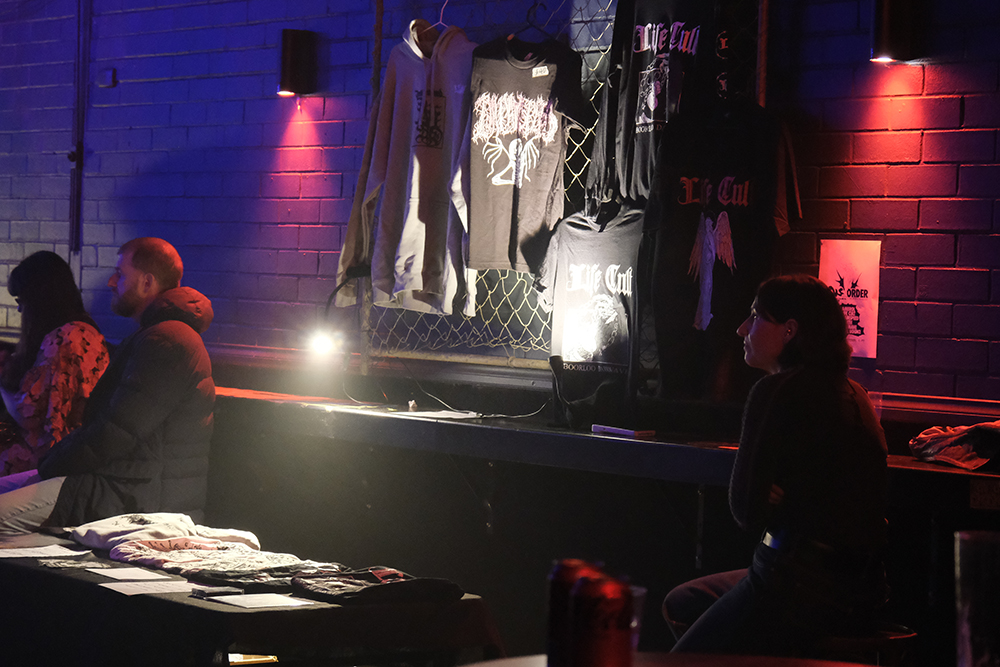
Milk Bar itself helped. A black box of a room, dense with familiar faces greeting one another between sets, the venue swallowed performers and punters alike into darkness.
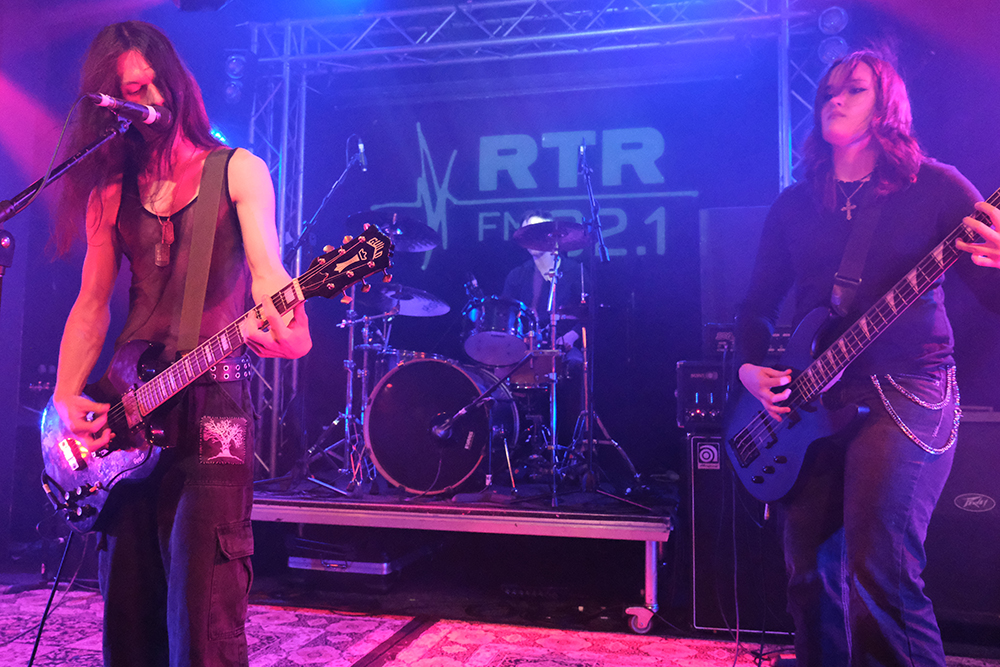
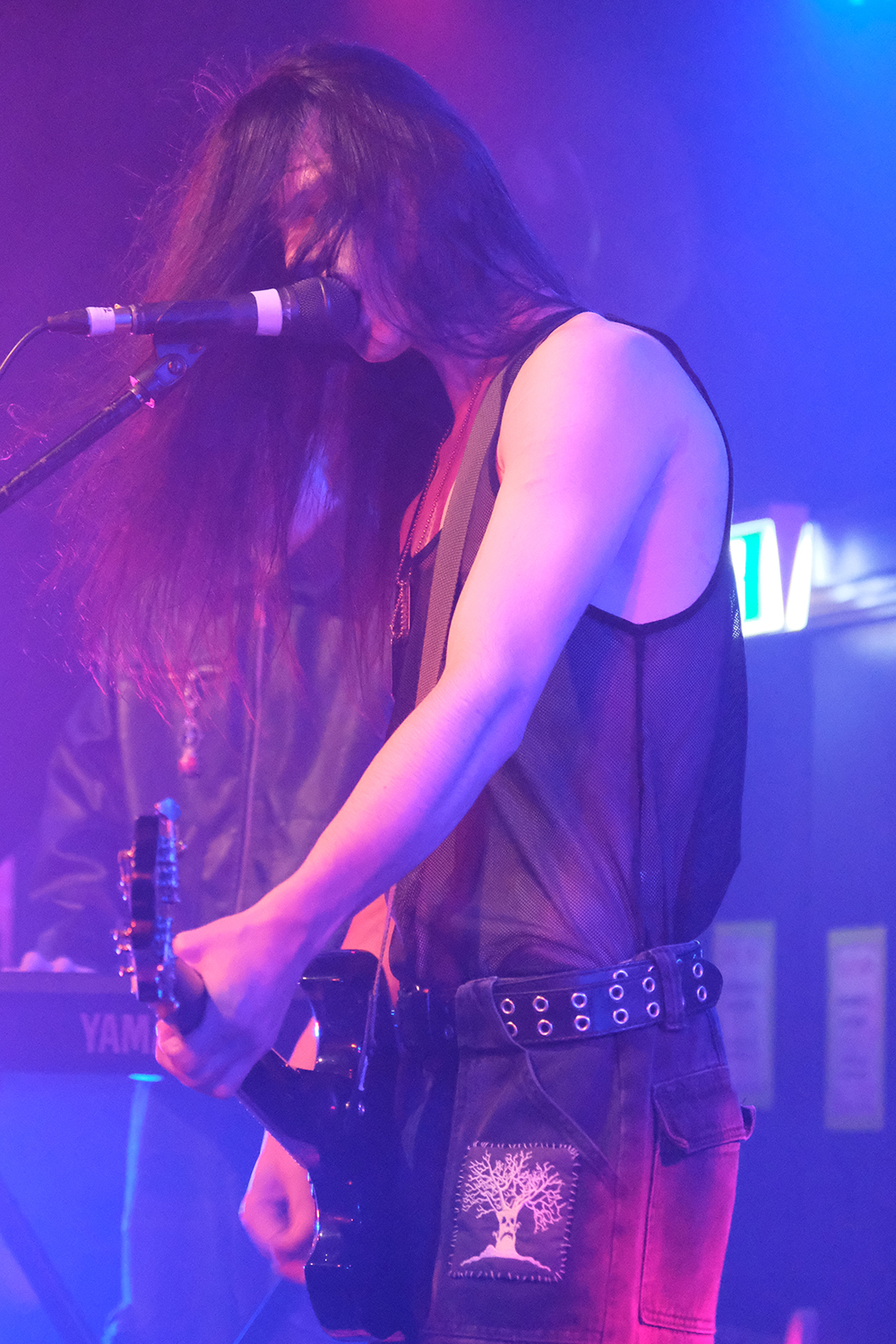
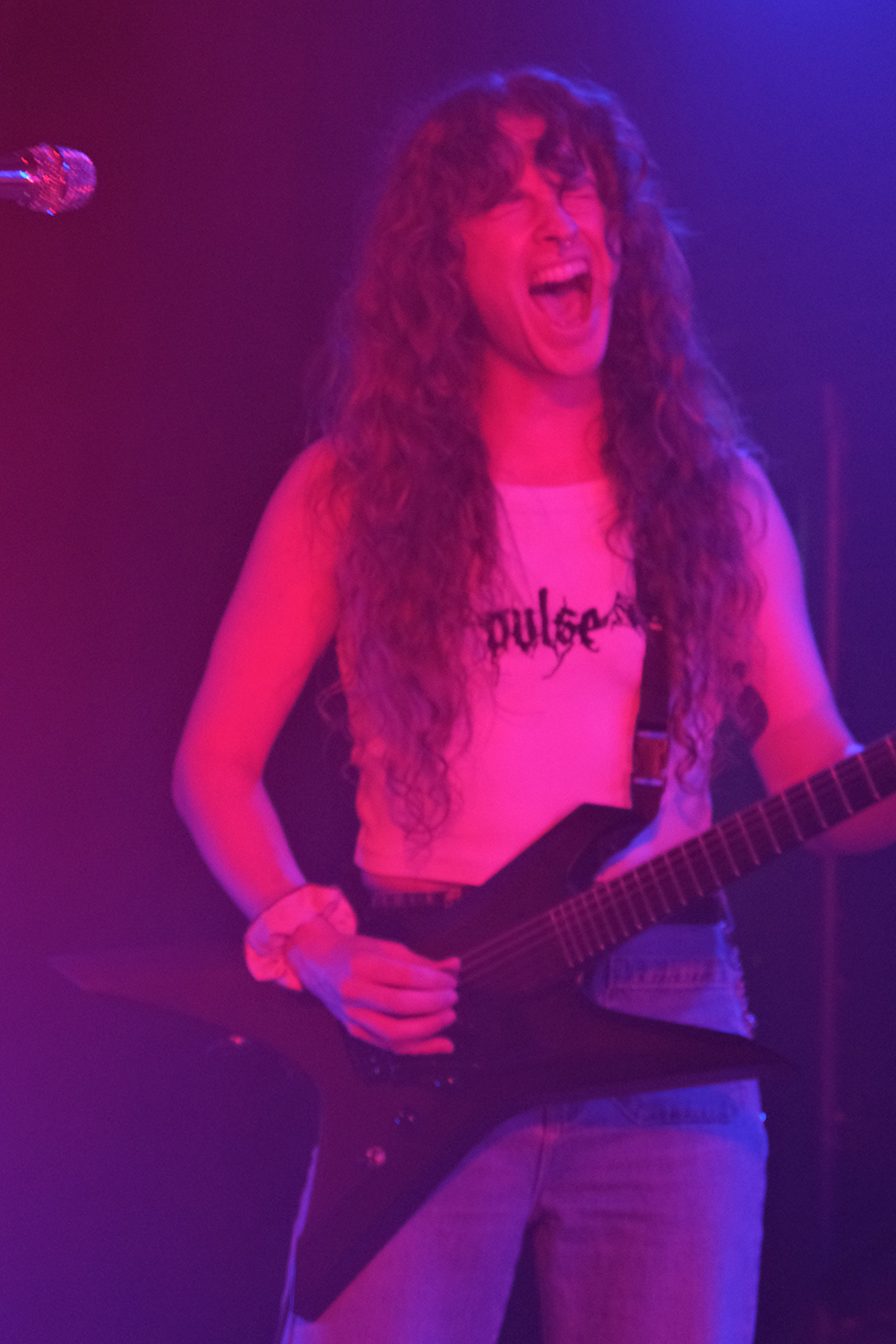
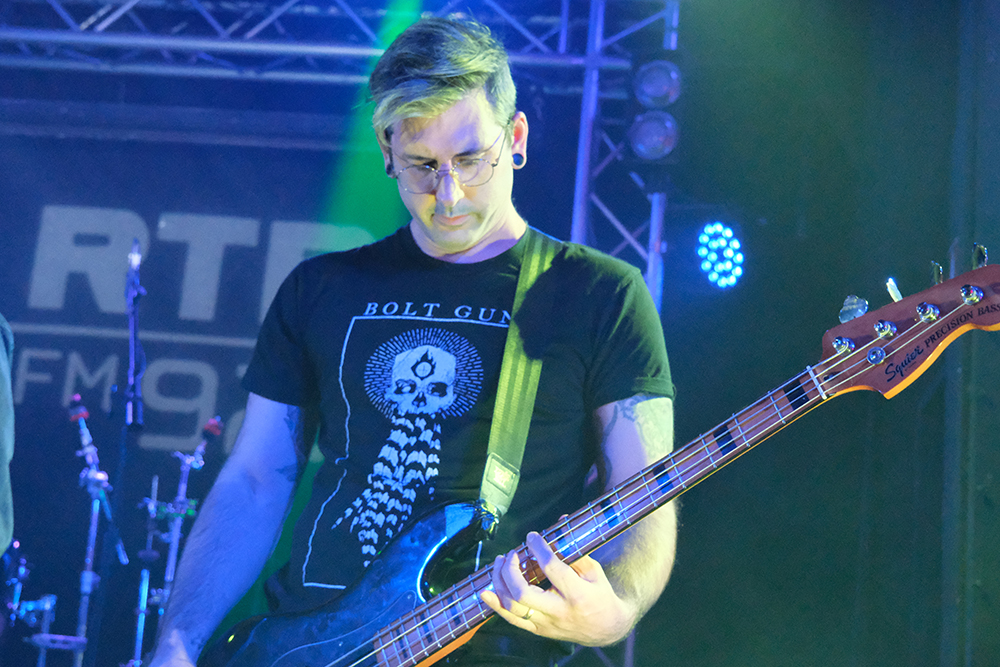
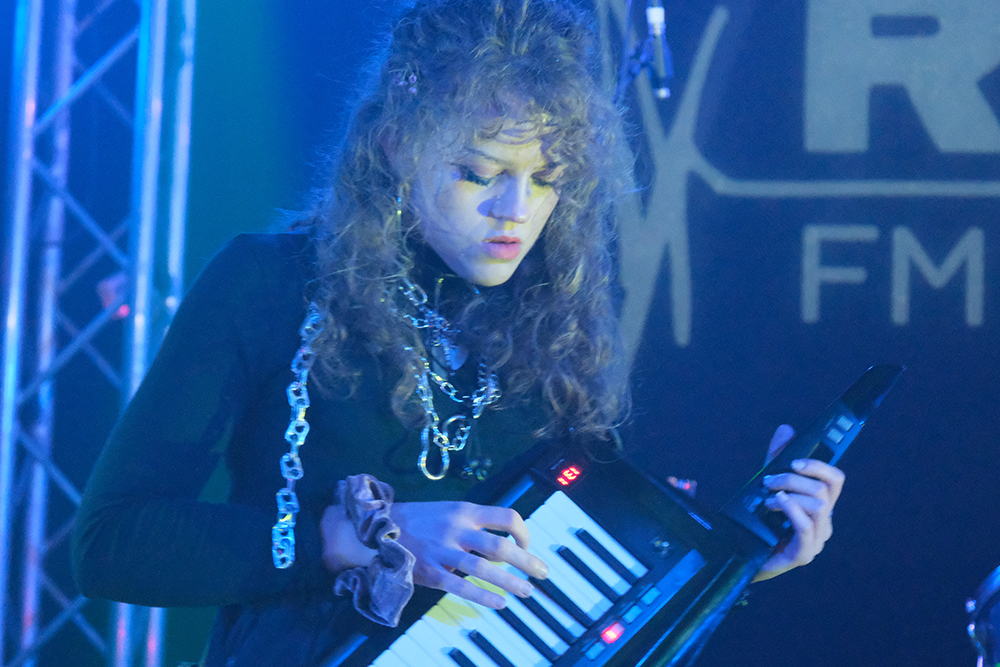
Opening the night, Natural Defence offered thick, nostalgic heaviness refracted through contemporary sensibilities. With deep gravelled vocals erupting from the wiry guitarist front-and-centre, keys sitting unexpectedly amongst the distortion, and flashes of ‘90s metal without descending into nu-metal cliché, the set felt less like revivalism than reassembly. The group’s references felt familiar without settling into imitation, balancing metallic heft with flashes of something more playful—theirs is a universe where Medieval Gnome Fornicator is an apt tribute to an absent friend.
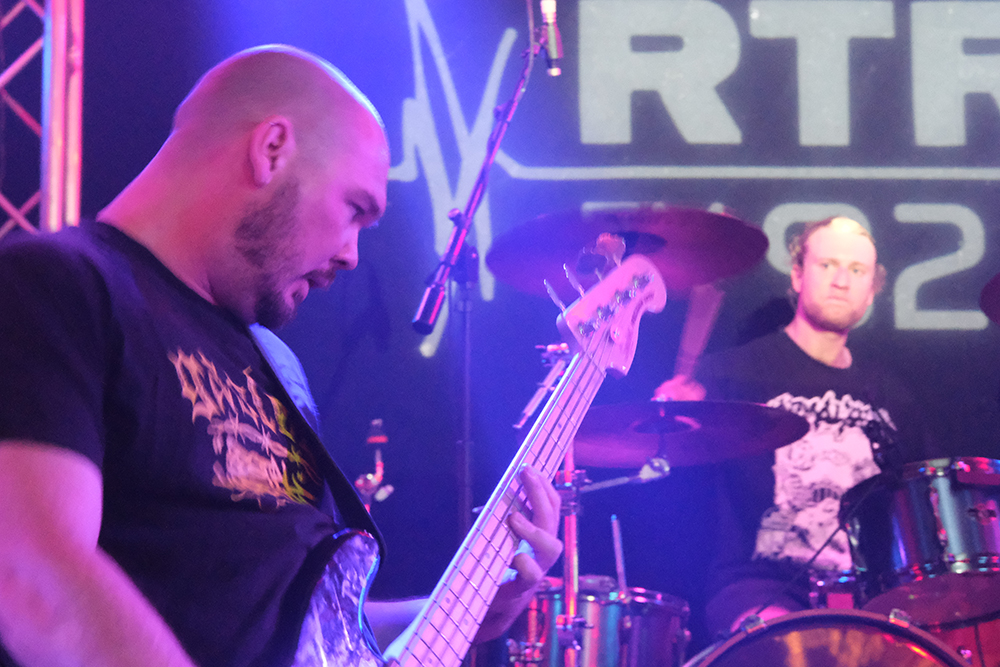
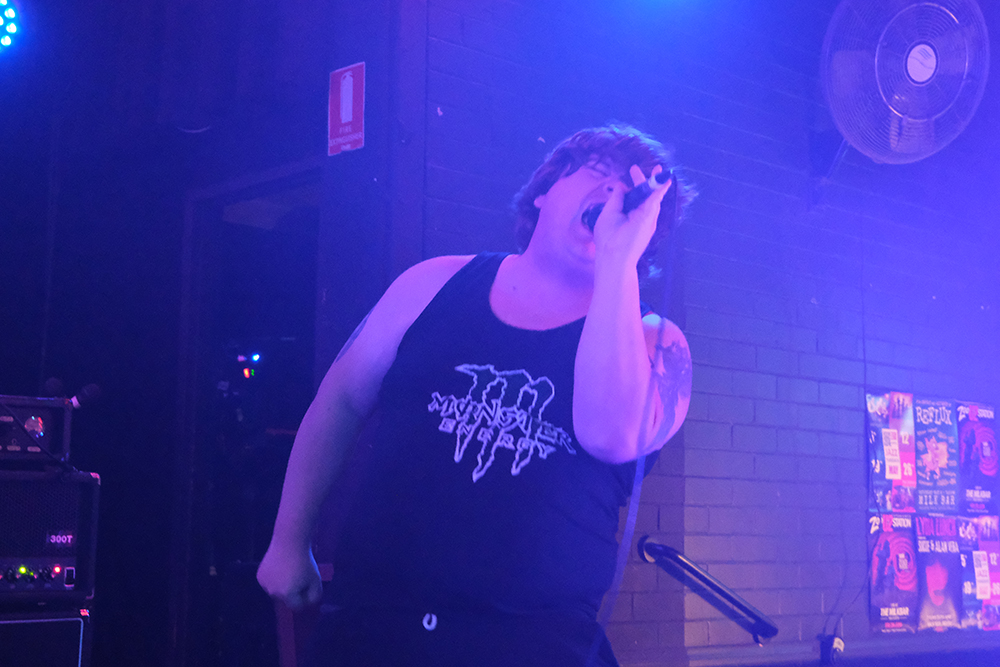
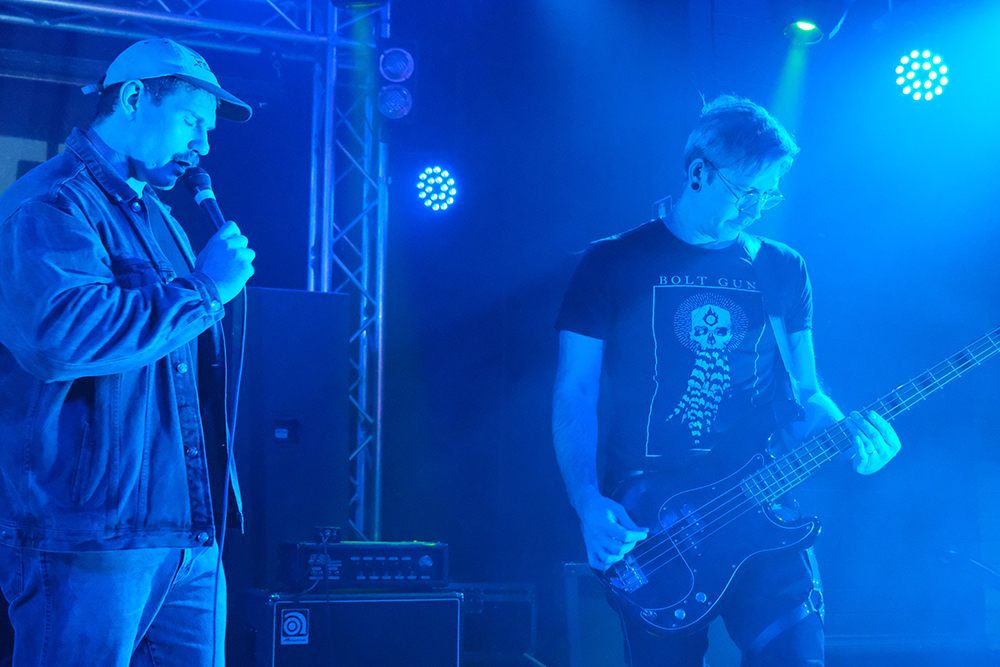
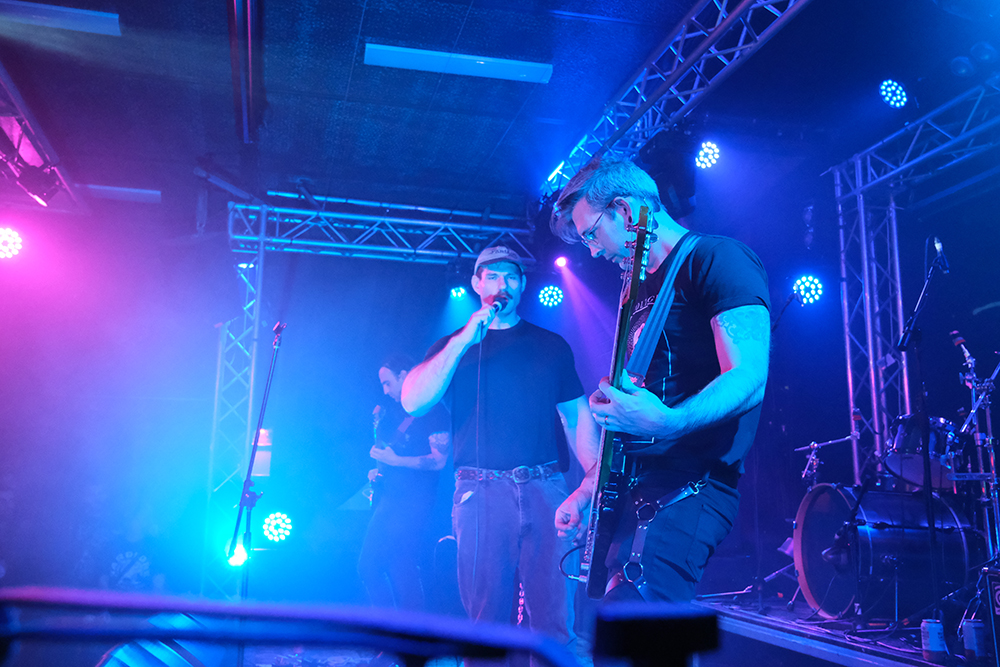
Inhumane quickly shifted the room from nostalgia to abrasion. A burning throb of feedback underscored the set almost continuously as the vocalist manipulated pedals between barked tirades, thickening the room with distortion, static and industrial noise. Deep kick drums landed physically while bursts of dissonance filled the spaces between songs, refusing silence entirely.
The set was concise, severe and remarkably assured. Most impressive was the band’s commitment to atmosphere over release: no downtime, no reset button, only escalating pressure.
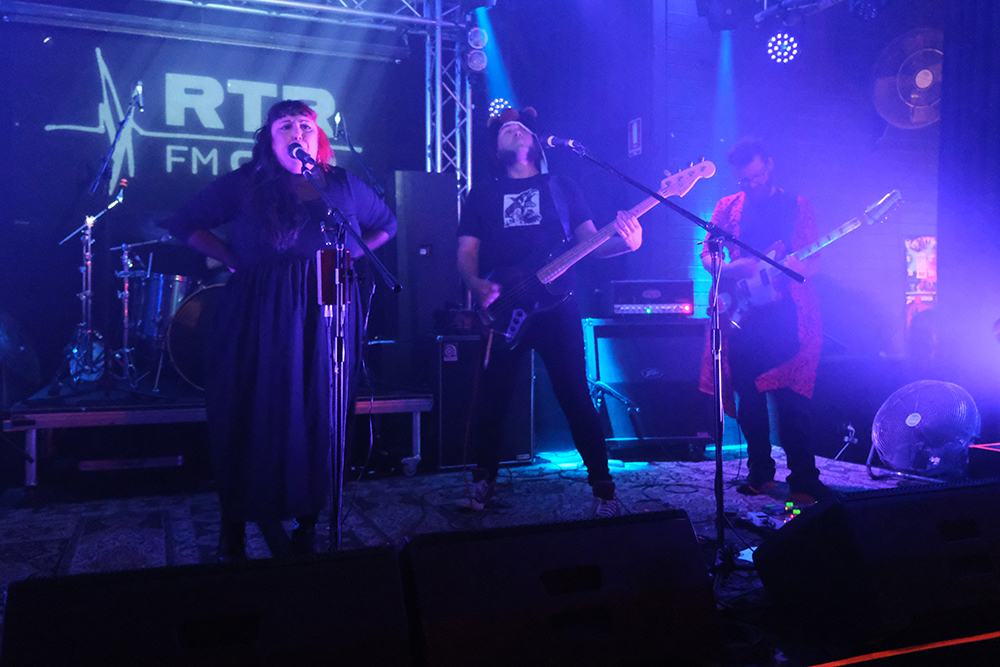
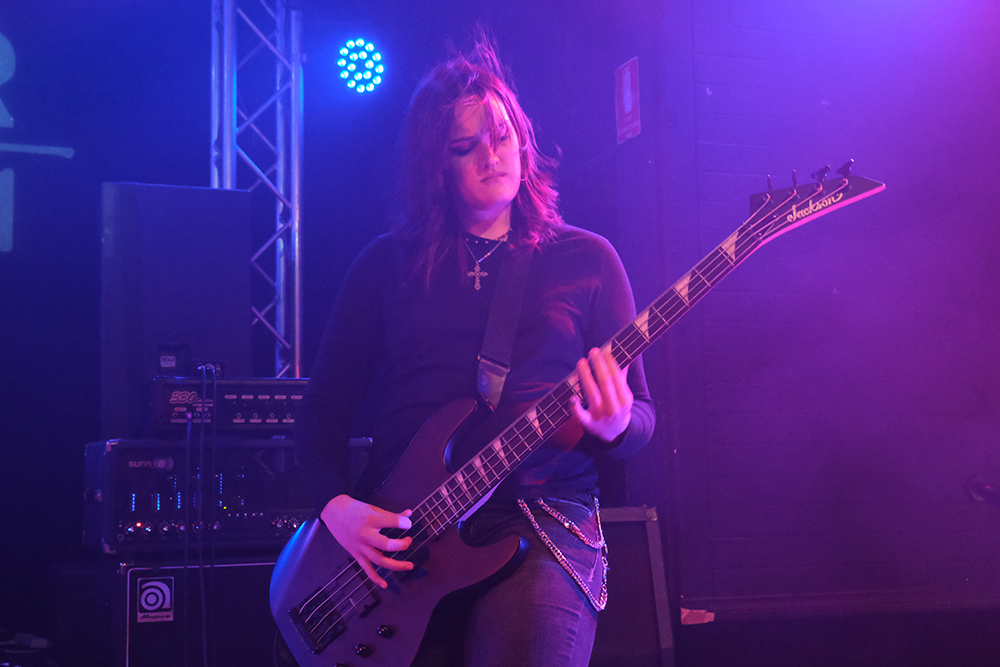
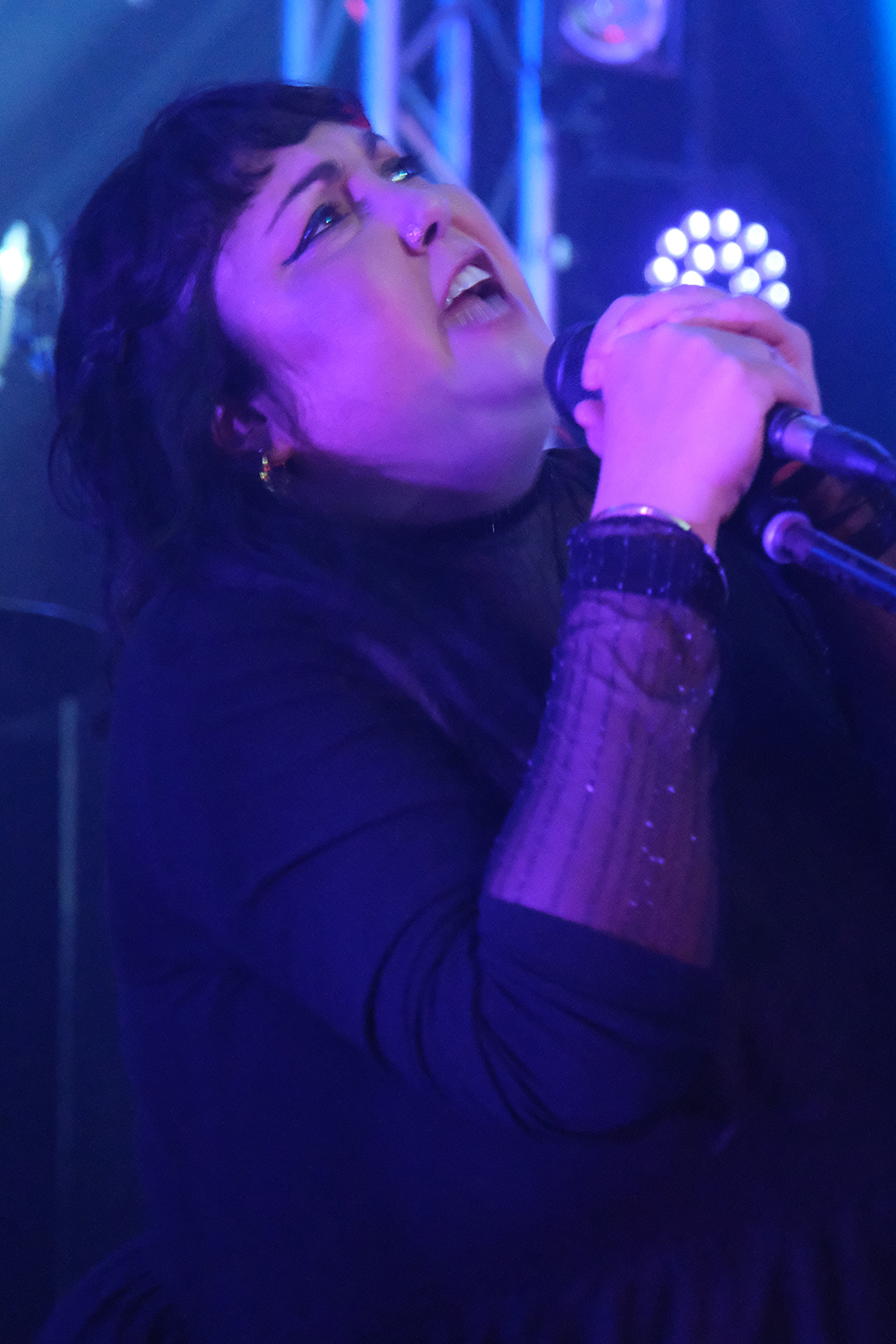
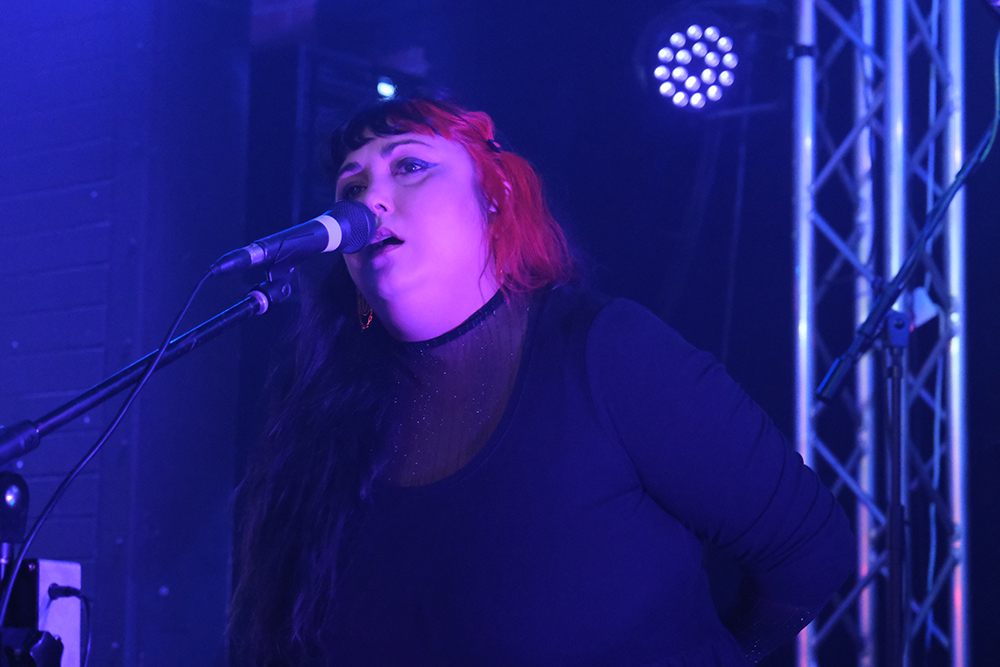
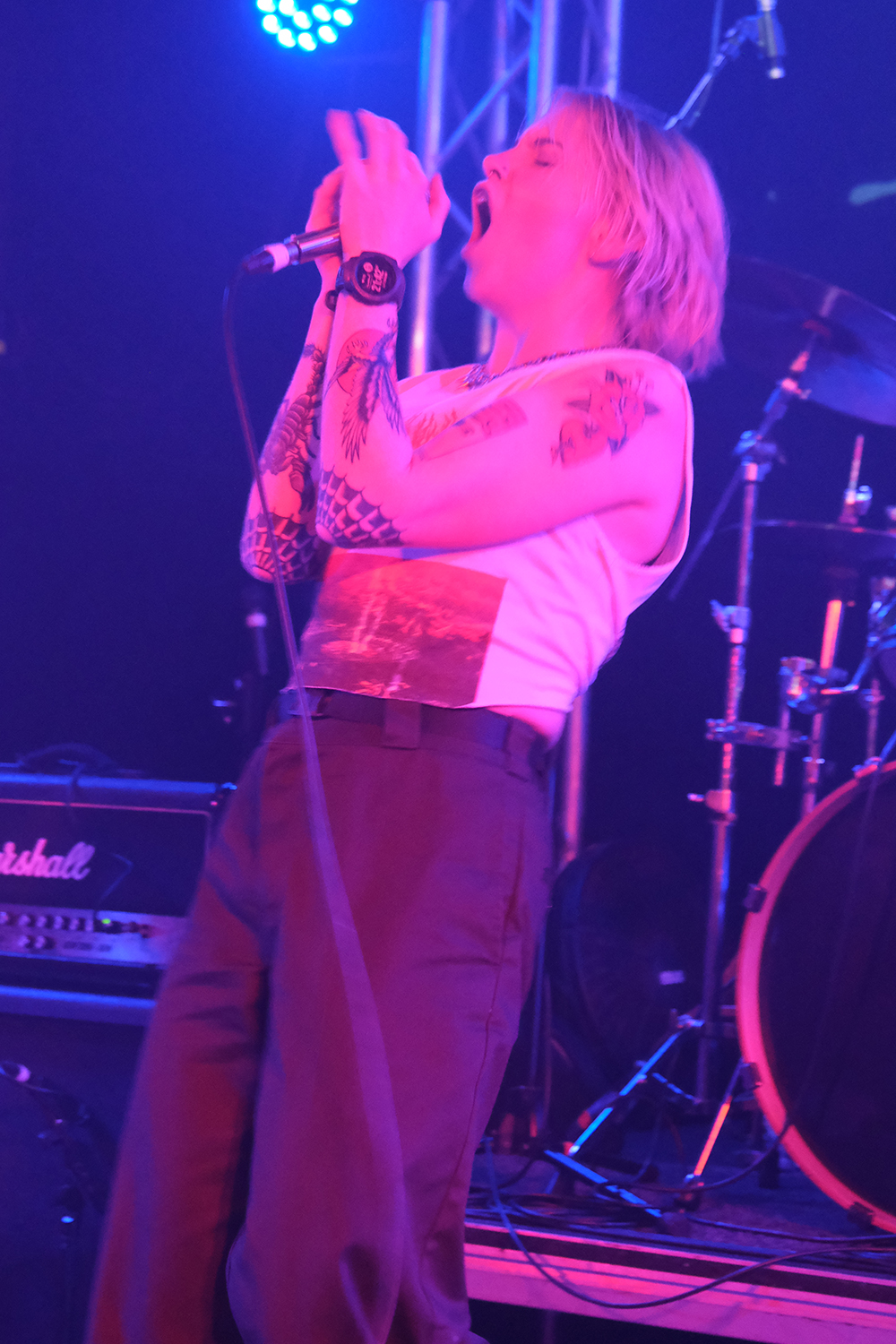
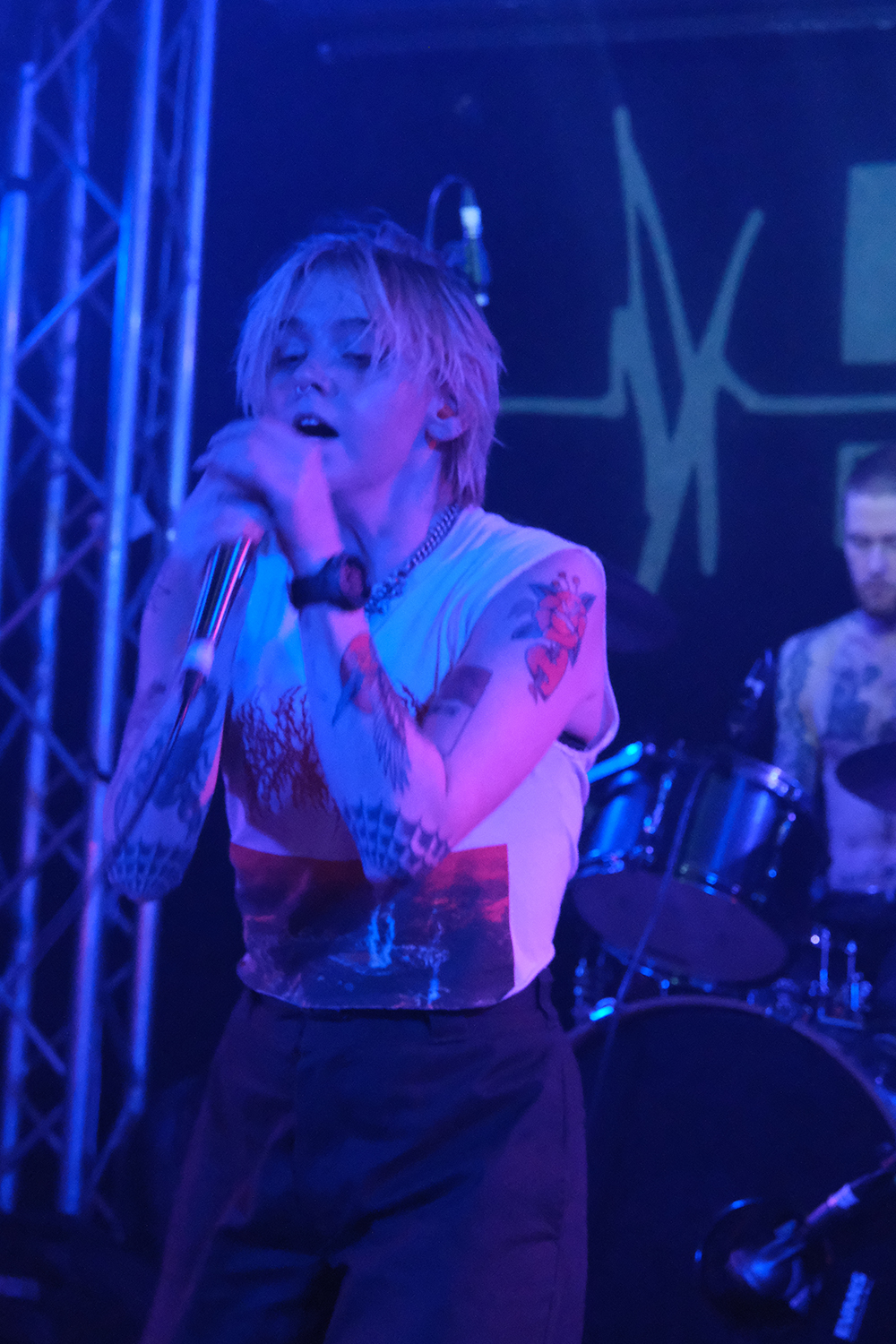
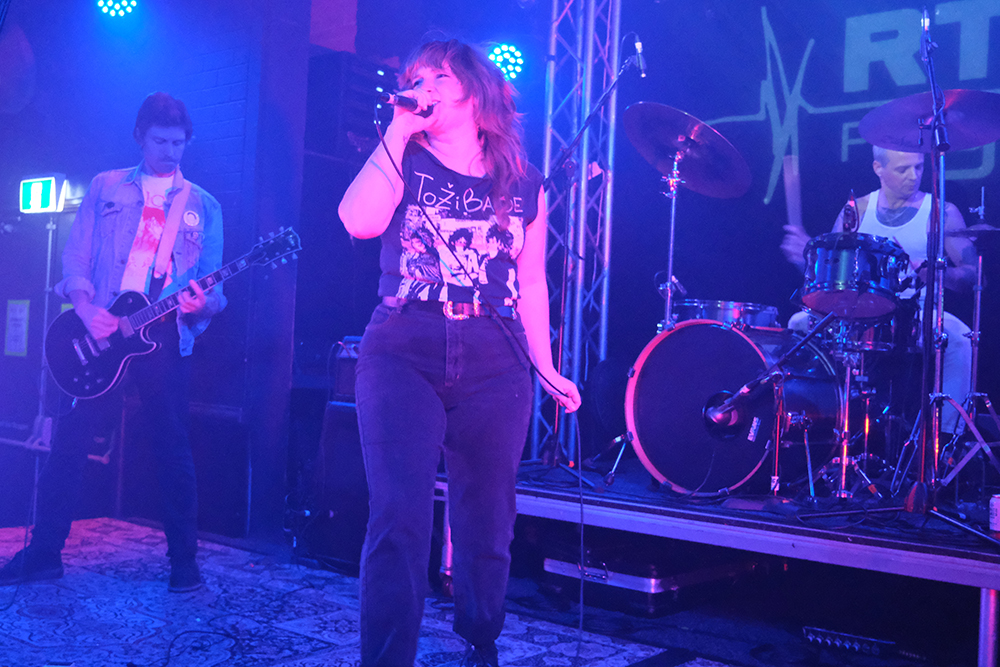
Then came DETH, and with them the night’s sharpest synthesis. Performing largely in darkness—enough to challenge photographers as much as audiences—the band emerged beneath streams of red light and tension-building instrumentation before frontwoman Hayley Beth cut through with an opening declaration: “All bleeding stops eventually.”
Their set continuously reshaped itself. Angular guitar lines flirted with punkabilly propulsion one moment before collapsing into funeral-weighted doom the next. One track dissolved into little more than a heartbeat kick pattern pulsing in darkness.
Heavy music often mistakes loudness for intensity. Rather than trading in blunt-force violence, DETH wielded tension with precision—guitars and rhythm suggesting brutality without surrendering to it. Across this mechanical scaffolding, Beth’s vocals stretched throughout: dry shrieks, hoarse yells and sharp punctuations slicing through the murk.

If DETH fractured genre boundaries sonically, Dreamspeed challenged them visually. Four musicians who looked more likely to emerge from an indie lineup than a doom bill delivered atmospheric dirges punctuated by bursts of thrash and hardcore rasp. Early exposed screams sounded a touch strained in isolation, but once enveloped by the wider instrumentation, they transformed into something far more compelling.
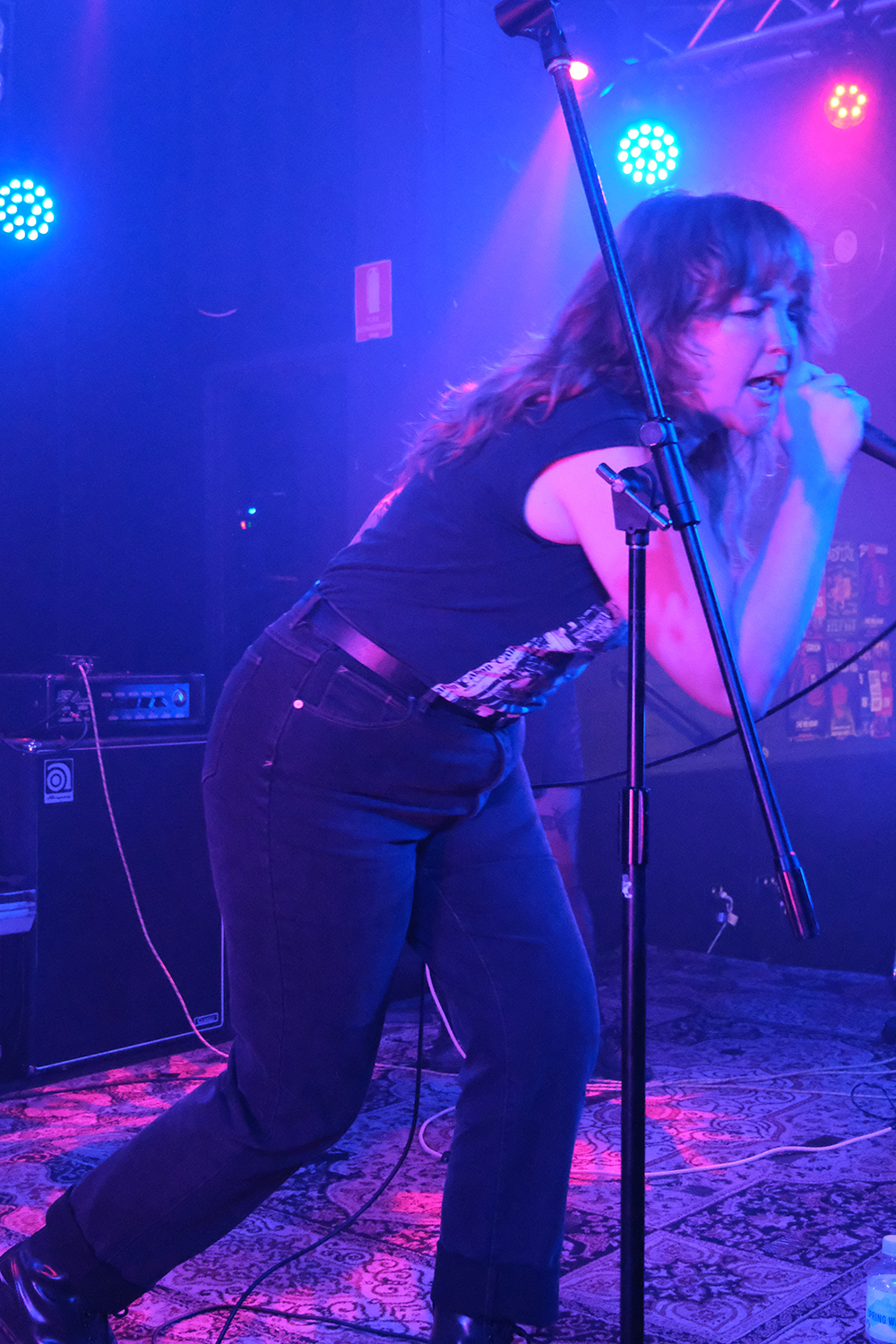
Unbound from the microphone stand, the vocalist bent, leant and contorted through the set while the room collectively fell under its spell. The performance reinforced a tension running throughout the night: scene aesthetics no longer neatly mapping onto sonic expectations.
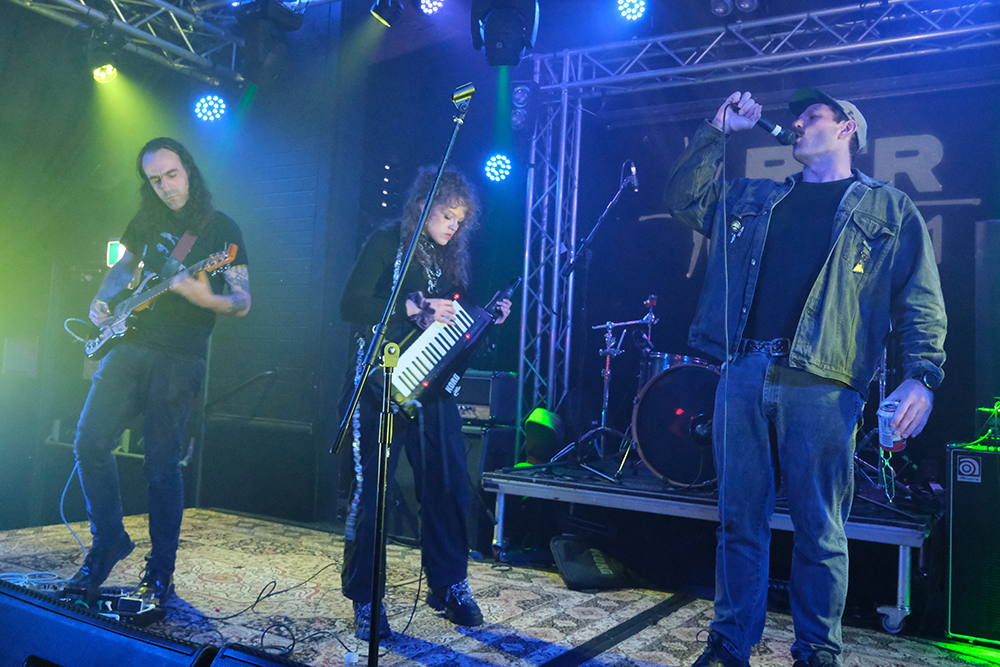
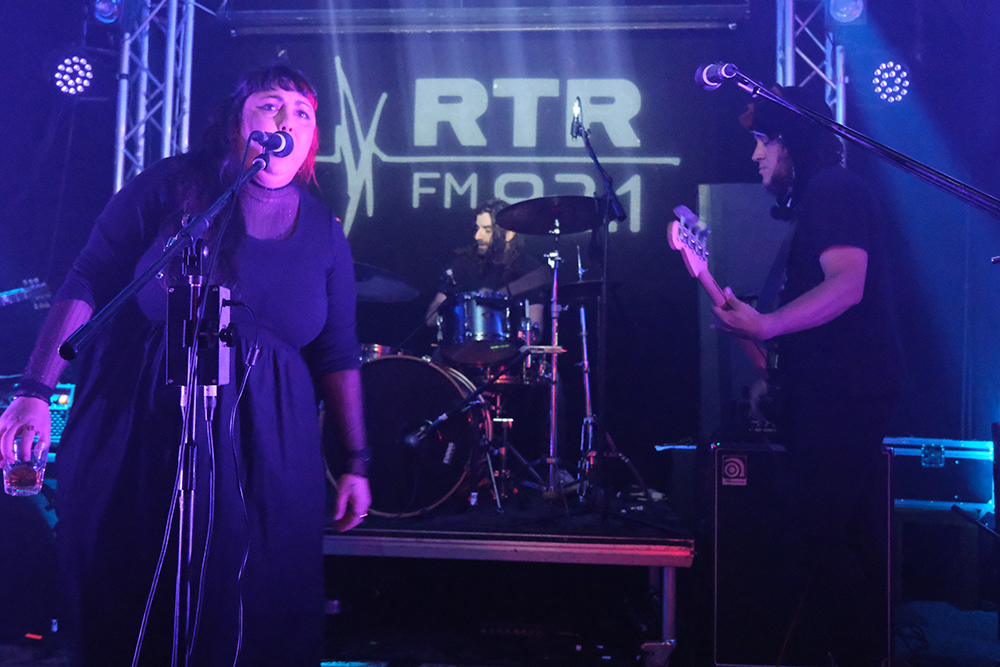
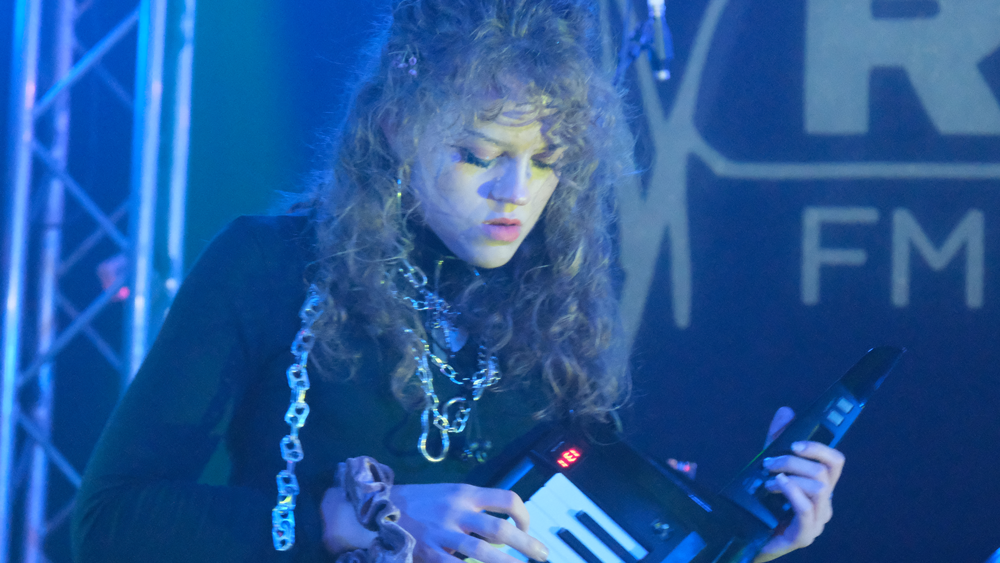
After so much abrasion, Life Cult arrived as strange comfort, their darkwave textures bringing the evening’s first clean vocal reprieve. With live drums absent in favour of machine pulse and synthesised textures woven tightly into the arrangements, the current lineup felt slightly less cohesive than previous incarnations. The deep warmth of the frontman’s voice softened songs about long winters, ghosts and death bells into something unexpectedly inviting. Less icy goth austerity than velvet melancholy, they transformed apocalypse into something danceable.
Technical issues and awkward staging occasionally disrupted the hypnosis, but when tracks locked into their groove, Life Cult provided an essential reset: if these were end-times hymns, they were unusually comforting ones.
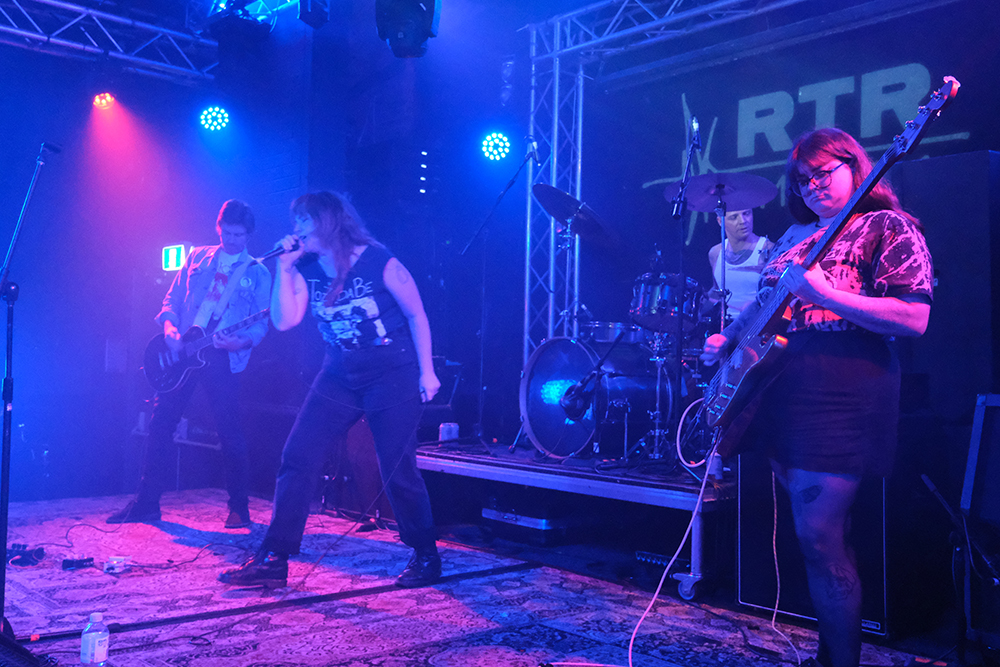
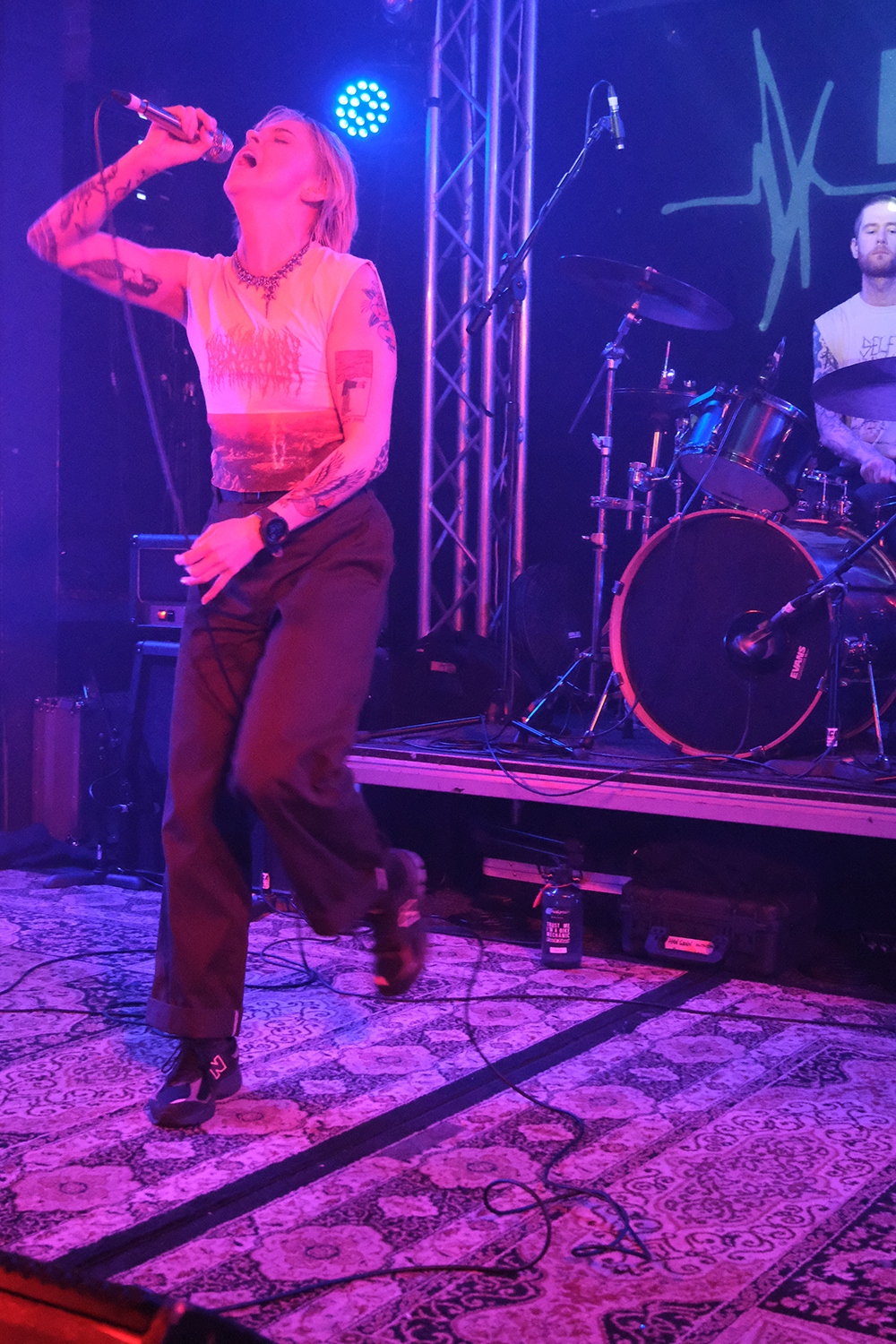
Closing proceedings, Amerol restored urgency. Carrying substantial shared DNA with Cold Meat, the band nevertheless carved its own identity through sheer velocity. Songs arrived in short, explosive bursts driven by machine-precise drumming and revving guitars, Ashley Ack twisting and throwing herself around stage with an almost old-school physicality. A dedication to unions preceded another barrage. Somehow, Milk Bar’s roof remained intact.
Amerol’s songs may be short, but the set never felt slight. There remained too much ammunition to fire, and, judging by the crowd response, everyone was willing targets.
For a fundraiser, Dis-Order could have easily settled for stacking heavy bands onto a bill and calling it community building. RTRfm instead offered something more thoughtful: a lineup that understood pacing, contrast and context. Across six acts, moods shifted constantly without sacrificing cohesion.
The result wasn’t genre tourism or scene tribalism, but something far messier and exciting—local musicians pulling apart established forms and rebuilding them in real time with abandon.
CAT LANDRO
Photos by David Redding