Review: Romeo and Juliet at State Theatre Centre of WA
Romeo and Juliet at State Theatre Centre of WA
Friday, June 12, 2026
Perth’s cityscape might be a bustling cry from the stunning, medieval town of Verona, Italy—home to Juliet’s House, otherwise known as Casa di Giulietta, where the infamous balcony, made of ancient stone, sits, and a courtyard plays host to bronze statues of one half of the star-crossed lovers.
But between Friday, June 12, and Wednesday, June 13, third-year Western Australian Academy of Performing Arts (WAAPA) students put on William Shakespeare’s Romeo and Juliet, directed by Tom Healey, at the Heath Ledger Theatre. For those who aren’t taking Harley Quinn-inspired notes on the Joker star, Ledger took classes briefly at the acting school before dazzling his way amongst the Hollywood stars. That alone suggests that WAAPA houses god-tier talent. The venue itself is stunning, too—designed by the award-winning Kerry Hill Architects, it’s lined with timber. It seats approximately 575 people, with only a few gaps noted on opening night. Not a bad turnout for a 400-year-old love story.
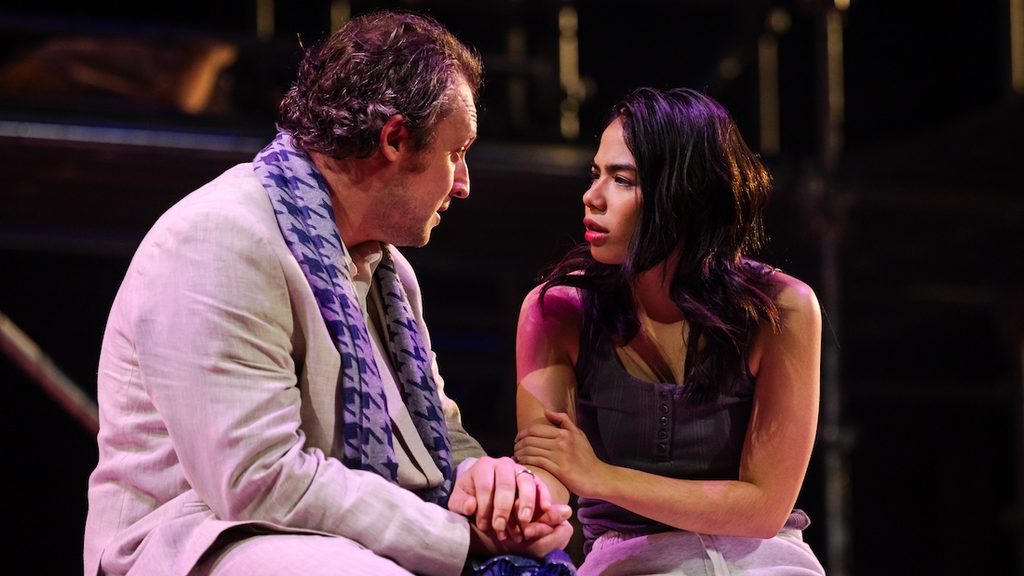
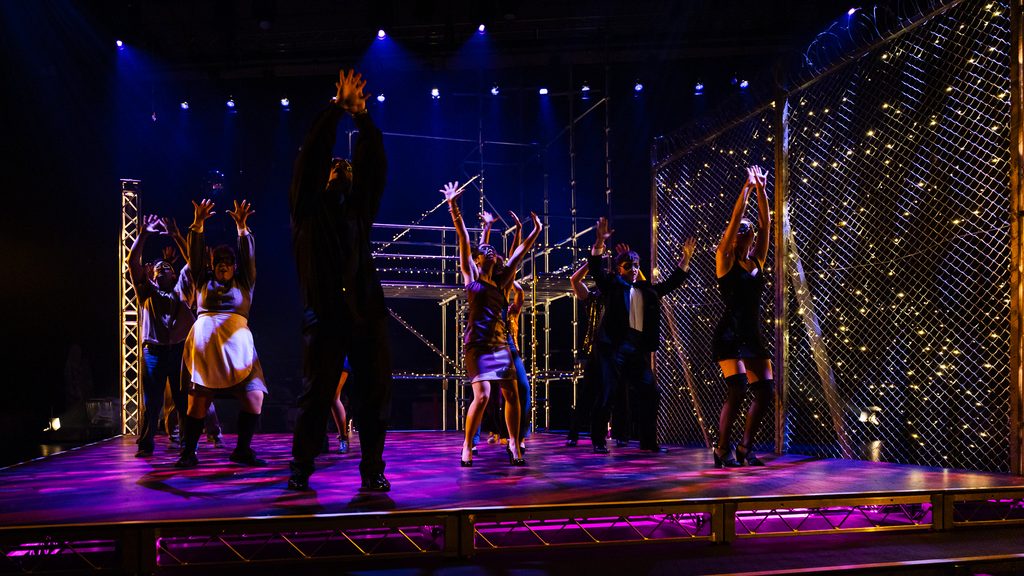
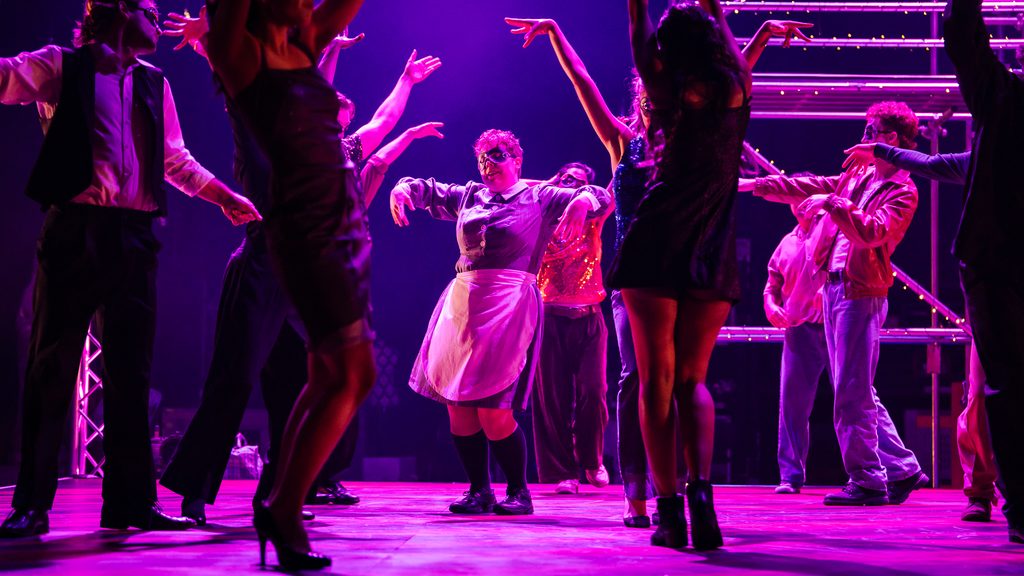
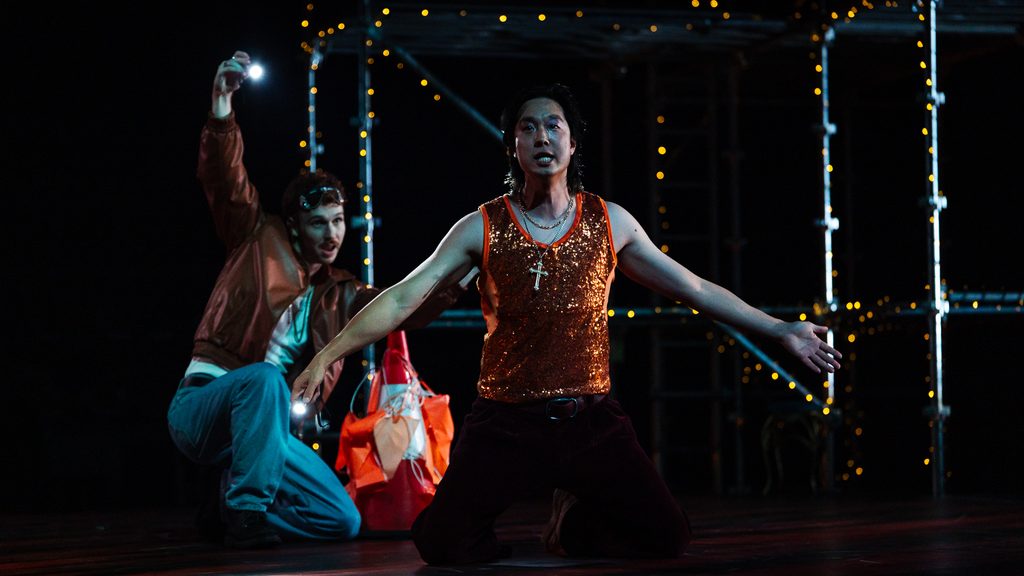
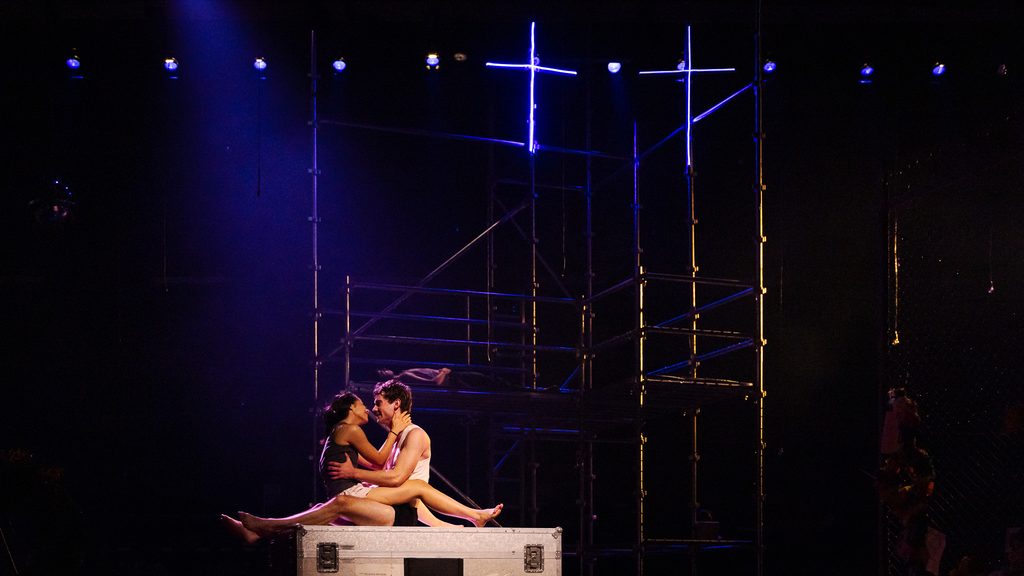
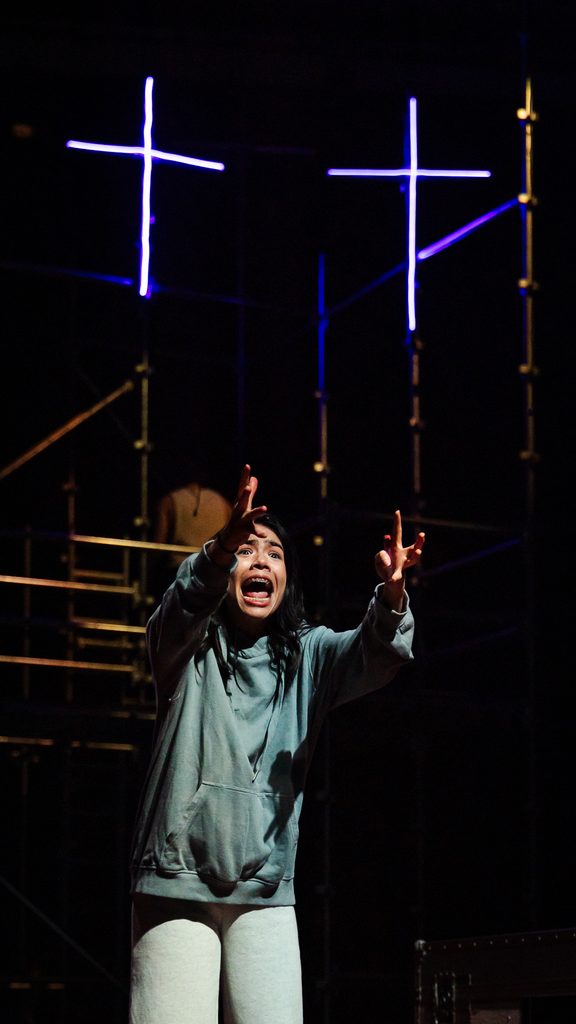
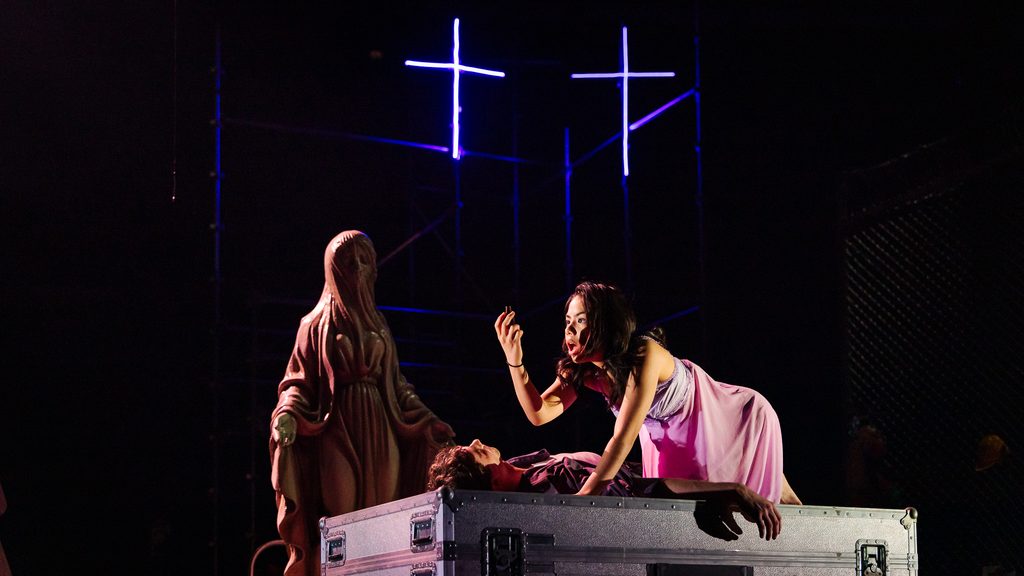
Romeo, played by Griffin McLaughlin, spent most of the night in layers. Think a singlet, a flannel on top, and a cross necklace around his neck, which themed nicely with the gigantic neon-blue one at the back of the stage. Holly Samaniego took on Juliet, and together, the two proved a magnetic pair from the very beginning. They met at a masquerade ball hosted by the Capulet family—arch-nemeses of the Montagues and the type who’d probably have them blocked on all socials in modern times. The scene quite literally shone, thanks in part to glittering fairy lights strung across the stage. There was a very cute group dance number that broke out into flash mob-esque choreography, but Romeo and Juliet were unable to keep their hands off each other from the start. Some things never change.
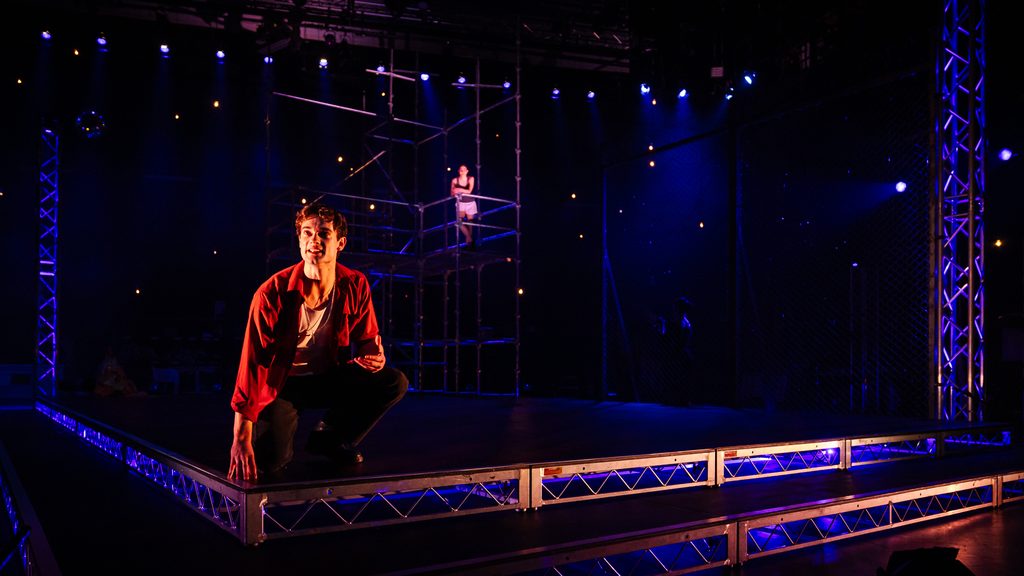
Samaniego played into that tender, first-love innocence beautifully—squealing and kicking her feet just as any normal girl typically would. This energy carried right into the balcony scene™, where we got our “Wherefore art thou, Romeo?” from Juliet in an infatuated daze, while a nervous Romeo hid in the garden below. McLaughlin, meanwhile, showed that boys can be just as obsessive about love. He’d fall easily into the internet boyfriend category if this adaptation were to make it mainstream—someone get this man a fan account. There were also various points in the play when he was by himself, sitting on stage, delivering poetic monologues that made us sit with the weight of it all.
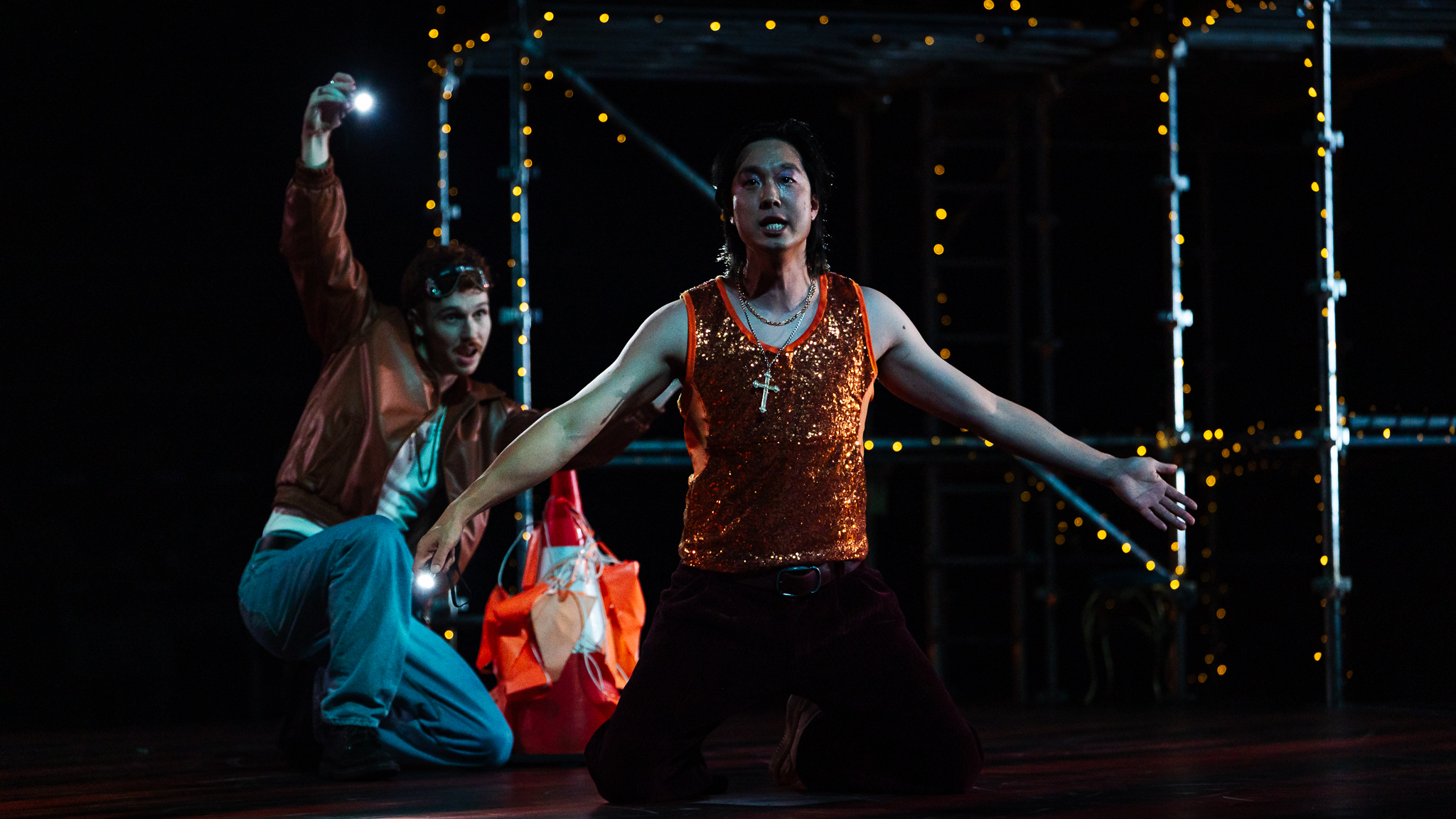
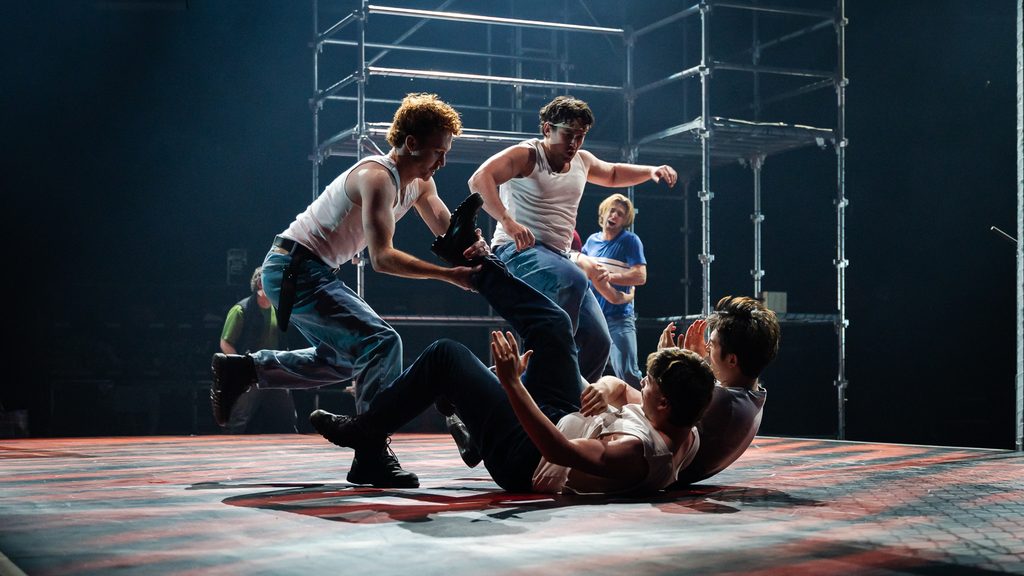
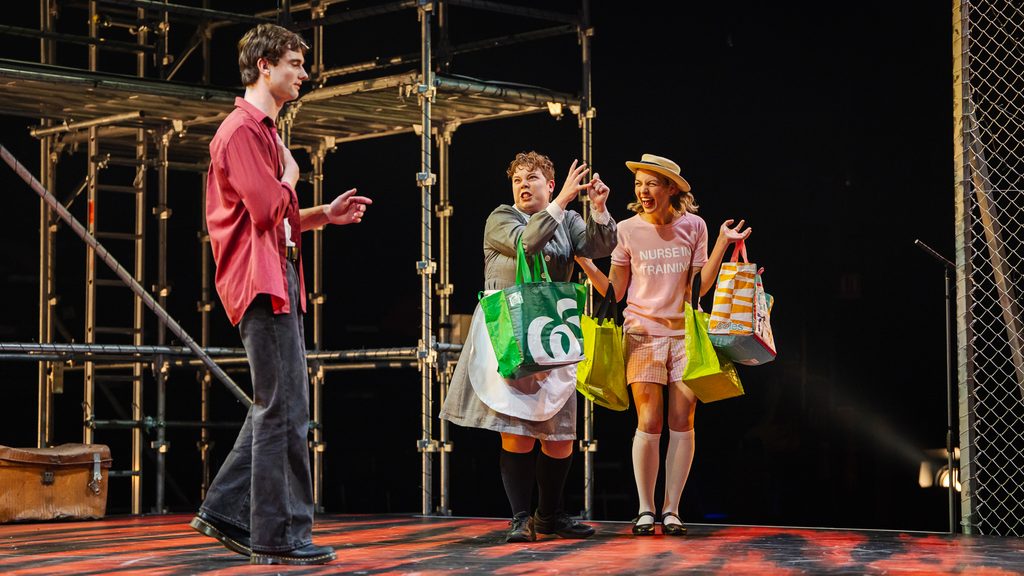
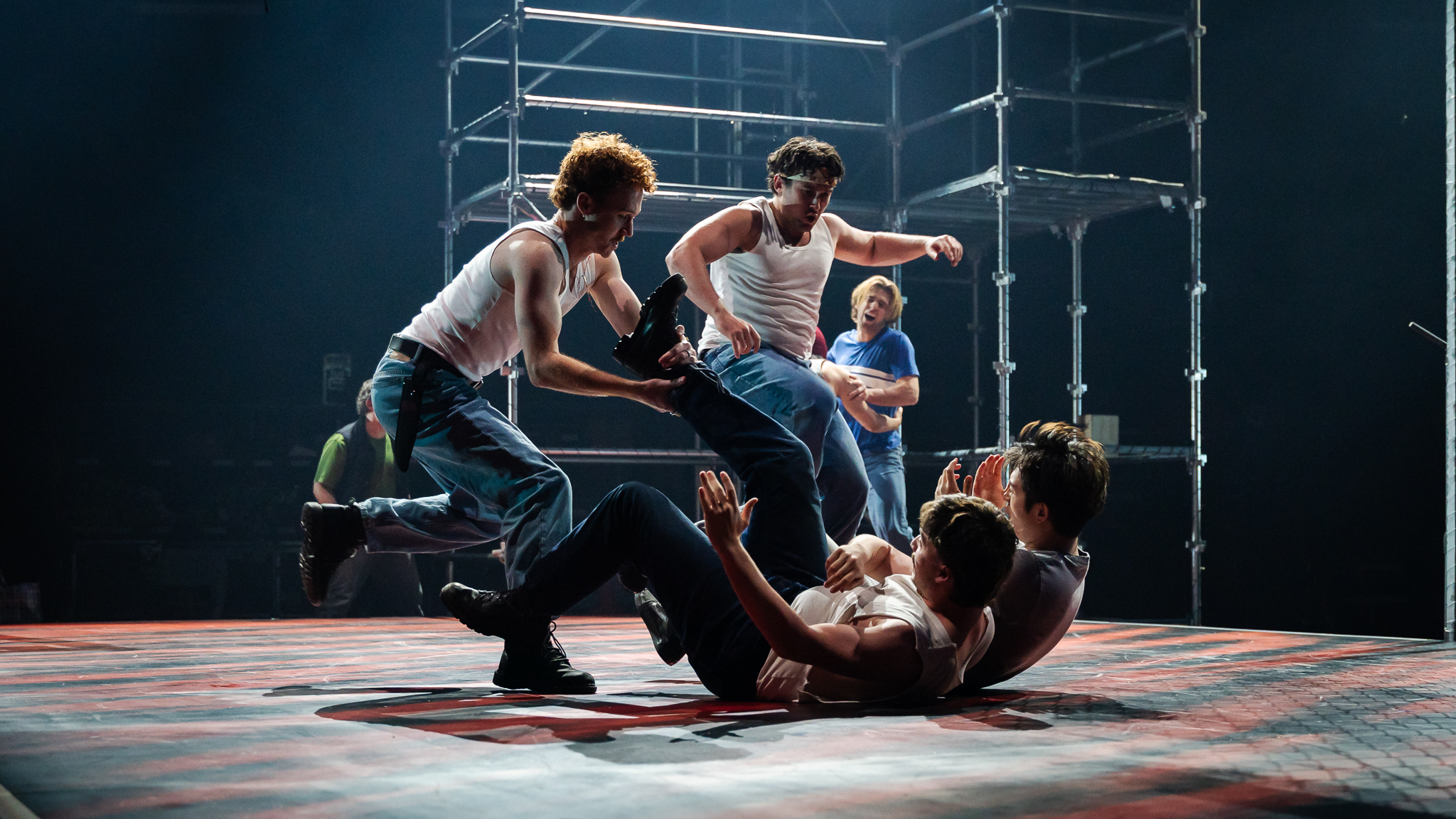
The play’s humour came from three main characters: Romeo’s friends, Mercutio (Tom Kelly) and Benvolio (Daniel Halmarick), and the Nurse (Sarah Hindle). Kelly was especially a standout. He was never afraid to put his whole body into his comedic acting—quite literally throwing himself onto the backs of the other characters, squeezing laughs out of otherwise sombre moments. And then he completely destroyed us in the process through—spoiler alert—his traumatic death scene. Comedy to tragedy pipeline? Fully operational.
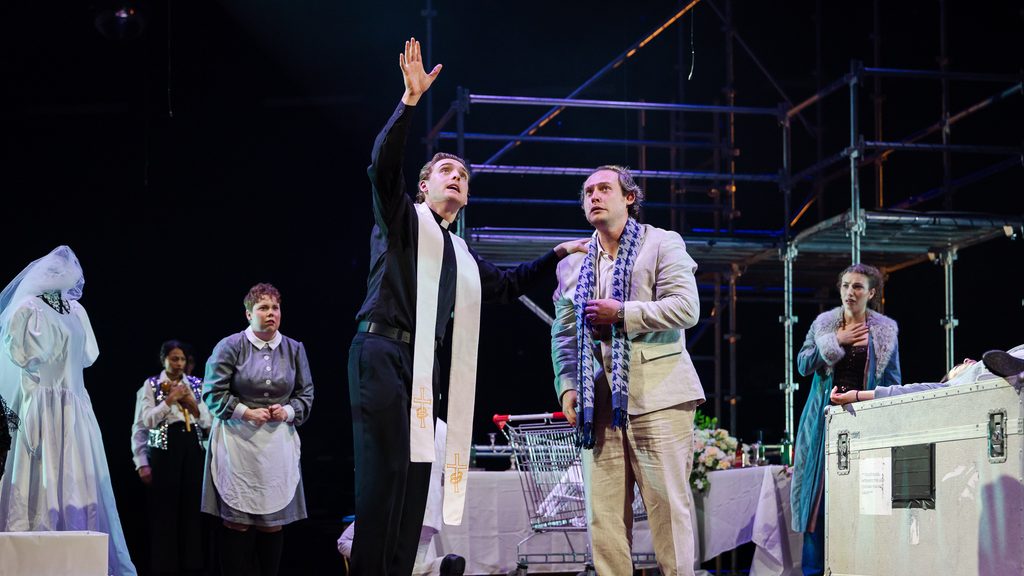
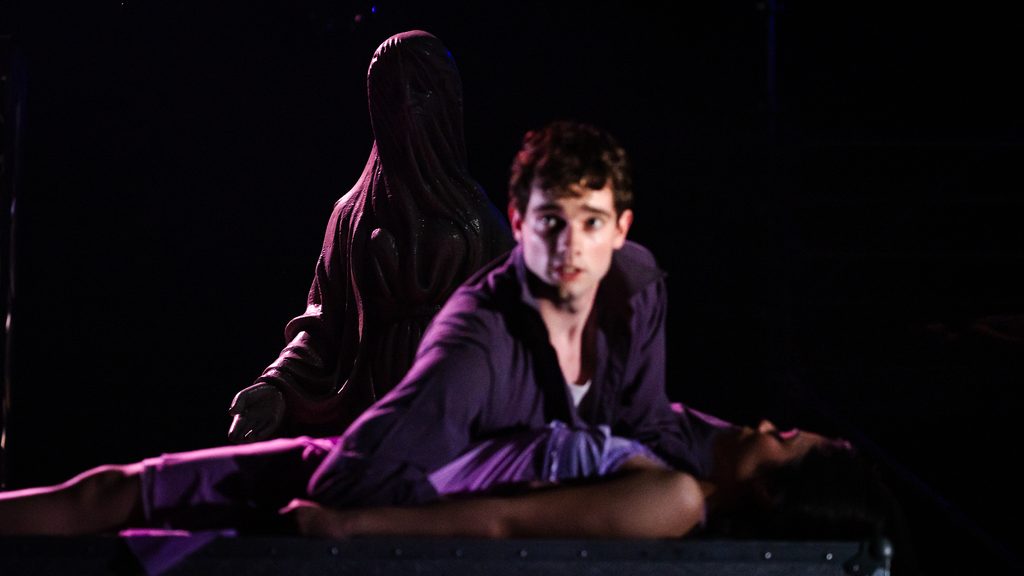
That said, the play came with some faults. The set design was otherwise stunning—a massive statue of a female figure, her face shielded by the same veil Juliet would’ve worn on her wedding day to Count Paris, the agnostic third-party to Romeo. A tailor’s dummy wearing the wedding dress and veil stood just a few steps in front. Gorgeous stuff. But it broke us back into modernity with Woolworths bags and a Coles trolley used as décor. Shakespeare meets the weekly shop wasn’t quite the crossover we needed.
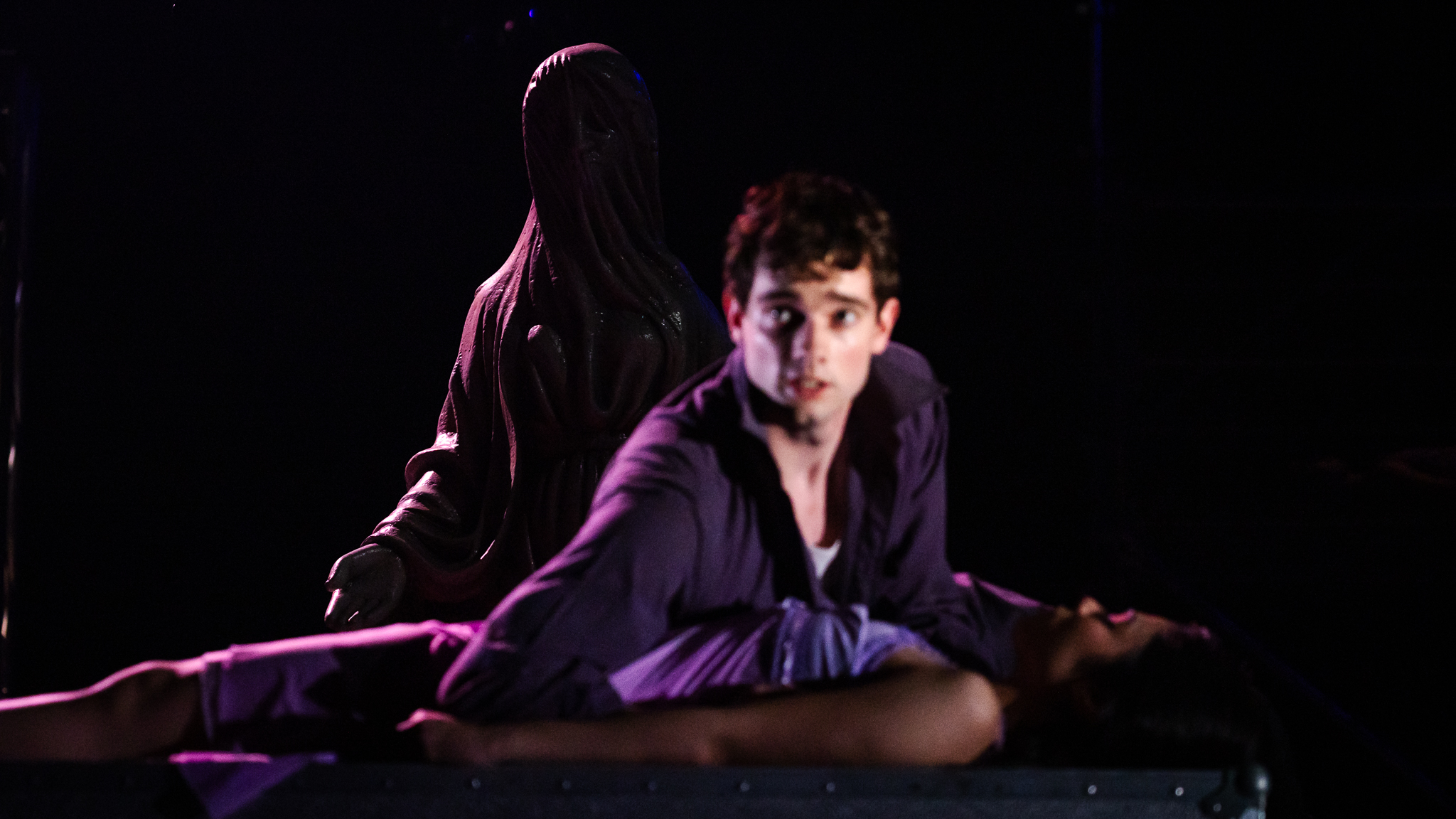
There was sometimes too much happening on the stage, too. The masquerade scene, in particular, had an important conversation going on at the front while multiple characters danced at the back—a lot to take in at once. Music played its part elsewhere, though, with a pop radio song punctuating each interval and Taylor Swift’s Love Story soundtracking the intermission: a fitting choice, given the source material.
Of course, it goes without saying that the language of the play itself is very much Shakespearean—that early modern English between the late 15th and 17th centuries. If you aren’t brushed up, it could almost pull you out of it. It’s similar to watching a really good film in another language, except the subtitles are in the actors’ movements and the tone of their voice, helping you fill in the emotional gaps.
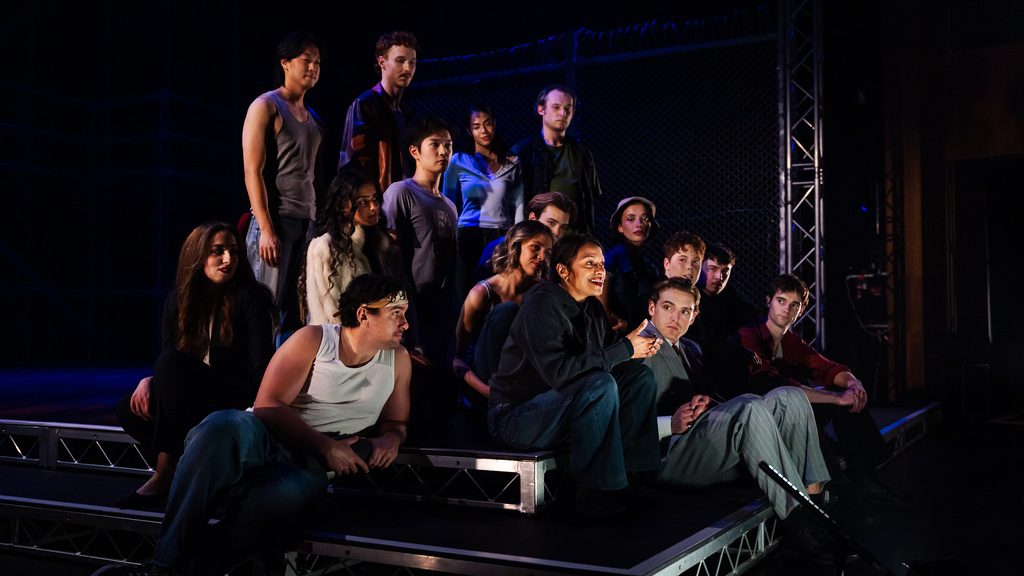
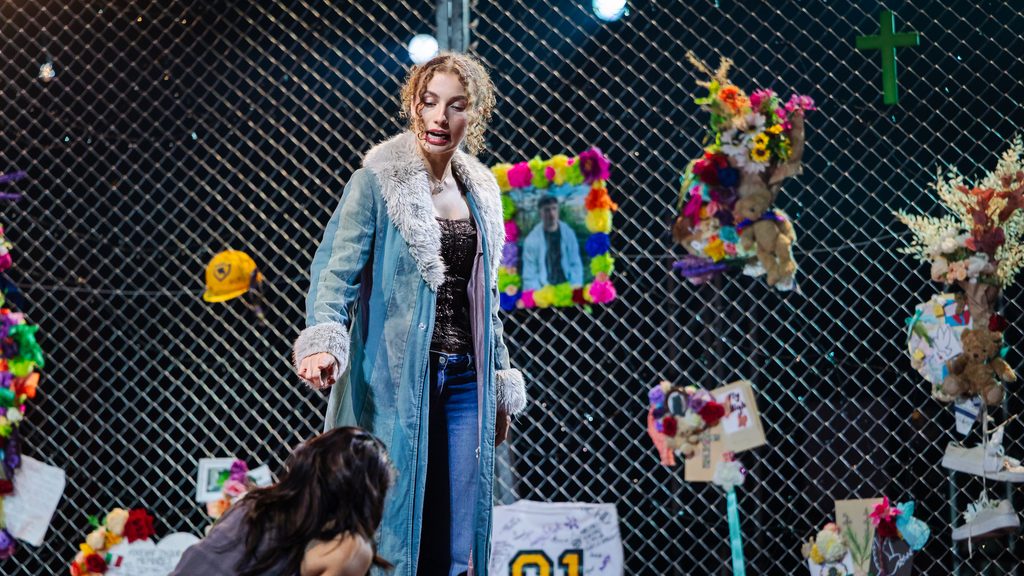
Overall, it was a gorgeous take on Romeo and Juliet—fiery chemistry, authentic themes, and a production in which crime-fighting was interwoven throughout the narrative, complete with a fence memorial set up just like a street gang tragedy would be. The cast’s talent was a reminder of exactly why WAAPA continues to earn its reputation as one of the country’s finest performing arts academies. Verona could never.
RACHEL FINUCANE
Photos by Stephen Heath