
Review: Playmakers at Fairbridge Village
Playmakers at Fairbridge Village
Friday, April 11–Sunday, April 13, 2025
There’s something to be said for the notion that small is the new big, especially when it comes to music festivals.
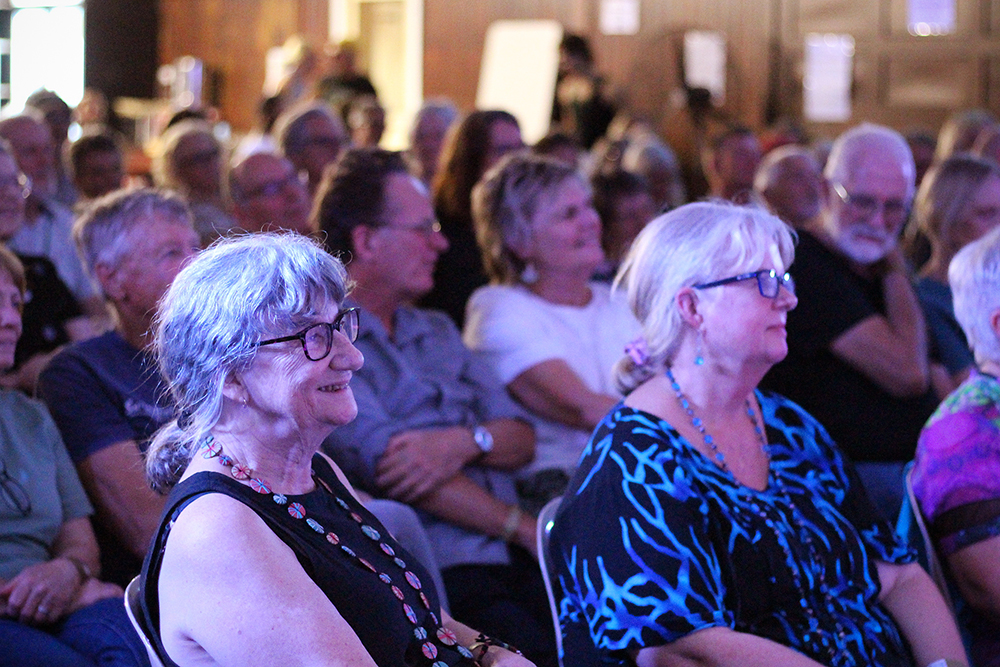
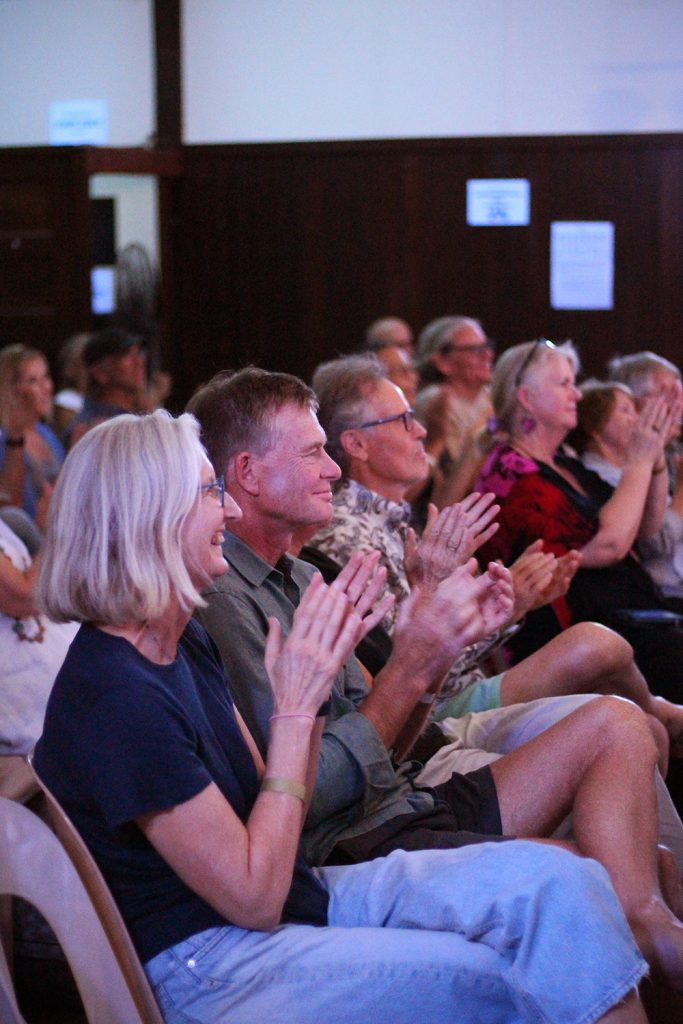
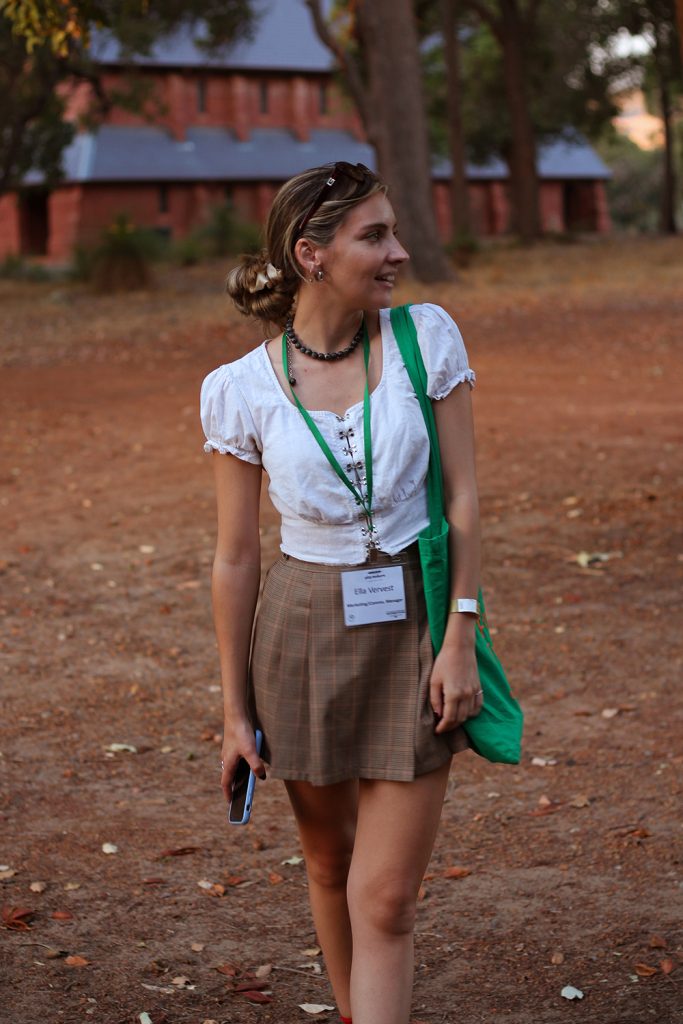
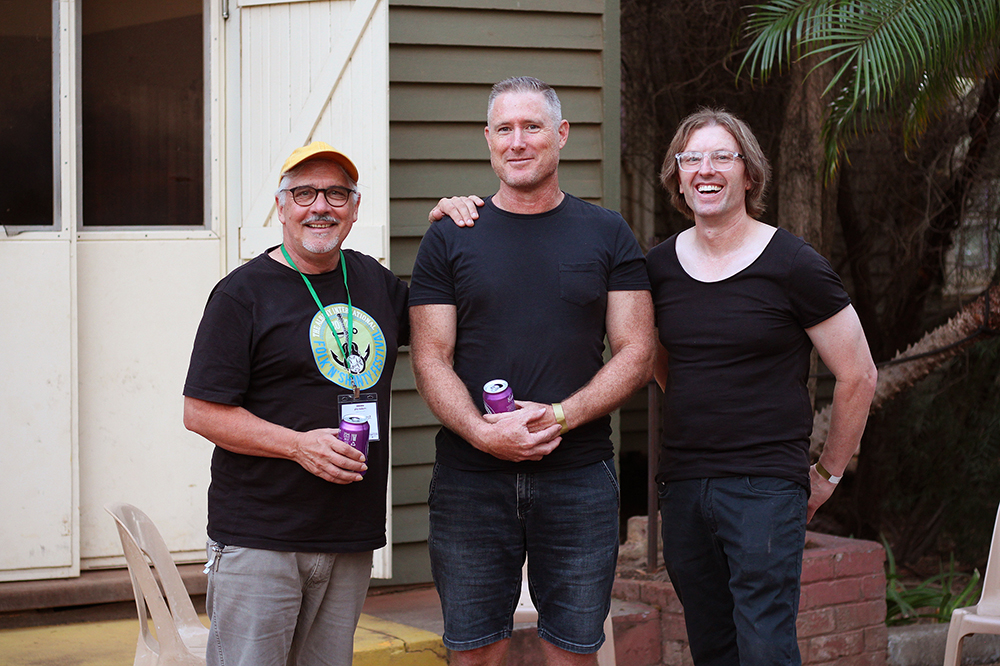
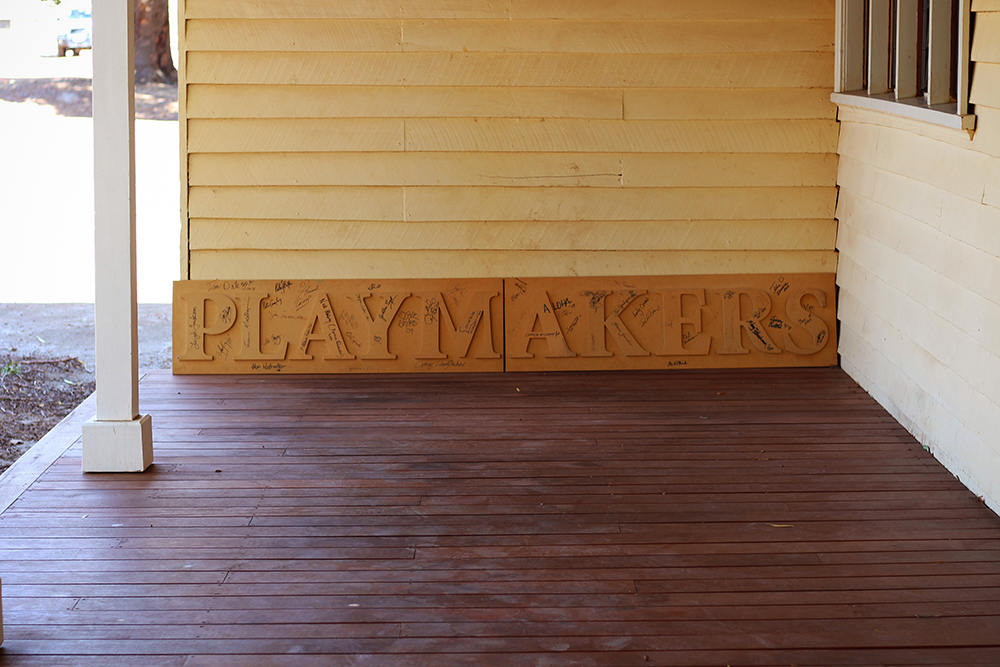
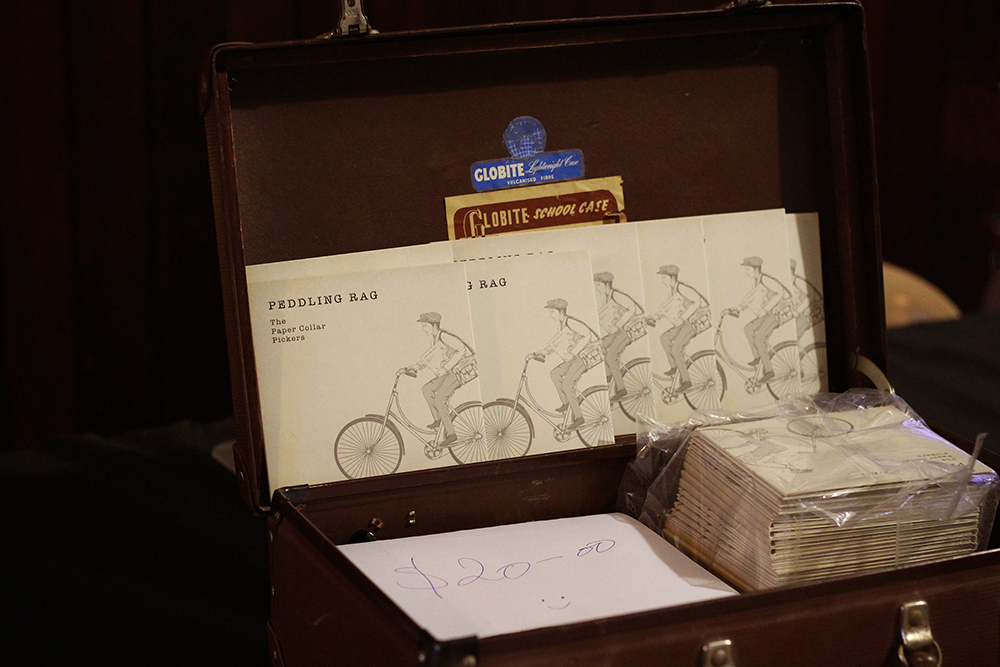
The inaugural Playmakers was held the weekend before Easter at Fairbridge Village, Pinjarra. In music festival terms, it ticked the four key criteria—a peaceful experience over three days of lovely weather with a bunch of happy people. But unlike Woodstock’s ‘three days of peace, love and happiness,’ the attendance was not measured in hundreds of thousands, and everyone paid to get in. Neither will a feature film be made about the event nor a live recording of the performances released. The only keepsakes will be a bunch of fine photographs and a smattering of pre-existing CDs. But the 200 or so people who attended had a great time.
As previously outlined in X-Press, the Playmakers concept has been developed over many years and included as an adjunct within the programs of other major festivals. This, however, is the first time it has been presented as a stand-alone event. Given the strong audience response and satisfactory financial outcome, it is safe to say Playmakers will be back again next year. Hopefully it will continue beyond that and become a regular event on the WA music calendar.
Invariably, given the location, comparisons will be made to the former Fairbridge Festival of folk and world music. As many of the key organisers and some of the performers worked on both events, this is understandable, but still the comparison is somewhat unfair. The two events come from very different places.

Whereas the Fairbridge Festival program typically contained some 100 acts and was aimed at an audience of 2,000 to 3,000, Playmakers had but nine, catering to a maximum attendance of 220 people, the number comfortably accommodated in the dozen or so permanent cottages that grace the site. (In the end some camping was also made available, but nothing like the crowded fields that typified the Fairbridge Festival. It’s questionable whether the ageing facilities at Fairbridge Village can again accommodate those greater numbers.)
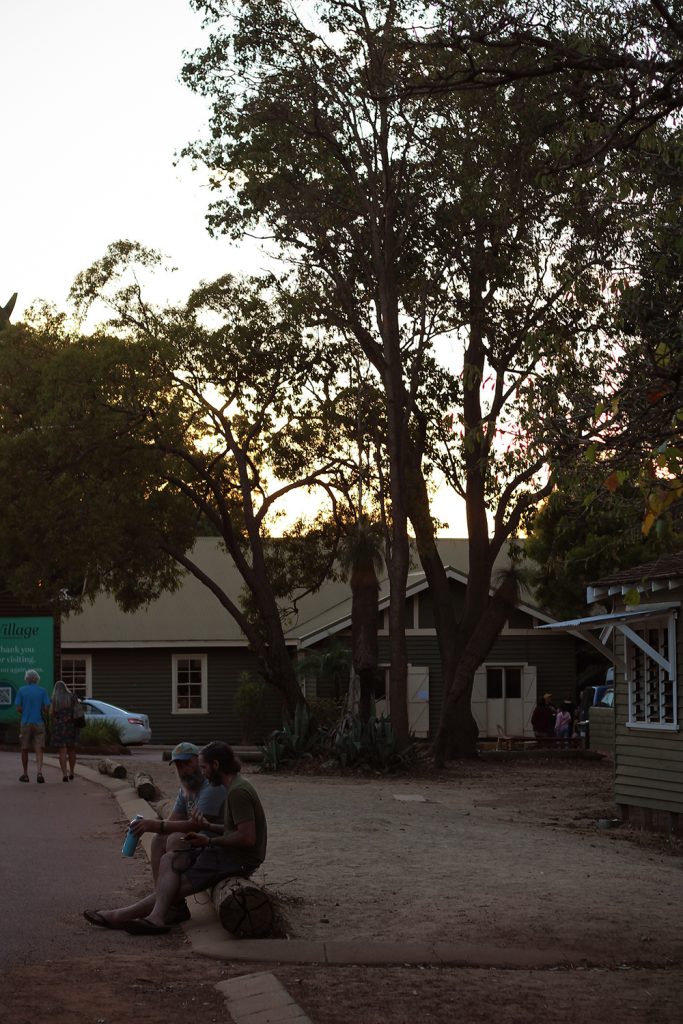
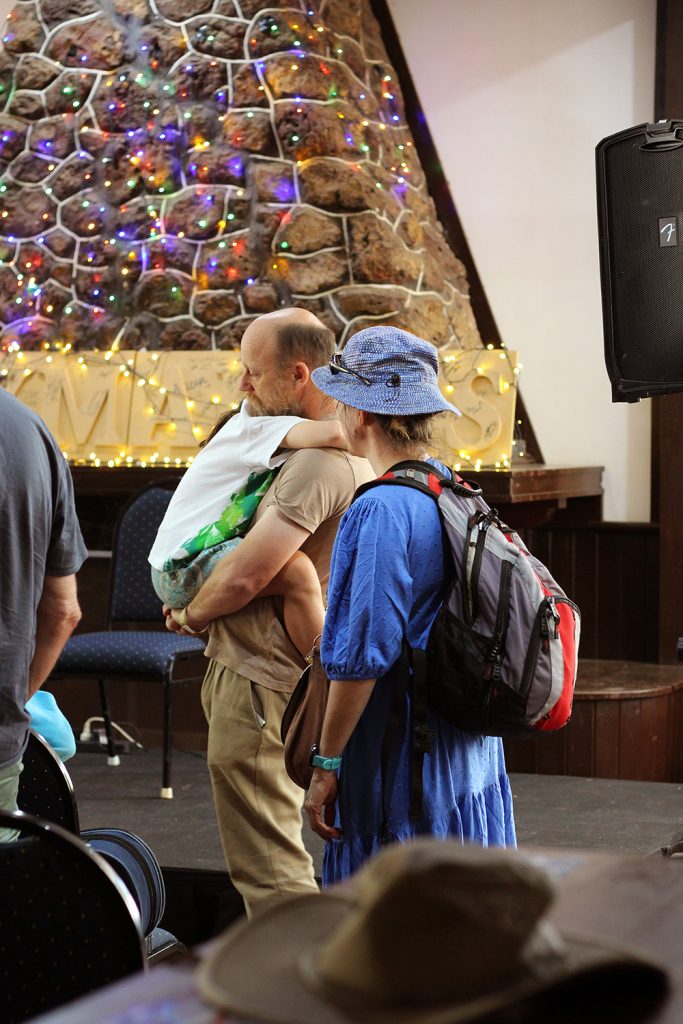
At times it was a bit surreal that there were so few people about. On arrival, some thought they’d gotten their dates wrong. Where’s the field full of cars? What happened to the ticket tent? Where are the little golf carts that used to buzz through the pedestrian crowd?
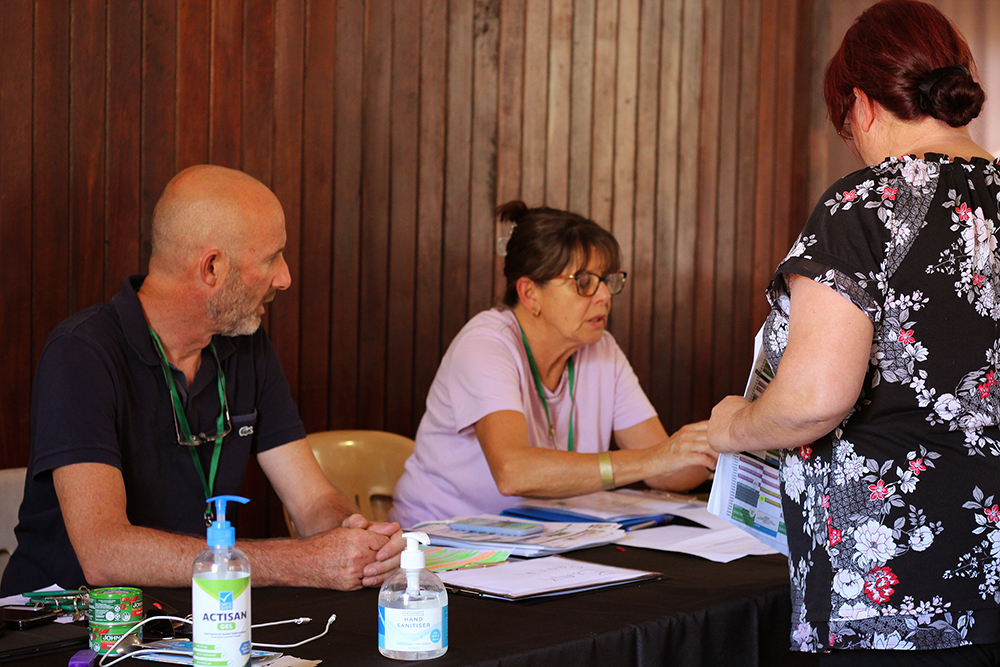
The only sign that anything was happening was a small sandwich board on the roadway next to the Dining Hall—‘Playmaker’s Sign In.’ People noted the open spaces where marquees, food stalls, and markets once stood. Over the course of the weekend, everyone had at least one moment alone on the central roadway where there once were multitudes.
But people soon realised this made for a much more comfortable experience on many levels.

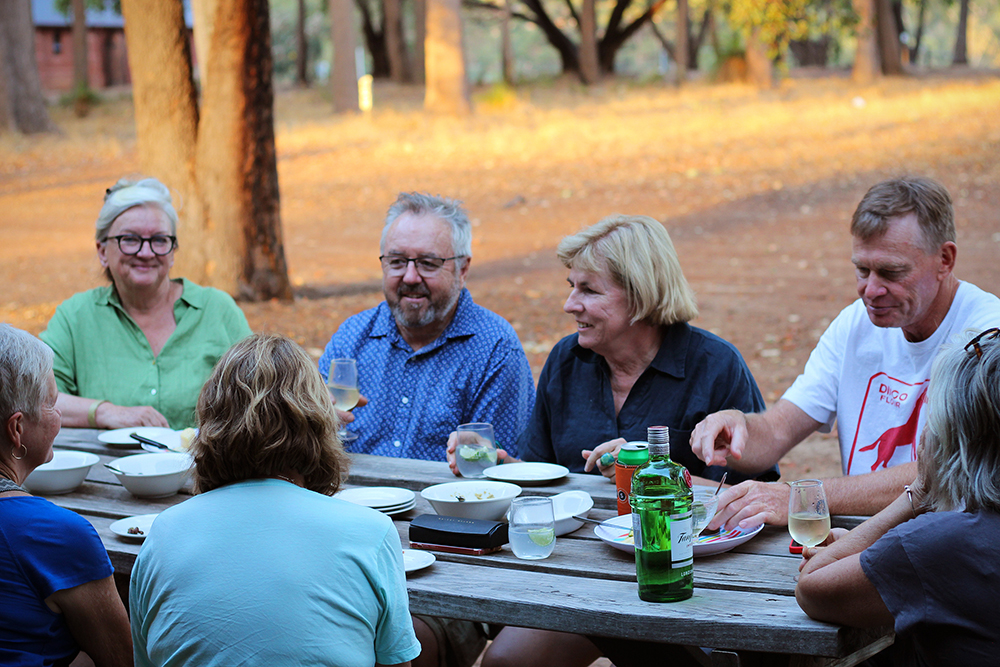
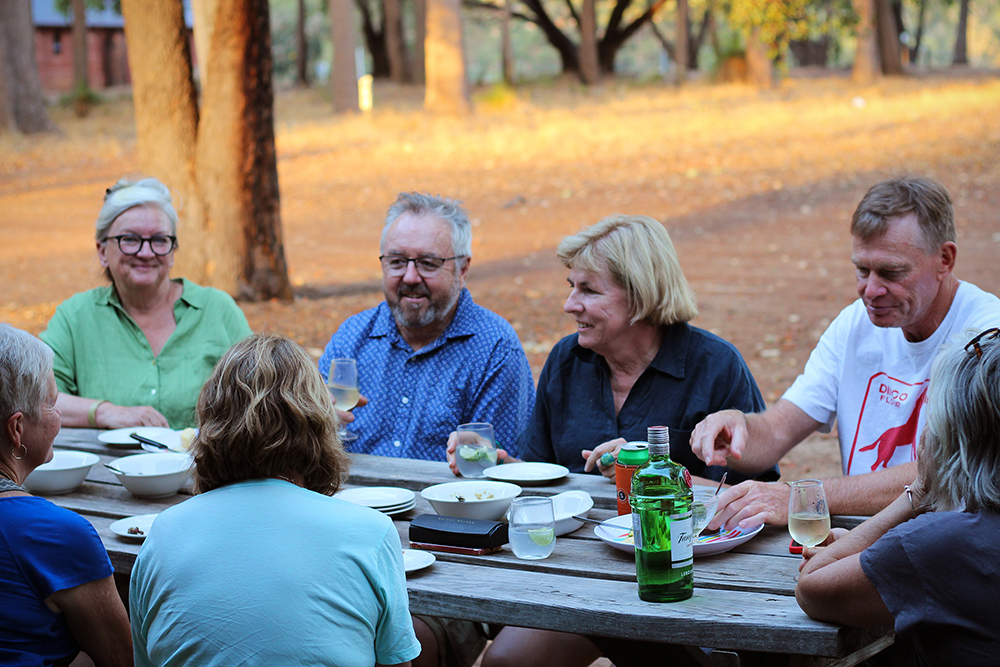
To have a made-up bed in your own air-conditioned room within a cottage that had abundant in-house bathrooms, a well-appointed kitchen, and two ample living spaces was much better than a sleeping bag in a tent on a crowded field with long queues at the portaloos and temporary shower block. You could chill in style, wake well-rested, and make friends with your housemates over a leisurely breakfast or a late-night game of cards.
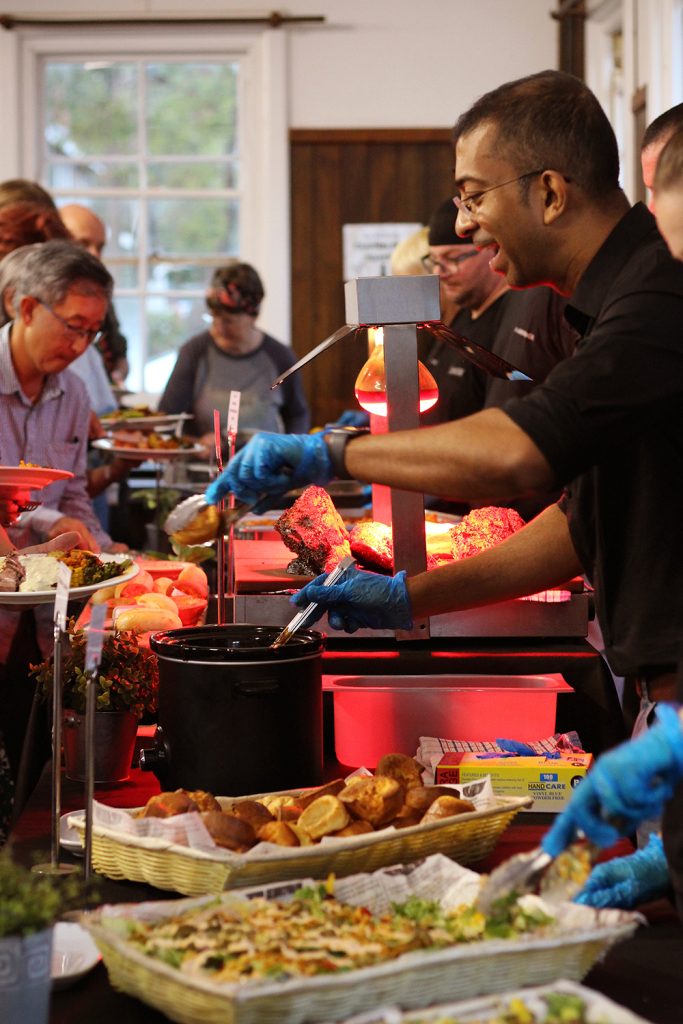
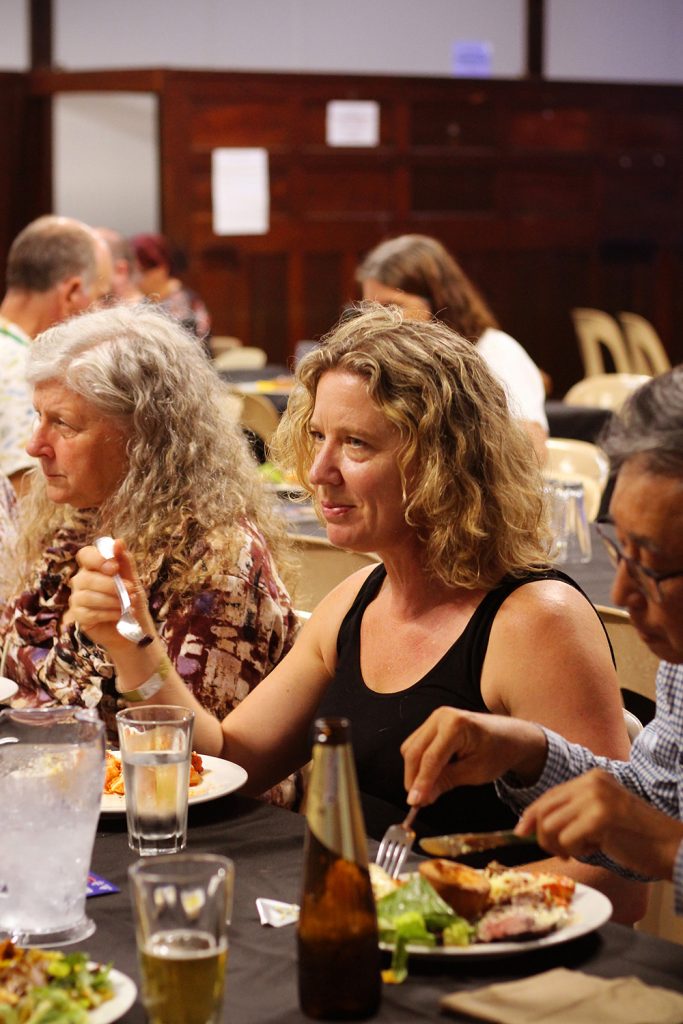
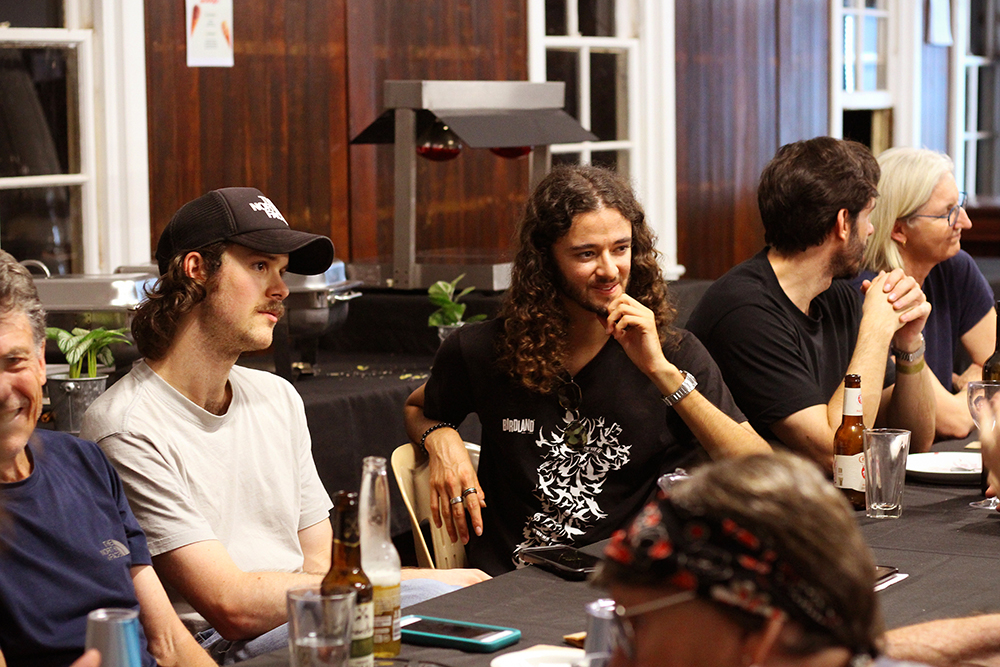
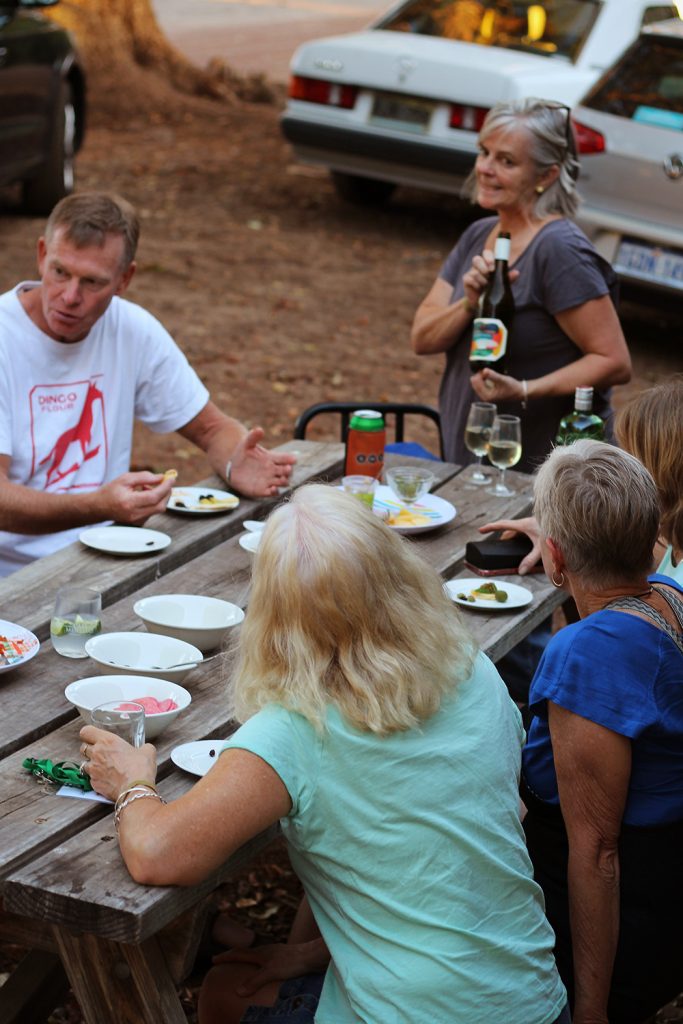
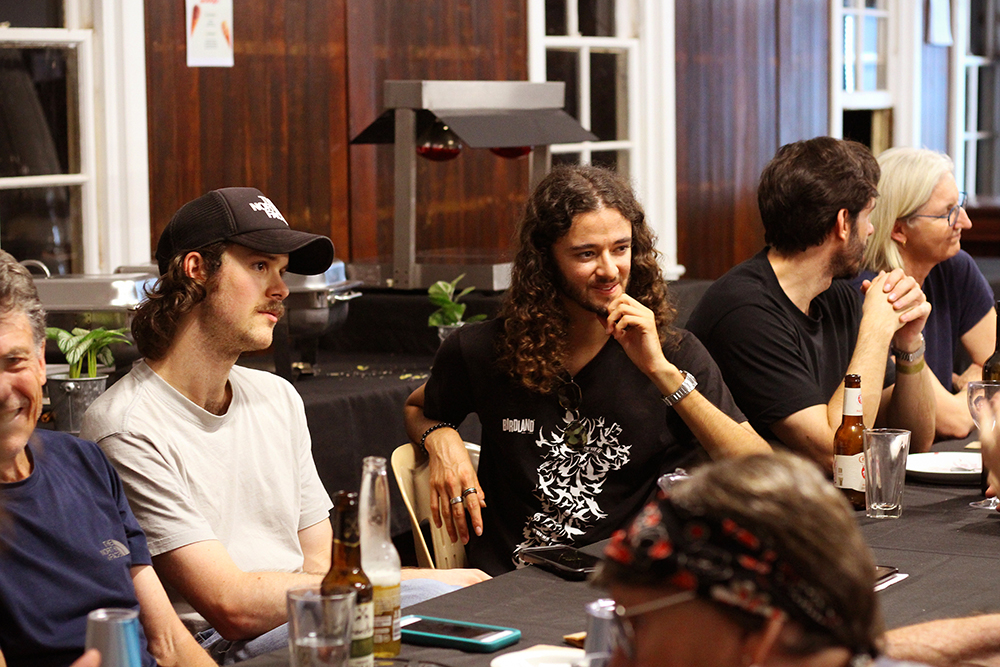
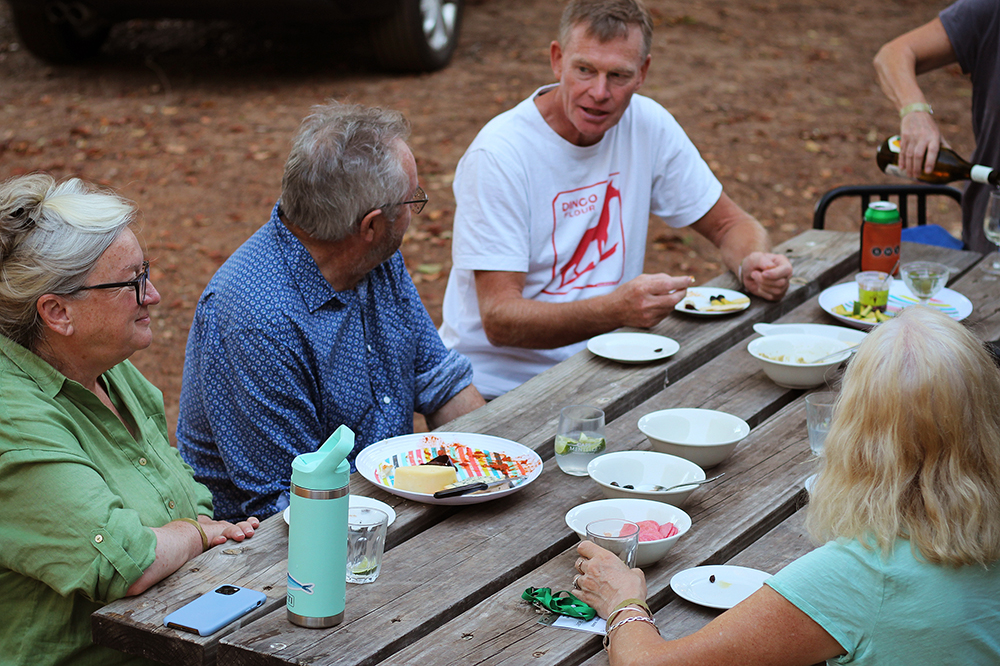
Indeed, queuing was not an issue at all. There were no long lines at food stalls; all purchased meals were served in the dining hall, where there were enough tables and chairs for everyone. Neither were there any rowdy bars—no one was even noticeably drunk.
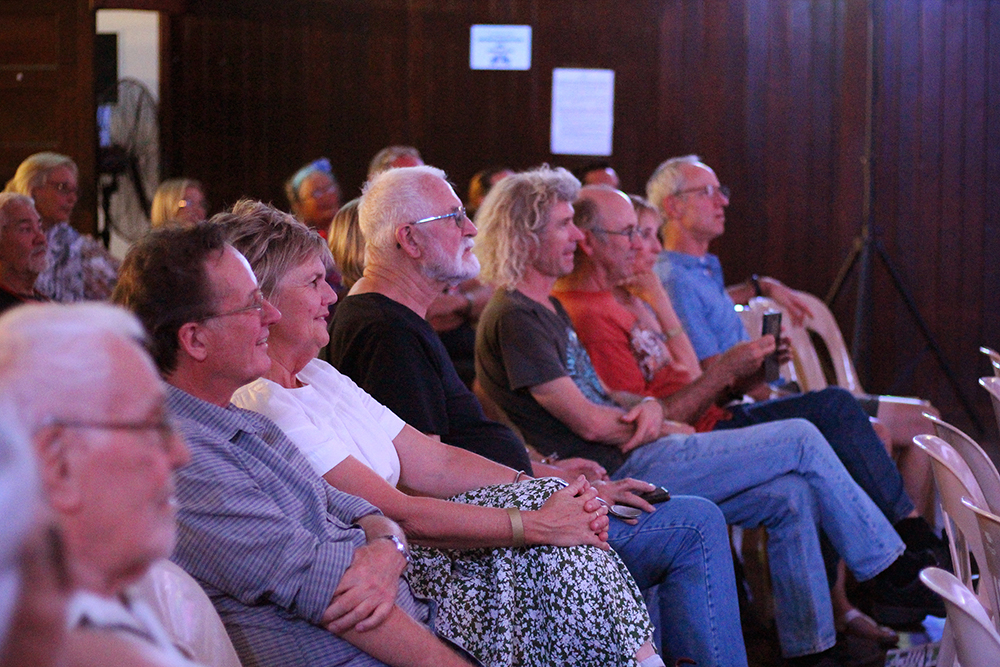
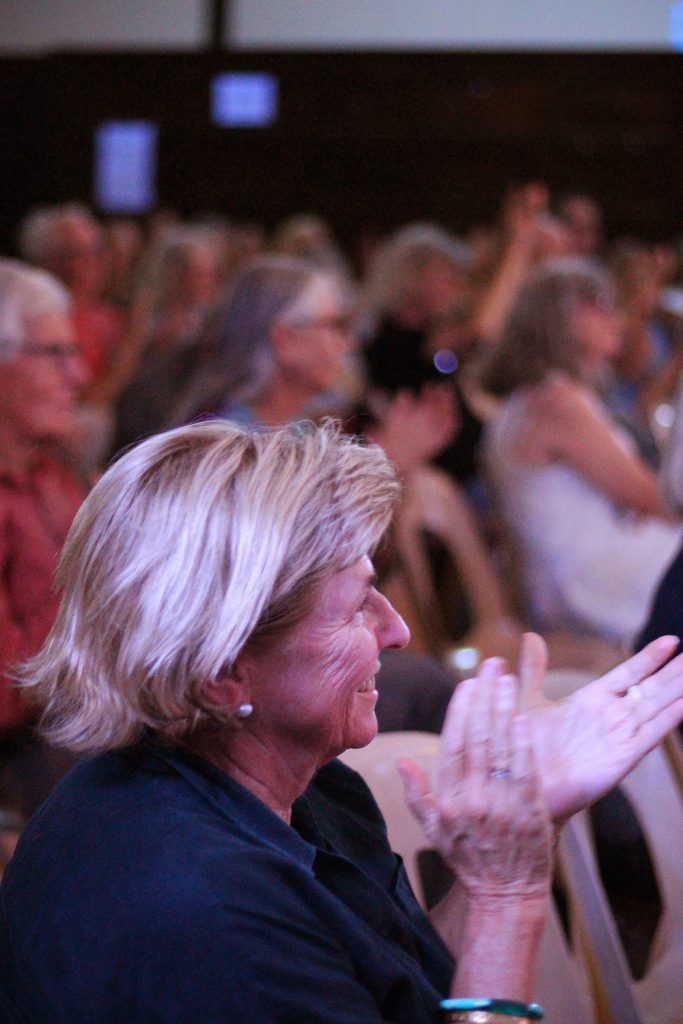
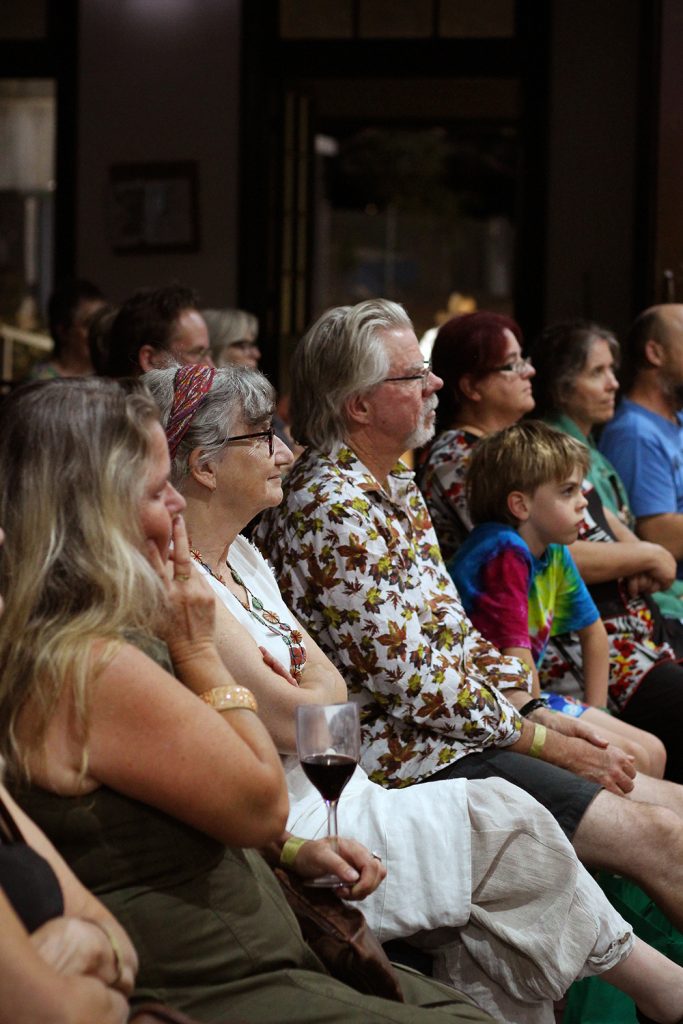
The atmosphere at nighttime was significantly different. Then the place buzzed with activity. The rooms magically filled, some people danced, others rocked in their seats, and there was a general sense that the festival had truly come alive.
After the manic run of the Perth summer festival season, it was delightful to have a program in which you could easily see every act that you wanted to at least once and not come home feeling that there were four or five other things you really should have gotten to.

This had always been an issue at the old Fairbridge Festival, though often because there was only so much music you could listen to in such a short period of time. ‘I’m full,’ as Monty Python’s Mr. Creosote was wont to say.
In a similar vein, the performances, a mix of solos, duos, and groups, were more relaxed and open-ended. There was breathing space. Artists weren’t compelled to quit the stage after forty-five minutes so the next act could start on time. If a show was going well, the audience and artists had settled in and were enjoying themselves, the program allowed it to round out and extend a bit.
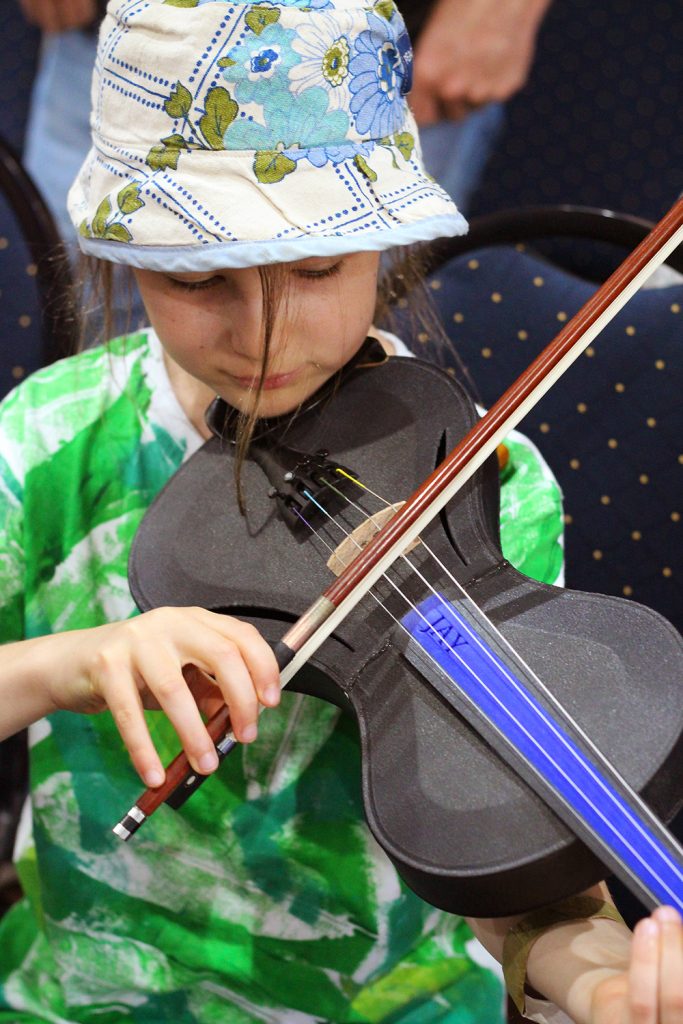
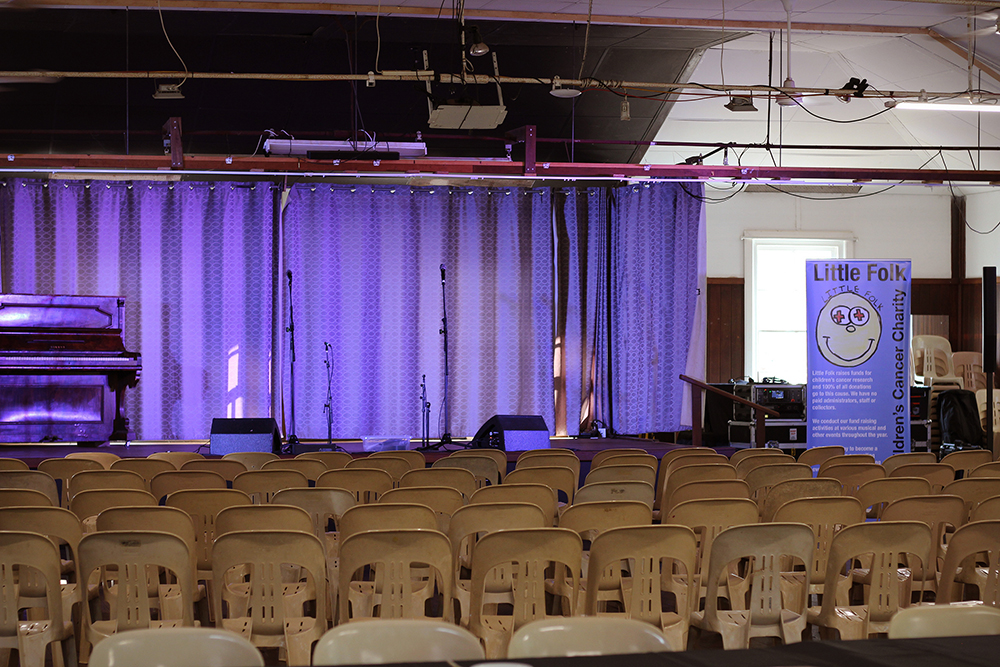
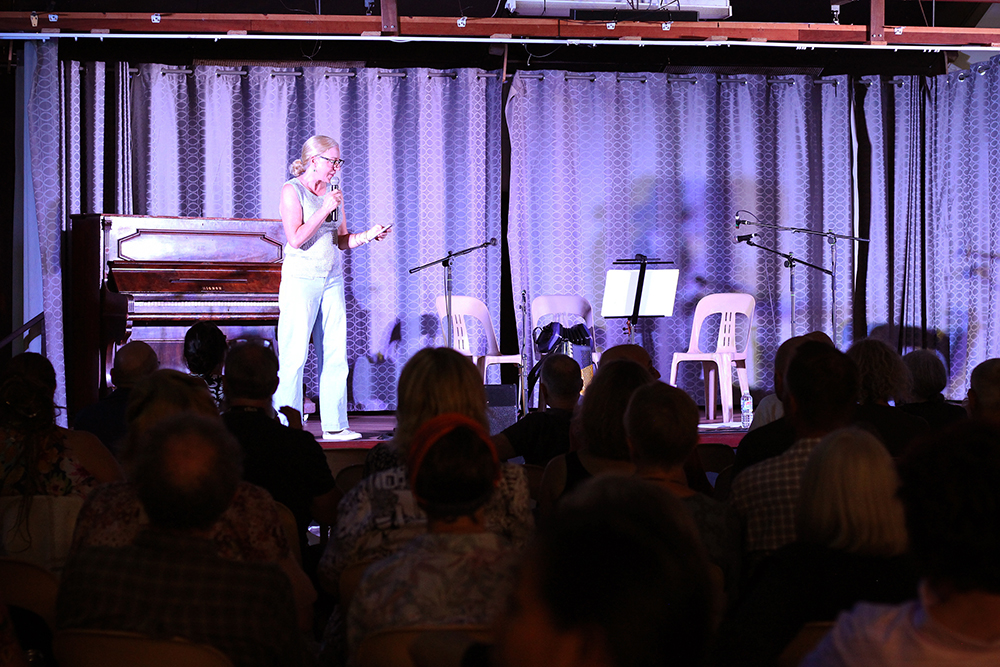
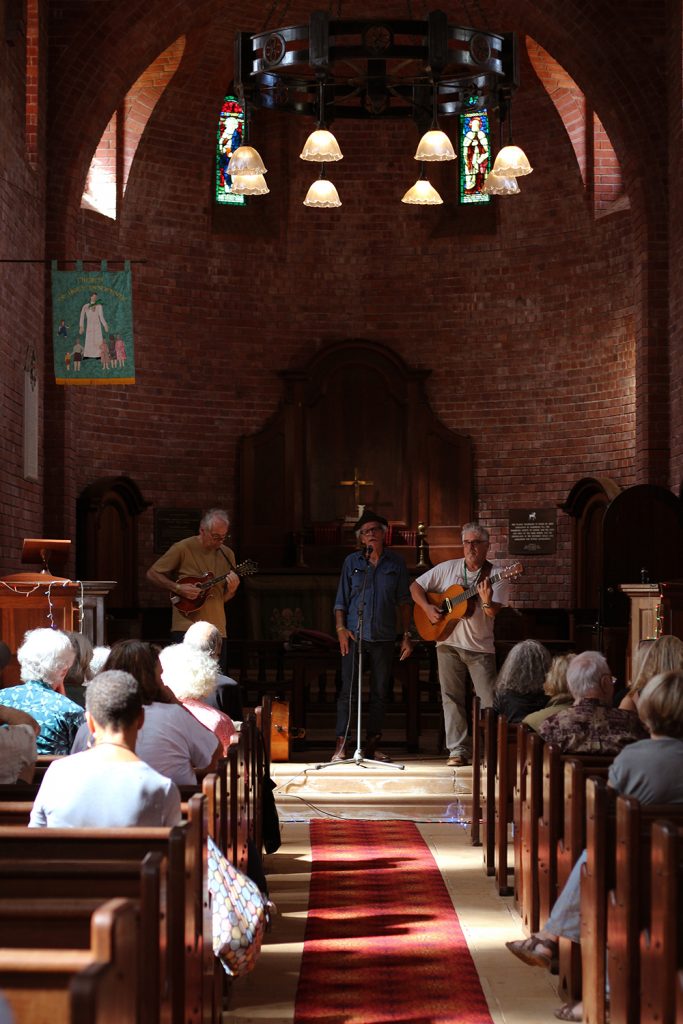
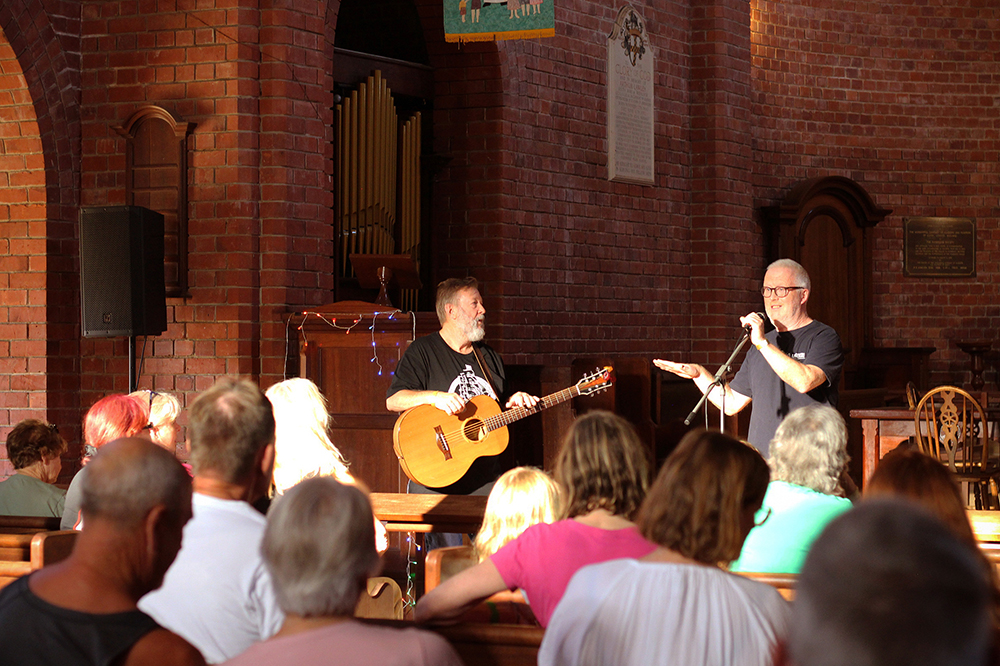
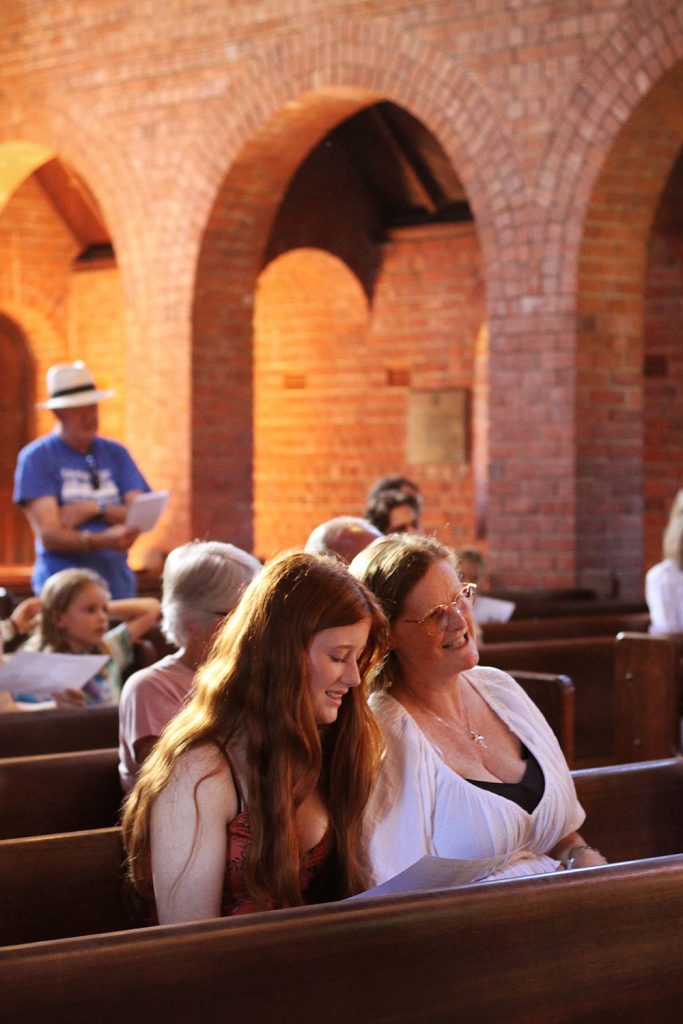
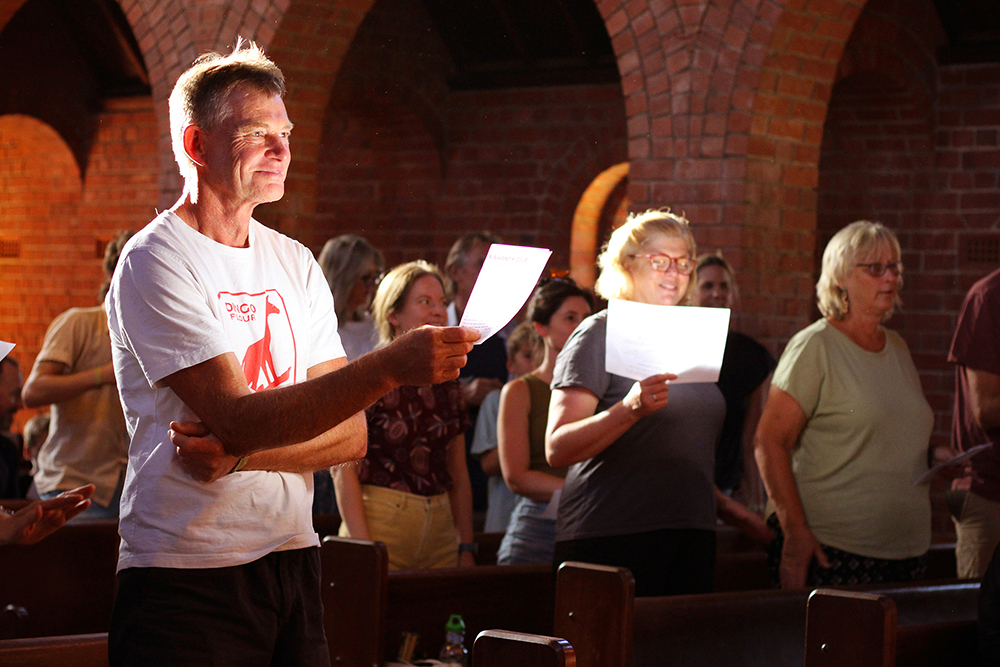
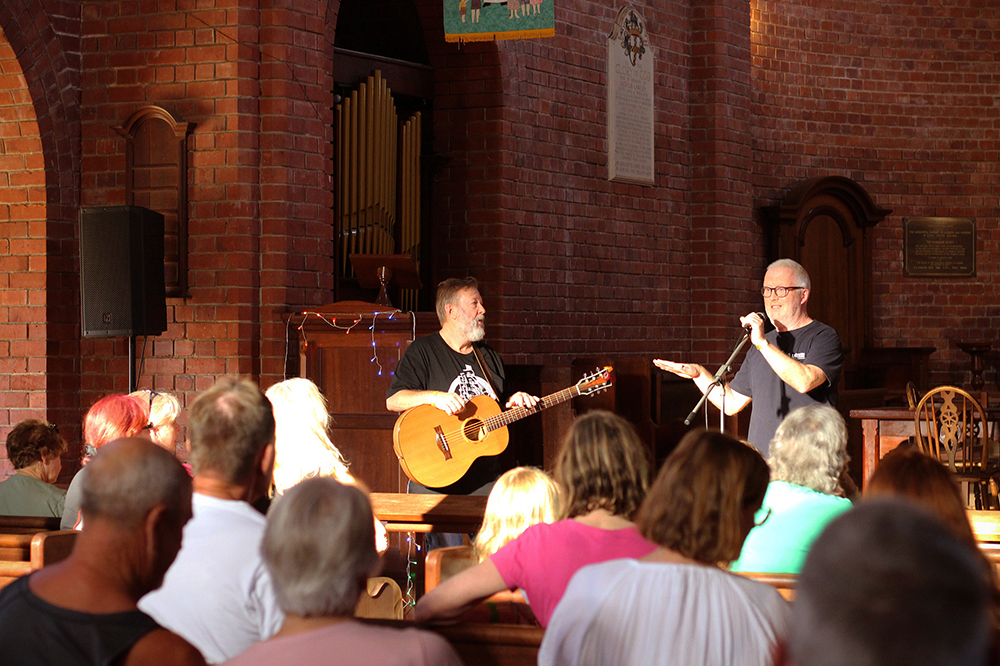
Neither did the audience have to scamper from their seats to make sure they found a good one in a marquee on the other side of the site. Indeed, there were no marquees at all. The performances and workshops were programmed into three suitably diverse indoor venues a short walk apart: the Dining Hall, the Clubhouse, and the splendid, heritage Chapel. (This is partly why it was so quiet on-site during the day; everyone was inside out of sight.)
A tension-free zone, nothing manic, players and punters alike could chill and enjoy it all at a leisurely pace. What a blessed change in our forever busy world!
Another key point of difference was the prominence of the workshop program.
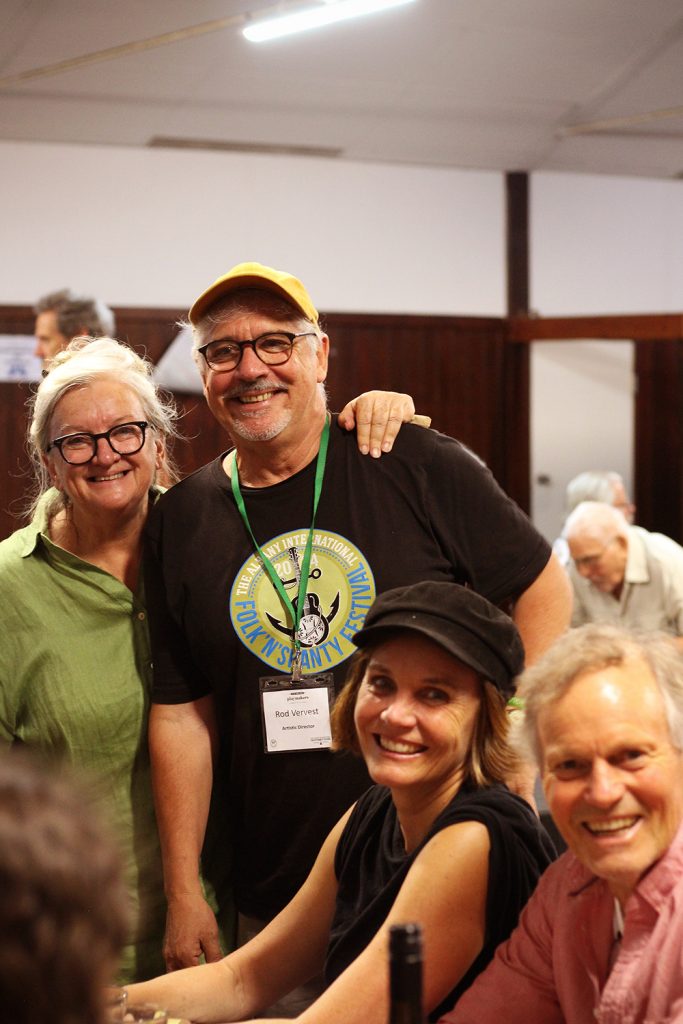
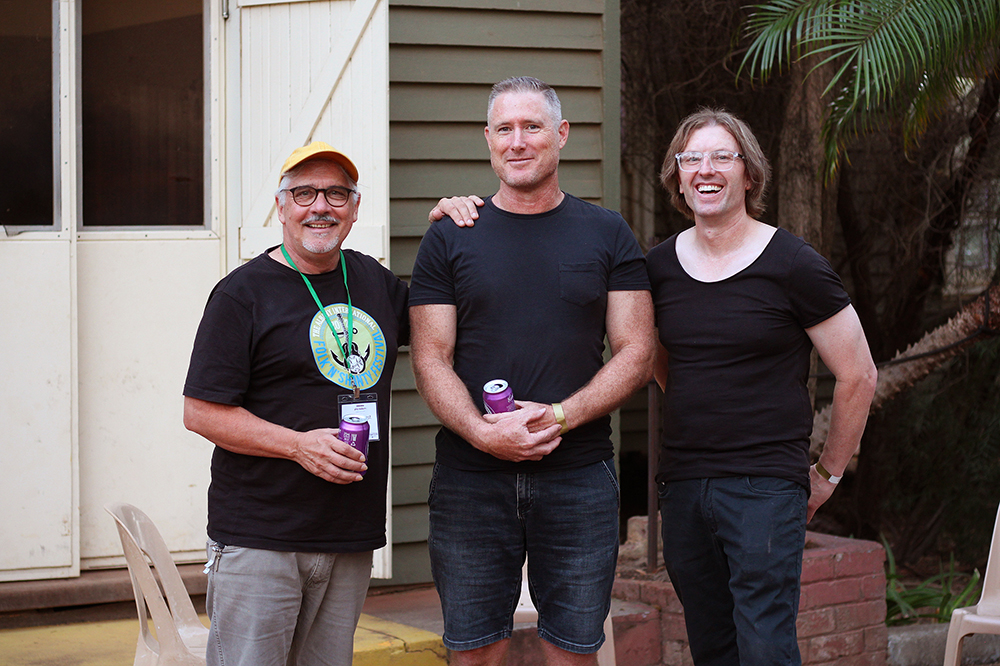
Unlike many music festivals, including the old Fairbridge, where specialist workshops are an adjunct to the performances, at Playmakers the workshops, the maker side of the equation, are integral to the concept and on equal footing with the stage work. The aim of the festival, as Artistic Director Rod Vervest conceived it, was to listen to music through the voice of the instrument, not the ego of the performer. To put it another way, as Sir Philip Sidney famously proclaimed, ‘to teach’ (the workshops) ‘and delight’ (the performances).
And yet, like the best folk and world music festivals, even though small, the program was diverse and rich and sent everyone home with a new favourite artist and a greater appreciation of at least one aspect of music making. It takes a certain skill to achieve that with only nine acts and sixteen workshops, but Vervest managed it.
The performance program included more traditional acts, seasoned favourites, cutting-edge musical explorers, and the outright bizarre.
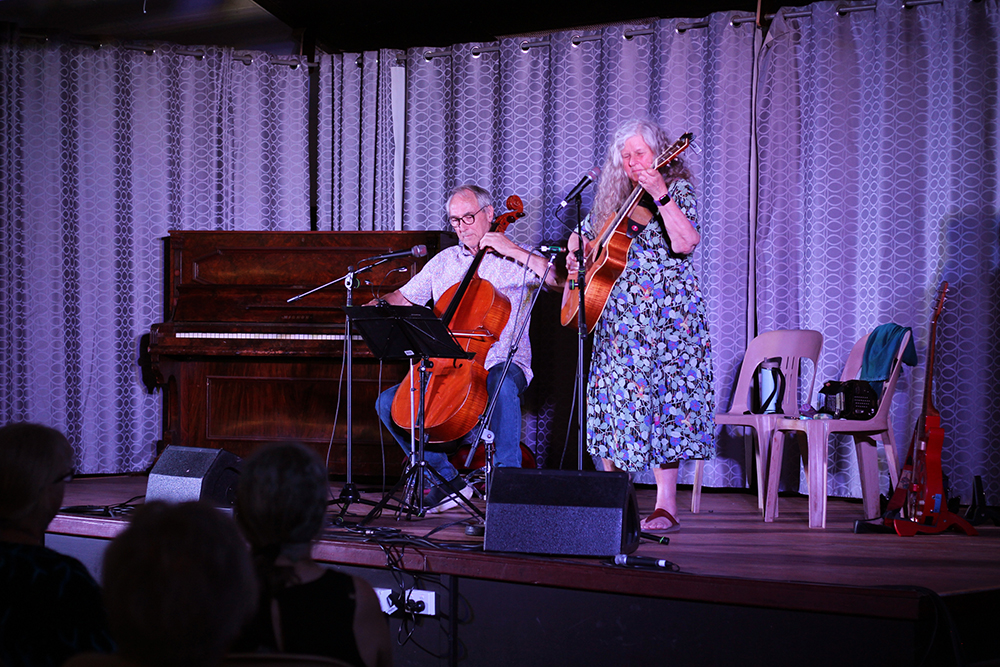
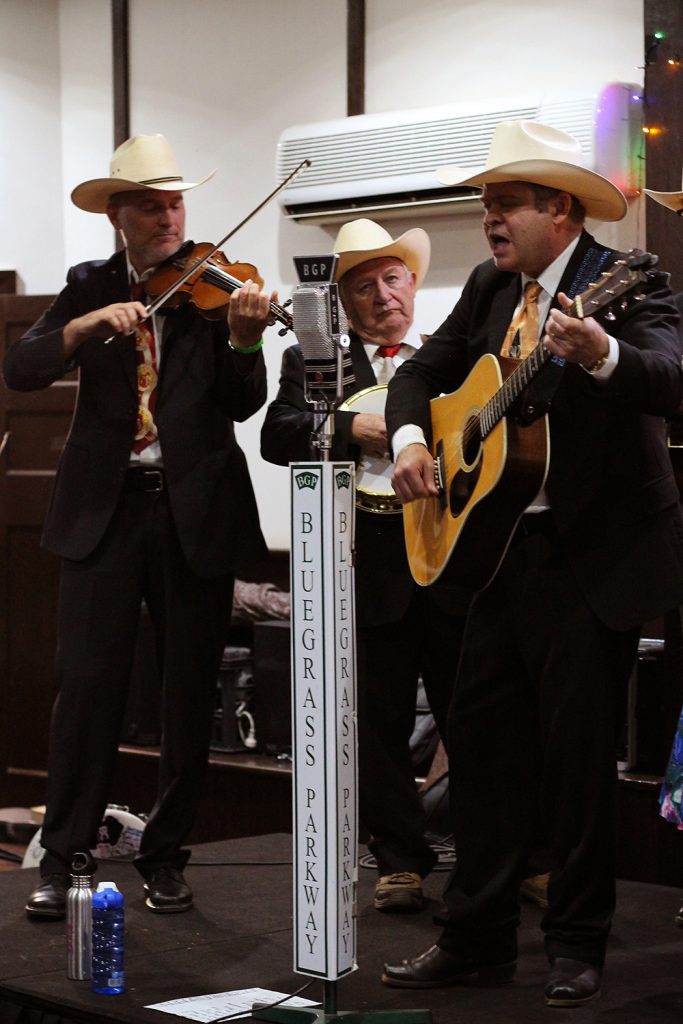
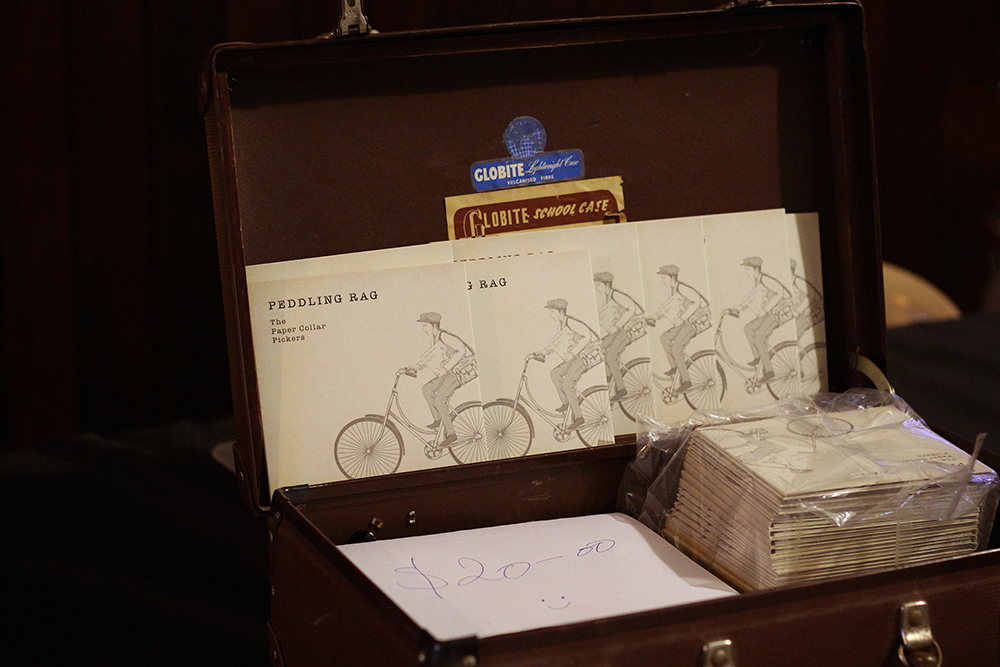
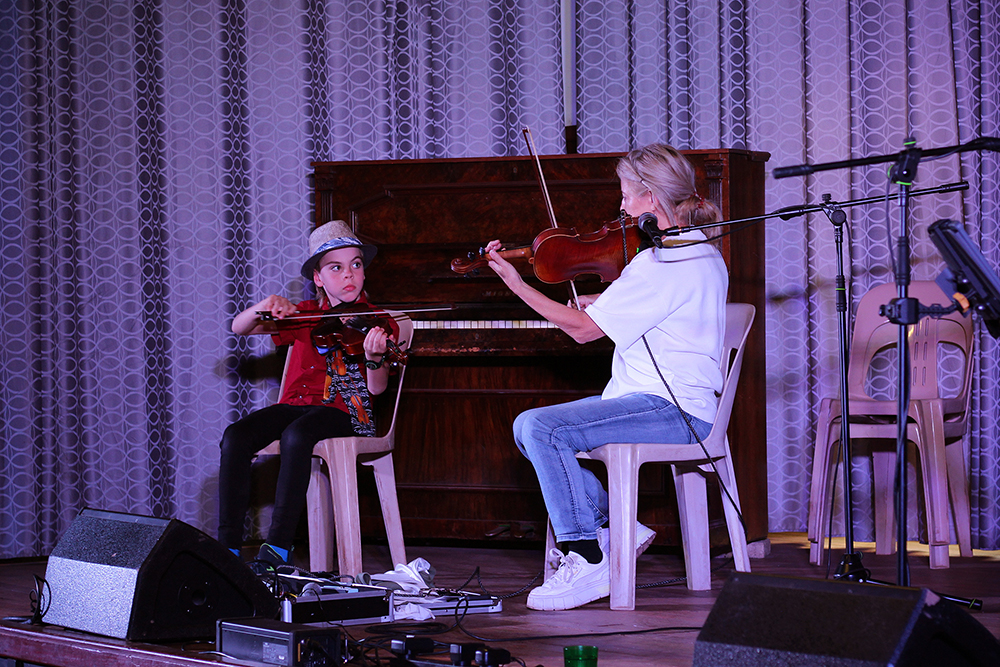
For the traditionalists, there were Papercollar Pickers (Piedmont Blues), Alba (trad Scottish), Bluegrass Parkway (Kentucky bluegrass), and Eddy and Josephine Jay (Celtic, tango, and French musette on fiddle and accordion). The oft-seen singer/songwriters Kristina Olsen (USA) and Andrew Winton (WA), and ukulele maestro Minky (funky jazz, pop, uke classics and children’s songs), brought smiles of delight and wonder to many faces, while the cutting-edge Sign of Four and zany The Inadequates, who are anything but, added something new and challenging. All up, it was a distillation of extraordinary, talented players, all virtuosos in their chosen field.
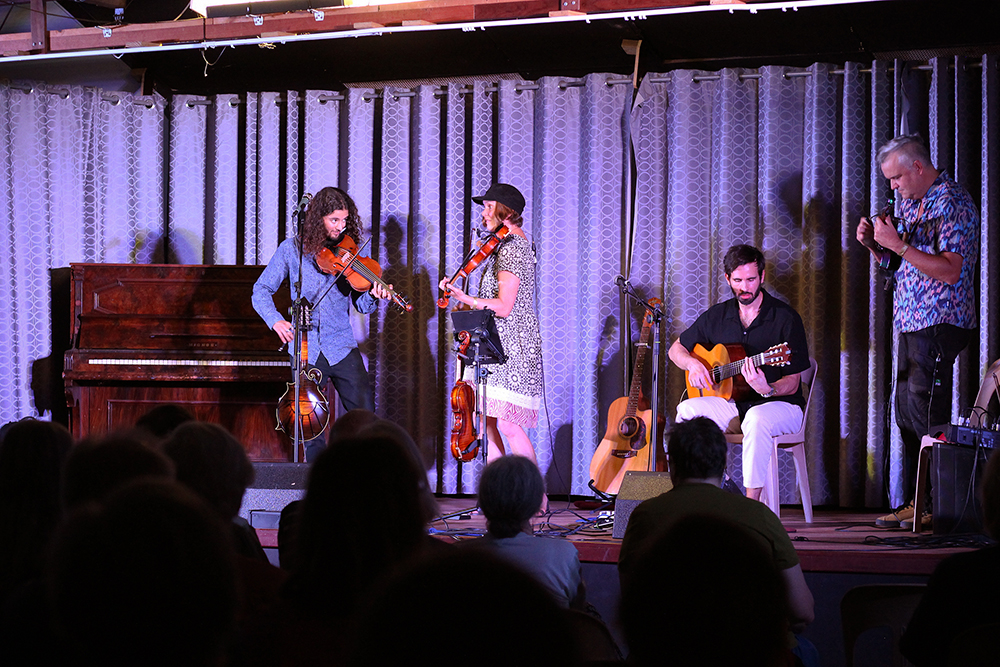
Everyone will have a different favourite, but the widely regarded highlights were the lesser-known acts: Sign of Four and The Inadequates.
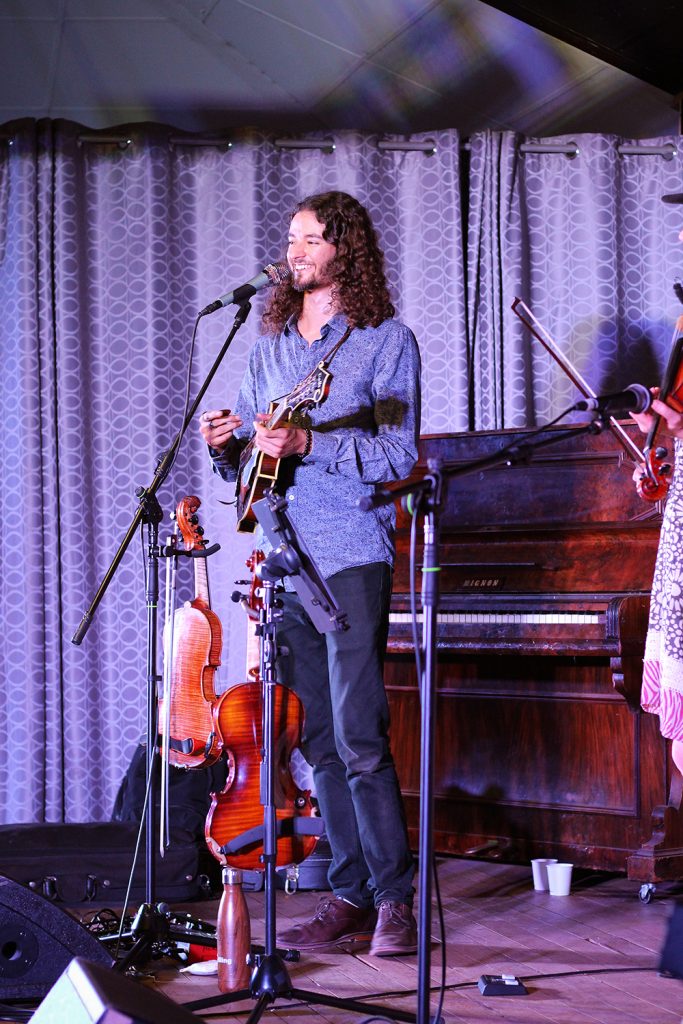
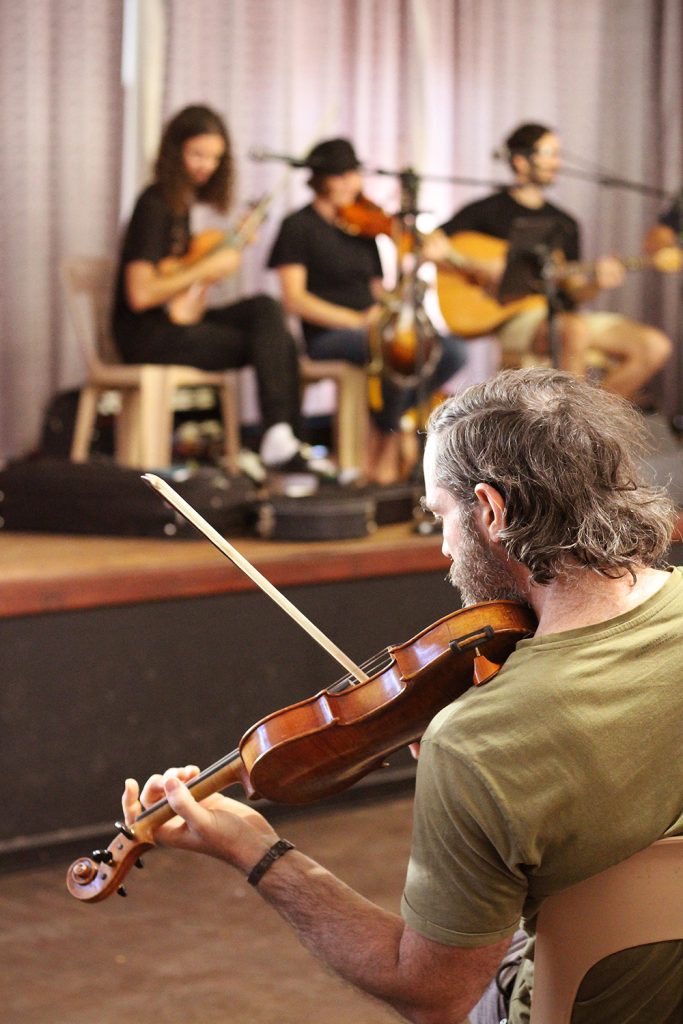
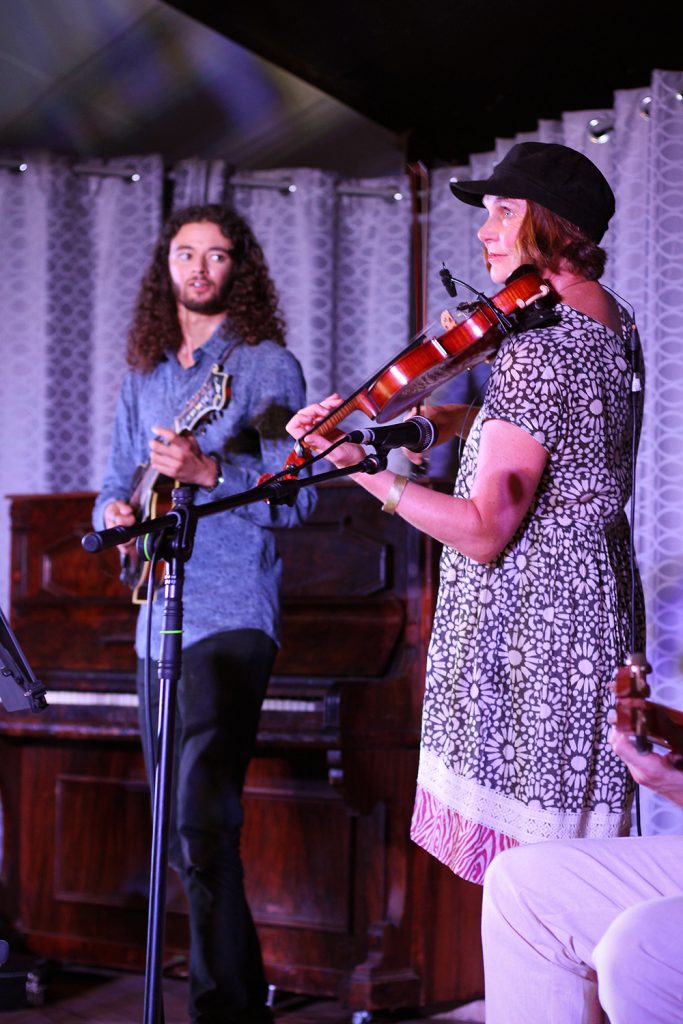
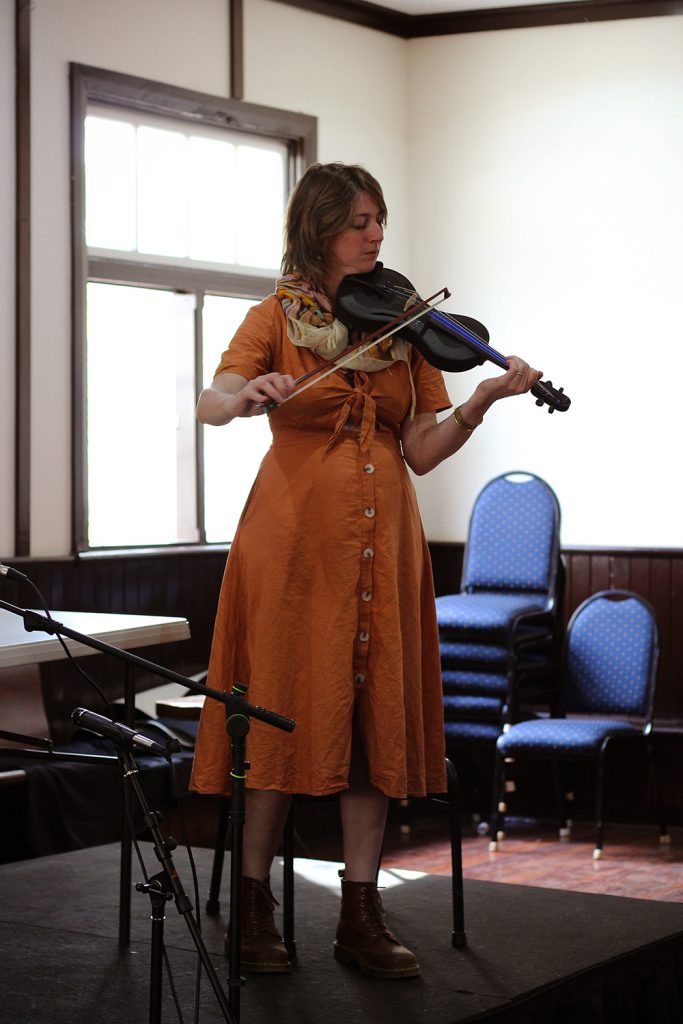
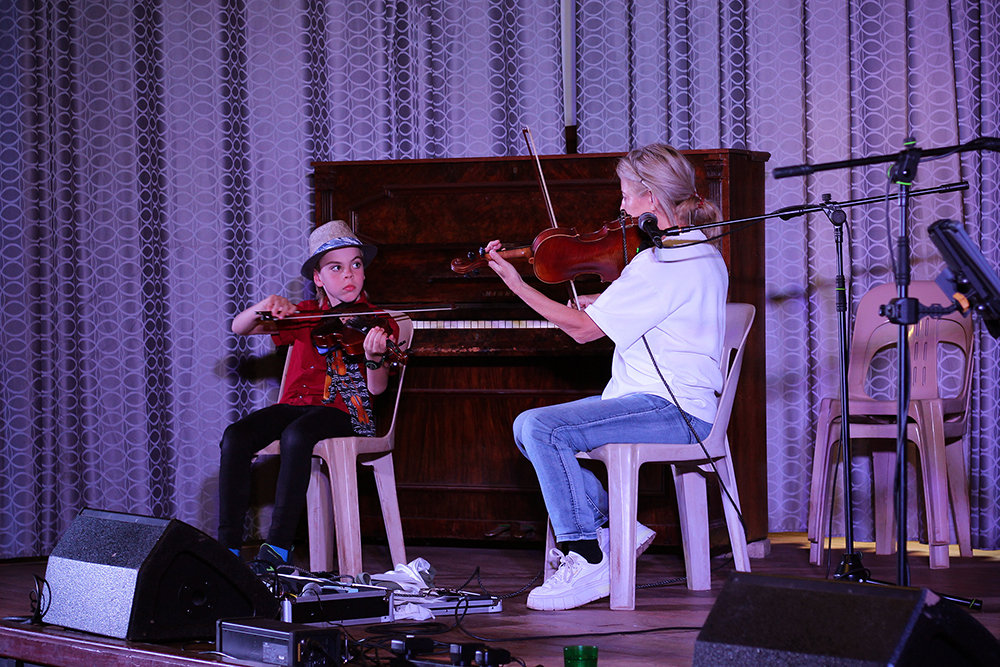
Sign of Four are a new music ensemble, a bunch of adventurers who mix an array of intricate musical textures with disparate influences. On one level, they are a classic folk quartet: mandolin/mandola, fiddle, guitar and ‘bass.’ But look again, and they could be mistaken for a funky classical string quartet. The mandolin player sometimes swapped to fiddle; the guitar is tonally related to the cello, especially when played in such an esoteric fashion, while the bass was actually an electric, enhanced octave viola. Two violins, a viola, and a cello—a classical string quartet.
As you would expect from a new music ensemble, they cleverly bridged the genres of folk and classical in a constantly exciting way. On each tune they pulled another trick out of the hat, be it the viola mimicking an Indian tabla, layering the Police’s Roxanne over a highly textured ambient rhythm, slipping into a gorgeous, almost straight version of James Taylor’s Something In The Way She Moves, or the compound 7/4 time signature of Salisbury Hill.
Another stand-out feature was their constantly changing repertoire. Every time they played, it was a different set of tunes. Most of the other acts stuck pretty well to the same set, varying only one or two songs each performance. True, it’s important that an audience gets to know an artist’s oeuvre so that they hang out for their favourite—there’s nothing like hearing a song you know and love—but it’s quite special when an artist pumps out different and exciting material every time you see them. In this, Sign of Four delivered in spades.

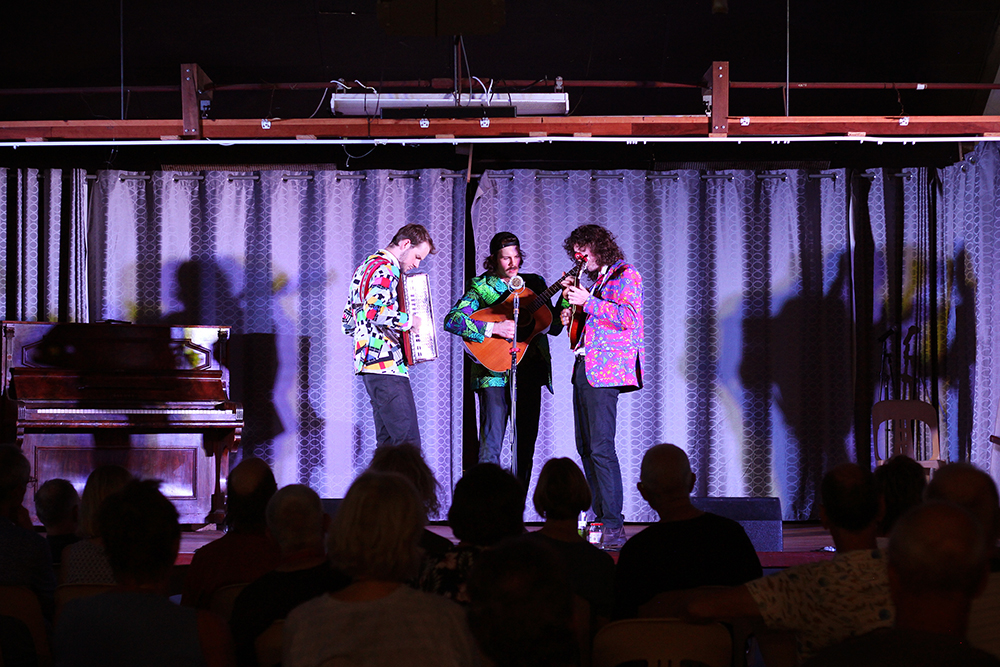
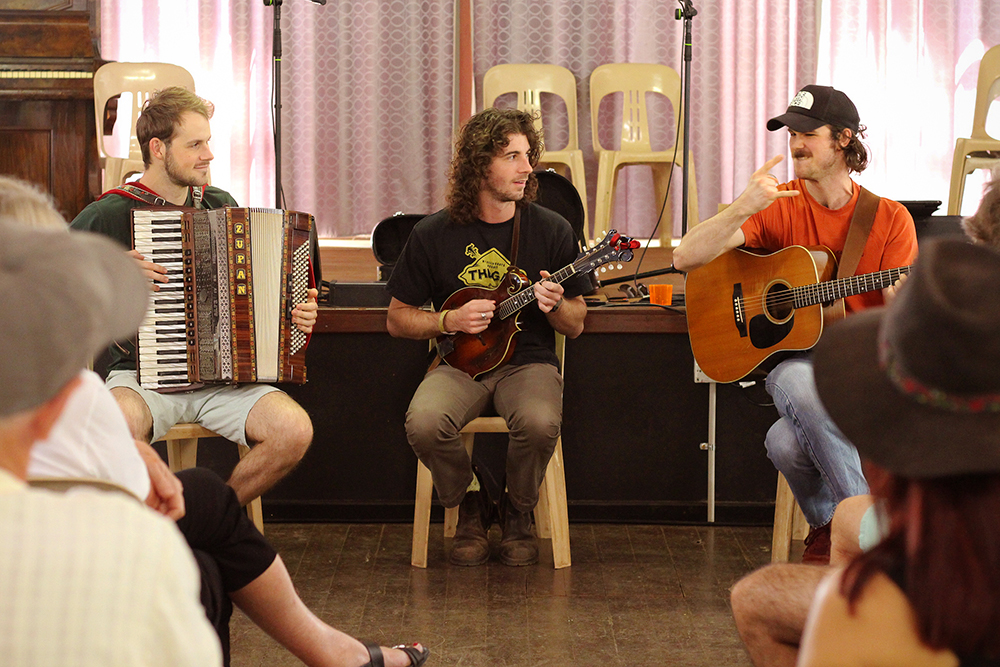
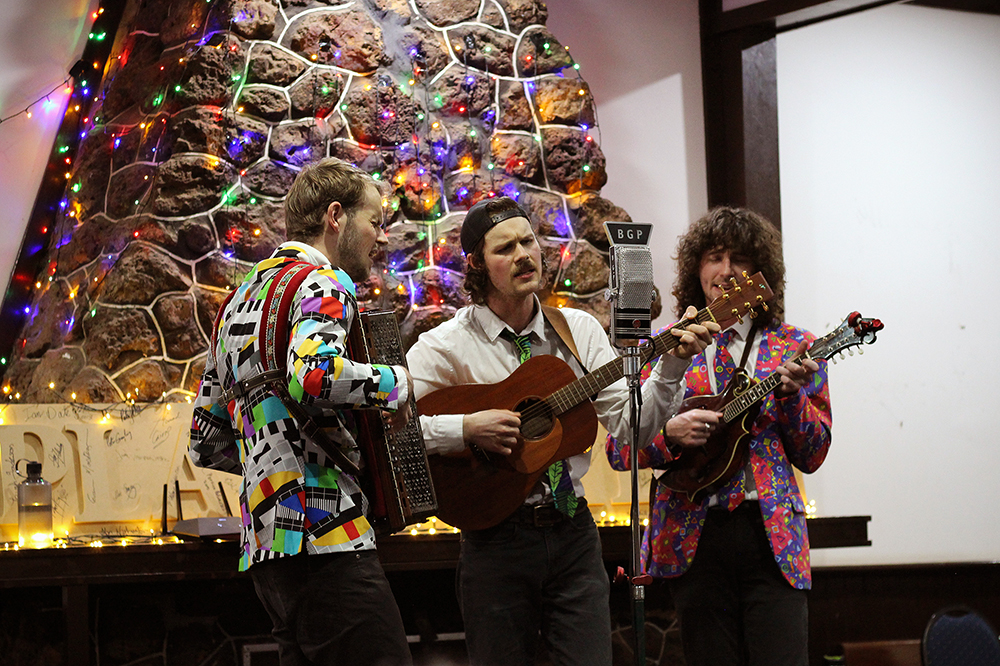
The Inadequates are totally outrageous—a trio of brilliant musicians who deliver the tightest three-part vocal harmonies while mixing manically their mandolin, bluegrass guitar and accordion. They swap time signatures, spring from one crazy melody to another, or pause mid-phrase to leave a moment’s silence before jumping back in at full throttle. It was hard to understand a word of what they sang, but they sang them so beautifully it didn’t matter; you got the point anyway.
Like three over-caffeinated baristas running amok in their colourful crazy-quilt coats over a waitperson’s black and white, these musical comedians were hilarious to the point of exhaustion. They were the perfect, madcap addition to the program, the wild card in the pack.
A vote must also be given to the singer/songwriters Kristina Olsen and Andrew Winton.
As outlined in the review of her preview show, Olsen has not performed in Australia for more than five years. The only international act in the program, her warm, all-too-human performances with Peter Grayling, were a sheer delight.
Similarly, it was great to see Andrew Winton back on stage with his acoustic guitar and bespoke, multi-stringed ‘Winton Beast.’ In recent years Winton has moved away from his folk roots to almost exclusively play electric guitar. Although he was coming down with a fever, he still managed to deliver an inspired set in the Dining Hall on the Saturday night. It was heartening to watch him remember his old repertoire and bring it alive again through his spectacular playing. One hopes this is the start of a musical renaissance for him.

The workshop program was similarly rich and diverse.
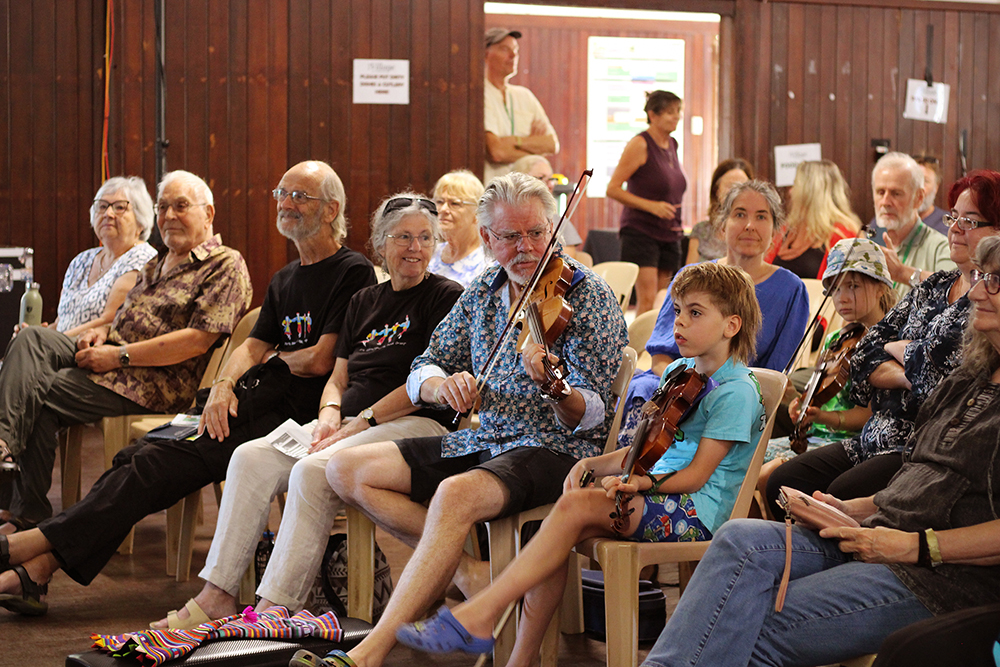
Overall, the sessions were pitched at a general audience, with the subjects divided between instrument making, developing your performance skills, and specific musical themes.
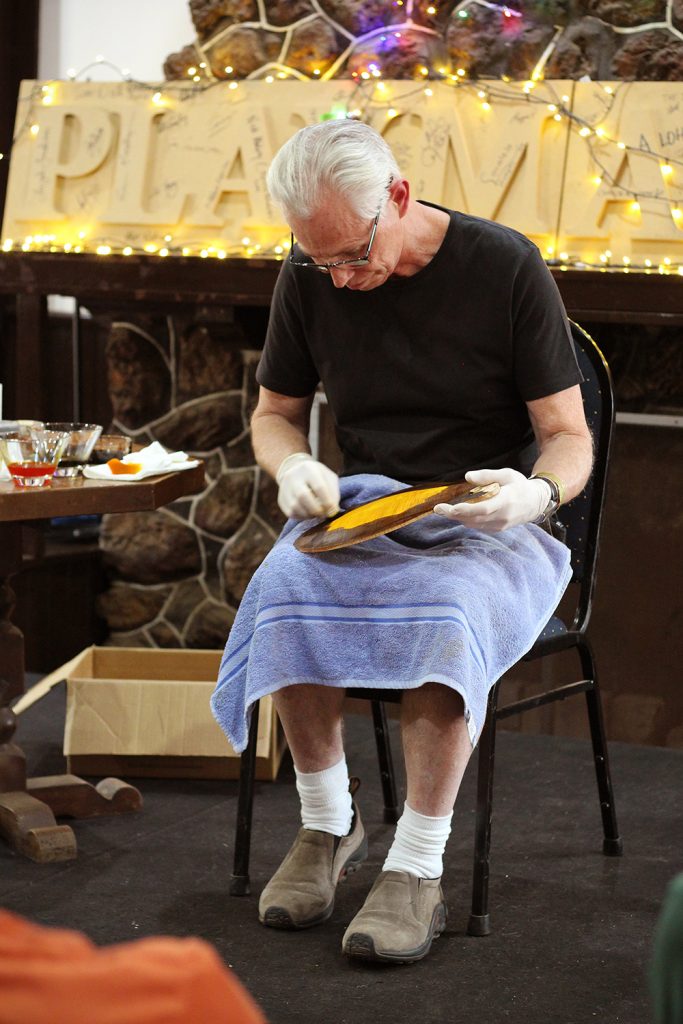
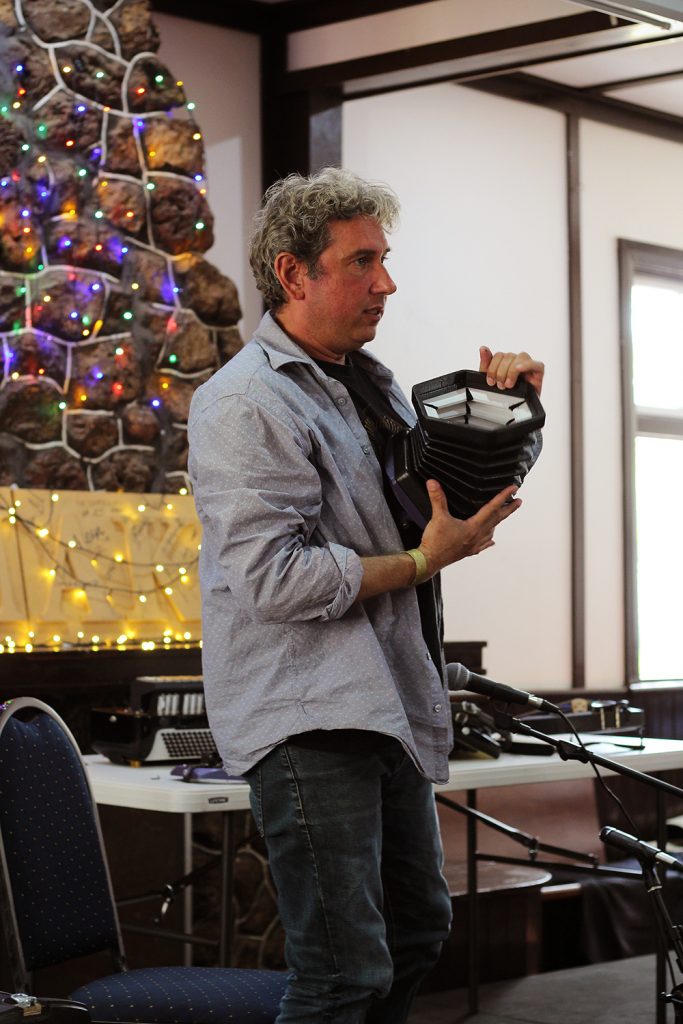
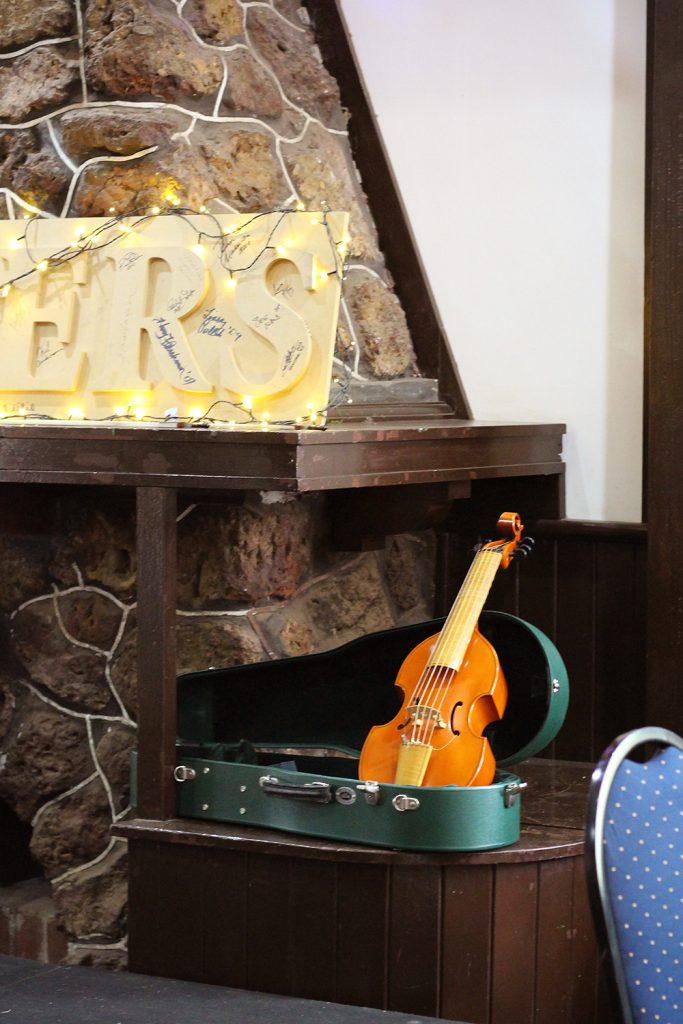
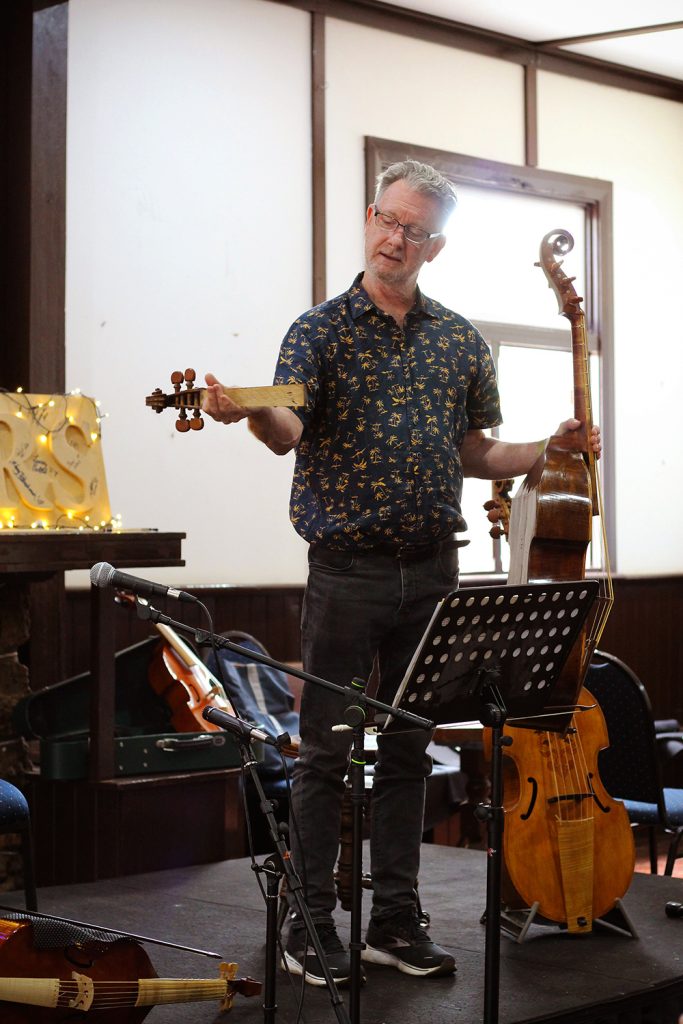
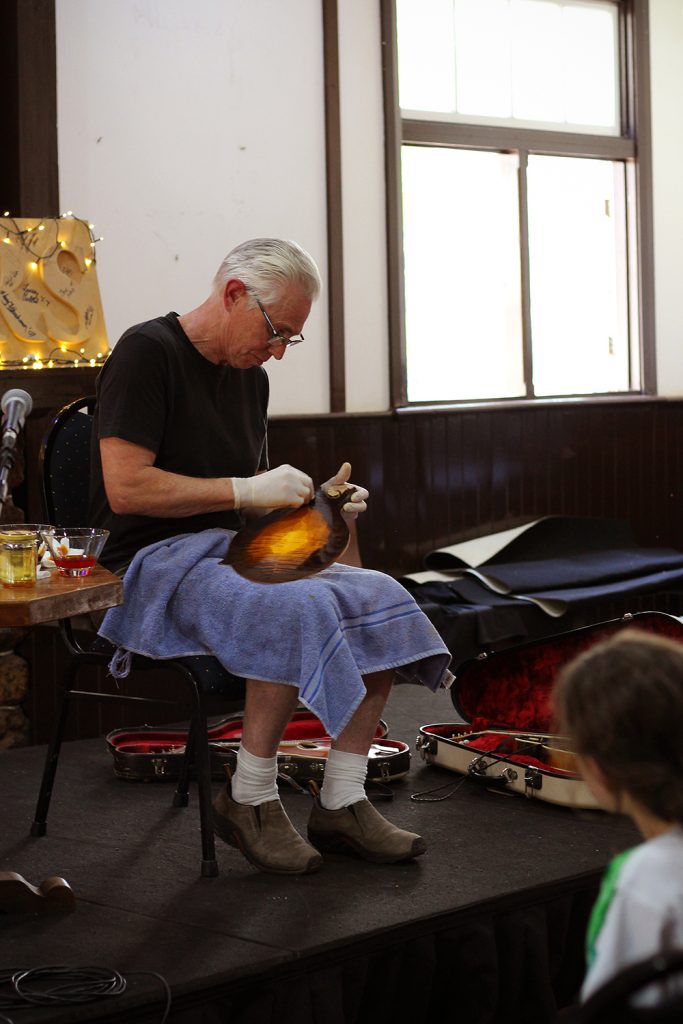
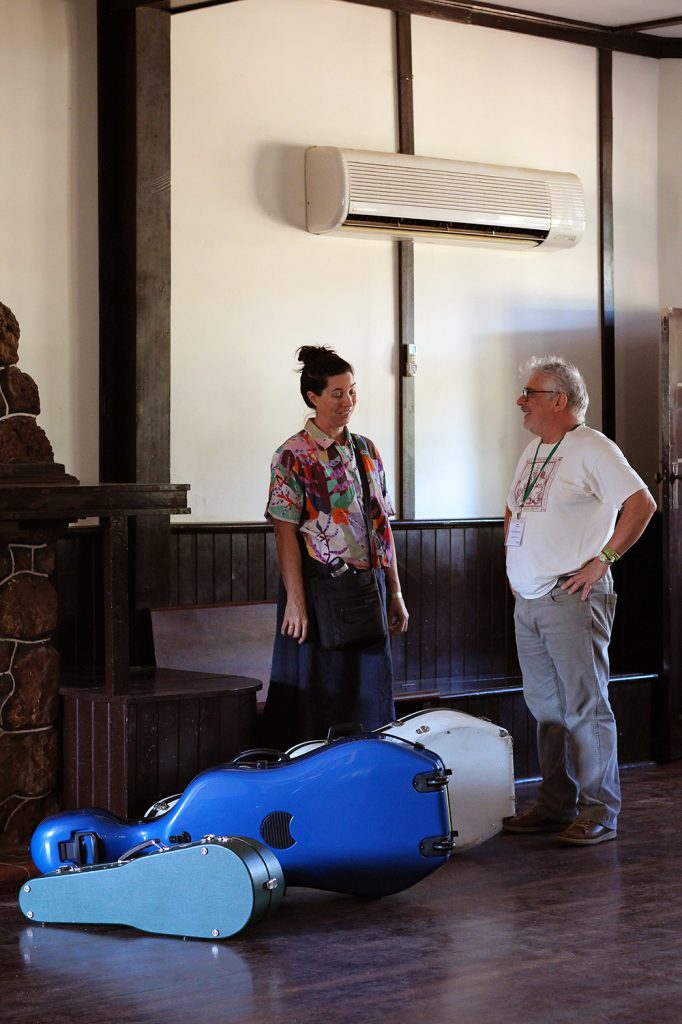
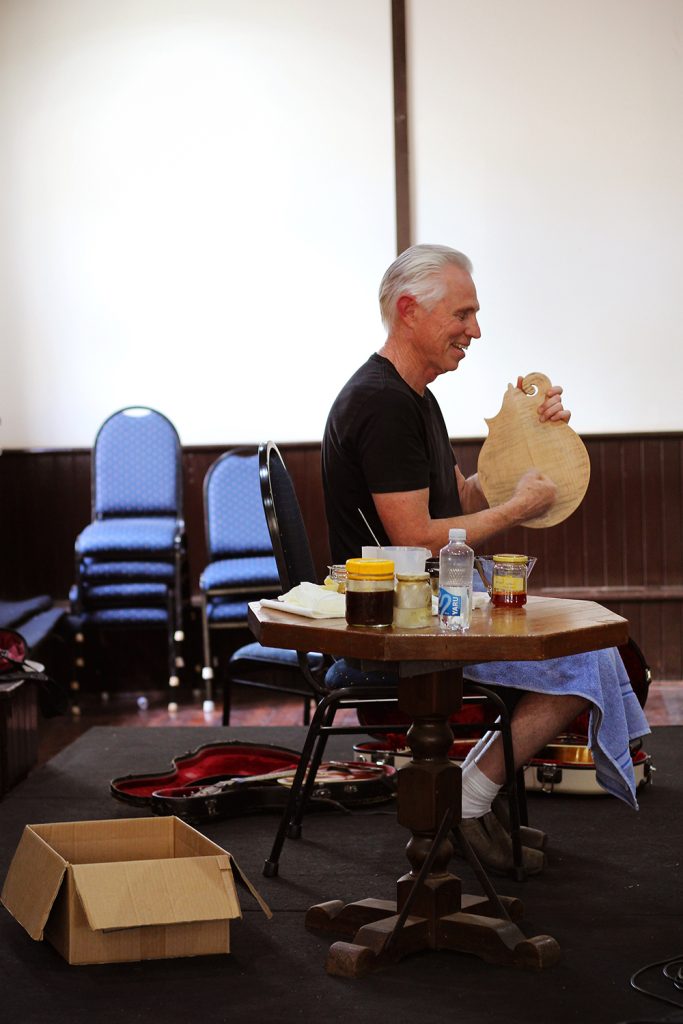
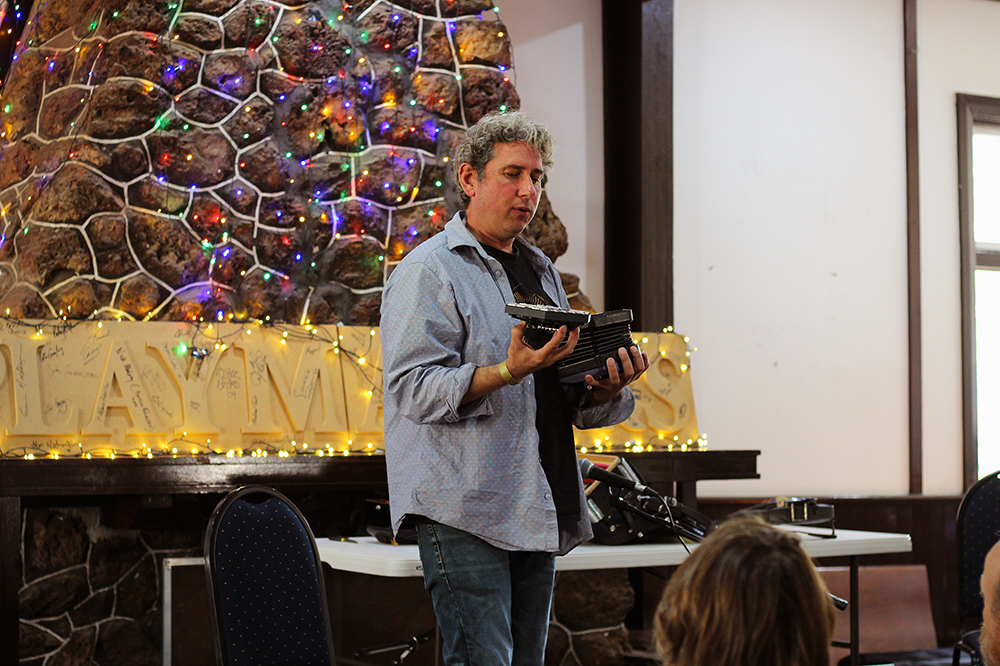
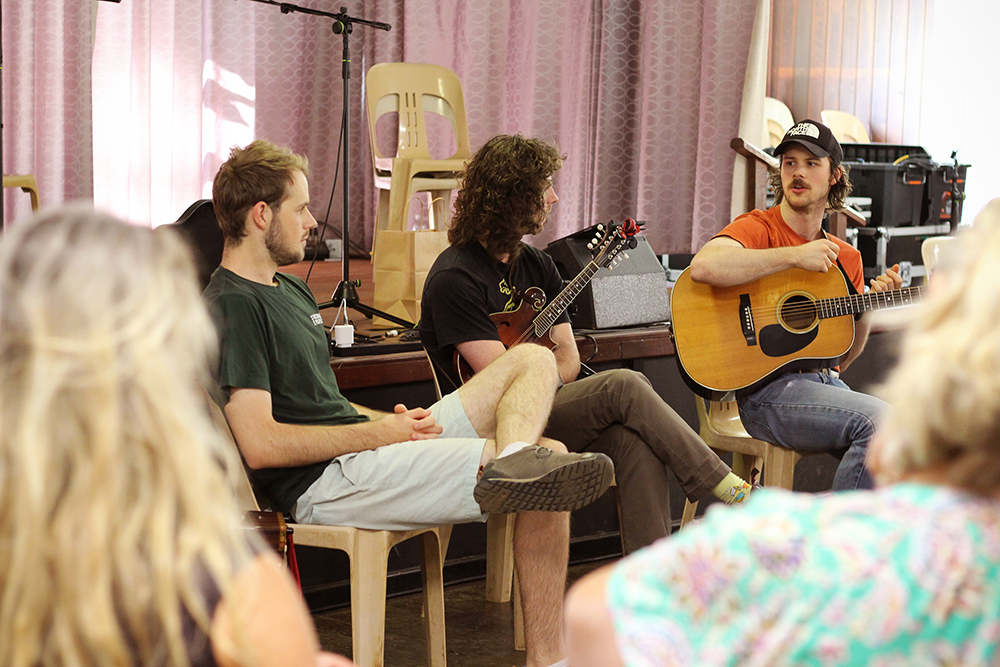
Luthiers Andrew Ells (guitar) and Andrew Tait (the viol family) spoke about their specialities while accordionist Eddy Jay pulled the accordion apart, mandolin-maker extraordinaire Paul Duff showed how to create a sunburst finish, and Mark Cain demonstrated how to make simple wind instruments in his comically named Tube E or Not Tube E. Those interested could improve their skills on uke, bluegrass guitar, bluegrass mandolin, or Strathspey fiddle; explore harmony and shanty singing; or learn better how to write and arrange original songs. Others came to better appreciate the octave viola, Piedmont Blues, and the sonic possibilities of new music.
All of the presenters provided fascinating insight into their subjects without drifting too far into inscrutable technicalities.
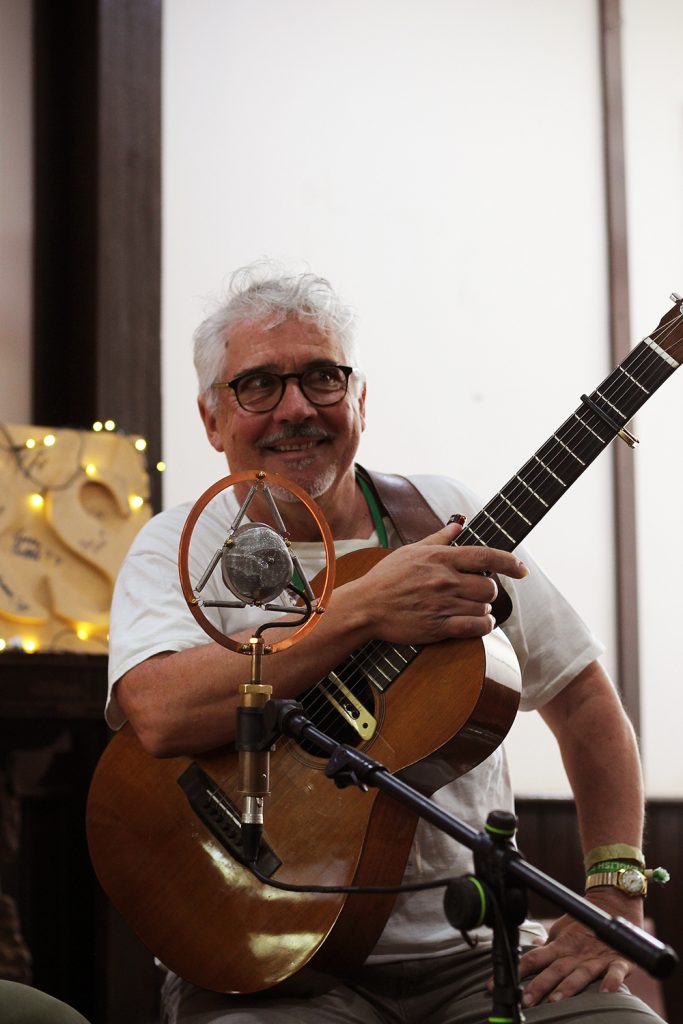
A personal highlight was Andrew Ells guitar workshop. It was fascinating to learn how a master luthier virtually stumbled into his craft and the process he goes through to build instruments that cater to an individual player’s needs.
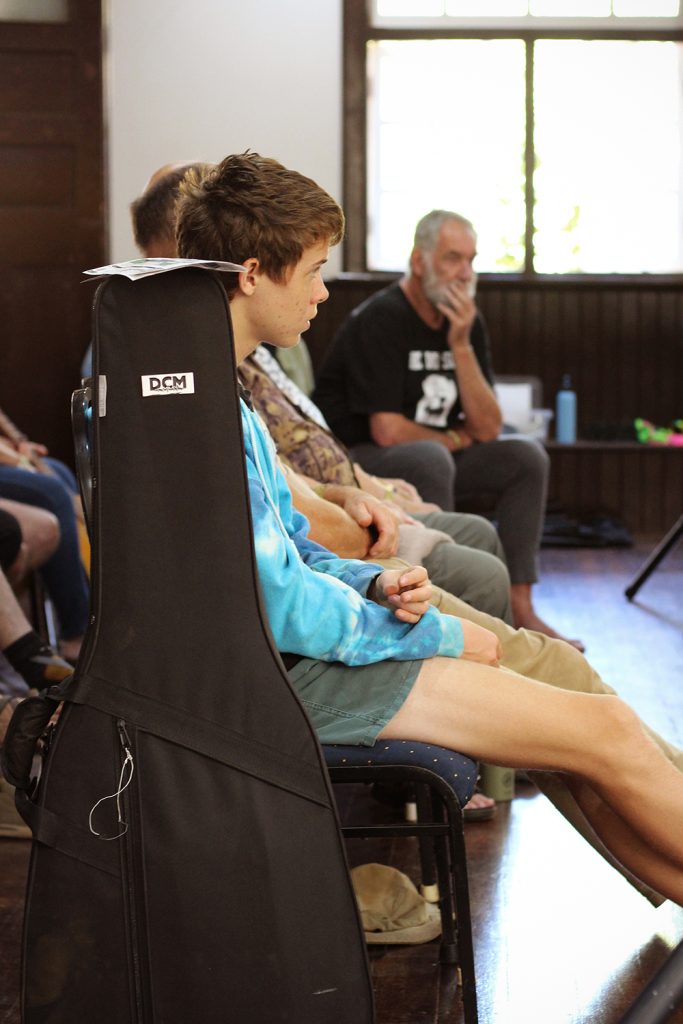
Focused during the day, the workshops were all only presented once. As such, in this area there were some program clashes and it was not possible to see them all. Still, each workshop was well-attended, and the response was overwhelmingly enthusiastic. People came away informed and excited.
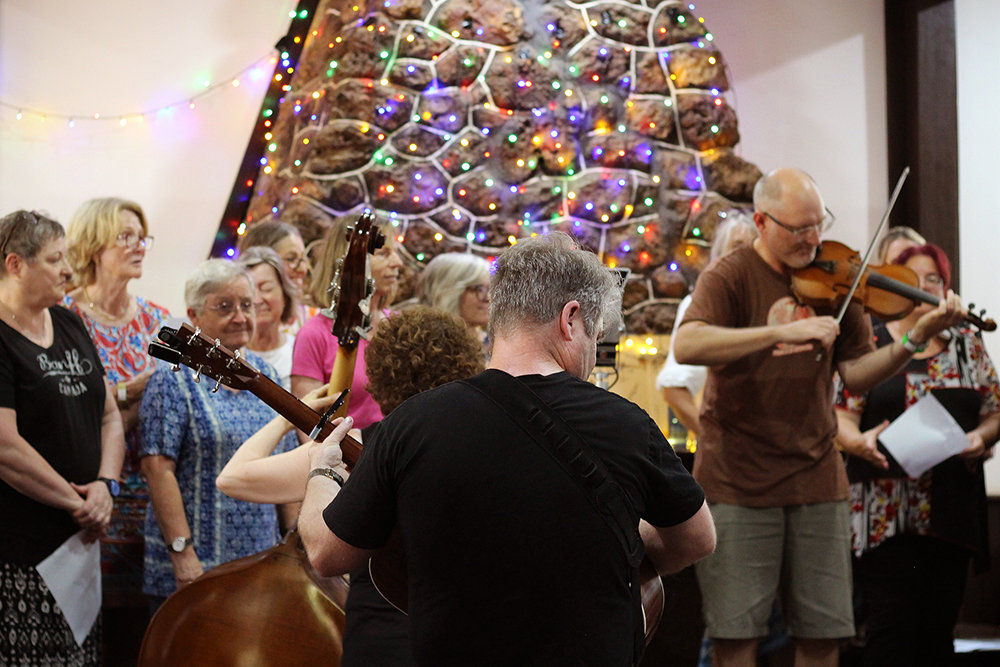
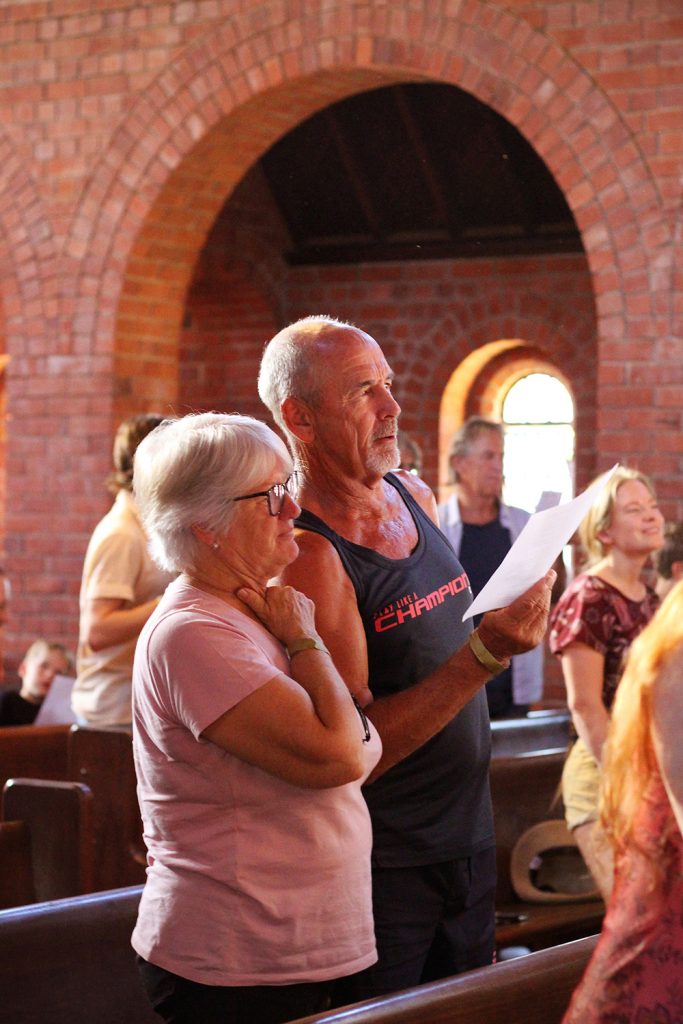
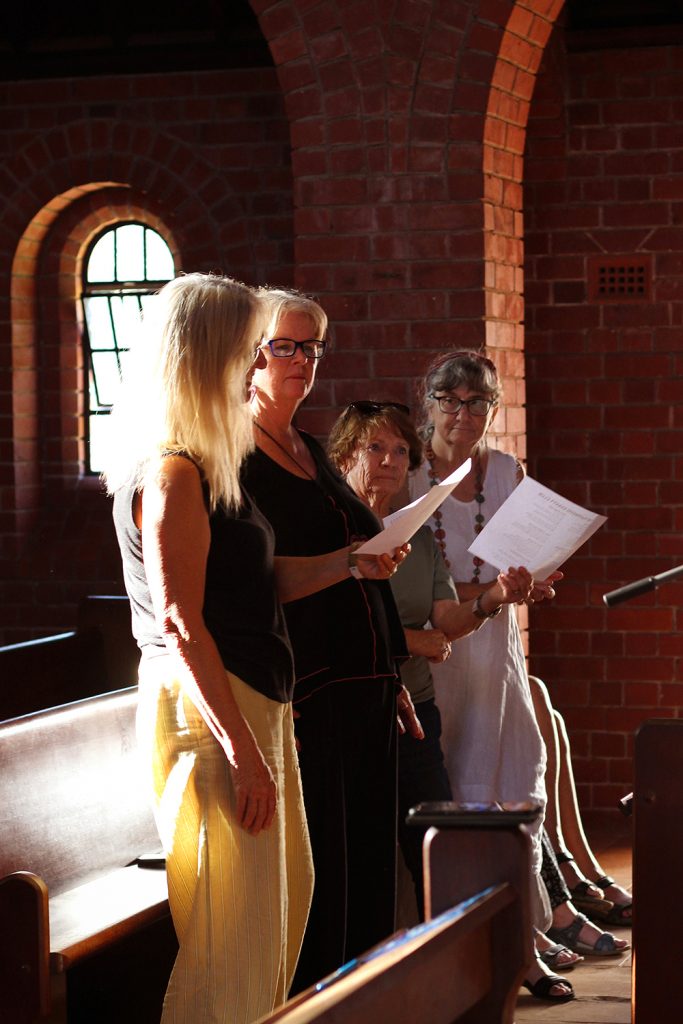
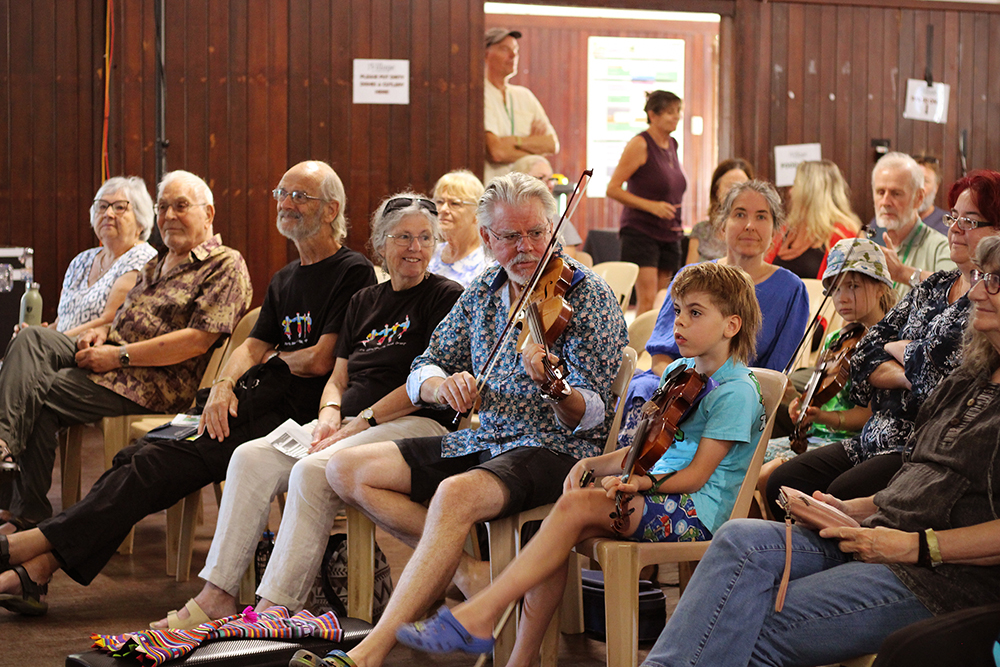
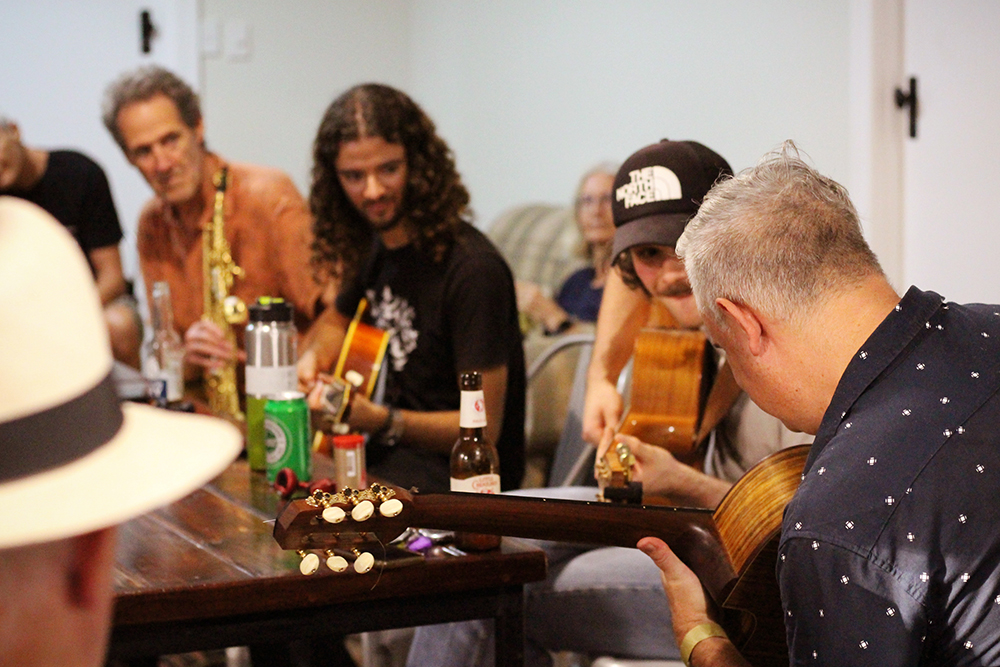
The final element of the program was a series of semi-curated blackboard concerts in the dining hall and chapel. This too served a number of purposes. On the one hand, it allowed lesser-known performers and different combinations of the profile players (notably the Wayward Earls) to air their tunes. On the other, it encouraged those spontaneous combinations of players who’d only just met to get up and have a go.
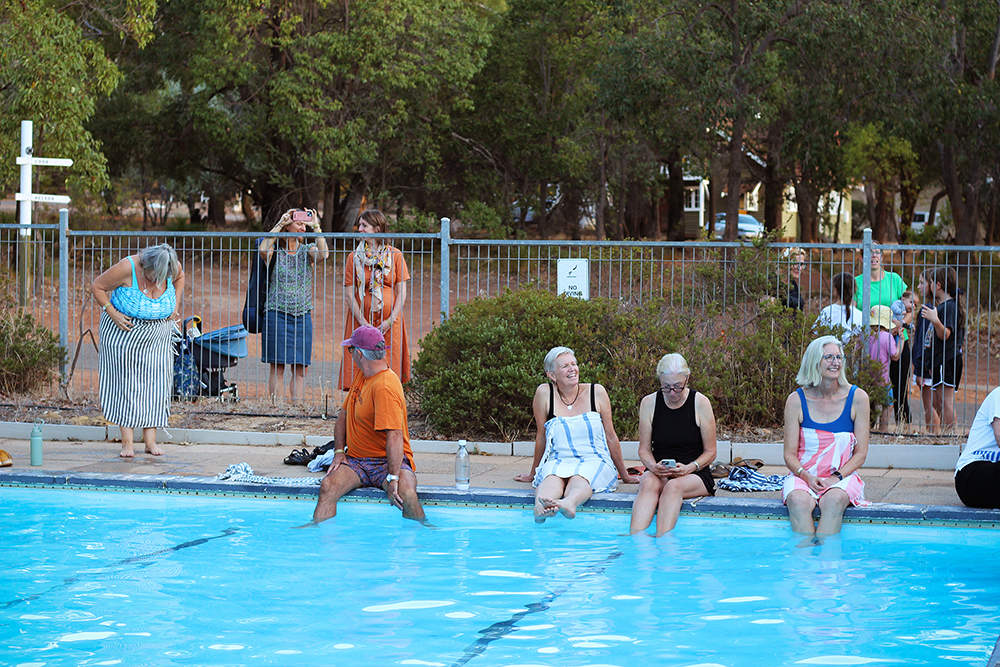
Such spontaneity is a vital aspect of music festivals. Many now-acclaimed ensembles were formed through such chance meetings. At Playmakers, the spontaneity also saw some exciting music created at the late-night jam sessions and, most notably, an impromptu poolside concert on the Sunday afternoon. It was a hoot to see people dangling their feet in the swimming pool as Sign of Four and friends played under the pergola. For many, this was a highlight of the weekend.
(It was great, too, that the pool was open. With larger numbers and many children, it would simply be too difficult to keep it safe.)
The program climaxed in a series of performances in the Dining Hall on the Sunday night. Originally the acts were programmed into both the Hall and the Chapel, but at the last minute it was decided to run them all together. Beginning at dusk, in forty-minute sets, the Vervest/Craig Sinclair Piedmont Blues duo, Papercollar Pickers, were followed by Sign of Four, then Kristina Olsen, and finally The Inadequates. A sumptuous night of fine music, the sublime to the ridiculous, and everything in between.
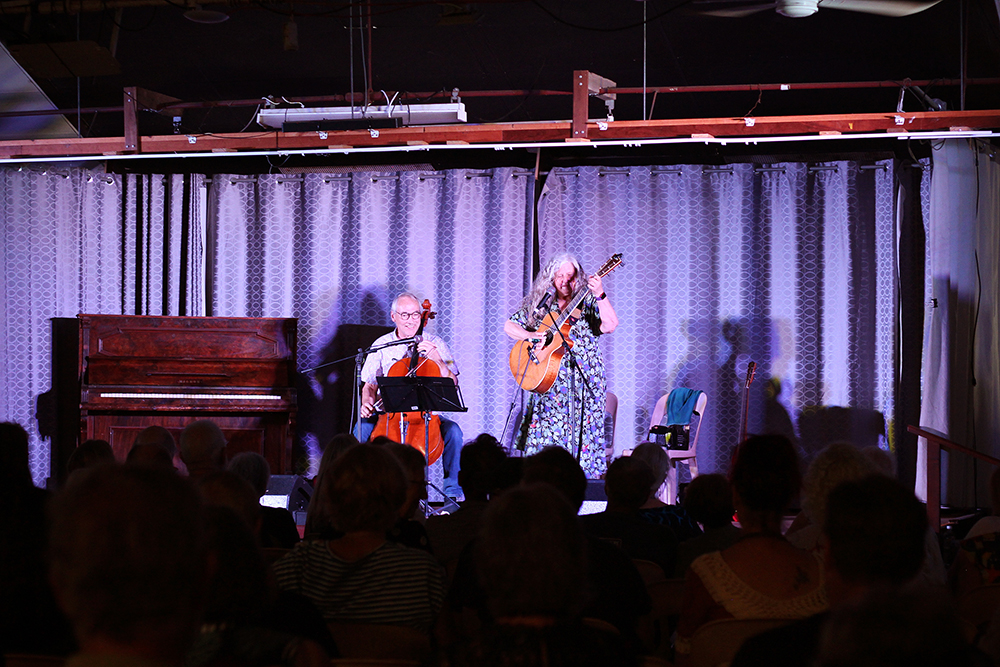
This new manifestation of Playmakers took two years to come together.
During his tenure as Artistic Director of Fairbridge Festival (2015-2022), Vervest had wanted to incorporate a playmakers-like component into the workshop program but there wasn’t scope. When that festival quit the Fairbridge site in 2023, in large part due to the ageing infrastructure, Vervest began to design a stand-alone Playmakers event that could work within the new limitations. Not only did he want to see if his concept could sustain a festival in its own right, but he also thought it important to keep music alive in that iconic location. He straightaway opened negotiations with Fairbridge Village.
When the 2024 Fairbridge Festival at an alternative site was cancelled and it appeared that the organisation may have run its course, Vervest booked the site for the April timeslot. He figured it was the best time of year to do it—cooler weather, there would be a hole in the schedule of WA music events, and, crucially, it would be possible to work in liaison with the other festivals in the Australian folk network, notably The National in the ACT, held every Easter. His booking was quickly confirmed, and Vervest began to develop the event in earnest.
His vision and careful planning paid off. Although the numbers were slightly below target, they were sufficient to return a modest surplus. That’s not bad for the first outing of a new musical venture. In light of this, Vervest is already planning the next one.
Having been one of the very few Australians to attend the English Folk Expo (EFEX) at the Manchester Folk Festival a mere month ago, he has already lined up three international acts for next year’s program. Long term, he believes the format at the Fairbridge site could accommodate 350 people, 400 max. Given the positive feeling generated by the inaugural event, it’s highly likely Playmakers will reach that limit sooner than he thinks.

Finally, mention must be made of Little Folk children’s cancer charity that auspiced the event. (For those unfamiliar with event management, auspicing is where a separate organisation provides the formal business structure through which an event is run. Being a new independent venture, Playmakers has yet to establish a formal structure of its own.) Through mounting musical events, Little Folk raises funds for children’s cancer research. A decent cut of the surplus from this year’s Playmakers will go to Little Folk’s fundraising program.
So not only was Playmakers a good experience for everyone there, but it also helped a worthy cause. It’s great to see the generous side of an industry that is all too often known for being cutthroat and greedy. Small really is the big way to go! Here’s looking forward to them doing it all again next year.
If you’d like to find out more about Rod Vervest’s musical journey and his passion for Piedmont Blues, see this X-Press article.
IAN LILBURNE
Photos by Ella Vervest