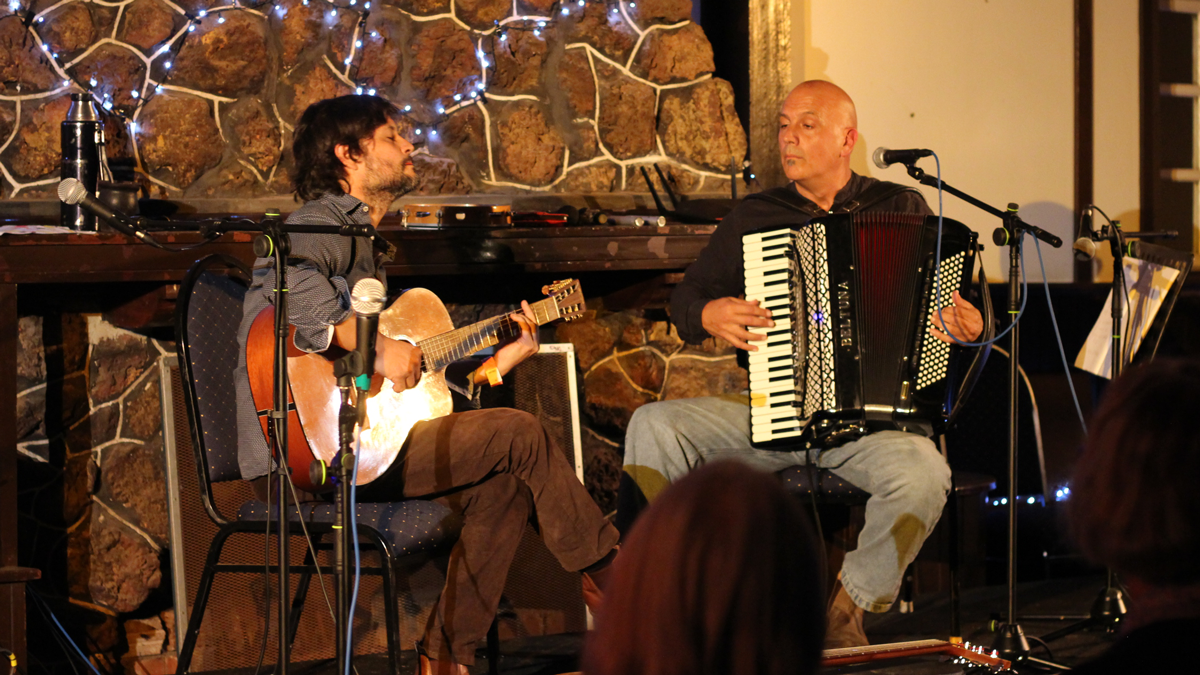
Review: Playmakers at Fairbridge Village
Playmakers at Fairbridge Village
Friday, March 27 – Sunday, March 29, 2026
Typically, cyclones aren’t conducive to music festivals, especially ones held in the country where camping and outdoor stages are involved. But for a music festival set in snug, acoustically excellent rooms, rain is not such a problem. True, the prospect of getting wet and muddy in transit does keep the more timid at home, particularly those thinking to take a punt on a day ticket. Thus it was with last weekend’s Playmakers at Fairbridge Village, Pinjarra. The festival literally weathered the storm and, in its second year, proved again to be an exquisite musical experience, a strong contender for the jewel in the crown of West Australian music festivals.
It is rare for any arts event to entirely fulfil its vision. There is usually at least one element in every program that fails to live up to the hype. Not so Playmakers. The only shortfall was that the lower attendance meant some acts didn’t pull the audience they deserved, notably those pitched against the higher-profile international artists.

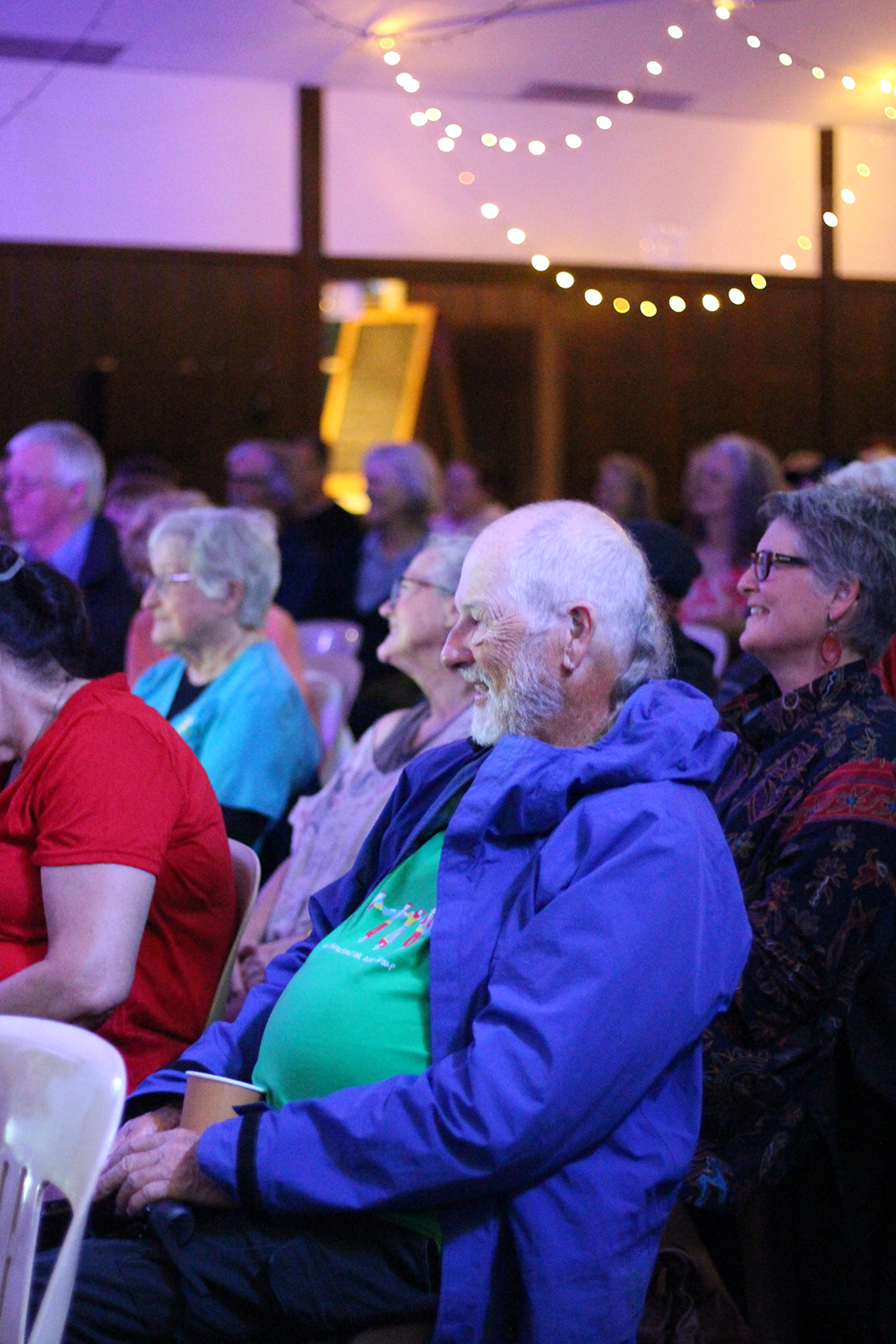
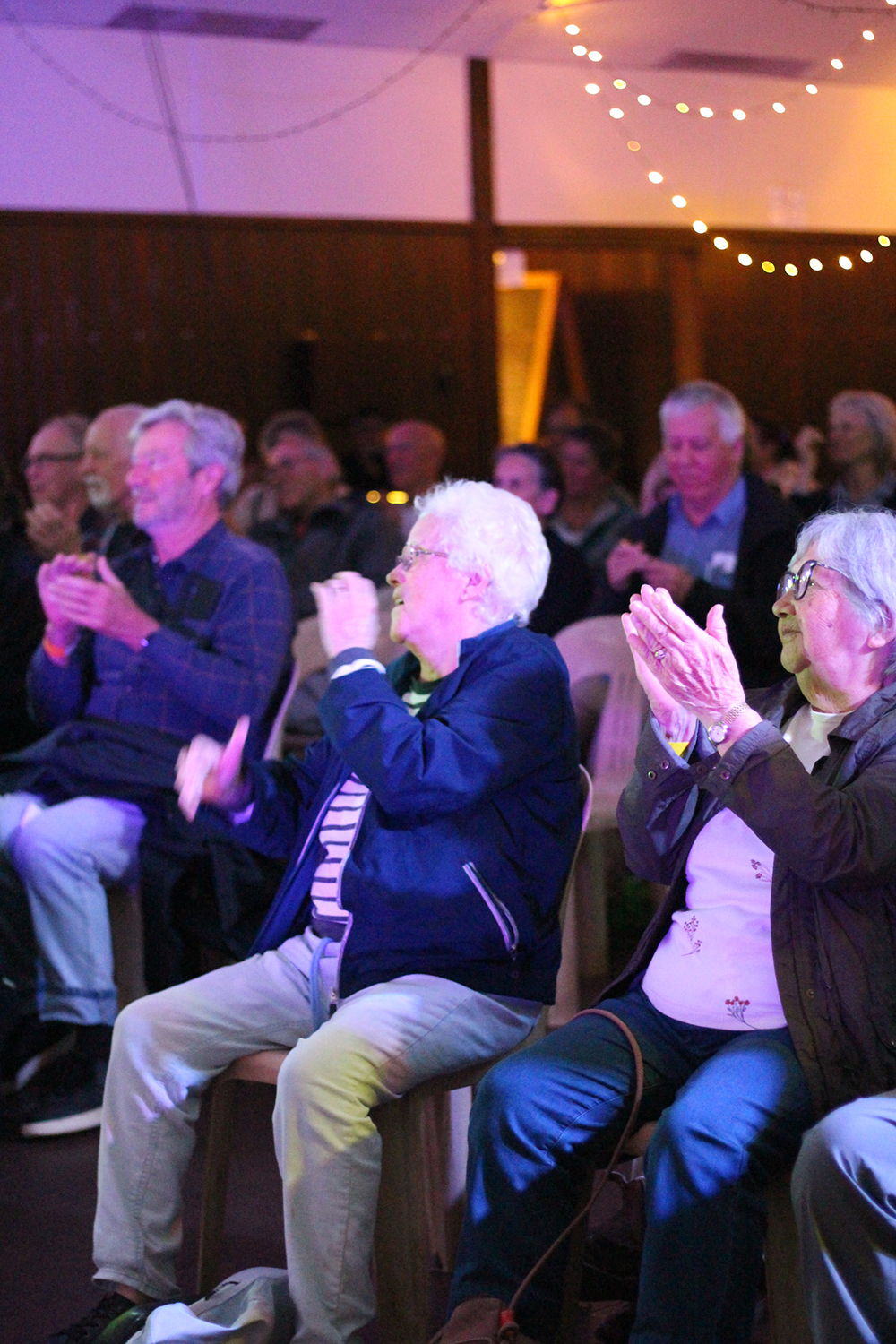
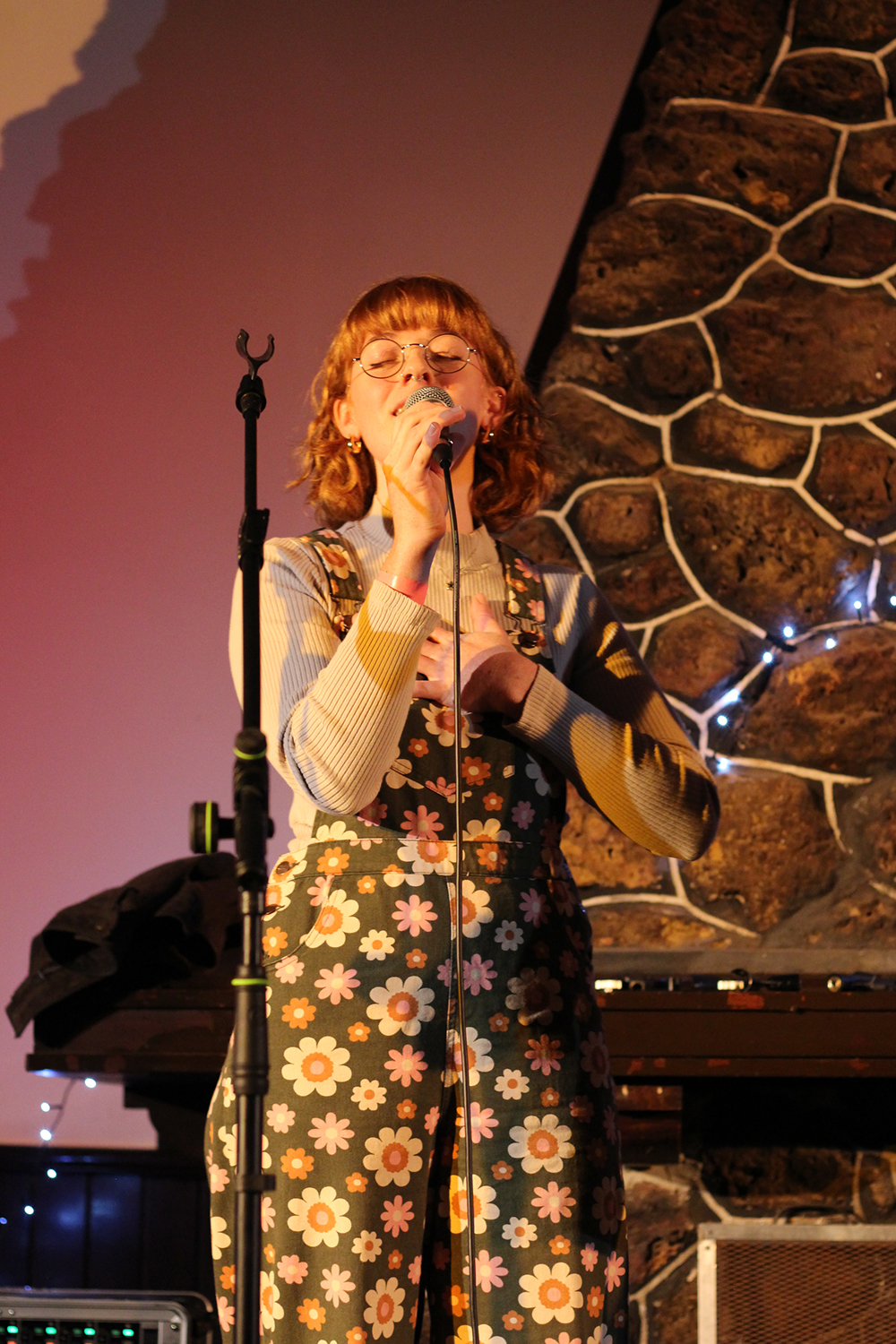
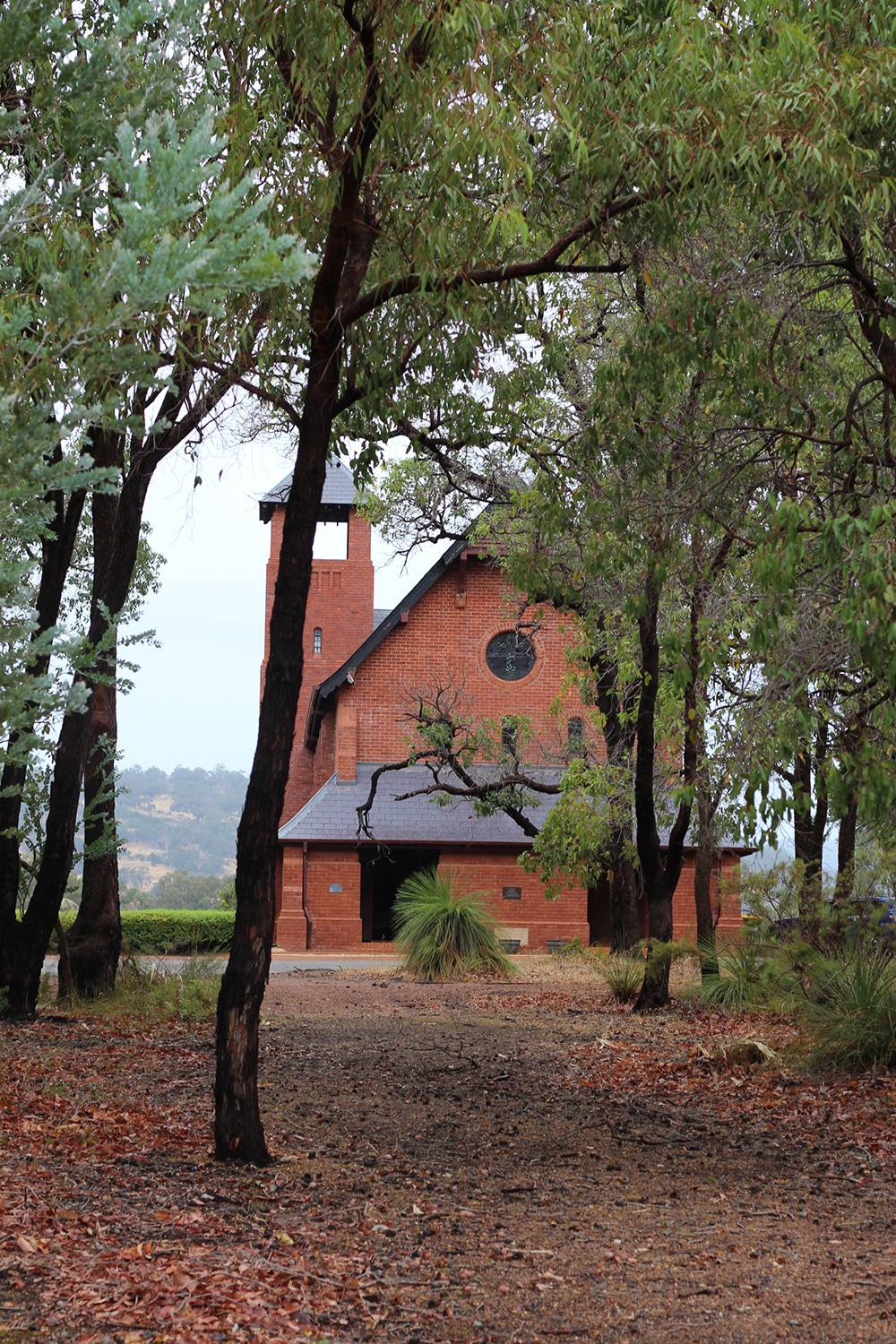
Hence on Saturday night, while Tony McManus, hailed by Guitar Player Magazine as one of the 50 transcendent guitarists of all time, and seasoned Canadian singer/songwriter and honorary West Australian Lowry Olafson were playing to full houses in the Club House and Dining Hall, WA-based songwriters Savanah Solomon, Finn Pearson and Stacey Ann, in the Chapel, attracted only the most dedicated and intimate of audiences. But then, those lucky enough to hear them were enthralled by their exquisite singing and sensitively wrought songs.
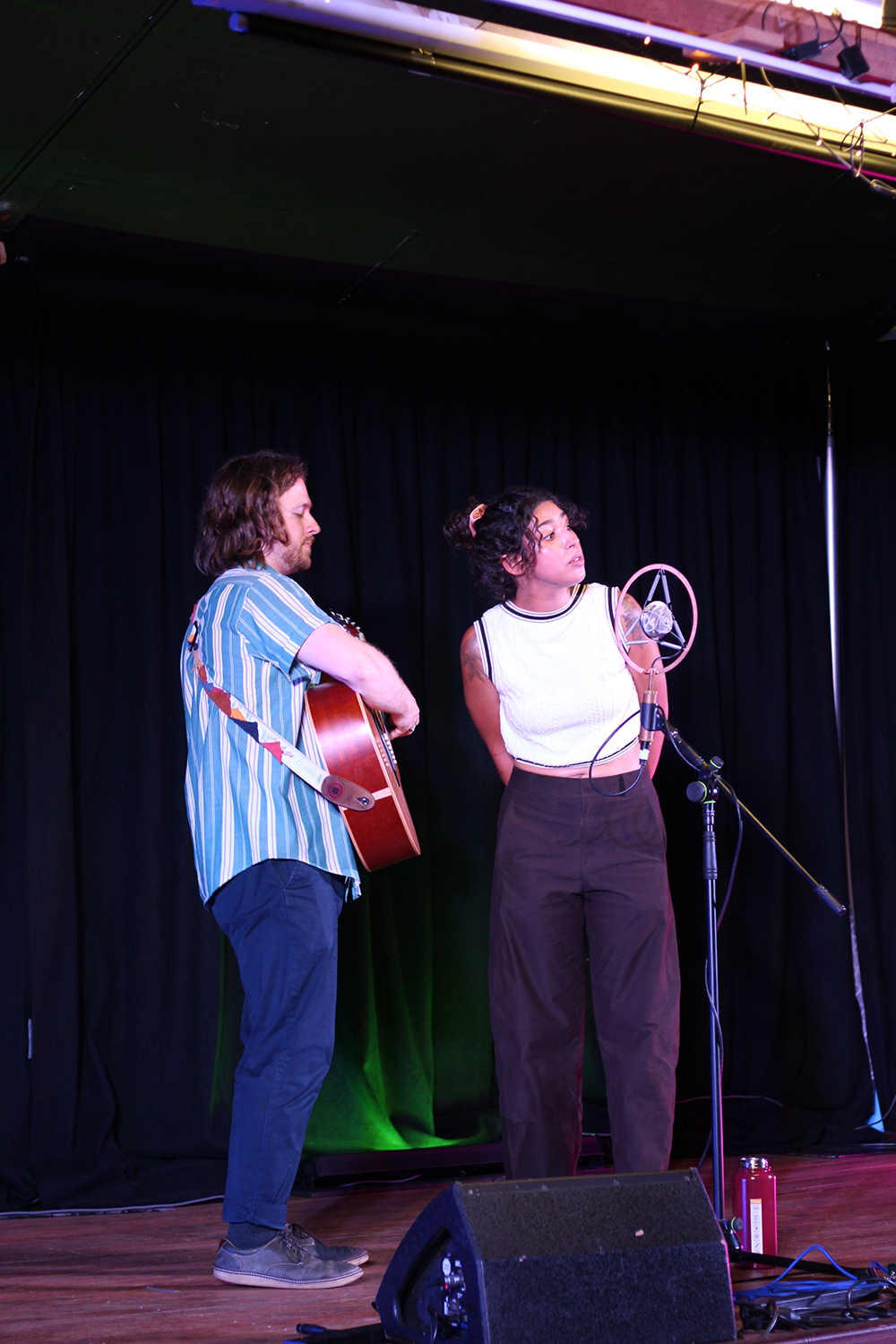
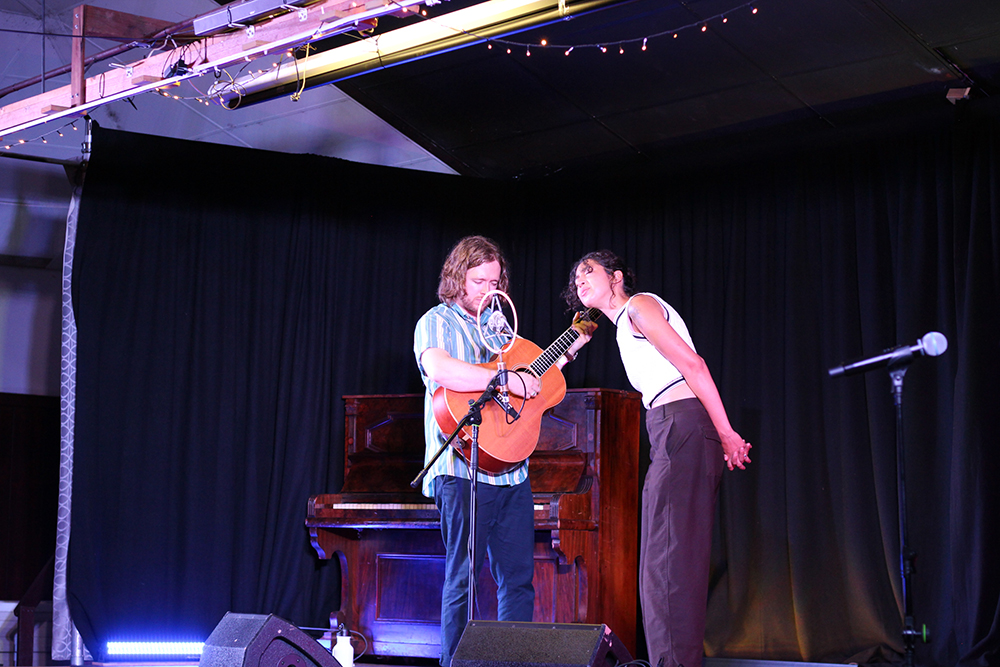
What’s more, Stacey Ann’s set finished in time for everyone to scamper down the hill to catch Canadian duo Basset. With harmonies likened to Gillian Welsh and Dave Rawlings, Basset’s vocalist Yasmine Shelton and guitarist/vocalist Sam Clark delivered a perfect set to fill in the evening.
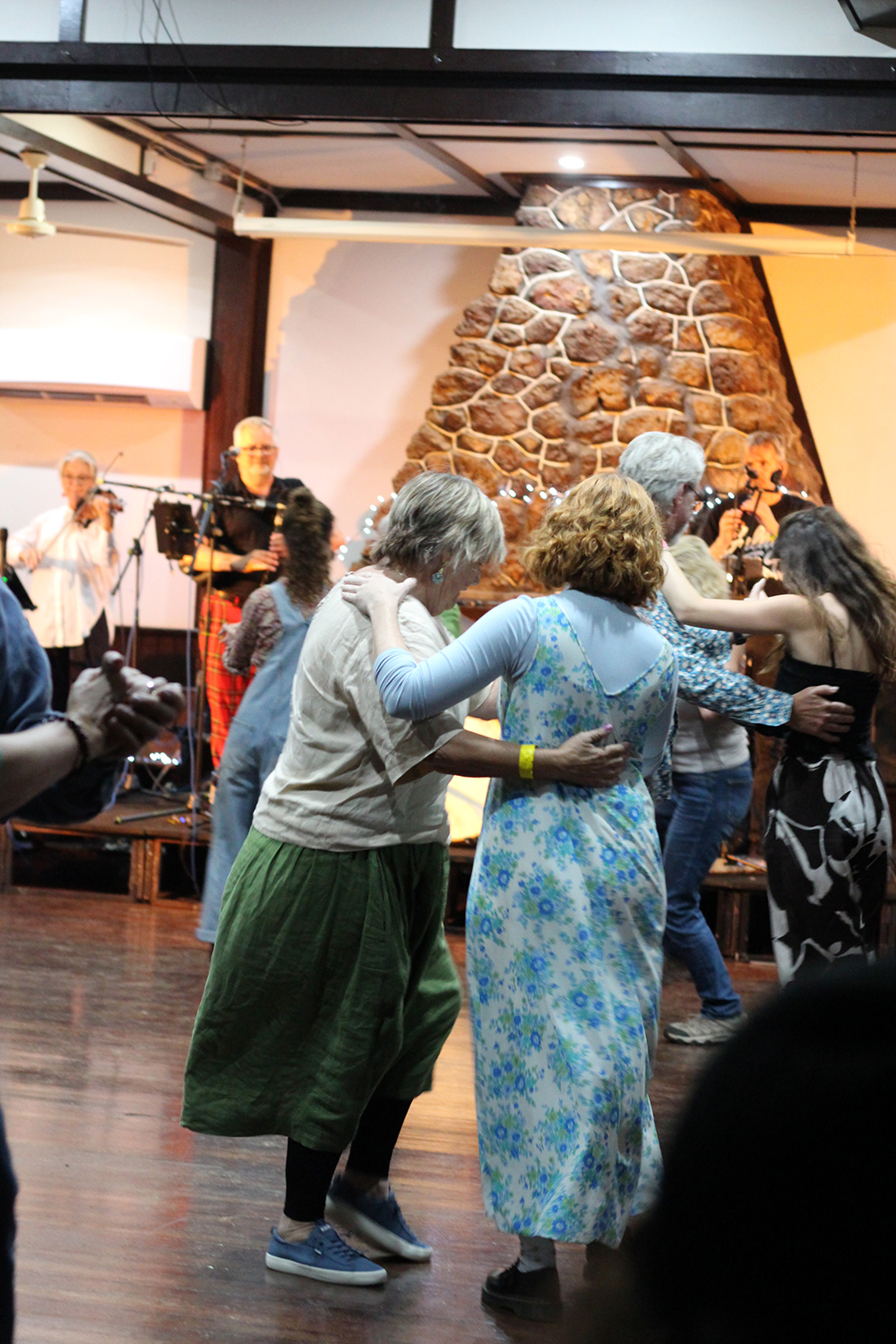
But then again, the ceilidh dance band Gallus that ended the night had the Club House shaking.
There are two key elements to the Playmakers concept: the balance between performances and presentations and the intentionally small scale of the event.
The intent in the former is to present music ‘through the voice of the instrument rather than the ego of the artist’. Whereas much popular music and contemporary music festivals in general are aimed primarily to delight, Playmakers fulfils the other side of the classical equation by teaching as well. Pitched at a more sophisticated demographic, this approach enhances awareness of how both the music and the instruments are made and lends itself to a much richer musical experience.
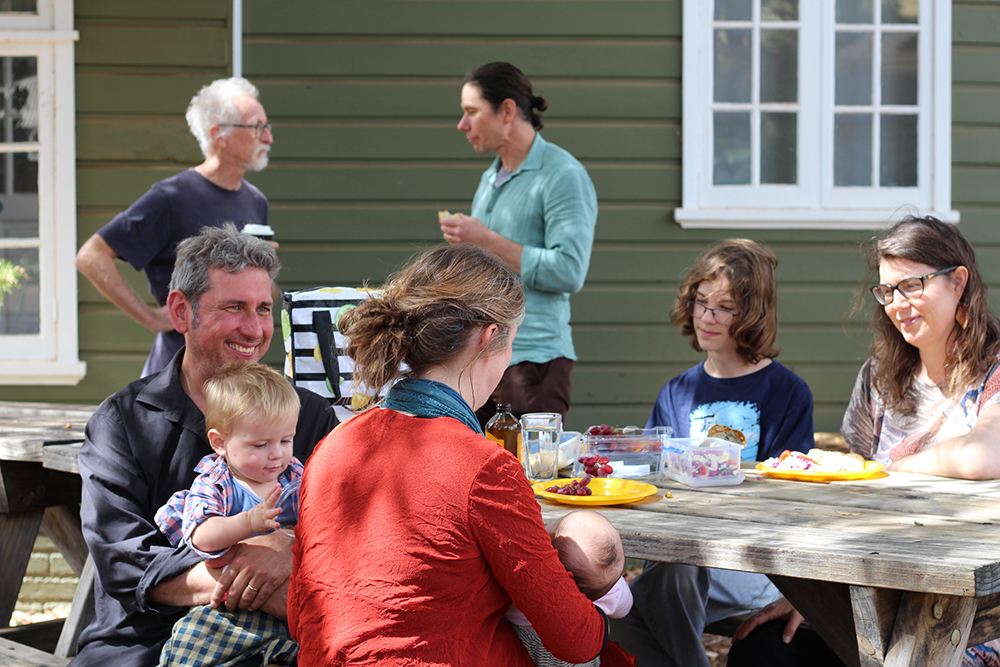
The scale is key to the audience’s engagement with both the music and the artists. Attendance is limited to the number who can be accommodated in Fairbridge’s dozen cottages with a small contingent of campers. (As a concession to dear Narelle, this year’s campers were relocated to the cottages.) Given that the artists, workers and audience are all billeted together and the purchased meals served in the Dining Hall, there’s a good chance punters will get to meet the performers. If not sitting next to them over lunch or dinner, they may be sharing a kitchen table at breakfast or late at night. In this way the barrier between artists and audiences is broken down. They can talk and become friends.
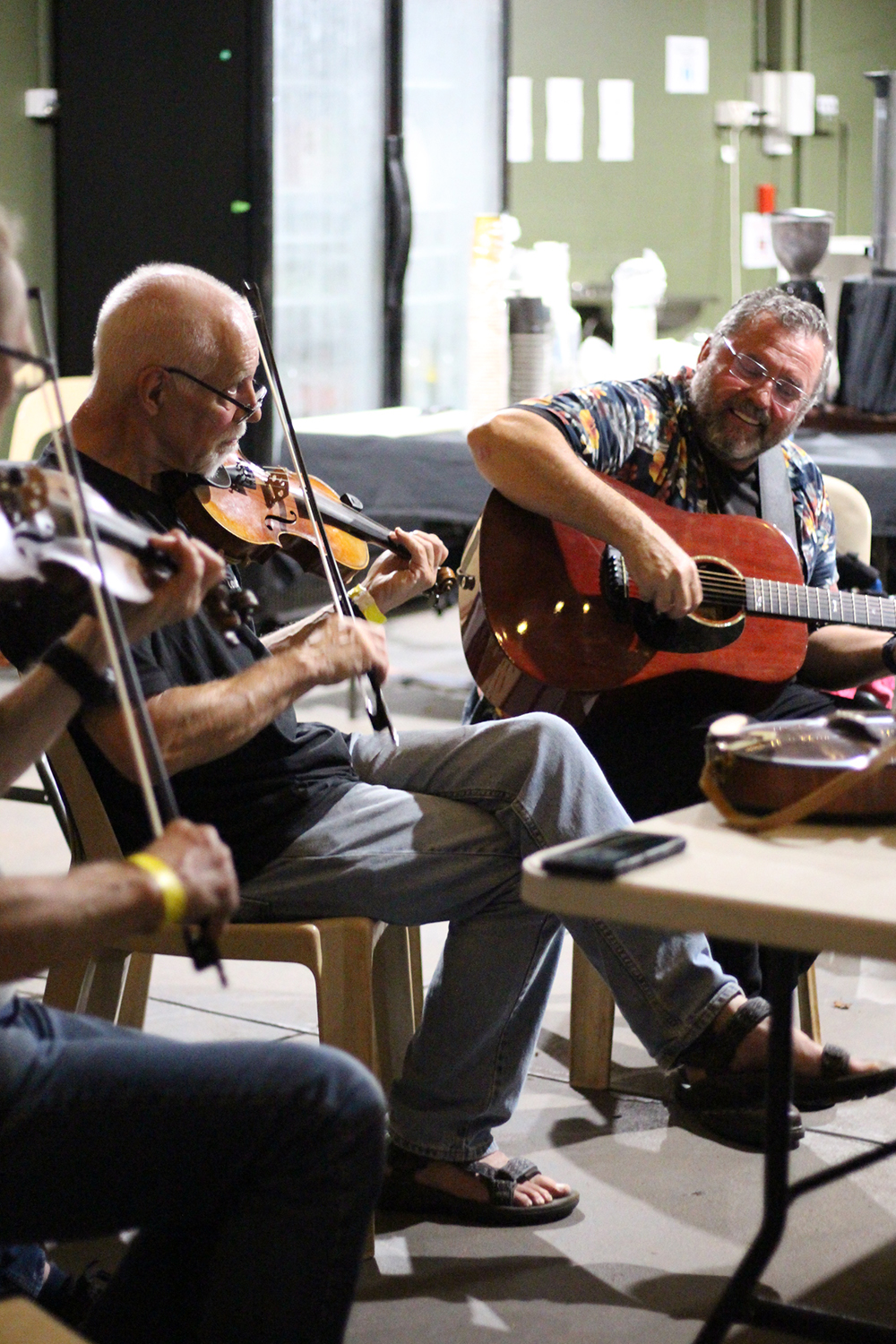
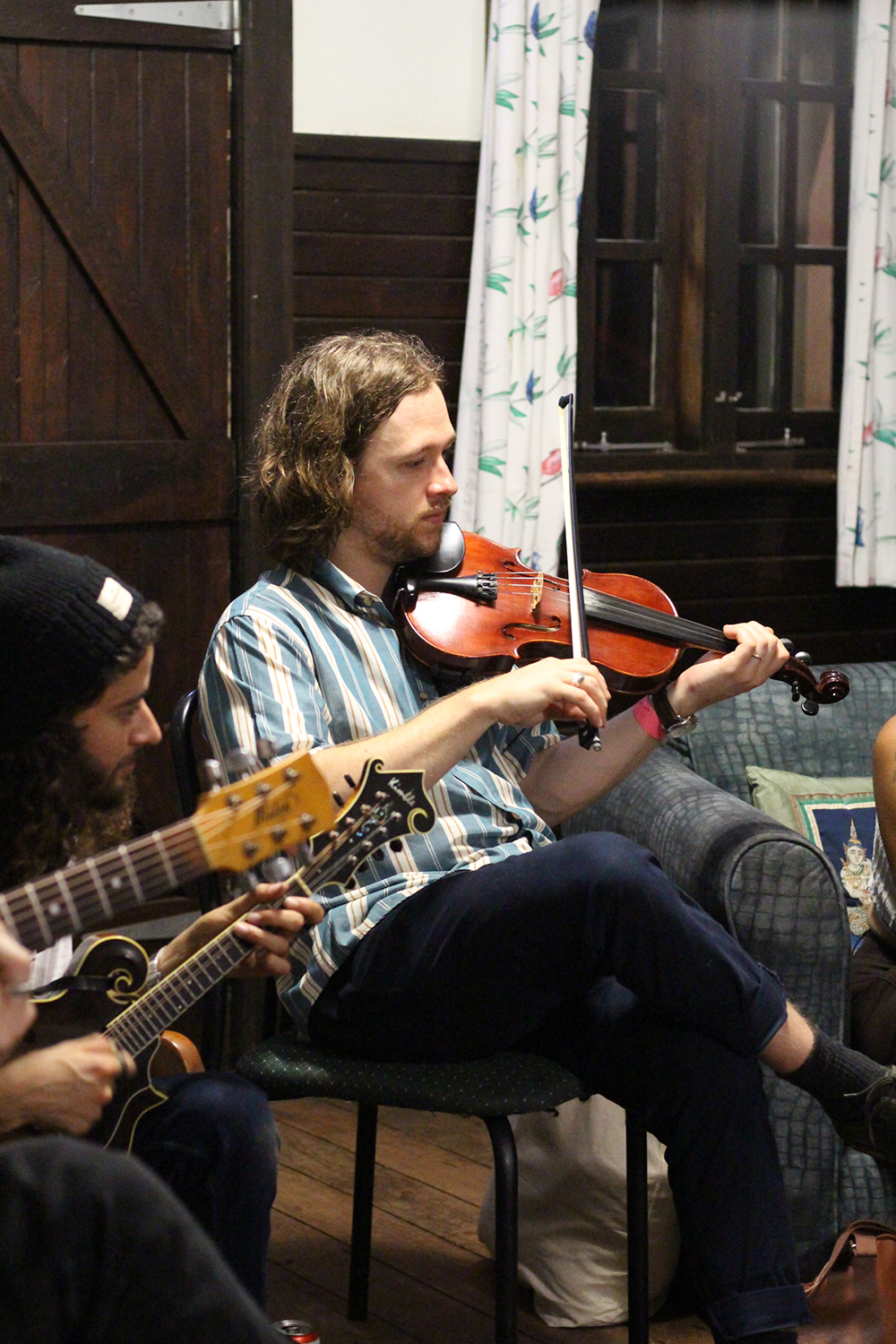
Moreover, anyone can attend and join in the late-night music sessions held in various cottages. These sessions bring out the special, more spontaneous and intimate side of music making. An important feature of every music festival, usually these jams are exclusively for artists; rarely are the ‘punters’ allowed to play as well.
On another level, as Yasmine Shelton noted over breakfast at one kitchen table, the smaller size of Playmakers enabled to engage more deeply with the music. In larger festivals the rigours of negotiating crowds make it harder to fully appreciate what is on offer, leaving you less inclined to see as many acts. The leisurely pace of Playmakers opened up the experience. Shelton easily sat through a full day of performances back-to-back, barely noticing the changes.
It helped too that all of the acts were of such a uniformly high standard, every one slightly different within the overall mix. In that regard, it was very hard to pick a highlight performance; it was easier to highlight individual moments within the arc of the program.
By their very nature, such moments are personal, but the following list of eleven images (in no priority) should indicate the breadth and texture of this unique festival.
One: Australian guitar trio Axis Three (Glenn Rogers, Dan Candy and Brendan Biddis) closed their Sunday set with Rogers’ superb arrangement of the late Ralph Towner’s haunting Distant Hills from his Solstice Sounds and Shadows album.
Two: Tony McManus. His fingers skipping over the strings of his bespoke guitar in the most intricate, rhythmic dance was mesmerising, while his open-tuned, steel-string arrangement of Eric Satie’s Gnossienne #1, commissioned by director Neil Jordan for, but not used in, his film Ondine, was sublime.
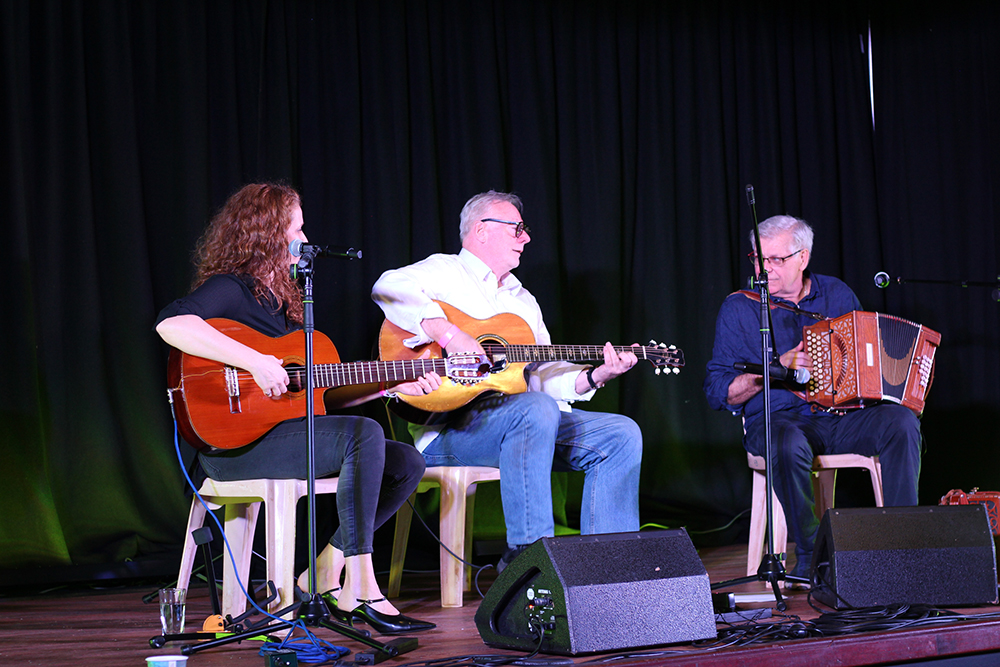
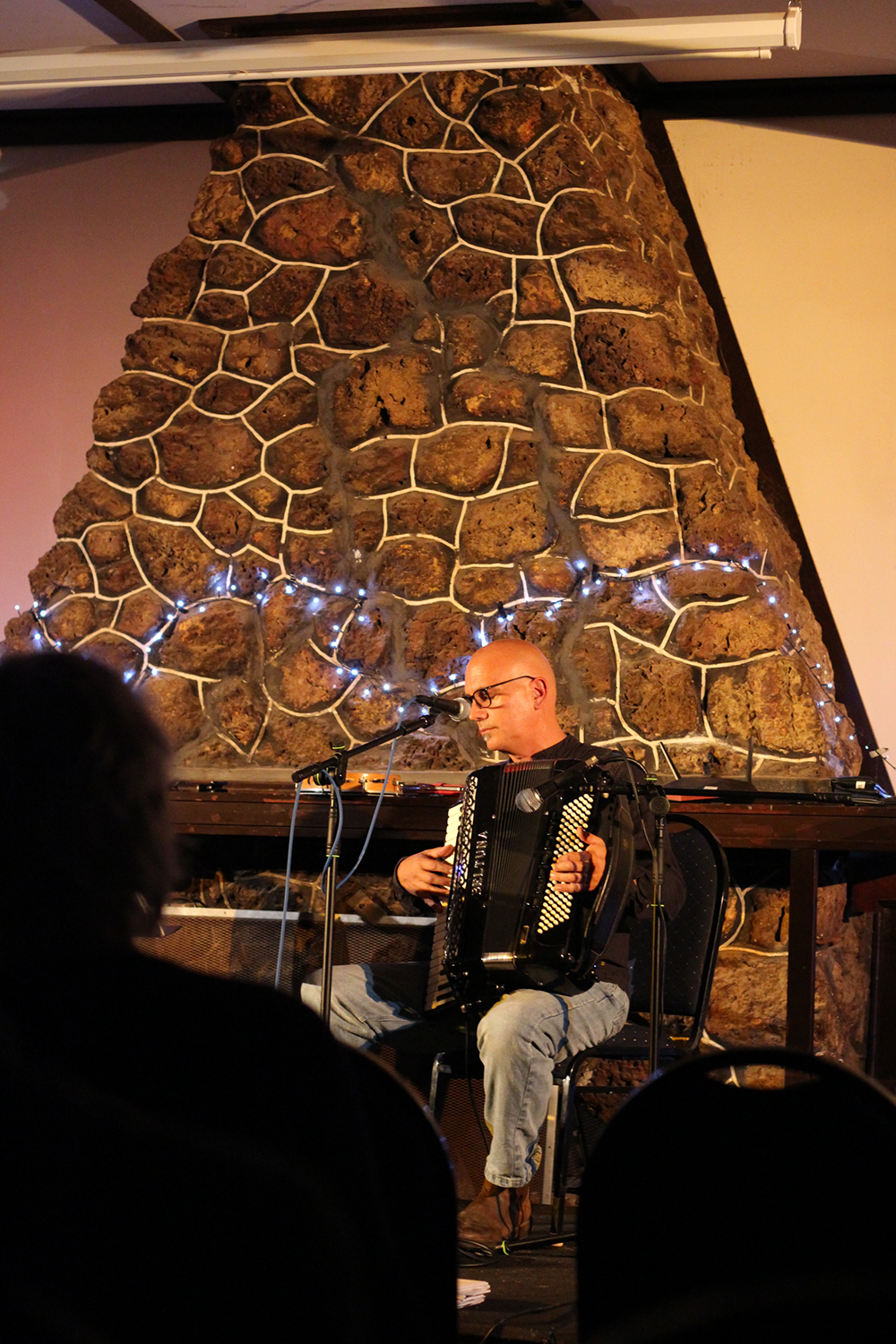
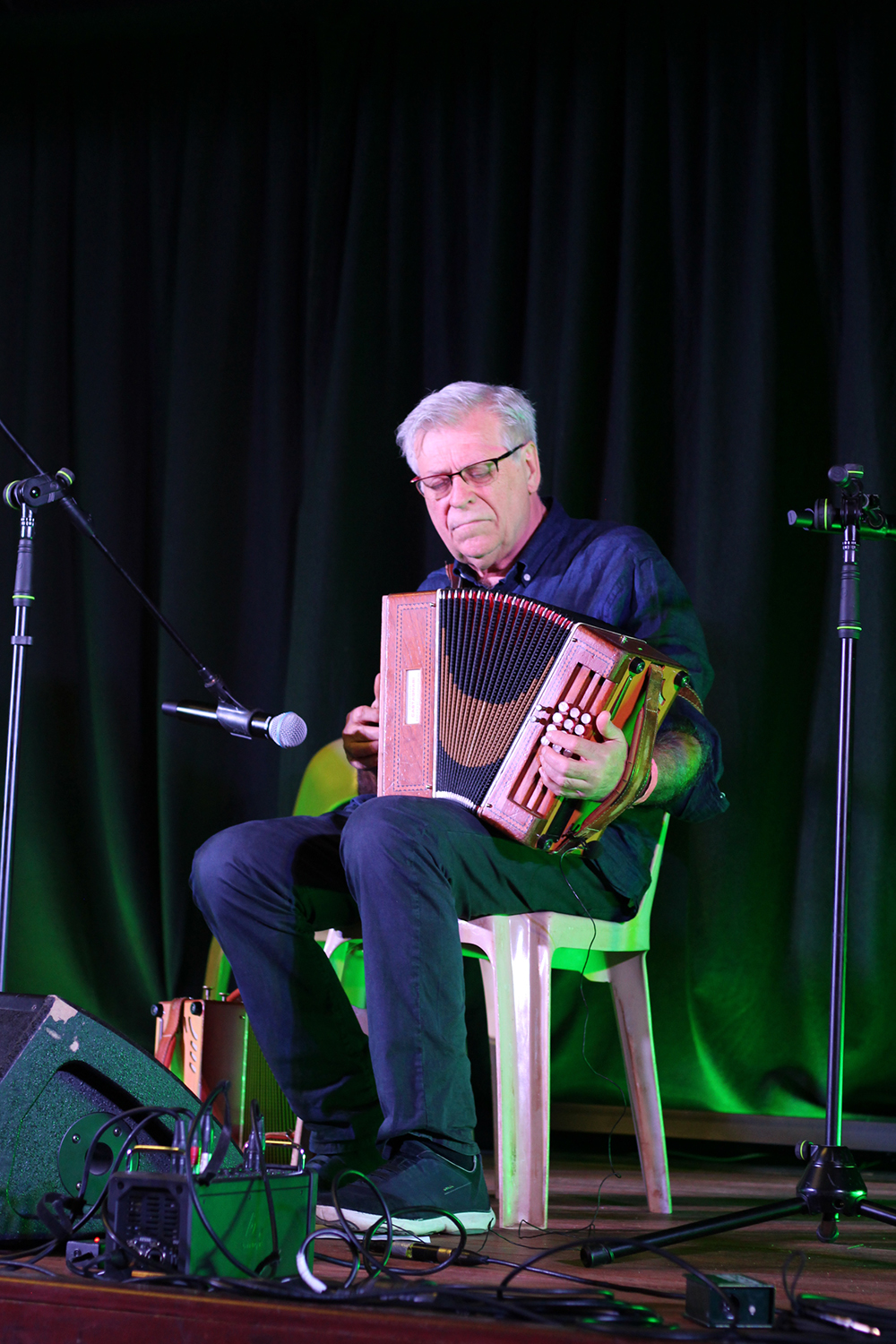
Three: Guia and Tesi, the Italian folk maestro (Tesi) and his vivacious accompanist. The warm surge of Tesi’s diatonic accordion under Guia’s (pronounced jew-a) exquisite guitar and husky voice sent shivers down your spine.
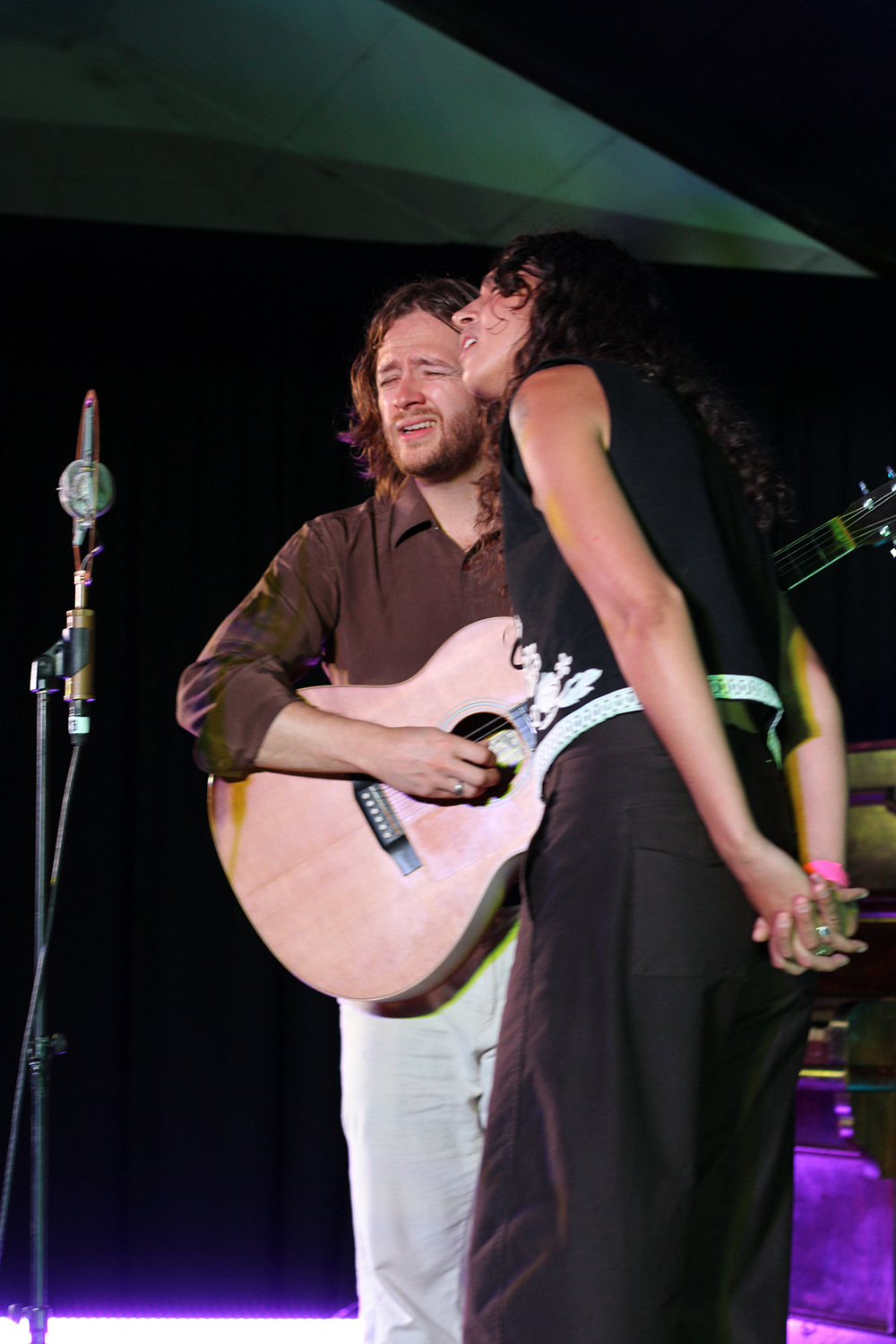
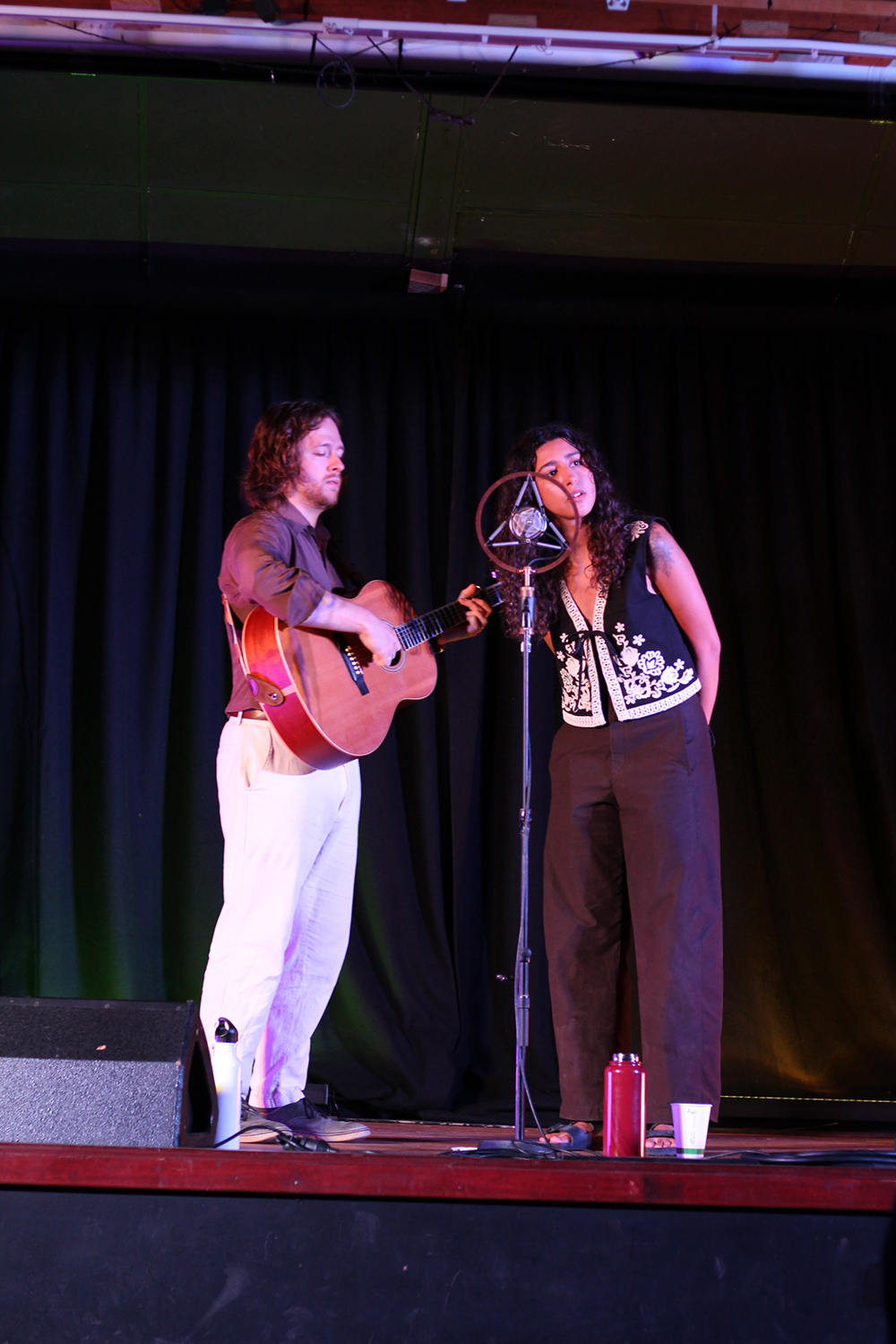
Four: Basset. Yasmine Shelton cut a striking image as she leant into the microphone with her fingers entwined behind her back to sing soaringly in her resonant Buffy St Marie-like voice.
Five: Italian/Australian duo SUD. Salvatore Rossano’s majestic voice echoed through the Chapel to Memo Beltzer’s melodic bass guitar, played as a lead instrument.
Six: The Perth Viol Consort’s performance of baroque music in the Chapel was wondrous. Even though their gut strings kept going out of tune in the humid air (‘these instruments weren’t designed for a cyclone’), the intricate counterpoint of the seventeenth-century repertoire was gorgeous.
Seven: Lowry Olafson’s songwriting workshop. His insightful, common-sense advice was pure gold.
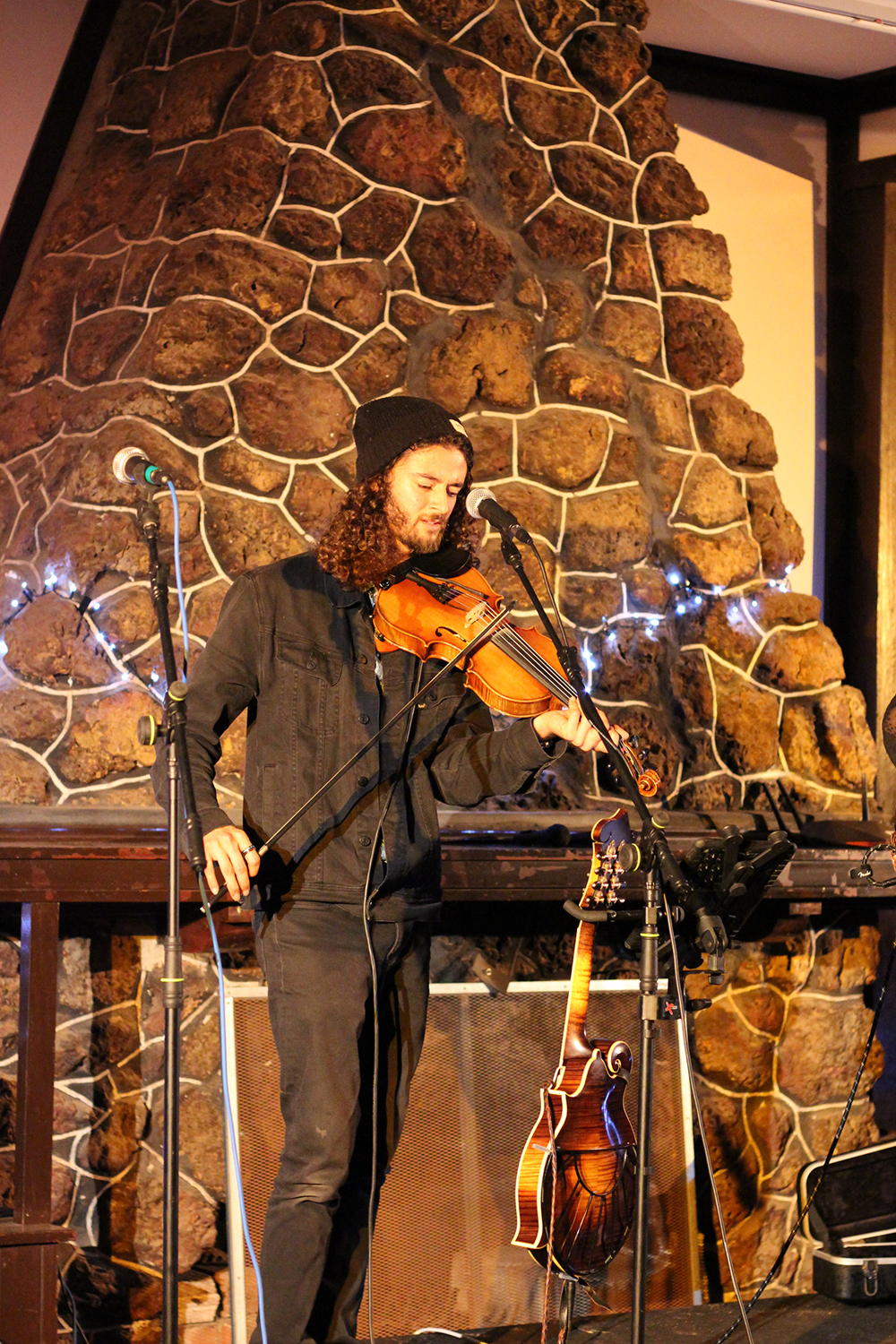
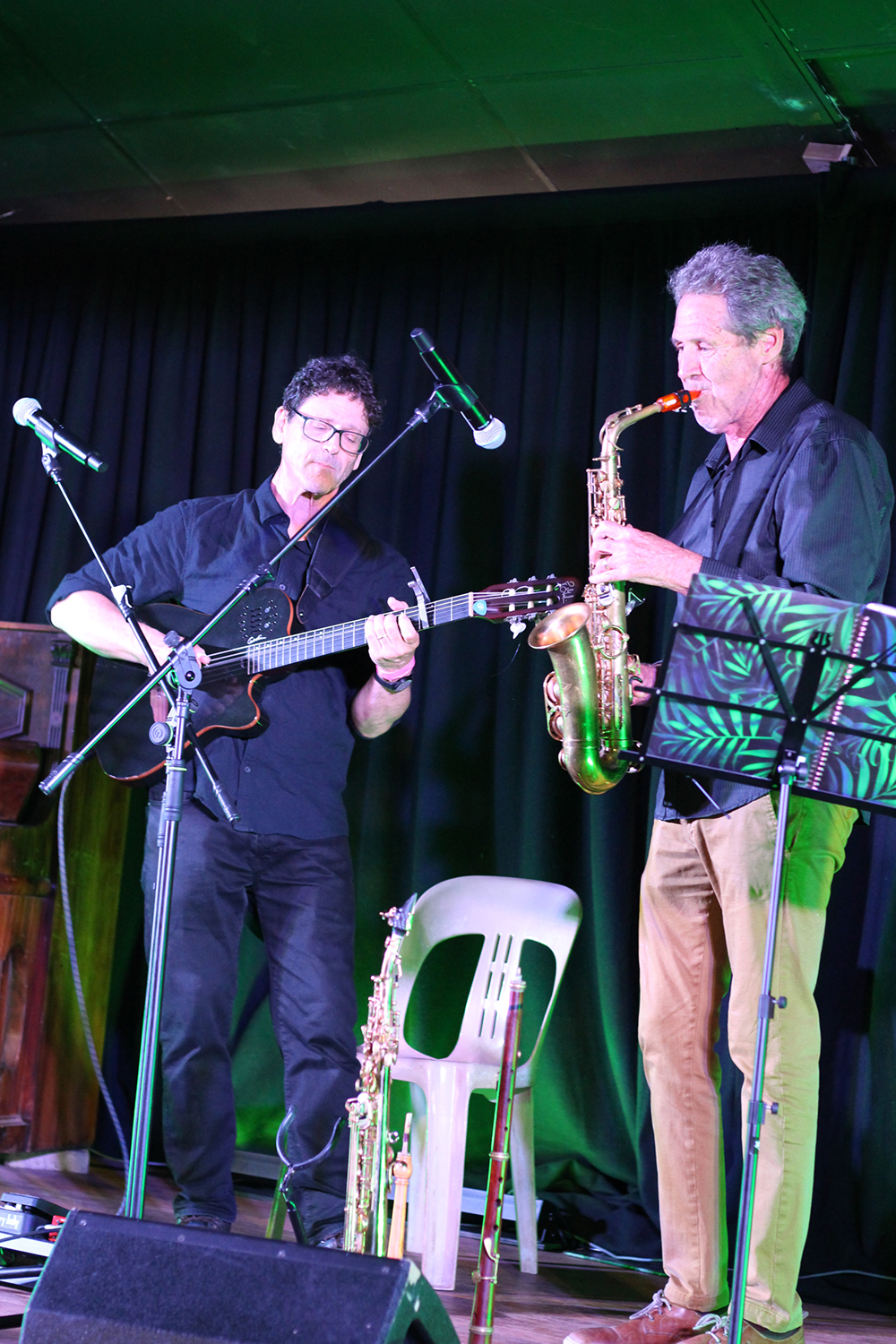
Eight: the diabolical and logical duo, Dialogic. Mark Cain’s fluid saxophone and flute lines were the perfect cap and contrast to Ilan Zagoria’s bouncing, South African guitar riffs.
Nine: WAAPA grad, multi-instrumentalist Danny Drieberg joined Lowry Olufson on stage to addamazing improvised melodies to a set of sophisticated neo-folk songs. It was the first time the two had ever performed together, yet it sounded as though they’d been doing it all their lives.
Ten: Irish Folk aficionados Beeswing opened their set Sunday night, the final performance in the festival, with a lively and quirky take on Penguin Café Orchestra’s Music For a Found Harmonium, famous to many from the old Oz film Malcolm.
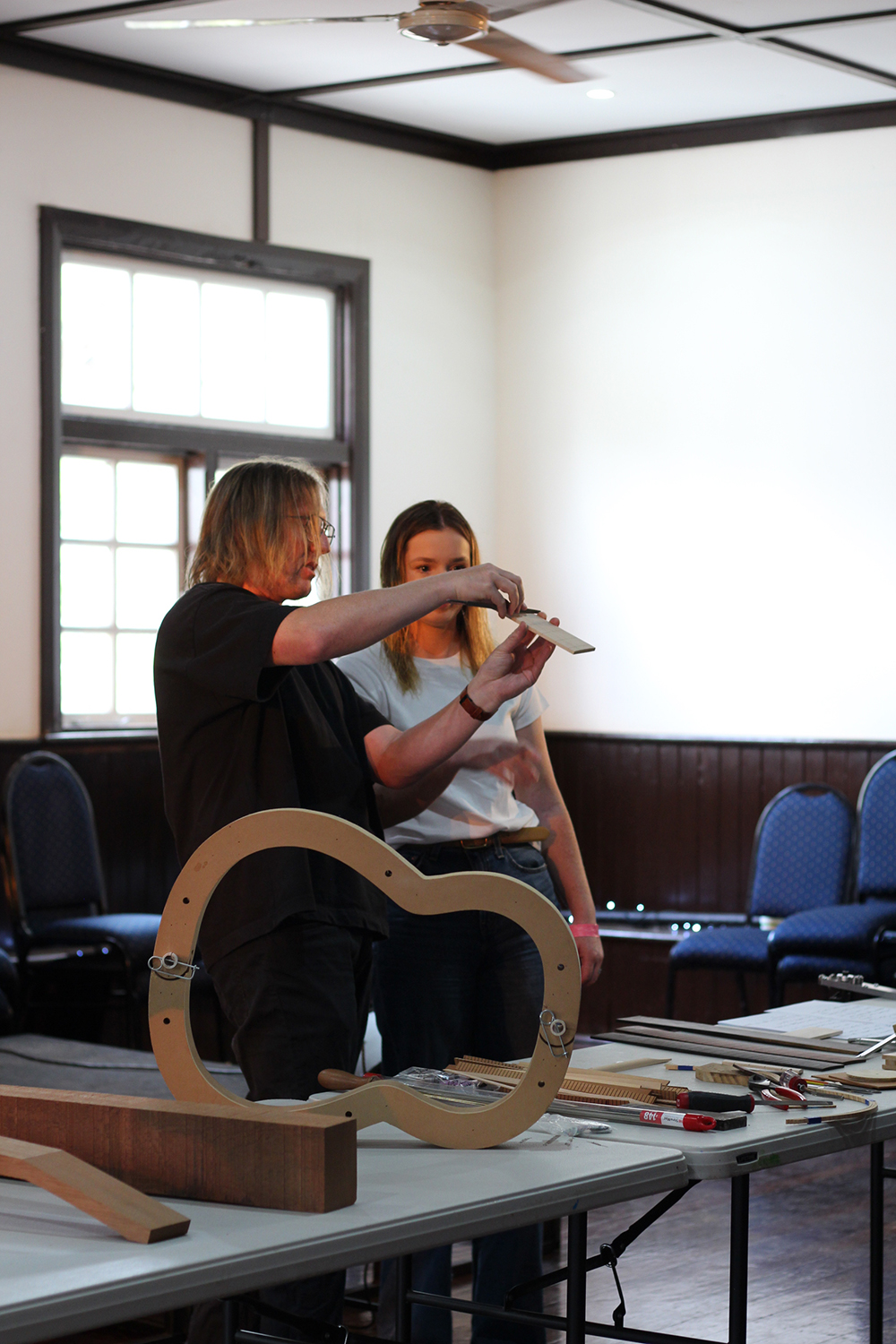
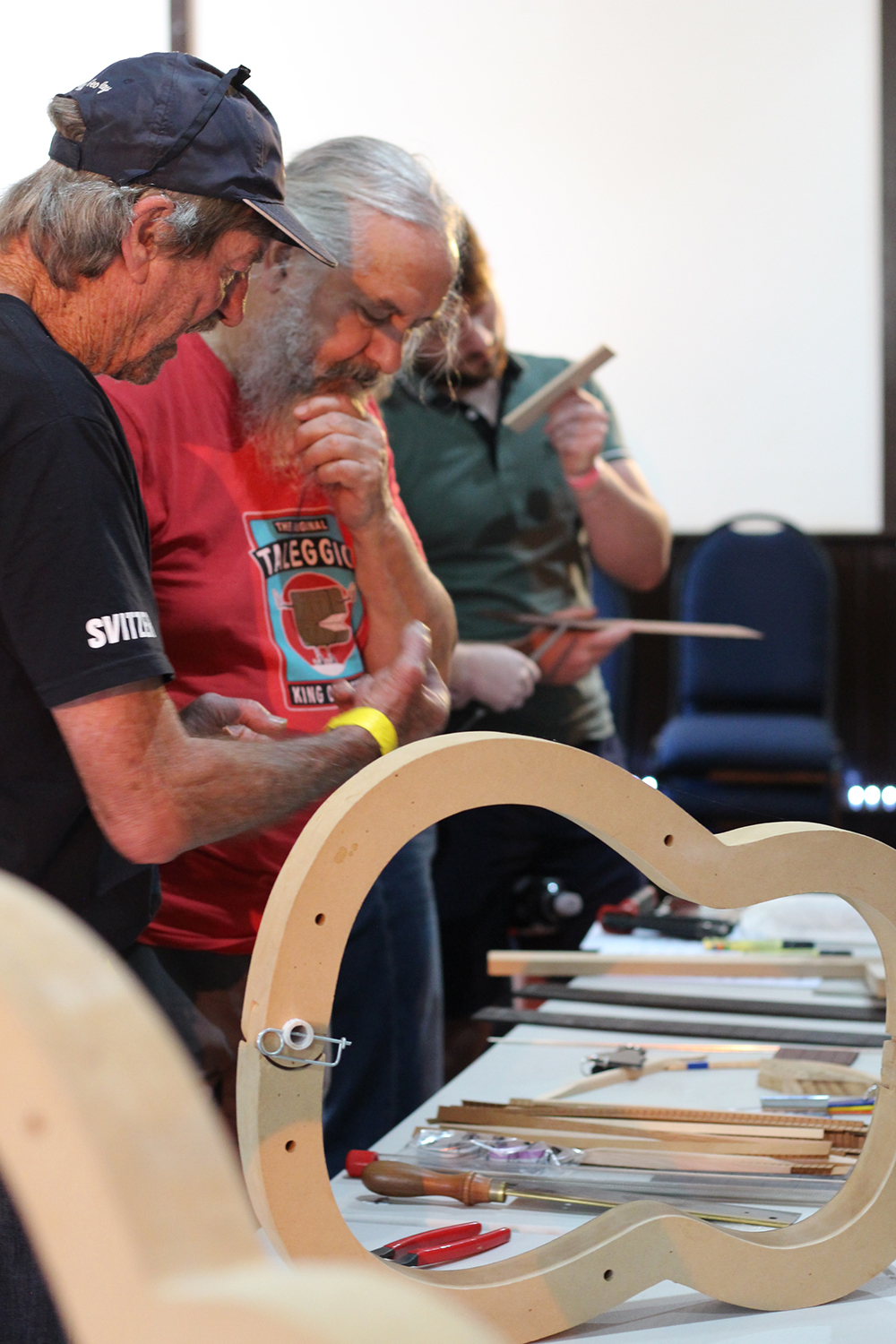
Eleven: Sydney-based, English luthier Daisy Tempest. In her workshop she spoke of her amazing good fortune in, firstly, landing an apprenticeship, then establishing the high price she can charge for her guitars. In the first case, she broke protocol by asking a luthier outright if she could work with him instead of taking the usual year-long process of getting to know him. In the second, an exclusive magazine for the uber-rich wanted to write a story on her, but when she said that she charged five thousand pounds for a guitar, they replied that she had to charge at least thirty thousand to get into the magazine. Now in constant demand, she makes two guitars a year and survives quite nicely.
Everyone who attended Playmakers will have their own list of such memorable moments, but for this reviewer, these were the ones that stood out.
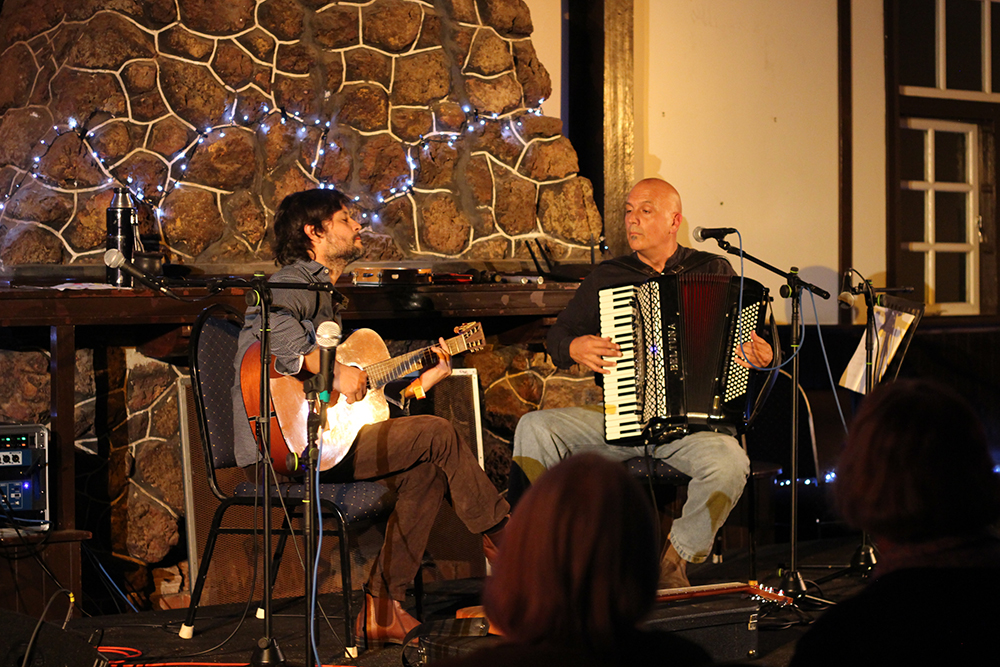
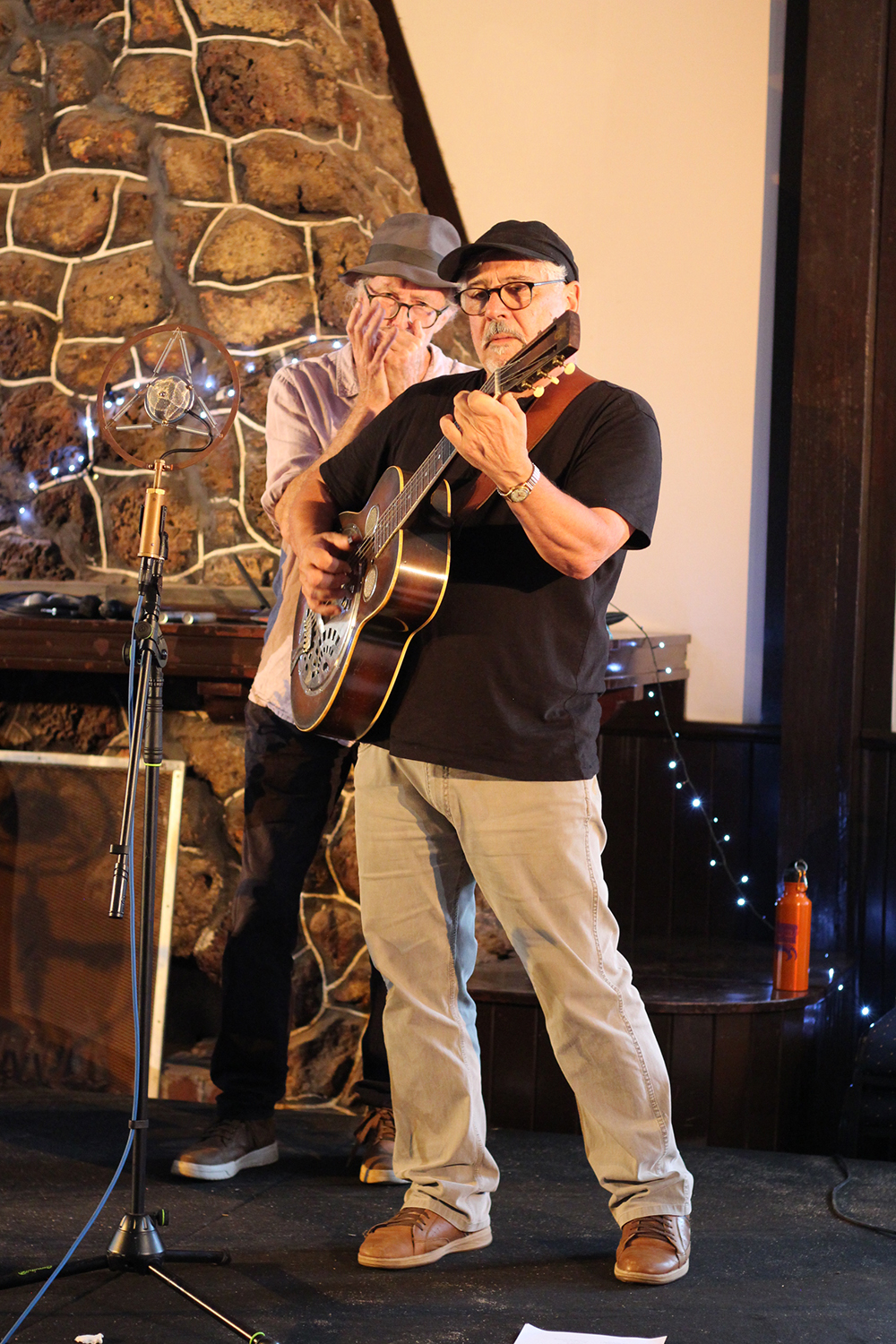
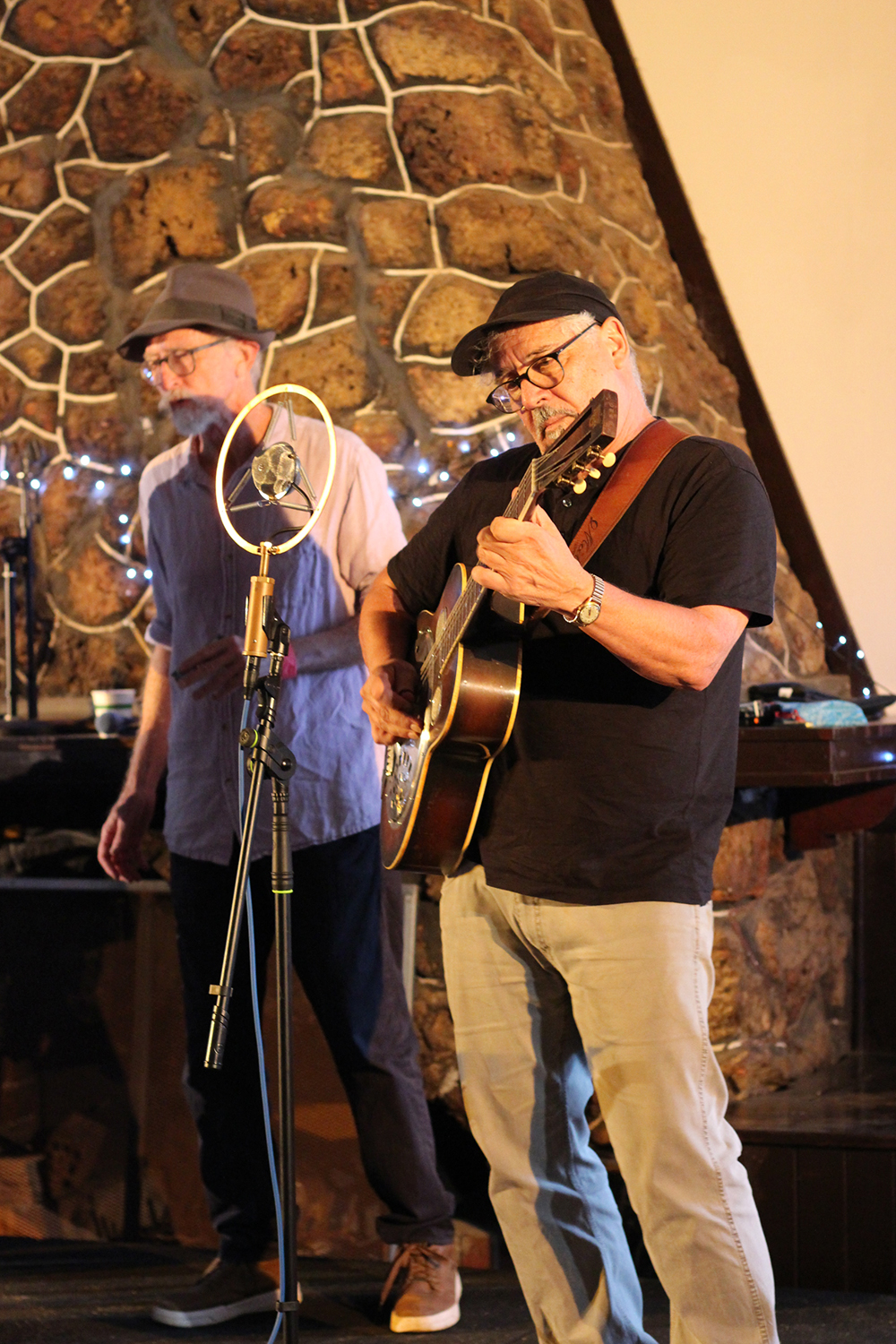
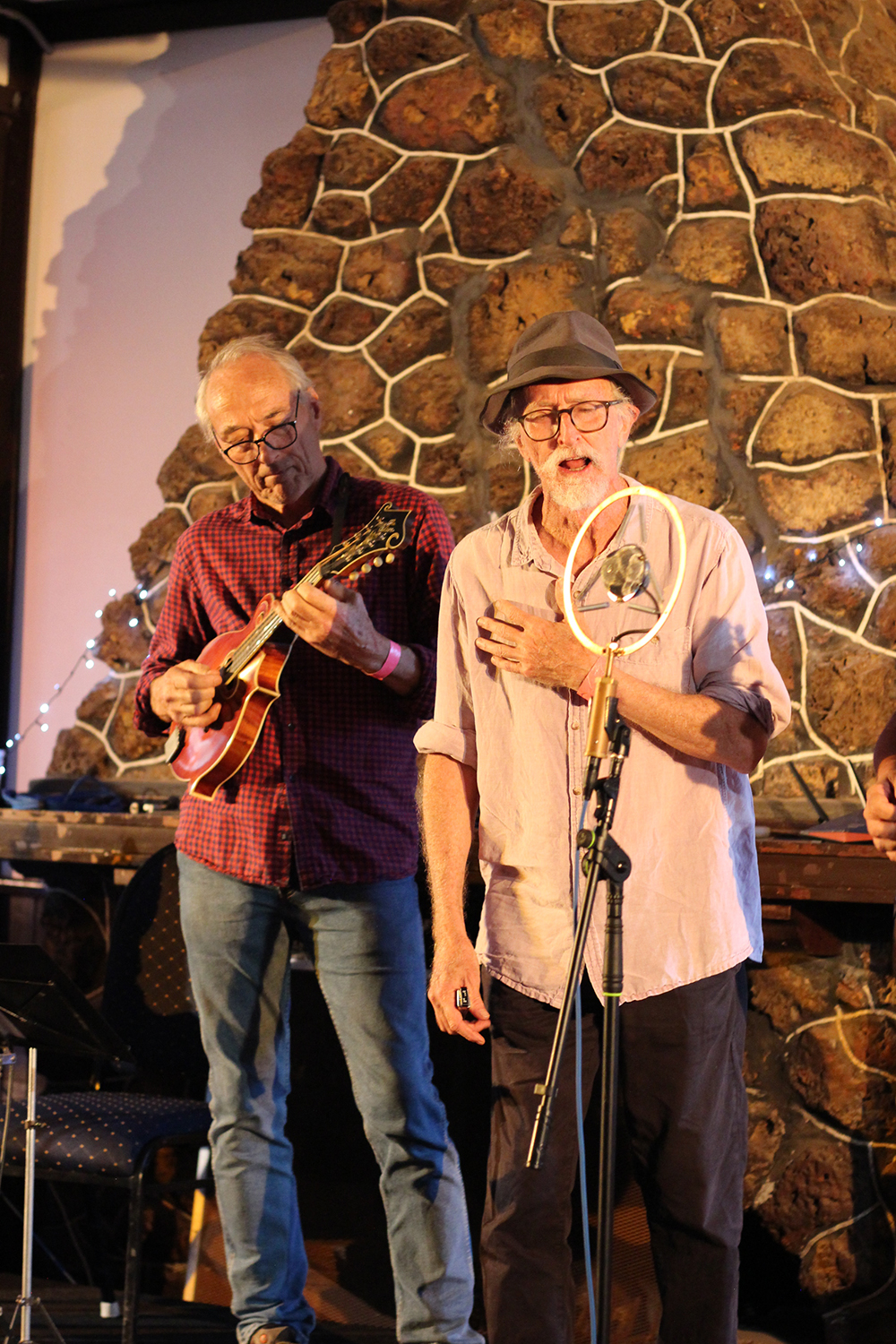
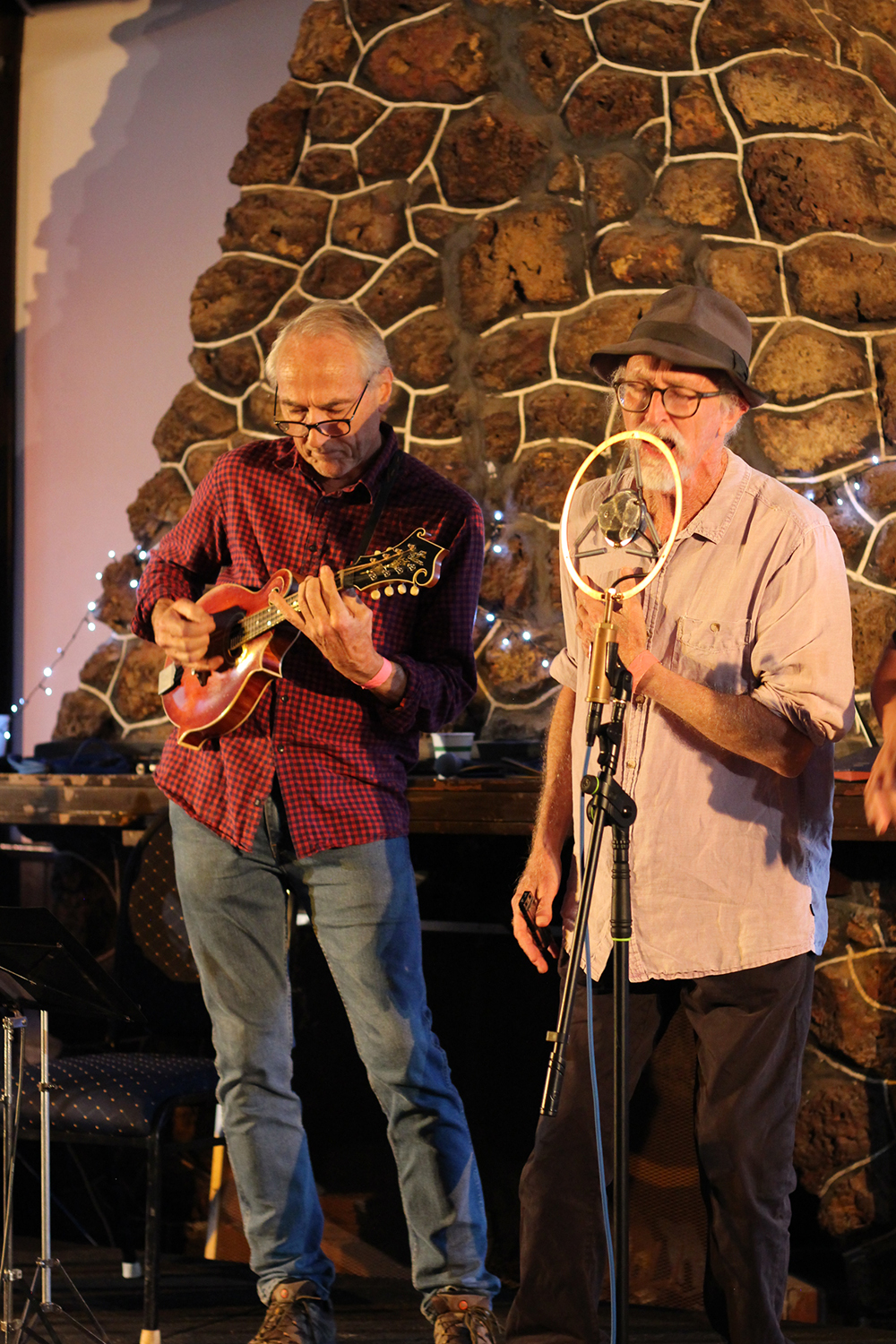
Although it has its roots in folk music, Playmakers goes way beyond that. The two defining features are that all of the music is incredibly sophisticated and performed acoustically. True, there is the odd electric bass, and many of the guitars and violins are amped, but the performances in the Chapel often weren’t, and the extraordinary Ear Trumpet microphone, in itself sufficient for an entire acoustic band, was the mainstay in the Dining Hall.
The list of highlights above indicates the range of styles presented. Classical, traditional from a myriad of cultures, a multitude of hybrids and indie styles all have a place in the Playmakers program. Artistic Director Rod Vervest is a brilliant curator and has the network to bring such a diverse array together into one tight program. In its range and overall quality there are few if any festivals that come close to this, even among the large-scale arts festivals. Artful and sophisticated, Playmakers is very much a jewel in the crown.
With this year’s bigger program—twenty acts, five workshops, five In Conversation sessions with artists and makers, and five special events—the attendance was below expectation but, crucially, no smaller than the debut outing last year. Only one couple swapped their weekend ticket for a day one—one of the very few day tickets sold. Including artists and crew, the total number on site cracked 200. This was sufficient to cover the fees and fixed costs but not, alas, to pay the dedicated team of organisers, marketeers, and ‘shepherds’ who guided the guests through the weekend. Luckily these fine folk were prepared to volunteer their time to ensure the festival happened. They can all take great pride in their achievement. Better yet, they remain committed to doing it again next year. Hopefully Narelle was a one-off, and their efforts will reap a stronger reward in an even more extraordinary program.
IAN LILBURNE