Review: Oren Ambarchi at Wyola Club
Oren Ambarchi at Wyola Club
w/ Pale Ribbons Tossed into the Dark
Monday, June 1, 2026
There is a particular beauty that exists only because it is fleeting. A falling blossom. A fading signal. Experimental music often traffics in these moments of impermanence, asking audiences not to cling to meaning but to witness its emergence and dissolution in real time.
Such was the proposition at Wyola Club, where Pale Ribbons Tossed into the Dark and Oren Ambarchi each explored uncertainty, patience and ephemera through remarkably different means.
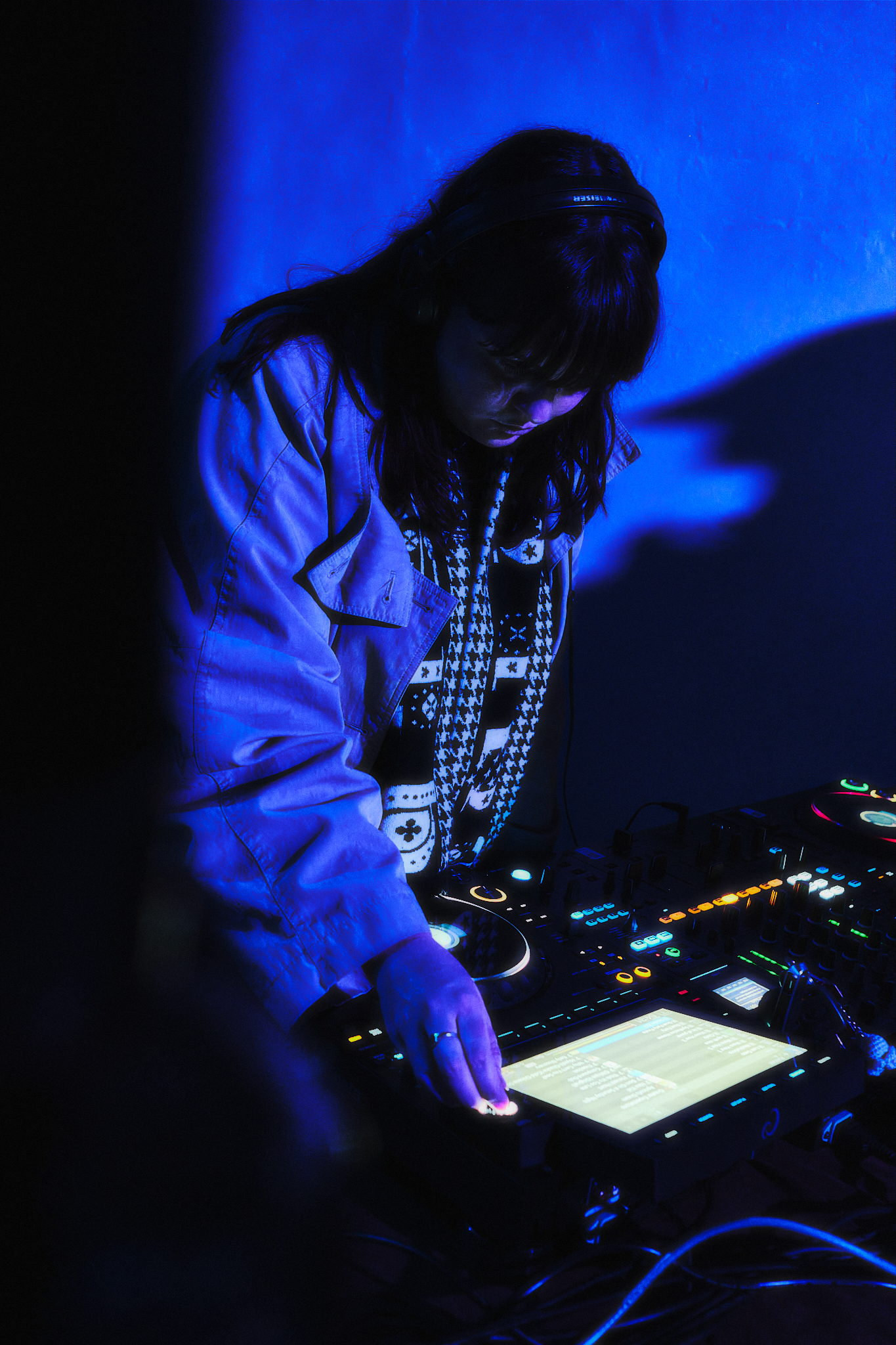
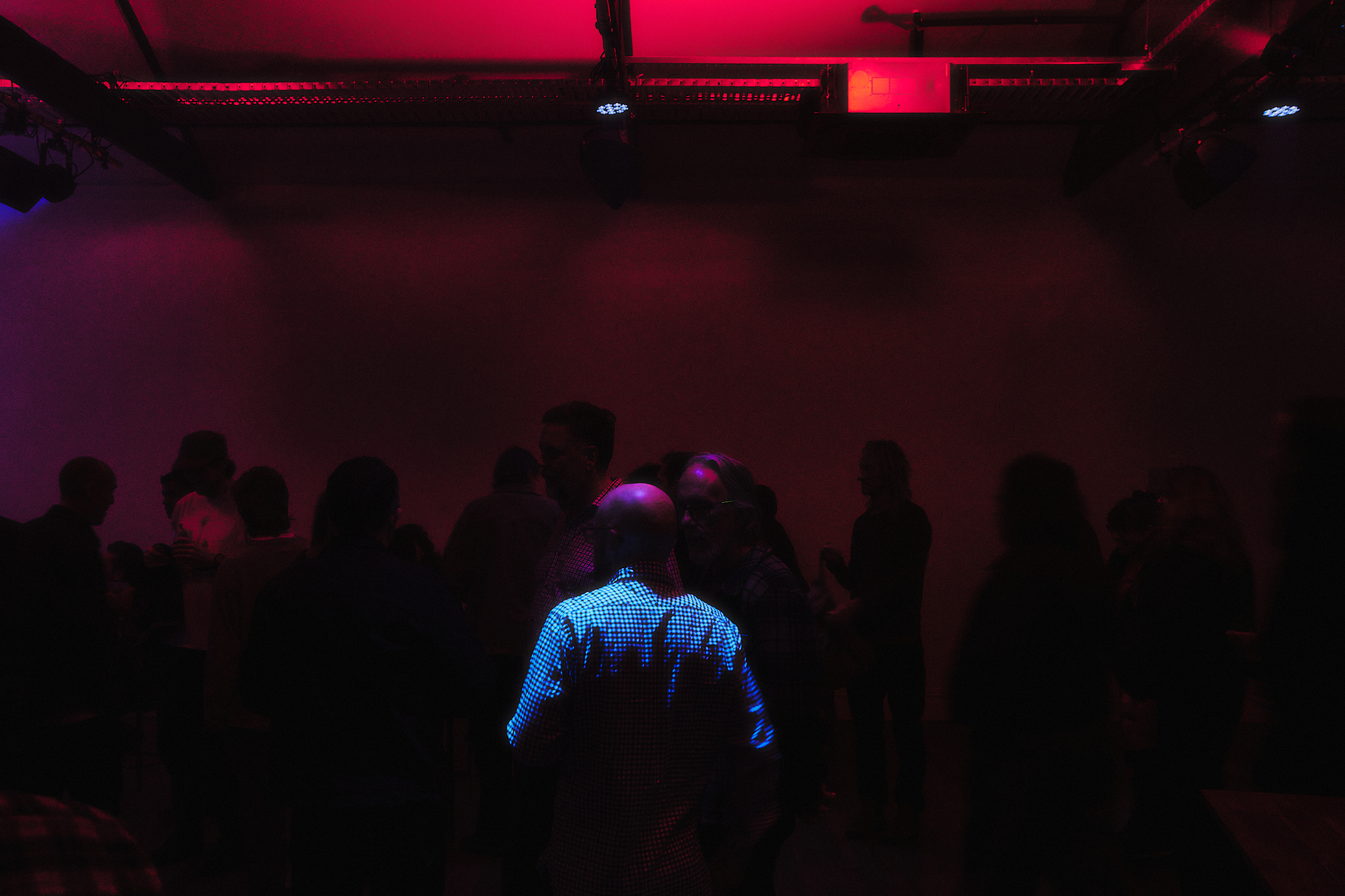
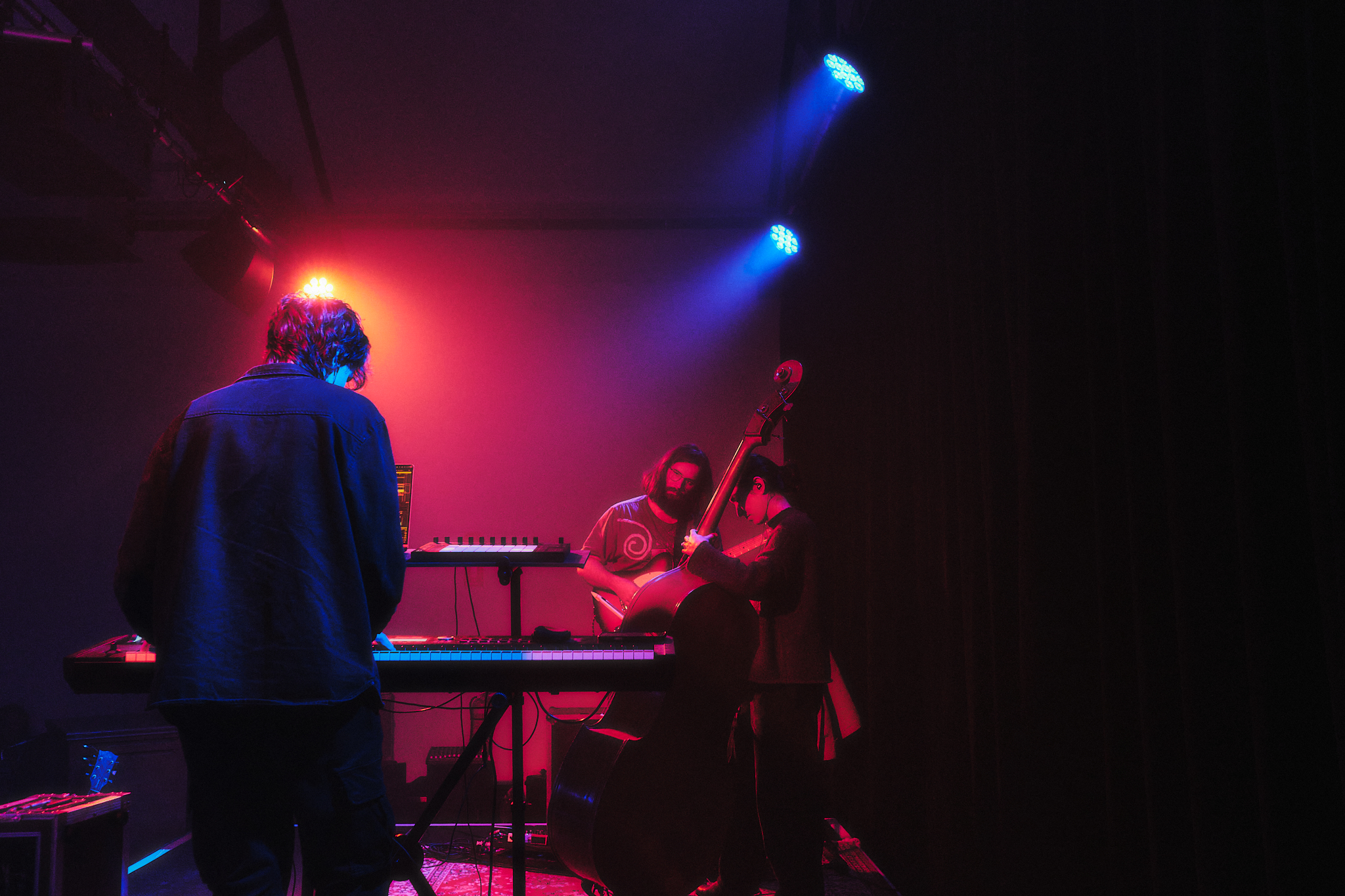
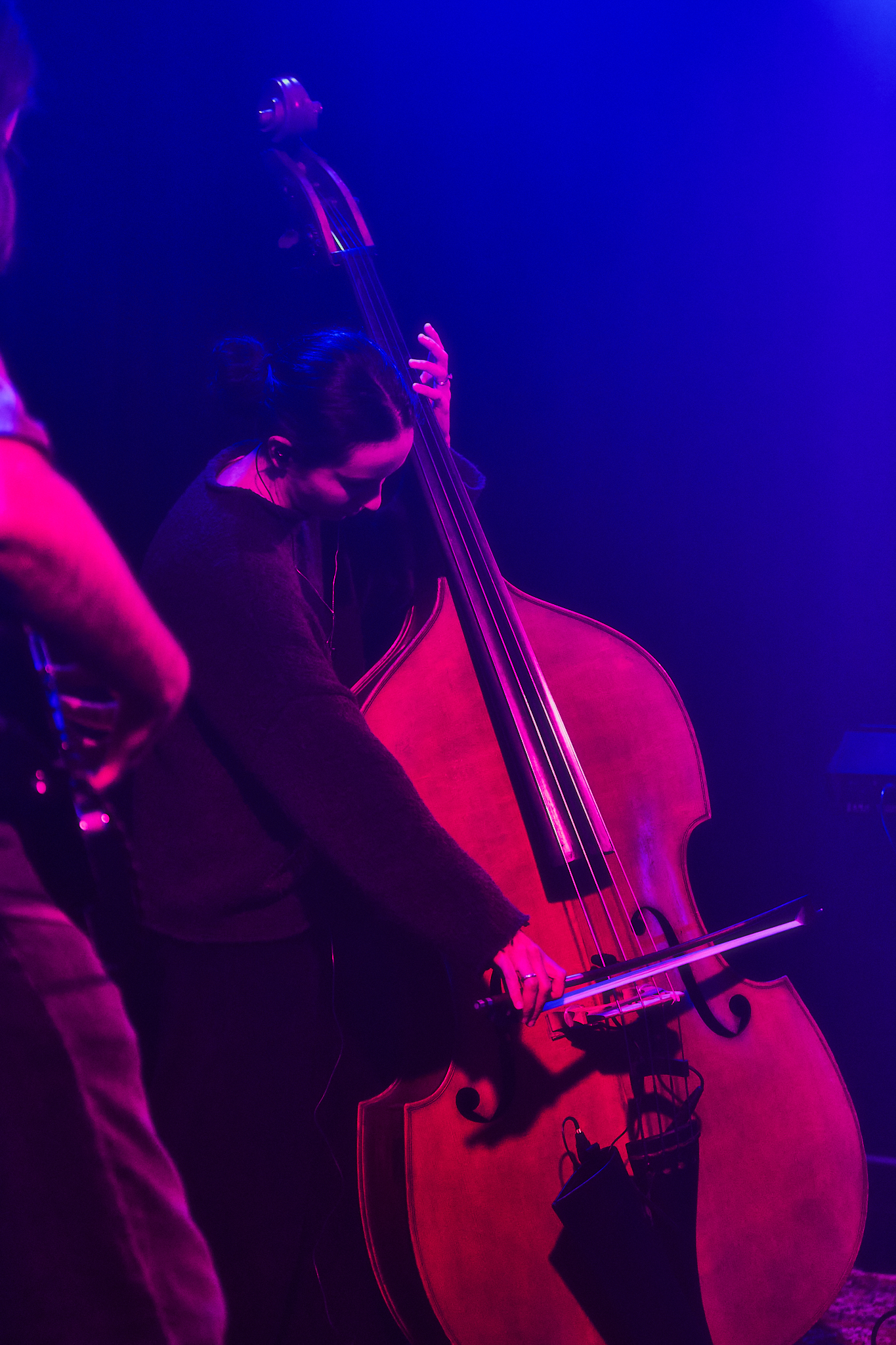
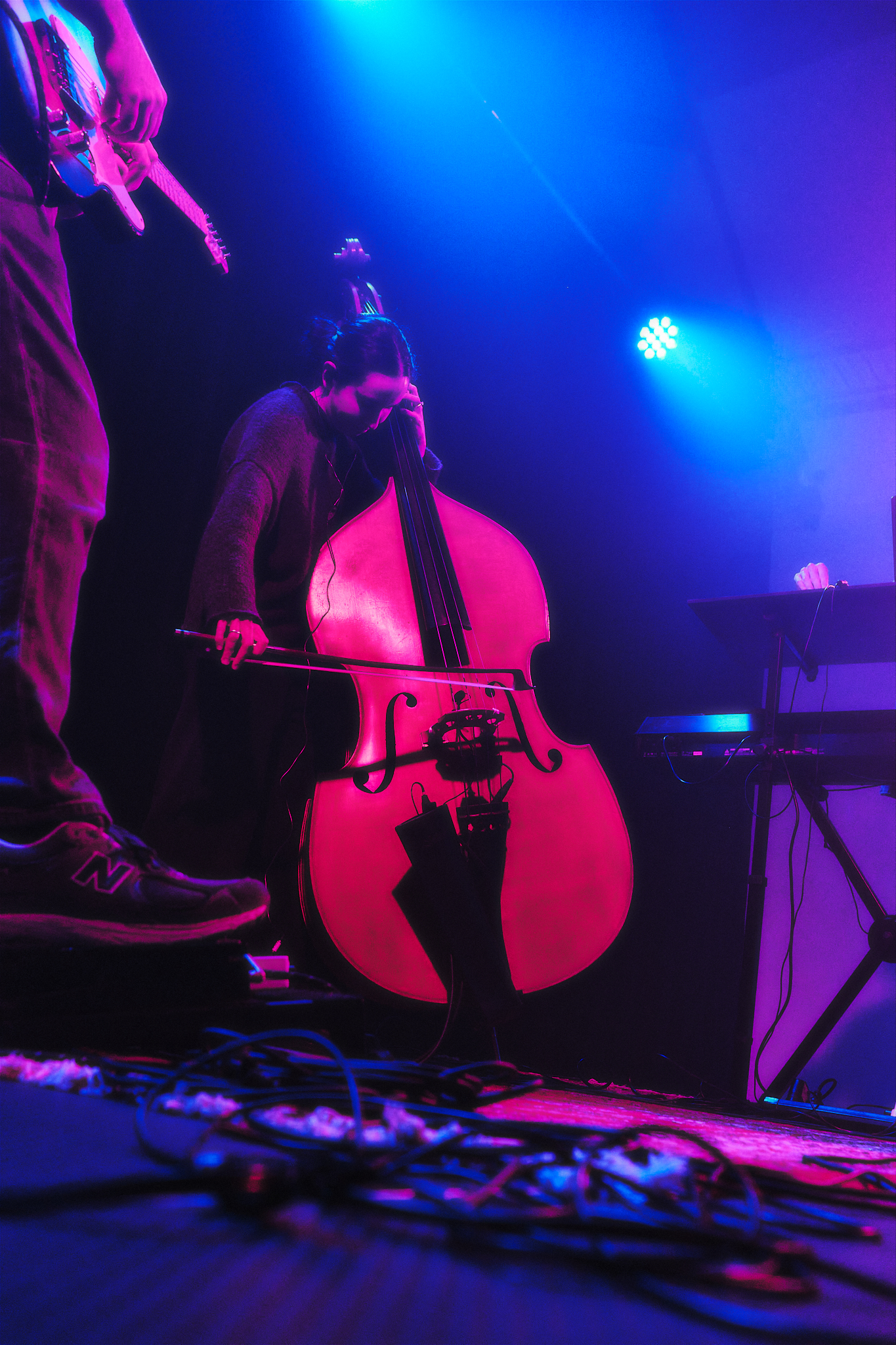
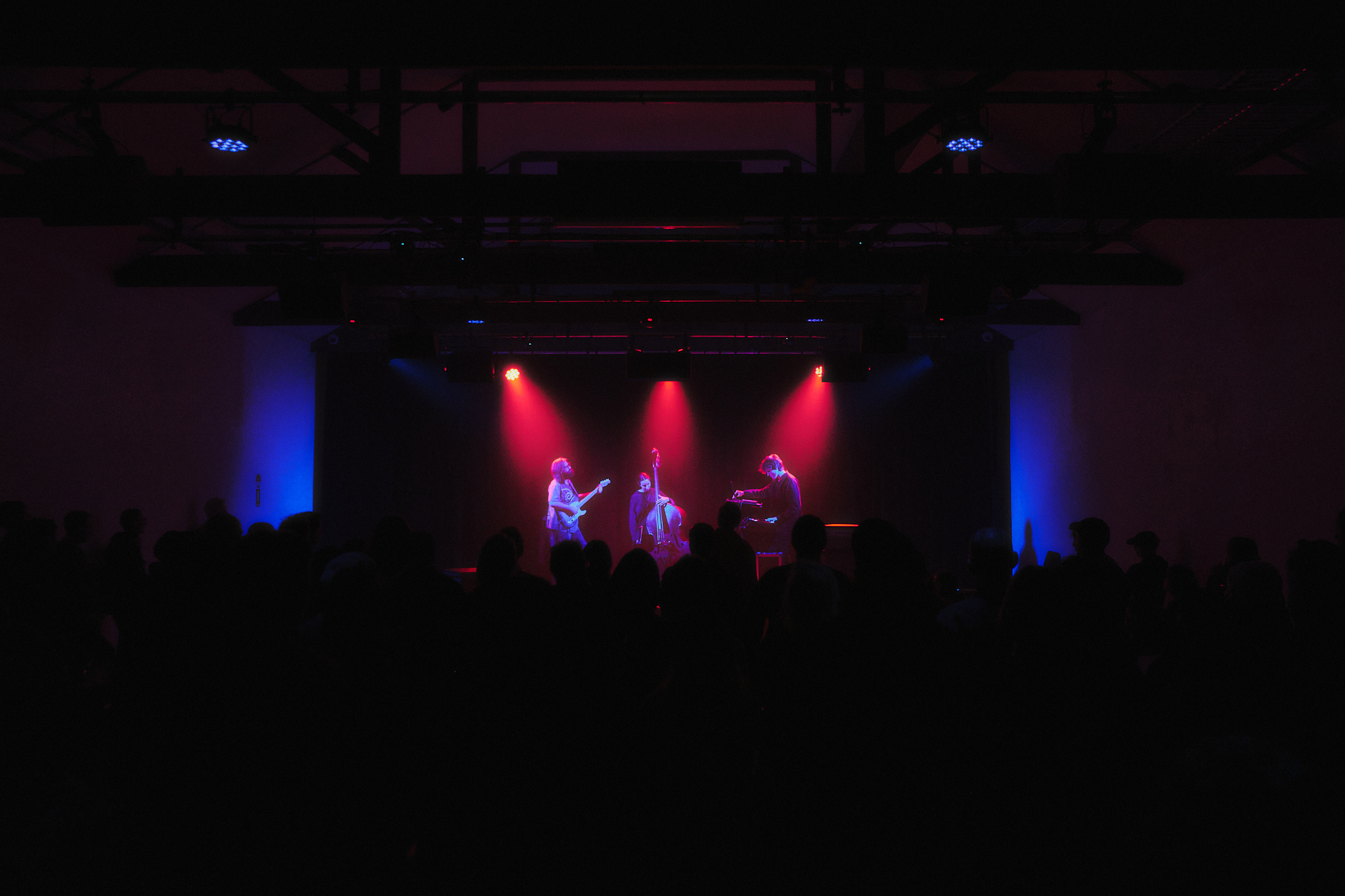
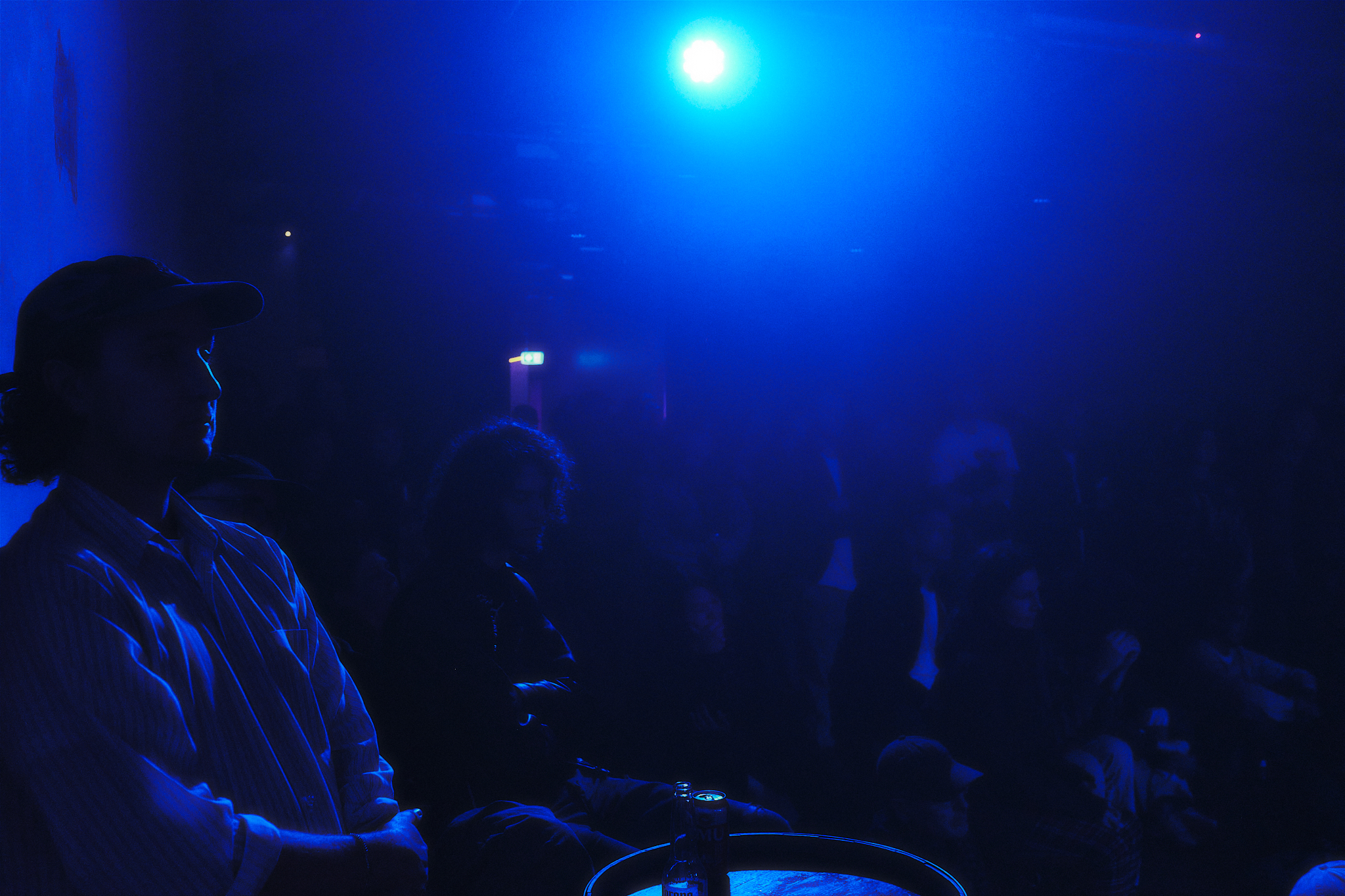
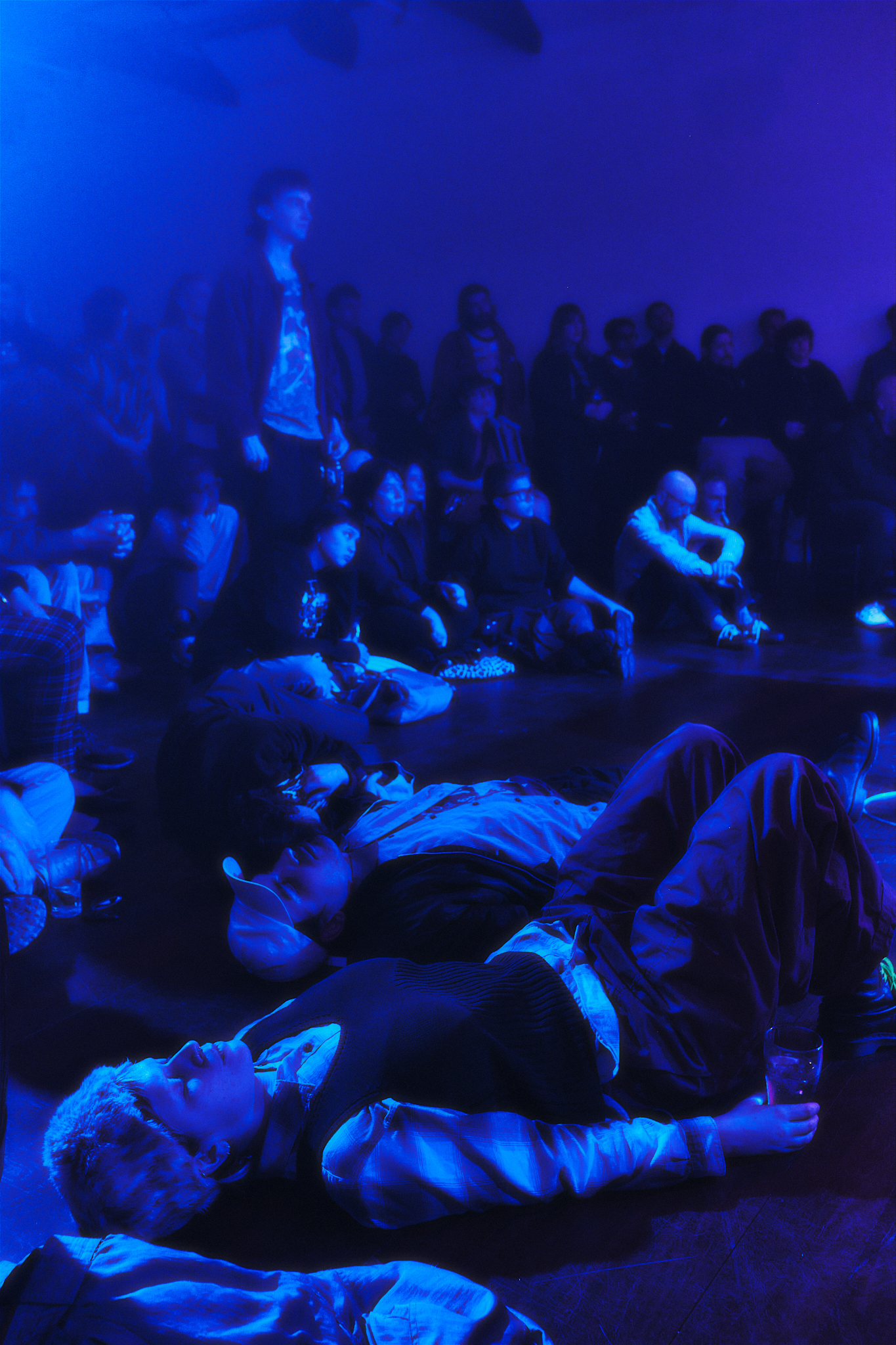
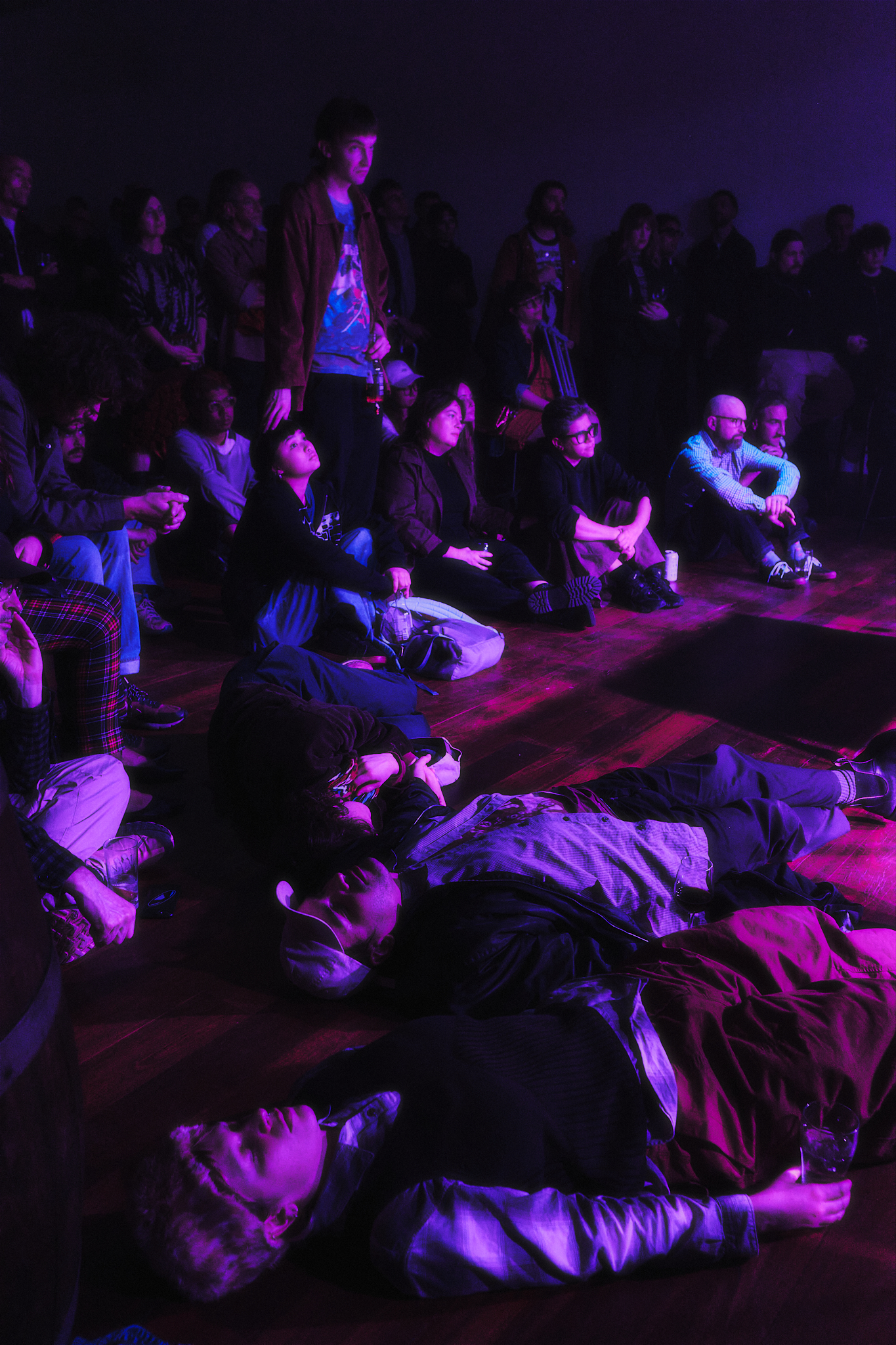
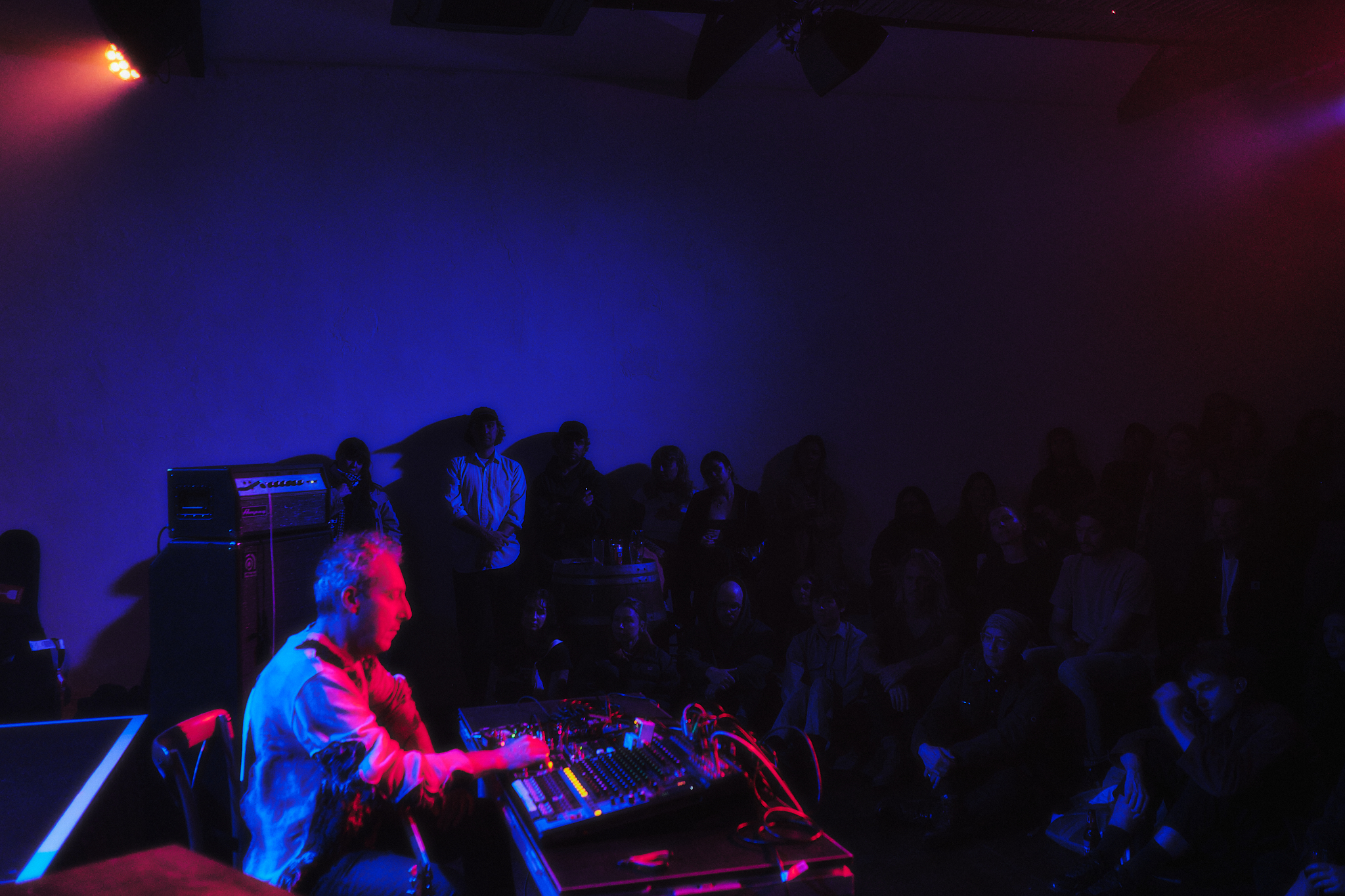
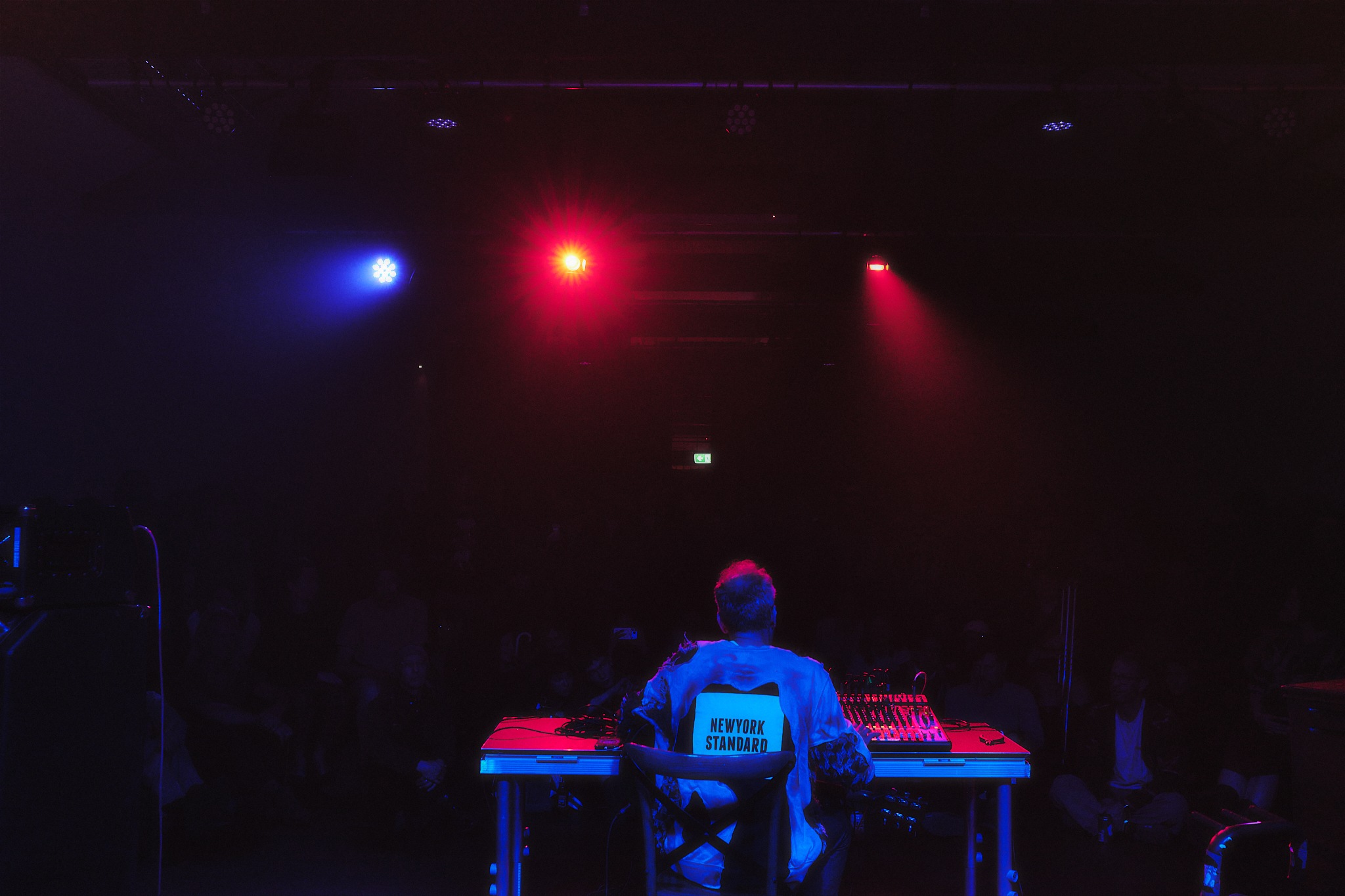
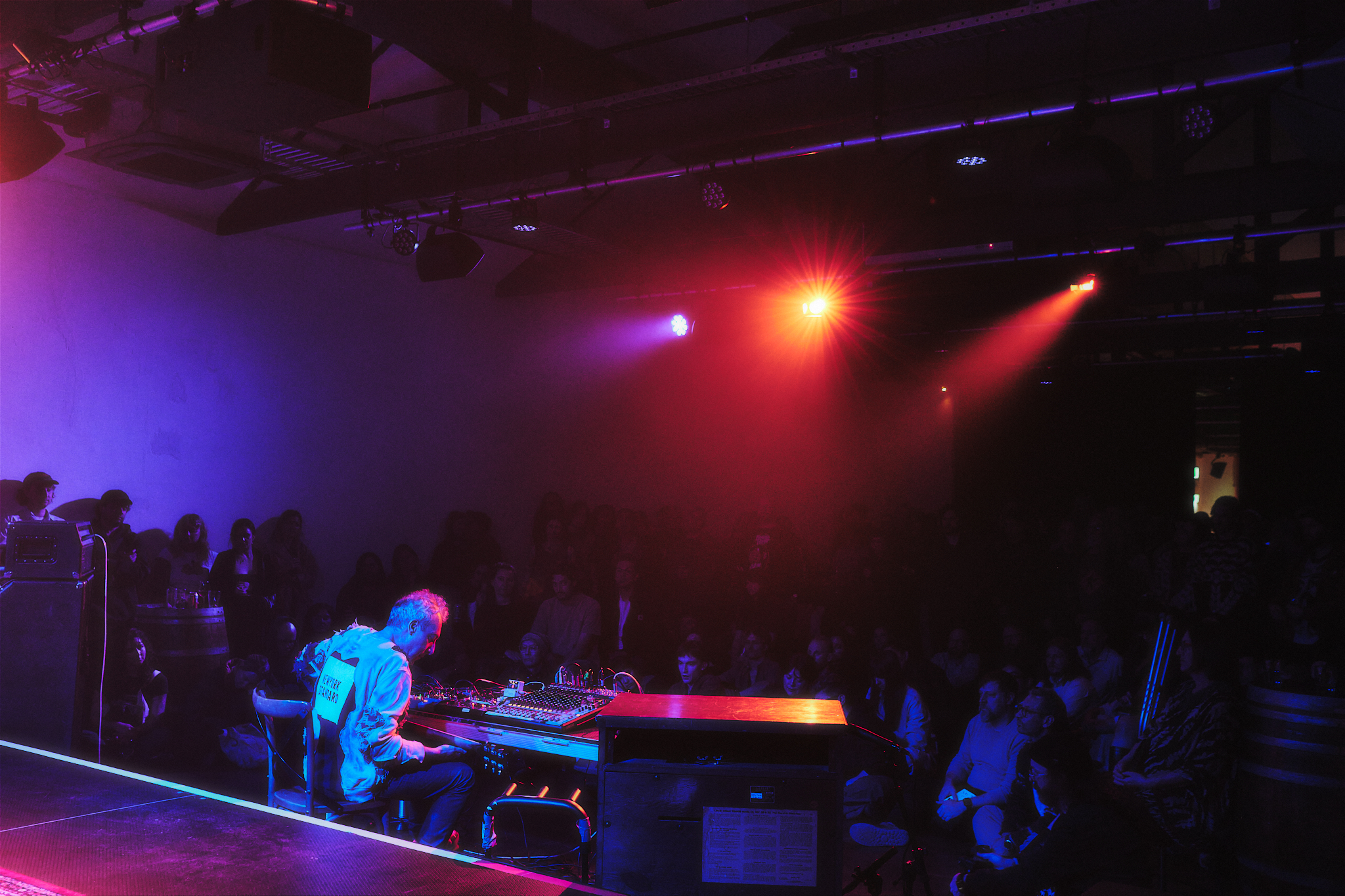
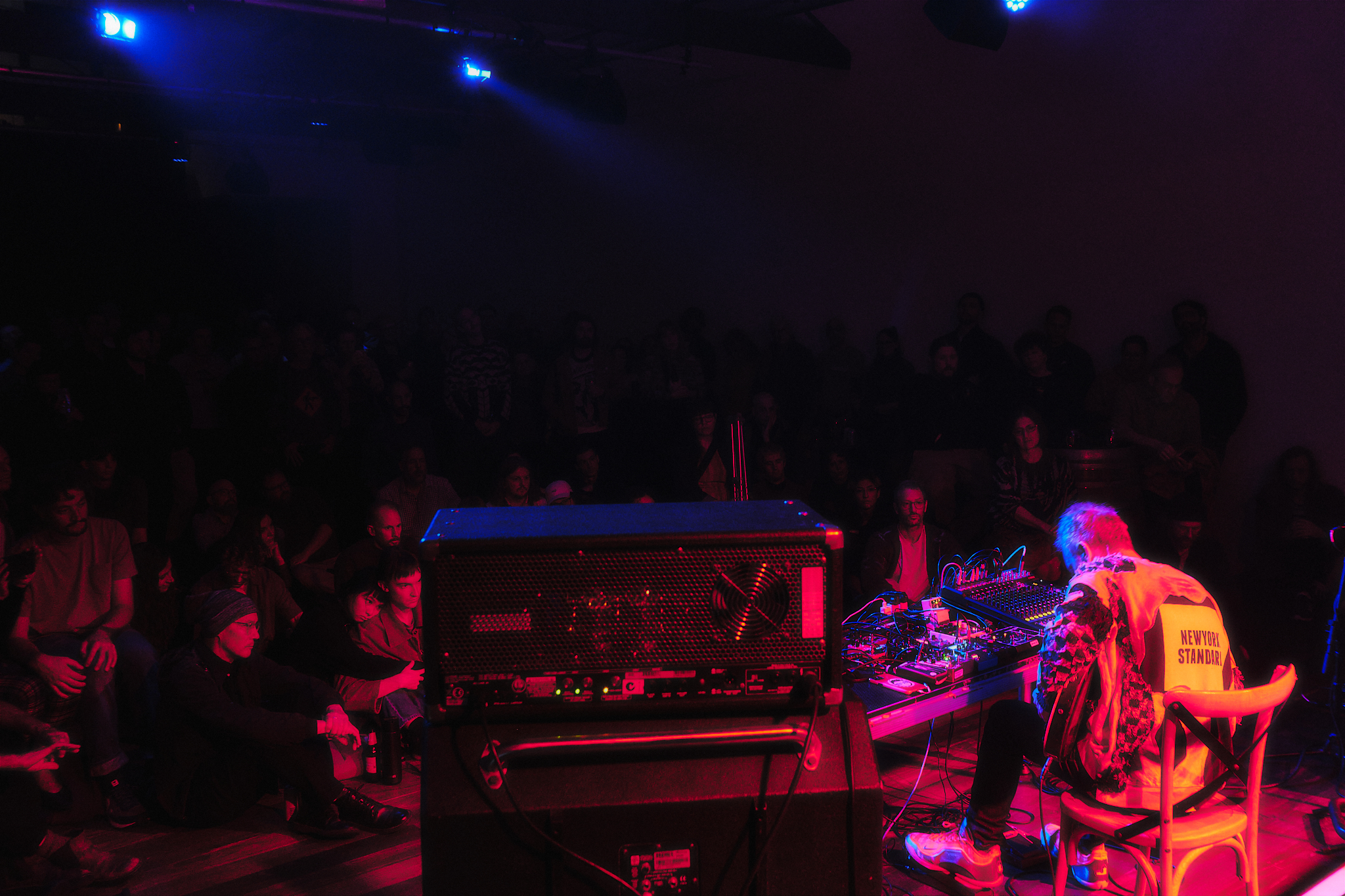
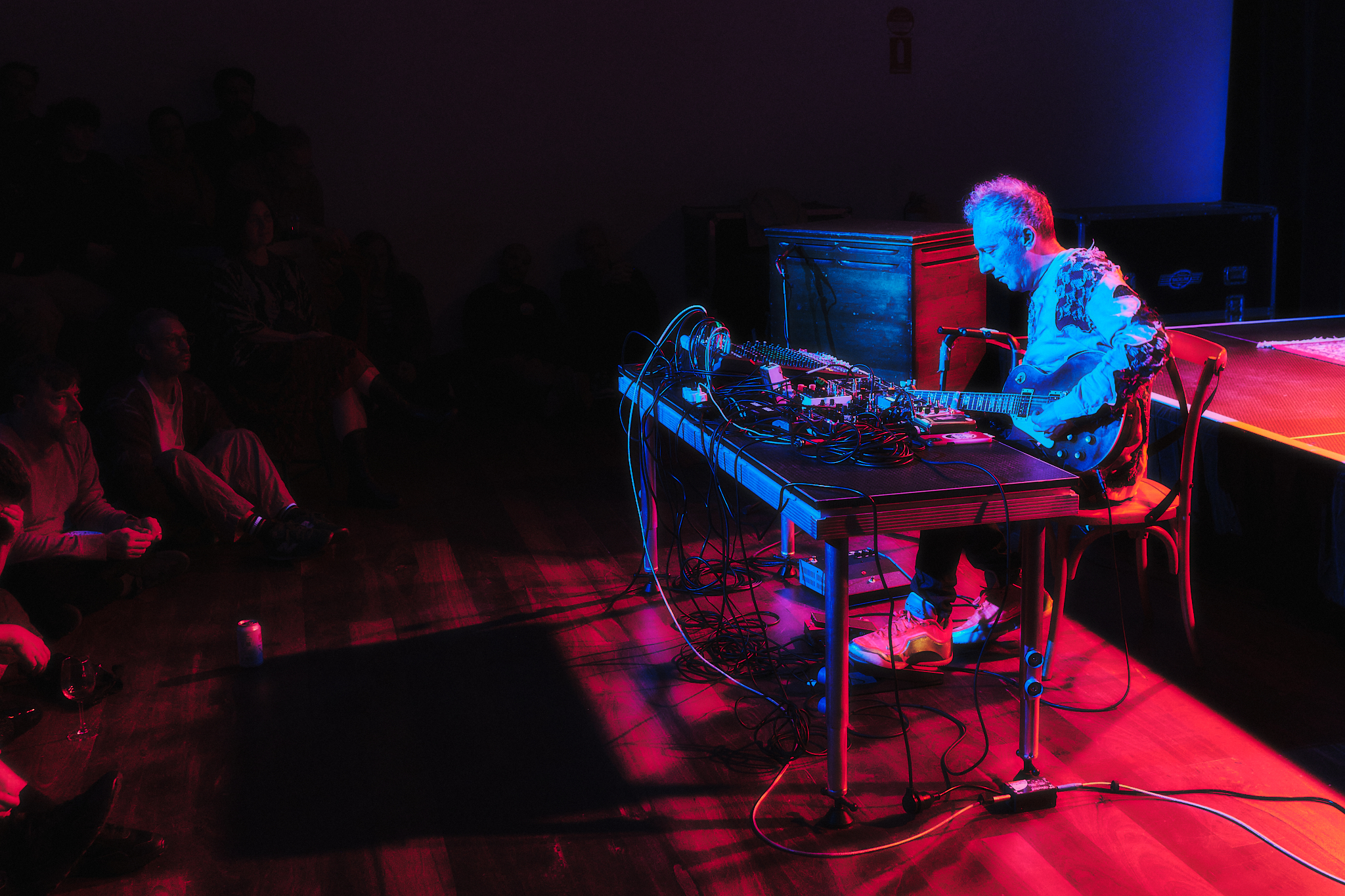
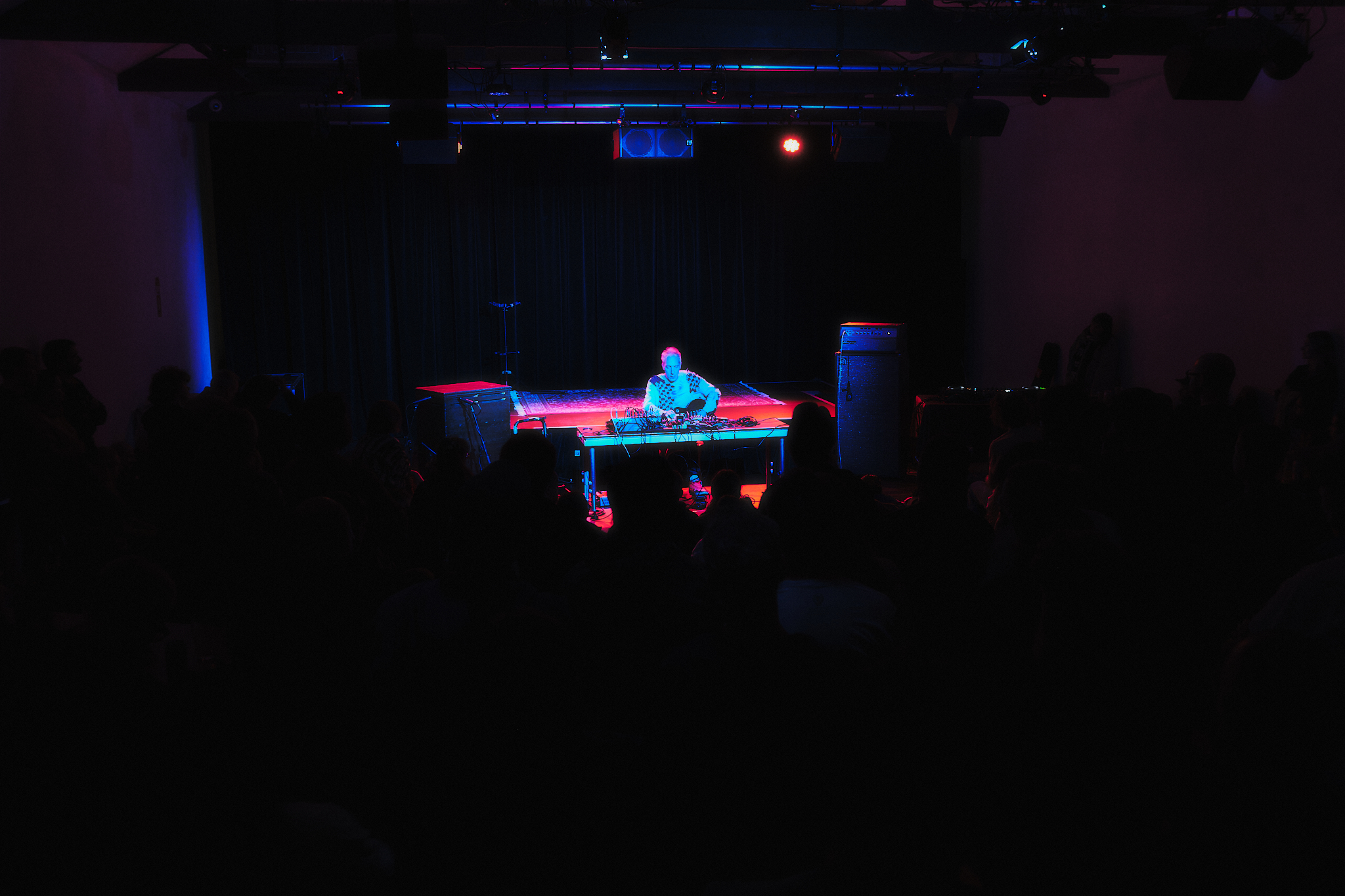
Upstairs, Wyola Club’s refurbishment has pushed it away from the rough-and-ready familiarity of Fremantle’s surviving workers clubs and towards something resembling a contemporary arts space. Thick haze filled the room. Electric blues and magentas illuminated instruments before faces.
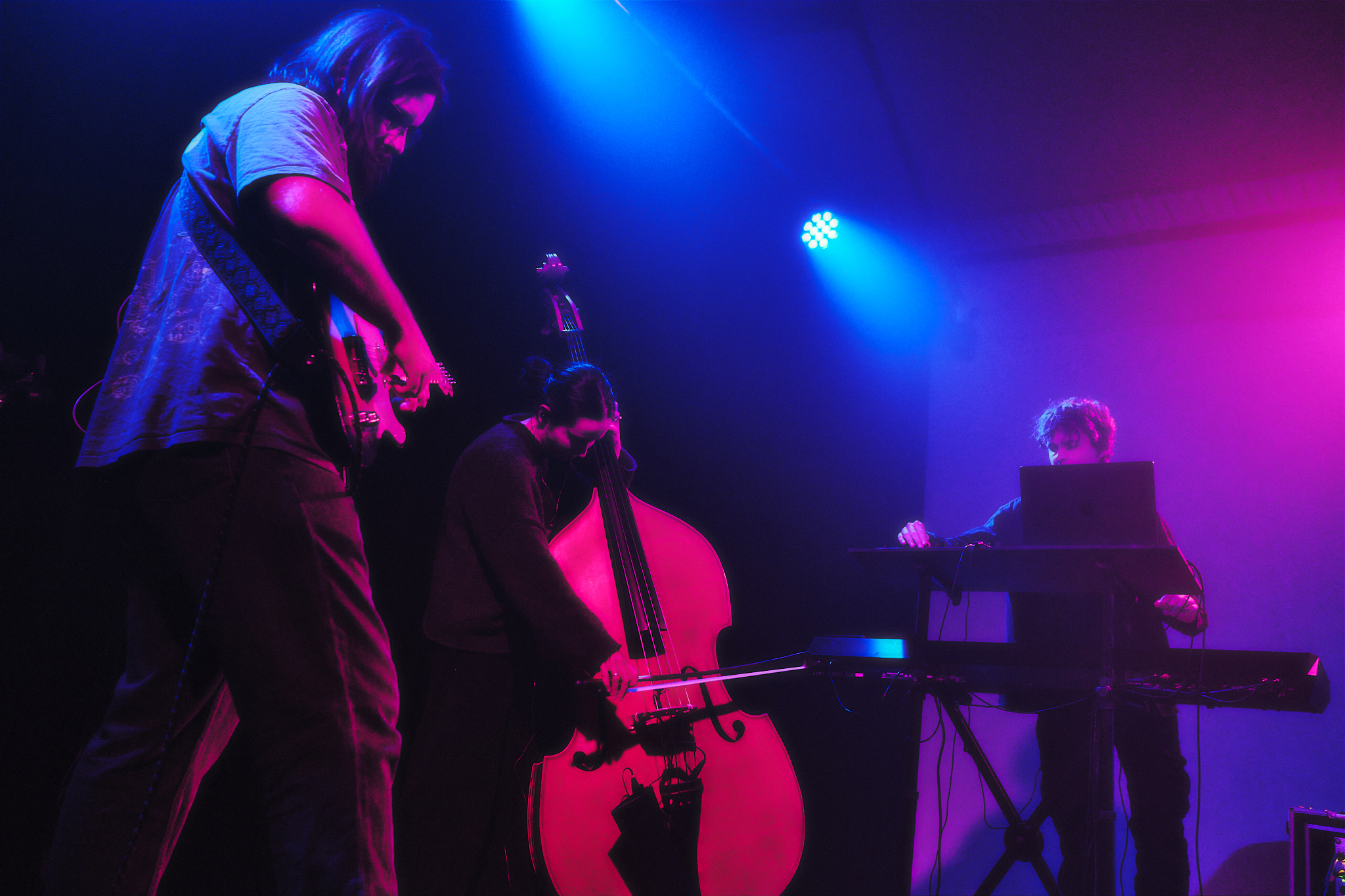
For Pale Ribbons Tossed into the Dark in particular, darkness wasn’t merely atmosphere but environment: the dominant terrain from which sounds appeared, lingered and disappeared again.
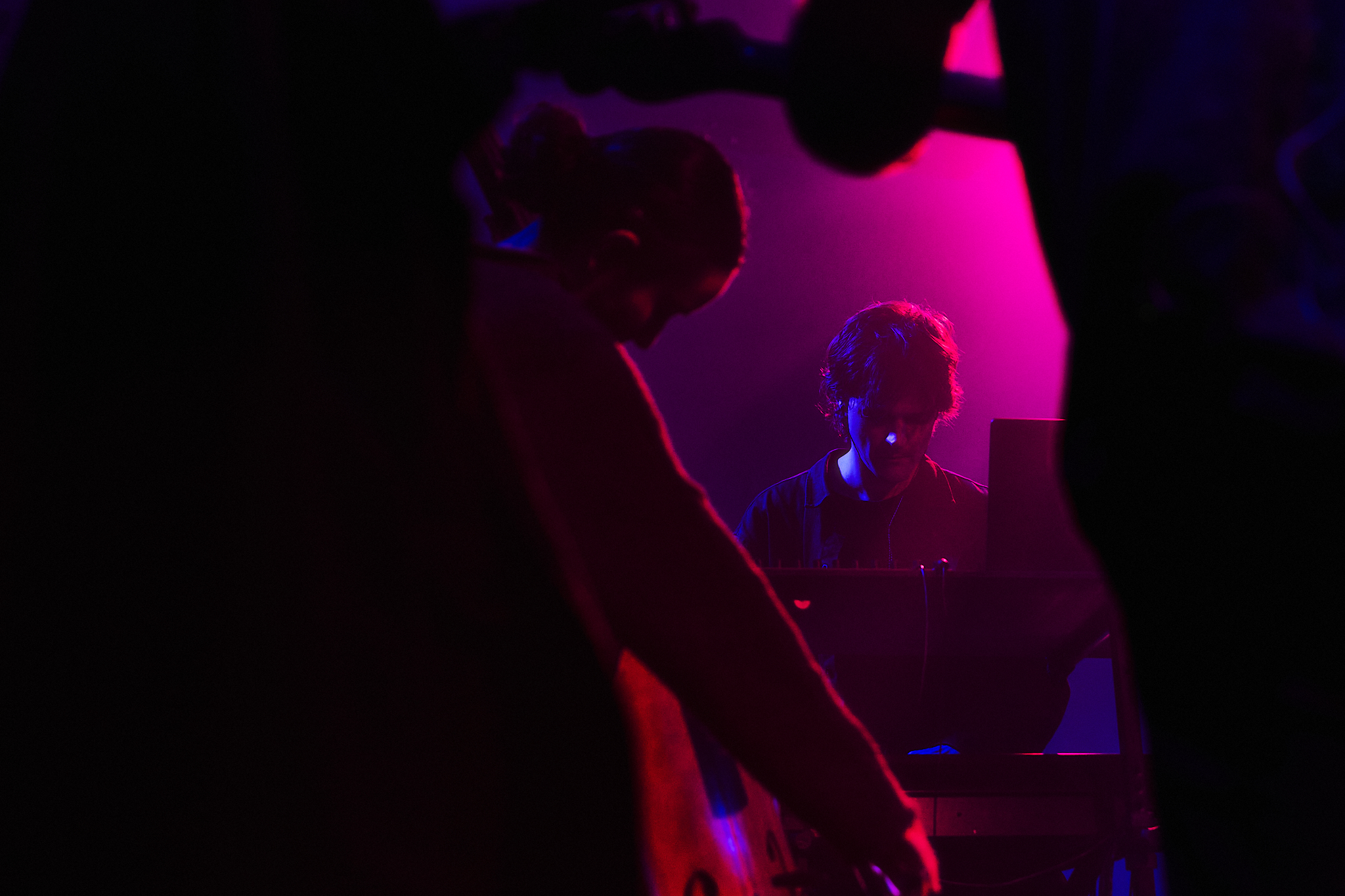
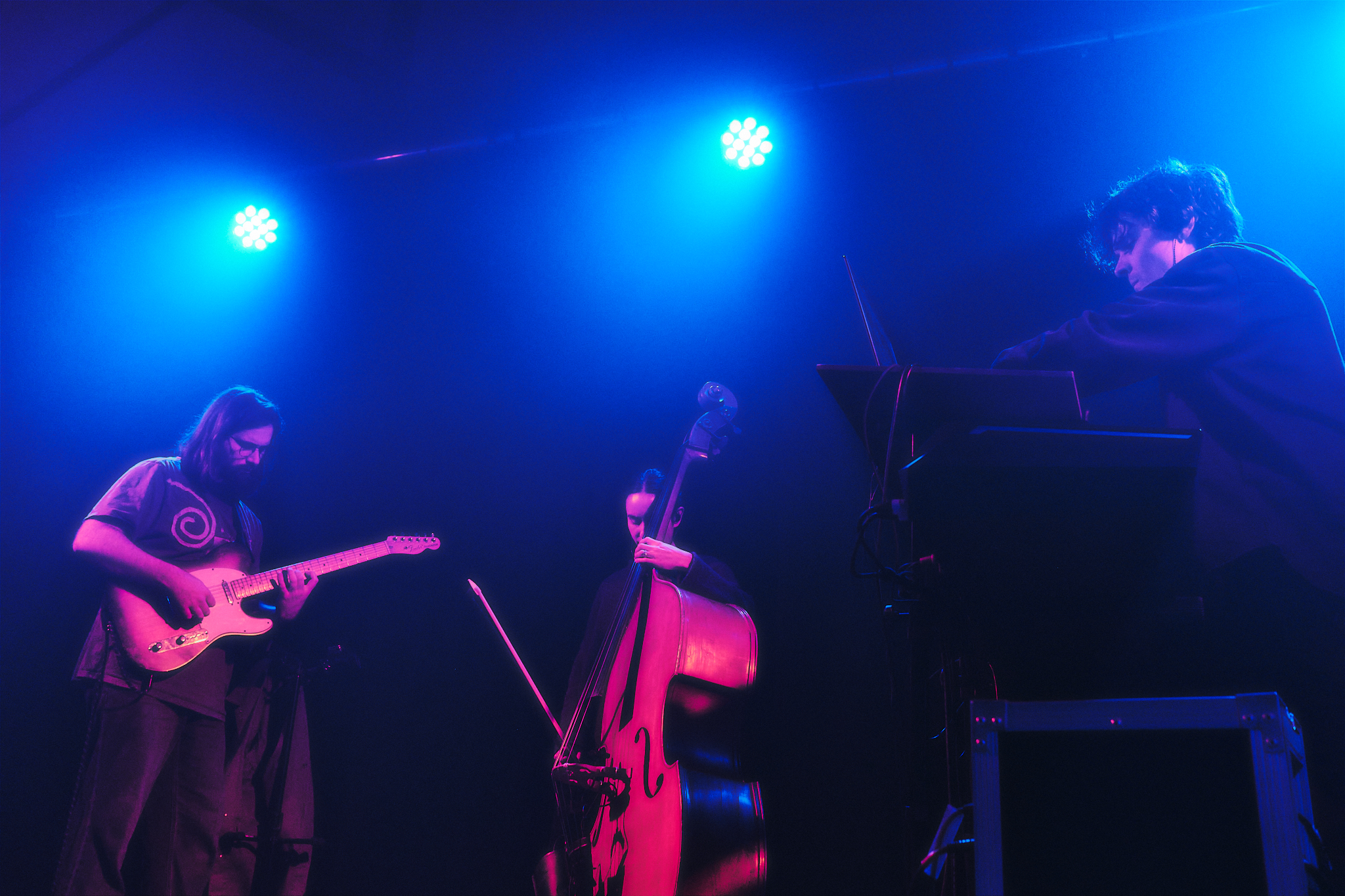
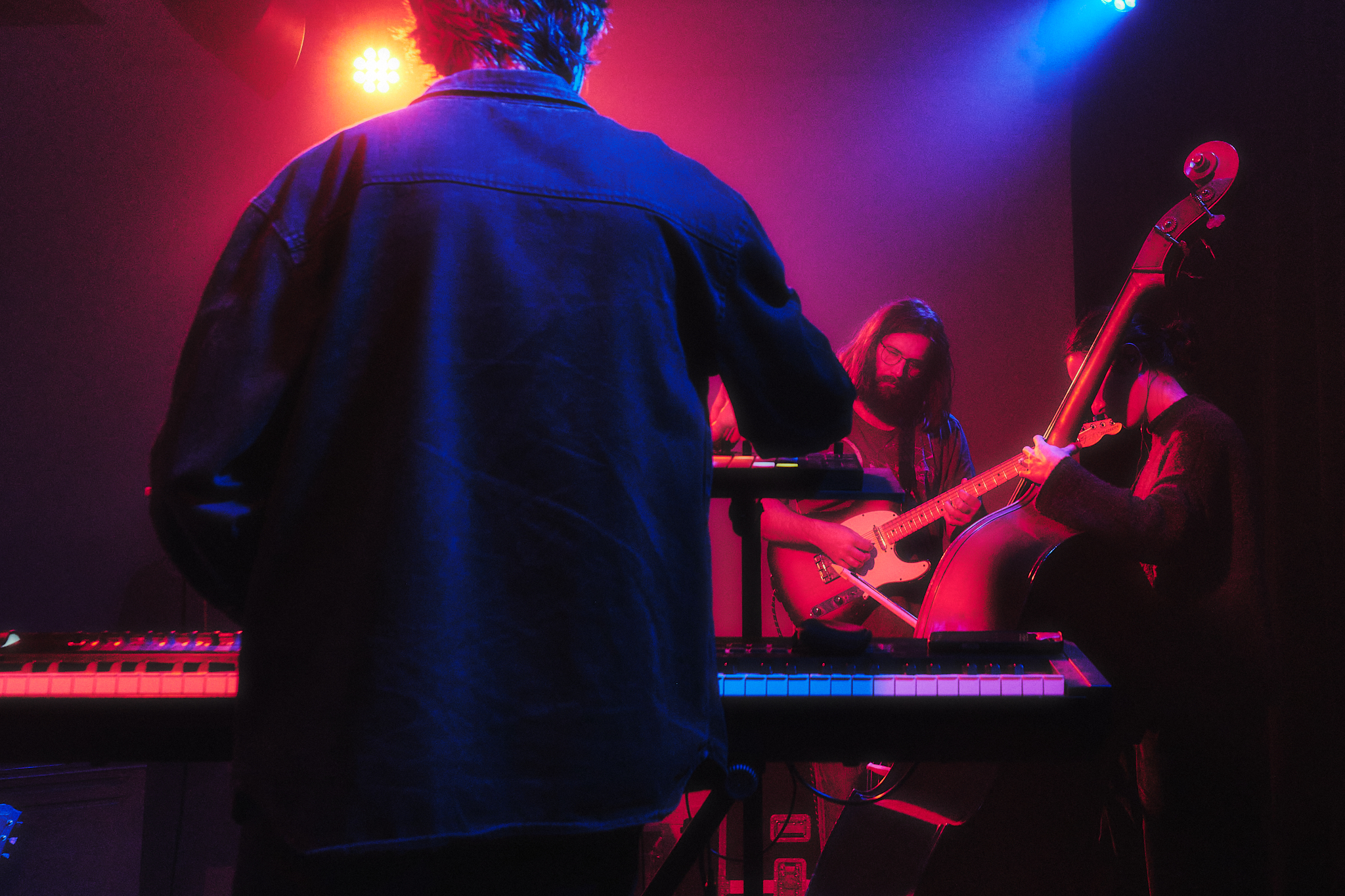
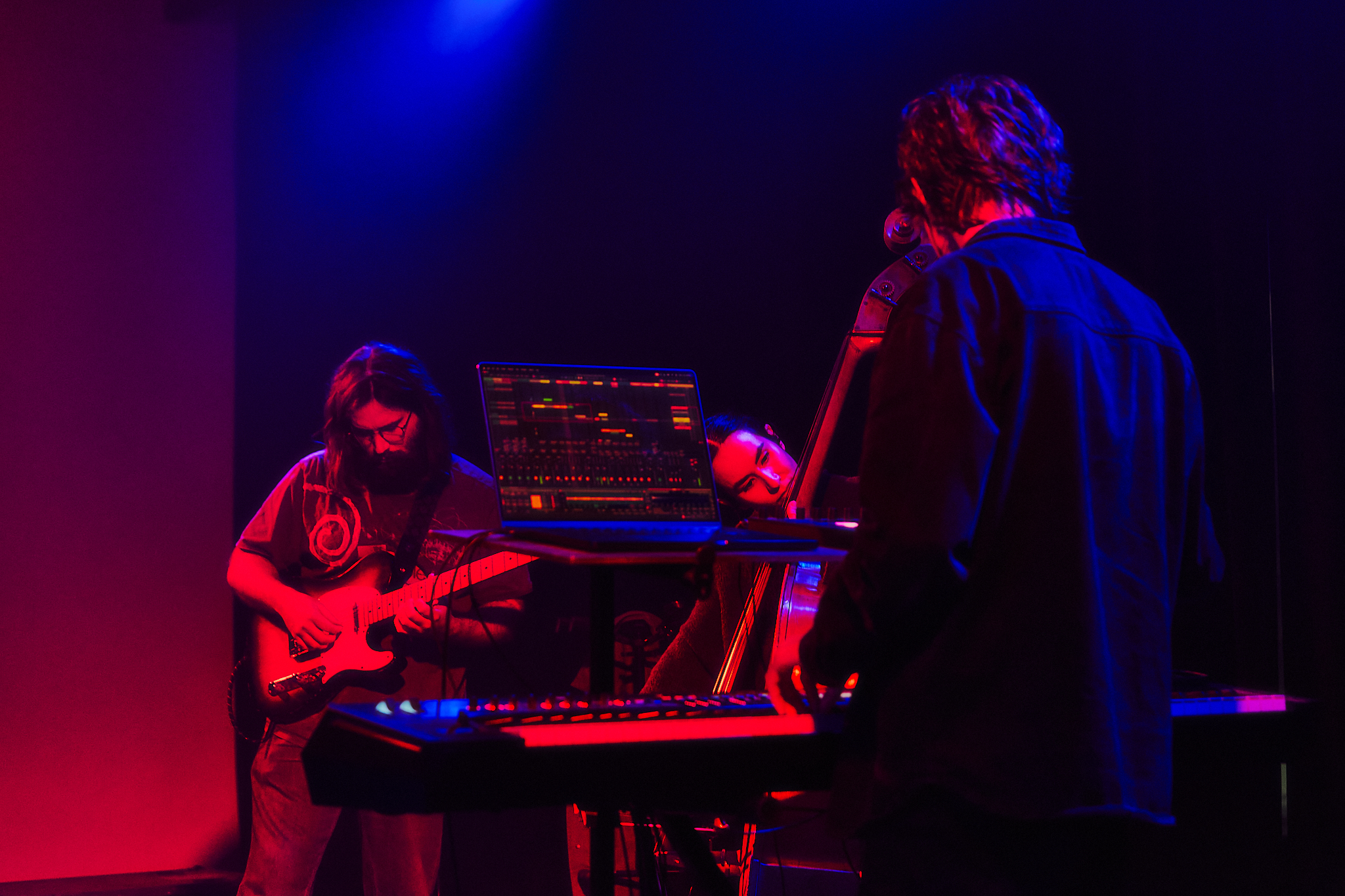
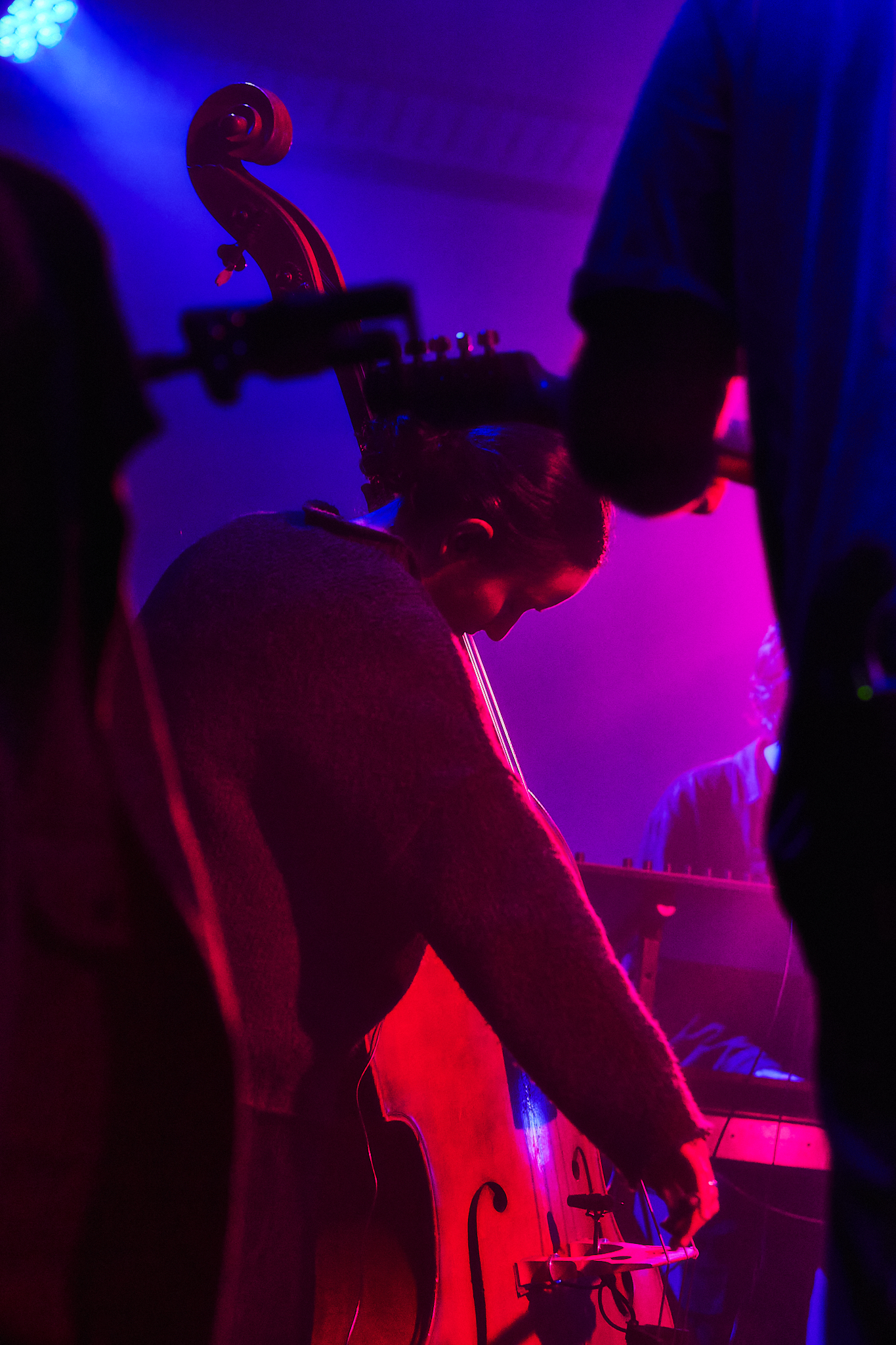
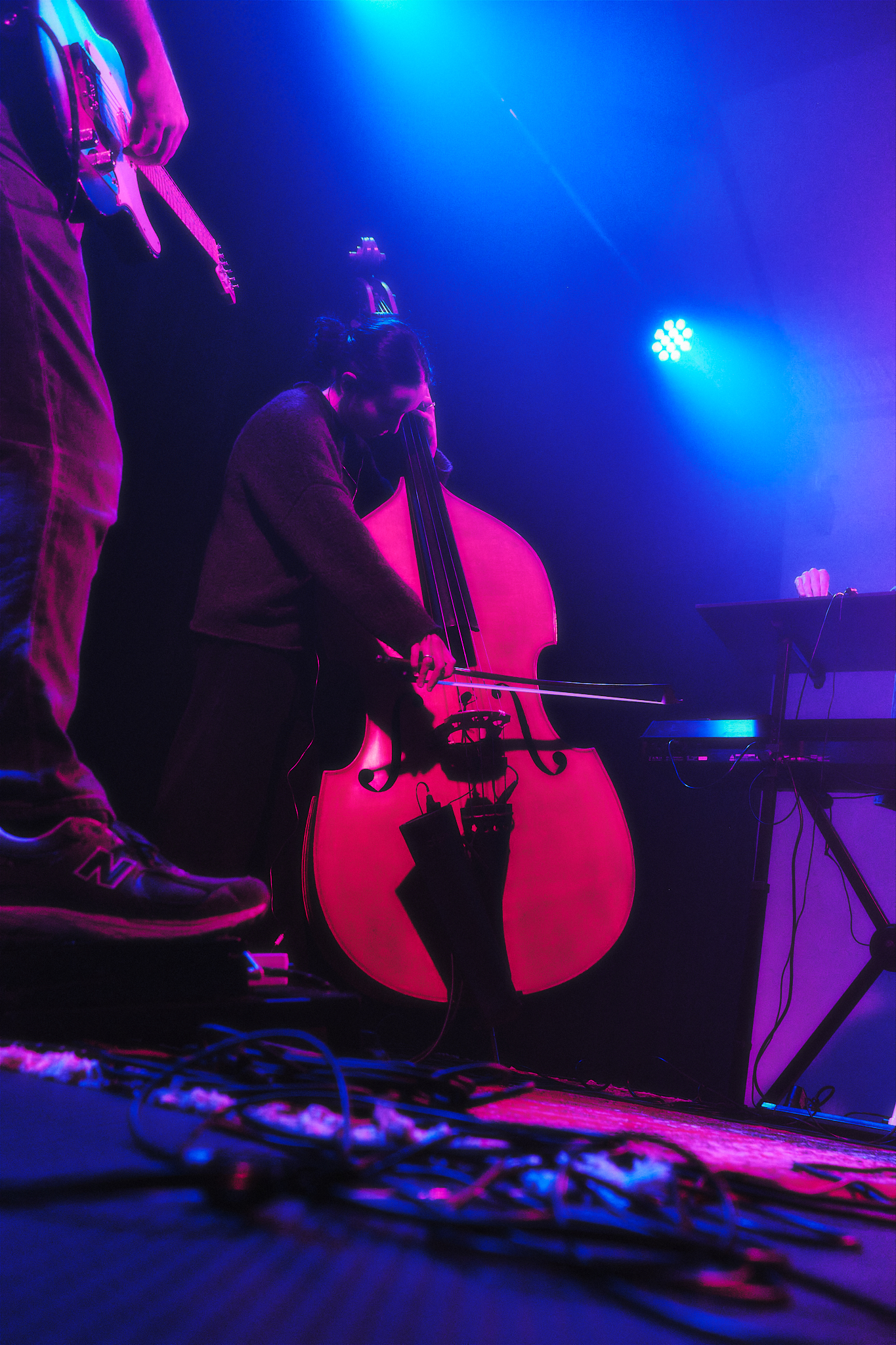
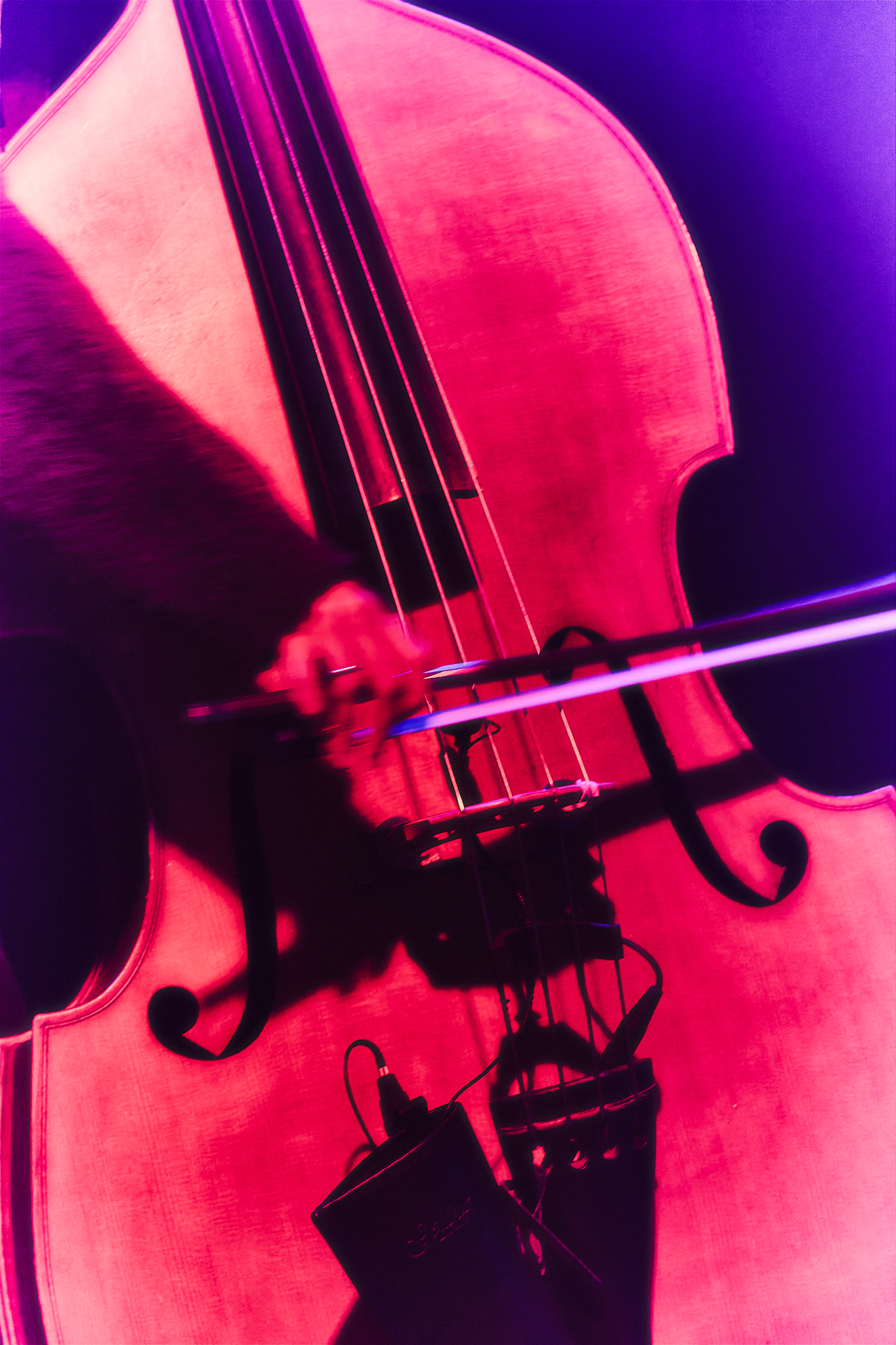
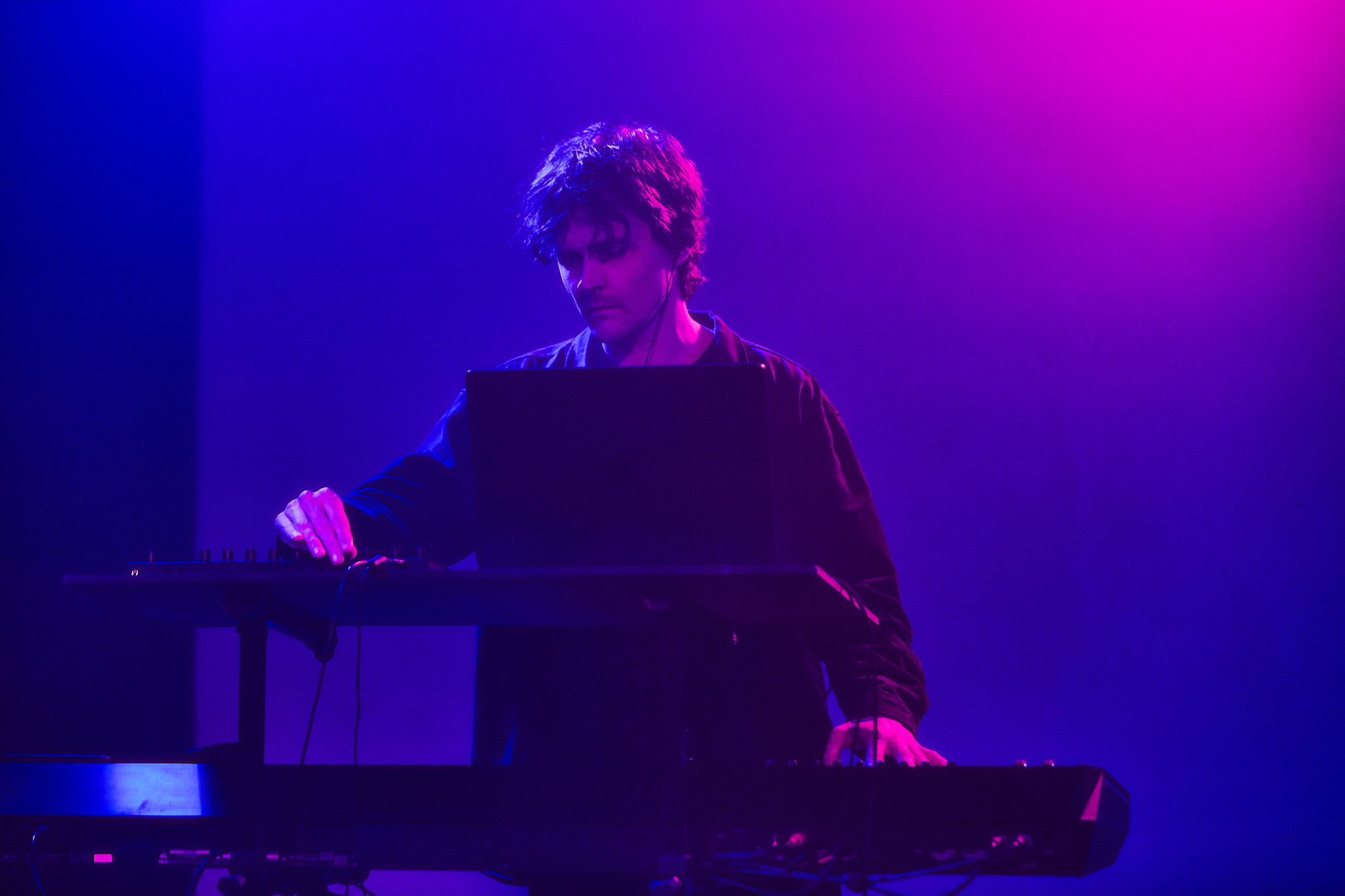
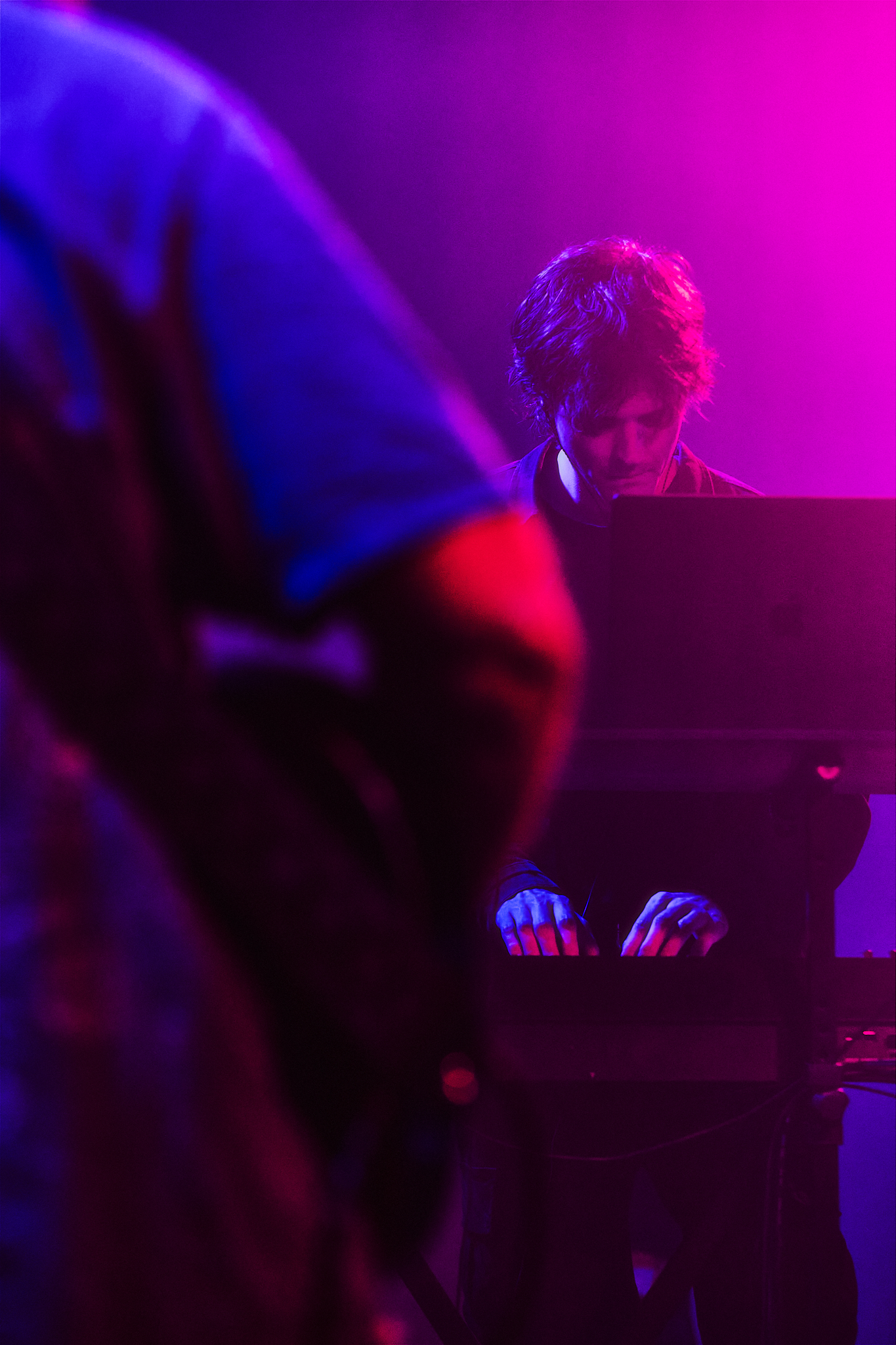
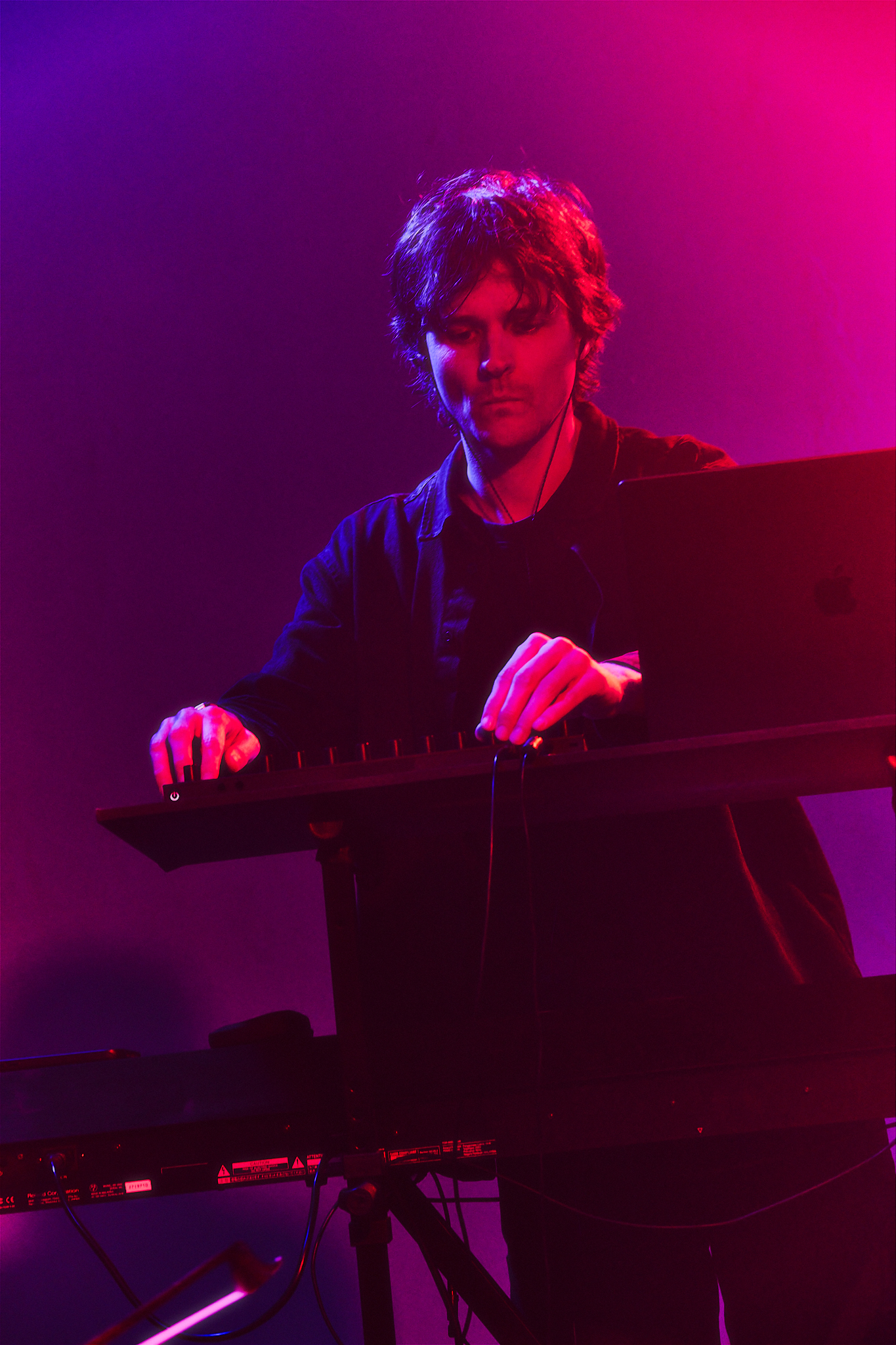
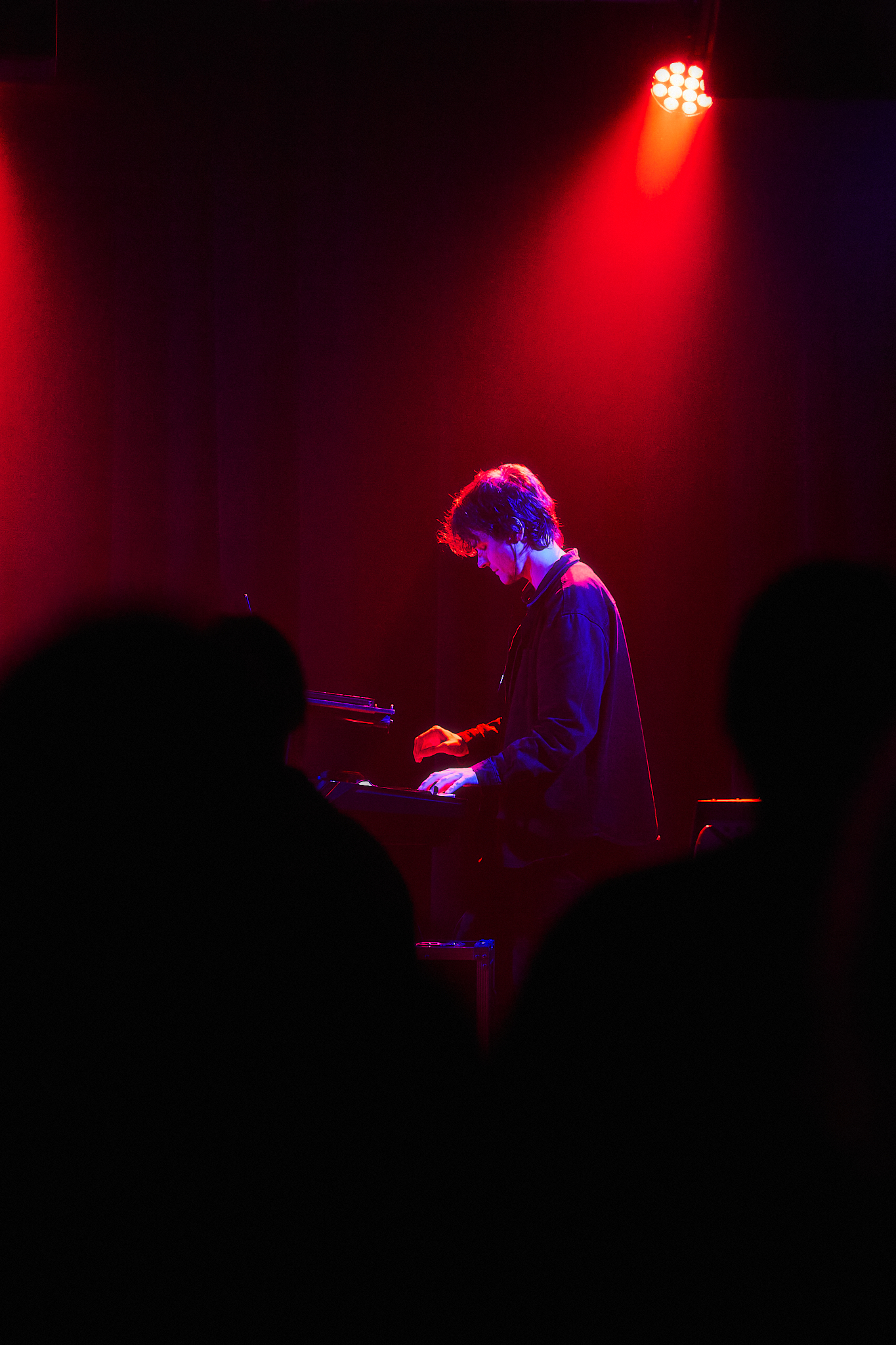
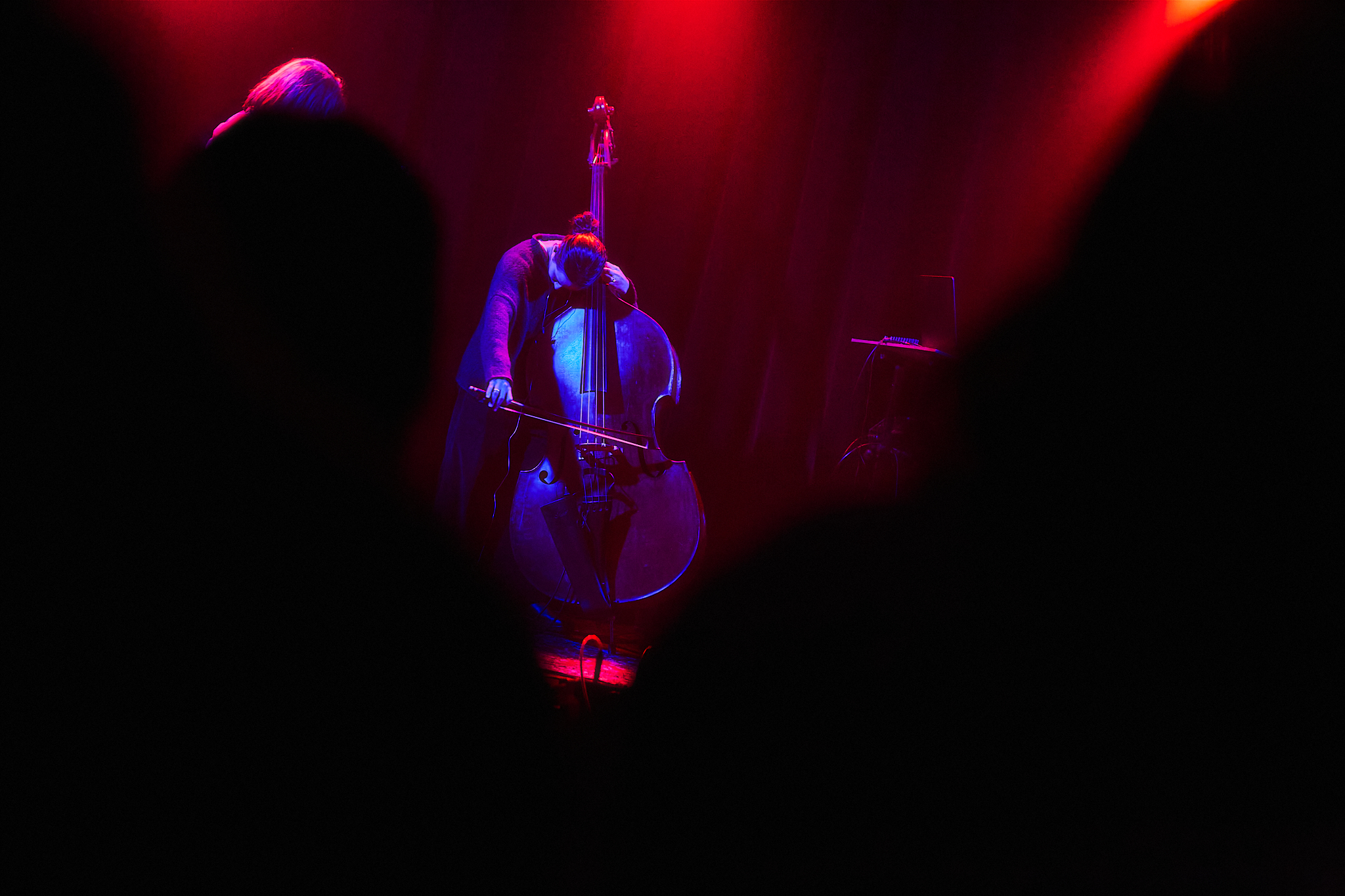
Presented via a collaboration with Tone List, local experimental musicians Michael Terren (keys and electronics), Djuna Lee (double bass) and Jameson Feakes (guitar) occupied a fluid space between electroacoustic improvisation, contemporary composition and experimental jazz. Perfectly named, their performance unfolded as a series of gestures cast into uncertainty: a bass pulse, a tinkering piano, a flicker of electronics released into the room to see what might return.
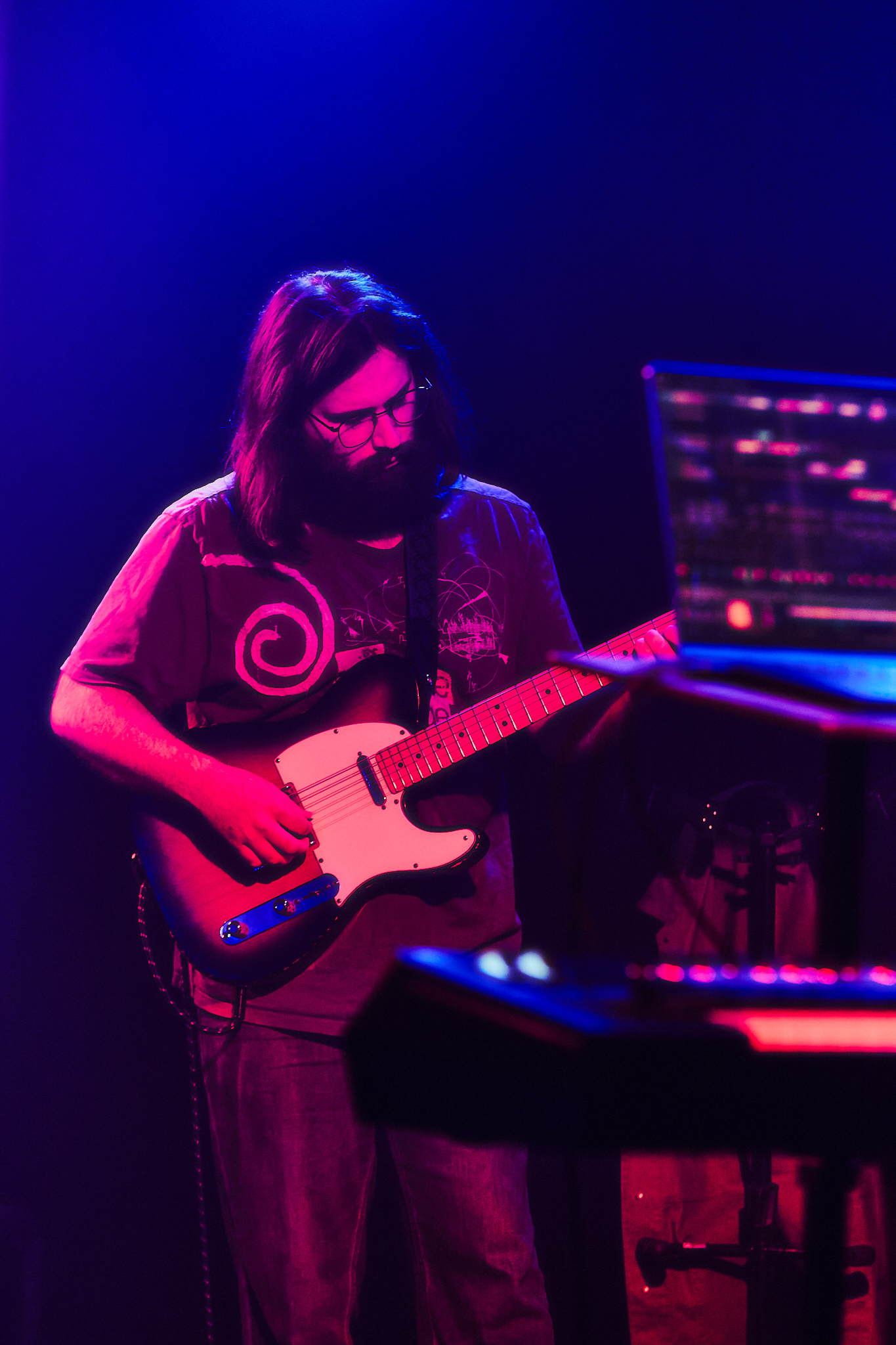
Nothing appeared rushed. Lee’s bass often acted as a gravitational centre while Terren’s piano and electronics drifted cautiously around it. Delicate melodic fragments emerged early on, birdlike and tentative, while Feakes’ guitar remained remarkably restrained throughout, less concerned with intervention than subtle shifts in texture and colour.
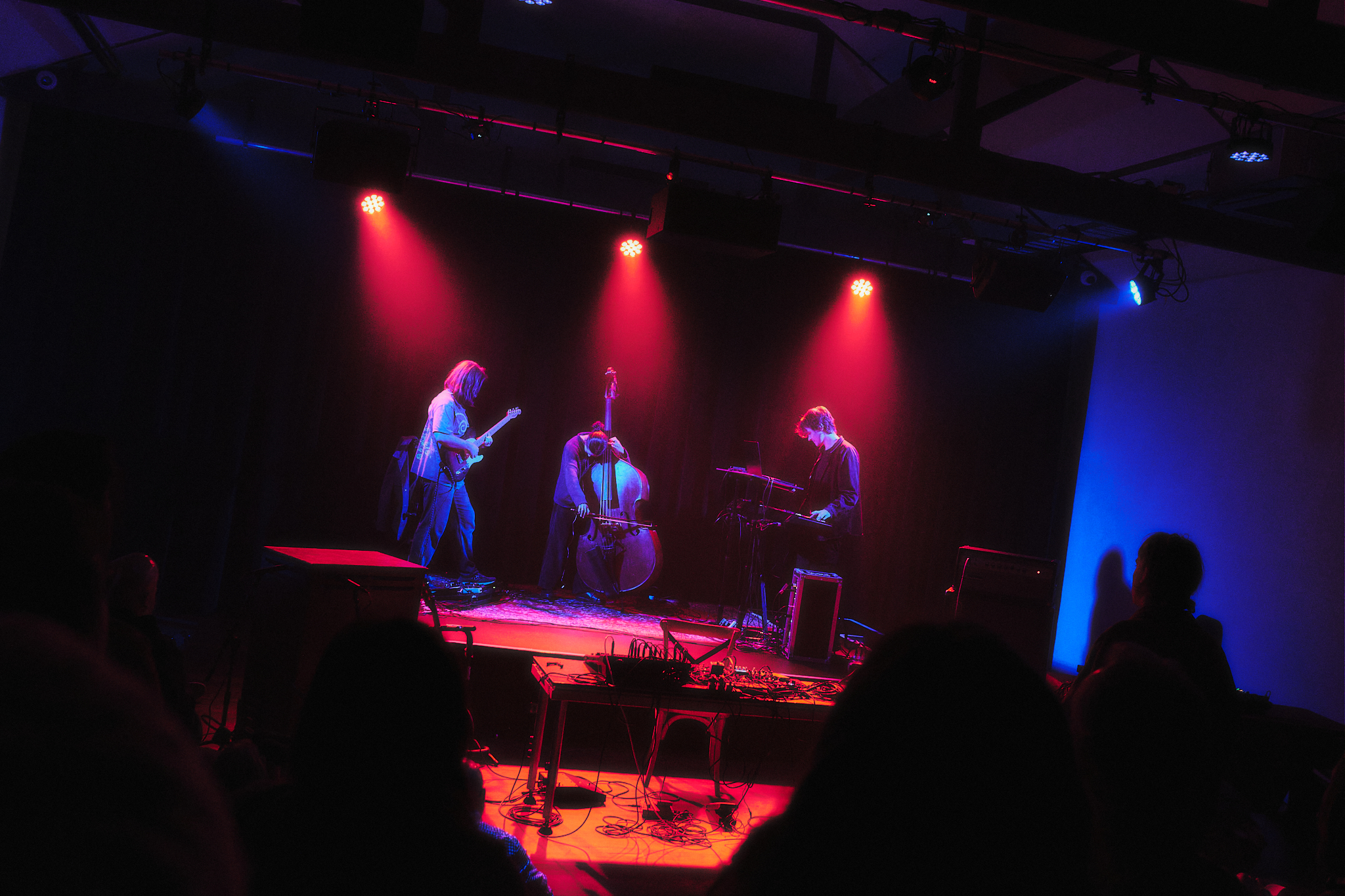
The trio’s greatest strength was their willingness to listen. Ideas surfaced, lingered and dissolved before reappearing in altered form. At one point Lee simply stopped playing, head lowered, listening to the dwindling electronic textures around her. In a set concerned with attentiveness, listening itself became aesthetic material.
As the performance developed, however, friction entered the ecosystem. Electronics shifted from environmental colouring towards sudden implosions, bursts and sonic ruptures. At times these interventions felt revelatory, introducing necessary tension into an increasingly delicate landscape. At others they seemed oddly external to the conversation, protruding from the music’s surface rather than growing organically from within it. Curiously, Feakes’ guitar never suffered the same problem. His contributions were woven so thoroughly into the ensemble fabric that they became difficult to separate from the whole.
By the latter half of the set, mud-squelching textures collided with spiralling sci-fi signals. Darker lighting and synthetic tonalities created an atmosphere resembling degraded digital space rendered physically—less nostalgic than spectral—a ghostly residue of technology hovering above the trio’s acoustic foundations.
Where Pale Ribbons Tossed into the Dark explored uncertainty collectively, Oren Ambarchi approached similar questions alone.
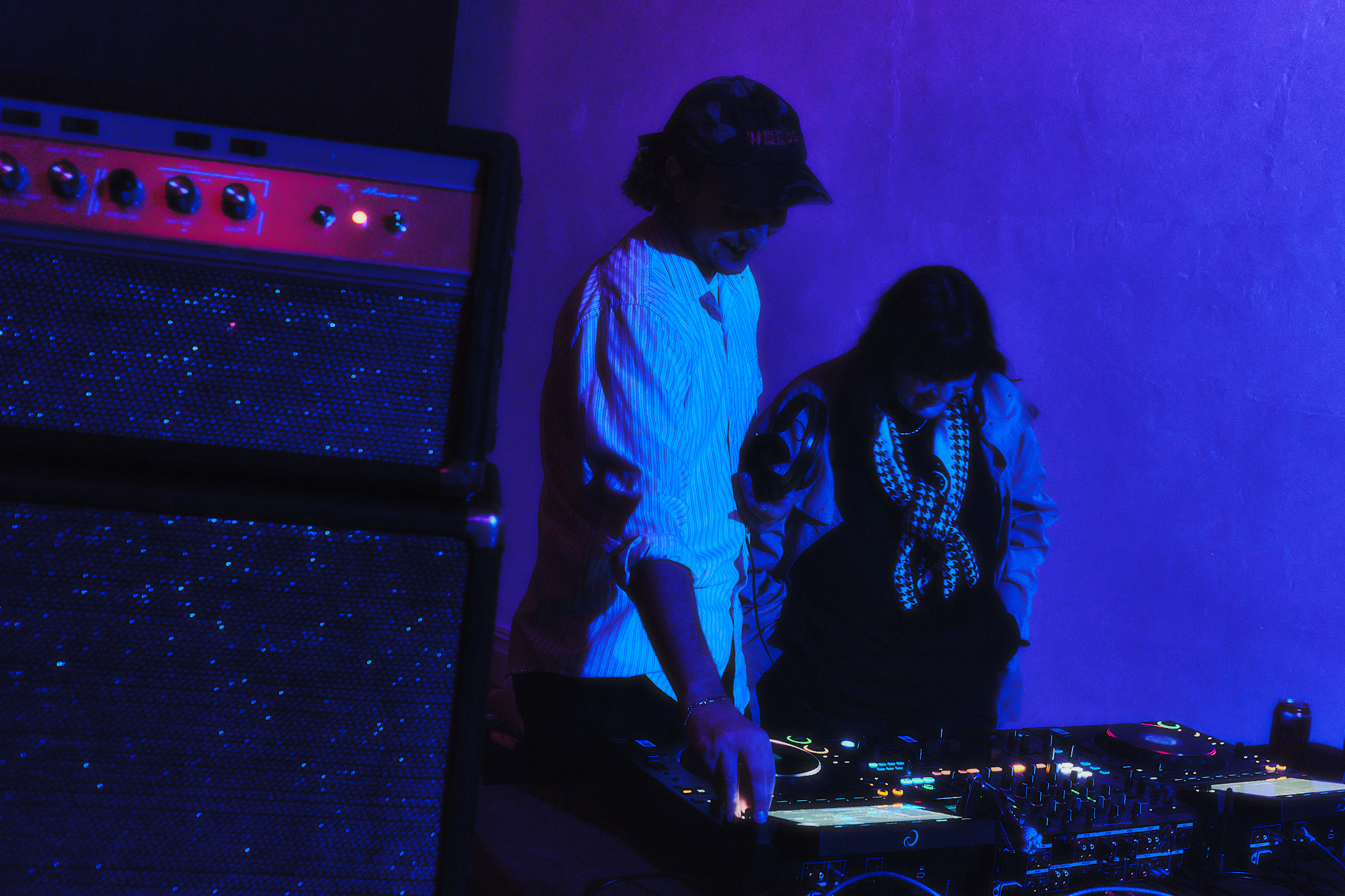
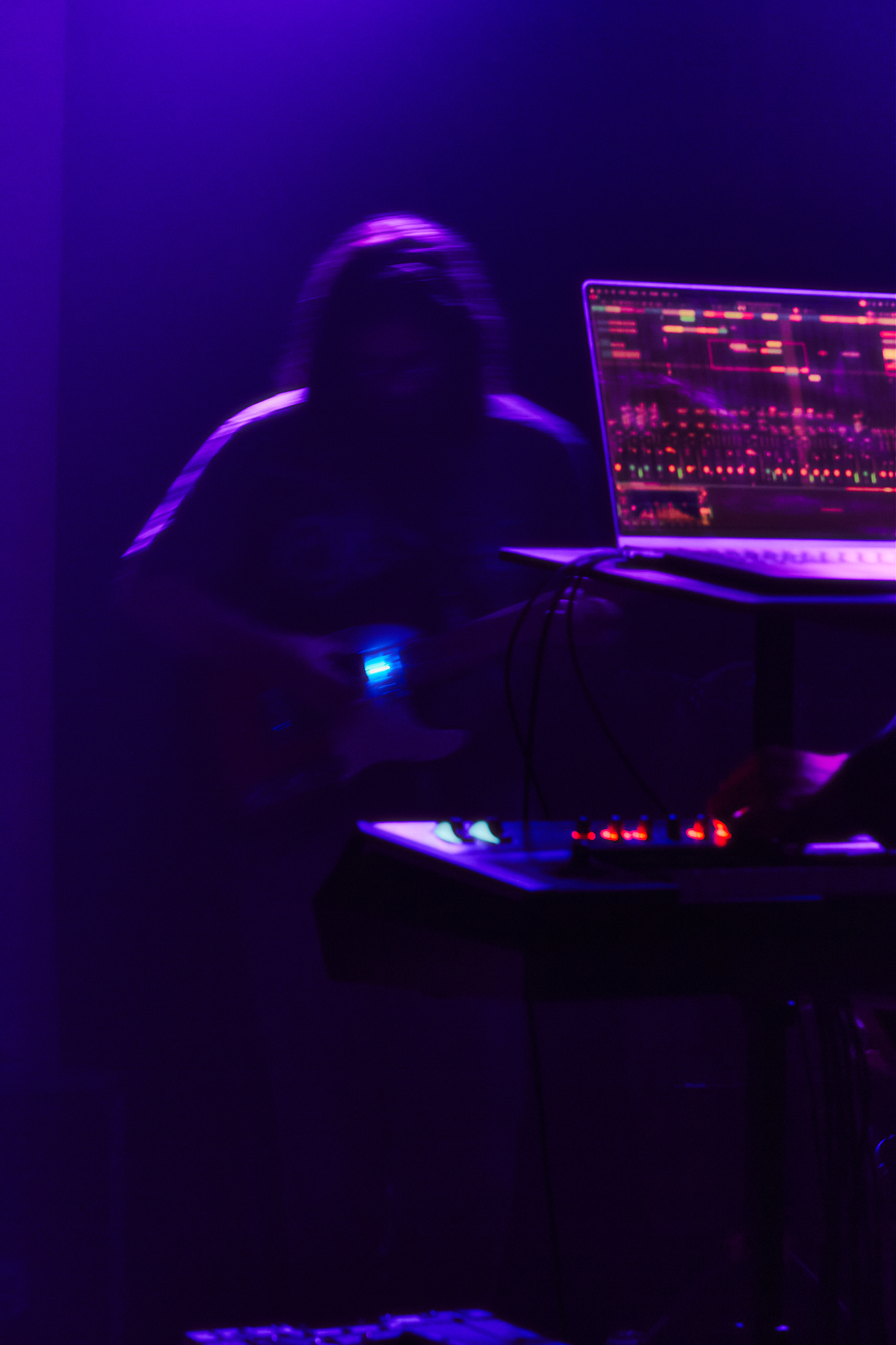
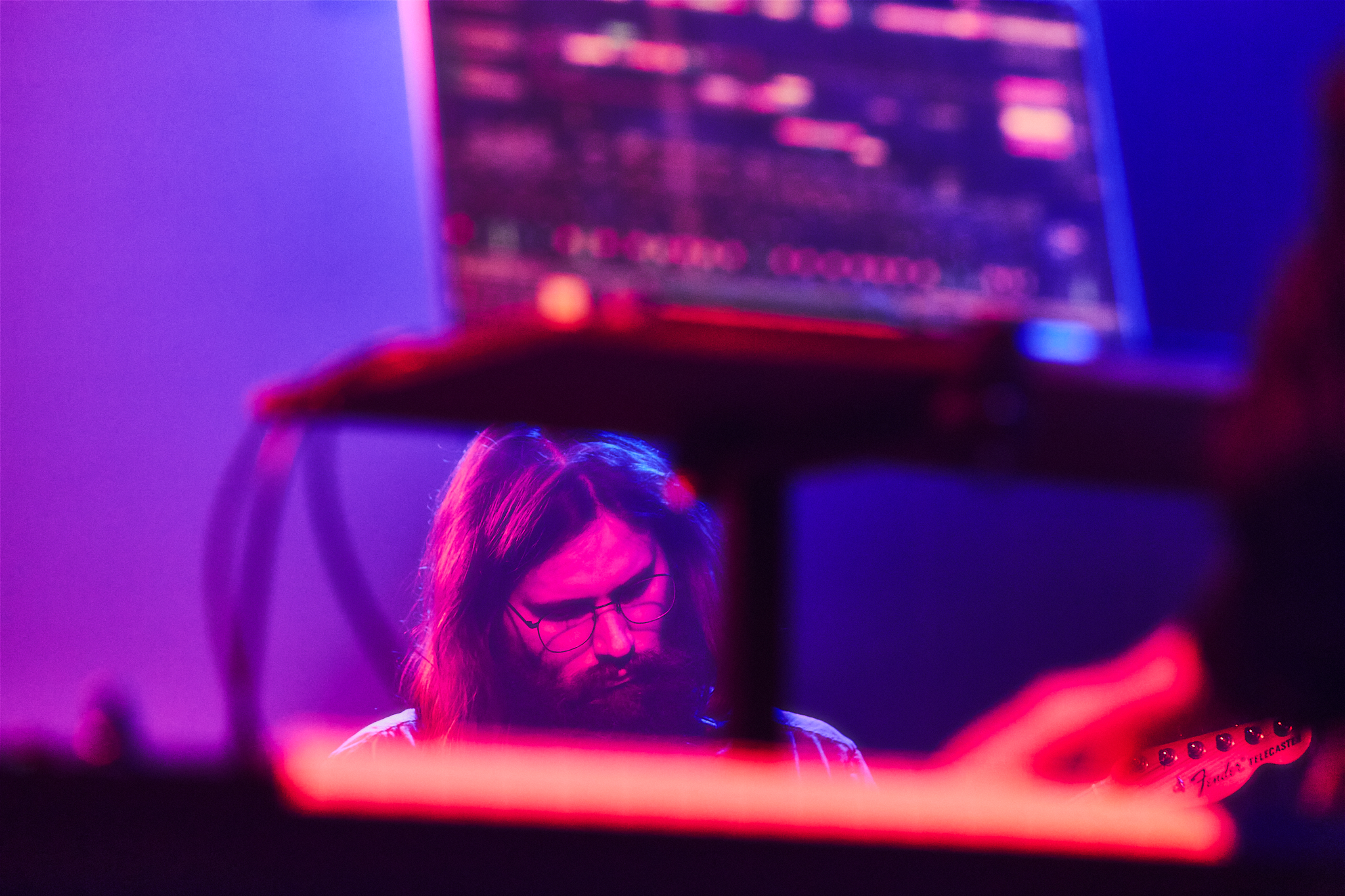
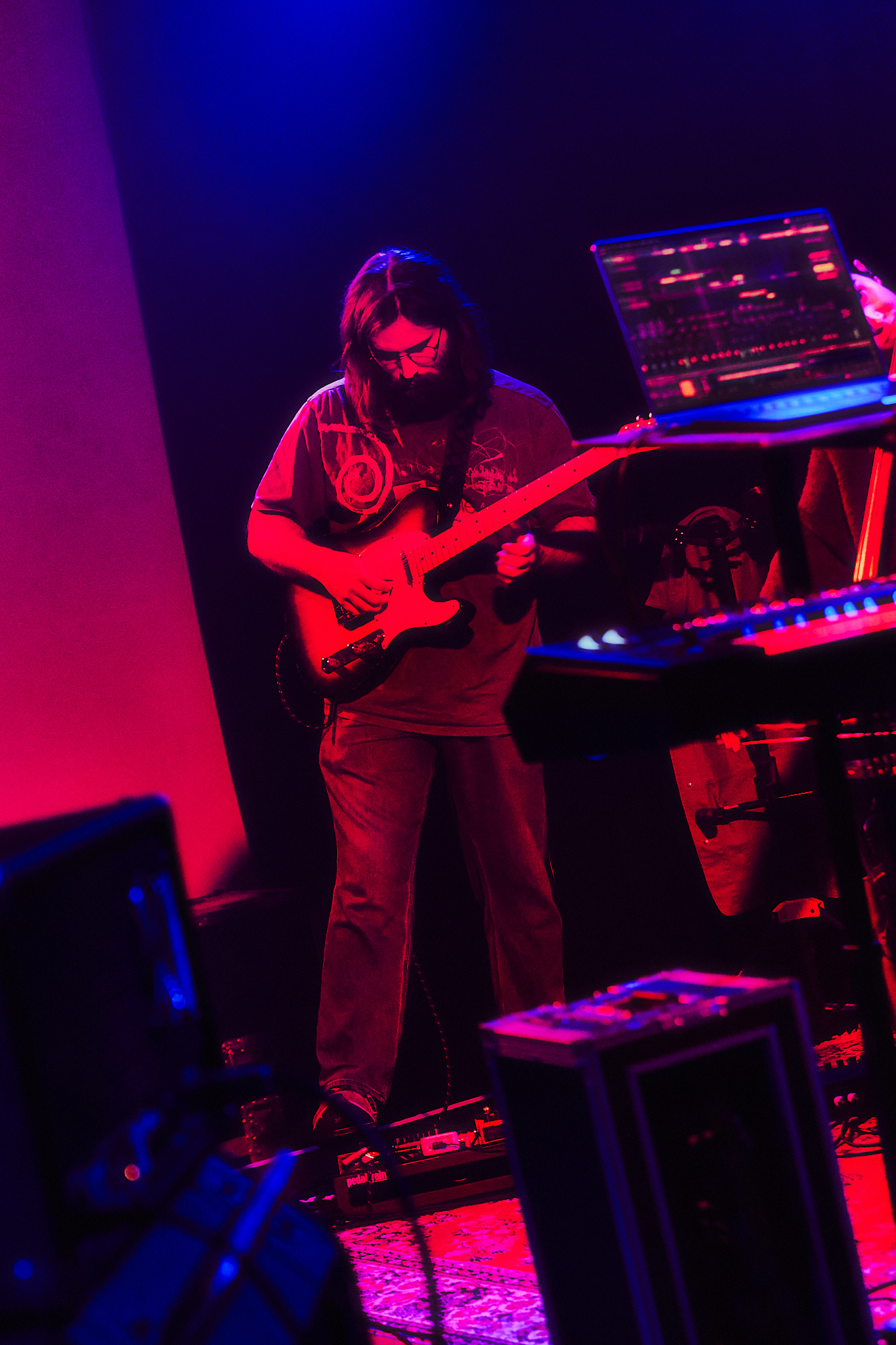
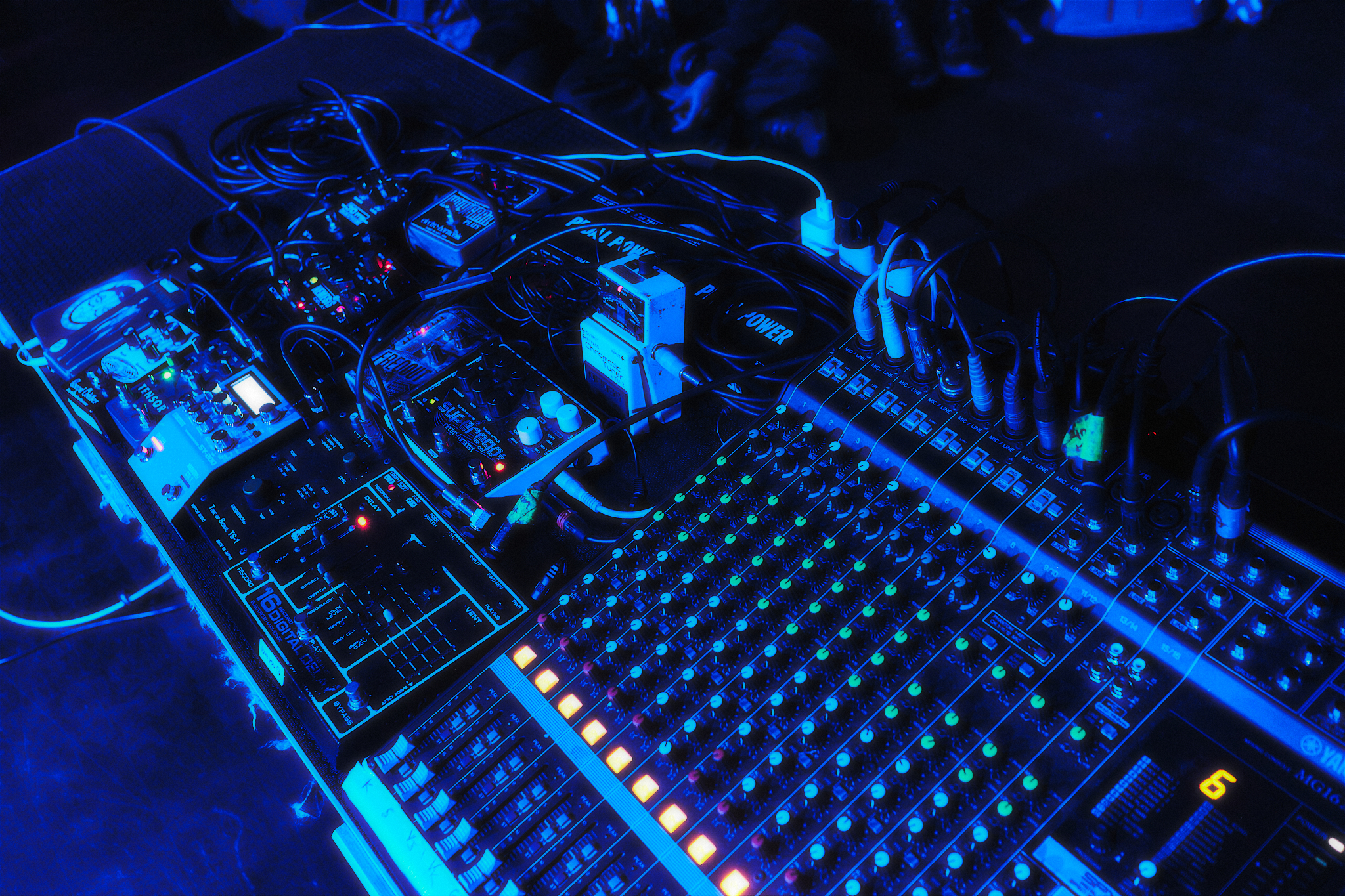
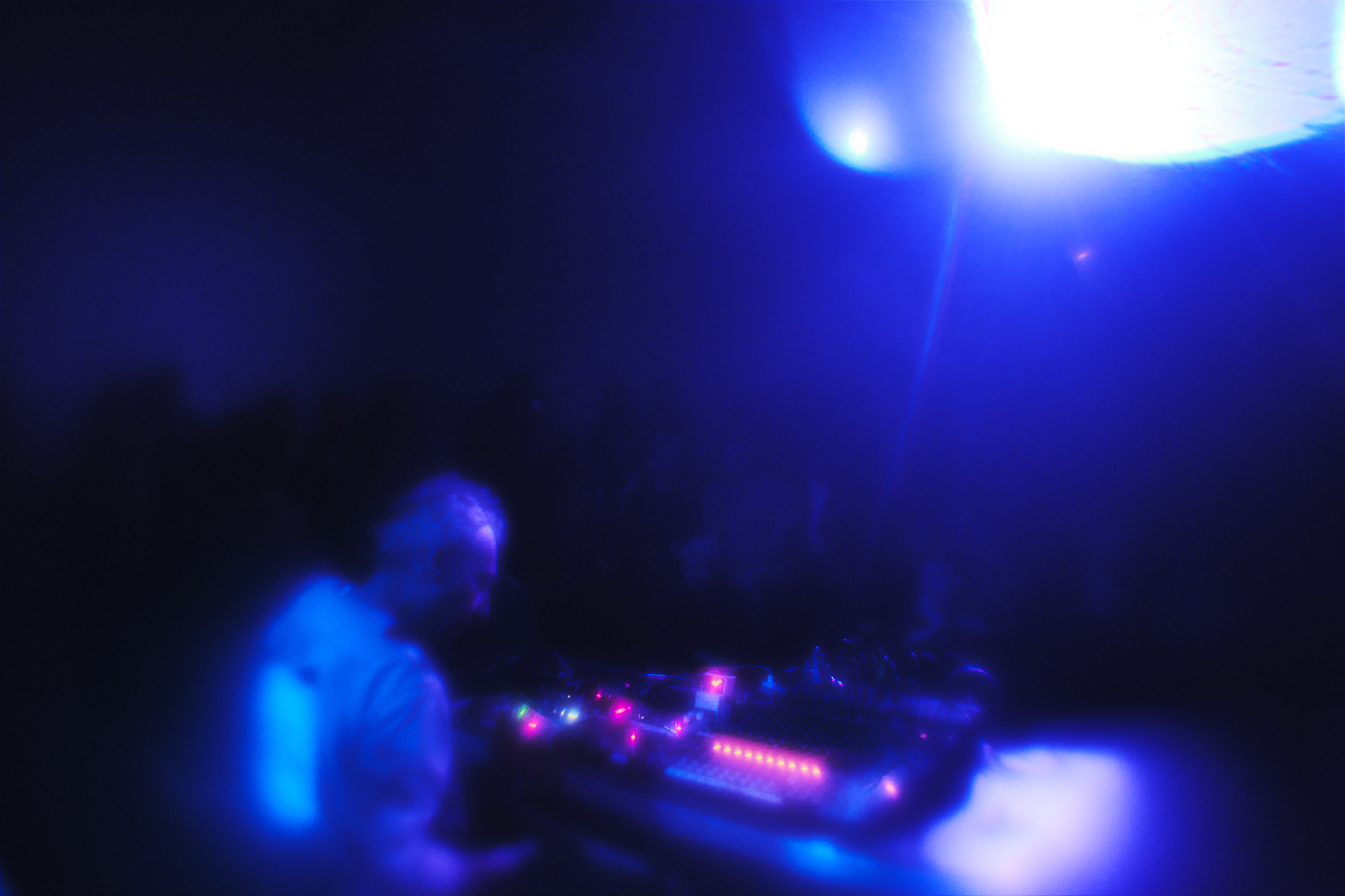
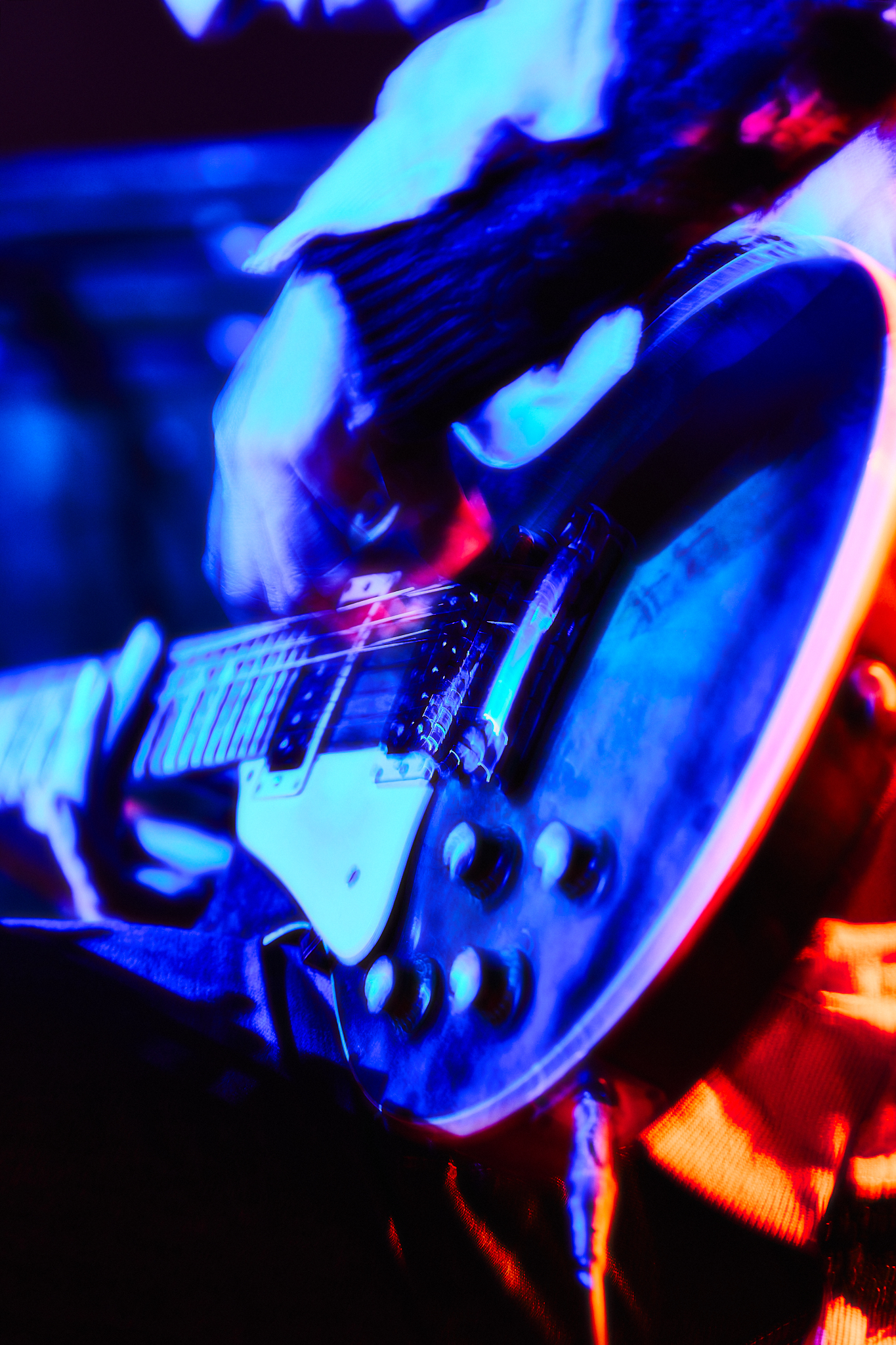
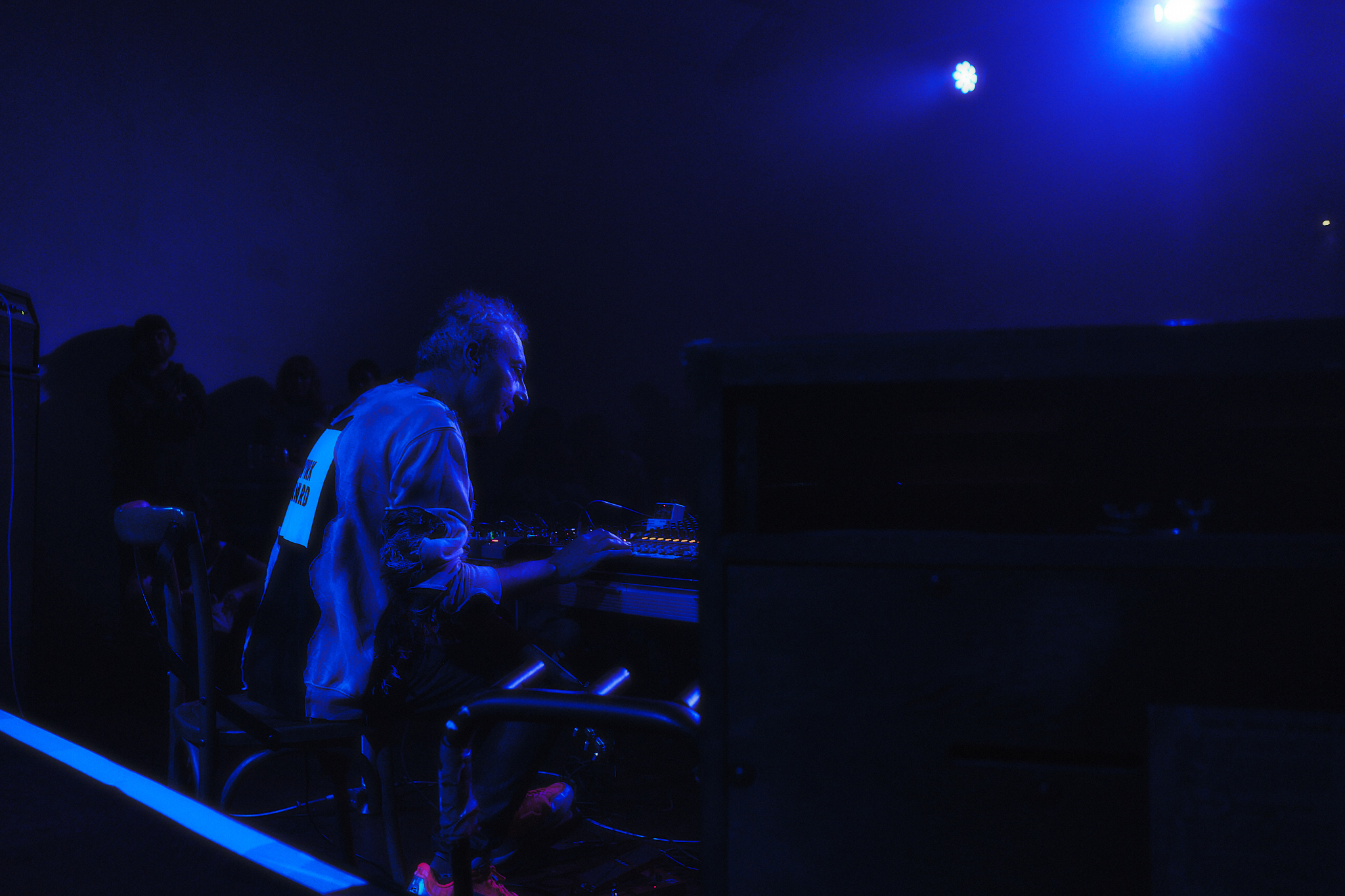
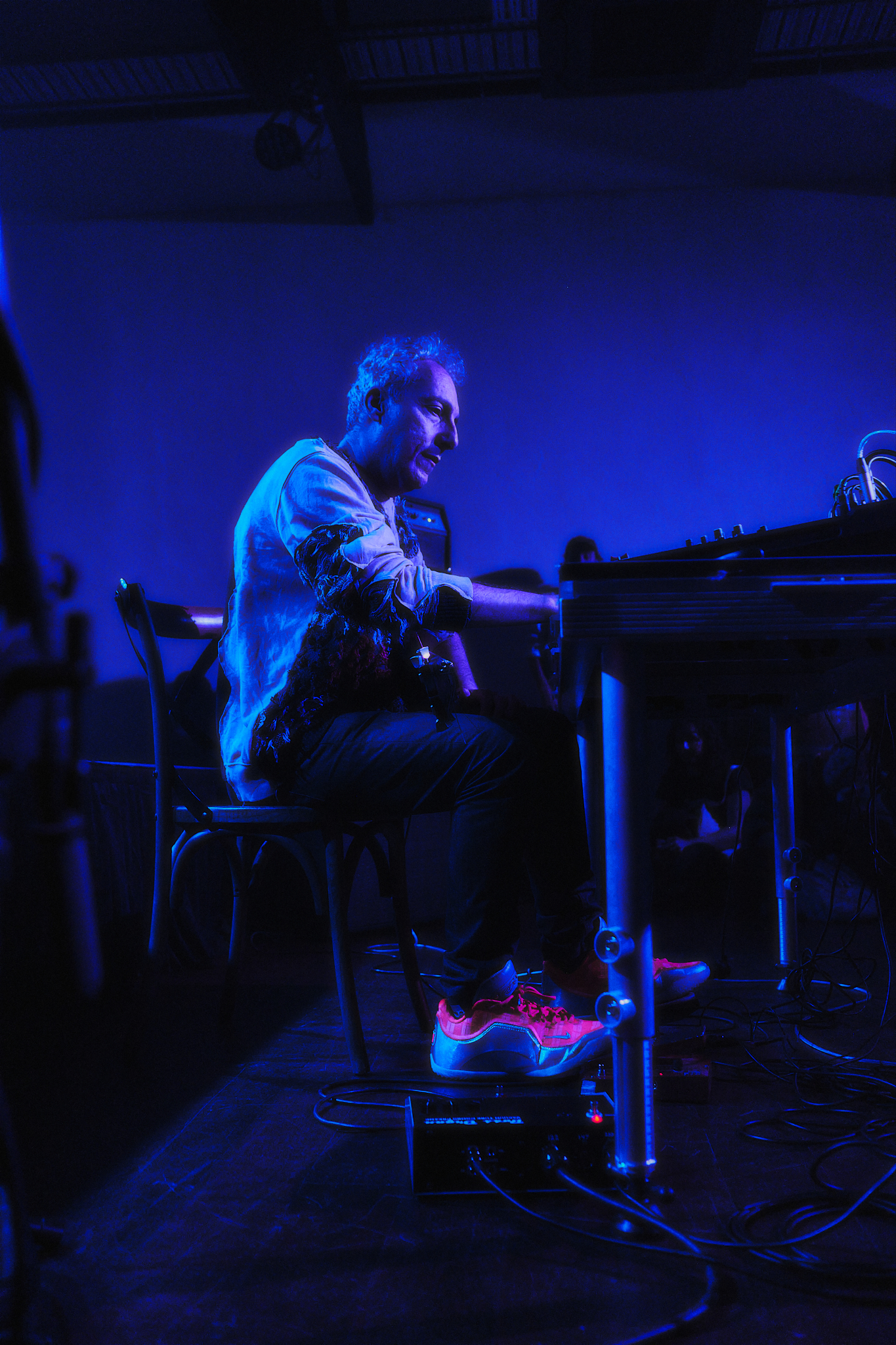
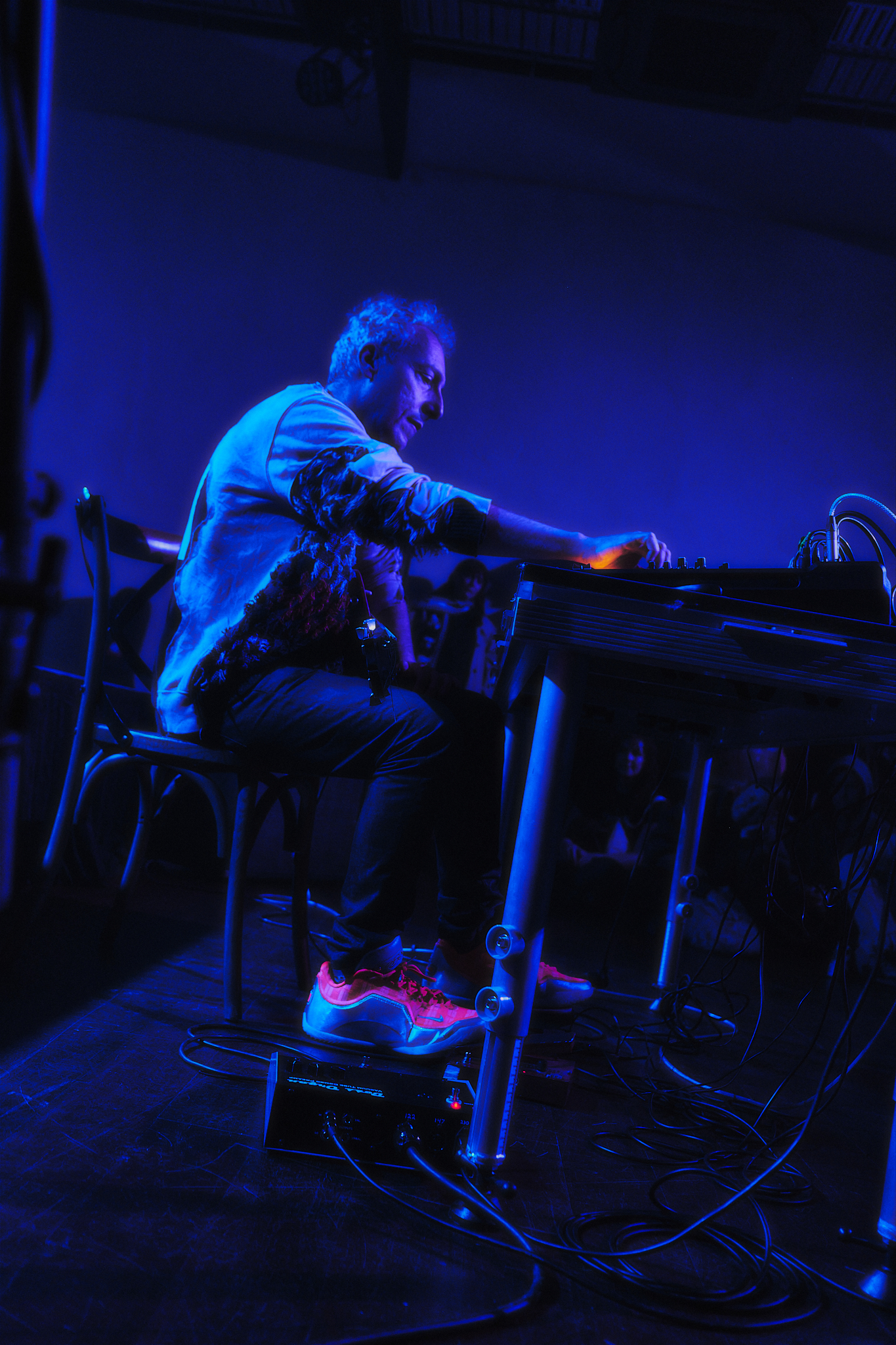
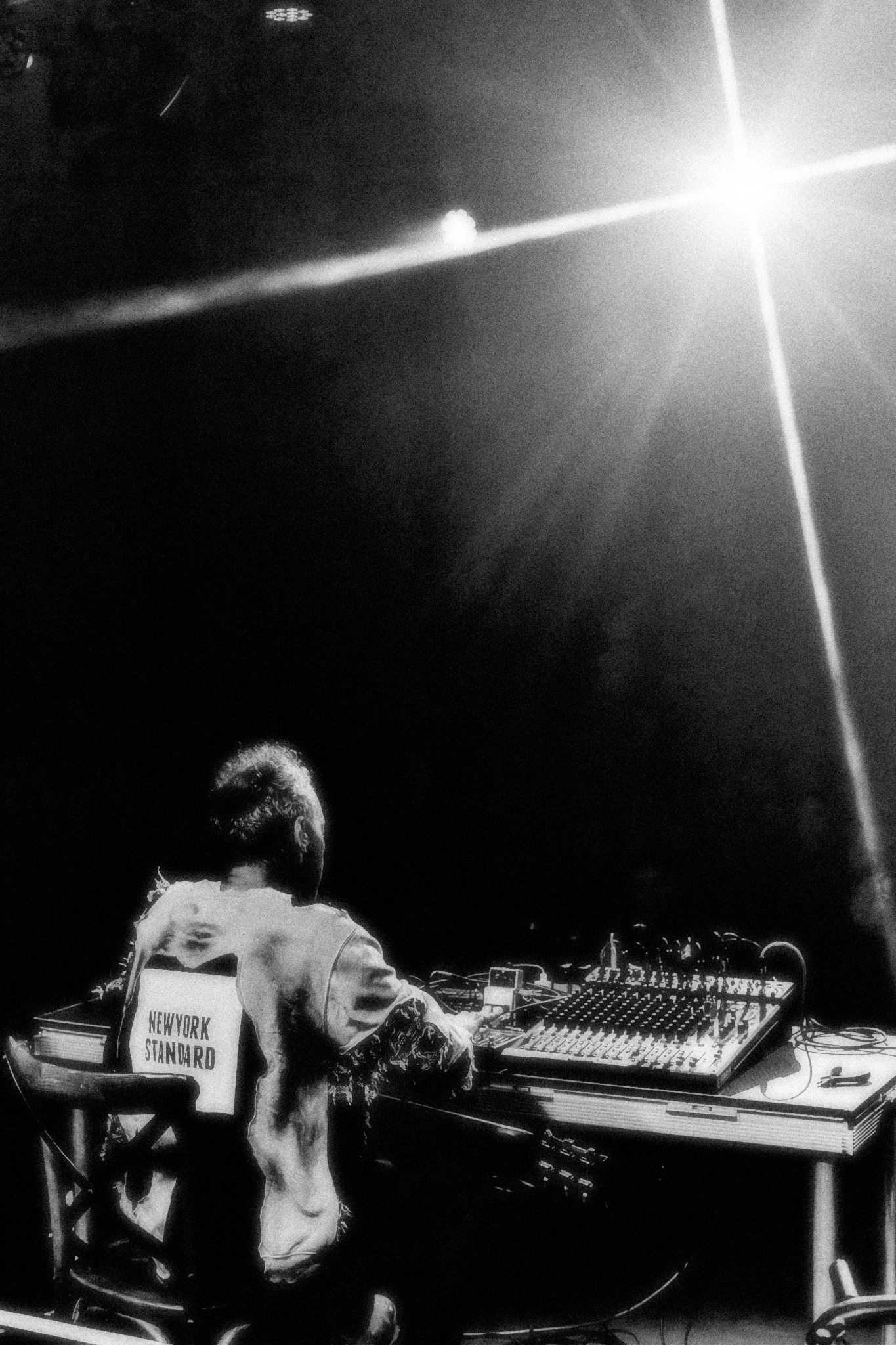
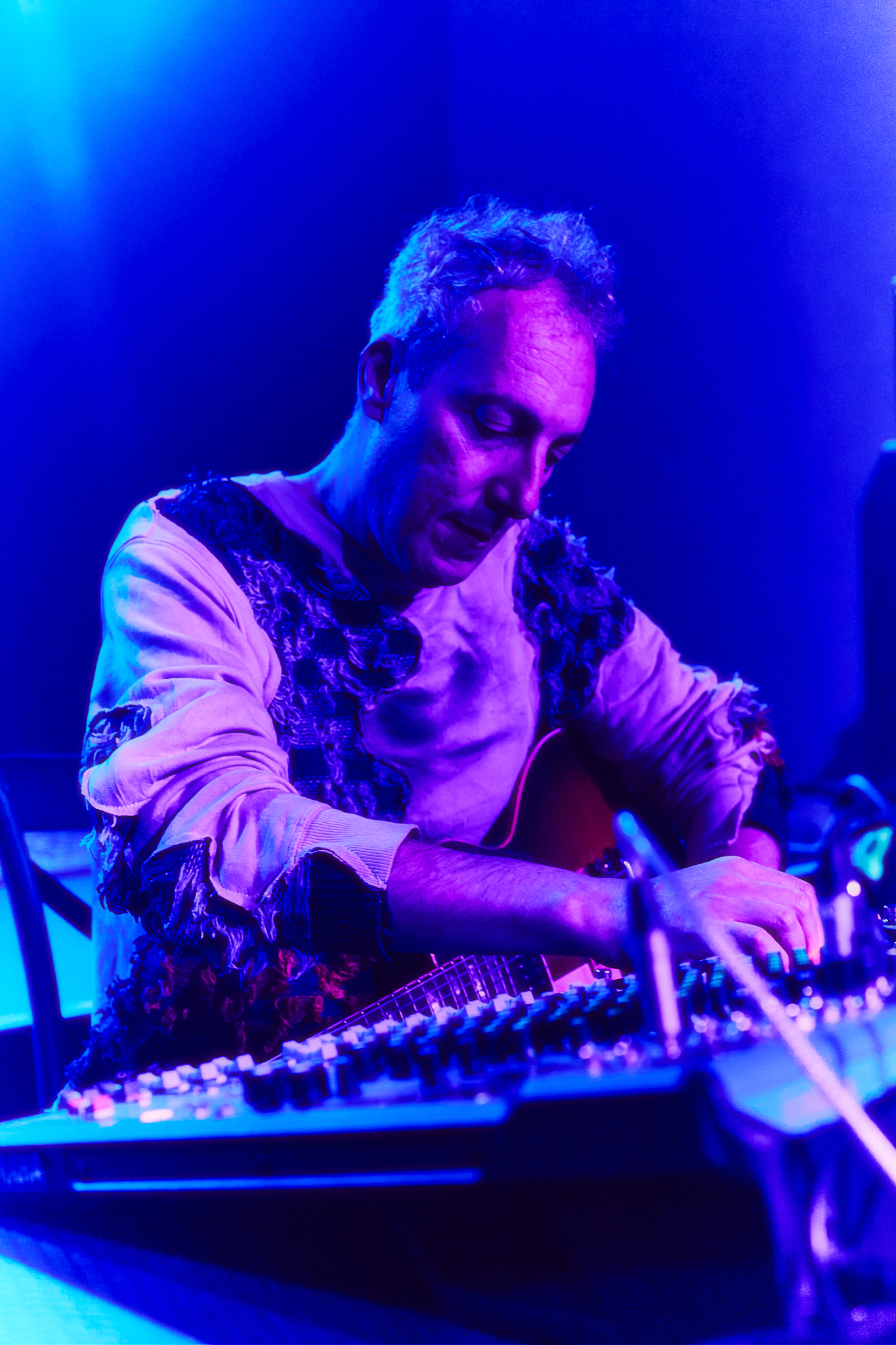
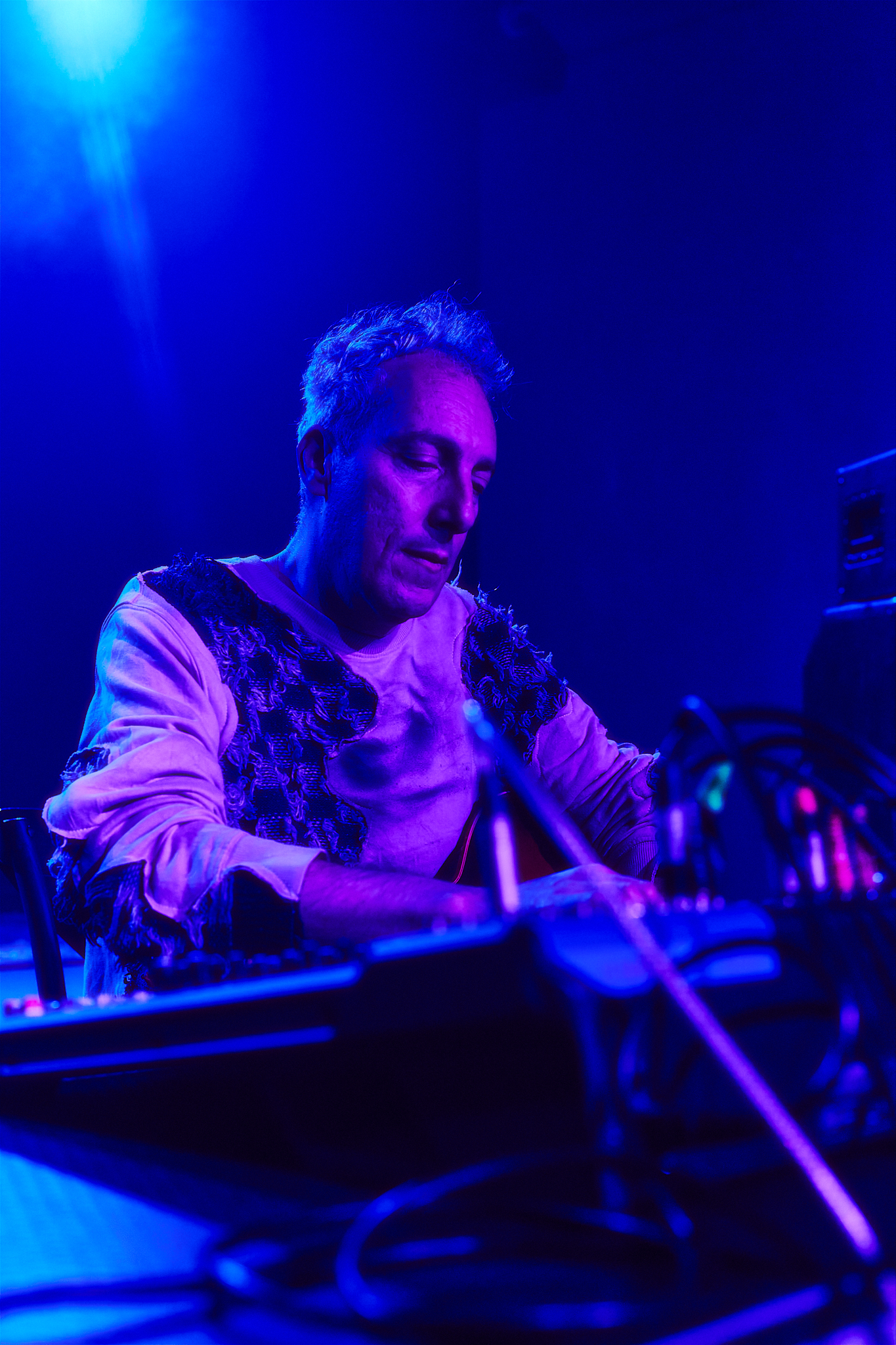
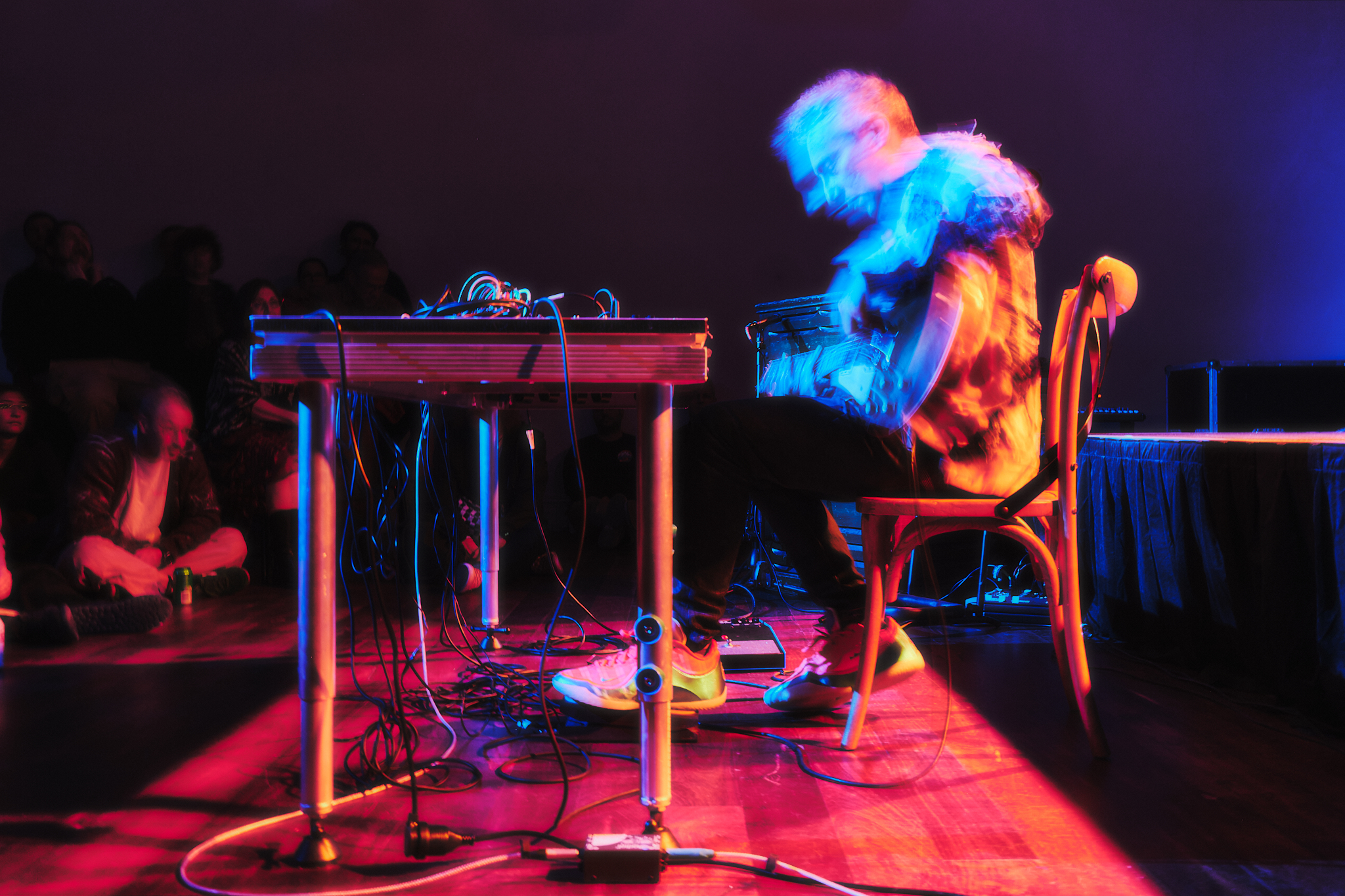
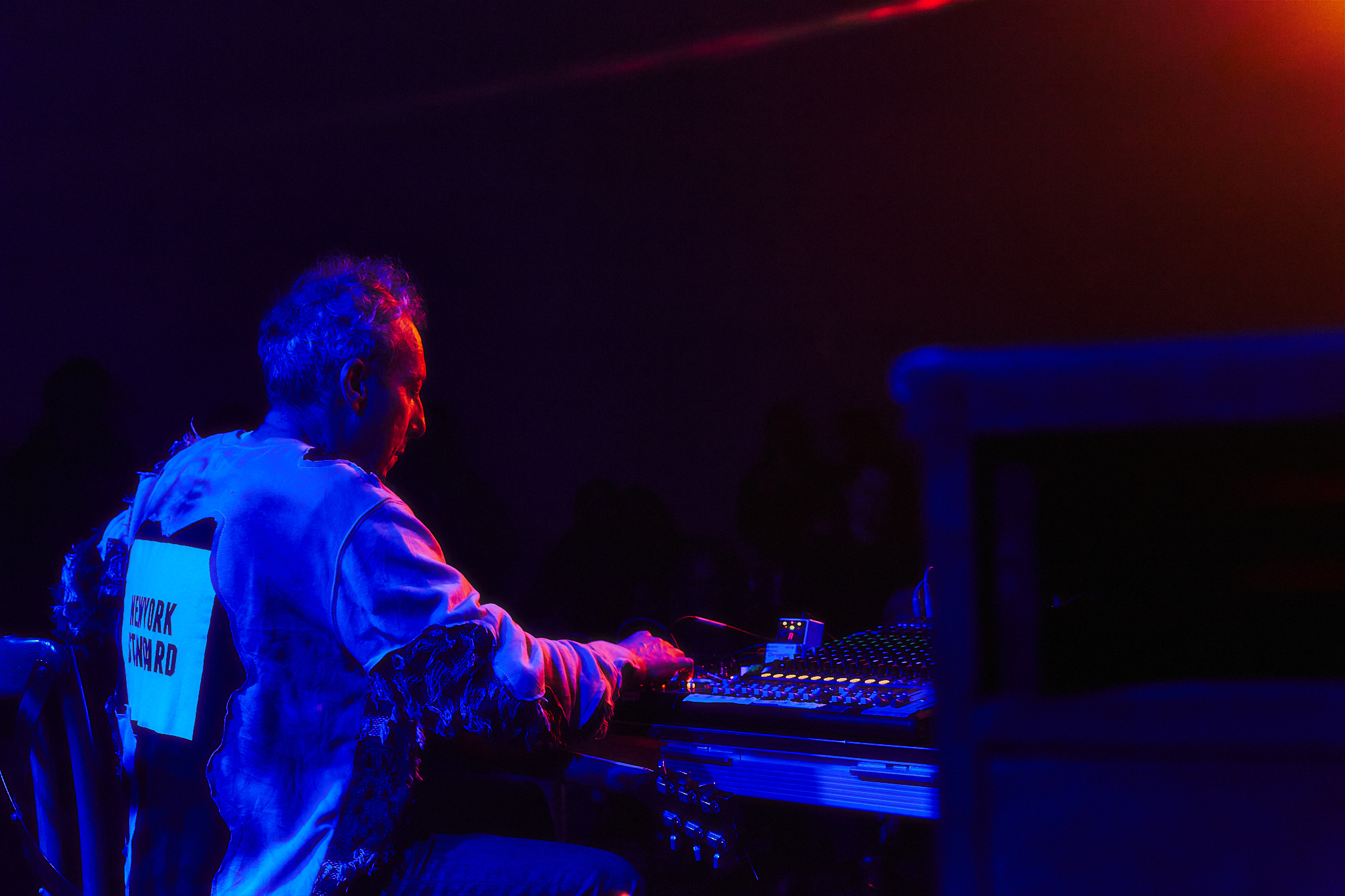
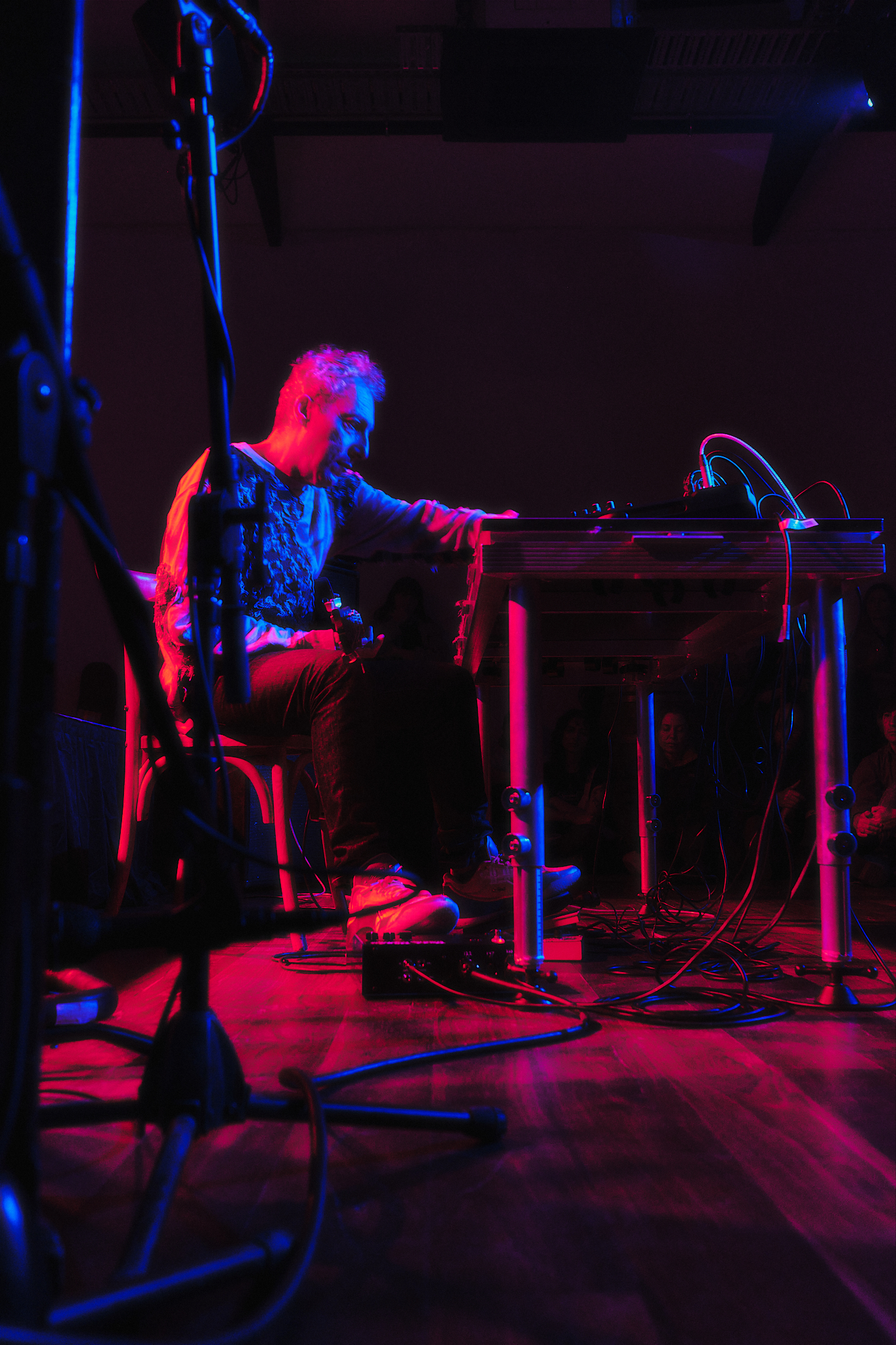
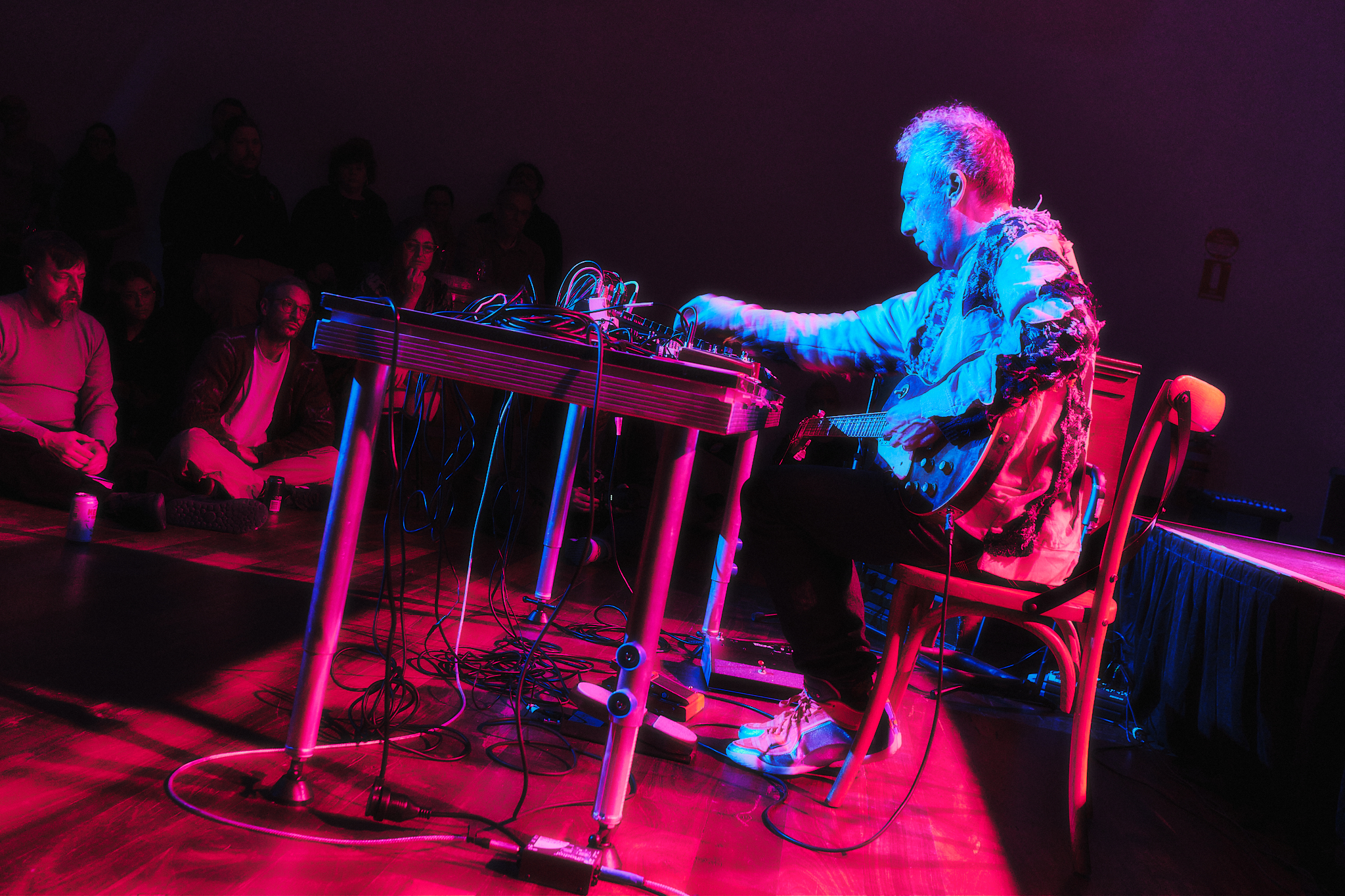
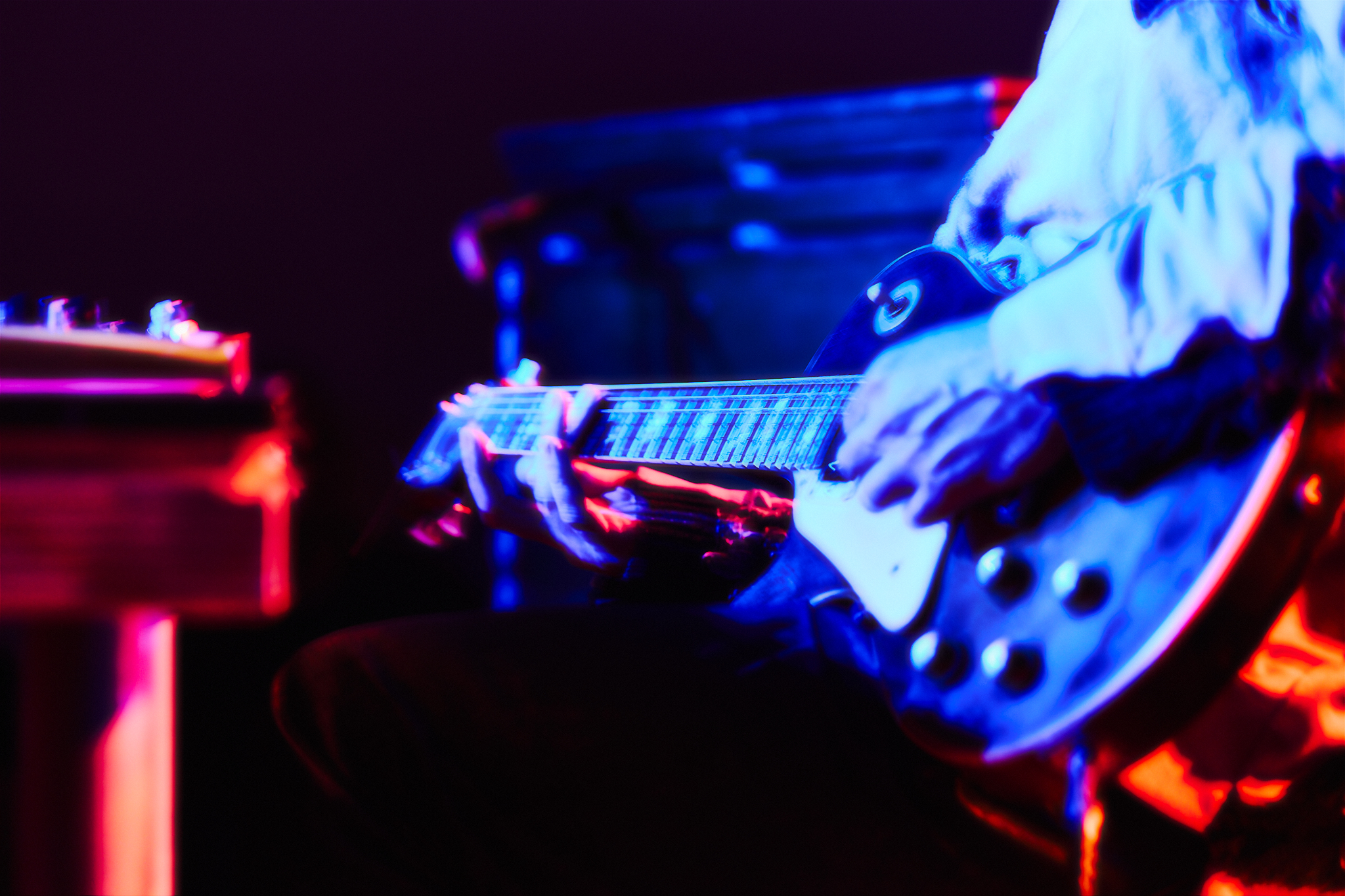
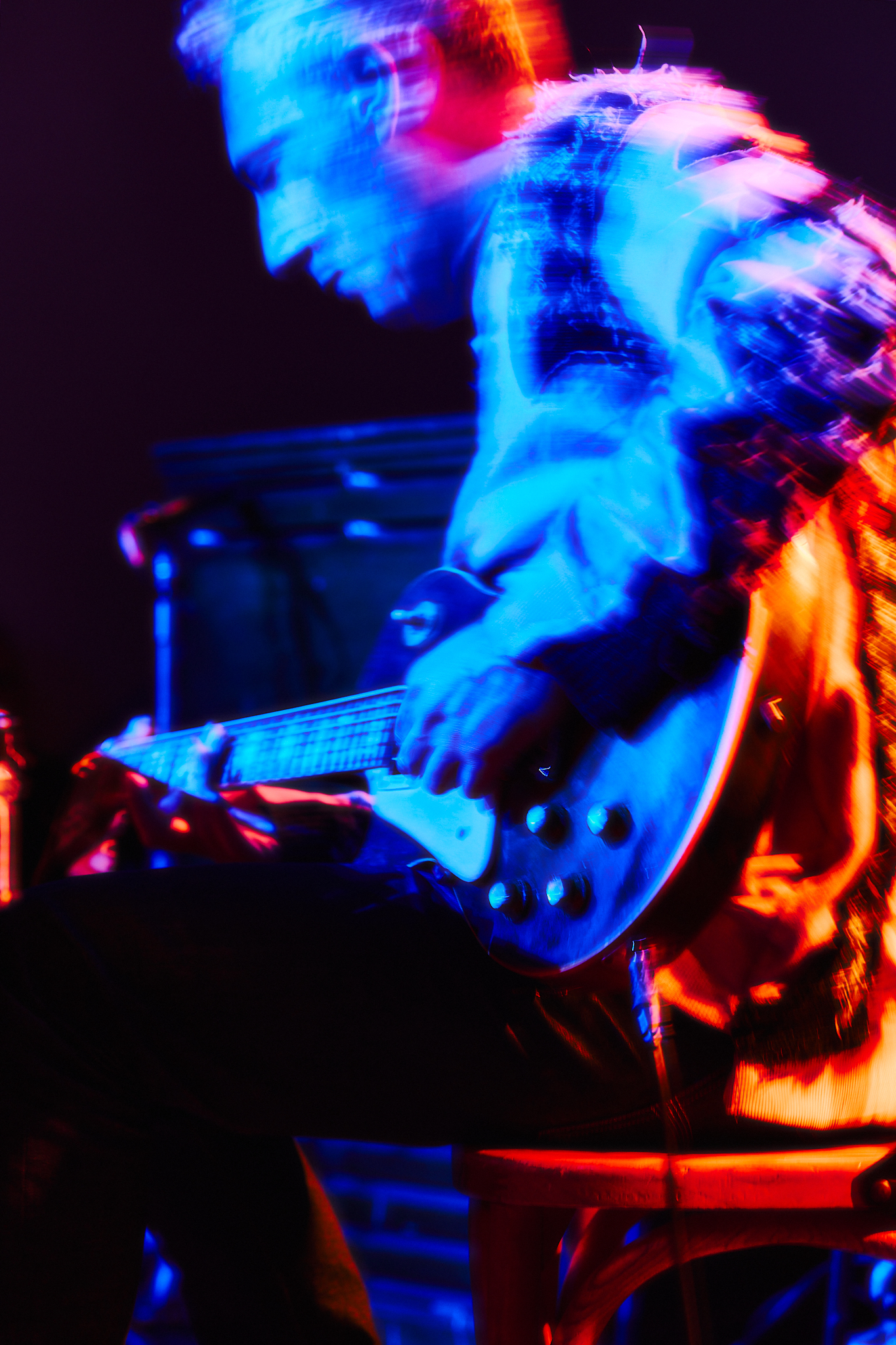
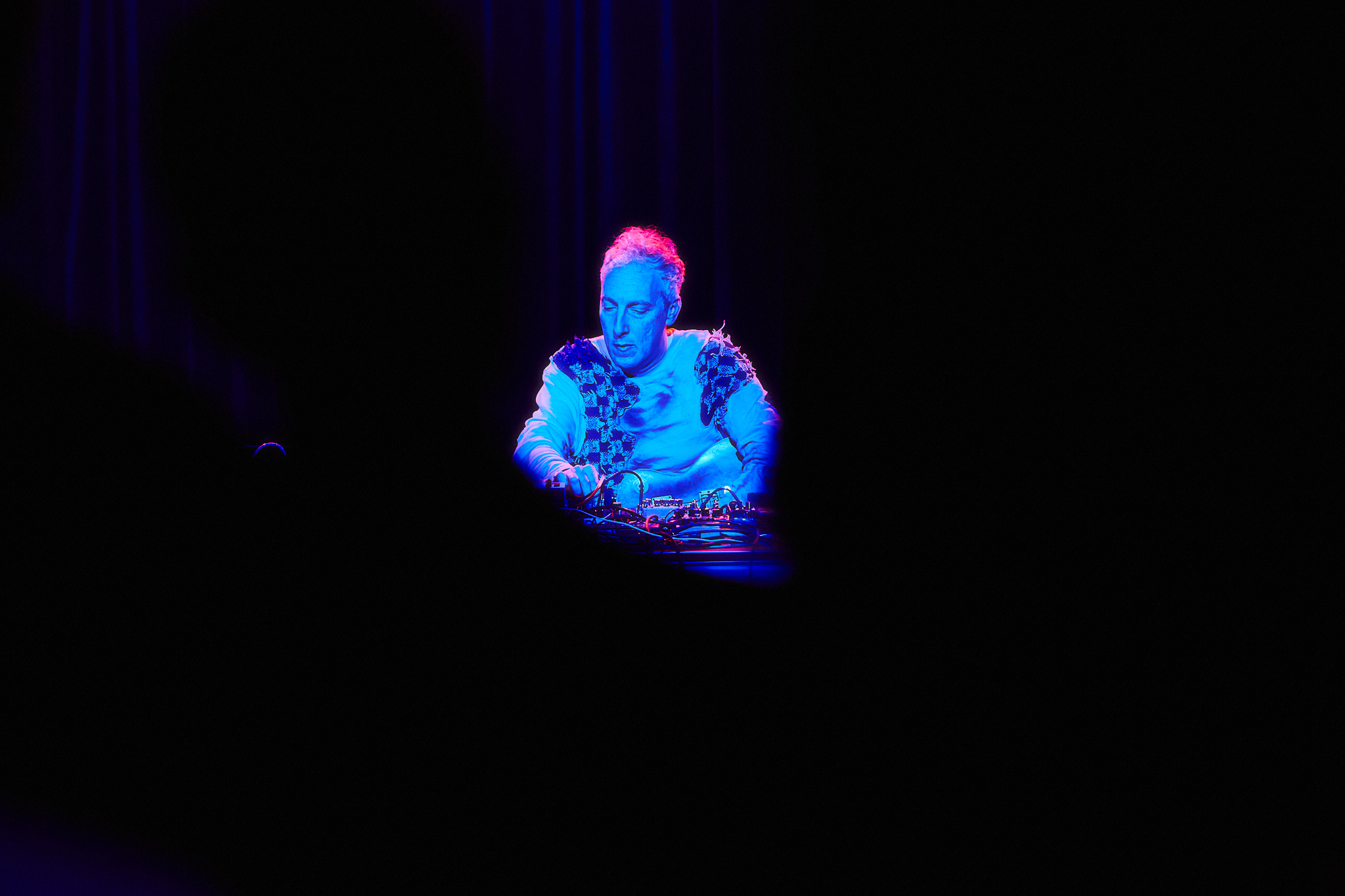
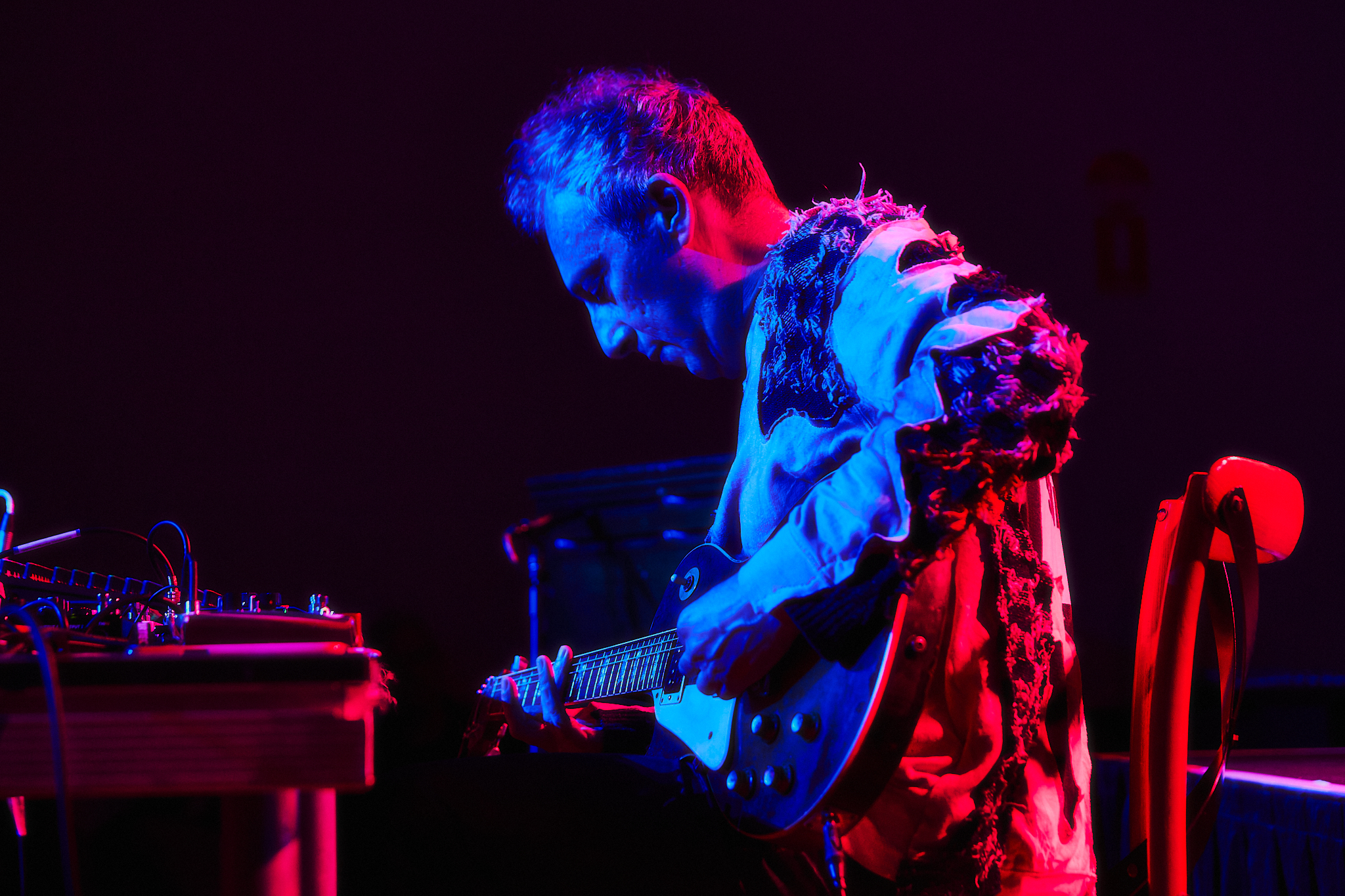
Entering through the crowd with little ceremony, Ambarchi took his place between guitar and a desk crowded with electronics. The setup appeared technological but oddly tactile, more workshop than laboratory. At the beginning there were brief moments of adjustment and calibration—a small sigh towards an amplifier, exploratory gestures, a musician feeling out the room and his equipment before committing to a direction.
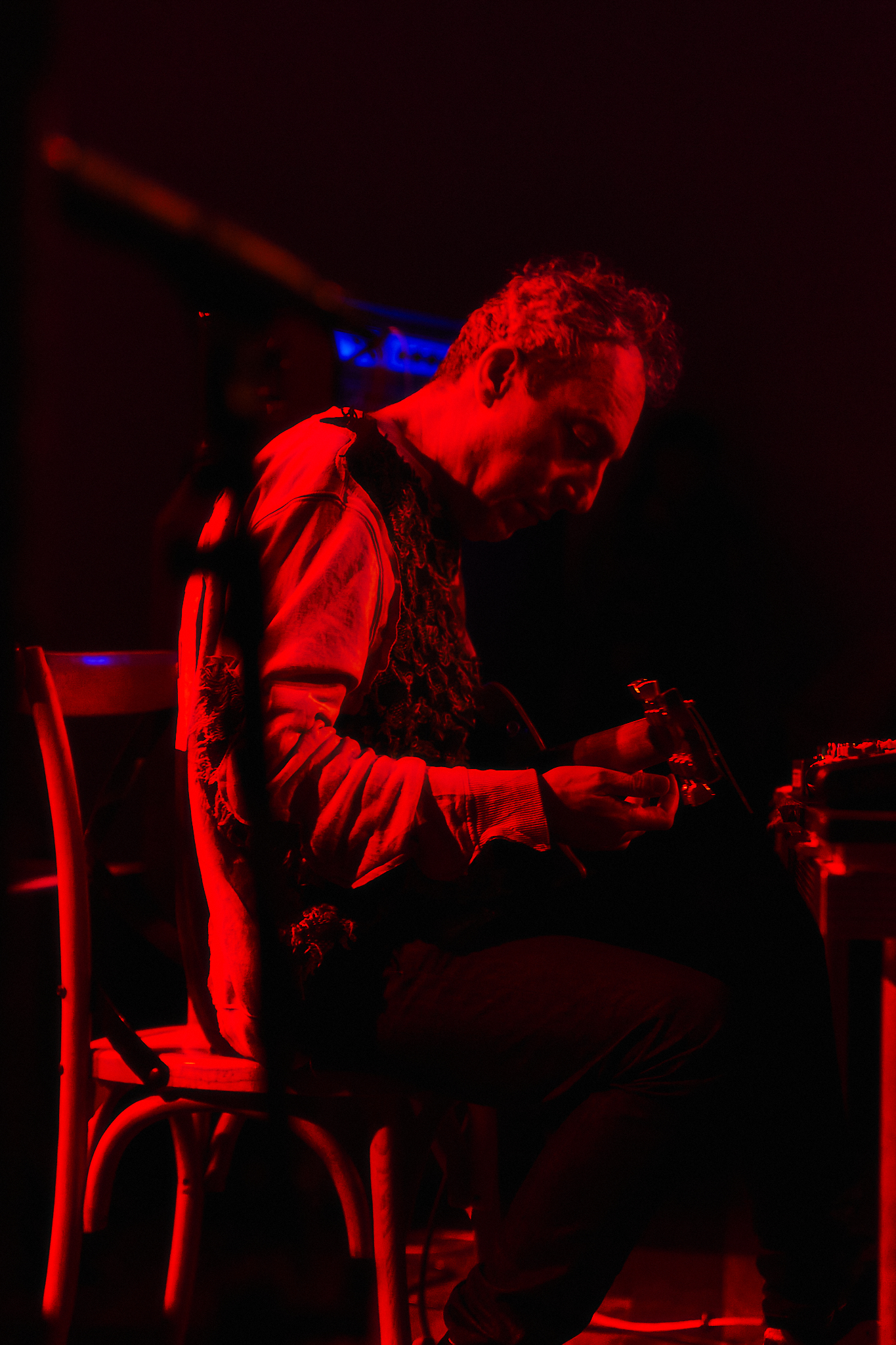
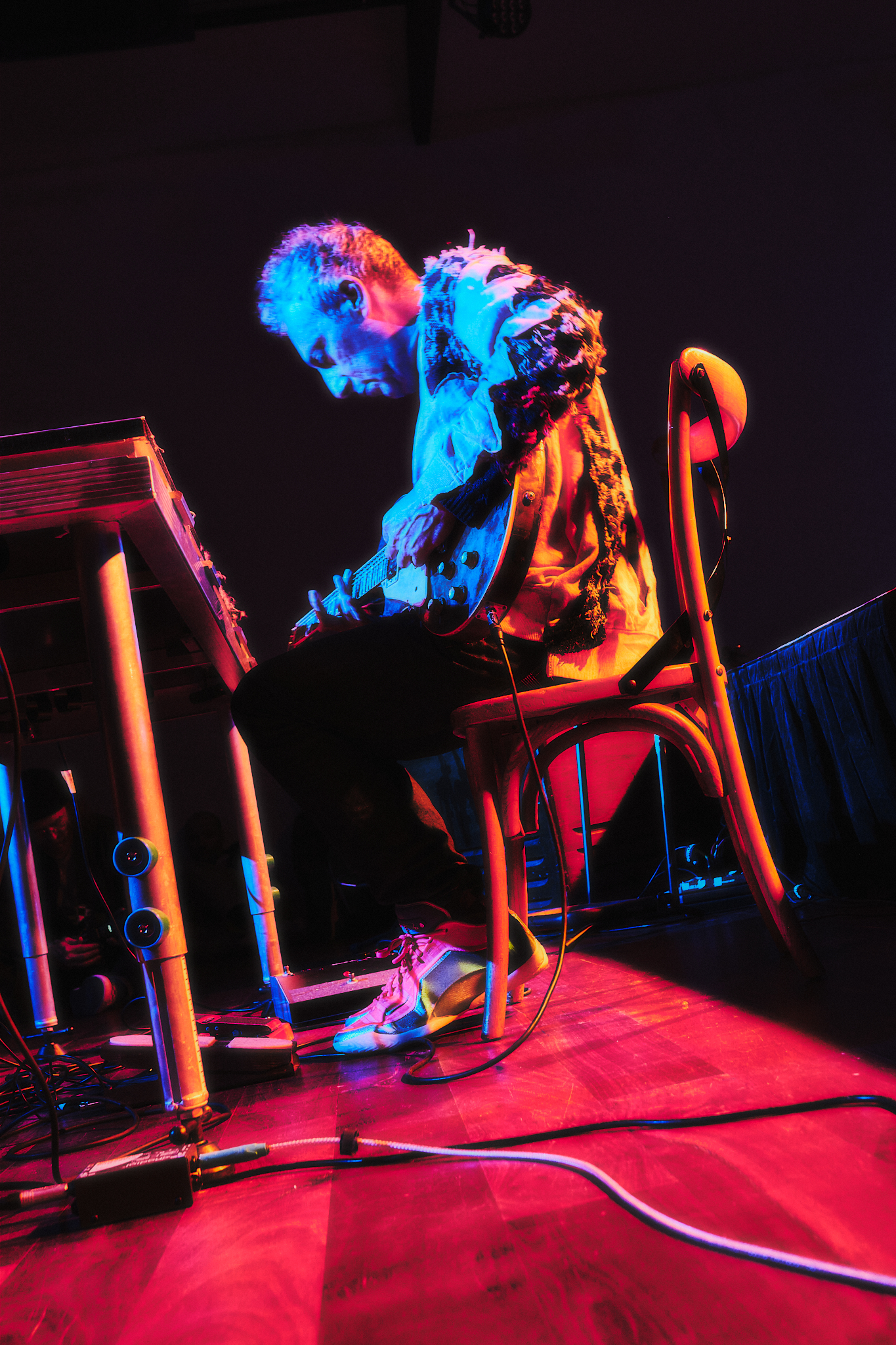
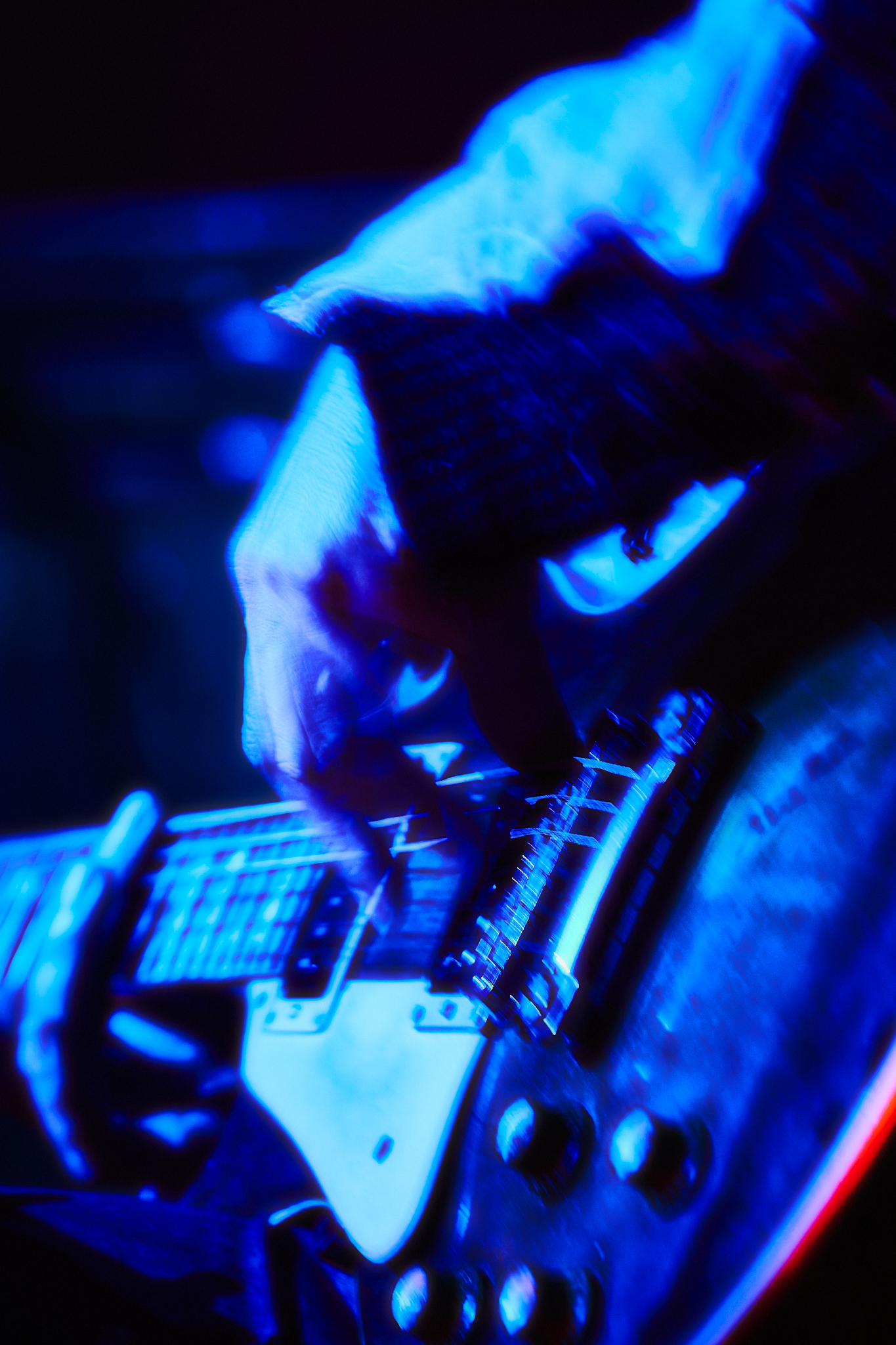
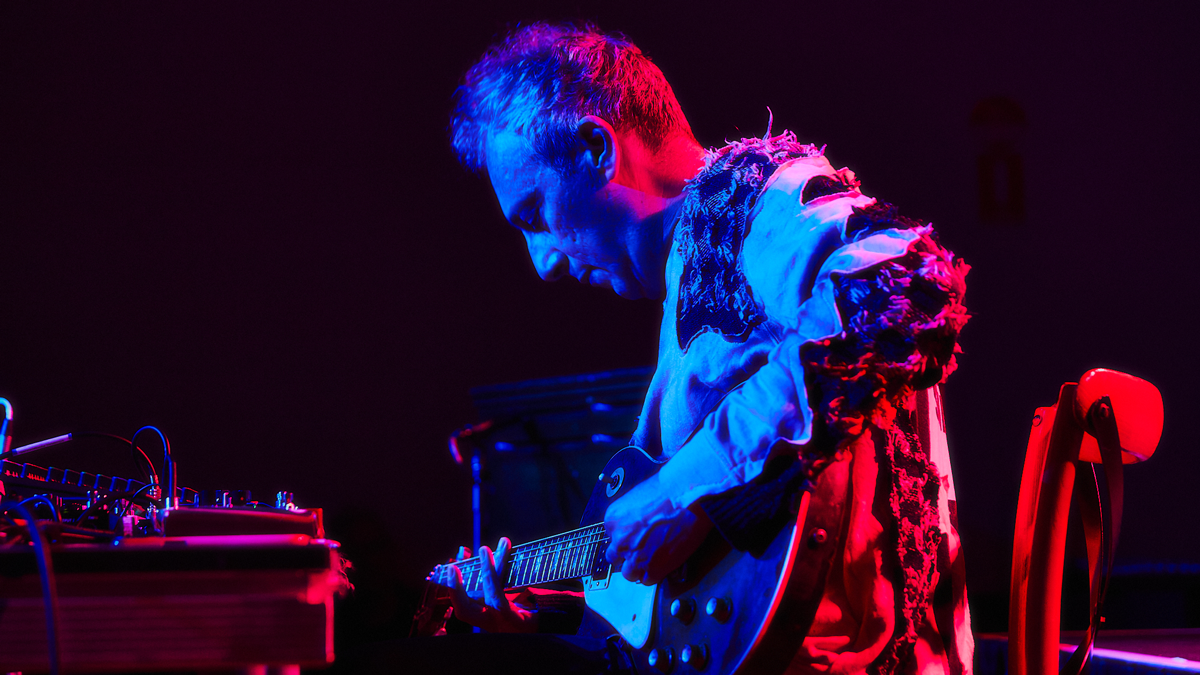
From there, Ambarchi embarked upon an engrossing examination of the guitar’s possibilities. A single vibrating string might be stretched, manipulated and fed through processors until familiar guitar tones were refracted through layers of electronic response.
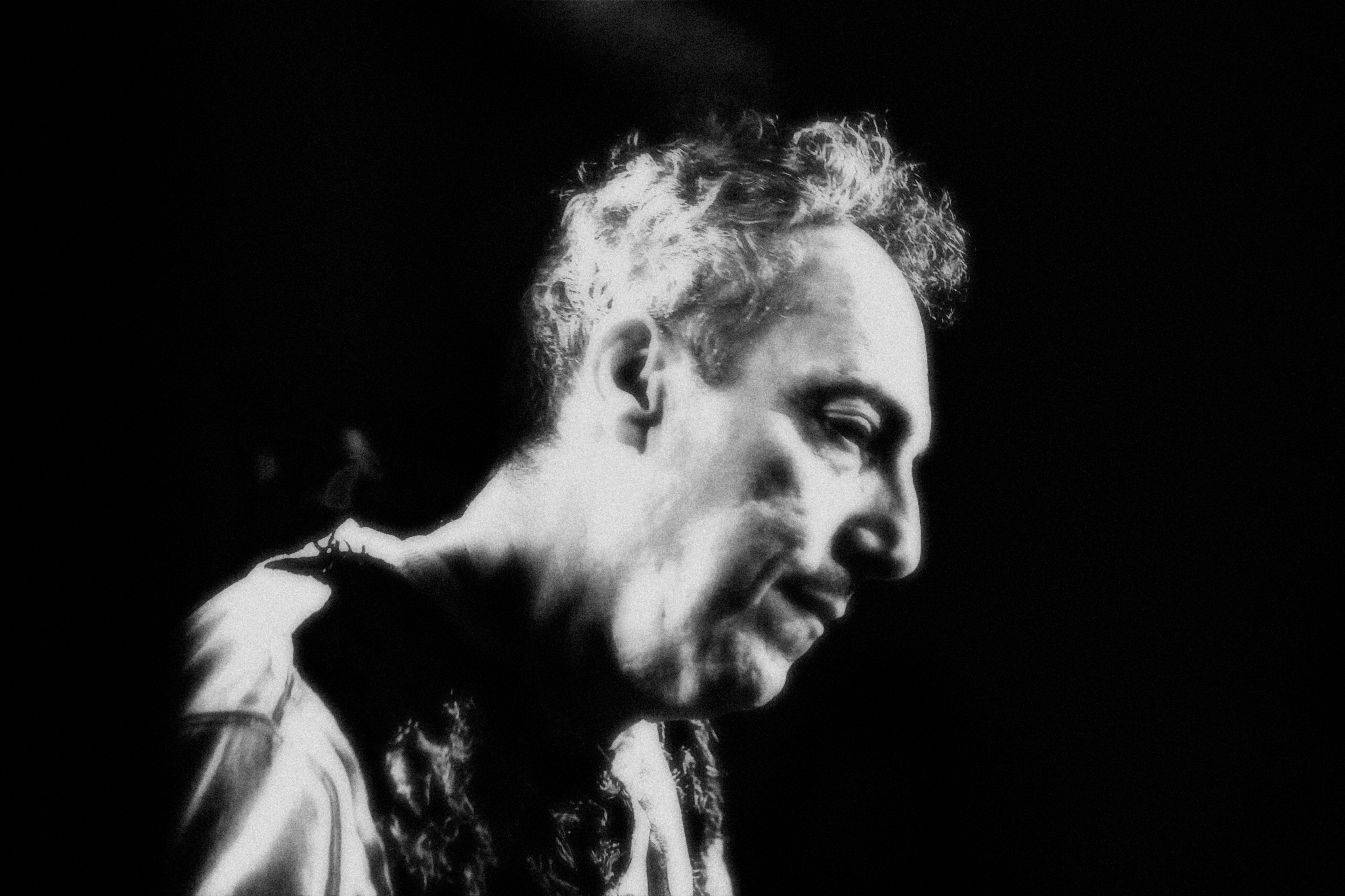
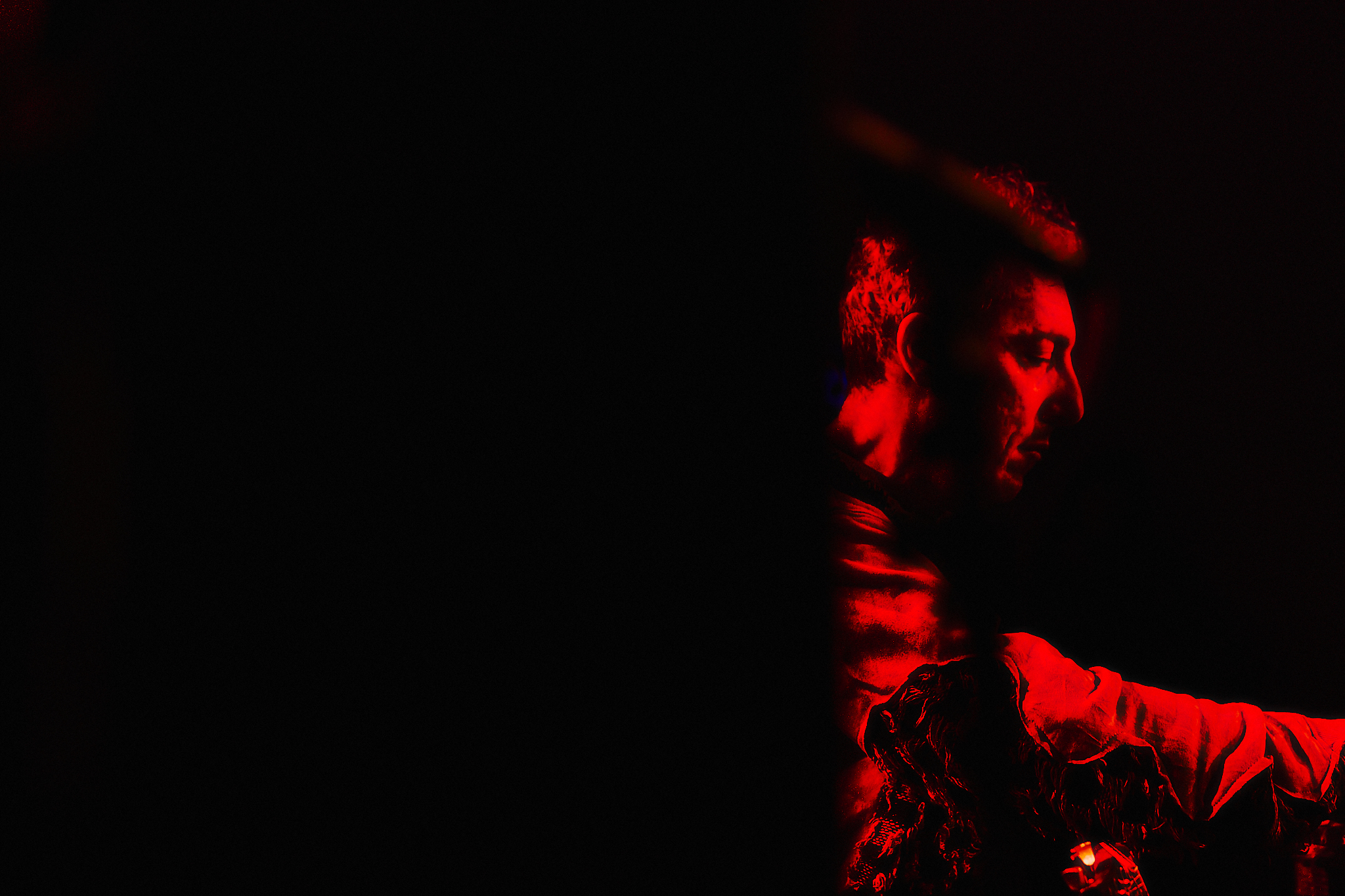
Not that the performance felt academic. For all the complexity of the set, Ambarchi projected the energy of a lifelong music obsessive rather than a virtuoso. Grey-haired and fashionably threadbare, he carried a cosmopolitan ease, projecting an energy that resembled private reverie made public: an artist absorbed in systems-thinking while a room full of strangers watched from the dark corners. The atmosphere occasionally recalled the intimacy of bedroom ambient and experimental music cultures, where exploration itself becomes the performance.
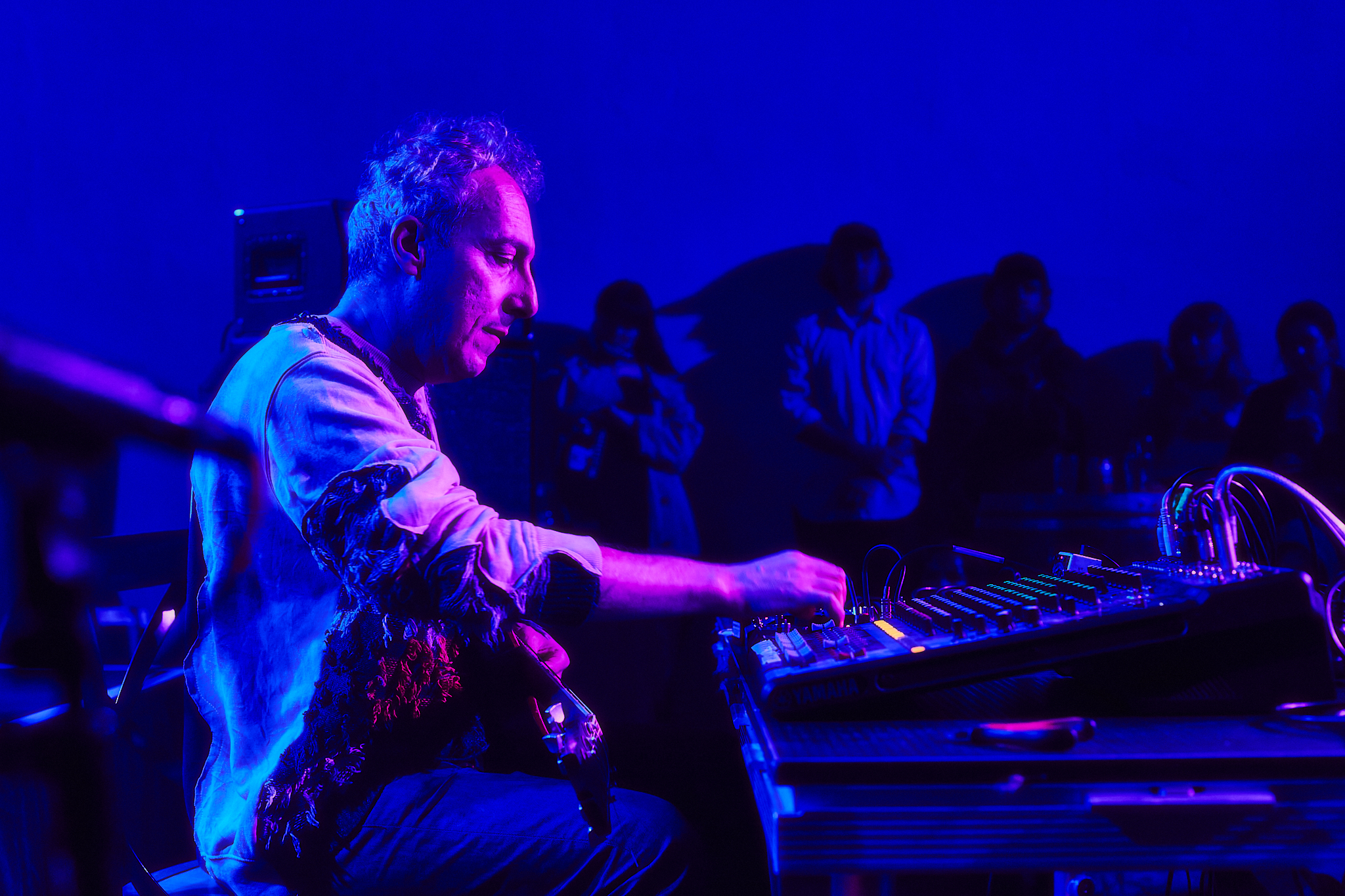
What distinguished the set was Ambarchi’s ability to simultaneously construct structure and ornamentation. His left hand thumbed strings while the right manipulated pedals and controls, generating layers that oscillated between abrasion and warmth. Harsh frequencies and disrupted transmissions remained permanently within reach, yet passages of unexpected tenderness repeatedly emerged from the turbulence.
Around the midway point, overlapping waves of sound settled into something almost hypnotic. Later passages drifted closer to the exploratory repetition of krautrock before dissolving again into unstable forms. Throughout, Ambarchi maintained a remarkable sense of balance between spontaneity and control, allowing sounds to breathe without ever relinquishing direction.
By the final movements, patterns became increasingly kaleidoscopic. Harp-like string flutters collided with helicopter-blade synth pulses and spectral electronic debris. Occasionally the clink of a foot pedal punctured the reverie, a small mechanical reminder of the labour occurring beneath the immersion.
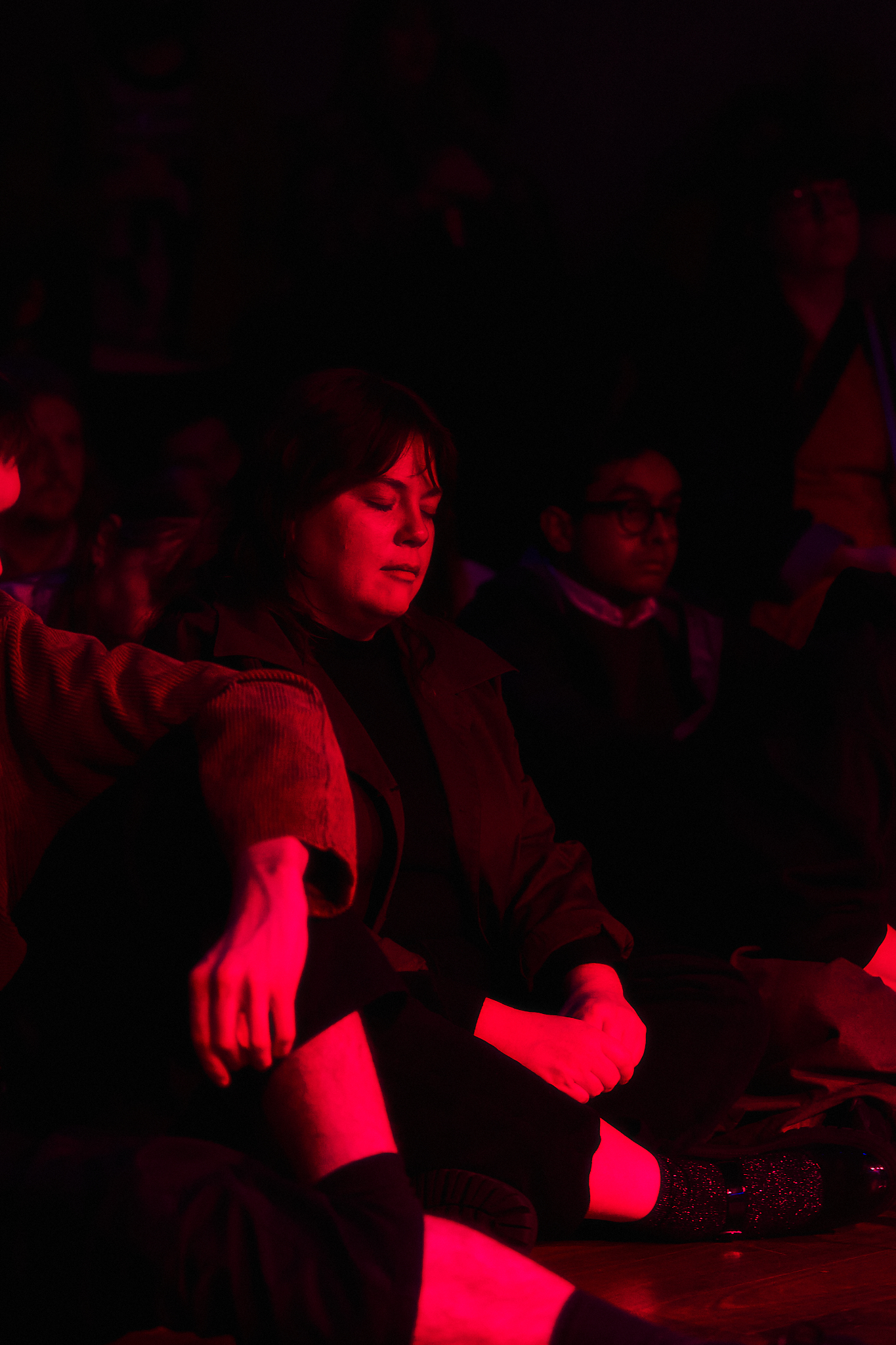
For all their differences, both performances shared a commitment to attention. Neither chased spectacle nor immediate gratification. Instead, they rewarded audiences willing to sit inside uncertainty and follow sounds wherever they might lead.
In a culture increasingly obsessed with instant explanation and algorithmic certainty, there was something quietly radical about spending two hours watching musicians listen their way into the unknown.
CAT LANDRO
Photos by Thomas Earnshaw