Review: Ninajirachi at The Rechabite
Ninajirachi at The Rechabite
w/ daine, Lucy Bedroque
Saturday, July 18, 2026
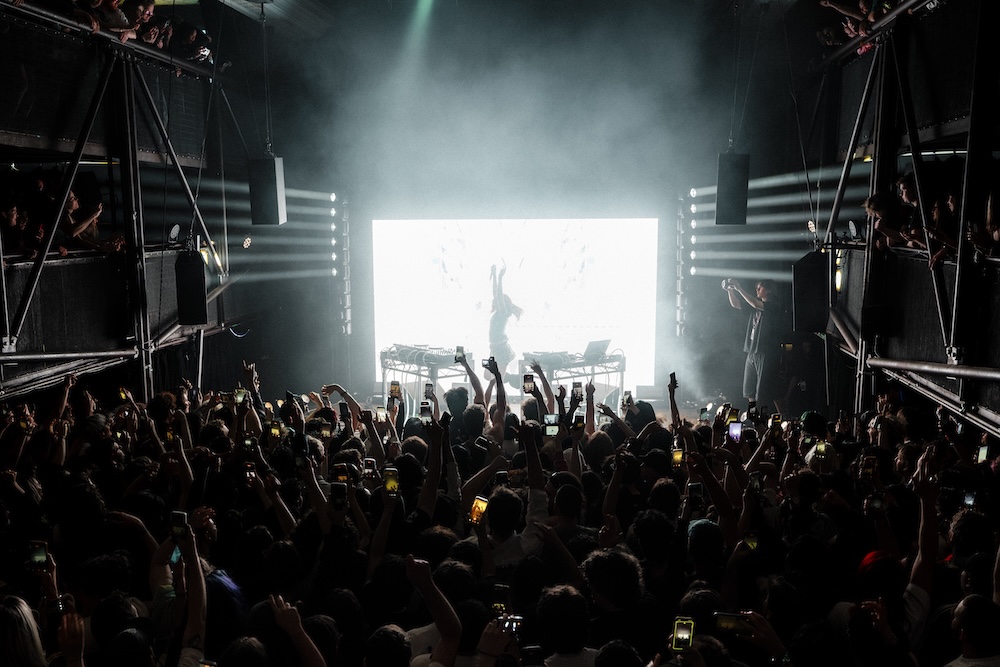
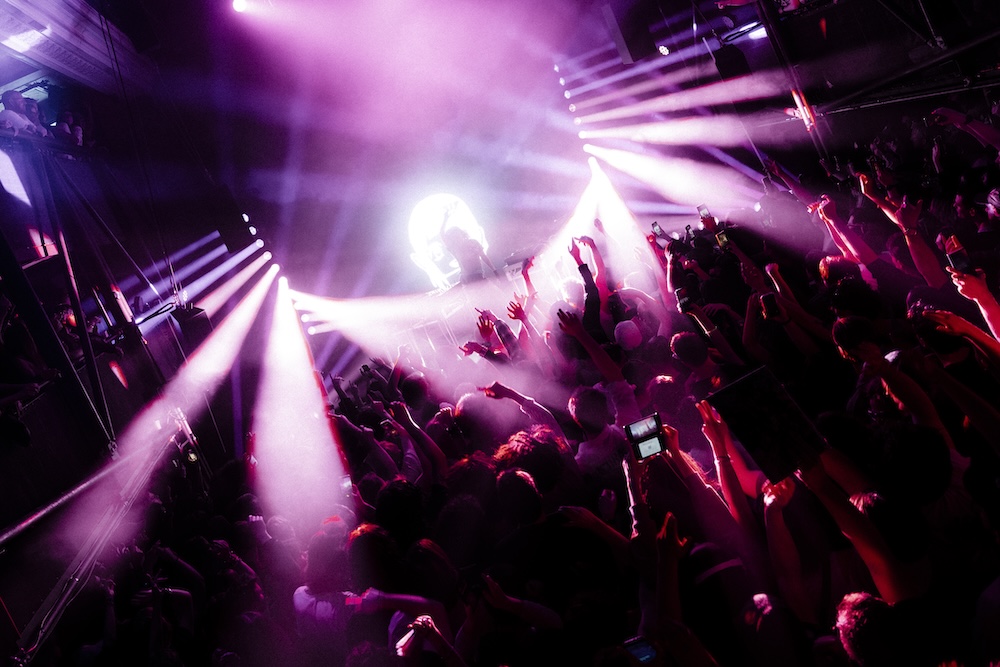
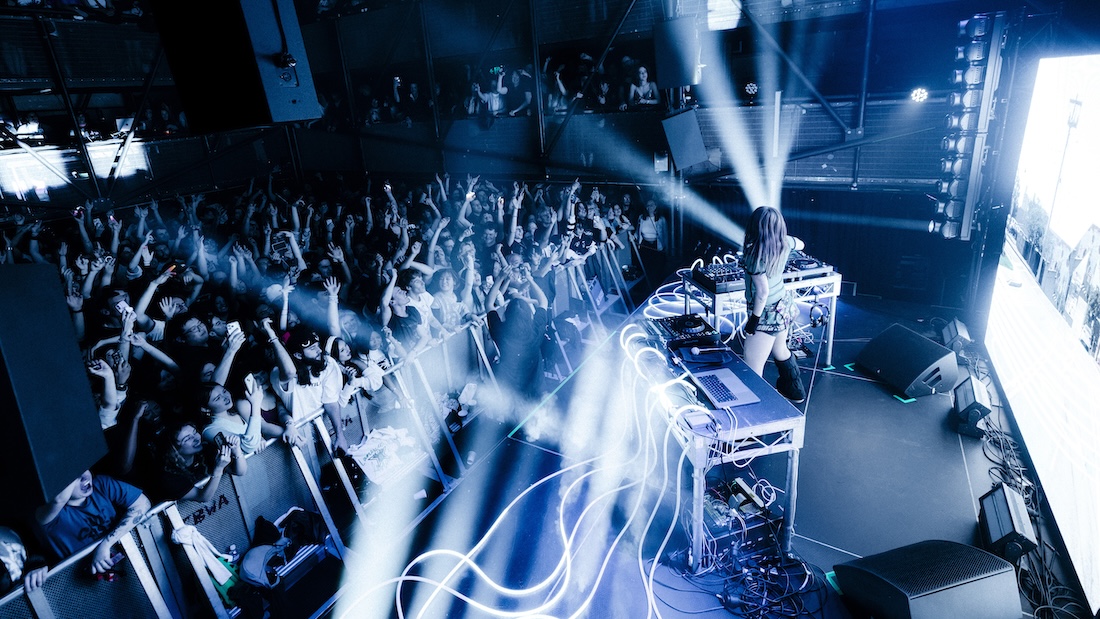
With a queue worming its way down William Street, an already maxed-out Rechabite Hall had us wondering how everyone outside could possibly squeeze in. The hype around Ninajirachi’s return to Perth was visceral: not simply the buzz around a rising Australian artist, but the gathering of an explicit fandom fluent in her language of computers, anime, dance music and digital selfhood.
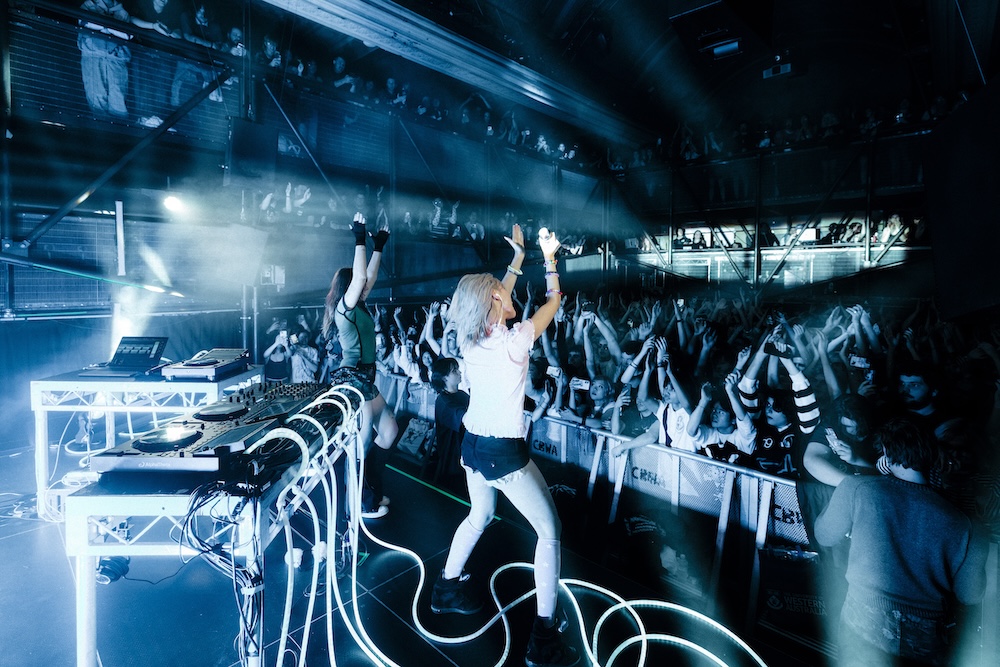
First up, daine was met with heart hands raised in adoration all the way to the rear. Her self-described “tweemotronica” felt far more bubblegum-sweet than emo-whine in person, as she hopped around the stage with the unbounded joy of karaoke elevated into pop-star performance. CUT MY HEART OUT landed with huge banger energy, while blood-red lighting and a dishevelled blonde fringe sharpened the emo drama of forthcoming release I Used to Kill. Even at her most wounded, daine’s physicality remained buoyant: dancing, bouncing and guiding the hall through handclaps rather than retreating into angst.
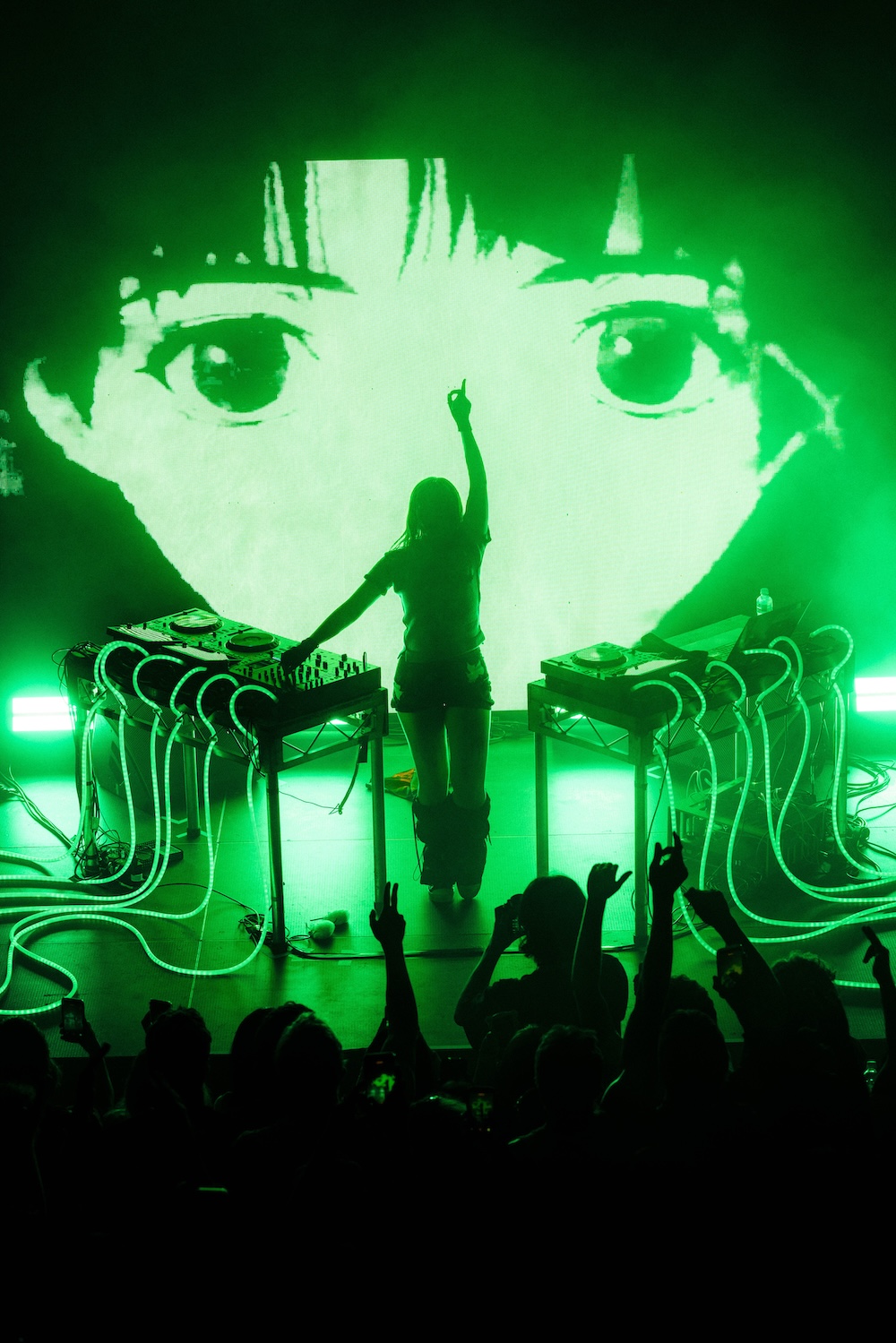
Lucy Bedroque followed beneath saturated red light, a looping deck of anime characters appearing behind the three-person outfit like opening credits paced to the music’s throb. From the first track, the sound was densely layered and pressurised: Playboi Carti-like rage rap, trap rhythms and distorted vocals compressed into something intoxicating, almost suffocating.
There was a little Death Grips-meets-Deathnote in its abrasive force, while the hyperpop mutation of Body Meat also came close. Yet Bedroque’s own term, Unmusique, felt most apt: an inverse of music as conventionally organised, with lyrics submerged into the mix and melody, noise and digital debris collapsing into one overloaded surface. Pacing the front with chin raised and mic held high, he seemed less to punctuate the beat than physically surrender to it. Even his heavily reverbed remarks between tracks dissolved into texture.
The crowd understood instinctively, pulsing with hands raised and erupting after every surge. Bedroque closed with 2010 Justin Bieber—a title that, for this generation, landed less as a punchline than a genuine aesthetic proposition: adolescent pop memory, internet nostalgia and emotional excess reclaimed as vibe.
Among the cosplayers, Lolita dresses and early-2000s garms—and one punter even recording the set on a Nintendo DSi—there was the sense of a generation lured from bedroom confines and computer screens into a pulsing physical room.
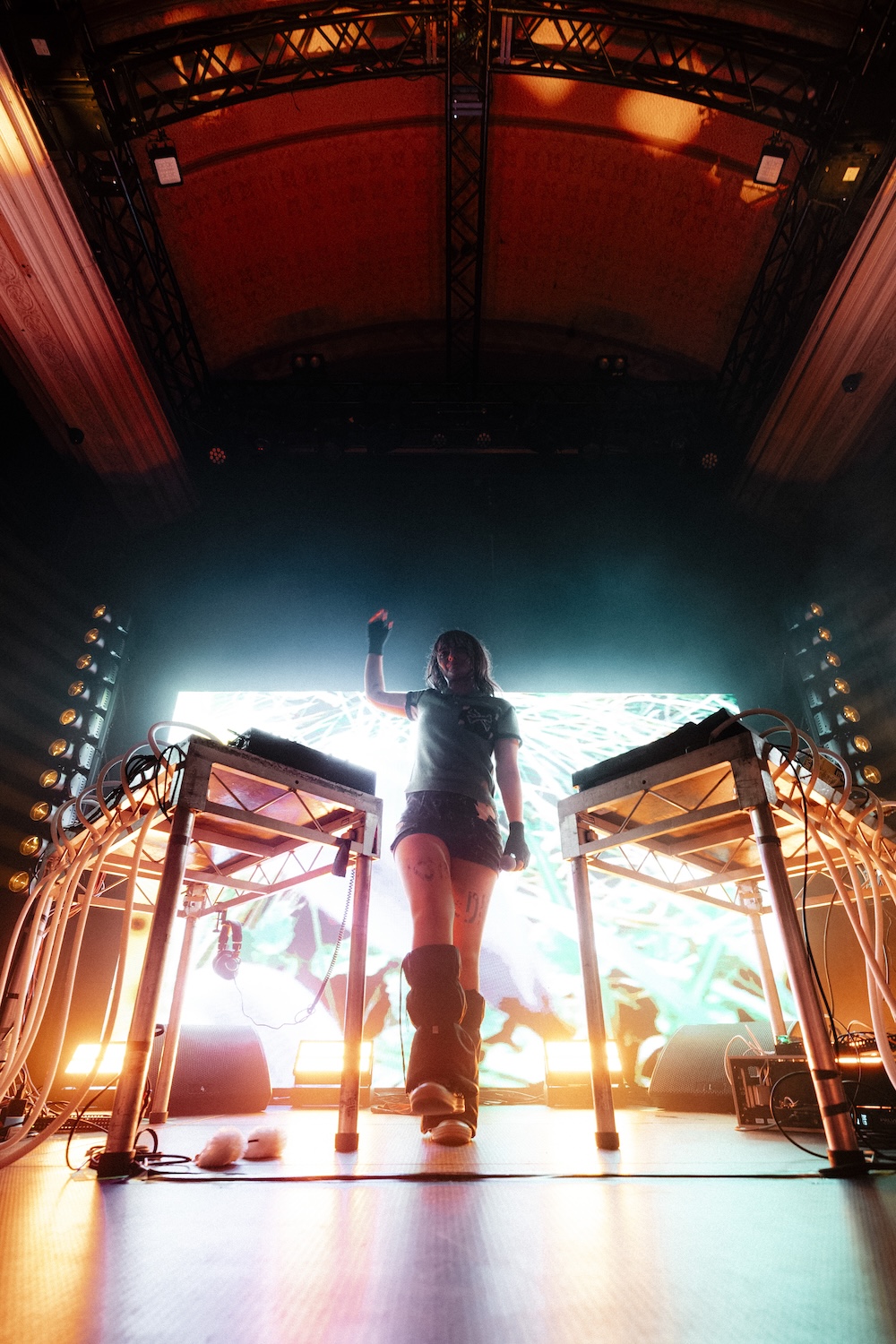
Before Ninajirachi appeared, the system itself seemed to load her into existence. Code typed across the screen, static erupted in scratchy black and white, and female voices—childish, robotic and adult—chopped “I love my computer” into an Avalanches-like collage. After nearly five minutes of electronic blipping and chants of “Nina!”, the screen burst into colour, and there she was.
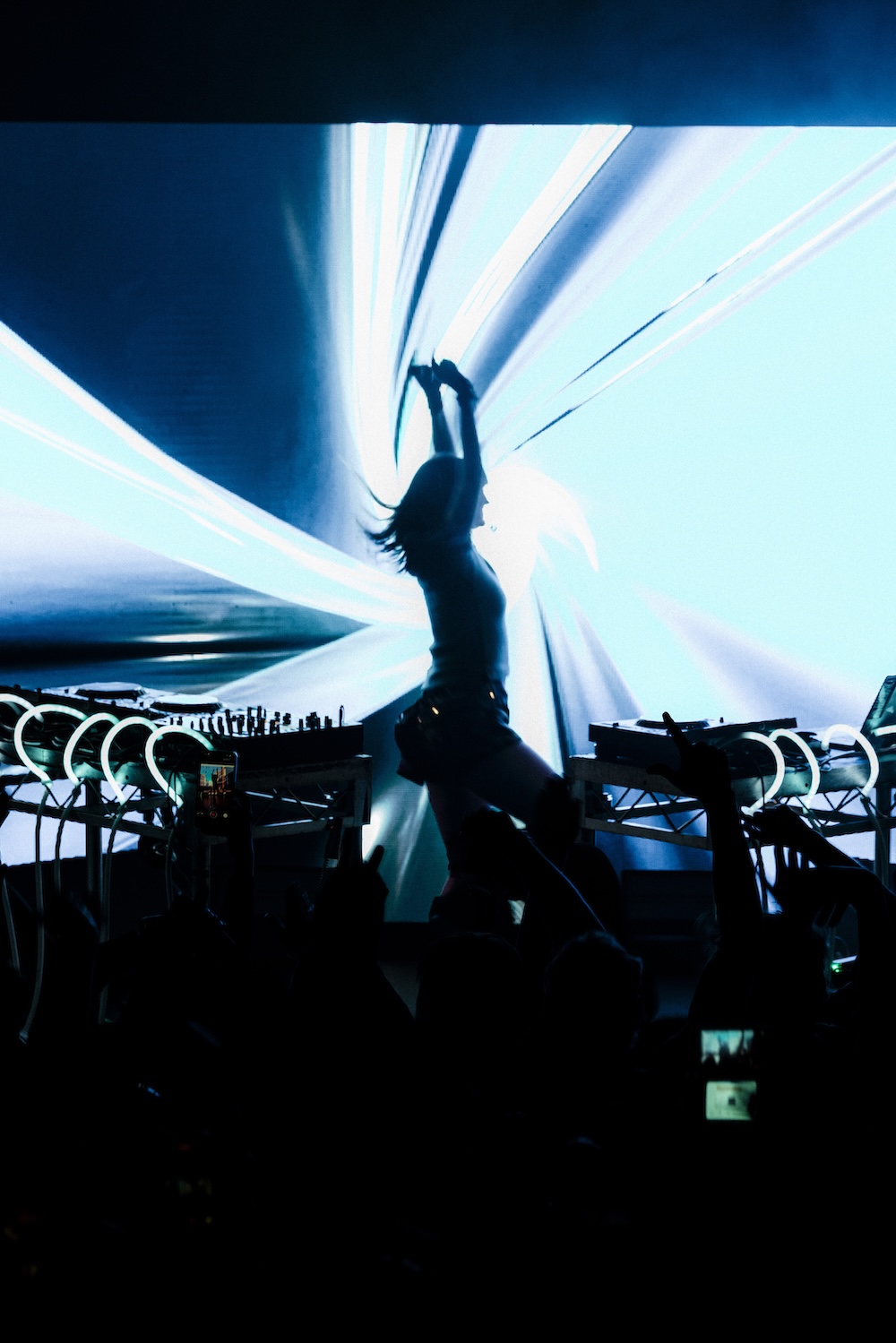
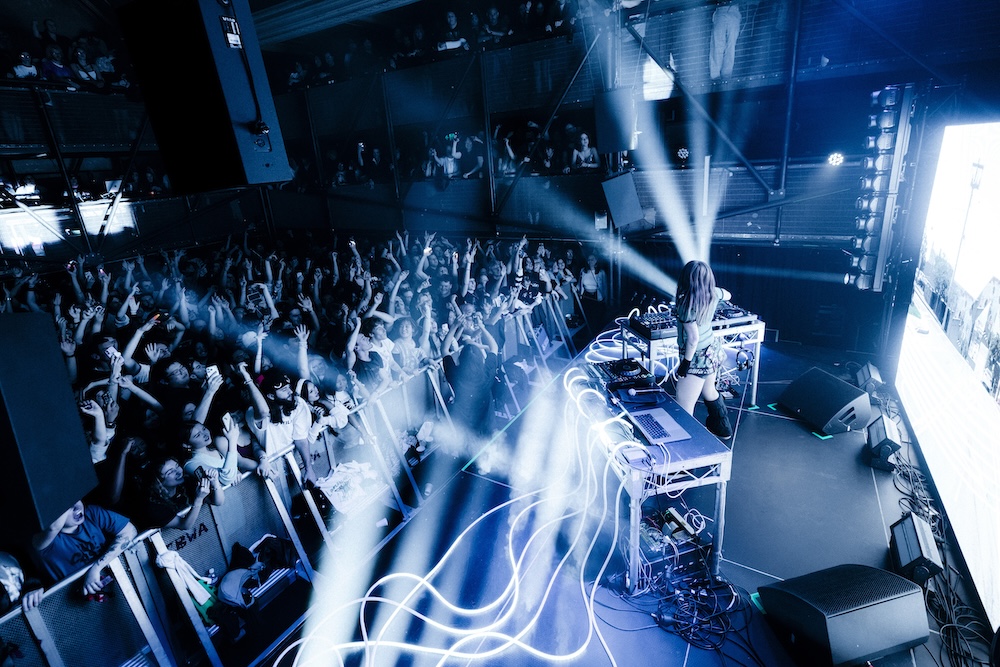
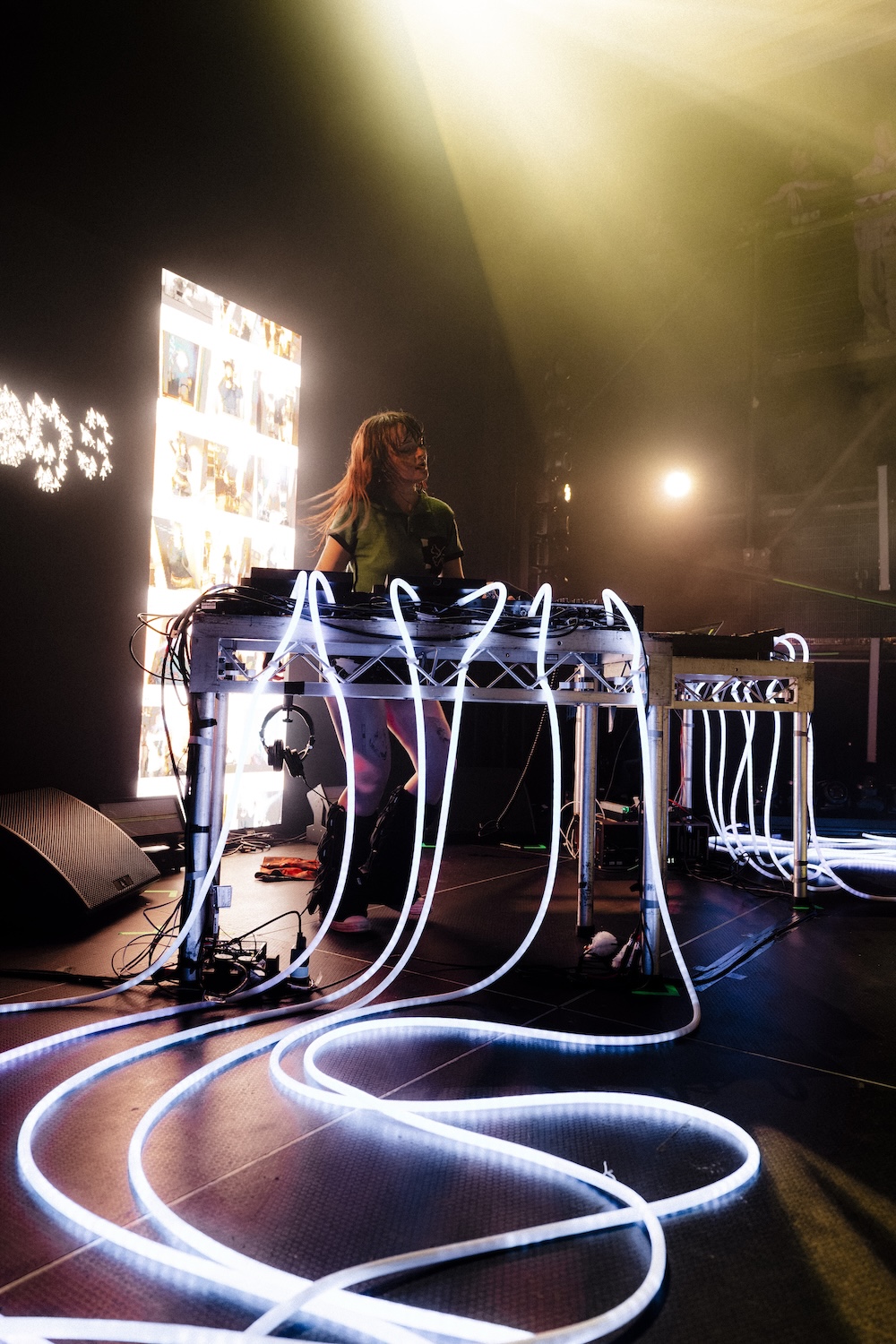
Opening with both banger and thesis, girl EDM, Ninajirachi danced beside her desk setup as The Rechabite floor buckled alarmingly beneath hundreds of bouncing bodies. London Song, Ninacamina and the older Undo U followed in a relentless early run, pairing four-to-the-floor peaks with sweeter, more sensitive valleys. Across Perfect Self, a forthcoming Berghain remix and CSIRAC, Windows 98 pop-ups, error messages, game logos, schematics and failed connections proliferated onscreen, less retro decoration than native visual grammar.
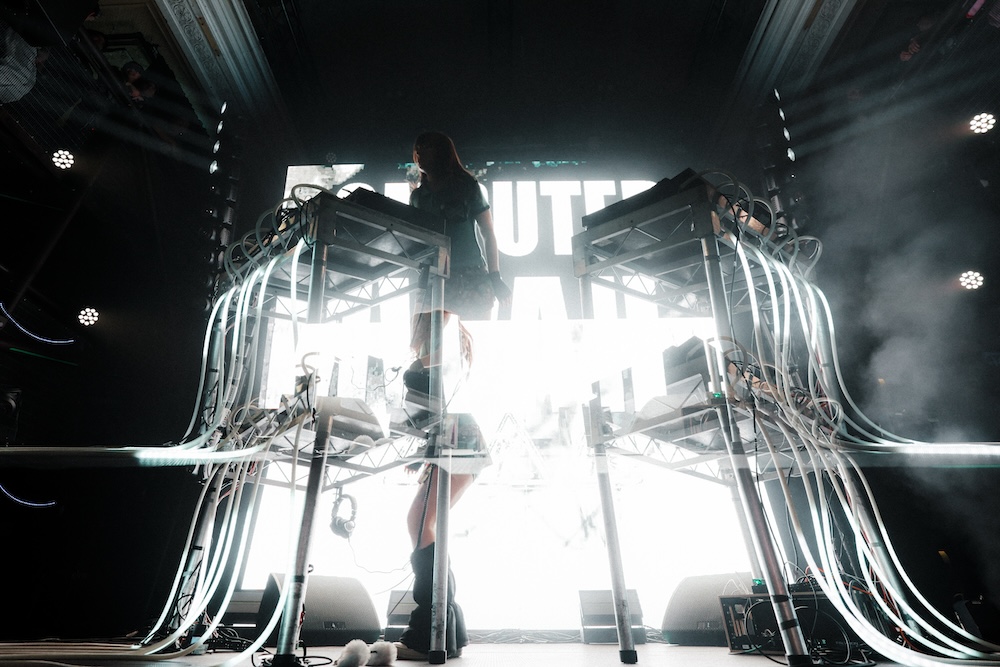
The production was astonishingly polished. Cat memes bobbed in headphones, fan art appeared with creators’ handles, and status messages declared users out of sync, afraid to connect or copies of one another. Working from CDJs at her desk, Ninajirachi presented a tightly constructed DJ set of her own productions rather than reproducing them live. Nor did she sing live, though she mouthed and danced through the prerecorded vocals with infectious commitment.
Her role was less conventional performer than conductor, host and embodied interface, animating a meticulously sequenced audiovisual world through movement, crowd direction and repeated reminders to drink water.
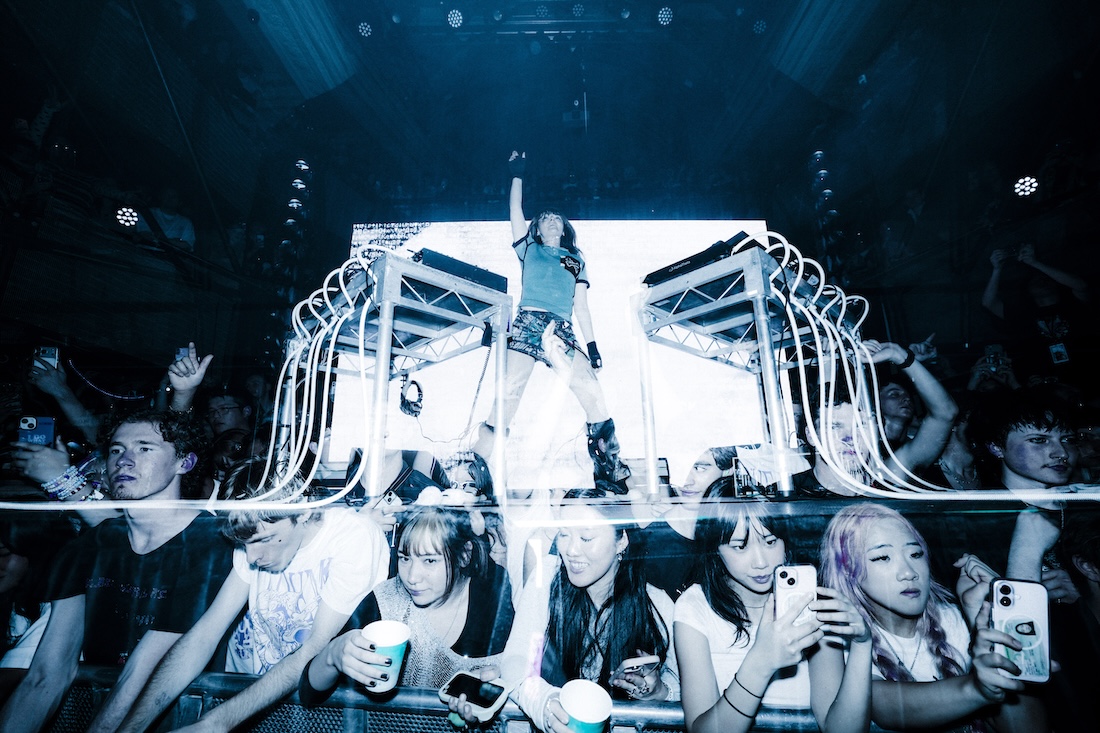
She played almost all of I Love My Computer, allowing its world to unfold as a near-complete digital environment rather than a procession of singles. Even the cat-faced interlude ฅ^•ﻌ•^ฅ survived the transfer to the stage, before All I Am’s simple “yeah, yeah, yeah” refrain became a playful communal reset, singled out by Ninajirachi as the easiest song to sing together.
The late run-through of Infohazard, Battery Death, Delete and iPod Touch tightened the bond further before Fuck My Computer delivered the climax everyone had come for: dirty but coy, euphoric and overwhelming.
Ninajirachi’s phenomenon crosses generations. Older dance heads could hear early-2000s electro and house—and, for my sins, dare one detect a little Benny Benassi sleaze in Fuck My Computer? Younger fans recognised a world in which identity, desire and creativity have seemingly always been mediated through technology.
With COVID-era isolation colouring formative years for youth across the world, many learned to connect and consume culture remotely. Here, the digital was not an escape but made bodily: bass through floorboards, hearts overhead, strangers singing code back to one another.
A brief, repetitive encore felt perfunctory after such a carefully built spectacle. Still, the phenomenon that is Ninajirachi is undeniable. The computer is not a barrier between Nina and her audience. It is the shared language that brought them into the room.
CAT LANDRO
Photos by Tiff Williams