Review: Jazz Supreme at Lyric’s Underground
RTRFM’s Jazz Supreme at Lyric’s Underground
w/ Pareidolia, Valentina Macias Trio, Hanna Kim Trio, Laura Igglesden, Zoe Boyd Quintet
Friday, July 3, 2026
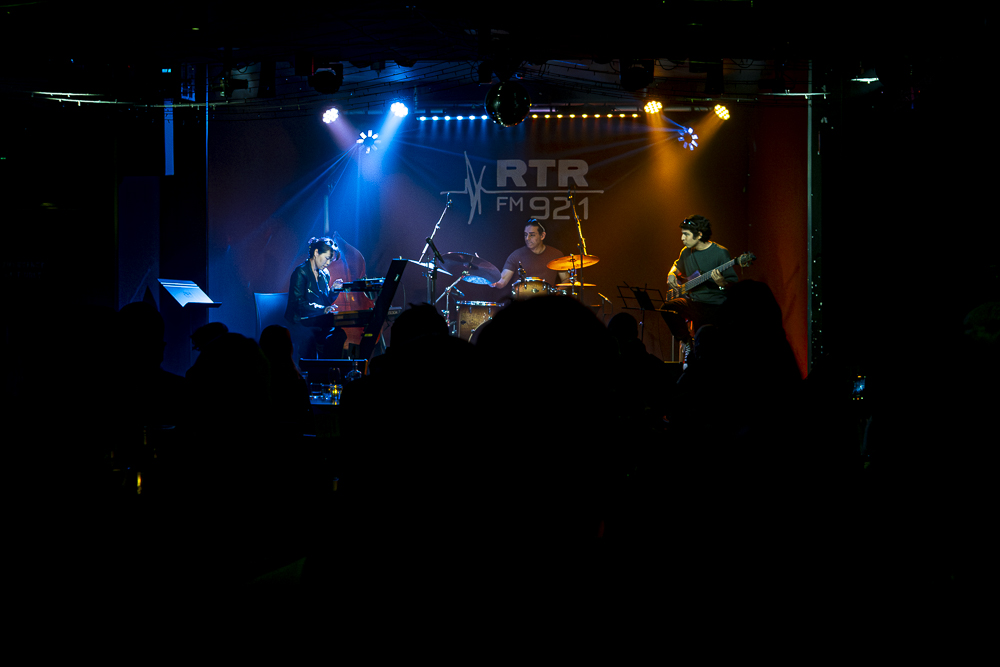
By 6.30pm, Lyric’s Underground had become a little bunker of jazz intent: low-lit tables, early arrivals, cross-generational heads and a room settling in for deep listening. Now in its fifth year, RTRFM’s Jazz Supreme could have played like a worthy fundraiser with good manners. Thankfully, it had more pulse than polish. Hosted by Dan Garner, with proceeds supporting the station, the night worked best as a snapshot of our local jazz ecology: presenters, players and listeners circulating through the same dark den.
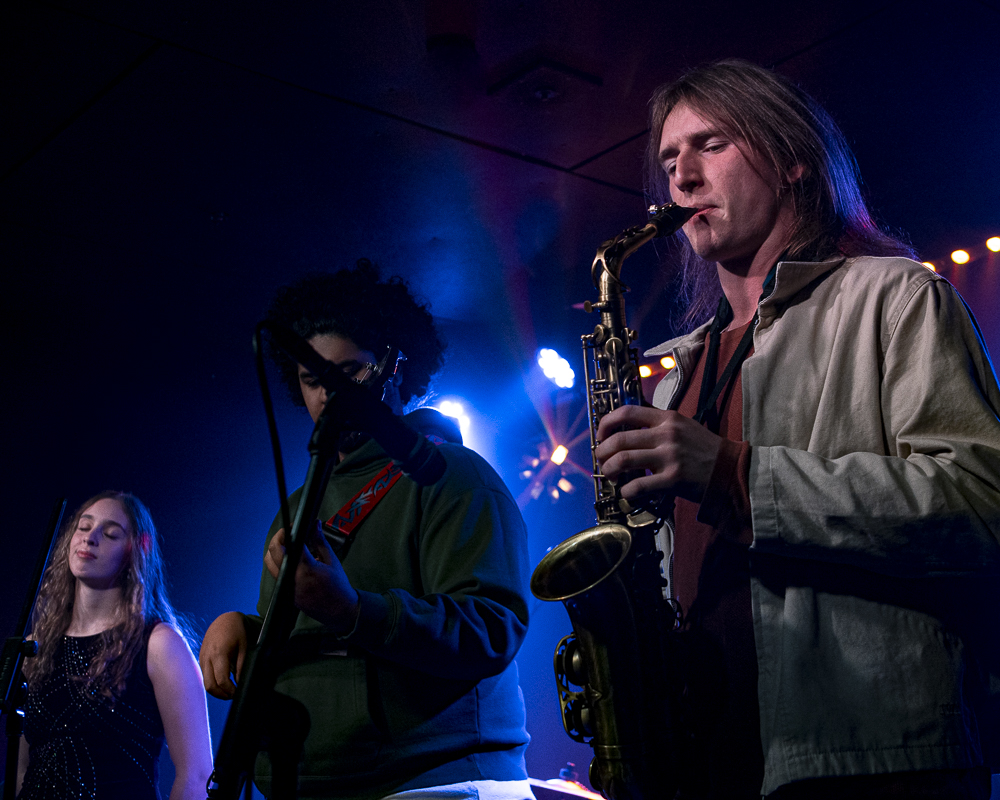
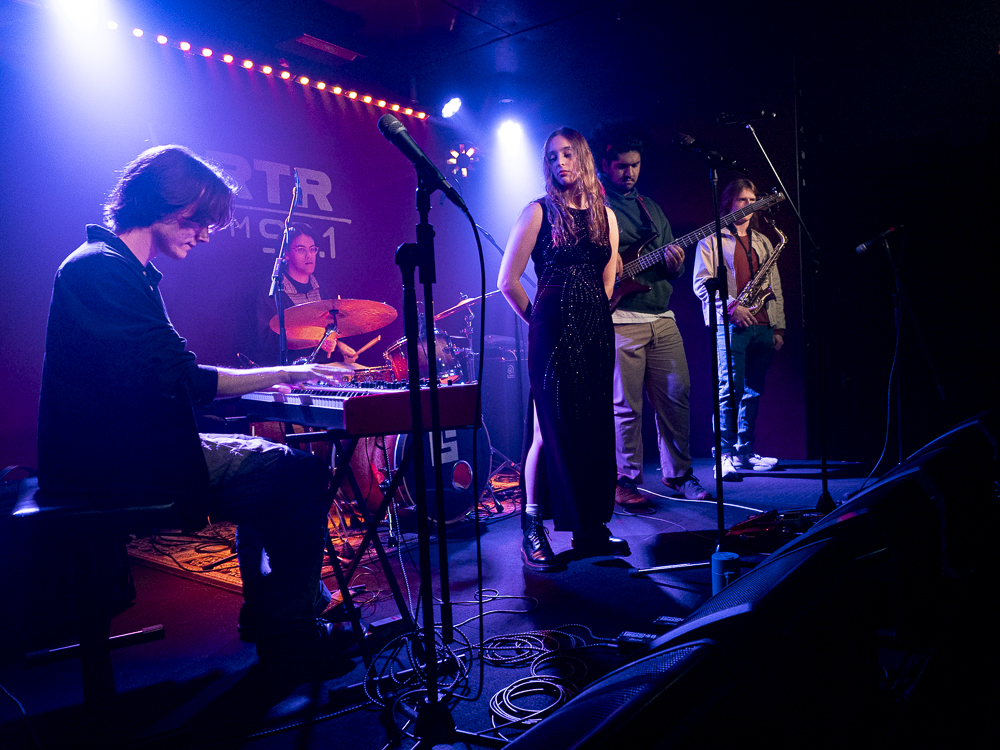
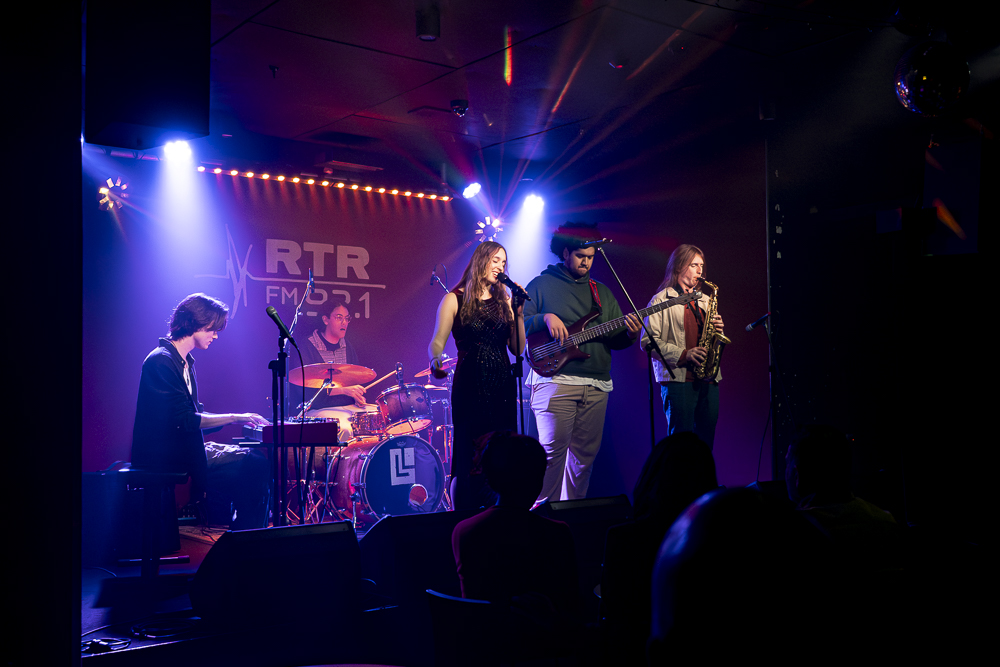
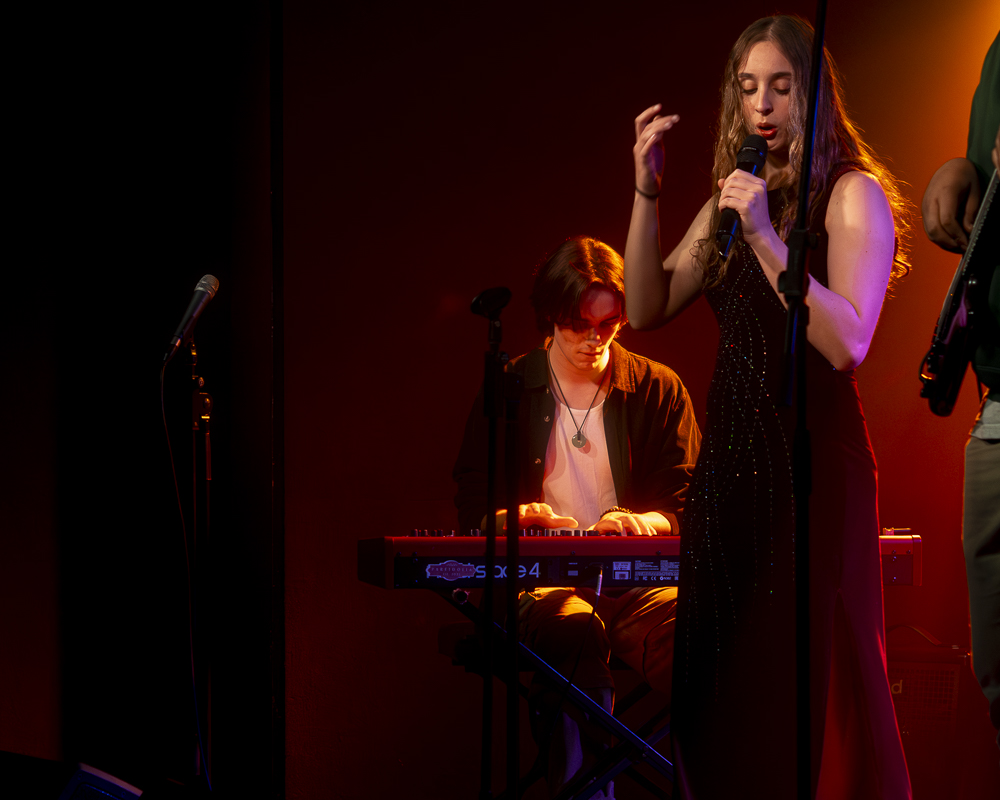
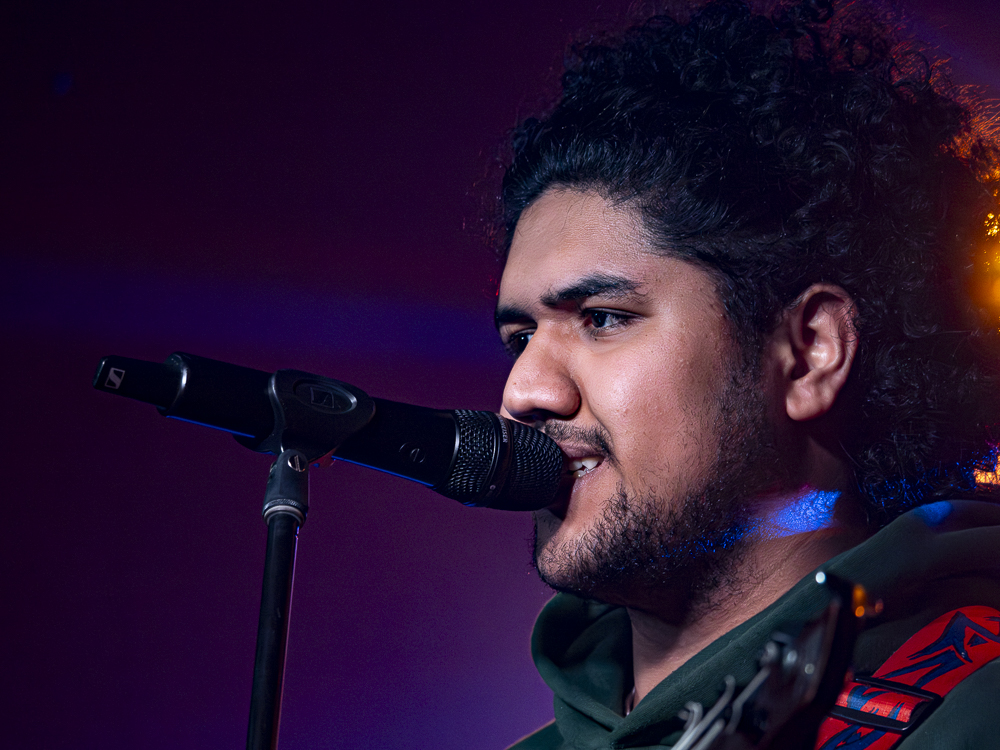
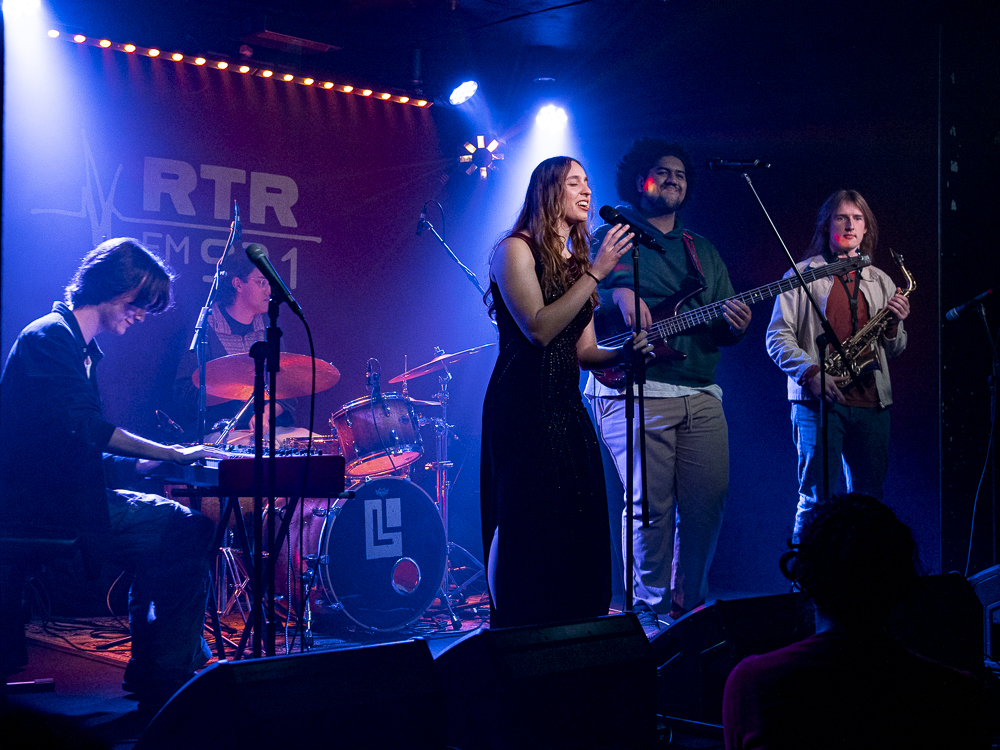
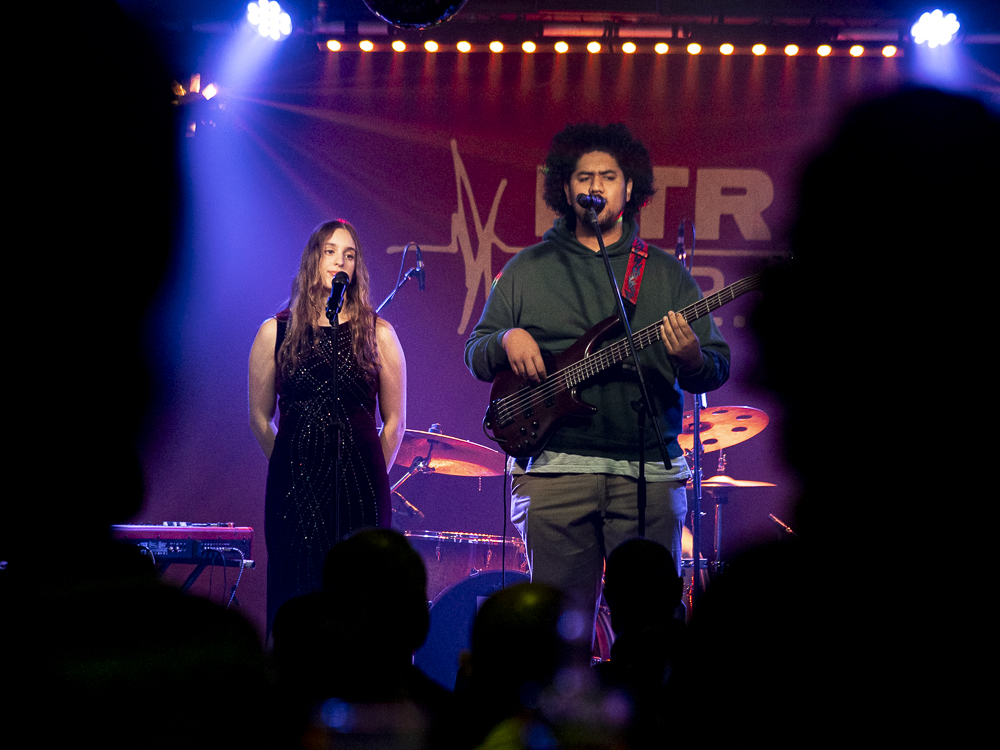
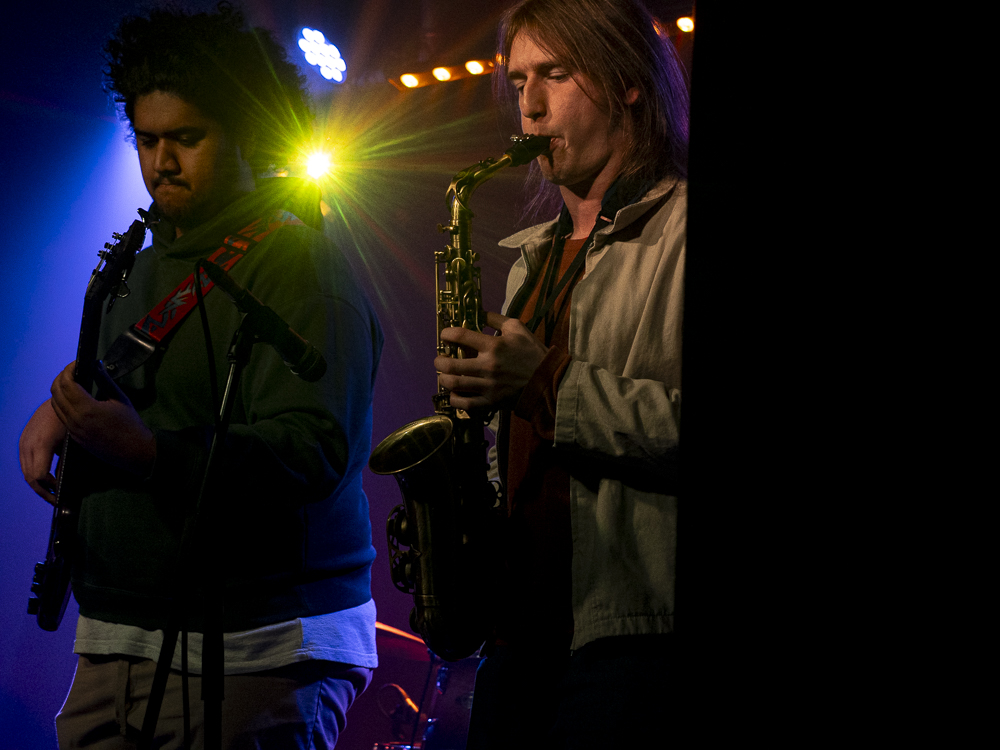
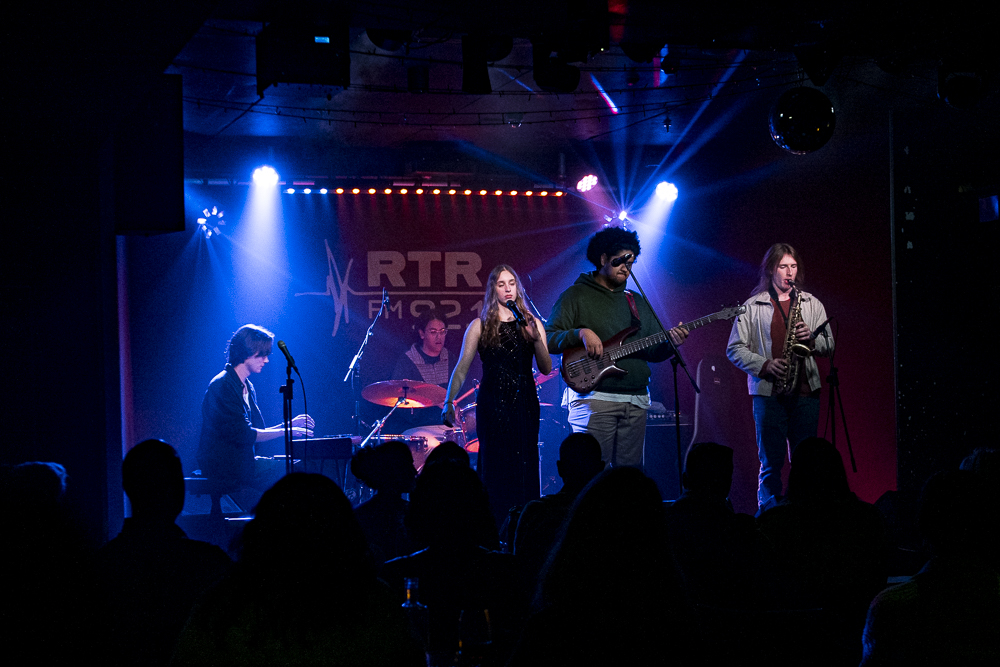
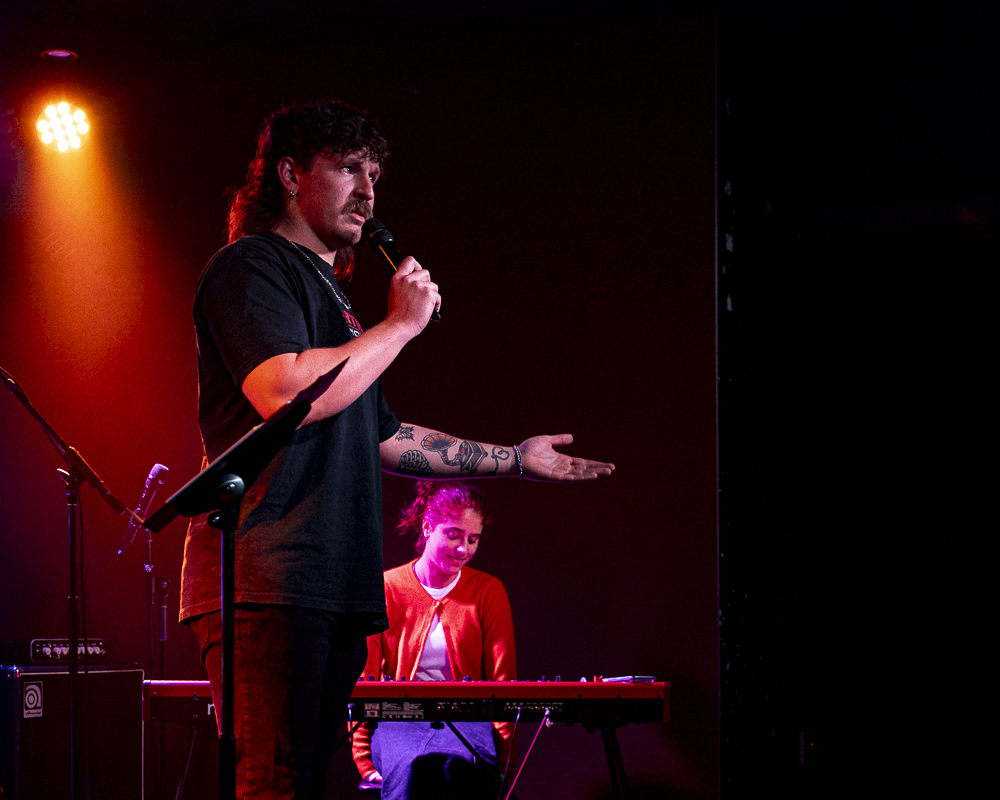
First up, Pareidolia made for a fittingly loose invitation, shrugging off jazz formalism with relaxed garms and a jazz-meets-hip-hop sound still finding its sharpest edges. With bassist/vocalist Jared Hemara steering the group’s shape from centre stage, the five-piece slipped into squelchy funk, brassy sax and keys that chatted around additional vocalist Hazel May. Hemara brought cheeky phrasing rather than bravado, at one point mock-stopping the final tune before hollering “Shut up! Shut up!” at the band. It was fourth-wall-breaking energy more than slick showmanship, and all the more fun for it. The fusion did not always soar, and his lines could use sharper diction to land with the same clarity one expects from jazz instrumentation, but there was something exciting in its nonchalance: warm, cool and cross-disciplinary.

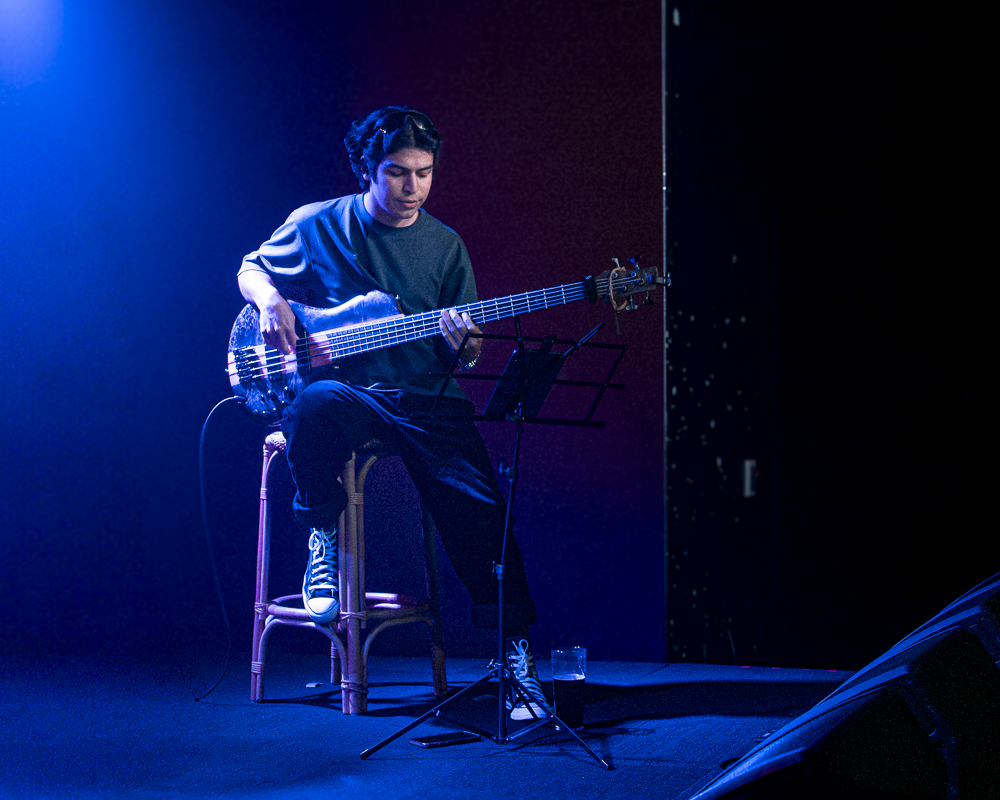
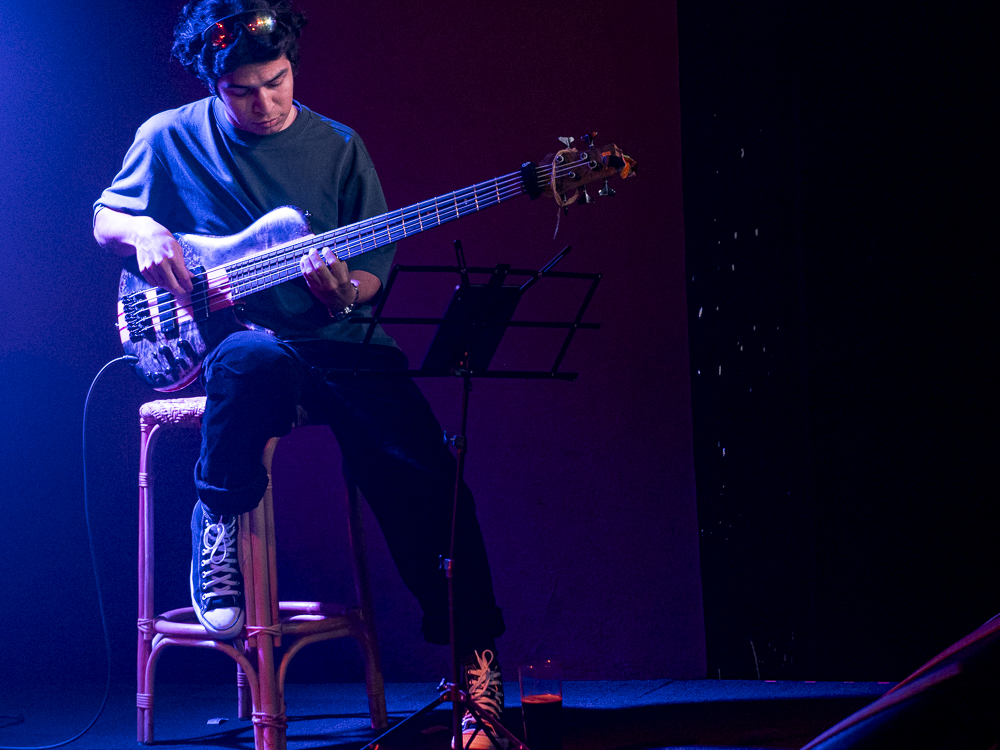
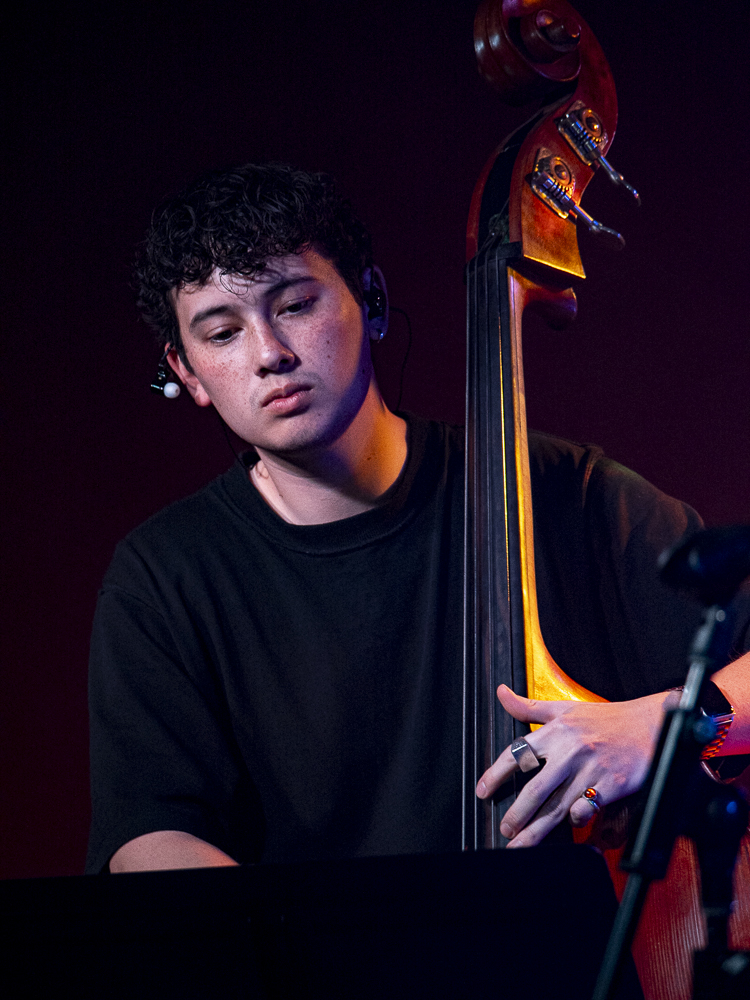
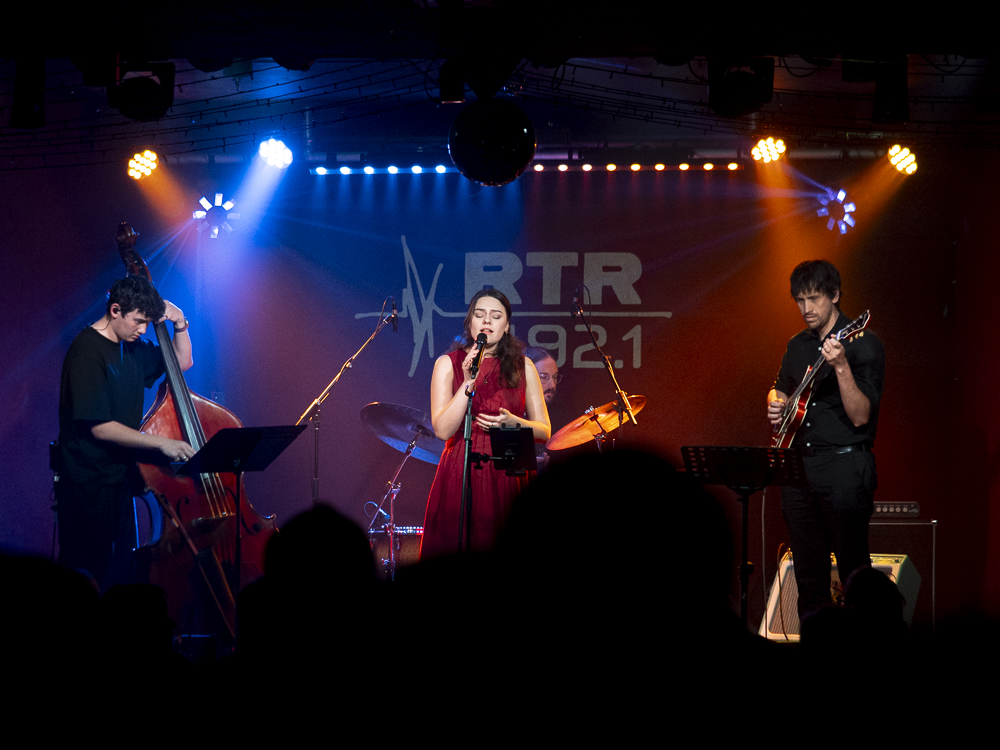
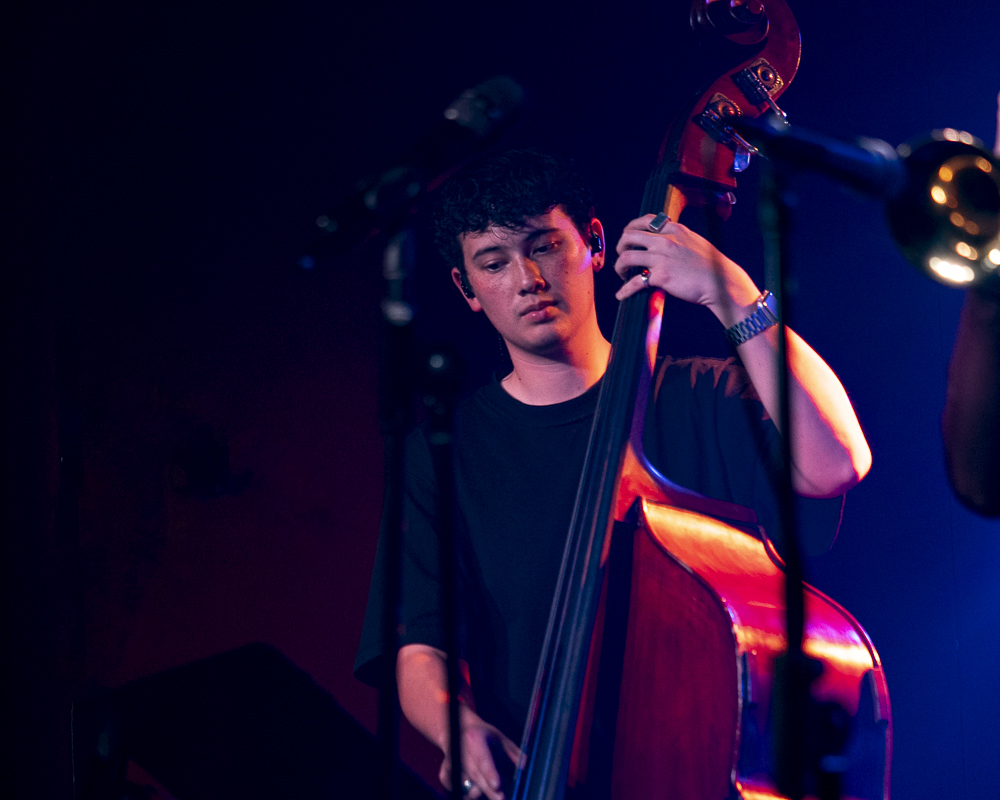
Where Pareidolia warmed the room, Valentina Macias Trio asked it to lean in. Macias opened Chick Corea’s 500 Miles High alone at the piano before drums and double bass entered, bringing cinematic scope without heightened drama. Her original waltz for her Venezuelan grandparents carried the night’s most delicate touch, runs ending in trills like fluttering birds, reflective without tipping into nostalgia. By When in New York, written during a WAAPA trip, the trio had picked up street-pacing energy without losing clarity: bolder chords dropping into wistful passages while bassist Cass Evans-Ocharern bubbled through, soft and unamplified, establishing one of the night’s recurring pleasures.
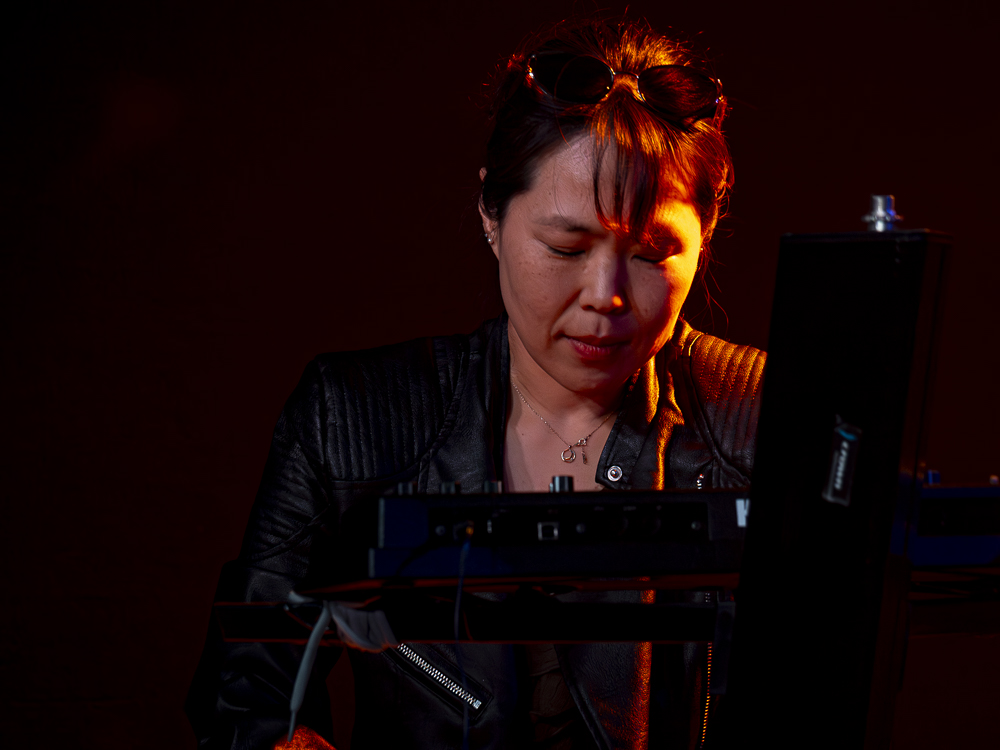
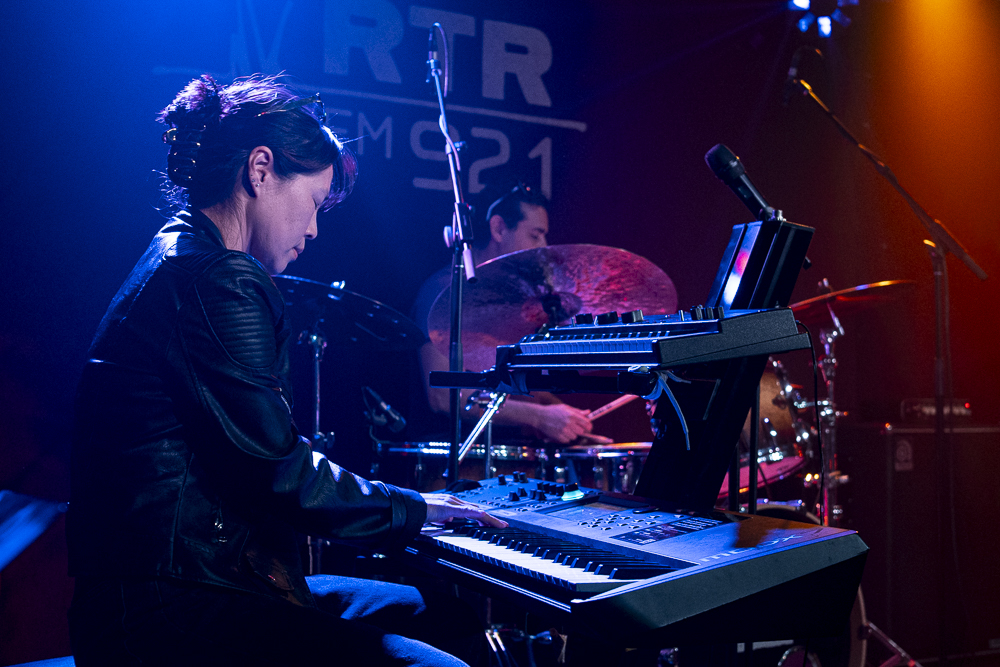
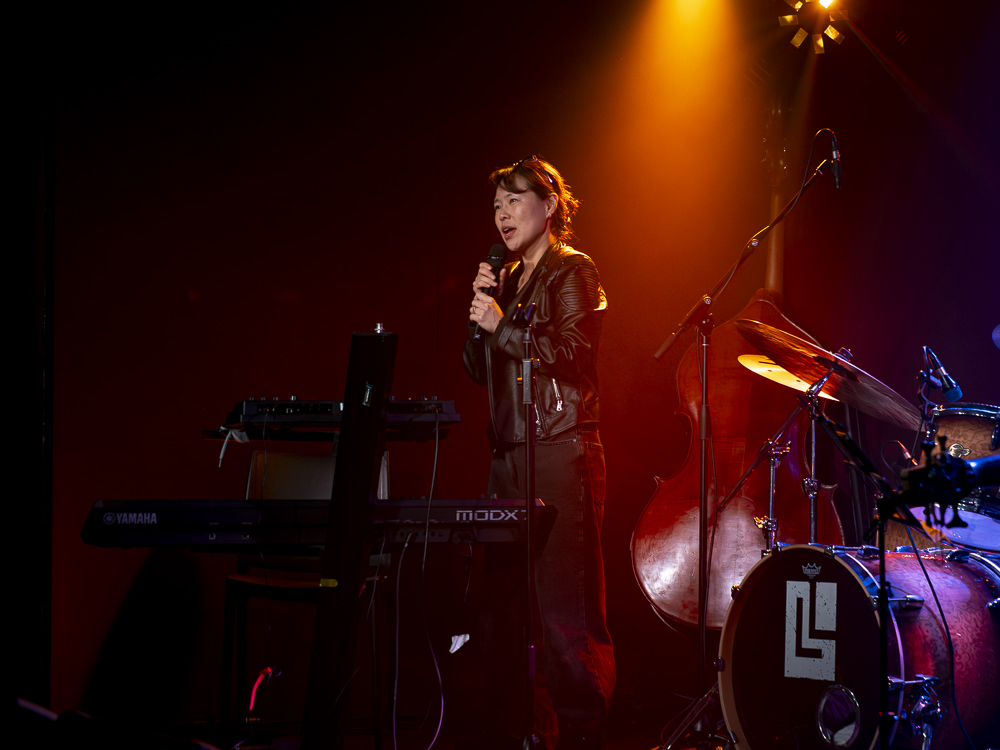
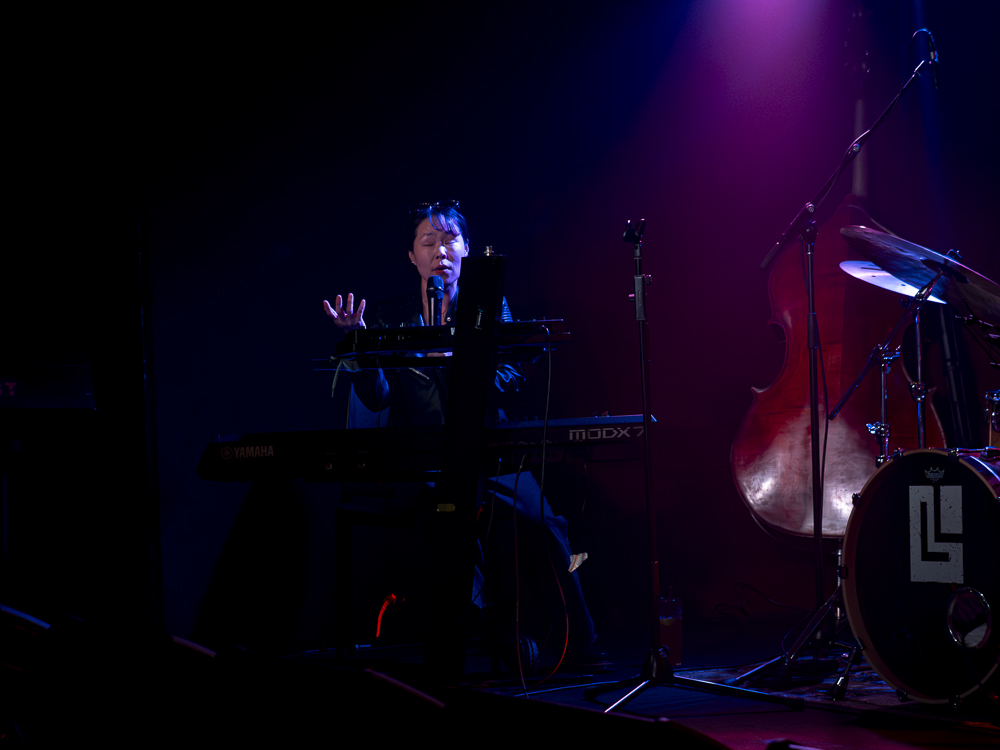
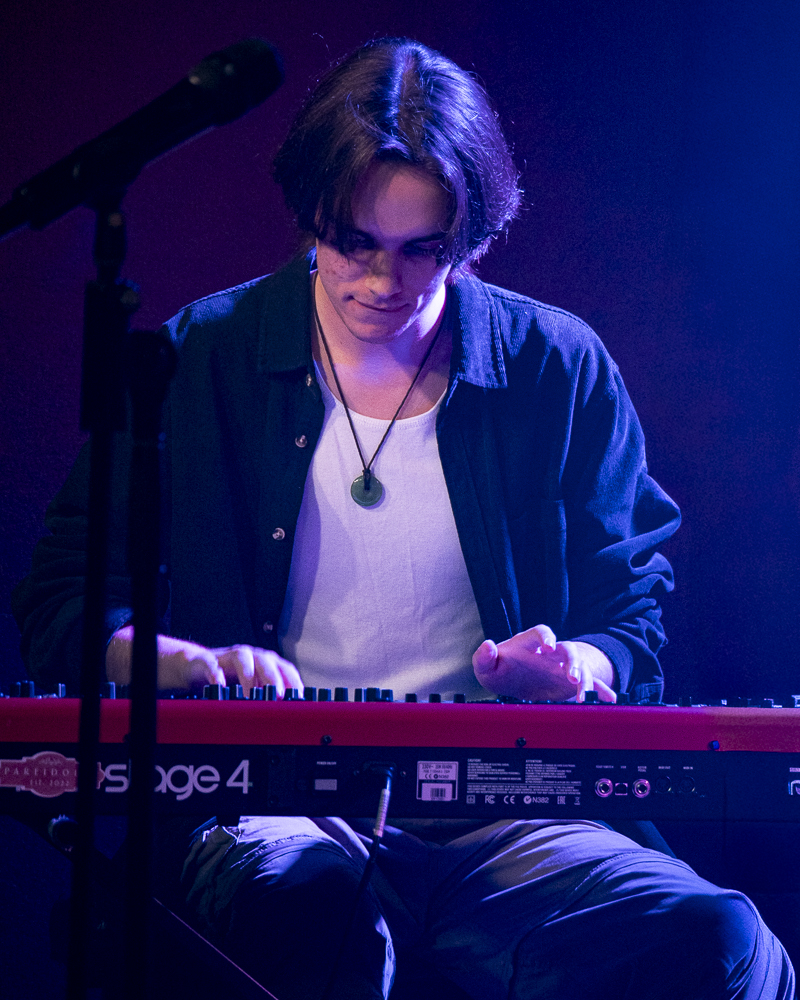
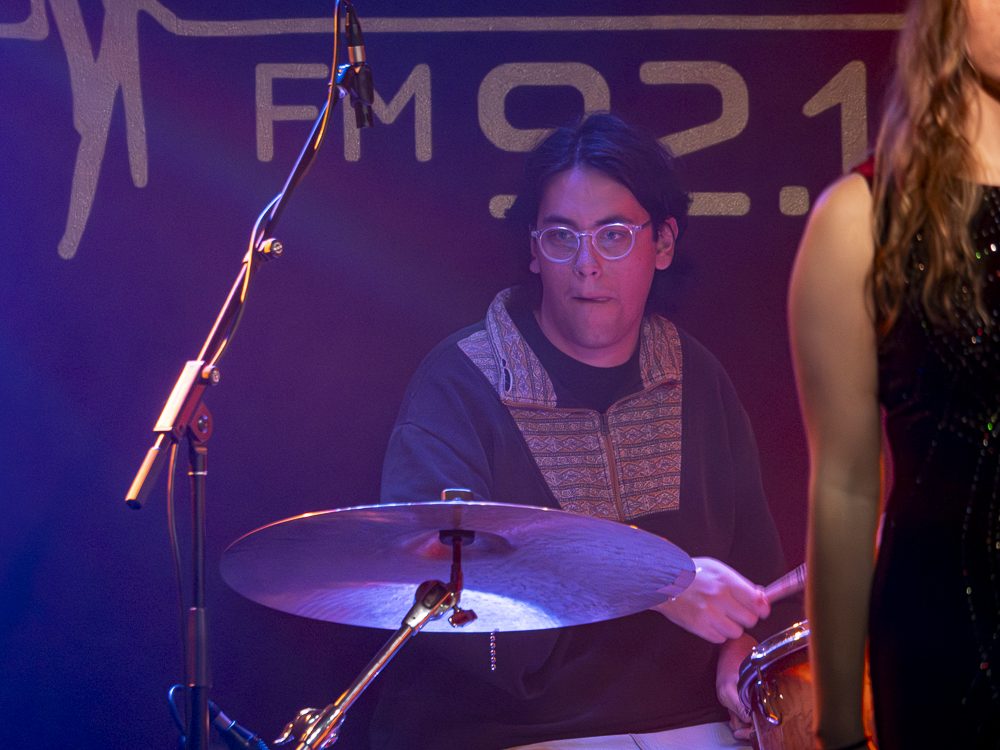
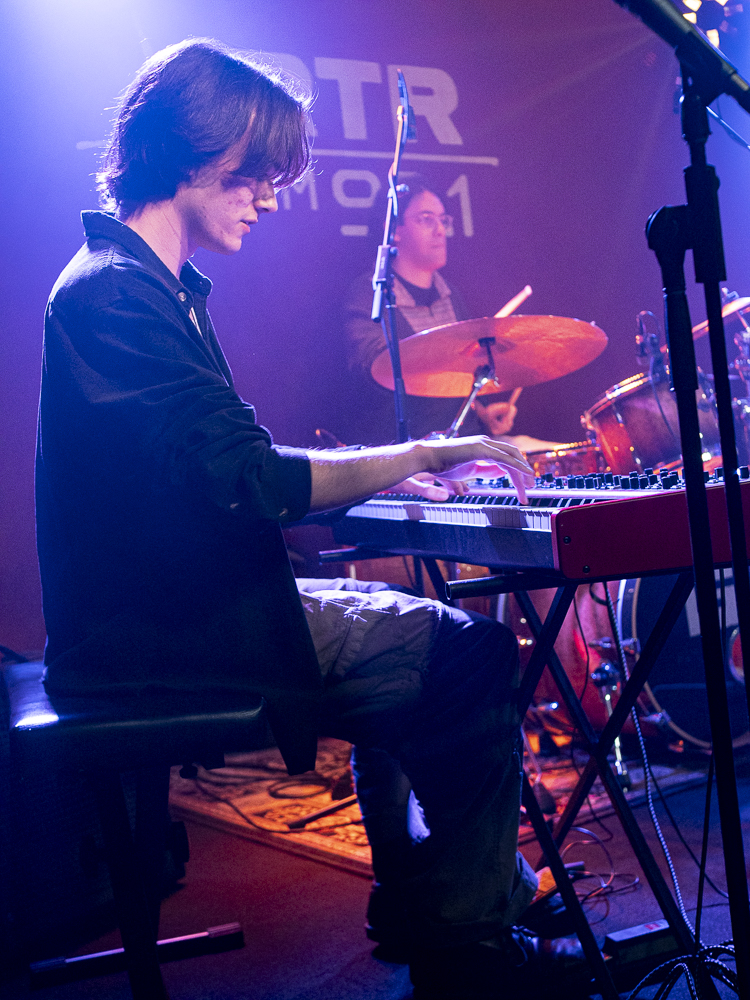
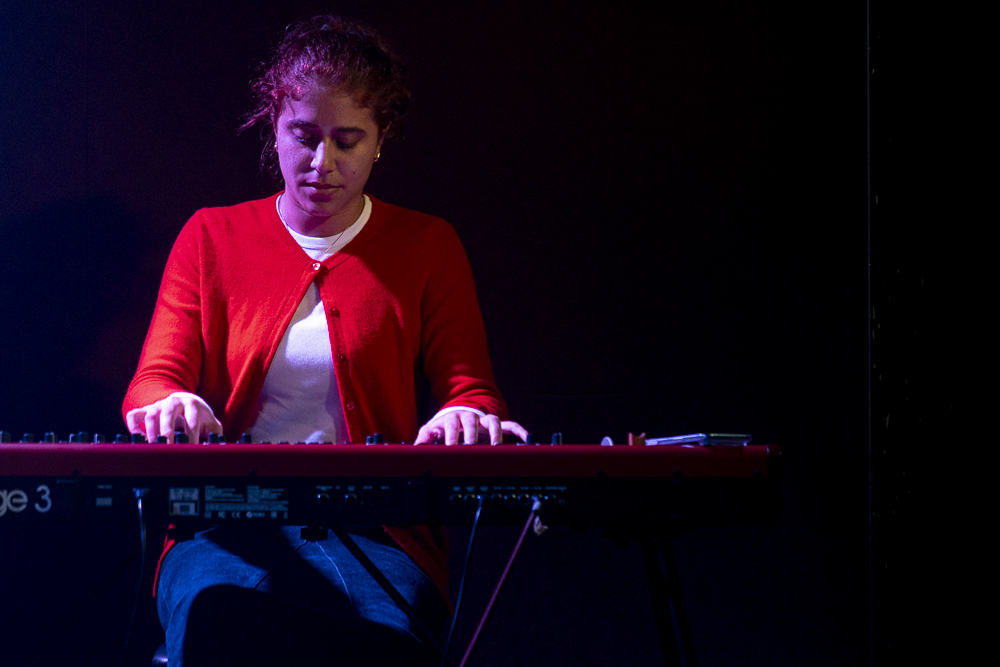
After Macias’ carefully built interior world, Hanna Kim Trio kicked a side door wide open. A synthy opening signalled a departure from pleasant jazz muzak, Kim arriving in leather jacket and sunglasses-on-head cool, foot stomping as the first song wound up with visible glee. With Tommy Flamenco on bass and Frank Munoz on drums, the trio felt playful, fluent and risk-ready. Nowhere—also, charmingly, “Now Here”—gave way to a dynamic Misty, where Munoz’s drums loosened and deconstructed while Kim’s keys took rhythmic lead: a passage of form-play where roles were not reversed so much as gleefully told to get lost.
The sunglasses came properly on for Summer in Perth, a tune whose fake endings became a signature joke; had Corey Hart wandered in, he may have felt personally summoned. Coffee Me delivered exactly what it said on the package: needing a coffee, getting one, then perhaps having too much. Its stop-start dynamic began surprisingly reserved before propelling forward with caffeine’s levity and get-shit-done momentum, eerie alien blips from the keys pushing the drums into more frenetic territory until the room seemed toe-tappingly caffeinated too. It was the night’s liveliest reminder that a largely vocal-less spine can sharpen, rather than lessen, deep focus in listening.
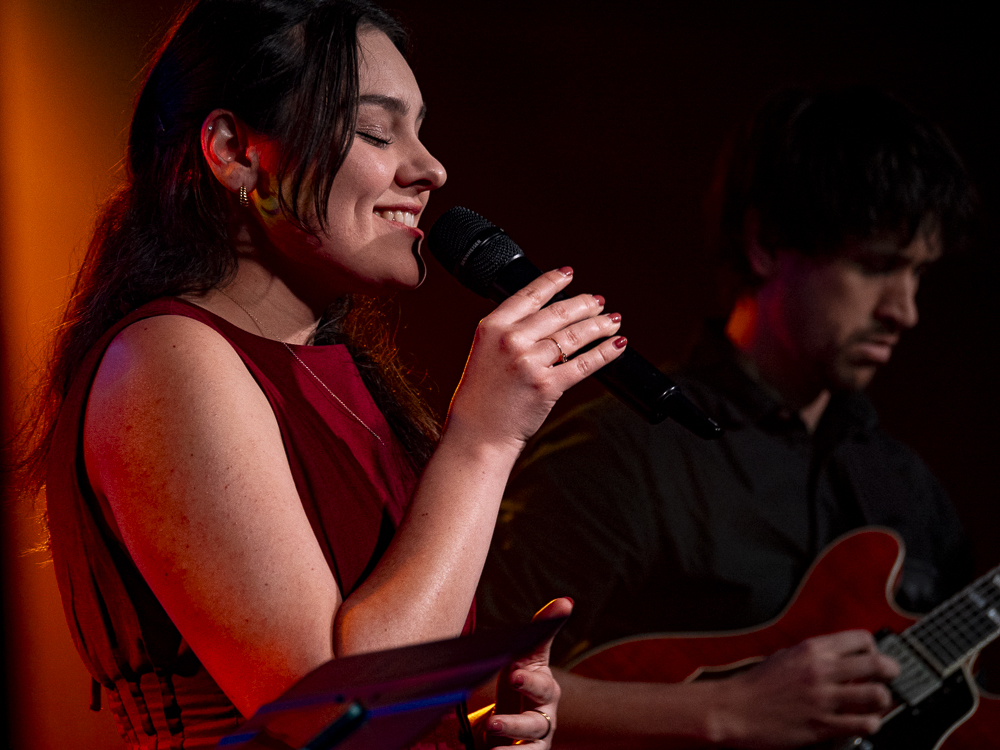
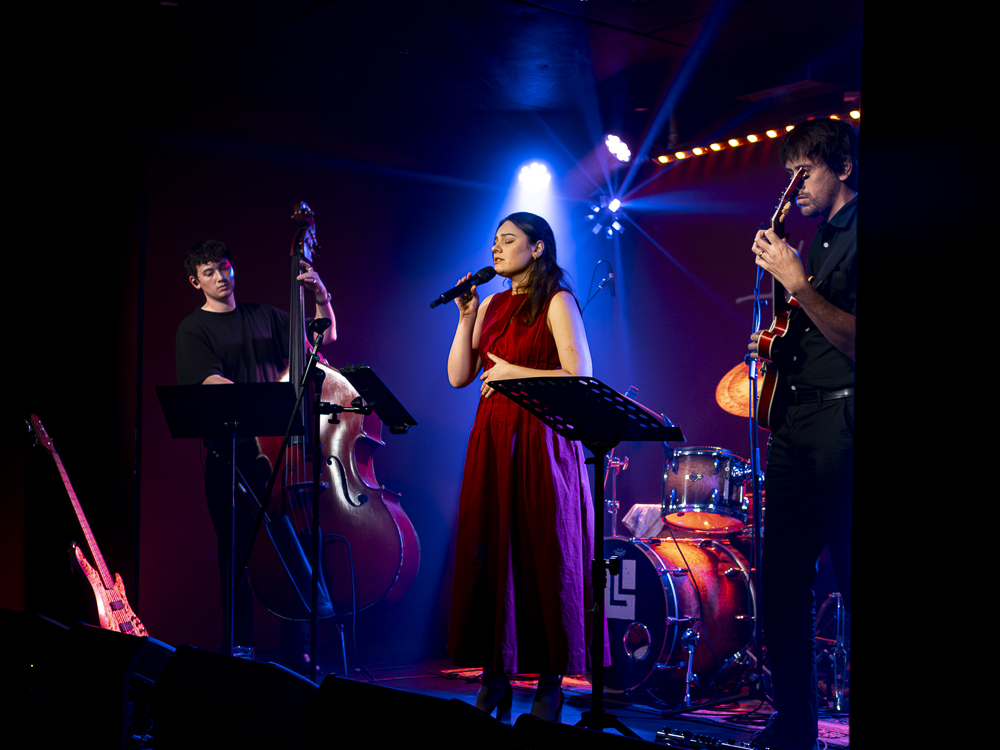
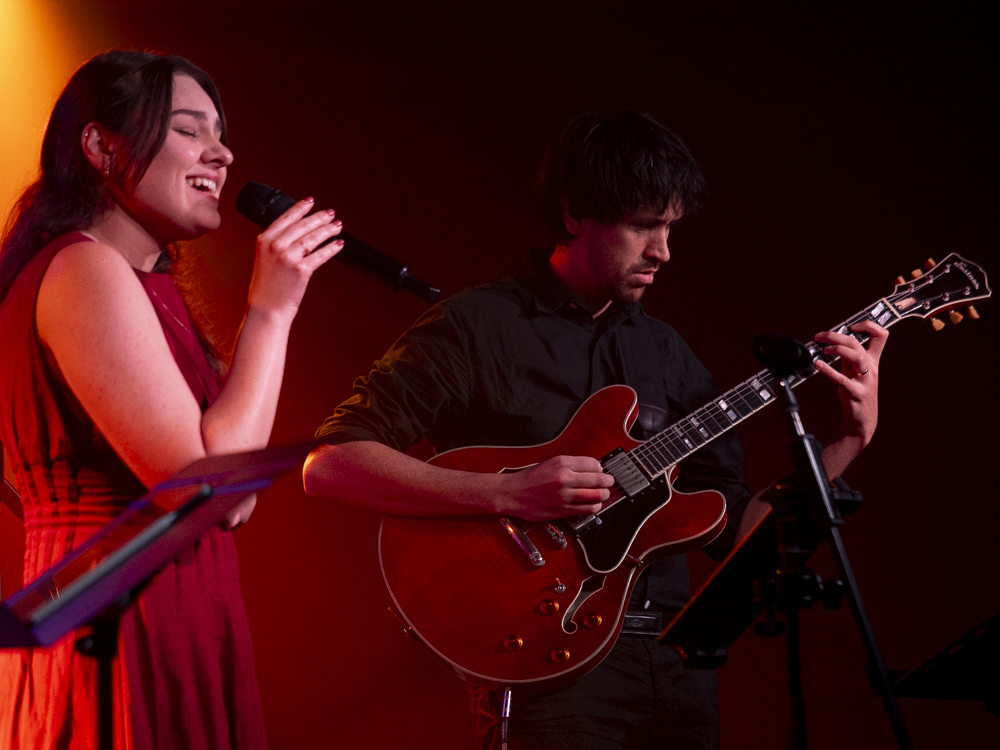
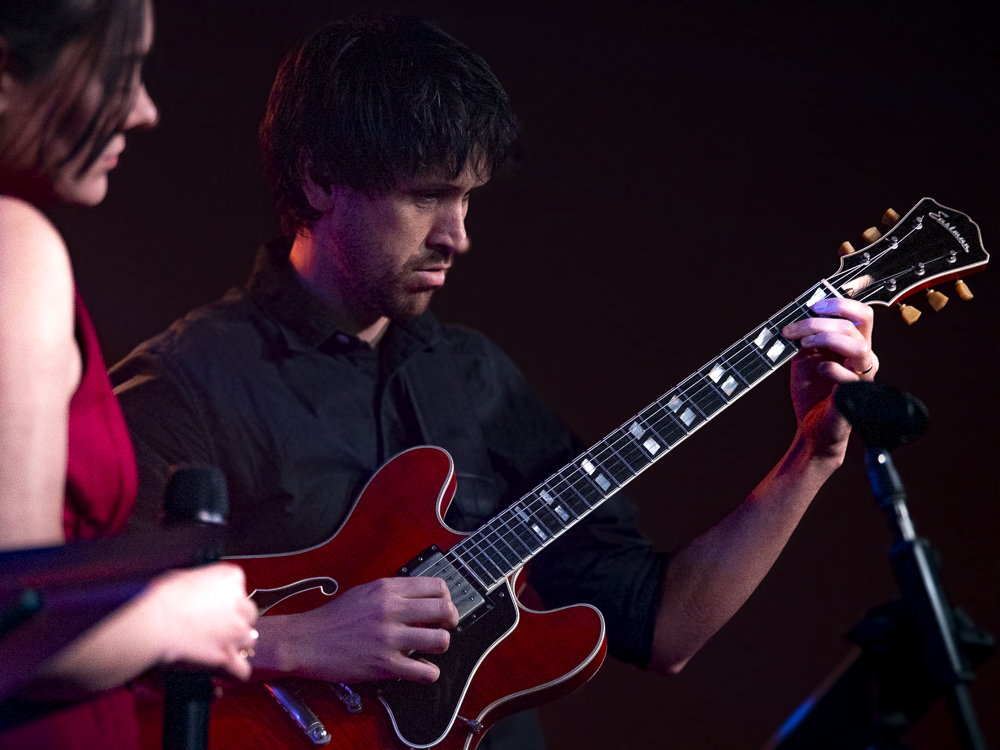
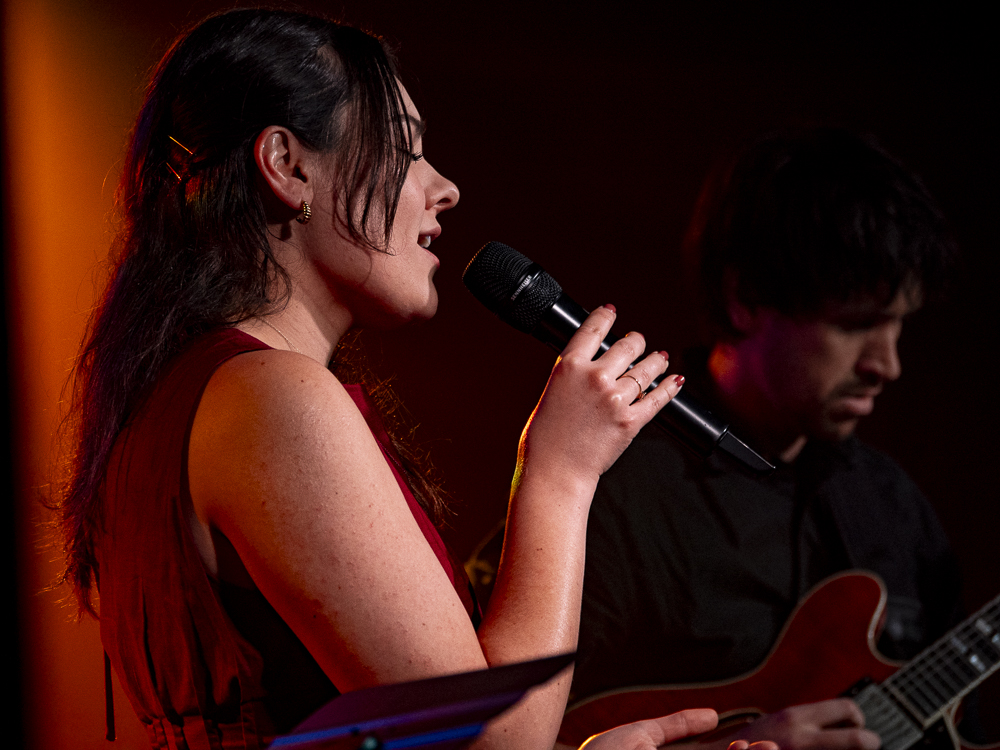
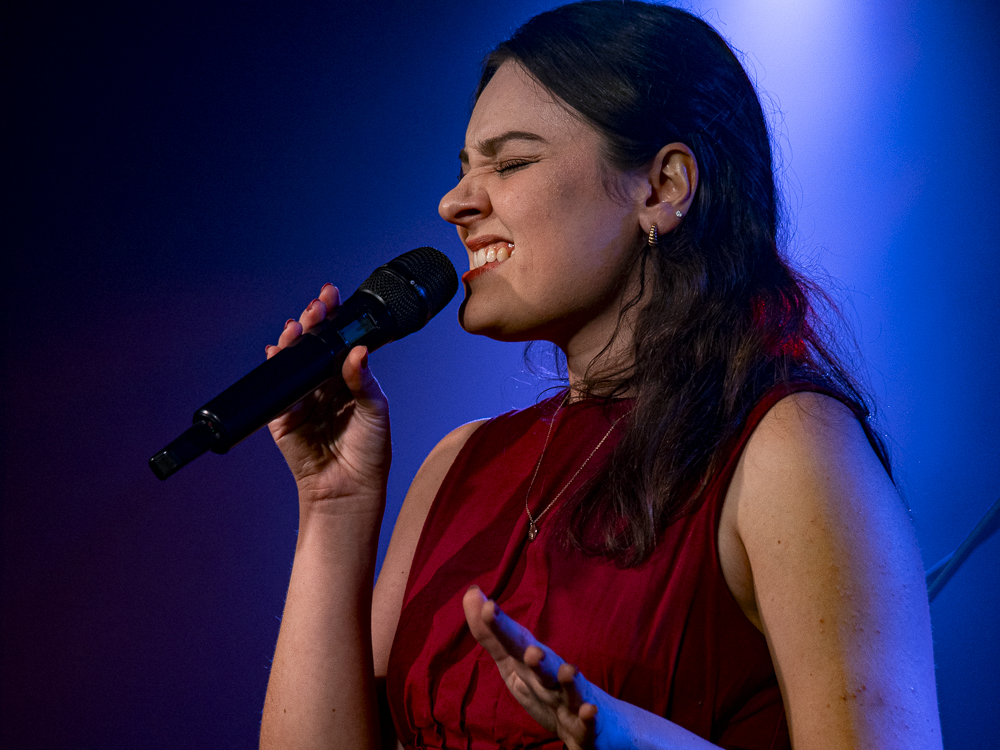
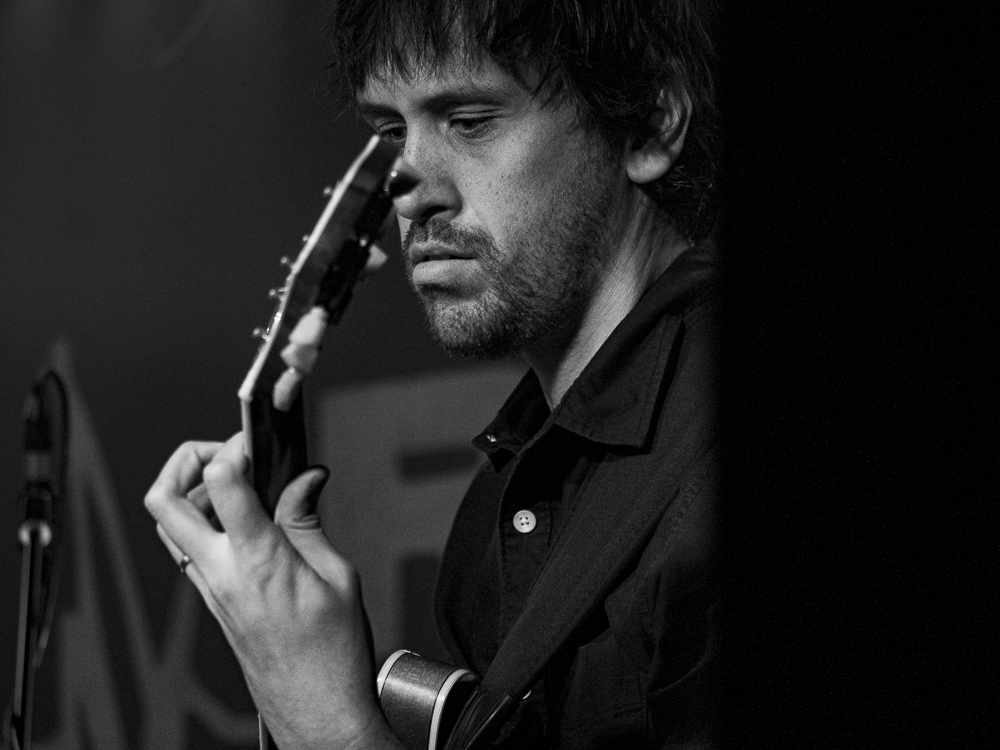
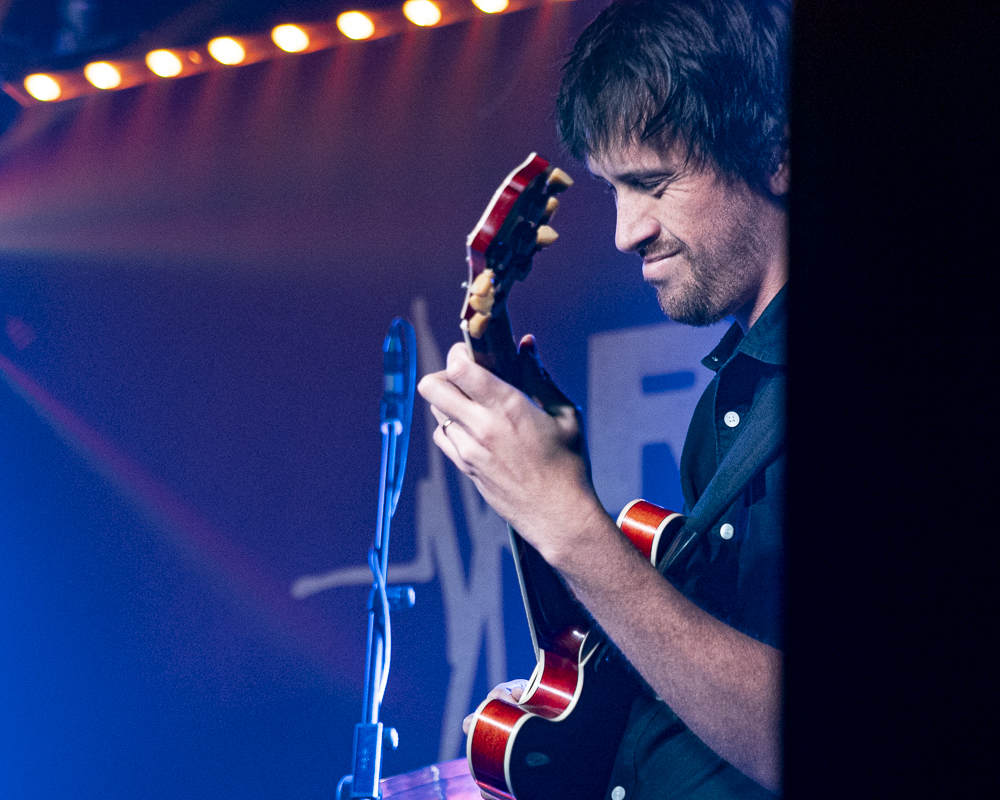
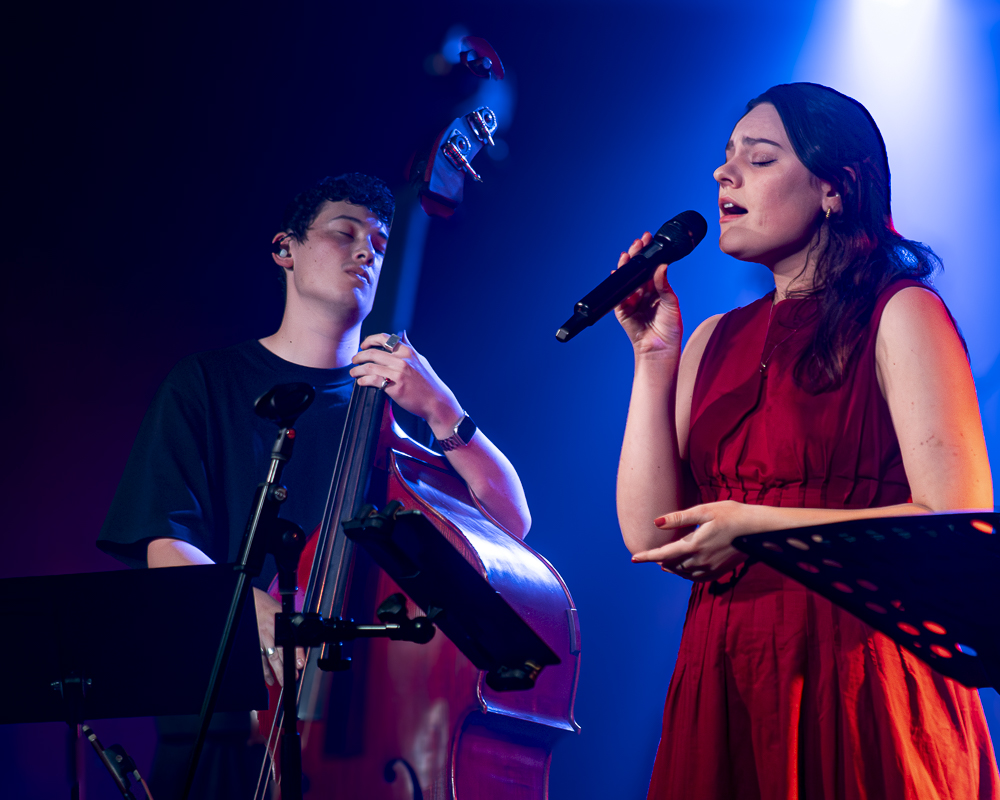
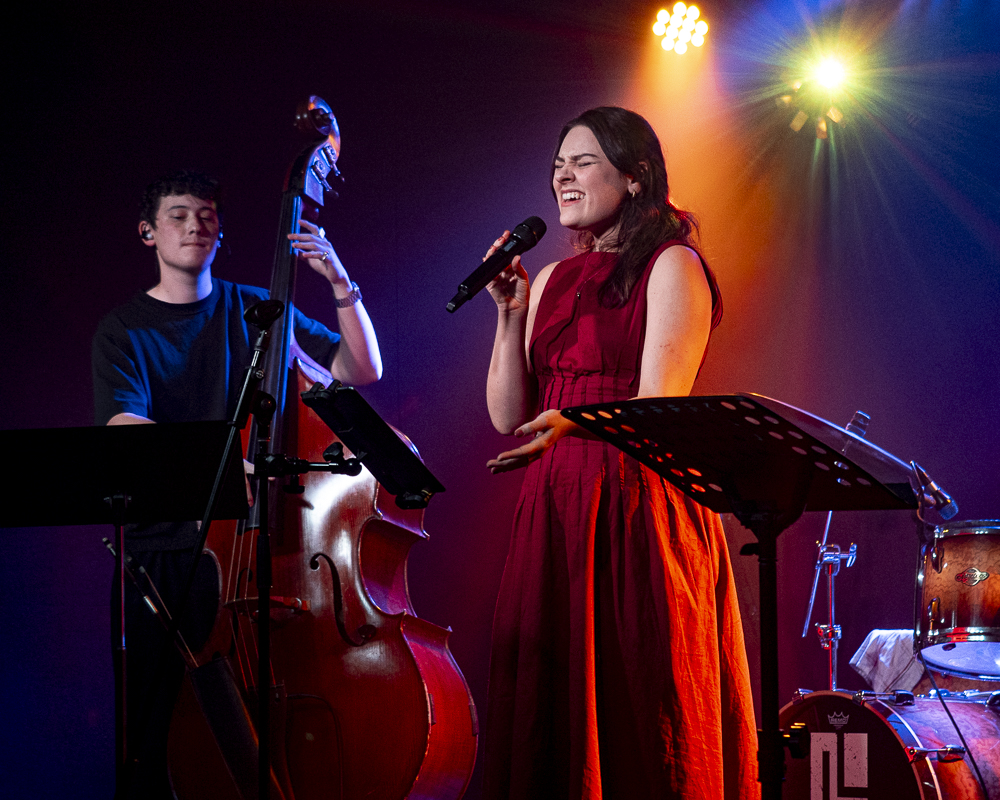
Placed at 9pm, Laura Igglesden’s set felt, on paper, like the evening’s vocal centrepiece. In practice, it was polished and personable, though perhaps too comfortable after Kim’s loosened risk. Beginning with Jim Croce’s Time in a Bottle, accompanied only by Jeremy Thomson’s warm, understated guitar, Igglesden leant into folk-inflected phrasing before letting scatting arrive naturally around the edges. Bob Dylan’s Don’t Think Twice, It’s All Right continued the familiar softness, well performed but not especially testing. The lift came with original Bedroom Astronomy, where Thomson’s guitar coloured the set with sudden life, and Evans-Ocharern again encouraged a proper auditory lean-in, picking up sensitivity and hollow blows before Igglesden’s vocal capstone. Eleanor Rigby translated surprisingly well into jazz, though its loneliness remained more structural than deeply felt.

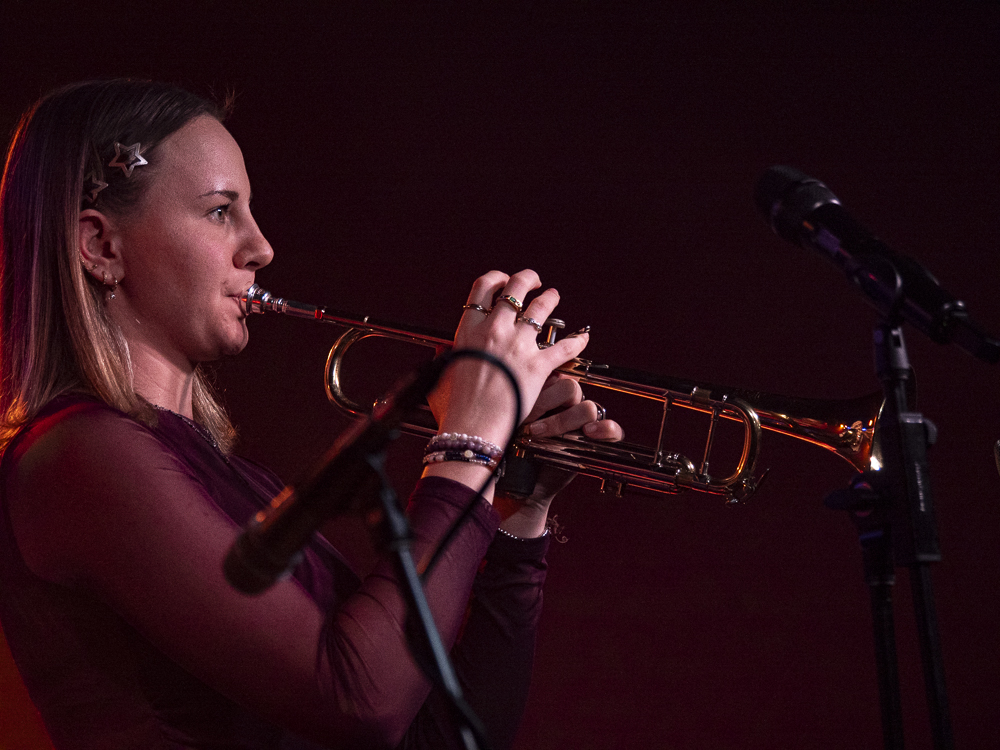
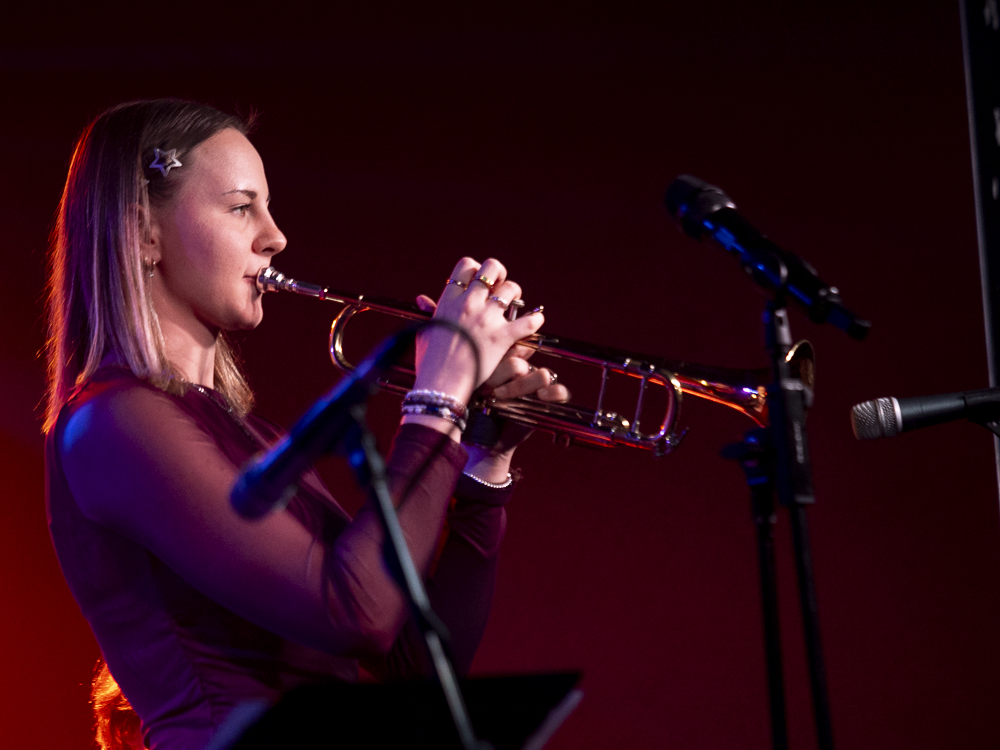
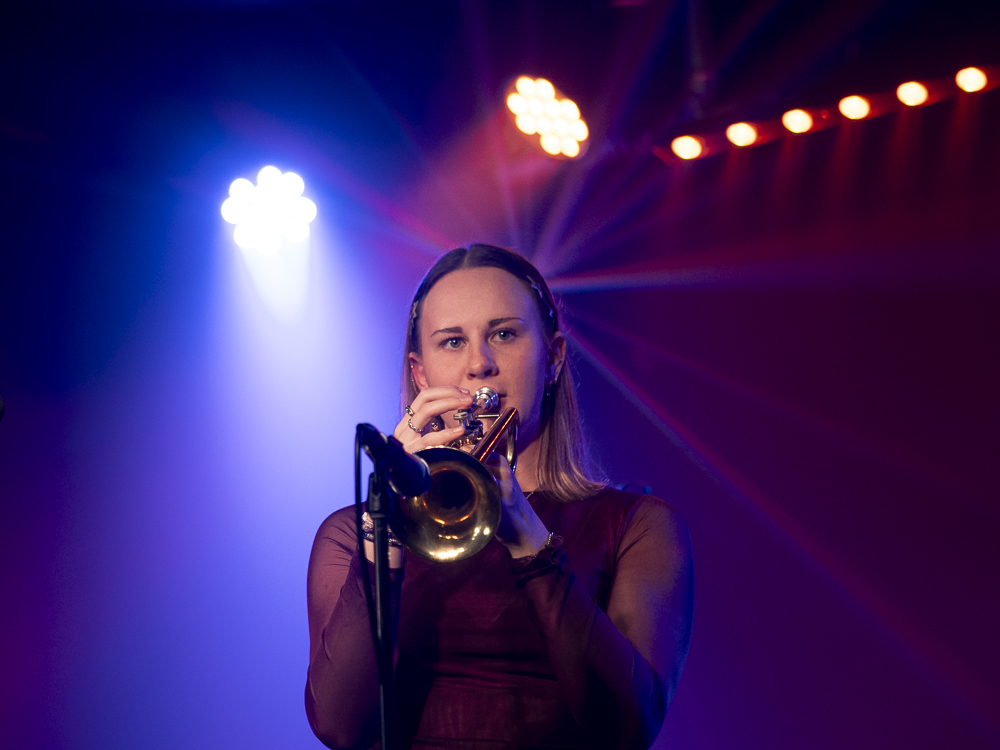
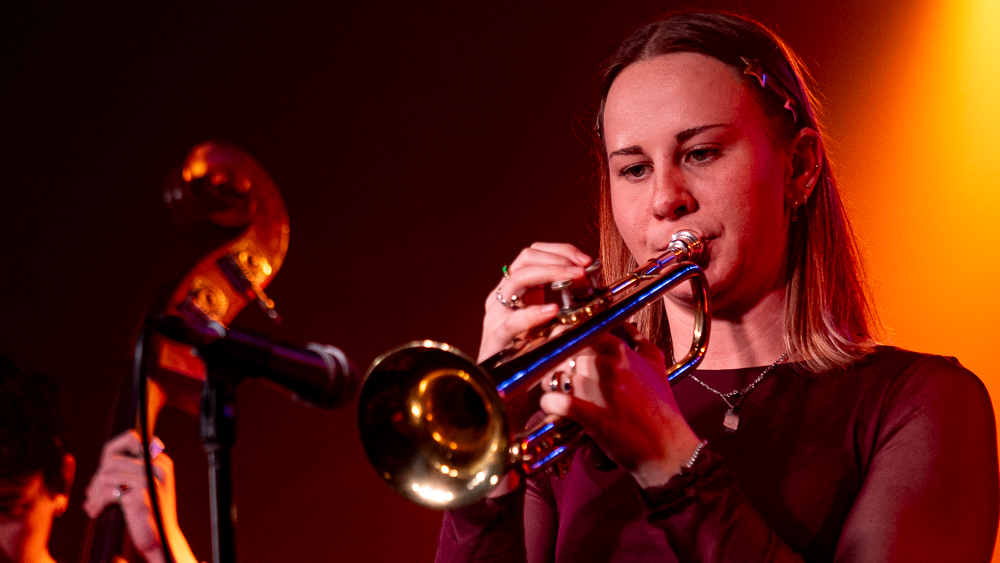
By 10pm, the room had thinned noticeably—an unfortunate exodus after Igglesden that left Zoe Boyd Quintet playing to fewer ears than deserved. Sharing musical DNA with Pareidolia, including keys and sax, the quintet nevertheless had its own discrete flavour; credit, too, to Evans-Ocharern’s versatility in appearing for the third time that night, helping familiar parts reassemble differently. There was something quietly thrilling in seeing Boyd flay the trumpet, an instrument still too often coded masculine, not as novelty but as command. Her first-ever composition was, by her own admission, a ripper; later, Golden Bay let breath become affect, trumpet whispers hovering over murmuring keys. As glasses clinked and tables were cleared, final tune Passenger brought sax and trumpet into animated conversation, lively with the character of commuter life rather than passive drift.
Those who stayed were rewarded with the evening’s most complete argument: that WA jazz is neither rear-visionism nor background sophistication, but a living network of players listening, swapping, testing and returning.
CAT LANDRO
Photos by Linda Dunjey