Review: Izzard: The Tragedy of Hamlet at State Theatre Centre of WA
Izzard: The Tragedy of Hamlet at State Theatre Centre of Western Australia
Monday, July 27, 2026
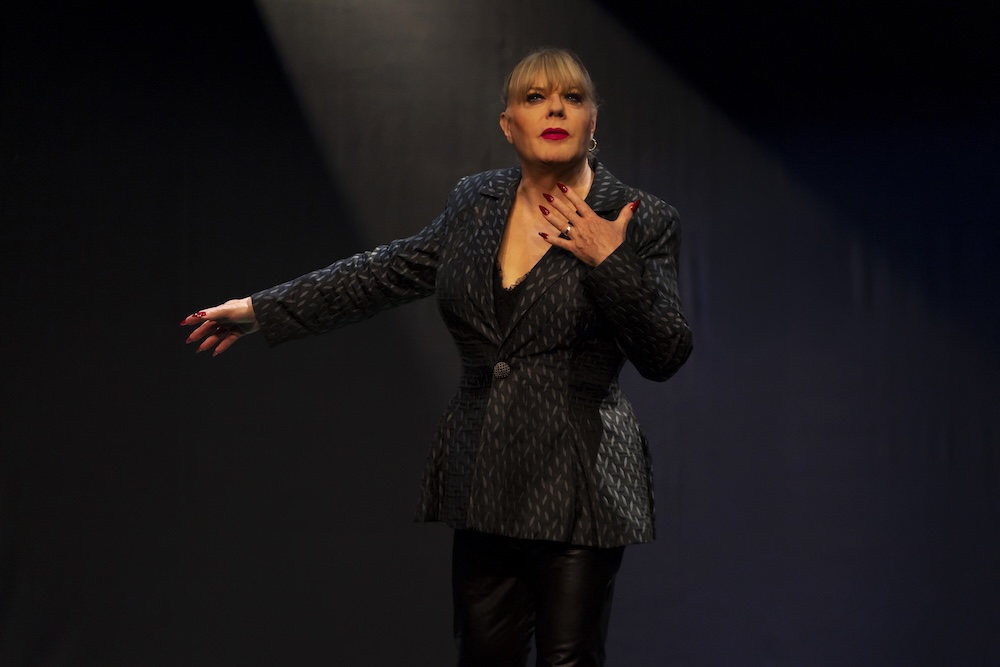
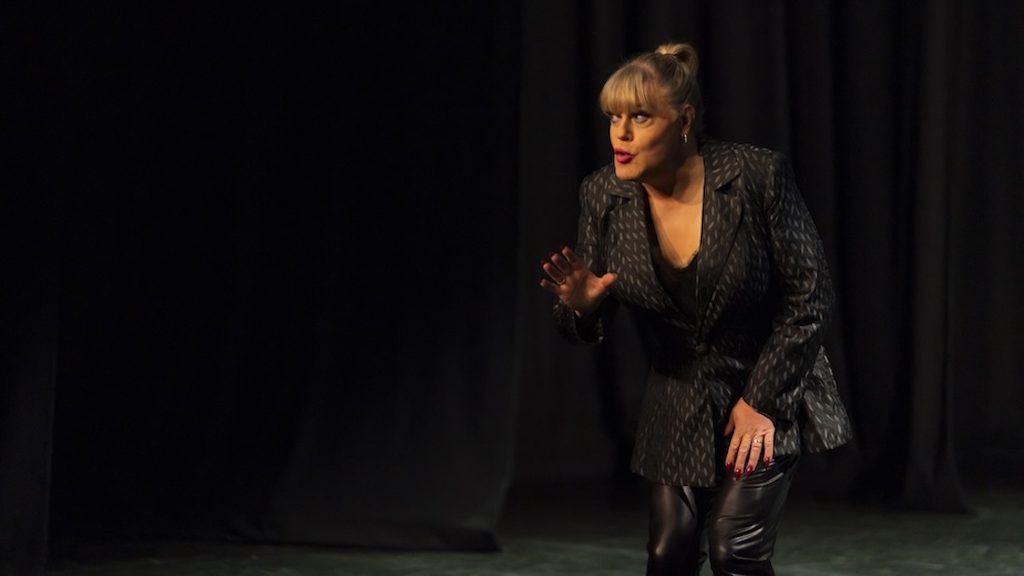
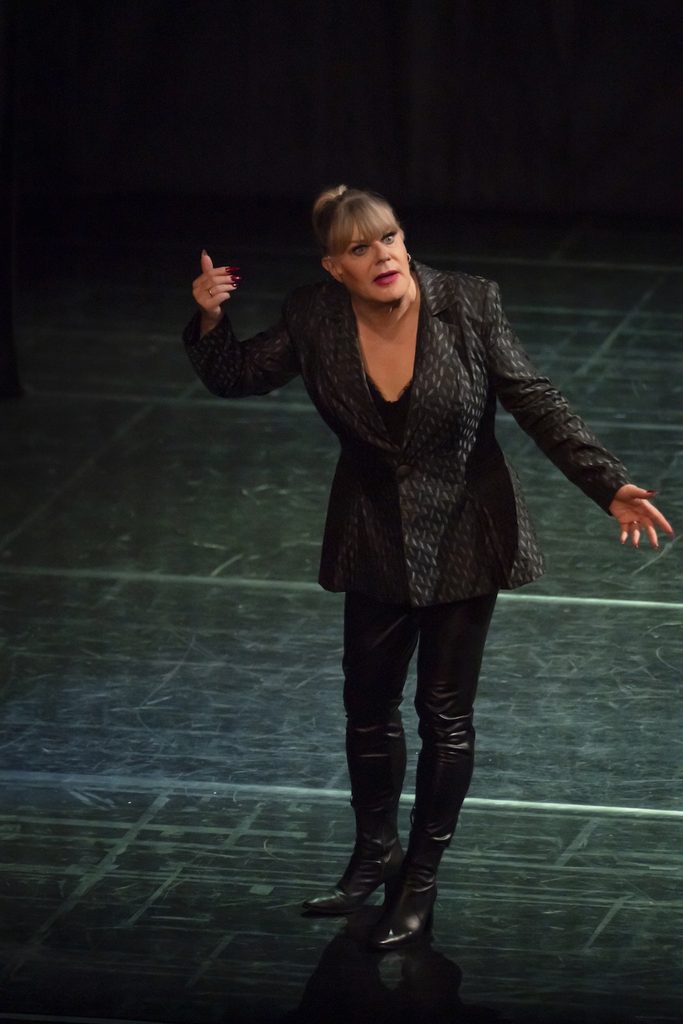
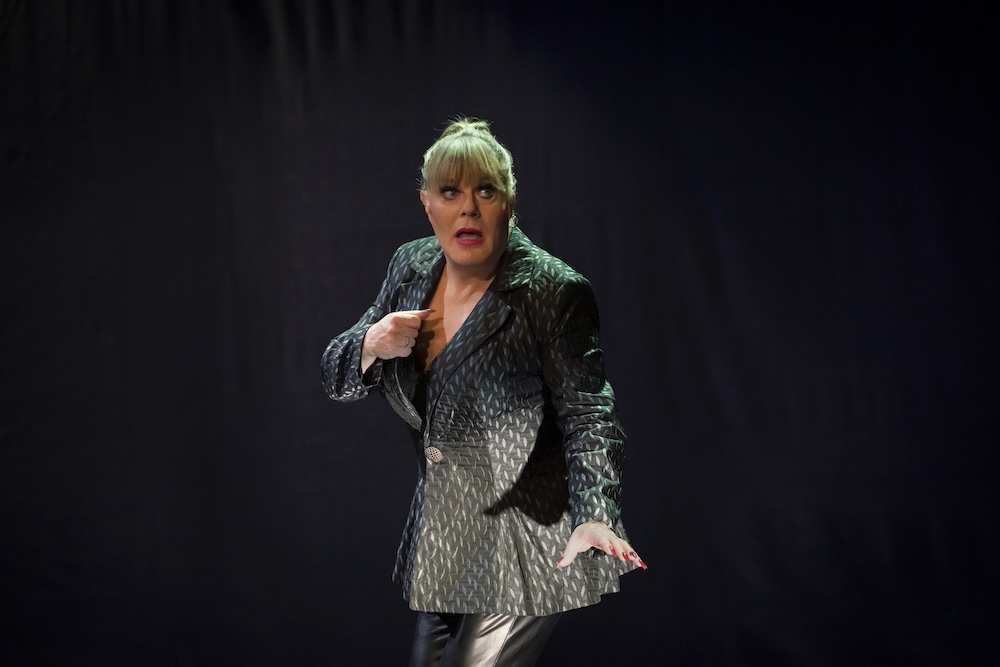
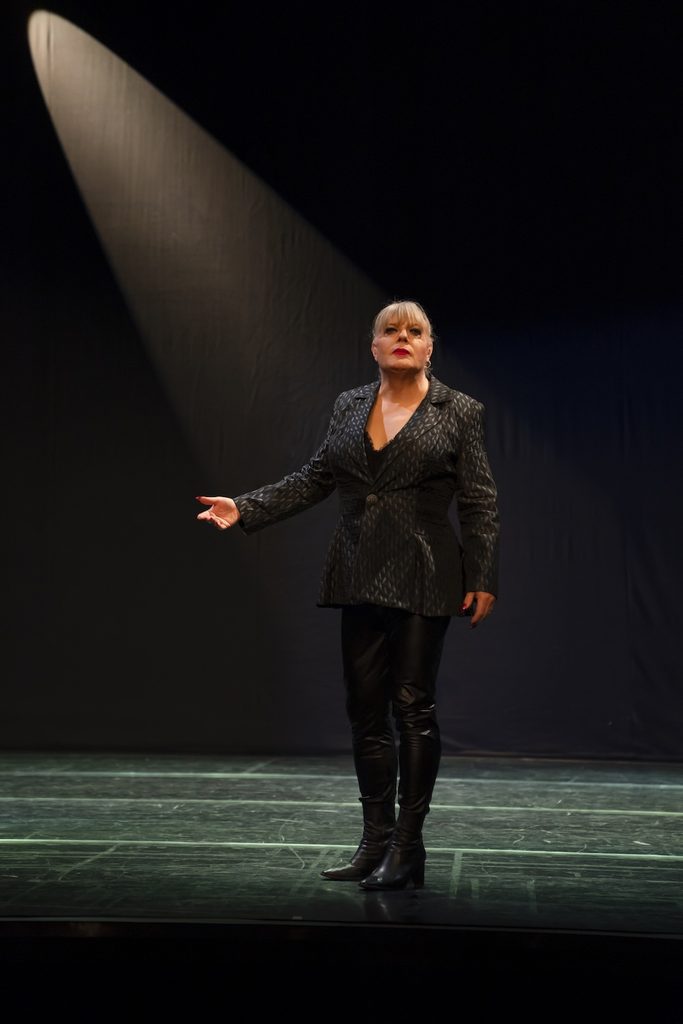
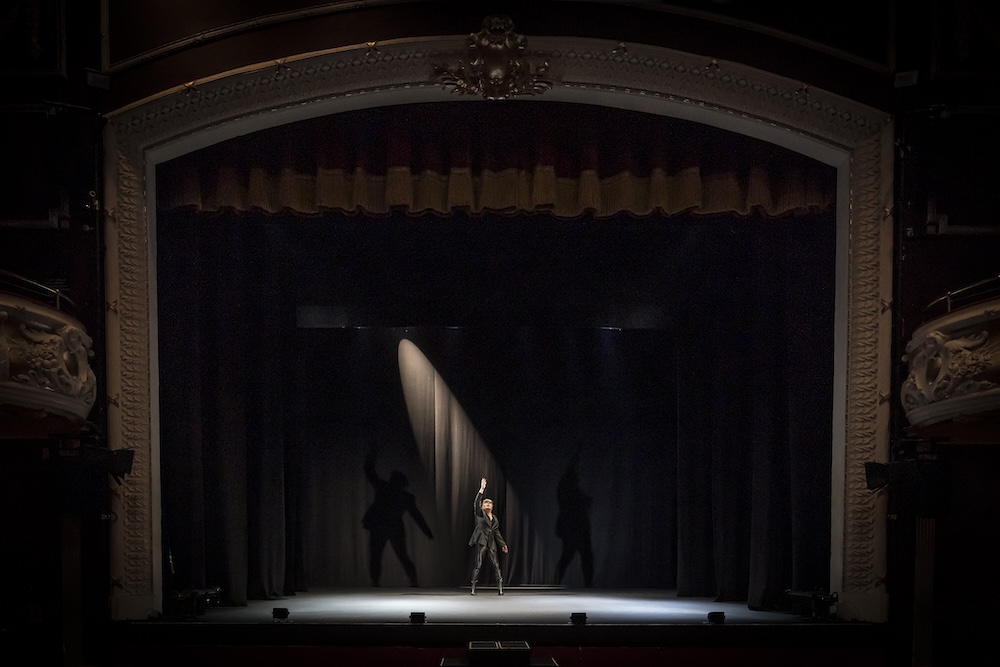
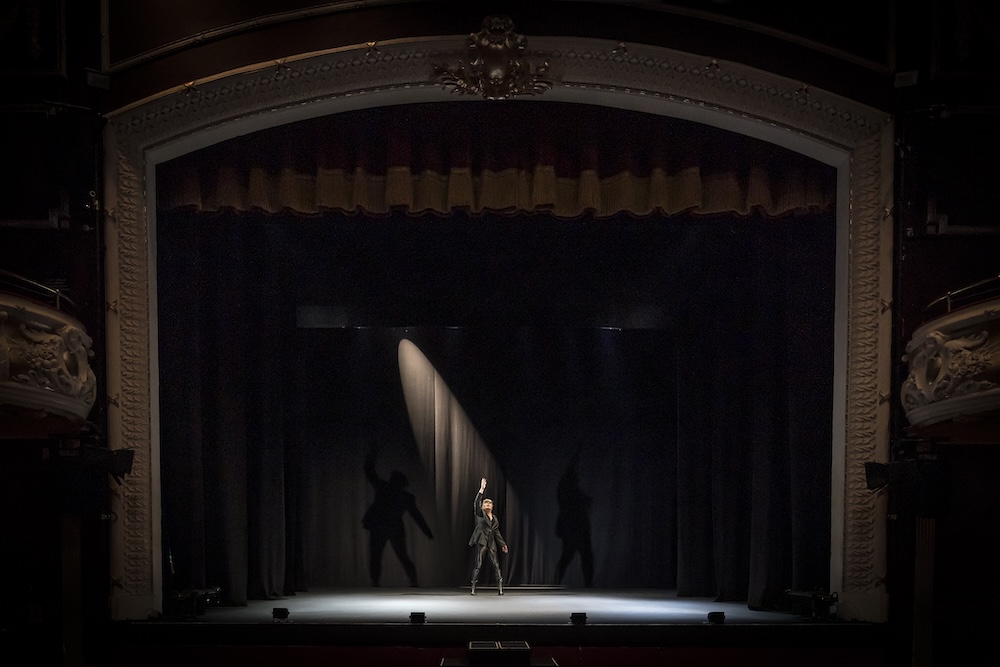
Playing to three sold-out audiences at Heath Ledger Theatre this week, Eddie Izzard performed Shakespeare’s Hamlet as a solo piece, taking on over a score of characters with little more than subtle adjustments of voice and mannerisms. The set itself was also stripped back to near nothing, the stage without furniture and the lighting design consisting of one stationary spotlight, alone at the rear.
Izzard broke the fourth wall almost as soon as she came to the stage, advised the audience this setting was akin to what Shakespeare himself would be familiar with, and observed that the concept of a theatre audience as understood today didn’t fully form until the mid-nineteenth century. Izzard also forewarned that even if some of those in attendance remembered her from her comedy days, Hamlet was very much a tragedy, though it did contain some comedic elements.
Through to the classic play itself, opened with Horatio and Barnabas observing the shade of the recently deceased king, Prince Hamlet’s father, during their night watch. Although adapted to a one-person performance conducted in approximately half the time of the full piece, the melodic cadence of Shakespeare’s original prose came to the fore almost immediately.
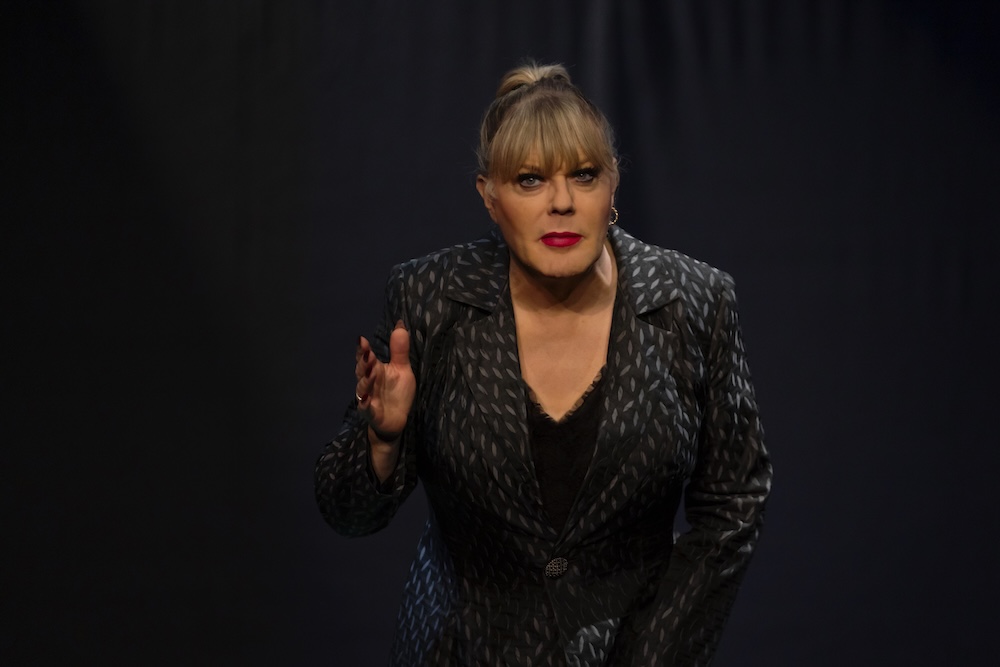
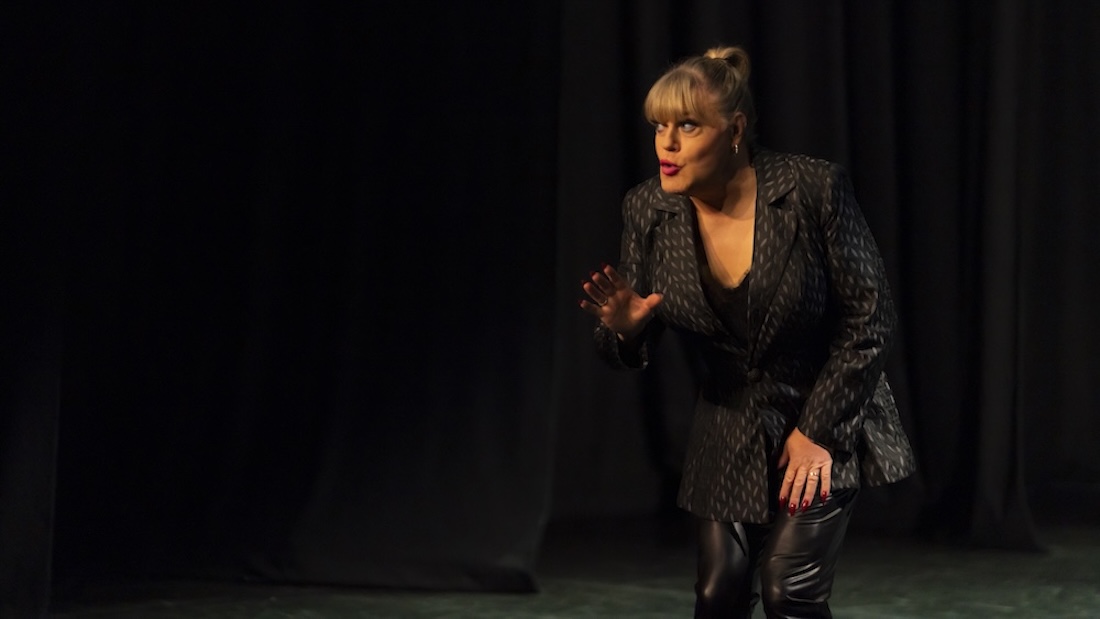
Izzard gave all characters she played their own individuality, which sometimes included the slightest changes to body language. To wit, Claudius, Hamlet’s uncle now become stepfather, boomed loudly and gruffly, pushing his chest forward to the crowd, an indication of power and vigour, whilst Ophelia often murmured meekly, eyes to the ground, withdrawn into herself.
Izzard’s Hamlet, the protagonist of the piece, slipped easily between conversations with the other characters and his own soliloquys without getting the audience too lost, though the idea of whether the prince was mad for most of the performance or just acting as such was left more open-ended than some other interpretations. Claudius’ guilt for his brother’s regicide was far less in doubt, however, though his inner, heart-wrenching grief for what he had done was balanced sharply with his ongoing machinations to rid himself of his nephew and heir.
The spotlight near the rear of the stage came into focus when Hamlet spoke to the ghost of his father. Izzard stepped into the bright white light to take on the role of the shade, speaking in a faint rumble as the former king replied to his son and stated he was fated to walk the earth until he was avenged. A task to which Hamlet immediately hyperfixated on for the remainder of the play, through to his own doom and that of his realm.
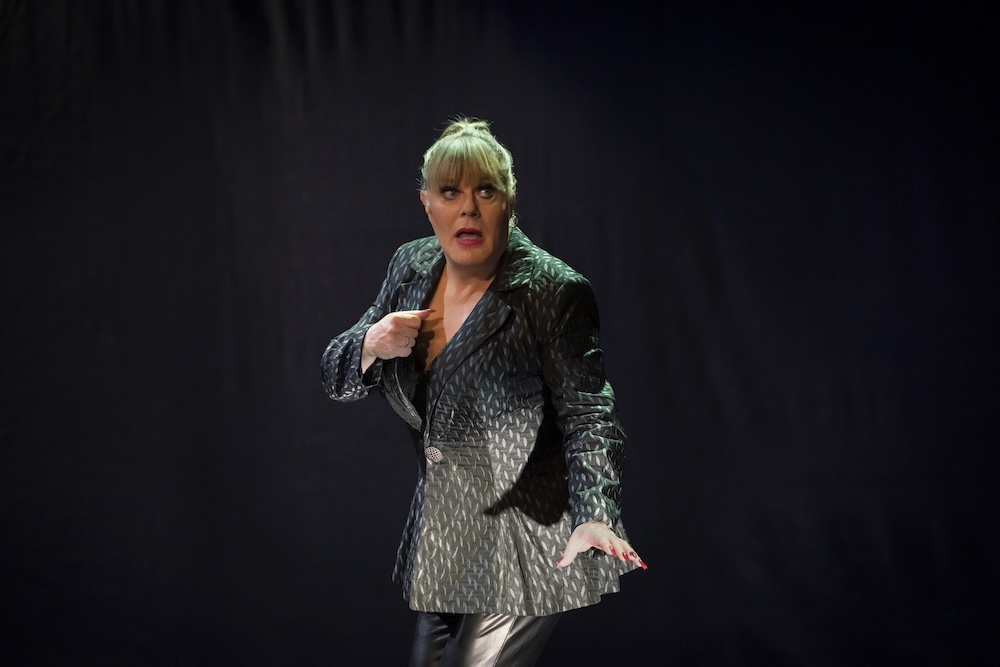
The sly way Izzard characterised Rosencrantz and Guildenstern, two characters so entwined with each other they are seldom thought of individually, brought levity to the performance every time they appeared, whilst the gravediggers were rendered almost Pythonesque, as if close relations to the peasants from Holy Grail.
Izzard brought the full force of her gravitas, especially in two spots, “To be, or not to be” and “Alas, poor Yorick”. For the former, she came fully to the very front of stage, her feet poked forward into the air, almost launching herself into the crowd, as she channelled over four hundred years of peak English acting into her very soul. This was not to say all other aspects of the performance were lesser, but at these two points Izzard truly looked to Gielgud, Olivier, and the pantheon of others who had come before.
When she broke the fourth wall as Hamlet directing The Players performing for the Elsinore court, Izzard’s acting within the acting within the acting was a delightful yet dizzying form of Shakespearean Inception. Although it did not occur immediately when the night started, slowly but surely the stage felt inhabited by more than one, as the crowd further immersed themselves in the mere appearance of hands being held, of shoulders being touched, or of characters hidden behind non-existent curtains.
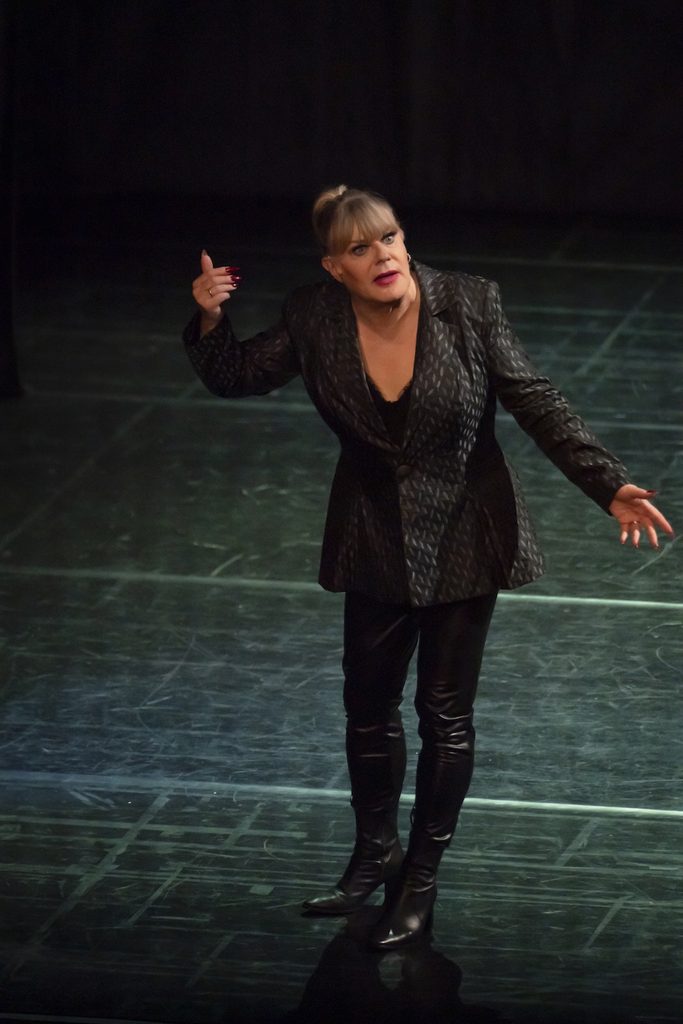
There may have been only one actor on stage paired with a bare-bones minimalist set, but the direction, the adaptation, and any backstage crew involved made this fantastic illusion absolutely work.
Only offstage for a twenty-minute interval over the course of two and a half hours, Izzard verily dazzled as she juggled twenty-three full formed characters, each seemingly with their own agency and distinct story arcs, whilst she also provided the audience with thousands of words from a seventeenth-century script.
Dedicated by Izzard at the end of the evening to her late mother, the singer and performer of the family, all credit for this Hamlet was fully deserved to the actor and her team. With the Perth season coinciding with the three-hundredth performance of this retelling of the piece, one wishes them the deepest hope for many, many more.
PAUL MEEK
Photos by Amanda Searle