Review: Guitar Wolf at Buffalo Club
Guitar Wolf at Buffalo Club
w/ Skortz, Aborted Tortoise
Sunday, March 15, 2026
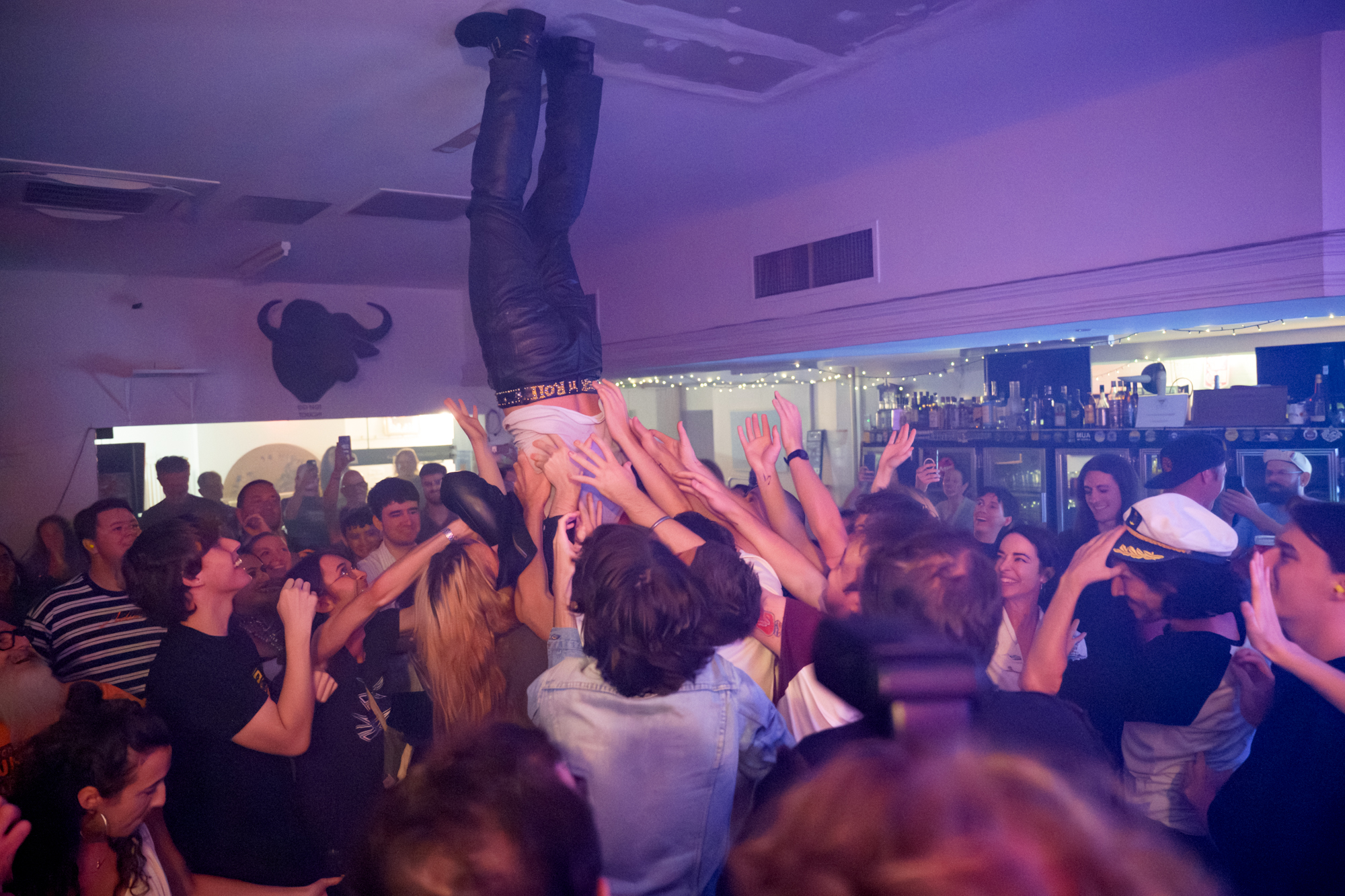
Earplugs at the door aren’t a courtesy at a Guitar Wolf show—they’re a warning. For those who missed their last Perth outing, the mythology had only grown in the retelling: bodies walking on the ceiling, crowd surfing elevated to something closer to ritual. Hyperbole, perhaps—but only until you see it for yourself.

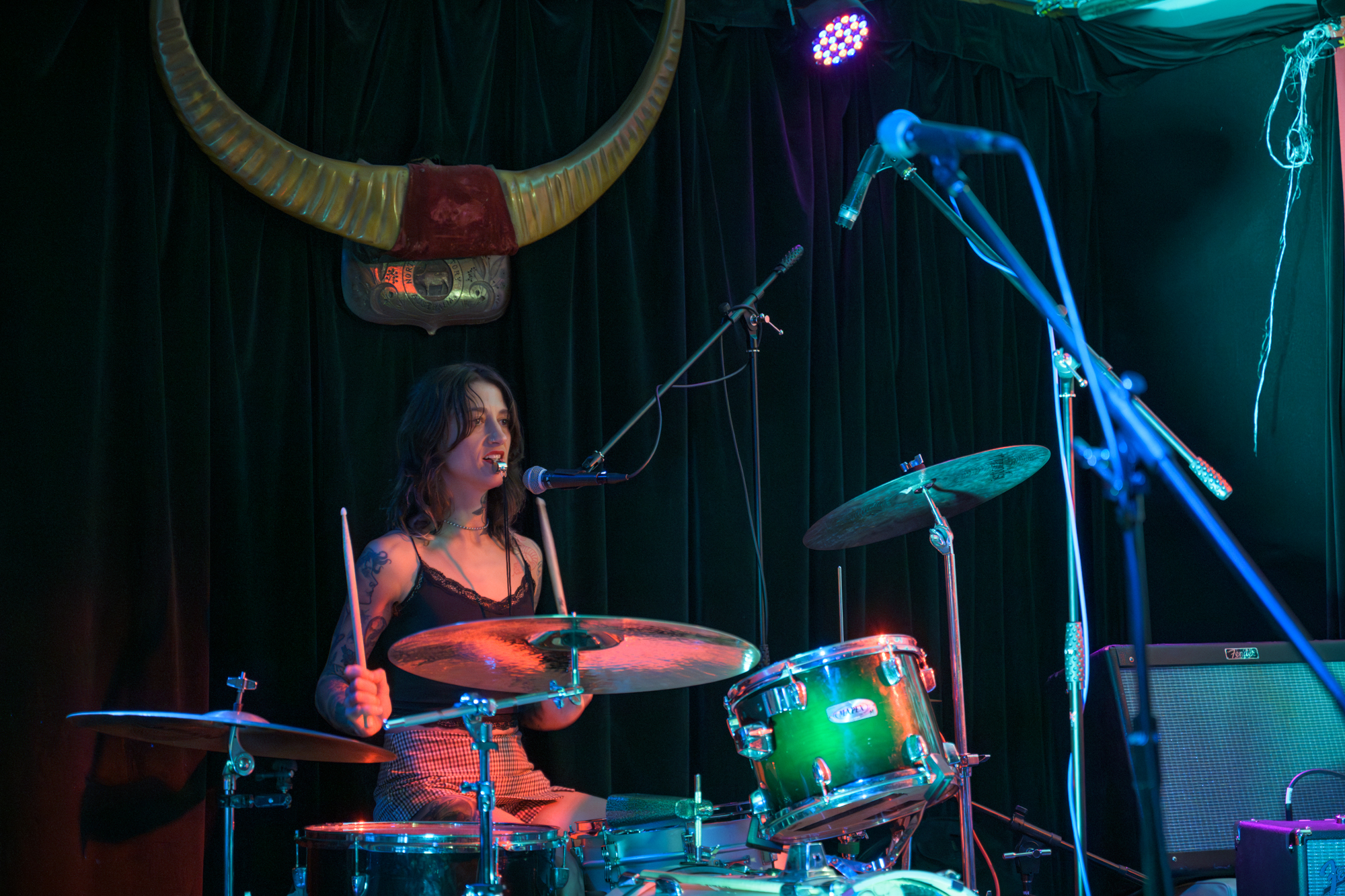
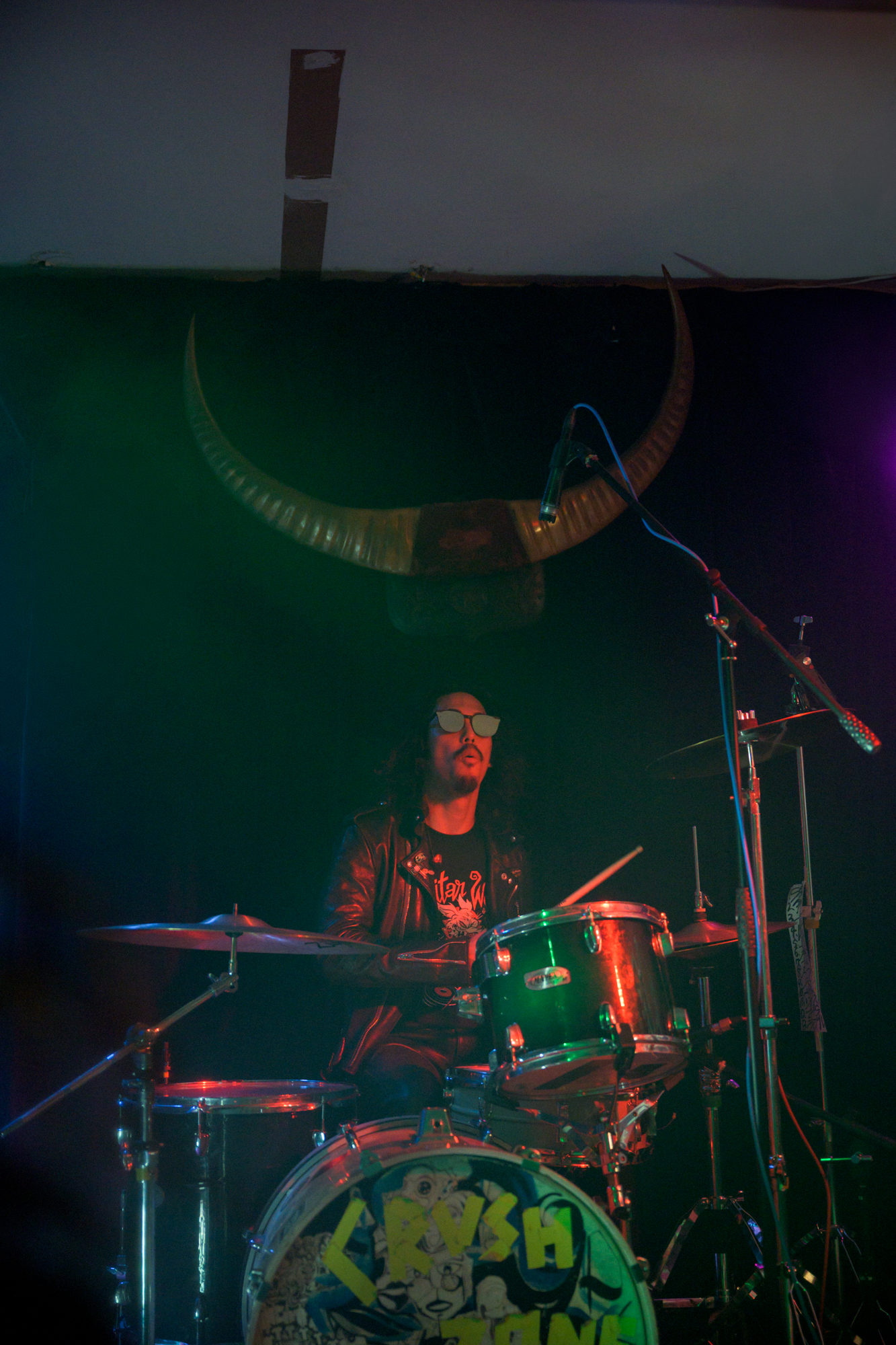
By the time Skortz were mid-set, the Buffalo Club was already bustling for an early Sunday evening. Where earlier sightings of the band leant on banter and loose transitions, this felt sharper—more assured. The songs were allowed to speak, and they did so loudly. Remuneration twisted its tongue to a crowd already leaning in, while Clever Girl (also affectionately dubbed “Velociraptor”) landed with a gleefully predatory refrain—“Get outta the kitchen/ gonna eat you up”—met with full-throated approval.
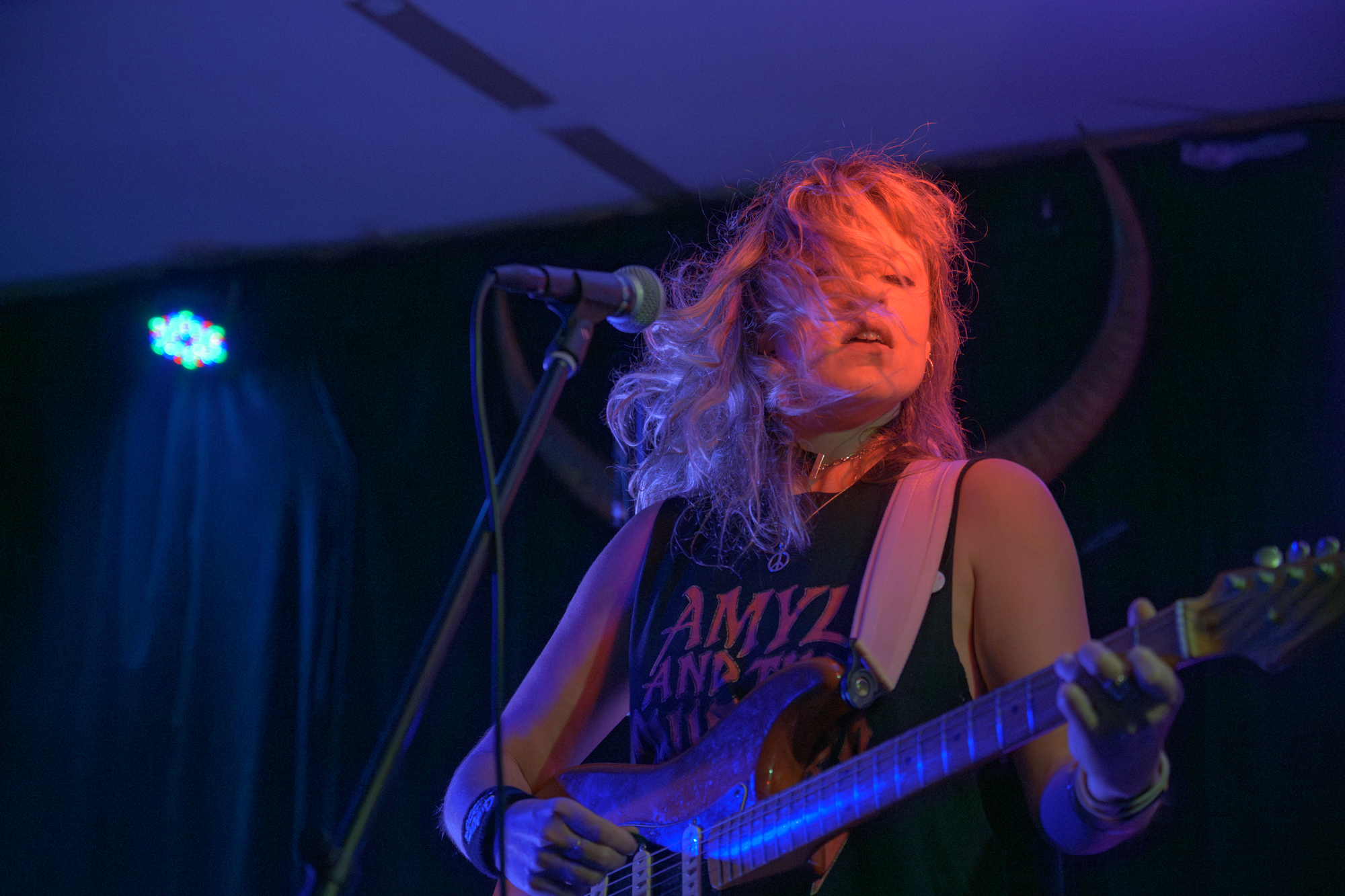
There’s something distinctly bratty in Skortz’s delivery—not immature, but wilfully irreverent. Too Sweaty for Sunscreen captured the grotesque physicality of Perth summers, while a stomping ode to shit bosses asked the obvious but rarely voiced: how DID you get to be the boss?? The guitarist darted between two mics, foot planted on the bass drum, locked in tight communion with the drummer. Their dynamic is playful, messy, but controlled—underscoring the bratty elasticity of their sound.
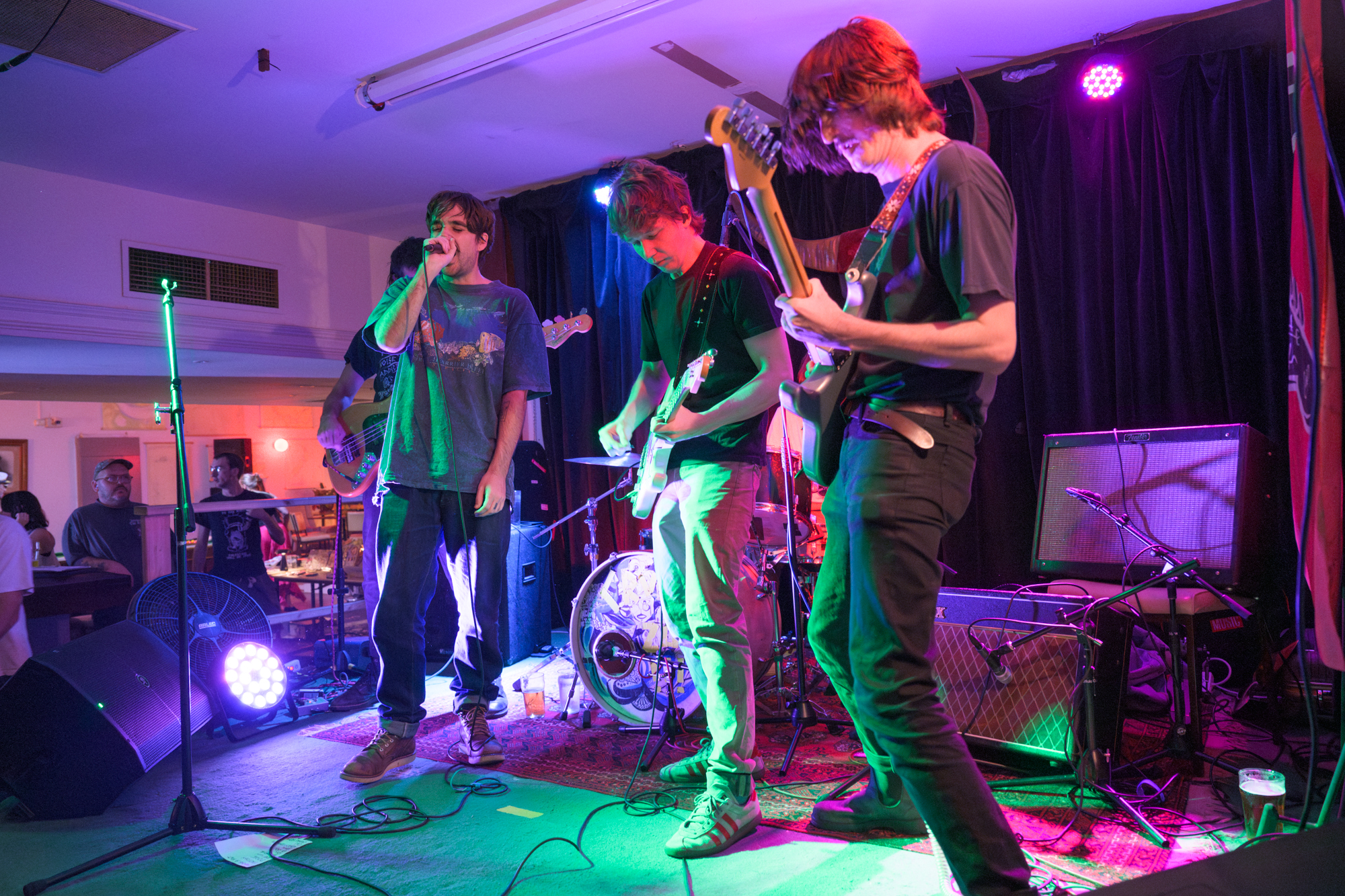
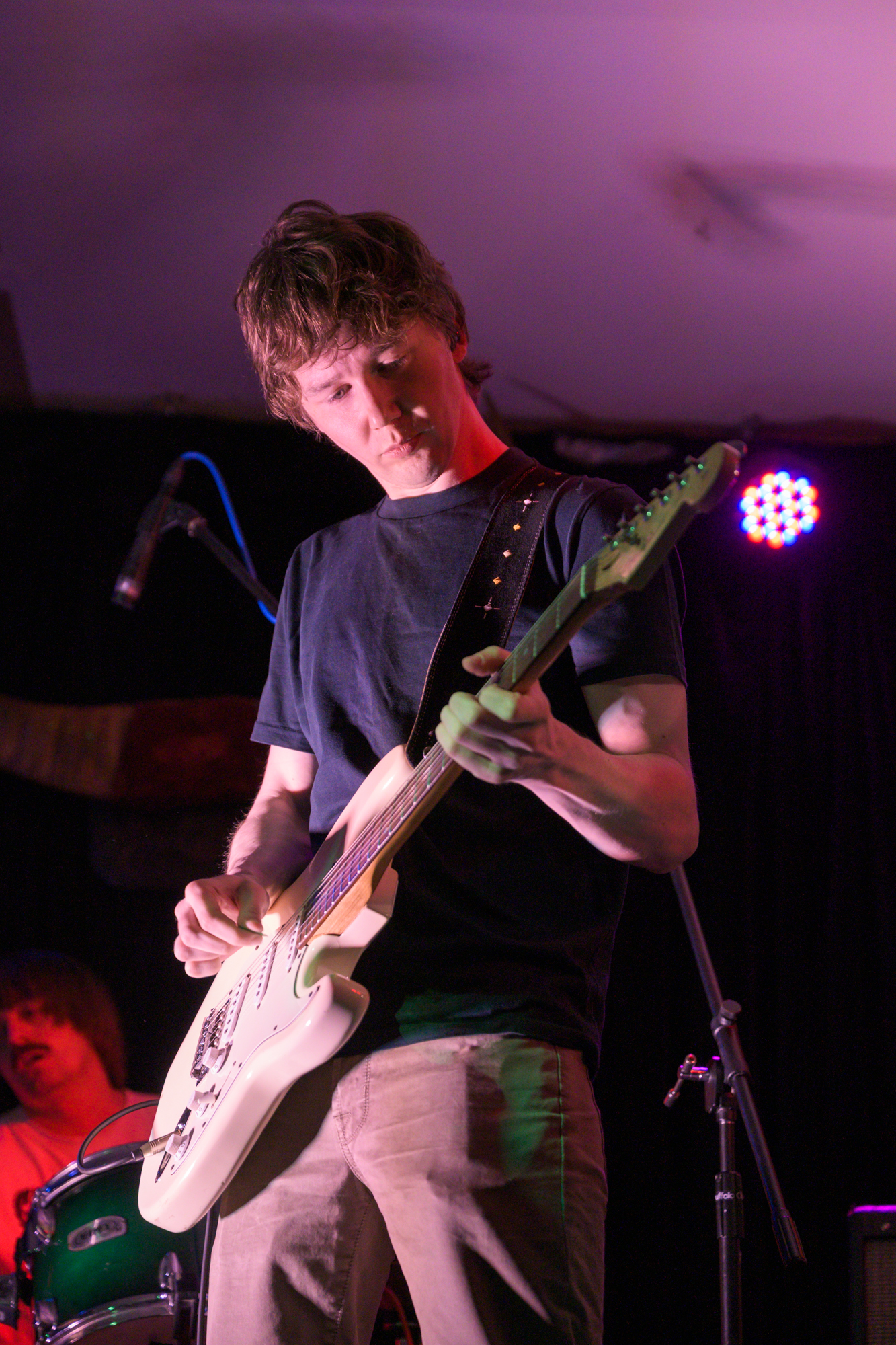
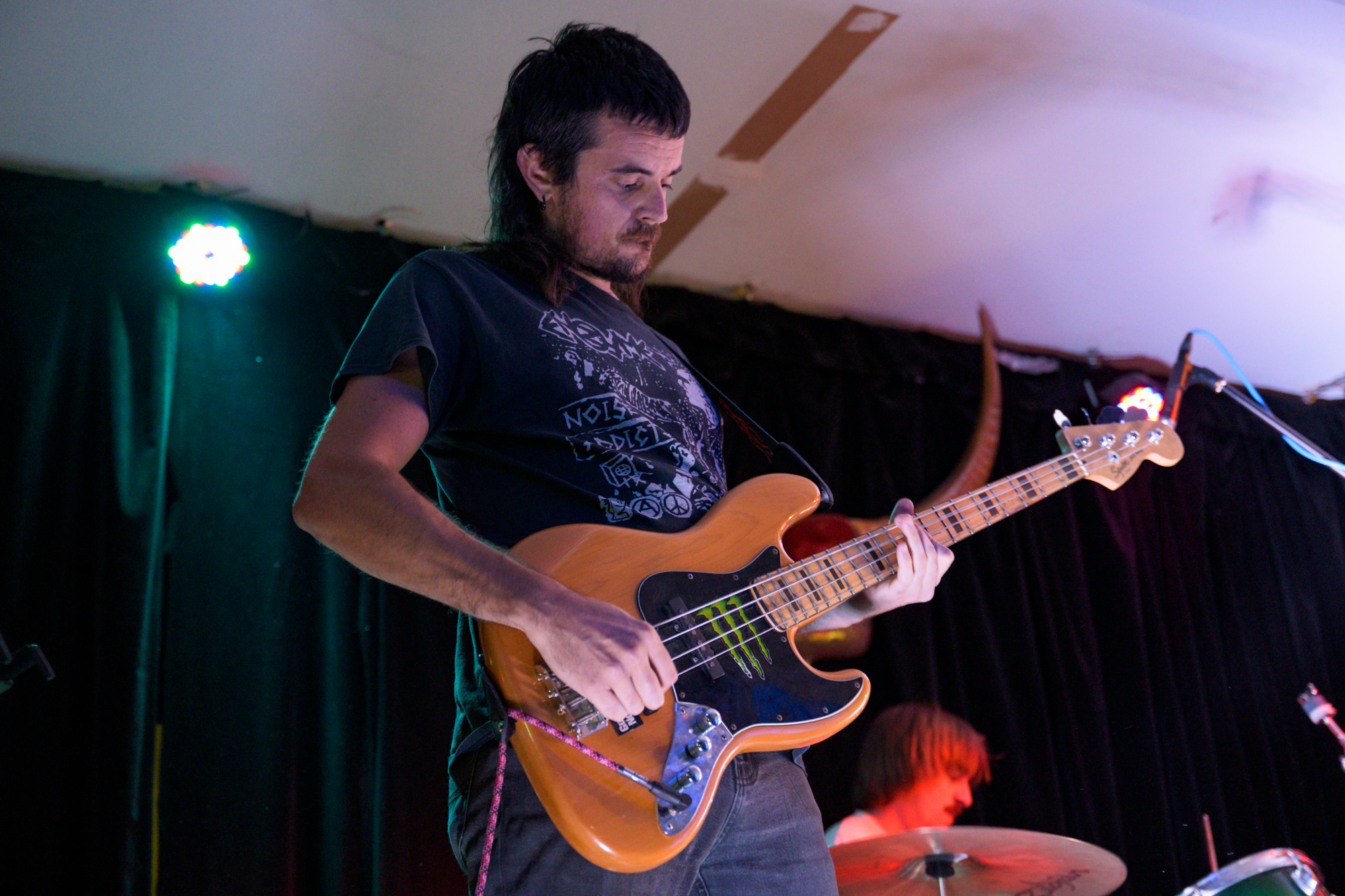
Fremantle-familiars Aborted Tortoise followed, packing five players onto the Buff’s compact stage without losing clarity. Their set moved quickly, built on tight rhythmic interplay and dual guitars that drove everything forward at a relentless clip. Drawing from releases Scale Model Subsistence Vendor and A Album, the material felt cohesive rather than episodic.
Tunes poked at consumer logic gone askew—Plastic Orgasm and Violent Consumers teetering wonderfully between absurdity and nihilism. Vocally, it wasn’t rage so much as resignation—an observational tone caught somewhere between slacker detachment and the low-grade panic of modern life. Even the looser moments—setlist confusion, offhand remarks about a bandmate’s dogshit handwriting—only reinforced that sense of immediacy. A band more concerned with authenticity than posturing.
By this point of the night, the Buff was simmering nicely. Well, until Guitar Wolf blew it wide open.
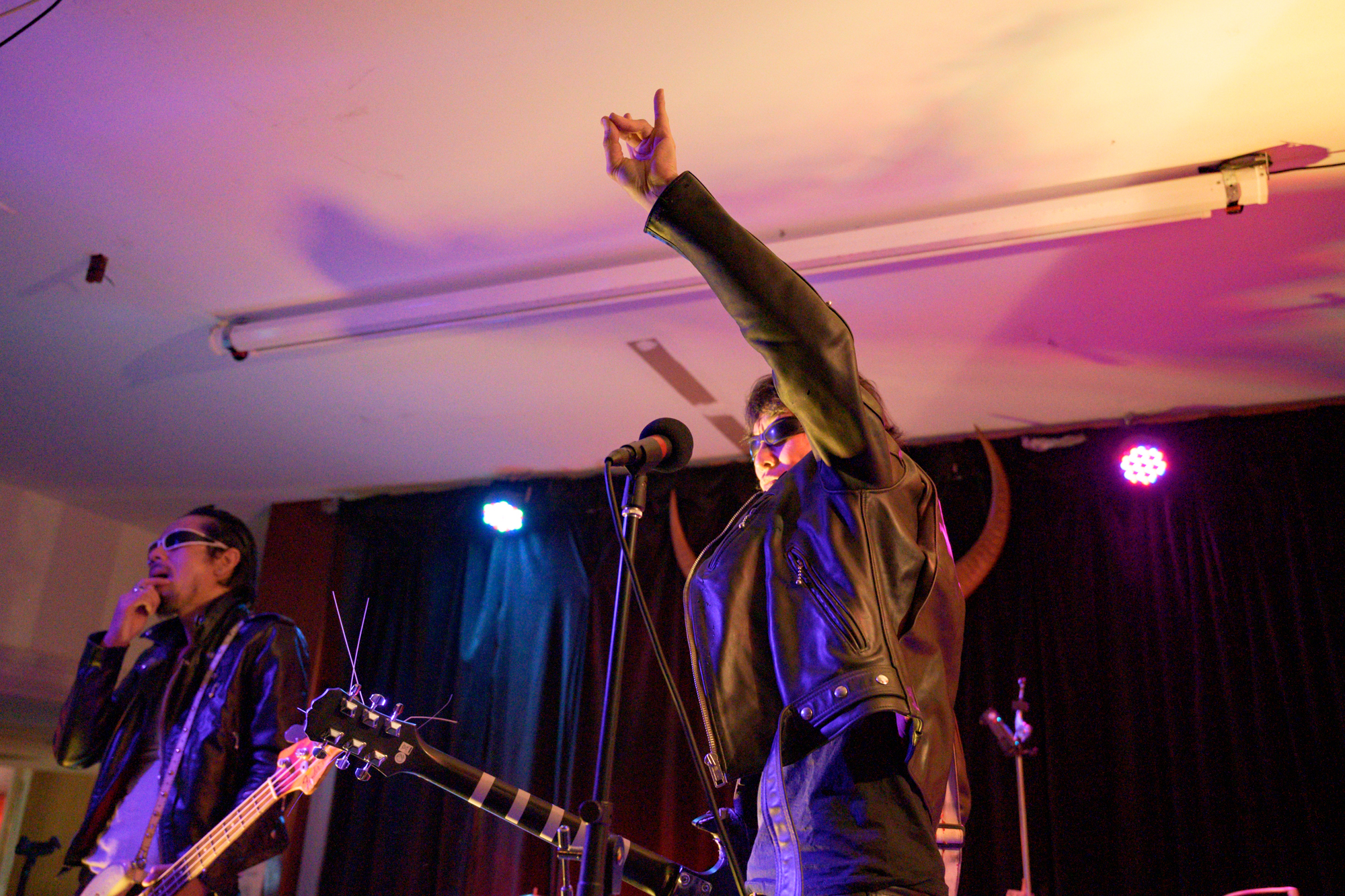
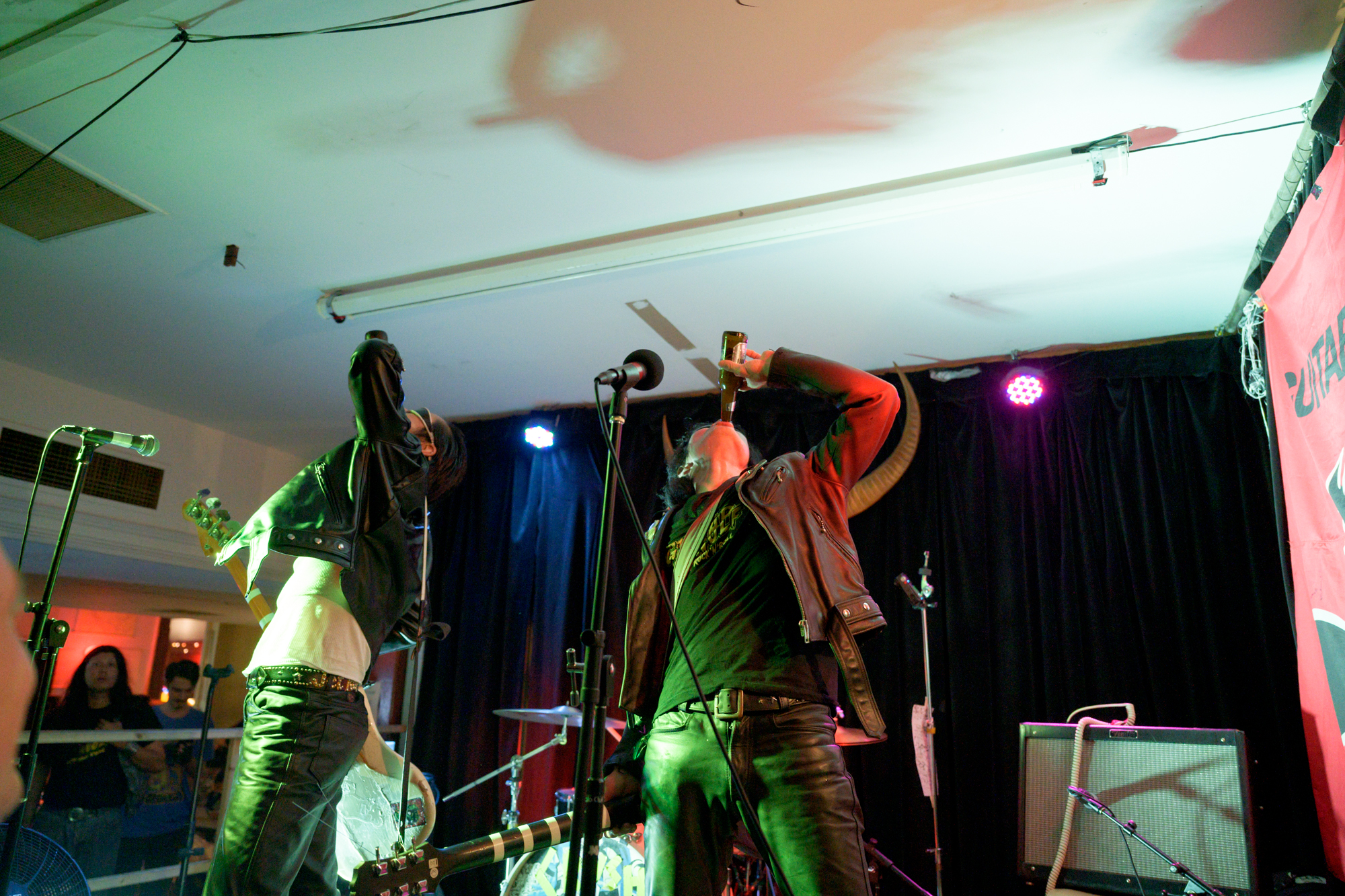
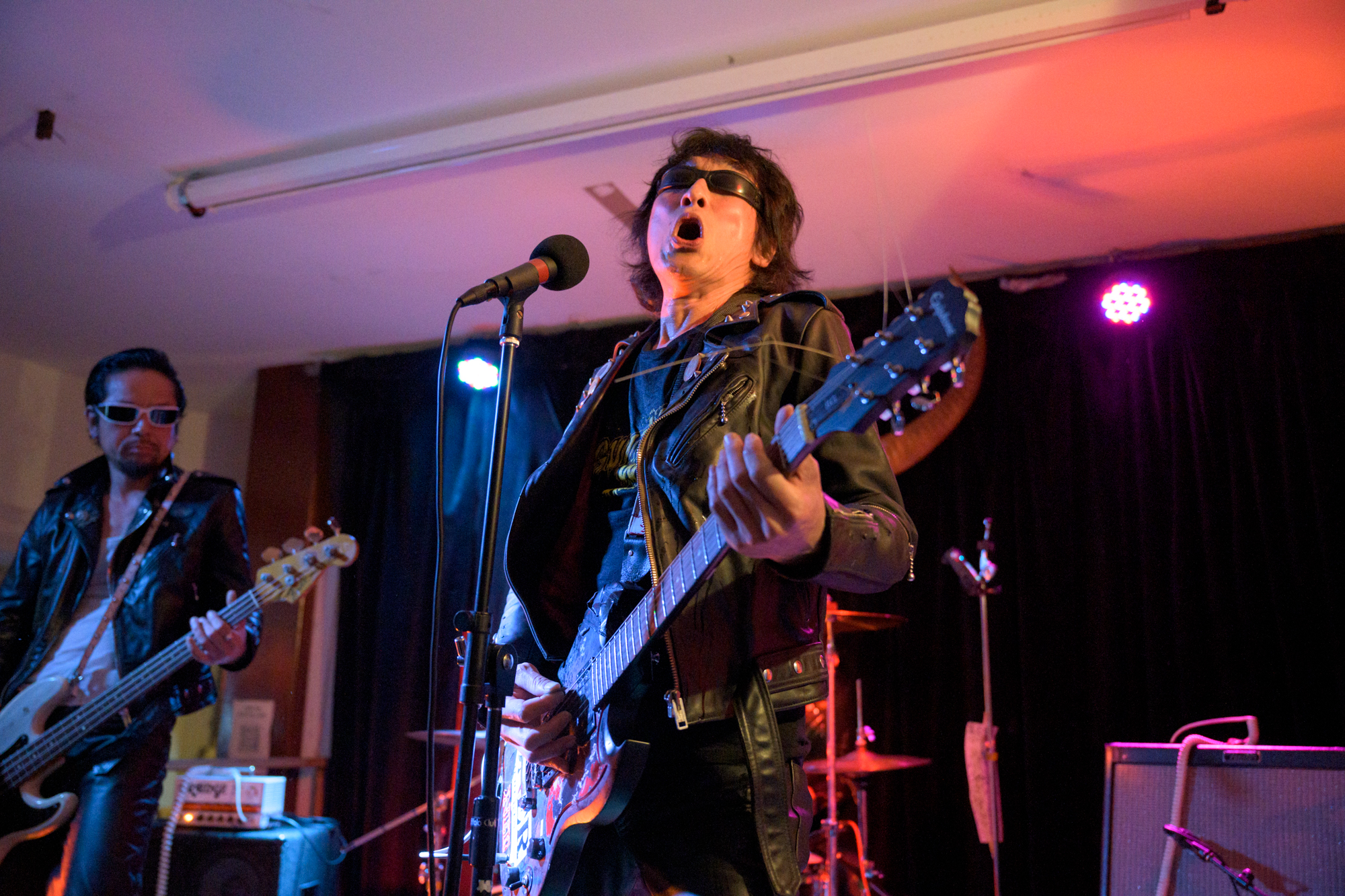
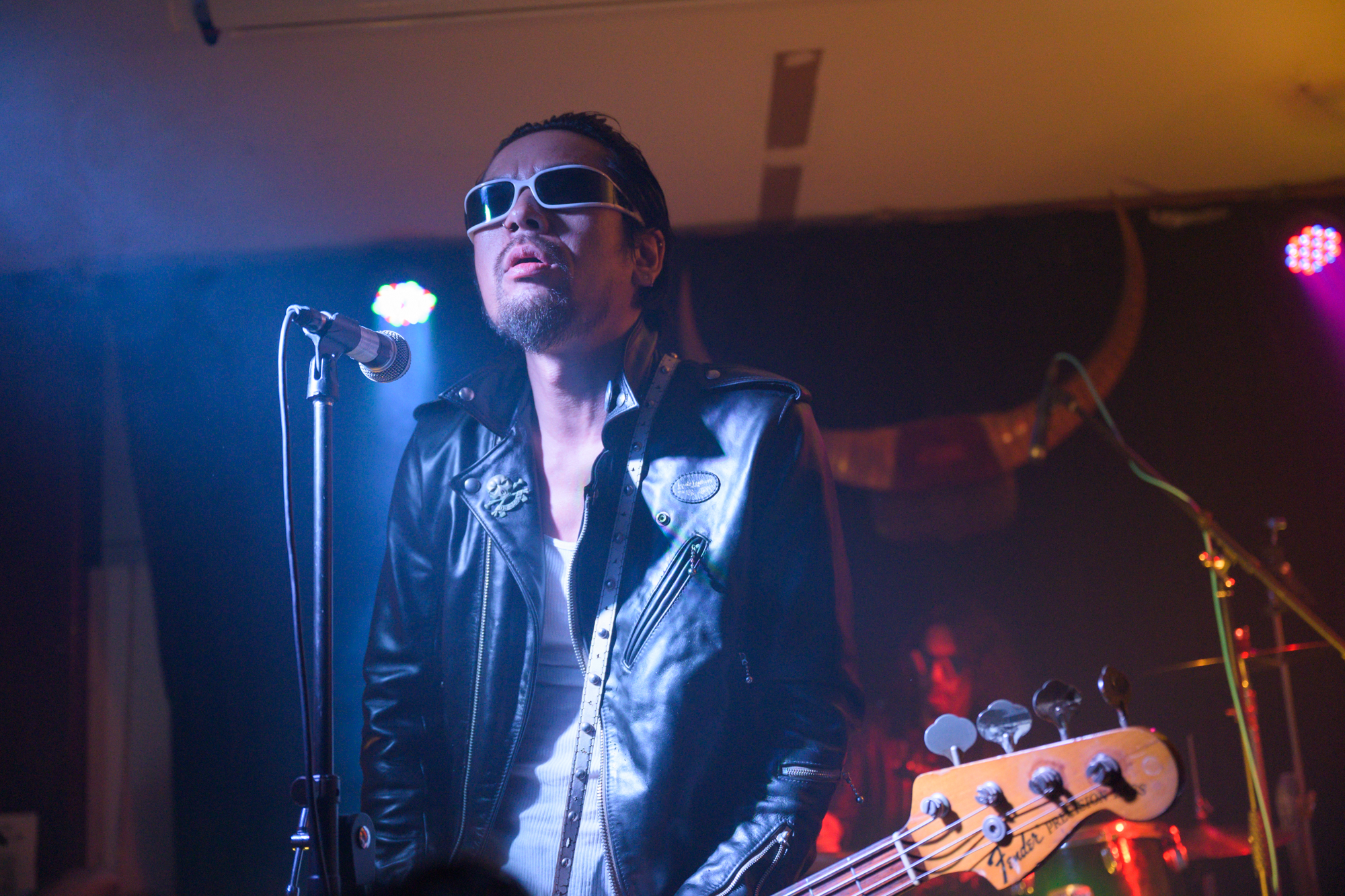
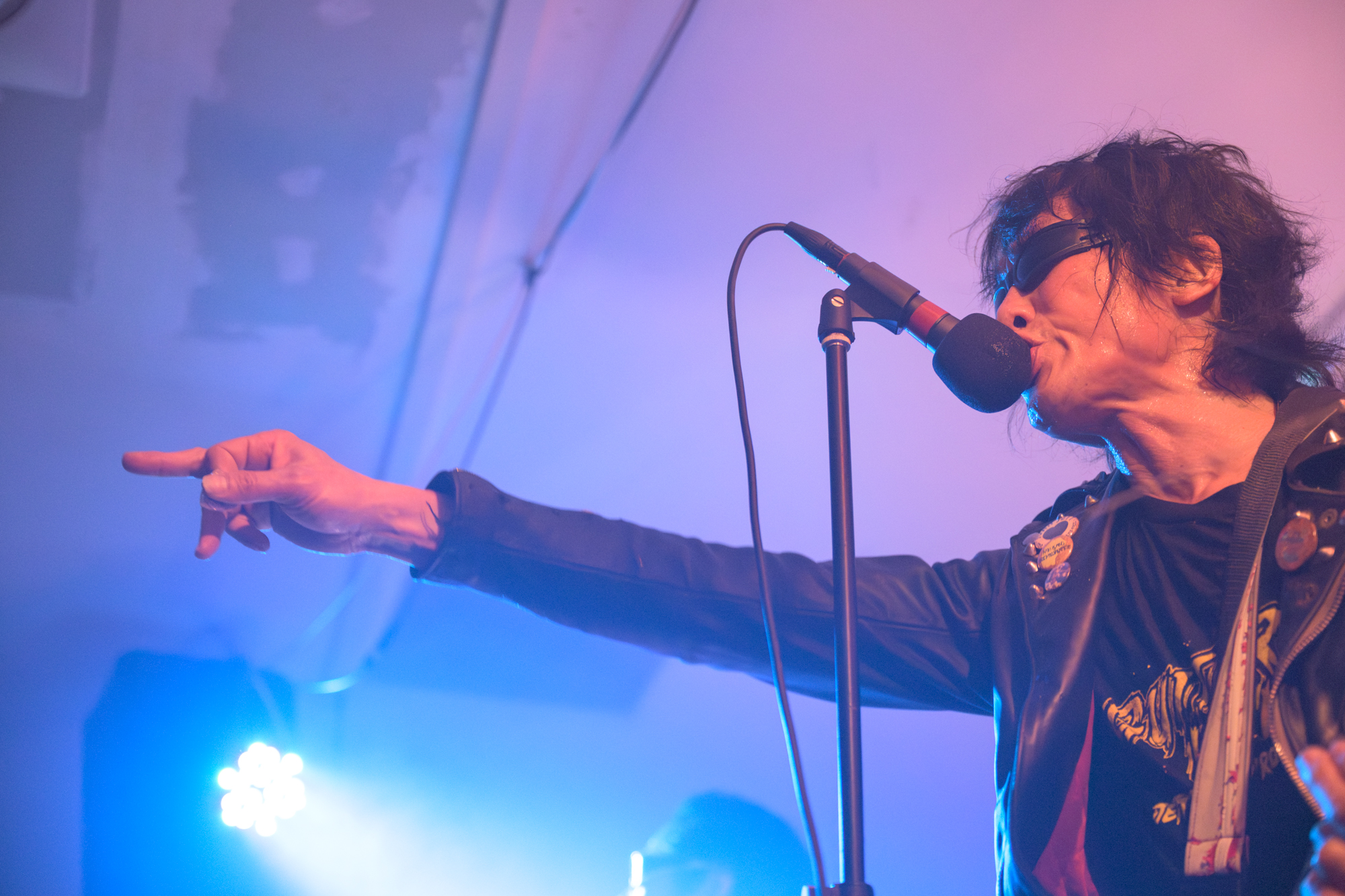
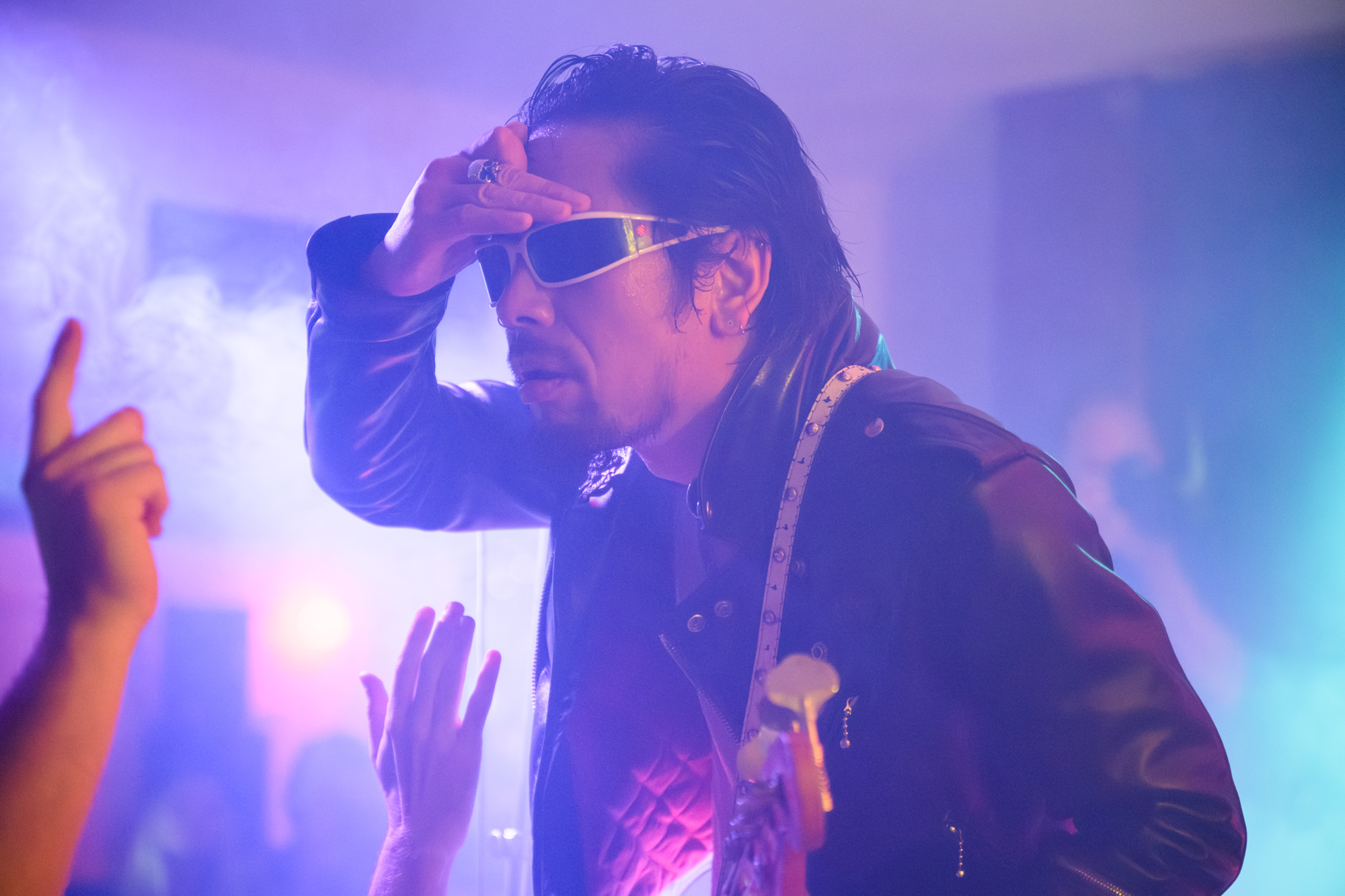
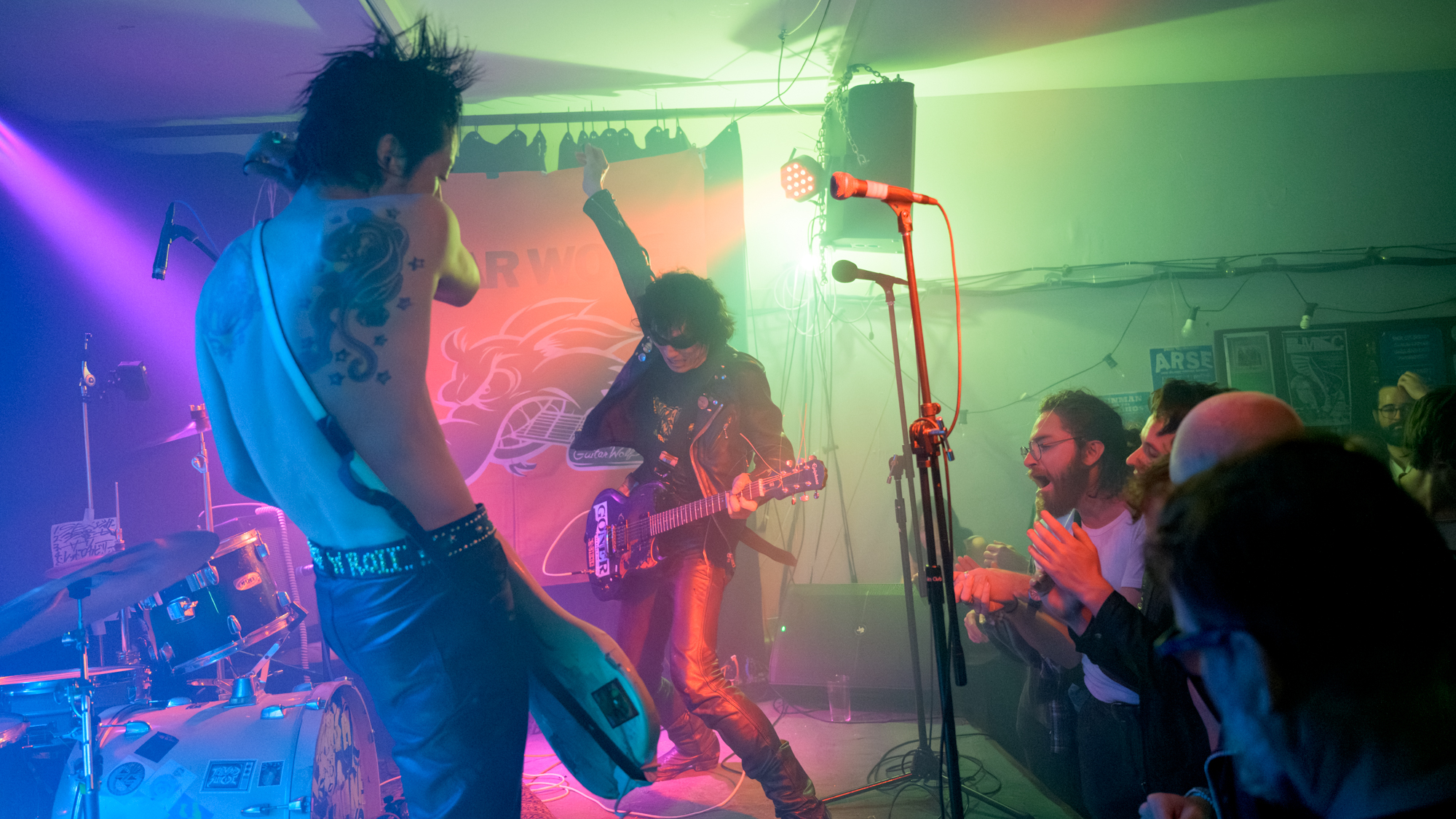
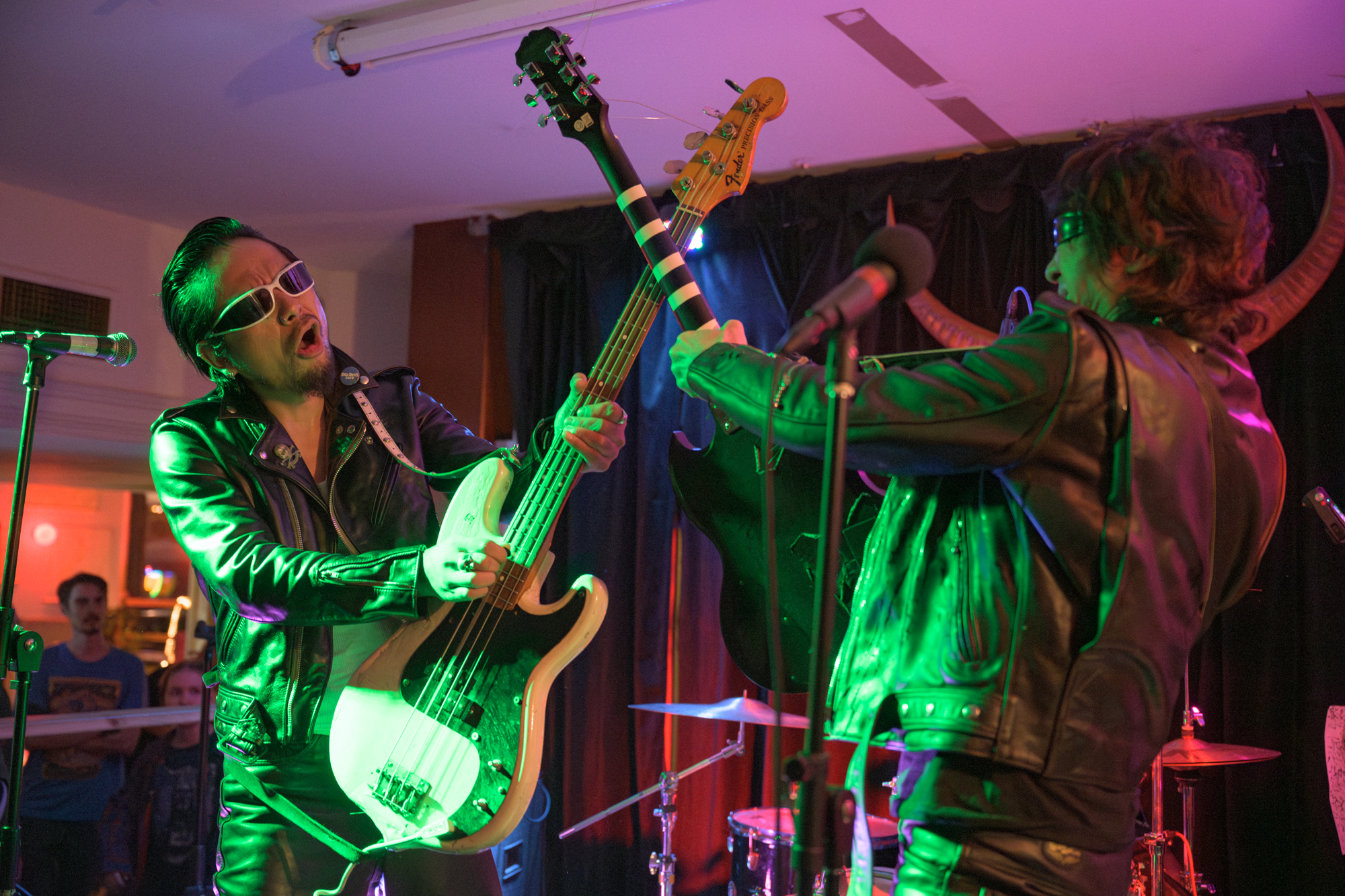
Leather jackets, wraparound sunglasses, Asahi beers downed in unison—their entrance alone drew howls. Seiji—the OG Guitar Wolf himself—brandished a battered, taped guitar, its bold GONER sticker like a declaration. From the opening blast of SEX Jaguar, their force was immediate. This wasn’t just louder; it was total.
What followed was less a sequence of songs than a sustained detonation. Kan-Nana Fever, Red Rockabilly and a feral take on Long Tall Sally blurred any distinction between homage and ownership. The band’s English—shouted, stretched, and reshaped through accent and velocity—alongside their rockabilly tropes became its own texture, neither nostalgic nor ironic. Never camp. Just declarative.
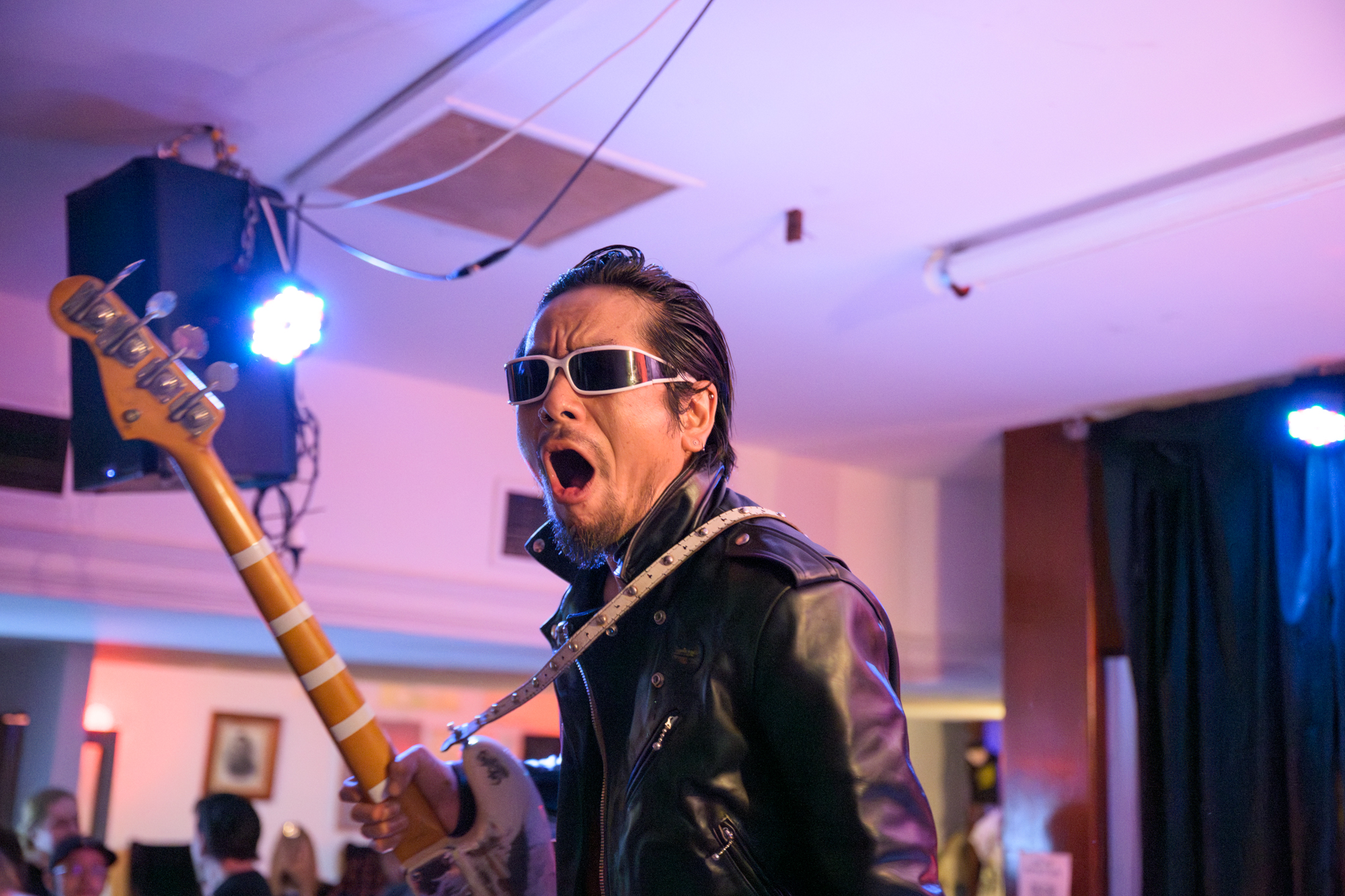
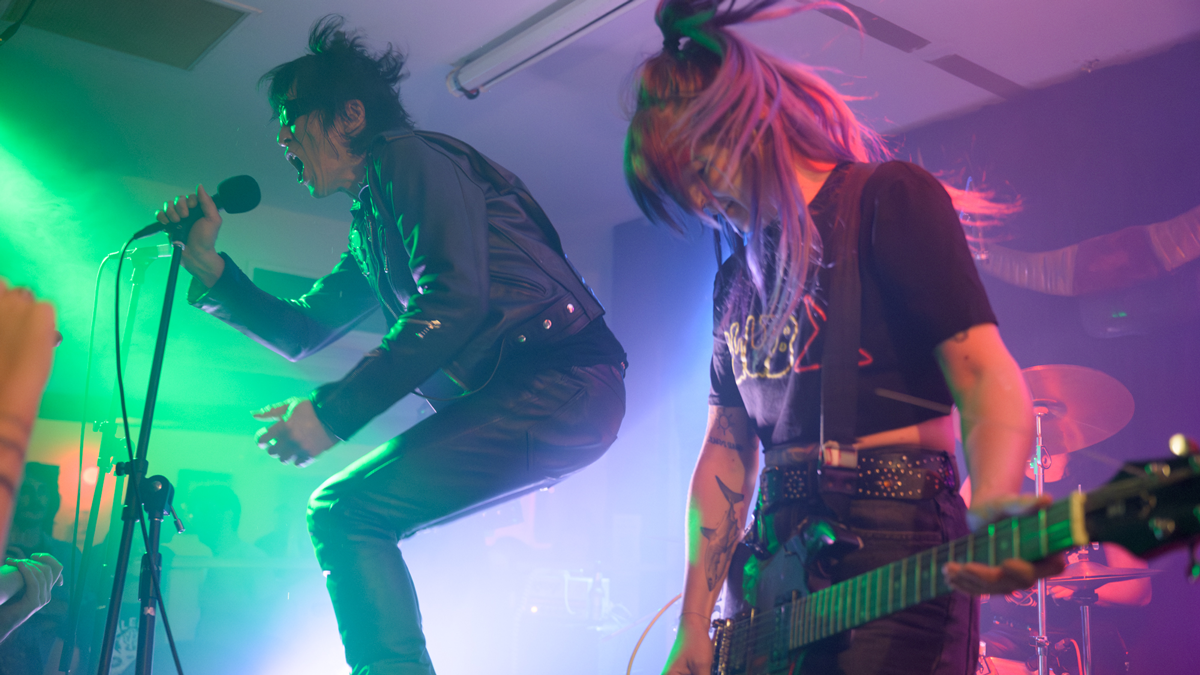
Visually, everything was heightened but never hollow. Guitars crossed in an X formation, the bassist stalking the lip of the stage with a fixed, penetrating stare, Seiji’s face contorting under the strain of each riff. It could tip into caricature in lesser hands, but here it holds—lived and breathed, not performed.
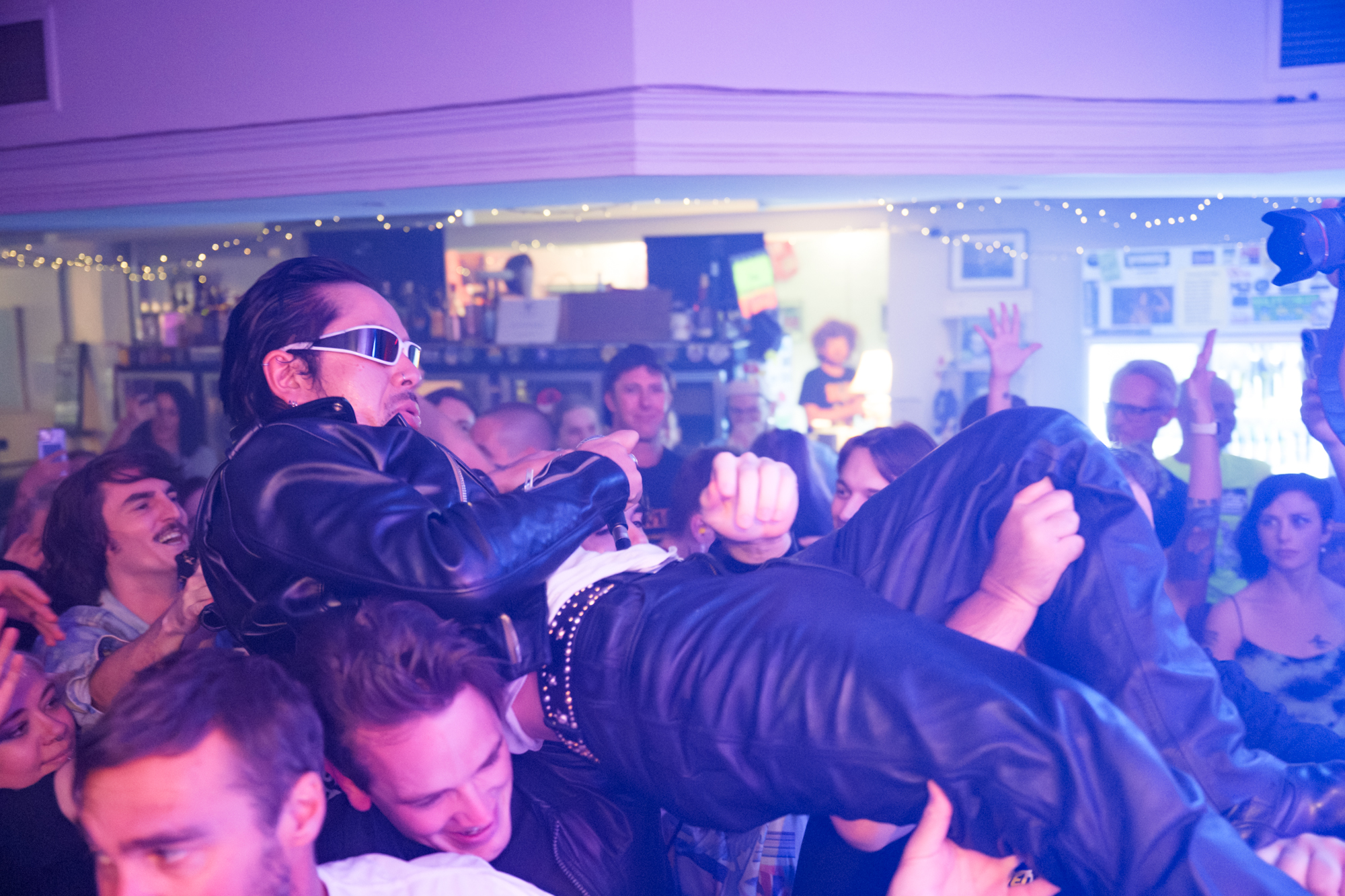
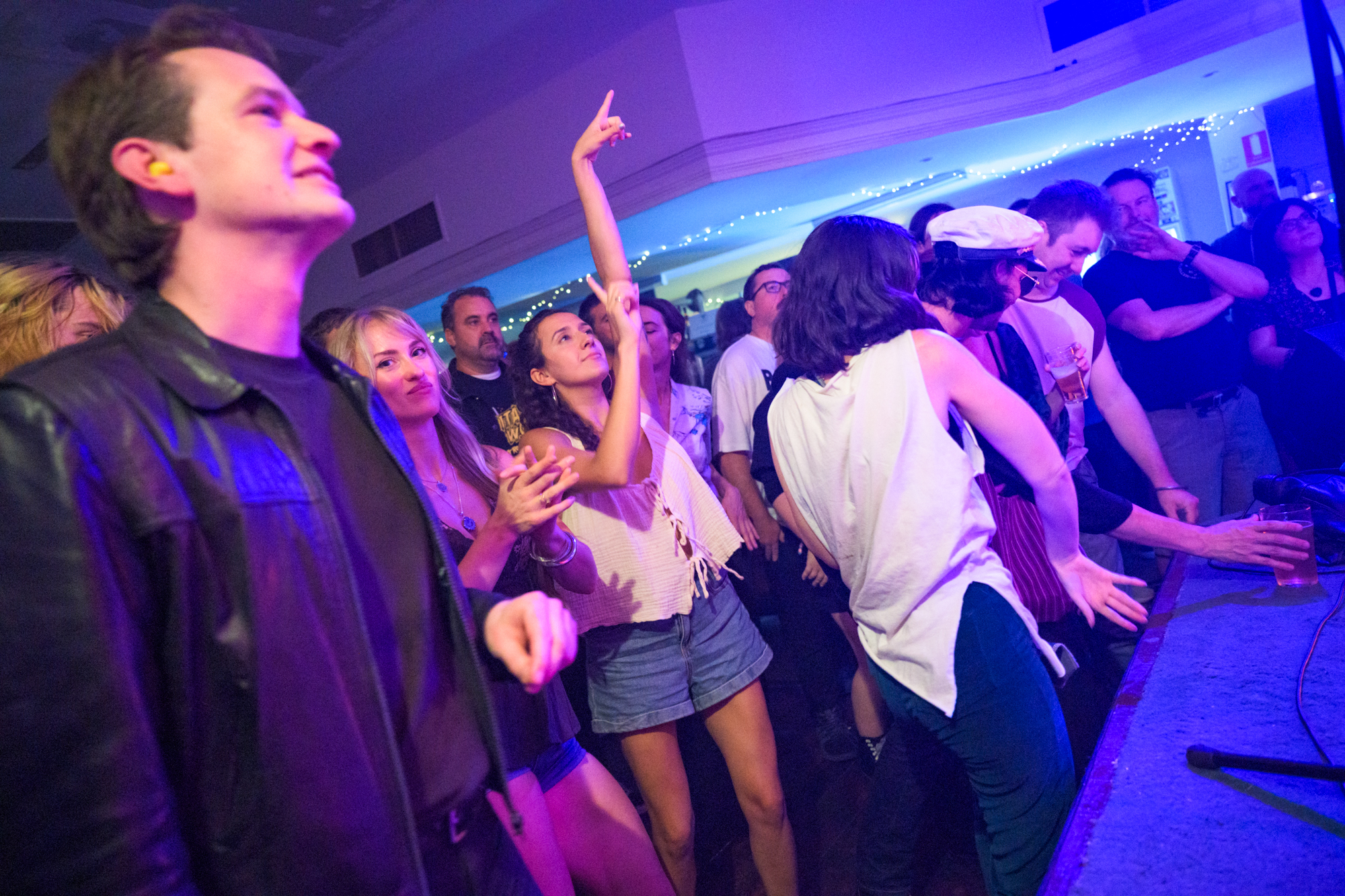
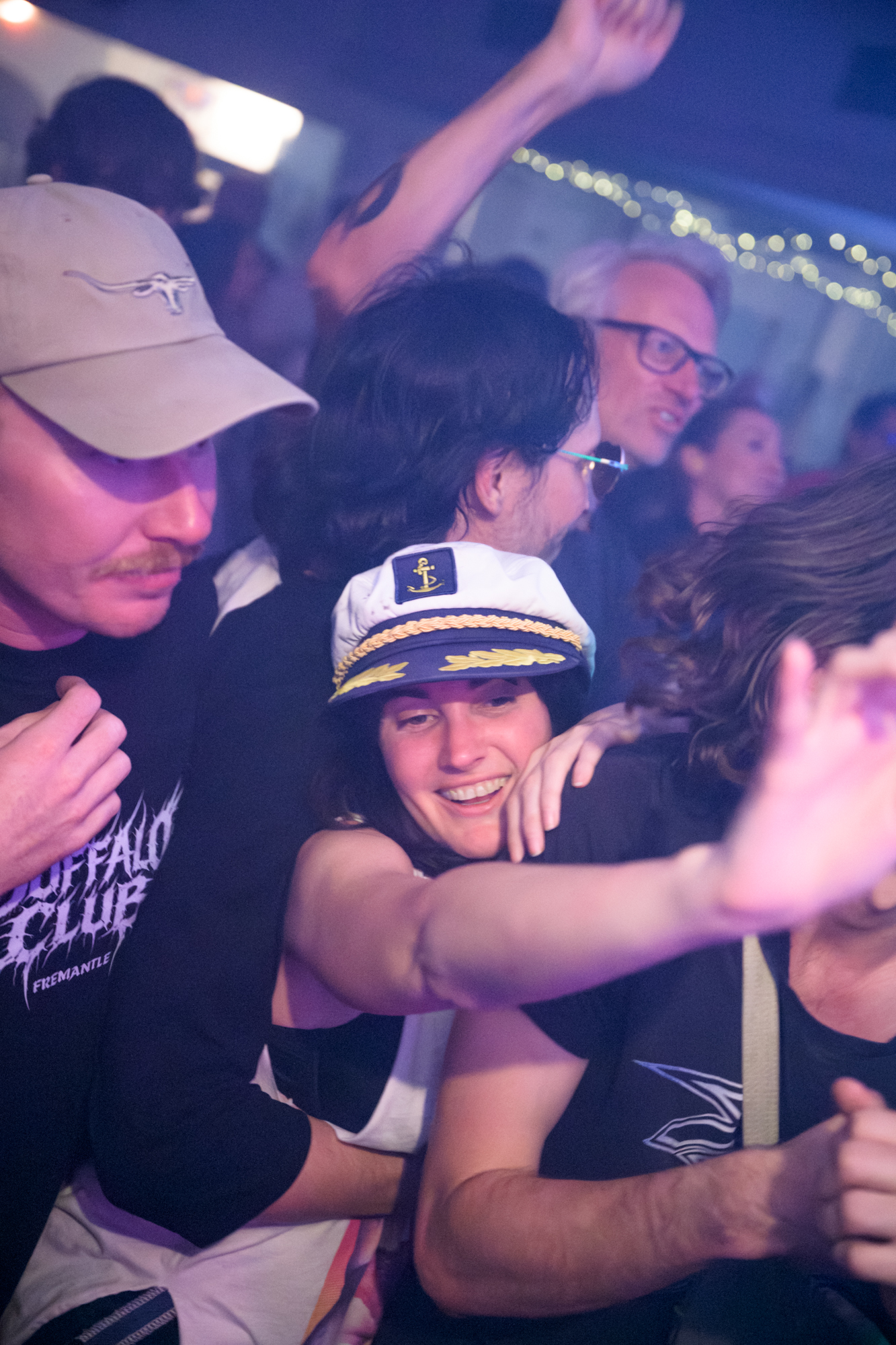
By Jet Generation, the room had given itself over completely. Wolf howls cut through the air between songs, the mosh loosening into something ecstatic. Seiji’s shouted counts—those insistent “1-2-3-4s”—felt less like cues and more like ignition points. Tracks came fast—sharp, condensed—but accumulated into something far larger. What should feel brief instead becomes overwhelming in its density.
A newer cut, Shirakansu Galaxy, was introduced as a song about a “dinosaur fish”—the coelacanth, rendered in transliteration and met with laughter as the band wrestled with pronunciation. It’s a fitting image: something ancient, thought extinct, still thrashing with life. Guitar Wolf, decades in, feel much the same.
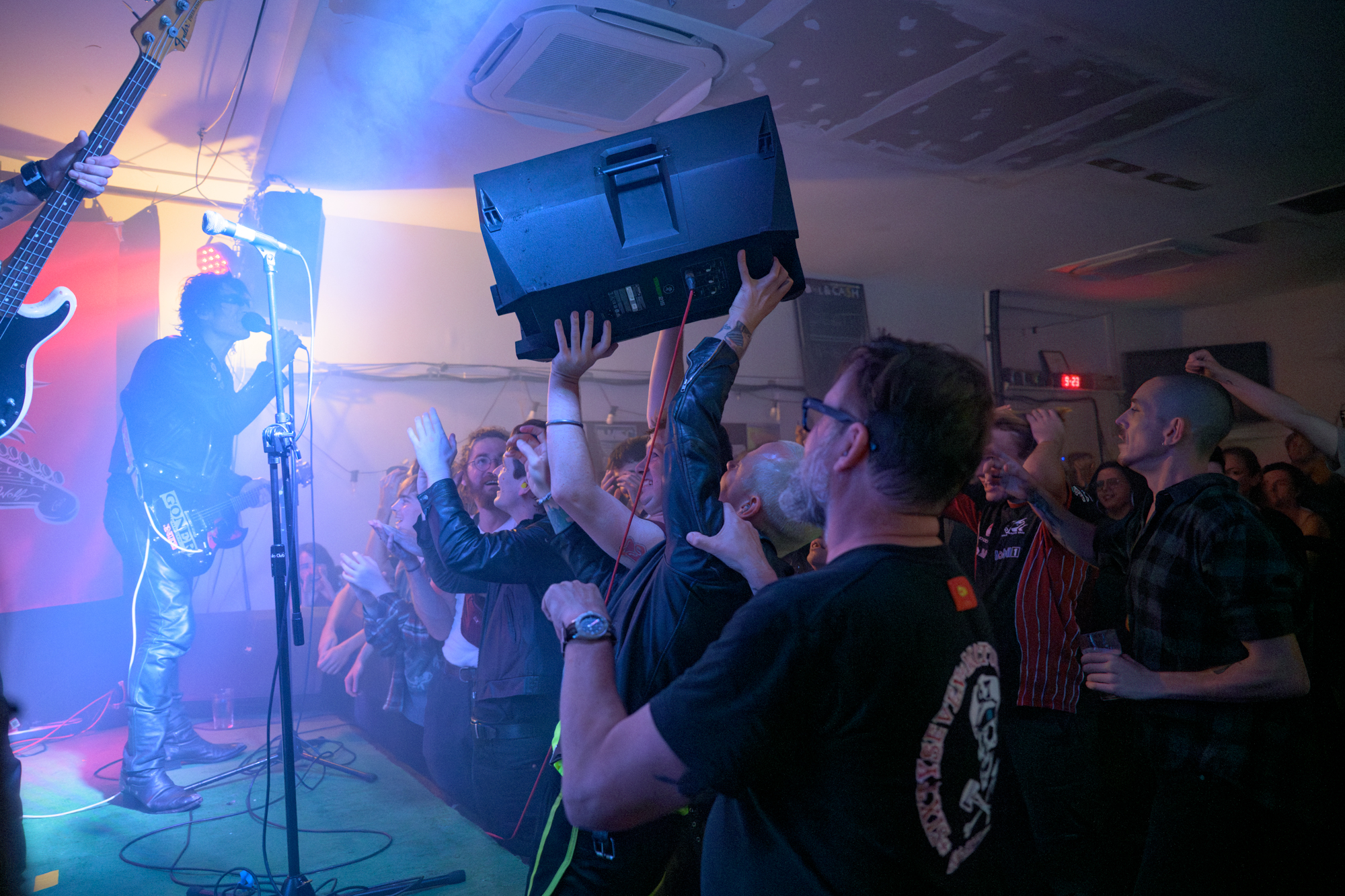
Then came their iconic rendition of Kick Out the Jams, and with it, the call: 「来い!」—“come on!” Repeated, insistent. The crowd responded instantly. One after another, bodies climbed onto the stage and hurled themselves back into the mass below. At one point, a punter found herself handed Seiji’s guitar, coached through a chord before Seiji launched into the surf himself. Chaos, but shared—understood.
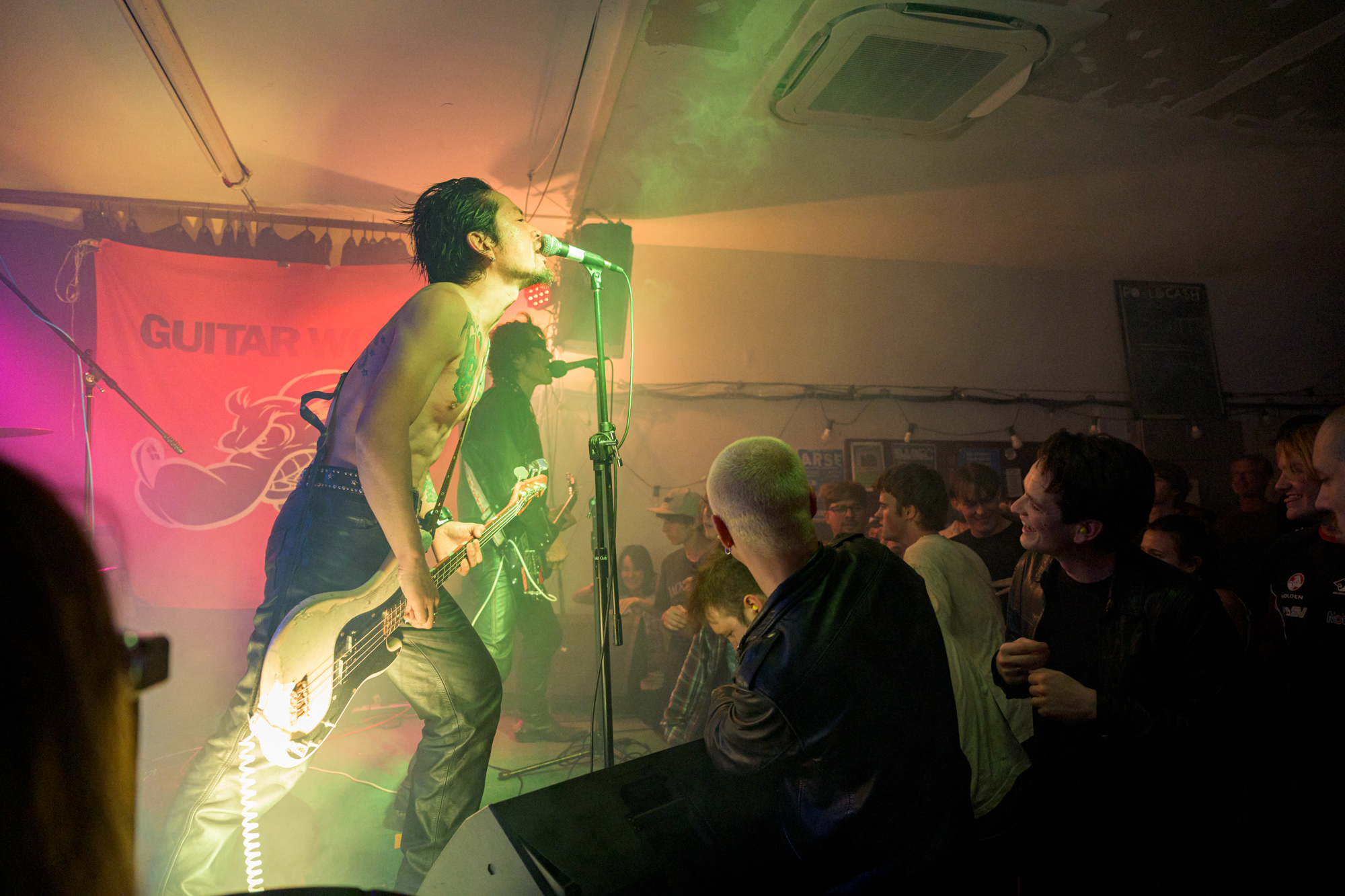
The closing stretch—with Summertime Blues and a drawn-out Rumble—felt less like a conclusion than an extraction, wringing every last ounce of energy from the room. When Seiji finally declared, simply, “I love rock and roll,” it landed without irony.
For all their extremity, Guitar Wolf remain curiously grounded. The mythology—the volume, the leather, the spectacle—is undeniable. But underneath it sits something more enduring: a belief in rock’n’roll not as nostalgia, but as ongoing practice. In the ’90s cult film Wild Zero, Seiji famously declared that love knows no borders, nationalities, or genders. That same ethos hums beneath the noise here: rock’n’roll not as exclusion, but as invitation.
Age becomes irrelevant in the face of that kind of conviction. Punk isn’t dead—it persists, it mutates, it survives. And at the Buffalo Club, on a Sunday night, it was impossible to argue otherwise.
CAT LANDRO
Photos by Adrian Thomson