Review: Fred Smith – Unforgotten: Songs of Australians at War at MANPAC
Fred Smith – Unforgotten: Songs of Australians at War at Mandurah Performing Arts Centre
Friday, April 24, 2026
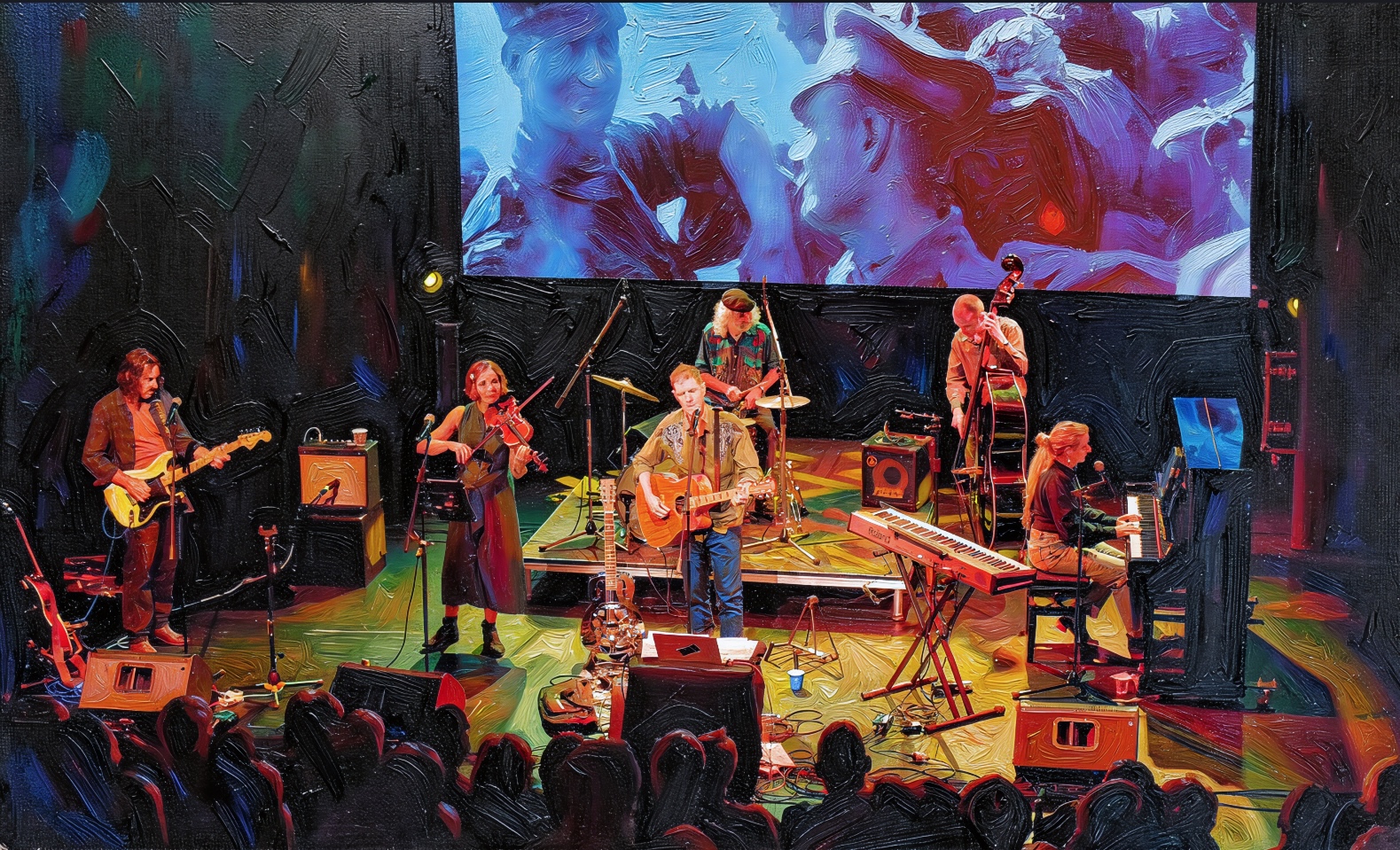
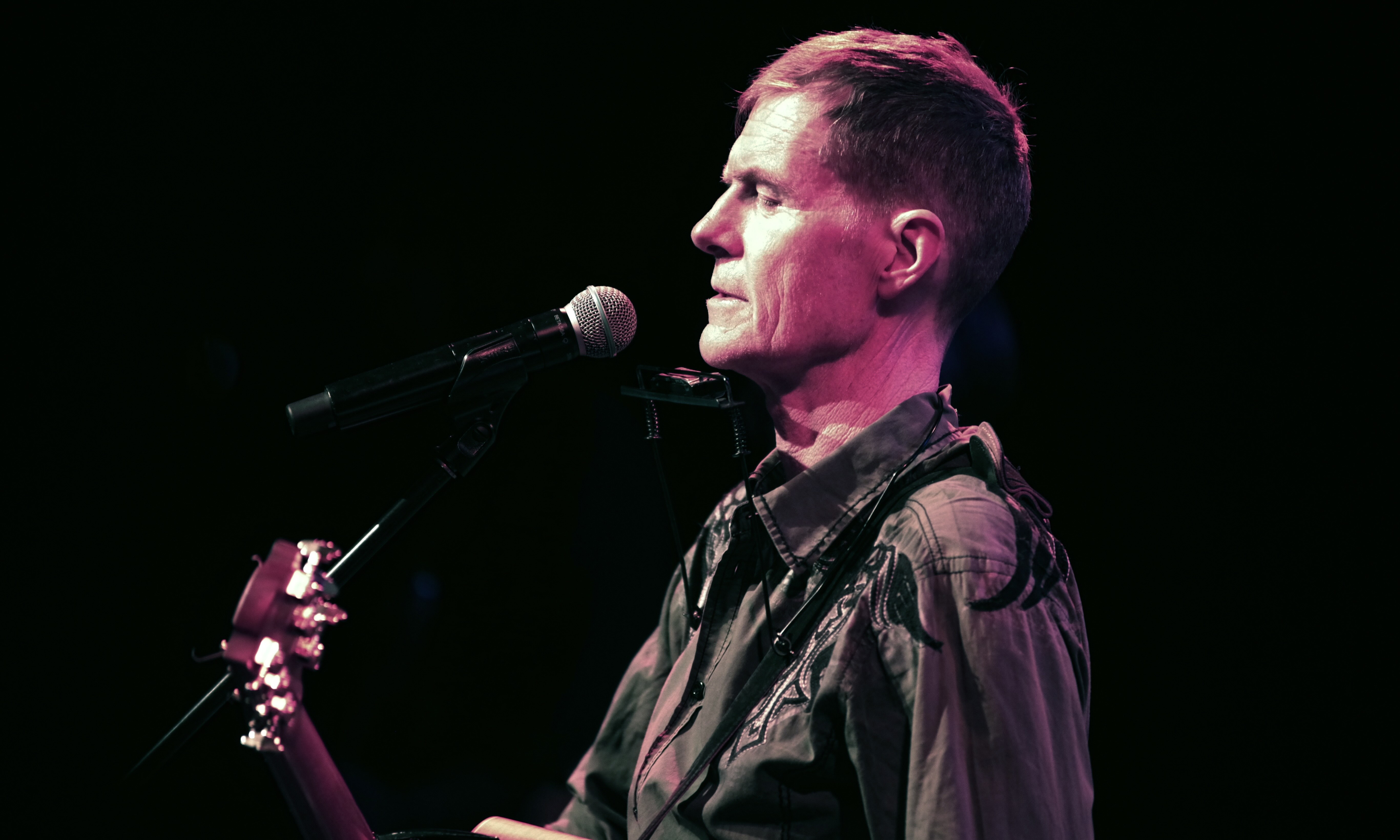
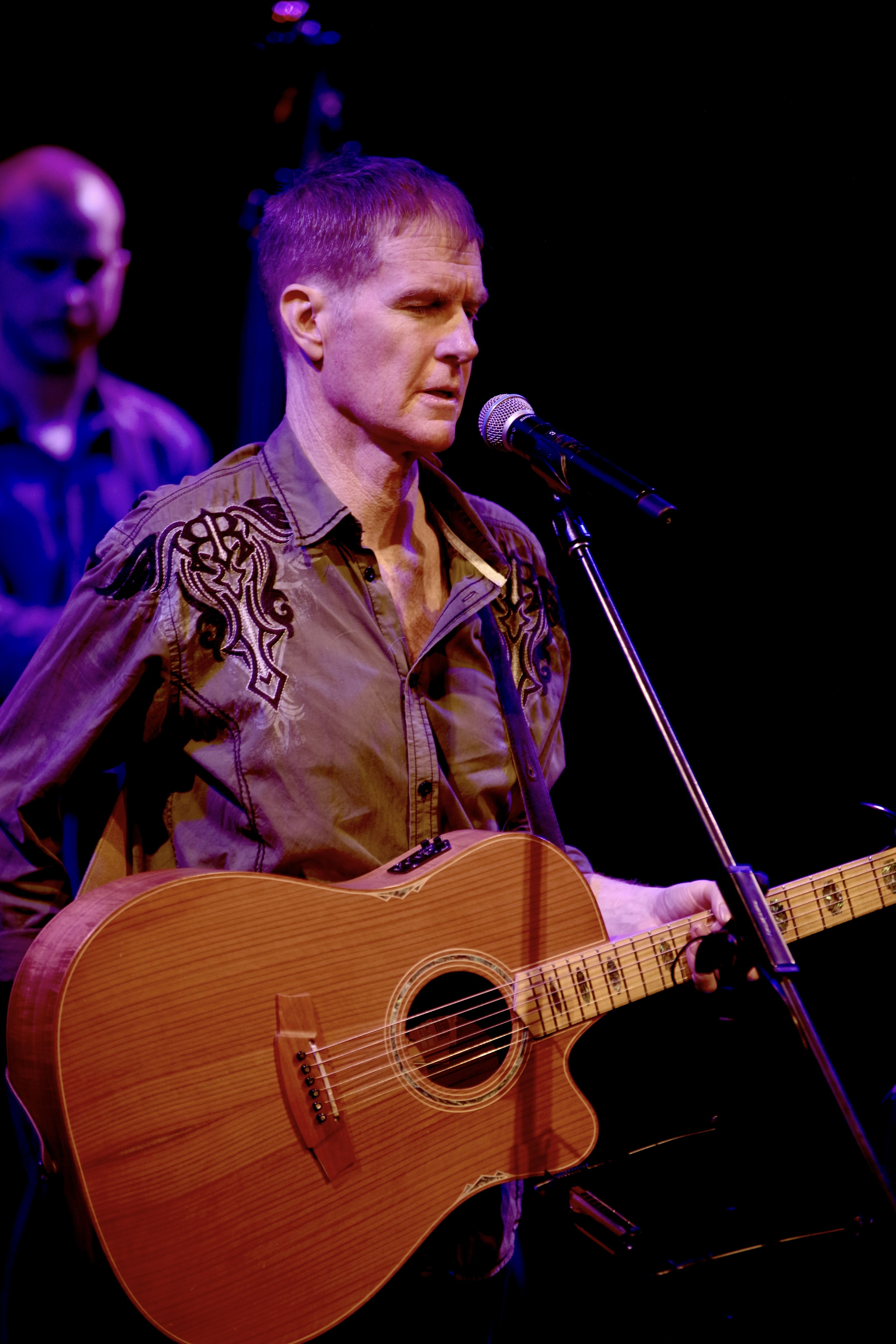
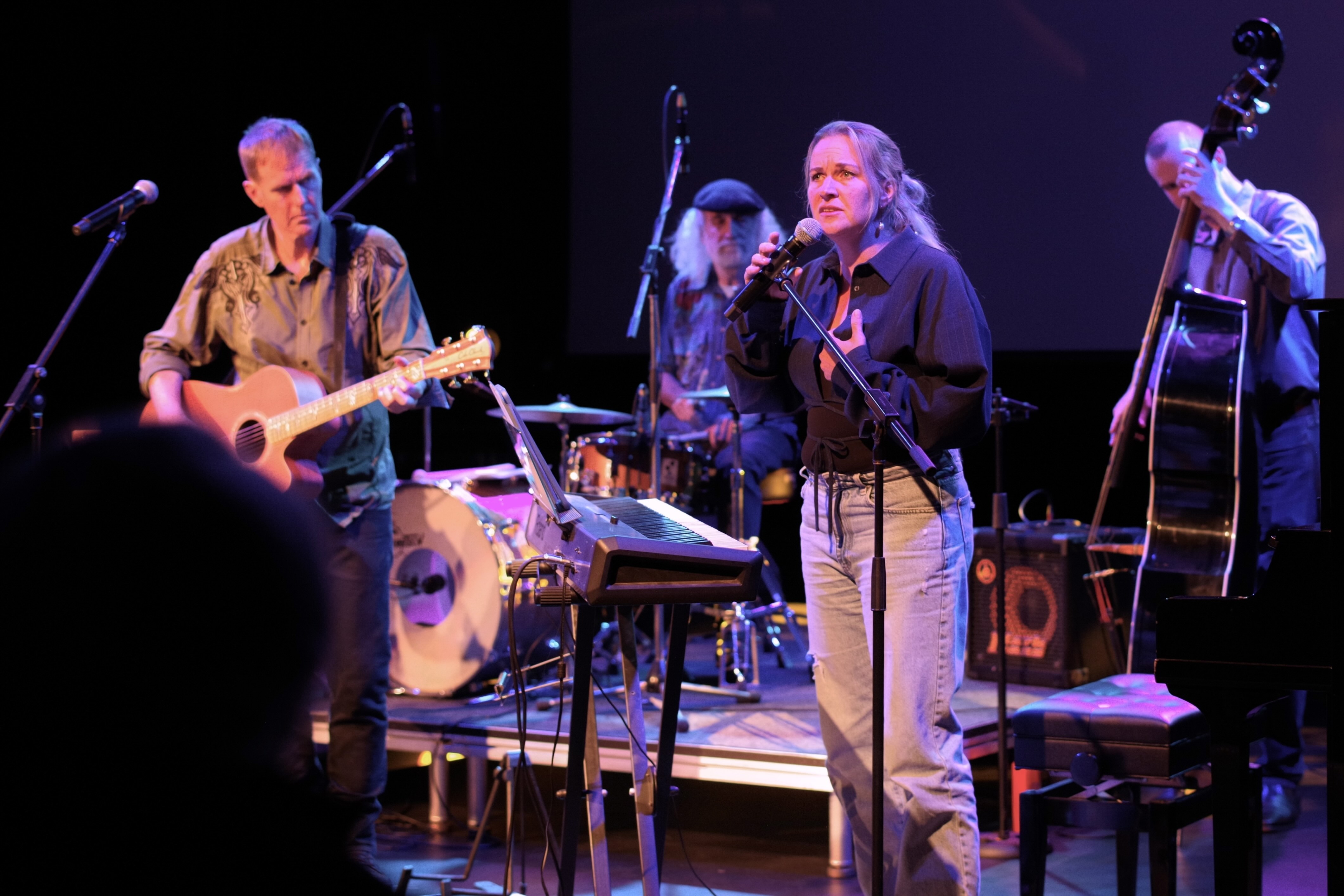
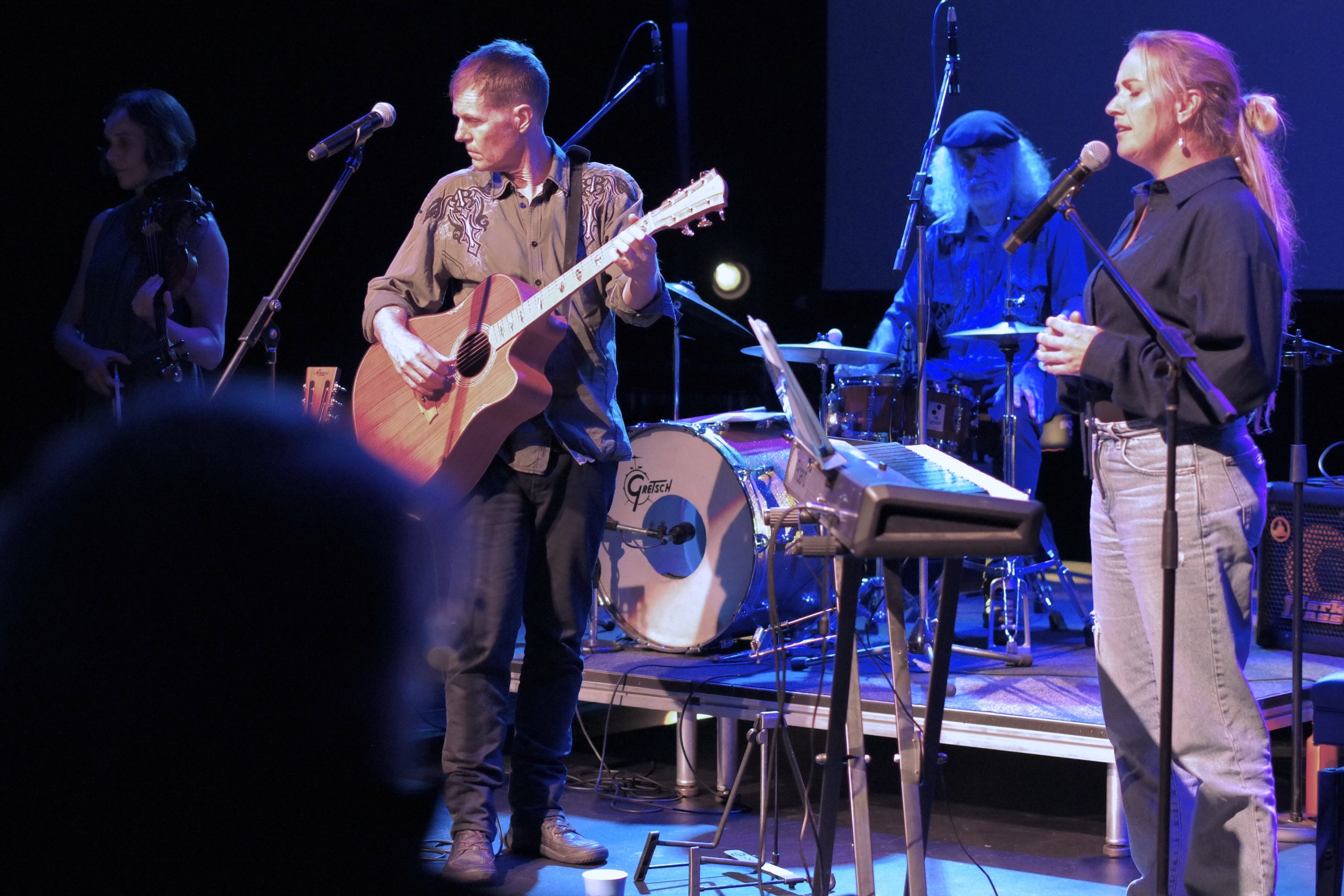
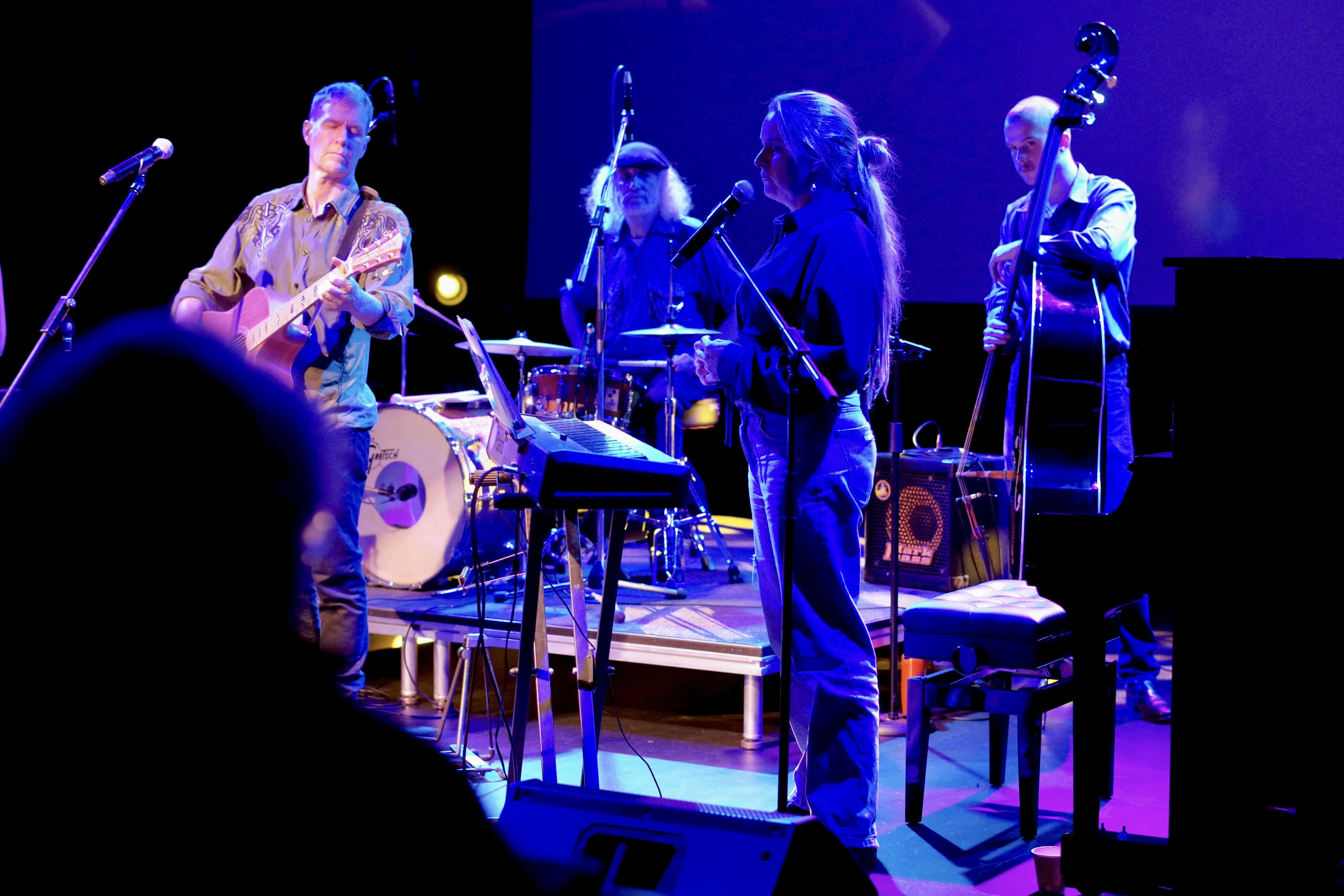
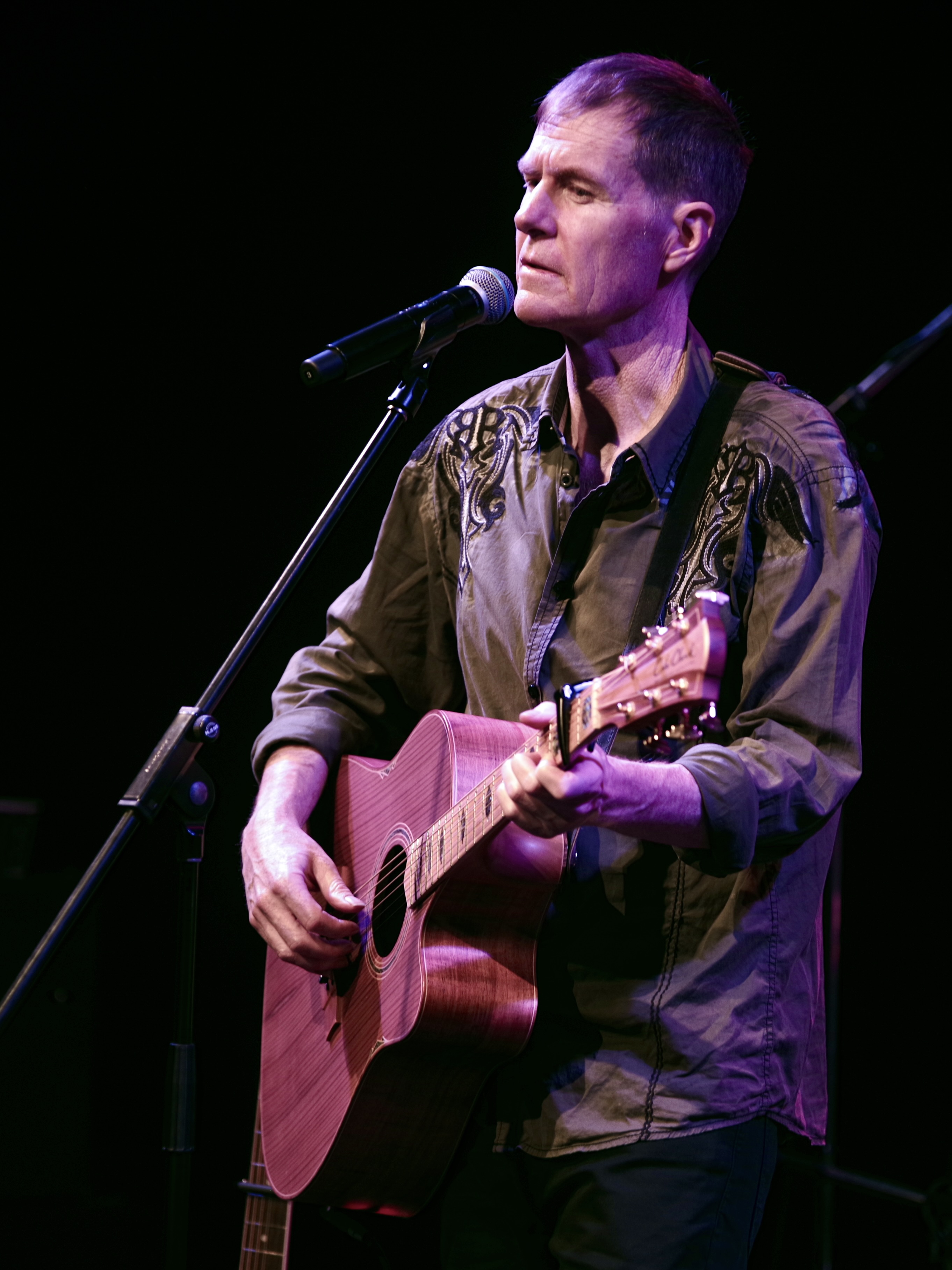
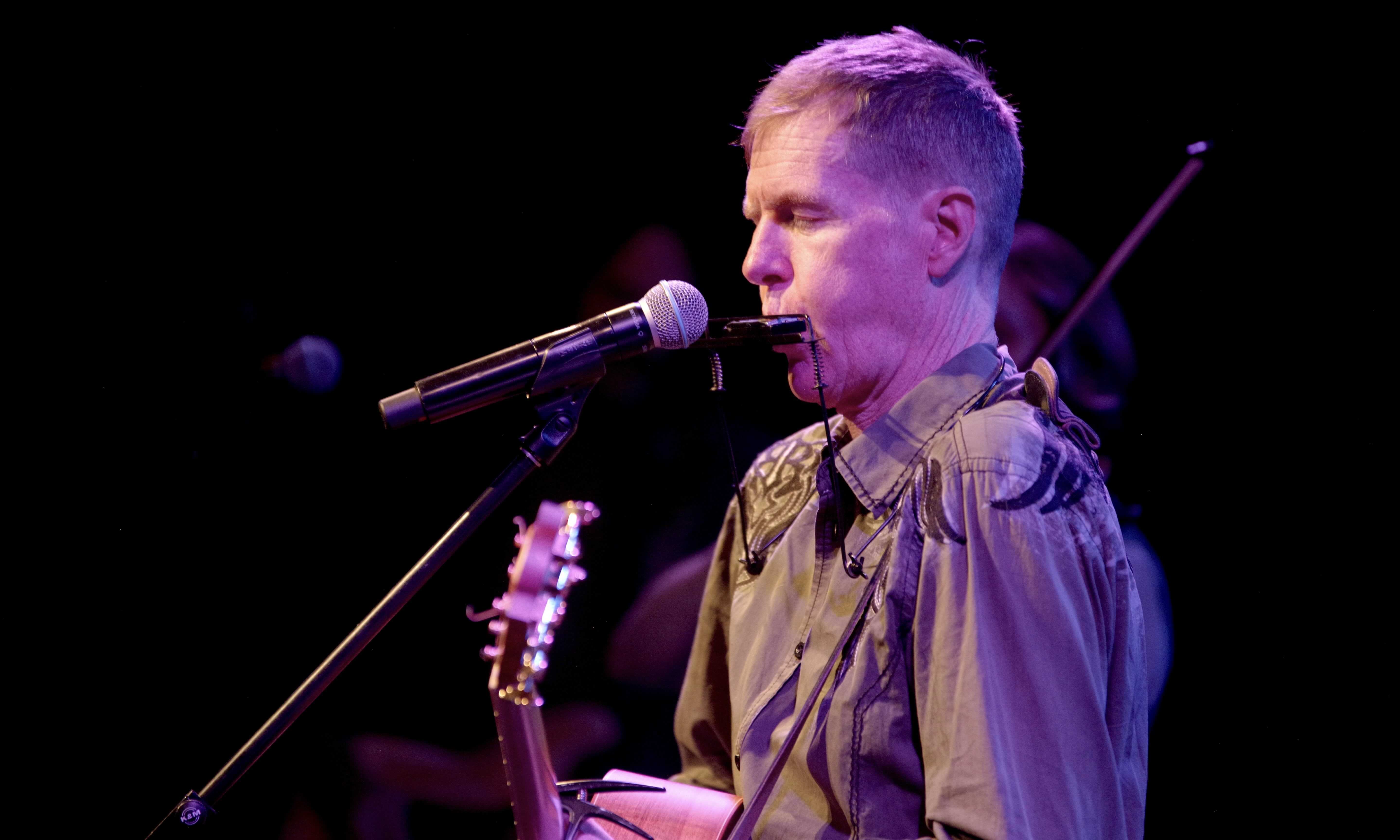
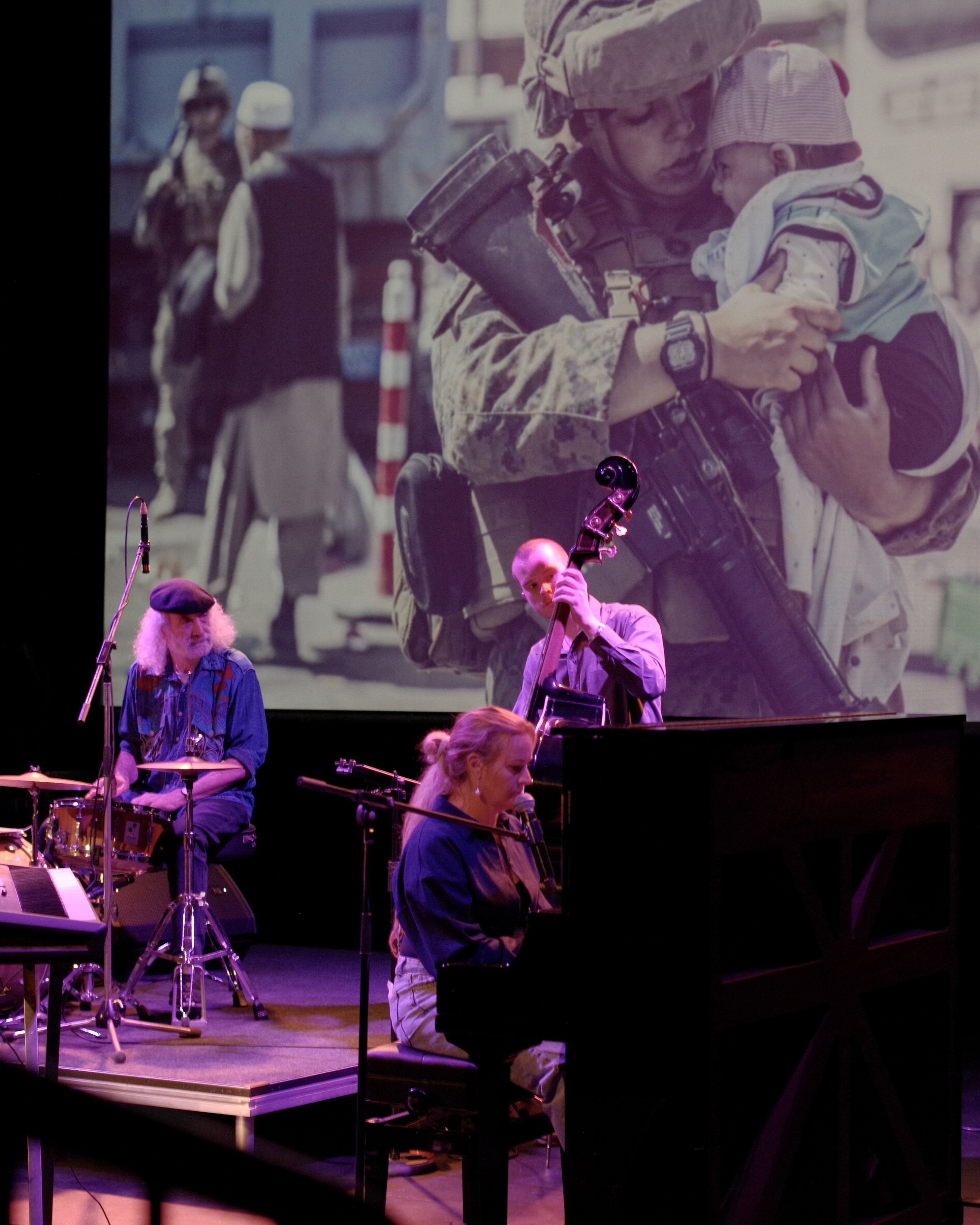
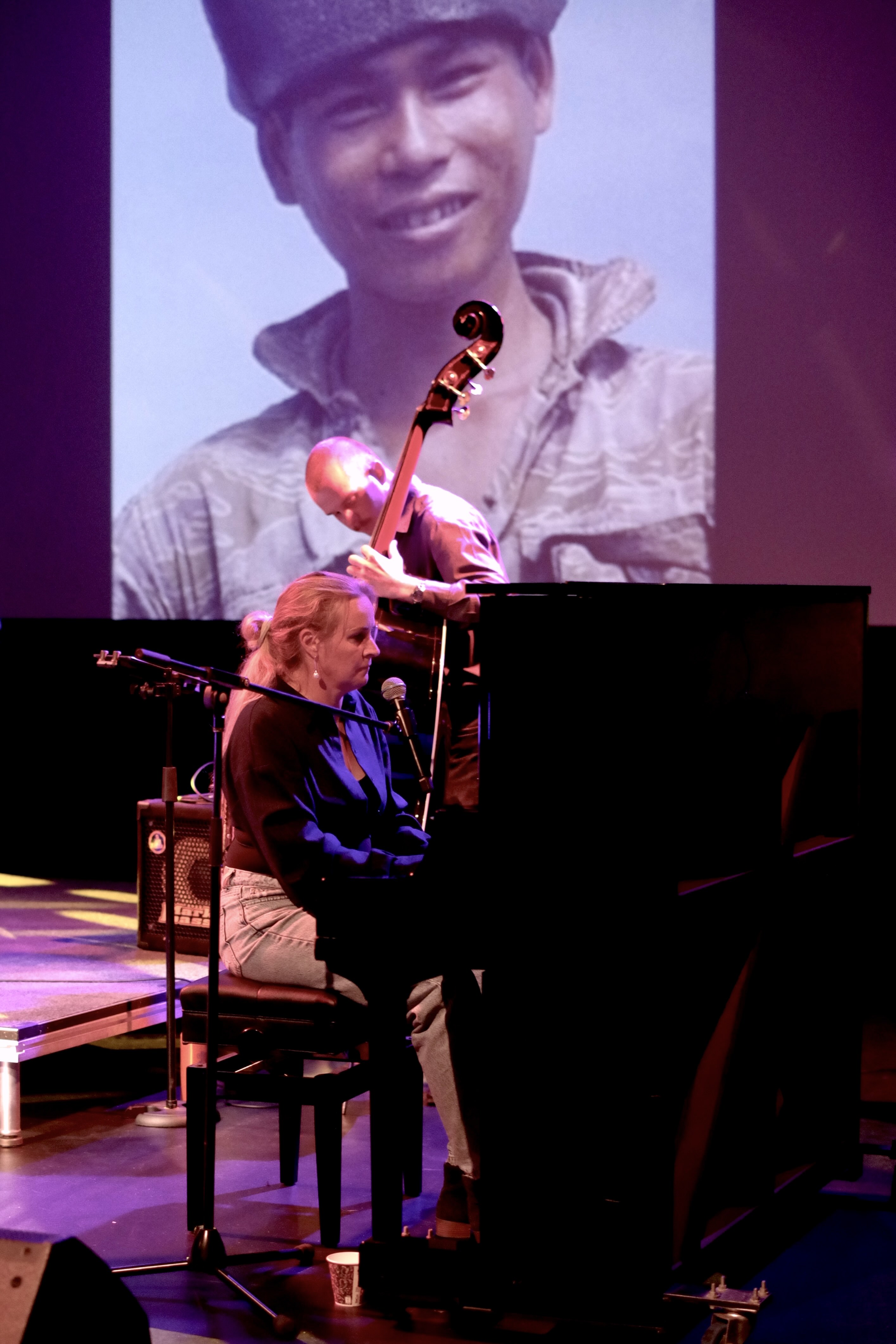
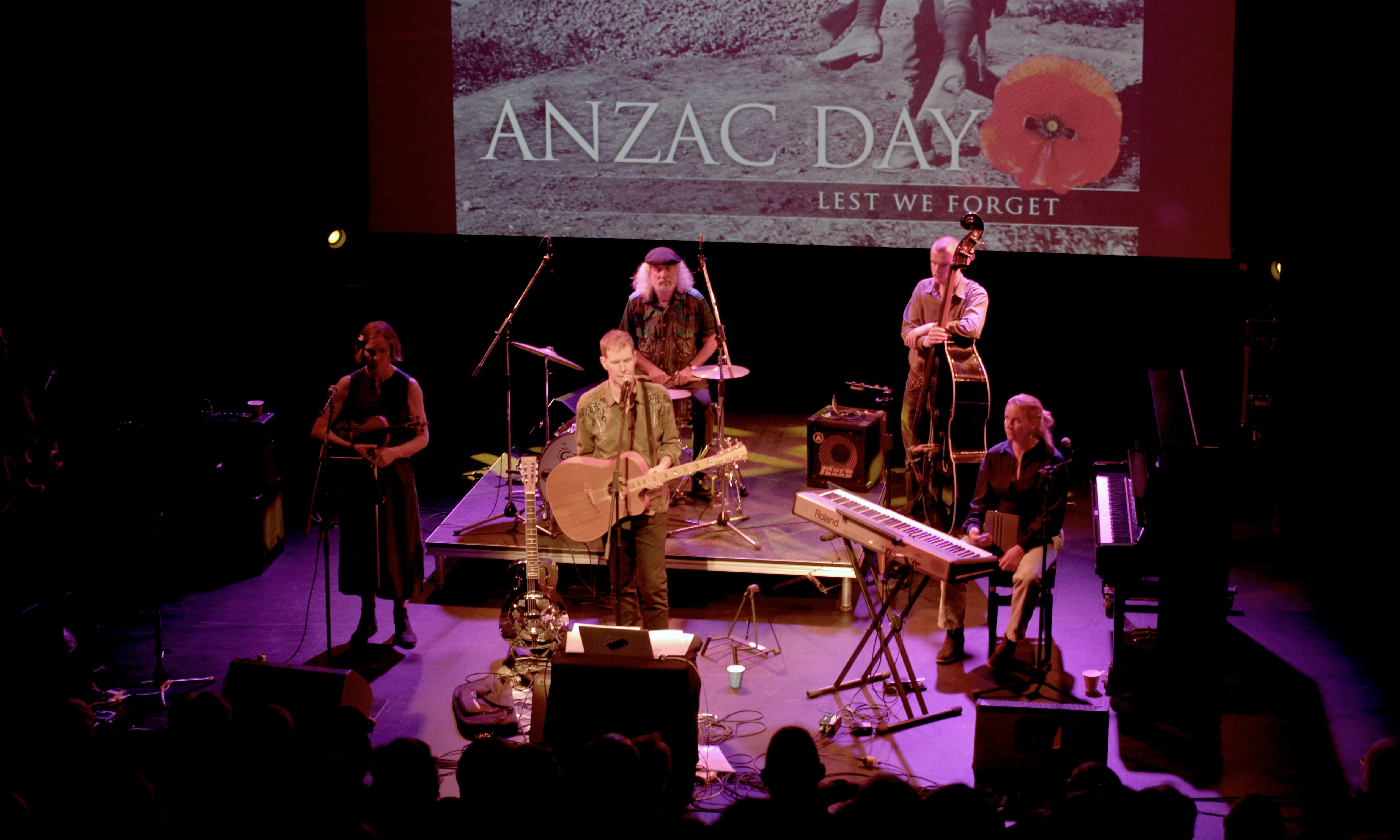
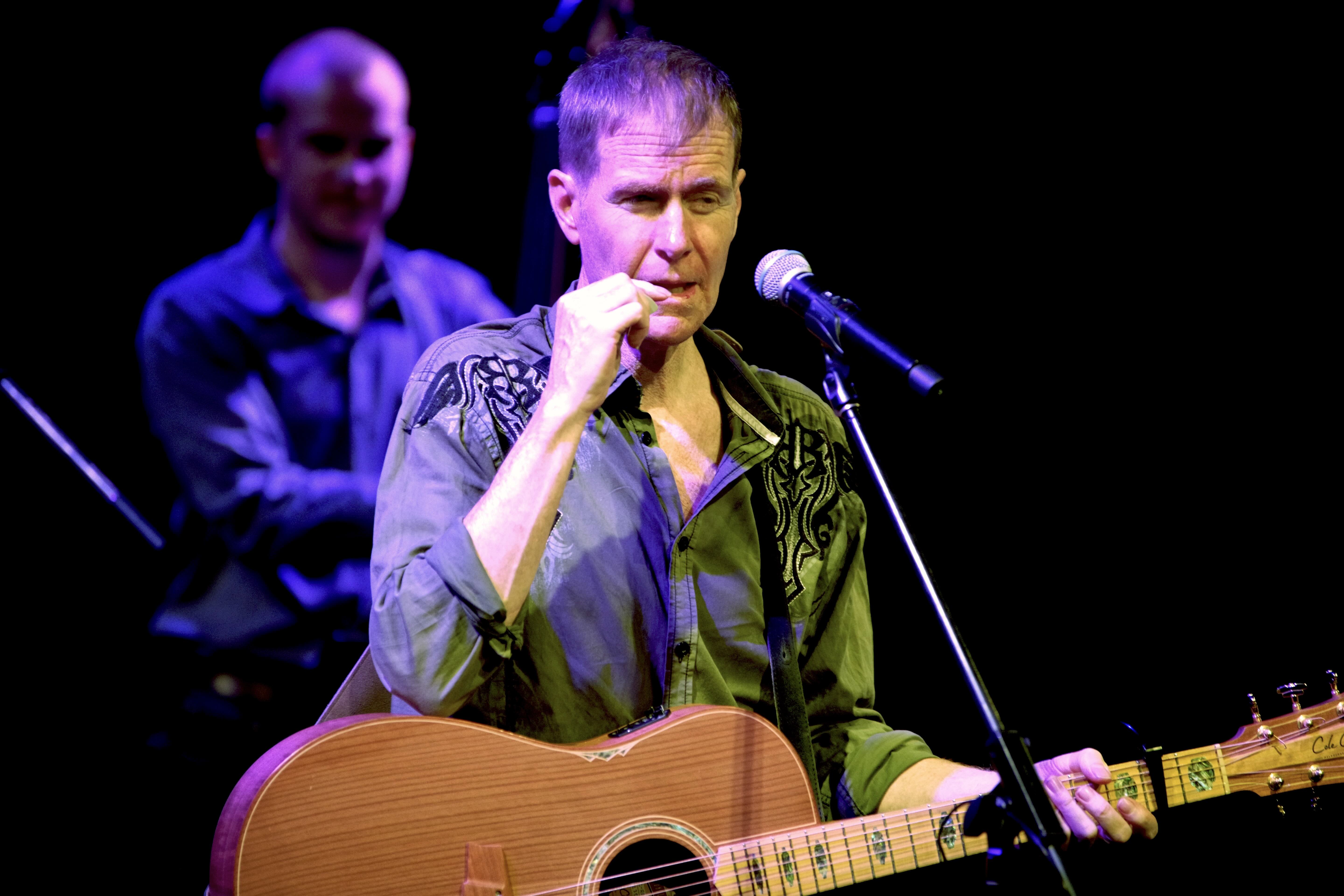
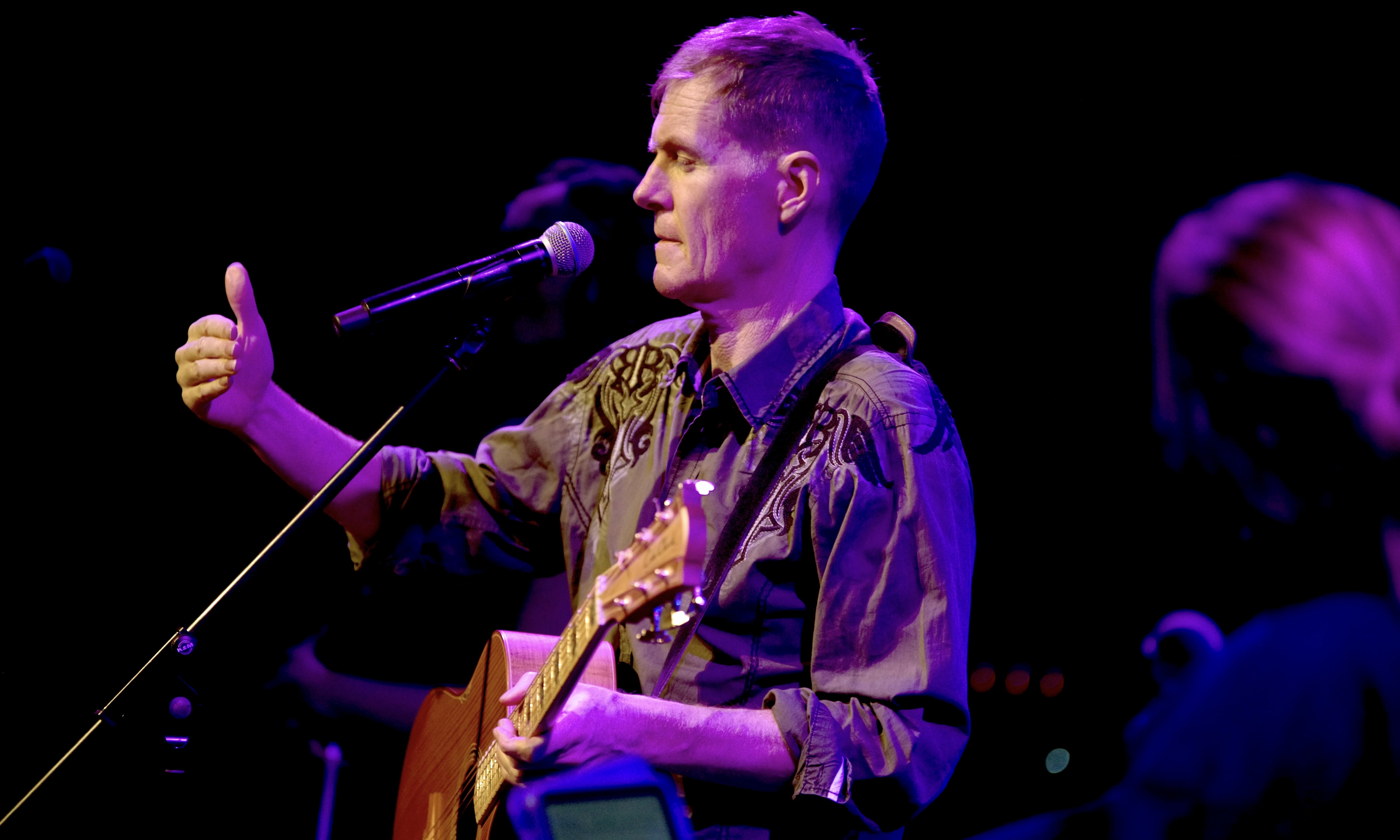
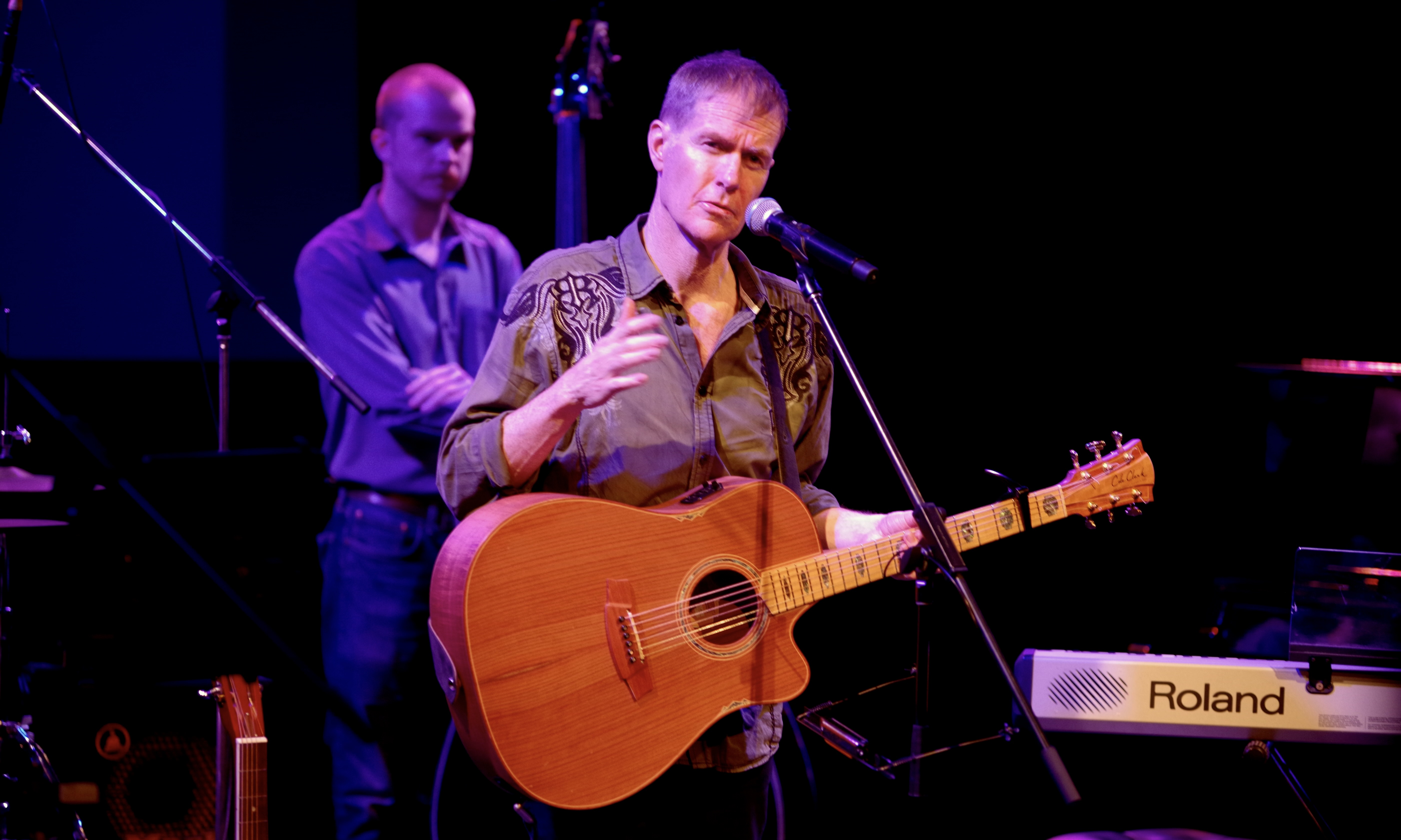
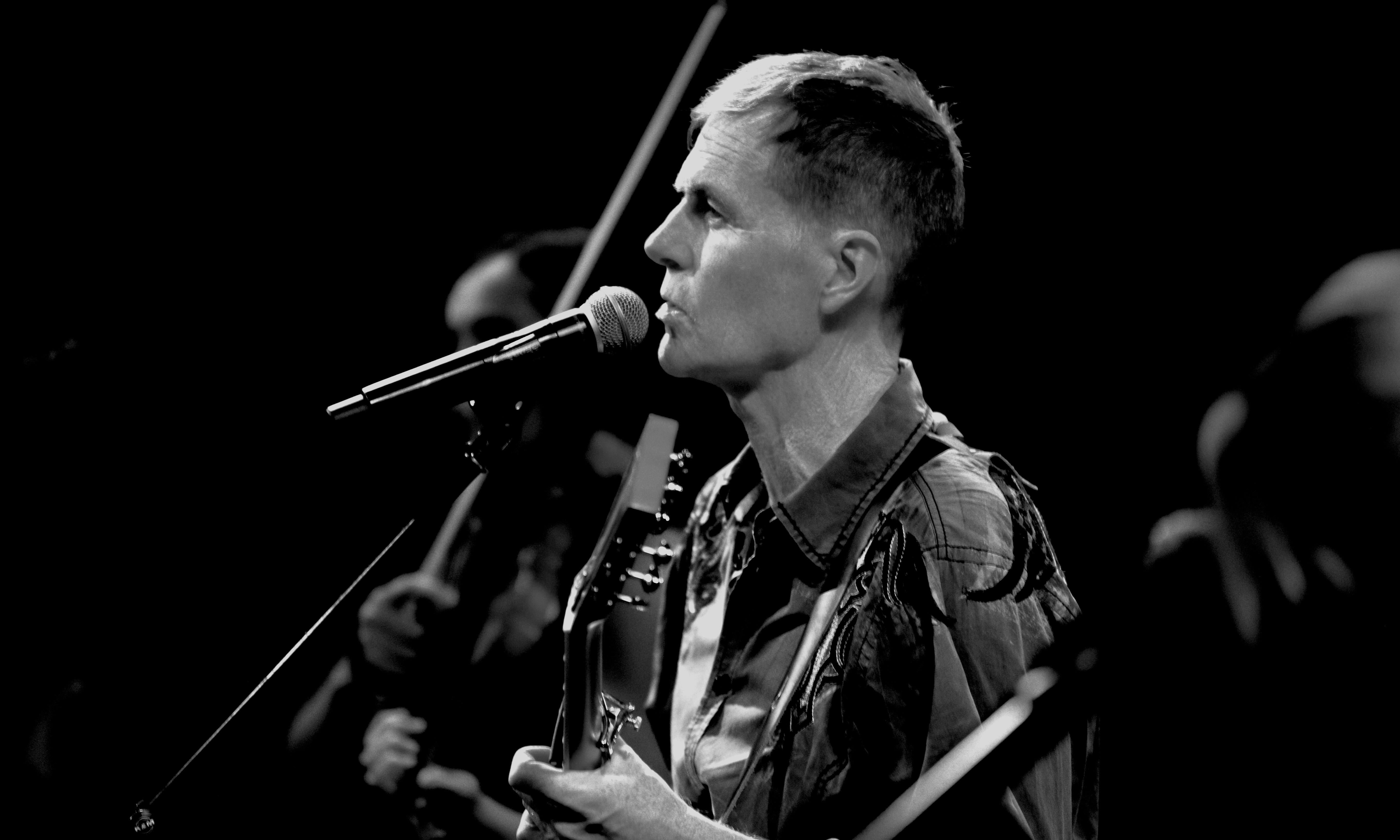
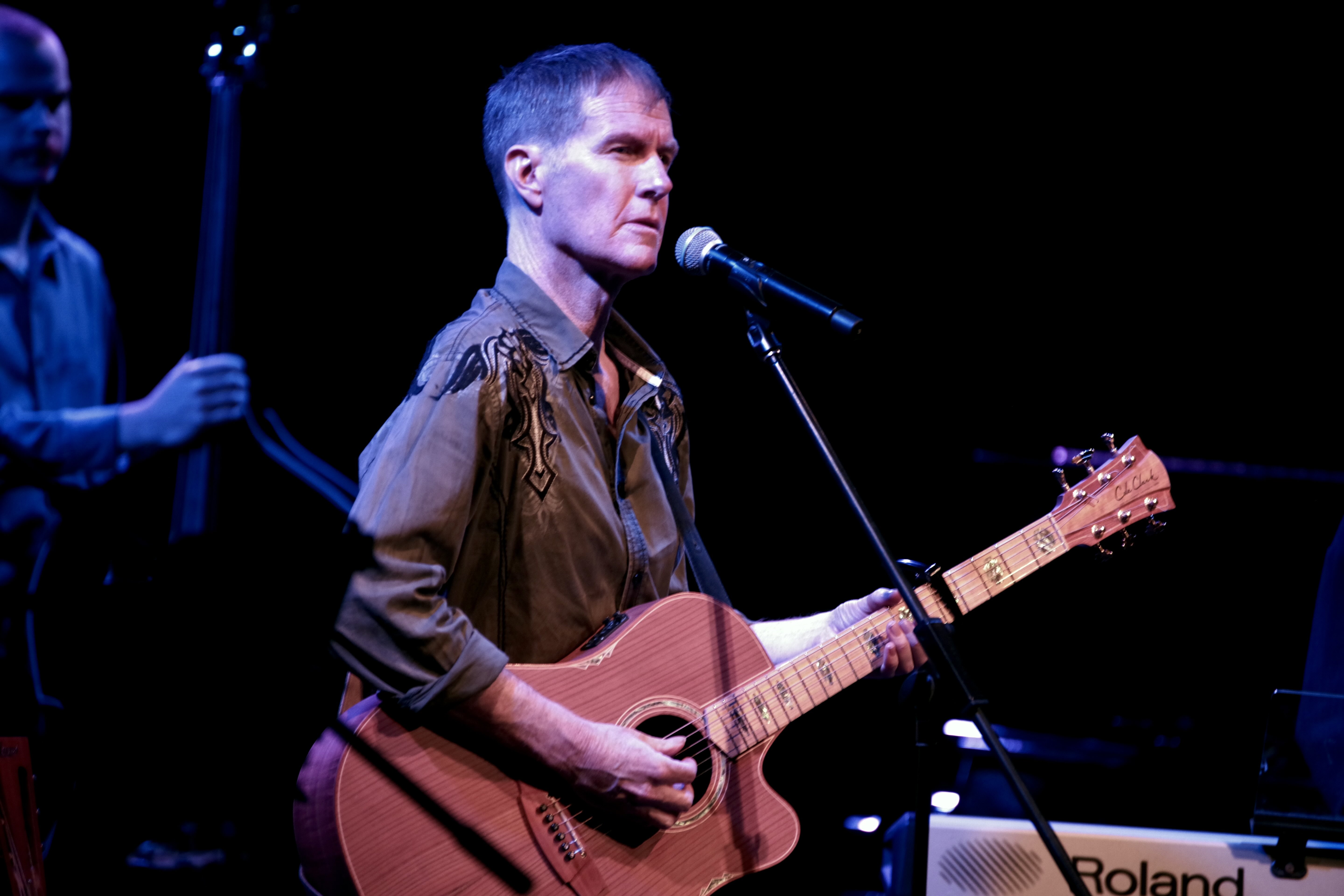
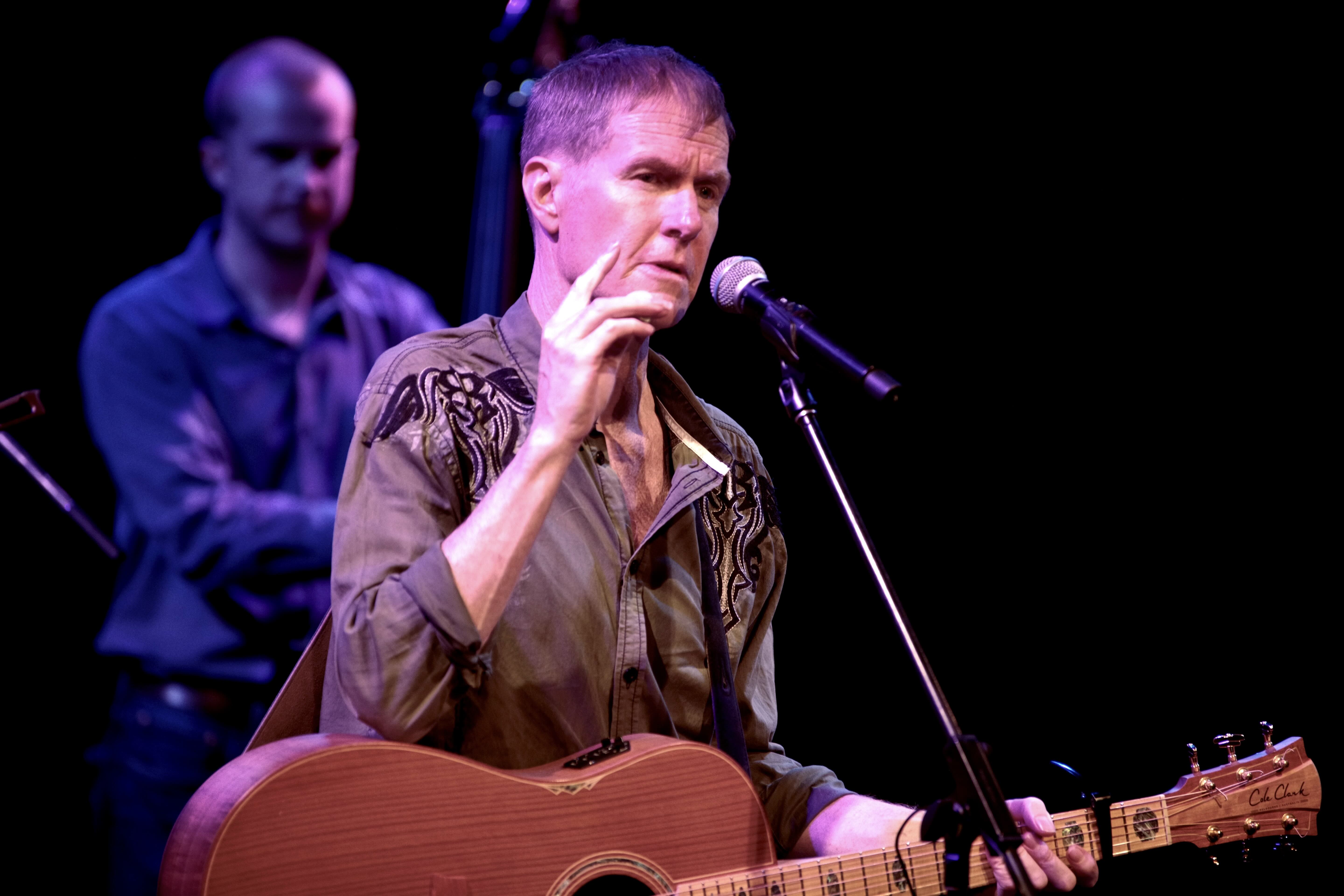
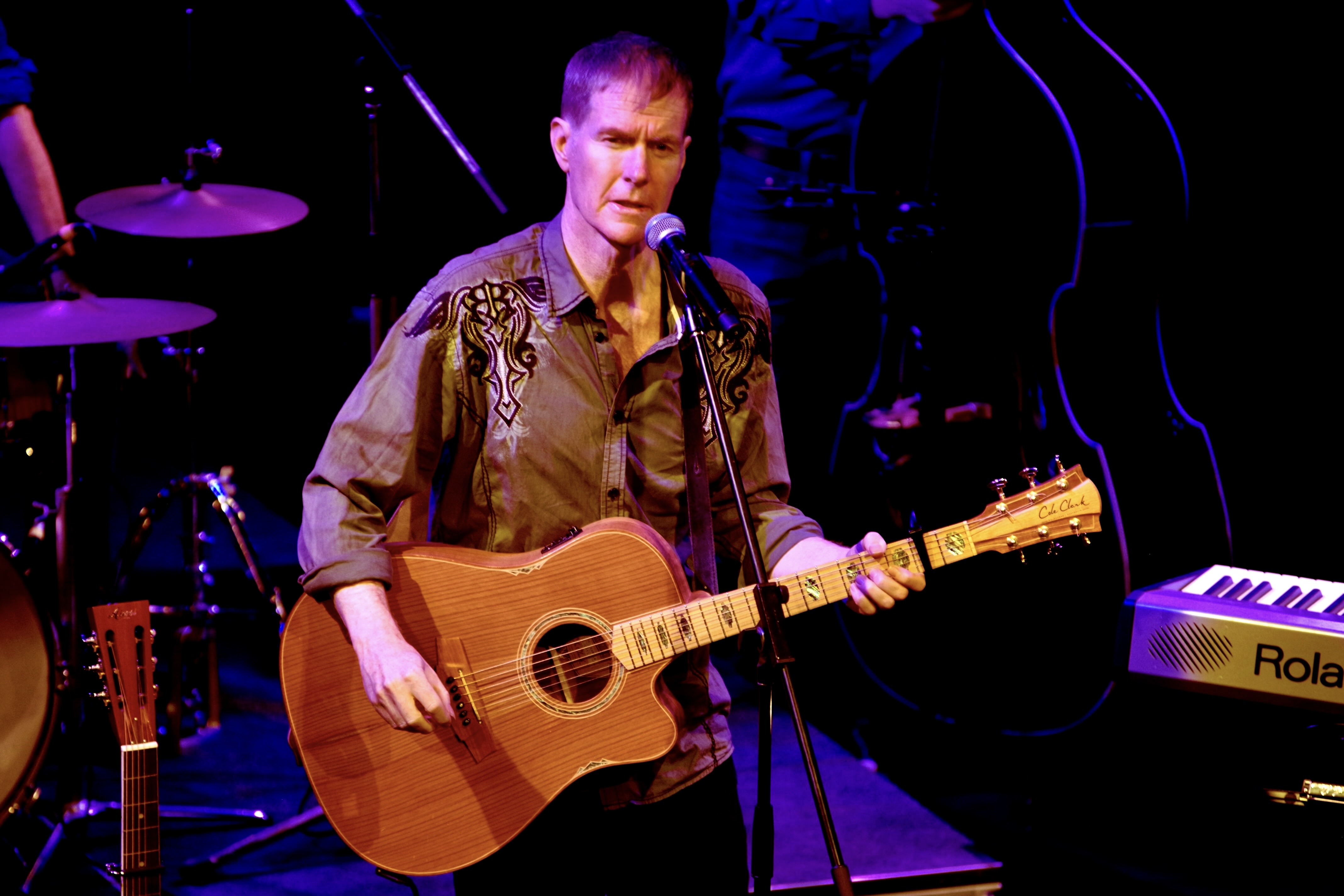
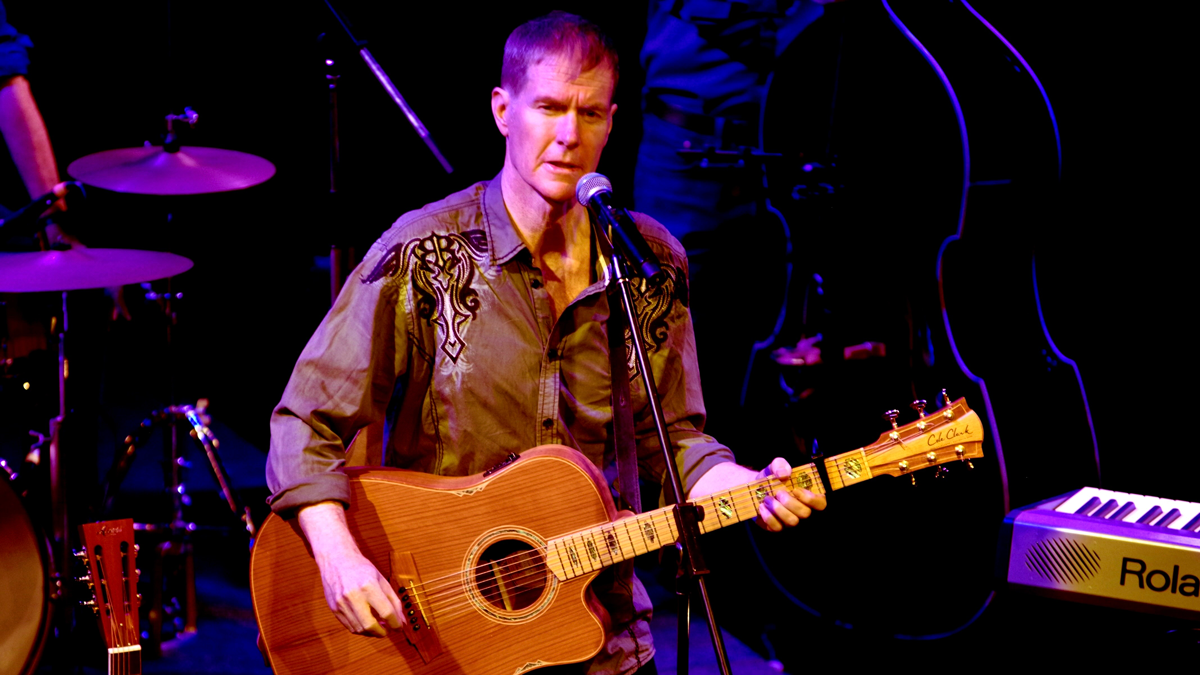
Canberra-based singer-songwriter Fred Smith is making his presence felt in WA this year. Last weekend saw his second tour here in three months, this time performing an ANZAC-themed show, Unforgotten: Songs of Australians at War. Aptly, he performed the show to a full house at the Mandurah Performing Arts Centre on the eve of ANZAC Day.
Smith is no stranger to songs about war. In his parallel career with the Department of Foreign Affairs and Trade, he has been on six international postings into war zones: peace monitoring in Bougainville and the Solomon Islands in 1999, 2000 and 2003; two to Afghanistan between 2009 and 2013 as a diplomat embedded with the Australian troops in Uruzgan province; and again in 2020/21 as front of house for Australia’s humanitarian program in the Embassy in Kabul, a stint that culminated with an intense two weeks working on the evacuation of that city.
His songs about these experiences have been released on three albums, Bagarap Empires (2002), The Dust of Uruzgan (2011) and The Sparrows of Kabul (2022), and performed widely around Australia, including by Lee Kernaghan and John Schumann. His broader Afghanistan experience has also been documented in two books, each named after the albums. The Uruzgan songs in particular have been performed extensively in a theatre show which has evolved to trace the unfolding of that conflict. The earlier iterations reflected a hopeful belief that things might work out; the later ones documented the ultimate tragedy of the fall of Kabul.

This new show takes a step back and examines the history of Australia’s engagement in war since Federation. To do so, Smith reduced his Uruzgan repertoire from twenty songs to seven and added in four written by other Australian songwriters: John Schumann’s brilliant adaptation of Henry Lawson’s poem, Scots of the Riverina, and iconic I Was Only 19; Eric Bogle’s The Band Played Waltzing Matilda; and Don Walker’s Khe Sanh. Smith completed this historic set with his own Say A Prayer about the battle of Savo Island during WWII and Blue Guitar covering his experience in Bougainville. His Century Girl provided a unifying overview.
The linking theme was that all of the songs are written from the perspective of those who fought—not the generals commanding them and the politicians who started the wars or glorify them now, but the ones who went into battle. In this, there was no place for flag waving, just the human experience of what it means to answer the call. This personal perspective created a space for compassion, understanding and empathy.
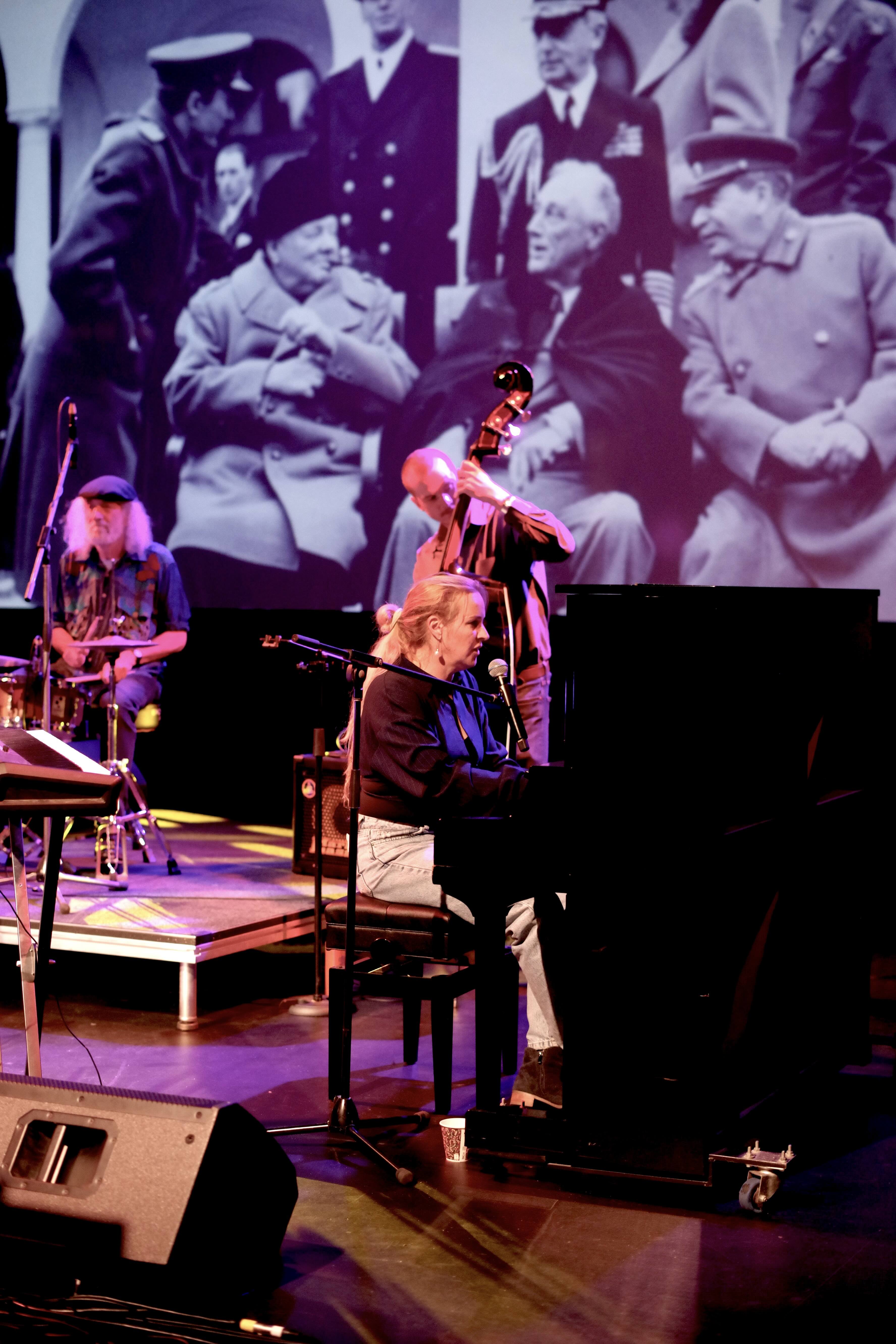
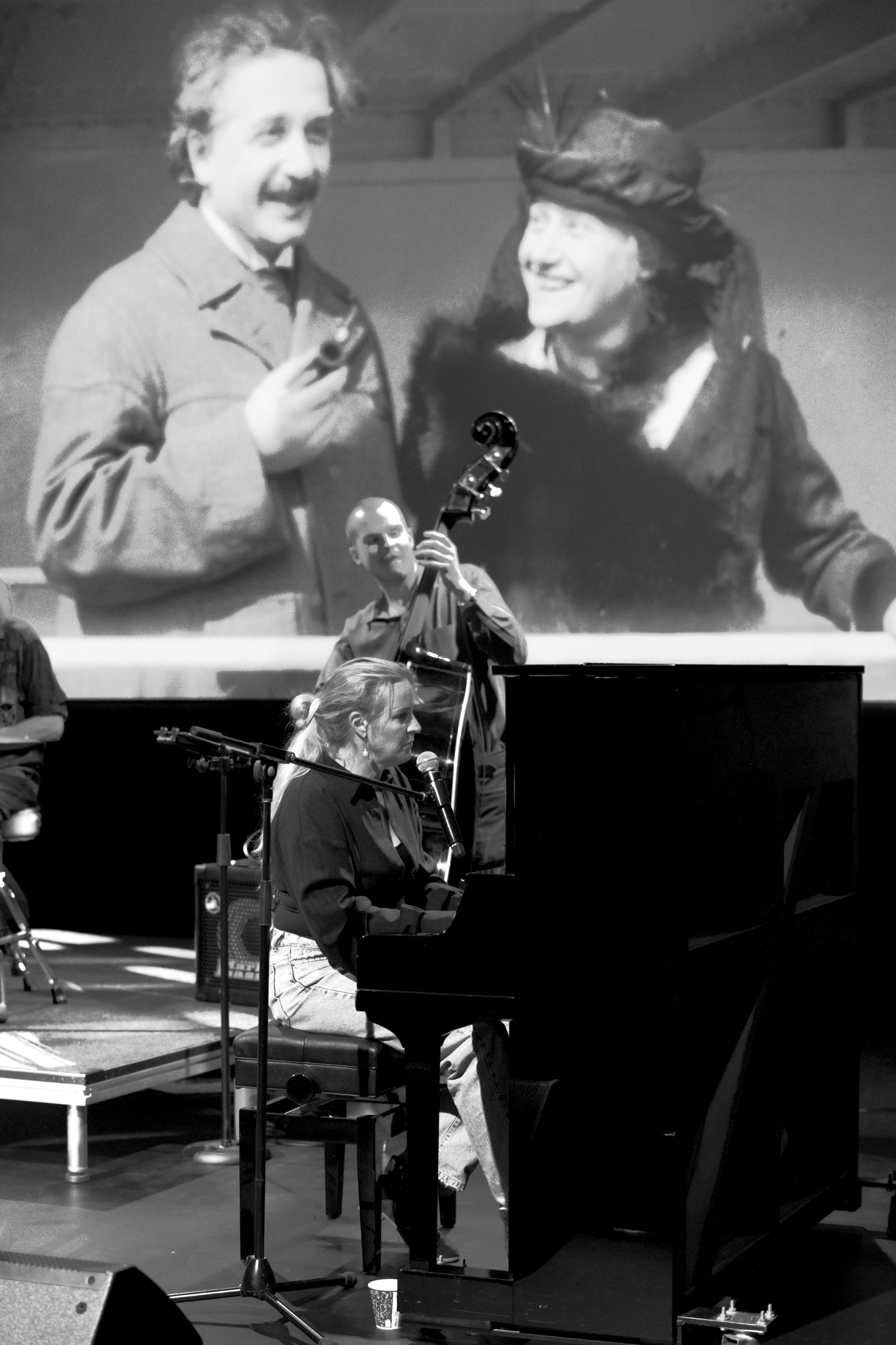
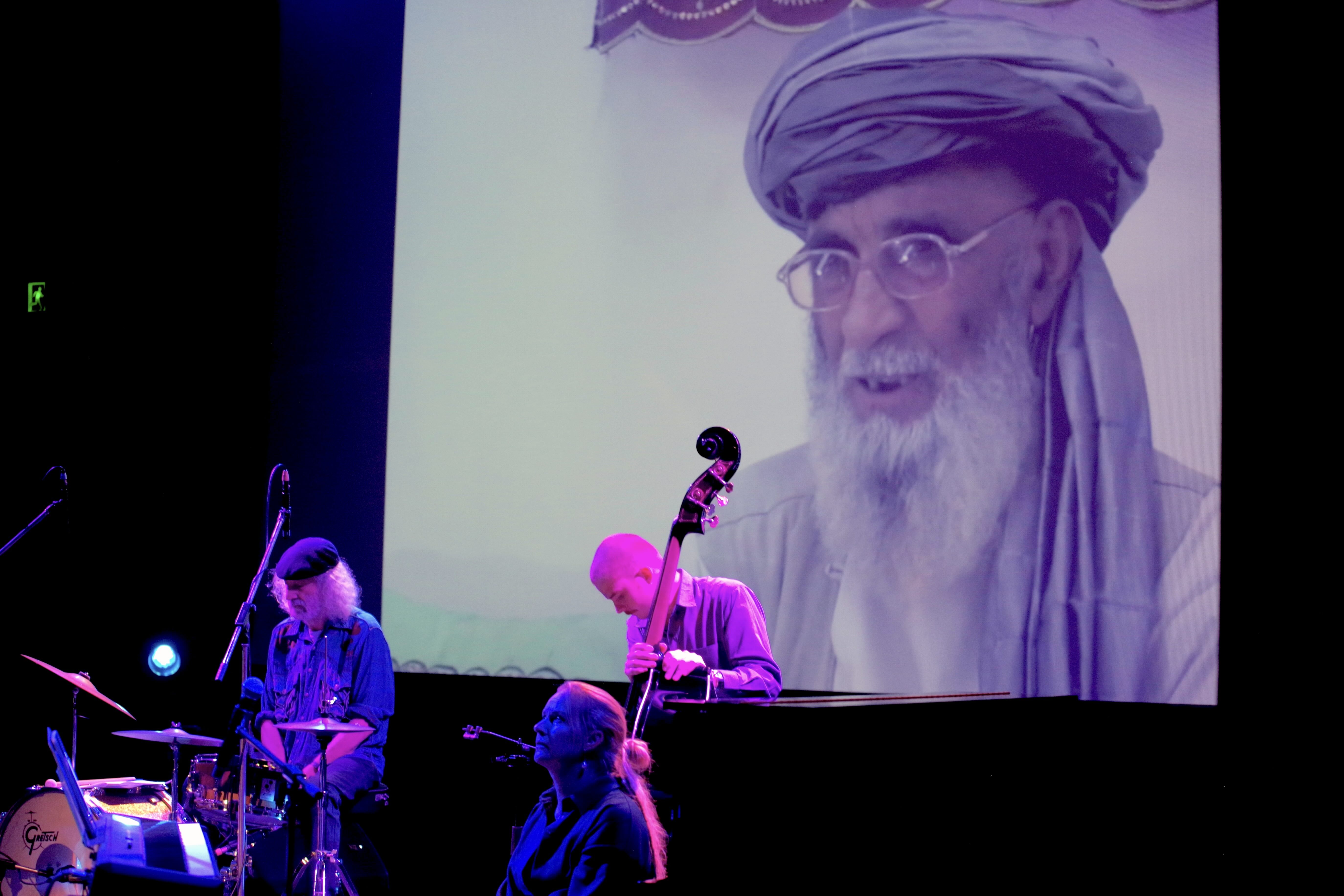
In true Smith style, though, the songs were only a part of the story, in this case possibly less than half. An intelligent raconteur and social historian, Smith’s intros, outros, asides and slides are always key to the impact of his performance. His stories are compelling and insightful, in this case a deep reflection on the wars Australia has been involved in over the last century and a quarter. Tellingly, none of these wars have been initiated by Australia, and only in one did the country itself come under attack. Instead, it was our alliances, first with Great Britain, then the United States, which drew us into the various conflicts.
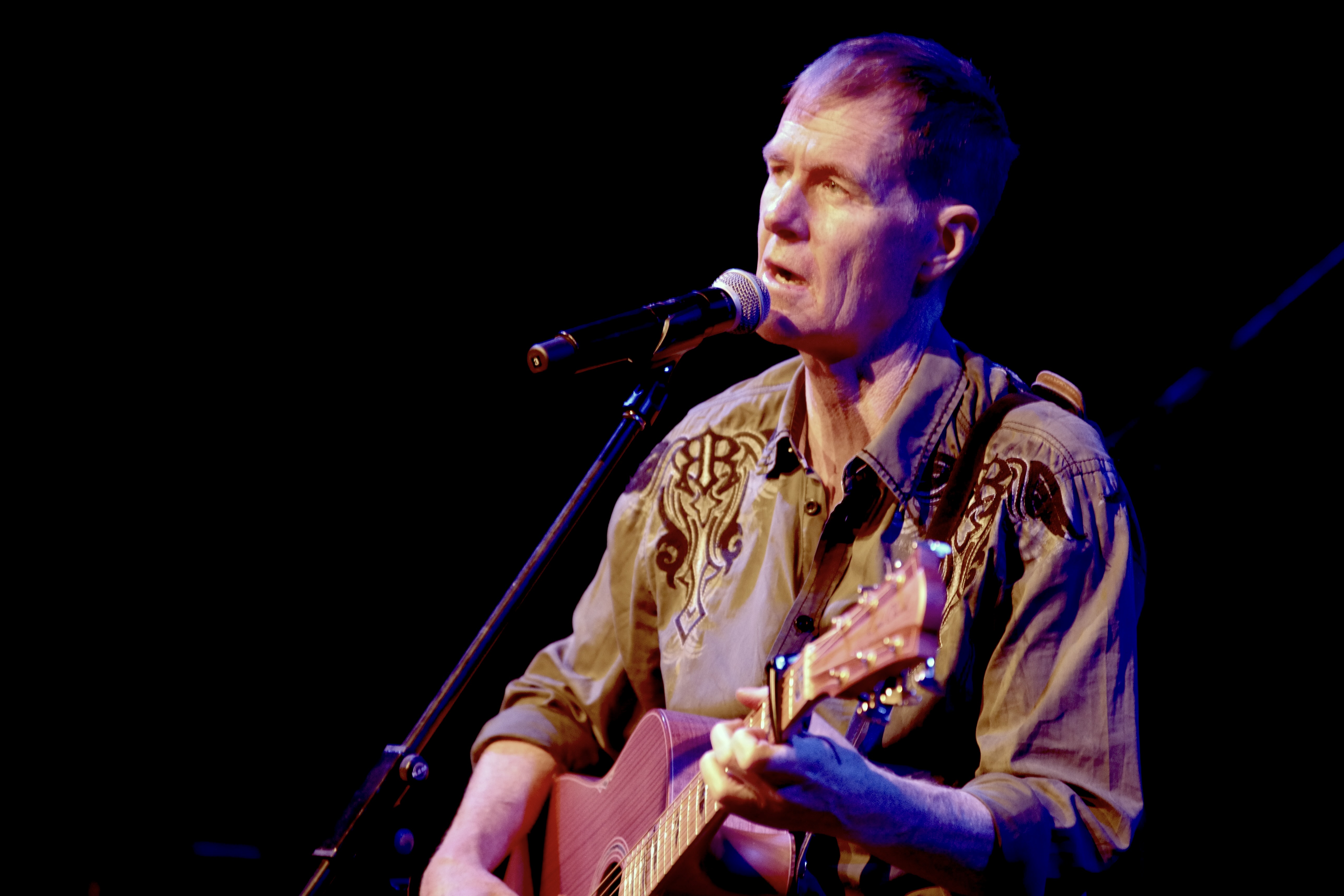
From this Smith compiled a list of some dozen mordant ‘rules of war’. With wry humour, these highlighted issues such as the ironic imbalance in alliances between smaller and larger countries and the relevance of domestic politics to international conflicts. It was noted that small countries can draw large alliance partners into unnecessary wars with catastrophic consequences (Austria-Hungary and Germany in 1914), but more often that larger countries pull their smaller partners into a conflict. He also observed that larger countries may not come to the defence of a smaller alliance partner if it doesn’t suit their broader strategic aims (e.g., the fall of Singapore in WWII, which saw Australia turn from Britain to America).
These observations resonated with an audience saturated with news of the Iran War. As the philosopher George Santayana famously said, “Those that fail to learn from history are doomed to repeat it.”
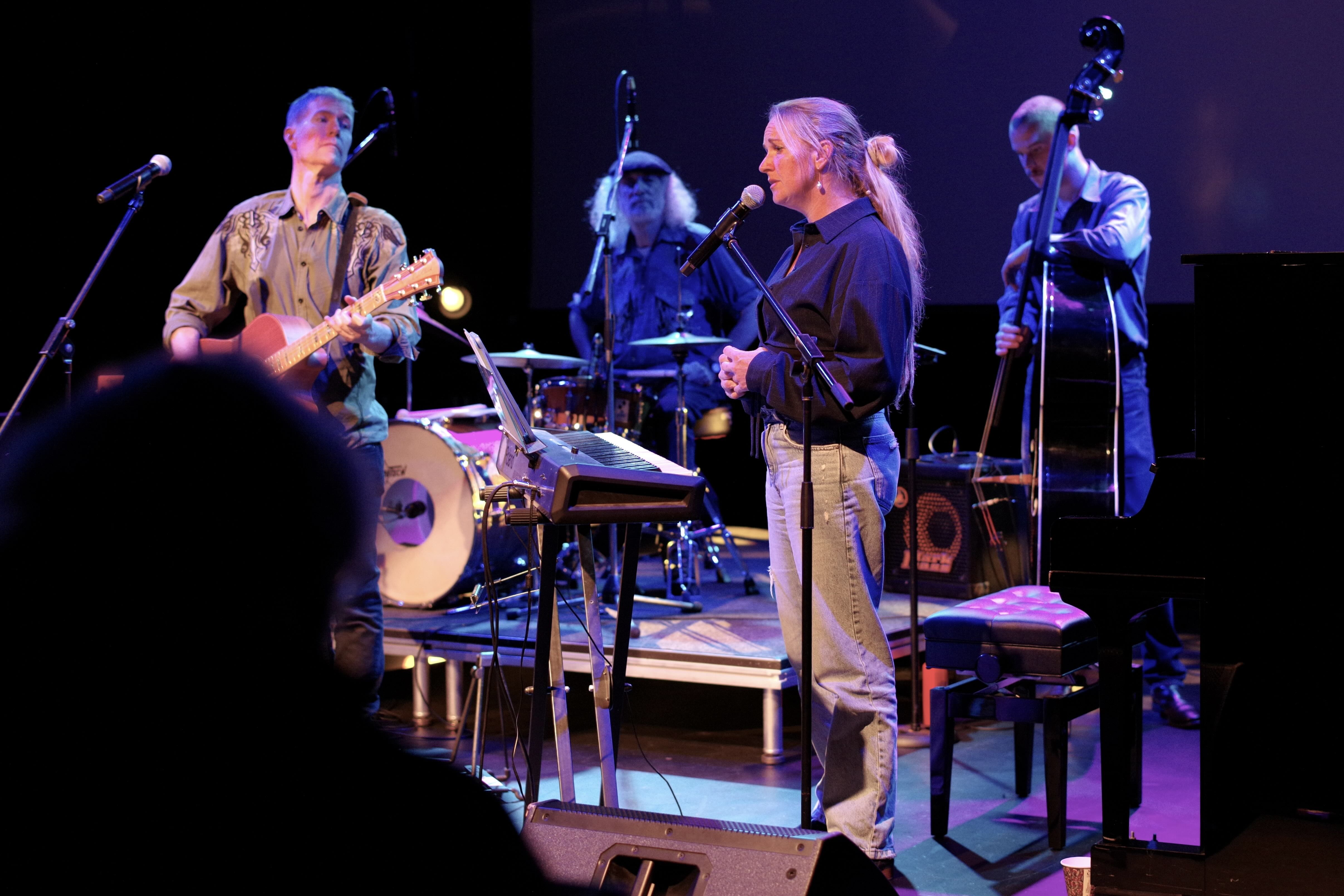
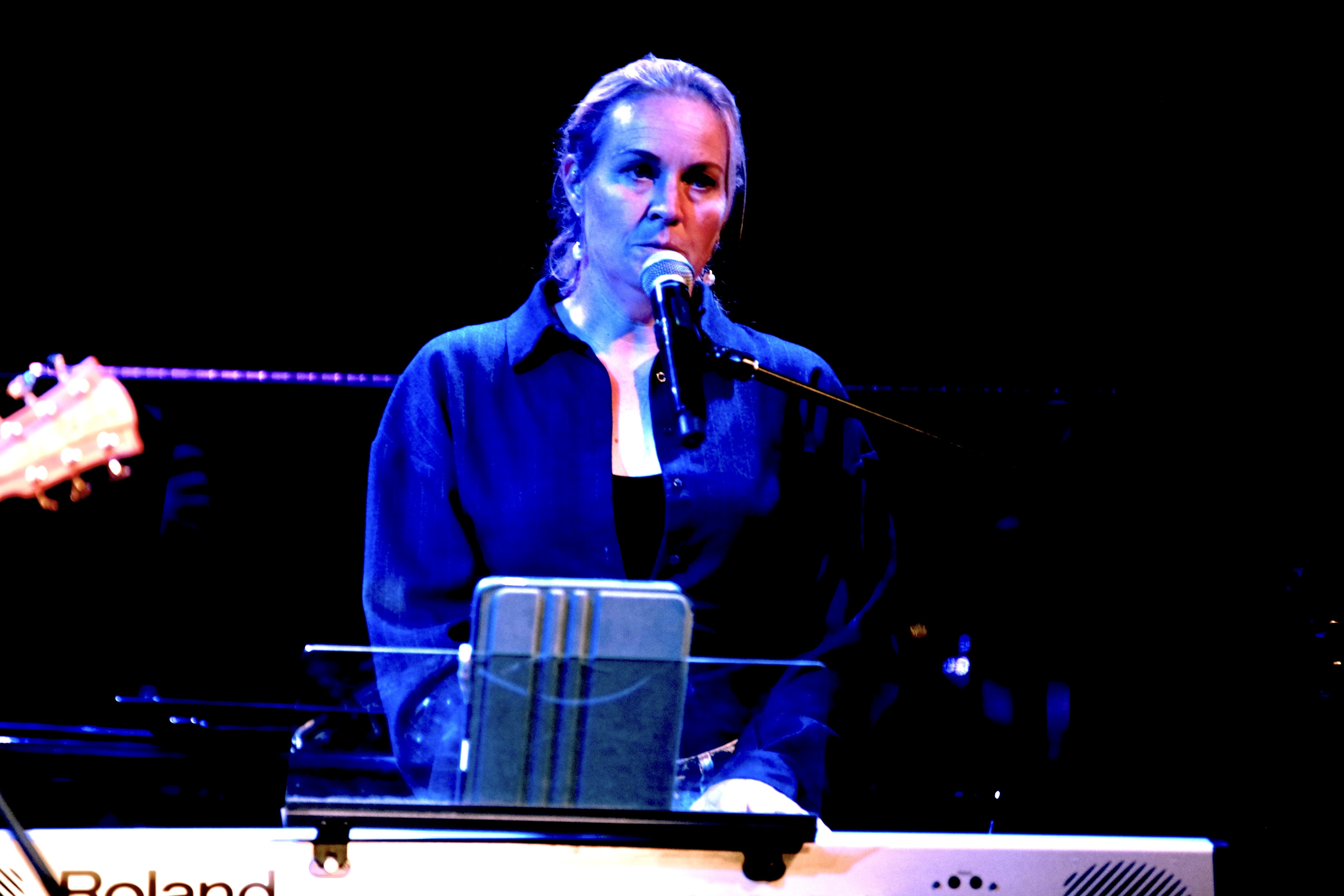
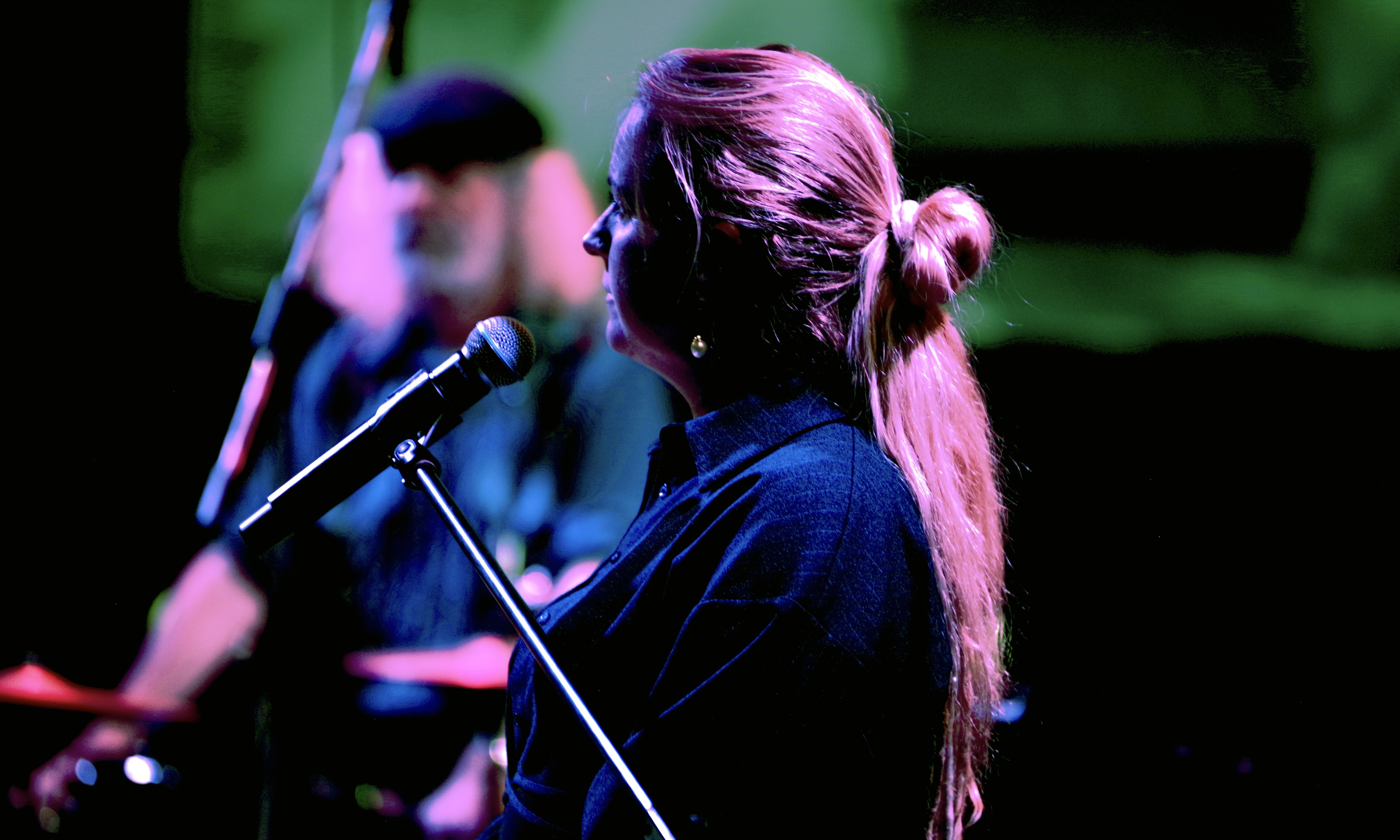
The show opened with Scots of the Riverina and then worked chronologically through the wars. By the end of the first, longer set, the story had reached Afghanistan. The second set took this through until the fall of Kabul and ended with the haunting Trembling Sky. Written through the eyes of a female Afghan refugee, this last song was sung with great sensitivity by keys player Kris Kingwell, the only time Smith relinquished the microphone.
The most moving song, though, was The Gates of KIA (Kabul International Airport), Smith’s account of the chaotic evacuation of Kabul. Its chorus contextualises not only the Afghan conflict but also the sweep of the entire show.
I’ve seen the remnants of the Roman fleet
Sifted embers from the February fires
I’ve read of Carthage and the fall of Crete
Nothing surprised me until the gates of KIA
Smith has also written a song relating to the Brereton report and the issue of war crimes. In deference to ANZAC Day, he deliberately left this out of the show, though he noted how divisive the issue has become for many veterans. Fair enough—this was after all a time to remember the soldiers who fought bravely and honourably.
The show was not without its humour. Smith has a self-deprecating style and often pokes fun at himself in his monologues. He also has one purely comic song about the tribulations of being stationed within an international coalition: Niet Swaffelen op de Dixie. Detailing a strange national proclivity of the Dutch troops, this lifted the mood at the end of the first set and saw the audience go into the interval with a smile on their faces.
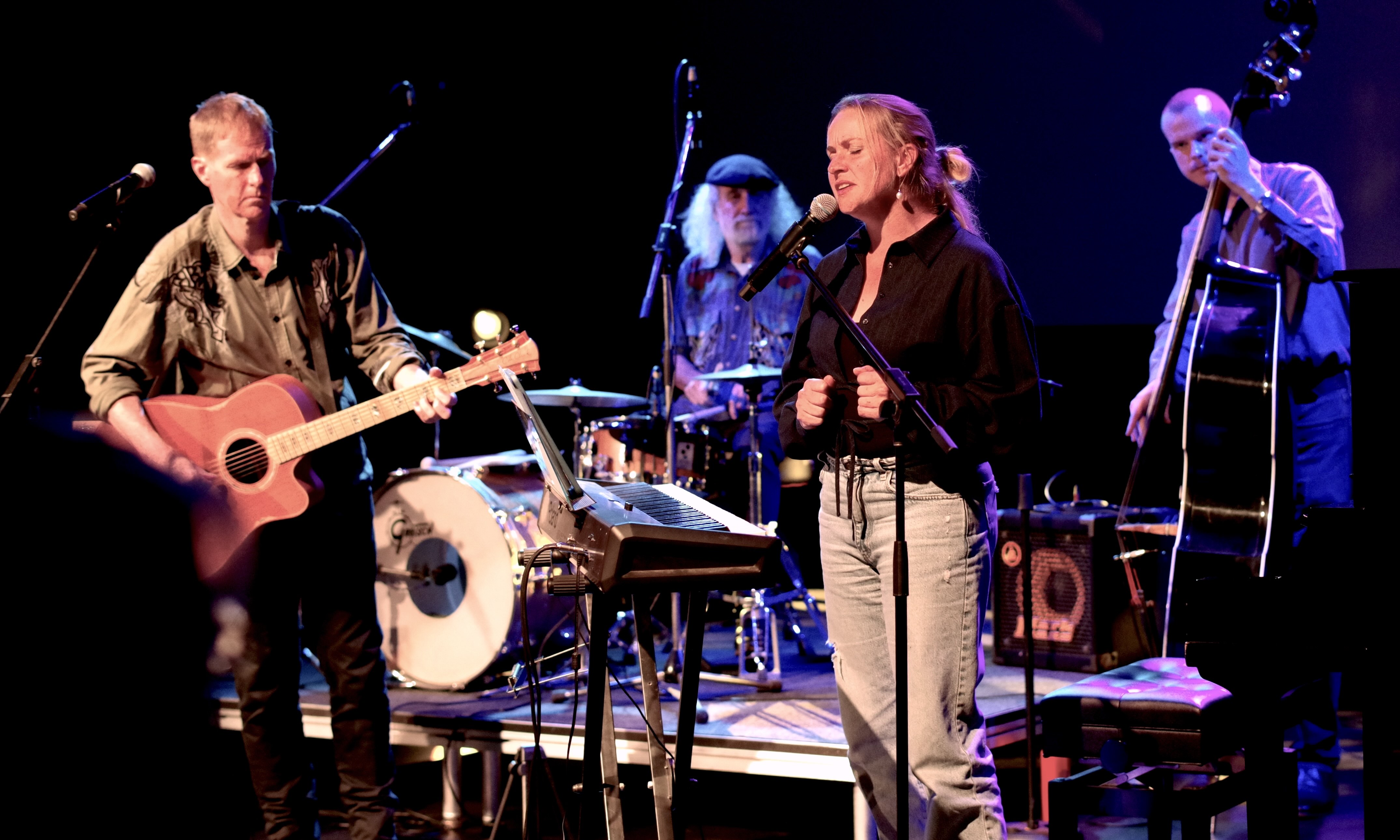
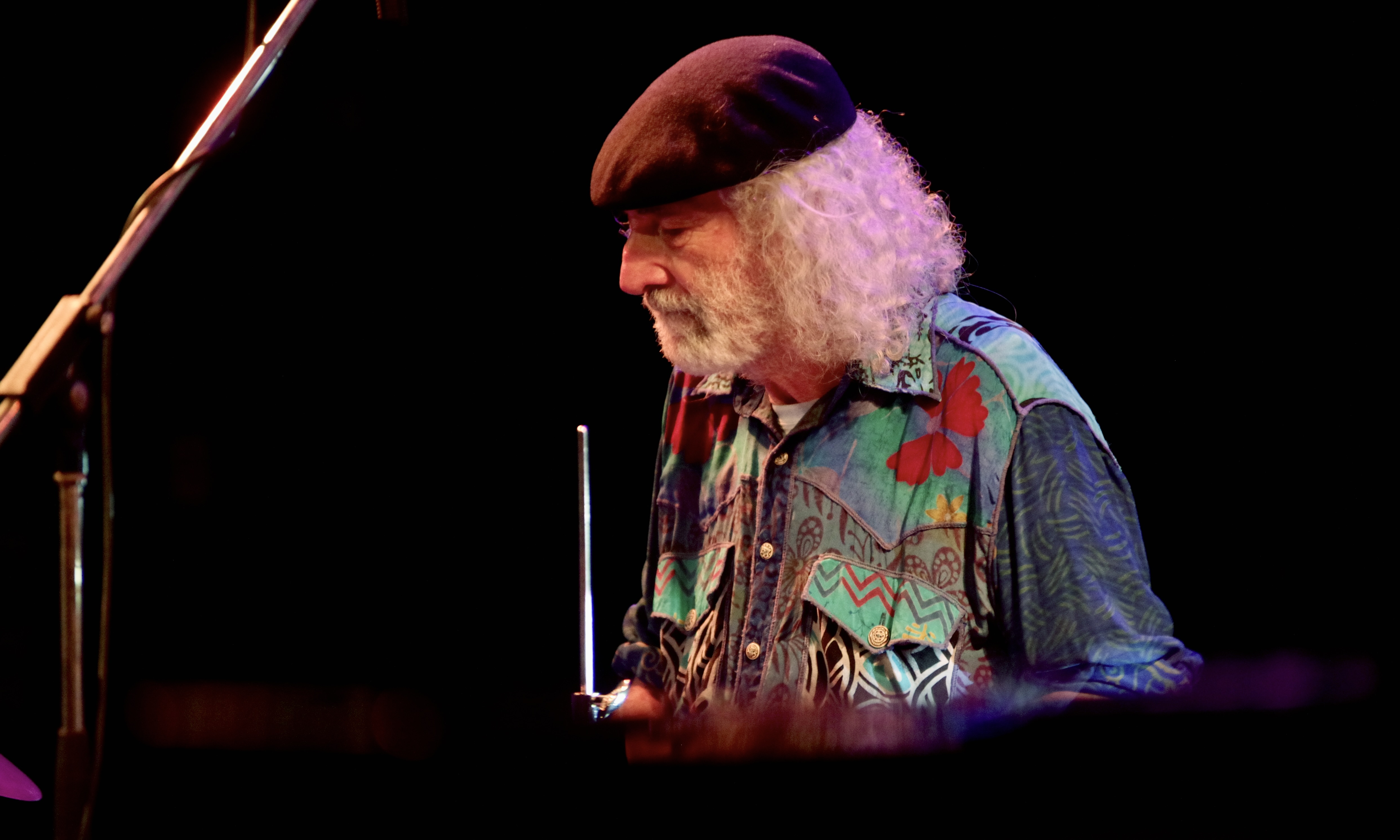
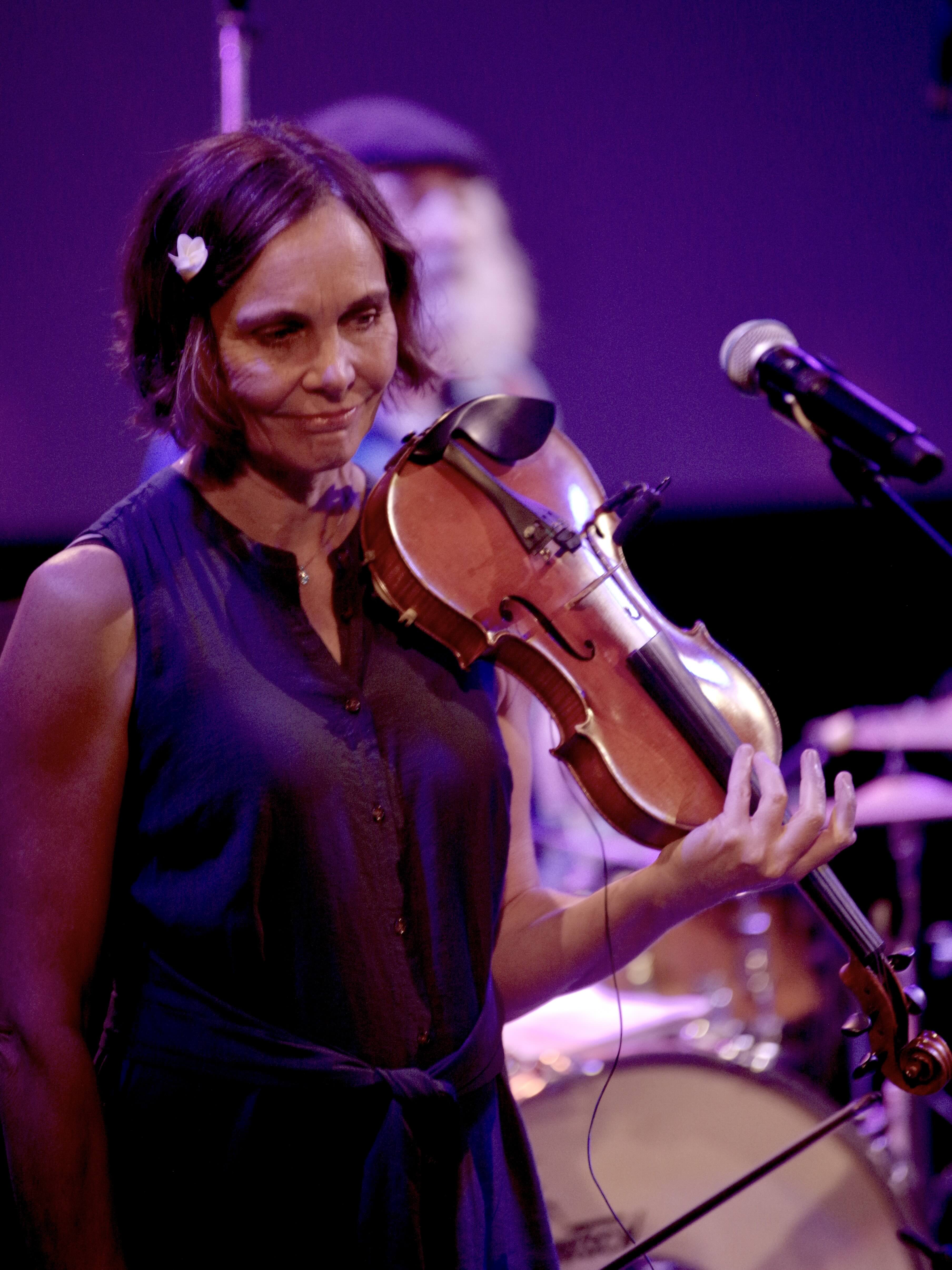
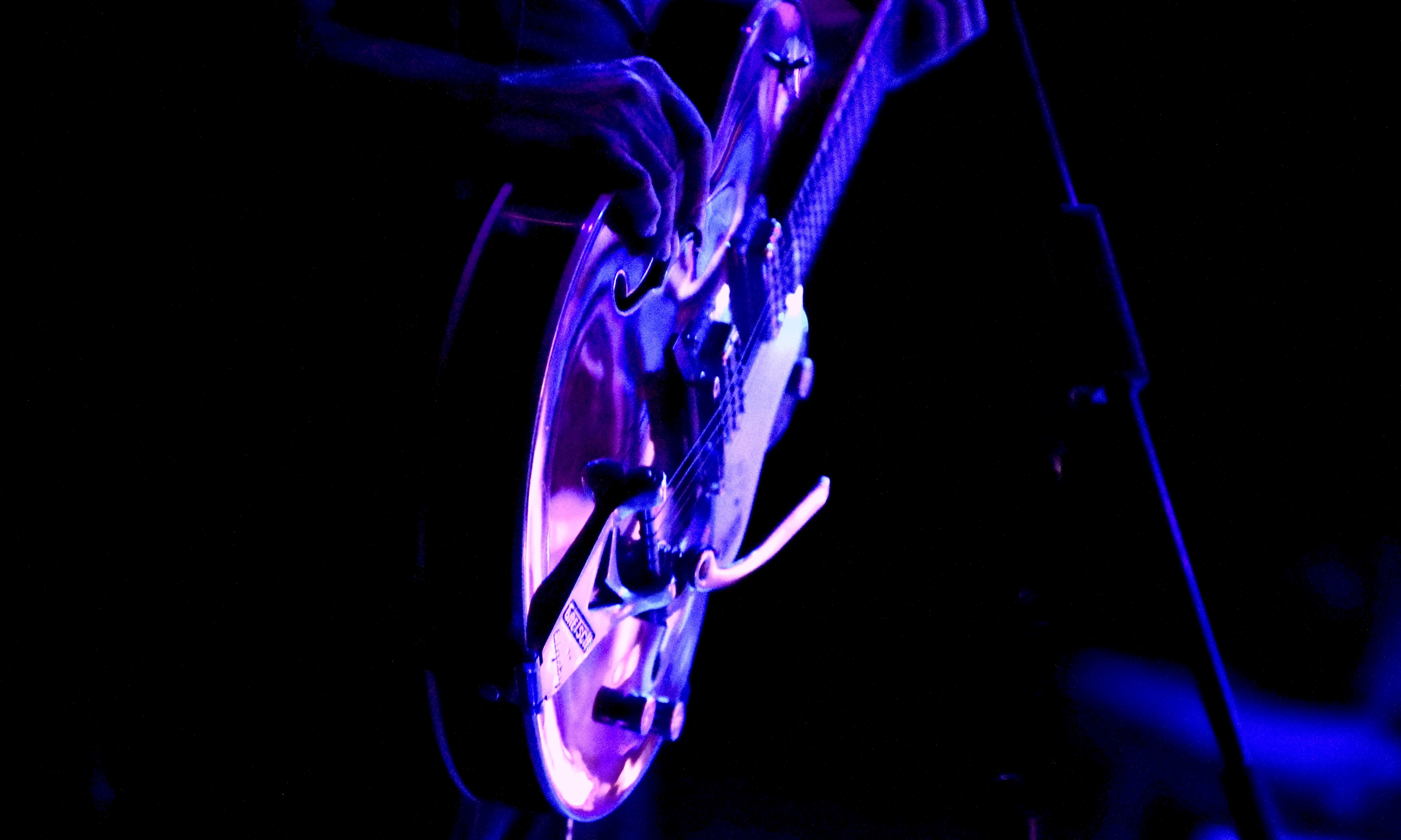
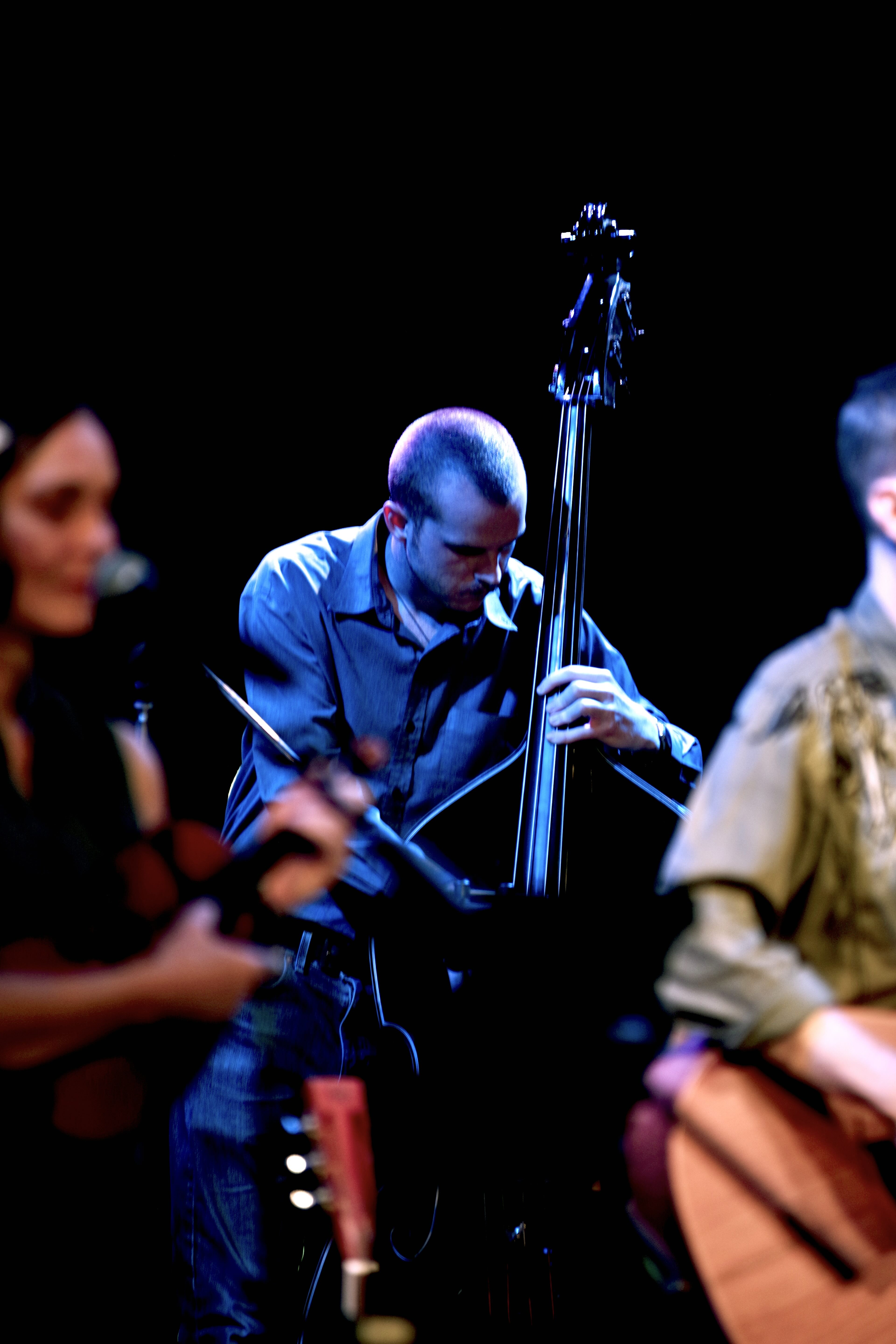
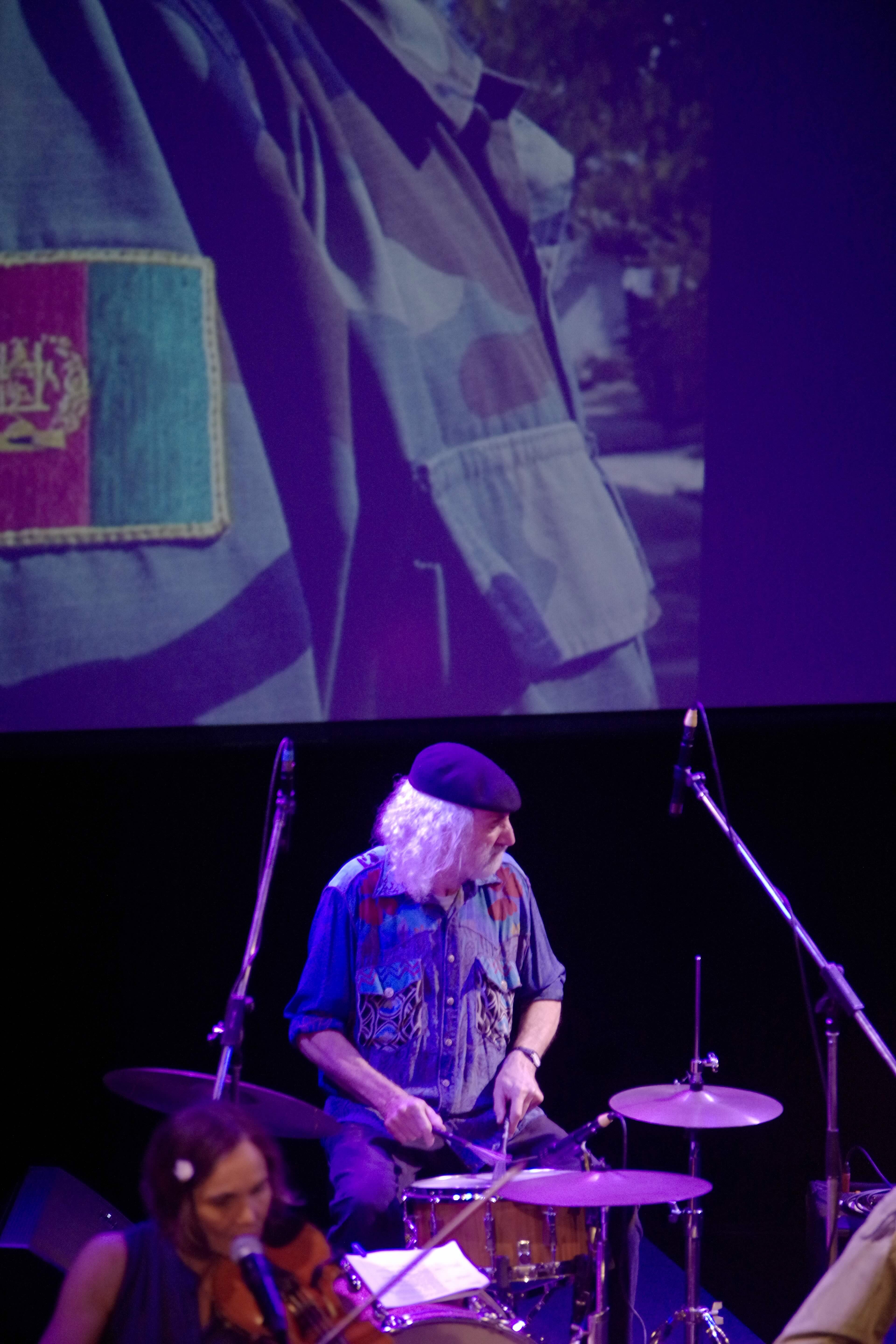
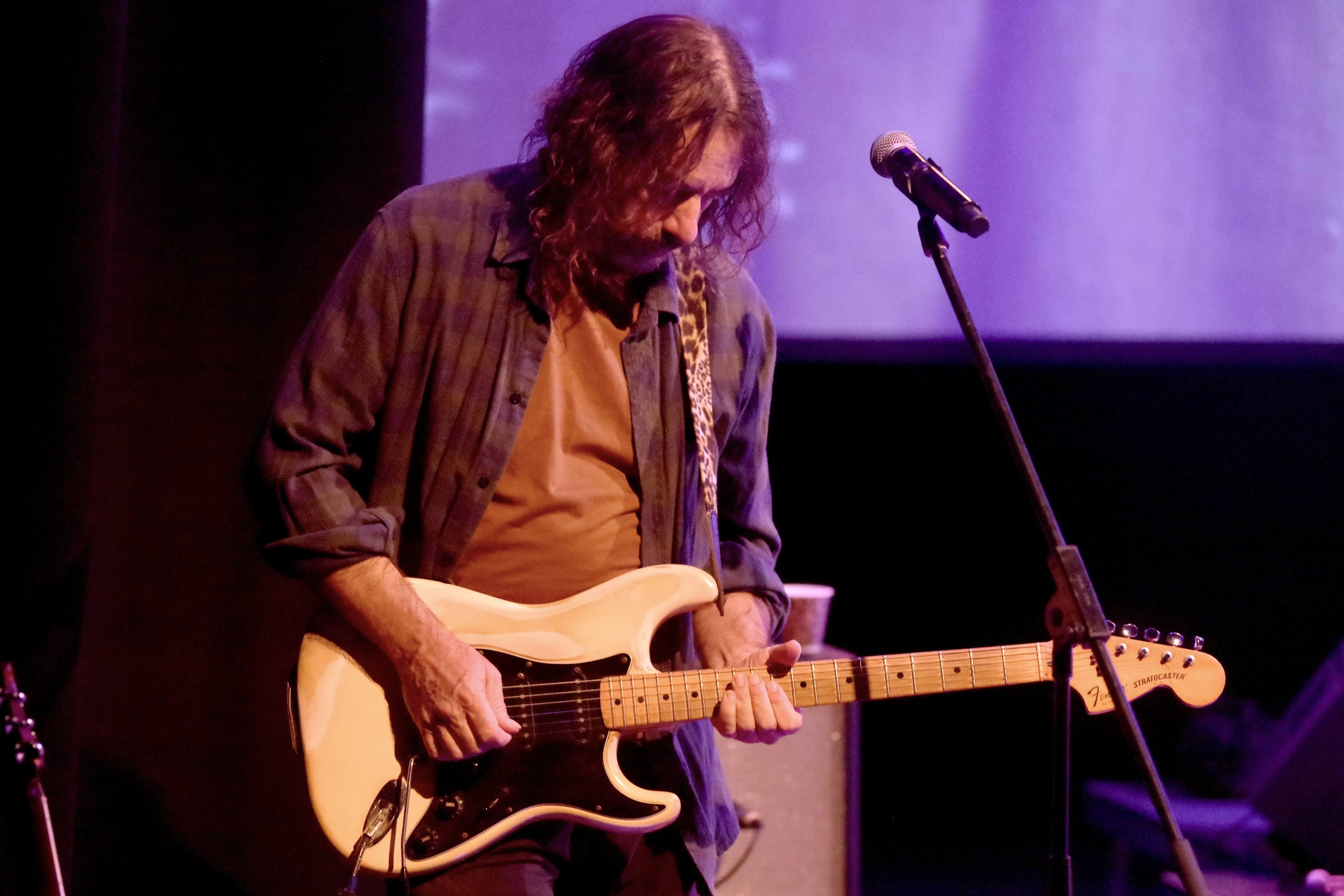
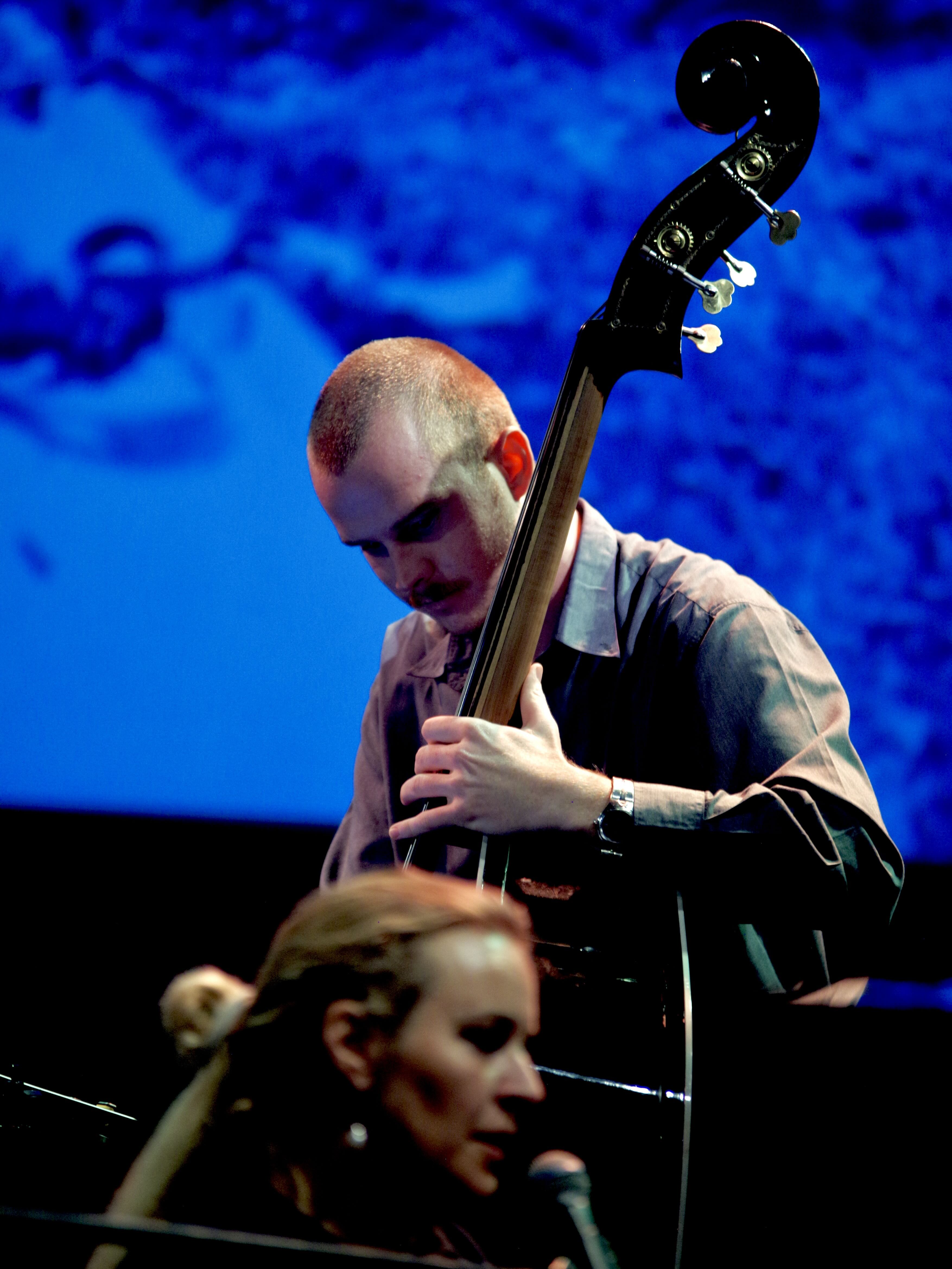
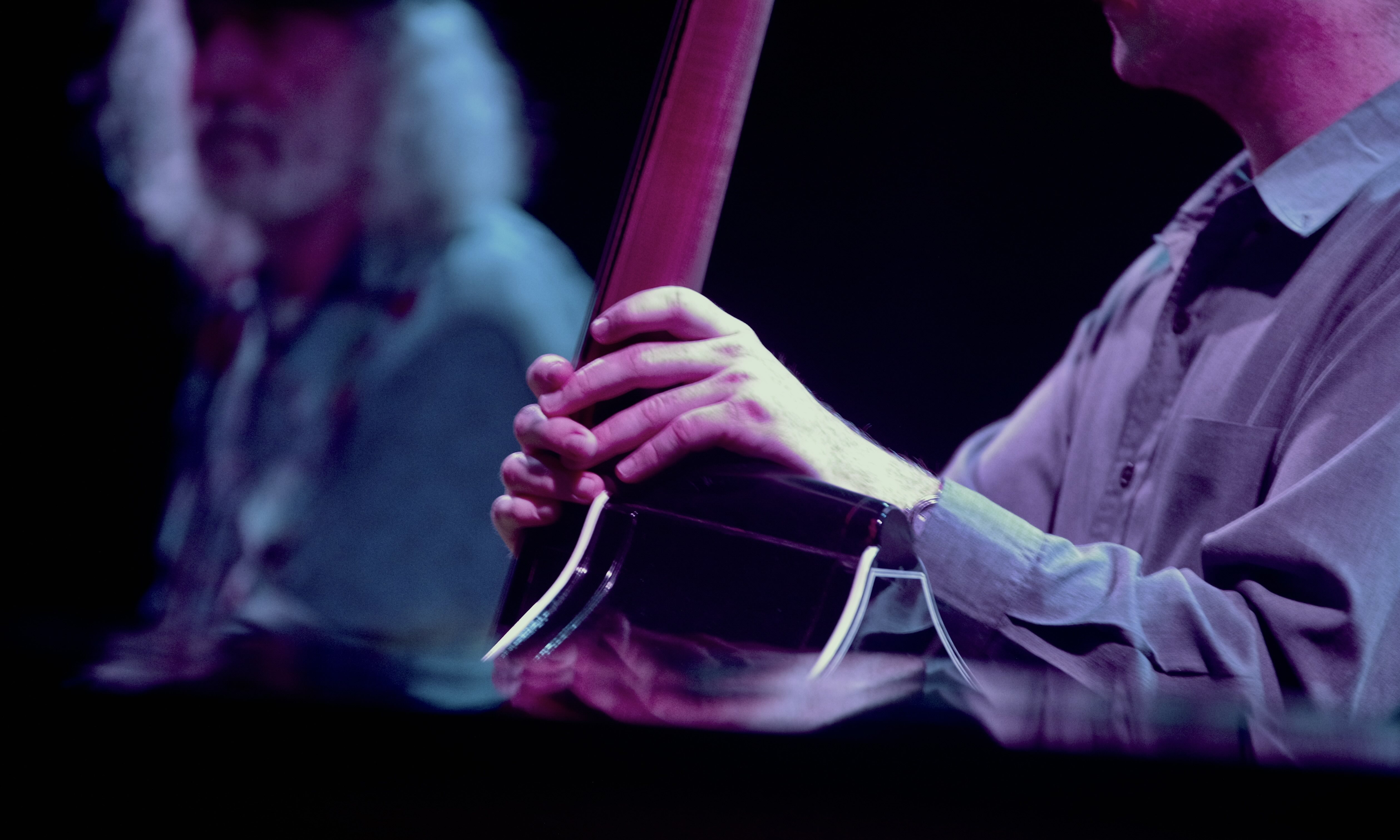
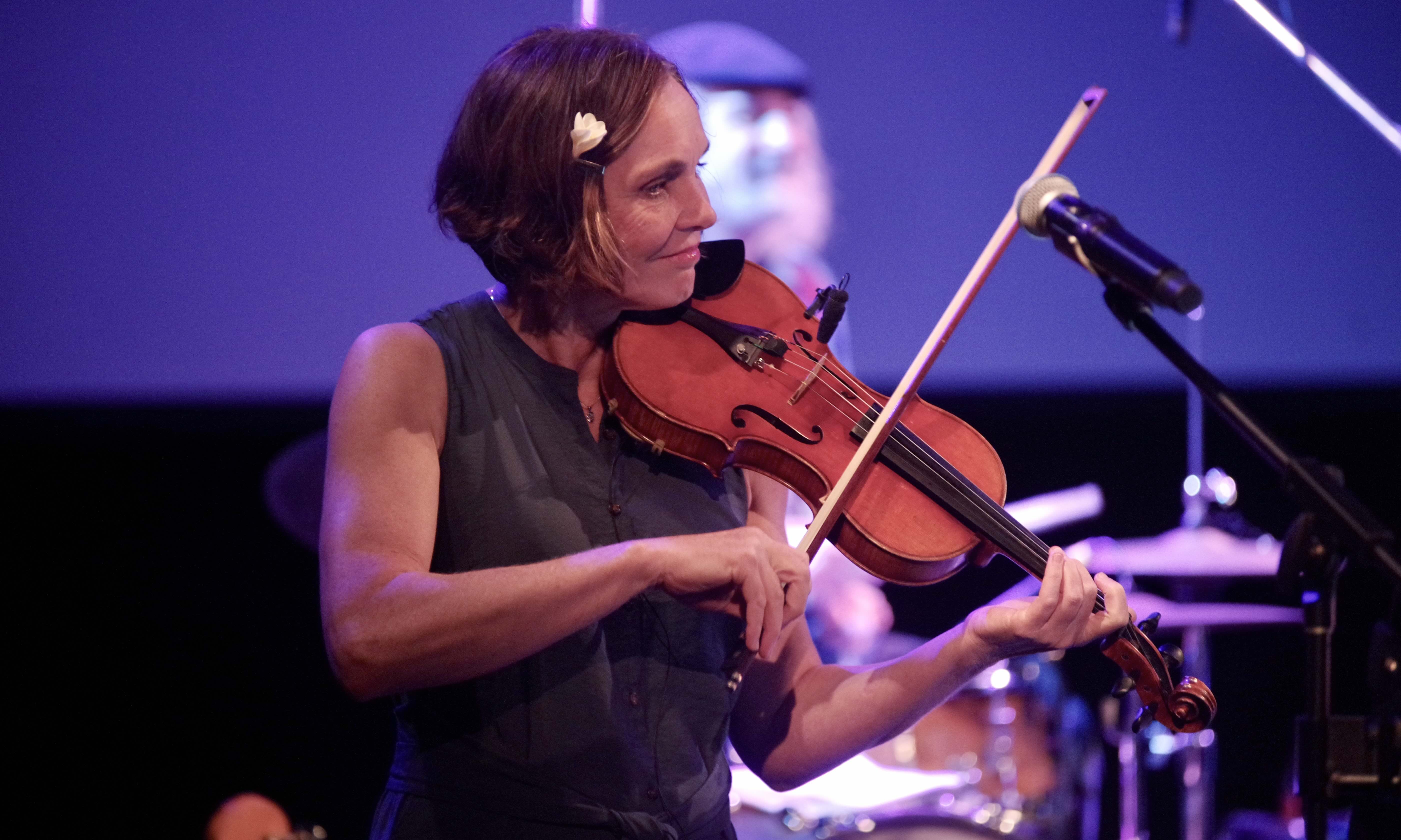
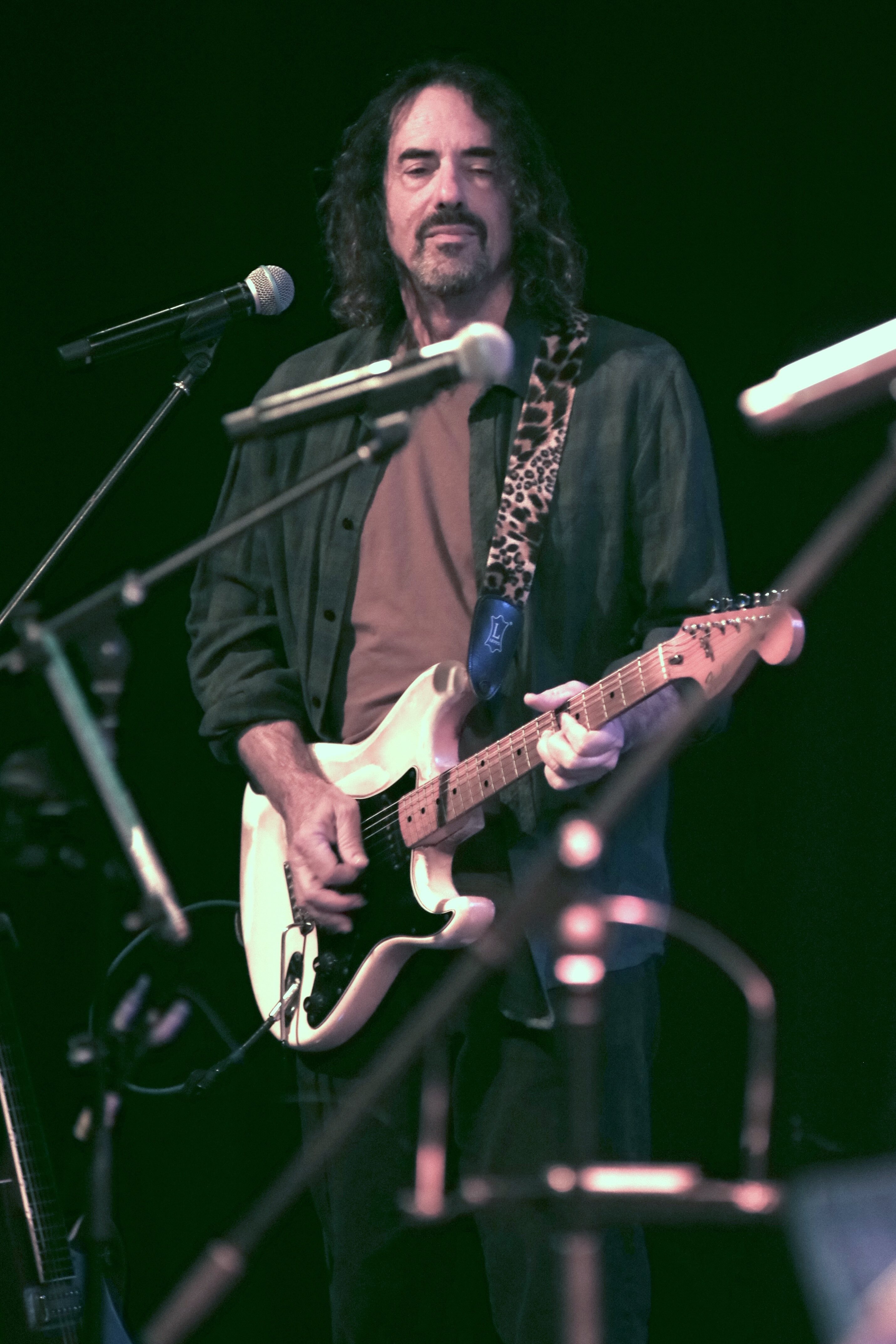
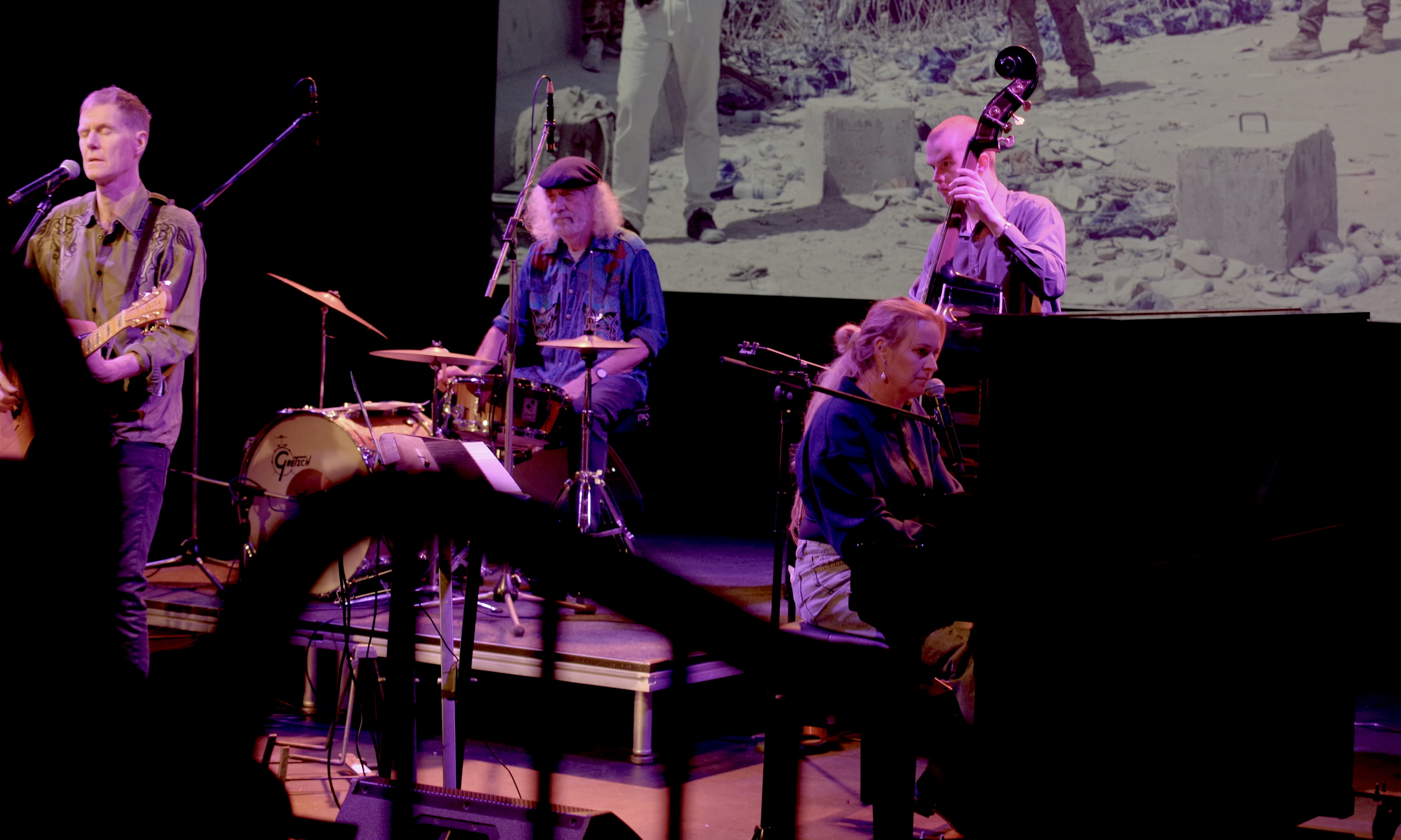
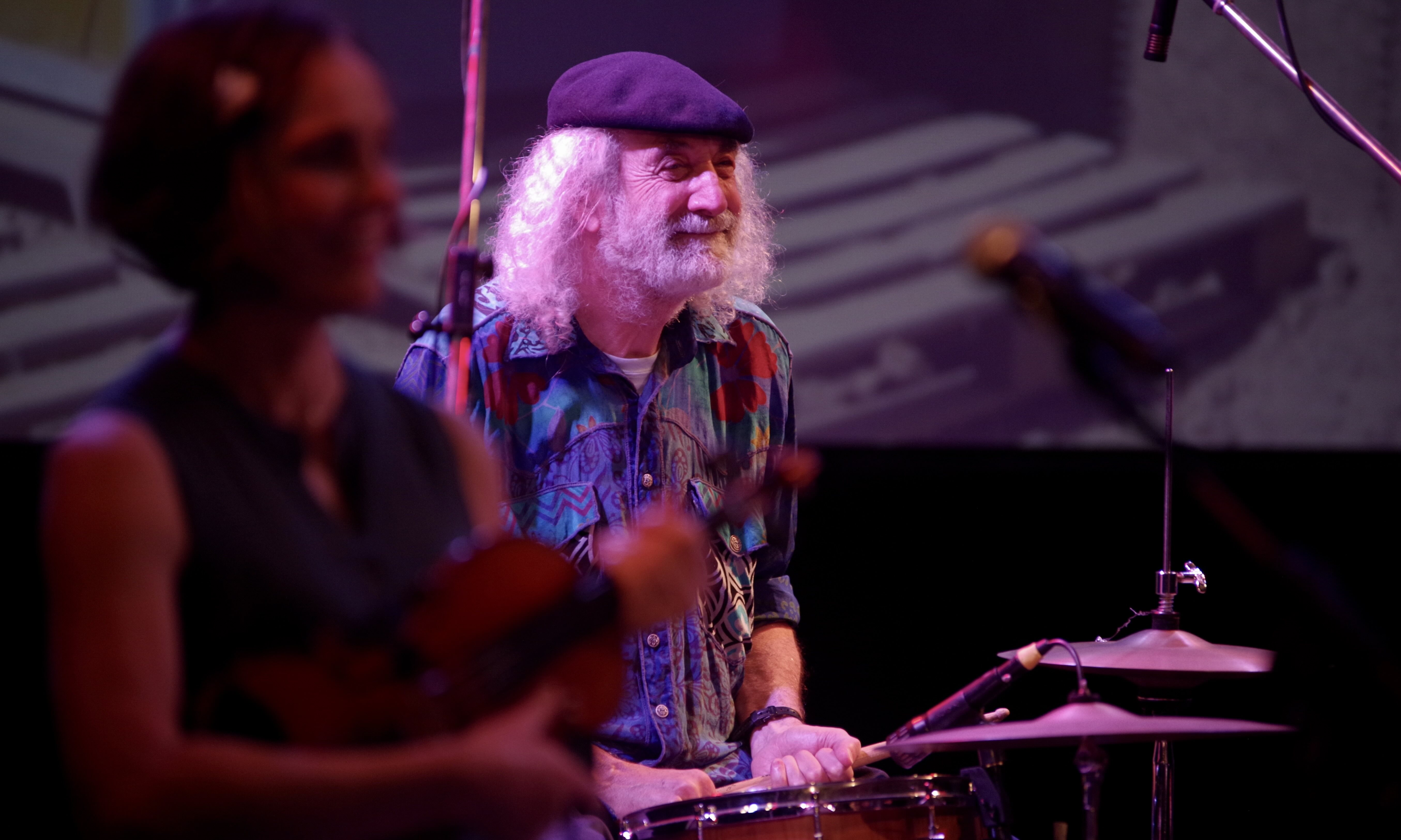
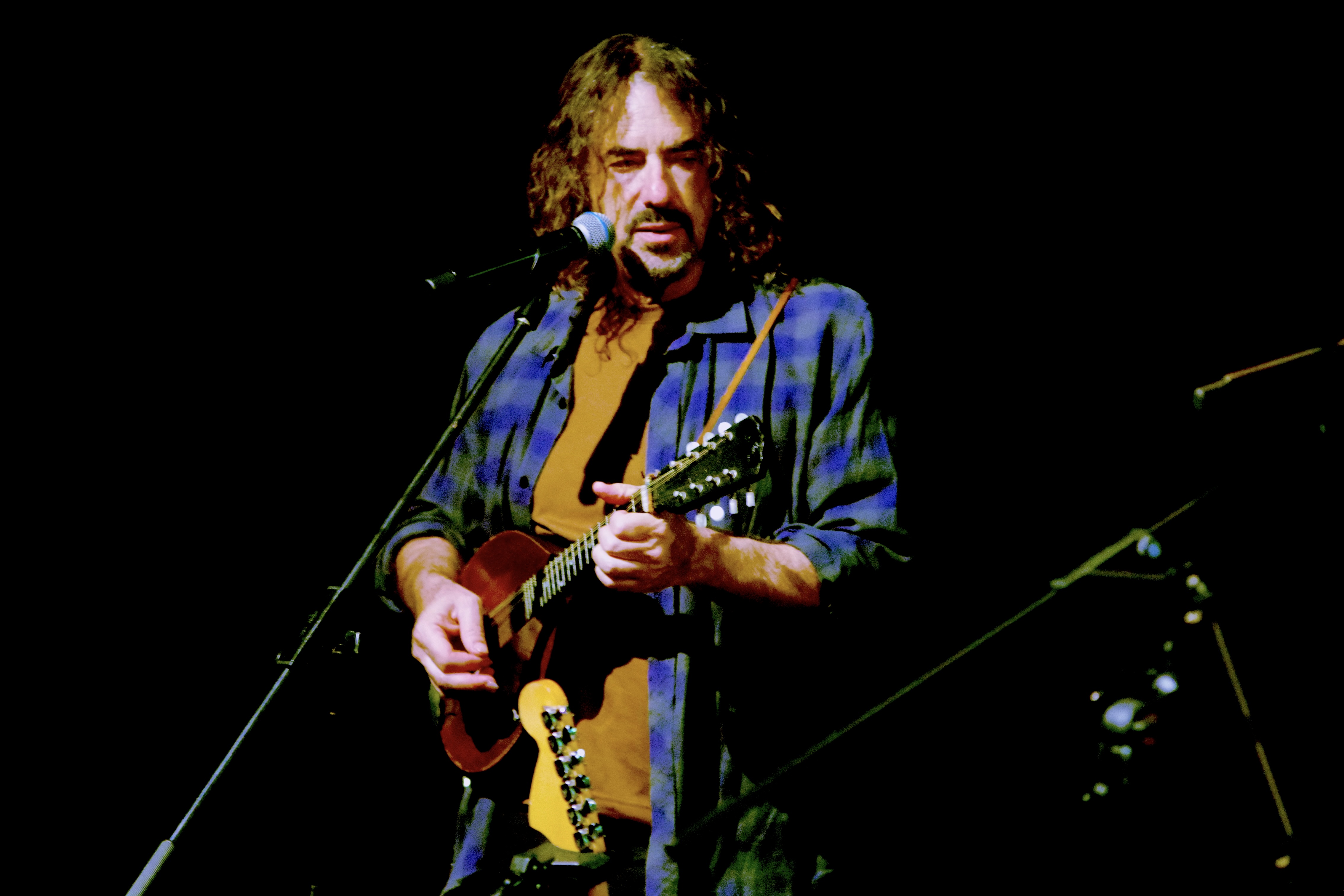
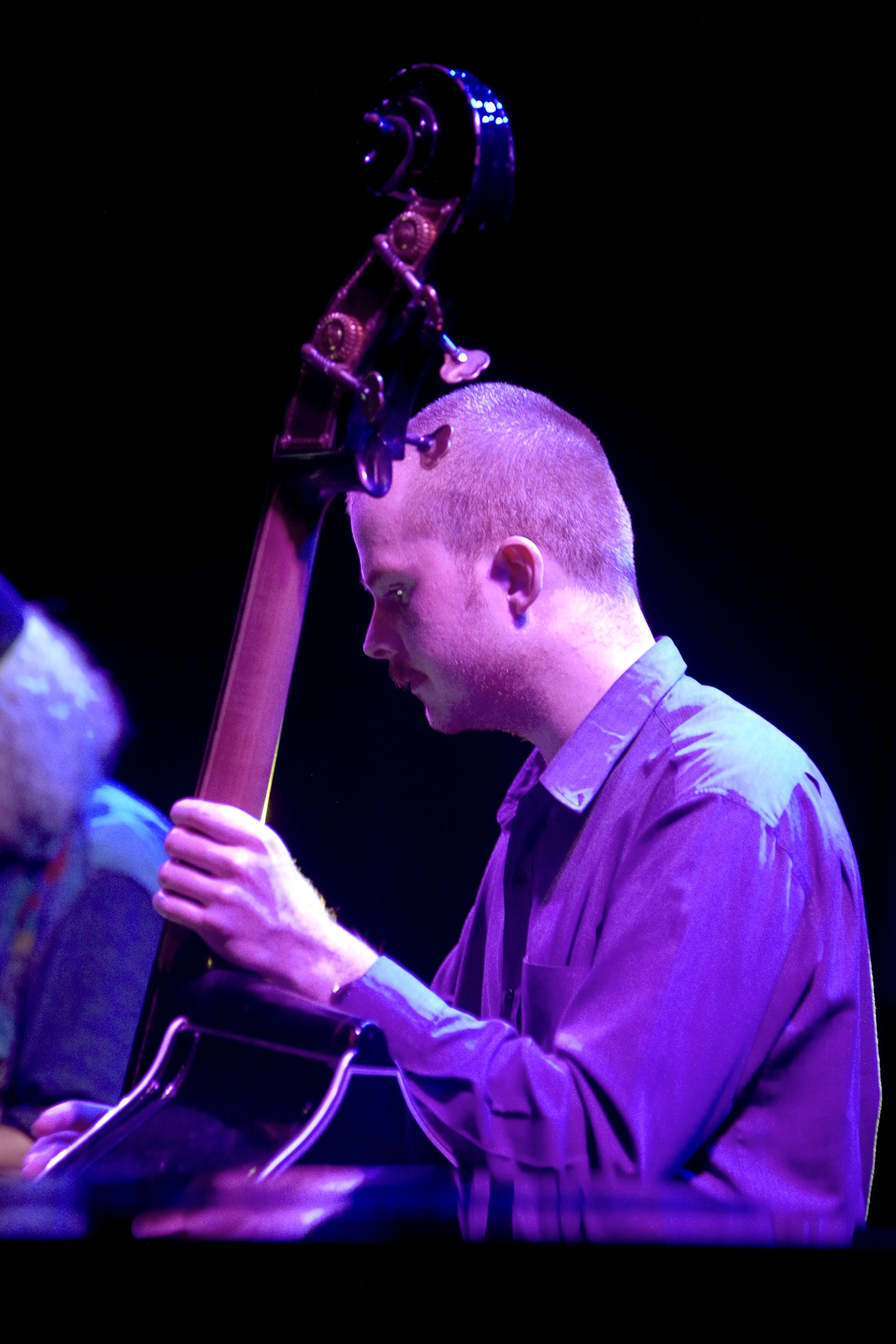
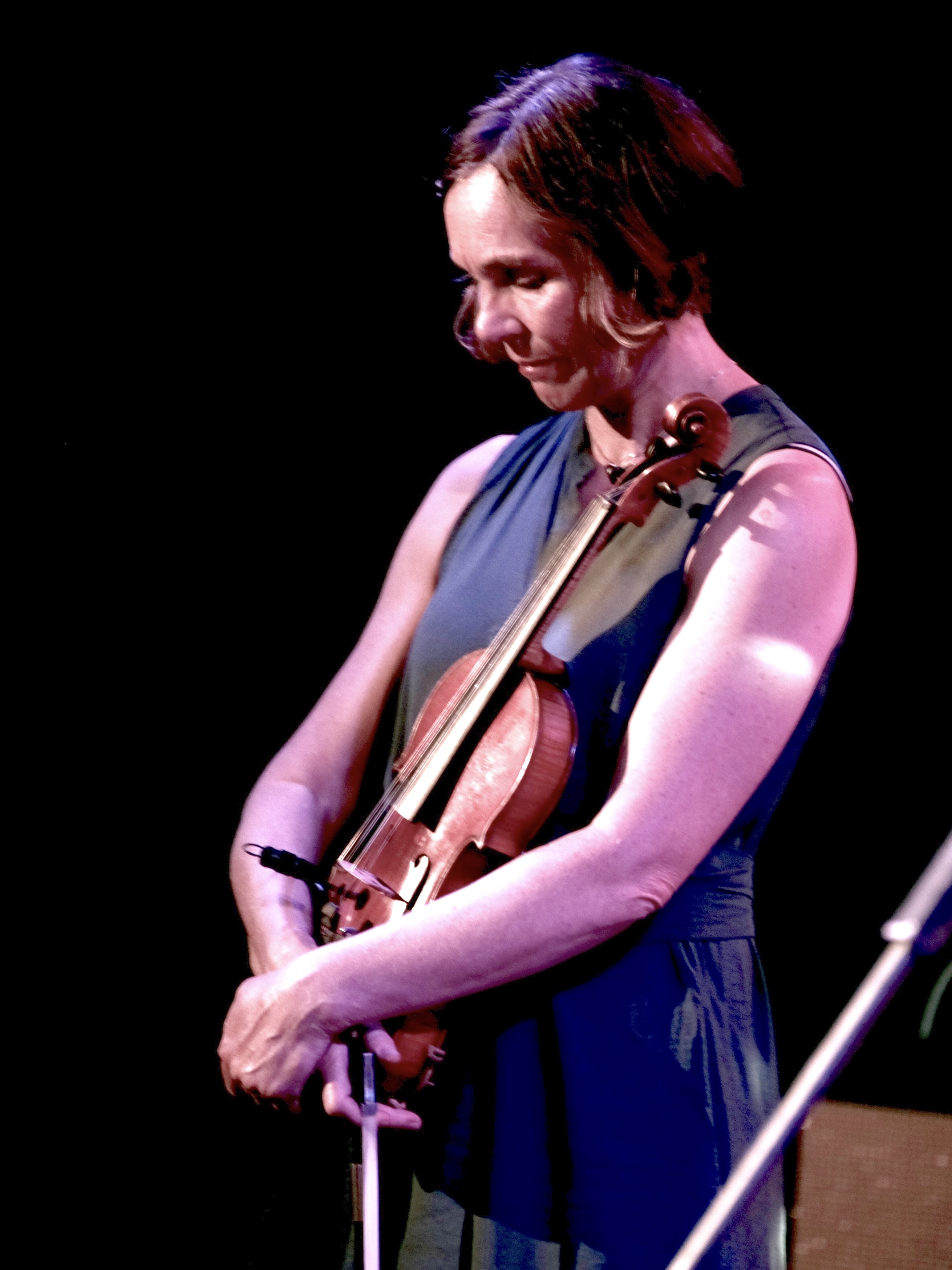
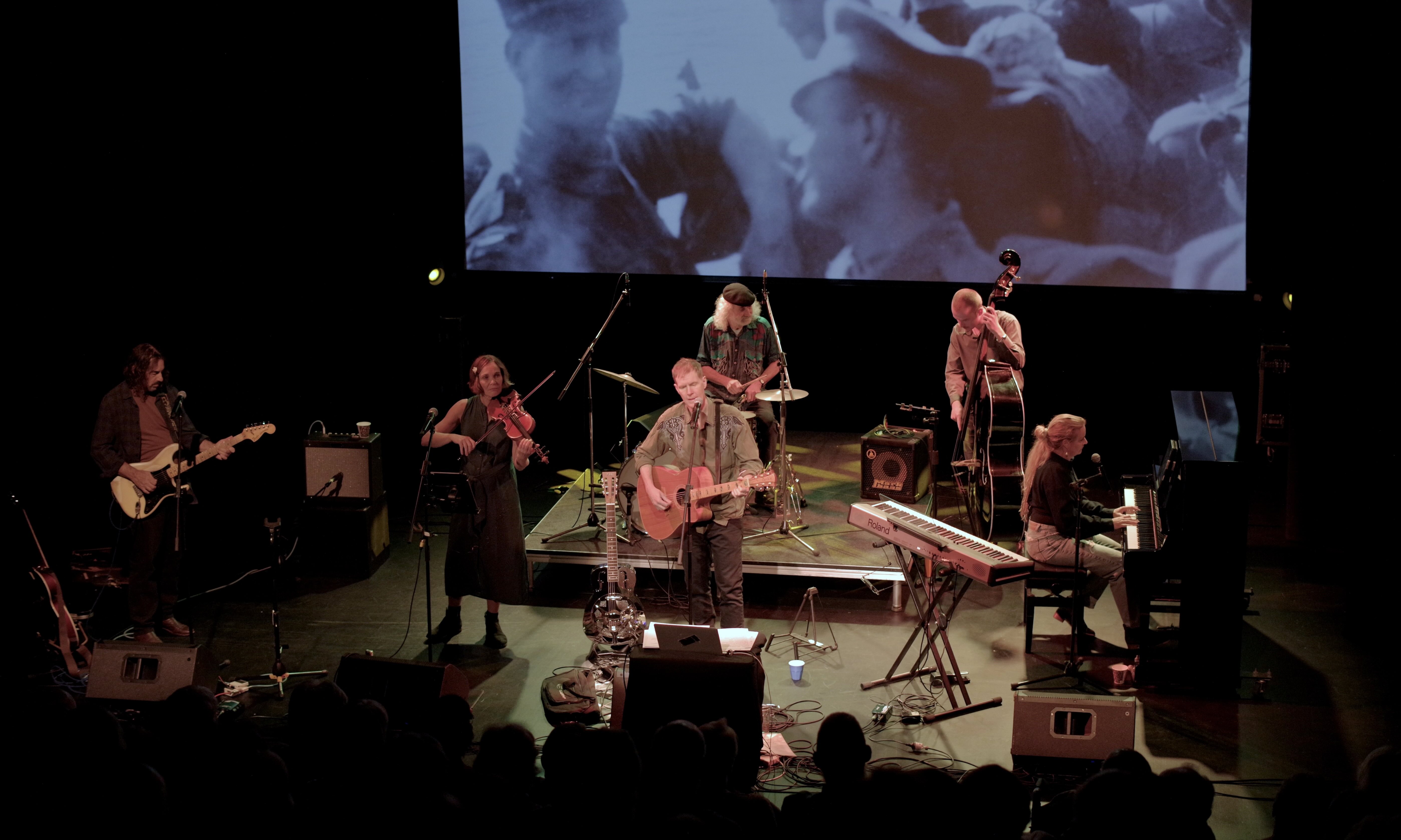
As well as Kingwell, performing alongside Smith were Josh Gray (double bass), David Hyams (electric guitar, mandolin, backing vox), Jude Iddeson (fiddle, backing vox), and Reuben Kooperman (drums). Unlike Smith’s last Perth show, America, a tragicomical musical safari, performed with the same band, this concert had less scope for them to shine. Their role here was to enhance the story, not to step out or solo. There were instrumental interludes and some very clever improvised moments, notably the atmospheric textures Hyams pulled from his Telecaster, but more often the musicians were restrained and suitably serious. Even the usually happy-faced Kooperman wore a solemn expression, his empathy for the show’s sentiment captured when he silently mouthed the words to Khe Sanh in unison with Smith. In this attitude, the band proved themselves the perfect accompanists for such a sensitive show.
The audience were a combination of veterans and Fred Smith fans. All were equally moved by the ironies and insights and the fine way Smith and his band pulled it all together.
As Mark Twain observed, “History doesn’t repeat itself, but it often rhymes.” Likewise, Fred Smith’s survey in song of the experiences of Australians at war portrayed with great compassion and understanding some of the dark and complex rhythms running through the Australian history of war. It was the appropriate show for the ANZAC Day weekend, and Perth was fortunate that Smith chose to perform it here this year.
IAN LILBURNE
Photos by Alan Holbrook