
Review: Fred Smith at Fremantle Park Club
Fred Smith at Fremantle Park Club
Friday, February 20, 2026
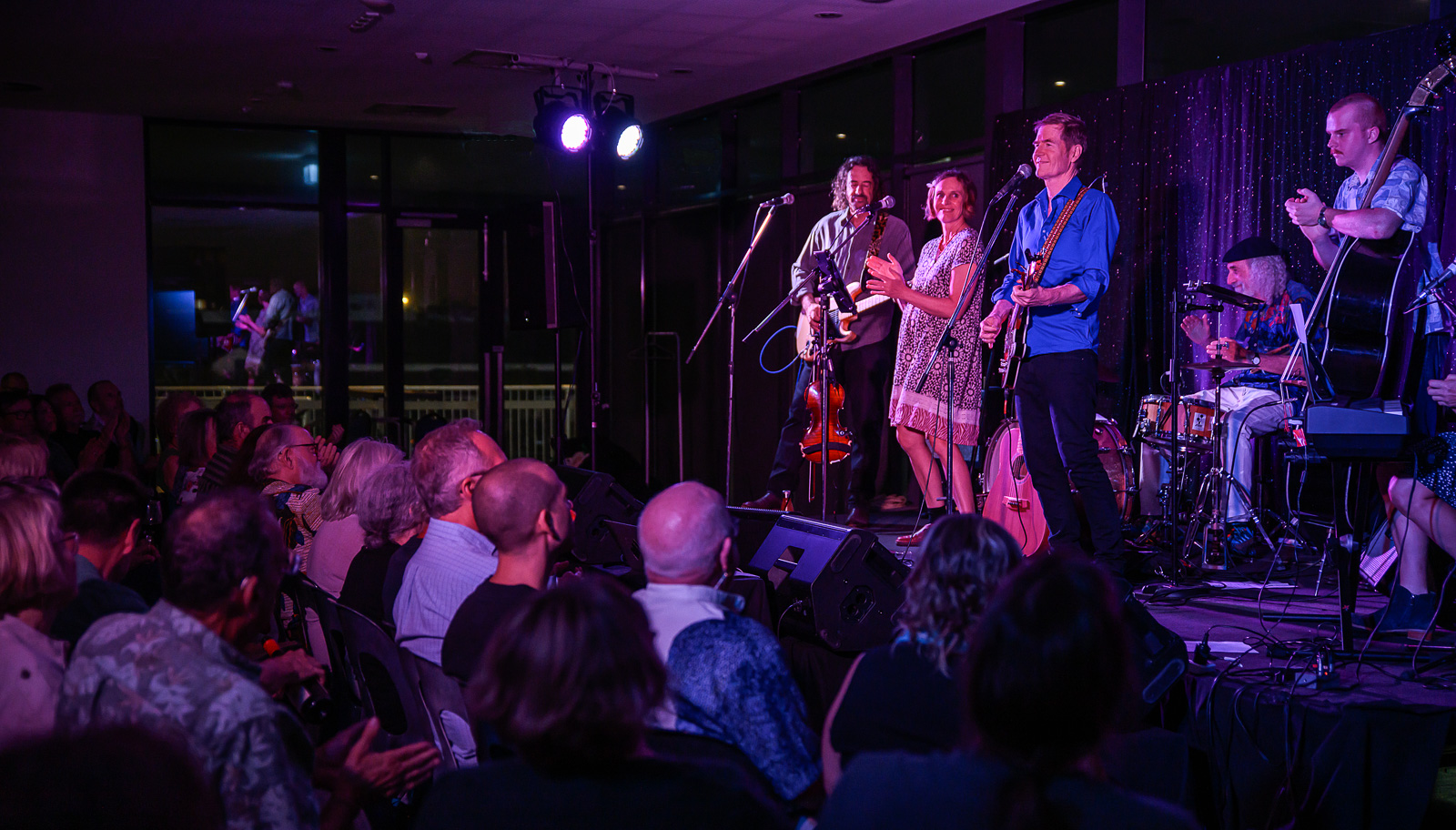
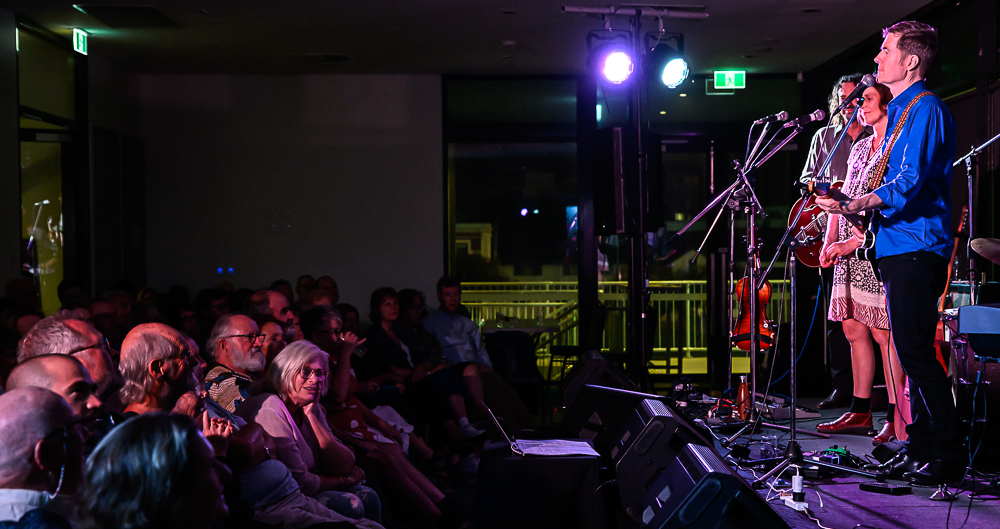
Folk singer-songwriter Fred Smith’s current tour of WA winds up this weekend with a performance at the Nannup Music Festival. Over the last three weeks, Smith has performed at venues in Perth and the Great Southern. Last Friday he presented his new America show, ‘a tragicomical musical safari through the USA’, to a full house at the Fremantle Park Club.
Long before Perth singers were shuffling classic covers into themed Fringe World shows, Smith was combining his insightful original music into modulated performances and albums. Blending wit, intelligence and piercing insight, his two primary preoccupations have been the war in Afghanistan and the experience of America. He writes on other subjects as well (love, family, Australian domestic life), with the songs released on a string of albums and delivered in a plethora of eclectic shows, but these two stand out.
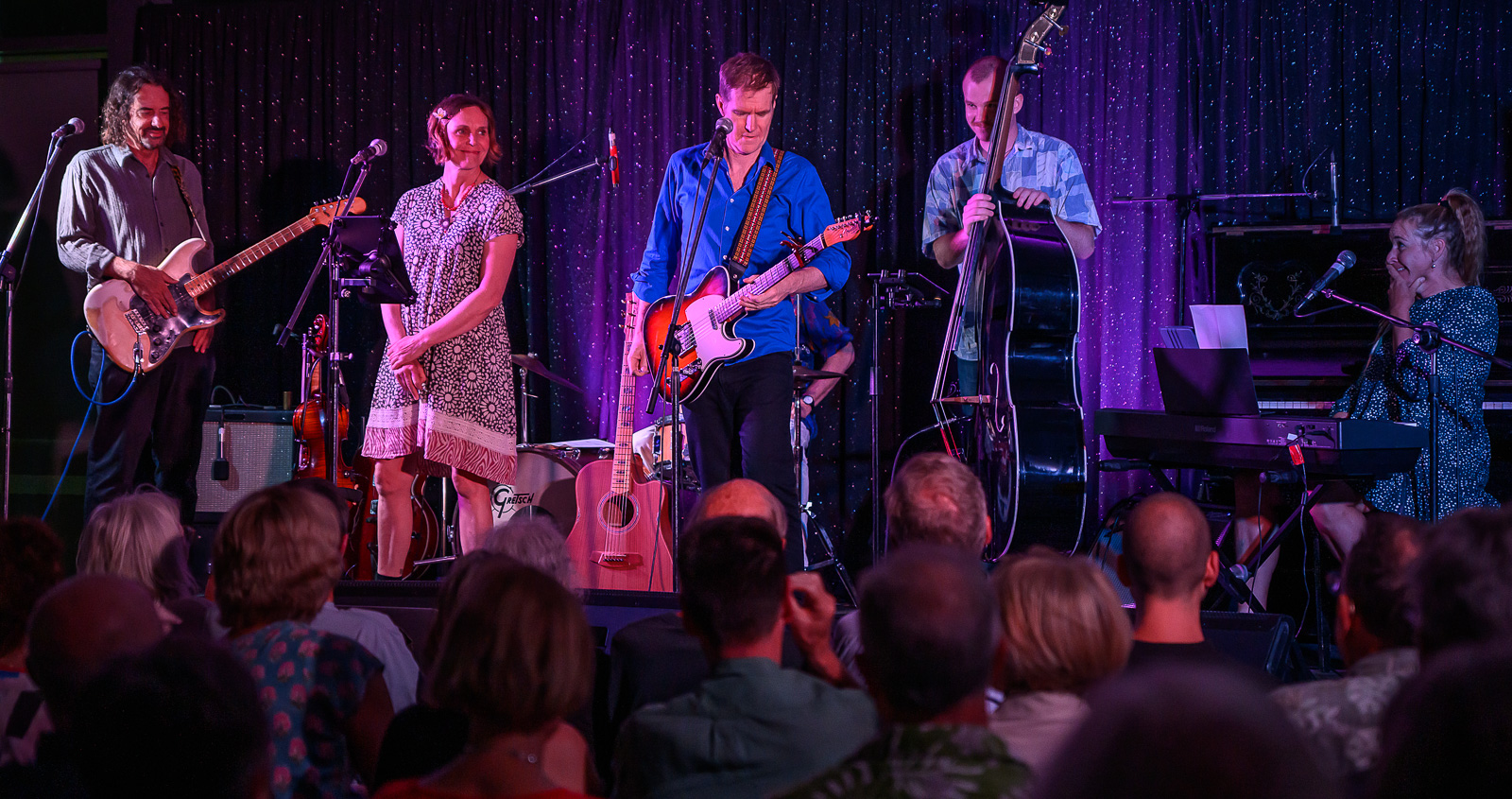
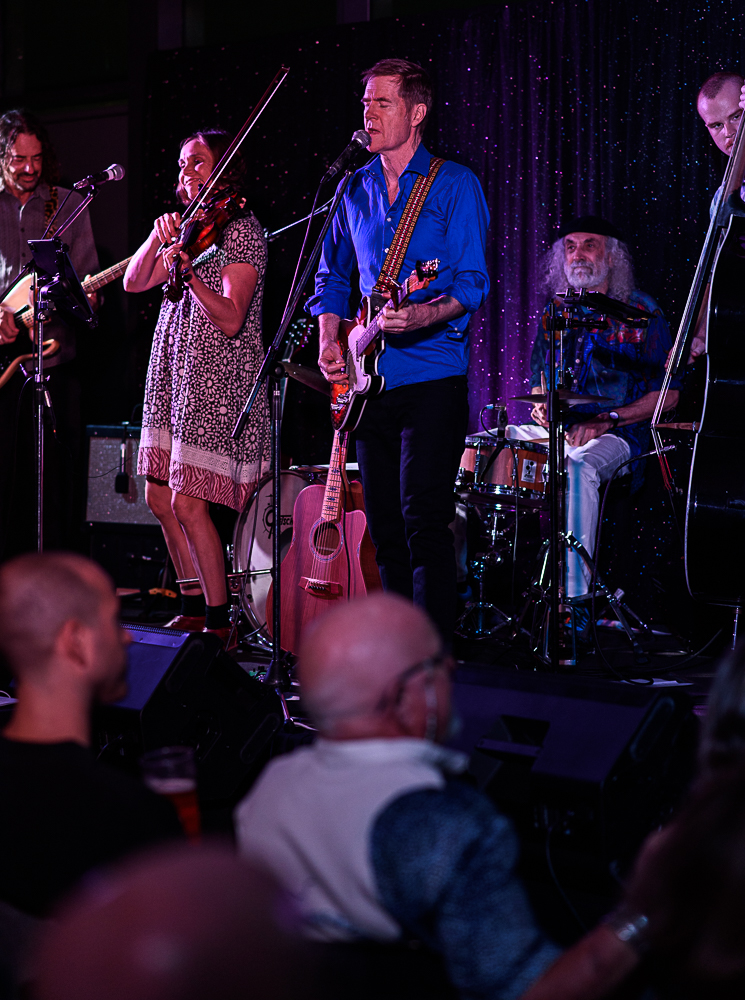
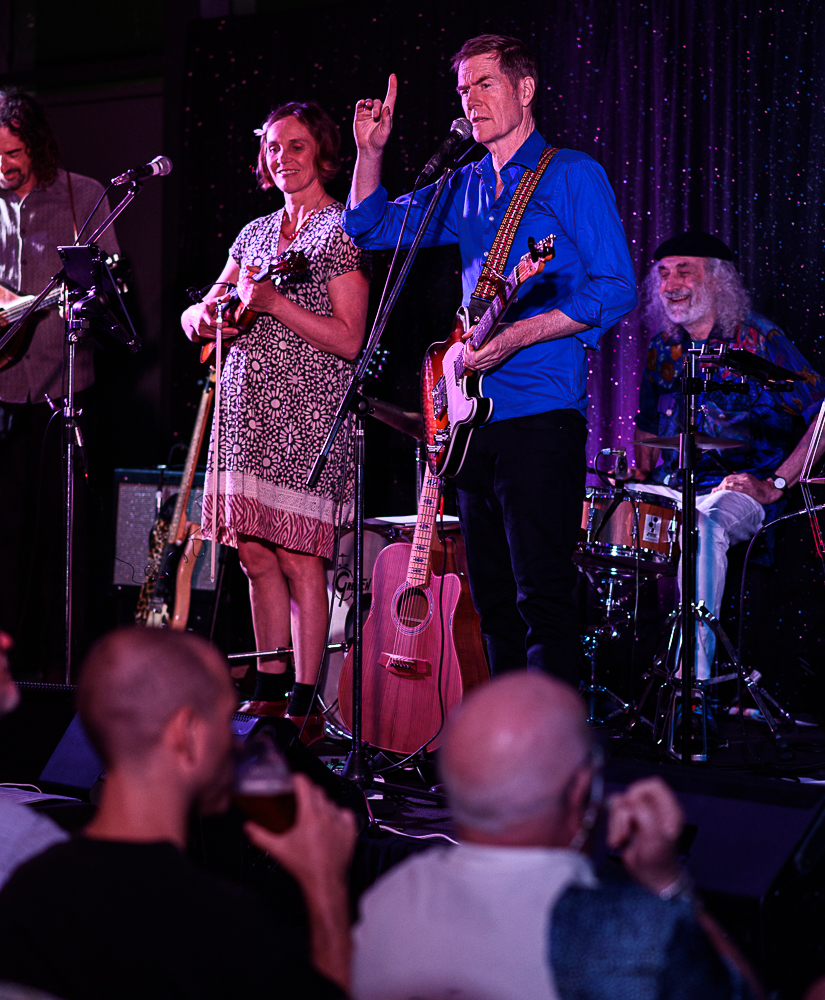
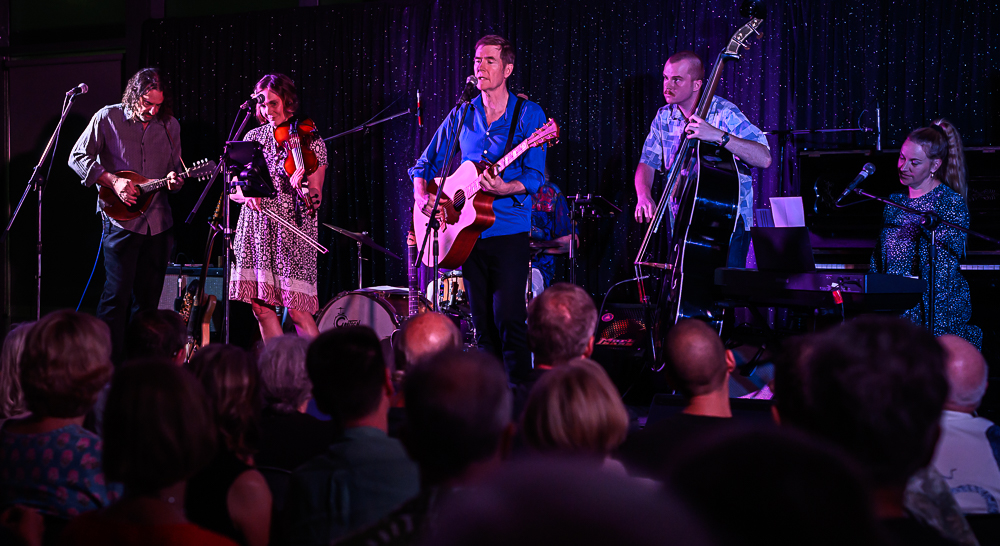
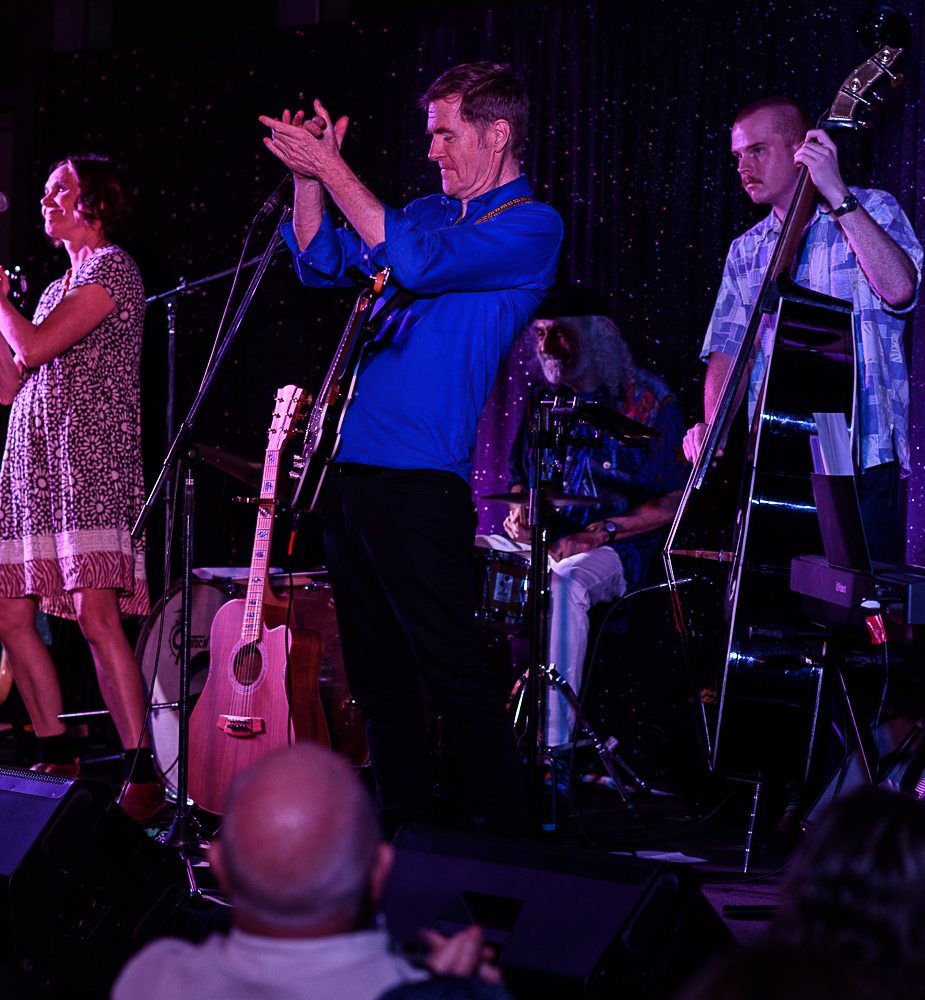
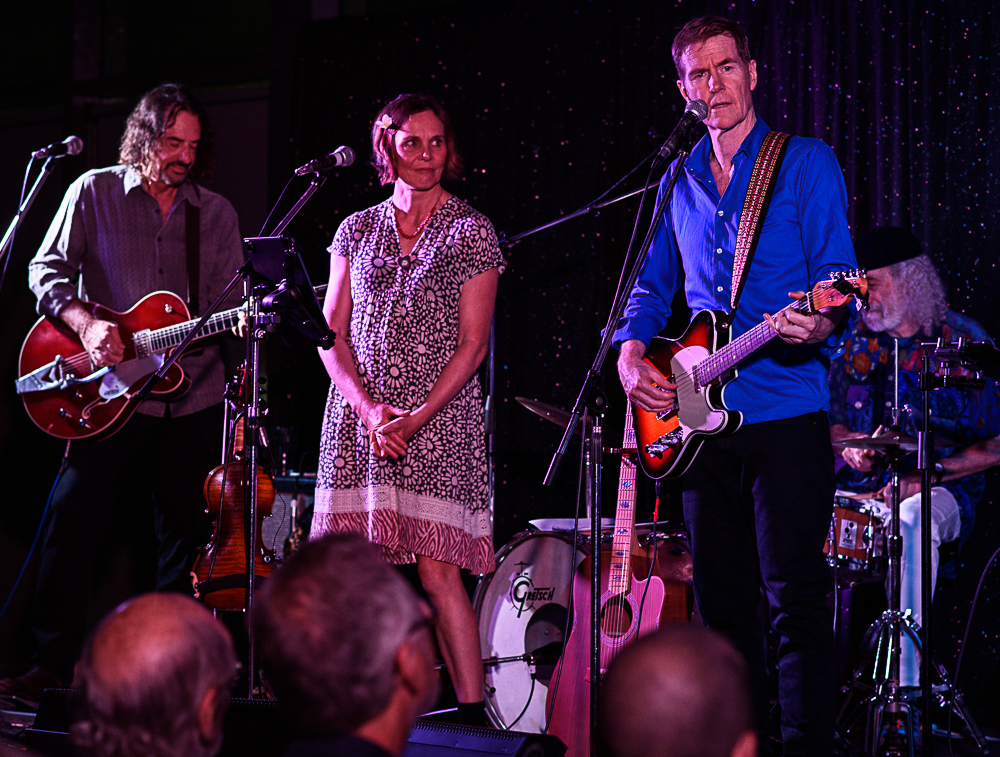
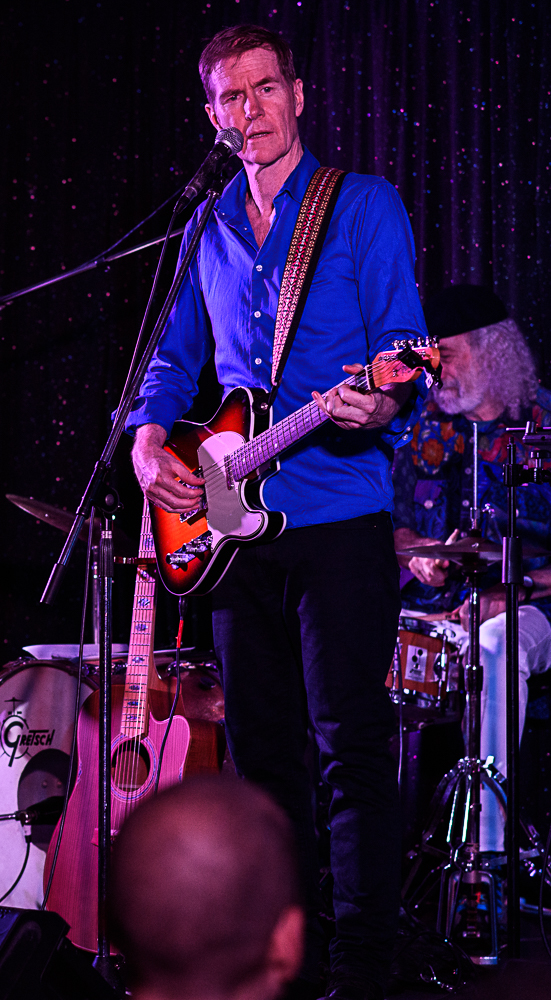
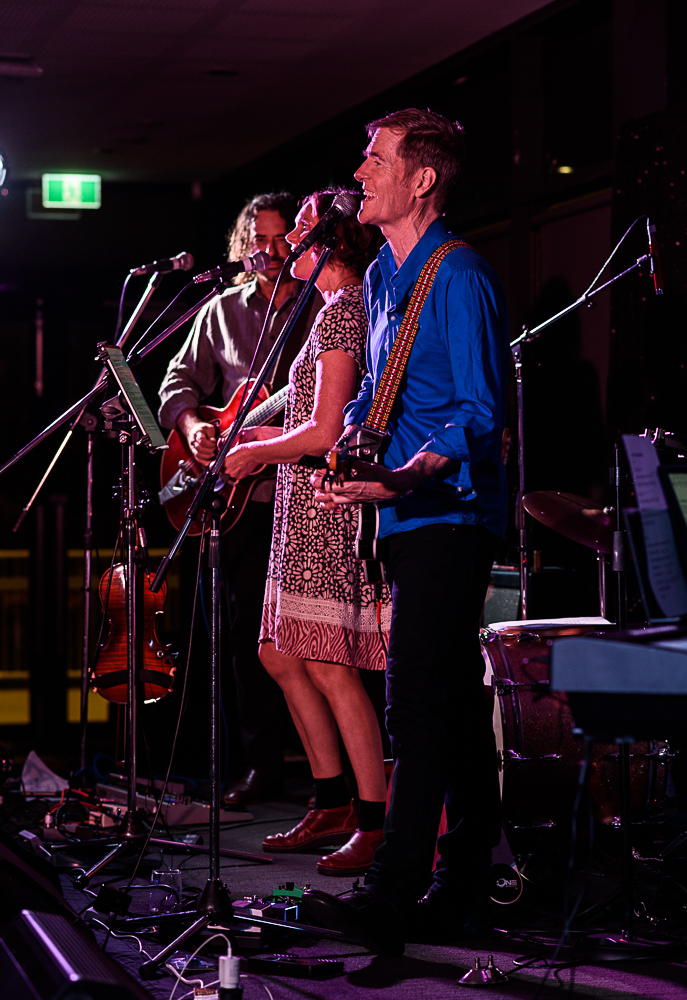
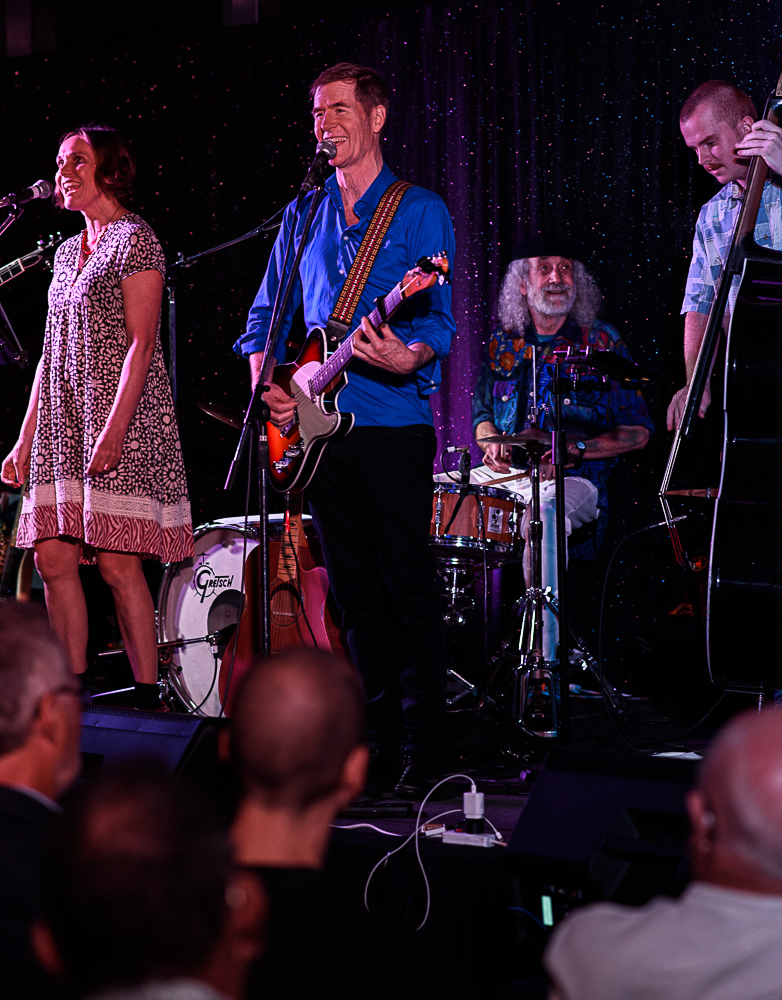
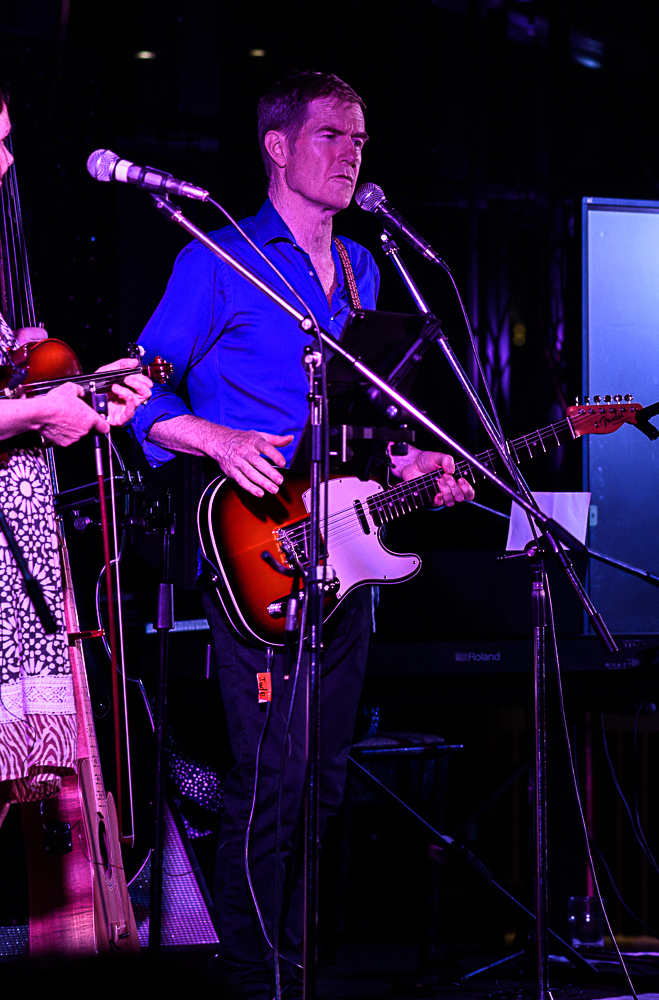
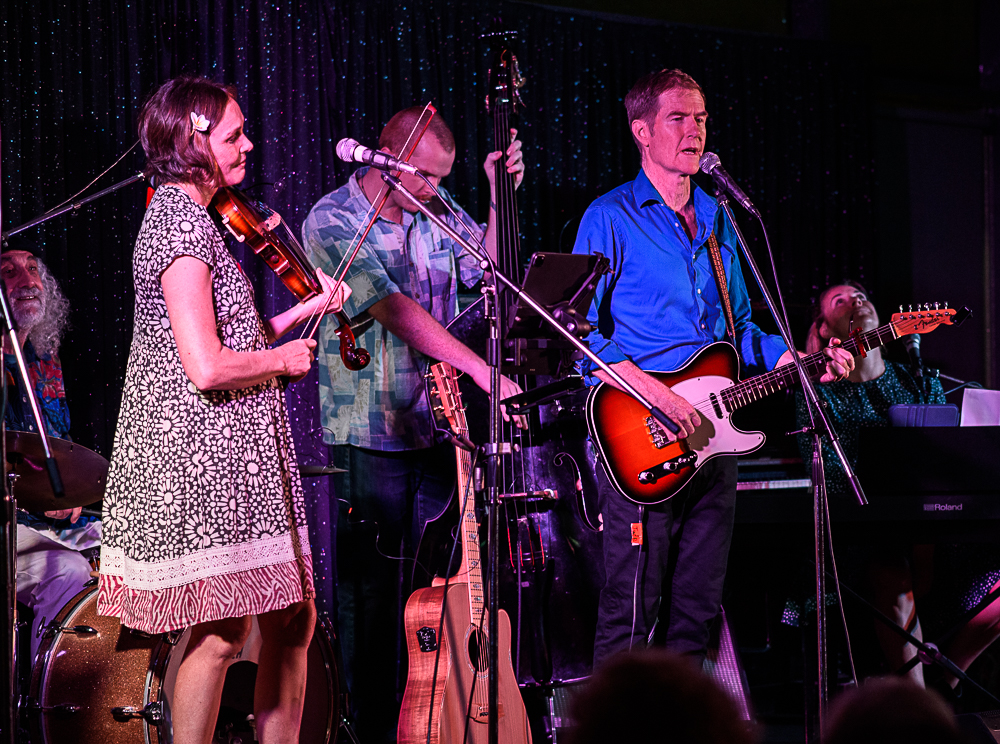
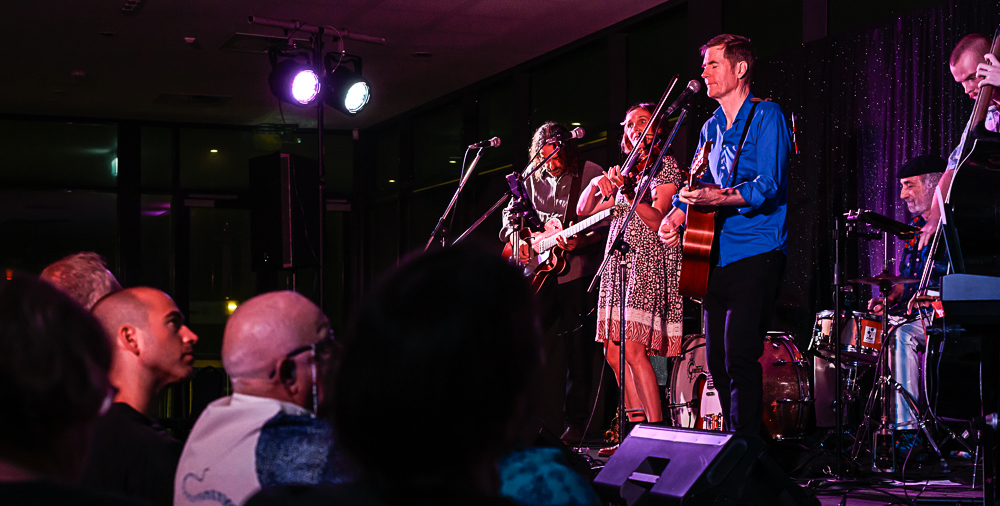
In recent years, Smith has travelled solo to WA and relied on local musicians. His Fremantle show was delivered by a sextet of fine Perth players. Joining Smith (acoustic and electric guitar) were Josh Gray (big, black double bass), David Hyams (electric guitars and mandolin), Jude Iddeson (fiddle), Kris Kingwell (keys), and long-term WA sidekick, the inimitable Reuben Kooperman (drums). At various times Hyams, Iddeson and Kingwell provided backing vocals as well.
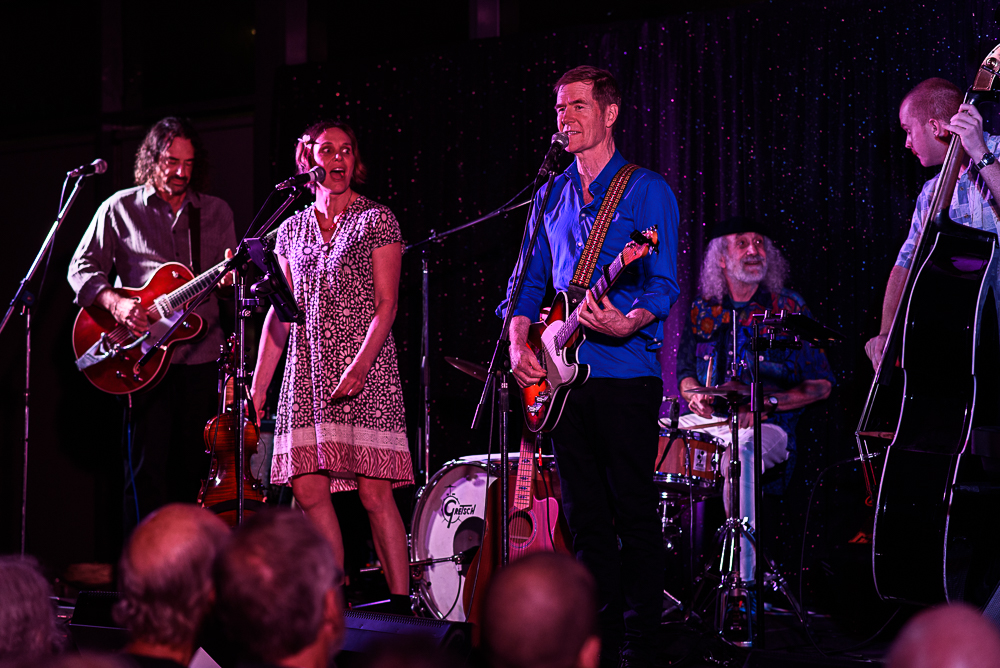
Of the twenty or more Smith shows this reviewer has seen, this was the biggest band and the richest sound. With a solid rhythm section and three adept soloists, the set was varied, moving from honky-tonk through trad country and straight folk to rock and roll. Hyams’ superb electric lead was especially arresting, adding an urban edge to an otherwise folk sound, while Kooperman’s subtle drumming was often enhanced by a look of respect and wonder that swept over his face.
Smith’s deeper experience of America goes back to the early 2000s when he lived in Washington DC as the ‘unemployed’ spouse of a member of the Australian diplomatic corps. The relative freedom of house husbandry (as he quips, in the most powerful city on earth, akin to being a eunuch in ancient China) gave him the opportunity to pursue his dream of fame and wealth in the land of rich and famous singer-songwriters. The resultant songs found their way onto his 2007 release, Texas, an upbeat album that blends self-deprecating stories about his hapless musical adventures with deeper reflections on key moments in American history.
Flash forward ten years, and, after an extended foray into Afghanistan, Smith metaphorically revisited America with his double album Great. Coming at the start of Trump’s first term, this set took a deeper political turn and reflected more broadly on the American experiment, the modern world’s first serious attempt at democracy—‘we the people’. More deeply satirical, aptly, on the second disc Smith swapped his habitual acoustic guitar for a Telecaster and dipped his toe into rock ‘n’ roll. The result is another powerful album that mixes humour and poignancy with absurdity and human tragedy.
Another decade on, and this new musical safari traces key American themes (immigration, race, free trade) back to their roots in the War of Independence. Blending songs from Texas and Great with the odd track from other albums—most notably Rio Grande and Long Run Wilmington Joe from 2023’s Look—the ground was set for a stimulating look at the true state of the union circa 2026.
The show opened with Wind and Wind (not a repetition, the breeze and the turn), a poignant overture to the foundation of America from the first settlement through the War of Independence. A song of hope about the essential promise of freedom: the birth of the American Dream.
This was followed by two specifically political numbers, Wilmington Joe, an account of the election night of 2020 with its overwhelming sense of relief, and What Can Go Wrong, a satire set between the 2016 election and Trump’s inauguration. With his second term unravelling around us, this latter song now has a harsher bite; its mocking humour now seems ironically naïve.
An effective opening, it cast the recent political extremes within the original promise of the American Dream. But in typical Smith style, with the next song, Seven Ways, he takes his foot off the pedal and moves into lighter-hearted territory—a personal account of his Washington ‘eunuch’ years. A clever technique, this well-calibrated bathetic move (though in the jump from What Could Go Wrong, it is not so much the sublime to the ridiculous as the ridiculous to the ridiculous) allows the audience to breathe a sigh of relief and laugh a little at life’s more human foibles. Years of working the folk circuit have taught Smith that jumping between the dark and the light is the most effective way, in Australia at least, to get a more serious message across: coat the pill in sugar.
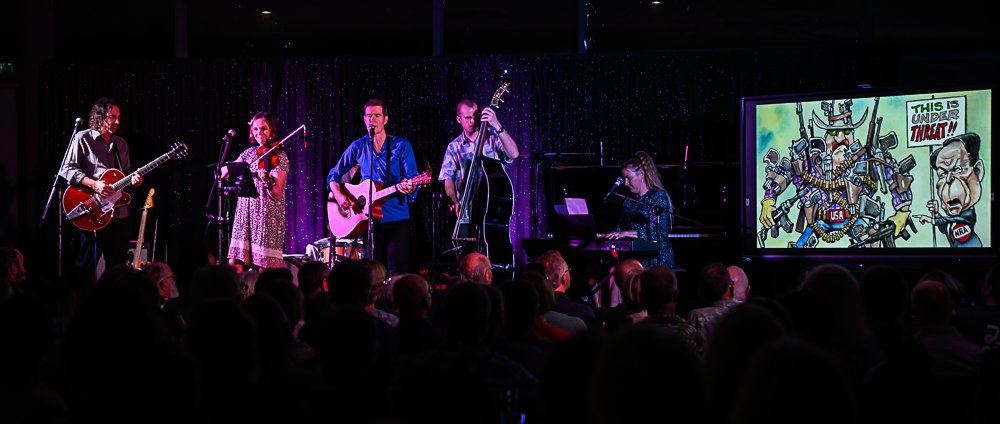
Smith’s presentation format is unique. In the folk tradition, he introduces each song with a witty, often ironic and poignant, always erudite monologue. But unlike anyone else, he reinforces this with a PowerPoint presentation. Archival photographs, media images, headlines, personal shots, quotes and choruses flash across the fold-up screen to enhance the story. No David Byrne, this visual tech is intentionally low-fi, stuff that can be set up in thirty minutes, not days, and packs into the back of a station wagon, not a road train.
Another key tool in Smith’s songwriting shed is the dramatic monologue. A master of empathy and understanding, he has the humanity to portray his characters from the inside out, often without any overt judgement. Sure, some of his more satirical portraits, What Can Go Wrong and Deep Deep River, an ode to Cyclone Katrina, leave no doubt as to where his sympathies lie, but others—Rio Grande, a Salvadorian refugee and his daughter attempting to cross the border illegally; Don’t Dig My Grave Too Deep, a militiaman caught on the wrong side of the Civil War; and Zeebrugge FOB, a disillusioned marine in the Afghan war—are more nuanced and sympathetic.
But there is always a joke, sometimes a mordant one, that breaks you out of it.
Broken into two sets, the show ended on a similar ambivalent note to which it began. The set ostensibly ended with the brilliant American Guitar, a love song to America. Texas’ final track, this song summarises the wonder, deep understanding and appreciation of the country Smith felt after living there. But then the encore was his comic masterpiece, Texas, the album’s opener, a hilarious flight of fancy about a travelling songwriter and the fortune that slips through his fingers. A bet each way. Not a bad attitude to adopt towards the good ol’ U S of A in this crucial midterm year.
In 2025 Smith was awarded the Medal of the Order of Australia for his services to music and foreign affairs. A well-deserved honour, it highlights his eminent and unique place in Australian folk music.
Fred Smith returns to WA over the Anzac Day weekend to deliver Unforgotten: Songs of Australians at War. This show reshuffles his Afghanistan songs within the broader sweep of Australian history. After the brilliance of America, this promises to be another entertaining night of moving songs and insightful stories.
IAN LILBURNE
Photos by Sam De Souza