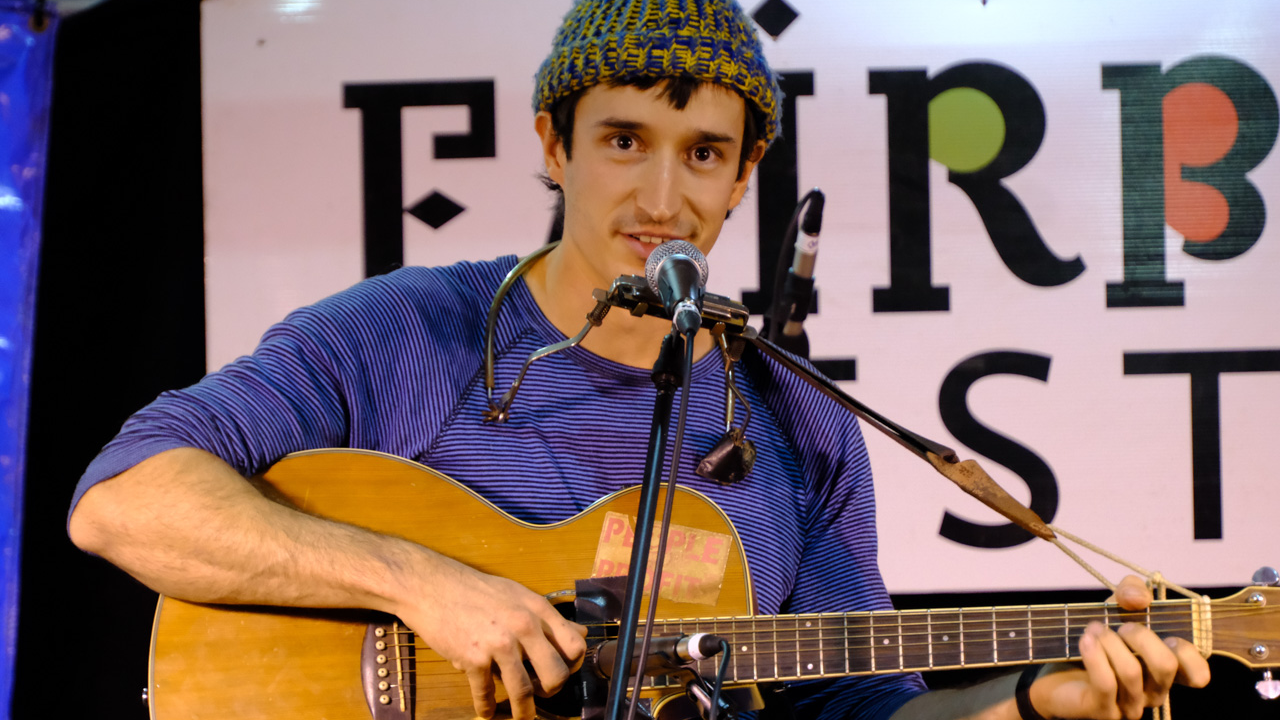
Review: Fairbridge Festival 2026 at Fairbridge Village
Fairbridge Festival 2026 at Fairbridge Village
Friday, April 17 to Sunday, April 19, 2026
After a five-year hiatus, the Fairbridge Festival is back. Leaner and revitalised, the Festival was presented last weekend at its namesake site, Fairbridge Village (né Farm), north of Pinjarra.
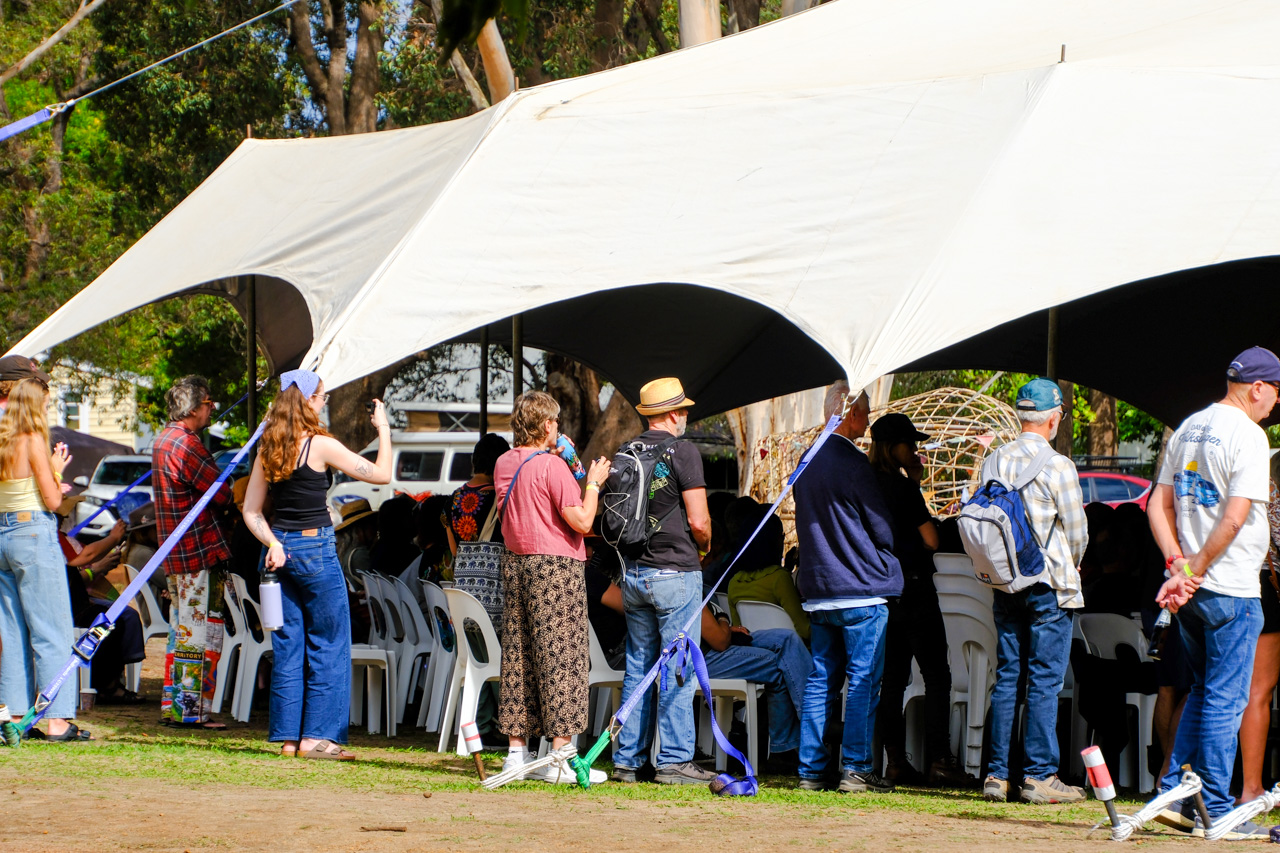
The five-year break has seen the festival settle and change. Not only is the program significantly different—a fresh slant on world music alongside a new mix of established and emerging folk artists—but the number of performances and overall attendance have been scaled back. The 54 acts were roughly half the former number, while a site limit of 1,500 people was somewhere between a quarter and a third of the former peak. Together this made for a more compact and accessible event, easier to navigate but large enough to create a strong festival vibe.
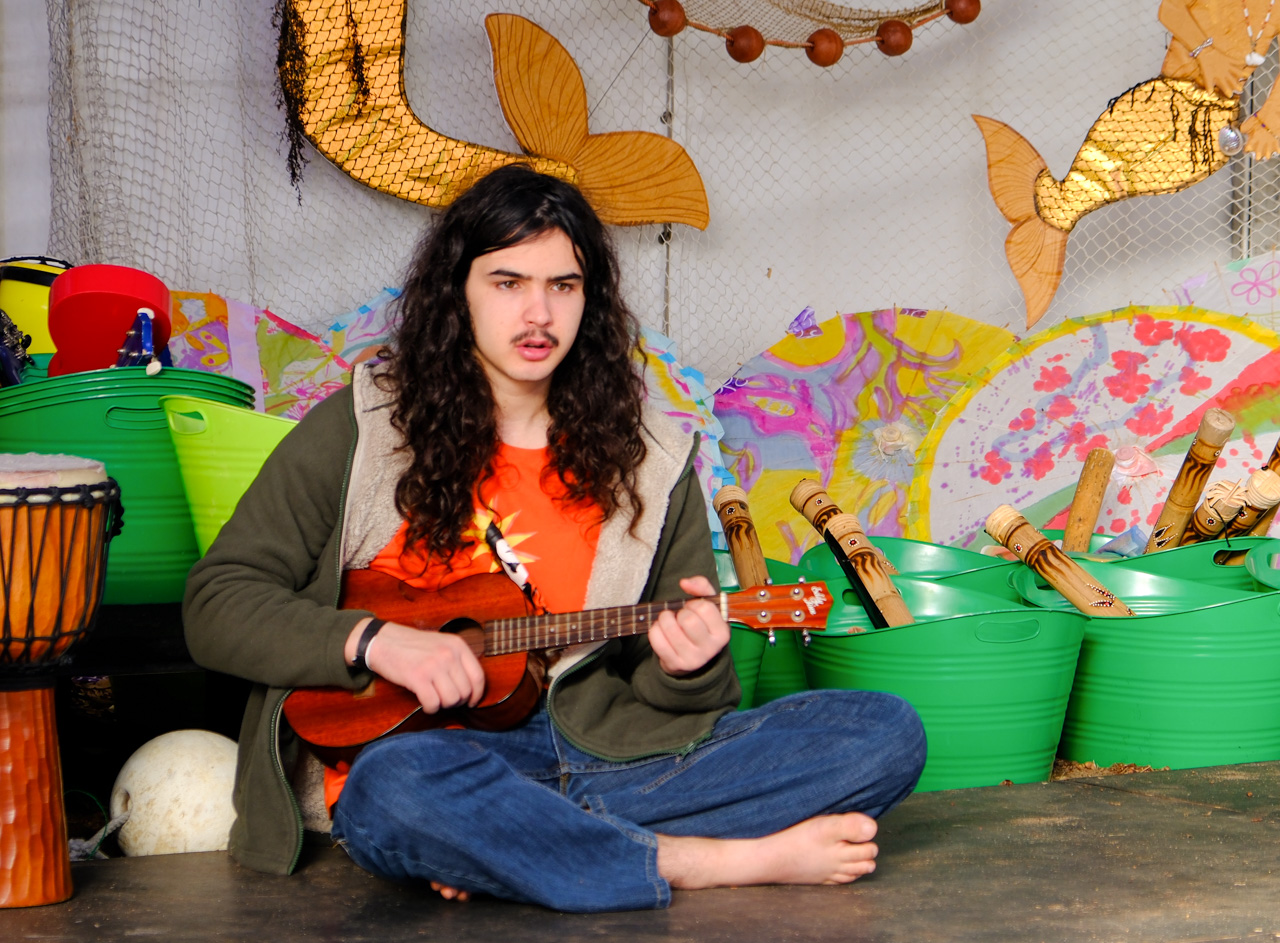
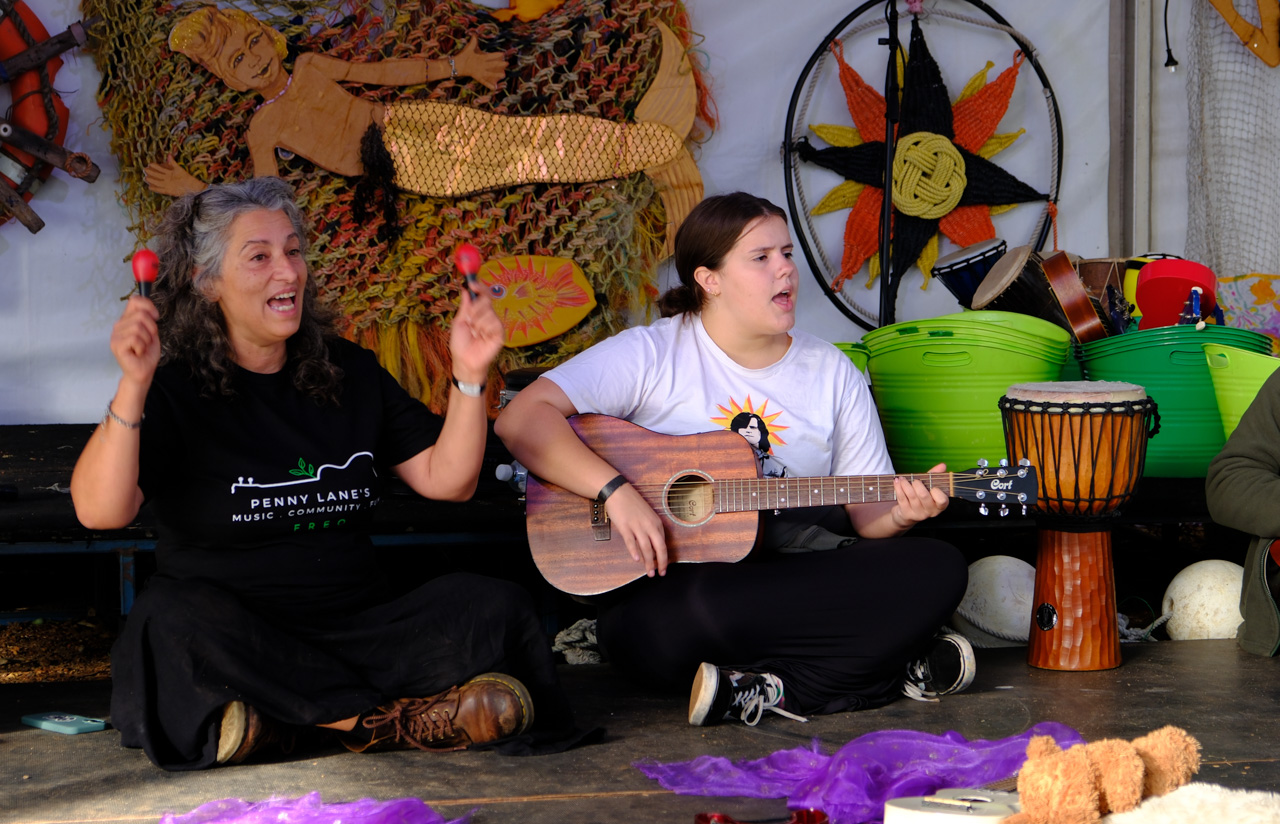
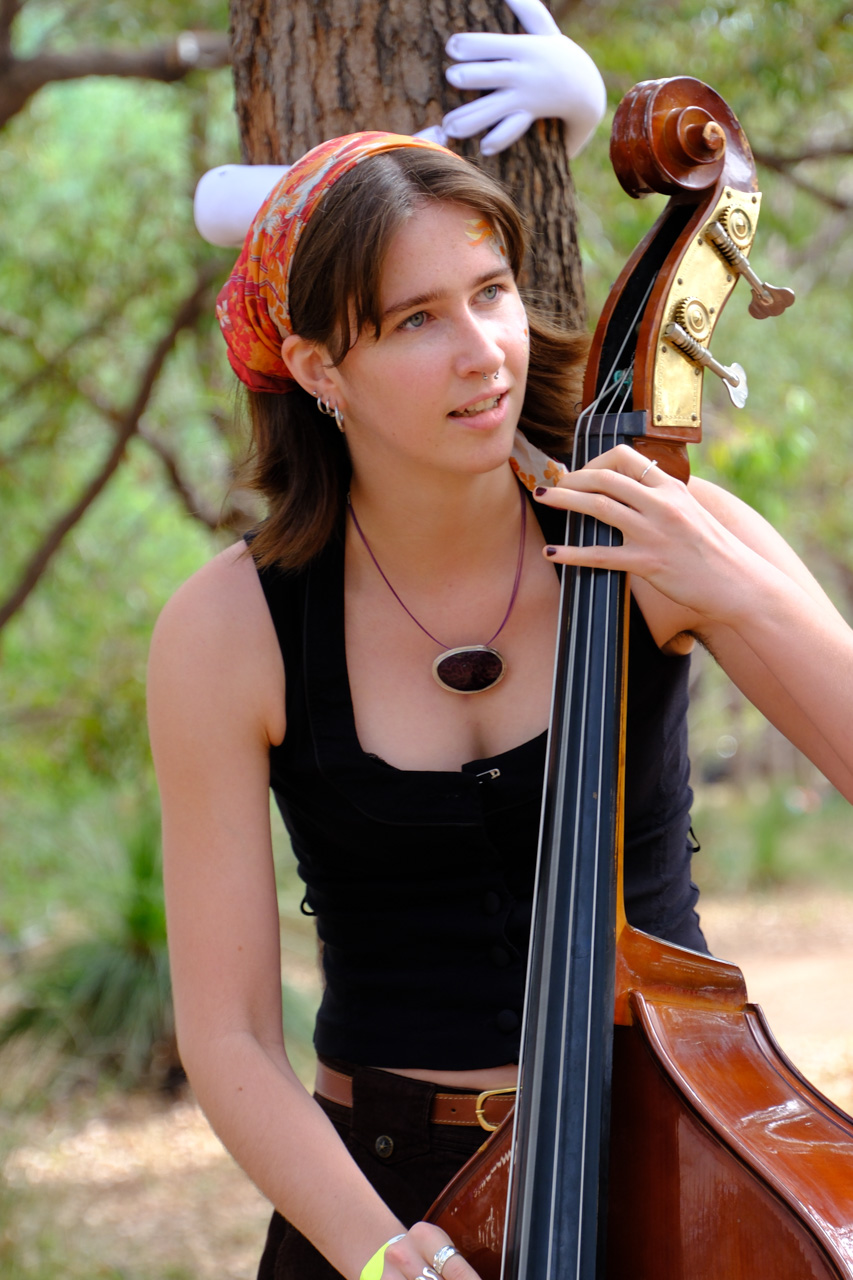
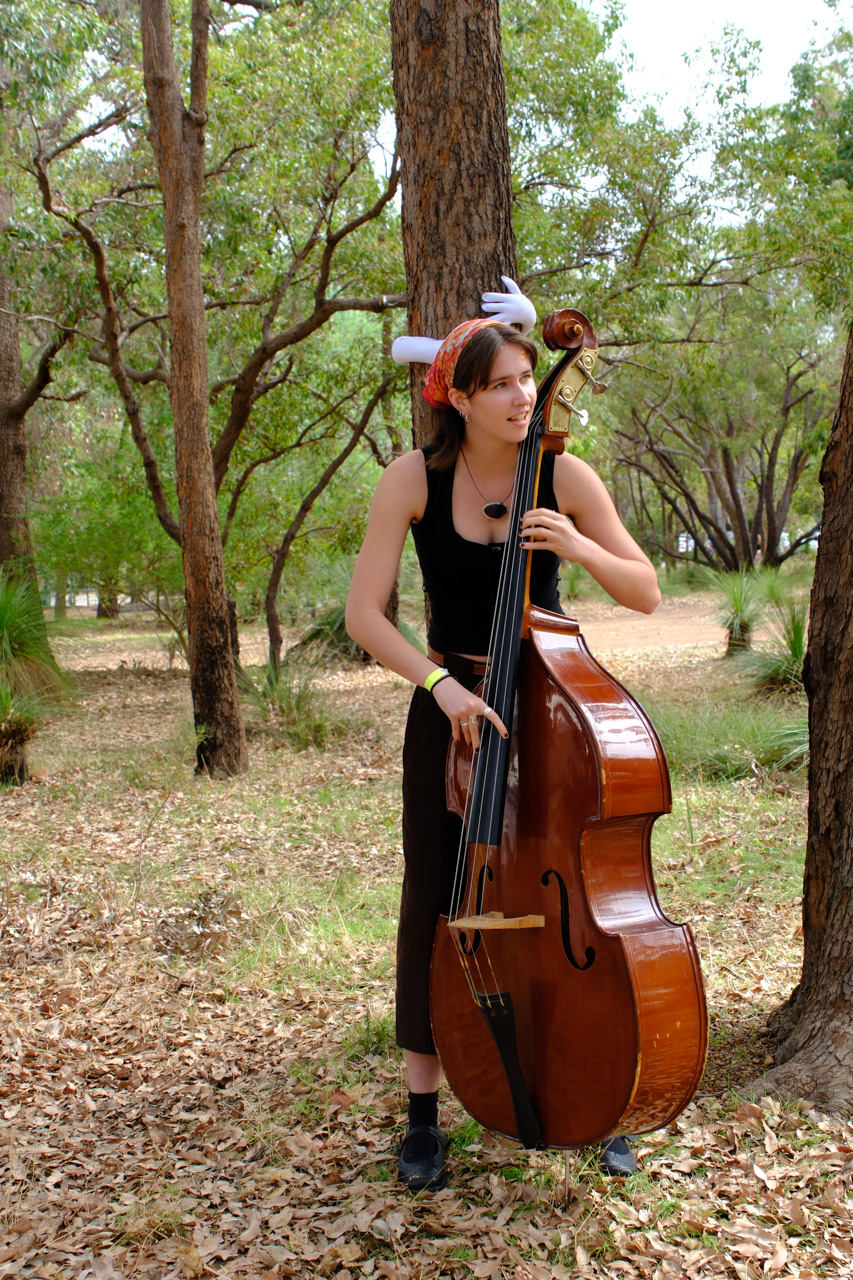
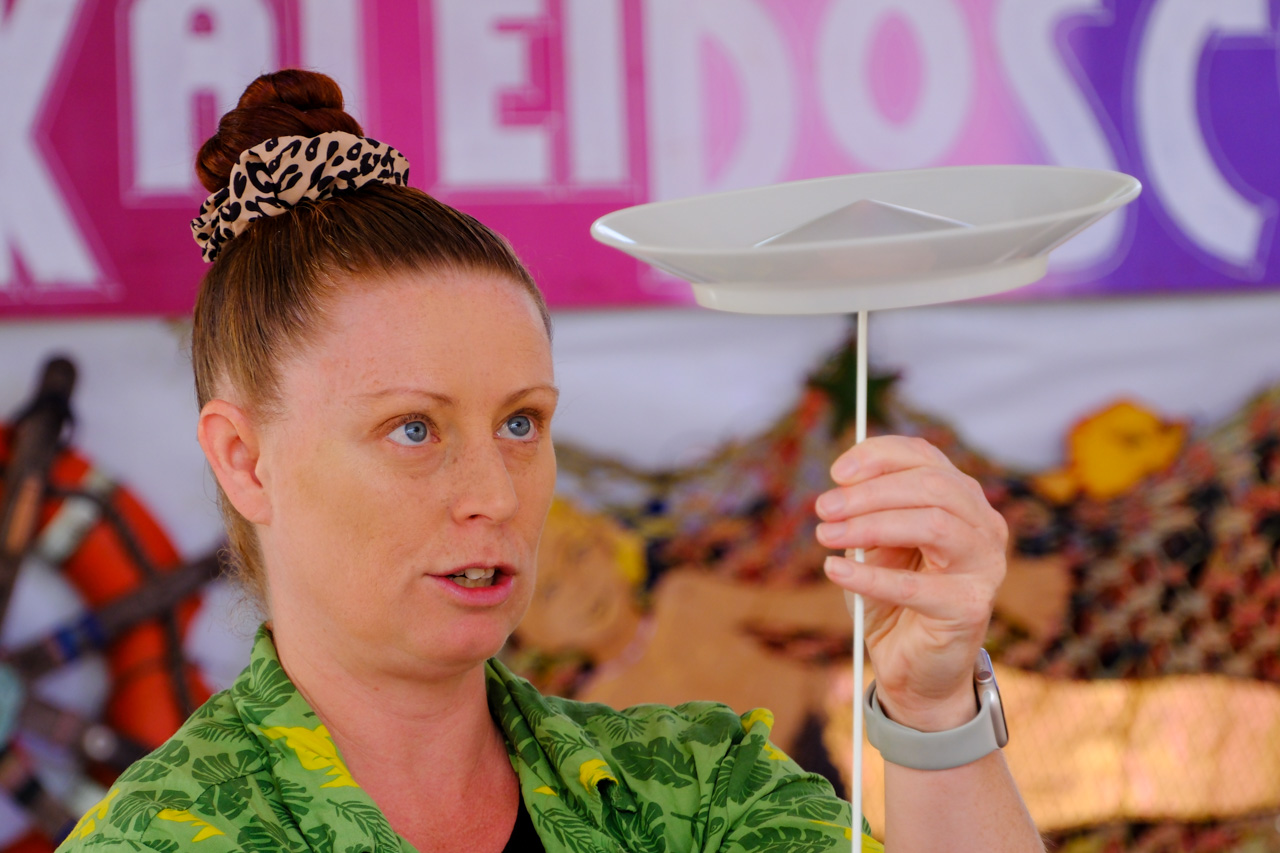
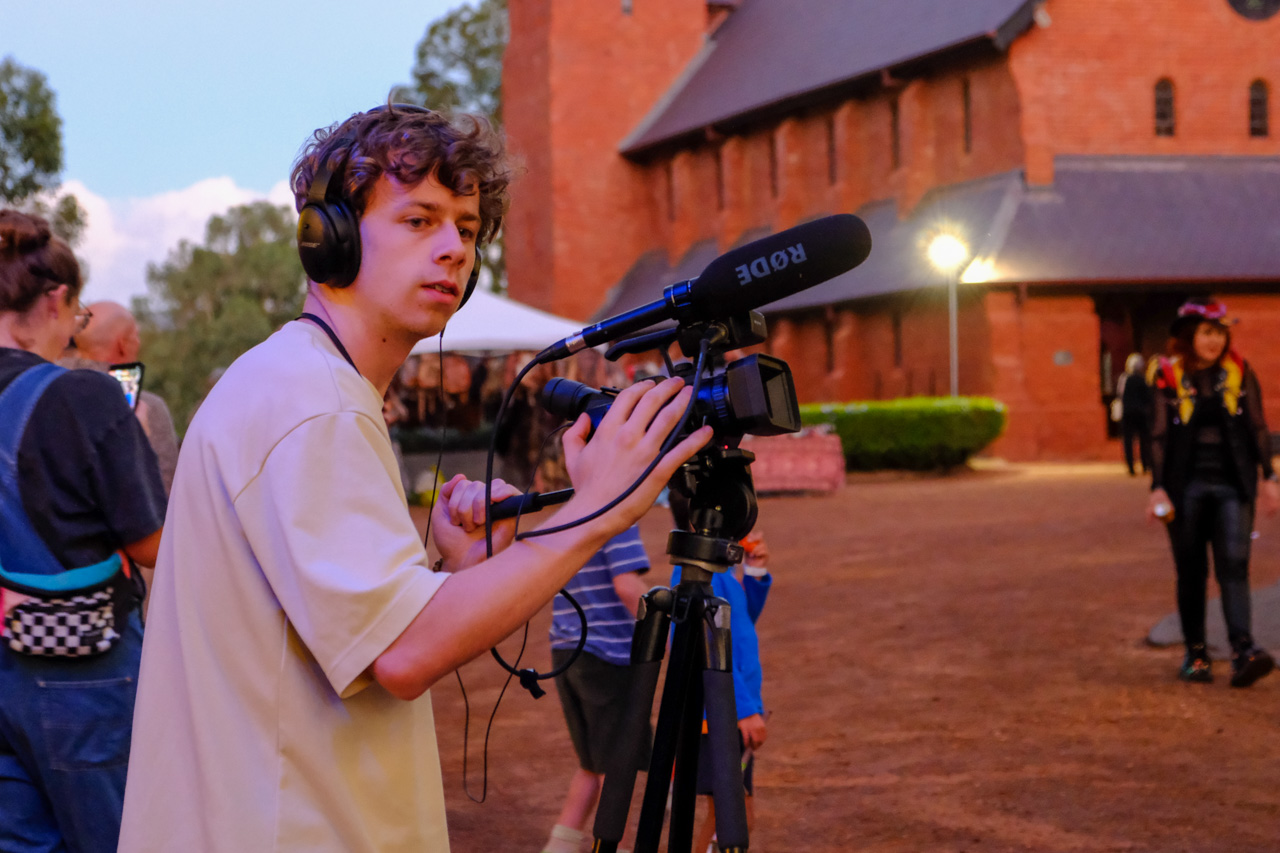
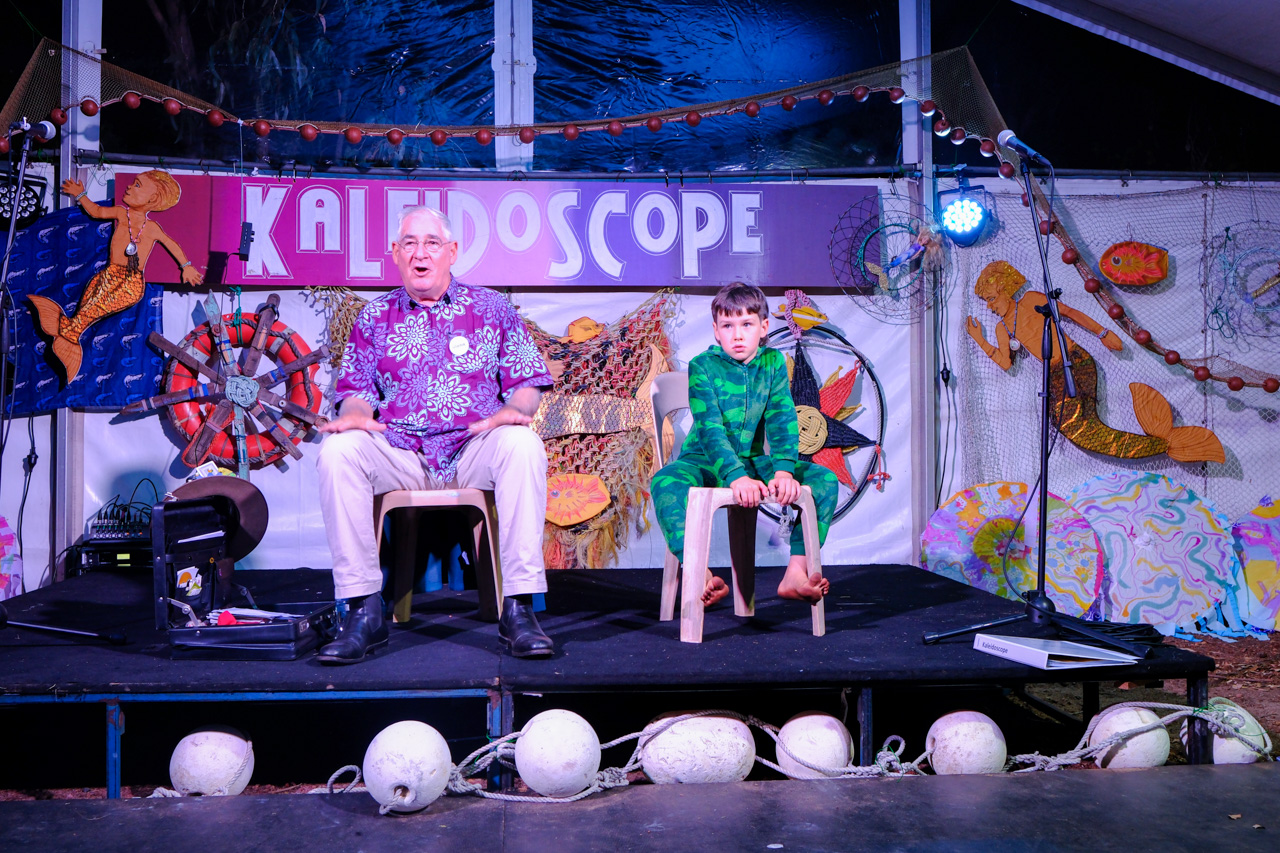
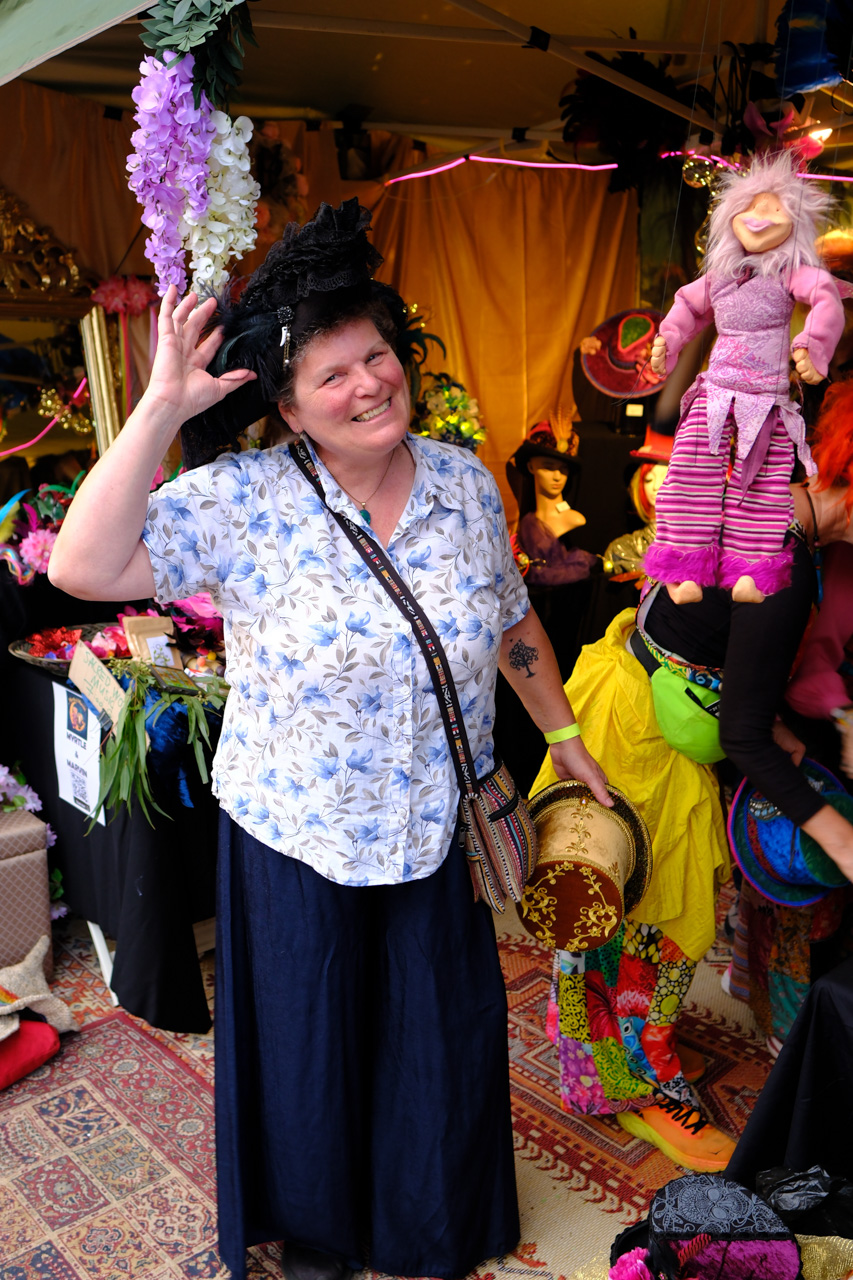
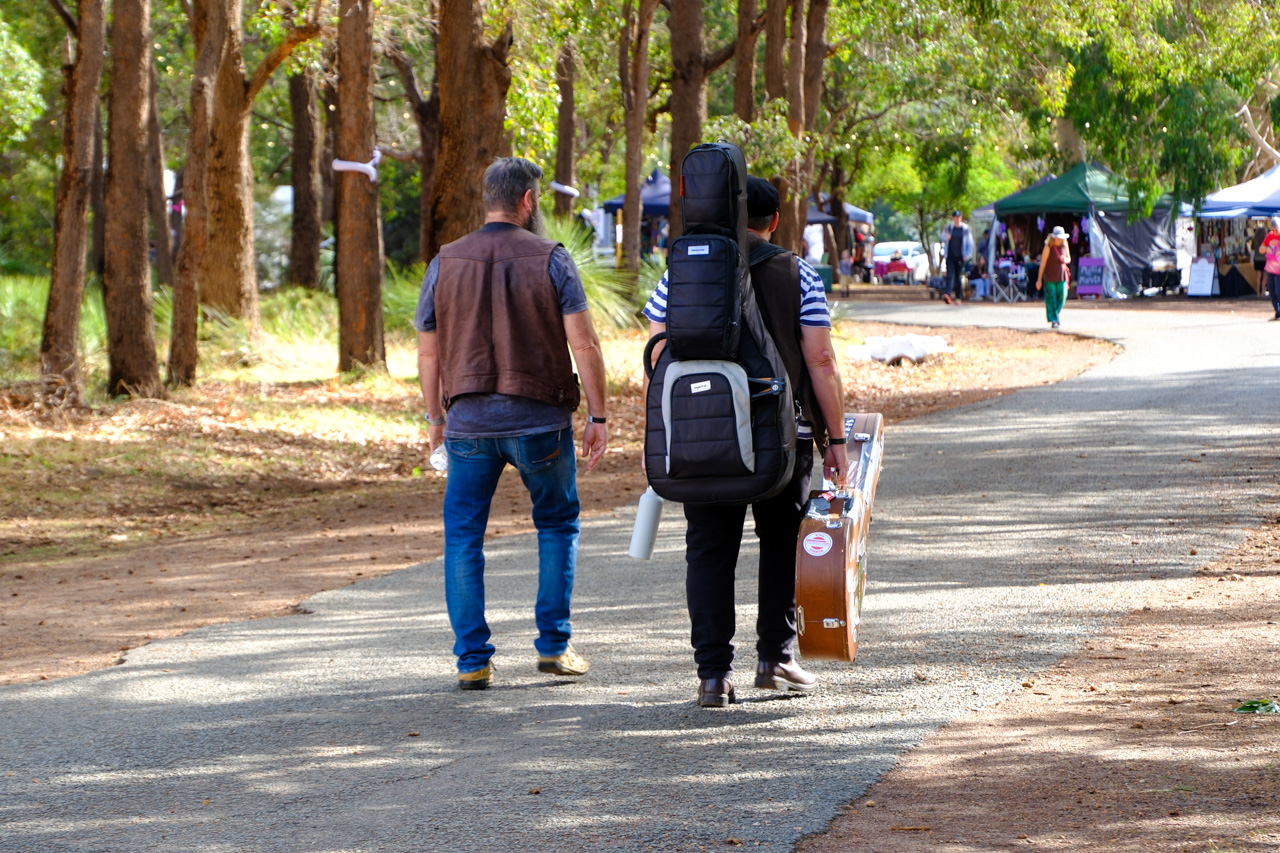
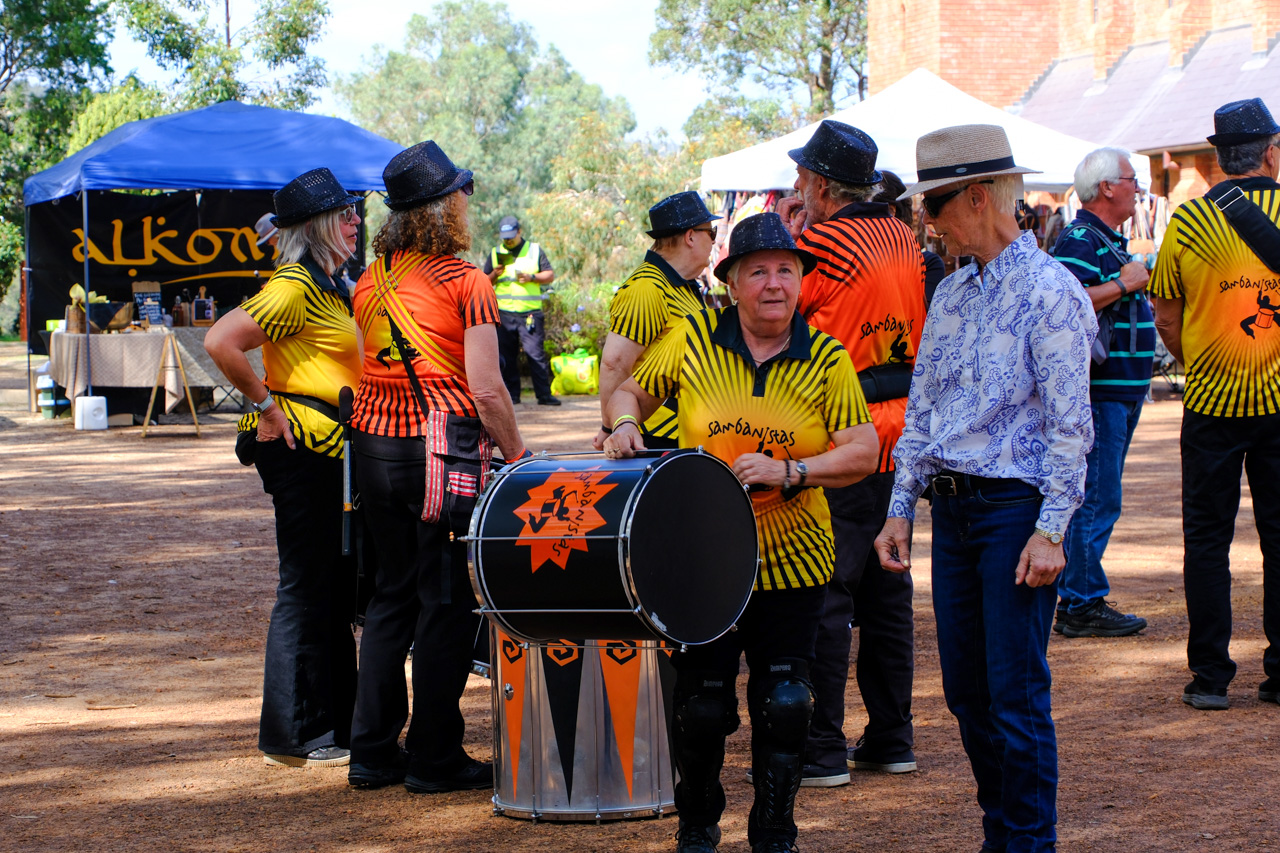
On arrival you were struck by how festive the site felt. Everything looked fresh and more stylish. The branding was snappier. Giant hand-painted playing cards and tableaux of costumed mannequins, butterflies and beach umbrellas peppered the woods while dozens of long white gloves, stitched together and filled to stretching to look like arms and hands, hugged the trees. Lights festooned the canopy along the walkways, making it magical in the darkness and easy to find your way around.
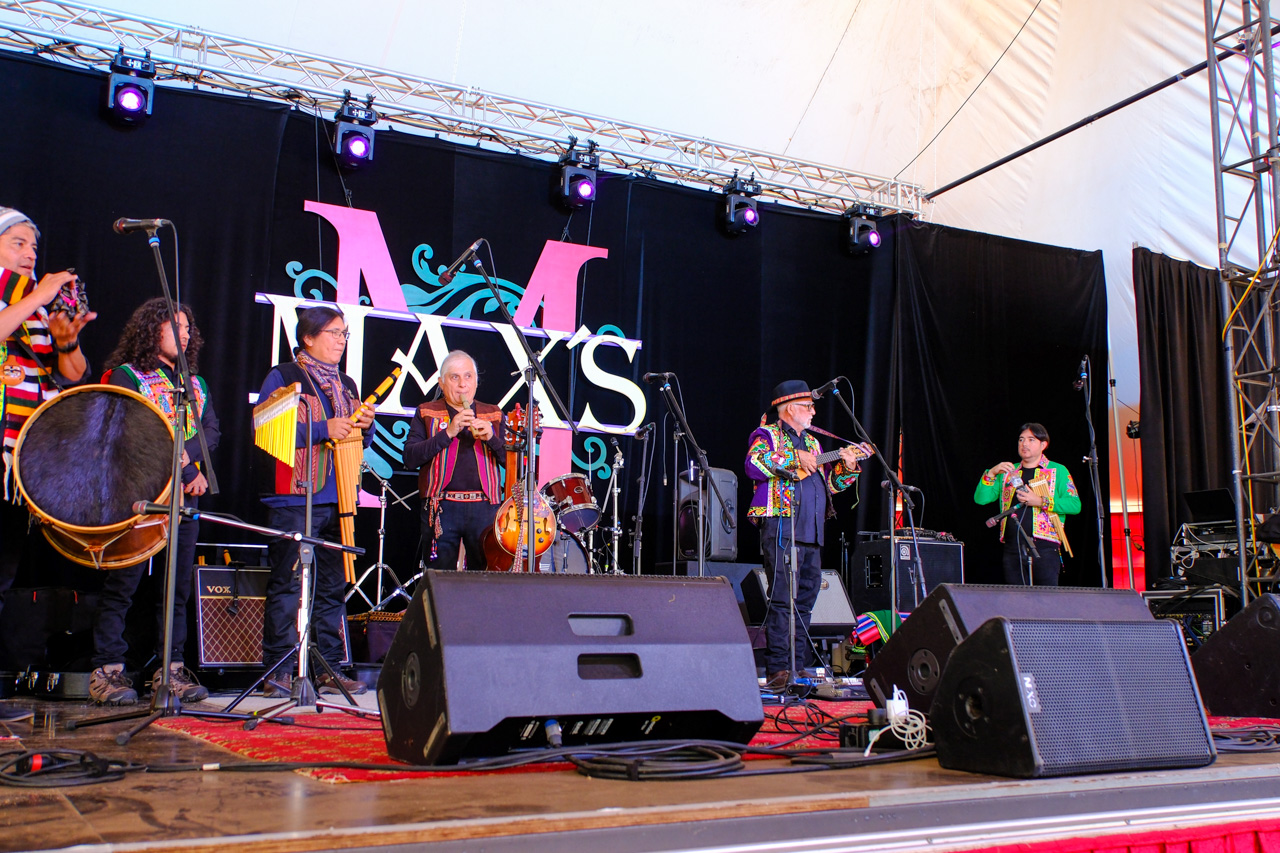
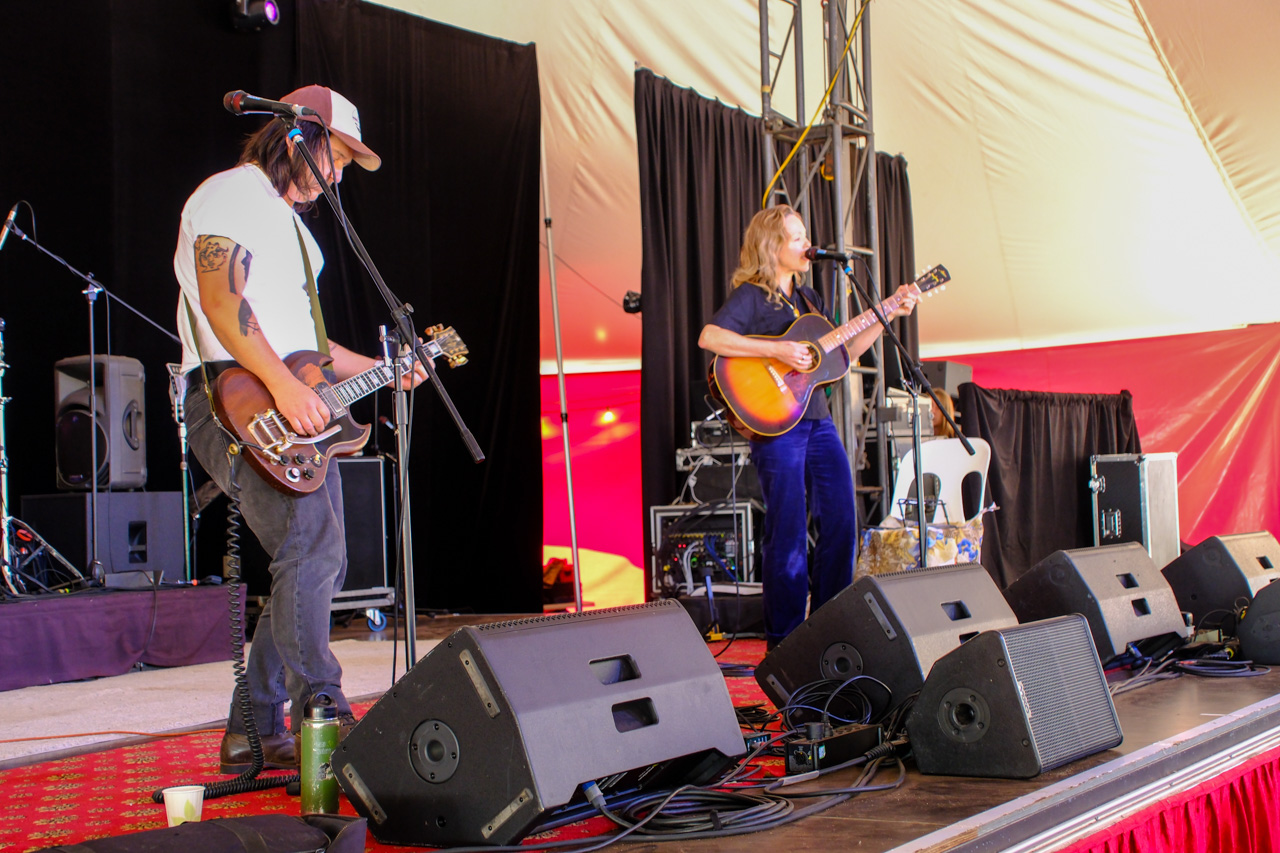
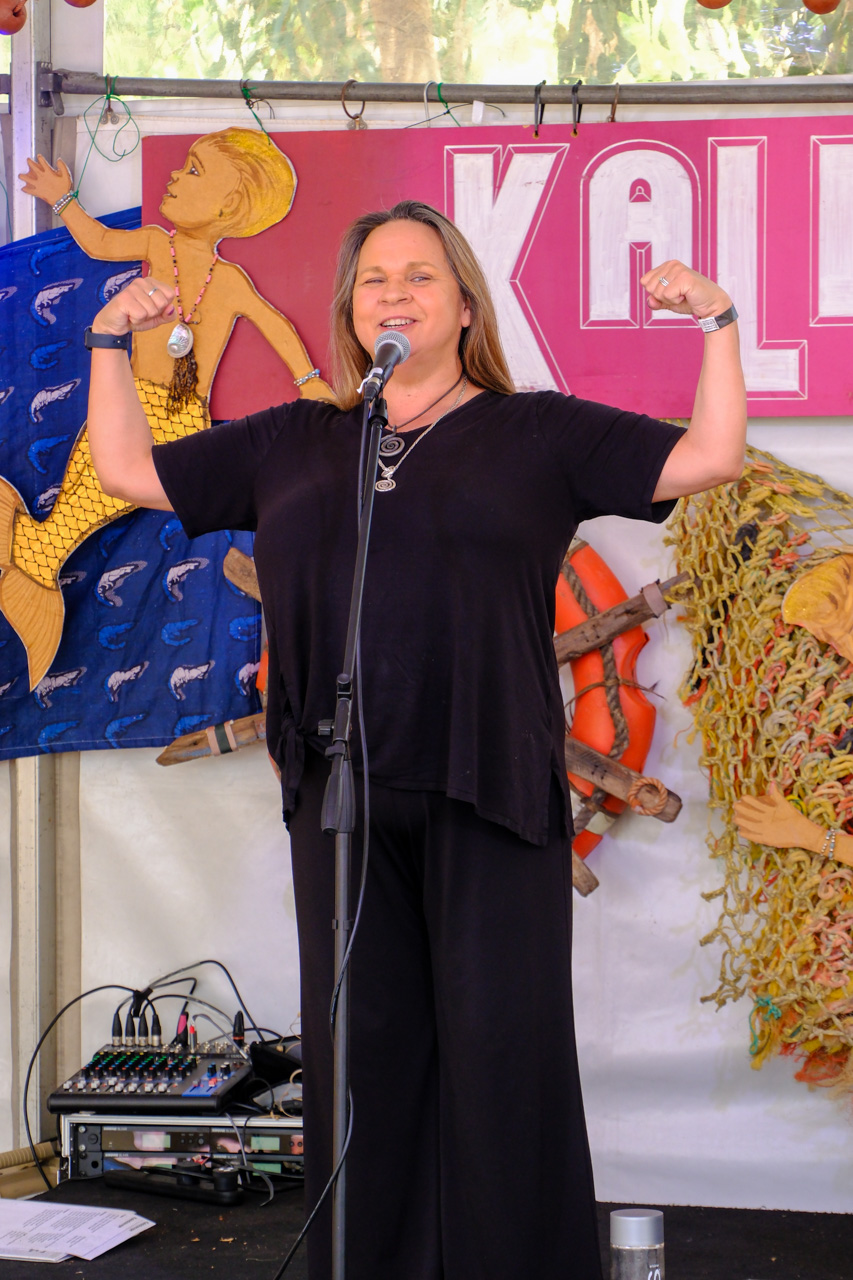
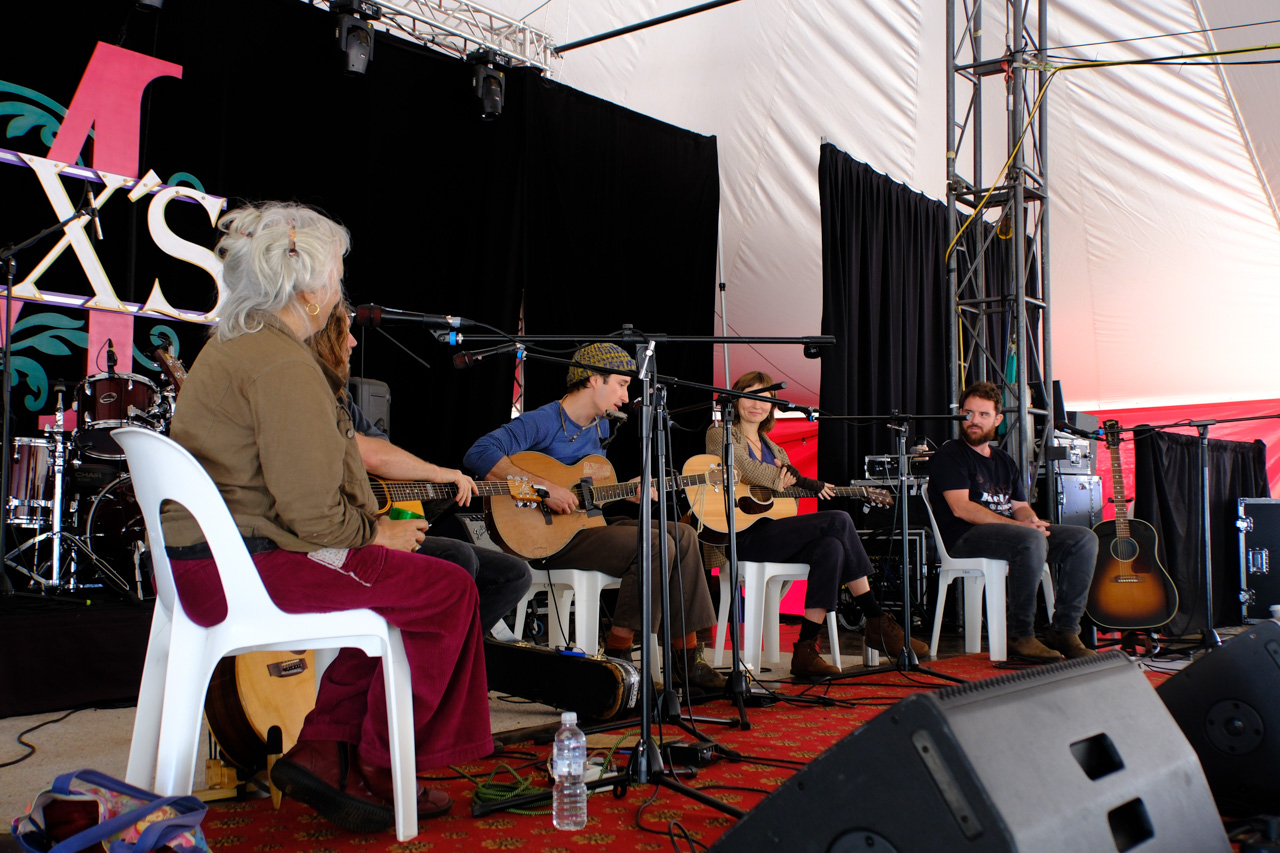
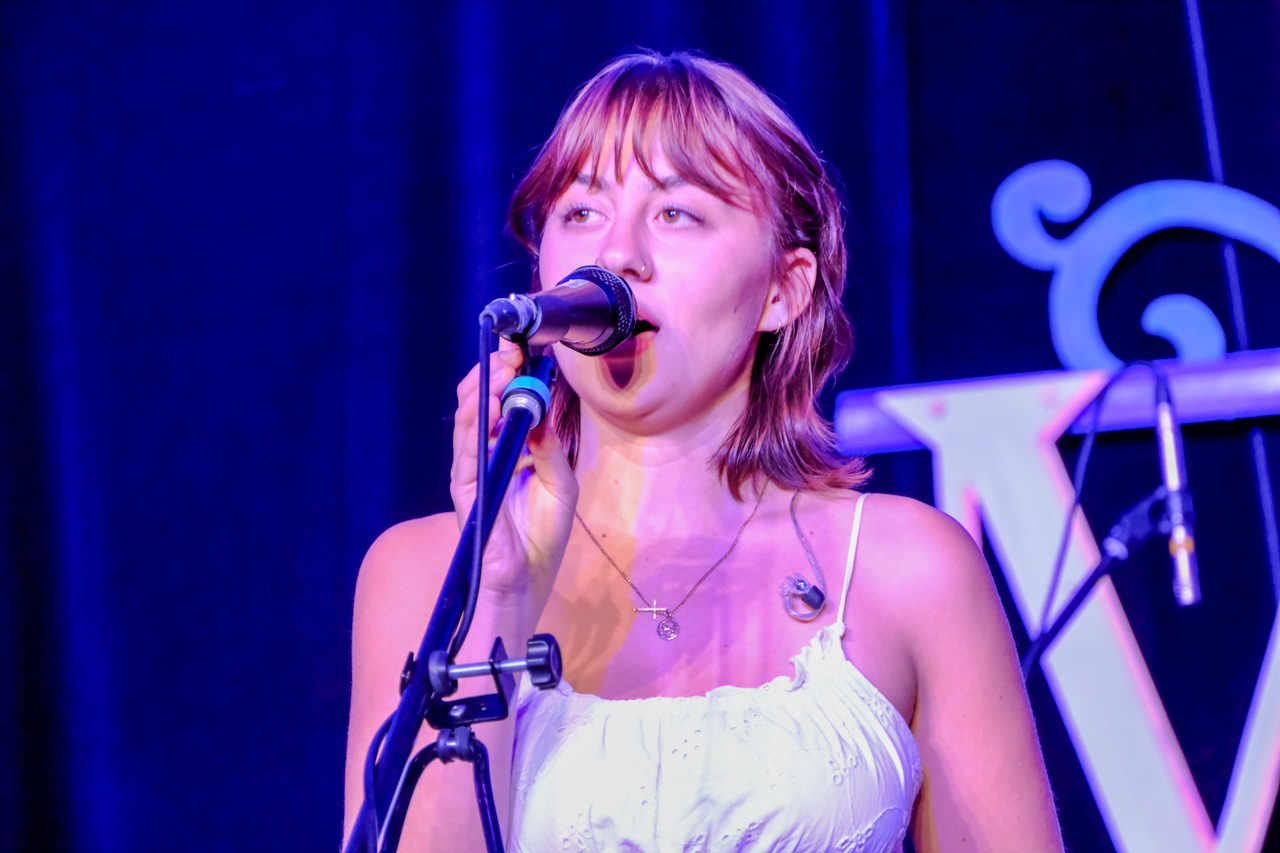
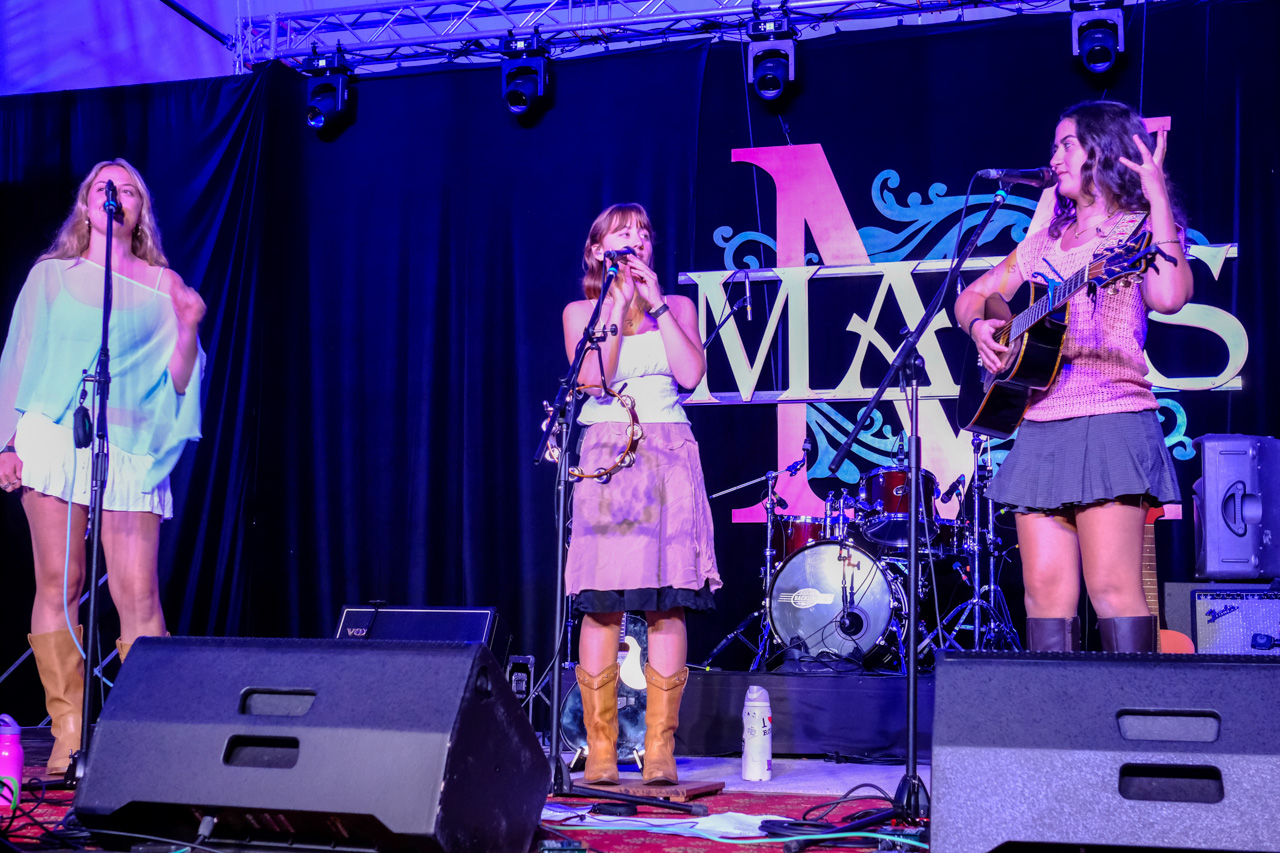
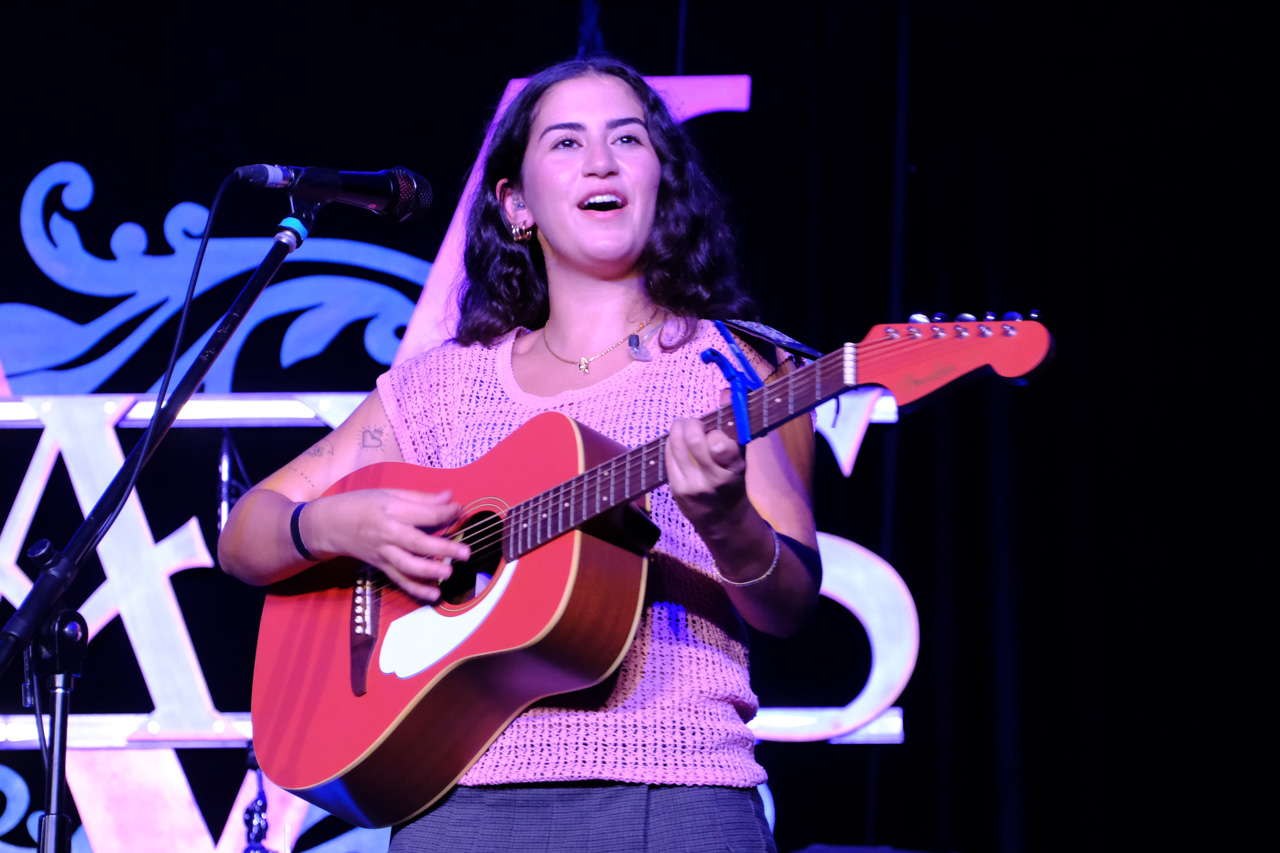
The new main-stage marquee, on the old Mandja site, was smaller and more welcoming. A circular shape with open archways all around, it had a large and very neat metal sign behind the stage declaring its name: ‘Max’s’. This is a nod to one of the festival’s founders, Max Klubal. Now a philanthropist, his generous donation enabled the festival to get back on its feet. A compact performance space, warm and friendly, Max’s is a far cry from the corporate monster of old and naturally drew people in.
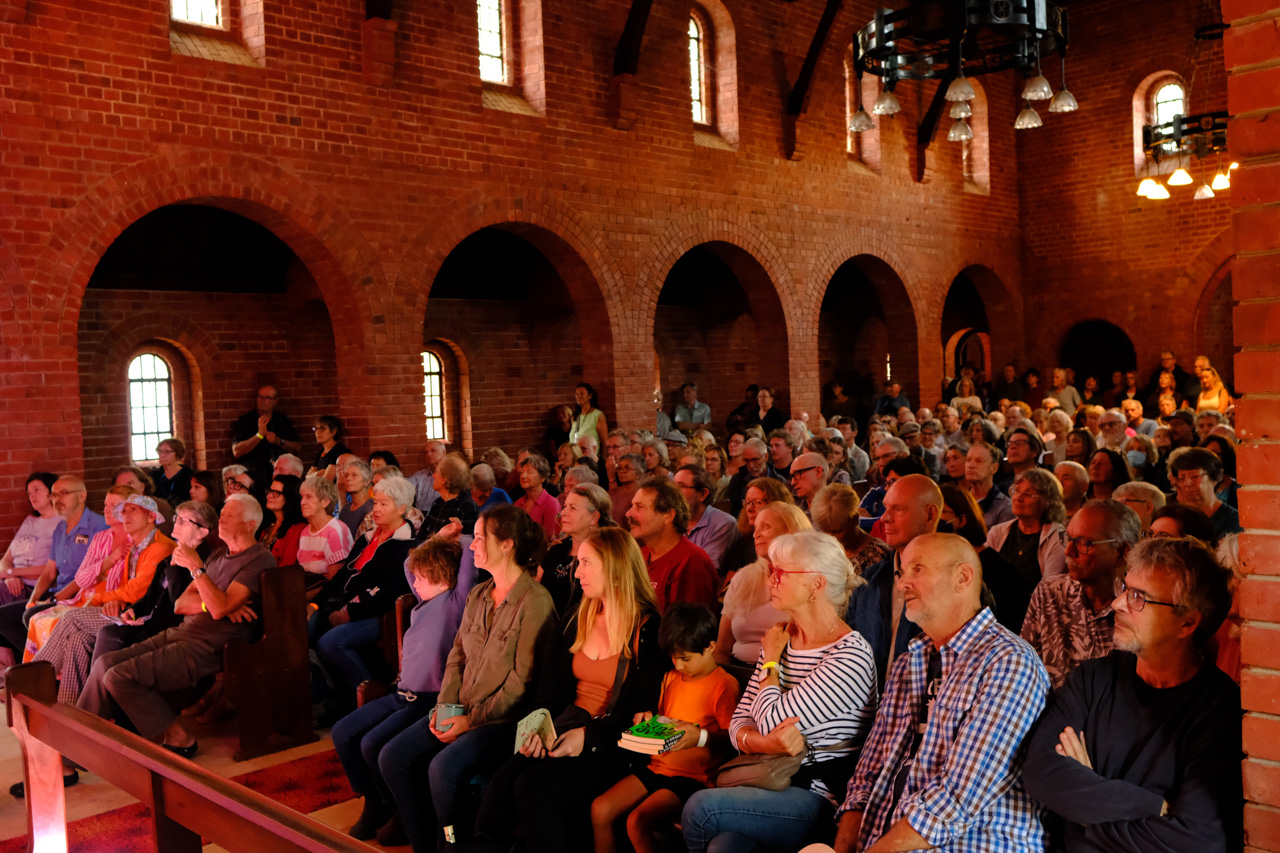
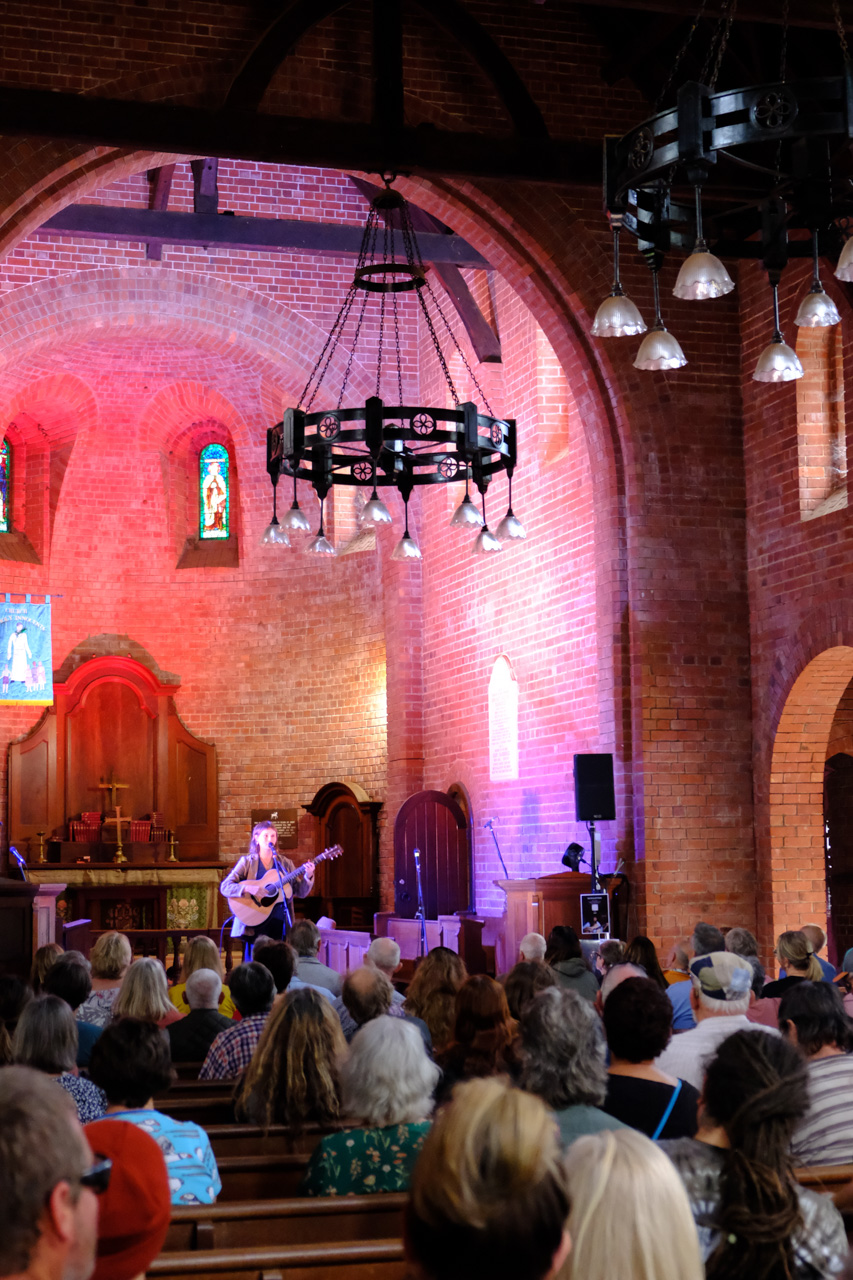
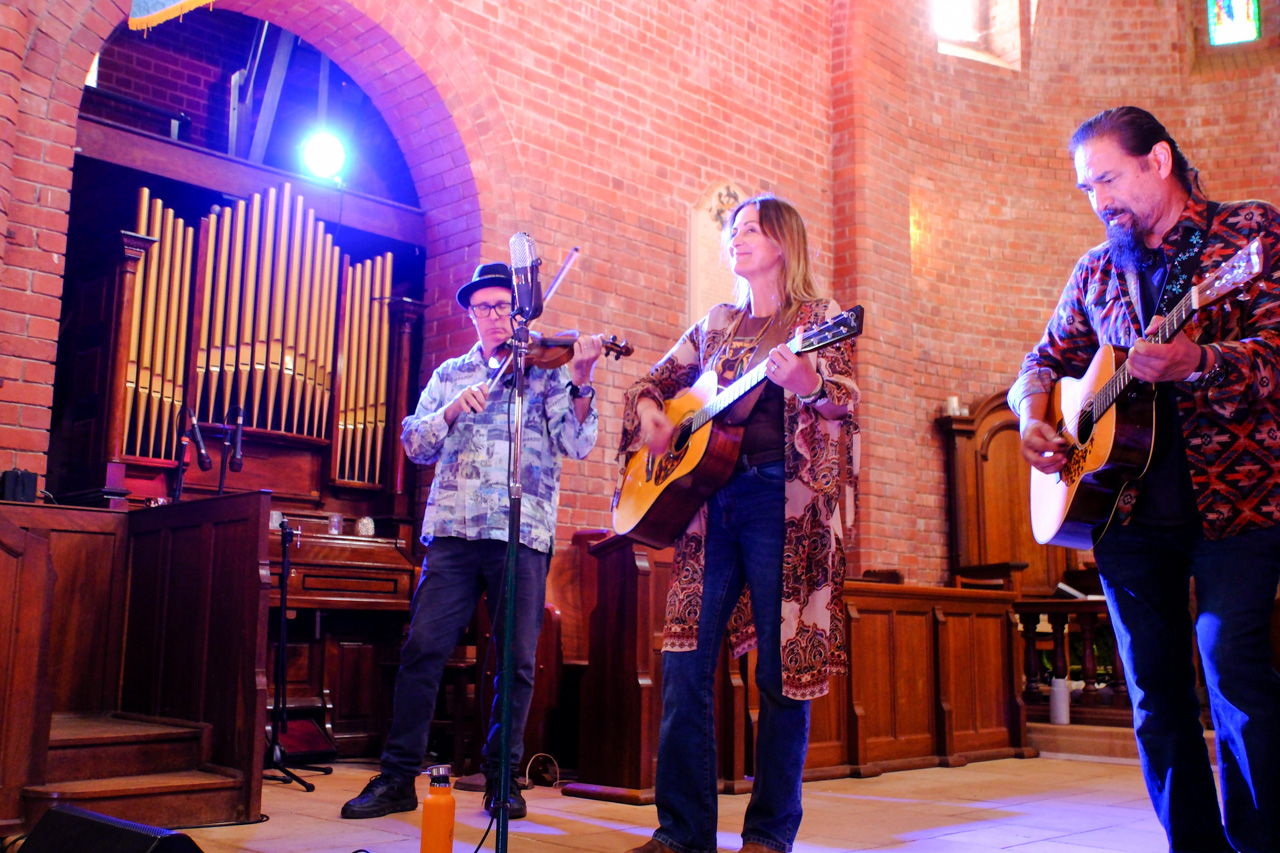
There were only three other music venues in operation: Fairbridge Chapel, the Club House and Peacock Bar (as the dining hall was dubbed). They worked well as a unit.
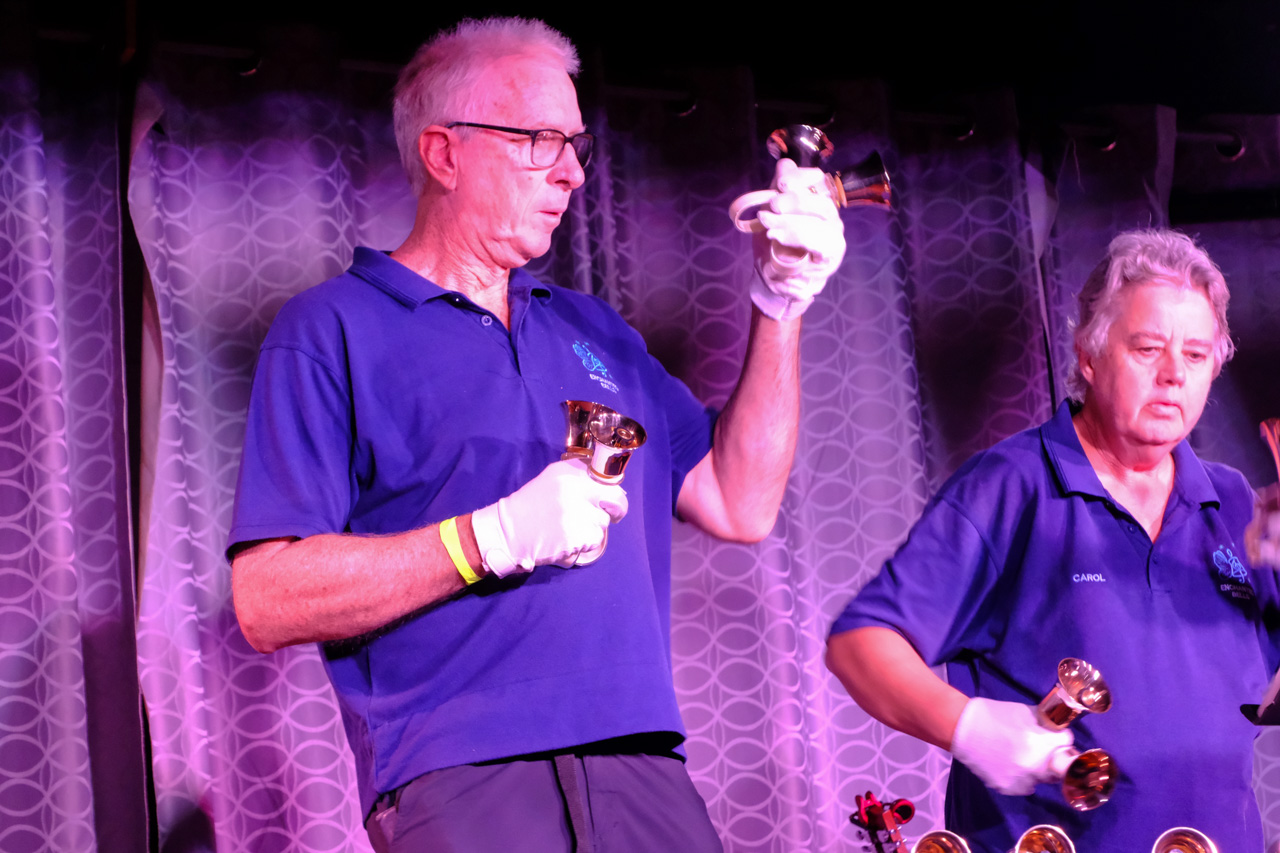
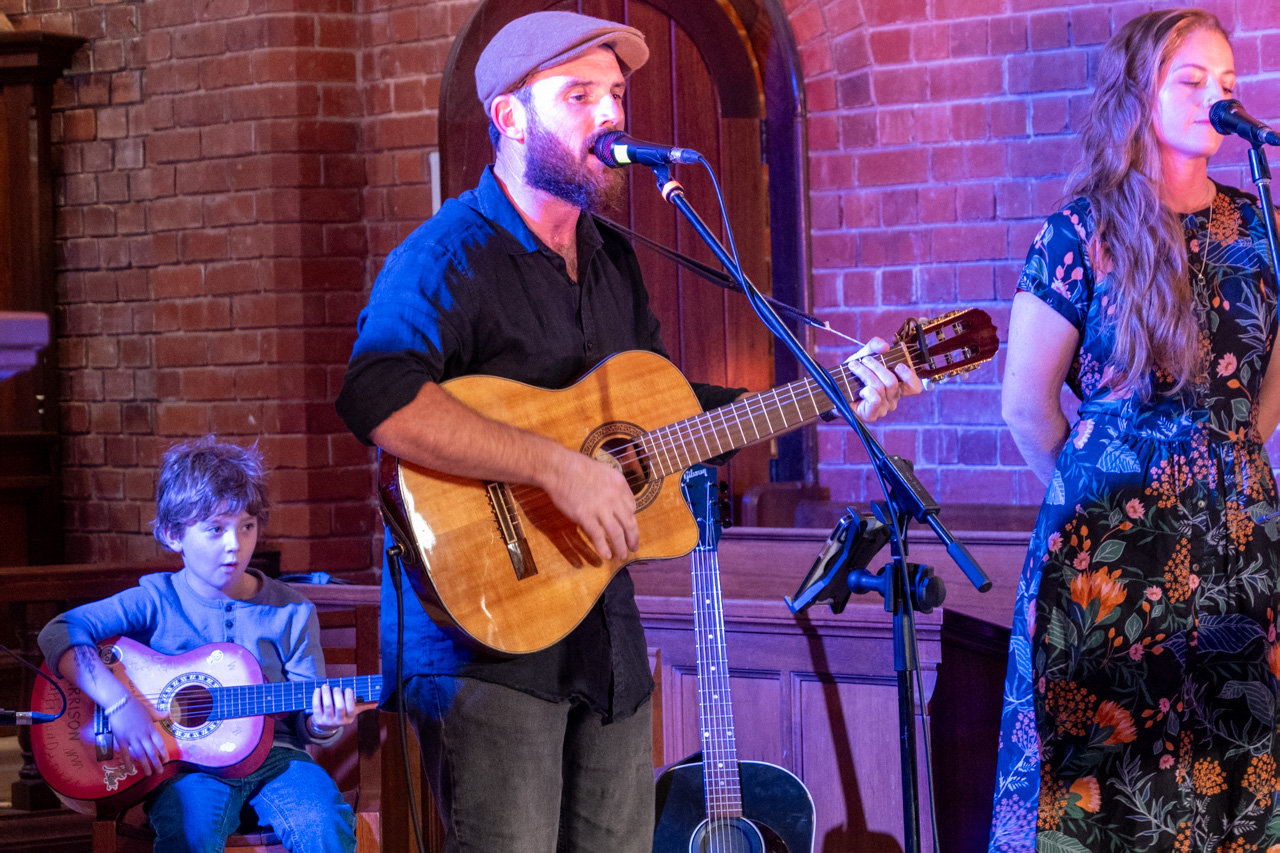
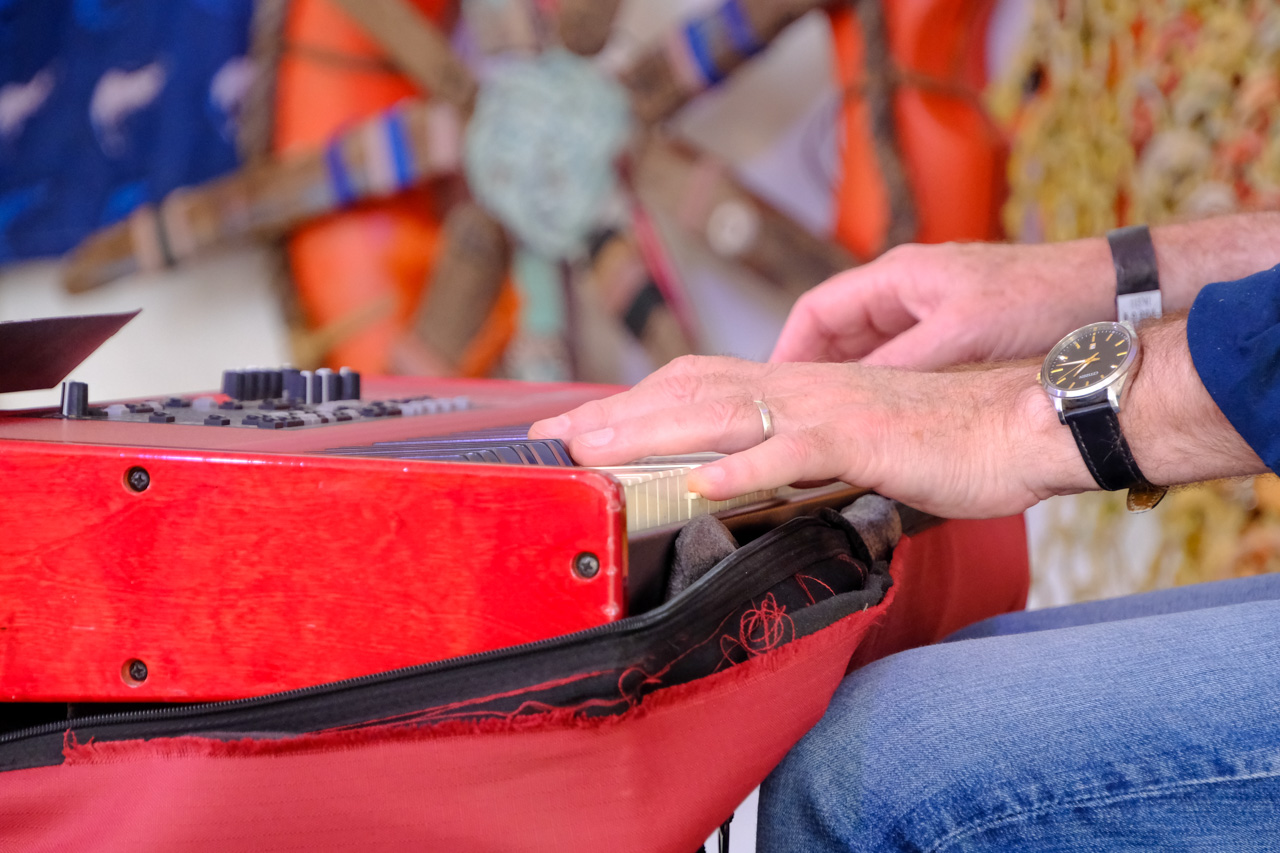
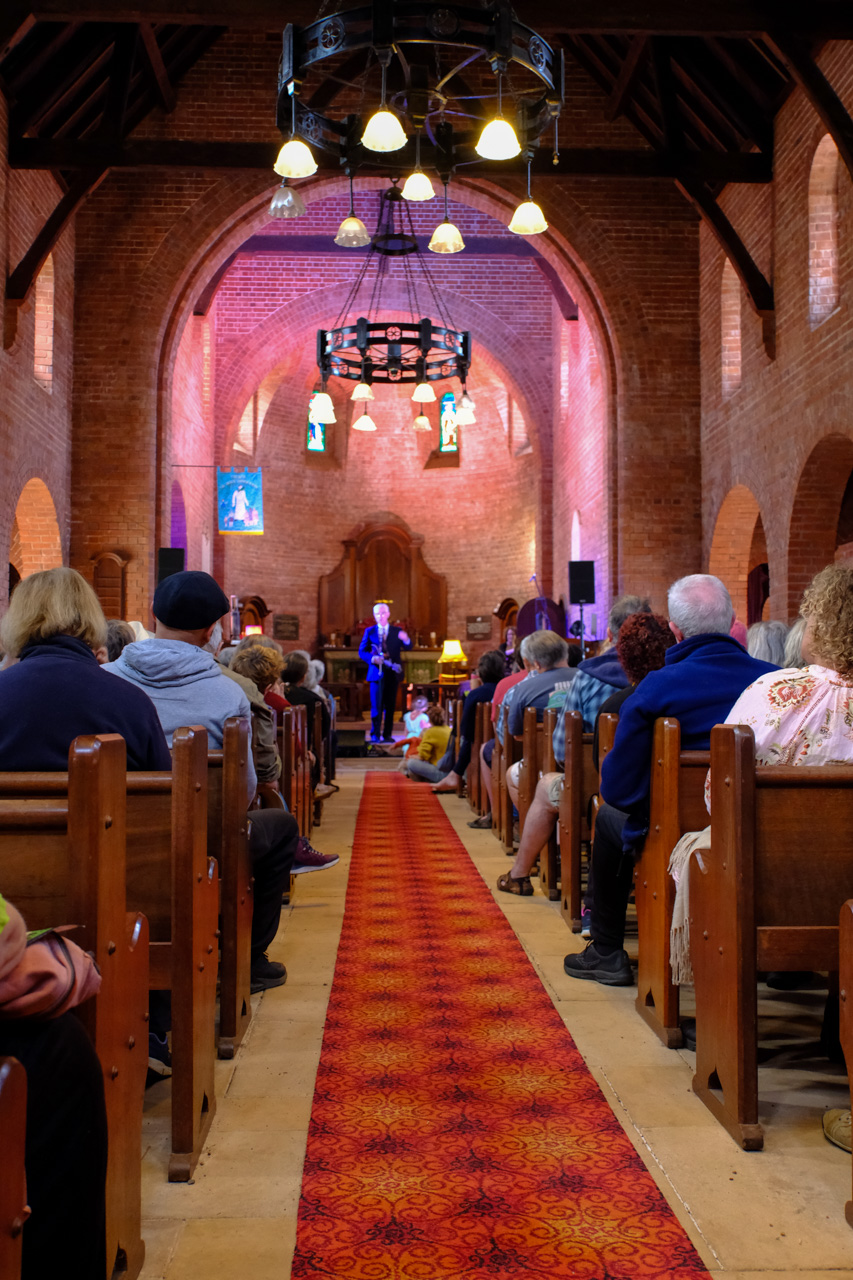
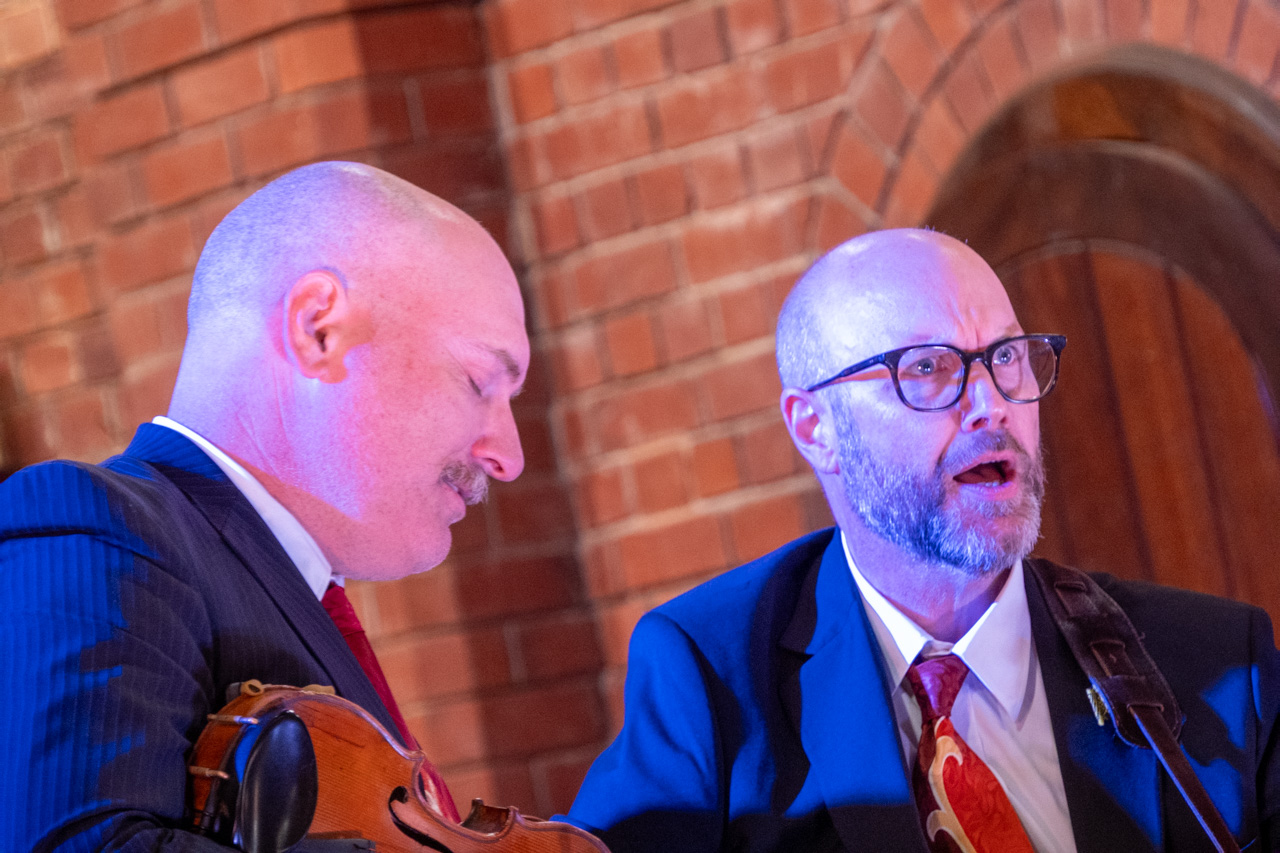
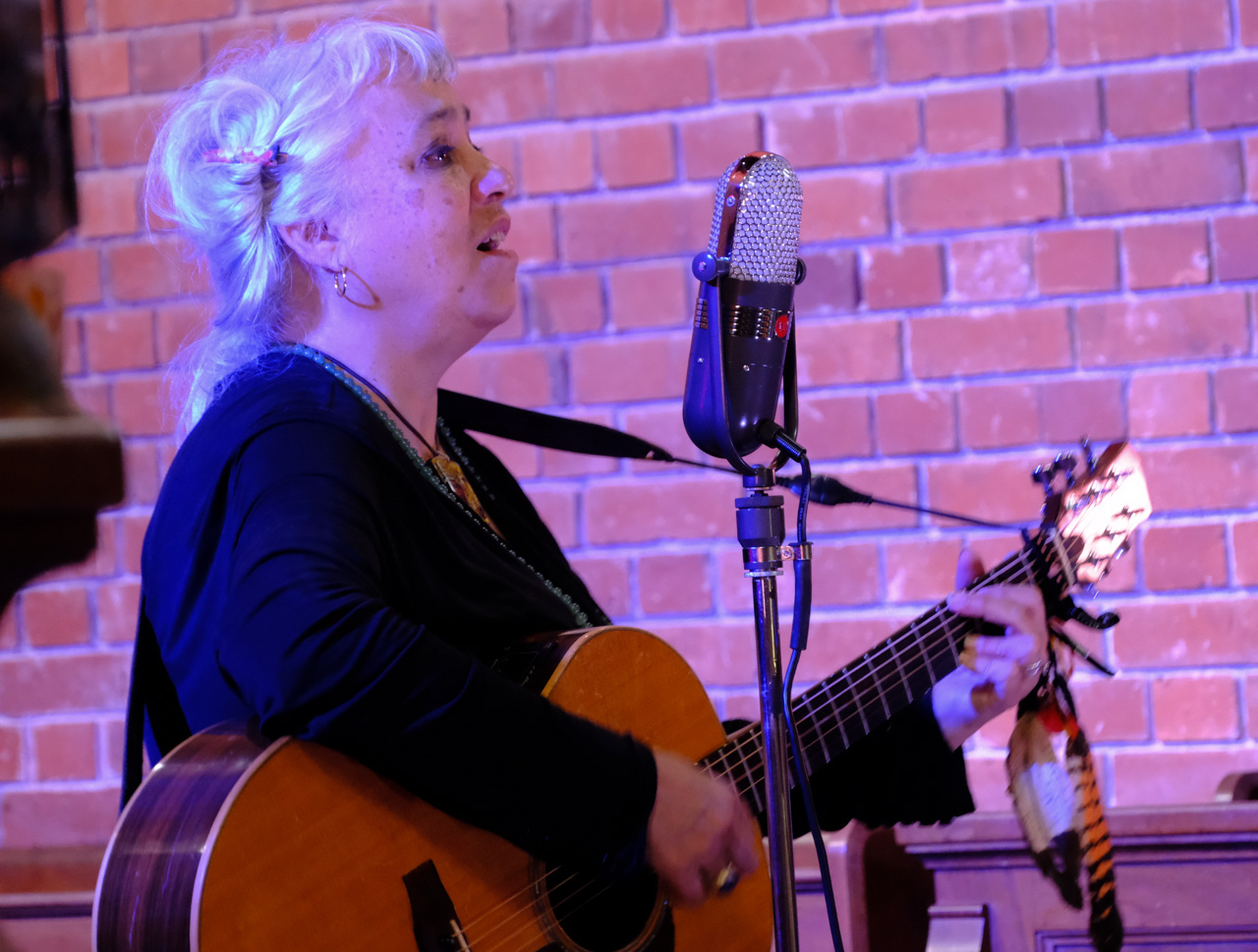
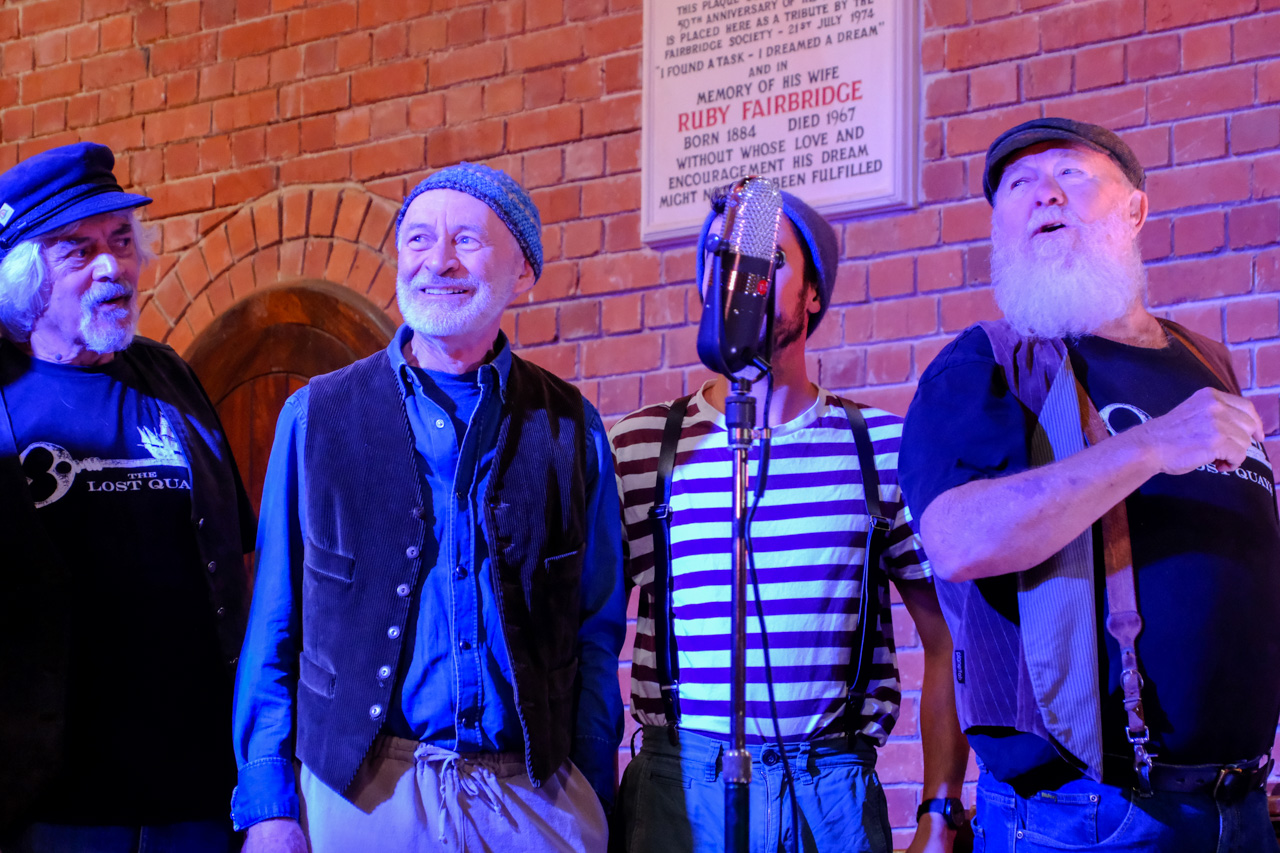
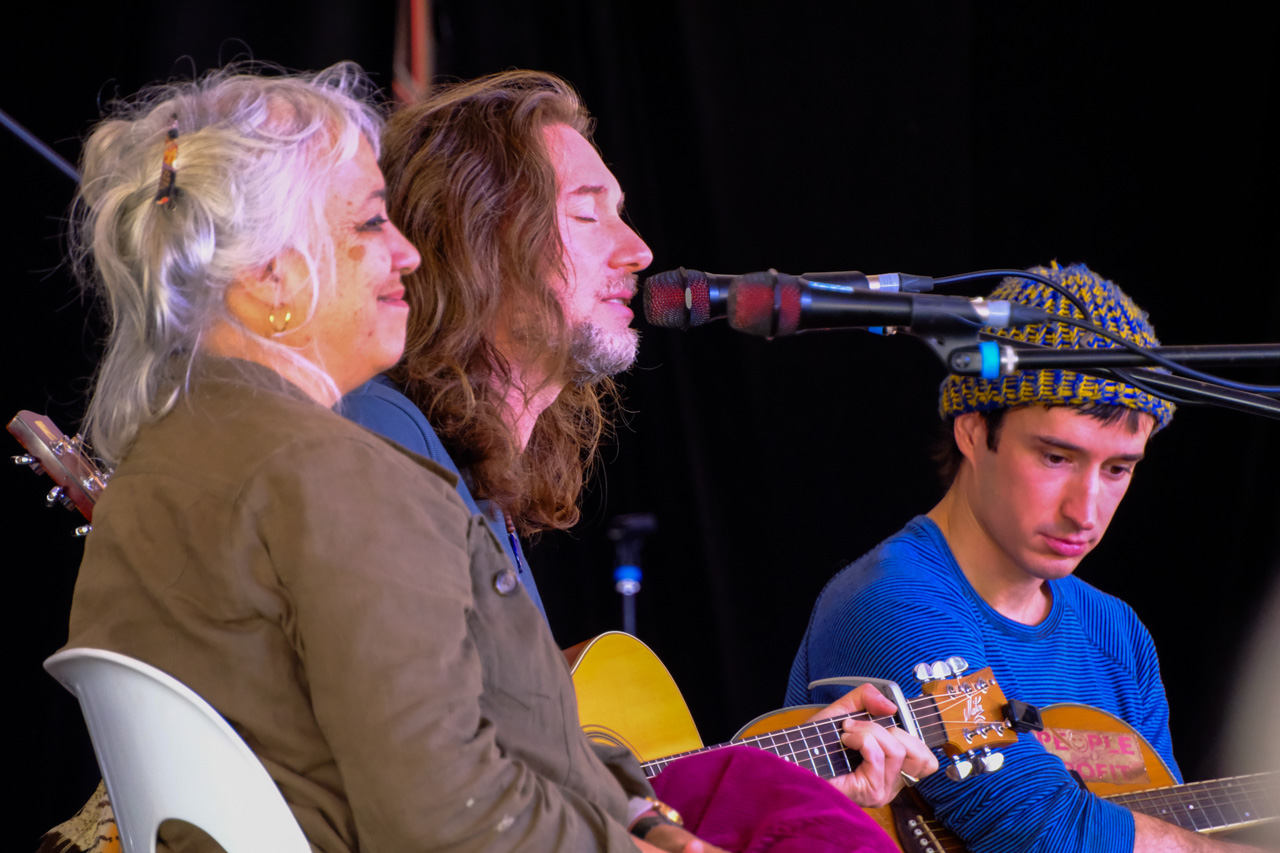
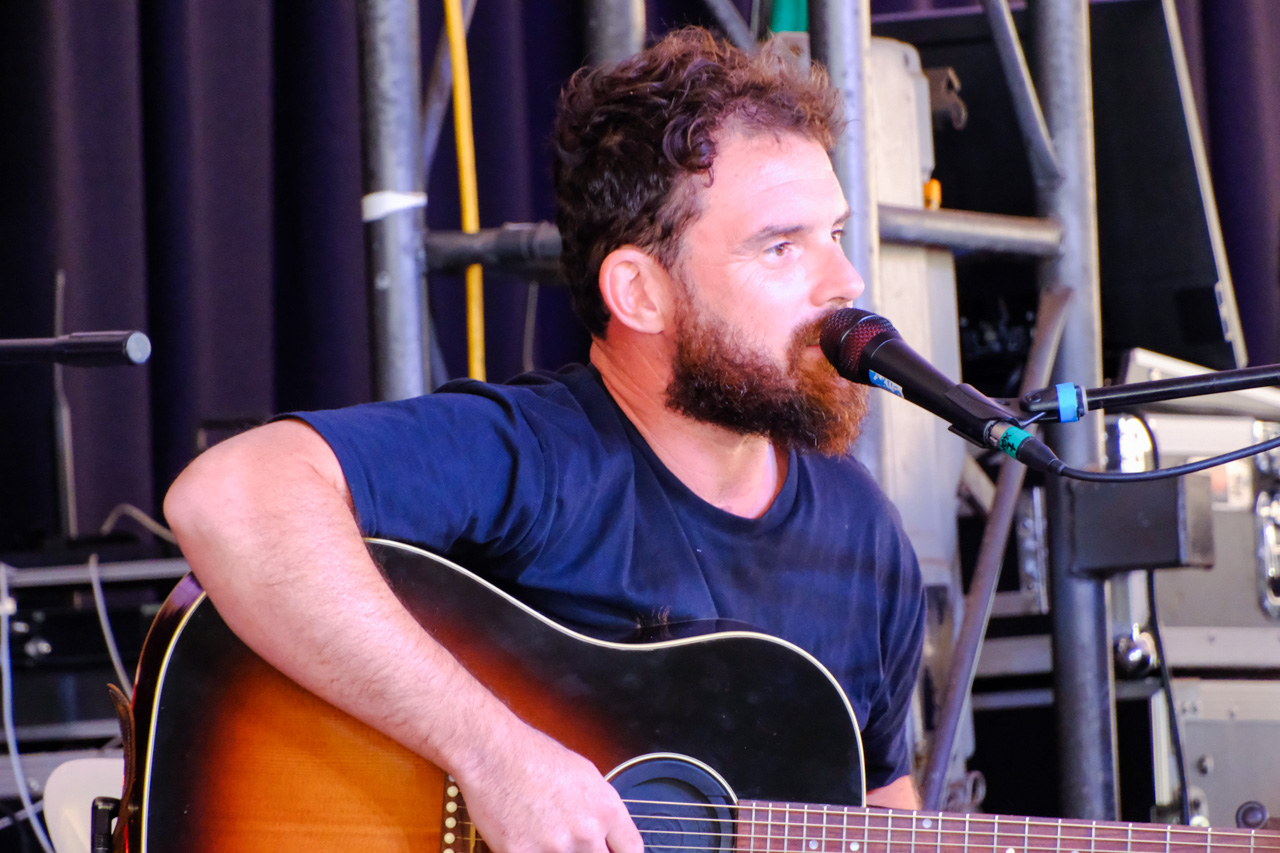
Max’s main stage was party central; the Chapel, with its brilliant acoustics, became the home for the sweet harmonies and sensitive playing of the heartfelt folk; the Club House was the cavern where wild rhythms and the occasional rock ‘n’ roll reigned, while the Peacock Bar was like a raucous Irish pub, the place for community activities, workshops and single-mic singalong sessions. Sure, the divisions weren’t quite that strict; there was some folk on the main stage and a bit of jazz in the cavern, but the formula held pretty well.
The artistic programmer Jon Cope’s influence was palpable. This is the third program Cope has coordinated for Fairbridge but the first to come to fruition. Its two predecessors were cancelled—the first when the festival had to move from the Fairbridge site and the second, on Pinjarra Park, when advance ticket sales failed to reach the target. It is heartening that he has finally been able to bring a program to the stage.
But then, although his curatorial vision was prominent, Cope is quick to emphasise that he worked collaboratively with a programming committee, notably former festival director, now president, Steve Barnes. Even though the lineup was curated without a call-out to artists, Cope was open to suggestion, and many of the proposed acts found their way into the final mix.
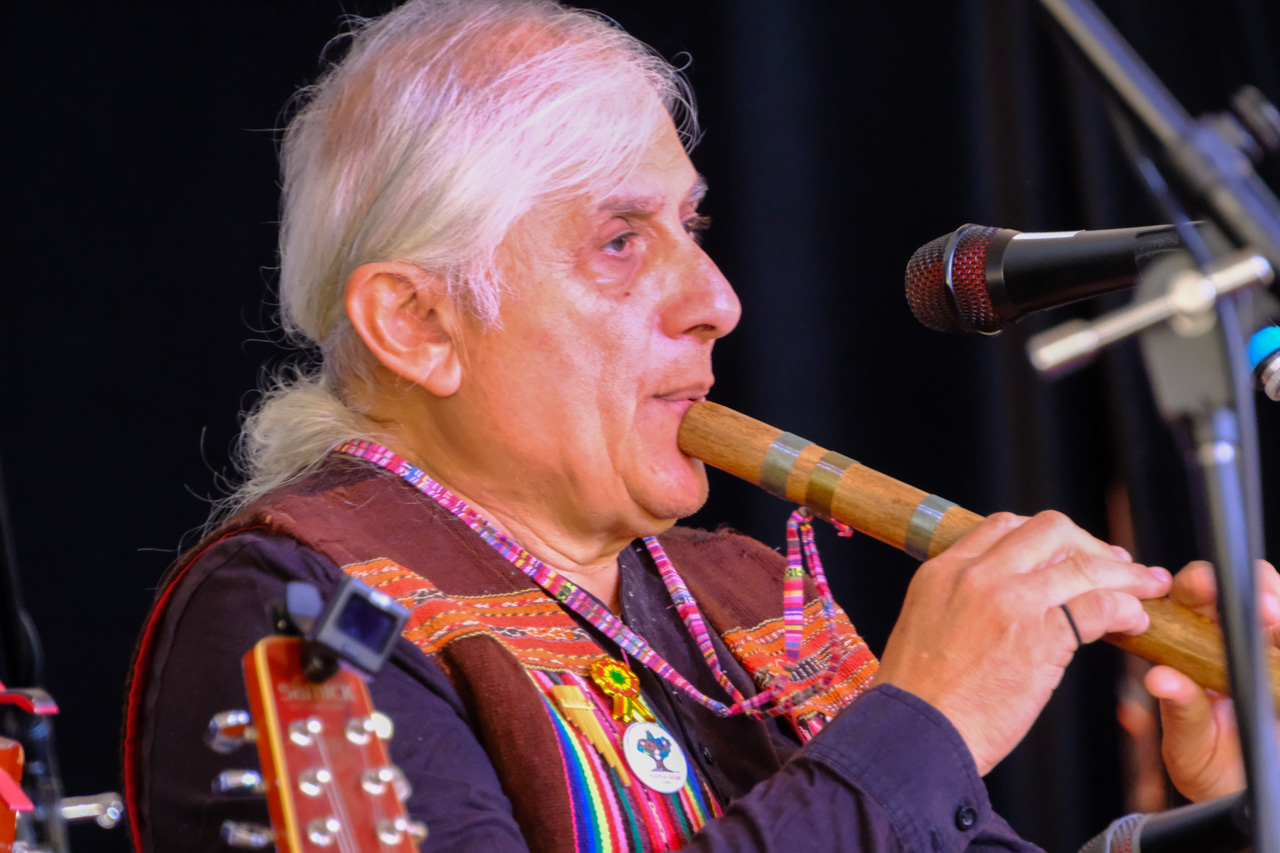
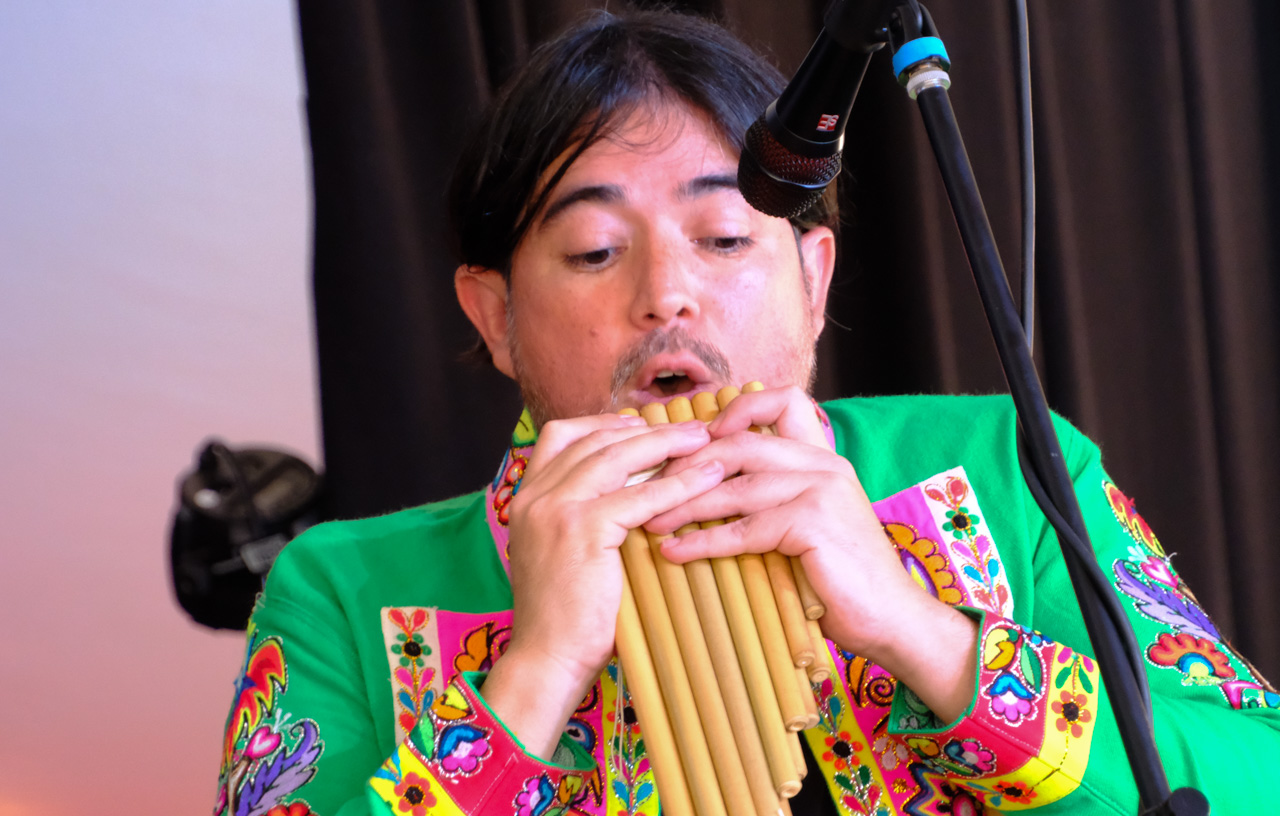
To drill down, the festival has always had its world music (after all, its governing body is called FolkWorld), but this year it had a different slant. In the past, the world music component tended towards multi-cultural folk—virtuoso performers expert in the folk traditions of different cultures. Often these artists would collaborate with each other and more mainstream folk artists to create innovative hybrid music. Although there was an element of that this year, there was also a fair dose of more hardcore funk and dance. Bands like Mahali (Africa), Jazz Tupi (Brazil), Salama (Réunion Island) and De Cuba Son (Cuba) rocked out in Max’s and the Club House. From ten in the morning until midnight, the drums and bass rang out around the site, a tribal rhythm that drew everyone into the action.
Most of these bands came in through Cope’s long-established World Music Café network—some were even formed on Cope’s suggestion. But most significantly, although the musicians were born elsewhere, they all now reside here—their children and, in some cases, grandchildren were born in WA. As Cope was proud to point out, these global groups are not international touring acts but are deeply woven into the fabric of the WA music scene. That makes a powerful statement about the multi-cultural nature of contemporary Australia.
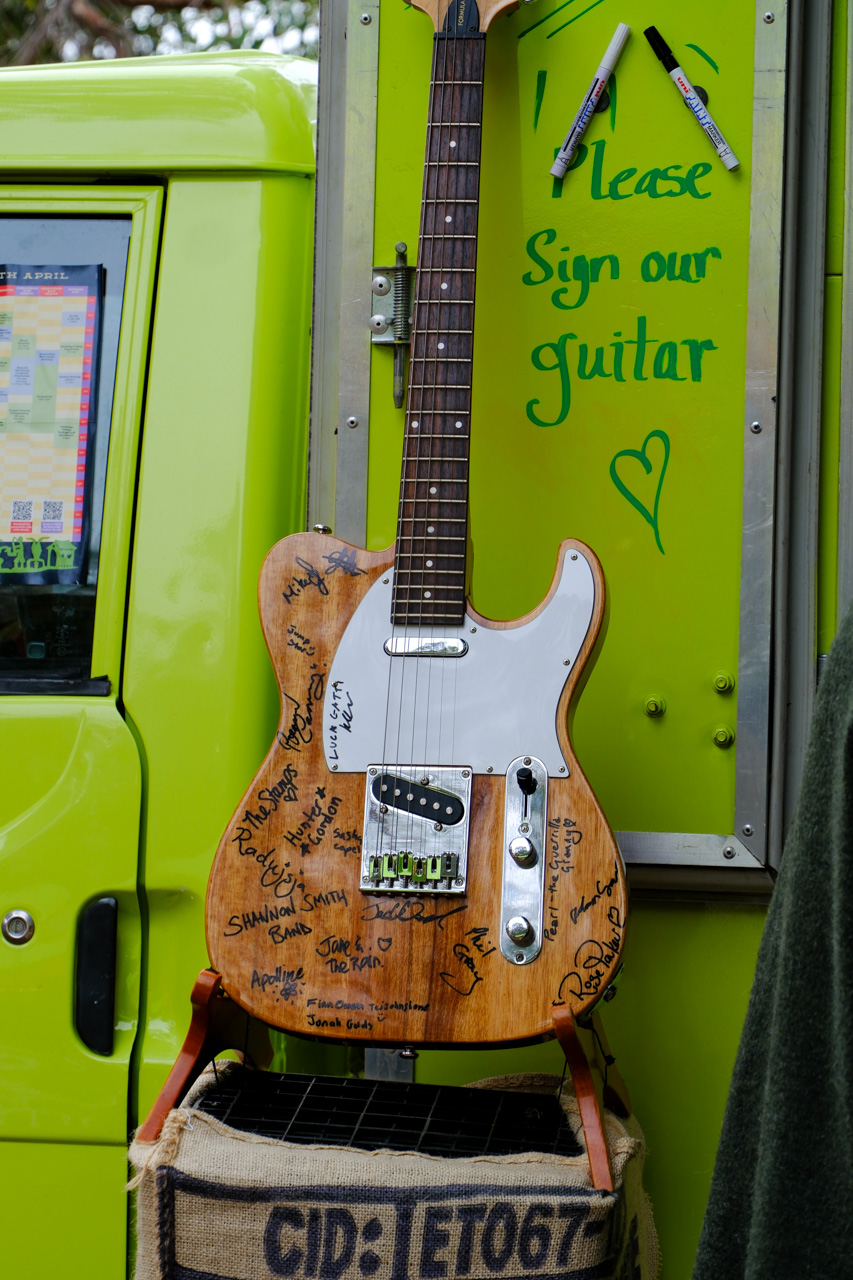
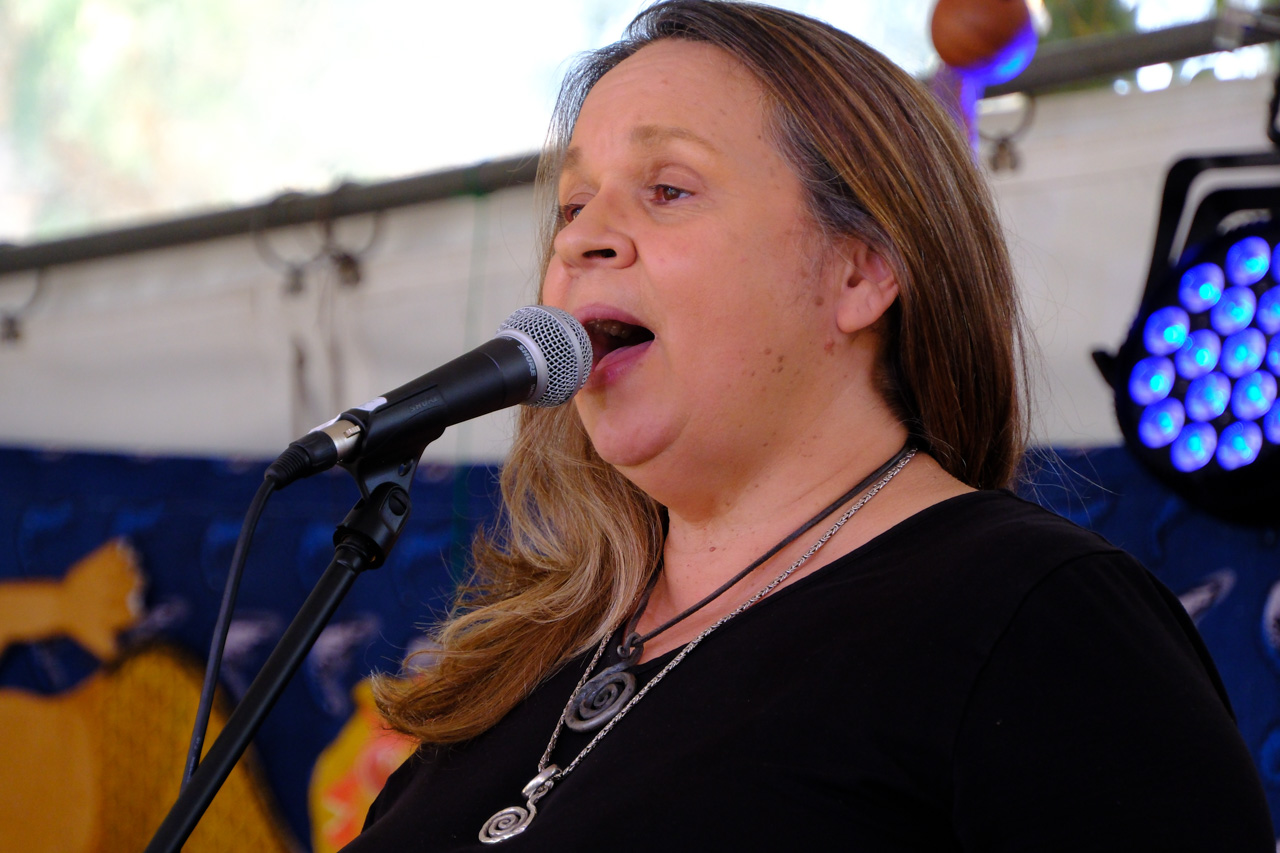
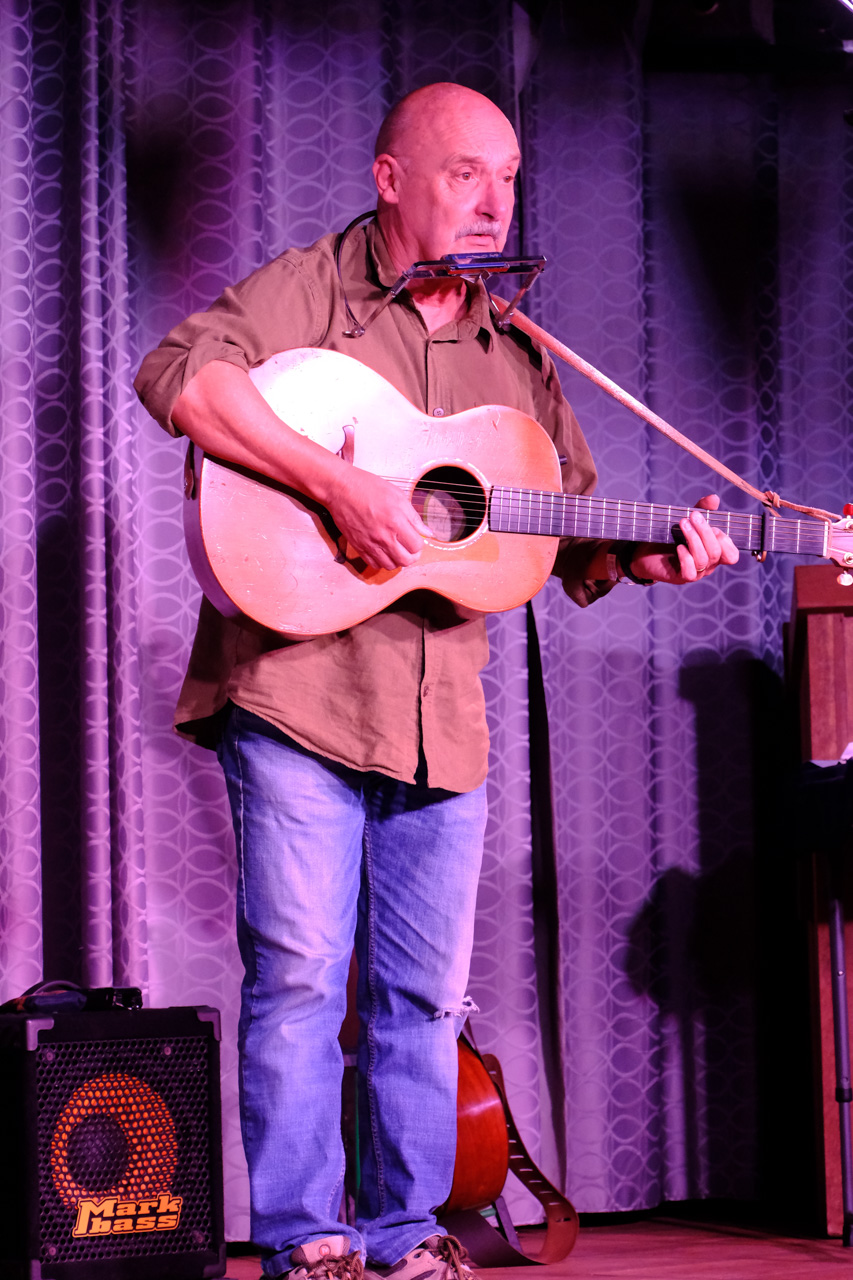
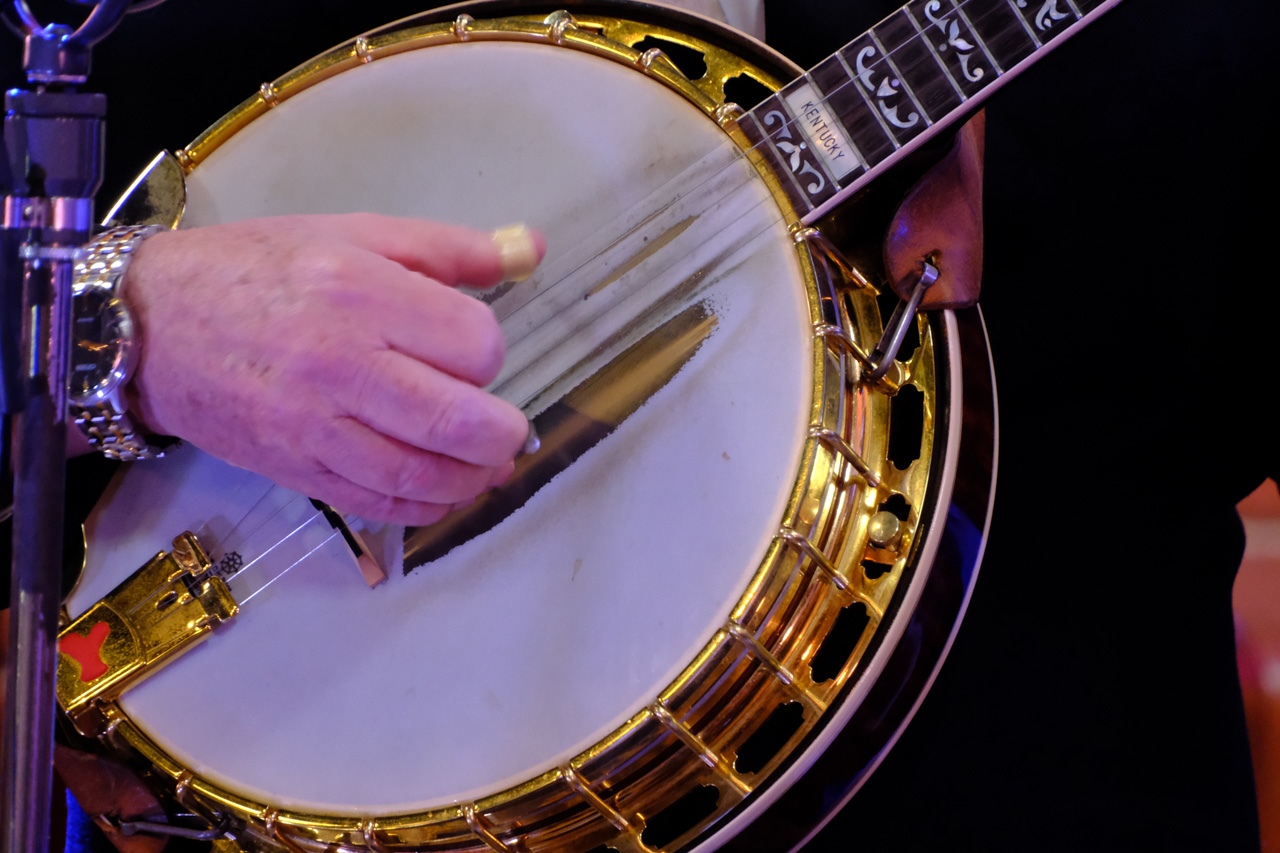
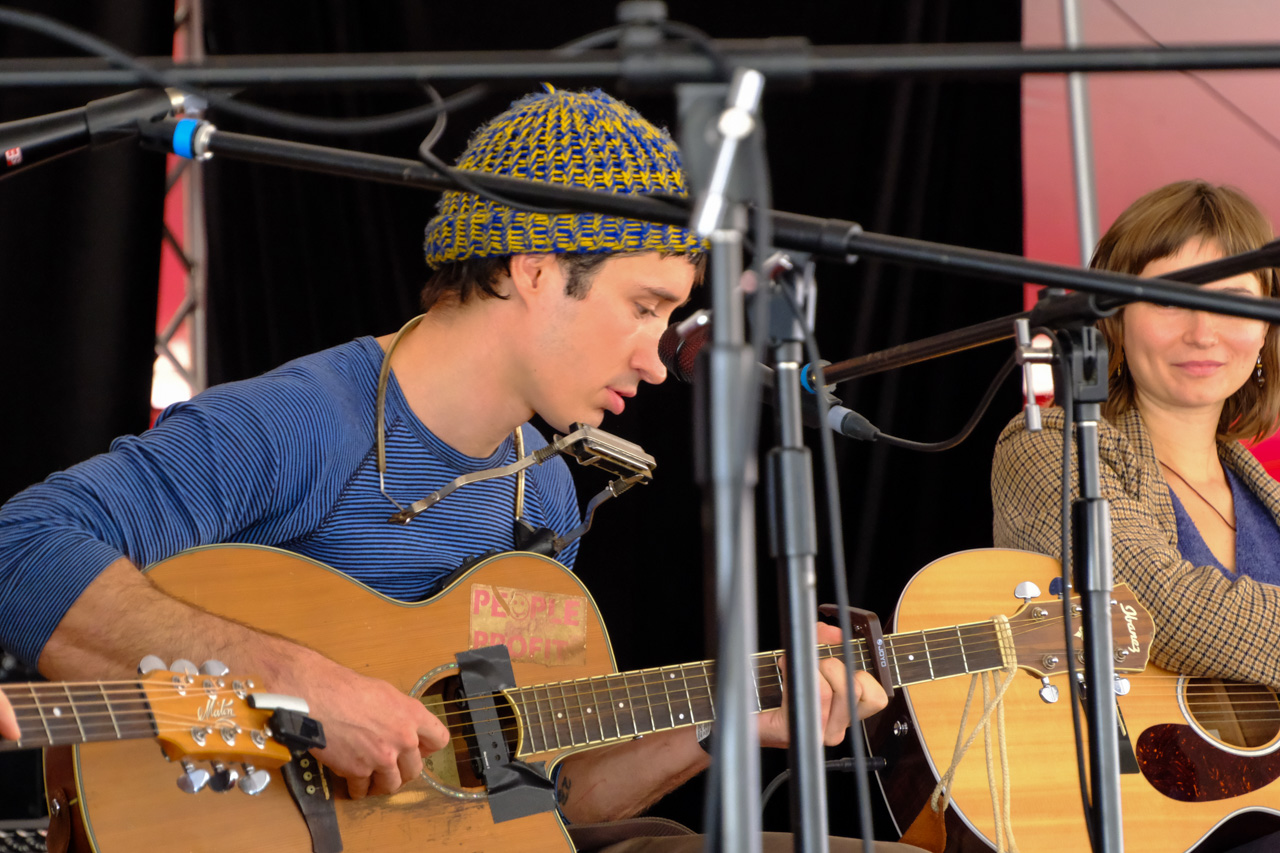
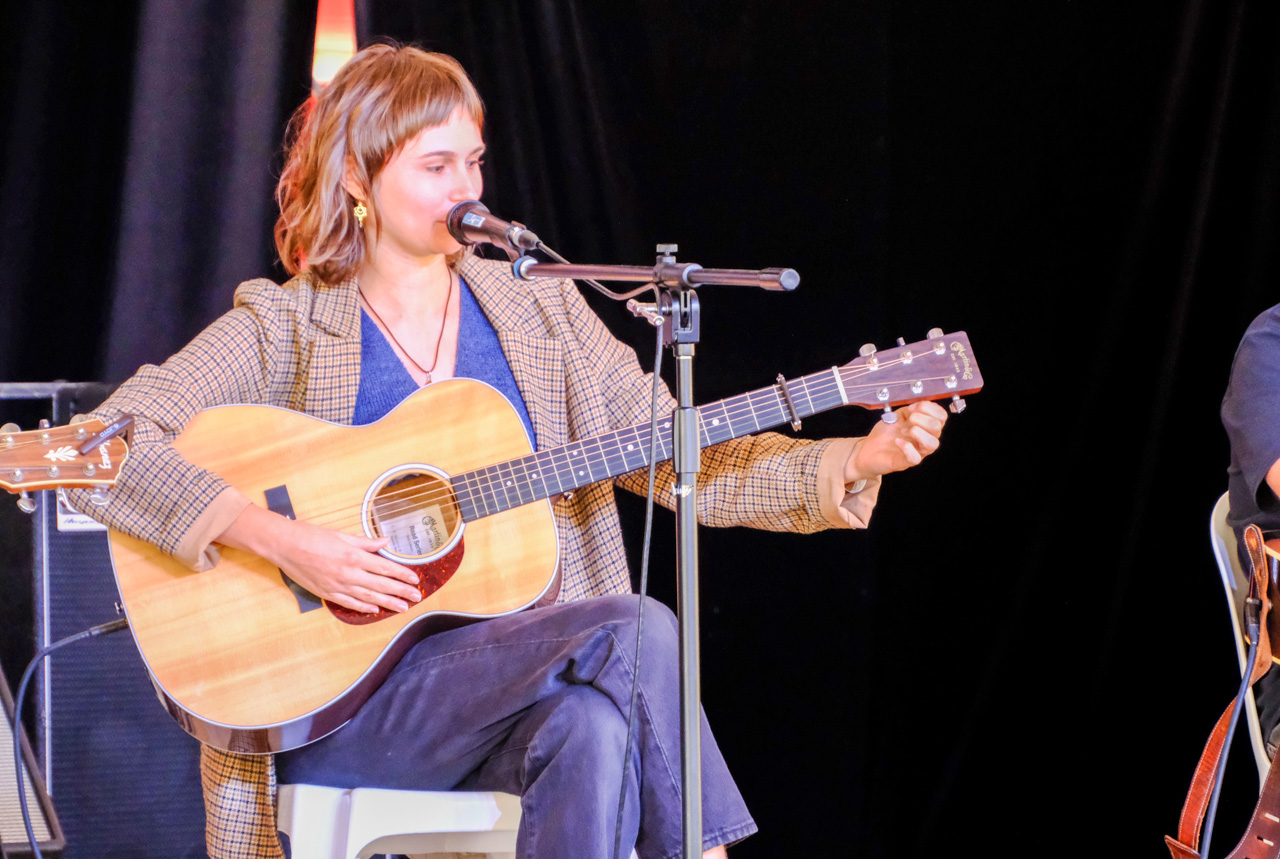
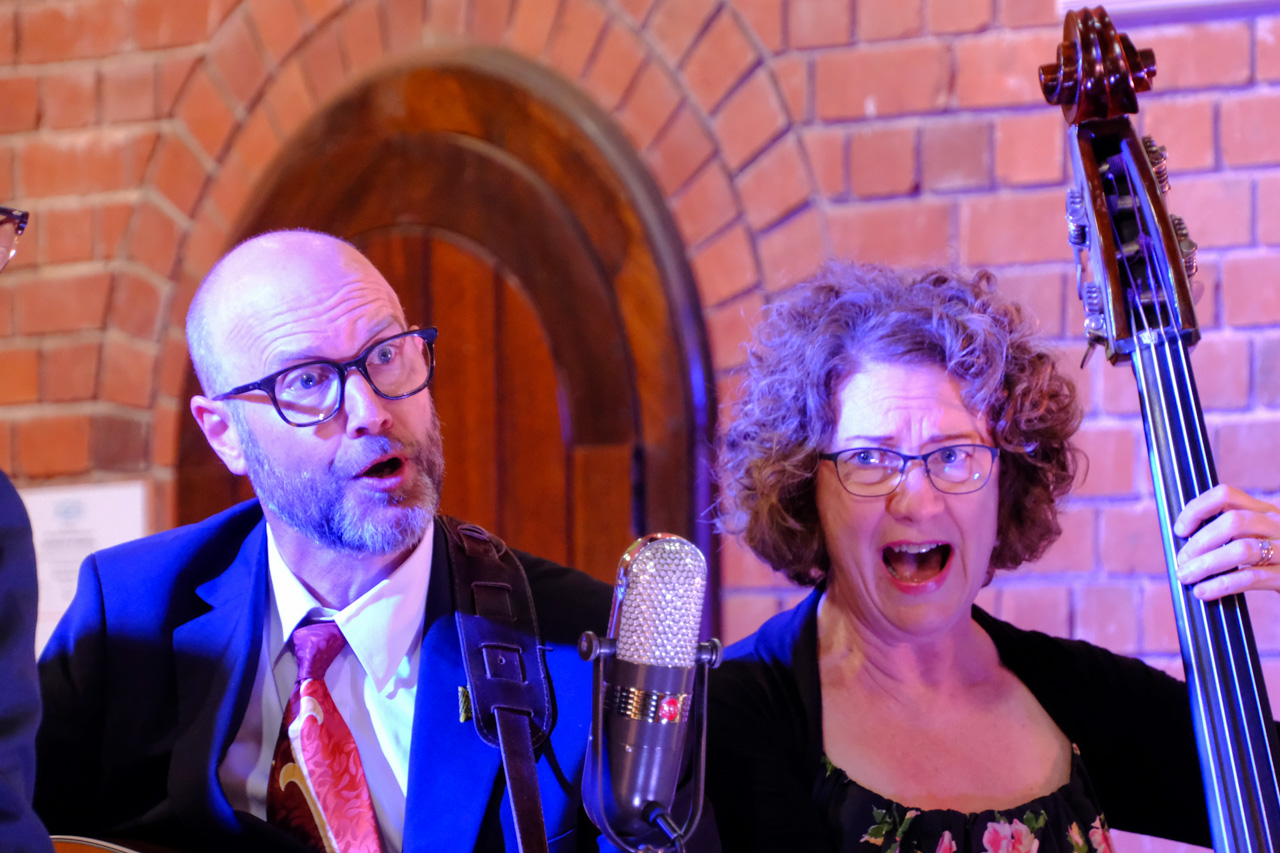
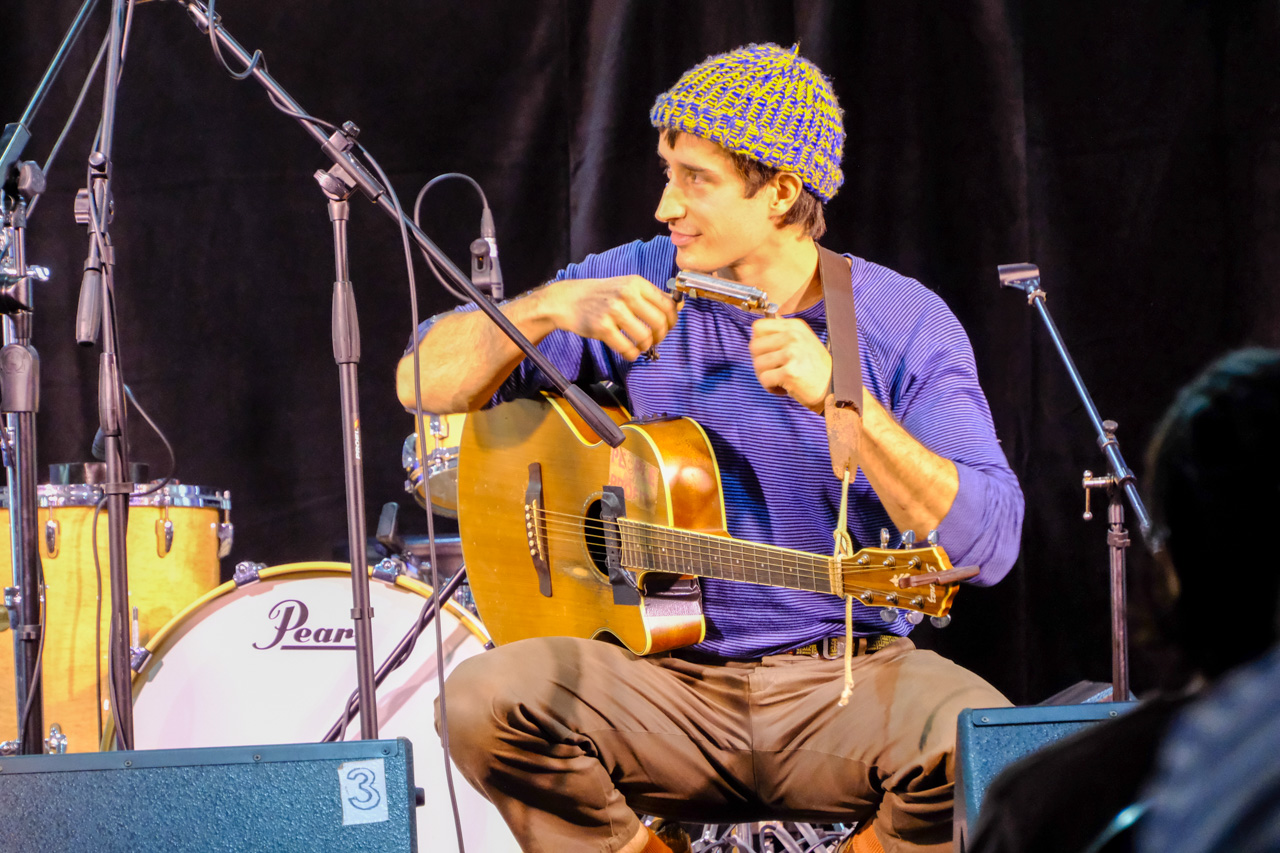
On the folk front, Cope’s aim was to blend the generations together. A selection of the elders within the Fairbridge community—Gina Williams-Ghouse, Bernard Carney, Kavisha, Lucky Oceans, Rose Parker, Scott Wise and Bluegrass Parkway, among others—performed alongside a new wave of younger singer/songwriters: The Stamps, Apolline, Jack Davies, Luca Gatti. Significantly, rather than separate them into specialised performance areas, Cope set them side by side in the same venues. The aim was to acknowledge the past and build a way forward, allowing the generations to influence each other, not work in silos.
All up, this made for a vibrant and different festival. While watching the bands on the main stage Saturday night, the legendary 1967 Monterey Pop Festival came to mind. Granted, there was no place for a Jimi Hendrix to set his guitar on fire, but the energy and ethos were similar. To carry this 60s analogy further, the festival could be described as a cross between Newport and Monterey, though brushed with a touch of WOMAD.

Cope is to be congratulated (and often was from the stage) for putting this stamp on the festival. It was the shot of energy and difference the festival needed to ensure that its comeback is not merely a trip down memory lane but sets a new direction forward.
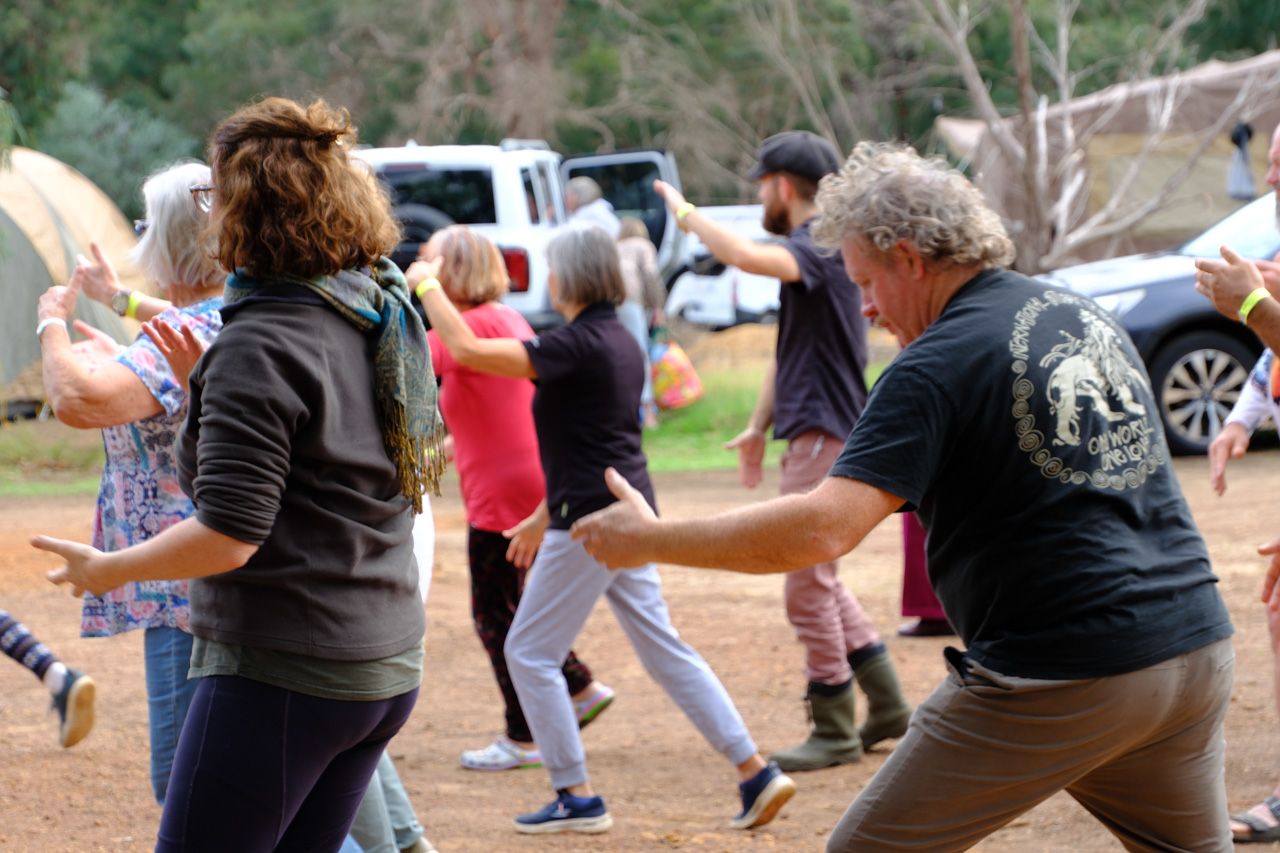
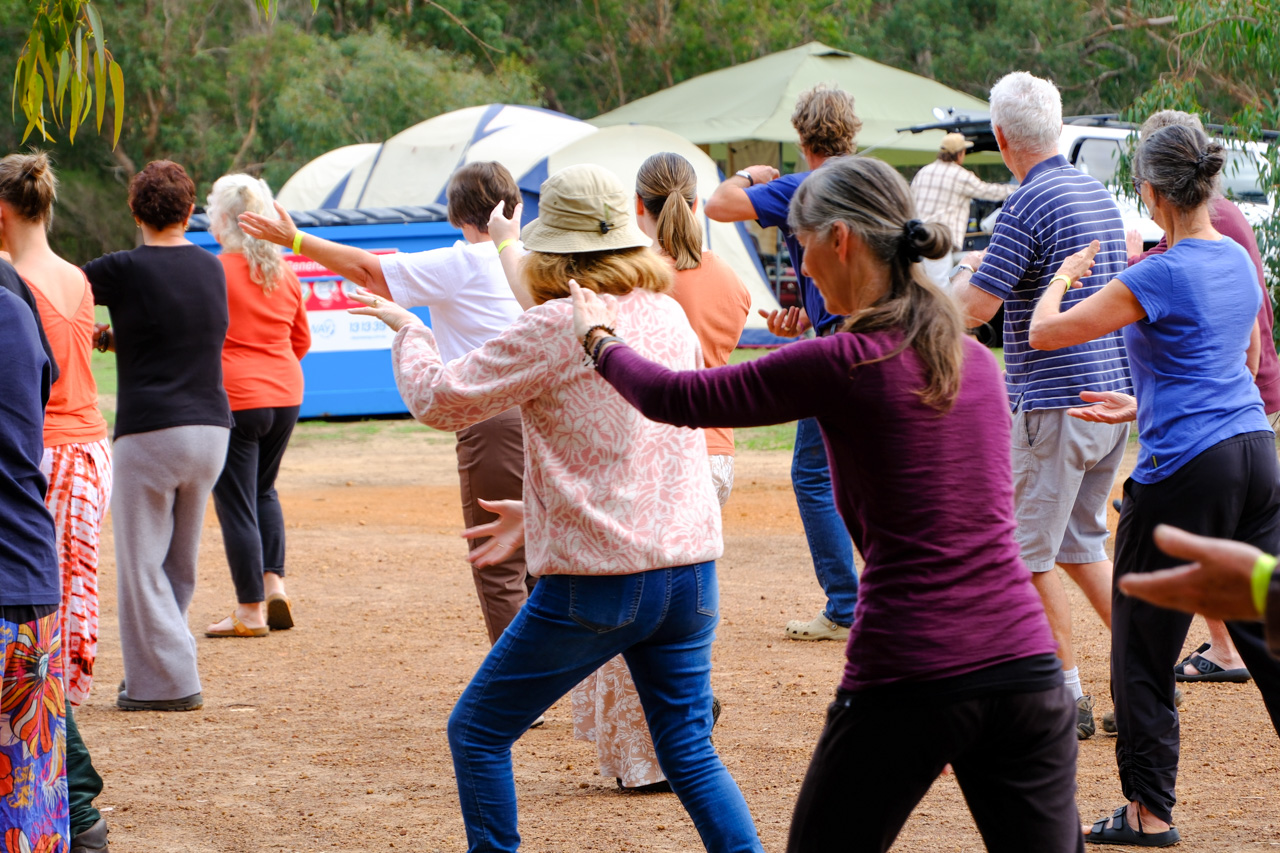
The abiding feeling all weekend was one of excitement, which spread across artists, audiences and organisers alike. The vibe was palpable from the moment you entered the performance precinct and kept up until the very end of the Farewell Session on Sunday night.
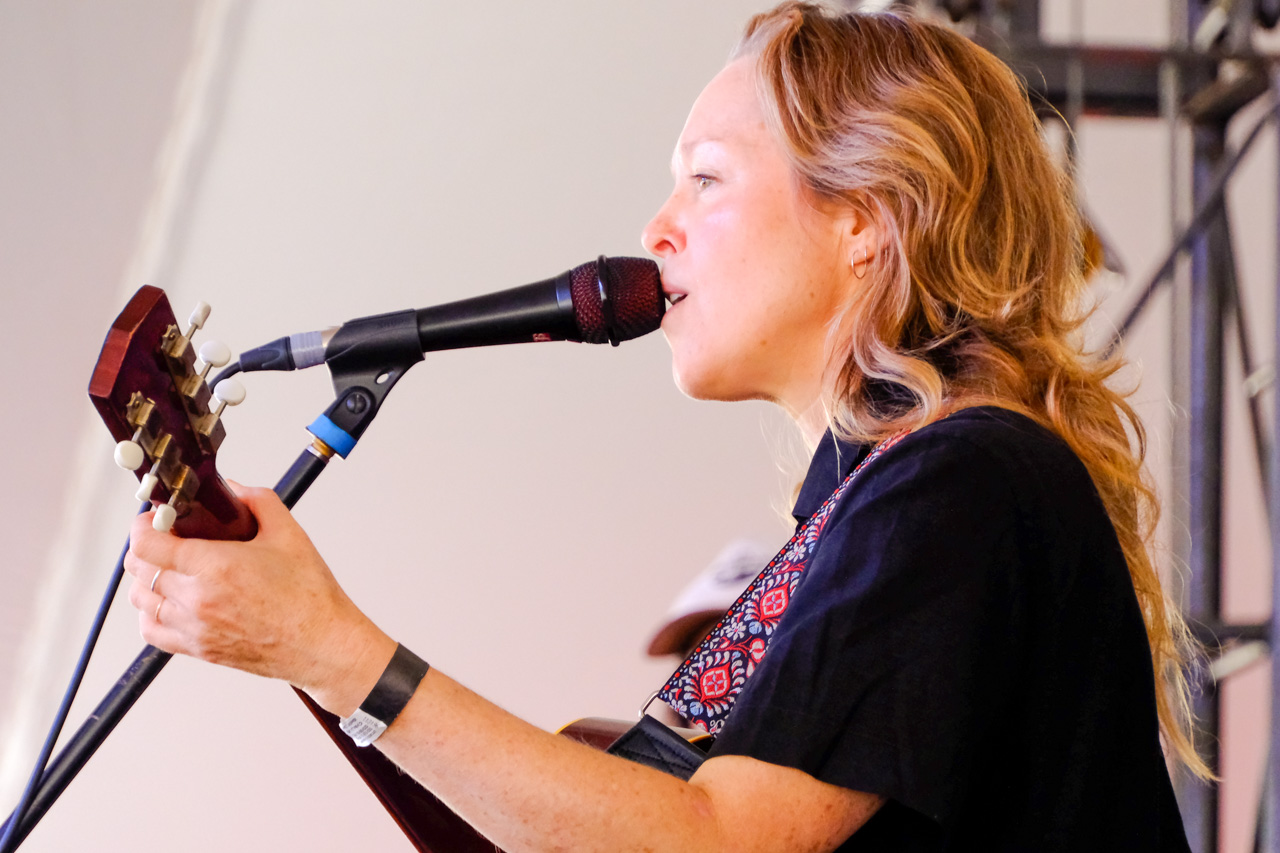
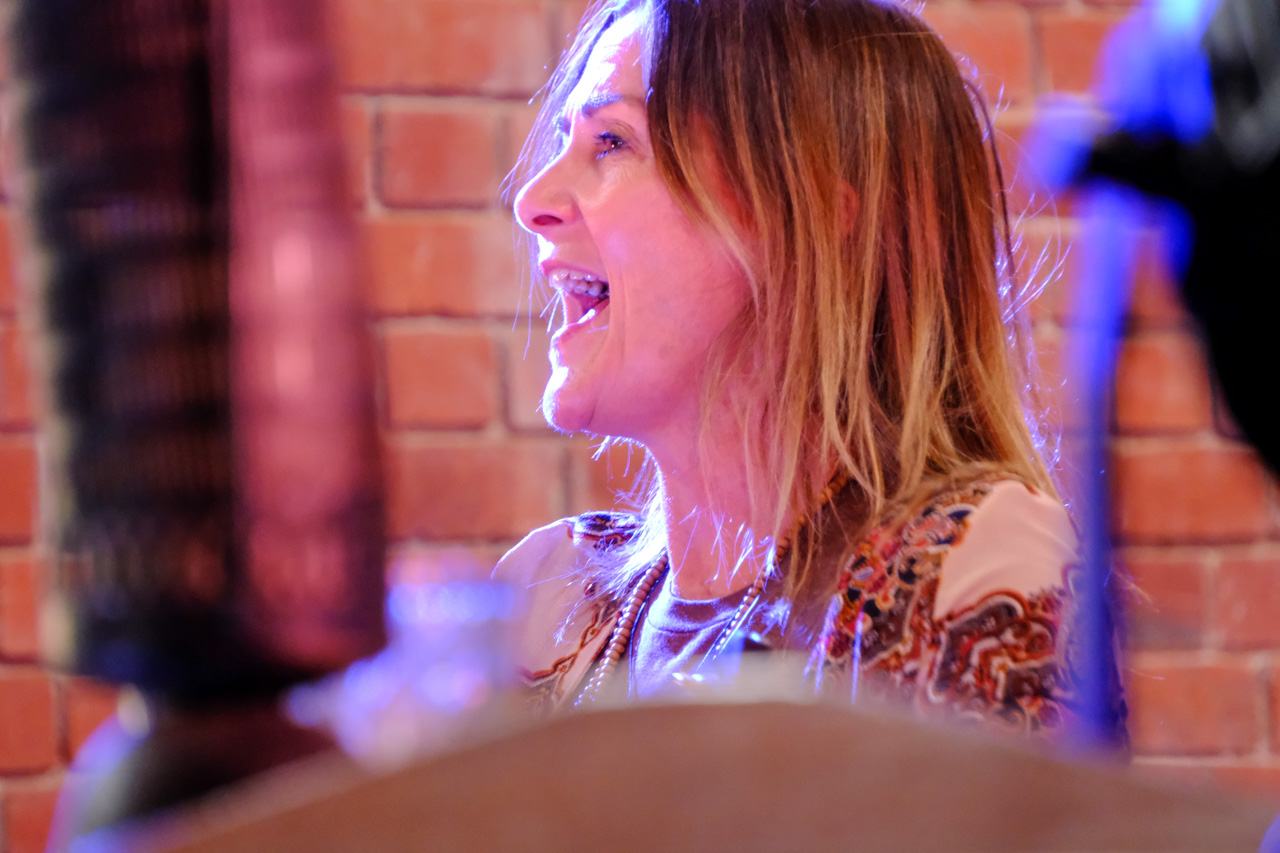
The artists were exuberant, playing their hearts out and delighting in their receptive and enthusiastic audiences. The audiences were driven by that inner glow and sense of exhilaration that comes from listening to sensational music. The organisers were forever grinning ear to ear, proud that all their hard work had paid off.
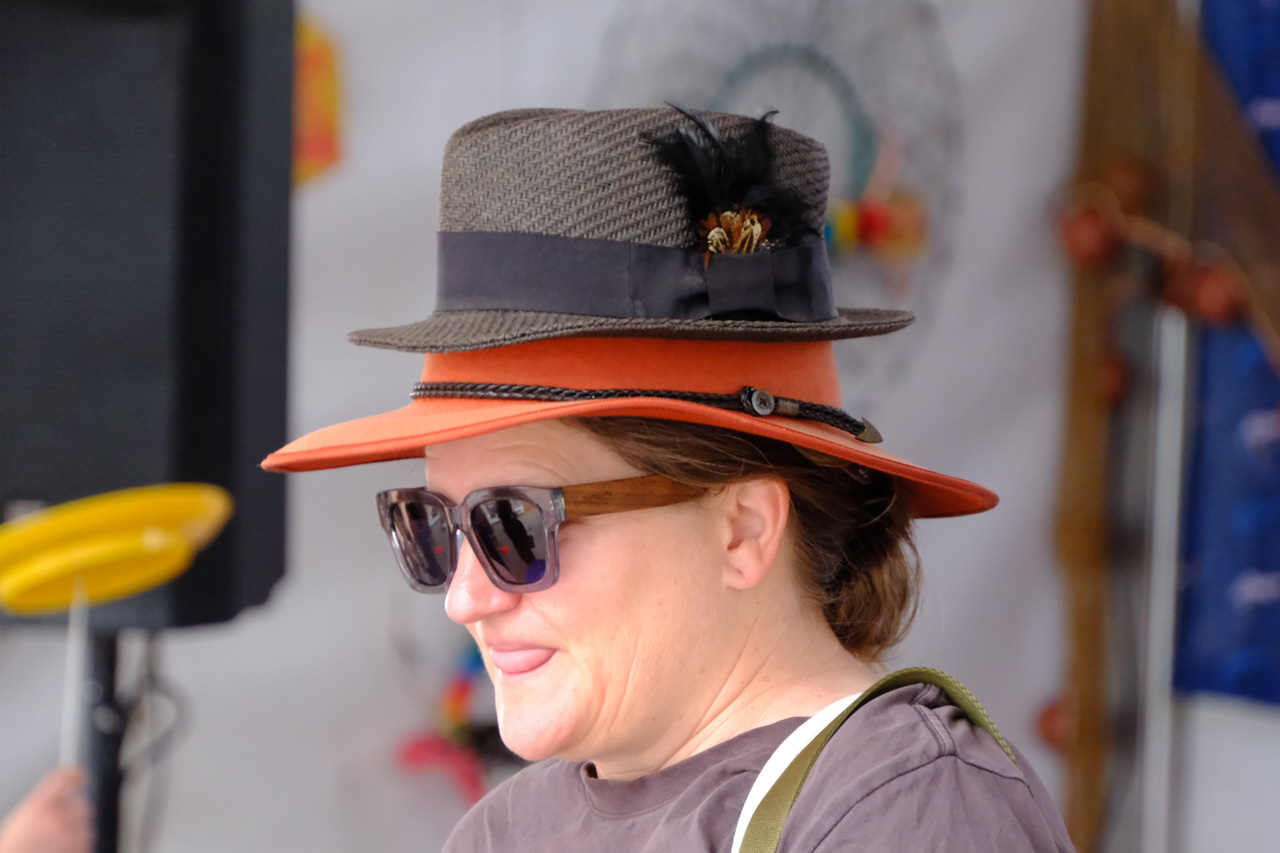
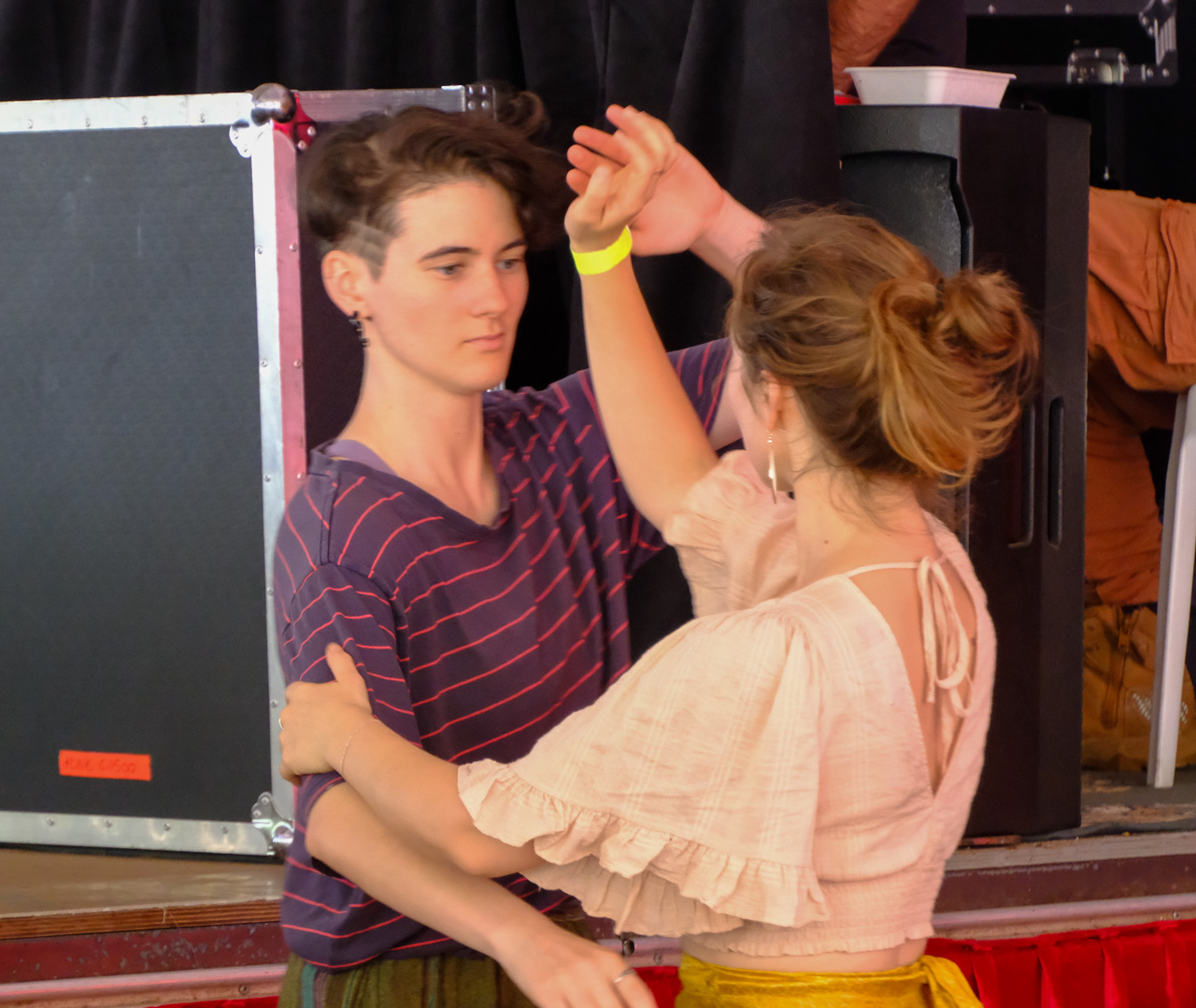
The mood of the audience was best encapsulated by two of the more prominent dancers. A young couple of WAAPA grads tangoed their way through many shows, most notably the finale highlight show, while on Saturday night a solo male dancer in a neat bushman’s hat and patterned hippy jeans strutted through the Neil Young tribute show and along the lip of the dancefloor at Jazz Tupi’s Brazilian set. Their egregious display exuded excitement and abandon.
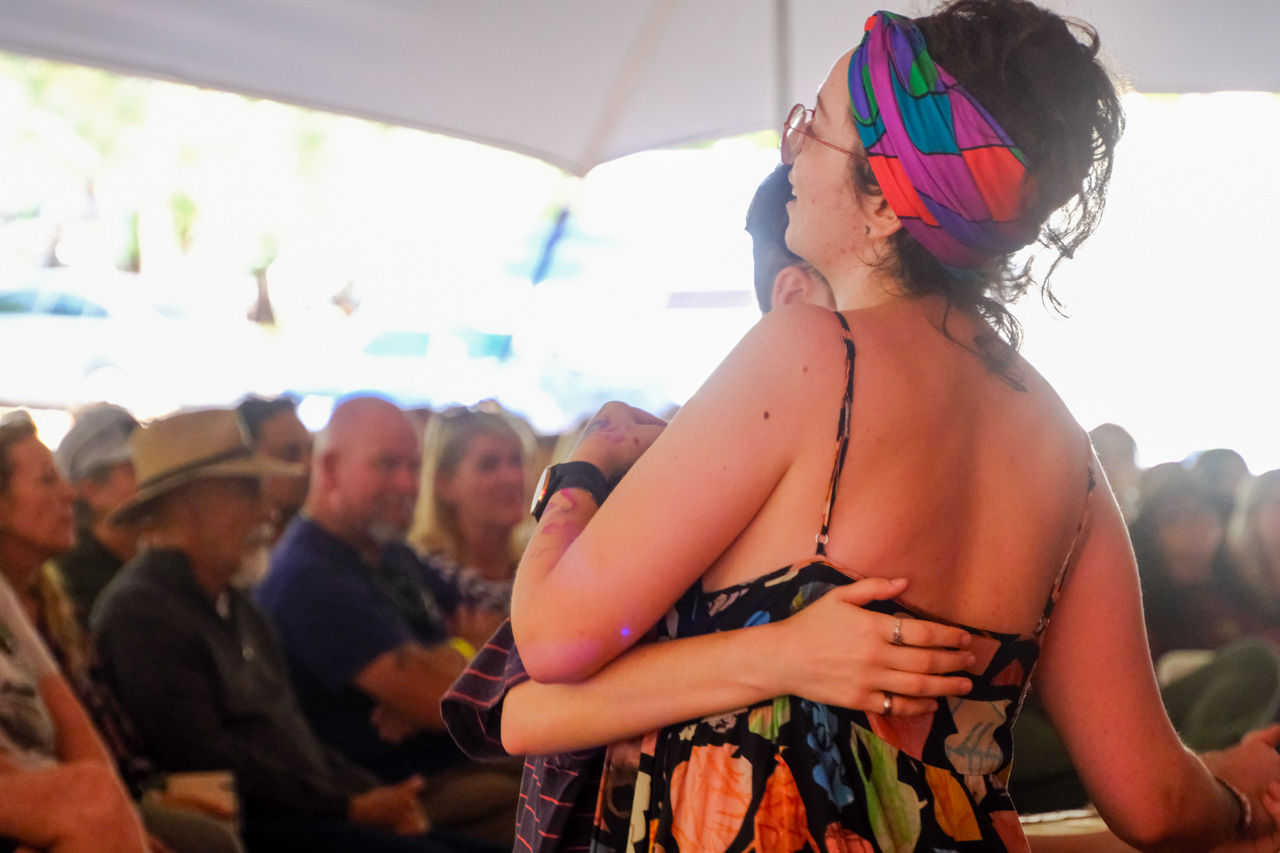
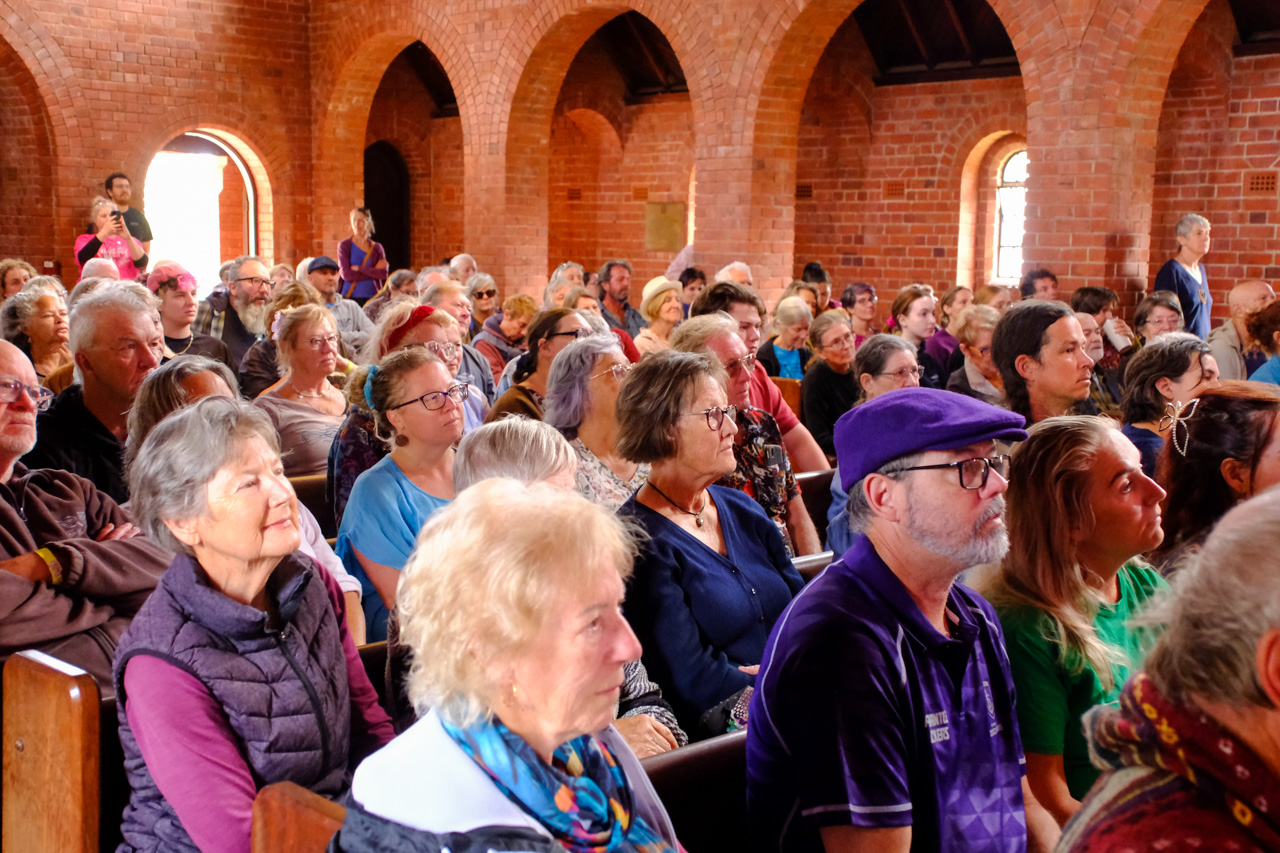
Even with a reduced number of acts, it was difficult for anyone to see all of them. Even attending half of what was on offer would exhaust all but the most ardent of music lovers. People tended to follow specific lines of interest, either catching up on their old favourites or exploring the new artists. Again, it is a testament to the strength of the program that these and many other pathways could be built through it. All of the acts were of a uniform high standard of musicianship, while the highlights varied with individual taste.
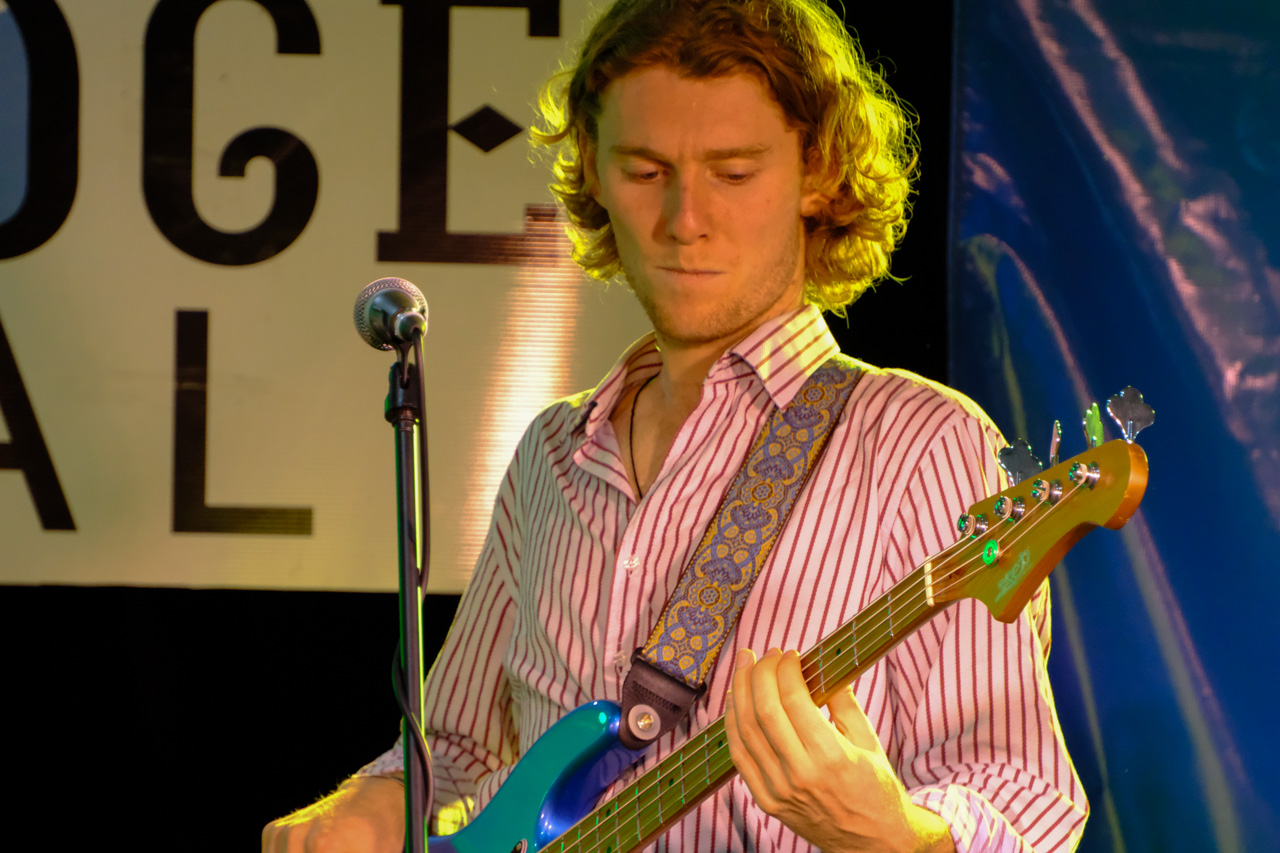
Two acts in particular, though, did receive universal praise. The duo Emily Gelineau (violin/vocals/keys) and Danilo da Paz (guitar/accordion) performed both a reflective jazz show and with their vibrant Brazilian quintet, Jazz Tupi. The word quickly spread after their jazz violin spot that they were a pair to watch. The dance floor at their main stage Jazz Tupi show was packed while three of the four songs they played in the Highlights concert received standing ovations.
The second standout was singer/songwriter Jack Davies. His participation in the Saturday morning Song Cycle and single spot in the Chapel were widely praised.
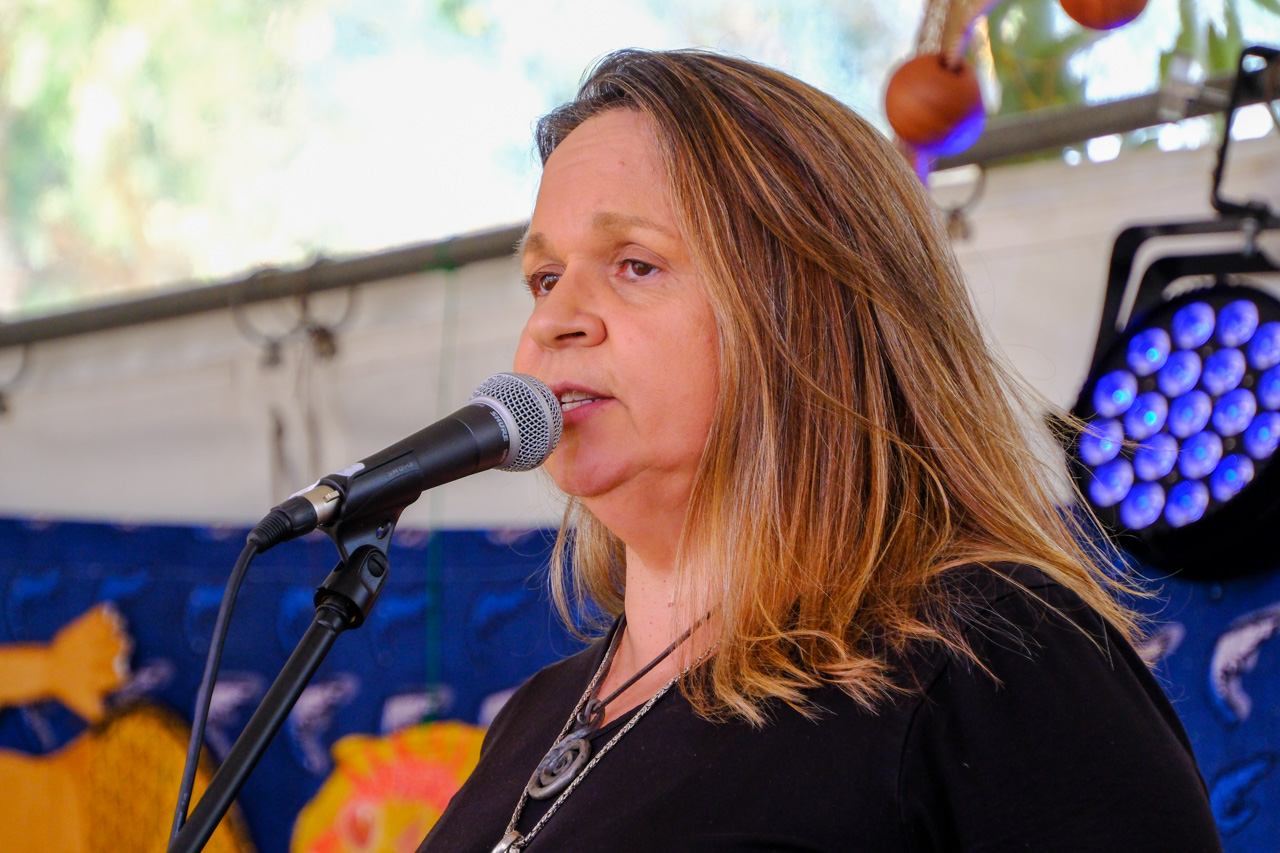
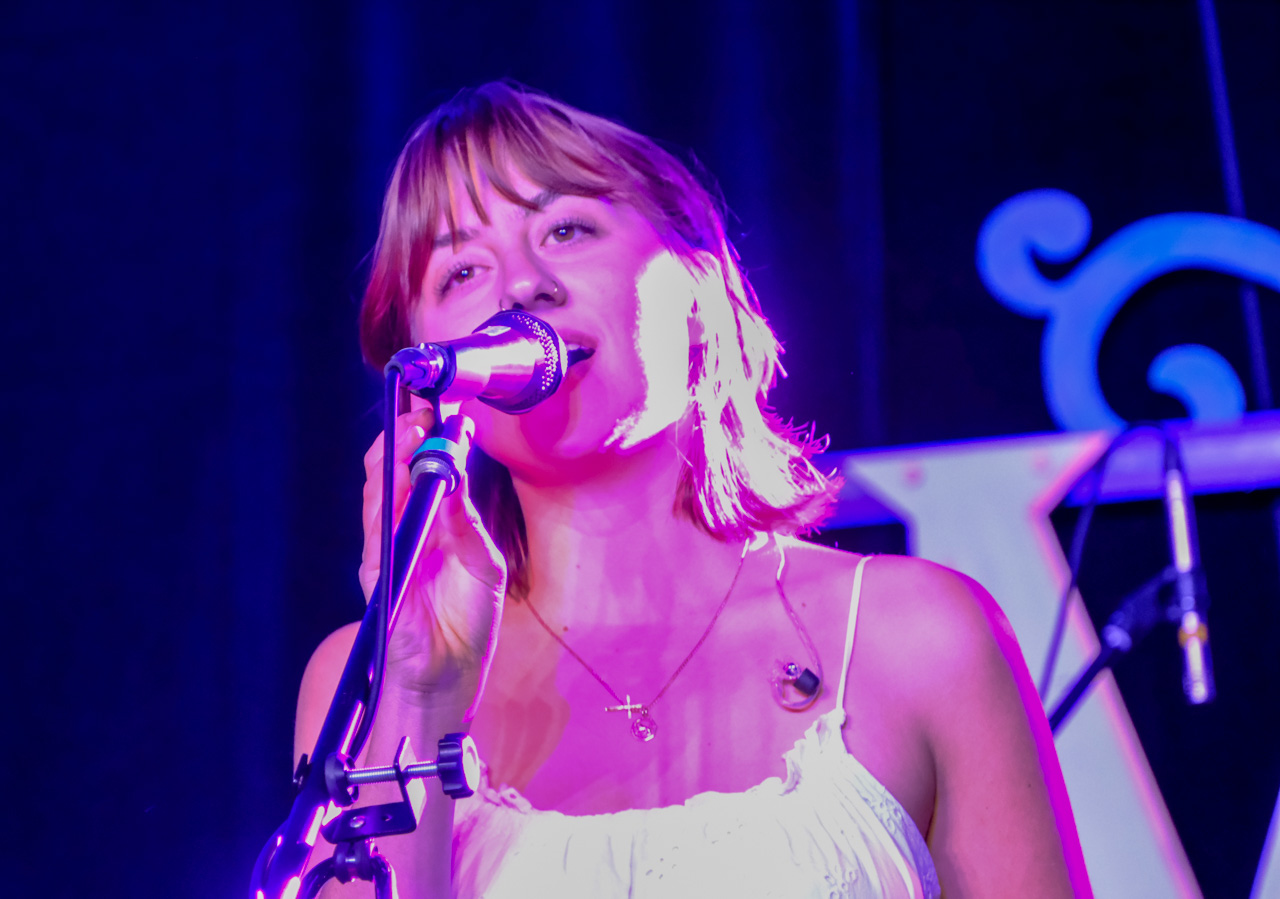
Some of the other highlights were Gina Williams-Ghouse performing in the Chapel the wedding vows for her late husband, Guy Ghouse, and the Noongar version of Moon River that closed her set; The Human Highway rocking out on Neil Young’s Ohio and Heart of Gold; and Rose Parker and friends performing her original Sycamore Tree in her Heartstrings by Candlelight show in the chapel—the candlelit space was magical.
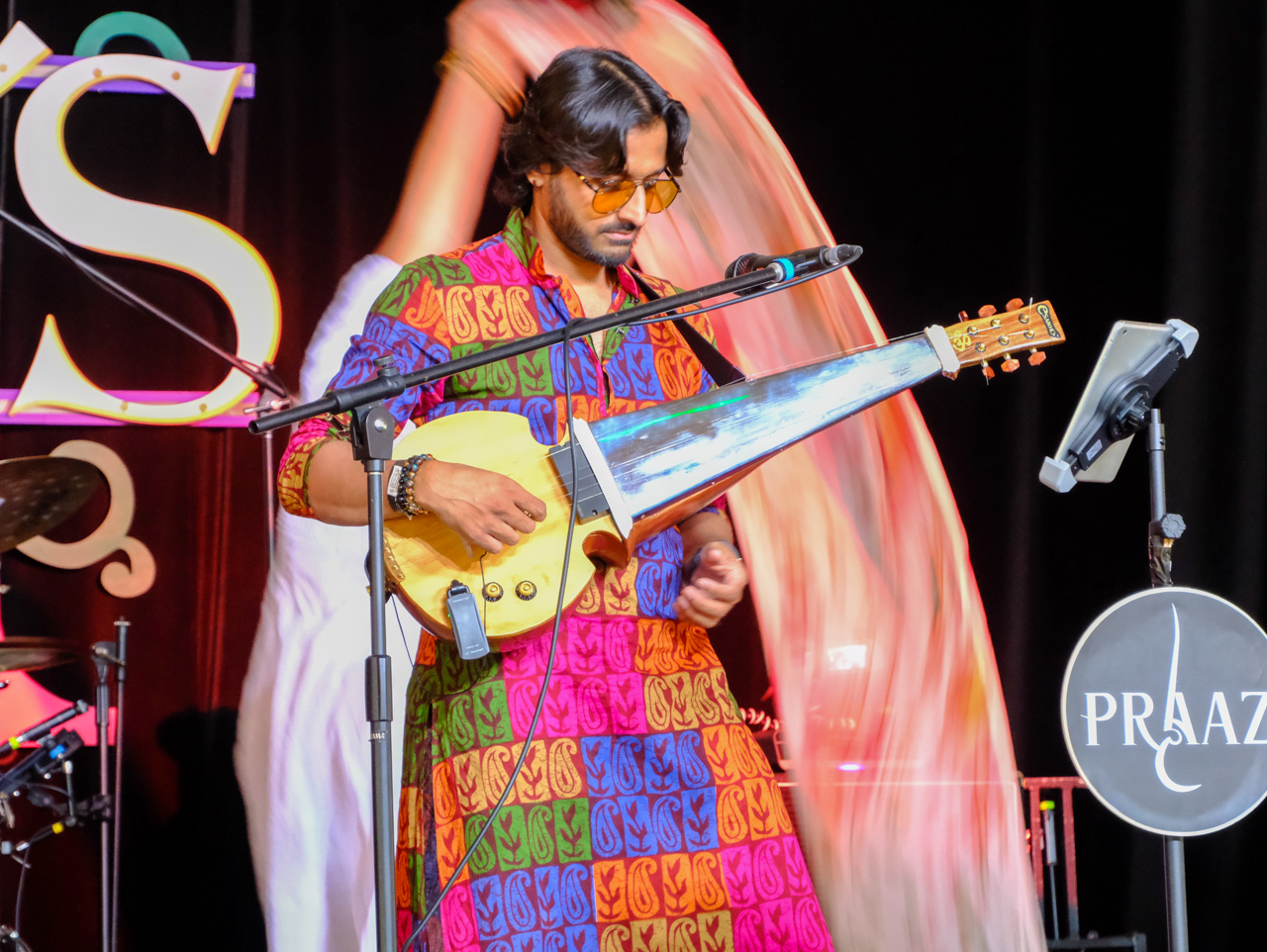
Other memorable moments included Salama Island Rhapsodies performing their vibrant dance rhythms in the Club House; Lucky Oceans and Praashekh Borkar in their sensational World Slide Summit; Kavisha singing We Are Angels to close her set; and Jane and the Rain’s take on Wichita Lineman.
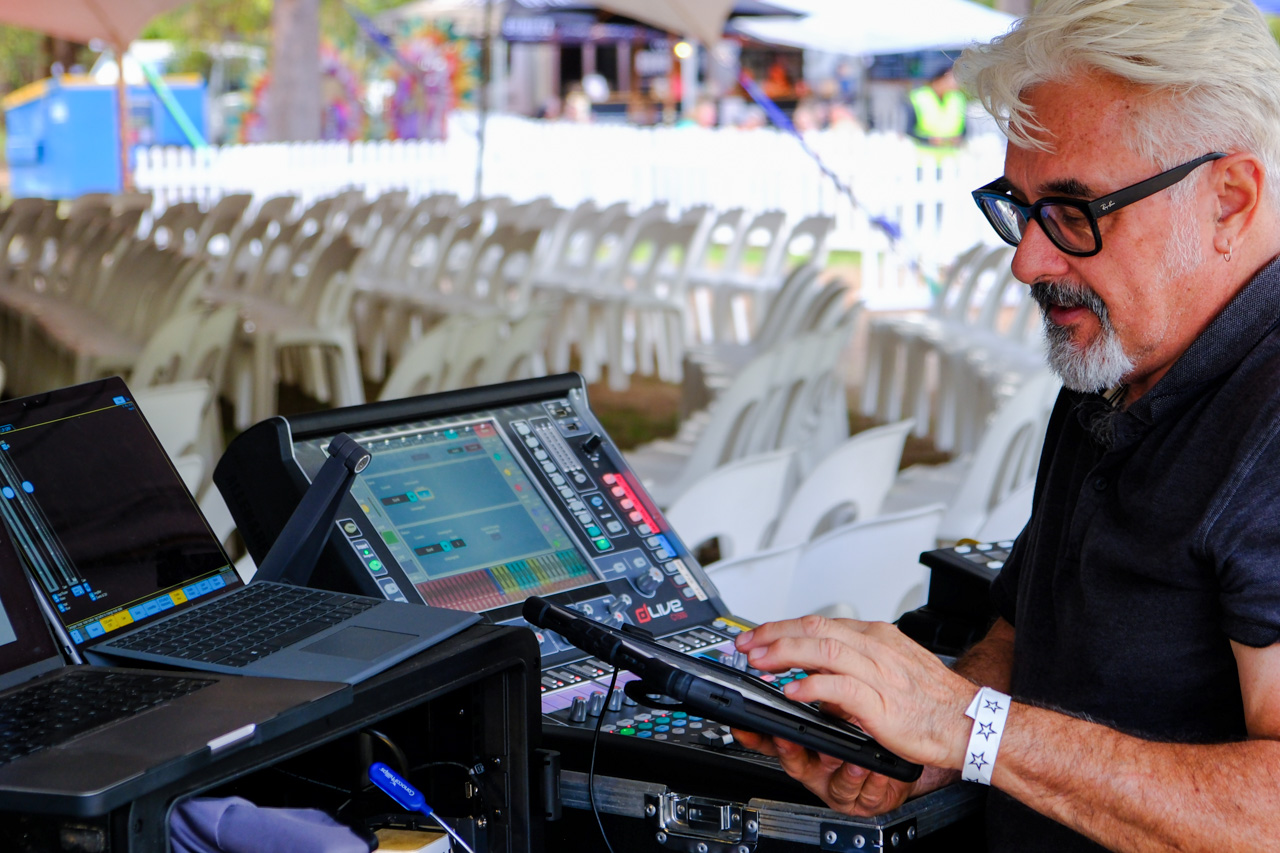
But it was all wonderful, and everyone who attended will have their own special moments. The sound engineers did a fantastic job, often in fifteen-hour shifts, and the subtle lighting in all of the venues brought the spaces alive.
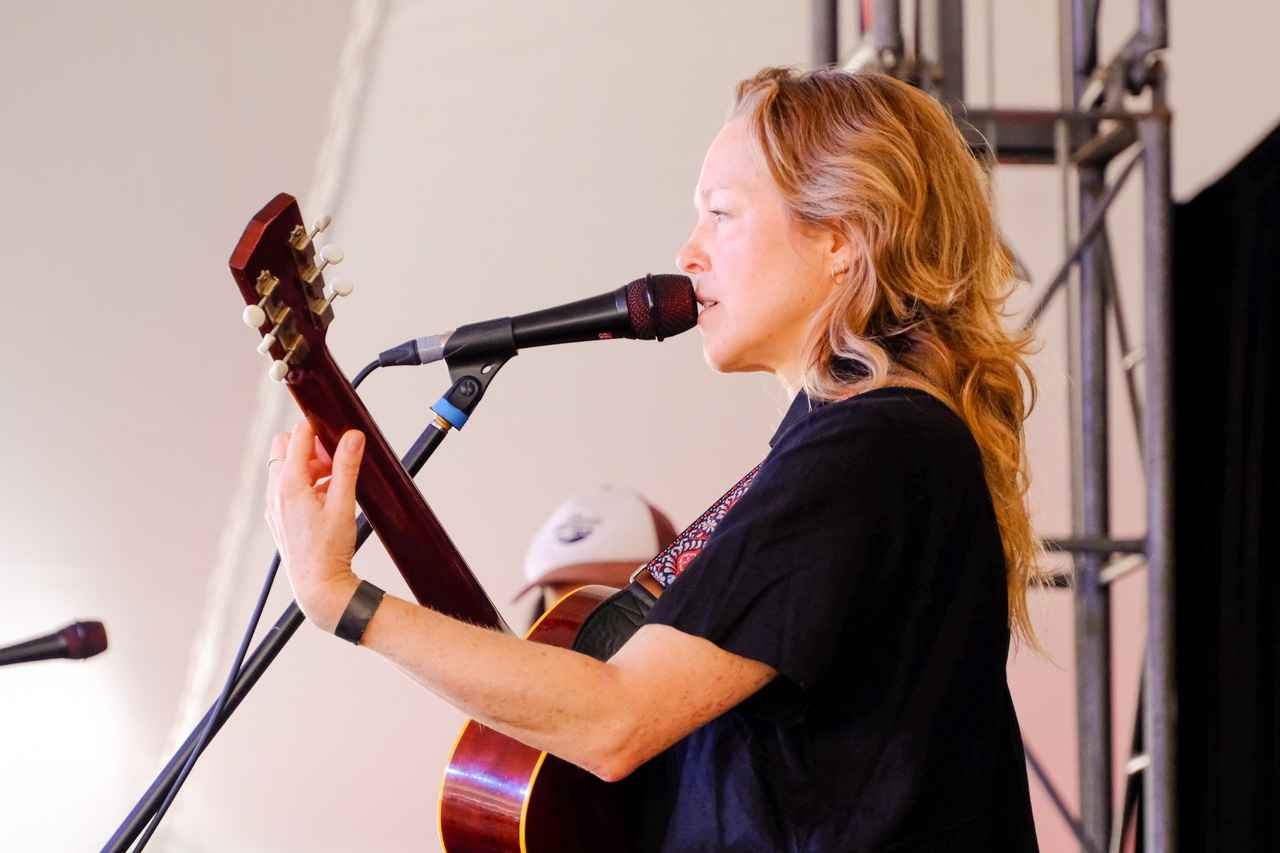
1,500 people was a manageable size for the festival. It was much easier to move around the site; the walkways were not congested, and there was usually a seat available at all of the shows. There was no crush. Of this 1,500, some 1,200 were patrons and 300 workers and artists. This limit was set by Fairbridge Village, the managers of the site. Depending on who you spoke to, this was somewhere between a quarter and a third of the former peak. The fields to the east of the site were no longer available for camping, while the ones north of Fairbridge Drive, the old carpark, were also off limits. These are now used for grazing cattle, and the risk of infection for the herd precludes human presence. Instead, the campsite and parking were relocated to the oval and the grounds between the permanent cottages. Without the extra space, the absolute maximum attendance is 2,000. This will remain the limit for the foreseeable future, meaning the festival will remain at its current scale. In many ways this is a good thing; everyone preferred it small, the pressure was off, and it was all so much more relaxed. Many of the performers said as much from the stage.
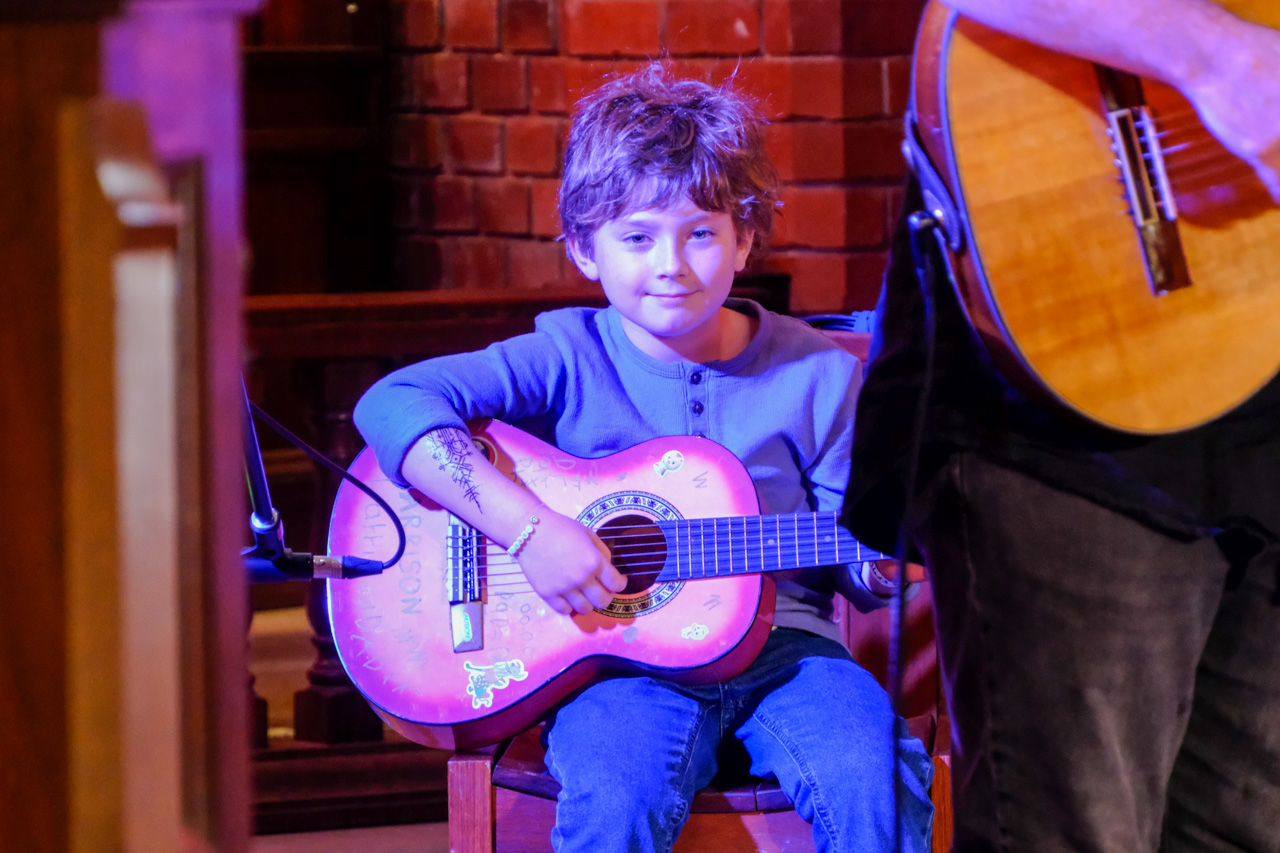
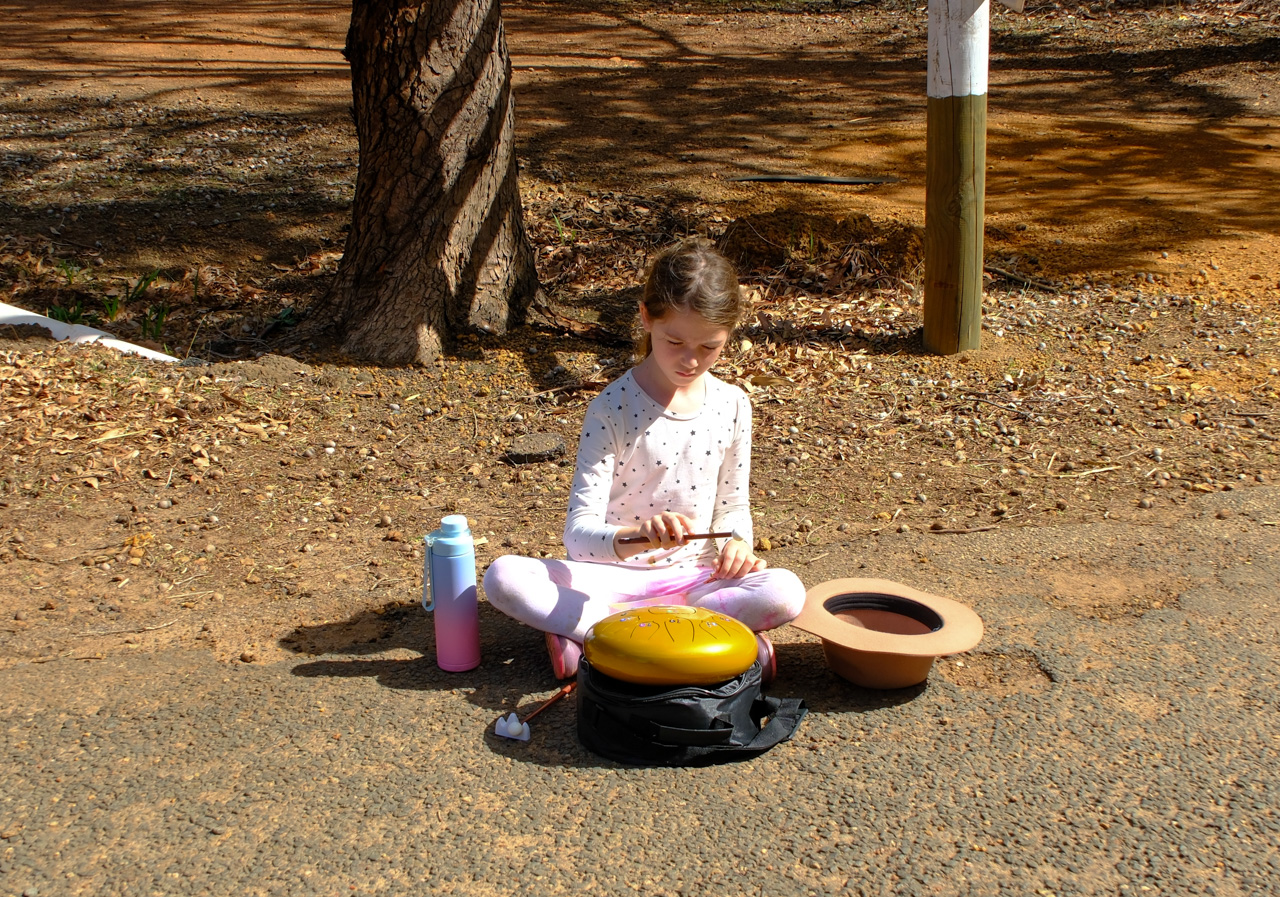
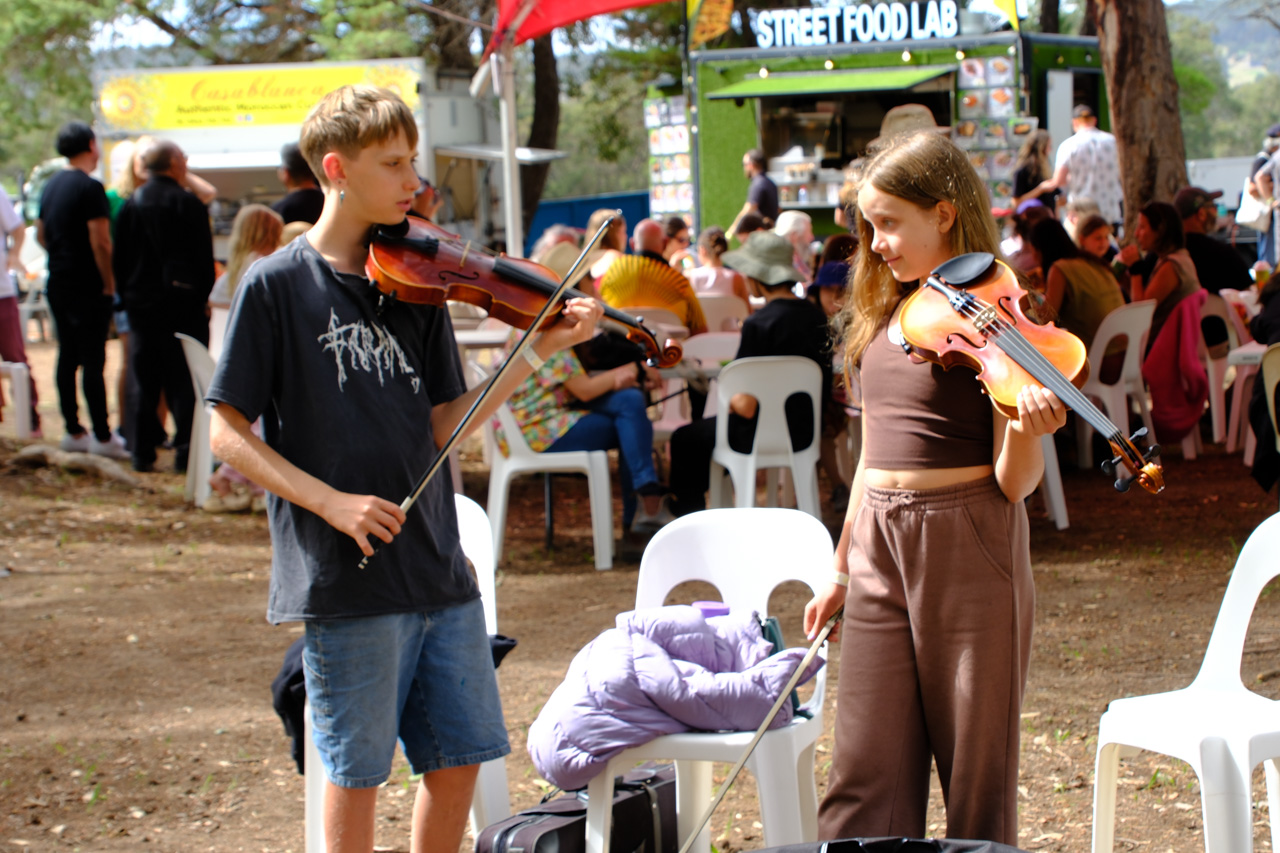
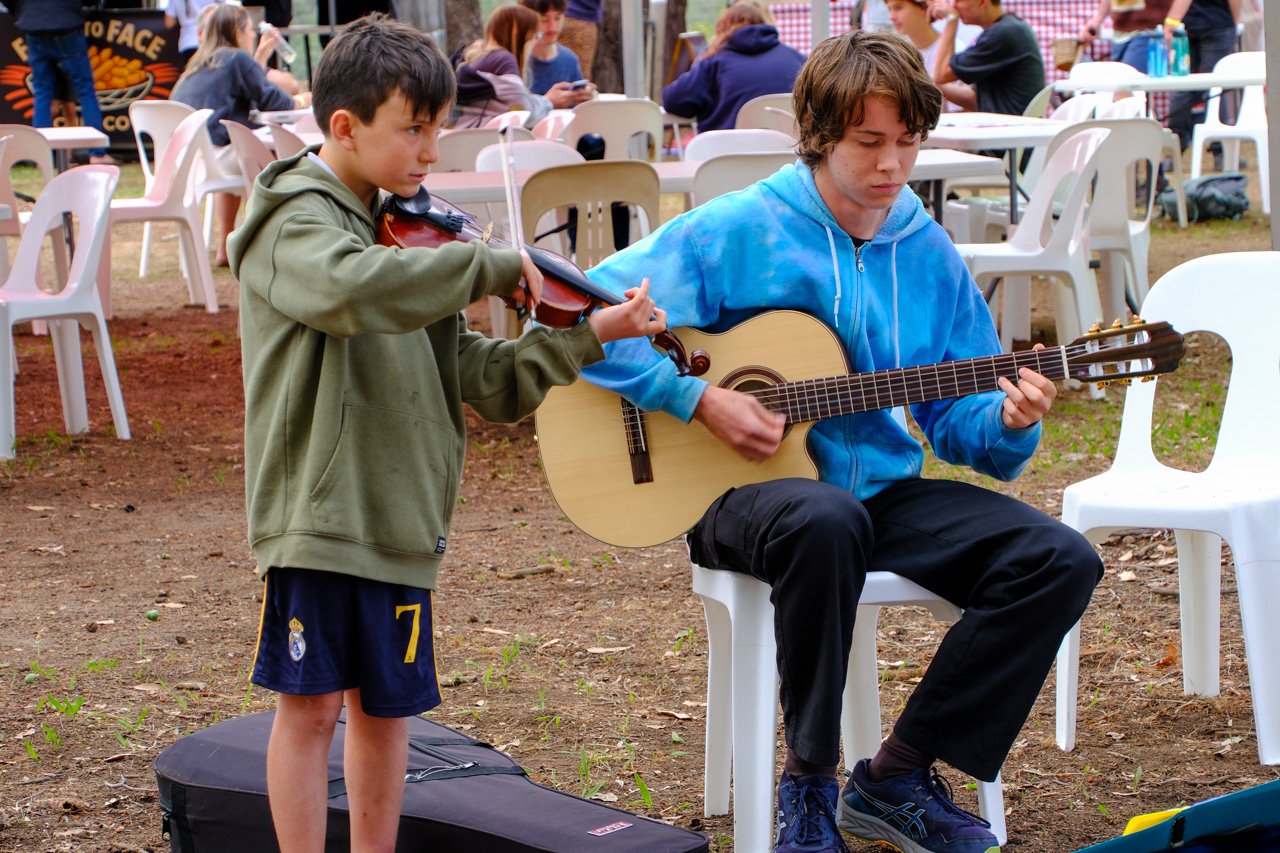
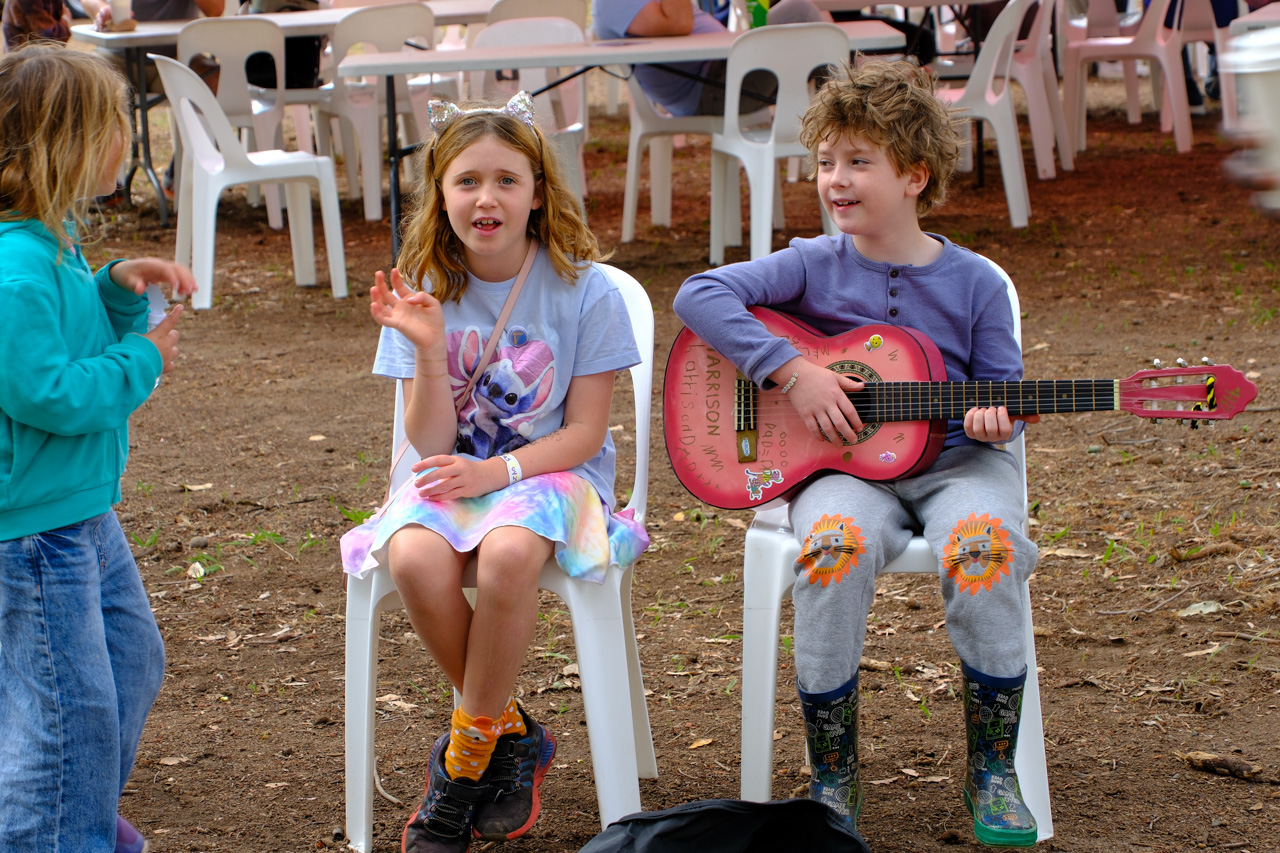
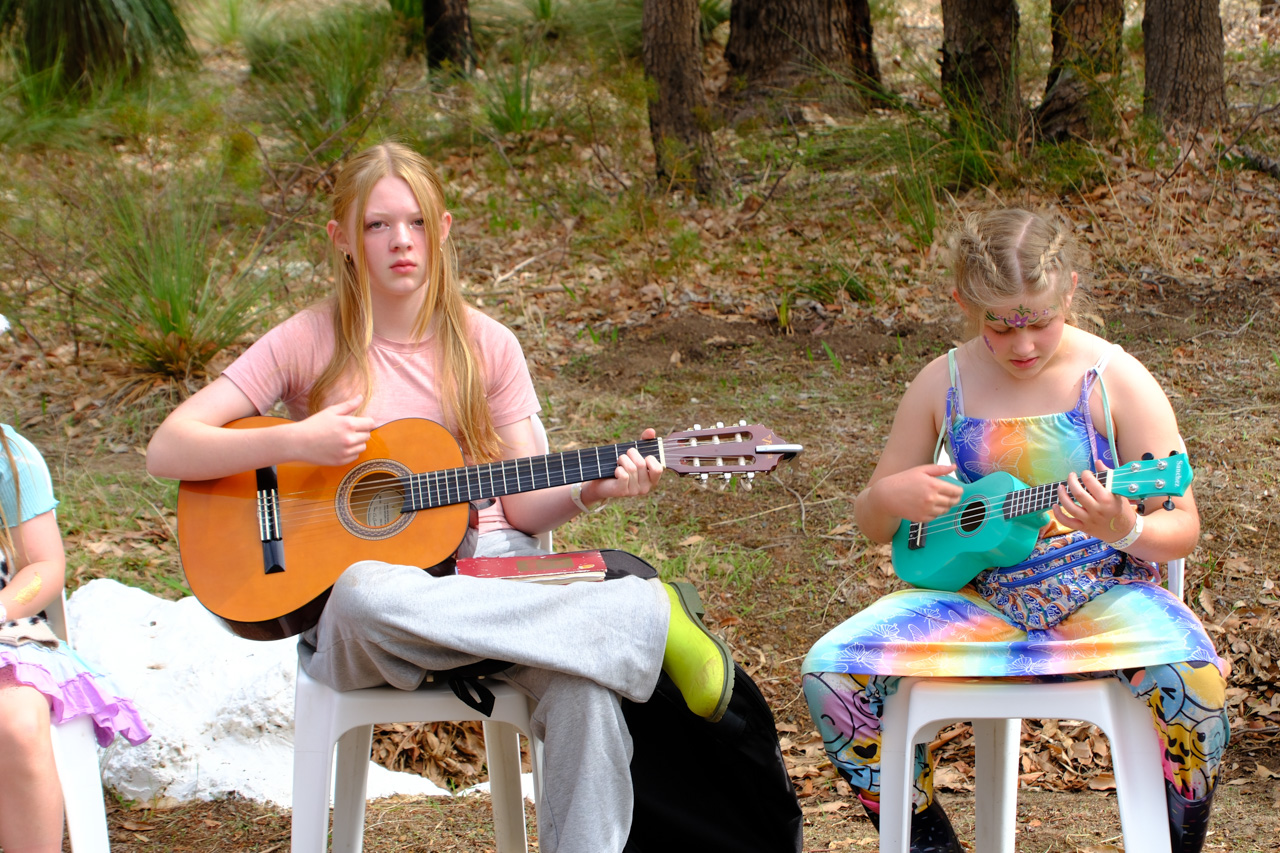
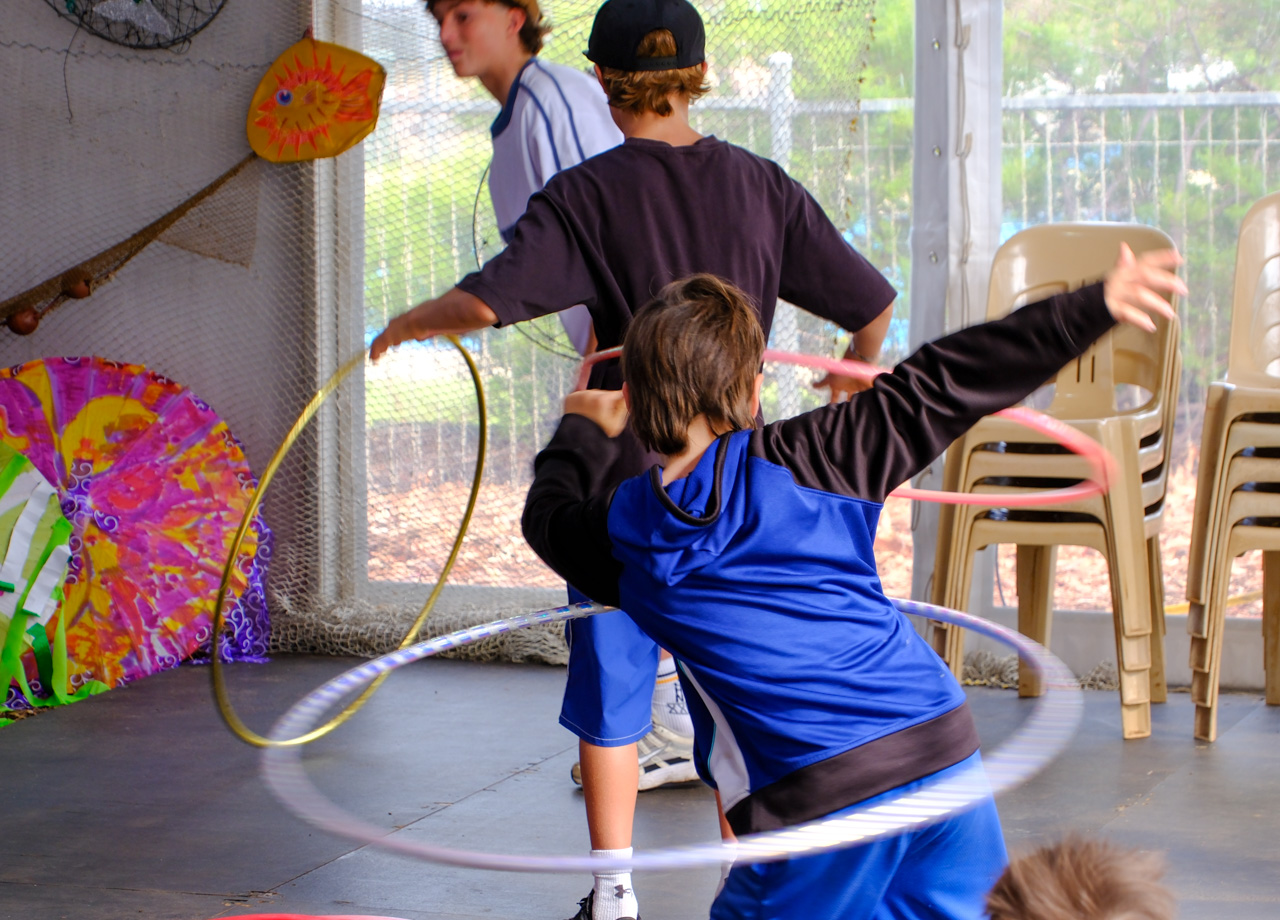
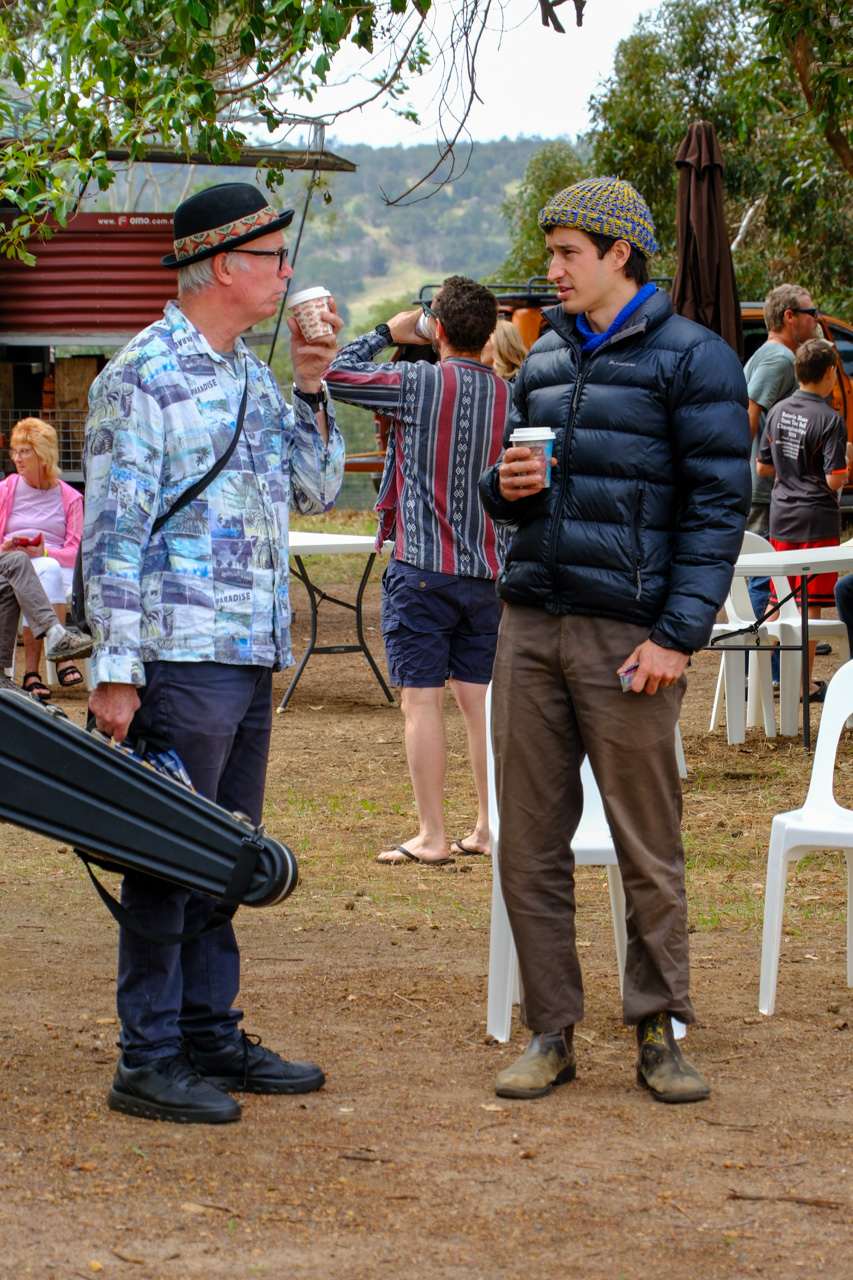
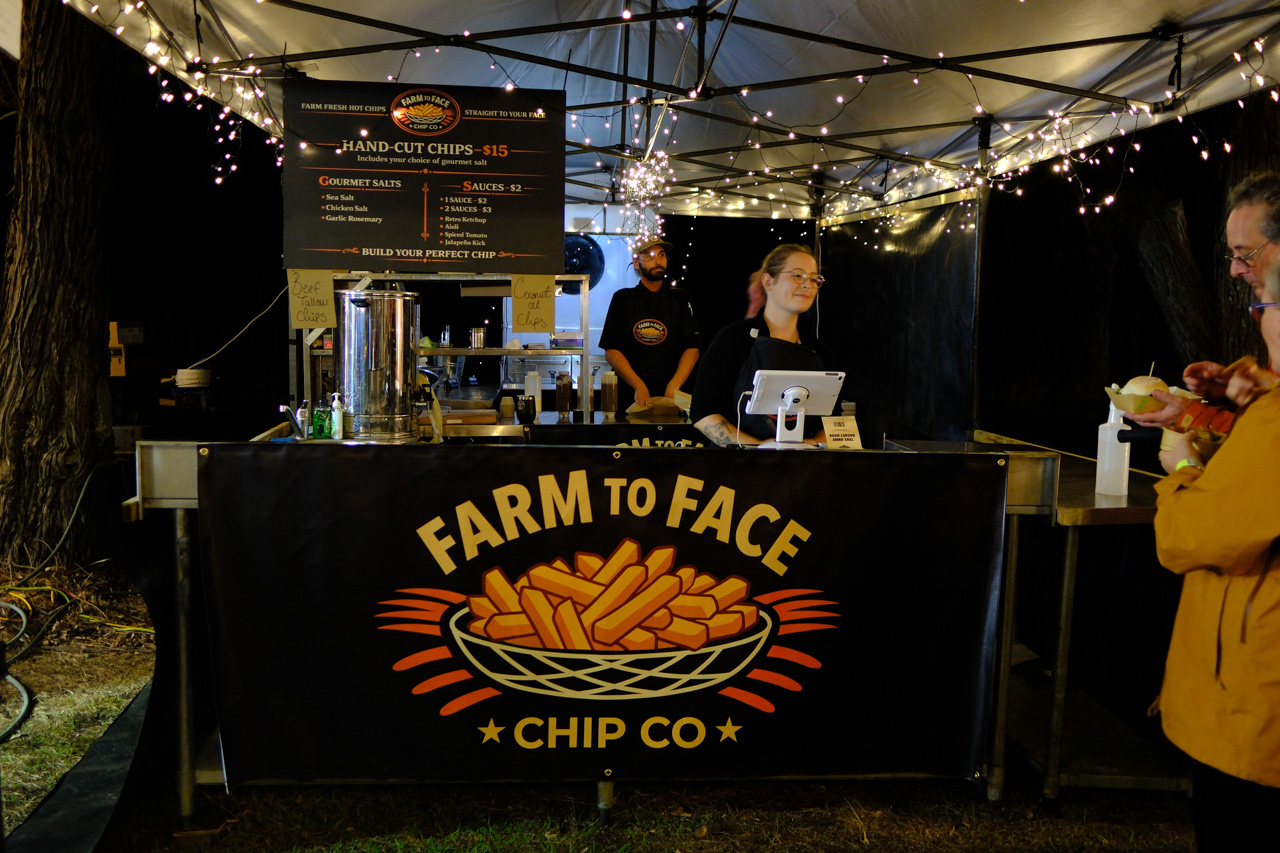
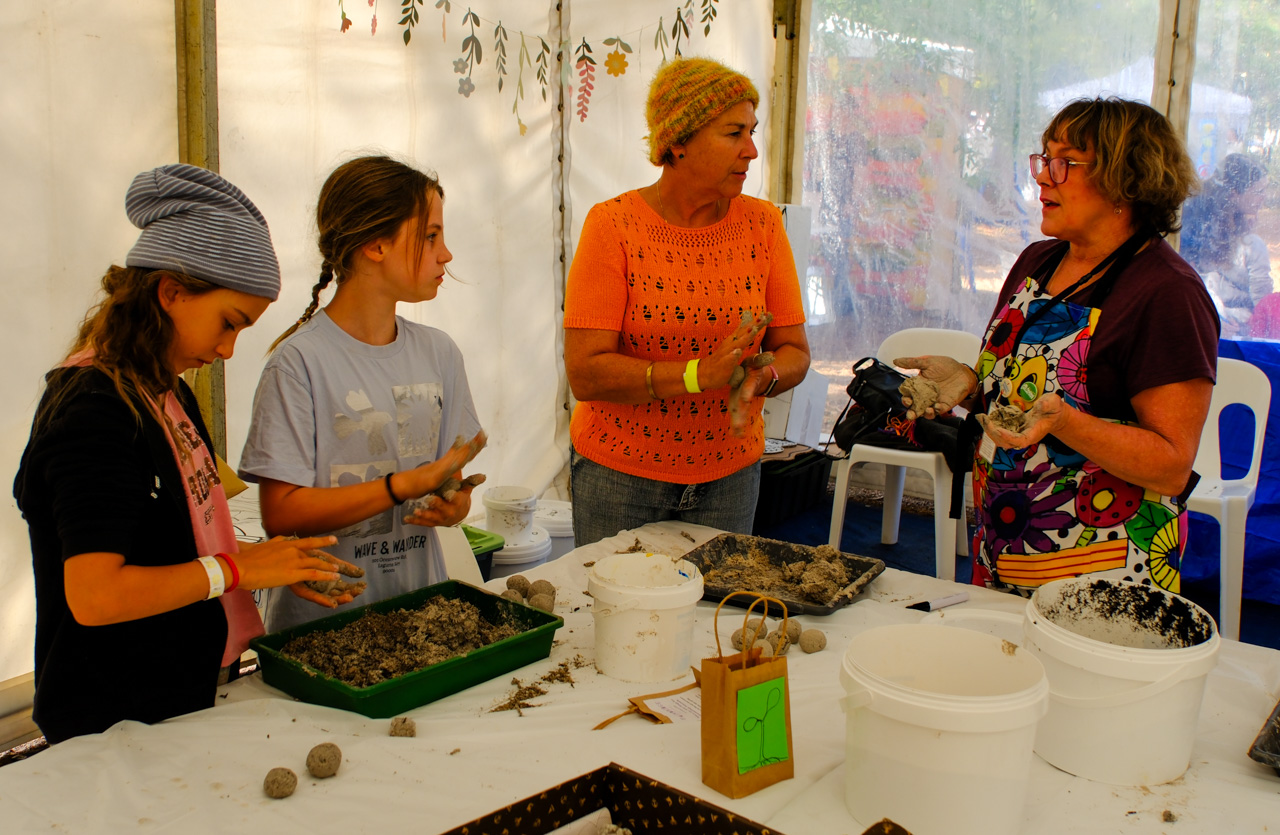
The demographic was a good mix of younger and older adults with a smaller contingent of teenagers and children. The older set were largely festival veterans who have been attending for much of its thirty-year history, while many of the younger adults were their grown-up children. This gave the festival a more adult feel, whereas the former mix of generations was more even. This meant there were fewer kids busking and a generally taller crowd at the food stalls and markets. The younger ones were catered for with special presentations, a kids’ area and a program of music sessions in the clubhouse loft, but this was much smaller than in the past. Plans are afoot to draw more family groups into the event, but, with the current limit, there is not much scope for a great increase.
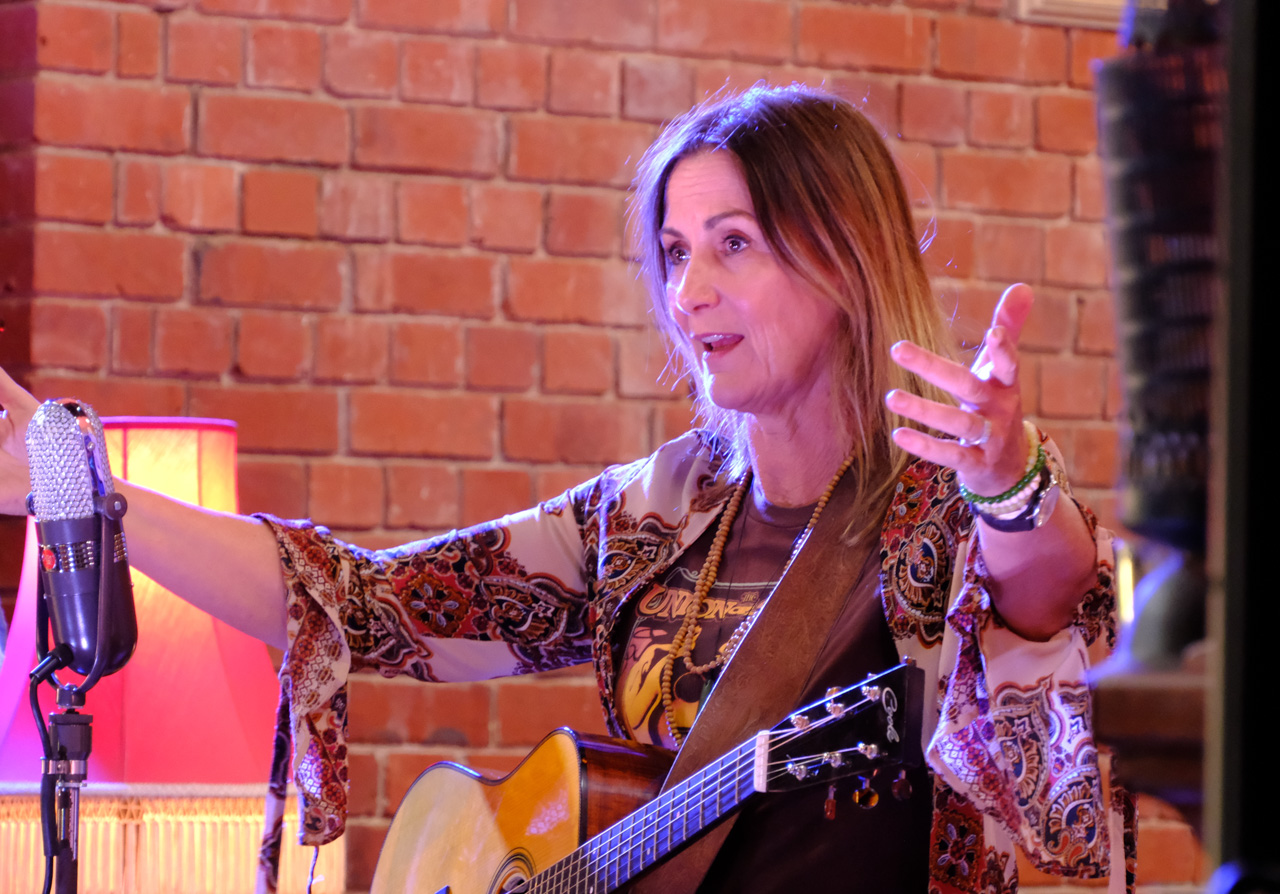
Granted, even with only four venues, there was still sound spill into the Chapel, invariably at the most sensitive moment, but that was inevitable. It was nowhere near the spill there used to be when the neighbouring Ruby’s, Hoopla and Djindalux stages were all cranked up. But that is the only criticism of the event.
Overall, the new format was more human and accessible, possibly not as conducive to contemplative music, though there was a fair dose of that in the Chapel, but then the trajectory of this festival was towards more sensational music, as much for dancers and drinkers as introverts.
The festival is deeply indebted to Max Klubal for his generous philanthropic donation. He is committed to doing the same for the next two years. That’s the kind of philanthropy all arts organisations hope for but rarely receive. Further support came from Revive Australia, an initiative of the Federal Government, and a plethora of smaller sponsors and in-kind supporters. Without this, the festival could not have taken place, and, even with it, all of the key organisers, including Jon Cope, volunteered their time. Fairbridge Festival has always relied heavily on its team of dedicated volunteers, but in the past there was also a cohort of administrators and artistic coordinators professionally employed. That has all gone now. Long term, with the smaller attendance limit, unless the ticket price skyrockets, the festival will again require significant support from philanthropists, government and sponsors. However, with the success of the 2026 revival, the festival is in a very strong position to attract it. Congratulations to the team and artists on a job brilliantly done.
IAN LILBURNE
Photos by Lisa Ilkin