Review: FACS at Mojos Bar
FACS at Mojos Bar
w/ Grub, Last Quokka
Sunday, May 10, 2026
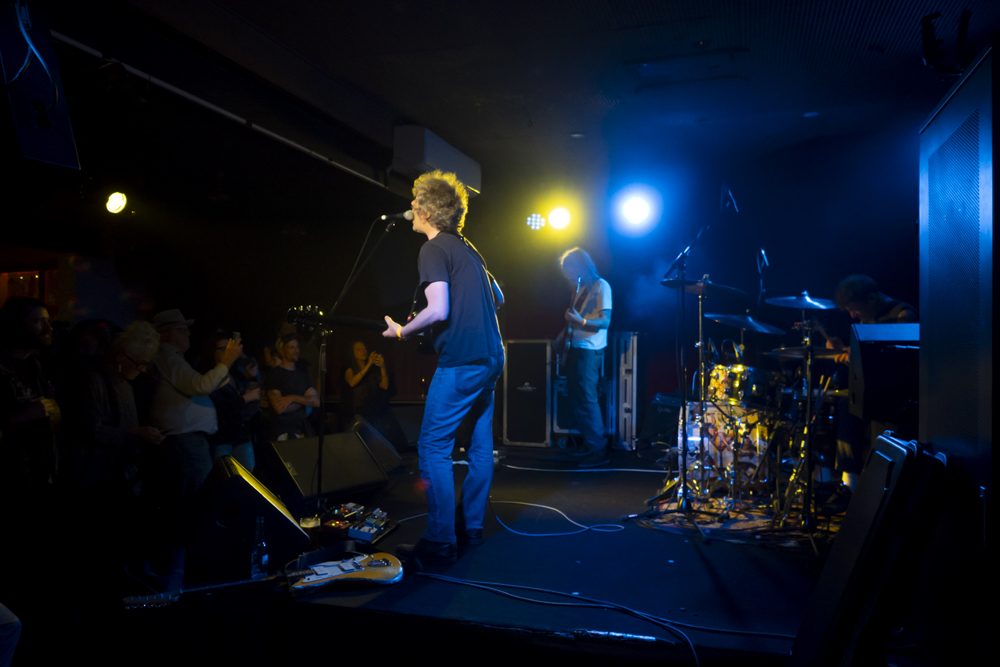
For a band whose pleasures are not immediate, FACS drew a surprisingly full Sunday-night room at Mojos. Touring Australia for the first time on the back of Wish Defense—an album now carrying the ghost residue of Steve Albini’s final recording session—the Chicago three-piece arrived with mythology attached. But this was not a night of legacy worship or easy song-recognition payoff. It was a night of throb, dissonance and the peculiar satisfaction of staying inside an uncomfortable pattern long enough for it to start making sense.
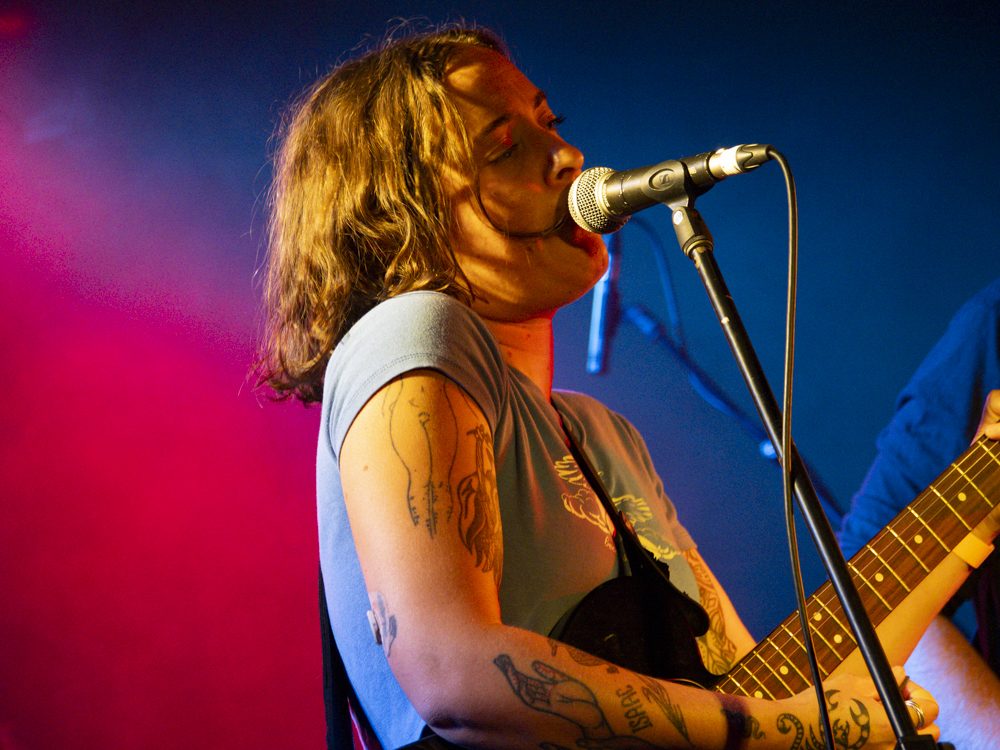
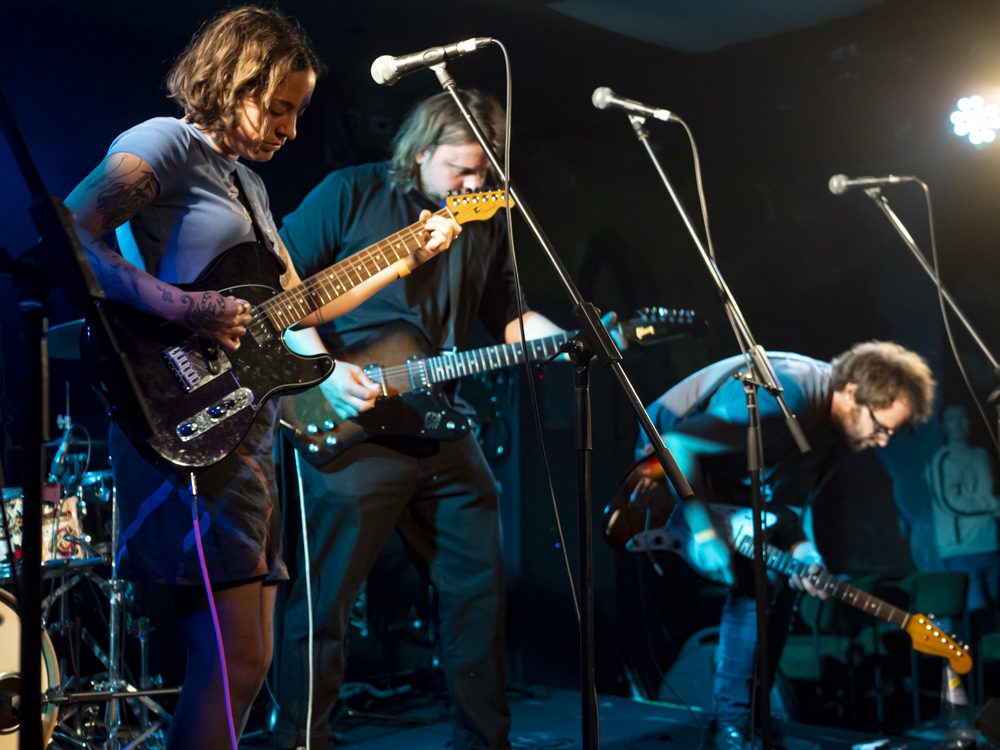
First up were Grub, who opened with an unmistakably Australian muckiness: not just in Matilda Beales’ vocal styling, but in the sense of trudging forward while still ankle-deep in it. With three guitars, bass and drums filling the stage, the sound was a thick churn of pub-rock dirt and propulsion, Beales’ sweeter melodic line occasionally shattering into a yell just when the songs needed the surface cracked open. Stability Please was introduced as being about getting off the grog, while Goal Post captured the relentless pursuit of bullshit and the way the targets keep moving anyway. By The Floor, Grub found their sharpest balance between bluntness and solidarity: “Suffer in silence or suffer in violence” giving way to “Come on cunt, wash your body, get up and try a little more.” Charming encouragement rather than a slap, and all but summing up Grub’s gift for making heaviness feel lived-in rather than performed. By Hate, Beales delivered the choice line, “I wanna tell your mum she fucked it/ because she raised a two-faced fuckwit.” Happy Mother’s Day, indeed.
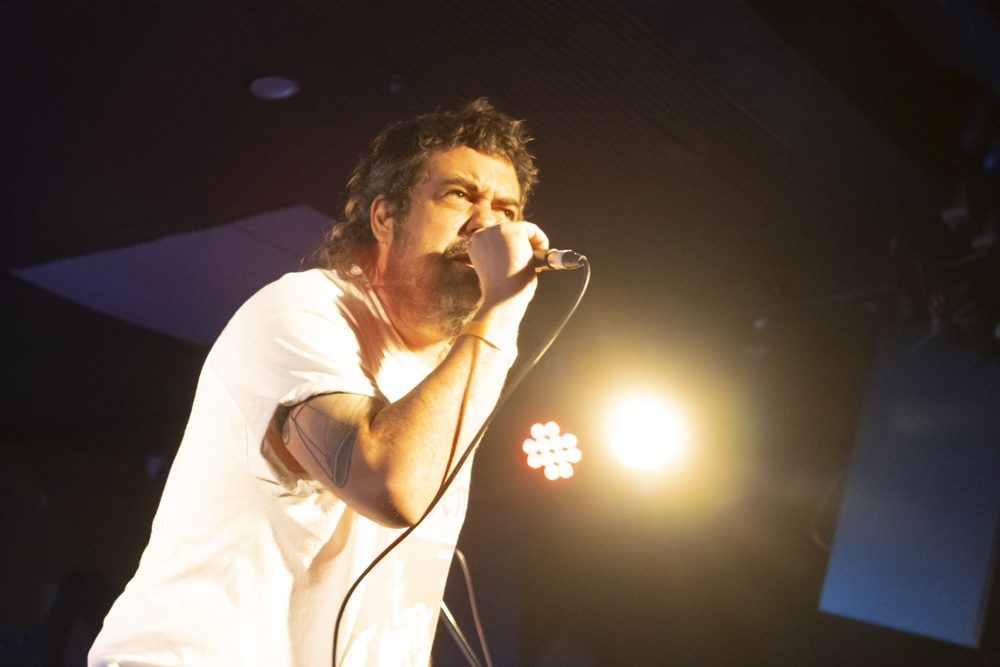
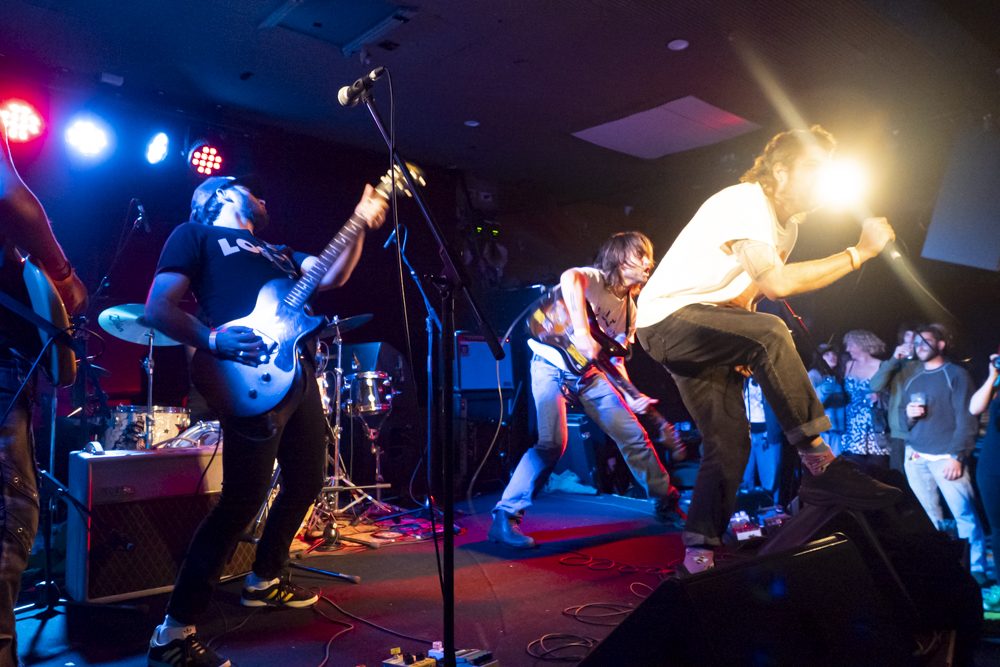
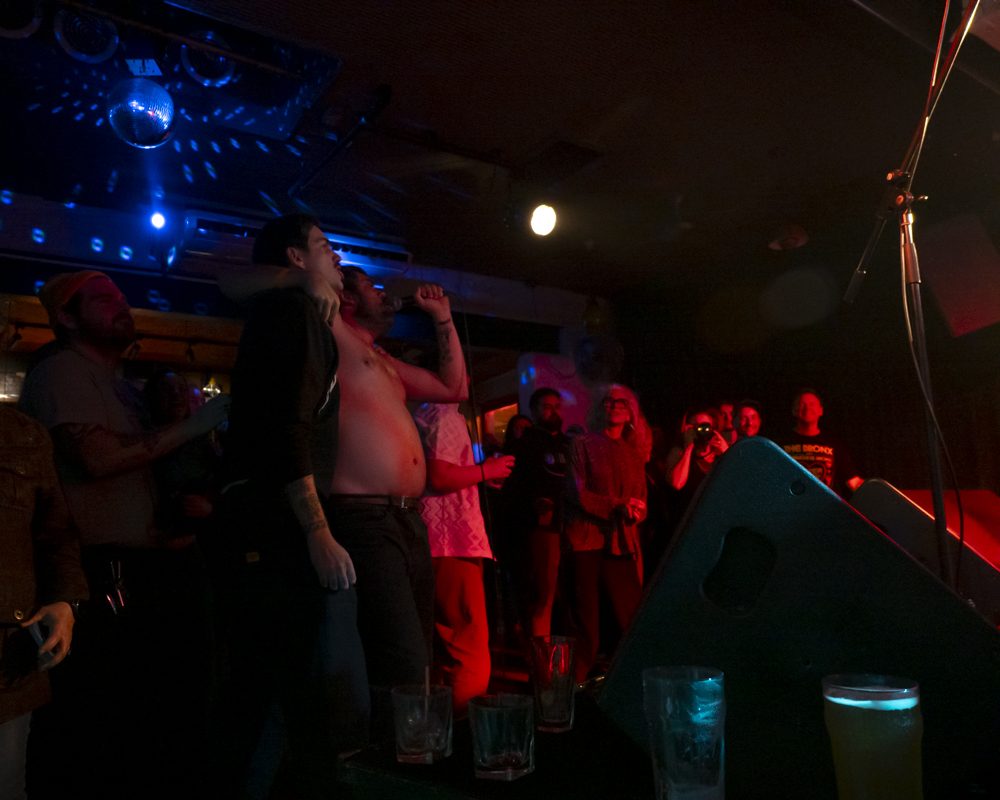
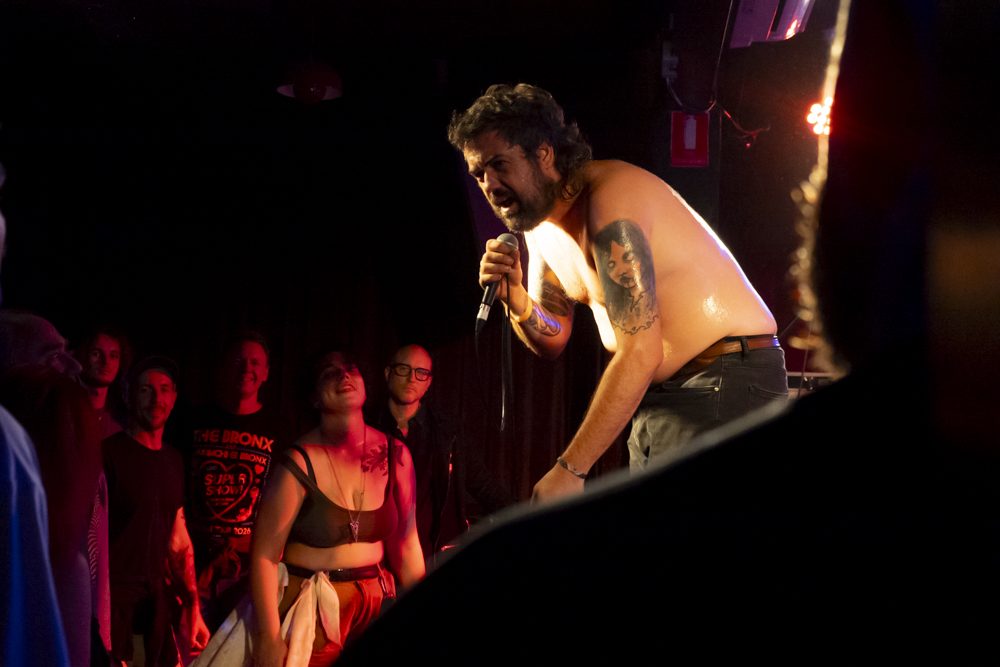
Last Quokka followed with their familiar mix of sweat, class rage and pub-punk sermonising. With Take the Fight to the Bastards forming the backbone of the set, they tore through commodity culture, urban sprawl, cost-of-living pressures and resource-state rot with their usual blunt force. Cost of Living hit hardest in the current climate, while Gina/Rupert, Broome, Nazi Scum and Eat the Rich gave the room recognisable targets to swing at. It was hardly subdued—Last Quokka are not built for restraint—but compared with their more reckless outings, this felt like a steadier Sunday-night version of their usual pressure-cooker politics.
The bigger question was one of curation. Grub and Last Quokka were popular, local and certainly effective in warming the room, but their earthy garage-rock and pub-punk immediacy made for a curious lead-in to FACS’ colder, more abstract unease.
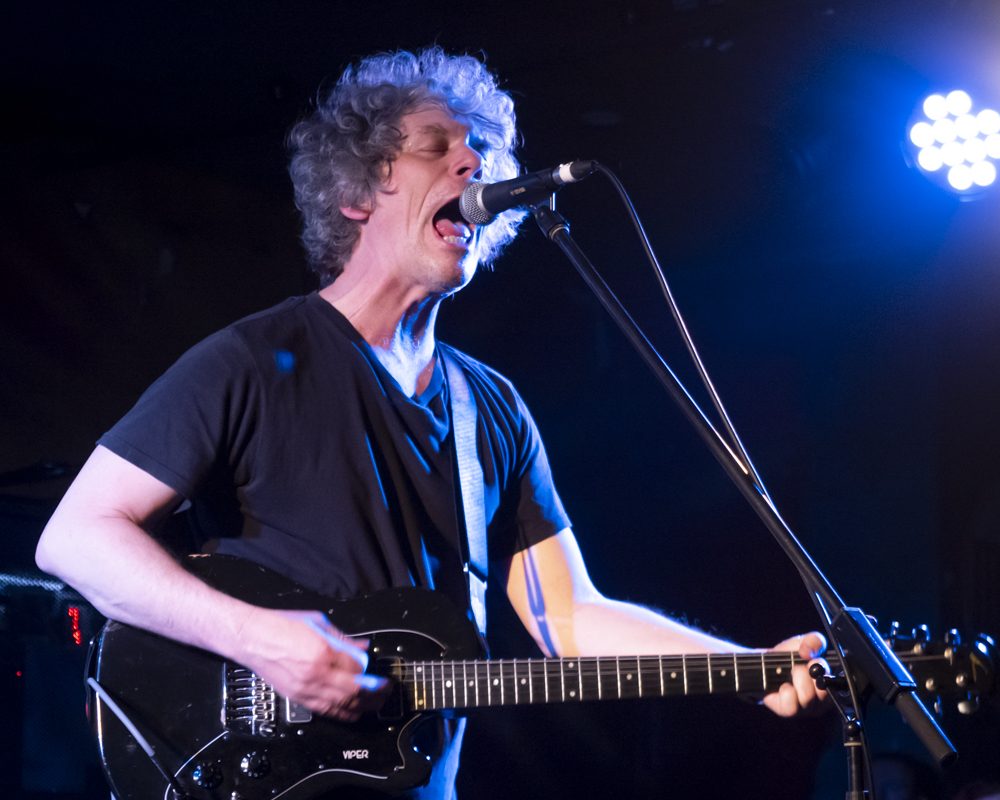
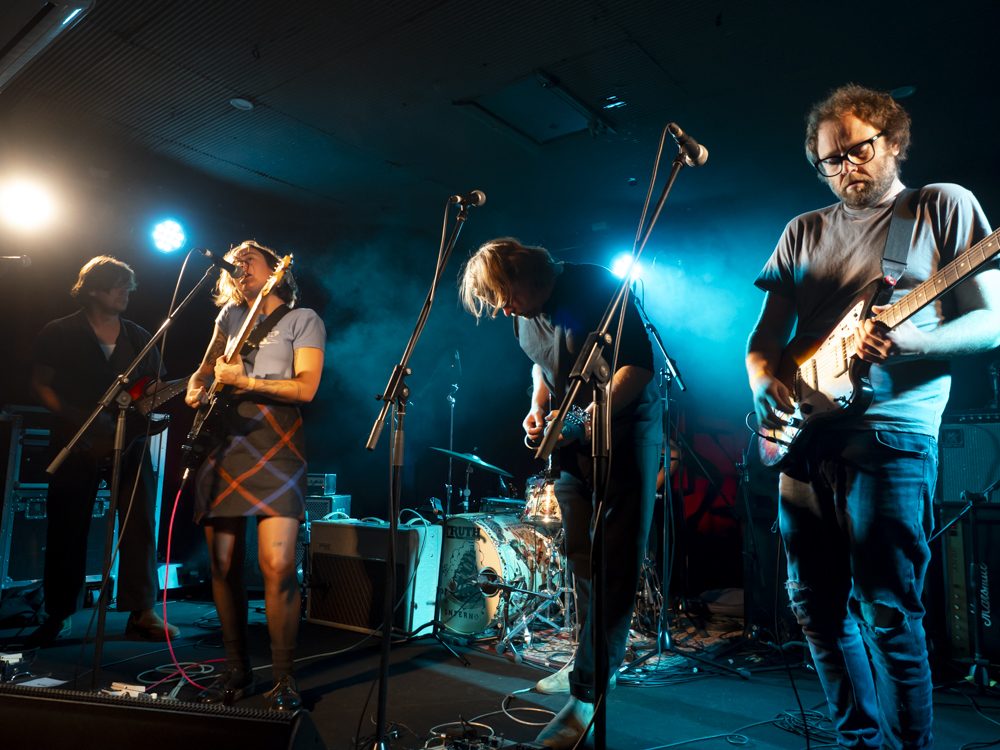
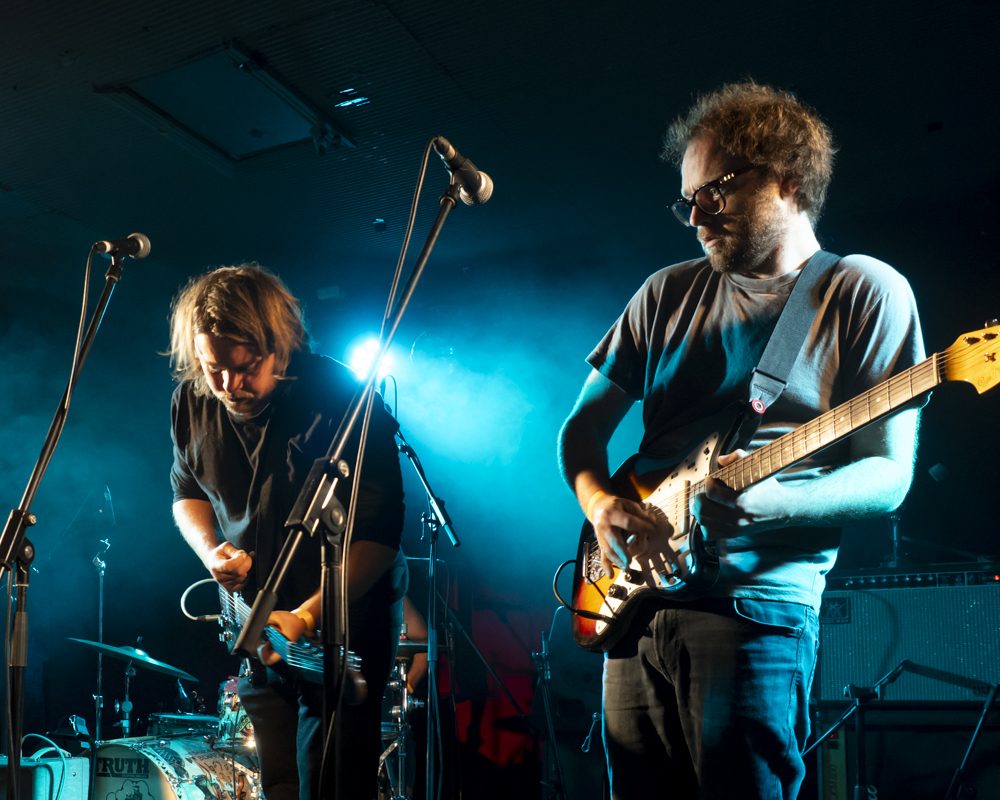
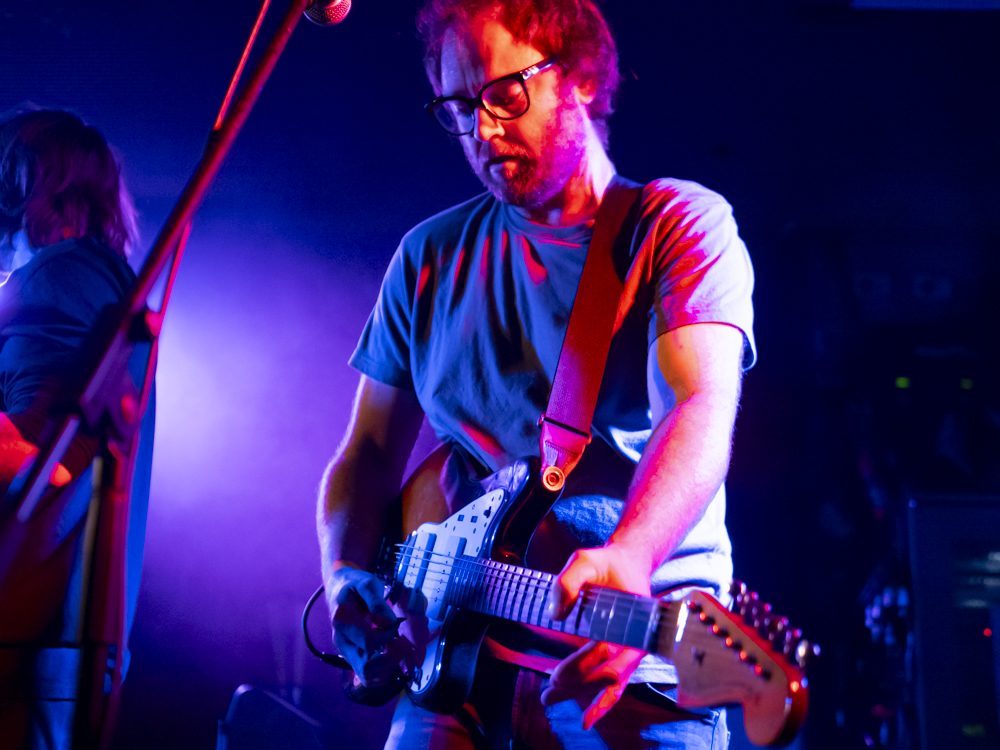
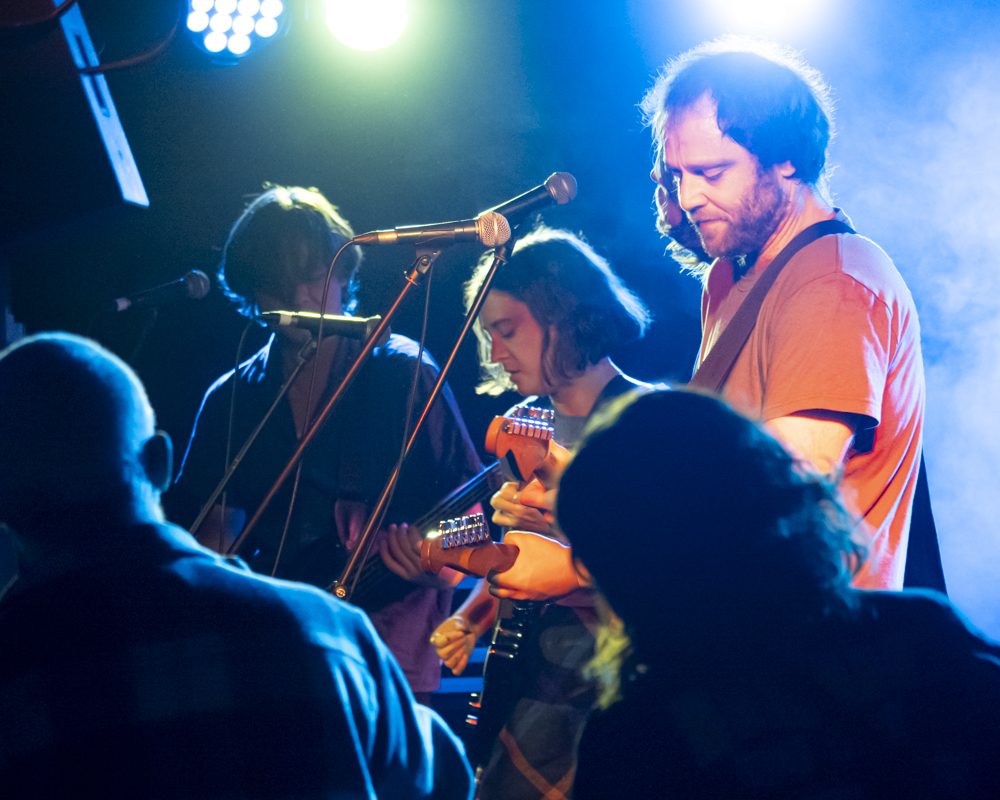
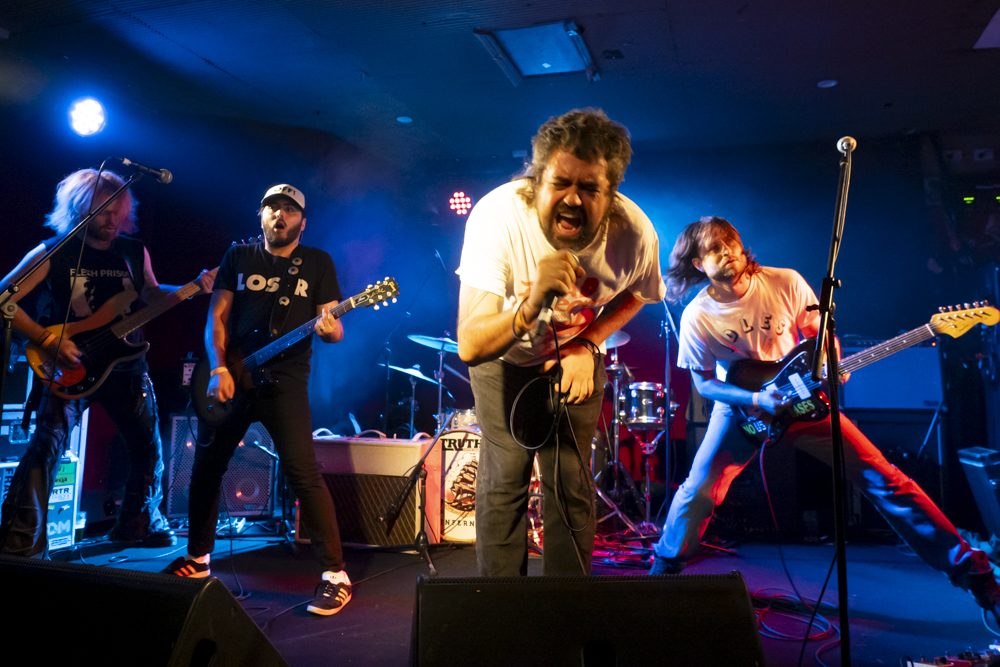
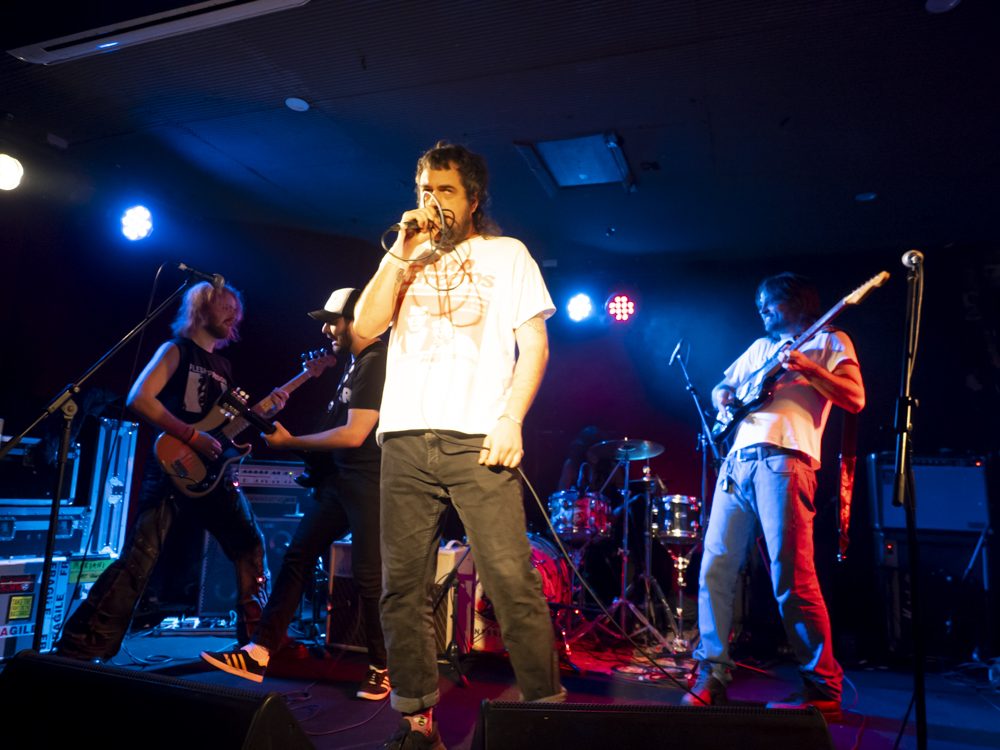
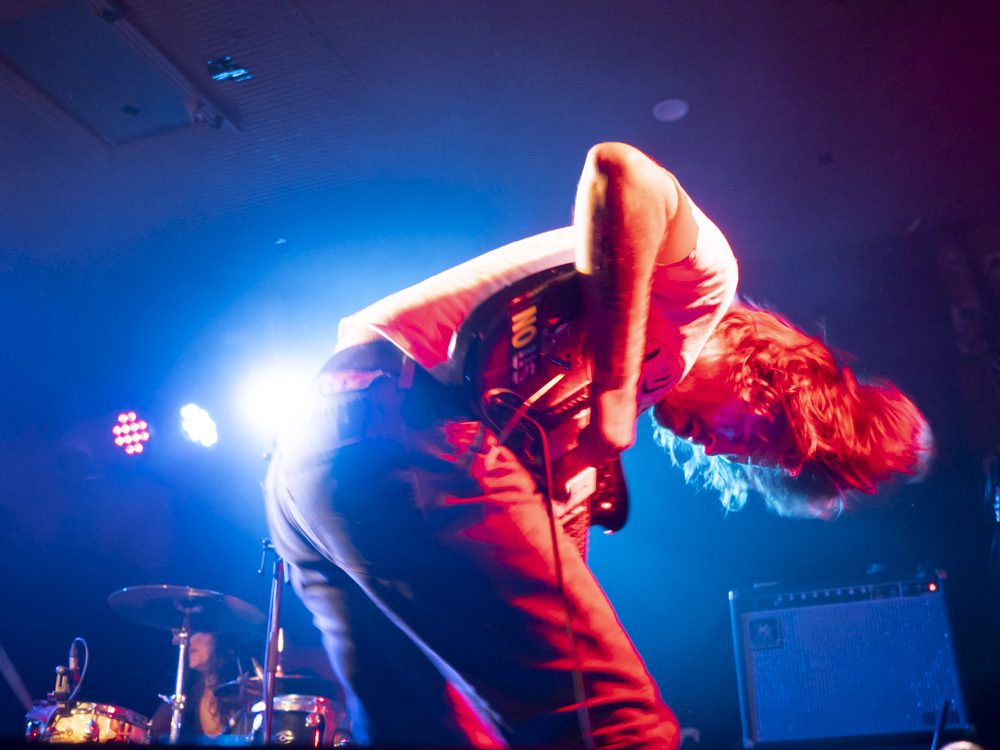
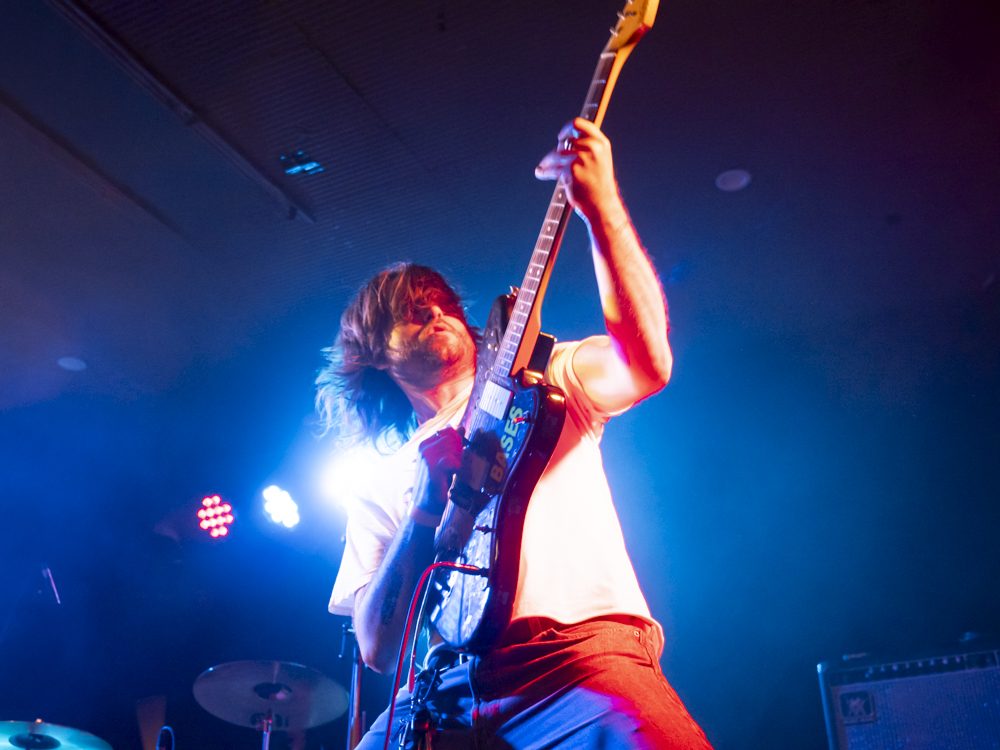
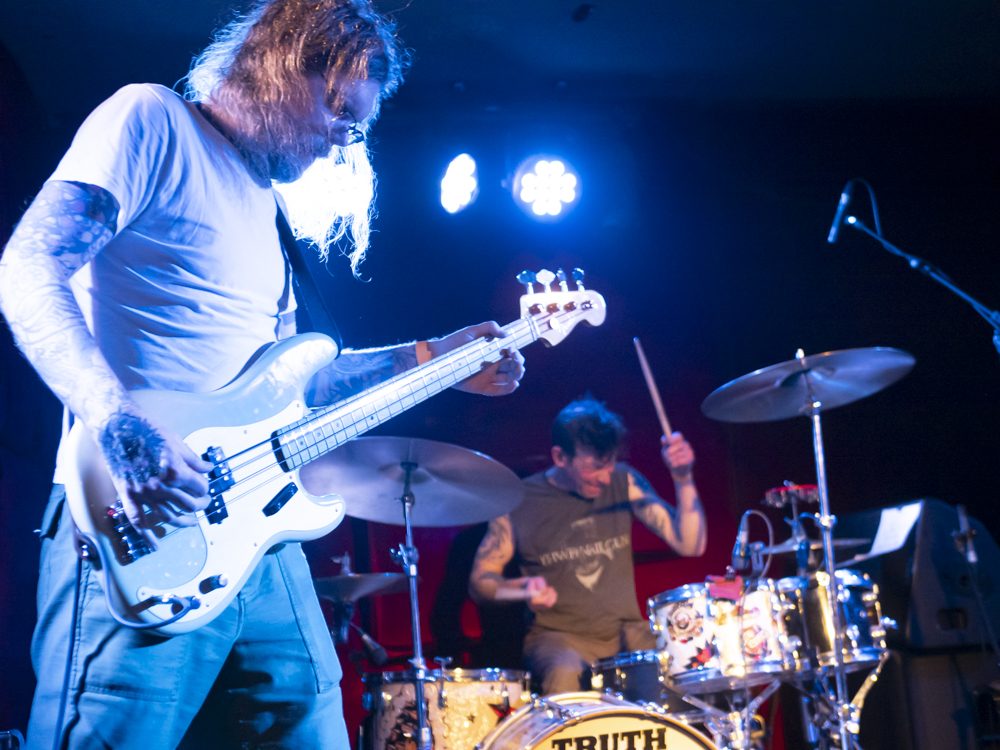
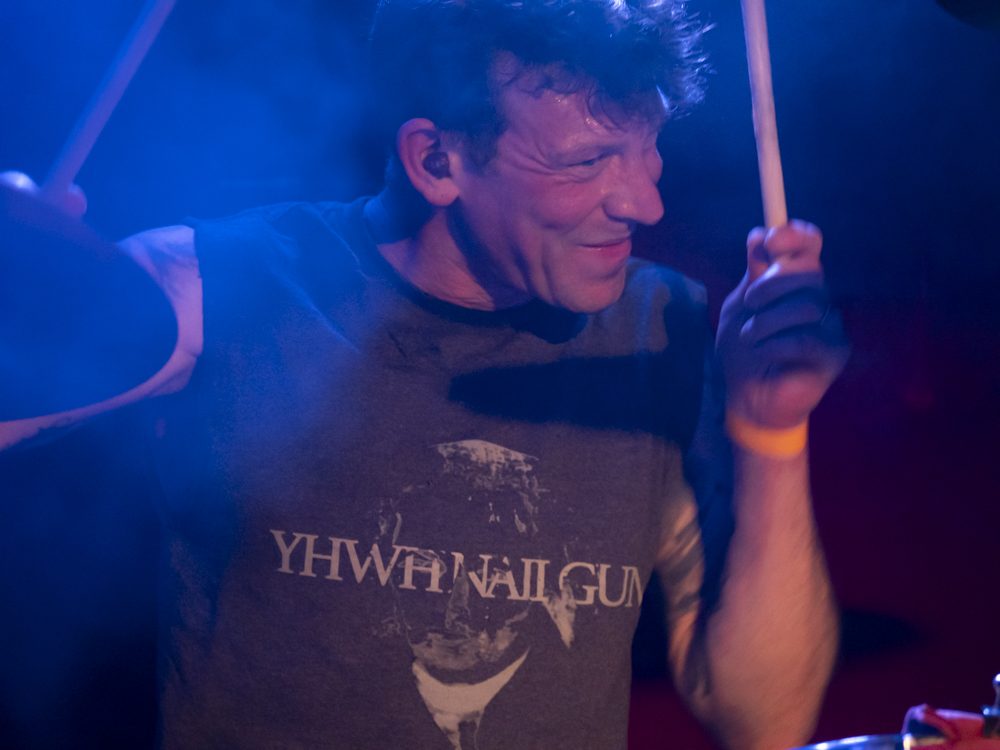
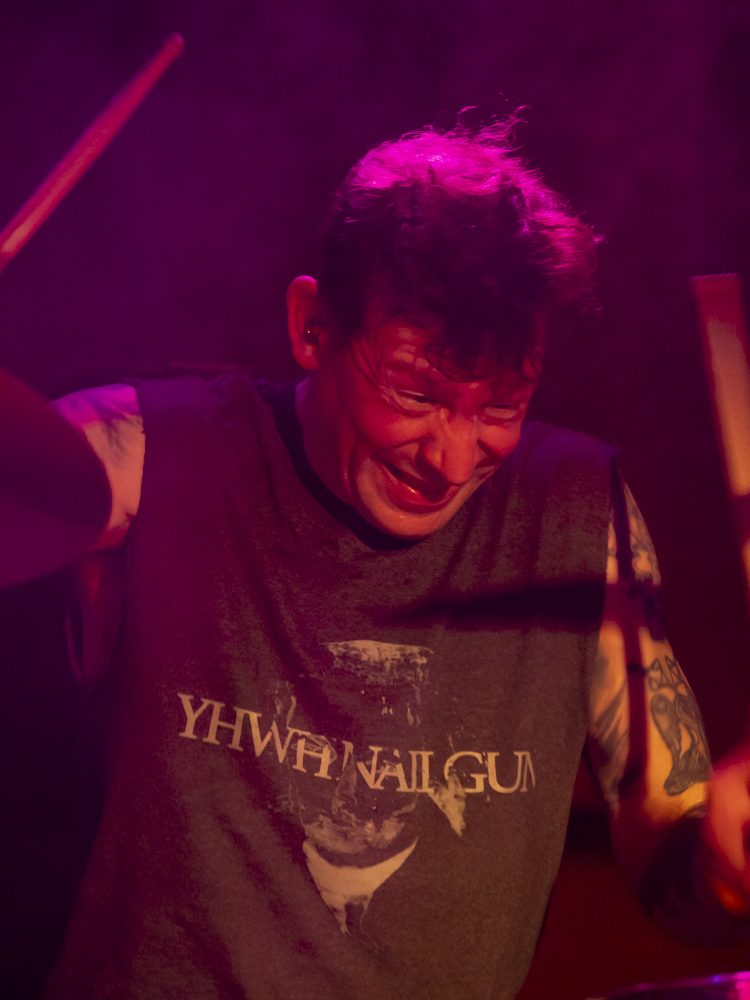
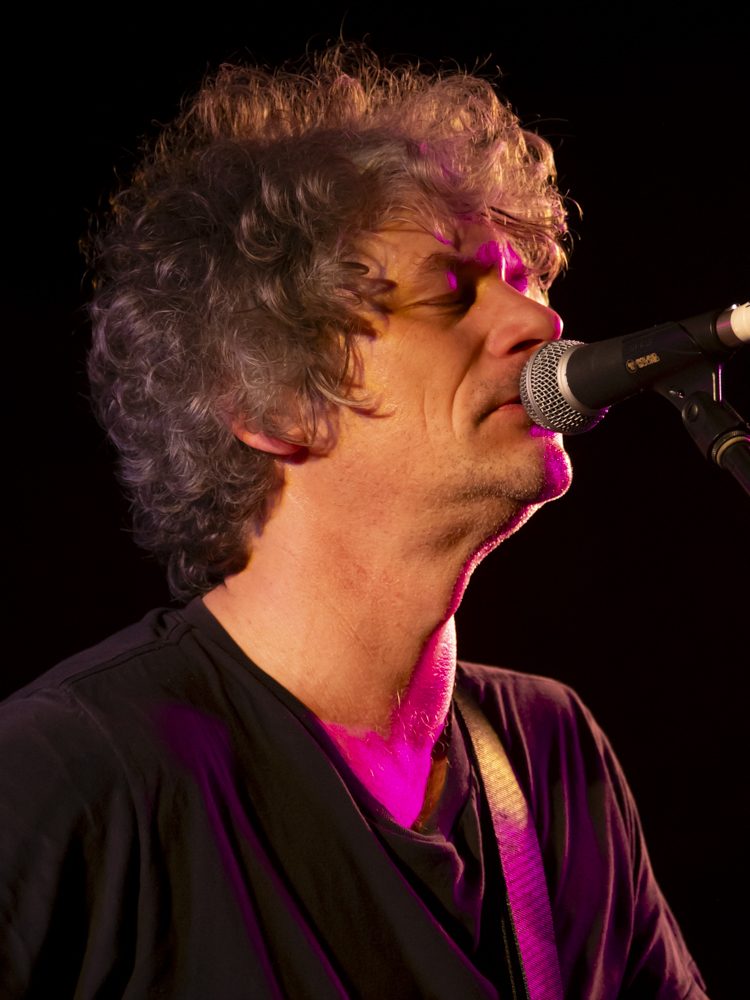
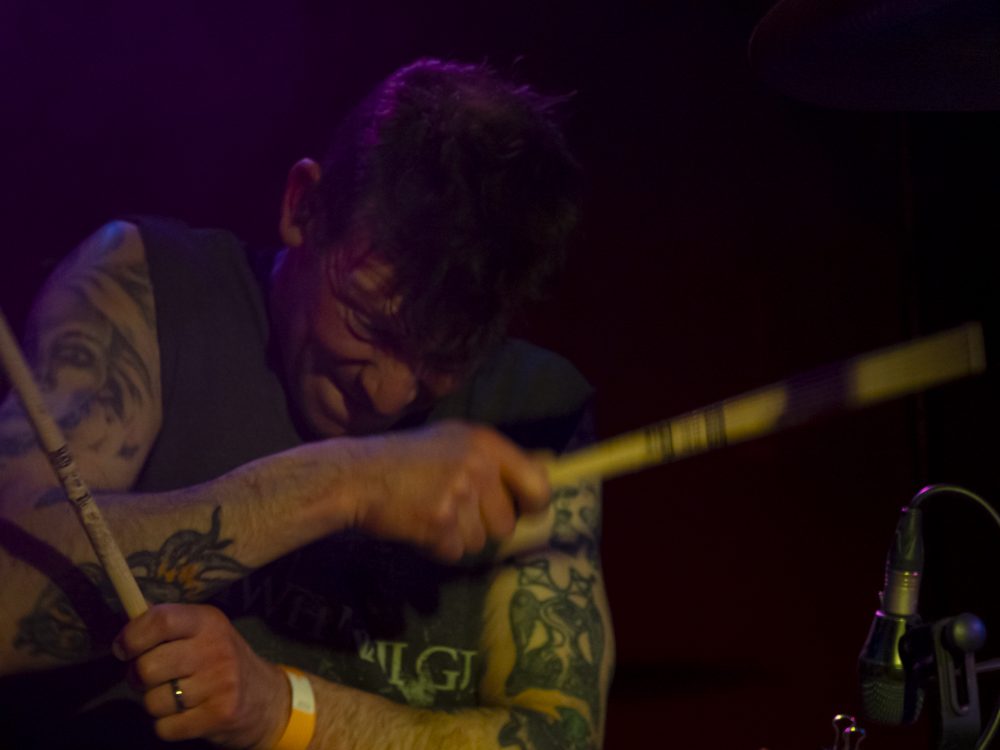
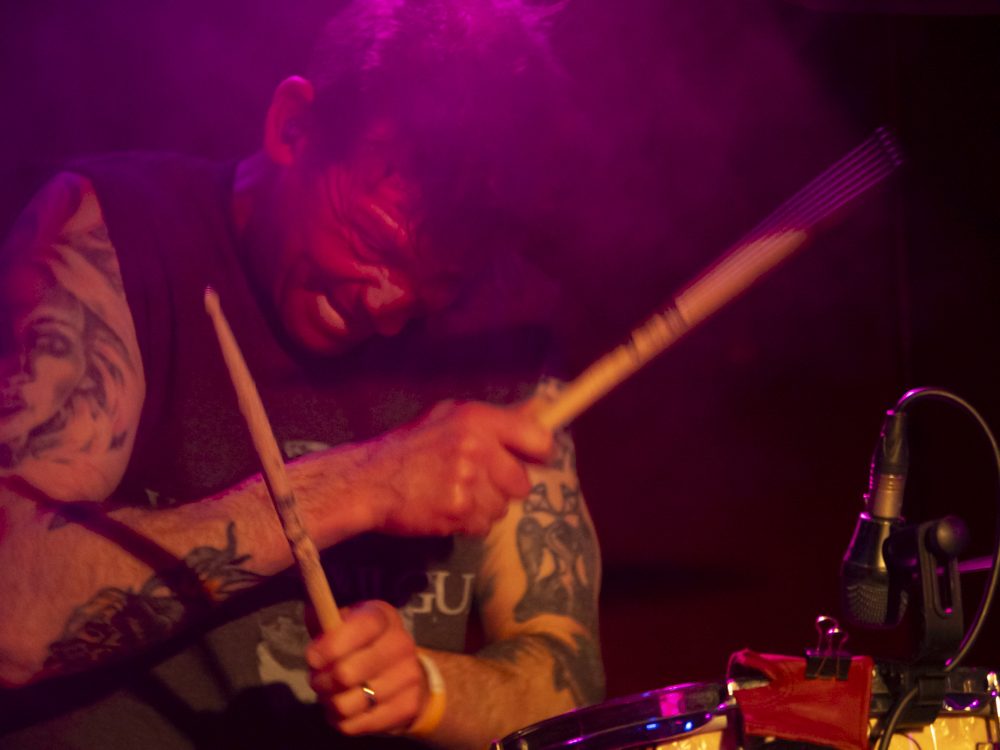
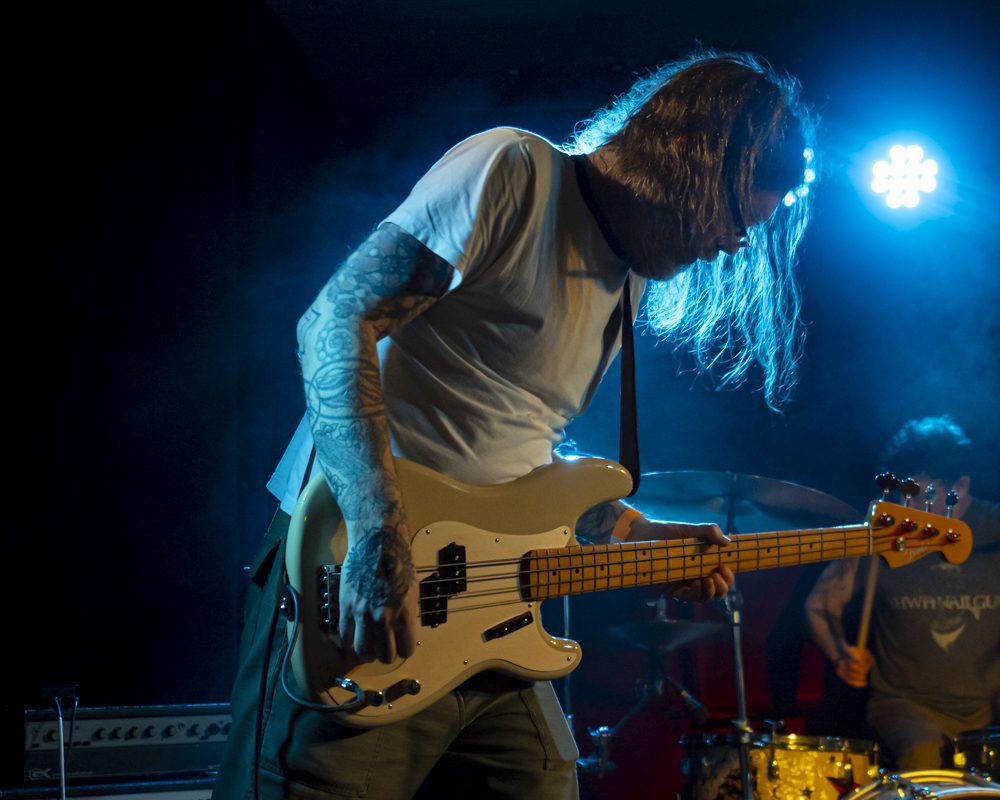
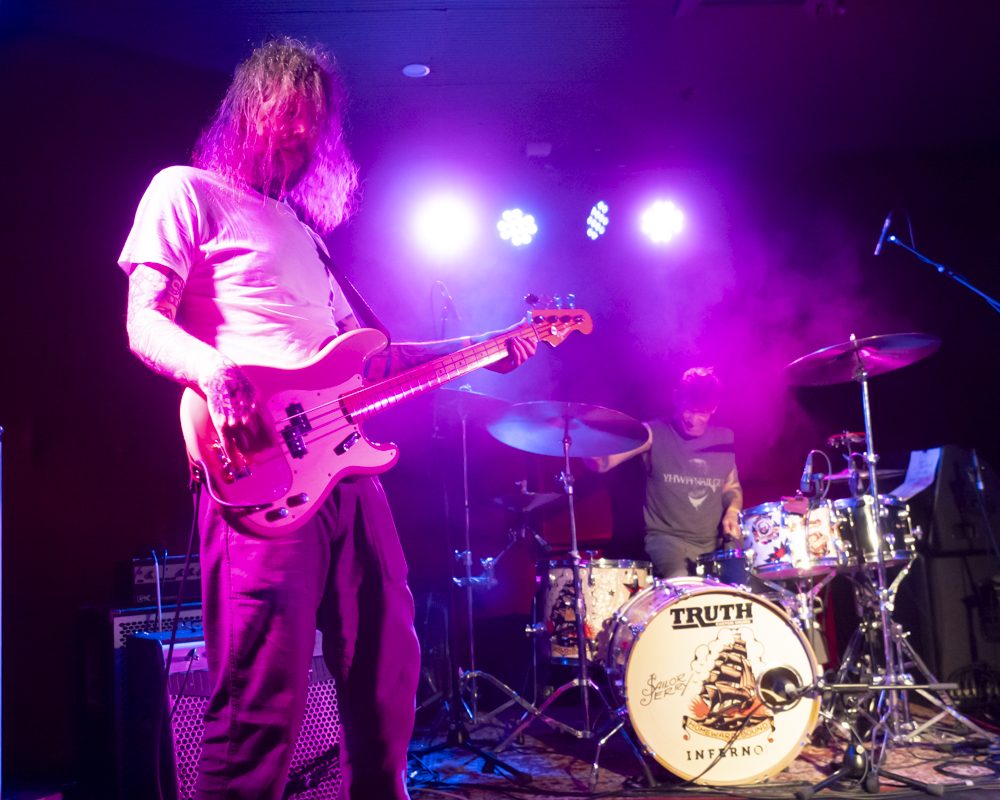
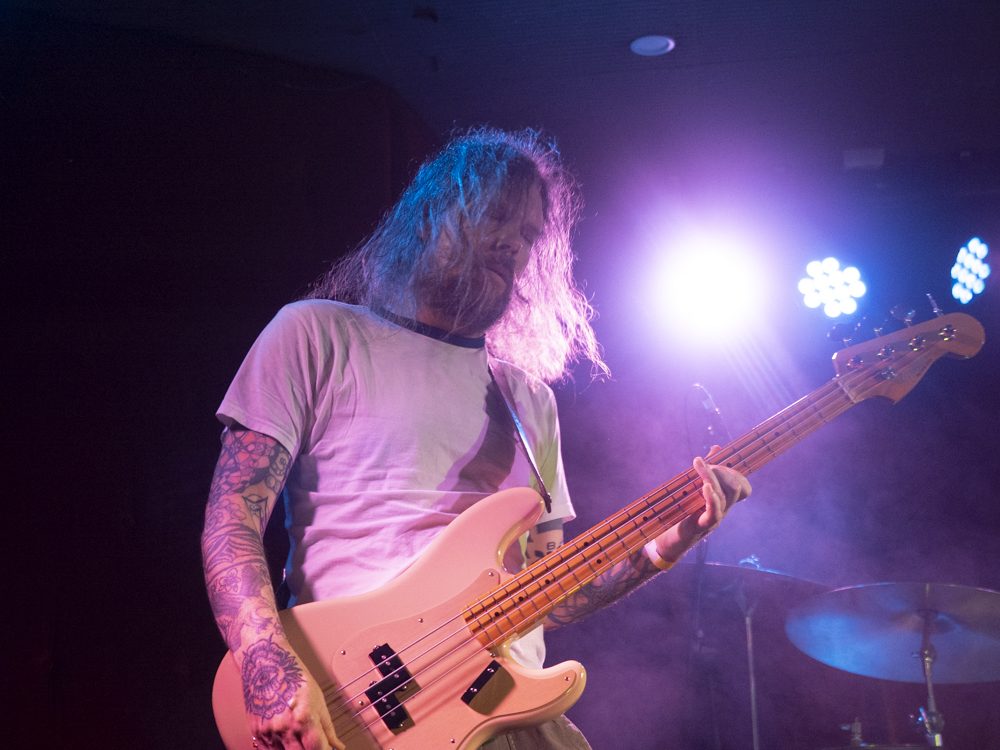
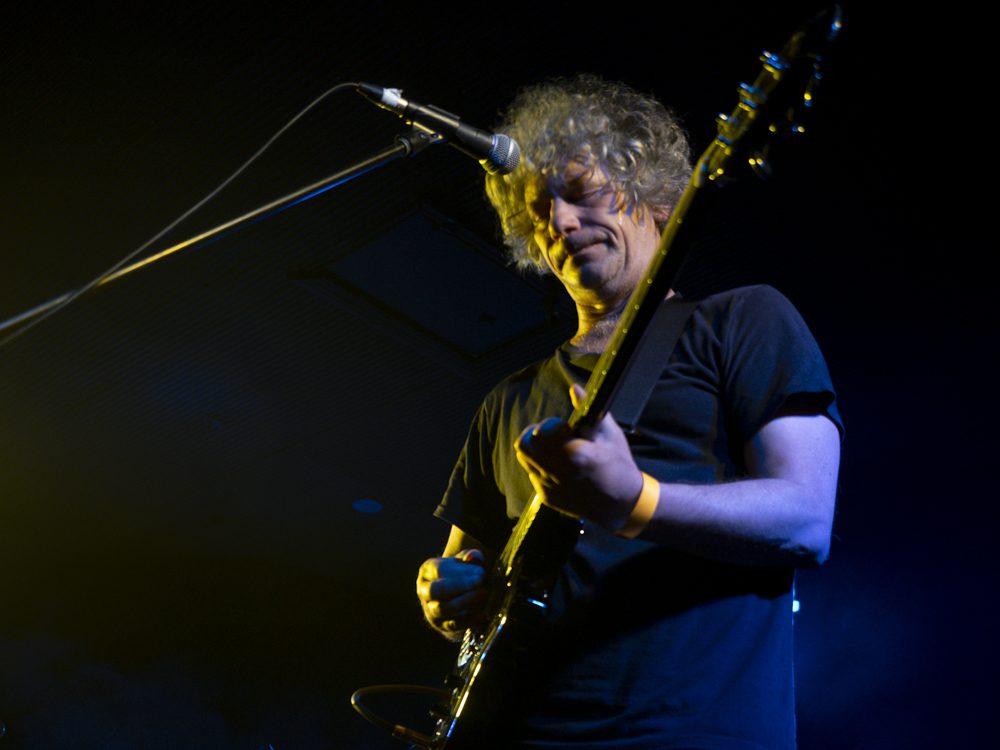
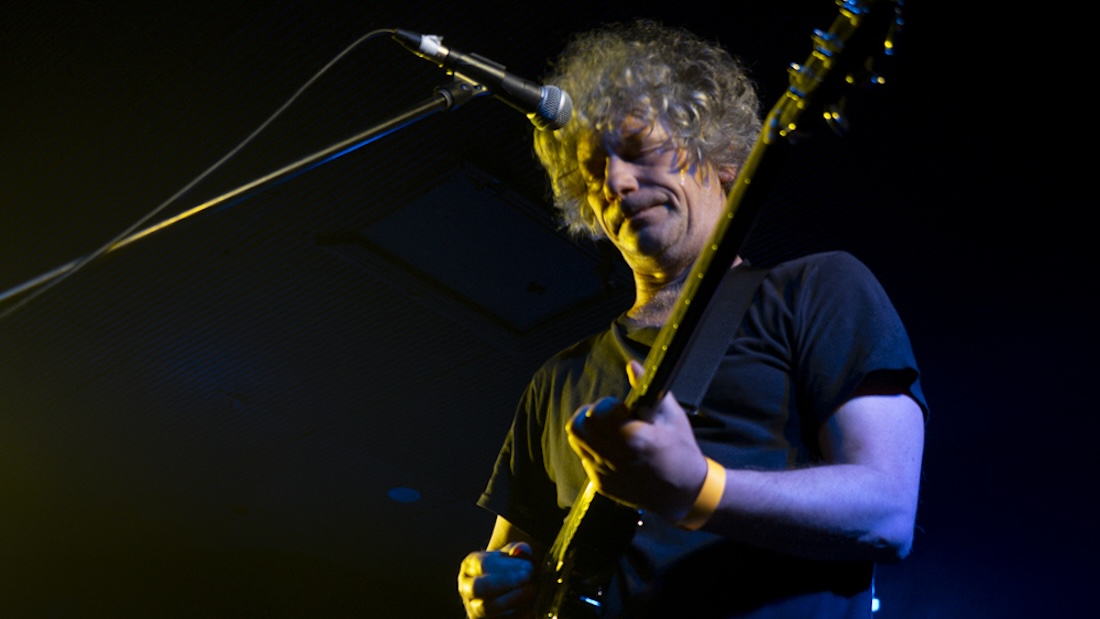
A three-piece with no theatrical excess, FACS opened in sludge and negative space, Brian Case’s vocals sitting closer to loose spoken-word invocation than conventional singing. Where the supports had dealt in direct address, FACS arrived like a transmission with the human element half-buried in the wall. The guitar work was post-punk in its angularity but not brittle; it looped, scraped and twanged through dissonance, while the bass and drums worked less like a locked groove than a set of misaligned gears somehow keeping the machine moving.
There was something Sonic Youth-fed in the interplay: repetition, melodic fragments, then abrasion cutting across the surface before the ear could settle. The set was more varied than its sludgy opening suggested, with moodier passages giving way to pockets of bass-led bounce and swagger. When You Say slipped a little optimism into the machinery, its repeated vocal line carried by a funkier pulse, while Strawberry Cough emerged later as one of the key anchors in a set less concerned with track identification than immersion.
That may have been the point. The crowd were not chasing beloved choruses; they were vibing with the energy, heads bobbing, bodies registering shifts in texture and force. There were no neat pauses between songs, only loops and bleeding segues, the band refusing the easy reset. At times, the dynamic felt oddly out of sync, as though each player was pursuing a separate logic: drums off-kilter, bass throbbing below, guitar needling above, vocals phrased against the pattern rather than neatly within it. Yet the friction worked. FACS are not chasing harmony so much as pressure.
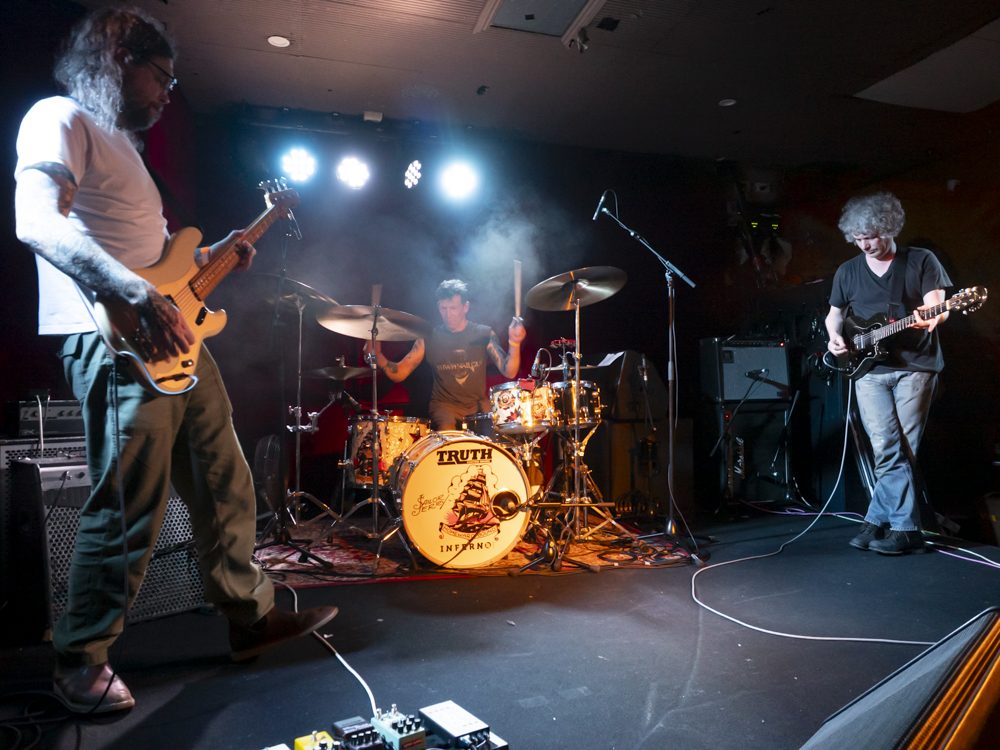
For all the Albini-adjacent mythology, FACS did not feel revelatory in the easy, converted-on-the-spot sense. Nothing about the set screamed reinvention. What they offered instead was more insidious: a controlled immersion in repetition and uneasy texture, with flashes of melody and groove appearing like light under a locked door. By the final stretch, darker and sludgier but still needled by high guitar lines, the room had been dragged somewhere stranger than its Sunday-night setting promised.
Not every mood needs to change your life; some just need to press on the bruise long enough to remind you it is there. By the time FACS bled out in dissonance, Mojos was left buzzing in that peculiar space between satisfaction and unease—less catharsis than residue.
CAT LANDRO
Photos by Linda Dunjey