
Review: Don Quixote at His Majesty’s Theatre
Don Quixote at His Majesty’s Theatre
Performed by WA Ballet and West Australian Symphony Orchestra
Friday, May 23, 2025
The Marius Petipa–Ludwig Minkus ballet Don Quixote is among the most famous and oft-performed in the classical repertoire. Since its first production by the Bolshoi Ballet in 1869, it has been reproduced by most of the world’s major ballet companies. Typically, in these re-presentations, Petipa’s choreography is reworked to introduce a more contemporary element into the story and reflect the skill set of the particular troupe while capturing the spirit of the original.
Possibly the most famous re-creation was by Rudolph Nureyev in 1970 for the Australian Ballet, in which he also danced the lead role, Basilio, opposite Lucette Aldous’ Kitri. The subsequent film of this production is now regarded as the definitive presentation, while clips of moments in Nureyev’s performance are legendary. (You may know the one of him leaping his way around a giant circle.) It is fitting, then, that the current West Australian Ballet production, which runs at His Majesty’s Theatre until Saturday, May 31, was choreographed by Lucette Aldous following Petipa filtered through Nureyev.
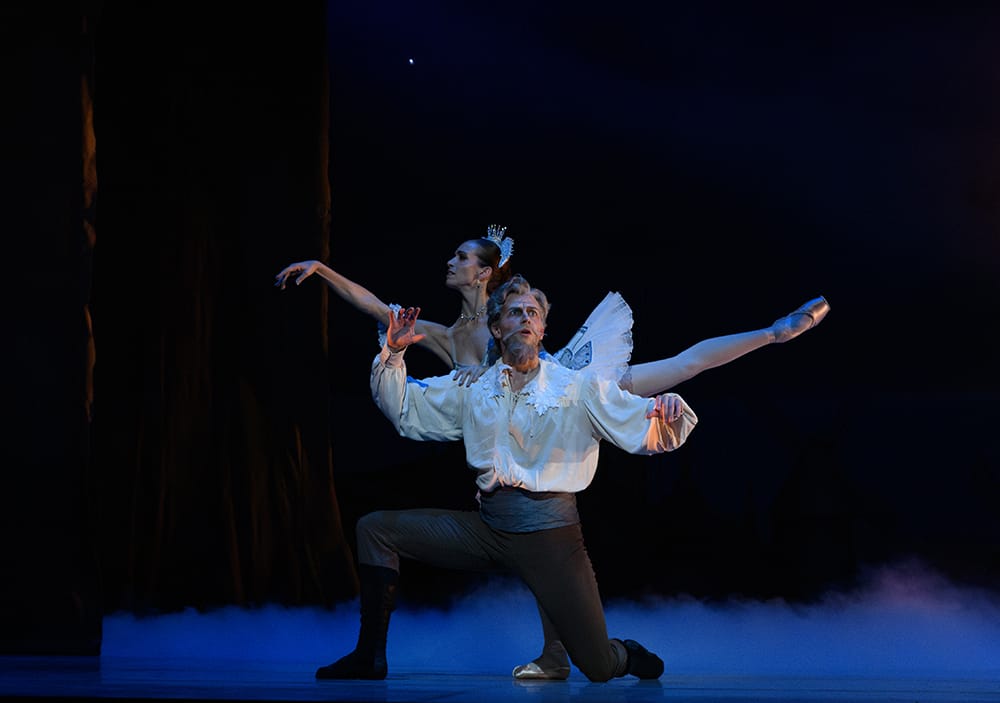
Essentially a rom-com, the light-hearted story is loosely based on one of Miguel de Cervantes’ elderly errant knight Don Quixote’s fantastical and delusional adventures. Although a prominent figure throughout, providing a comic, sometimes poignant, sometimes noble counterpoint to the main action, the focus of the ballet is the decidedly young and very agile lovers Basilio and Kitri.

The link comes through Quixote mistaking Kitri for the princess from one of his fantasies and embarking on a hapless romantic pursuit. This age-inappropriate infatuation is further complicated by Kitri’s father, Lorenzo’s scheme to marry his daughter off to the wealthy, though pretentious, pompous, and sluggish Gamache. Neither Gamache nor the Don are a match for the energetic Basilio in either Kitri’s eyes or the audience’s attention. Thus the scene is set for some comic interplay.
So much for the story; the dance is the thing, and it was spectacular, a true showcase of the WA Ballet Company’s skills.
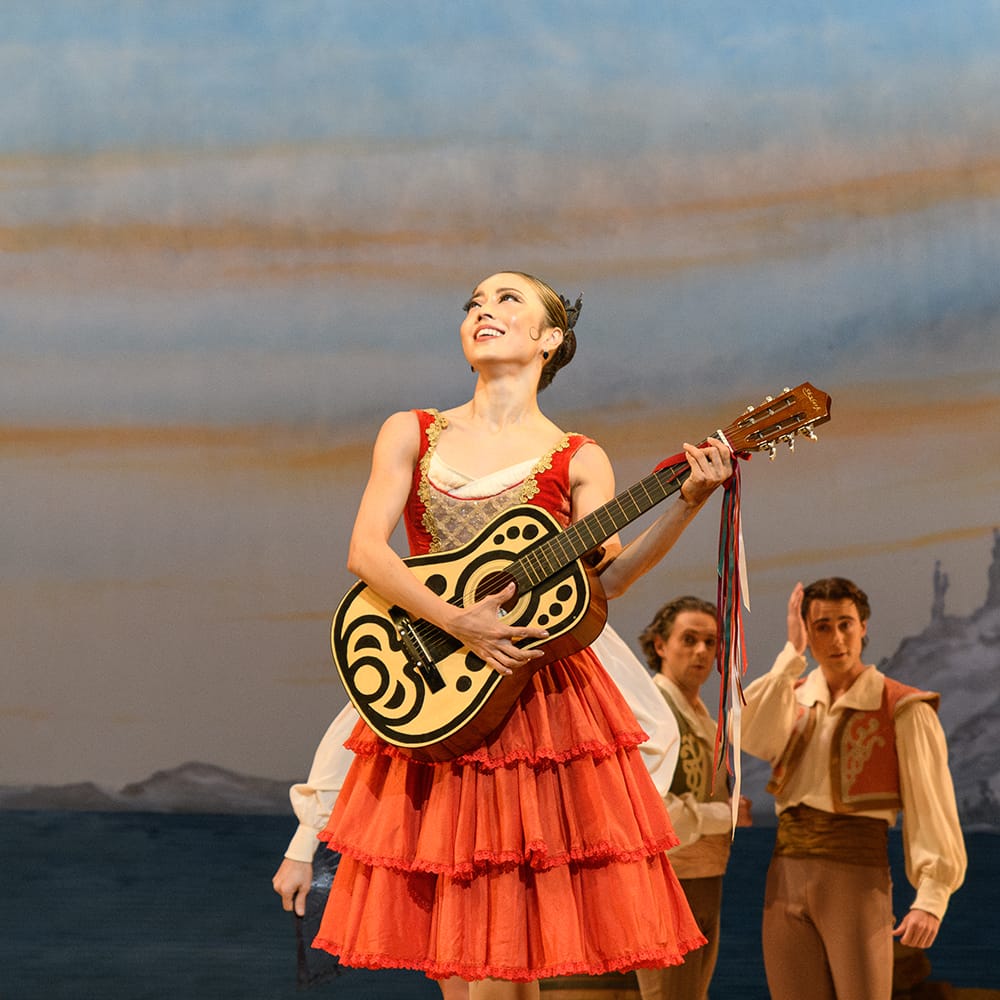
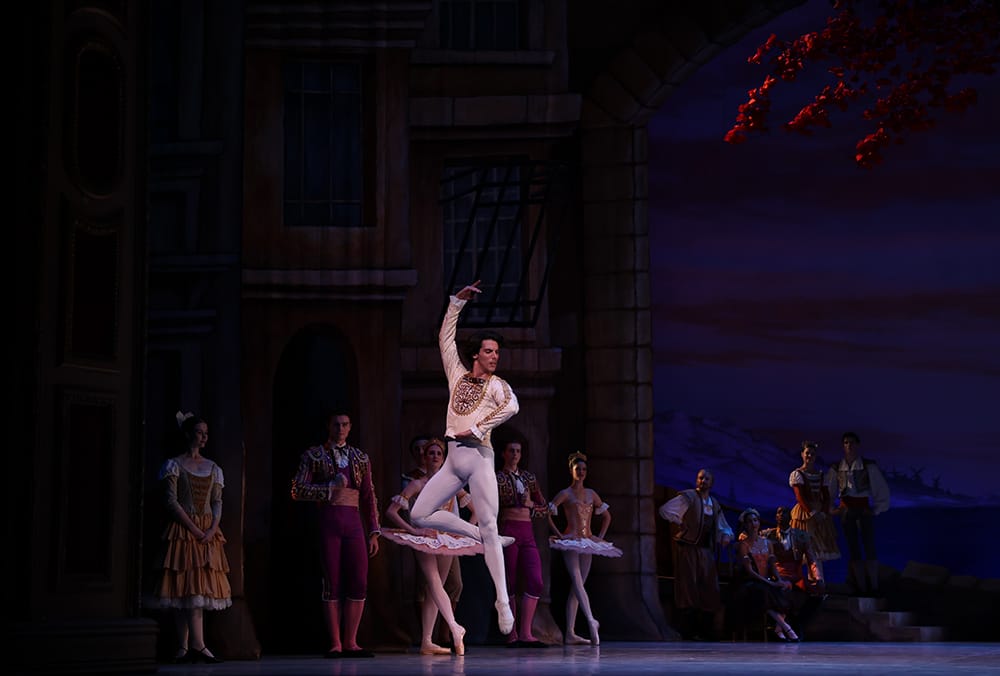
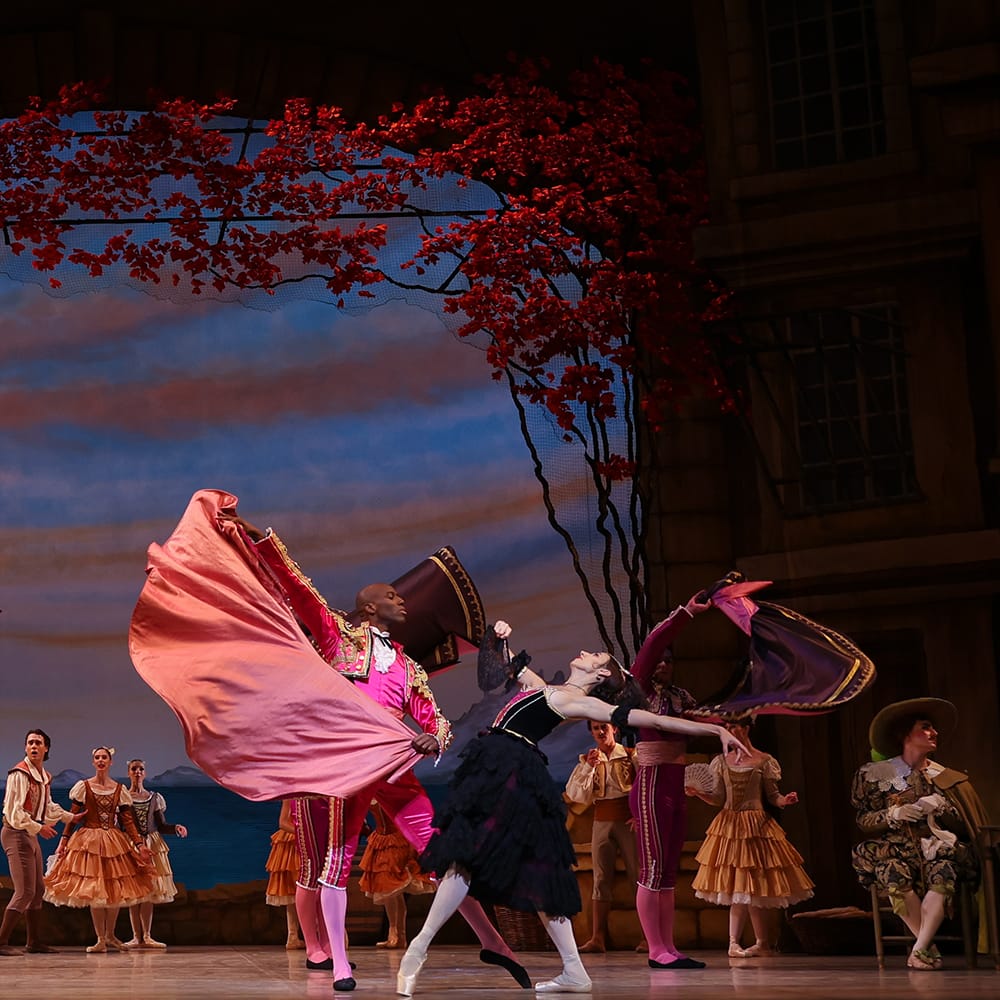
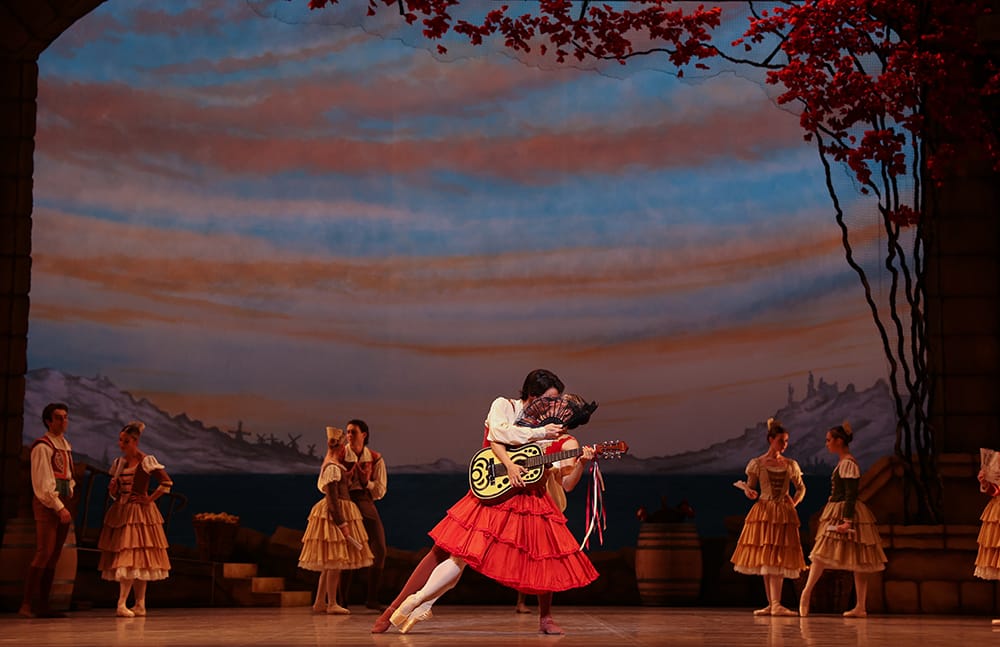
At every turn the young lovers dominate the stage with their artful, expert movement. The full repertoire of classical ballet moves are presented, pulled apart, expanded, and savoured. Principal artists Chihiro Nomura and Oscar Valdes were incredible as Kitri and Basilio. Their work was enhanced by the inclusion of a team of matadors (led by Juan Carlos Osma), street dancers (led by Polly Hilton), and a band of Spanish brigands (led by Jurgen Rahimi). Osman, Hilton and Rahimi each gave spectacular solo turns, while the corps de ballet’s ensemble work created many vibrant and energetic group scenes.
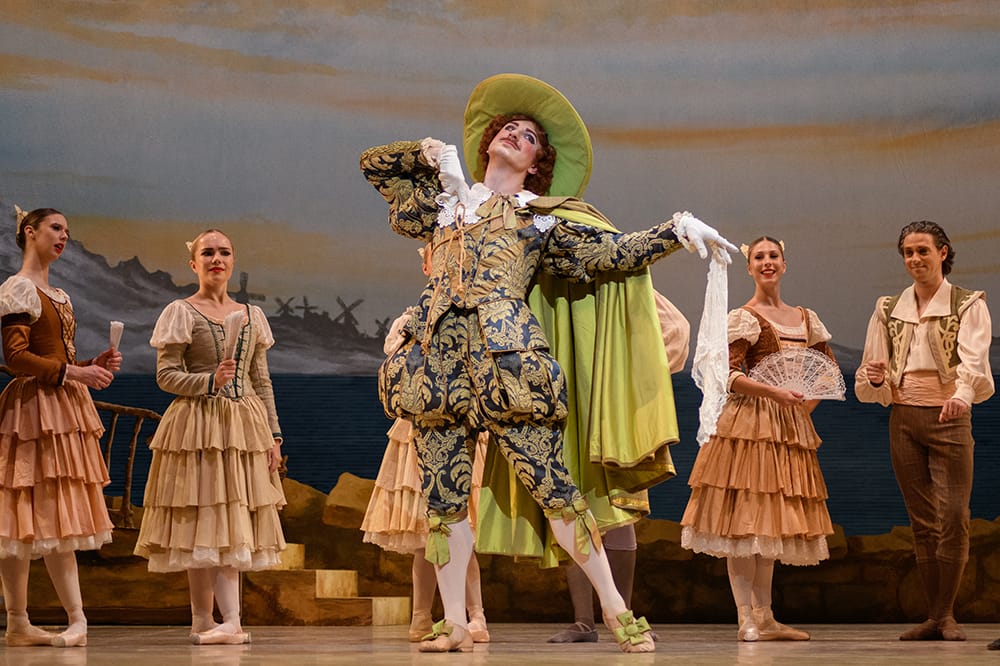
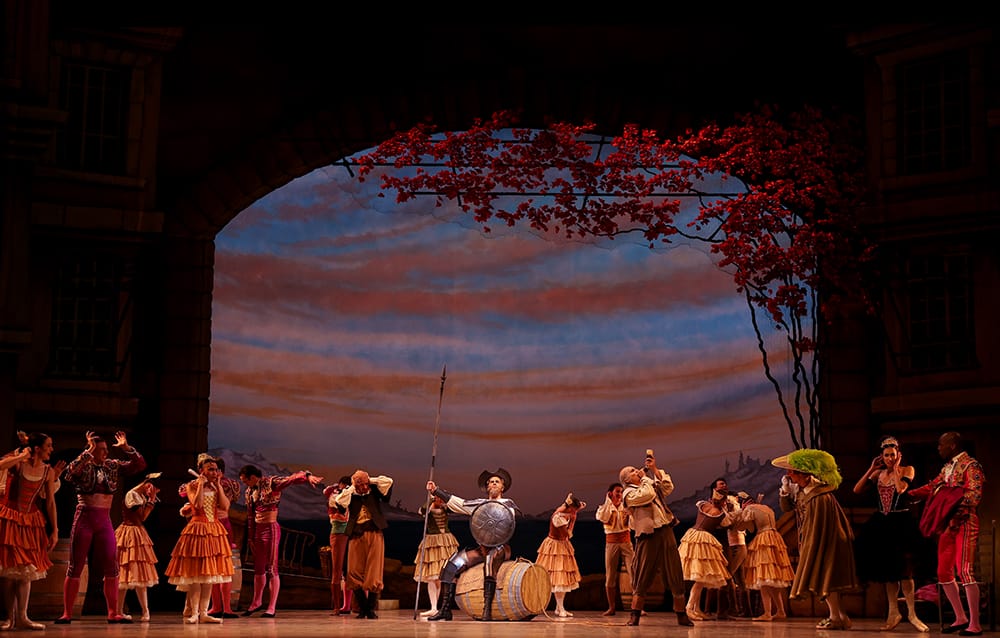
The elder roles—Quixote, Sancho Panza, Lorenzo and Gamache—were delivered by the decidedly younger artists Jack Whiter, Lorenzo Lupi, Craig Lord-Sole, and Adam Alzaim. All were not only excellent in their mimicry of older age movement within complex dancing but also expert in their comic timing, gestures and facial expressions.
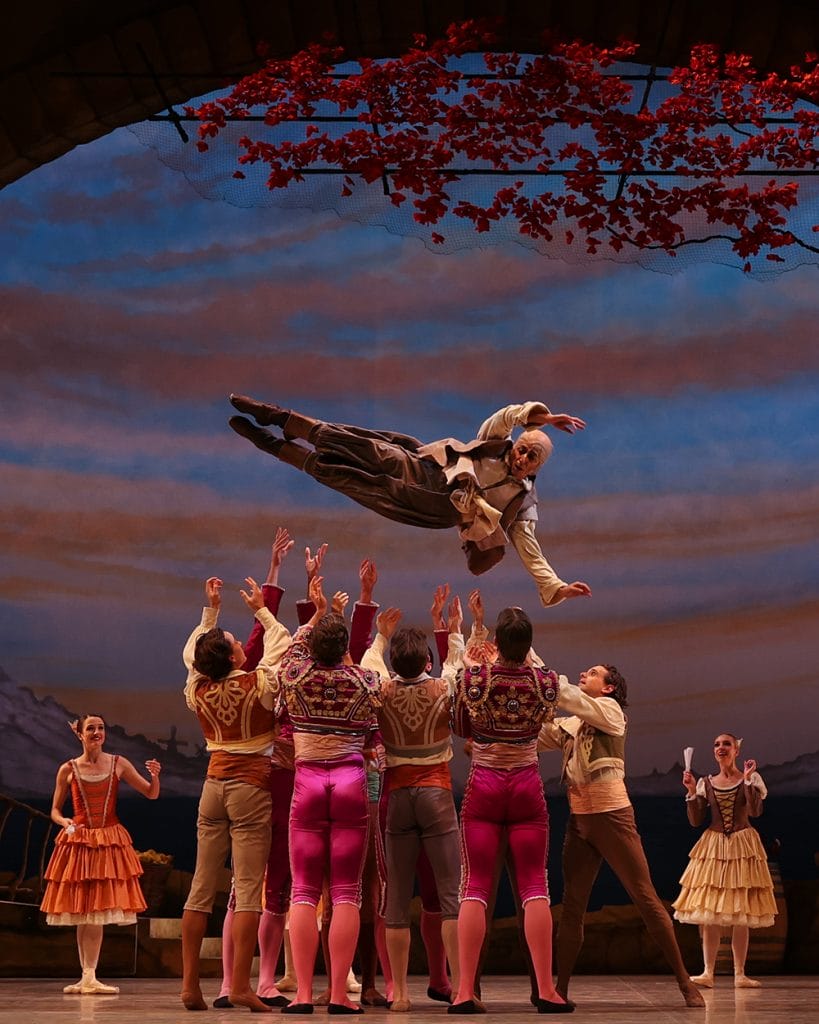
One comic highlight was the early scene where Sancho Panza is thrown aloft by the gathered townsfolk. Both Lupi’s twists in the air and the fearful look on his face were priceless.
All performing arts are collaborative, but ballet, like opera, is more so than most. In addition to the troupe of performers, set, costume and lighting designers, there is the added complexity of working with a live orchestra. Western Australia is lucky that a special agreement has been forged between the WA Symphony, WA Opera and WA Ballet whereby the orchestra provides the music for the other companies’ main house productions (that is, those at The Maj). For this music reviewer, WASO’s involvement was the drawcard.
Coordinating the orchestra and the ballet is a highly specialised skill. It is little surprise, then, that Principal Conductor Jessica Gethin is employed by the WA Ballet, not WASO.
An international artist with a roster of engagements throughout the USA, Asia and New Zealand as well as Australia, Gethin is also the Head of Orchestral Studies and Conducting at the WA Academy of Performing Arts and the Artistic Advisor to Orchestra Australia. In 2024 she was nominated as Limelight Australia’s Artist of the Year and inducted into the WA Women’s Hall of Fame.
As no two ballet performances are exactly the same, the orchestra’s role is not as simple as playing music for the dancers to dance to. Rather, both sides of the equation are fluid and must be constantly monitored and adjusted.
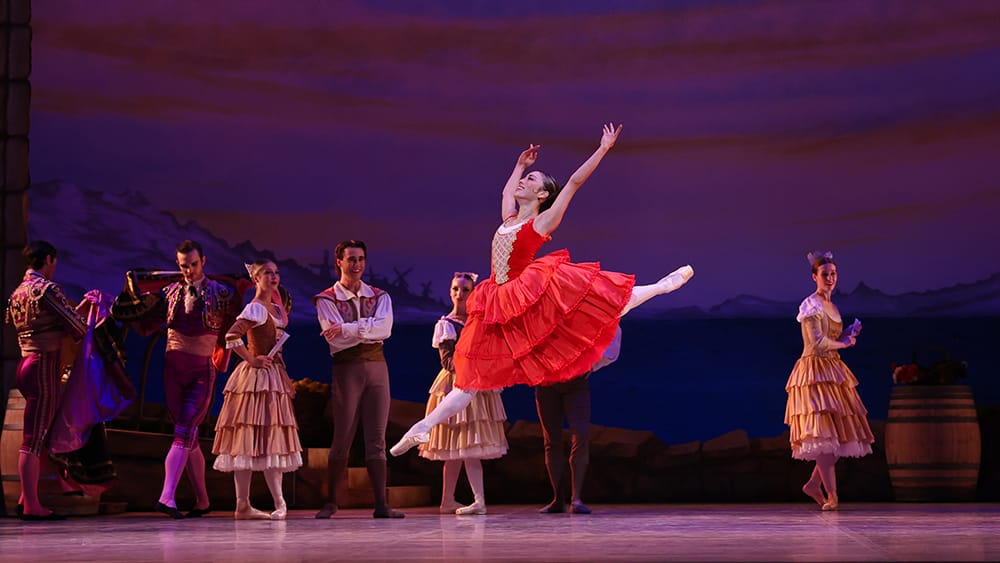
To achieve this, Gethin works closely with the ballet troupe during the rehearsal process. This enables her to not only acquire an intimate knowledge of the various dances but also familiarise herself with the different performance styles of the dancers themselves. The timing of an individual performance can vary from night to night or even within the course of a single show. Some nights, in their excitement, the dancers speed up; on others, they may get tired and slow down. Certain gestures are determined by the stamina of the individual dancer and their poise on the night. The conductor takes all of these factors into consideration to ensure that in performance the music and dancers always remain in sync.
A classic moment in this production is the famous lift where, with one hand, Valdes holds Nomura aloft. To draw attention to the moment, the orchestra stops playing. But the length of the pause is determined by the dancers, not the conductor. The sympatico between Gethin and the principals here is key to giving this moment its full dramatic impact.
Moreover, as Don Quixote is a comedy and Ludwig Minkus’ score emphasises that, Gethin’s direction teases out key moments so that they reach their full comic potential. The horns during Sancho Panza’s uninvited mid-air turns were a case in point.
Although the audience’s only glimpse of Gethin during the show is her right hand and baton occasionally rising out of the orchestra pit, hers is not a thankless or unacknowledged task. At the end of the show, the dancers firstly gesture down into the pit to acknowledge the orchestra, then welcome Gethin onto the stage for the final bow to take her rightful place at the centre of the troupe. She certainly earns her applause.
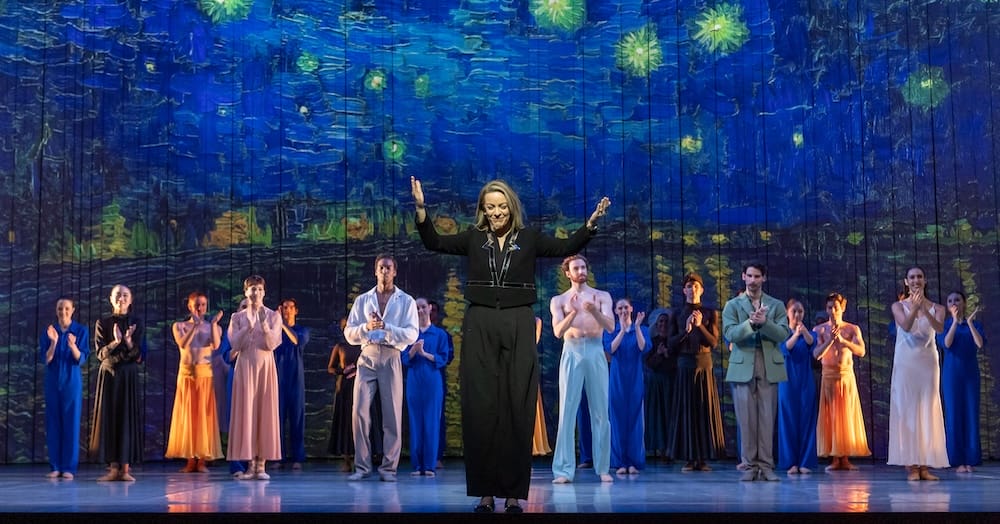
Gethin was not the only key collaborator on WA Ballet’s production of Don Quixote.
As Lucette Aldous passed away in 2021, someone was needed to help interpret her choreography. Hence Aldous’ daughter, Floeur Alder, herself an accomplished dancer adept in both classical ballet and contemporary dance, was engaged as artistic advisor. Like Gethin, Alder attended the rehearsals and spoke to the dancers about the energy and fastidiousness central to her mother’s technique. Her advice was key to further honing the spirit of this production.
Finally, the Spanish dance sequence, crucial to Act I Scene II, was choreographed by celebrated Spanish choreographer and dancer Deanna Blacher OAM. This vibrant scene provided a neat contrast to the classical ballet and gave the performance a further contemporary edge.
The result is a splendid show, vividly designed, exquisitely costumed, and brilliantly executed. Even those not versed in classical ballet were awed by the consummate artistry and outstanding talents of this Perth-based, world-class company and its many artistic collaborators.
IAN LILBURNE
Photos by Julio Blanes, Emma Fishwick and Bradbury Photography