Review: Cohen Noir at Astor Theatre
Monsieur Camembert: Cohen Noir at Astor Theatre
Saturday, October 10, 2026
Near enough a decade after Leonard Cohen’s death, his oeuvre continues to inspire and confound in almost equal measure. Sydney world music collective and triple ARIA Award winners Monsieur Camembert crossed the Nullarbor on Saturday night to celebrate Cohen’s words and music with an Astor audience primed and passionate for the material which was to come.
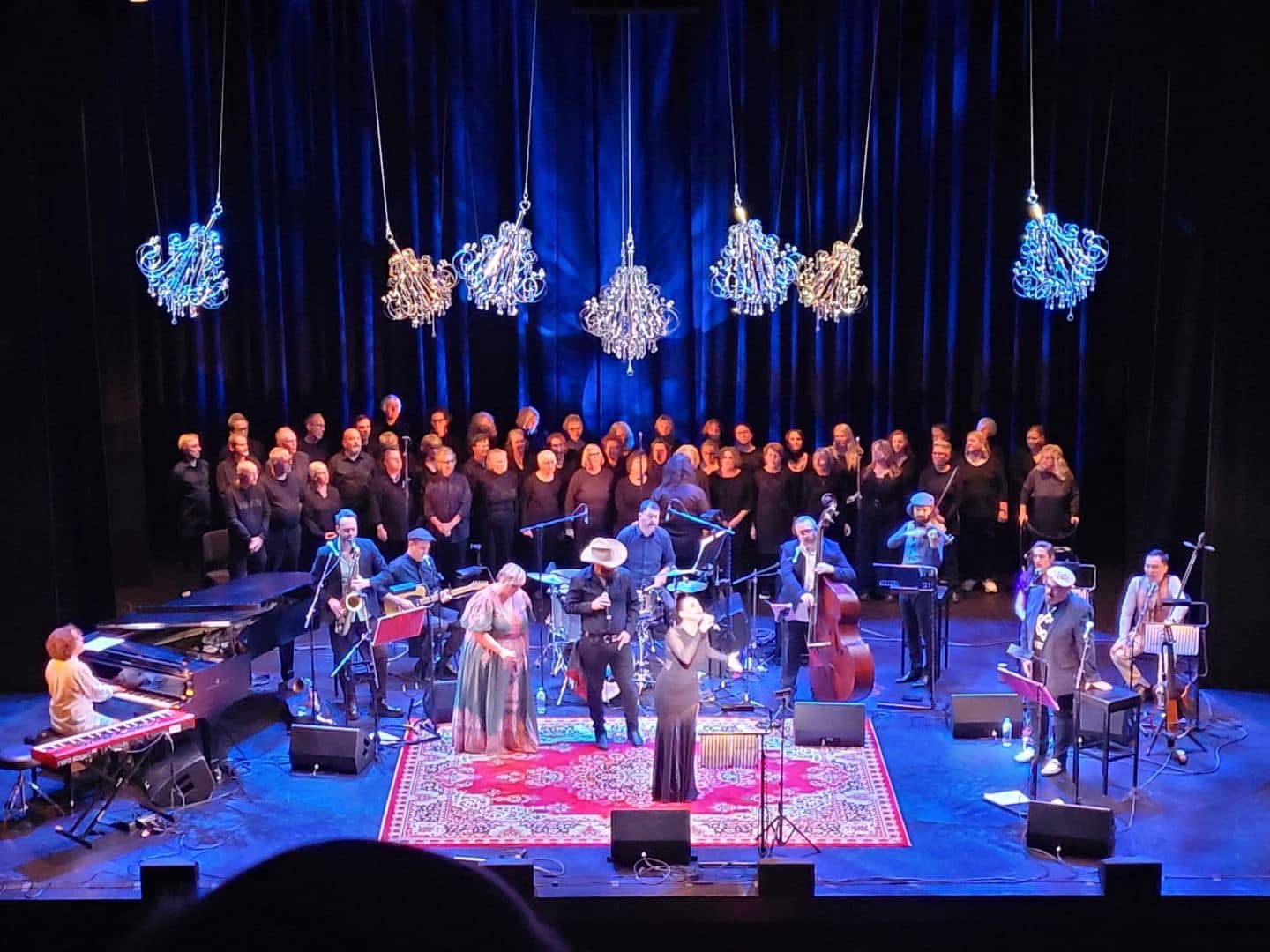
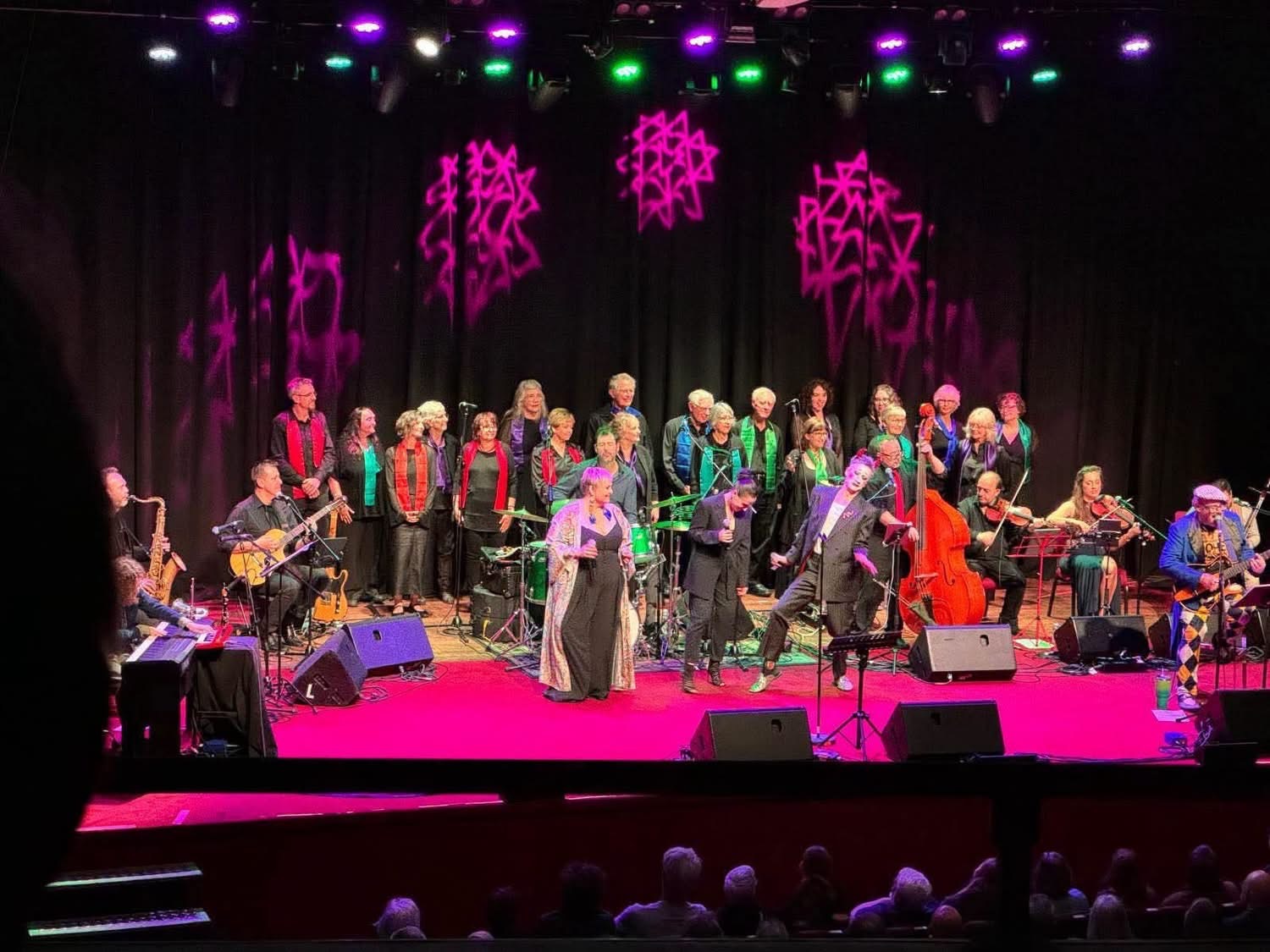
With nine musicians, three singers and, towards the latter portion of the evening, an entire local choir, the stage was chock full of equipment and talent from the very first. With several members of the team having spent twenty years interpreting Cohen’s work, the band easily rose to the occasion, were well polished, and extremely professional in their presentation.
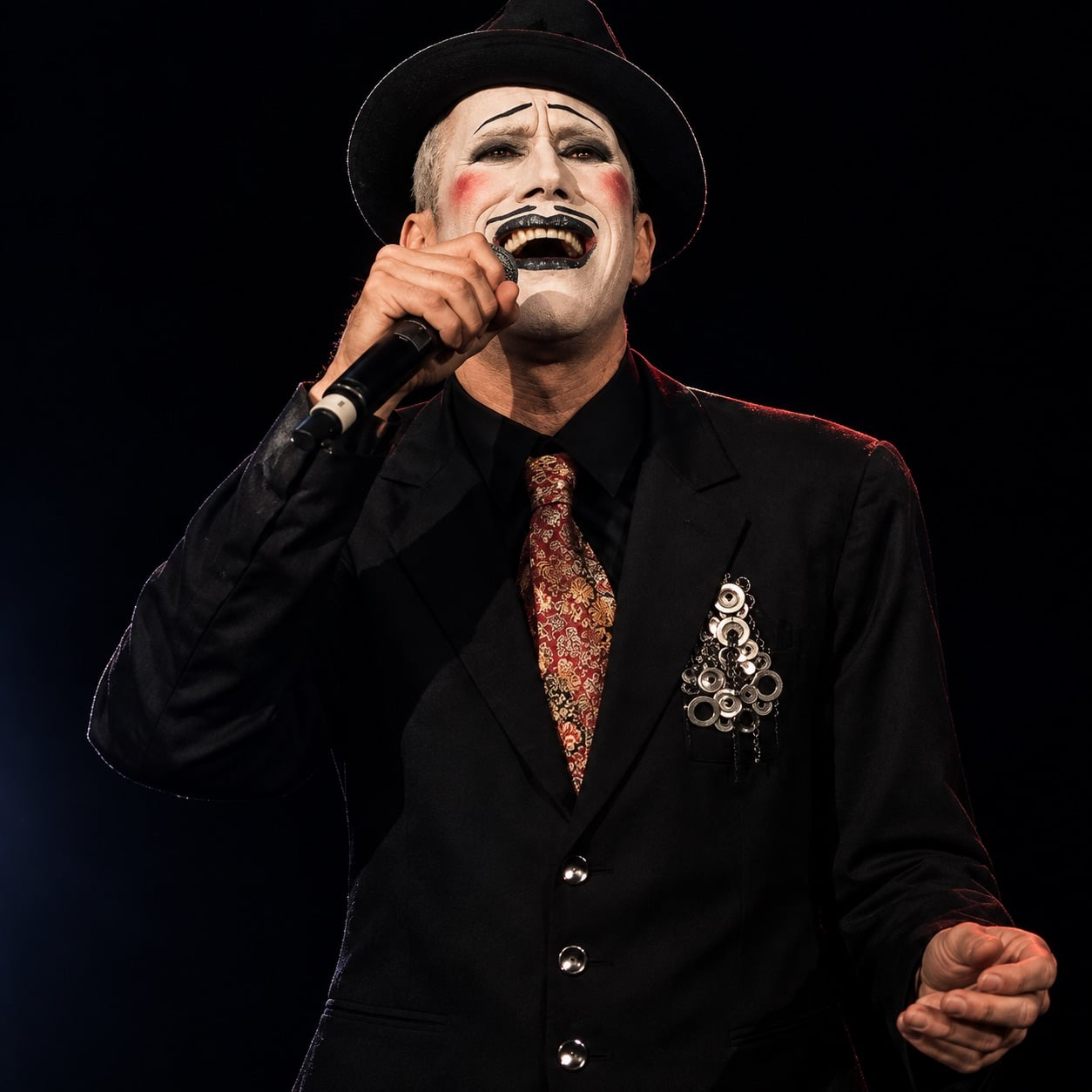
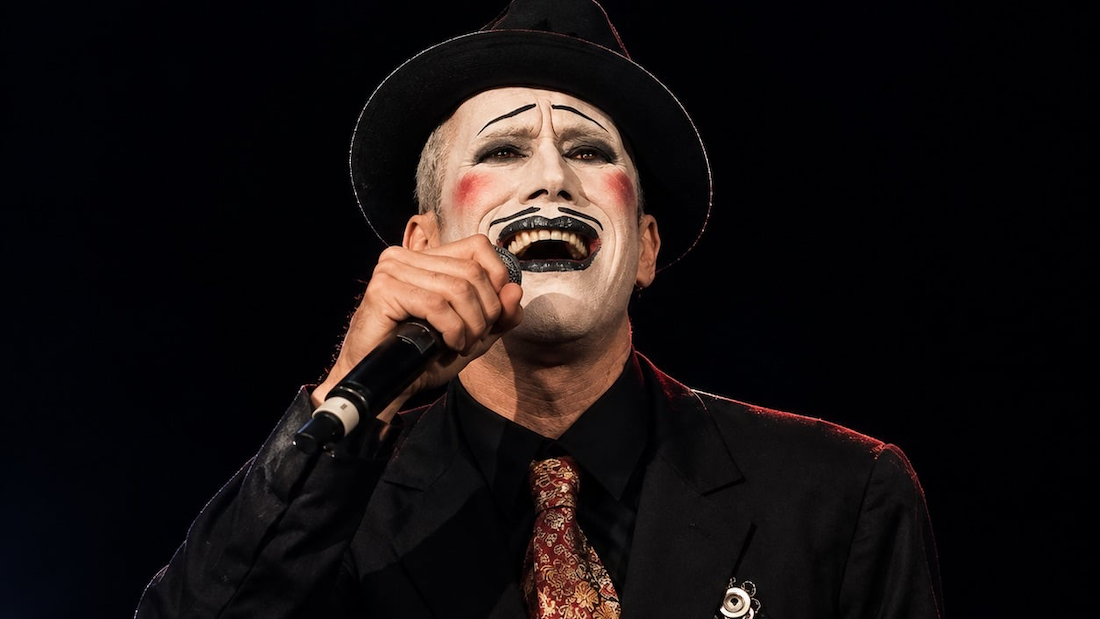
Musical director and guitarist Yaron Hallis led both the band and audience into the evening with a woozy jazz-infused reimagining of 1988’s I’m Your Man, the title track of Cohen’s eighth album. Hallis provided the perfect amount of gravel to the lyrics before properly introducing tonight’s muse as the poet laureate of gloom, a giver of music to slit wrists to, or even Sylvia Plath if she had ever been tempted by an instrument.

Deftly using Cohen’s own recordings between most of the tracks, the original artist spoke from beyond the grave stating he had never actually been depressed, but that the seriousness he strongly preferred sometimes took on the characteristics of that other state. Festivities and frivolity had always felt a punishment to him.
Born in Montreal into an Anglophone Orthodox Jewish family, journeying towards Buddhism later in life, and with seemingly more Catholic iconography in his lyrics than almost anywhere outside the Vatican, Cohen had never shied away from the tough questions or the controversial topics.
Neither had Cohen ever believed he himself had the answers, no matter how much the media or public had projected that onto him during his lifetime. He had never stopped asking questions, even to the end, on love, sex, war, religion, or politics—every answer he had carefully uncovered was never the full and final meaning, but they had all been smaller truths in their own way.
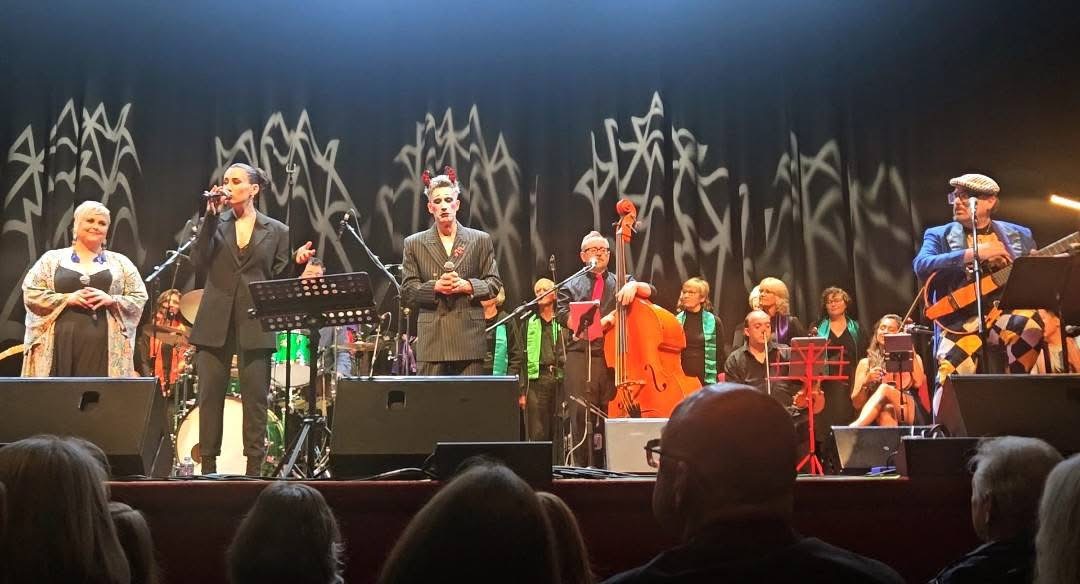
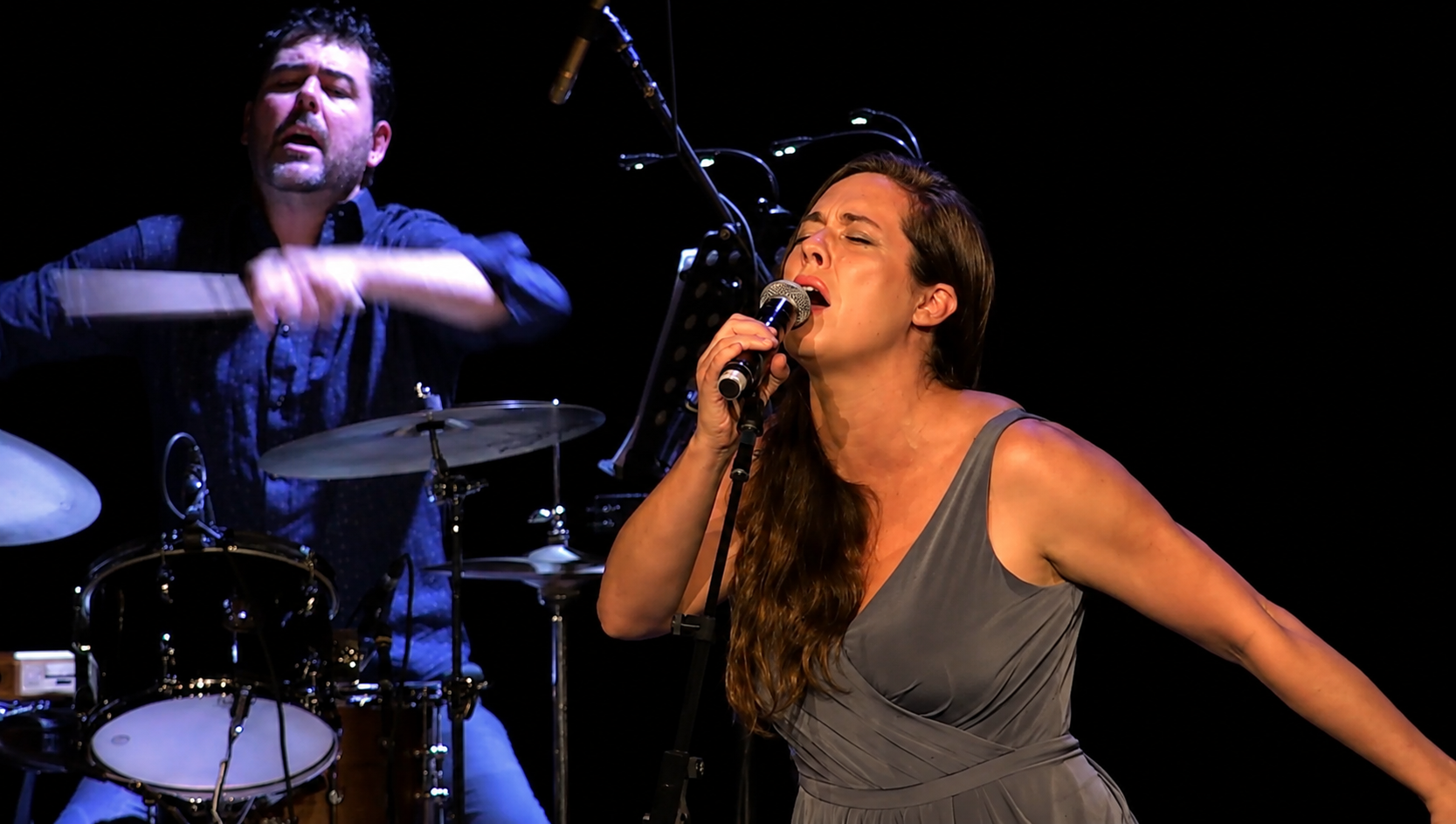
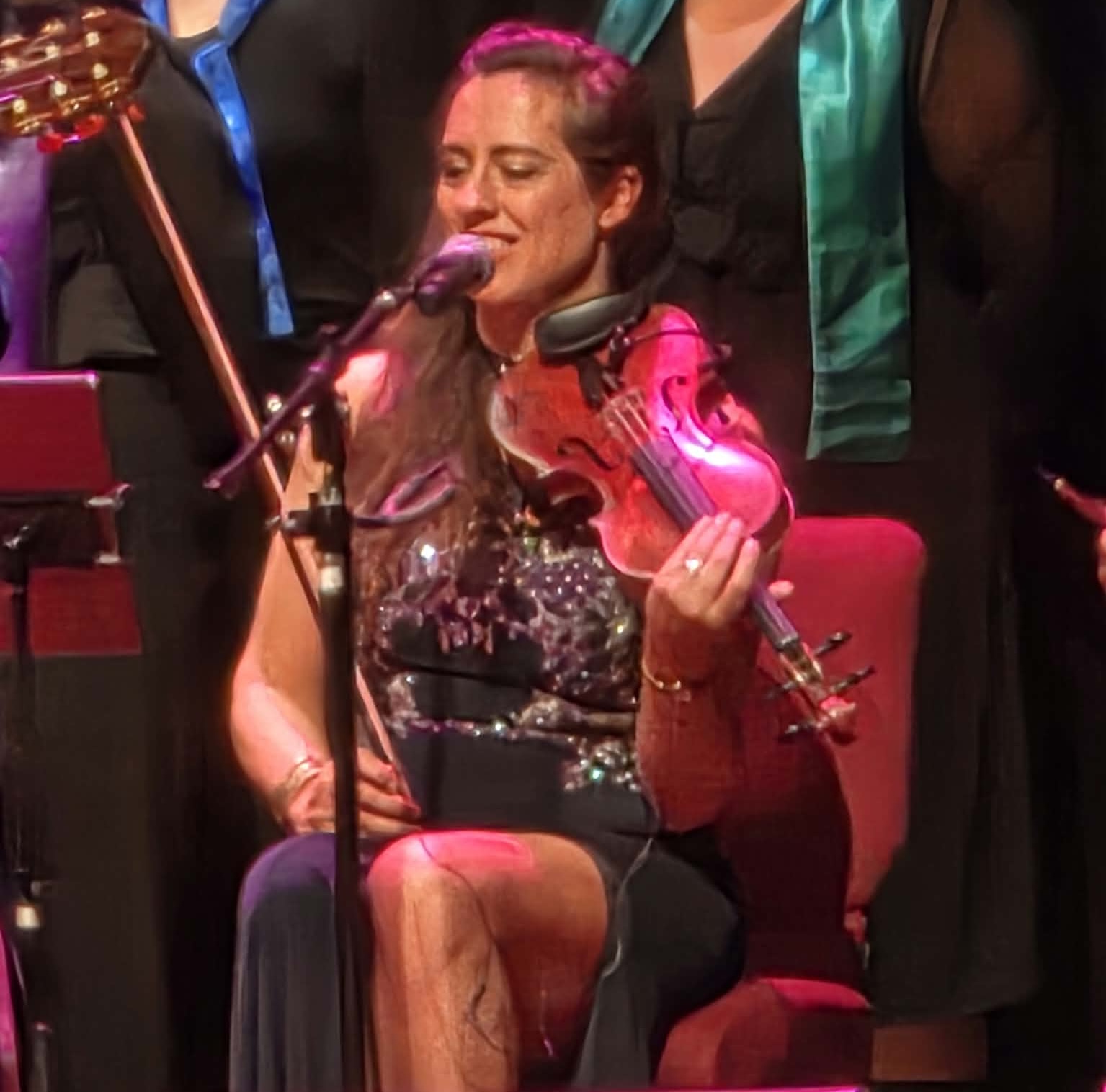
Perhaps fitting under the subheading ‘Abandonment and Adultery’, vocalist and second violinist Susie Bishop came front of stage to opine on Famous Blue Raincoat, a wintery piece full of loss and bereavement, in which Cohen seemed to insert himself into a love triangle now five decades in the past, the lyrics given in the form of a letter to an unnamed brother who had led wife Jane astray. Despite the intense sadness of the material, Bishop’s voice soared to the heavens, and she flashed the widest smile to all, a singular moment before the saxophone solo layered even more woe onto the track.
With the sombre cadence of the Hebrew prayers Cohen had intoned at synagogue as a child, Hallis and the next vocalist Lyn Bowtell, ten-time Golden Guitar winner at the Australian Country Music Awards, brought forward Who by Fire. An imperial, abrasive, and very empowered track, the words relayed the bitterness of the Day of Atonement, speaking to the doom of everyone who listened.
Bishop returned to stage for the incredible Joan of Arc, Cohen at the height of his lyrical powers, an acerbic, spectacular poet who had reached back six hundred years to contemplate the last thoughts of the French patron saint, sick of the war, just wishing she had been able to undertake an ordinary life. Bishop’s voice, intertwined with the lyrics, were both absolutely powerful in their own ways, and anyone not moved by this song would surely have the heart of a stone.

Indeed, all musicians and vocalists tonight gave their hearts and most of their souls to the material, with none seeming to hold anything back. From flecks of tango, through tasting platters of cabaret or klezmer, to tracks almost blues or Motown, the evening surely expanded the knowledge base of even the most passionate of fans. Even the missteps, such as 1977’s collaboration with Phil Spector, Don’t Go Home With Your Hard-On, were reimagined as hilarious almost-victories.
Six decades on from the artist’s debut album, its major works So Long, Marianne and Suzanne were given the group singalong treatment, which felt a minor sacrilege at the time—who sings at a Cohen retrospective?—but the fans provided both songs as much respect as they possibly could.
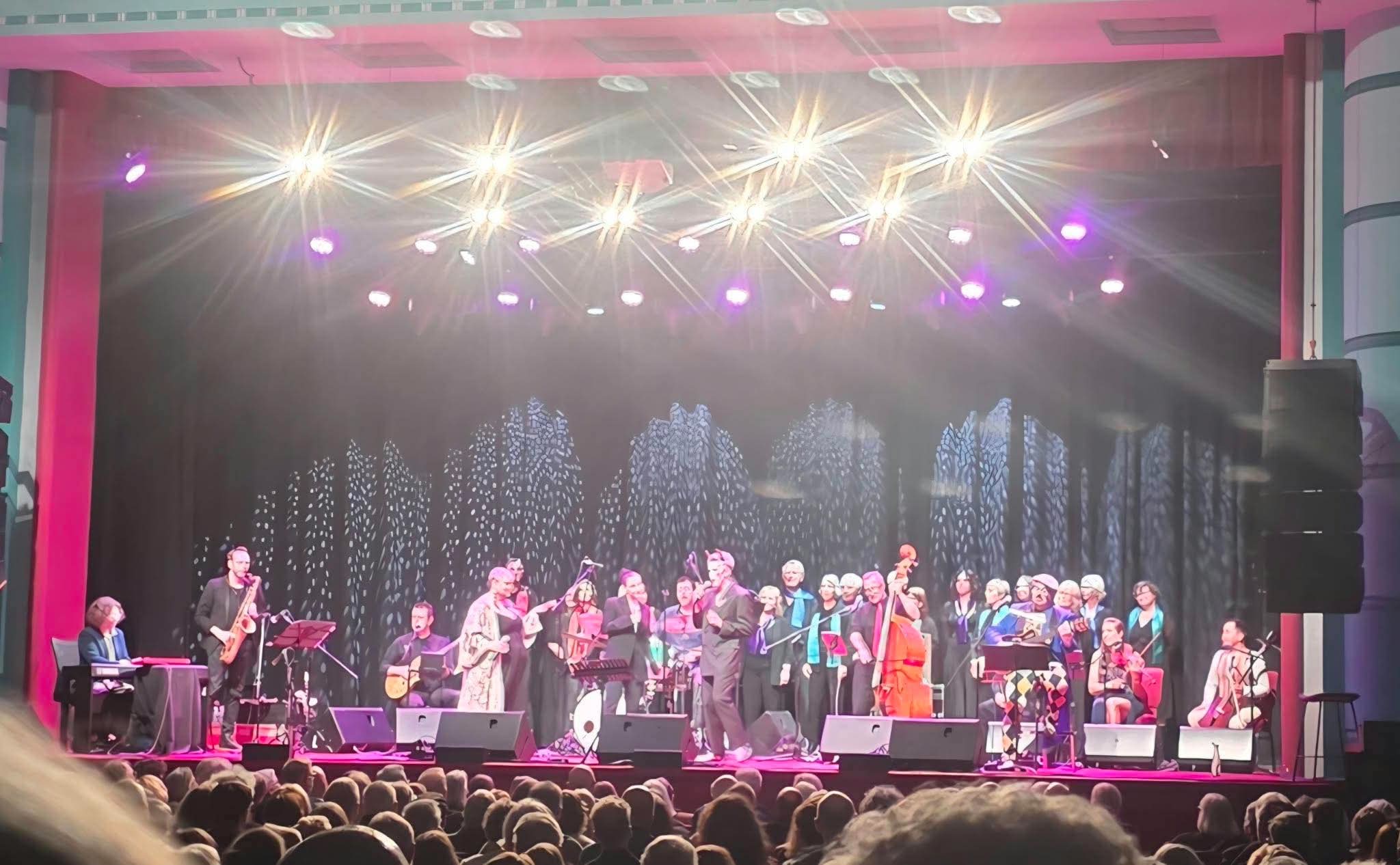
The big one, Hallelujah, was given six verses between each of the vocalists and the Swan Harmony Choir, which was followed up by the very cynical and still very relevant Everybody Knows. Written almost forty years ago, before even the fall of the Berlin Wall, the lyrics remained white-hot with impassioned fury.
With plans already afoot to return to Perth at a similar time next year, Monsieur Camembert had landed Cohen Noir in a very special place, with a passionate audience keen for more, in a very celebratory way. The artist may be gone, but his glorious words continue to resonate, bringing a precious warmth to the world in moments such as these.
PAUL MEEK
Photos by Yaron Hallis