Review: Black Country, New Road at East Perth Power Station
Black Country, New Road at East Perth Power Station
Sunday, February 22, 2026
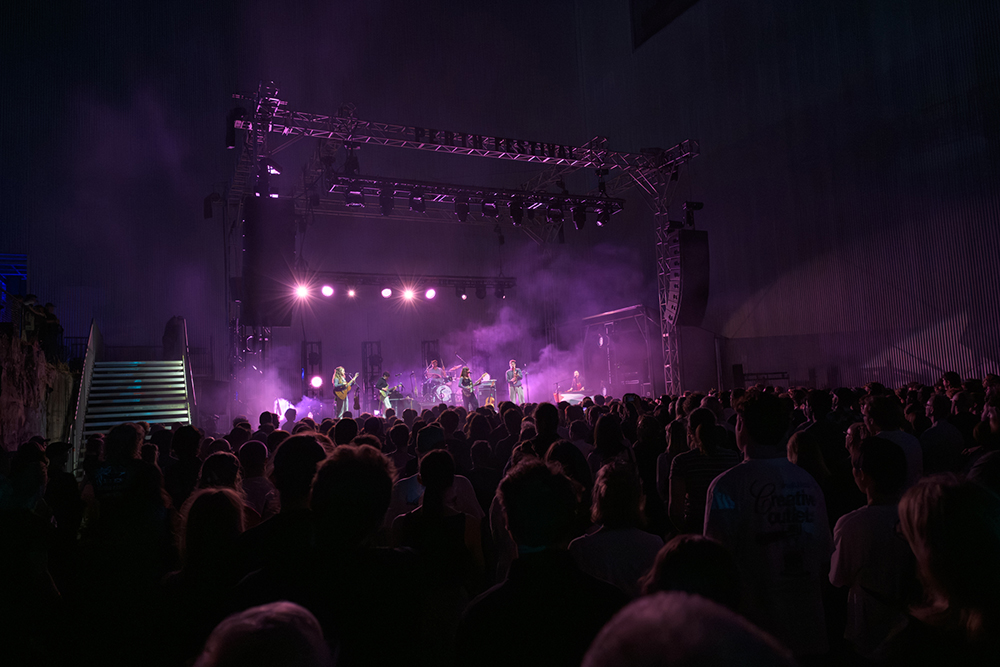
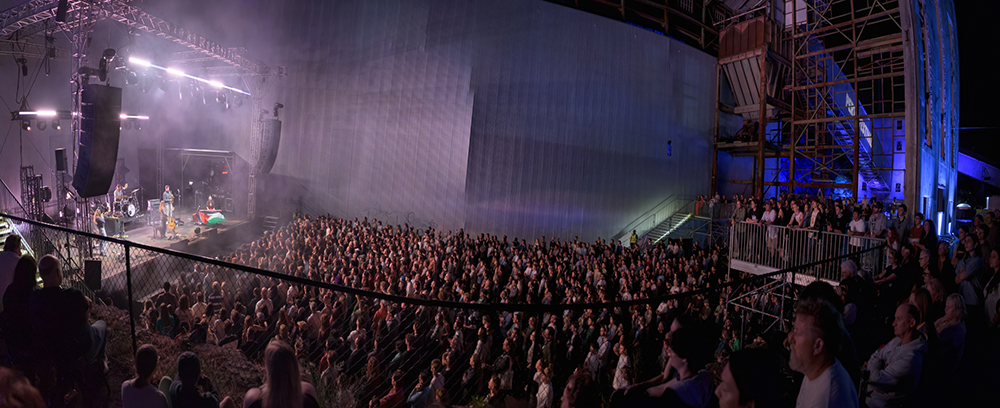
Black Country, New Road (BCNR) have been through big changes as a band. Following the departure of lead singer-songwriter Isaac Woodin 2022, the band released a live album of new material in 2023 and the critically acclaimed Forever Howlong in 2025. Since the album release, they have been only looking forward and playing almost exclusively from the latest album in live shows. The current incarnation of BCNR is very different stylistically from the experimental post-punk sounds that won them fans and awards before Wood left the band. While this may be controversial among longtime fans, BCNR absolutely captivated the crowd at the East Perth Power Station with their powerful, progressive baroque sounds.
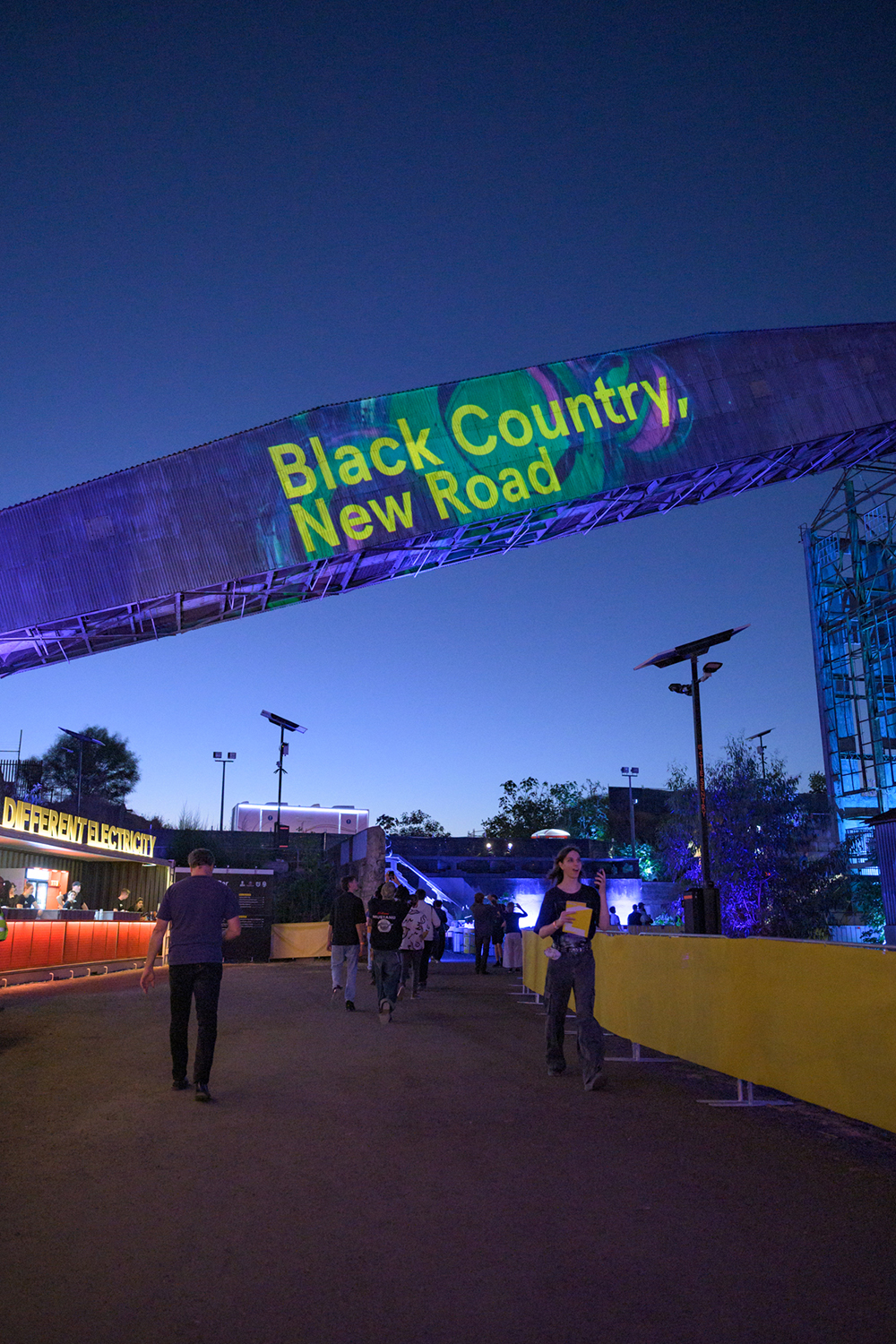
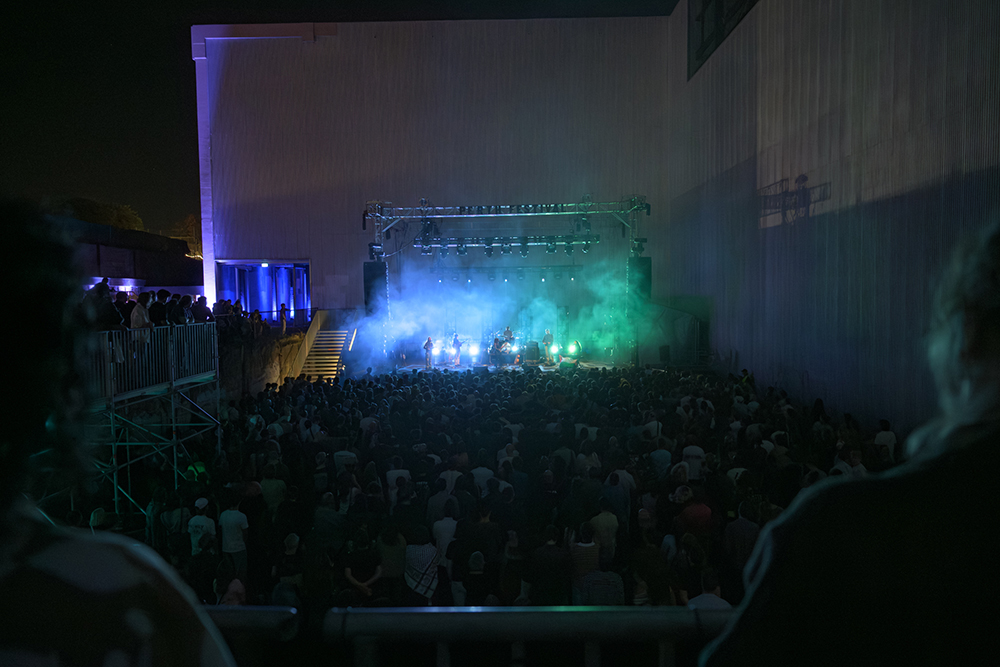
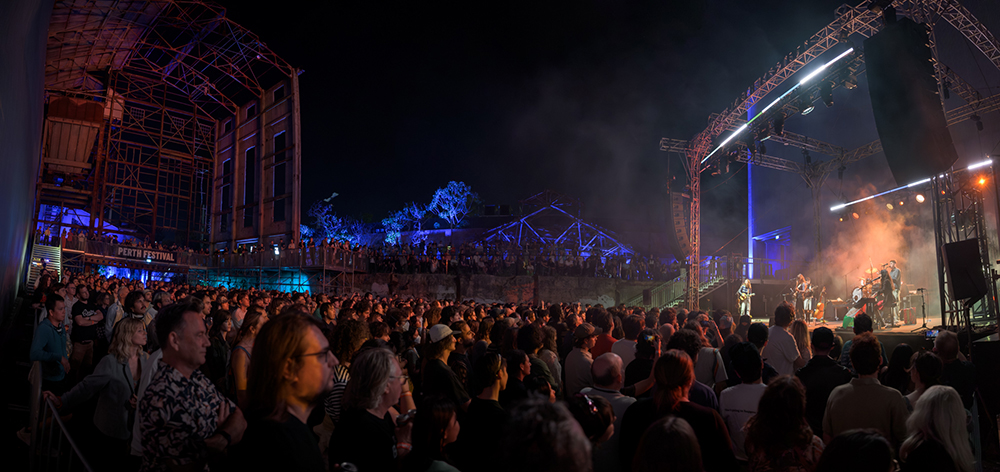
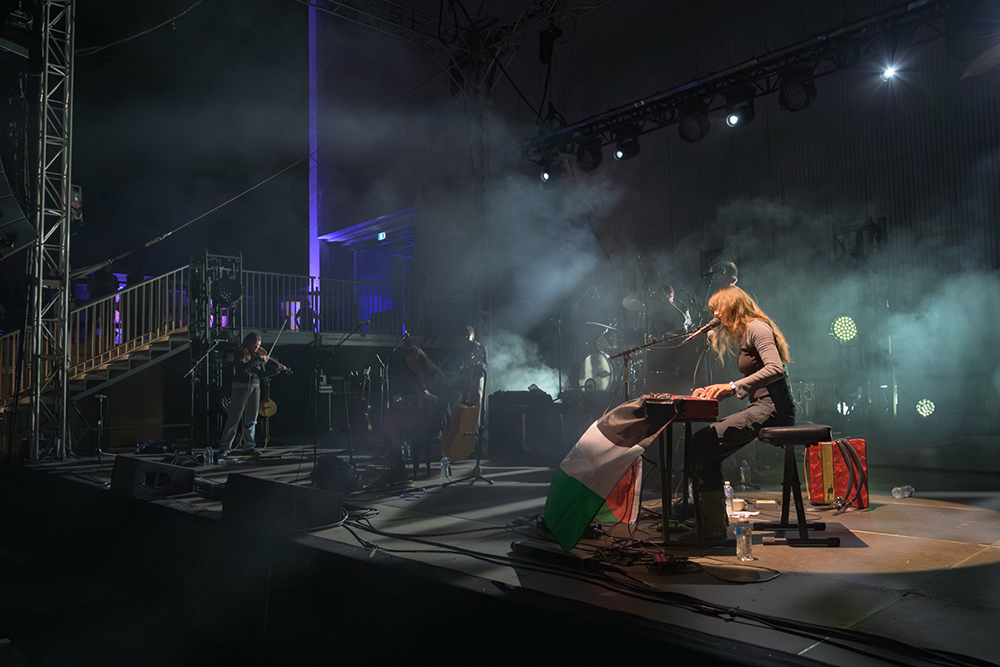
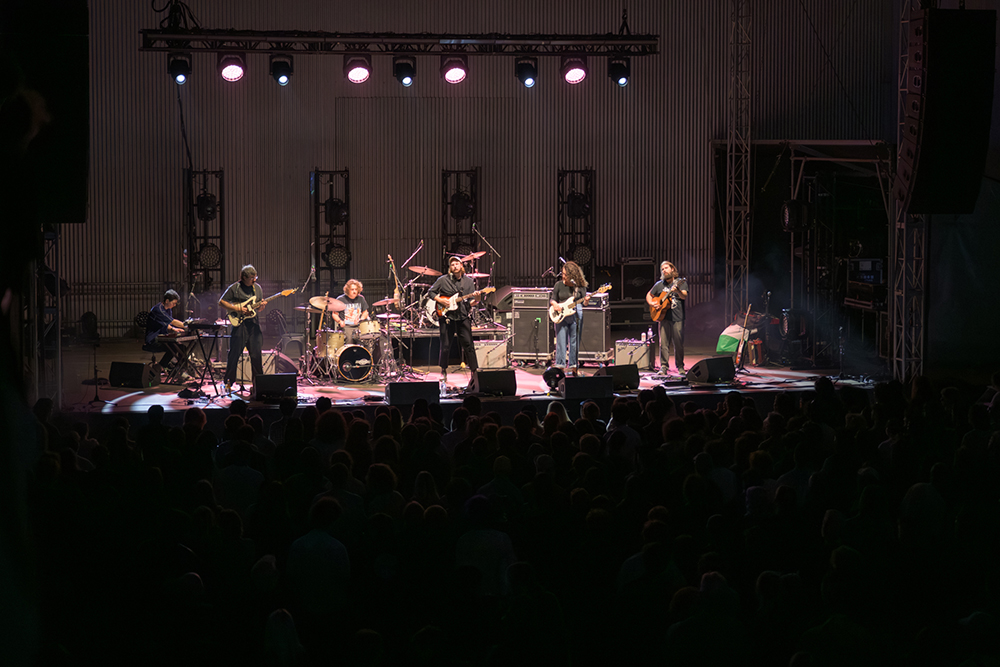
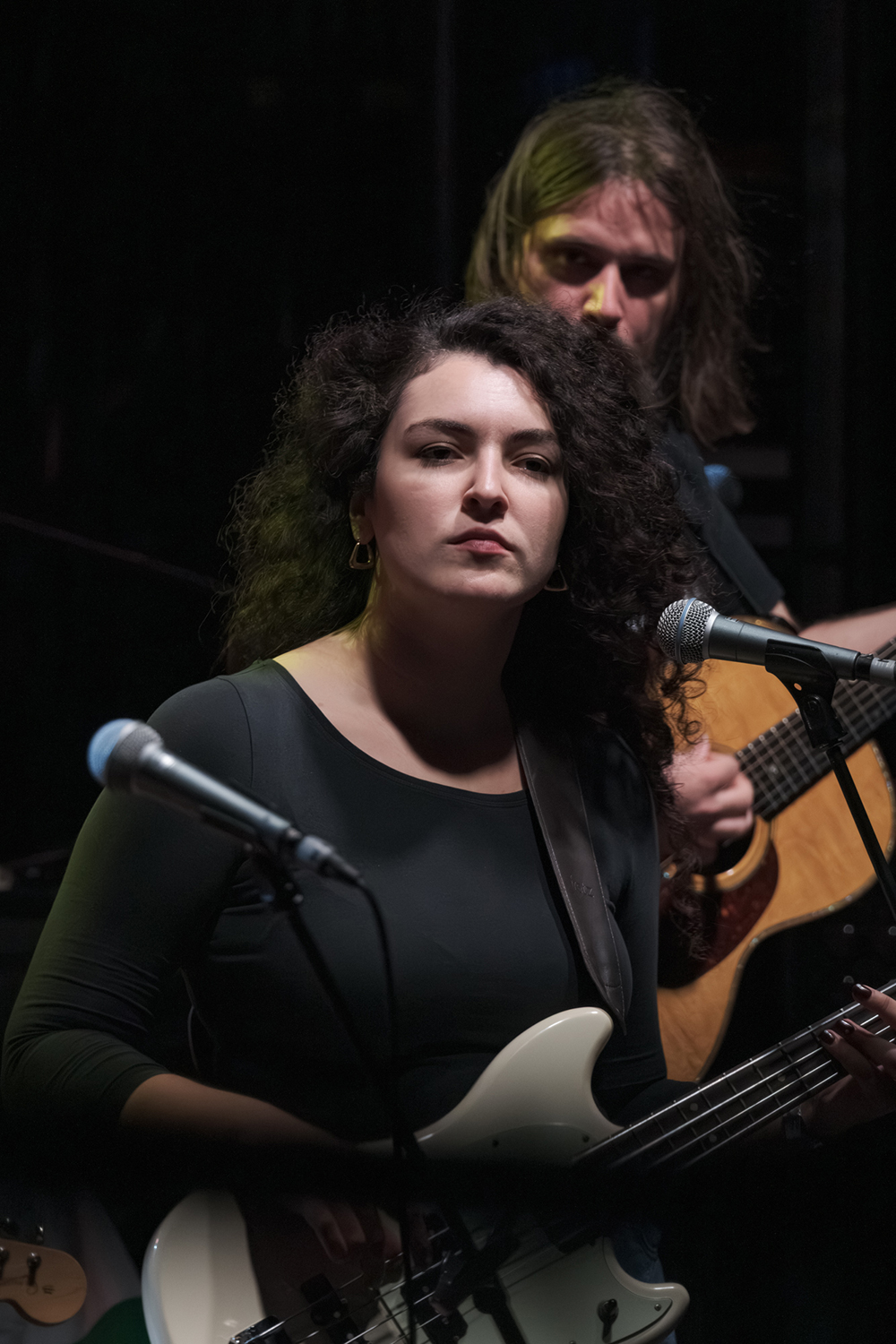
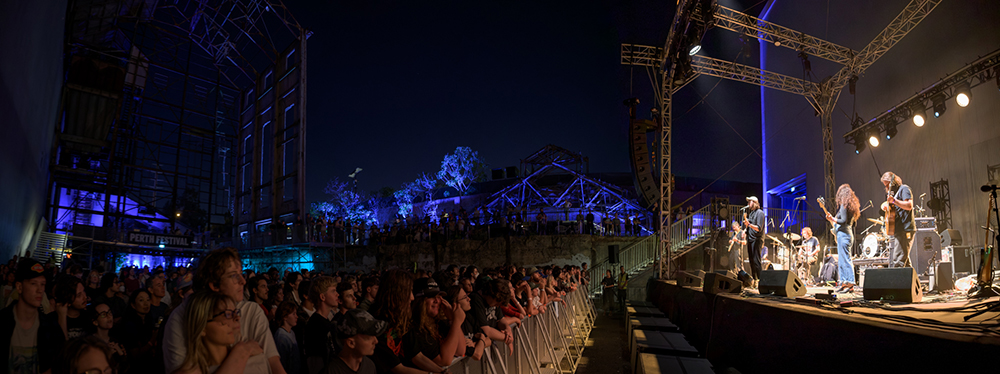
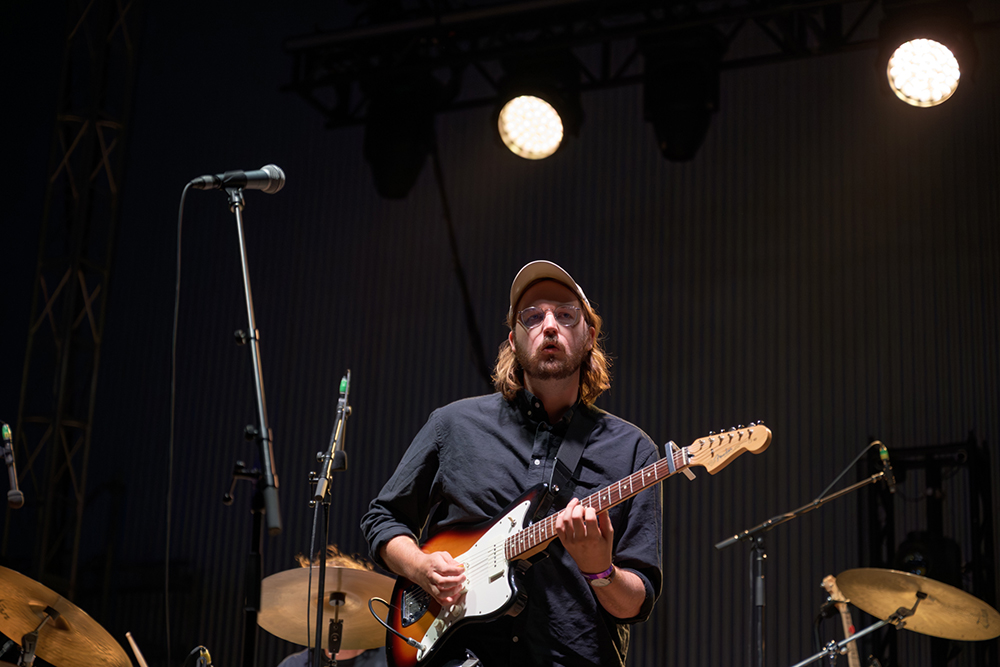
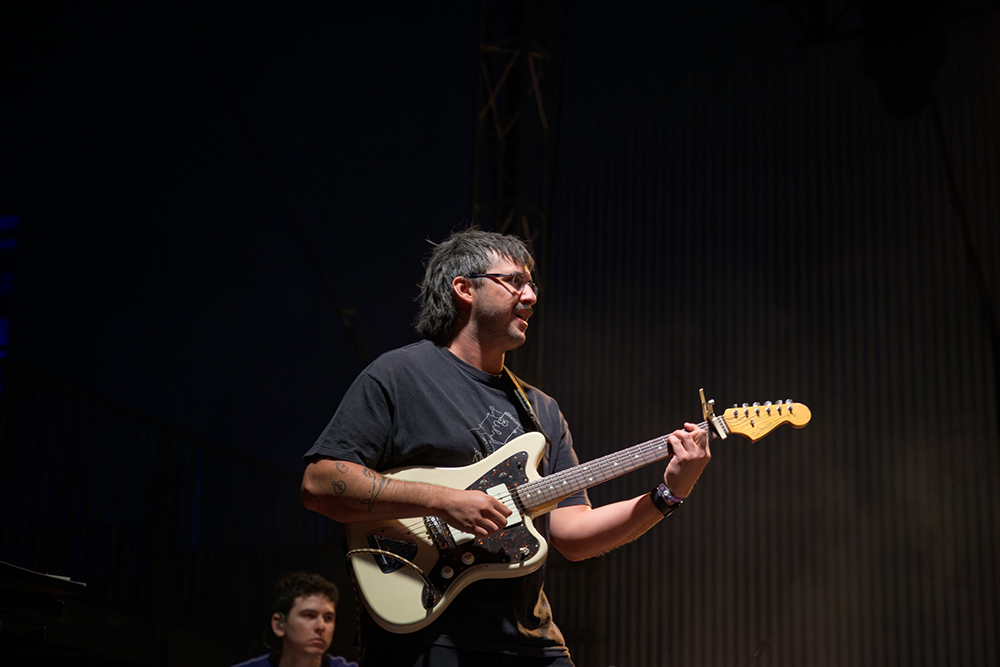
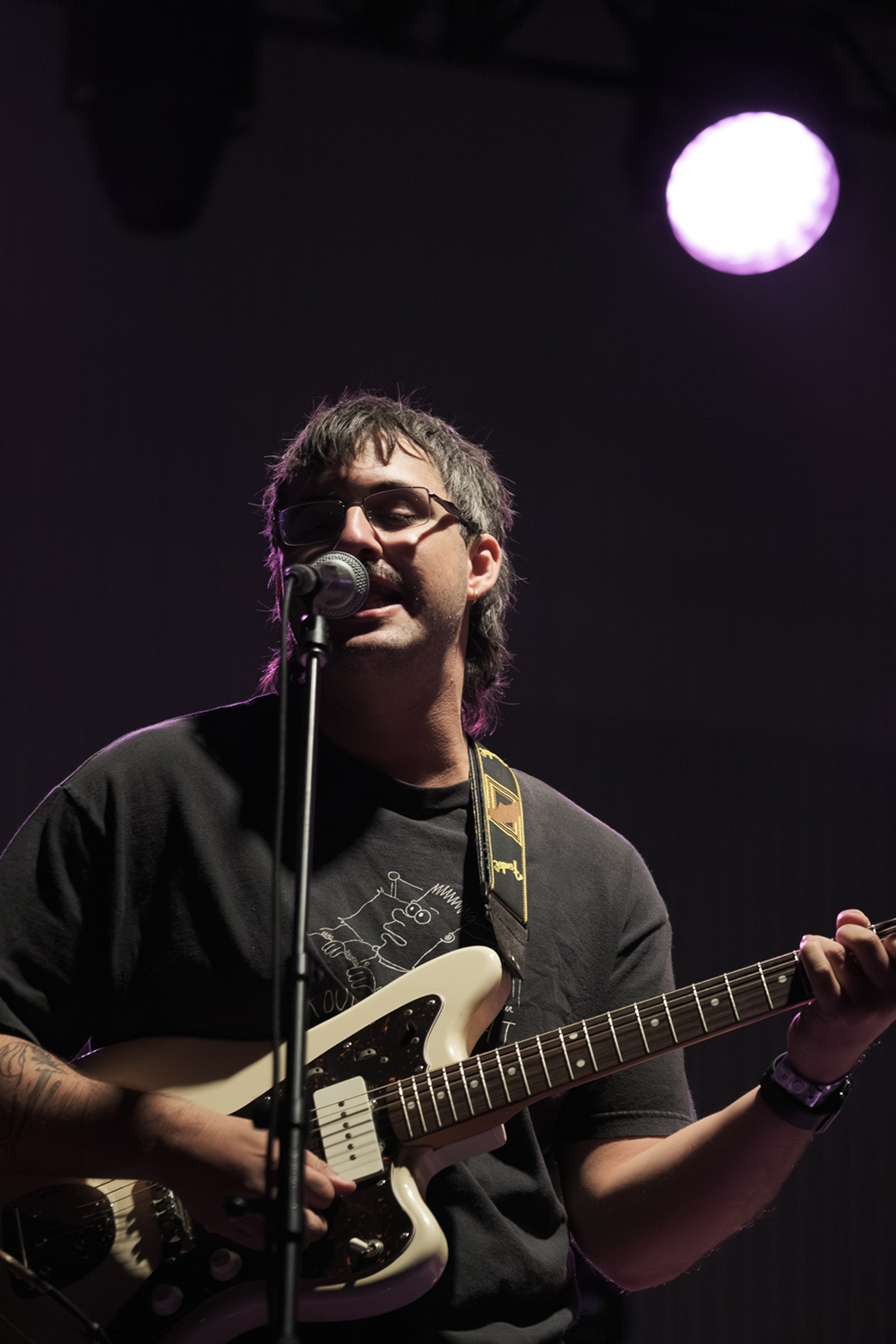
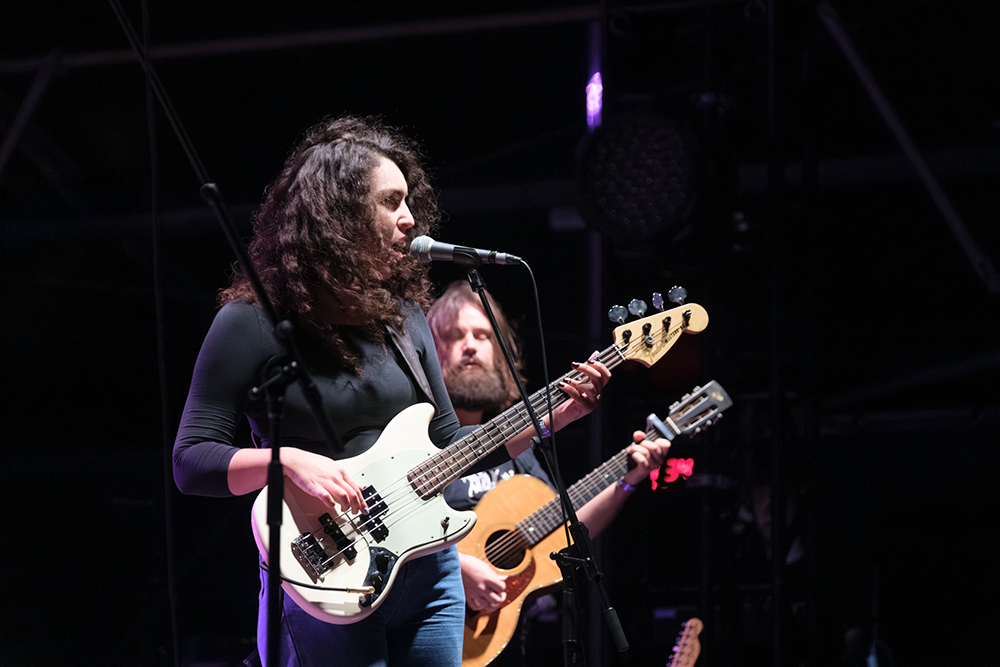
In its second year as the music hub for the Perth Festival, the East Perth Power Station has been showcasing a huge range of incredible acts from Australia and around the world. On Sunday, 22 February, it was local indie band Gap Year that brought their signature jangly guitars to warm up the audience under the dramatic girders of the derelict power station. Their gravelly voices and layered guitars drew inspiration from 80s Aussie guitar rock, but their creative arrangements and the rare vocals from bassist Maddy Blue were what really made the five-piece stand out. The audience may have been craving more of Blue’s vocals, but they didn’t have long to wait for some stunning female singing.
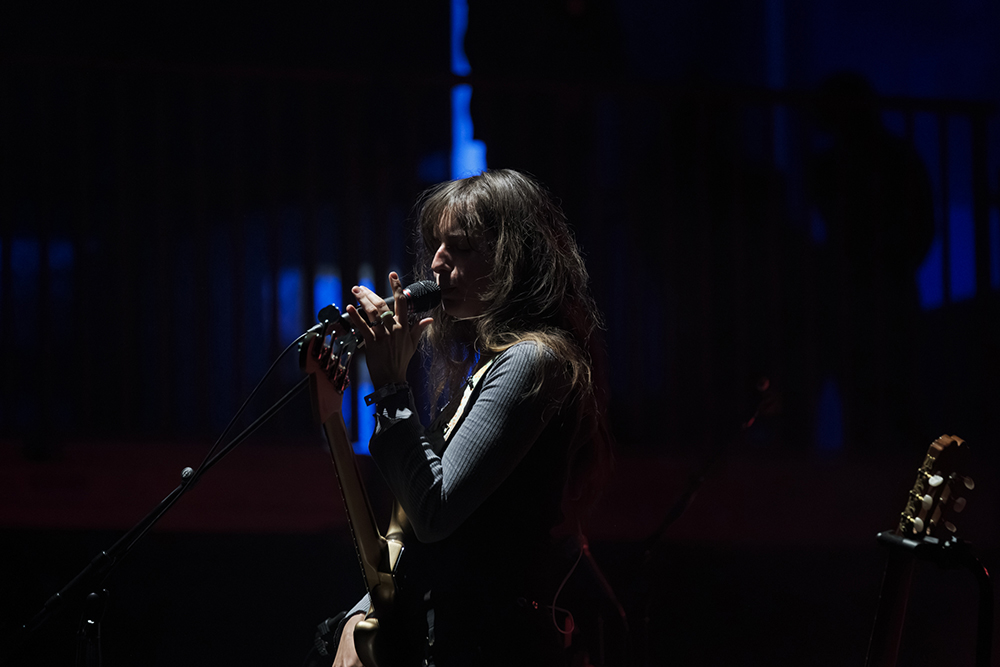
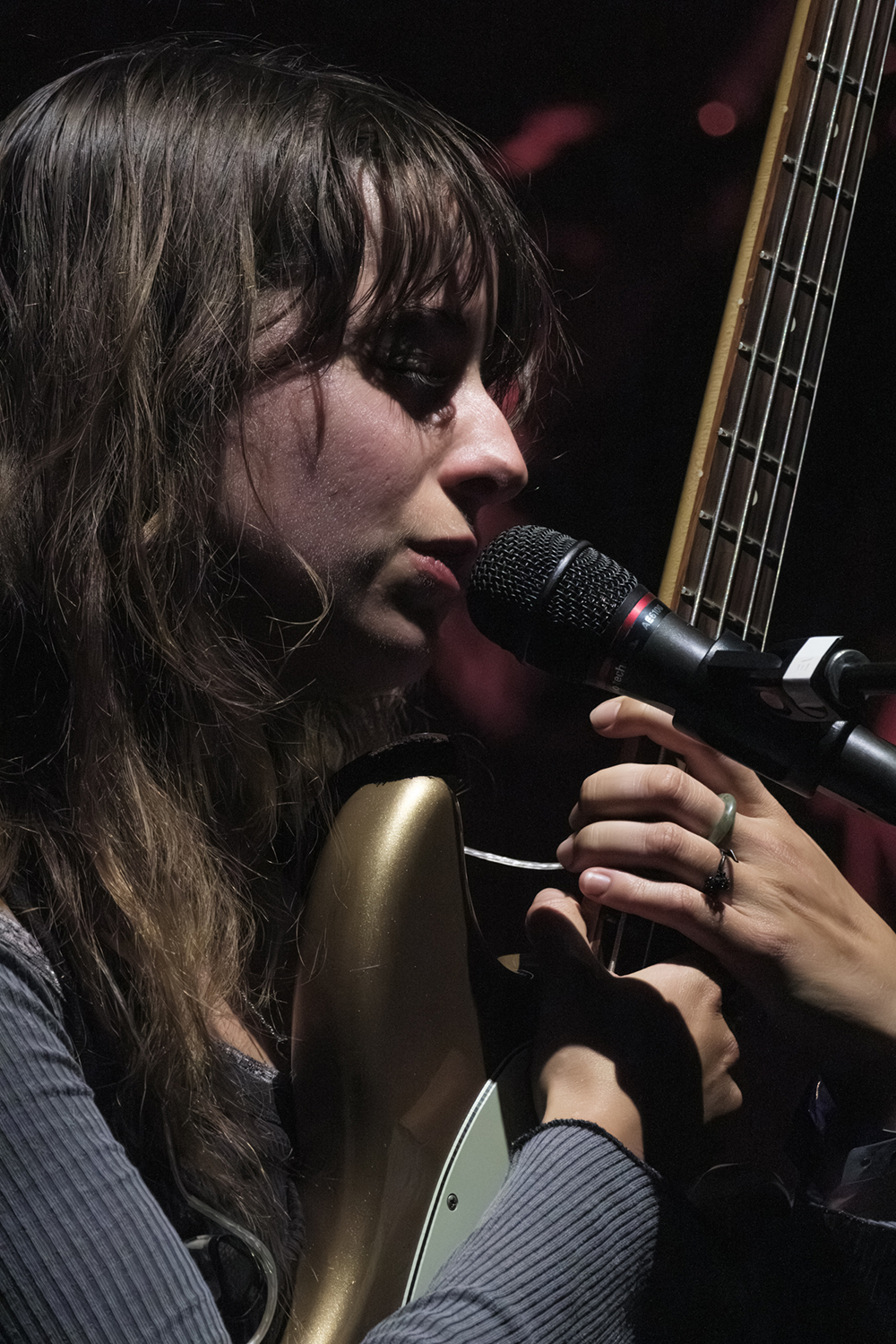
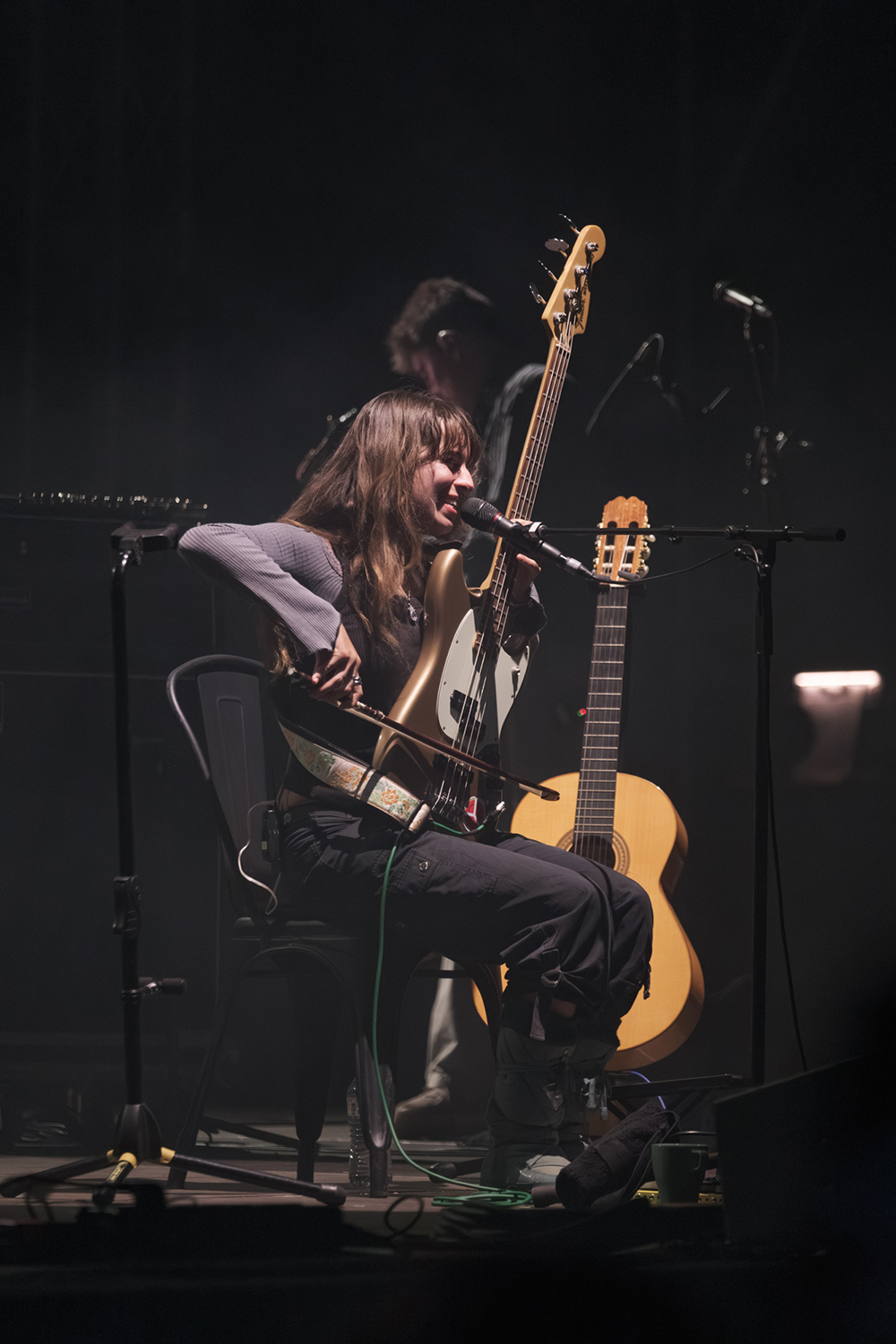
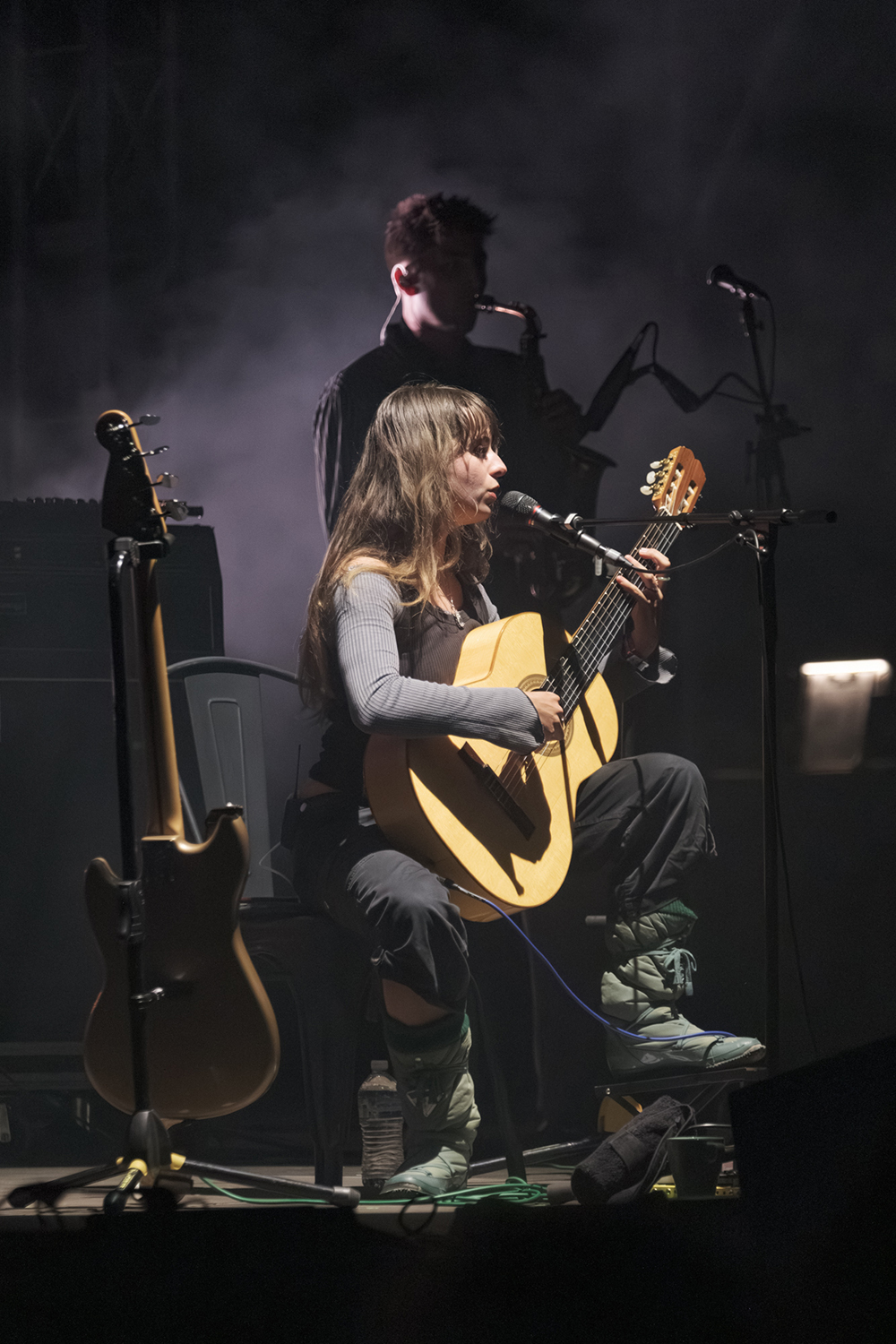
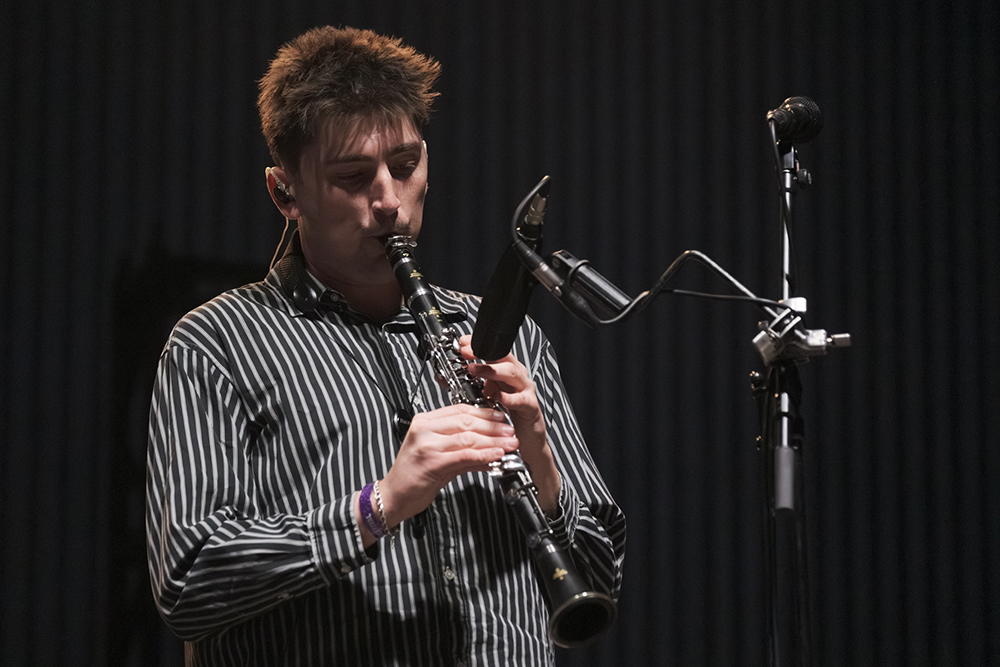
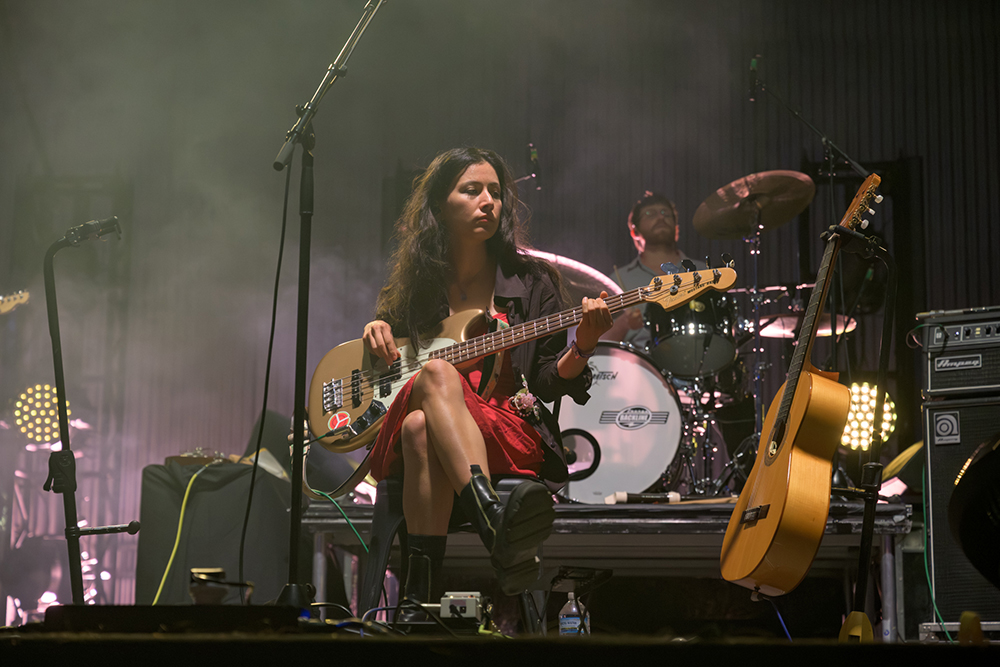
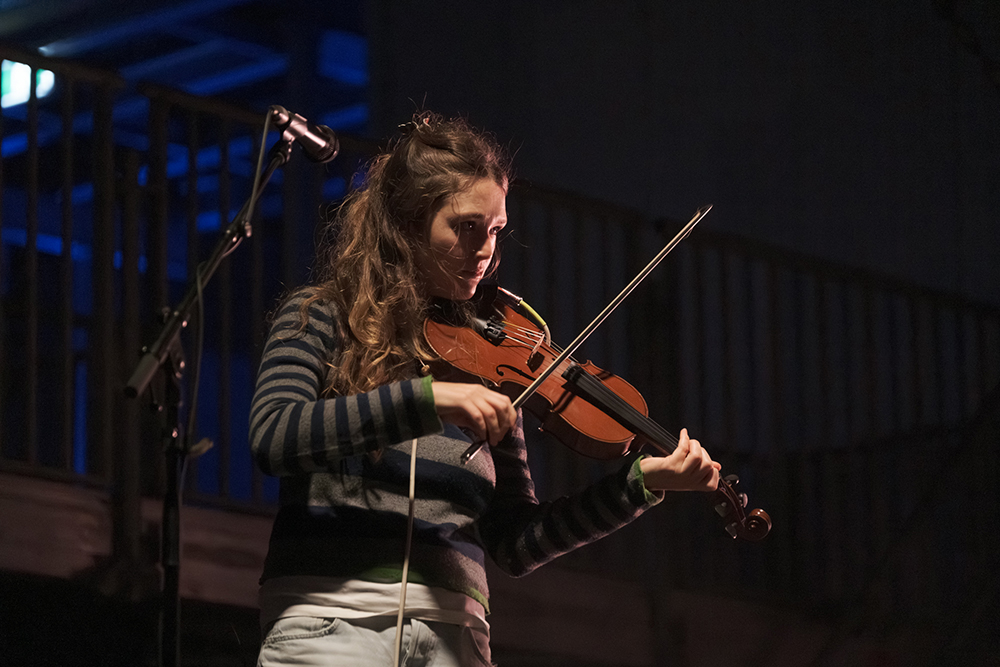
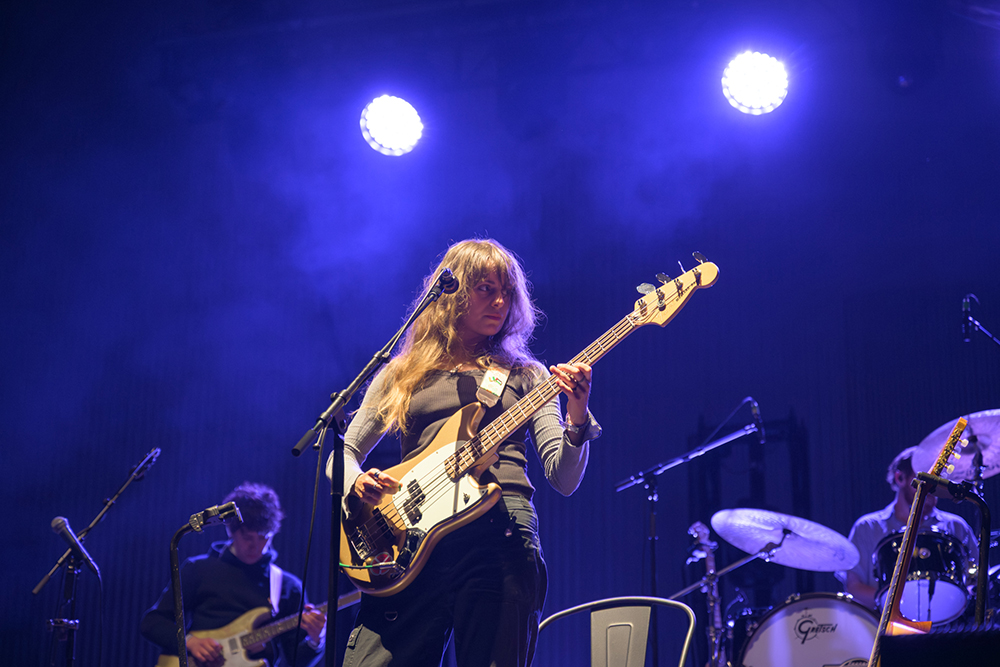
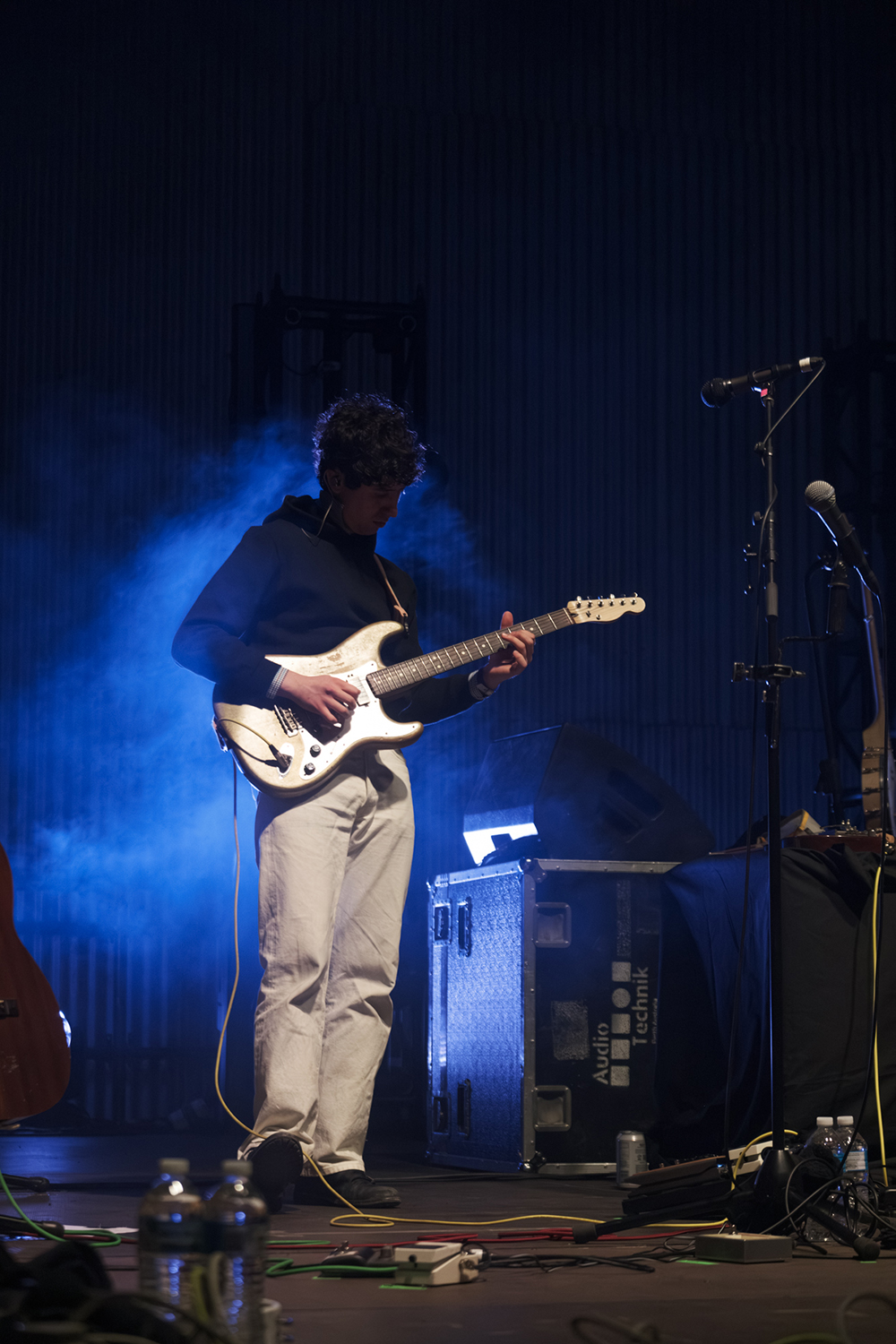
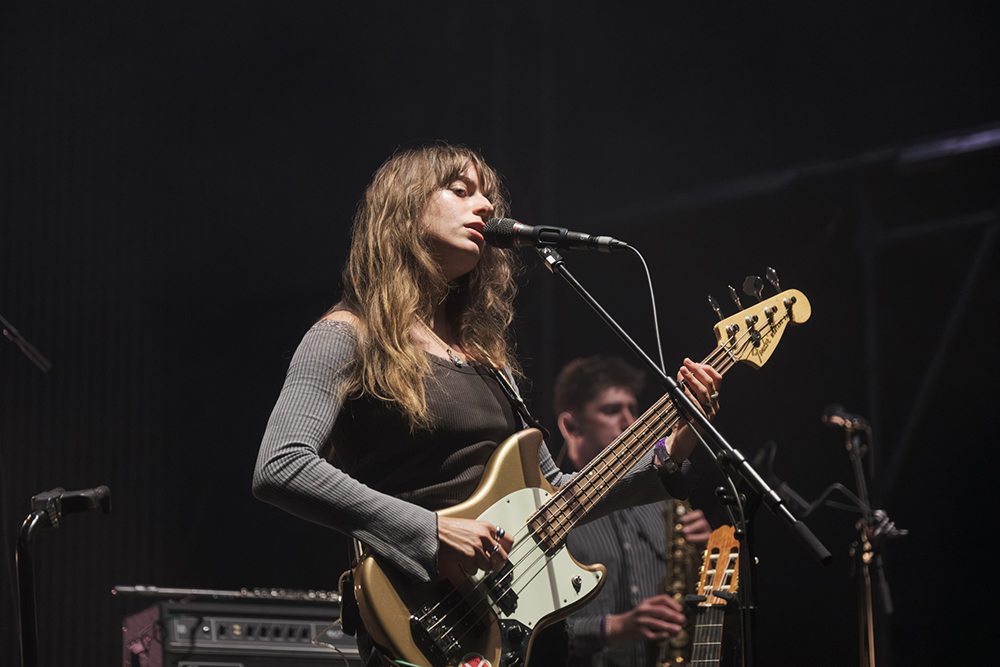
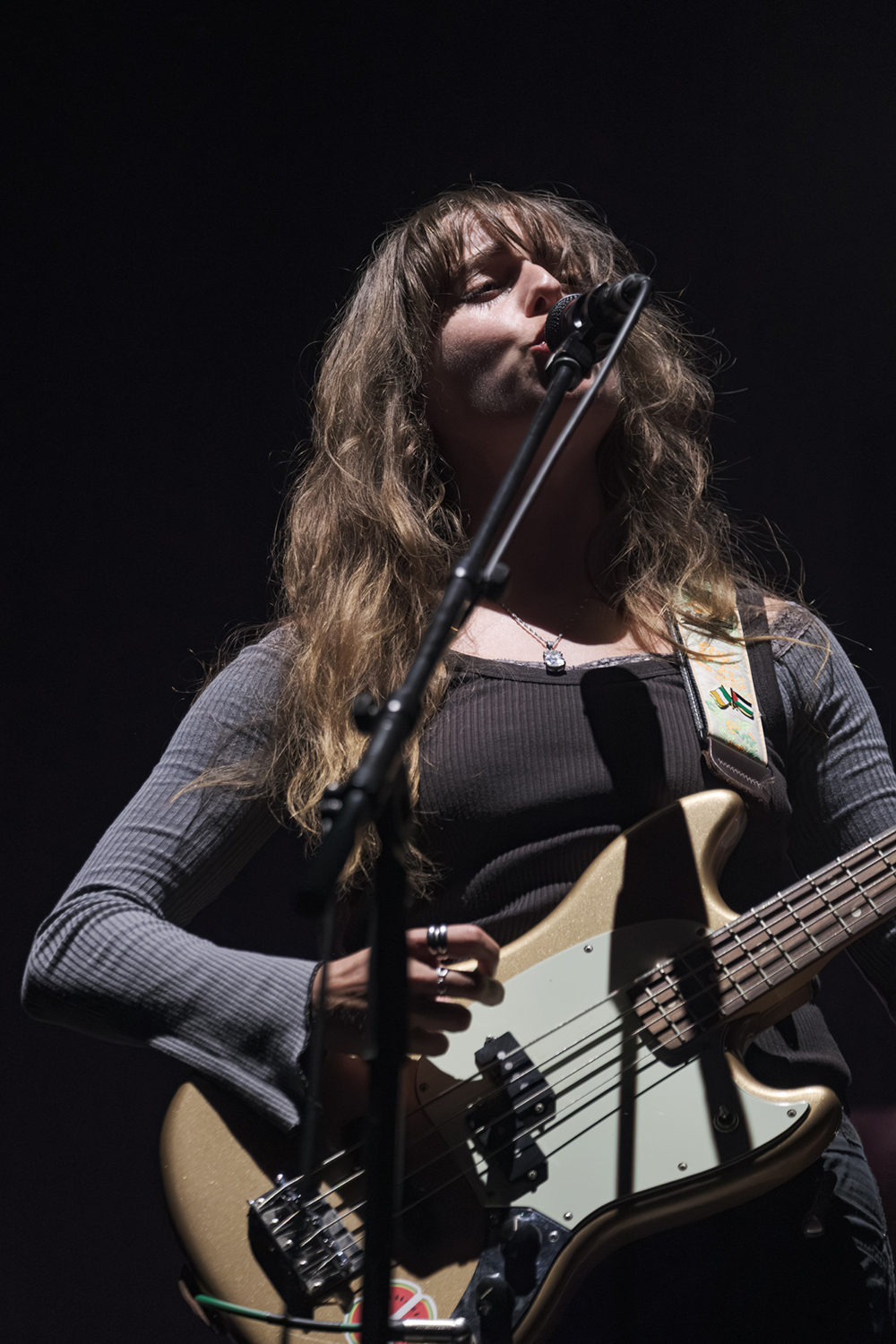
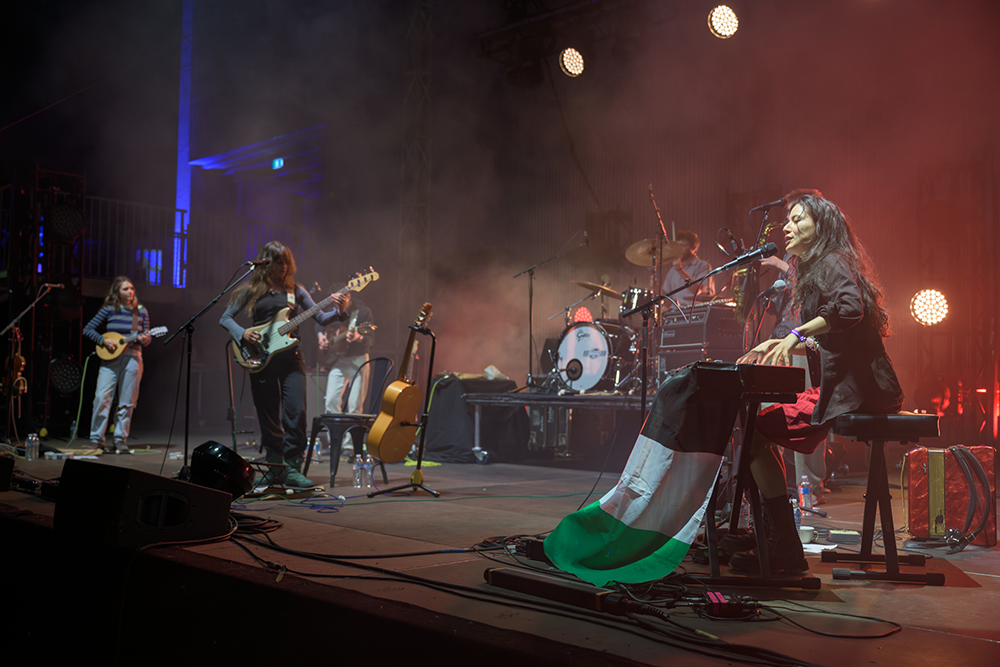
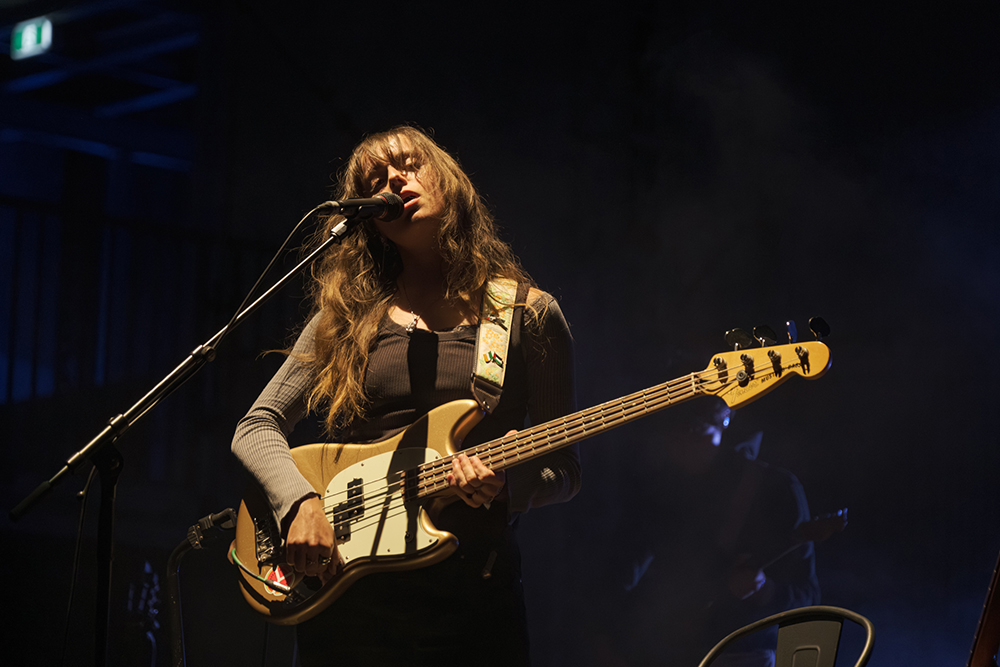
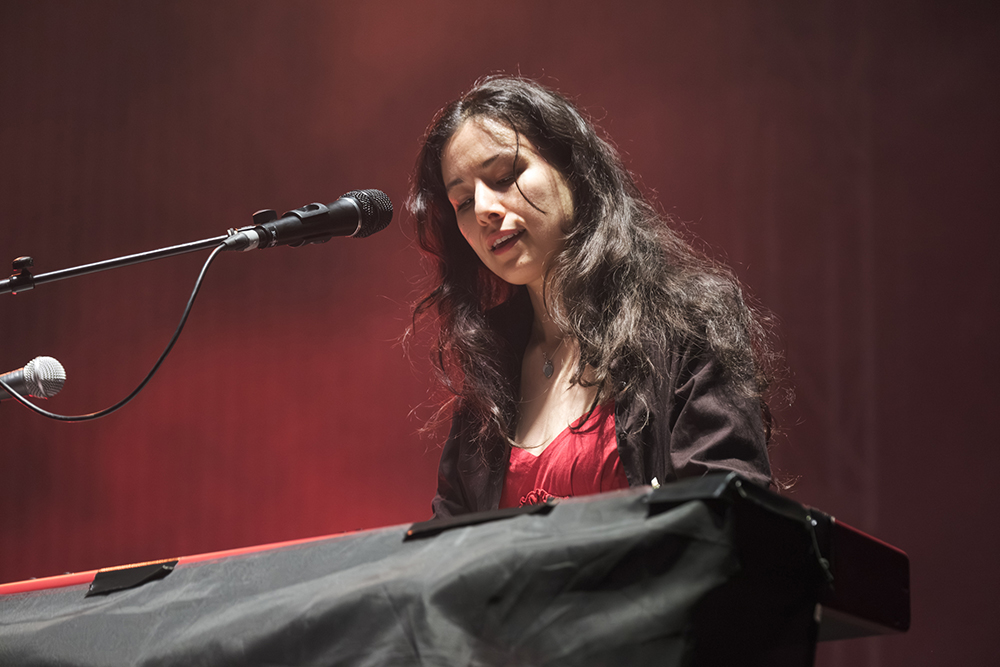
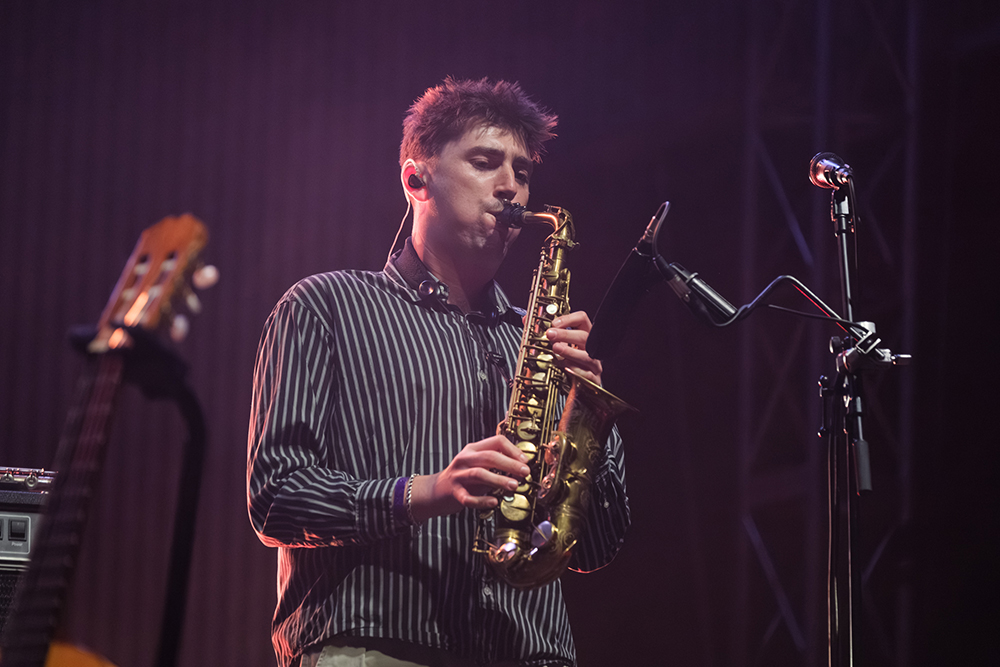
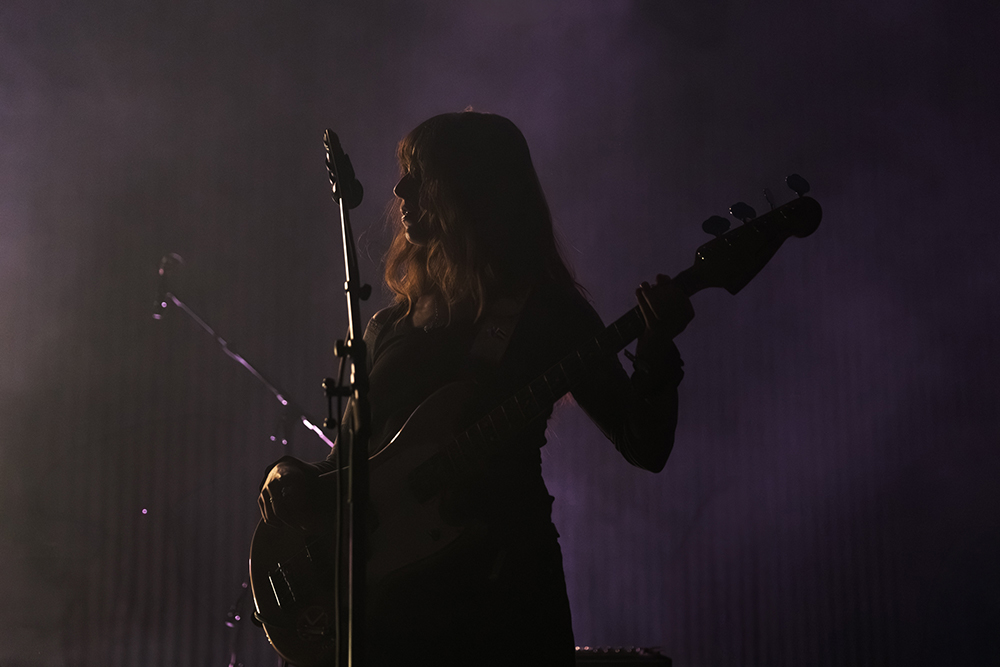
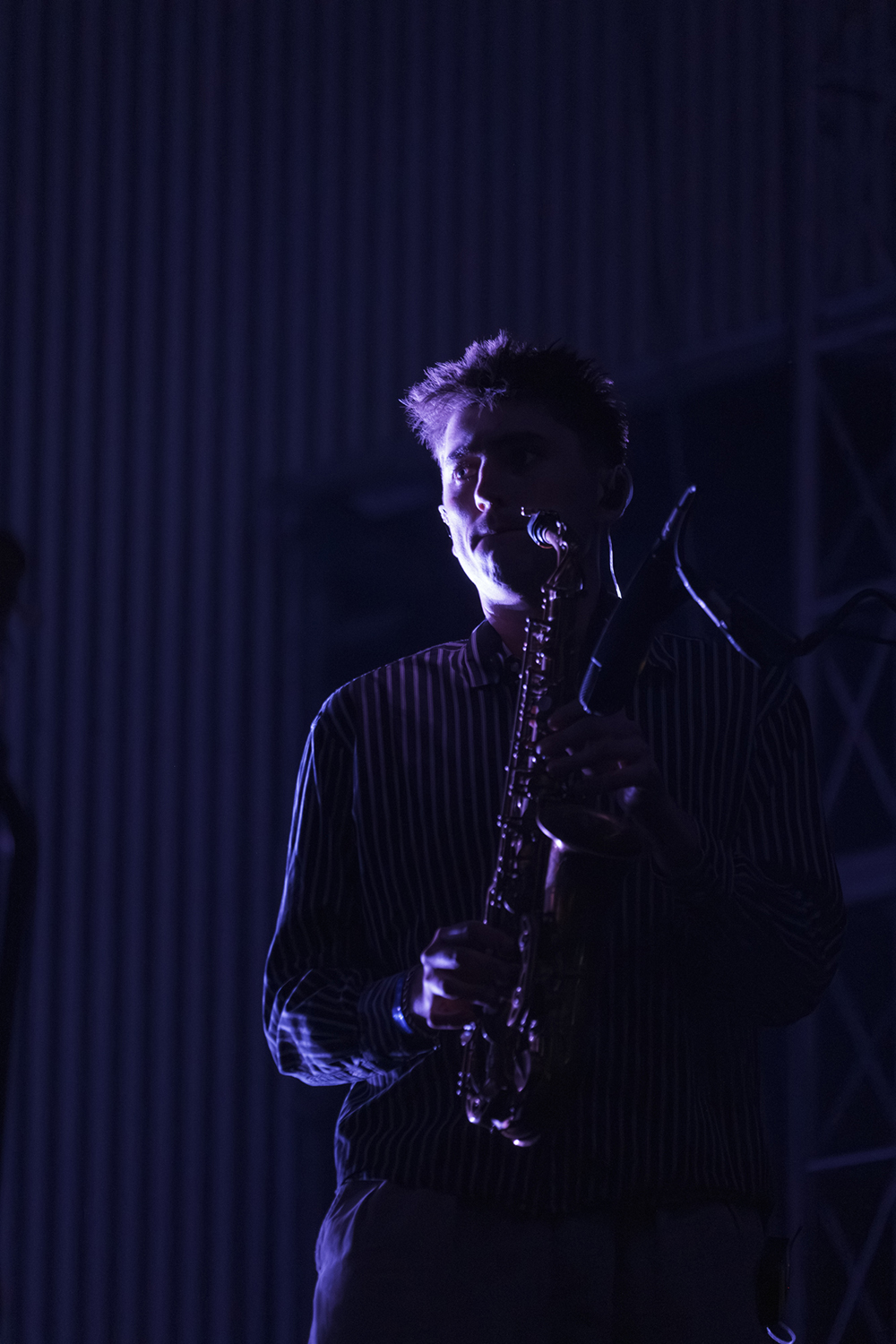
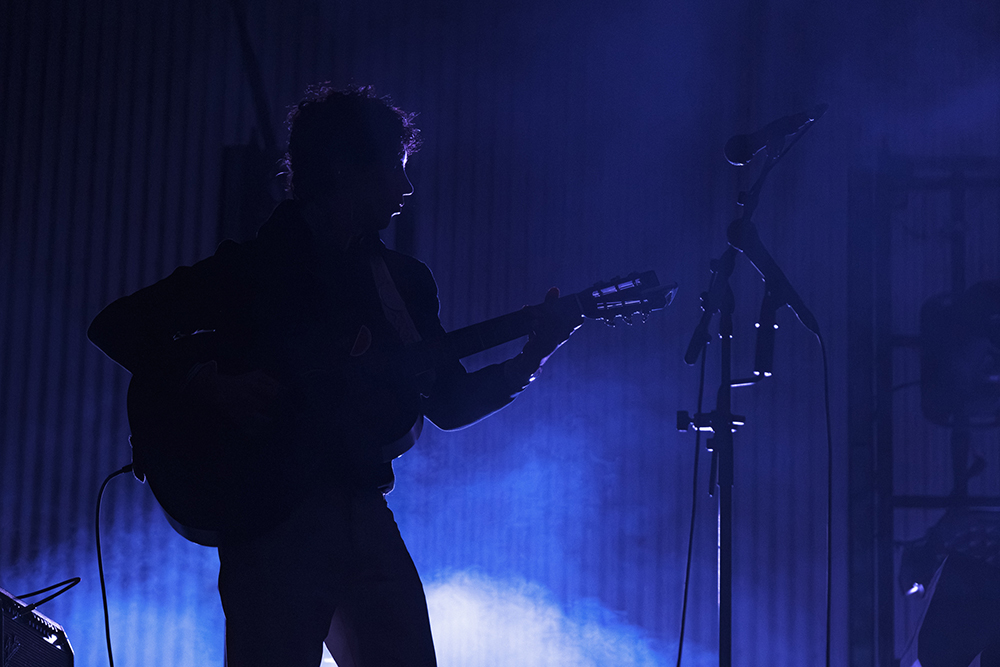
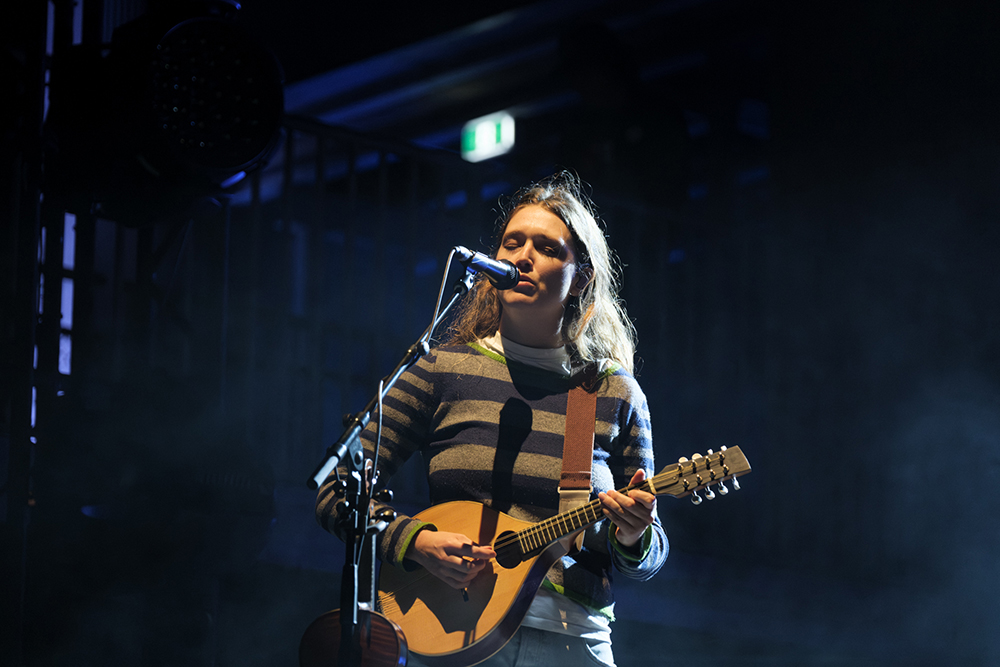
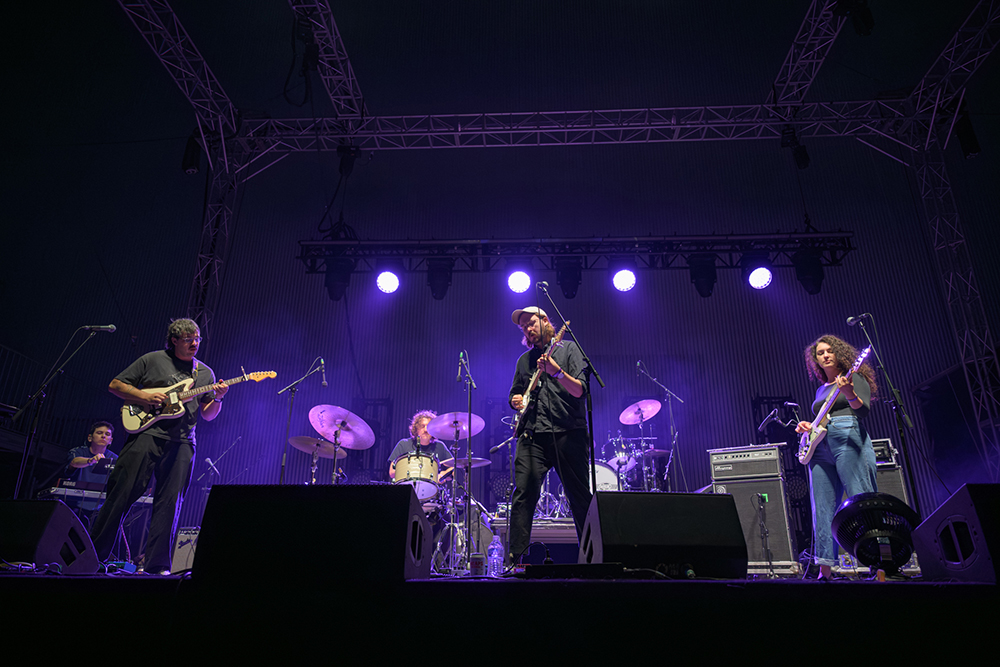
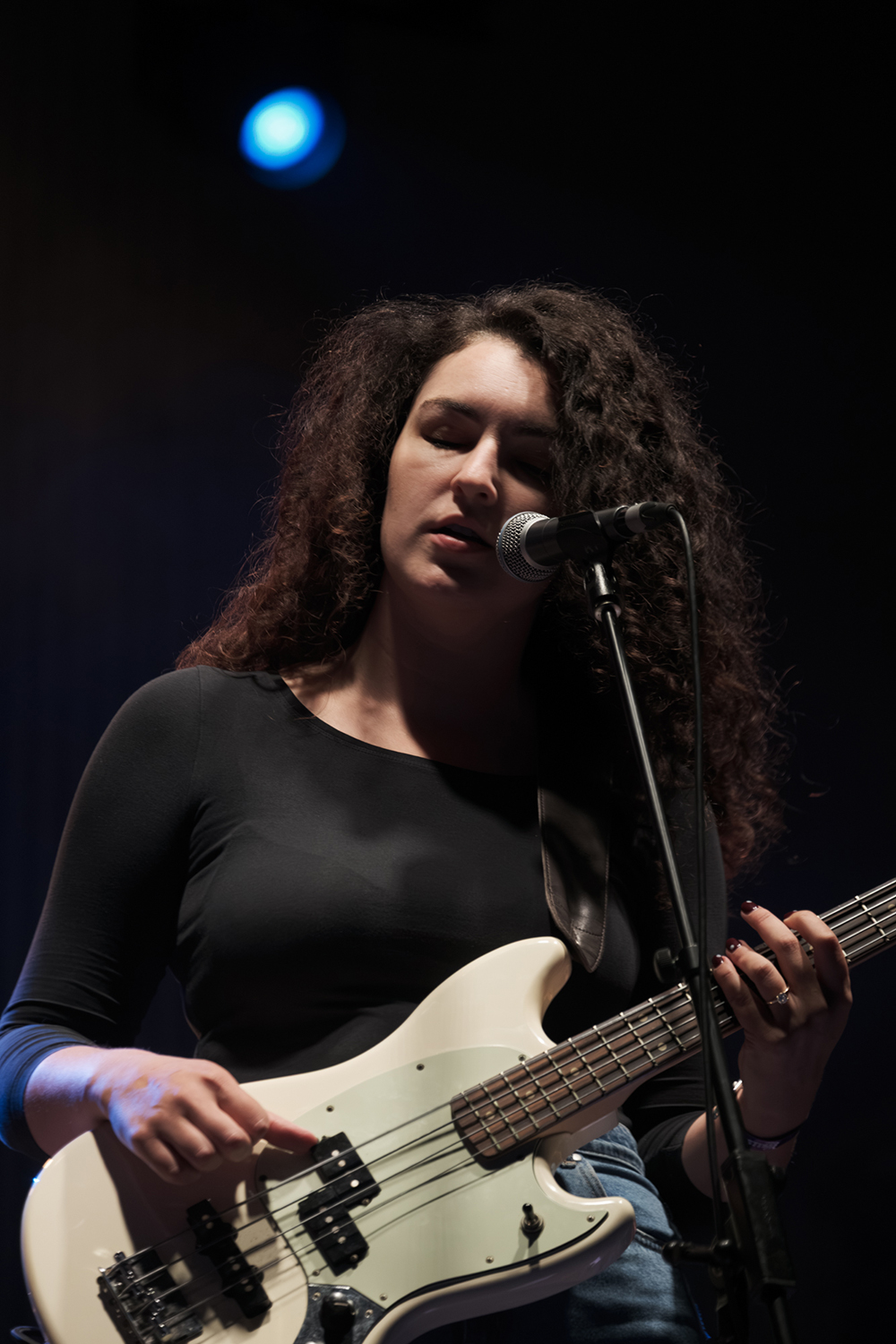
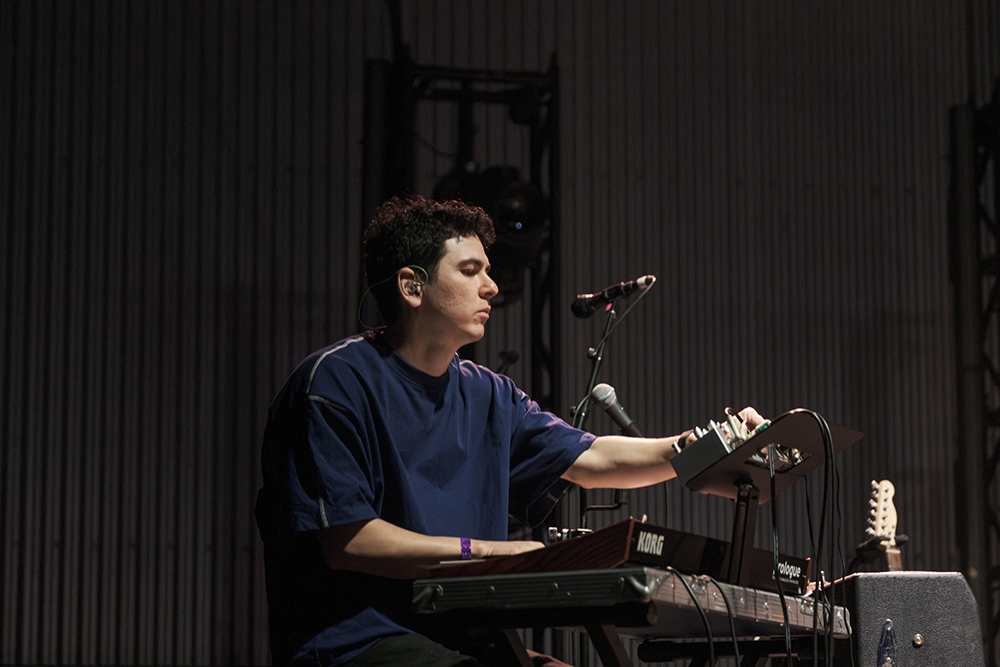
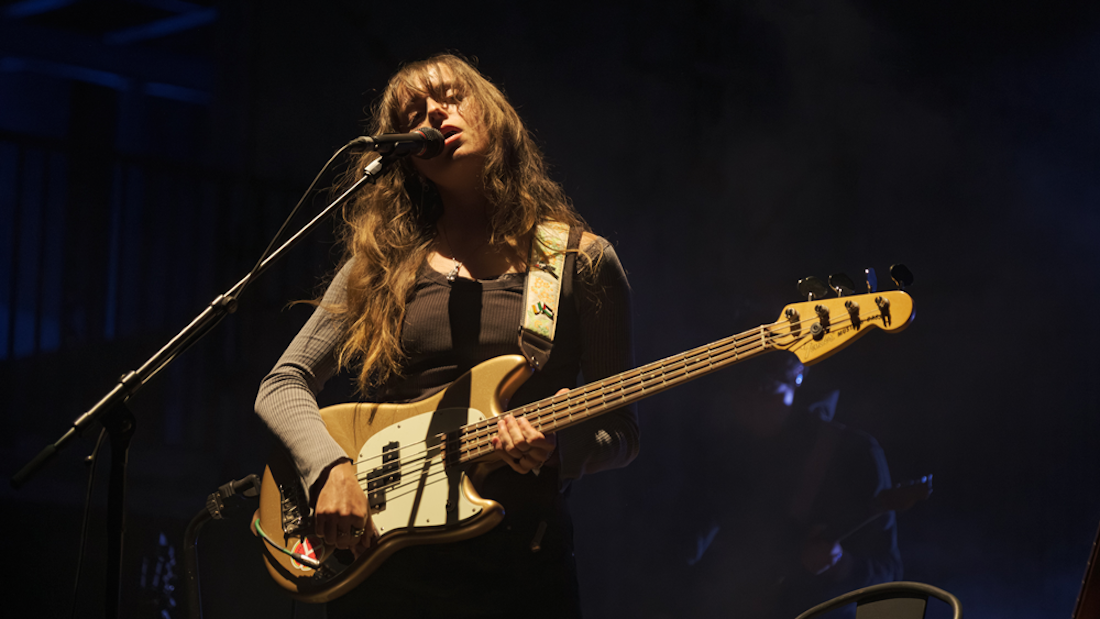
Black Country, New Road began their set gently with Two Horses, a haunting opening that introduced the mellow beauty of saxophonist Lewis Evans and the vocals of Georgia Ellery, which slid throughout the night between playful and melancholic. The song shifted halfway through into a galloping western mode, signalling to the audience early on never to get too comfortable. Next in the set was The Big Spin, a more straightforwardly melodic number led by keyboardist May Ellery, whose vocals felt like the emotional heart of the band. Moving on to Socks, which featured lead vocals by guitar and bass player Tyler Hyde and introduced Ellery’s violin to the mix, the opening trio served as a sampling of what was to come and a signal that there is no one leader or set combination of instruments in this band.
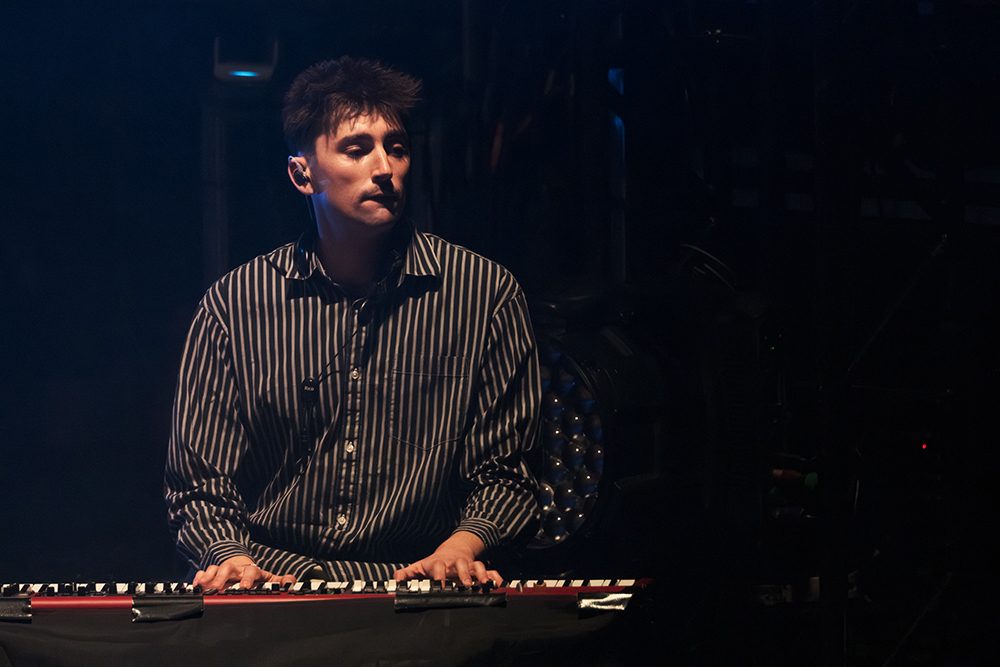
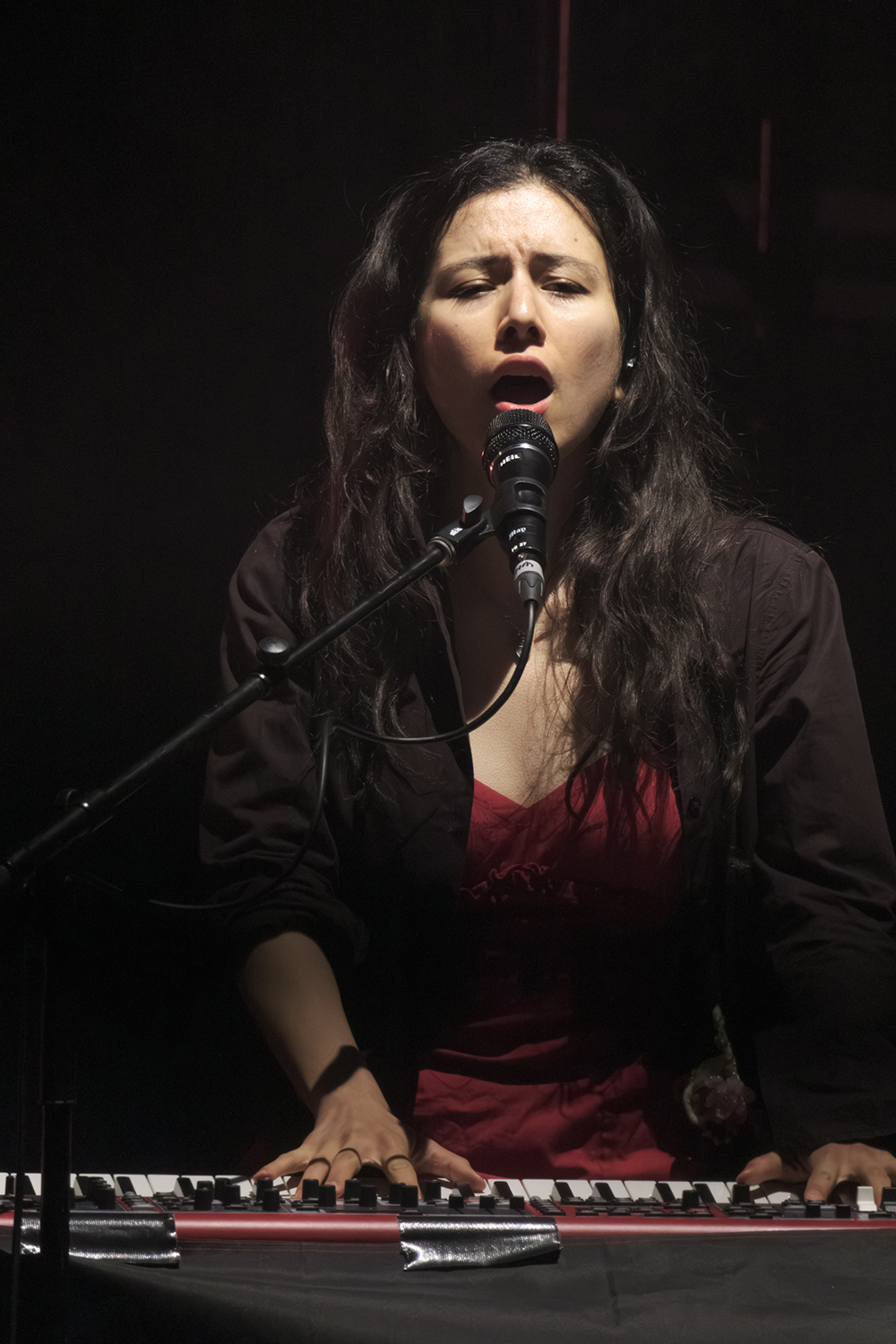
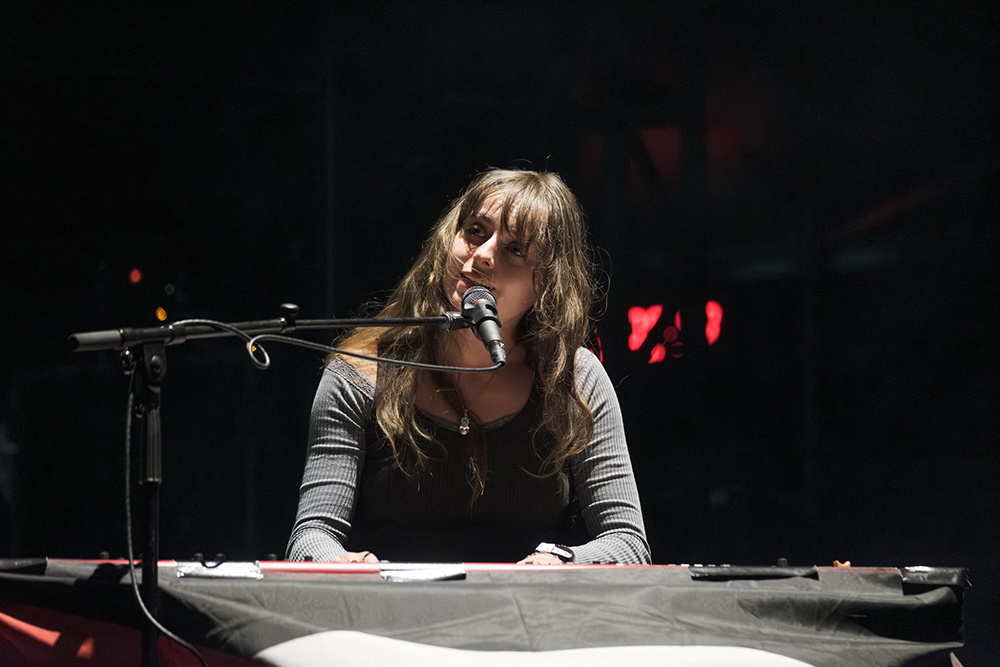
The three female vocalists in the recorded album Forever Howlong sound so similar that it is not always apparent who is singing or even when one singer takes over from the other. Live on stage, however, it became clear that this flattening of difference in the studio must have been a deliberate choice, because each woman showed quite distinct vocal qualities. Ellery’s voice was the lightest and most joyous, particularly on the lead single Besties, which was a highlight of the night. Hyde’s voice often felt cautionary, like a narrator for the stories being told through the music, particularly in songs like Nancy Tries to Take the Night. Kershaw had the darkest quality to her voice, and on the songs where she took lead vocals, she felt more like a frontwoman than the other two, commanding attention even from a seated position behind the keyboard.
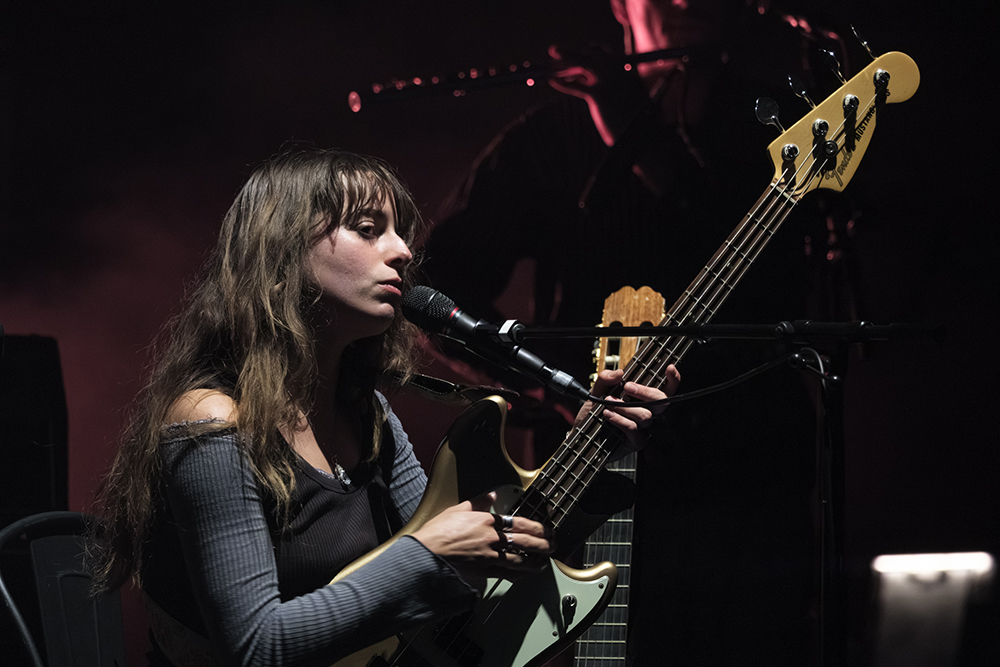
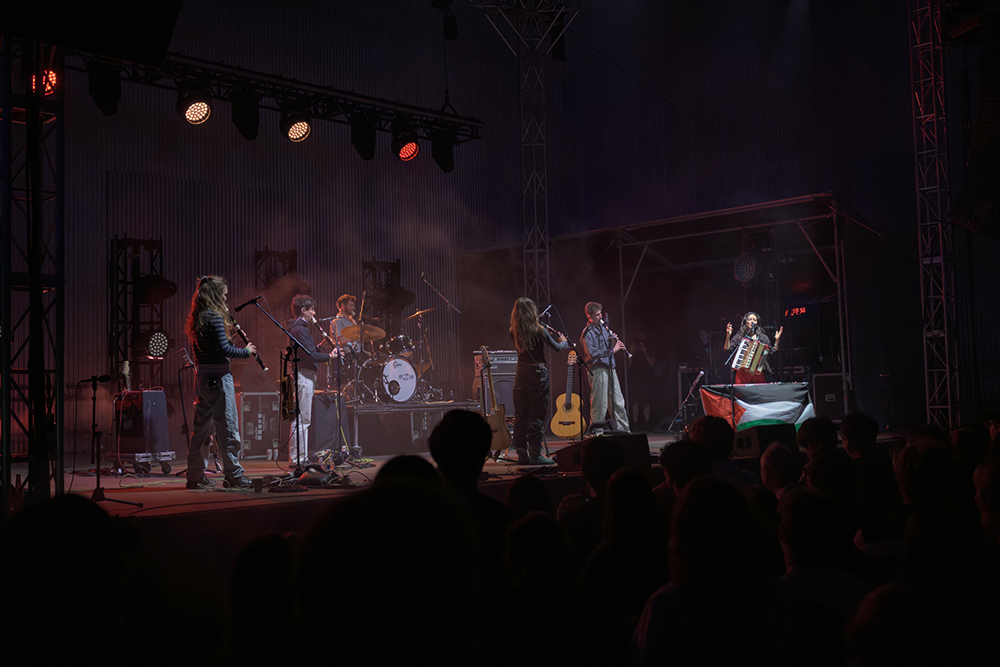
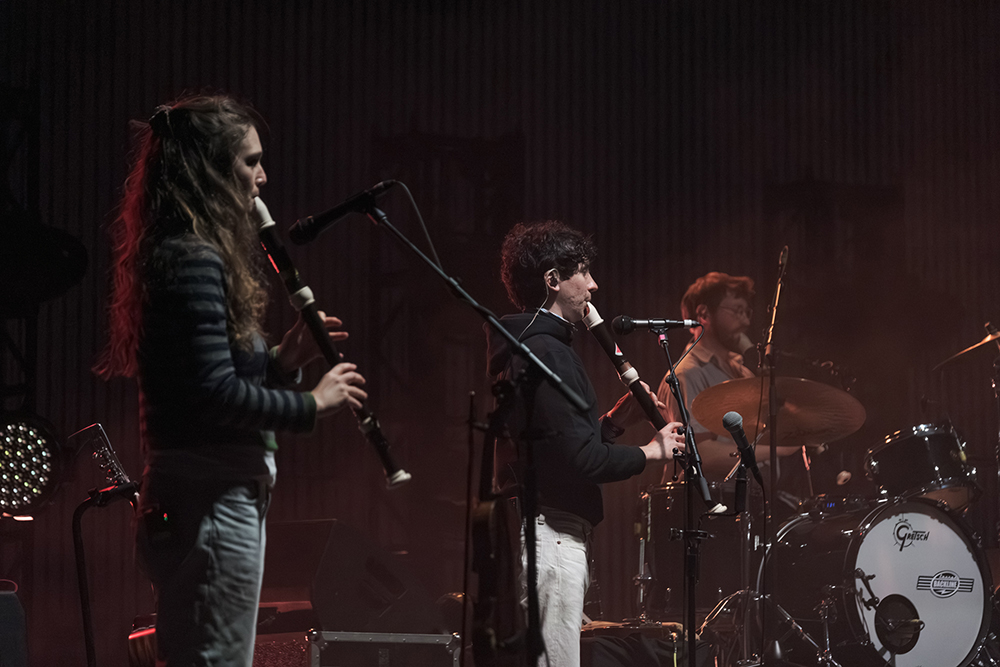
This perception was helped by moments like the epic mediaeval-themed For the Cold Country, where Ellery and Hyde sang backup harmonies for Kershaw’s storytelling. In one of the night’s most unforgettable moments, five of the band members took up recorders and turned to face Kershaw as she conducted them and sang the title track Forever Howlong. The interweaving recorders were captivating, and Kershaw sang with aching melancholy through hilariously mundane lyrics about an ordinary day, until she broke down laughing and the whole band caught the giggles and had to pause.
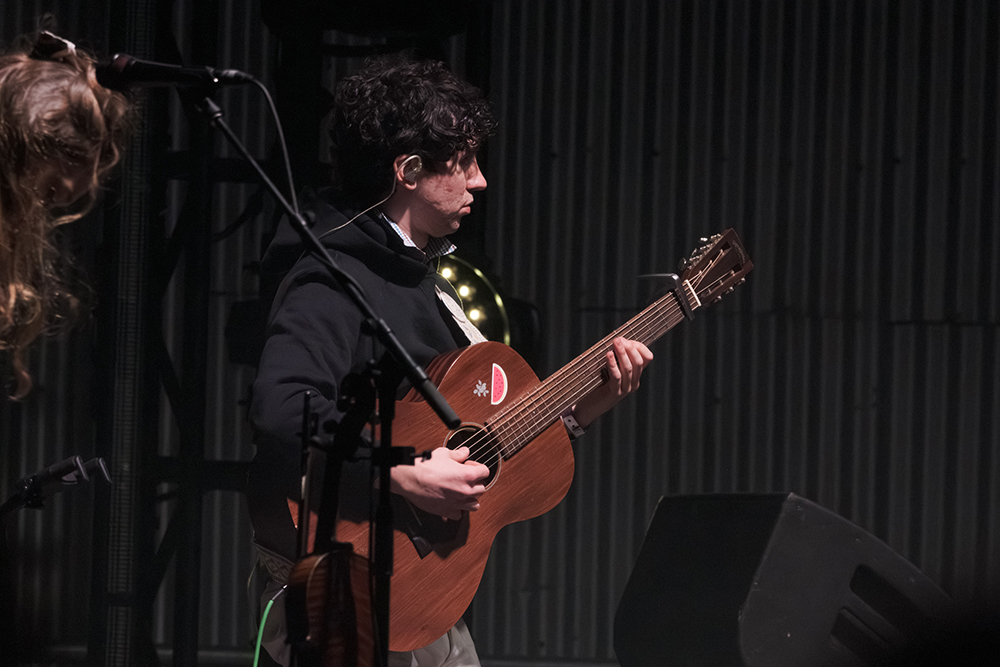
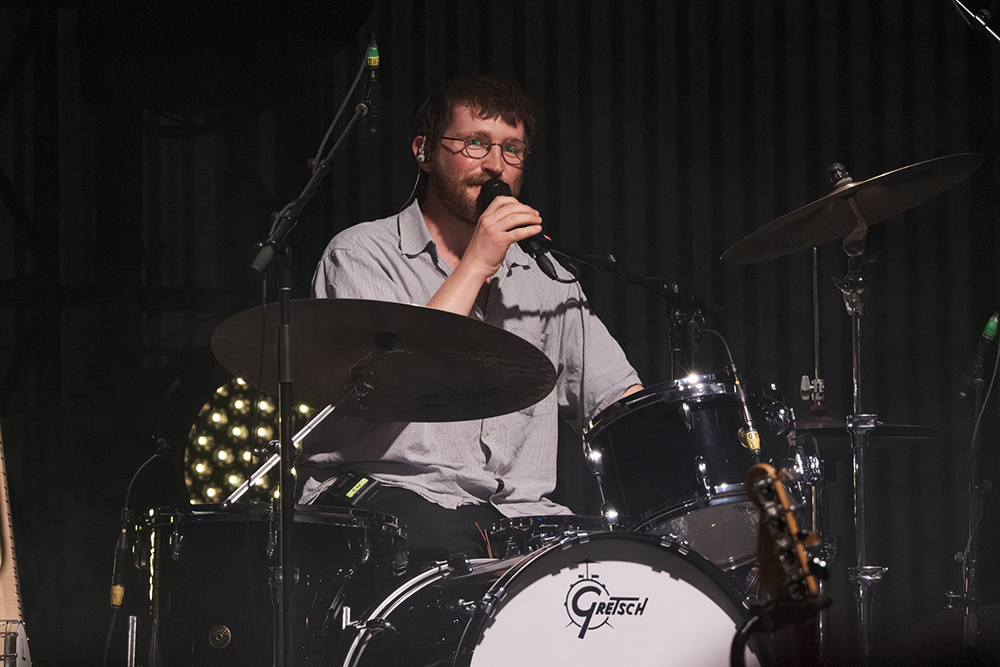
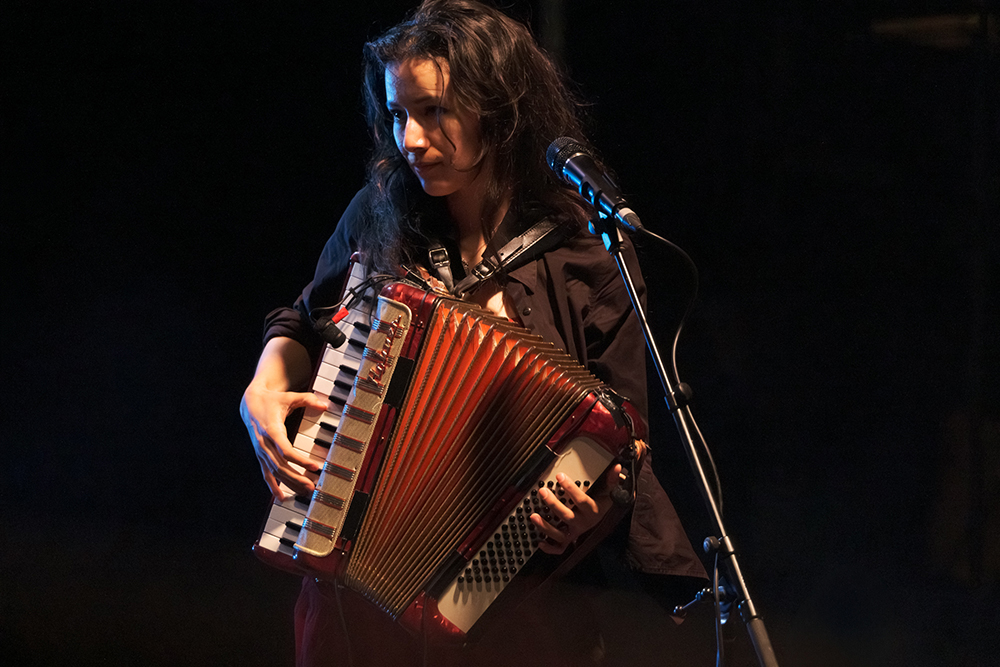
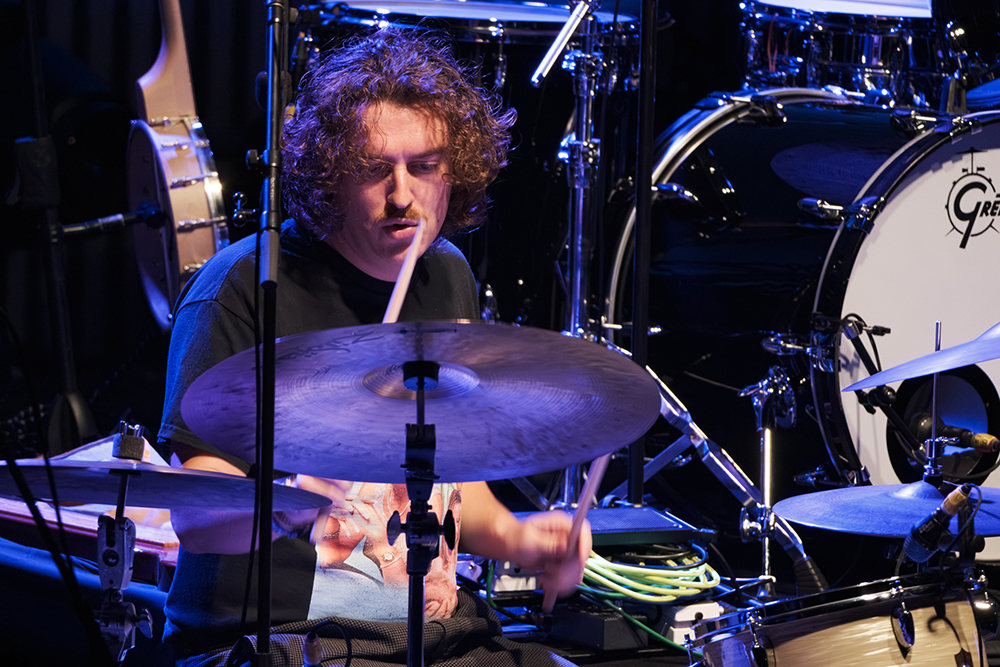
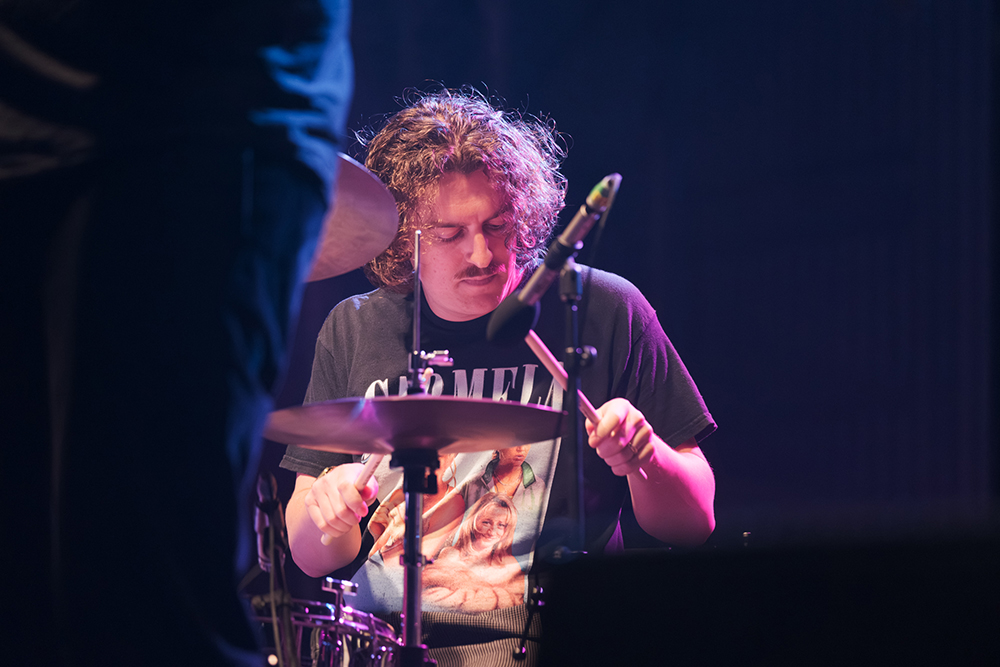
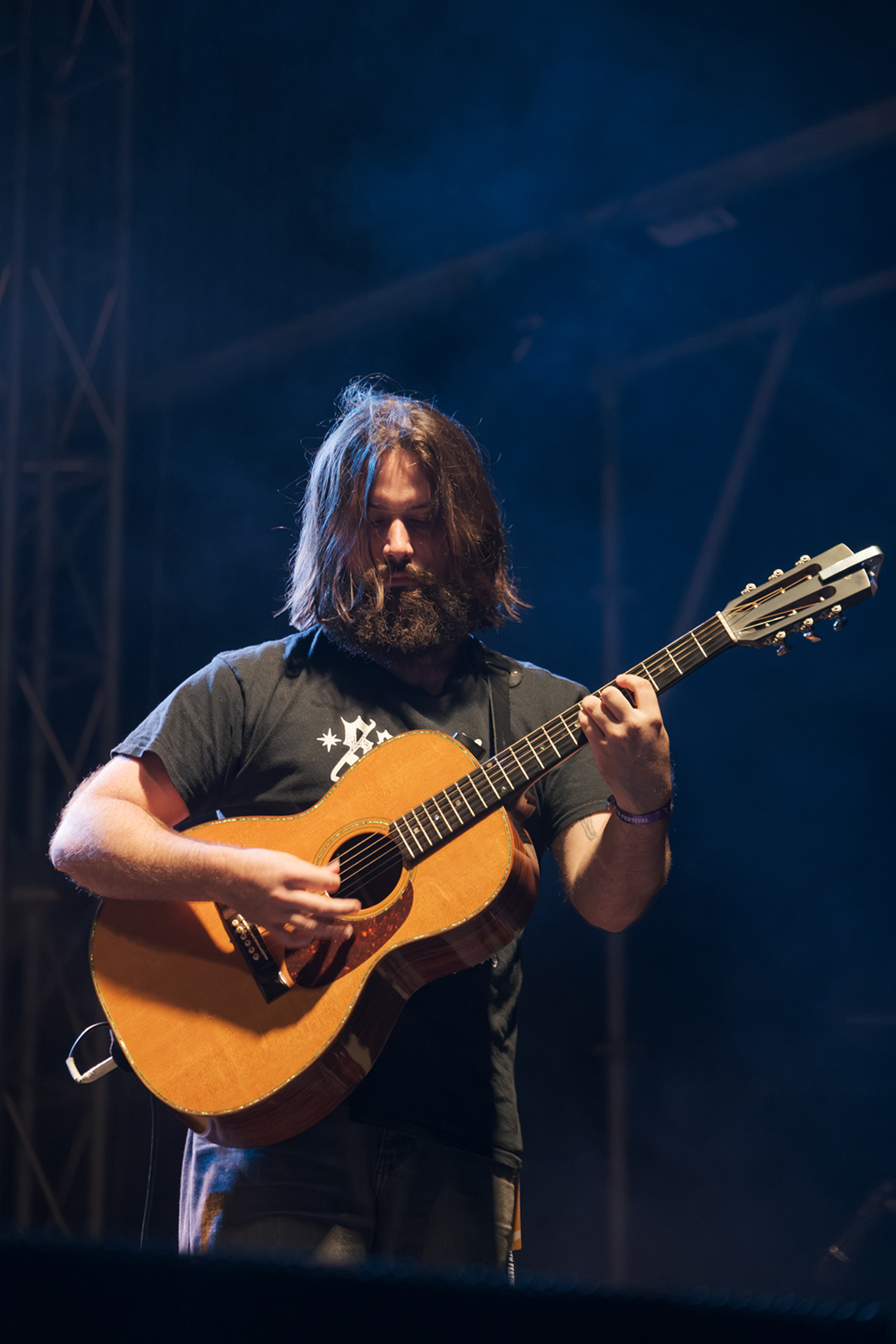
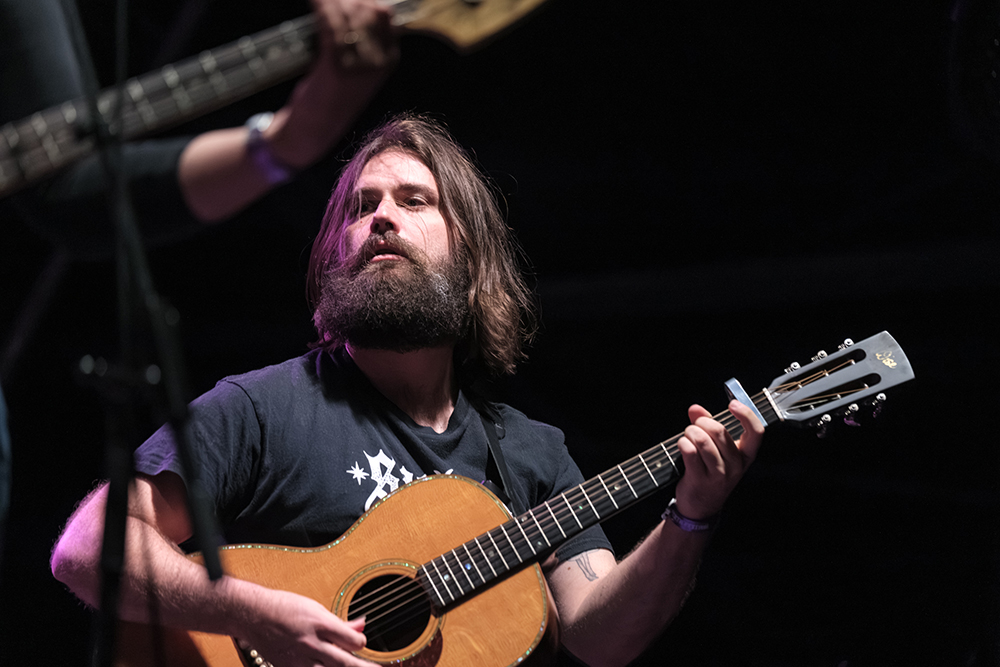
The lyrics of BCNR, if you take the time to look them up, are introspective and emotional and often character-driven narratives. However, in the live context, the narrative was easily lost in the immersion of the instrumentation, and lyrics came to the fore in snatches that sounded like fragments of poetry. Like everything about this band, the lyrics are surprising, darkly beautiful and seem carefully chosen. The band uses voices as instruments in the mix, very often doubling or tripling melodies and rhythms on Evans’ saxophone, flute and oboe; Charlie Wayne’s creative and minimalist drums; Kershaw’s keys; and the many combinations of guitars, bass, violin and mandolin.
The effect of unison playing of multiple instruments was uncanny, as it is unusual enough to catch the ear without it being immediately obvious why. This feeling was intensified by the lighting, often spotlighting a single musician as the others played on in darkness. These two effects together gave an illusion that as one person sang or played, the sound that came out of them was of many instruments at once.
Everything BCNR does feels well considered and designed to produce a particular effect. In this sense they are a serious band, but their songs are filled with just as much whimsy as yearning, and they seemed to be having great fun, even while singing about anxiety and loss. This genre-defying performance, from folk to baroque, or prog rock to art pop, was truly magical.
SAMATNHA ROSENFELD
Photos by Adrian Thomson