
Review: Age of Reason at Rosemount Hotel
Jayda D’Agostino – Age of Reason: A Love Letter to Coming of Age and John Farnham at Rosemount Hotel
Thursday, January 29, 2026
Walking into a seated Rosemount Hotel for Age of Reason already felt like a small gear shift. This is a venue that usually thrives on bodies pressed forward, beers shielded, and sound bleeding into the bones—not polite cabaret posture. If you were seat-dependent, arriving early was essential. The room was full regardless, thick with familiarity. Family and friends weren’t shy about yelling encouragement from the back rows, making it clear this was not a neutral crowd but one already emotionally invested before a note was sung.
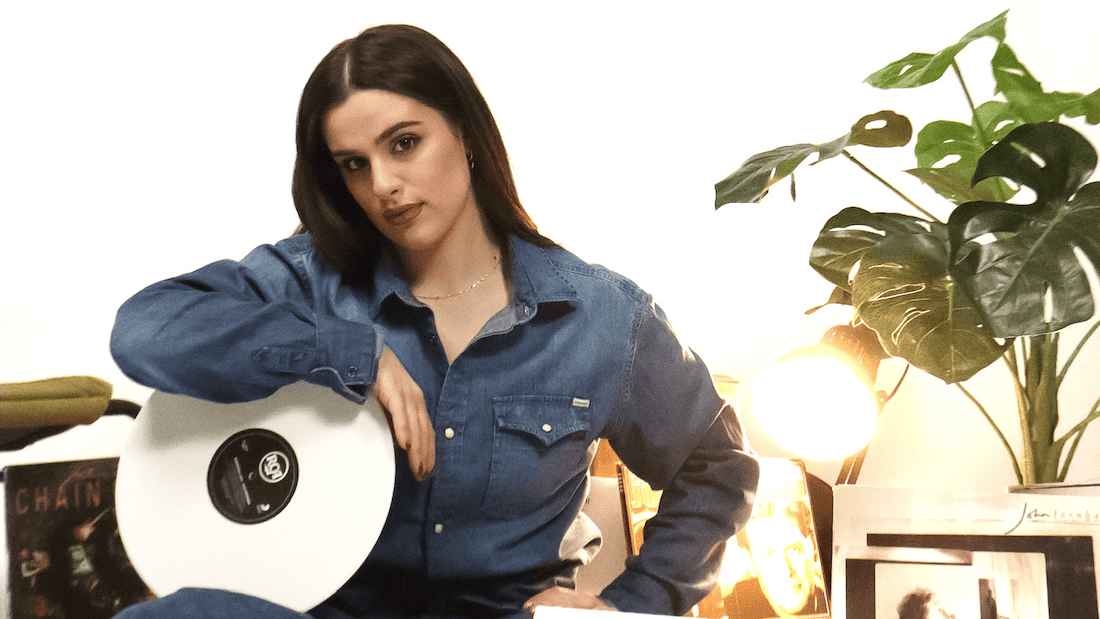
Jayda D’Agostino burst onstage in glittering denim and a high pony, launching straight into John Farnham’s Age of Reason with unapologetic cabaret-meets-rock-opera bravado. From the outset, the show announced itself as consciously performative: polished, theatrical, and earnest. At times it felt like a WAAPA grad showcase—not as a dismissal, but as a descriptor. Everything was legible, intentional, and designed to land cleanly. If you were chasing grit or abrasion, this wasn’t the room for it. If you were open to sincerity worn boldly, it was.
Framed as a love letter to the music she was raised on, Age of Reason positioned Australian rock not as an artefact but as emotional architecture—something absorbed early, carried forward, and leant on during moments of uncertainty. D’Agostino contextualised the work with monologues about quarter-life crises, nostalgia, and self-belief, describing herself as a “Capricorn with no chill” navigating pressure and self-doubt. These spoken interludes helped anchor the show as personal rather than drifting into cover-band territory, though they occasionally tipped towards over-explanation and youthful naïveté.
Backed by a tight band, plus two backing vocalists low in the mix, D’Agostino’s huge voice—Tina Arena-like in its depth and emotional ballast, rather than falsetto acrobatics—was the undeniable centrepiece. Pressure stood out for its restraint: breathy articulation over spare keys before gradually unfurling into full power. It was a reminder that strength lies not just in vocal force, but in knowing when to hold it back.
There was something quietly revealing about hearing this music so wholeheartedly embraced by a performer in her early twenties. Though much of it predates the John Howard years, it was hard to separate its legacy from the aspirational emotional culture that later crystallised around Howard’s battlers: reassurance over rupture, uplift over interrogation, and struggle resolved through perseverance. This was an Australia inherited through family memory rather than lived experience—passed down via car rides, kitchens, and communal singalongs.
That inheritance came into sharp focus during the show’s devotion to John Farnham. There was something both touching and slightly dated in this reverence: nostalgia not just for the music, but for what it represented—affectionate, if a little soft-focus. Stories spilt from the crowd, memories exchanged freely, including one audience member recounting a stolen kiss with the Whispering Jack himself in Scarborough at his peak. The songs functioned less as tribute than communion. This wasn’t nostalgia as critique, but nostalgia as comfort.
A stripped-back moment saw D’Agostino seated alone with a guitar under warm golden lights, delivering Burn For You as a tender torch song. Knowing she’d spent much of 2024 on enforced vocal rest gave this section extra weight; singing again clearly meant something here, and the room met her with generosity.
She closed with The Voice—a song so tightly bound to Australian identity it barely registers as repertoire anymore. For decades it has functioned as a collective assertion of belief, endurance, and moral clarity, even as the question of who that “collective” includes has grown increasingly contested—a tension hardly lost in a city still willing to flamboyantly light up the sky on January 26. As phones lifted instinctively across the room, bubbles cascading from above, the atmosphere felt less like fandom than ritual: a desire to mark participation in a moment that promises unity, even as that promise no longer sits comfortably for everyone.
Age of Reason didn’t interrogate the history it so lovingly invoked, and it didn’t pretend to. What it offered instead was sincerity, vocal prowess, and a strong sense of belonging. For a young artist finding her voice again, that inherited warmth provided solid ground. Where—and how—she chooses to complicate it will be the more interesting question.
CAT LANDRO