
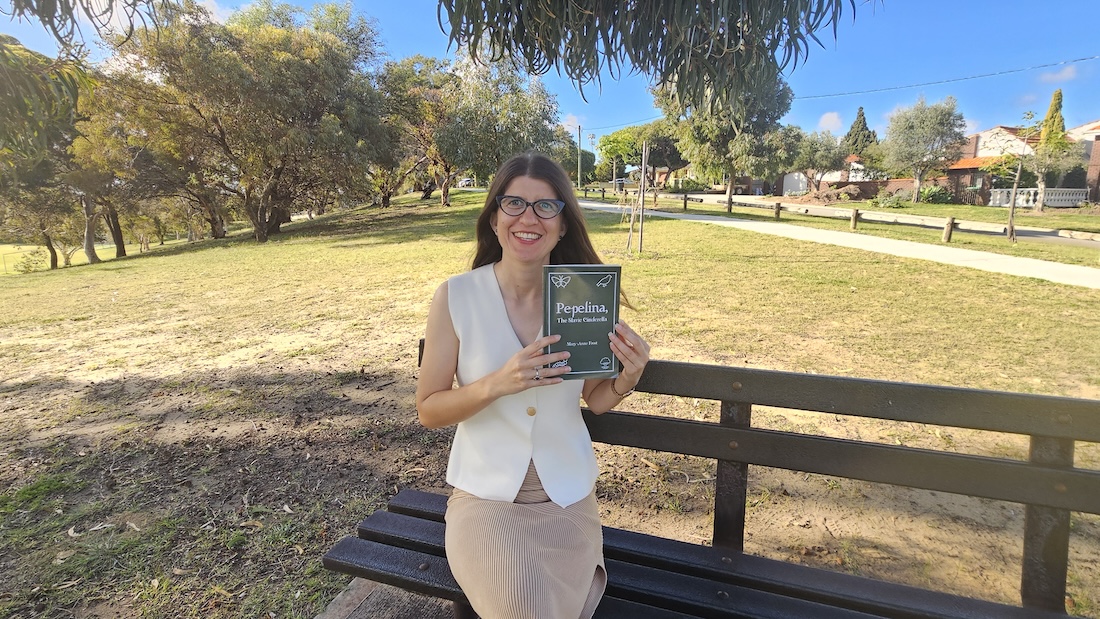
Mary-Anne Frost weaves grief into a fairytale with debut novel
Perth-based Croatian-Australian fantasy author Mary-Anne Frost has just released her debut book, Pepelina, The Slavic Cinderella. Drawing on Slavic folklore and her own experience of losing her father to cancer, the novel explores grief, silence, creativity and empowerment through a reimagining of the classic fairy tale. NEVE PEARCE caught up with Frost to discuss her Croatian upbringing, the inspiration behind the story, and what readers can expect from her debut novel.
Congratulations on the release of your novel, Pepelina the Slavic Cinderella. How long have you been working on this, and how does it feel to be releasing it?
The idea for the novel simmered in my head for a few years, but it took me a long time to sit down and write because I had other writing projects that I was working on. When I finally committed to writing Pepelina every day, I finished the novel in just over six months. The feeling of having it published? Surreal! Like most writers, I am very introverted and highly sensitive, so I am proud of myself for bravely putting my work out there for the world to read.
Do you recall when you first discovered your love for writing, and what drew you to the practice?
I discovered my love for writing and stories when I was a child. I was born in a small town in Croatia famous for Slavic fairytales. My maternal grandmothers were oral storytellers, so I grew up hearing stories about dragons, knights and princesses. Also, I used to invent stories and build characters for an imaginative fictional world my brother and I created; however, I did not start writing prose until later in life when I migrated to Perth.
I think what drew me to the practice initially was the creative aspect and the ability to daydream, especially as I see myself as an observer first and writer only second. The sense of wonder and magic keeps me returning to the practice, and I love to turn ordinary things into something extraordinary in my stories.
Tell us about the inspiration for a Slavic Cinderella: where did the idea come from, and why is this story important for you to tell?
The inspiration came from the original Cinderella that includes a father’s loss but never explores the father-daughter relationship in detail. As a daughter who lost her father to cancer, it was important to tell this story as I was able to channel my own feelings of loss and grief. My goal was to bring hope to readers who are missing a parent, especially presenting creativity and art as an outlet to find healing. The main reason why I made the protagonist a children’s writer is because I never encountered a Cinderella retelling that weaves her gentle nature and kindness with grief and explores those through a creative and writerly lens.
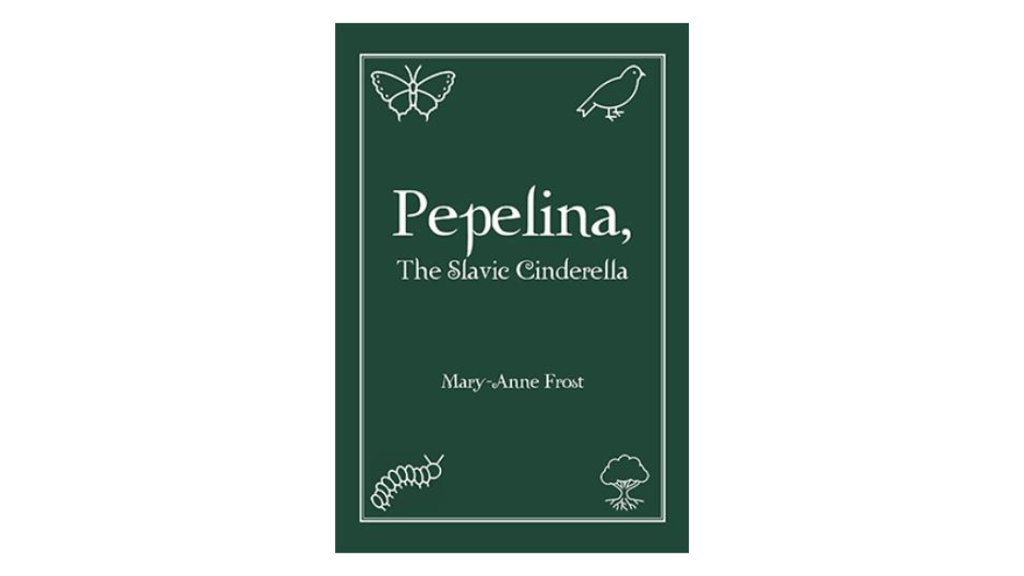
How much does grief influence Pepelina’s character transformation throughout the book, and what other themes can readers expect?
Grief is the thematic heart of the book, and it greatly shapes Pepelina’s journey from silence and grief to voice and healing. The protagonist is very soft and gentle, but her grief is not passive. It is an active driving force that helps her find strength and courage to publish her book. There are, of course, parts in the book where grief becomes overwhelming and dangerous for Pepelina, but like heavy truths, grief and suffering have a liberating and healing power. Other themes the book explores are ancestral healing, creative resilience, feminine empowerment, and forgiveness. I must admit the power of silence is my favourite theme, though.
For readers that are new to your writing, how would you describe your personal voice, and are there books, authors or series readers could liken Pepelina, The Slavic Cinderella to?
I would describe my personal voice as lyrical, highly emotional and rooted in oral storytelling traditions. My prose is very simple and ‘told’, which is very unlike the modern and ‘cinematic’ prose. I believe my stories and Pepelina are meant to be read out loud by readers, shared in groups by the fire or sitting on the park benches with a warm drink in hand, just like our grandmothers once shared stories. Pepelina would be a perfect read for readers who enjoy books by Naomi Novik, Katherine Arden, and Andrzej Sapkowski.
Was there a character or relationship that surprised you as the writing of the story developed?
I think I was pleasantly surprised by the characters of Pepelina’s stepsisters. They are not the one-sided characters that readers are used to in Cinderella retellings, although they start as mean, spoilt characters. In the book, they have subtle but interesting transformations. Unlike Pepelina, who seeks her literary ‘ever after’, the stepsisters struggle with their own creative obstacles. I think their artistic struggles are relatable to anyone who loves the arts and has artistic ambitions.
What message do you hope other aspiring writers take away from Pepelina’s struggle to have her voice heard?
Remember you are a flying bird, and if they break your wings, you can still sing and be heard.
Pepelina, The Slavic Cinderella is on sale now from planetbooks.com.au, or for more information, head to maryannefrostauthor.com