
How to Build a Professional Men’s Shoe Wardrobe From the Ground Up
Most men approach their shoe collection the same way they approach their wardrobe generally – reactively, one purchase at a time, without a plan. The result is a collection that covers some contexts well and others not at all.
A professional shoe wardrobe built without intention accumulates through a series of unrelated decisions. A pair bought for a wedding. A casual shoe picked up on sale. A second dress shoe purchased because the first was being repaired. Each acquisition makes sense in isolation, but the collection as a whole often fails to provide consistent, appropriate coverage across the contexts a professional man encounters in a working week and social calendar.
Building from the ground up is a different exercise. It begins with a framework – an understanding of which occasions need to be covered, which shoe types cover them most efficiently, and how to identify quality within those types. The result is a smaller, more purposeful collection that performs better than a larger, unplanned one.
The principles below apply regardless of industry, dress code, or budget level. They are the foundation of a professional shoe wardrobe that genuinely works.
Map the Occasions Before Choosing the Shoes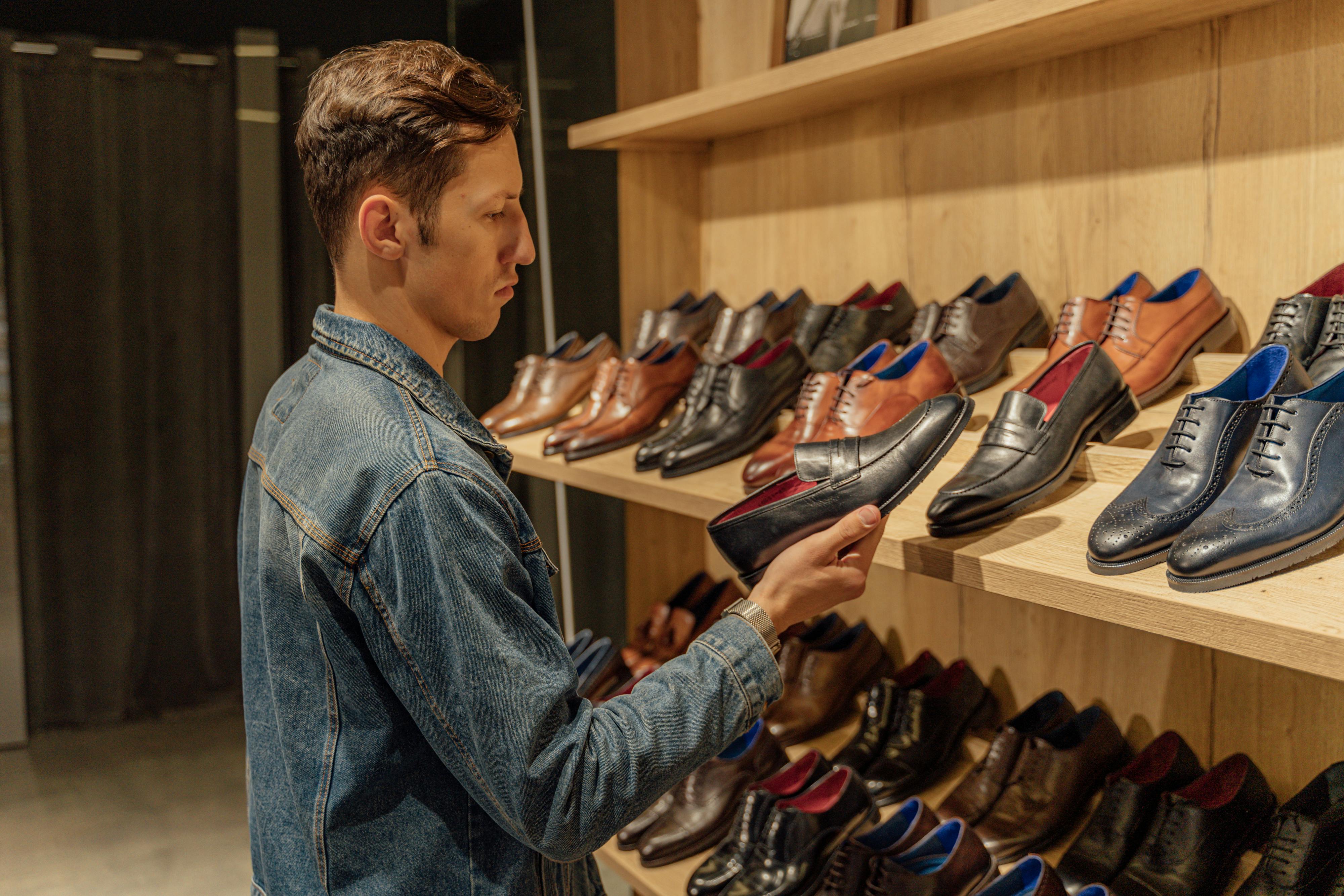
The first step in building a professional shoe wardrobe is not visiting a shoe store. It is an honest assessment of what the wardrobe actually needs to cover.
A man working in a business formal environment – law, finance, corporate services – has fundamentally different footwear requirements to one in a creative or tech environment where smart casual is the daily standard. The shoe that anchors the first wardrobe is useless as a daily driver for the second, and vice versa.
Mapping the occasions means identifying the dress code levels that appear most frequently in a typical week and month: formal (black tie, formal events), business formal (suits, client-facing professional environments), business casual (open-collar professional settings), smart casual (restaurants, weekend socialising), and casual (errands, weekend leisure). The occasions that appear most frequently should be served first. Those that are rare can be addressed later or served by shoes that stretch across categories.
The Five Foundational Pairs
A professional shoe wardrobe that covers the full range of men’s occasions requires five pairs, chosen deliberately. Most men will not need all five immediately, but the framework helps prioritise where to begin and where to go next.
1. The Black Oxford
The Oxford is the most formal lace-up shoe in men’s dressing and the appropriate starting point for any man whose professional or social life includes suits, formal events, or black-tie occasions. Its defining feature is the closed-lacing system, in which the quarters are stitched beneath the vamp to create a clean, unbroken line across the upper.
In black full-grain calf leather, a plain-toe or cap-toe Oxford covers every formal occasion a man is likely to encounter – job interviews, court appearances, client dinners, weddings, funerals, and black-tie events – without ever being the wrong choice. It is the single most versatile formal investment in men’s footwear.
For a detailed breakdown of how Oxford and Derby styles differ and where each sits in the formality hierarchy, the Articles of Style guide to men’s dress shoes provides a thorough and visually clear reference.
2. The Dark Brown Derby or Brogue
Where the Oxford is reserved in its formality, the Derby is approachable. Its open-lacing construction creates a slightly more relaxed silhouette that works across business formal, business casual, and smart casual environments without looking out of place in any of them.
In dark brown or tan leather, a Derby or brogue becomes the hardest-working shoe in a professional wardrobe. It pairs with navy, grey, and charcoal suiting in professional environments and transitions to chinos, tailored trousers, and dark denim in smart casual contexts. A full brogue with punched detailing sits slightly below the plain Derby on the formality register but brings more visual character – a trade-off that suits most professional environments well.
The combination of a black Oxford and a dark brown Derby or brogue covers the overwhelming majority of occasions a professional man encounters. Together, they are the foundation from which the remaining pairs extend.
3. The Chelsea or Chukka Boot
A clean leather Chelsea boot or suede Chukka extends the wardrobe into cooler months and adds a boot option that works across smart casual and business casual contexts without the formality implications of a dress shoe.
The Chelsea boot’s elastic-sided construction and clean silhouette make it one of the most versatile boots in men’s dressing. In black or dark brown leather it works with suits and tailored trousers in smart-casual professional environments. In suede it leans more casual and pairs particularly well with chinos, textured trousers, and weekend wear. The Chukka sits in a similar register, its desert-boot origins lending it a slightly more relaxed aesthetic that suits creative professional environments and weekends well.
4. The Loafer
The loafer is the most versatile slip-on in men’s dressing and one of the few shoes that genuinely spans the gap between professional and casual wear. A leather penny loafer or horsebit loafer in dark brown or tan works in business casual environments, smart casual settings, and weekend wear with equal credibility.
For warmer months particularly, a loafer worn sockless or with no-show socks provides the ease and breathability that lace-up shoes cannot match. For men in creative, media, or tech industries where the dress code is relaxed but considered, a well-chosen loafer frequently becomes the most-worn shoe in the wardrobe.
5. The Clean Casual or Sneaker
The fifth pair acknowledges the reality of modern professional life, in which clean sneakers and casual leather shoes have earned a place in smart-casual and off-duty contexts that would not have accommodated them a generation ago.
A white or grey leather sneaker, or a clean leather casual in a neutral colourway, rounds out the wardrobe for everyday wear, weekend use, and casual Friday environments. The key selection criterion is restraint – a minimal design without visible branding, loud colourways, or styling that anchors it to a specific trend. A pair that looks considered rather than merely comfortable carries credibly across the full range of casual contexts.
Where to Begin: The Prioritisation Framework
Very few men need to build all five pairs simultaneously. The question of where to begin depends on the gap between the occasions that need to be covered and what is already adequately served.
For men entering professional environments for the first time – starting a new role, making the transition from education to work – the black Oxford is the highest-priority acquisition. No other shoe meets the formal brief it covers, and no other brief is more consequential to get right in a professional context.
For men already active in professional environments who are filling gaps in an existing collection, the dark brown Derby is typically the pair that delivers the most immediate versatility across the widest range of already-experienced contexts.
Quality as the Governing Principle
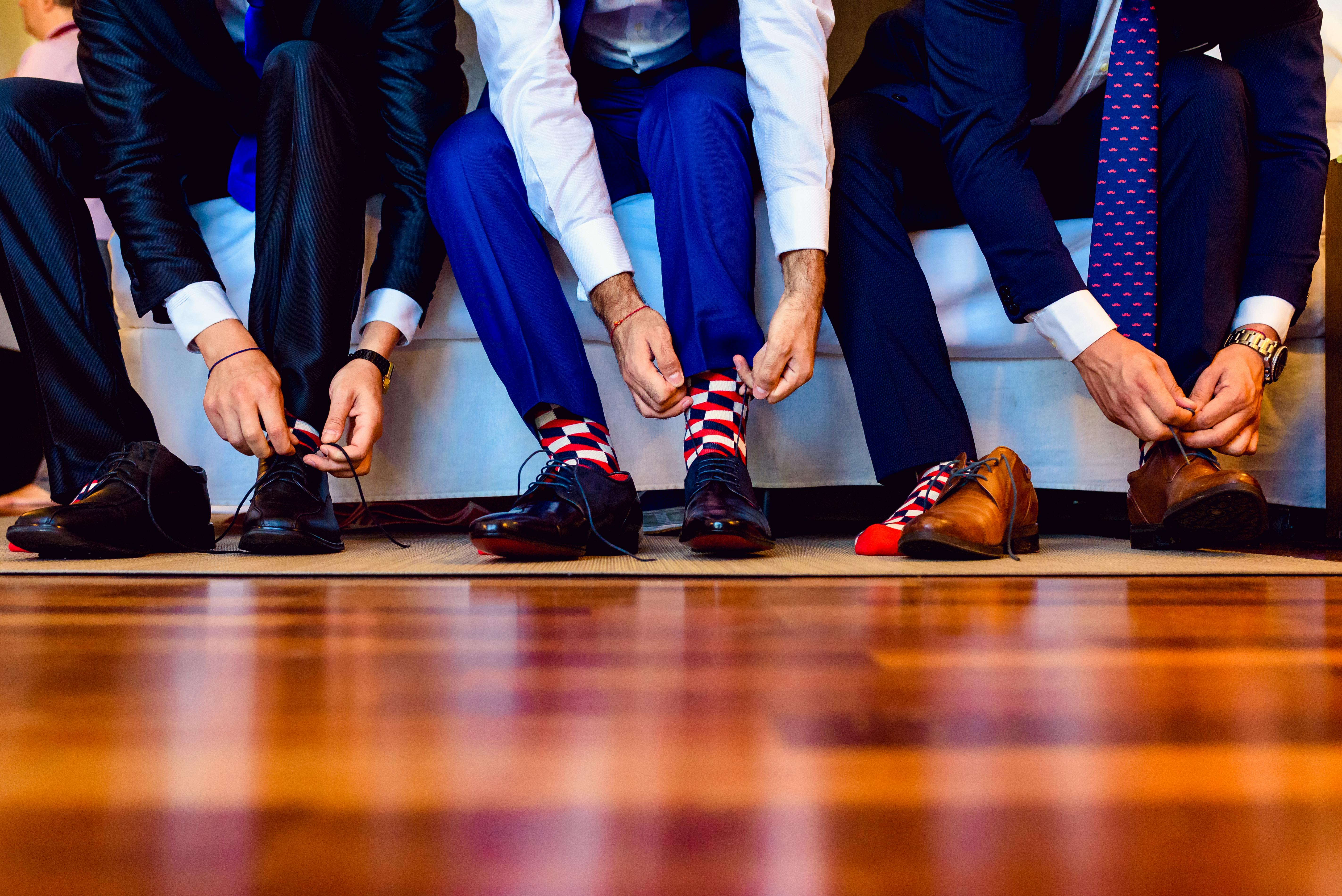
The most important decision in building a professional shoe wardrobe is not which styles to choose but how much quality to prioritise within the budget available. This distinction matters because quality in shoes is not primarily an aesthetic consideration. It is a structural and material one with direct implications for how long the shoe performs, how well it maintains its appearance, and whether it can be repaired rather than replaced.
Full-grain calf leather, Goodyear welted or Blake-stitched construction, and leather insoles are the material and construction markers that separate a shoe built to last years from one built to look good for months. A shoe with these features will cost more at the point of purchase. It will cost considerably less over five years than the same budget spent on lower-quality alternatives that require replacement every eighteen months.
Florsheim has maintained a consistent presence at this quality level for more than a century. The brand’s dress and casual shoes are built on Goodyear welted construction across key lines, use quality leather uppers, and are designed to service the professional wardrobe across extended use. The range spans from plain-toe Oxfords suited to the most formal environments to Derby and casual styles that carry across business casual and smart casual contexts without compromise. The range spans from plain-toe Oxfords suited to the most formal environments to Derby and casual styles that carry across business casual and smart casual contexts without compromise. Explore men’s formal footwear by Florsheim to compare the full collection across dress, casual, and boot categories.
Colour and Versatility
Colour selection in a professional shoe wardrobe is not primarily an aesthetic decision. It is a functional one. The wrong colour in a shoe reduces the number of outfits it can credibly accompany, limiting its versatility and reducing the return on the investment it represents.
The professional shoe wardrobe should be built around three colours: black, dark brown, and tan or cognac. Black is the most formal and pairs with grey, navy, and black suiting. Dark brown is the most versatile and works across navy, grey, and earth-toned clothing. Tan and cognac are more casual and pair best with navy, khaki, and earth tones.
Burgundy is a strong fourth option for men who want colour within the wardrobe. It works with grey and navy outfits in both professional and smart casual contexts and adds visual character without the informality of lighter browns.
Beyond these four, purchasing shoes in trend-specific or unusual colours before the wardrobe’s core neutrals are in place is a decision that consistently reduces overall wardrobe versatility.
Maintenance: The Investment That Most Men Skip
A professional shoe wardrobe built on quality footwear delivers its full return only with the maintenance that quality leather requires. The gap between a well-maintained quality shoe and a neglected one of equal origin is significant, both visually and in terms of useful lifespan.
Cedar shoe trees inserted after each wear absorb residual moisture, maintain the last shape, and prevent the toe creasing that degrades leather uppers over time. Regular brushing after wear removes surface dirt and salt before it works into the leather grain. Conditioning every four to six weeks maintains the suppleness of the leather and prevents the dryness that leads to cracking.
Periodic polishing with a colour-matched wax polish restores the surface finish and provides a degree of water resistance that bare leather does not maintain on its own. The Gentlemen’s Journal leather shoe care guide outlines these steps clearly and practically for men new to the maintenance routine.
Rotation between pairs is the single most impactful maintenance habit. Wearing the same pair of leather shoes on consecutive days does not allow the upper to dry fully between wears, accelerating the deterioration of the leather and the compression of the insole. A collection of three or four pairs in regular rotation extends the life of each pair considerably compared to wearing a single pair daily.
Building Over Time
A professional shoe wardrobe does not need to be built in a single purchase cycle. The framework of five pairs outlined here can be assembled over months or years, beginning with the pairs that address the most immediate and consequential gaps in the current collection.
What matters is that each acquisition is deliberate, chosen with reference to the occasions it needs to cover, the quality level the budget can support, and the way it complements what is already owned. A wardrobe built this way accumulates versatility and function with each addition. One built reactively accumulates shoes.
The difference, in practical terms, is the difference between a collection that always has the right answer for what the day requires and one that never quite does.
Men with specific fitting requirements, including wide widths or foot conditions requiring orthotic support, are advised to seek a professional shoe fitting before investing in dress or formal footwear, as fit has a direct bearing on the long-term comfort and value of any purchase.