Hear Her Now brings women’s chamber music centre stage
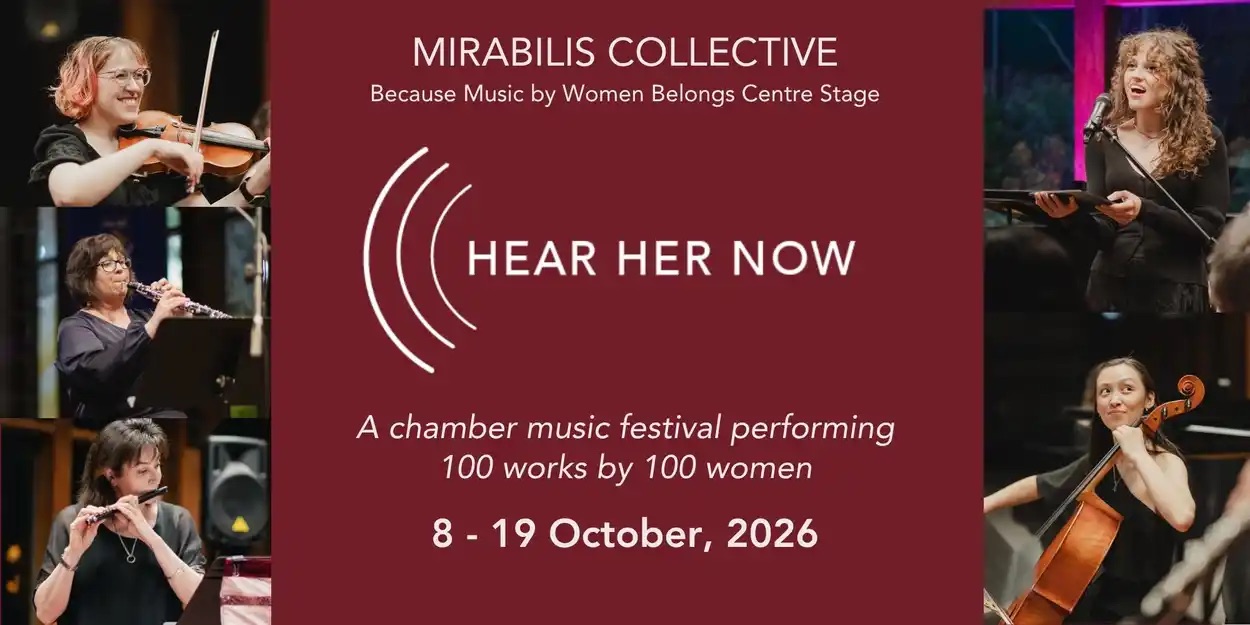
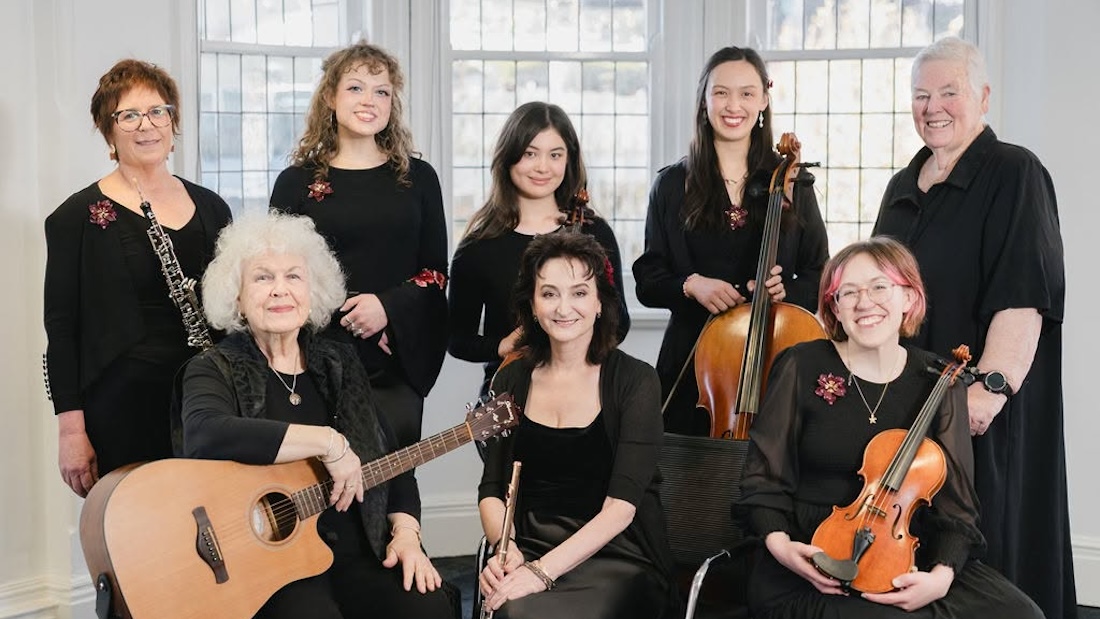
Hear Her Now, Australia’s first chamber music festival dedicated entirely to music written by women, is about to make its debut, taking place across Perth and regional Western Australia from Thursday, October 8, to Monday, October 19—with tickets on sale now. Ahead of the festival, NEVE PEARCE caught up with artistic director Stephanie Nicholls from Mirabilis Collective to chat about the festival’s celebration of women in music, the incredible range of composers featured across the programme, and what audiences can expect from 12 days of performances across Perth.
Firstly, congratulations on welcoming Australia’s first female-inspired chamber music festival to Western Australia.
Thank you. It’s incredibly exciting to see Hear Her Now come to life in Western Australia. The festival has grown directly out of the work Mirabilis has been doing since 2023—bringing music by women centre stage, commissioning new work, and creating opportunities for professional, student and community musicians to share the same platform. To bring all of that together across 12 days feels like a real milestone for us.
The festival features more than 100 works by over 100 women composers and songwriters. How did you go about curating the programme, and what were some of the highlights of this process?
The starting point was the music itself. I spent a long time listening, reading, searching and making shortlists, and the biggest surprise was how quickly the idea of “100 works by 100 women” stopped feeling ambitious and started feeling like only a fraction of what we could have included. There is so much extraordinary music by women to discover. As the repertoire grew, different strands began to emerge naturally. Some works belonged together because of instrumentation, some because of mood, and some because of the stories they told.
Our opening concert, Homegrown, is devoted entirely to music by Western Australian women. Air and Chamber brings together voice, woodwinds and organ, while many of the more uplifting and anthemic works found their place in the closing concert, Hear Us Roar. One of the great joys has been discovering works that deserve to be much better known and finding the right context for them within the festival. The program spans more than 900 years, but it never felt like building a timeline. It felt like creating connections between works, composers and stories that might never usually share the same stage.
Mirabilis is presenting performances that transcend genre and decades, as well as new Australian commissions. What do you hope audiences discover about the breadth of music written by women?
I hope audiences come away thinking: why haven’t I heard more of this? Music by women is sometimes spoken about as though it is a niche repertoire, but once you start looking, that idea falls apart. The festival moves across medieval, Baroque, Romantic and contemporary classical music, as well as Australian music, folk, popular song and brand-new commissions. There is no single “sound” of music by women, and that is exactly the point. These composers and songwriters are responding to motherhood, place, history, faith, identity, humour, grief, joy and everything else artists have always written about. I want audiences to experience that range without feeling they are being given a lesson in representation. The music should be able to stand on its own terms: beautiful, surprising, funny, moving, challenging and memorable.
The performances include composers and performers at very different stages of their careers, from school students to established musicians and women in their 70s. Why is that intergenerational element important to showcase?
That intergenerational exchange is central to Mirabilis. We are very interested in what happens when people at different stages of life and musical experience share the same space. A young musician brings a completely different perspective from someone who has spent decades in the profession, and neither one has a monopoly on insight. That is also why I love having Jan Smith and Kay Weaver in the opening concert.
Earlier this year, Mirabilis ran a community songwriting project in Narrogin and Wagin, working with women of different generations to develop songs drawn from their own stories and experiences. Jan and Kay were part of that project, and now their songs sit alongside works by established Australian composers and new commissions.
We are not presenting them as a separate community project. We are saying: this music belongs here too. The same applies to students. If younger musicians grow up hearing and performing music by women as part of normal musical life, those names and works become part of their repertoire from the outset. That is how change becomes embedded.
The opening concert focuses specifically on West Australian women composers and includes four world premieres. What is significant about being able to give these new works their first performance here in WA?
It matters enormously. All four commissioned composers are Western Australian, and our opening concert, Homegrown, is built entirely around music by WA women. There is something very powerful about saying that this repertoire does not have to come from somewhere else. Significant, imaginative new music is being made here. The commissions are also very different from one another. Katherine Potter’s work responds to poems by Fremantle poet Caitlin Maling about motherhood. Mia Brine’s commission draws on the history of the Queen’s Building and Wesley Church. Rose Russell, an exciting new voice, chose to write for string quartet, placing her own work within one of the most recognisable traditions in chamber music. Julia Nicholls has written a blessing for unaccompanied voices using biblical text spoken by women.
Giving these works their first performances in WA means they begin their lives in the community that helped shape them. For me, commissioning is not only about celebrating what already exists; it is also about creating the repertoire musicians will be able to perform in the future.
What are three unique elements that audiences can expect from the festival’s 12-day program?
First, the range of experiences. Across 12 days, audiences can hear intimate chamber music, new commissions, family performances, community musicians, school students and larger collaborations. Second, the level of participation. This is not a festival where audiences only sit and watch professional musicians perform. Community players, students and emerging artists are part of the program itself, sharing the same festival platform. Third, there is a real sense of discovery.
Some audiences will know a few of the composers. Others may know almost none of them. That is exciting. You can walk into a concert and hear a piece that may become a new favourite. And because this is Mirabilis, there is also a strong emphasis on storytelling and connection. We want people to feel welcomed into the music, not tested on how much they already know.
How does the festival hope to connect with audiences who might not typically attend chamber music performances?
By making the experience feel human. Chamber music can sometimes carry a reputation for being formal or intimidating, but at its heart it is simply people making music together in a room. We try to keep that sense of immediacy. We use storytelling, context and conversation to give people a way into the music. We also present the festival in different settings and formats, including family performances, free events and community performances, so there are multiple ways to encounter it.
Aussie Carnival of the Animals is a good example. It introduces children and families to Australian women composers through something playful and accessible. Our Open Stage events give community musicians a genuine place within the festival. And VIVID includes conversation as part of the performance experience. You do not need specialist knowledge to enjoy any of it. Curiosity is enough.
When someone walks away from a Hear Her Now live performance, what do you hope they’re thinking, feeling or talking about?
I hope first that they have been moved by the music. Then I hope there is a sense of discovery: “I had never heard of that composer before, and I want to hear more.” If they are talking about a particular melody, a performer, a story or a piece that surprised them, that is wonderful. I would much rather people leave excited by the music than feeling they have attended an event where they were simply told what they should value. And perhaps there is also a small shift in expectation. If someone leaves wanting to hear more music by women, then the festival has done something important.
What do you hope Hear Her Now contributes to the future of women composers and performers in Australia?
I hope it helps build familiarity. The music exists. A great deal of it has existed for centuries. What is often missing is repeated performance, visibility and the chance for musicians and audiences to build a relationship with it. That means programming women consistently, commissioning new work, creating arrangements where repertoire gaps exist, putting the music into the hands of students and community musicians, and giving emerging artists real opportunities to be heard. Since Mirabilis began, we have commissioned new works and created many new arrangements because sometimes changing the repertoire means actively creating the resources that allow it to be performed.
Ultimately, I hope Hear Her Now helps make itself less necessary. I would love to reach a point where music by women is so thoroughly integrated into concert programs, education and the broader culture that nobody feels the need to explain its presence. If this festival helps more women composers become familiar names, more new works enter the repertoire, and more young musicians grow up seeing this music as part of the mainstream, then it will have done something lasting.
Mirabilis Collective’s Hear Her Now chamber music festival runs across Perth and regional venues from Thursday, October 8, to Monday, October 19, 2026. Tickets available now from humanitix.com