
Am I a Good Candidate for Dental Implants? A Simple Guide
If you have one or more missing teeth, dental implants Perth may be on your mind. Praised for their natural look, resilience, and capacity to restore complete oral function, implants are the gold standard of tooth replacement. But before you go imagining your brand-new smile, there’s one crucial question to ask: Am I a good candidate for dental implants?
This definitive guide will take you through everything you’ll need to know to decide if implants are for you. We’ll examine the requirements, possible obstacles, alternative options, and the step-by-step assessment process—all described in simple, easy-to-read terms.
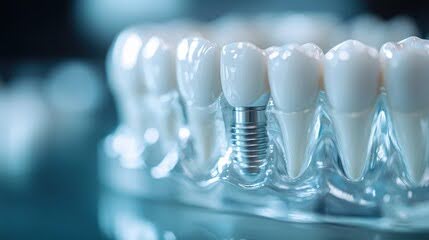
What Are Dental Implants?
Dental implants are small titanium posts surgically placed into the jawbone to replace missing tooth roots. Once the implant has fused with the bone—a process called osseointegration—a dental crown, bridge, or denture can be attached, creating a permanent, stable solution that mimics a natural tooth.
Unlike dentures or bridges, implants don’t rely on neighbouring teeth for support and prevent bone loss by stimulating the jawbone. With proper care, dental implants Brisbane can last decades or even a lifetime.
Why Candidacy Matters
Dental implants are a surgical process that requires a good healing process and necessitates firm support from your jaw and gums. Though they provide excellent benefits, they cannot be used by everyone without preparation or intervention. Knowing about candidacy keeps the complication at bay and ensures your treatment is safe, successful, and cost-effective.
Section 1: Core Requirements for Dental Implant Candidates
Before jumping into the dental chair, let’s look at the most important criteria that determine whether you’re a good fit for implants.
- Missing One or More Teeth
This might seem obvious, but implants are designed to replace missing teeth. Whether you’ve lost a single tooth to decay, had multiple teeth extracted due to gum disease, or experienced trauma to your mouth, implants can fill the gap—literally and figuratively.
- Healthy Gums
Gum health is a crucial component of implant success. If you suffer from untreated gum disease (periodontitis), the infection could spread to the implant site, jeopardising healing and leading to failure. Mild gum issues might be treatable before implant placement, but advanced periodontal disease may disqualify you unless appropriately managed.
- Sufficient Jawbone Density
Your jawbone needs enough volume and strength to hold the implant securely. If you’ve been missing a tooth for a long time, bone loss may have occurred, making the area unsuitable for implants—at least initially. In such cases, a bone grafting procedure may be recommended to rebuild the bone.
- Good General Health
Implants are a surgical procedure, and therefore, candidates need to be in good general health to heal effectively. Ongoing chronic illnesses such as uncontrolled diabetes, autoimmune diseases, or bleeding disorders can hinder the body’s capacity to heal and resist infection.
- Non-Smoker or Willing to Quit
Smoking restricts blood flow to the gums and slows down the healing process, significantly increasing the risk of implant failure. Dentist Perth often advise quitting smoking before surgery and during recovery—or may decline to proceed altogether if smoking continues.
- Commitment to Oral Hygiene
After receiving dental implants, maintaining excellent oral hygiene is essential to prevent infection and ensure the longevity of your new teeth. Candidates should be willing to brush and floss regularly and attend routine dental check-ups.
Section 2: Factors That May Affect Candidacy
Even if you don’t meet all the ideal criteria, that doesn’t automatically mean you’re not a candidate. Many patients still qualify after preparatory treatments or modifications.
- Bone Loss
If your jawbone has deteriorated, dental implants might not initially be possible. But thanks to modern dentistry, procedures like bone grafting or sinus lifts can often rebuild enough bone to support implants.
Bone Grafting involves transplanting bone material to the deficient area to stimulate regrowth. This may add a few months to your treatment timeline, but it dramatically improves long-term outcomes.
- Age Considerations
- Young Adults: Implants are typically not recommended for patients under 18–20 years old because their jawbones are still developing.
- Older Adults: Age alone isn’t a barrier. Many patients in their 60s, 70s, or even 80s successfully receive implants, provided they meet the health criteria.
- Chronic Illnesses
Conditions like diabetes, osteoporosis, and heart disease don’t necessarily disqualify you—but they do require careful management. Your dentist may consult with your primary care physician to evaluate the risks and plan appropriately.
- Bruxism (Teeth Grinding)
Clenching or grinding your teeth can put excess pressure on implants, leading to premature failure. If you suffer from bruxism, your dentist may recommend a night guard or other protective measures to preserve your implant’s integrity.
Section 3: The Evaluation Process
How do dentists decide if you’re a candidate? Here’s how it typically goes down:
Step 1: Initial Consultation
Your path starts with an extensive consultation. The dentist will question your medical history, medications, habits, and any symptoms or issues you’ve been having. Be truthful—every bit of information helps create the proper treatment plan.
Step 2: Dental Examination
A thorough oral exam is done to evaluate the health of your teeth, gums, and bite. Symptoms of infection, decay, or bone loss will be thoroughly checked out.
Step 3: Imaging and Scans
Dental X-rays and 3D cone beam CT scans take a close-up look at your jawbone and surrounding tissues. These images will help us decide if there’s adequate bone to hold an implant and where the optimal placement would be.
Step 4: Treatment Planning
Based on all findings, your dentist will determine if you’re a suitable candidate and discuss any other procedures required (such as extractions or bone grafting). You will be given a tailored treatment plan including costs, steps, and timelines.
Section 4: Who Is Not a Good Candidate?
While many people qualify or can be made eligible with preparation, some cases pose too high a risk for implants to be recommended.
Absolute or Relative Contraindications
Absolute:
- Active, untreated periodontal disease
- Uncontrolled chronic illness (e.g., diabetes, cancer)
- Excessive alcohol or drug use
- Poor oral hygiene commitment
Relative:
- History of radiation therapy to the jaw
- Use of certain medications like bisphosphonates
- Severe anxiety or dental phobia (unless managed)
These aren’t always deal-breakers, but they do require careful evaluation and sometimes collaboration with other health providers.
Section 5: Alternative Options if You’re Not a Candidate
If dental implants aren’t possible right now, you still have effective ways to restore your smile:
- Dental Bridges
A fixed dental bridge replaces one or more missing teeth using adjacent healthy teeth for support. While not as long-lasting as implants, bridges offer pleasing aesthetics and function—especially when implants aren’t feasible due to health or bone loss.
- Partial or Full Dentures
Modern dentures are far more comfortable and natural-looking than their older counterparts. They’re a removable and non-invasive option suitable for patients who don’t qualify for surgery.
- Mini Implants
These are smaller versions of traditional implants and may be suitable for patients with limited bone or health concerns. While not as strong as standard implants, they can still support crowns or dentures.
Section 6: Benefits of Dental Implants (If You Qualify)
If you’re a good candidate, implants can change more than your smile. Here’s why so many people call them a life-altering investment:
- Enhanced chewing and speaking
- Natural appearance and sensation.
- Jawbone and facial structure preservation
- No effect on surrounding teeth
- Longevity—can last a lifetime.
- Convenience (no adhesives or removal)
- Increased self-confidence
Conclusion: Are You Ready?
Dental implants offer unmatched benefits for restoring oral health, function, and confidence. But the key to success lies in choosing the proper treatment—and that starts with knowing whether you’re a good candidate.
If you’re in good health, have healthy gums and adequate bone, and are committed to maintaining your oral hygiene, chances are you’re an excellent candidate. Even if you have obstacles like bone loss or chronic conditions, modern dentistry provides many solutions.