
7 Smart Ways to Boost Gig Ticket Sales
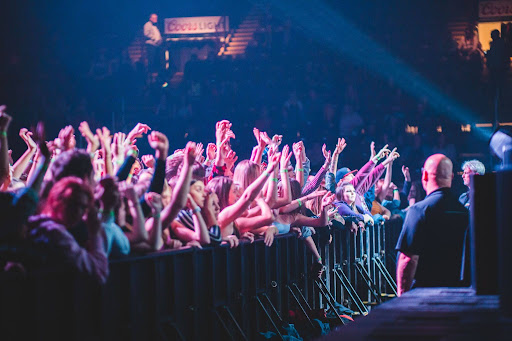
Selling tickets these days doesn’t mean just putting up an event poster and hoping the fans come over. The audience gets way too much content these days, so the performers and the promoters have to do way more to get the audience interested and make the viewers actually purchase the tickets.
Performance marketing basically consists of the integration of three main factors – targeted advertising, a consumer’s ongoing conversation, and the whole strategy being informed through data analytics. Marketing teams’ event hosting plays a big role in keeping repeat customers if events are multi-channel in nature and have a sales funnel.
1. Use Geo-Targeted Advertising
Geo-targeted advertising is a marketing method that enables advertisers to know their target audiences, which helps them better manage their budgets. The reason behind it is that a campaign targeting people who live in the same area is bound to be more successful and have less wasted ad spending, usually the one that yields the best outcome.
When designing a multi-channel strategy, marketers often compare different marketing orchestration platform options side by side. They want to see how these platforms aggregate fan data, enable campaign automation, and integrate all types of communication (ads, email, SMS, social media). Having a single central tool that supports the marketing workflow across the entire team may enable the creation of more personalized and timely fan messages.
2. Build Excitement With Sequenced Teasers
A single announcement rarely generates maximum interest among customers. Usually, a really successful strategy is to gradually release a collection of small content items at just the right time.
The marketing team can announce the artist, post a countdown, provide behind-the-scenes footage, give a venue preview, or share exclusive material. Every content piece released has to keep excitement going and push people to follow you. Continuous disclosure of information will keep the excitement going for the event.
3. Coordinate Email and SMS Campaigns
Email and SMS remain the two most successful marketing channels for promoting live events. They enable event organizers to reach out to people who have previously expressed interest in such events.
One way to build up the crowd and have them rush to buy tickets is to hint to them of limited quantities at a few ticket drops, the first few sales, or just scarcity of tickets in general. Such a lead-off sell-out is the perfect example of the effect that keeping the public informed about what’s happening can have. If you do your part in setting up and running the ticket sales well, it will reflect upon your marketing campaign.
4. Retarget Playlist and Streaming Audiences
Streaming platforms are great for understanding an artist’s fans. People whose primary source of music is streaming that particular genre will probably be great live event attendees.
The retargeting strategy will reconnect with users who have streamed music, saved artists’ playlists, or interacted with artists’ posts. Customized ads usually are a better return for time invested than general marketing messages. Being relevant helps a fan convert a decision into a purchase.
5. Collaborate With Local Content Creators
Content creators often maintain highly engaged audiences that trust their recommendations. Strategic partnerships can introduce events to new potential attendees in a more authentic way.
Creators can participate in interviews, promotional videos, giveaways, venue tours, and event-day content. These collaborations help raise awareness and create excitement around the live experience. Authentic endorsements frequently outperform traditional advertising.
6. Expand Reach Through Venue Co-Marketing
Venues are frequently holders of their own marketing resources. For example, email lists, social media followers, websites, and reputation in the local market can all enhance marketing efforts.
Promoters and venues can join forces to co-market, enabling both parties to share resources and extend their marketing reach even further. Co-promotions might, for example, involve joint email newsletters, sharing of social media posts, combined ticketing promotions, and mutual website features. Usually, collaborative efforts are more effective than those of a single party alone.
7. Measure Every Step From Ad to Checkout
Failing to track which channels generate ticket sales is one of the biggest mistakes in event marketing. Without attribution data, it becomes difficult to optimize future campaigns.
Marketers should monitor how audiences move from advertisements to landing pages and ultimately to checkout. Tracking these interactions reveals which channels and messages drive the best results. Better data leads to more effective budget allocation.
Turning Interest Into Attendance
Sales campaigns that sell out are more than just having visibility. They also include finding the right people, engaging them by sharing different types of content, directly reaching them, and tracking results.
Integrating geo-targeted advertising, sequenced teasers, email and SMS outreach, playlist retargeting, creator marketing collaborations, venue co-marketing, and attribution analysis can lead promoters and artists to a marked improvement in their performance and overall success. Provided that all these different strategies are part of a single unified, data-driven plan, coordinating them will greatly raise the likelihood of your converting initial interest into an enthusiastic turnout of people who end up seeing your show.